Sunday, April 12, 2026
Home Blog Page 3242

Macron Changes His Words Based on Person He Meets: Iran

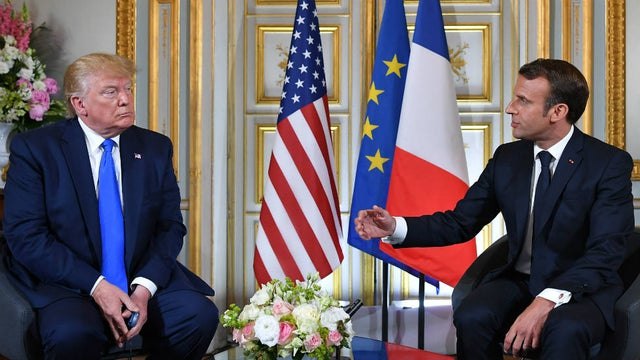
“The recent remarks made by French President Emmanuel Macron in his meeting with US President Donald Trump were amateurish and a source of regret,” Larijani said in an address to an open parliamentary session on Sunday.

He said it was not unlikely to hear such words from Trump, but Macron’s recent remarks were totally inconsistent with what he had earlier said in his numerous meetings and phone conversations with Iranian President Hassan Rouhani.

“It seems that Macron’s comments are based on what is liked by the person he meets,” Larijani added.

Macron Changes His Words Based on Person He Meets: Iran
Iran Slams Macron’s Unconstructive Comments on JCPOA

“If Macron is so much skilled in resolving international issues and threatening other nations, isn’t it better for him to settle his own country’s internal problems first to prevent so much casualties from the French nation?” the Iranian speaker asked.

Iranian Foreign Ministry Spokesman Seyyed Abbas Mousavi had earlier dismissed Macron’s statements, saying such remarks will not at all help save the Iran nuclear deal.

“Despite [making] some remarks and [issuing] political statements, the European parties have failed so far to fulfil their commitments under the JCPOA and their obligations following the US’ illegal withdrawal from the agreement,” Mousavi said.

The Europeans, he added, have failed to prepare the grounds for Iran to fully benefit from the multilateral agreement.

Iran’s reaction came after Macron told Trump he doesn’t think Paris and Washington have differences over Iran.

“I think we do share the same objective on Iran,” the French leader said.

He listed four common priorities of the US and France in addressing Iranian behaviour moving forward: preventing Iran from getting a nuclear weapon, reducing Iran’s ballistic activity, containing Iran’s regional activity and establishing peace in the region.

“All the other debates are about technicalities,” he said, calling for fresh negotiations to extend the terms of the JCPOA and to achieve those goals.

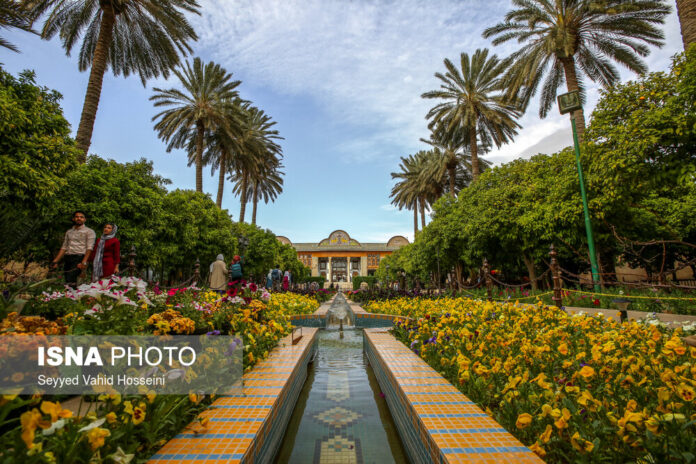
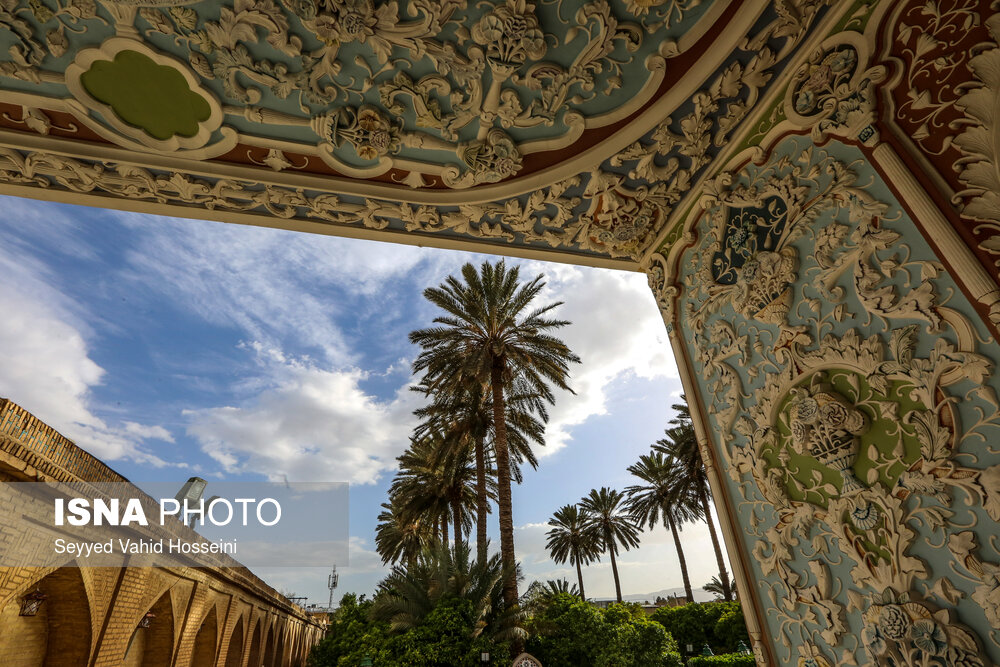
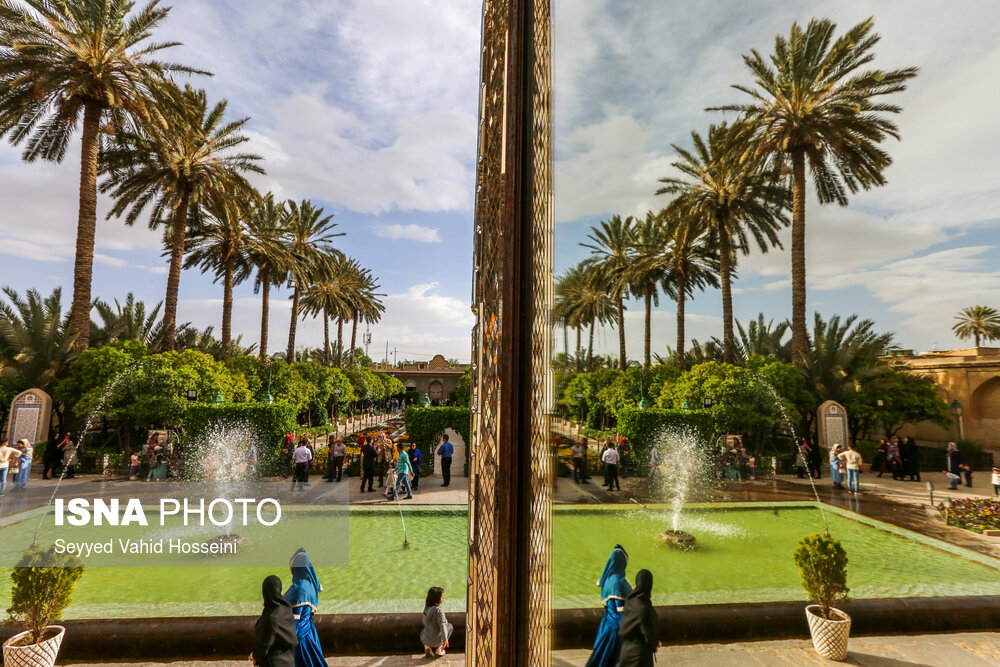
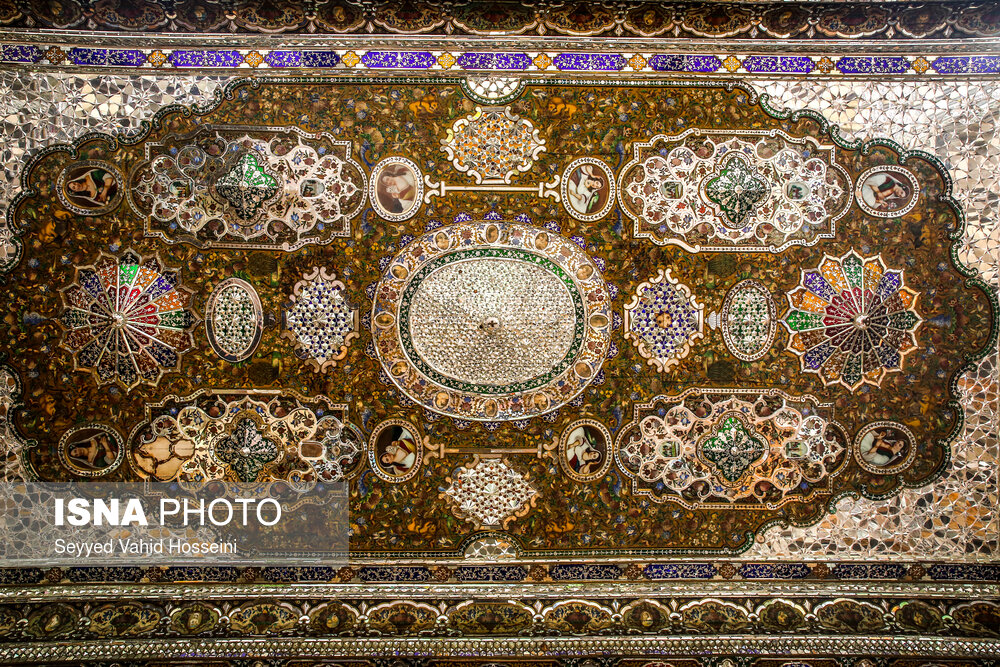
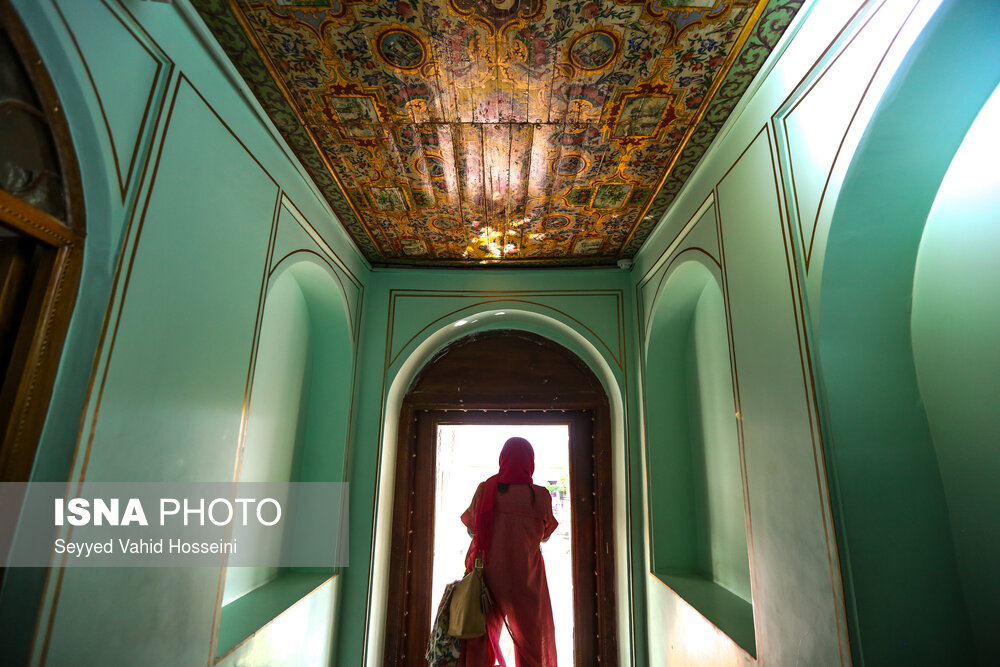
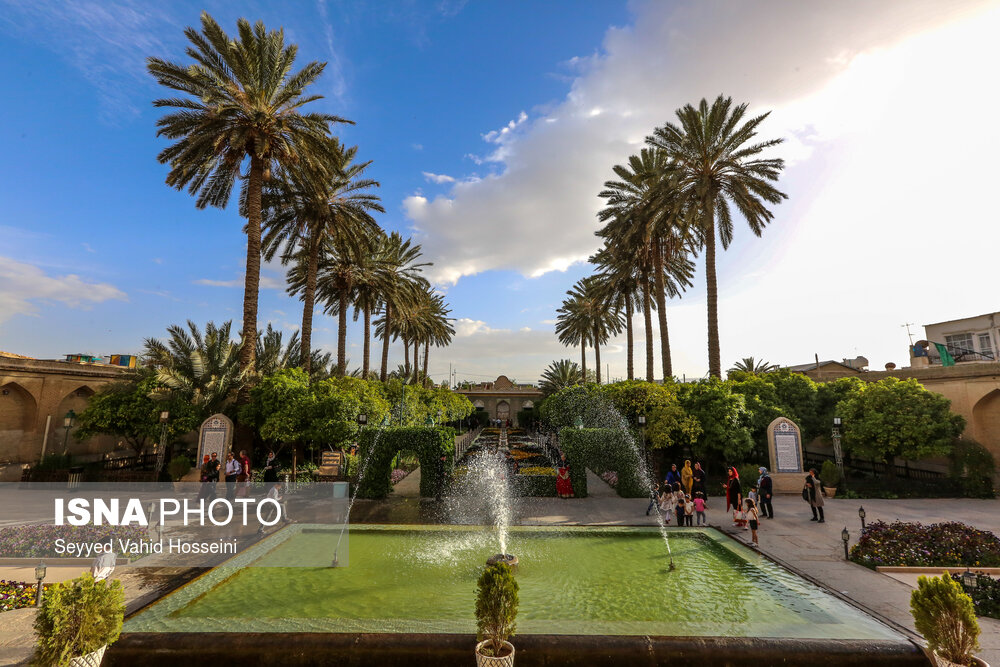
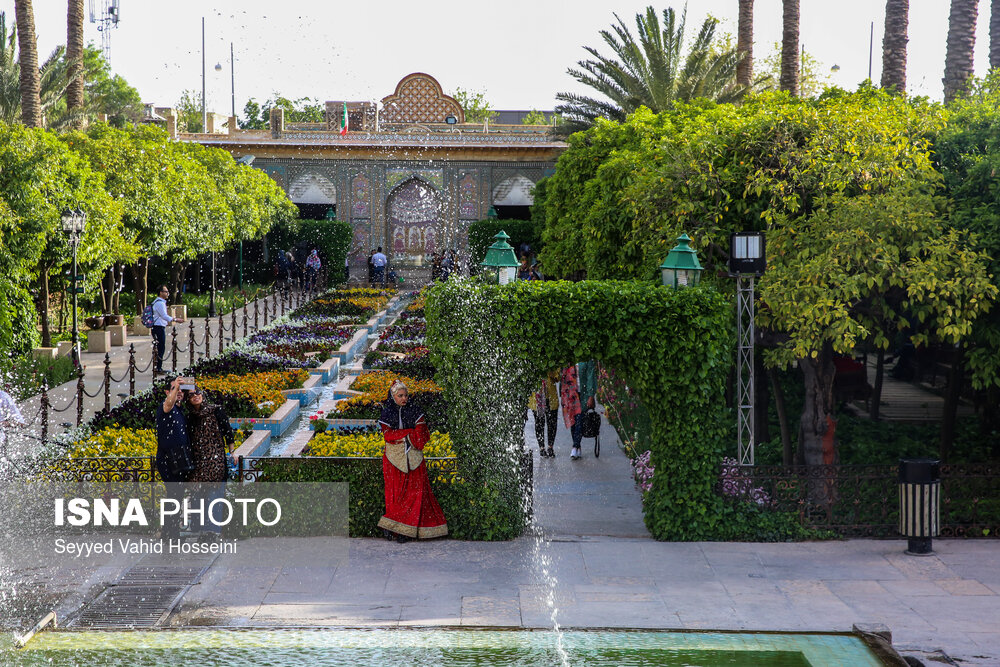
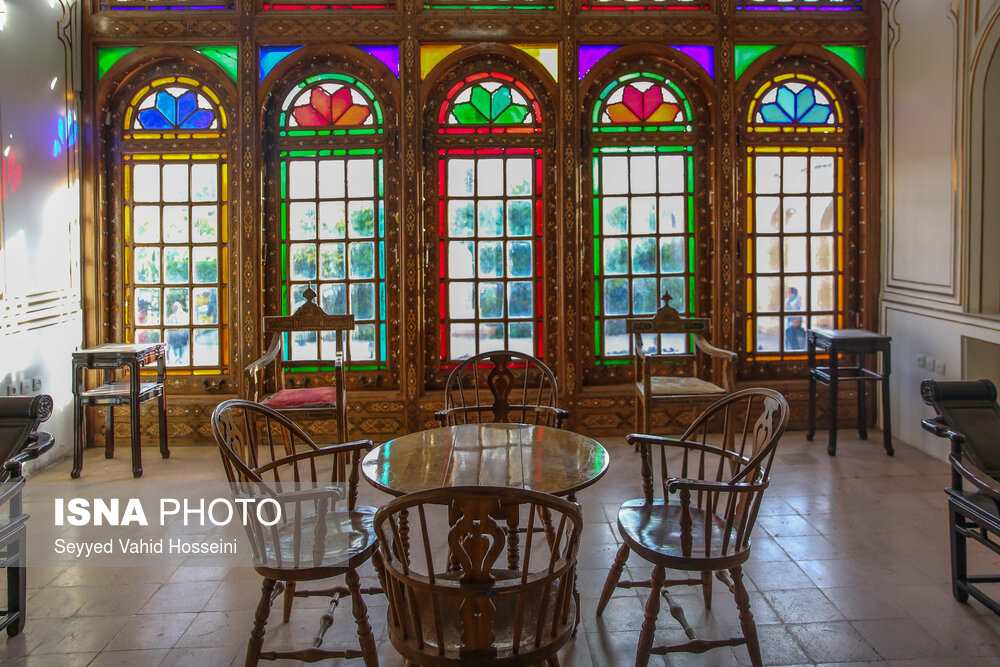
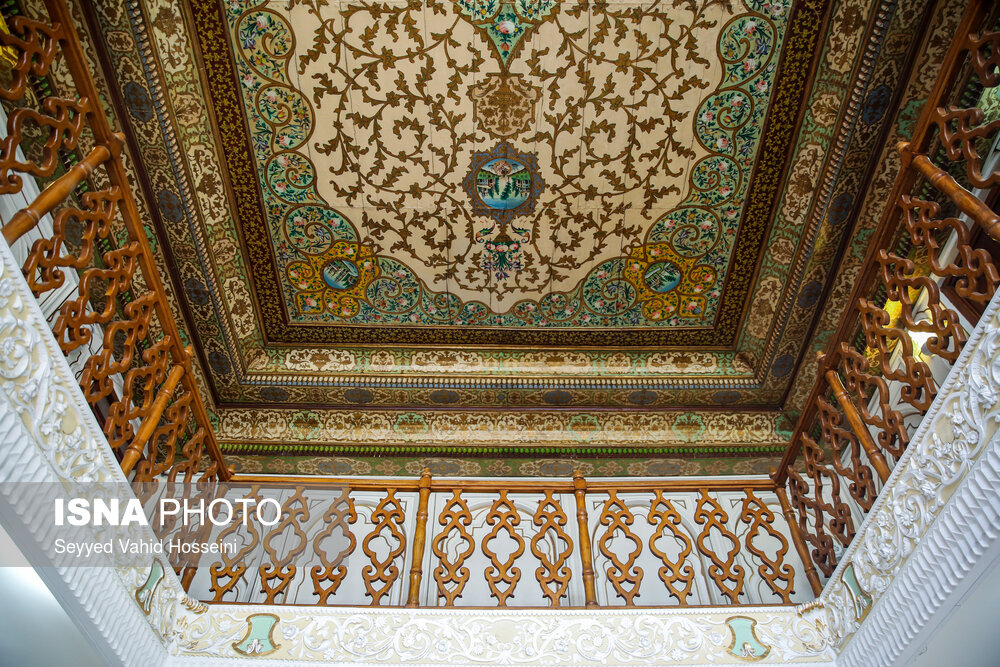
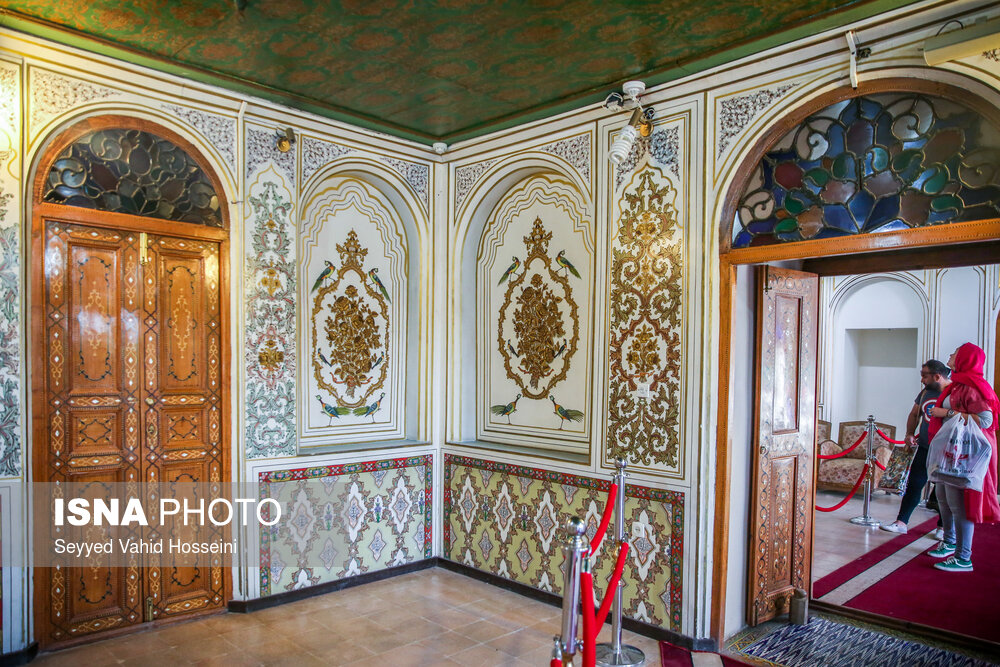
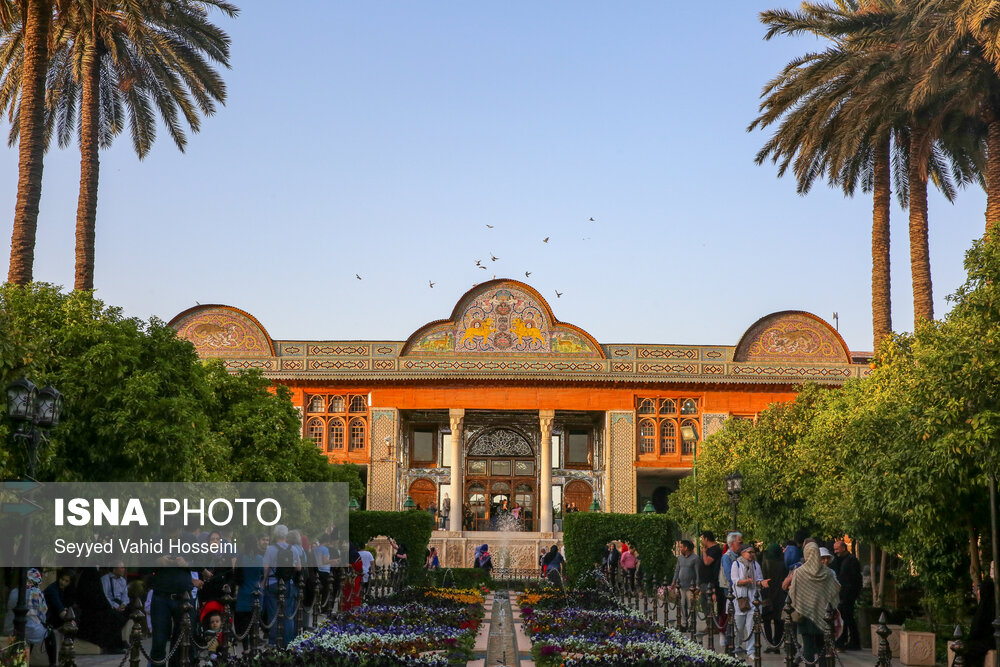
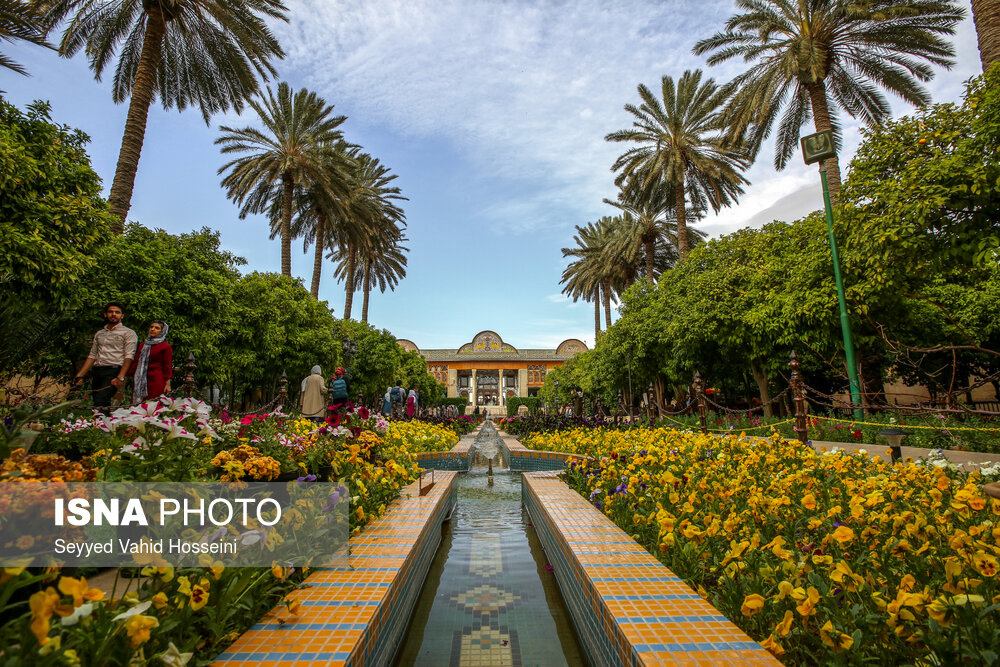
Orangery of Qavam ; Manifestation of Persian Art, History

Qavam orangery, Shiraz, Iran

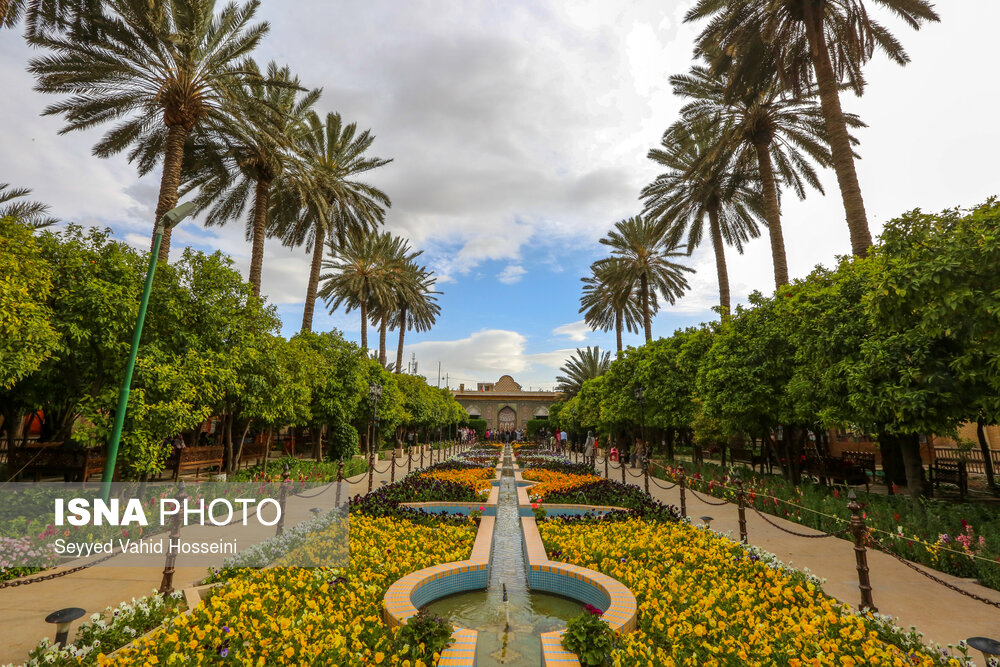
Qavam orangery is an iconic site remaining from the Qajar era; known to the public also as Qavam Garden or Qavam House.

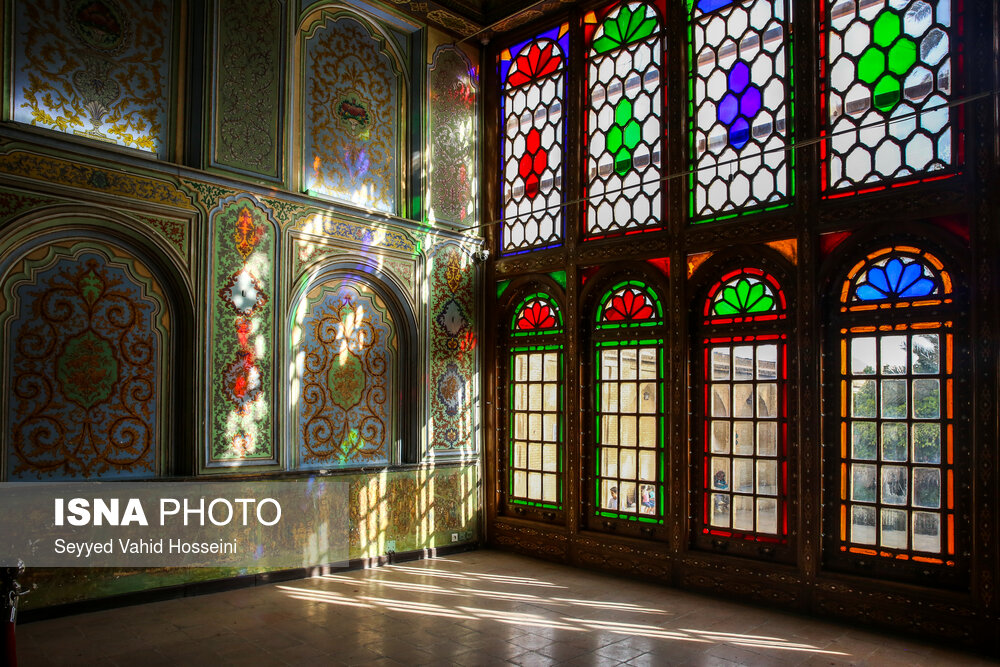
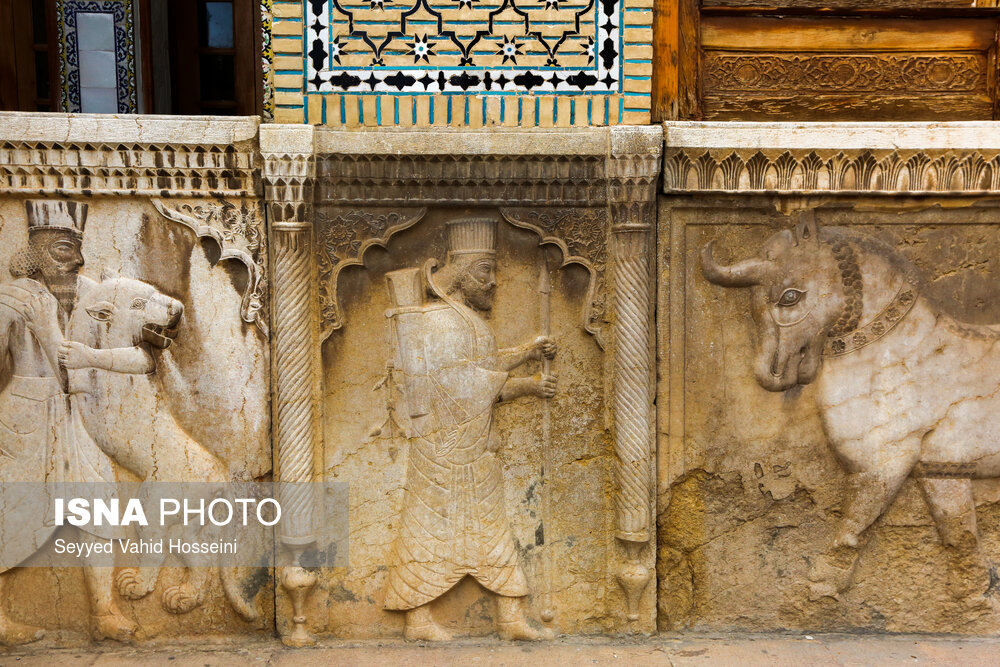
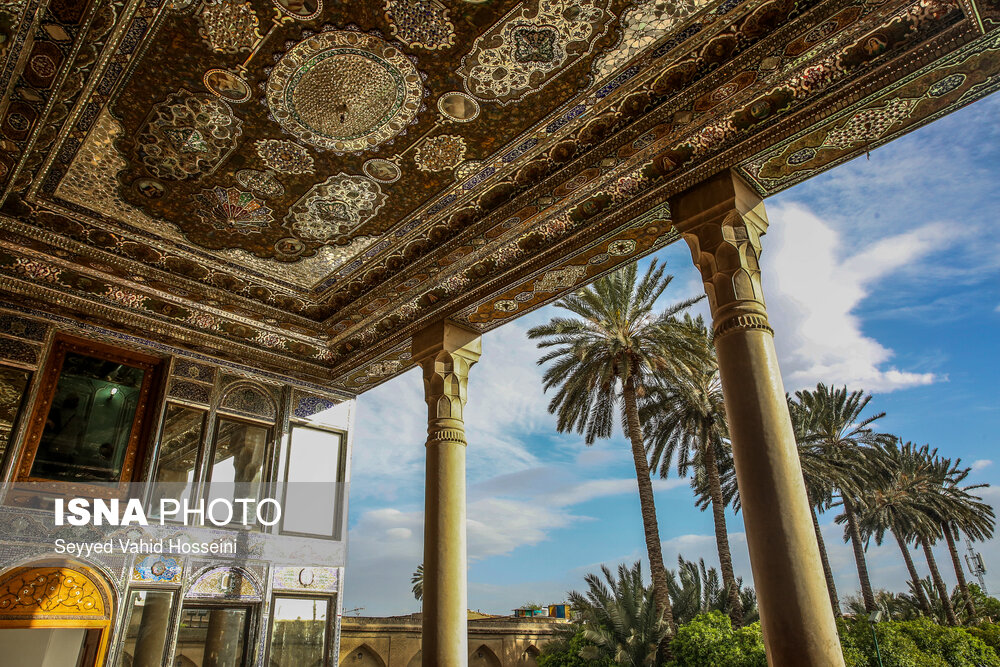
By visiting the bitter orange garden you can enjoy its nice, artistic environment. You can also find samples for seven Iranian arts; to name plaster, traditional painting, mirror work, brickwork, stone craving, wood inlaid working and wood craving in the wonderful mansion that’s situated in Qavam Garden.

Qavam orangery, an important manifestation of the country’s art and history, has been registered in the list of Iran’s national heritage in 1974.

What follows are ISNA’s photos of Qavam orangery:

Iran Says Europe Must Pay Its Share of Combating Drug Trafficking

Head of Iran’s Anti-Narcotics Police Brigadier General Massoud Zahedian made the remarks in criticism of what he called the West’s lack of cooperation in Iran’s fight against drugs.

He said Europe should contribute to the fight against narcotics and if there is no contribution in supporting the forces and countries that are at the forefront of the struggle, they must rest assured that their people will be at risk.

This Iranian official added that Europeans are the main users of the drugs produced in Afghanistan, and this country has been the world’s largest opium producer since the early 21st century.

Nevertheless, neighbouring countries and states that are in the way of smuggling drugs to Europe have not been immune from this, he noted.

He further mentioned that Iran has a vast joint border with Afghanistan and is the first country in the route of smuggling drugs to Europe.

“The Islamic Republic has had the most casualties in the fight against drugs. Iranian agents are at the forefront of the fight against narcotics that are targeting Europe. The more drugs are produced in Afghanistan, the more difficult it is to fight, and the danger for Europe will be even greater.”

Here is the text of an interview with General Zahedian conducted by IRNA:

Q: Iran has paid a lot in the fight against narcotics and many forces have been martyred in the fight against the transfer of narcotics to Iran and other countries. Despite the fact that Europe in face of the recent cruel sanctions has had no support for Iran so far, what would happen if it does not pay its share?

A: Europe should pay its share in the fight against drug trafficking, because we cannot stand against them alone. The whole world knows that Iran is fighting this phenomenon beyond its responsibilities very well. But the world has done nothing. Certainly, our facilities, and equipment are limited, and if we are not supported, we can control just part of it, and the rest of it will be out of our control and will cross [the borders].

Q: How do you assess the poppy cultivation in Afghanistan? Has it been influenced by the increase or decrease in downpours?

A: Considering the rise of downpours this year, it is anticipated that we will see an increase in the production and cultivation of narcotics in Afghanistan and their production would be more than ever.

Q: Given the increase in poppy cultivation and the production of drugs in Afghanistan and the costs that Iran has to pay without support from European countries in the fight against narcotics, what are your plans for Afghanistan?

A: By consulting with international societies and other countries as well as Afghan officials, we are seeking to increase their responsibility in the fight against narcotics and force them to fight against drugs more. Last year, we seized more than 800 tonnes of drugs, while in Afghanistan only 200 tonnes were seized. It shows that this country is not practically taking measures to fight drug trafficking. Accordingly, Afghanistan’s policy to cope with drug trafficking should be reviewed.

Q: Why do we see an increase in drug production in Afghanistan, despite the presence of Western countries in the country to fight against drug smuggling?

A: Not only has Afghanistan not been developing an anti-narcotics campaign, but also Western countries that have been there under the pretext of fight against narcotics have failed to do anything. There has also been an increase in the production of drugs where they were present, and it raised concerns that they are involved in the production of these drugs and are benefiting from it.

Q: To what extent is the rise of industrial narcotics in Afghanistan affected by the presence of Western countries?

A: However, when we see that in the past few years, this has developed very rapidly and some of the raw materials needed to convert drugs to industrial forms imported to Afghanistan, it raises concerns that this may have happened with the help of intelligence services of foreign countries. This issue should be monitored and reviewed by international bodies such as the United Nations because Afghanistan is not the producer of this type of narcotics.

Earlier, Iran’s President Hassan Rouhani warned the West that targeting Iran with sanctions and undermining and disrupting the Iranian economy would have catastrophic consequences for Europe.

He said this will lead to rush of narcotics, refugees and terrorism to the continent.

Rouhani also noted that the Islamic Republic spends $800 million annually on drug trafficking, which results in more security for people from Eastern Europe to West America and from North Africa to West Asia.

“Now, for a moment, imagine what a catastrophe would be caused if this dam breaks. Without these sacrifices and expenses, this region witnessed the emergence of ISIS in a very broad area. This endeavour guarantees the security of human lives, regardless of nationality, ethnicity and religion. We do not expect the West to pay their share of the security and stability that we have provided for them, but they must know that by sanctioning Iran they are damaging our ability to fight against drugs and terrorism. I warn that if our ability to fight drugs and terrorism is damaged, you will not be able to get out of the rubble of drugs, asylum seekers and bombs and terrors. Confronting drug trafficking and terrorism has been among the core principles of the Islamic Republic of Iran over the past four decades, and the government has always tried to cooperate with international institutions in this regard. Death of thousands is a proof of this cooperation,” President Rouhani had undermined in an international conference on illicit drug trafficking.

Secretary General of Iran’s Drug Control Headquarters Eskandar Momeni, who had traveled to Moscow last year to consult with Russian authorities, had also warned of increasing drug trafficking to Europe in an interview with IRNA.

“Iran does not need the verbal support of European countries to combat the trafficking of drugs to the Europe. We are at the forefront of the fight against drugs, and instead of verbal supports, we need serious support and sending of modern equipment to tackle smuggling,” underscored Momeni.

“We have repeatedly told Europeans that they should pay their own share of the fight against narcotics. Given the sanctions imposed, we will no longer be able to prevent drug trafficking to Europe as before.”

More than three thousand Iranian forces have been killed and around 10,000 wounded during the course of combating illicit drugs, according to a former Iranian drug control official.

The number of those killed or disabled in the Iranian war on drugs equals that of countries in the European Union, North America, the Pacific and Asia, says Saeed Sefatian, the former director-general for treatment affairs at the Iran Drug Control Headquarters.

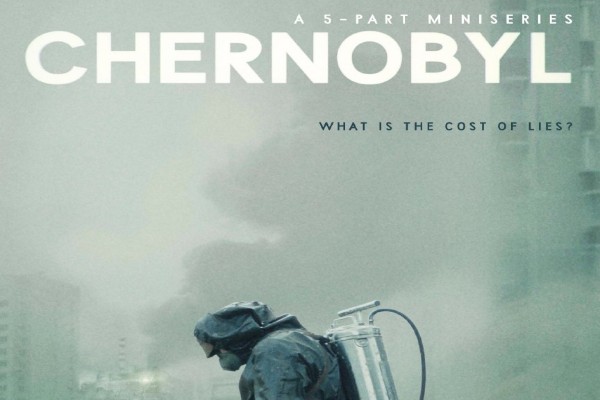
Iranian Politicians Advised to Watch HBO’s Chernobyl

Hessamoddin Ashna has asked political figures to see the American mini-series that has become very popular among viewers across the world.

Rarely ever has a politician in Iran invited his peers to watch a foreign TV series. Basically, Iranian politicians are not closely associated with the domain of films and cinema, especially of the Hollywood type, and even if they are, they keep it under their hats and are unwilling to reveal their interest.
Unlike local politicians, media have a lot of information about foreign politicians’ tendency to watch TV series. For instance, former US President Barack Obama likes “Homeland” among political TV series. Hillary and Bill Clinton say they are fond of “House of Cards.”

But how come Ashna has invited politicians, statesmen and government authorities to watch an American TV series? He explains why he has made this recommendation.

“I said it would be very suitable for politicians, statesmen and government officials to watch and learn lessons from the Chernobyl mini-series. The essence of my recommendation is this important question: What is the price for [telling] lies?”

“Some have disregarded my recommendation and some have ridiculed it … The point is, we will face communications problemswhile managing a crisis in order to handlethat crisis, and the only efficient solution will be consultation, straightforwardness, precision and listening well to those who enjoy enough knowledge and experience … In the great and small events such as earthquakes, the conflagration at Plasco building, the recent flooding, as well as major decisions made during the Iraqi imposed war on Iran in the 1980s or during the nuclear talks, together with forex policies and electoral differences, we have always faced people who have tried to secure their positions by kissing up to, or ensuring the consent and calm of higher-up officials. In this path, they are ready to mix the truth and lies. Of course, there are others who, without having an eye on short-term interests and by remaining committed to long-term interests, tell the truth, even if their words go unheard, or even if they are accused or turned away.

Chernobyl is a British-American mini-TV series with five episodes. It has a historical-drama genre. The TV serial went on the air in the United States on May 6, 2019 and in Britain a day later.

The TV-series depicts the true story of one of human disasters in history. It is an account of men and women who bravely sacrificed their lives to save Europe form an unimaginable catastrophe.

This short series focuses on deep human feelings and features the disaster that occurred at a nuclear power station in Ukraine in the former Soviet Union in 1986. The film explains why and how the disaster happened and also touches upon the moving stories of other heroes who made struggles in that path and lost their lives.

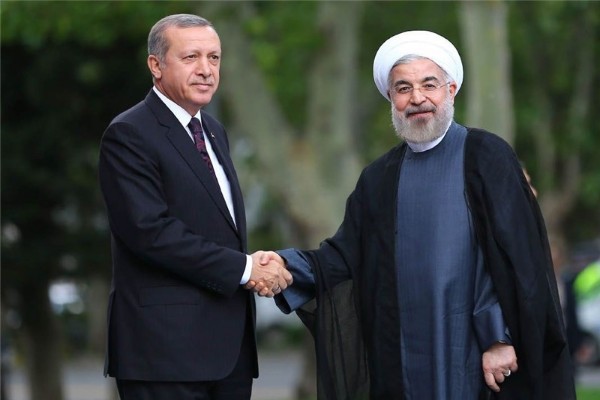
Turkey to Deepen Business Ties with Iran to Counter US Bans: Erdogan

In a phone conversation with his Iranian counterpart on Saturday, Erdogan referred to the US unilateral and brutal sanctions on Iran and said Turkey has never approved of the brutal sanctions.

As part of efforts to counter the sanctions, Ankara is seeking to deepen its ties with the Islamic Republic, he noted.

Erdogan also underlined the need to use national currencies of Iran and Turkey in mutual transactions instead of the US dollar.

He also referred to the problems that the region and the Muslim world are facing and said Iran and Turkey can play a key role in fight against terrorism and strengthening of regional security.

Iranian President Hassan Rouhani, in turn, called for expansion of economic cooperation between Iran and Turkey, saying the two sides need to stop using the US dollar in their mutual transactions.

Rouhani cited Iran and Turkey as two major countries of the Muslim world and added the two countries can play a key role in strengthening regional security and stability.

The Iranian president called for further ties between the two neighbouring countries in fight against regional terrorism and strengthening of security along joint borders, a report by dolat.ir said.

The two presidents also underlined the will of the two sides’ officials to tap into the available capacities to further develop Tehran-Ankara relations.

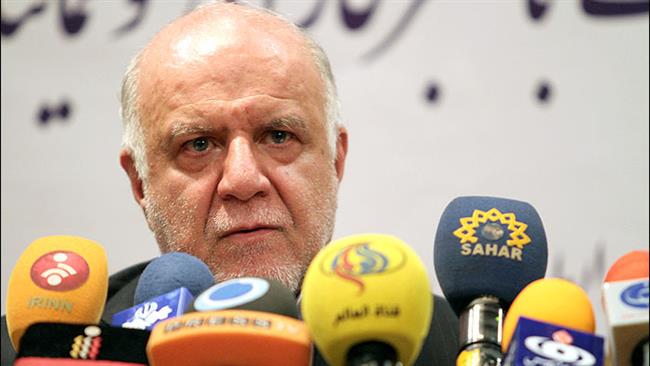
Iran Says Will Remain in OPEC, Keep Fighting US Pressure

Bijan Zangeneh told ICANA – the Iranian parliament’s official news agency – in an all-inclusive interview that some OPEC members were trying to help US President Donald Trump to deliver on his pledge to zero out Tehran’s oil sales.

Zangeneh did not name any particular country but said such actions by member states weaken the organizations and drive OPEC towards “collapse.”

Saudi Arabia and the United Arab Emirates have pledged to replace Iran’s oil by stepping up their production. Experts, however, warn that neither of the two countries has the resources or the technology to take on the job.

“There are two countries in the region that keep being hostile to us, we are not their enemy but they keep being hostile and they have politicized OPEC and use oil as a weapon against us in the global market and in the world,” Zangeneh said, without directly naming the two countries.

Zangeneh added that those countries were trying to serve the interests of the US and Israel by keeping the prices low through propaganda.

He also noted that Iran will remain in OPEC despite the pressures.

However, he added, “what I mentioned earlier would hurt OPEC’s image, stability and strength.”

Oil Not Political, Shouldn’t Be Used as Weapon

The Iranian oil minister said the United States and other countries should avoid politicizing oil and using it as a weapon against other countries.

“Oil is not a weapon and is rather a global economic commodity that needs to enter and exit the market freely,” he said. “The US must get oil out of politics.”

He said the fluctuation caused by Washington’s actions was going to result in a price hike as no country was able to make up for Iran’s oil should Trump succeed in curbing the Islamic Republic’s exports.

This, he said, will harm OPEC the most because in a situation like this “oil producing countries don’t know whether they should keep their oil or sell it” due to price unpredictability.

Sanctions ‘Tough’ but Iran Knows Its Way around Them

Zangeneh said the current US sanctions against Iran formed “the most extreme systematic sanctions regime in history” and the country was effectively engaged in a war.

The Trump administration has imposed what it calls the “toughest ever” sanctions against Iran’s oil industry to cripple the country’s economy and force it to agree to negotiations on its nuclear energy and ballistic missile programs as well as its regional influence.

Zangeneh noted that while the US has made it more difficult for Iran to bypass the sanctions Tehran was still able to sell its oil.

“They have reached a point that they want to block all the possible ways to confront sanctions,” he said.

“But of course, we have our own plans to confront US actions and we have our own alternative ways and keep discovering new solutions,” he added.

“After all, this is a war we intend to fight firmly and do not plan to back out of,” he asserted.

Zangeneh said he would not disclose Iran’s daily oil exports until all sanctions are lifted.

Rouhani to Visit Kyrgyzstan, Tajikistan for Asian Summits

President Rouhani is scheduled to travel to Bishkek, capital of Kyrgyzstan, on June 13 to participate in the Shanghai Cooperation Organization (SCO) summit.

Kyrgyz officials say the presidents of Iran, Afghanistan, Belarus and Mongolia have been invited to the conference as observers, noting that 20 regional and international documents will be signed at the conclusion of the summit.

Known as a major Eurasian political and economic alliance, the Shanghai Cooperation Organization was established in June 2001 in Shanghai by the leaders of China, Kazakhstan, Kyrgyzstan, Russia, Tajikistan, and Uzbekistan.

After visiting Bishkek, the Iranian president will travel to Tajikistan to attend the 5th summit of the Conference on Interaction and Confidence Building Measures in Asia (CICA) at the invitation of his Tajik counterpart Emomali Rahmon.

According to the Ministry of Foreign Affairs of the Republic of Tajikistan, Rouhani’s participation in the summit has been confirmed during Tajik Foreign Minister Sirodjidin Mukhriddin’s recent trip to Tehran.

Heading a diplomatic delegation, Mukhriddin visited Iran on May 31 and held talks with a number of senior Iranian officials.

The upcoming CICA summit in Dushanbe, slated for June 14 and 15, is designed to serve as a platform for discussing and resolving problems in Asia, as well as for promoting initiatives and finding effective mechanisms at a high level.

The idea of formation of CICA was first brought up by Kazakhstan’s outgoing President Nursultan Nazarbayev in October 1992, during the 47th Session of the United Nations General Assembly.

Racist Shop Owner in Iran Ordered by Court to Apologize to Afghans

Prosecutor general of the city of Nazarabad, west of Tehran, said the shop owner who had barred the Afghan nationals from entering his store has been kept in custody for insulting the Afghan people, but promised to try to make up for his wrongdoing.

The shop owner has been released on parole, and is required to offer a formal apology to Afghans in the cyberspace, give special discounts to the Afghan citizens for three months, raise a banner to announce that the items are on sale for Afghans, and carry out research into the history of cordial ties between Afghanistan and Iran, Ruhollah Ahmadi said.

According to the prosecutor general, the court can issue appropriate rulings in lieu of the prison term.

Over the past 40 years Iran has been hosting 3 million Afghans who fled wars and conflicts in their country.

There are 452,000 refugee and displaced students in Iran, from which 420,000 are Afghans studying at different levels for free.

US Return to JCPOA to Guarantee Success of Japan PM’s Iran Visit: Official

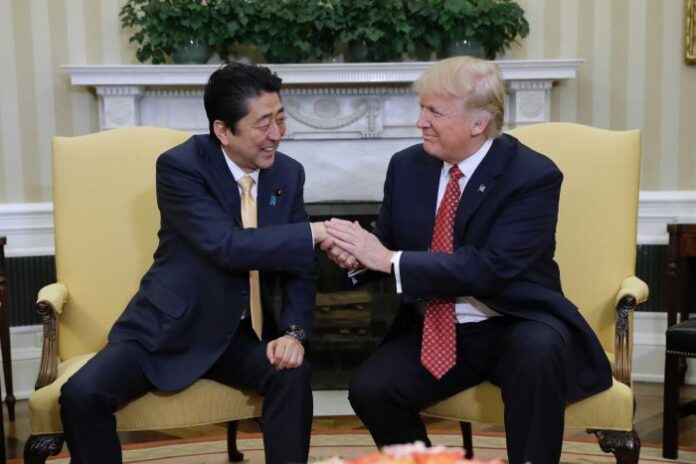
PHOTO: Japanese Prime Minister Shinzo Abe (L) has met with US President Donald Trump in Washington. (AP: Evan Vucci)

“An effort to bring the US back to the Iran nuclear deal, compensating Iran for the loses it has sustained following the US withdrawal from the JCPOA and removing all transnational sanctions against the Islamic Republic could be a guarantee for the success of the upcoming visit of the Japanese Prime Minister Shinzo Abe to Tehran,” said the spokesman for Iran’s Supreme National Security Council.

In an article published by Fars news agency on Saturday, Keyvan Khosravi also hailed the relations between Iran and Japan in economic and political areas, saying they have always been growing and stable.

“The visit of Japanese prime minister to Iran certainly serves as a significant measure to strengthen mutual ties between Iran and Japan. It goes without saying that Japan’s top official will use the visit as a chance to promote his country’s political status,” the op-ed said.

He went on to say that Japan’s approach towards legal and political norms has been approved by the international community, and has not been hampered by extreme measures.

According to Khosravi, preserving and promoting their economic and political status at the international arena is among the main principles which Japanese people feel duty-bound to observe.

He said the status serves as a national capital and is deeply interconnected with the country’s national identity.

Abe is set to travel to Tehran on Wednesday. Japanese media say the visit is aimed at easing tensions between Tehran and Washington.

The trip comes after US president Donald Trump expressed support for Japan to reach out to the Islamic Republic in a meeting with Abe last week. Abe will become the first sitting Japanese Prime Minister to visit Iran in four decades.

A Look at Iranian Newspaper Front Pages on June 8

A Look at Iranian Newspaper Front Pages on November 19

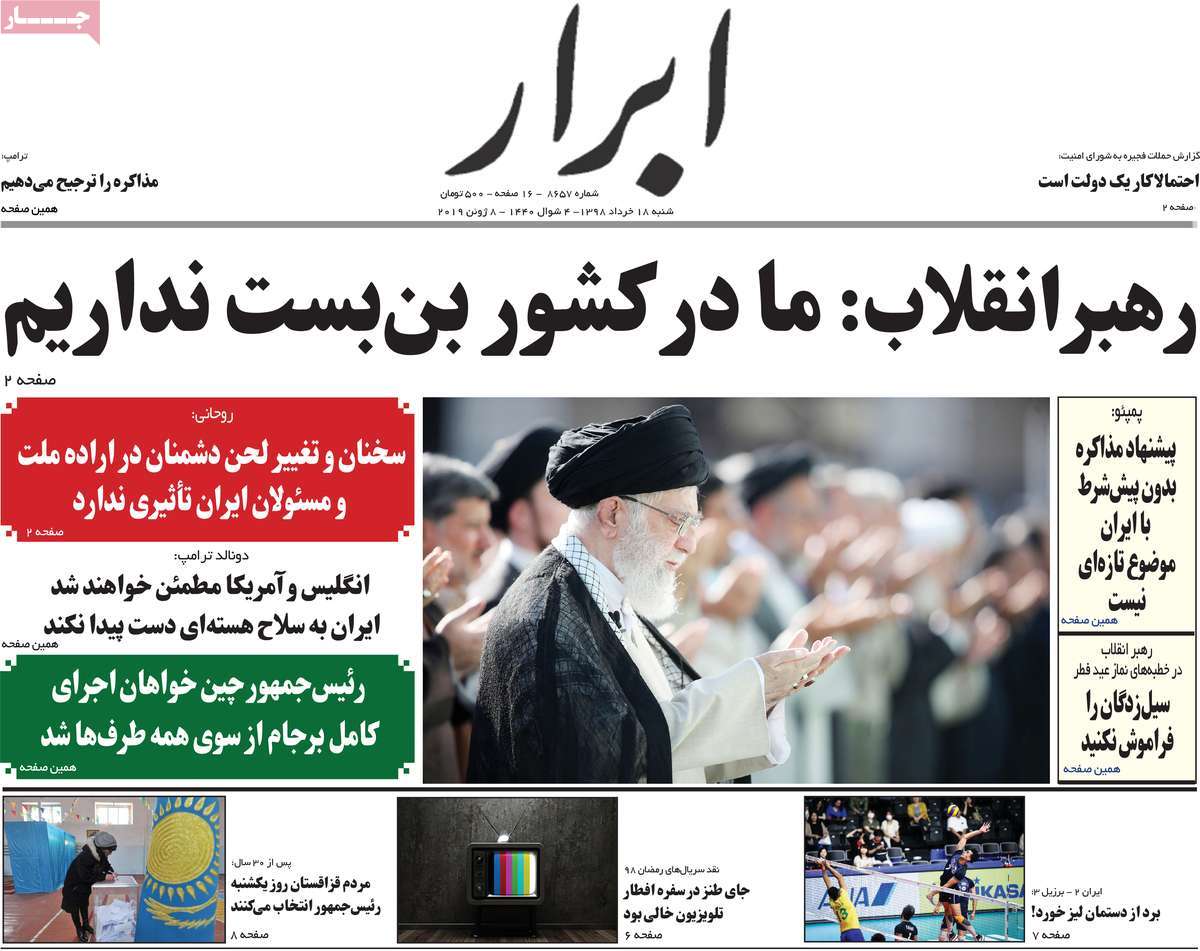
Abrar:

1- Iran Leader: We Have No Deadlock in Country

2- Trump: We Prefer Negotiation

3- China President Calls for Full Implementation of JCPOA by All Sides

A Look at Iranian Newspaper Front Pages on June 8


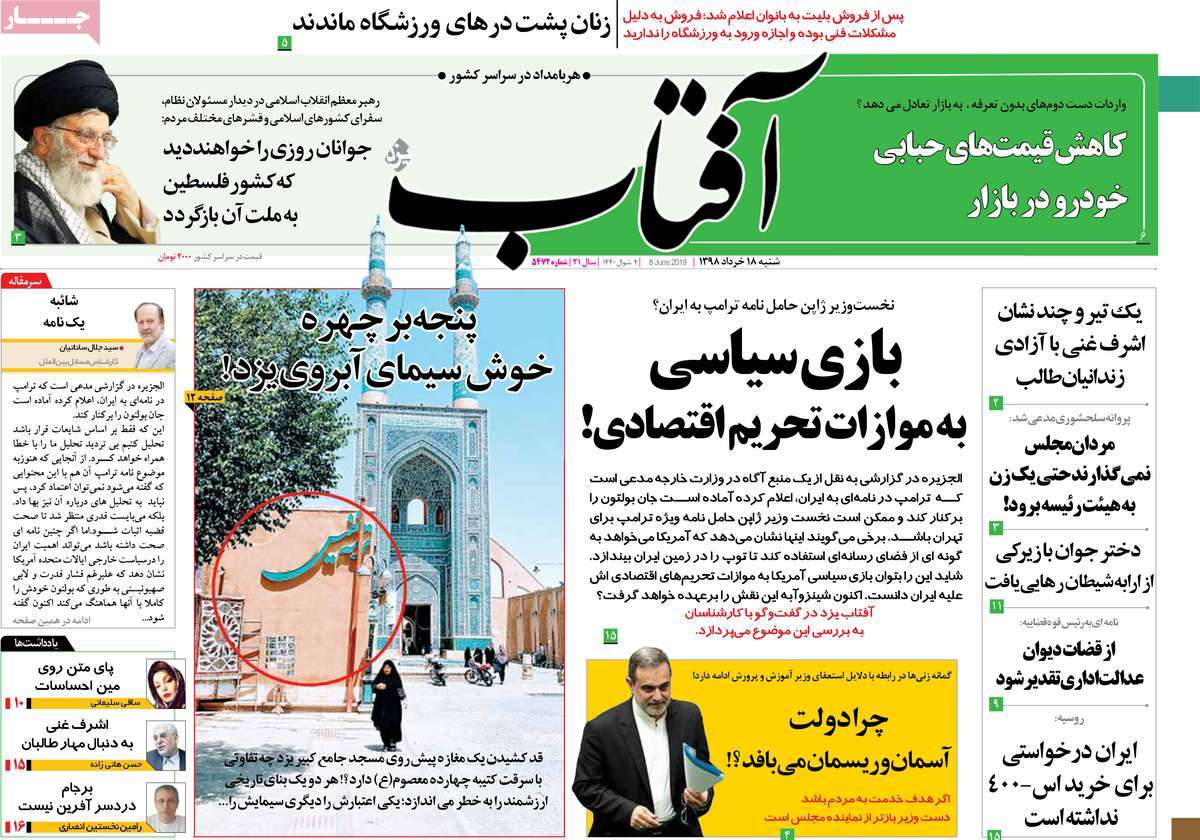
Aftab-e Yazd:

1- Iran Leader: Palestinian Territories Will Return to Its People

2- Political Game Along with Economic Sanctions!

* Will Abe Convey Trump’s Message to Iran?

A Look at Iranian Newspaper Front Pages on June 8


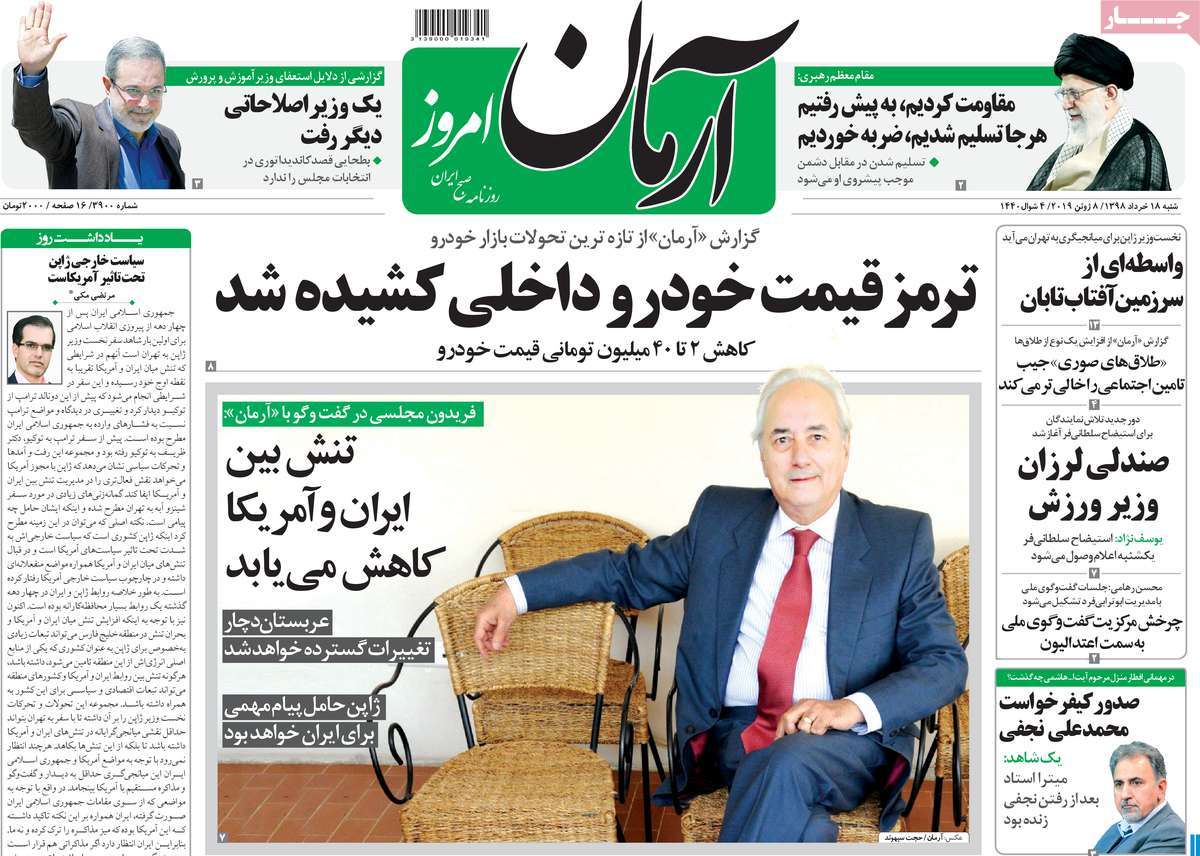
Arman-e Emrooz:

1- Iran Leader: We Showed Resistance, We Moved Forward

* Whenever We Gave Up, We Were Dealt a Blow

2- Analyst: Iran-US Tension Will Ease

* Japan Will Convey Important Message for Iran

A Look at Iranian Newspaper Front Pages on June 8


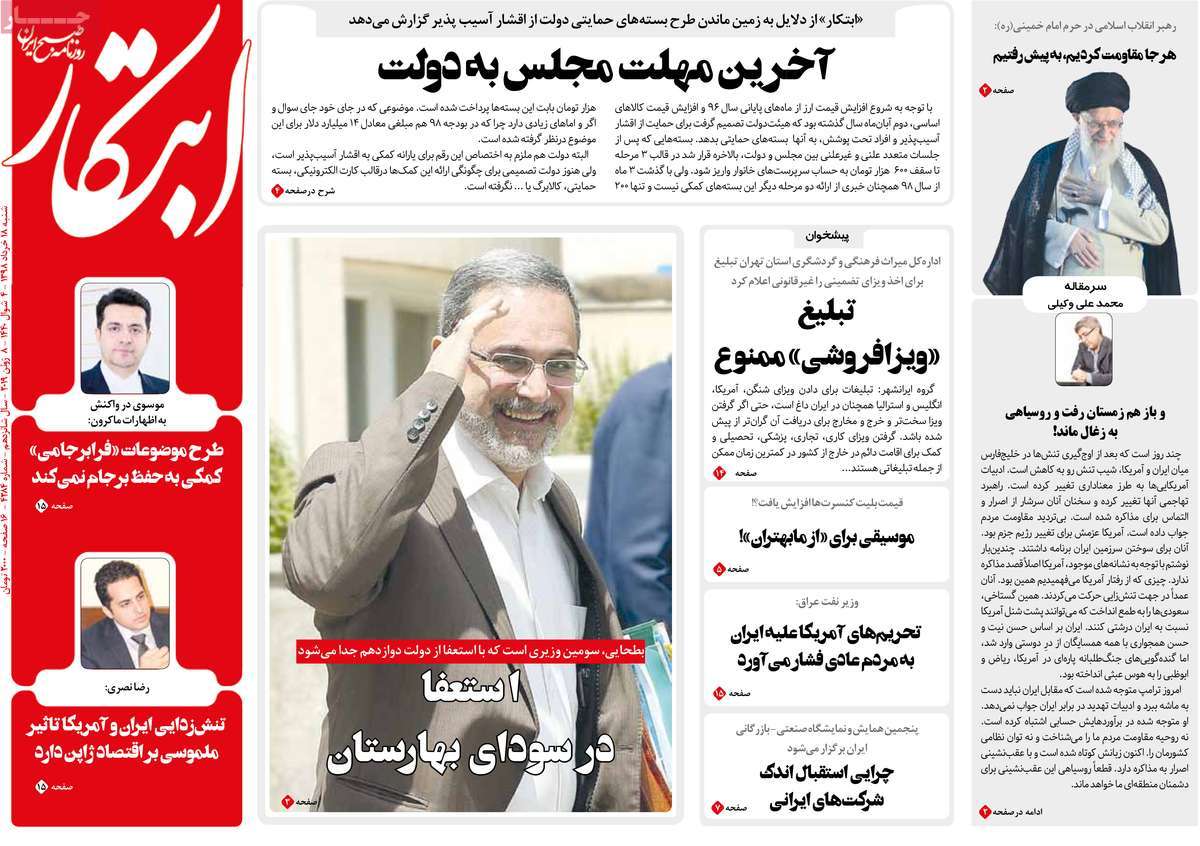
Ebtekar:

1- Iraq Oil Minister: US Sanctions on Iran Pressuring Ordinary People

2- Iran to Macron: Raising Issues beyond JCPOA Not to Help Save It

A Look at Iranian Newspaper Front Pages on June 8


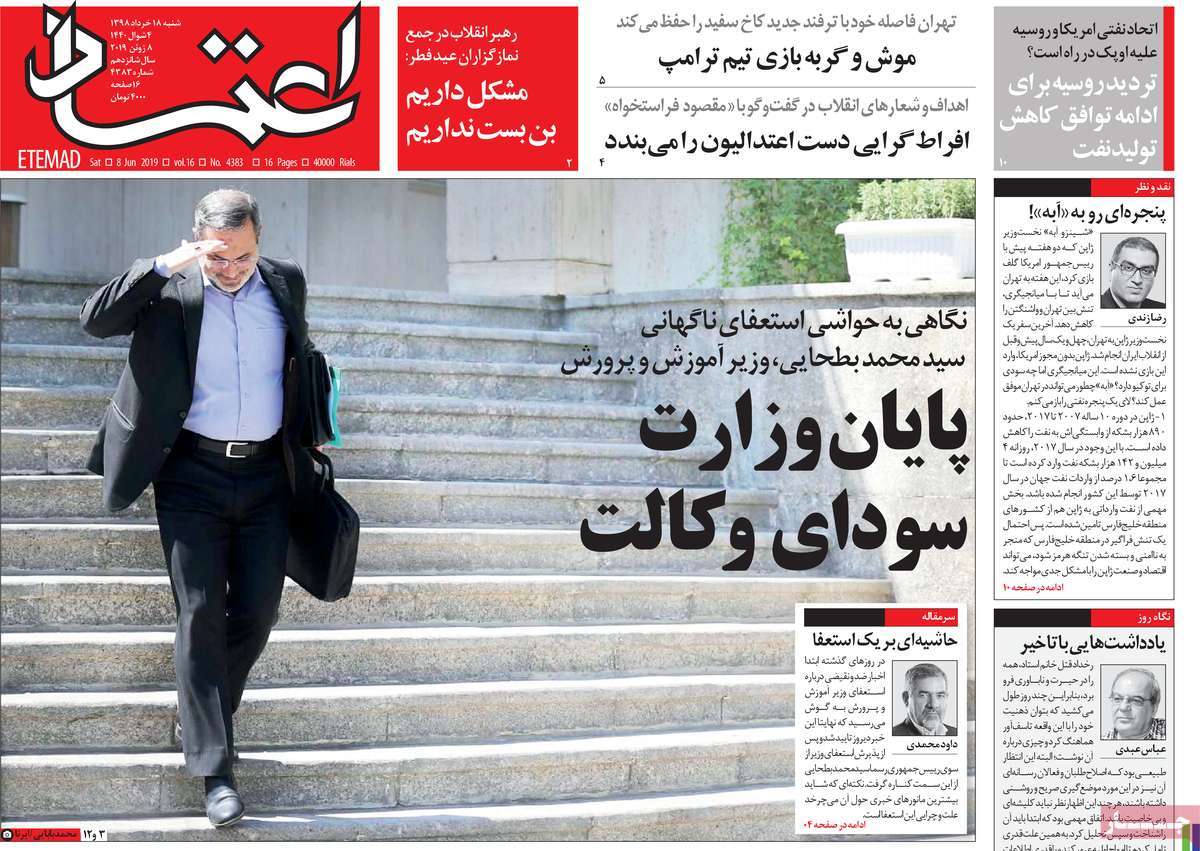
Etemad:

1- Trump Team Playing Cat and Mouse

* Tehran to Keep Its Distance from White House’s New Trick

2- Russia Doubtful about Deal on Continued Oil Output Cut

* Will Russia, US Unite against OPEC?

3- Education Minister Resigns to Run for Parliamentary Elections

A Look at Iranian Newspaper Front Pages on June 8


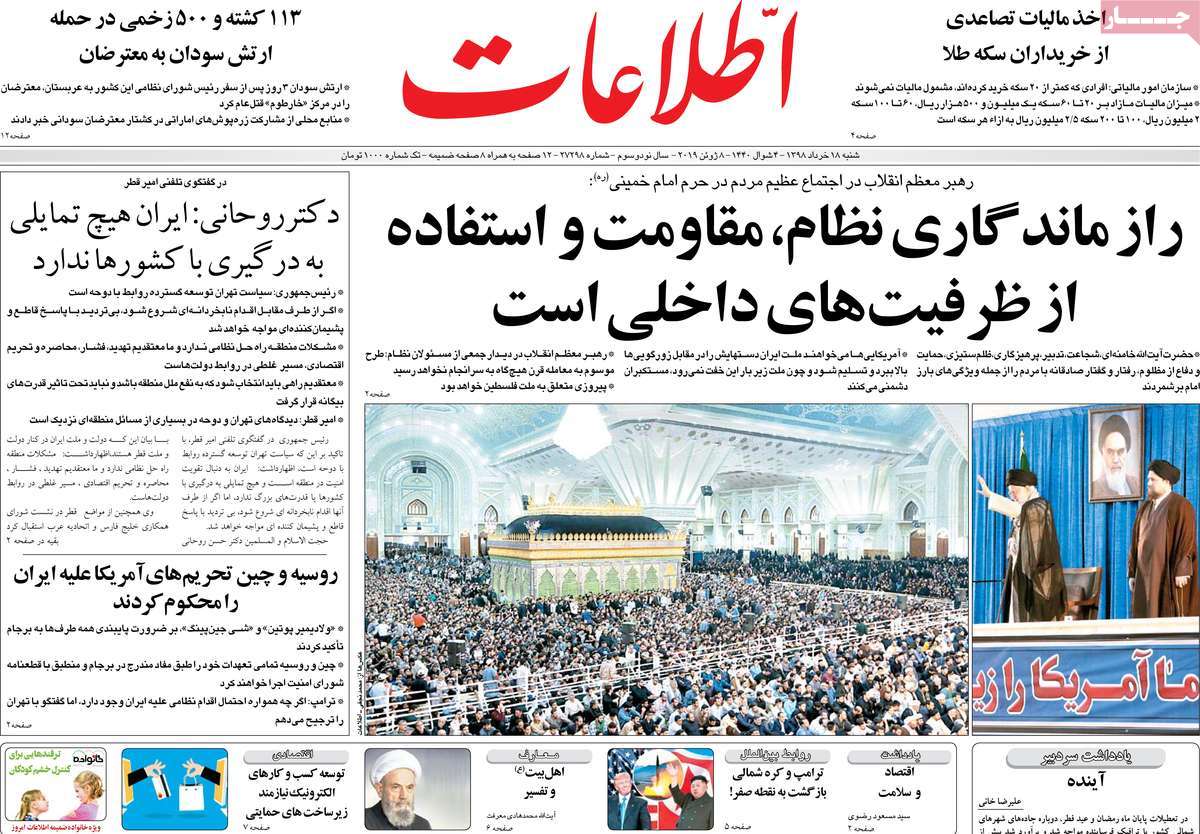
Ettela’at:

1- Iran Leader: Resistance, Use of Domestic Capacities Key to Survival of Establishment

2- Rouhani to Qatari Emir: Iran Not Interested in Clash with Other Countries

3- Russia, China Condemn US Sanctions against Iran

A Look at Iranian Newspaper Front Pages on June 8


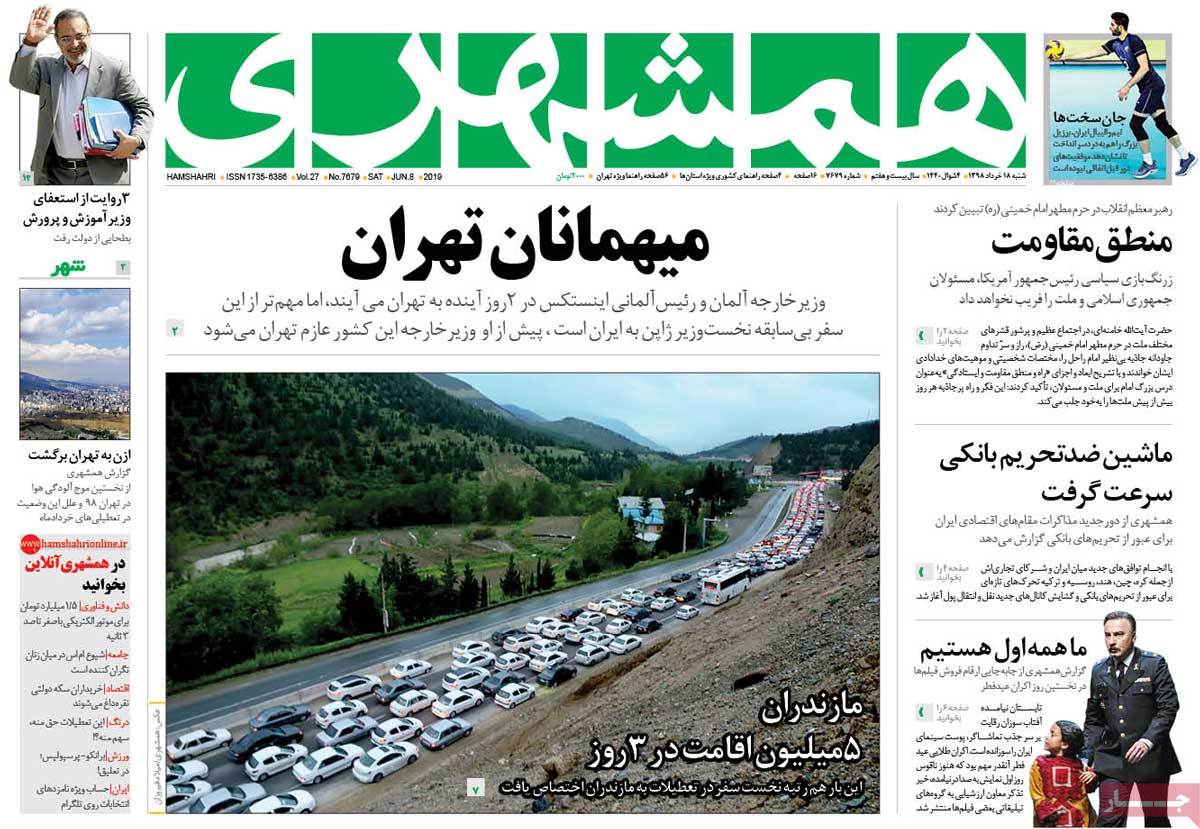
Hamshahri:

1- Iran Leader: Iran Not to Be Deceived by US President’s Tricks

2- Guests of Tehran

* German FM, INSTEX Chief, Japan PM to Make Historic Visits

A Look at Iranian Newspaper Front Pages on June 8


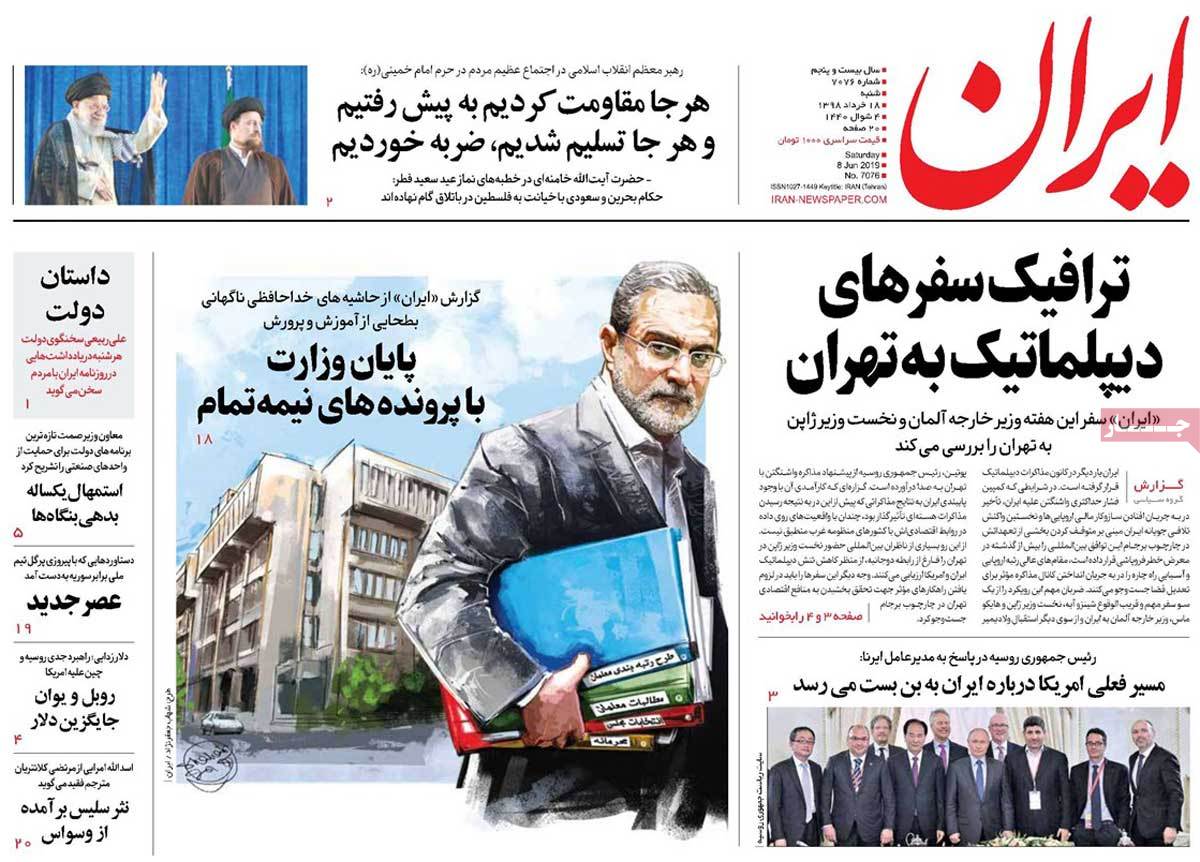
Iran:

1- Traffic of Diplomatic Trips to Tehran

* German FM, Japan PM to Visit Tehran This Week

2- Russia President: US’ Current Path on Iran to End Up in Deadlock

A Look at Iranian Newspaper Front Pages on June 8


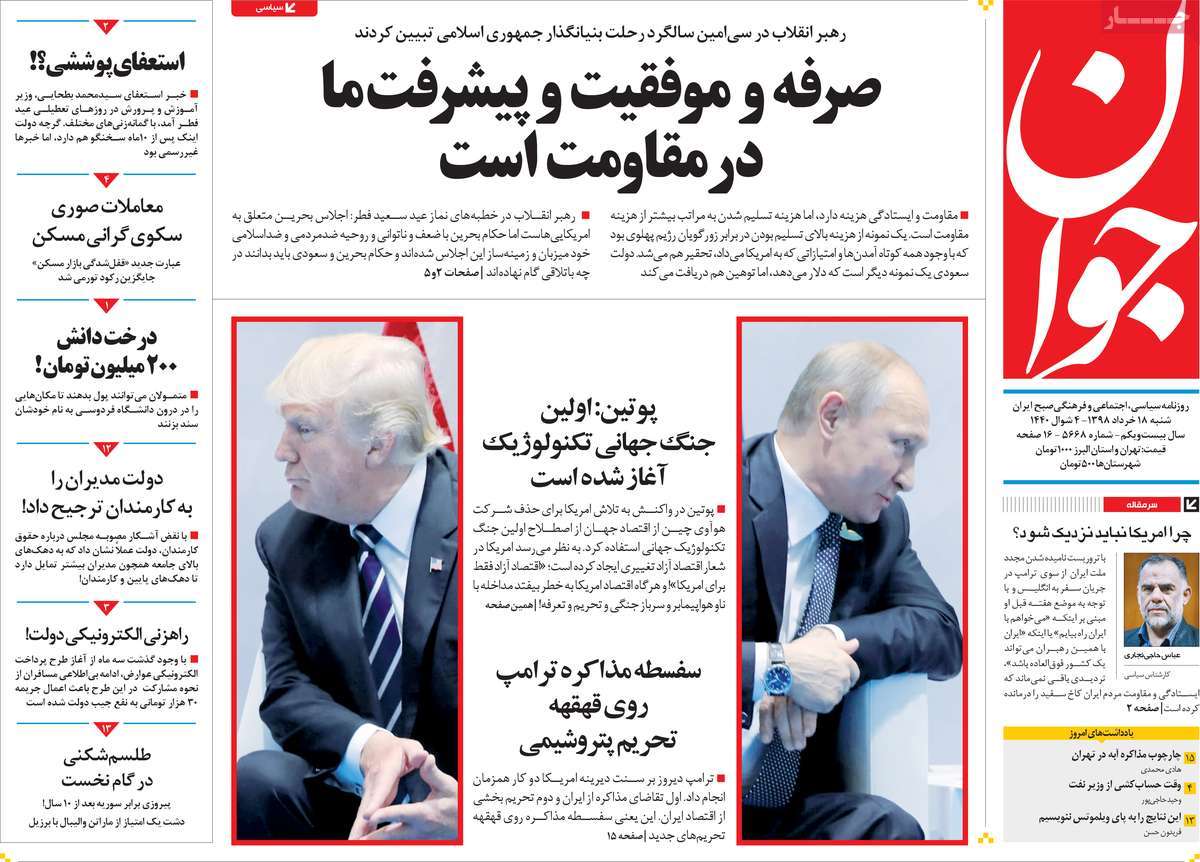
Javan:

1- Iran Leader: We’ll Progress If We Show Resistance

2- Sudan Starts Massacring People after Return of Junta Leader from Riyadh

3- Trump, Macron Set Aside Differences When It Came to Hostility towards Iran

A Look at Iranian Newspaper Front Pages on June 8


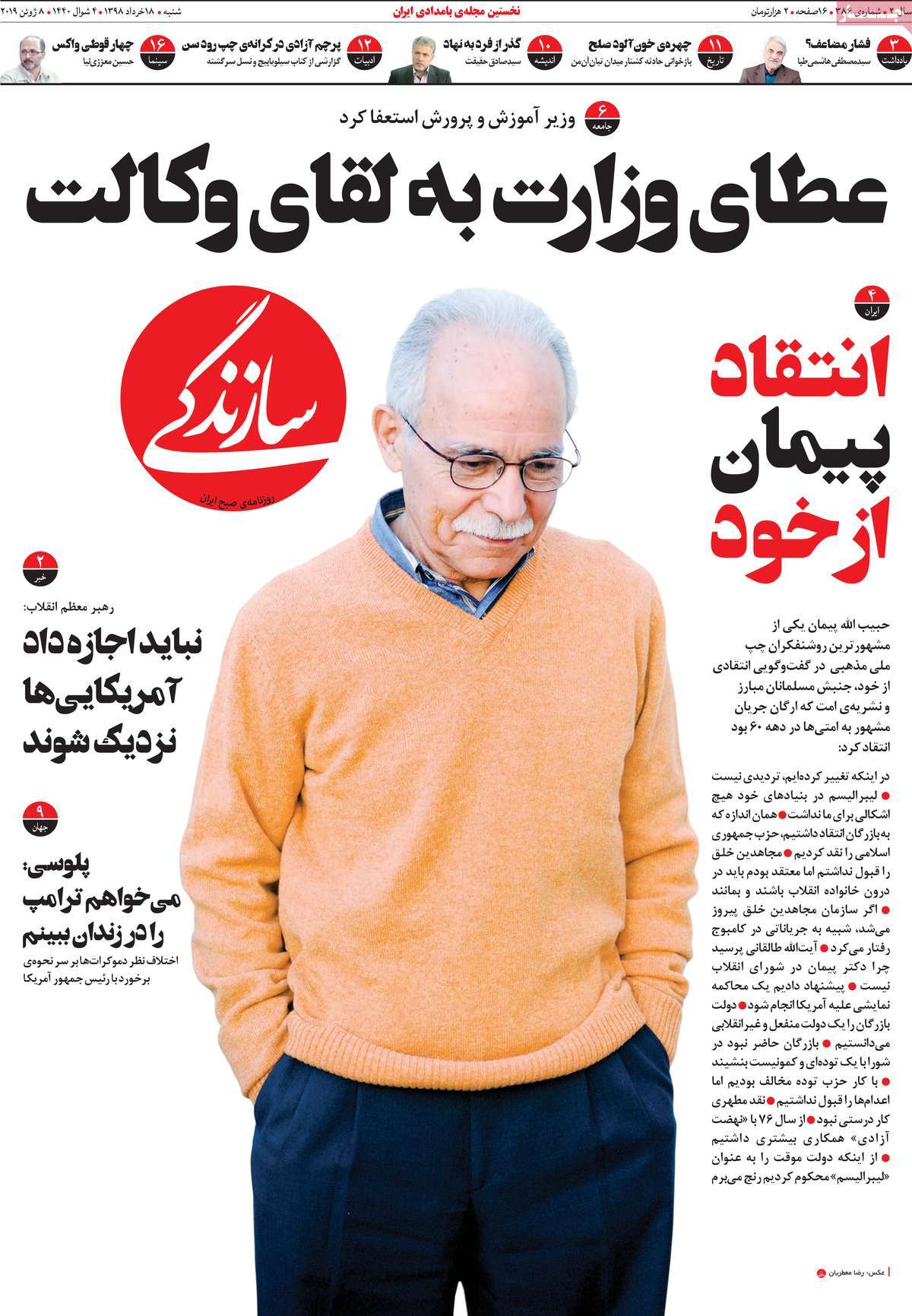
Sazandegi:

1- Iran Leader: We Shouldn’t Let Americans Come Close

2- Pelosi: I Want to See Trump in Prison

* Democrats Divided over How to Deal with US President

A Look at Iranian Newspaper Front Pages on June 8


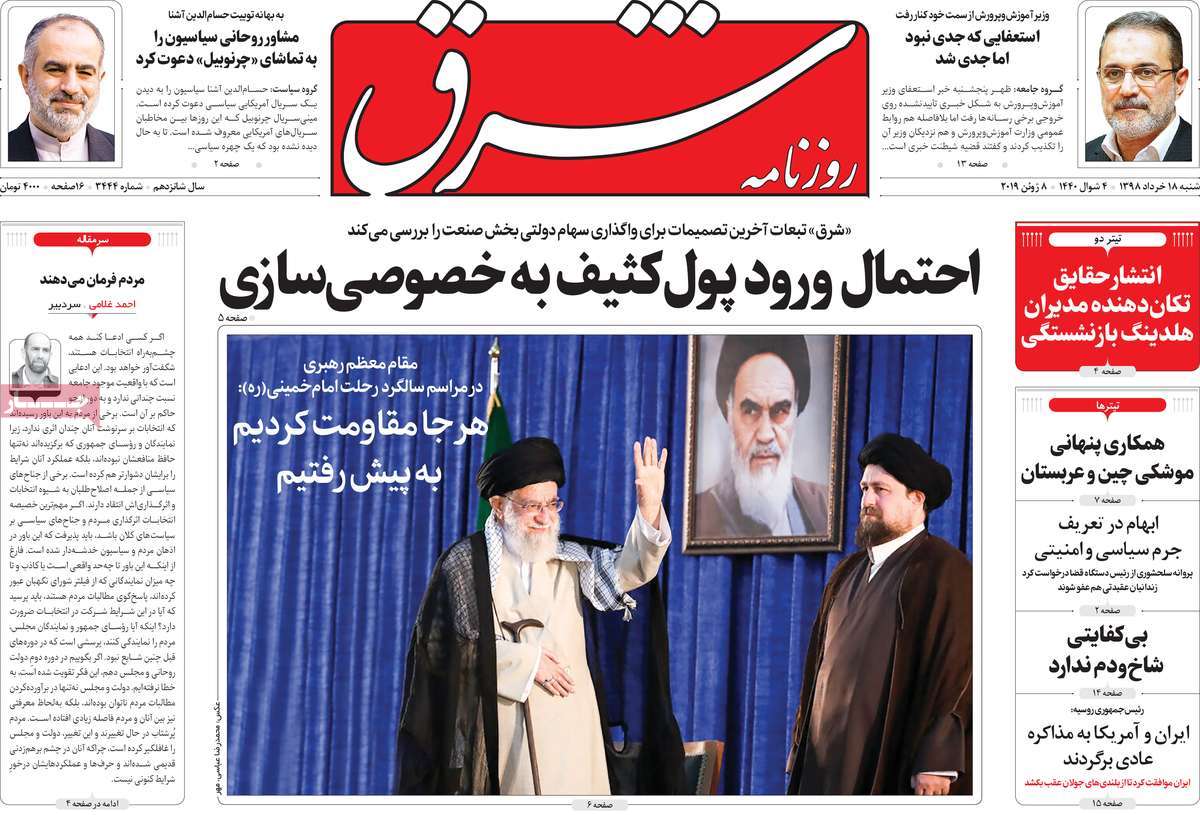
Shargh:

1- Rouhani’s Aide Recommends Politicians Watch Chernobyl TV Series

2- Secret Missile Cooperation of China, Saudi Arabia

3- Russia President Urges Iran, US to Return to Normal Negotiations

A Look at Iranian Newspaper Front Pages on June 8


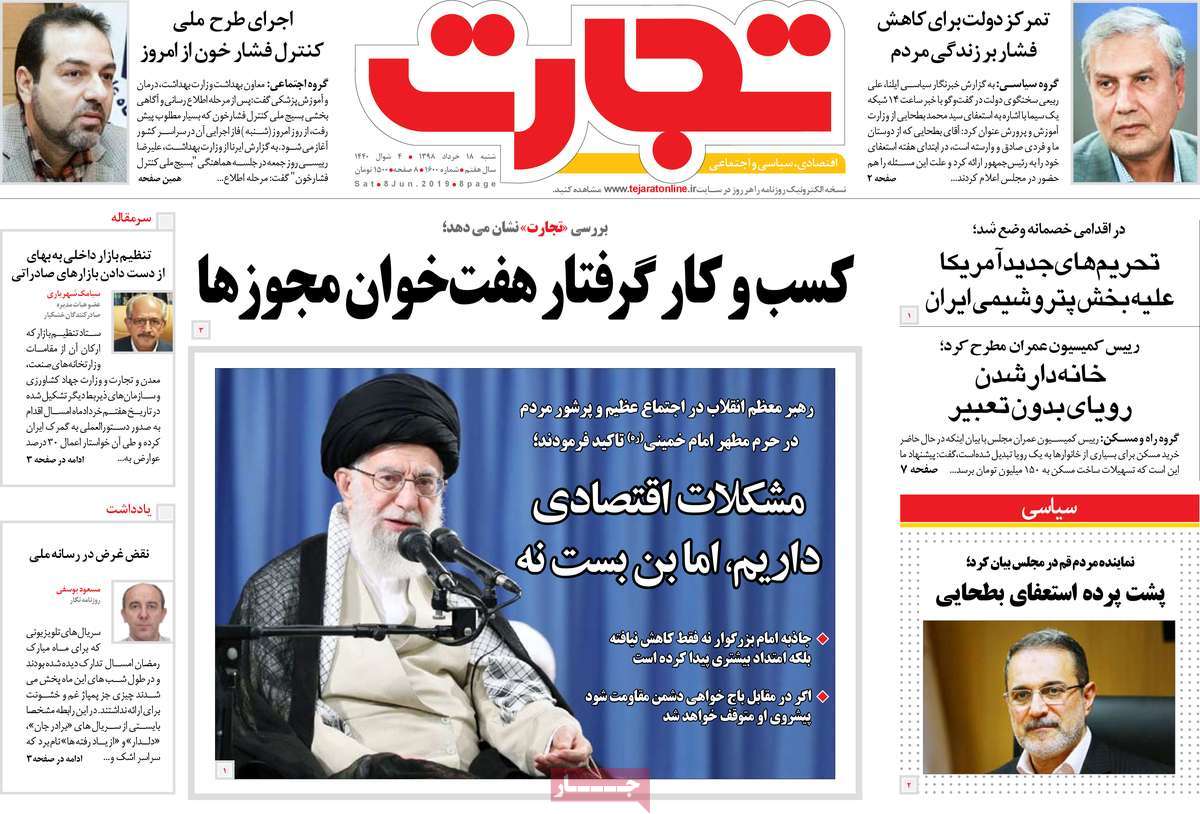
Tejarat:

1- US Imposes New Sanctions against Iran’s Petrochemical Sector in Hostile Move

2- Iran Leader: We Have Economic Problems, but No Deadlock

A Look at Iranian Newspaper Front Pages on June 8