Monday, December 22, 2025
Home Blog Page 3230

Iran Says No Negotiation with US Unless It’s Treated Fairly

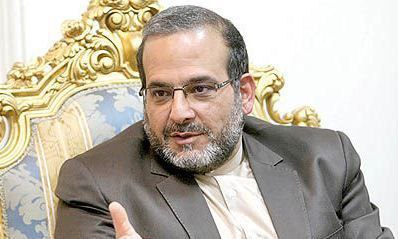
“There has been an increase in the number of visits to Iran by officials from different countries, mostly on behalf of the United States. Some of the visits are made public through media whereas others remain confidential,” said Keivan Khosravi as quoted by IRNA.

Keyvan Khosravi“On the basis of the principles of the Islamic Republic of Iran, they [the diplomats] have all been sent back with a message of authority, logic, resistance and steadfastness of the nation,” he added.

“We have said clearly in the past that until the behaviours remain the same, until the country’s rights are not met, until they don’t change course from talk to action it will remain like this,” Khosravi added.

“There will be absolutely no negotiations,” he repeated.

Iranian President Hassan Rouhani said earlier this week that while Tehran is open to dialogue, such engagement with the United States under the current circumstances is simply not possible.

“I, myself, am in favour of negotiation and diplomacy, but do not approve of it under the current circumstances at all,” the president said as he met a number of religious scholars and personalities on Monday.

He said Iran had never been the initiator over the course of its standing conflict with the US, which took a turn for the worse in May 2018, when President Donald Trump abandoned a multi-lateral nuclear agreement with Tehran.

Since then, Trump has used all in his power from sanctions to threats of military action in order to force Tehran to negotiate a new deal that addresses its missile program as well as its growing influence in the region.

Iran OK with Iraq’s Mediation Efforts, but ‘Will Have Its Own Say’

Iran OK with Iraq’s Mediation Efforts, but ‘Will Have Its Own Say’
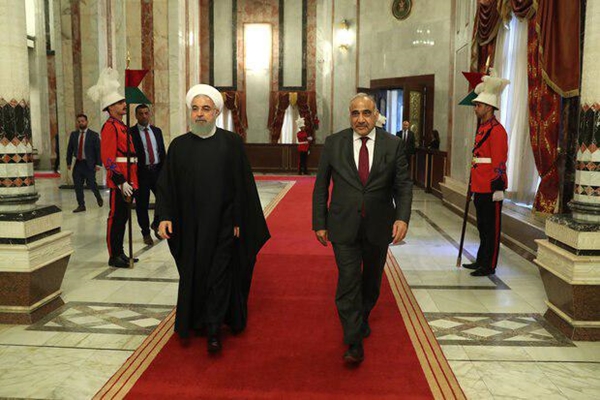
Iranian President Hassan Rouhani (left) and Iraqi Prime Minister Adil Abdul Mahdi (right)

Speaking to reporters on Wednesday at the end of a weekly cabinet session, Chief of Staff of the Iranian president Mahmoud Vaezi said Iran and Iraq have close ties as two long-time neighbours.

“If they want to send a delegation to Iran, we won’t make any opposition to the visit but the main issue is that we will have our own say,” he was quoted as saying in a report by dolat.ir.

Touching on efforts by Iraq to mediate between Iran and the US, Vaezi said since May 8 when Iran said will stop complying with parts of the Iran nuclear deal, many countries and delegations have sought to safeguard the nuclear accord and prevent from any regional confrontation.

“Given the importance of the Iran nuclear deal, the countries and delegation are seeking to prepare the ground for meeting Iran’s expectations,” he said.

He then underlined that efforts are underway to ease tensions but it doesn’t mean that there is a negotiation between Iran and the US.

“As far as the American officials try to exert pressure on the Iranian people and continue to violate their commitments, there would be no negotiation between Iran and the US,” he concluded.

The Iraqi prime minister said Tuesday that Baghdad would take measures to curtail concerns over a military confrontation between Iran and the United States. Adil Abdul Mahdi said Iraq will send delegations to Tehran and Washington to help ease tensions.

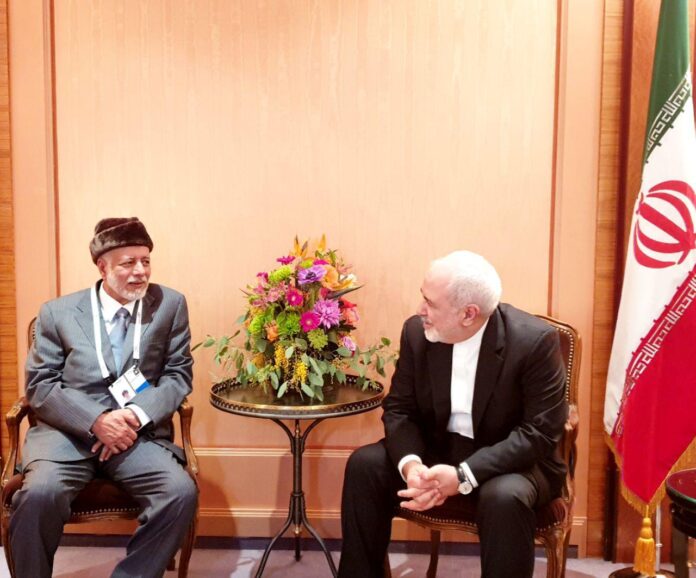
Vaezi also referred to the recent visit of Omani foreign minister to Tehran and his alleged message to the Iranian officials, and said during his stay in Iran, the Omani minister held talks with his Iranian counterpart Mohammad Javad Zarif on mutual and regional issues.

“The foreign minister briefed the cabinet ministers on his meeting with the Omani foreign minister. His briefing shows that the visit was not aimed at mediation,” he said.

Tensions have recently mounted between Iran and the US with Washington deploying a carrier strike group to the Persian Gulf citing “intelligence” of an imminent Iranian attack on US interests in the region. Tehran has repeatedly said that it is not seeking to escalate tensions but it won’t be afraid if there is any.

A Look at Iranian Newspaper Front Pages on May 23

A Look at Iranian Newspaper Front Pages on November 19

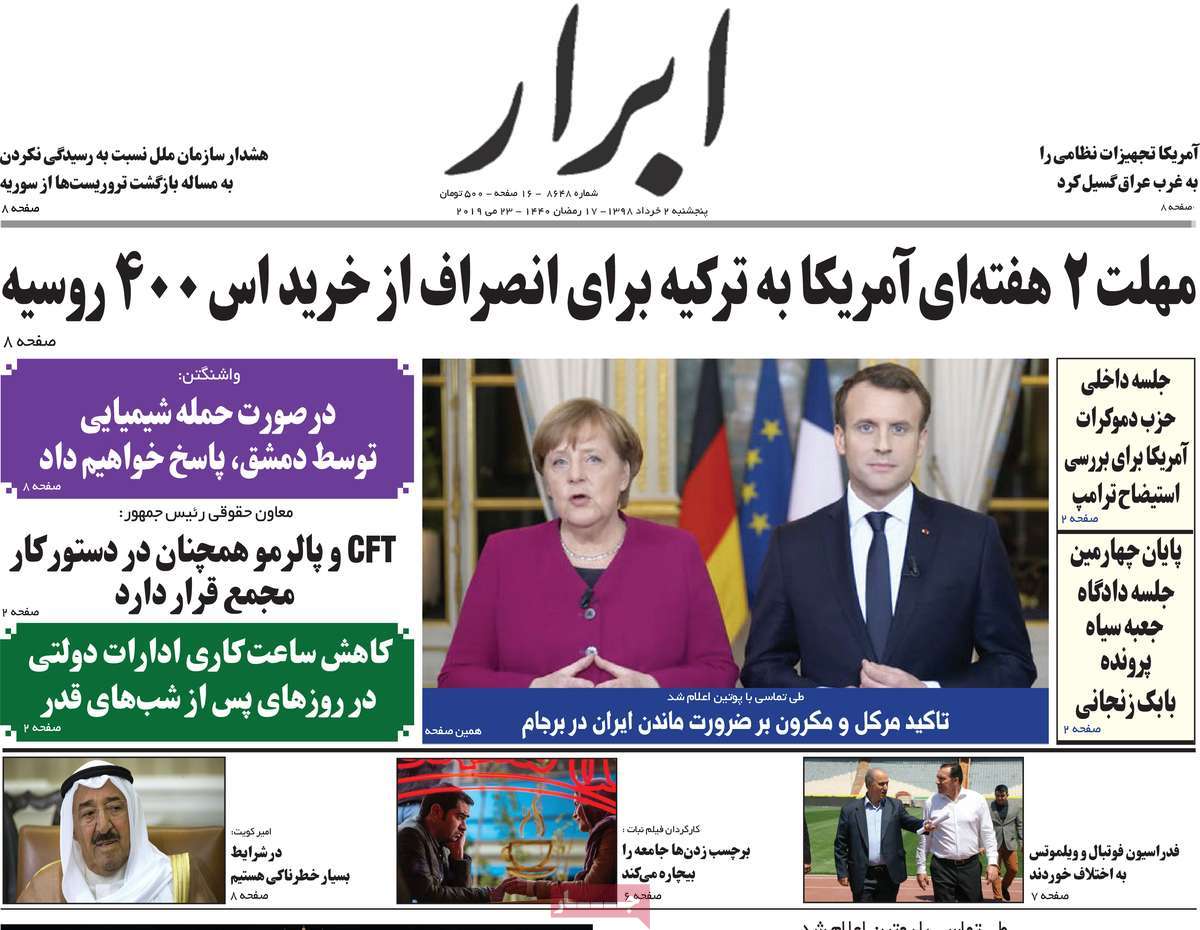
Abrar:

1- US Deploys Military Equipment in Western Iraq

2- US Gives Turkey Two Weeks to Withdraw from Buying S400

3- Merkel, Macron Underline Necessity of Iran’s Staying in JCPOA

4- UN Warns about Failure to Address Return of Terrorists from Syria

5- US Democrats Hold Internal Meeting to Discuss Trump Impeachment

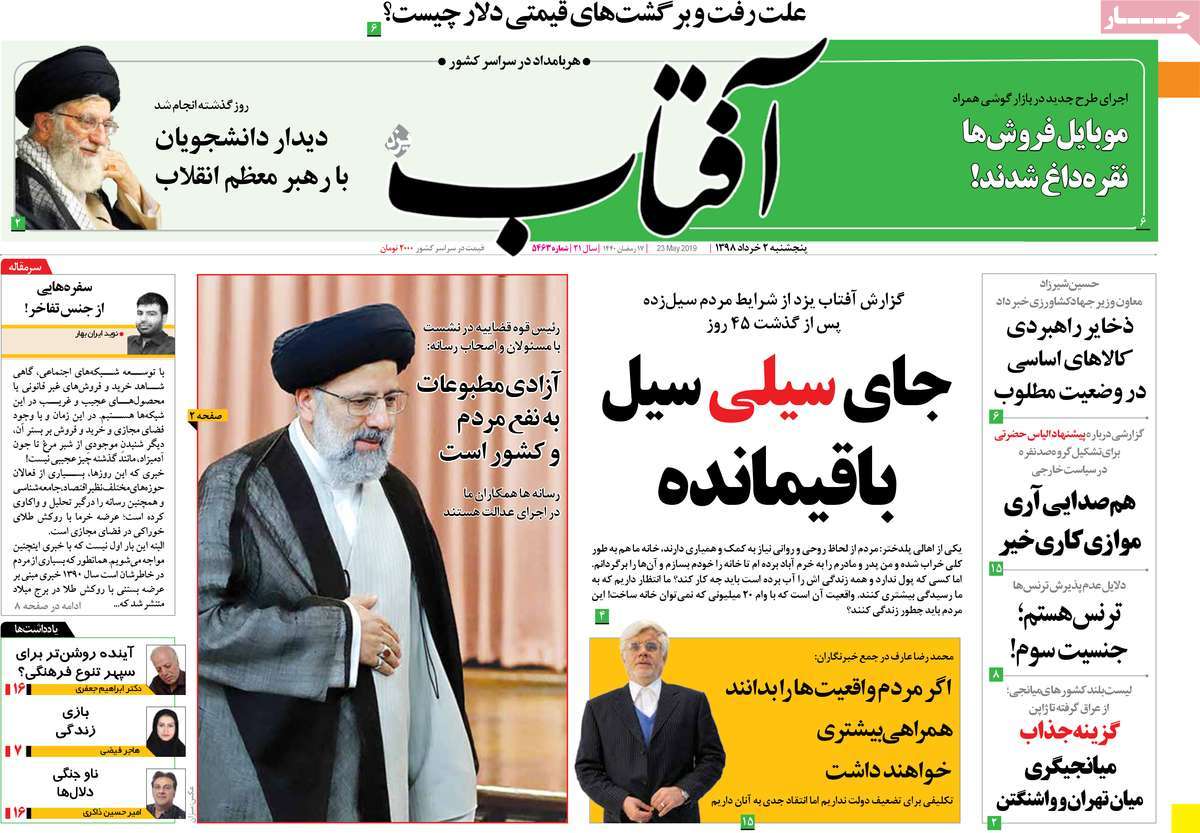
A Look at Iranian Newspaper Front Pages on May 23


Aftab-e Yazd:

1- Iran Leader Meets a Group of University Students

2- Long List of Countries Ready to Mediate between Iran, US: From Iraq to Japan

3- Strategic Reserves of Basic Commodities at Good Level

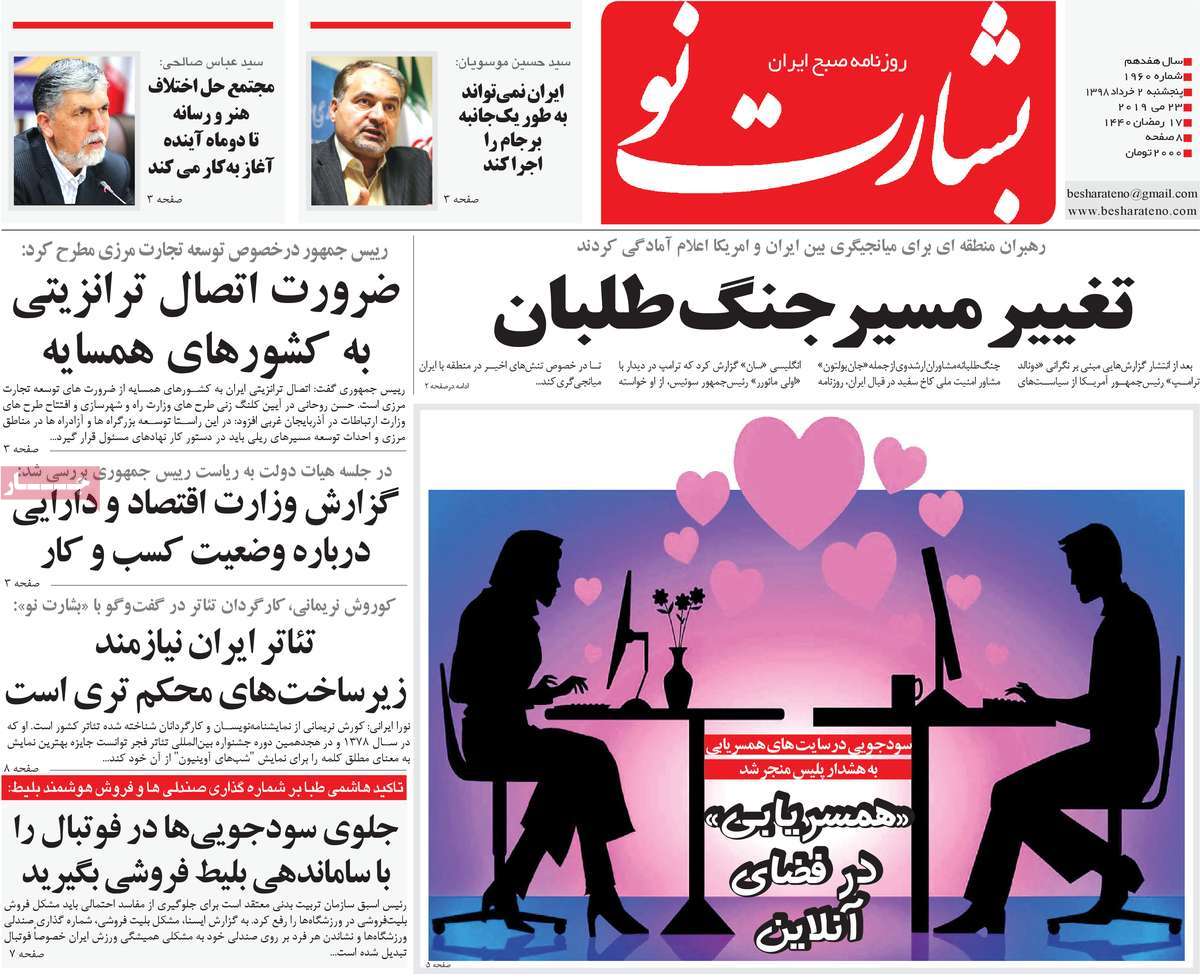
A Look at Iranian Newspaper Front Pages on May 23


Besharat-e Now:

1- Mousavian: Iran Cannot Implement JCPOA Unilaterally

2- Regional Leaders Ready to Mediate between Iran, US

3- Rouhani Stresses Need for Transit Connection with Neighbouring States

A Look at Iranian Newspaper Front Pages on May 23


Etemad:

1- Trump Administration Officials Take Their Anti-Iran Claims to Congress

2- Freedom of Press Discussed in Media Managers’ Talks with Judiciary Chief

A Look at Iranian Newspaper Front Pages on May 23


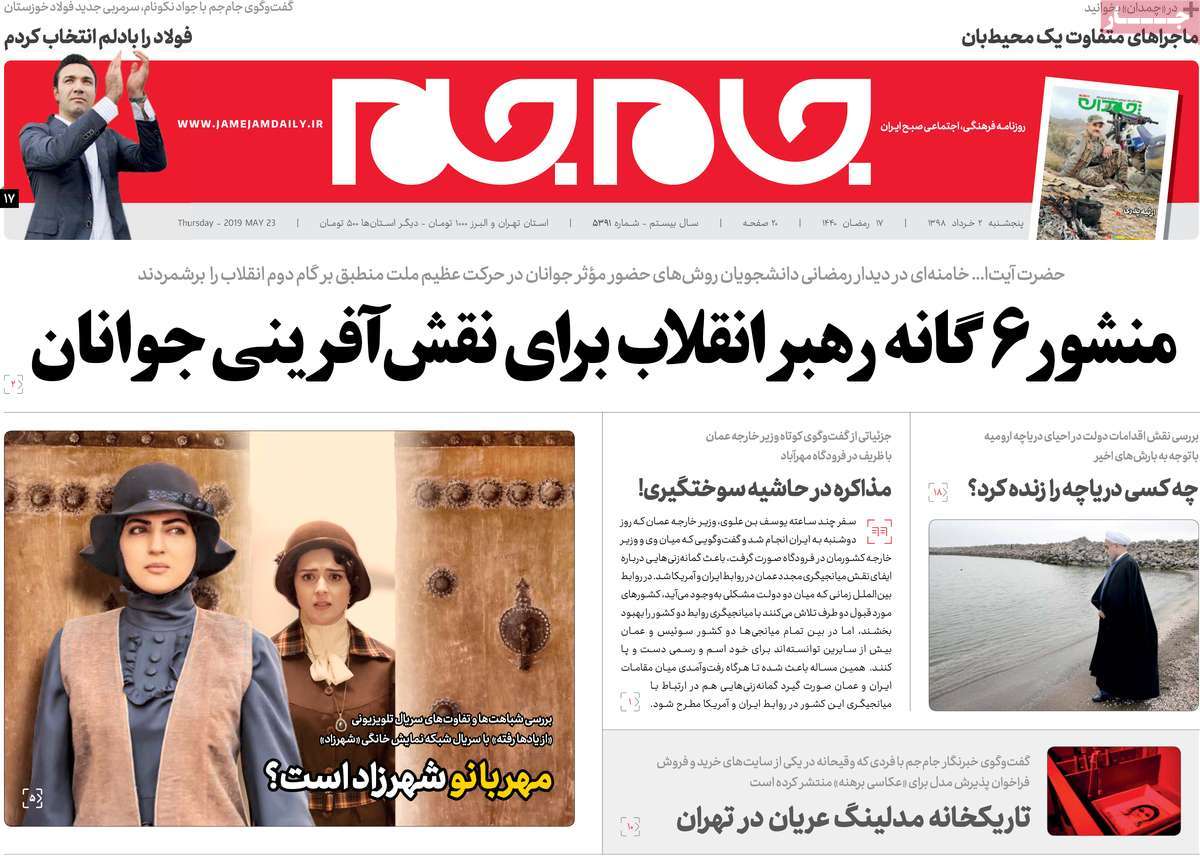
Jame Jam:

1- Iran Leader’s Six-Point Charter for Young People’s Participation in Society

2- Negotiation on Sidelines of Omani Plane’s Refueling

* Iranian, Omani FMs Hold Brief Talks at Mehrabad Airport

A Look at Iranian Newspaper Front Pages on May 23


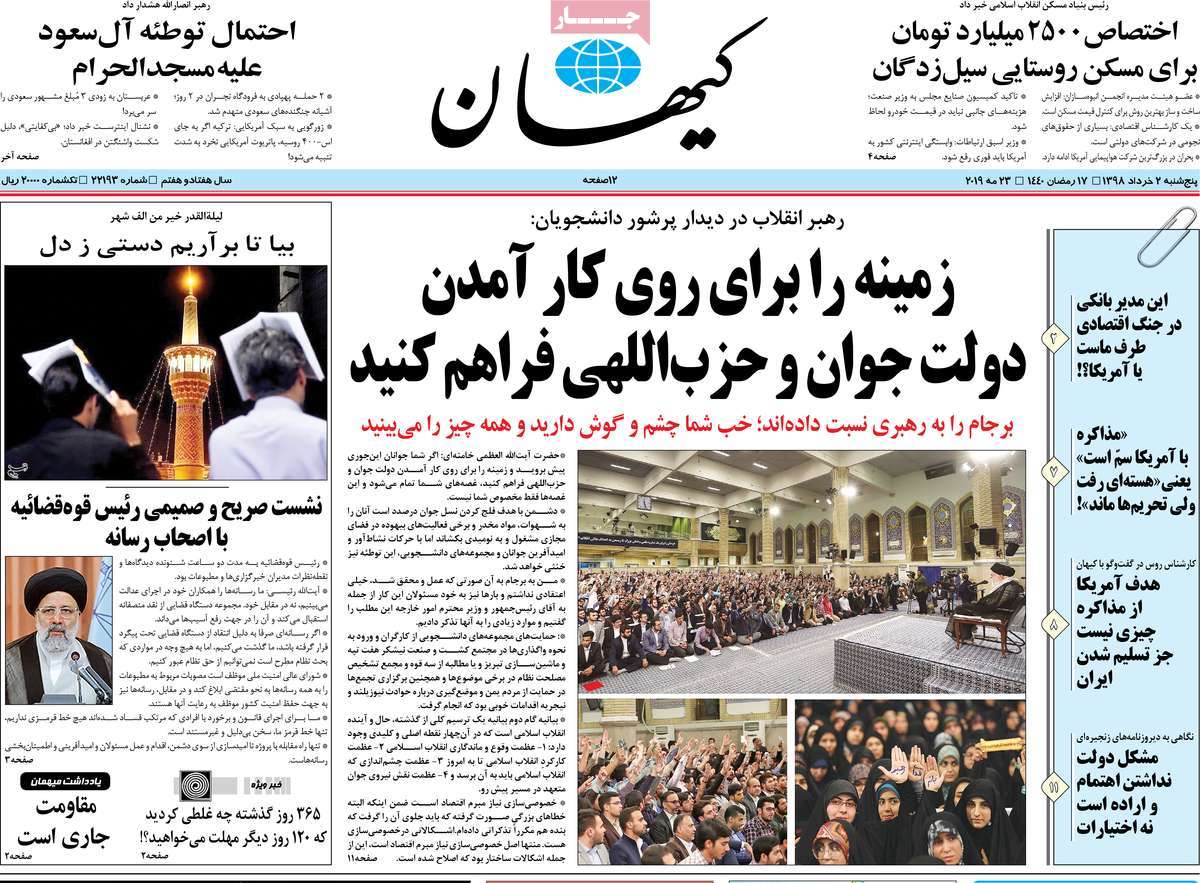
Kayhan:

1- Ansarullah Chief Warns: Al Saud May Hatch Plot against Holy Mosque of Mecca

2- Iran Leader: Prepare Grounds for Young, Revolutionary People’s Coming into Power

3- Russian Expert: US Call for Talks Aimed at Forcing Iran into Submission

A Look at Iranian Newspaper Front Pages on May 23


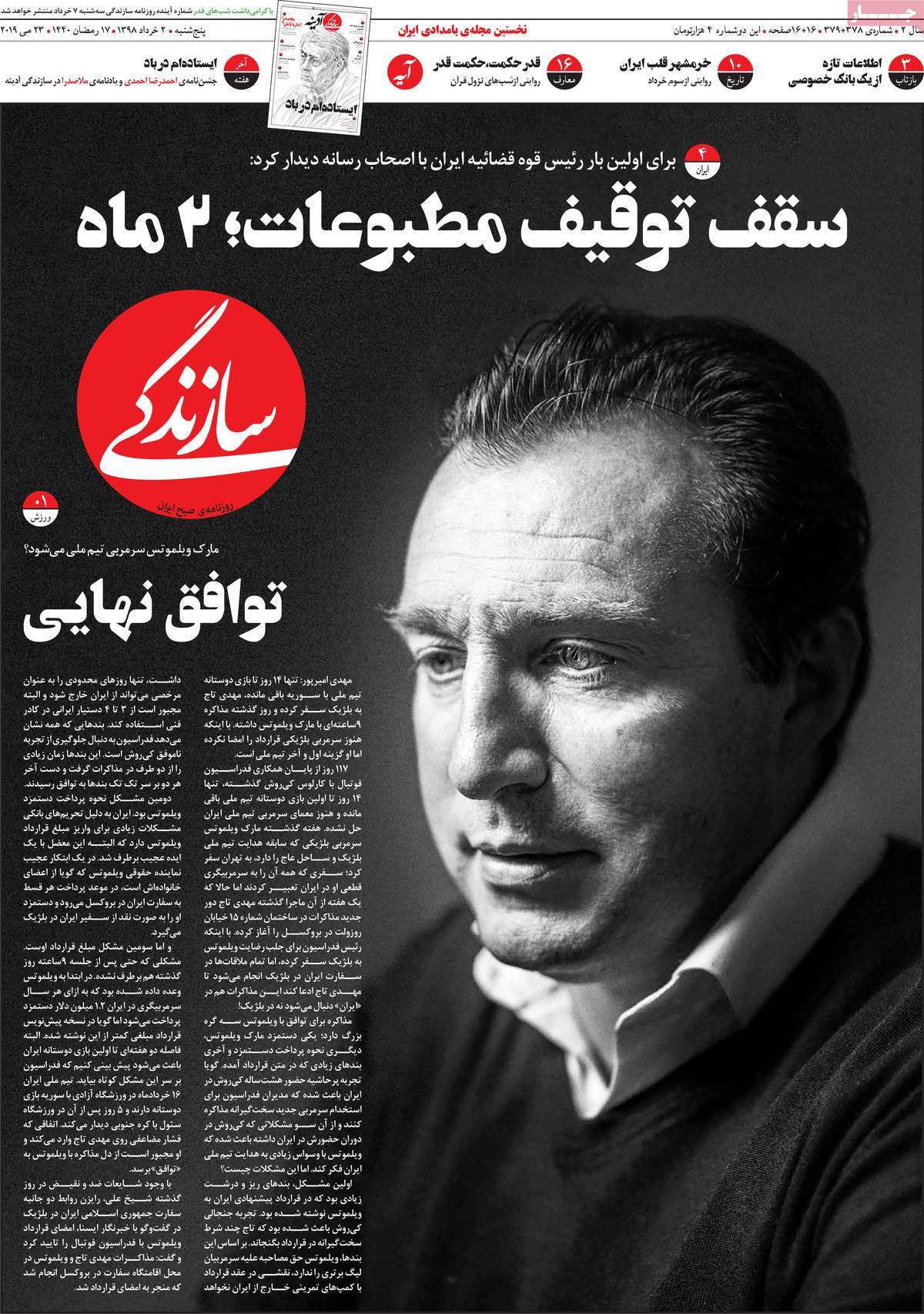
Sazandegi:

1- Judiciary Chief Holds Meeting with Media Managers for First Time

A Look at Iranian Newspaper Front Pages on May 23


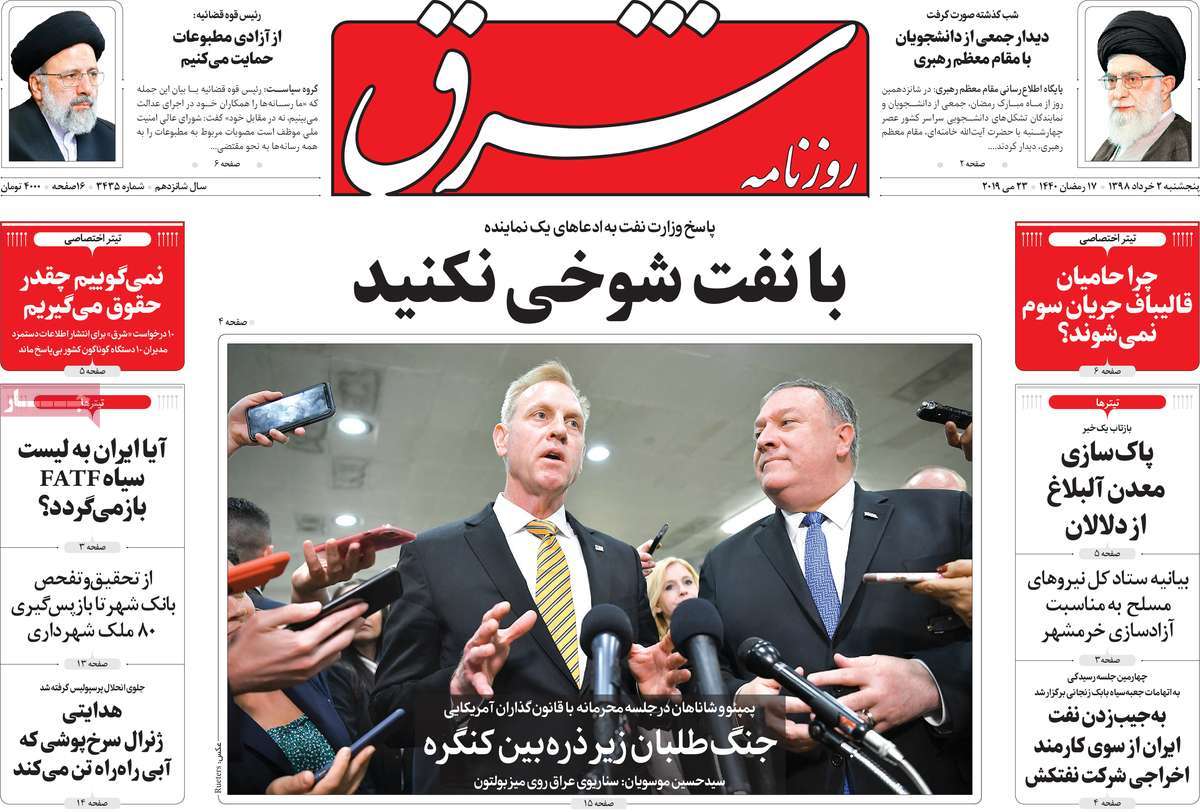
Shargh:

1- Judiciary Chief: We Support Freedom of Press

2- Warmongers under Scrutiny of Congress

3- Will Iran Return to FATF Blacklist?

A Look at Iranian Newspaper Front Pages on May 23


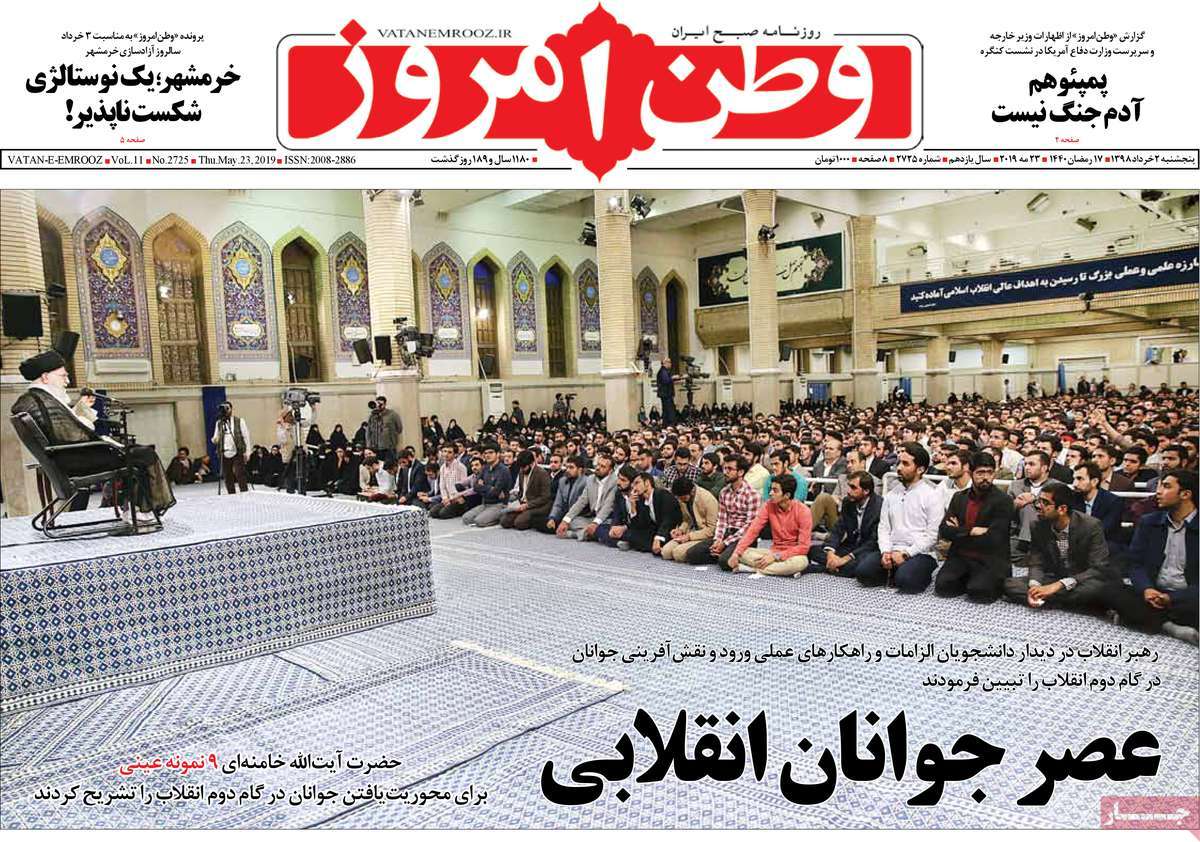
Vatan-e Emrooz:

1- Even Pompeo Not a Man of War: A Report on Congress Meeting with Hawks

A Look at Iranian Newspaper Front Pages on May 23

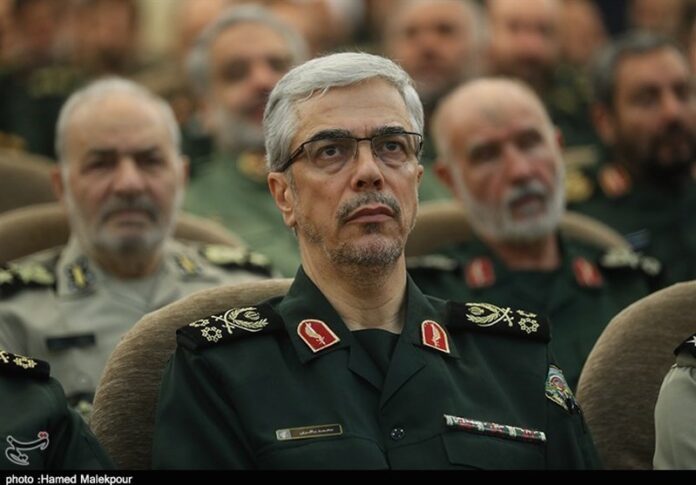
Enemy’s Adventurism to Trigger Iran’s Harsh Response: Top General

The Islamic Republic of Iran has strengthened its resolve to counter any potential military confrontation and warmongering acts, Major General Baqeri said in a statement on Thursday, released on the occasion of the anniversary of liberation of Khorramshahr, a city in southwestern Iran that had been occupied by Iraq’s Baathist army in the early 1980s.

He also warned that Iran’s “harsh, crushing and devastating response” awaits any stubborn and adventurist enemy who would dare take action against the country.

The commander highlighted the enemies’ frustration and defeat in the face of the dogged determination of Iranians, saying the adversaries have capitalized on their media capacities to overplay the threat of a “illusory war” and dishearten the Iranian nation.

Iran has formulated a chain of mighty responses to the enemy’s psychological war and devised a defensive and deterrent system to counter the enemies’ vicious plots and aggressive actions, he underlined.

Leader of the Islamic Revolution Ayatollah Seyed Ali Khamenei has on various occasions reiterated the need for boosting Iran’s military capabilities and defense preparedness.

In November 2018, Ayatollah Khamenei said that Iran’s enhanced military preparedness would frighten the foes and be deterrent against the enemies, underlining, “The Islamic Republic is not intending to begin a war against anyone, but you (the Iranian military forces) should boost your capabilities in such a way that not only the enemy would be fearful and afraid of attacking Iran, but also thanks to the solidarity, might, and effective presence of the Armed Forces, the specter of threats against the Iranian nation would be swept away.”

Story of Two Swiss Women Who Went Missing in Iran

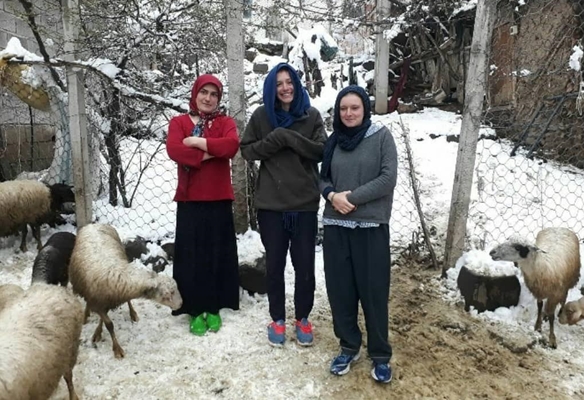
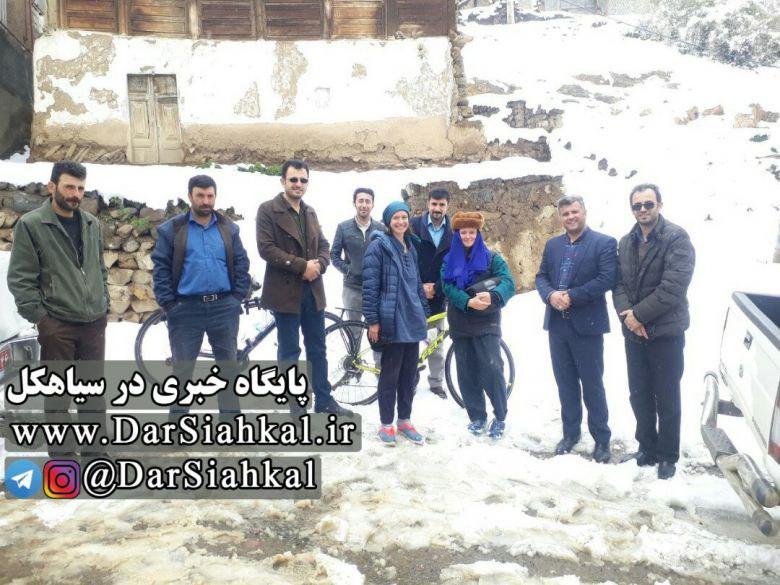
Last month, two female Swiss cyclists, along with their Iranian colleague entered the Klishom village in the Roudbar Alamout region of Qazvin province. They had gone to this area for biking, but later in the day the two Swiss women left their Iranian colleague and headed to Deylaman region in Siahkal County of Gilan Province.

They were caught in the highlands of the Siahkal in cold and snow, but they were finally rescued and sheltered by the locals of Tarik Darreh village.

“We have travelled to different countries for several years. Countries like Germany, Vietnam, Morocco, Russia and many other ones,” said one of the Swiss girls in an interview with Shahrvand daily.

“This was our first time travelling to a country with bicycle. We landed in Iran. We loved to come to Iran even though our colleagues always advised us not to do that. But we were in love with Iran, Khayyam and Hafez. We always liked to visit the city of these two great poets. So we arrived in Iran,” she said.

“We started cycling from Shiraz along with our Iranian friend who lives in Switzerland. We cycled until we arrived in Qazvin. There, we were separated from our friend. It was our first time in Iran. We headed to Deylaman, but we got lost in Tarik Darreh village and got caught in snow and cold,” says one of the cyclists.

“We were scared to death and did not know what to do. However, we finally saw the family of Alireza Dakhim there. They were kind villagers who sheltered us. We spent a night at their house and they were very kind to us.”

“We did not imagine Iran would have such great geographical attractions and cities. Iranian people’s hospitality is not comparable to that of other countries. Although we were lost, it was a good experience and surely we would return to Iran along with our families. Iran has become one of our favourite countries,” she adds.

Story of Two Swiss Women Who Went Missing in Iran

Iran’s Christian Architecture: Vank Cathedral

Vank Cathedral, Iran

Vank means “monastery or covenant” in the Armenian language. This famous tourist site is located in the New Julfa district of Isfahan, Iran. The church was established in 1606 dedicated to hundreds of thousands of Armenian refugees. The refugees were relocated by, Shah Abbas I, during the Ottoman war 1603-1618.

It is interesting to note that the fortunes and independence of the suburb across the Zayandeh River (Zayanderud) and eclectic missionaries and mercenaries historically living in the area can almost be chronologically traced to the cathedral’s combination of building styles and differences in its architectural designs through the hundreds of years. So, as the cathedral prospered the surrounding neighbourhoods would prosper.

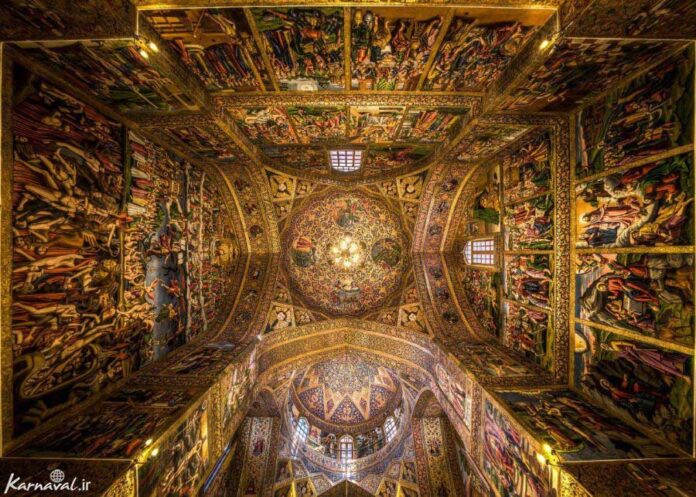
The cathedral was believed to be constructed in 1606, by the original Armenian refugees. This cathedral underwent major structural changes from 1655 to 1664 under the supervision of Archbishop David. The church consists of a domed sanctuary which resembles a typical Iranian mosque but there is one major difference. The cathedral has a significant addition semi-octagonal apse (a large semicircular or polygonal recess in a church, arched or with a domed roof, typically at the eastern end, and usually containing the altar), and a raised chancel commonly seen in western churches. The outward design is simple in contrast to the intricate and beautifully designed interior.

A Christian Abode

The church has corridors of successive arches which is a common feature of Islamic architecture. These arches lead into a brightly-coloured room of Armenian and Christian iconography (collection of illustrations and portraits) along with standard Islamic geometrical designs. Surprisingly, the church which is Christian has existed in an Islamic country without any incidents having occurred within its parameters all these years. The church contains detail and depth of color rarely found in religious structures.

The community is allowed to live in peace and freely express it religious beliefs in Iran. Within the cathedral complex is a museum that chronicles the Armenian genocide committed by the Turks in the early part of the 20th century. You will find many breathtaking architectural sites in this Iranian city, but the Vank Cathedral will stand out as the one of the most beautiful tourist sites in the world.
Iran's Christian Architecture: Vank CathedralReviews of Outstanding Church

The church is most likely one of the most visited sites in the world and it is certainly (if not the most visited site in Iran) one of the most visited sites in Iran. Here are some paraphrases of the reviews of the church:

A Belgium tourist says, one will be amazed that a Christian church exists in Iran, and it one of the oldest and most beautiful churches in the world. It is awesome that it can exist in a heavily influenced Islamic country.

An Iranian native said, this is a must see site if you visit Iran, it helps one to understand the construction of the city and it is a notable piece of Armenian history. It is a beautiful piece of art and it has a one-of-a-kind museum.

An Australian visitor claimed, that the church is located in the Armenian quarter of the city, next door to an Armenian museum.  The Church is small for a cathedral but it offers some very beautiful art work. If one ends their experience by visiting the museum, it clarifies the Armenian migration to Iran for that visitor.

A New Zealand tourist said this, the church is a wonderful, unforgettable place to visit. The church illustrates bible stories and the awful deaths of the Armenian saints on the walls. The museum further explains, in detail, the persecution the Armenians suffered at the hands of the Turks.

A visitor from Tehran complained, that the church was nothing extraordinary to visit and this visitor did not appreciate the entrance fee the church charged visitors.

A London traveler suggests, that the museum is very uninspiring but the settings and art work in the church are nice. The coffee shops are funky and you can take a nice stroll along the river. The last part of the review really having nothing to do with the cathedral.

It is disheartening to note the above review suggests that the museum is uninspiring. There were many Armenian lives lost in the early 20th century, which should inspire anyone to stand up for what they believe.

350 Inspiring Years

This celebration occurred on Monday, October 20th, 2014 in Isfahan, Iran. It marked a monumental point in the history of Vank Cathedral as it marked the 350th anniversary of this legendary cathedral. Think about it a Christian church has peacefully existed in Iran for 350 years which is quite an achievement.  The ceremony was attended by Armenian Church Leader His Holiness Aram I, and the Archbishop of Isfahan province and southern parts of Iran, Babken Charian, and a group of Isfahan’s Armenian residents and officials attended the ceremony as well. In the ceremony, Archbishop Charian cited prayers of lament and the brethren shared in holy bread. 

Iran to Register Vank Cathedral as World Heritage

Historical Facts of Cathedral        

Following the Ottoman war of 1603-1605, there was a major migration of Turks into Iran. Their leader was Safavid King Shah Abbas I, who settled tens of thousands of them in the Iranian provinces south of Aras River. King Shas Abbas I also settled thousands of Armenians who fled the Ottoman massacre in Nakhchivan to Iran. This migration actually set the impetus for the great cathedral to be built. This guaranteed their style of worship would continue from generation to generation.

Nakhchivan suffered immensely during the 14th to 18th century wars between Persia and Ottoman Empire. These bitter enemies fought for 400 years and Nakhchivan was right in the middle of the bloody conflict. King Abbas, feared the lands around Nakchivan may fall into Ottomsan hands; he forced the entire Muslim, Jewish and Armenian population of the city to move to Iran. The refugees relocated to Isfahan, the capital of the Safavid Dynasty, and settled in the city’s New Jolfa district, named after their original homeland in modern Azerbaijan Republic.

The Armenian immigrants began building churches and monasteries to continue their religious practices. The first monastery built in 1606 was in Jolfa. The structure included a little church, Amna Perkich, which means “’All Healing.” From these humble beginnings, the magnificent Vank Cathedral was built. The cathedral was built 50 years after the little church was first built.

Shah Abbas I, also known as Abbas the Great, passed away on January 19, 1629 in Farahabad, Mazandaran, Iran at the age of 57.

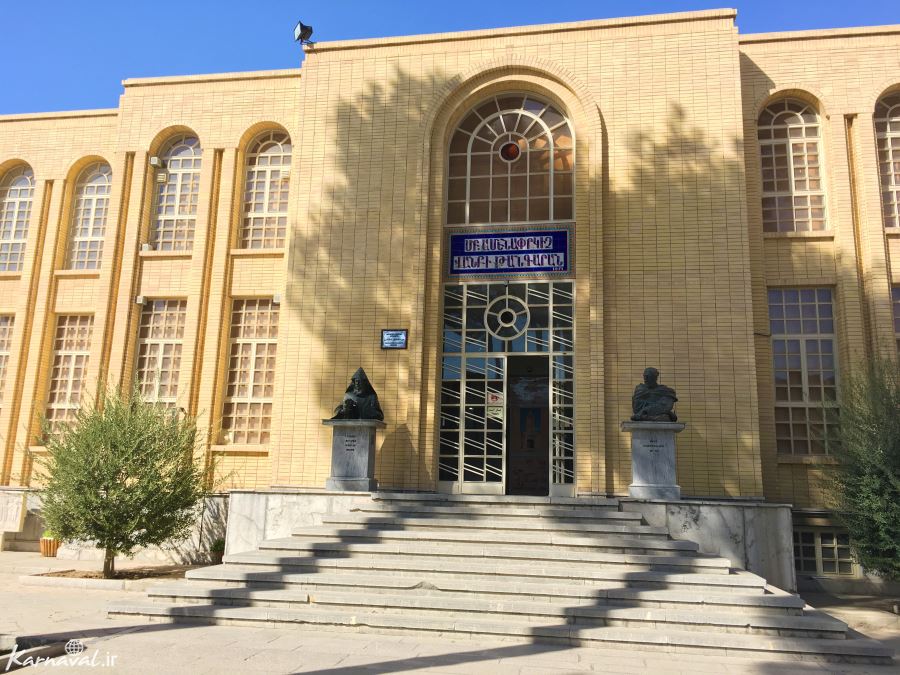
One of the largest and most beautiful churches in Iran was completed in 1664. In 1702, a bell-tower was added, a printing press founded by Bishop Khachatoor, a library built in 1882, and finally a museum in 1905.
Iran's Christian Architecture: Vank CathedralThe Characteristics of the Cathedral   

The architecture of the cathedral is a combination of the 17th-century Safavid style with high arches and an Islamic-style dome signifying both a Christian/Islamic influence in the architecture. The architecture and interior designs of the church has influenced many churches built in Iran and the Mesopotamian Region. The cathedral has influence the surrounding region in many ways.

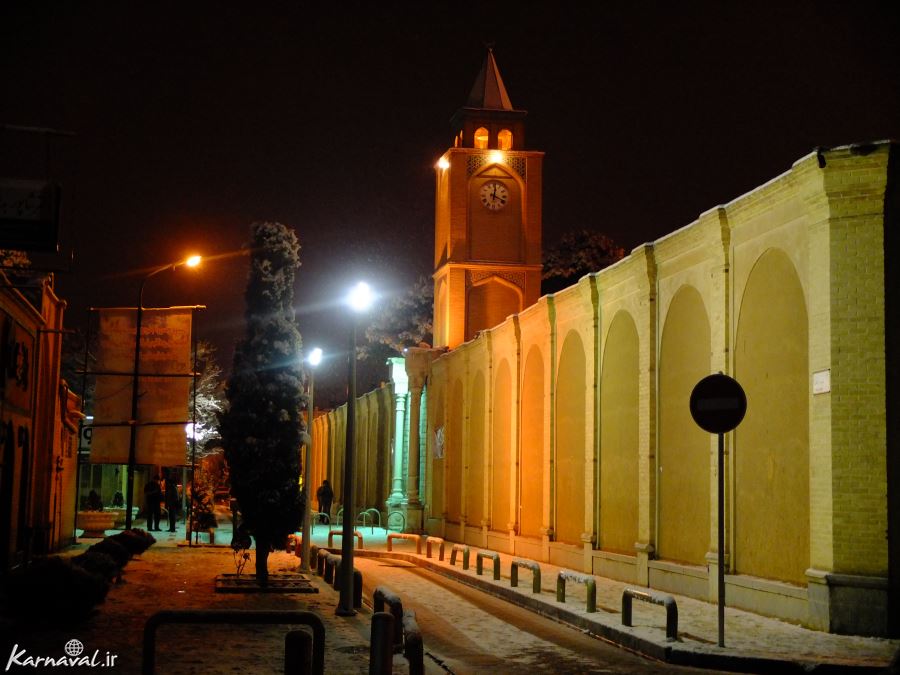
The grand entrance to the cathedral consists of a large wooden gate through which visitors enter the courtyard of the building. Upon entering the courtyard, one encounters two rooms that once comprised the administrative offices where the Armenians processed their paperwork. One is confronted with a large free-standing belfry—the part of the bell tower where the bells are housed—that stands in the courtyard. The belfry towers over the graves of Orthodox and Protestant Christians who have been buried along the wall before the entrance. The Belfry was built 38 years after the main structure and the belfry leads into the main entrance.

If one looks to the right-side of the belfry they will see a large blue inscription surrounded by crucifix stones. The stones have been collected from the ruined churches of the Jolfa quarter. On a raised area to the left, there has been a memorial set-up to remember the victims of the Ottoman massacre. On every year April 23 Armenians gather by the memorial to light candles in remembrance of these martyrs.

At a corner of the cathedral’s courtyard, rooms have been built to house the Isfahan archbishop and his group, as well as other Armenian religious authorities of Iran. There is a building across the courtyard facing the cathedral. This building houses the Vank library and museum.

The Vank Cathedral is one of the biggest sight-seeing tourist attractions in Iran. It has become a well-known wonder worldwide. It has a long and illustrious history. It was founded by Armenian religious refugees in 1606 when the construction of the cathedral started. Throughout the centuries there were additions added to the original structure through 1905.

The church commemorates the martyrs killed in the great Ottoman slaughter. The church has peacefully existed in the heart of Iran for over 350 years. Many visitors have visited the cathedral being inspired by its inward beauty. Visitors have come from all over the world to visit this magnificent site.     

Iranians Ready to Negotiate, but Not under Pressure: Omani FM

Iranians Ready to Negotiate, but Not under Pressure: Omani FM

Speaking in a Wednesday interview with BBC Arabic, bin Alawi said the Iranians are prepared to talk about their foreign policy, but under different circumstances and not under pressure.

He further noted that his country does not play the role of a mediator between Iran and the United States, but Muscat is very worried about the current situation and believes with the help of others the current tension in the region can be controlled.

“At the same time, we think the two sides, i.e. Iran and the US, along with their friends have realised that the current tension may lead to disaster and, of course, may end with an agreement,” underlined Bin Alawi.

“Everyone knows that if the situation worsens, the rest of the world will also be damaged and its repercussions are not measurable.”

Bin Alawi also mentioned that Iran and the United States both have the military and command capability to prevent this. It has been shown in the last 40 years. Both the Iranian and American navies have been very well established in the Persian Gulf.

“I am not worried about their usual mistakes. I am worried about the mistakes that may put the entire region on fire. In my visit to Tehran, I saw that US sanctions are unpardonable. The Iranians are prepared to talk about their foreign policy, but in different circumstances and not under pressure,” he went on to say.

He underscored that the United States and the (P)GCC countries should realise that blaming each other is a very dangerous game.

Bin Alawi paid a surprise visit to Tehran on Monday, during which he discussed regional developments with Iranian counterpart Mohammad Javad Zarif.

In a statement, Iran’s Foreign Ministry said the two sides had discussed bilateral ties, along with “the latest regional and international developments”.

Tensions have recently mounted between Tehran and Washington with the US deploying a carrier strike group to the Persian Gulf citing “intelligence” of an imminent Iranian attack on US interests in the region.

‘US Warships under Full Control of Iran Army, IRGC’

IRGC’s Second in Command Rear Admiral Ali Fadavi said the movements of US battleships in the region are under the complete control of Iran’s army and the IRGC and there are no worries regarding this.

“Over the years, our forces have thoroughly surrounded the Persian Gulf so that they [US battleships] must move with the permissions we give them,” Fars News Agency quoted him as saying.

Fadavi further noted that north of the Strait of Hormuz is fully controlled by Iran and theycannot approach Iran’s coastal waters.

“A few years ago, our friends suggested that all the Persian Gulf carriers should speak Farsi, so now in all these carriers there is a Farsi translator, and this means authority,” he stressed.

Tensions have spiked between Tehran and Washington after the US sent more military forces to the Middle East, including an aircraft carrier, B-52 bombers and Patriot missiles, in a move that US officials claim are Iranian threats to their troops and interests in the region.

However, Acting US Defense Secretary Patrick Shanahan said Tuesday that Washington has no interest in escalating tensions with Iran or going to war with the Middle Eastern country.

Iran’s Leader Ayatollah SeyyedAli Khamenei has said that Iran does not intend to wage war with the United States, but will continue to resist Washington.

US Says Iraq Can Buy Energy from Iran

US Says Iraq Can Buy Energy from Iran

On Wednesday, Al-Mayadeen News Network quoted US Charge de ’affaires in Iraq Joey Hood as saying that Washington has extended waivers for Iraq to buy energy from Iran.

Hood also said he does not have any information about Iraqi mediations between Iran and the United States, saying that the US canholdtalkswith Iran without mediators.

Iraqi Prime Minister Adil Abdul-Mahdi announced on Tuesday that he will send delegations to Tehran and Washington to calm the situation in the region.

The US official also said that Washington has not yet announced who was behind the recent rocket attack near the US embassy in Iraq.

US sanctions against Iran were imposed after the US president withdrew from a nuclear deal with Iran. Since then, Iraq has always been seeking an exemption from US sanctions against Iran.

Iraq is largely dependent on purchasing energy from Iran and importing various goods from the country. Iraqi officials have repeatedly said that they will not accompanythe US in its sanctions against Iran.

Iraq’s prime minister said last December that “we reiterated our stance on US sanctions against Iran, Iraq will not be part of it.”

Iran Leader Says His Nuclear Deal Conditions Not Met

The Leader made the remarks in a Wednesday meeting with a group of university students in Tehran, responding to a question regarding his role in the ratification of the landmark deal.

“It was said during the talks that the ratification of the JCPOA has been attributed to the Leader. You can see and hear and can observe everything,” he noted.

“Read the letter regarding the JCPOA and the conditions set for its ratification. But if these conditions were not met, the Leader is not in charge of intervention,” the Leader went on to say.

Ayatollah Khamenei stressed that the Leader’s role does not include intervention in executive affairs unless the entirety of the Islamic Revolution is at risk.

“I believe that the Leader should not meddle in executive affairs unless there is a risk that the entirety of the Revolution’s movement is endangered,” he added.

He said he did not approve of the JCPOA but allowed for the negotiations between the government of Hassan Rouhani and the P5+1 group of countries.

“But the way the JCPOA was handled, I did not really believe in it, and mentioned this to the president and the foreign minister and had warned them several times,” he added.

Iran and the five permanent members of the UN Security Council – the United States, Britain, France, China and Russia – plus Germany finalized the text of the JCPOA over Iran’s nuclear program in the Austrian capital of Vienna in July 2015.

Later in October, the Iranian Parliament and the Guardian Council passed the bill that allowed the administration to implement the nuclear deal.

According to the bill, the Iranian administration was allowed to voluntarily implement the JCPOA under certain conditions.

The provisions of the bill set out certain obligations that the administration had to observe in the implementation of the JCPOA.​

Article 1 of the bill forbade either the production or application of nuclear arms by the Iranian administration based on a fatwa issued by Ayatollah Khamenei and obliged the executive branch to participate in international and regional efforts aimed at countering the threat of such weapons.

The remaining articles laid emphasis on, among other things, cooperation and mutual respect between the two sides of the agreement, the administration’s mindfulness of the other party’s potential failure in removing the sanctions or its reversing them, and the prevention of access by the International Atomic Energy Agency (IAEA) to military sites unless allowed by Iran’s Supreme National Security Council (SNSC).

The deal, however, has been put in danger since US President Donald Trump withdrew the US from the JCPOA in May 2018, and re-imposed the anti-Iran sanctions that had been lifted under the accord in a clear violation of JCPOA.

On May 8, 2019, Iran declared its decision to suspend the implementation of some of its commitments under the multinational agreement, exactly one year after the US unilaterally abandoned the international document.

In a statement, the SNSC said the decision was aimed at “safeguarding the Iranian nation’s security and interests” in the line with national rights under Articles 26 and 36 of the JCPOA.

The statement says Tehran has exercised utmost self-restraint and patience since Washington’s exit from the deal last May, and has given the remaining signatories “considerable” time at their own request to compensate for Washington’s withdrawal and guarantee Iran’s interests.