Monday, December 22, 2025
Home Blog Page 3229

Iran Rejects Speculations on Japanese PM’s Visit

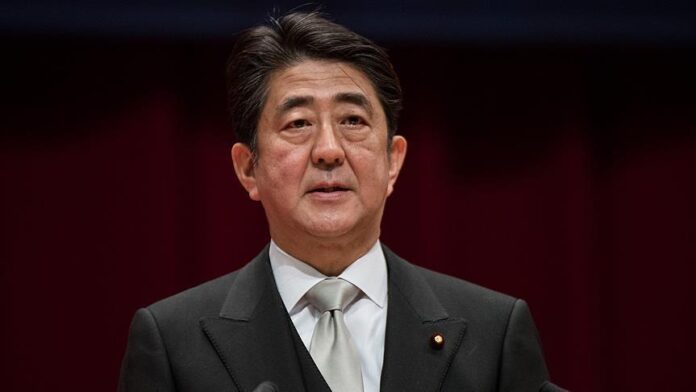
Iran’s Foreign Ministry spokesman on Friday dismissed as “untrue” and “invalid” the media speculations on Abe’s trip.

“Iran and Japan have friendly historical ties and there have always been talks and consultations between the officials of both countries, a clear example of which are the meetings between the heads of state of both countries in international conferences and the recent visit to Japan by Iran’s foreign minister,” Seyyed Abbas Mousavi said in a statement.

“Accordingly, Dr Rouhani has already invited Mr Shinzo Abe to visit Tehran, and, in response, he said that the visit will take place in due time. So, the reports and speculations published are untrue and invalid,” he said.

Earlier in the day, Japan’s Kyodo News claimed that Japan’s prime minister will make his final decision on visiting Iran after consulting with Trump who is expected to visit Tokyo on Saturday.

No Japanese prime minister has visited Iran over the past four decades.

Japan is Iran’s traditional economic partner and the two sides have had good ties over the past decades.

Iran Condemns Terrorist Attack on Pakistan Mosque

In a Friday statement, Seyyed Abbas Mousavi condemned the blast as a cowardly and inhumane act, offering condolences and sympathy to the Pakistani nation and government, especially the families of the victims, over the incident.

“The Islamic Republic of Iran is standing by the regional governments and nations, especially its brotherly neighbouring country, Pakistan, in order to eradicate terrorism in all its forms,” the spokesman noted.

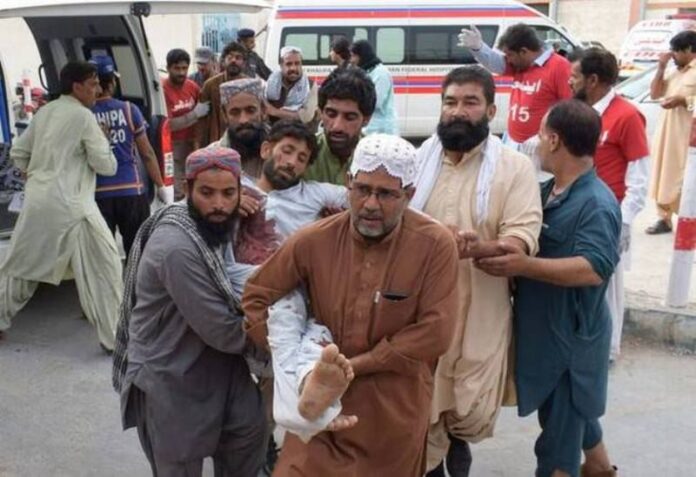
Dozens of people were killed or injured in an explosion at a mosque in Quetta’s Pashtoonabad area on Friday. The blast occurred during Friday prayers. Scores of people were present at the mosque at the time of the blast.

Pakistani Prime Minister Imran Khan expressed grief over the “tragic loss of precious lives” and sought a report from concerned authorities. He also directed the authorities to provide the wounded with the “best possible medical facilities,”


Iran to See End of Trump, Not Vice Versa: Zarif

Zarif made the comment following his meeting with senior Pakistani political and military officials in Islamabad

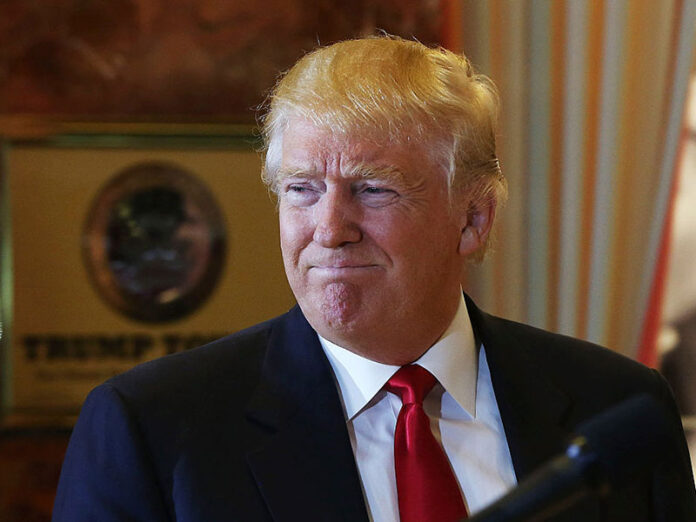
His comments came in reaction to remarks by US President Donald Trump, who said recently that “if Iran wants a war with the US, that would be the official end of Iran.”

“With his remarks, Mr Trump has shown that, first, he doesn’t know history, and second, he doesn’t know Iranian people, and third, he is proving that the claims made by him and his associates that they support Iranian people are lies,” he said.

“A few days ago, he (Trump) said ‘… that would be the end of Iran,’ but [let me tell you] that Iran will see his end, but he will never see the end of Iran,” said Zarif.

“Iran has existed for thousands [of years] and will continue to exist, God willing,” said Zarif.

“A parvenu country cannot talk about Iran like that,” Zarif stressed.

Zarif said Trump’s comments show he cannot even keep up appearances like others do, and he reveals his true intentions with regards to Iranian people.

“He has, time and again, accused Iranian people of terrorism, a word which only suits him best,” Zarif added, blasting Trump for calling Iran “a nation of terror” once again.

“Trump has announced that he has launched an economic war against Iranian people. Economic war means terror, means trying to impose a political viewpoint through political pressure, through the prevention of sales of food, medicines and basic goods, which runs counter to the instructions issued to the US by the International Criminal Court,” Zarif underscored.

“All these mean economic terrorism,” he said.

Zarif said if there is any terrorist, it is Trump himself as he has committed “economic terrorism,” not Iran, which has always been at the forefront of the campaign against terrorists in the Middle East region.

“Iranian and Syrian people have repeatedly appreciated Iran’s support for them against terrorism, and this is a reality which everybody accepts,” he said.

Elsewhere in his remarks, Zarif pointed to his visit to Pakistan, and said among the topics discussed at the meetings was Washington’s economic war against Iran.

Border issues also came up for discussion during talks with Pakistani officials, he said, adding that Tehran and Islamabad have agreed to have more border cooperation, so that border incidents will not happen in the future again.

“The Pakistanis also promised to do their utmost to secure the release of the Iranian border guards not freed yet,” he said.

Iran, Pakistan Urge Closer Cooperation against Terrorism

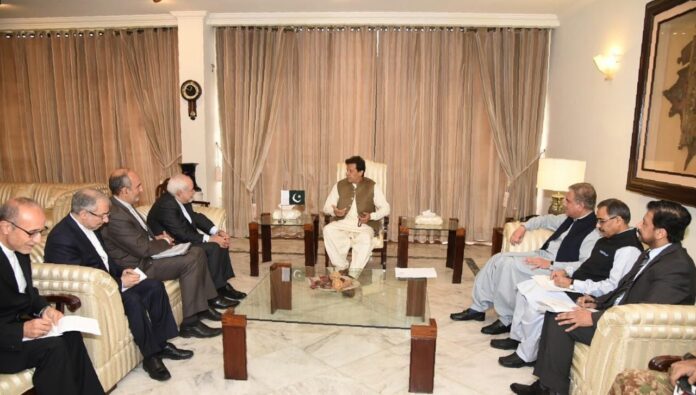
In a meeting on Friday noon, Zarif and Pakistani Prime Minister Imran Khan discussed the most significant issues in bilateral ties as well as regional developments.

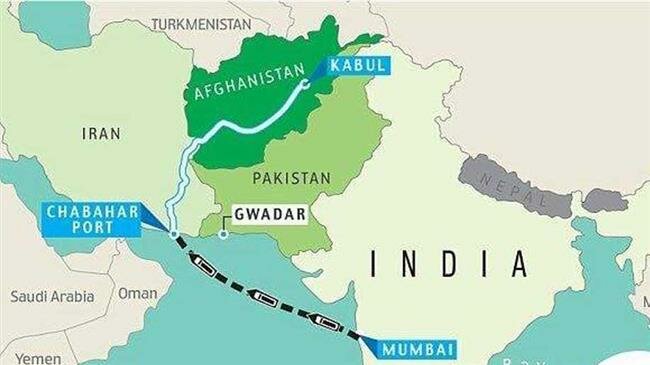
The Iranian top diplomat underlined the significance of expanding Tehran-Islamabad cooperation, particularly by connecting Iran’s Chabahar and Pakistan’s Gwadar ports together and taking advantage of their potential capacities as complementary ports in a bid to secure the two sides’ interests.

For his part, the Pakistani prime minister referred to his April visit to Iran, and stressed his country’s interest in expanding ties with Iran and increasing the two sides’ mutual cooperation along the common borders.

He also doubled down on the importance of regional peace and the need for cooperation among regional and tadalafil 20 mg tablet.

Zarif earlier held talks with his Pakistani counterpart Shah Mehmood Qureshi. During the meeting, the two senior diplomats expressed confidence that Iran and Pakistan currently have good and constructive relations.

They also highlighted the significance of continuing political consultations in the future and exchanged views on the latest regional issues and developments.

Zarif also met the neighbouring country’s Army Chief General Qamar Javed Bajwa. In the meeting, the two sides exchanged views on Iran-Pakistan mutual ties based on cooperation and understanding.

They also discussed regional issues, the significance of border security as well as the need to intensify efforts in fight against terrorism.

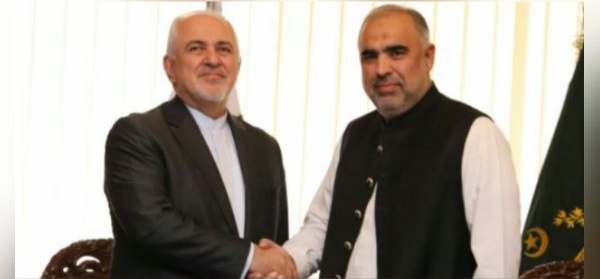
Iran, Pakistan Urge Closer Cooperation against TerrorismLater on Friday, Zarif held talks with Speaker of Pakistan’s National Assembly Asad Qaiser. In the meeting, the Pakistani official underlined his nation’s affection for the Iranian people and expressed his own support as well as that of Pakistan’s National Assembly for the Iranian nation amid the current situation.

He then referred to the upcoming visit of a parliamentary delegation from Iran to Islamabad and stressed the significance of strengthening cooperation between the two sides’ parliaments.

For his part, the Iranian foreign minister referred to the close relations between Iranian and Pakistan nations, and said there are good grounds for cooperation between Iran and Pakistan particularly in Chabahar and Gwadar ports.

Zarif then described Iran-Pakistan parliamentarian ties as good and called for further cooperation in the fields of border security and fight against terrorism.

The two sides also exchanged views on regional issues and stressed their countries’ support for the nation of Palestine amid the current critical situation of the region.

Iran’s top diplomat arrived in Pakistan late Thursday for bilateral consultations amid Tehran’s escalating tensions with the US.

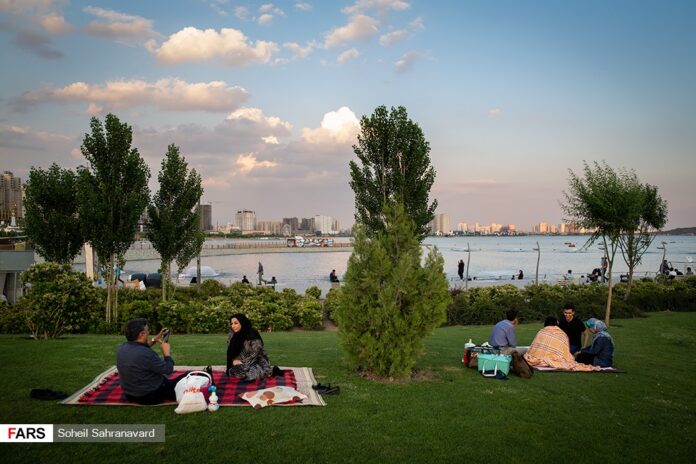
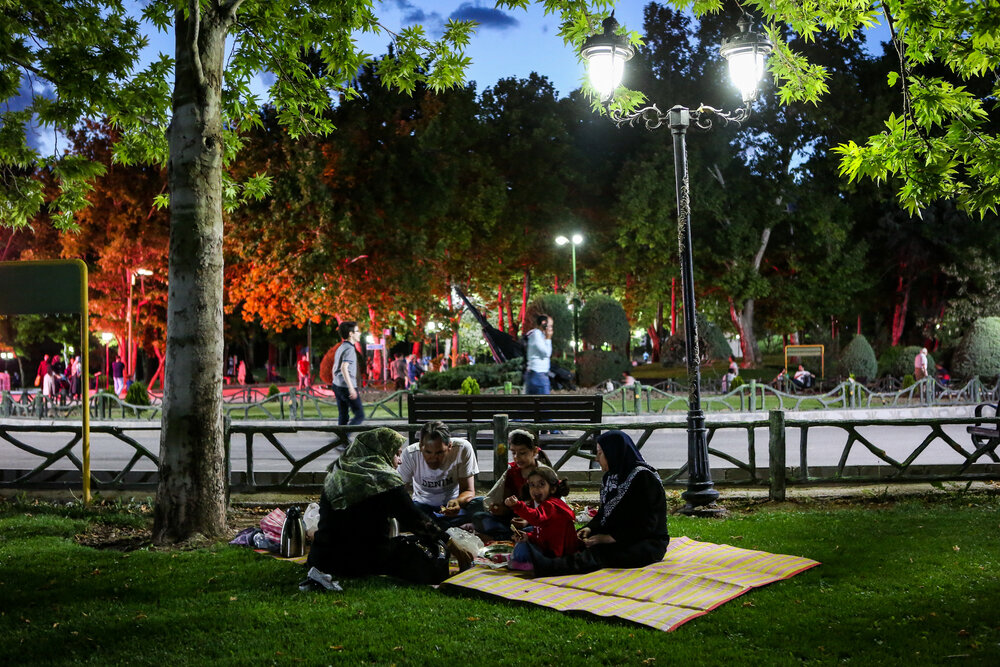
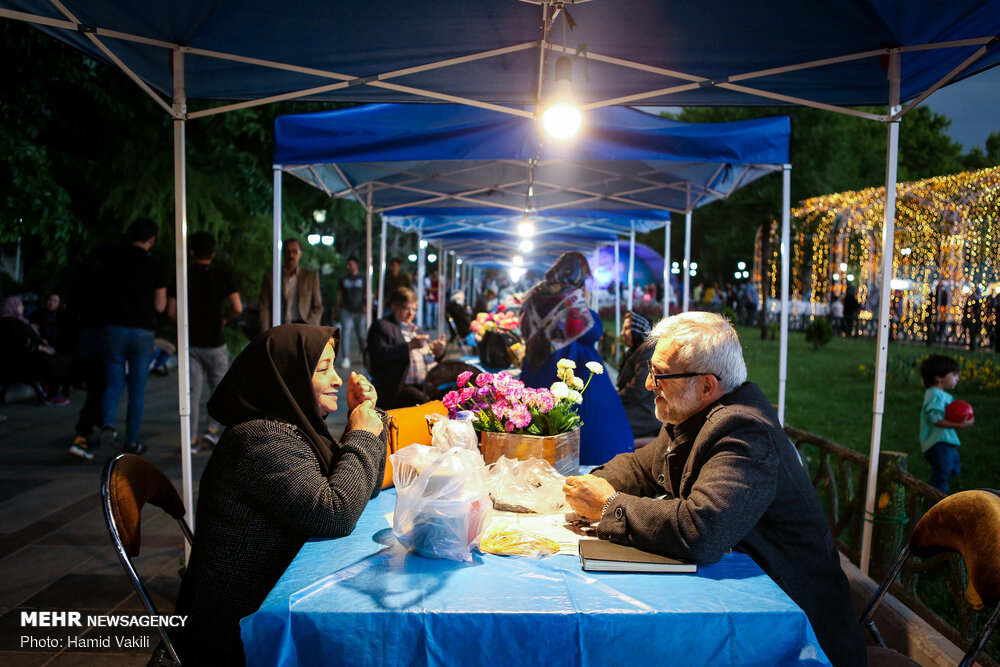
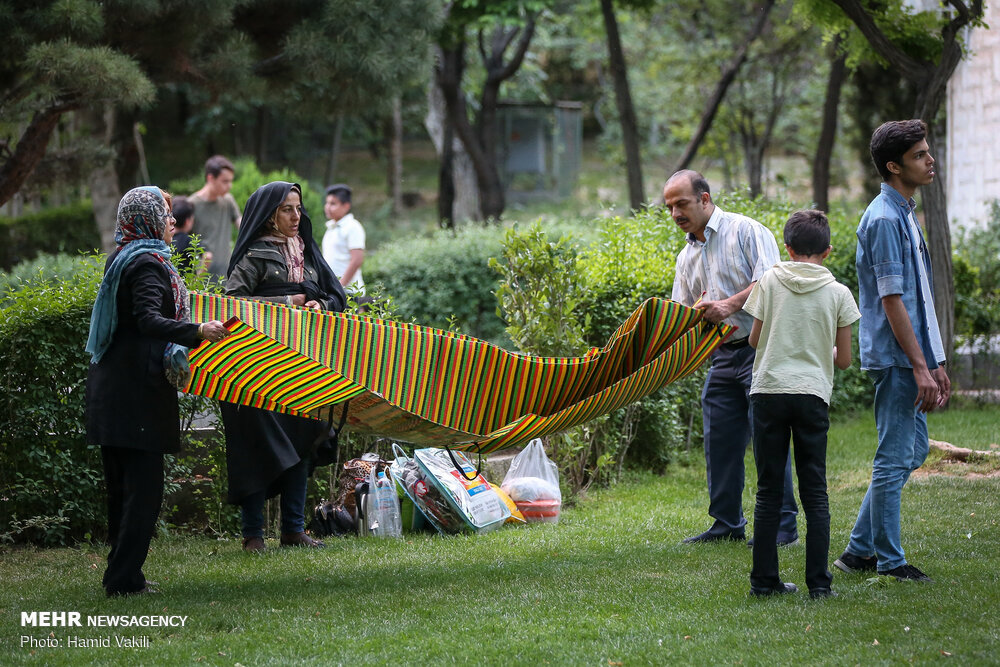
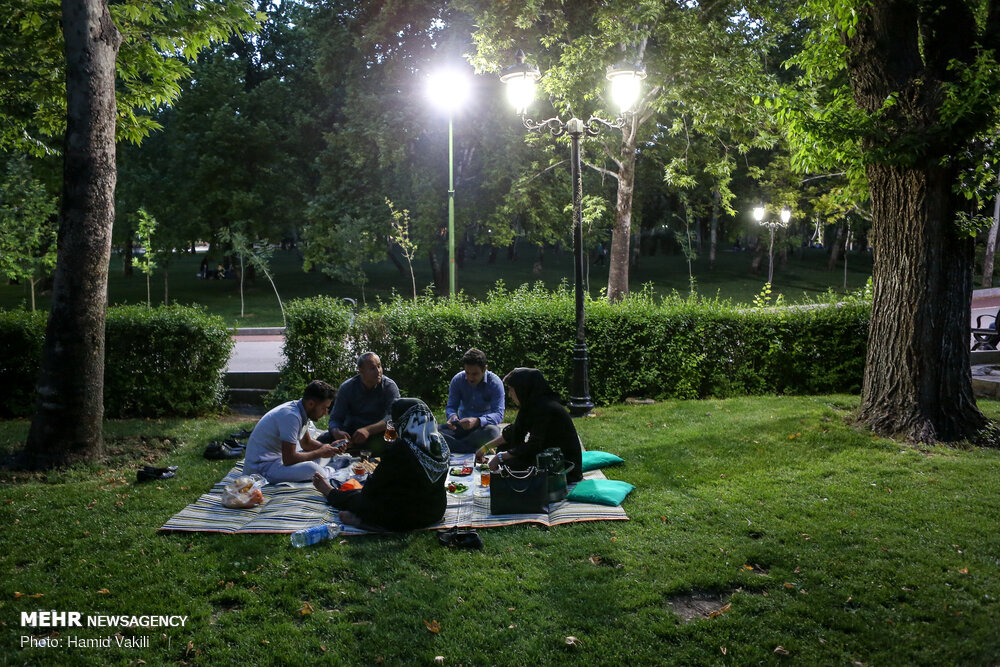
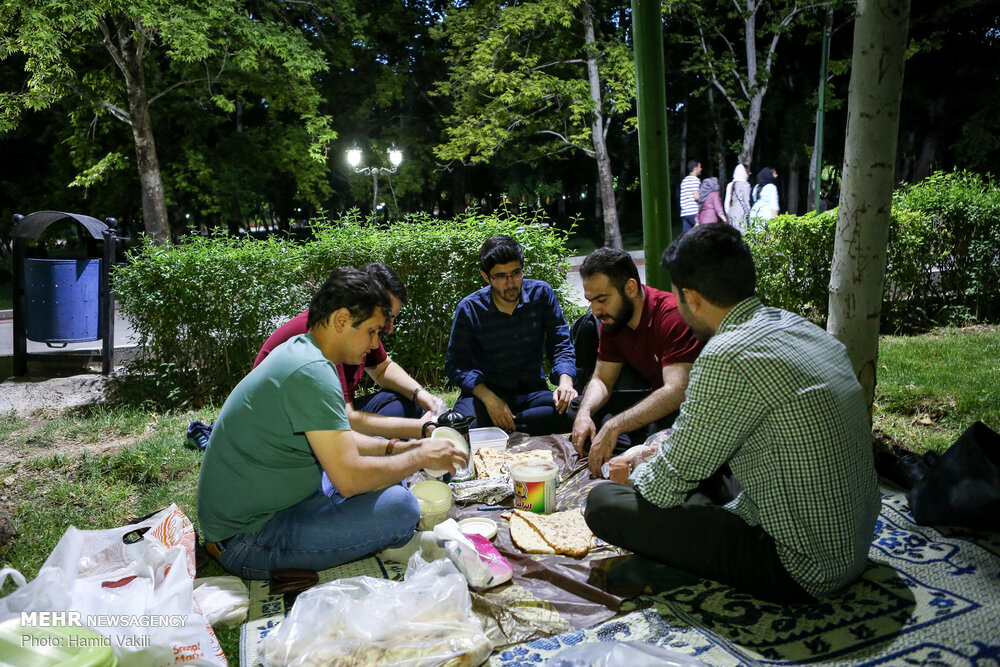
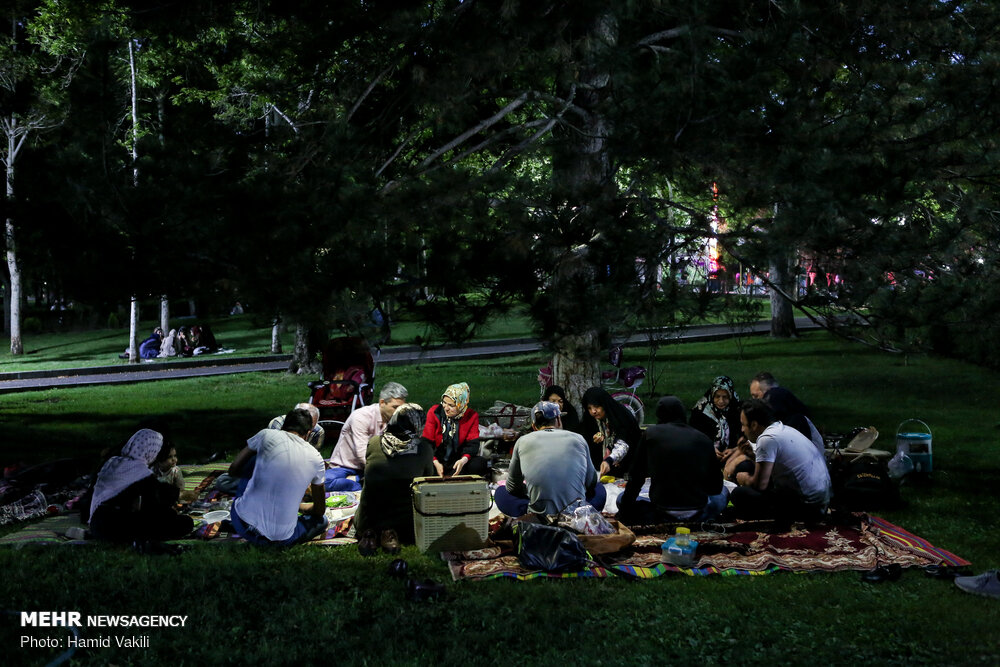
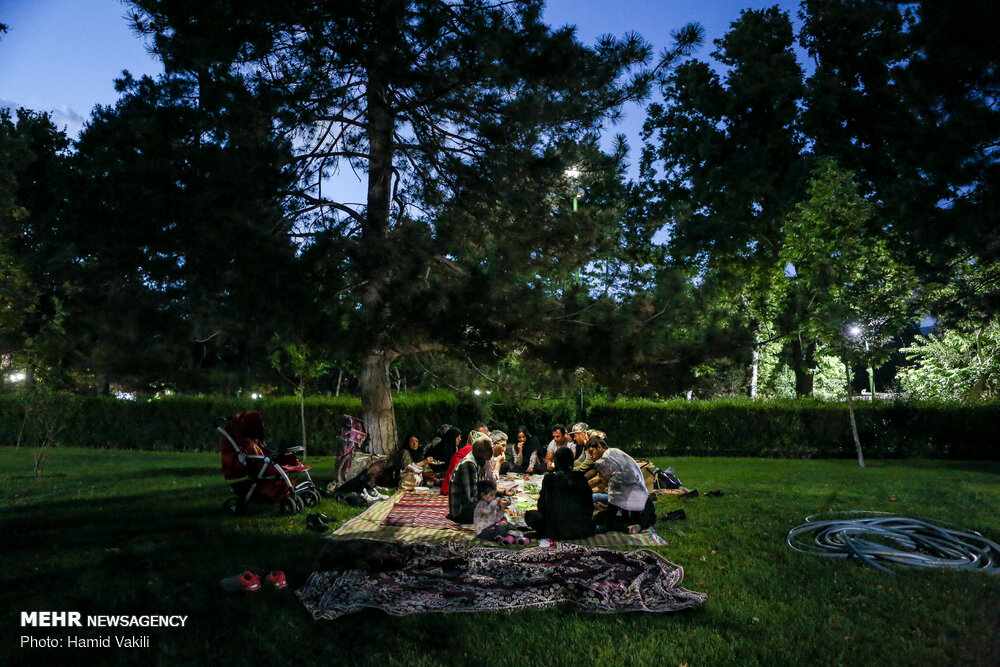
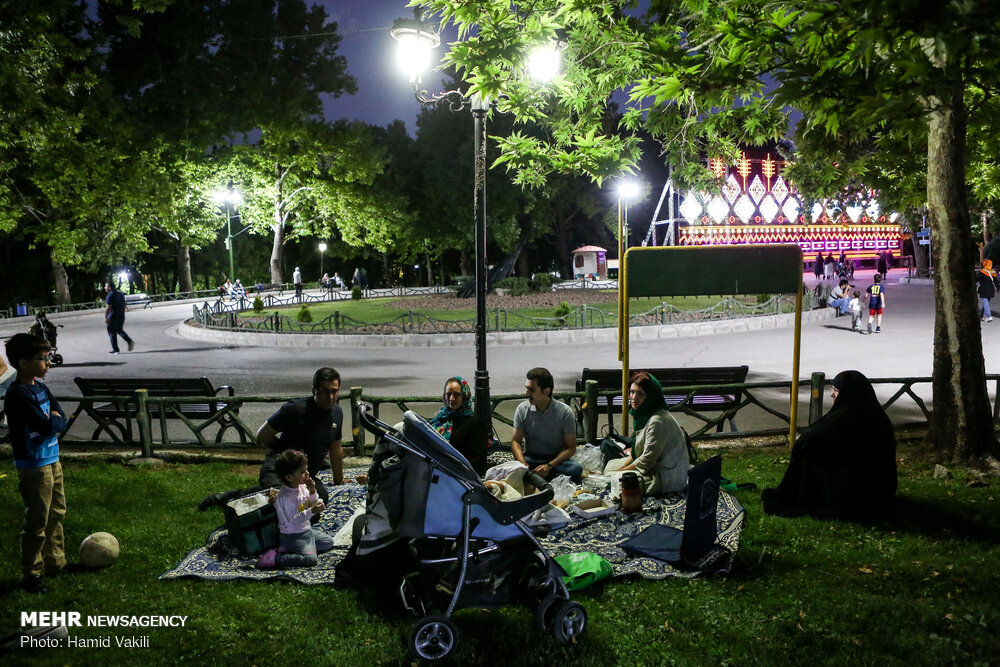
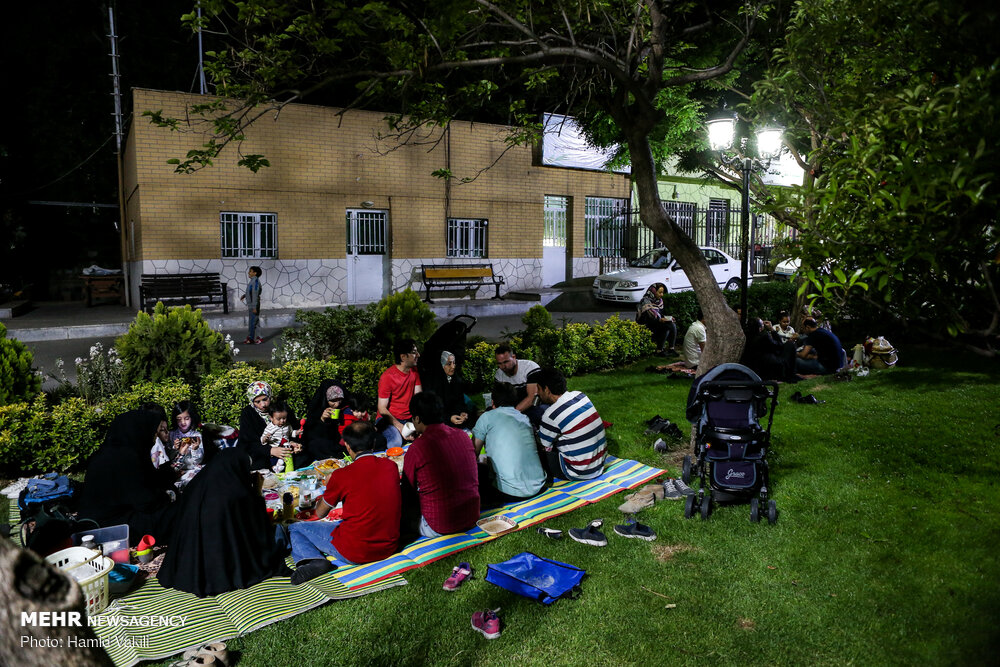
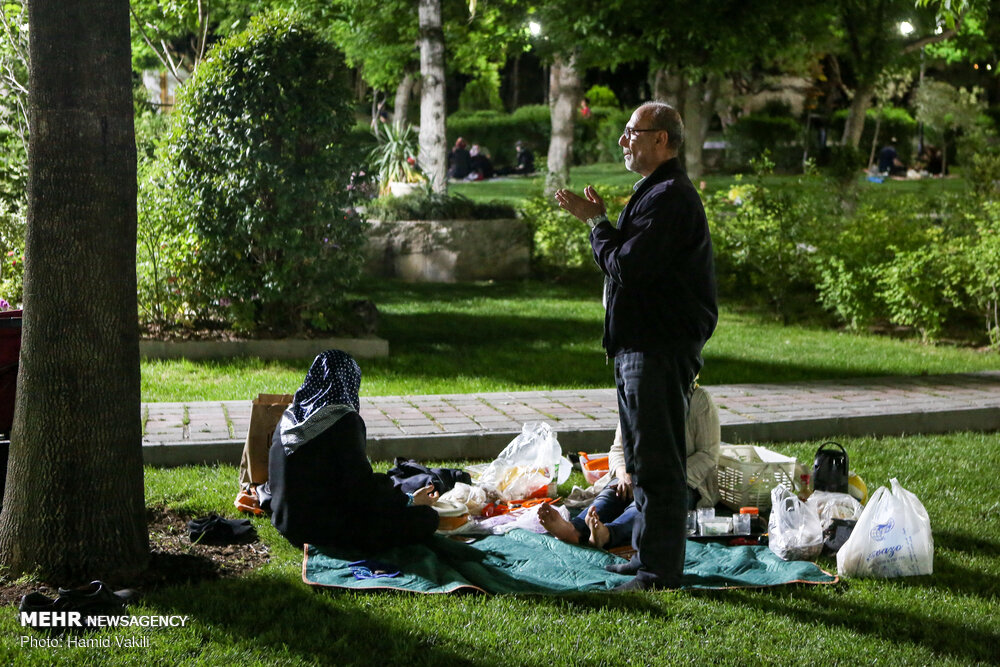
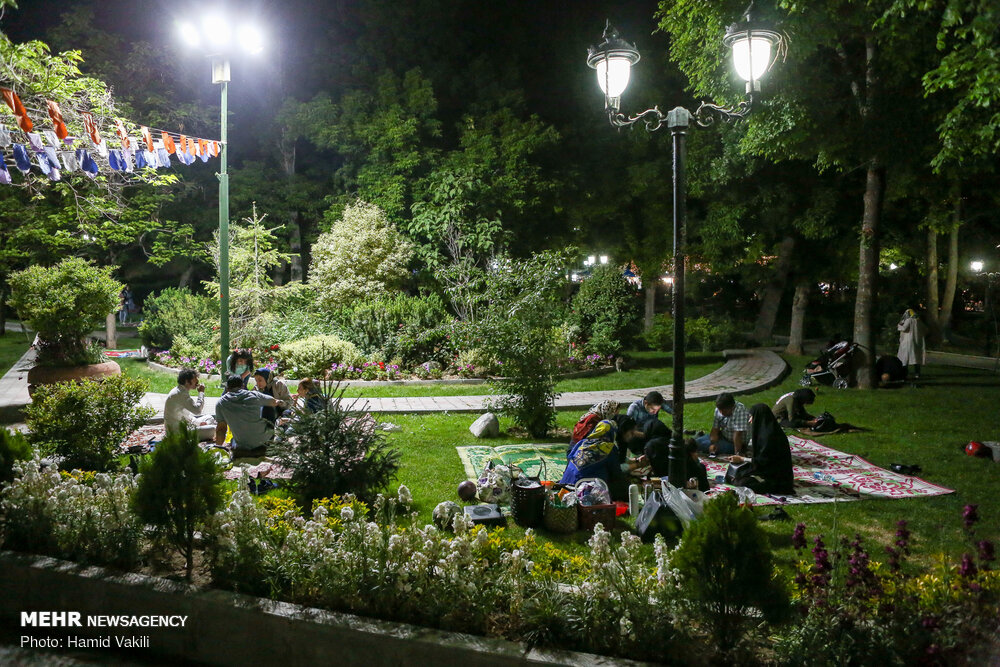
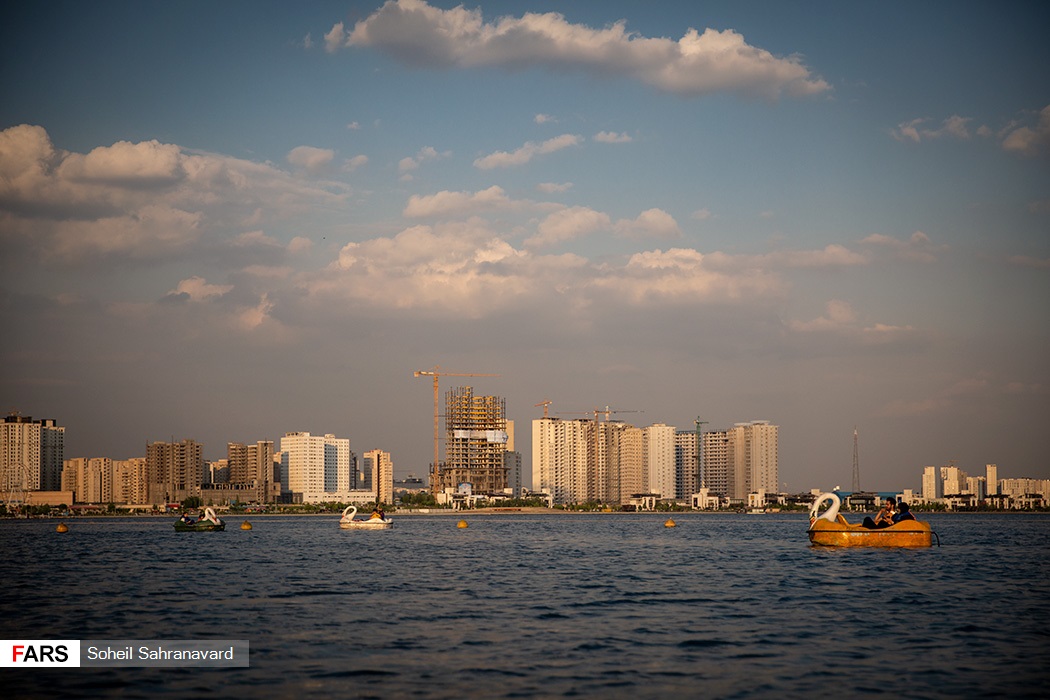
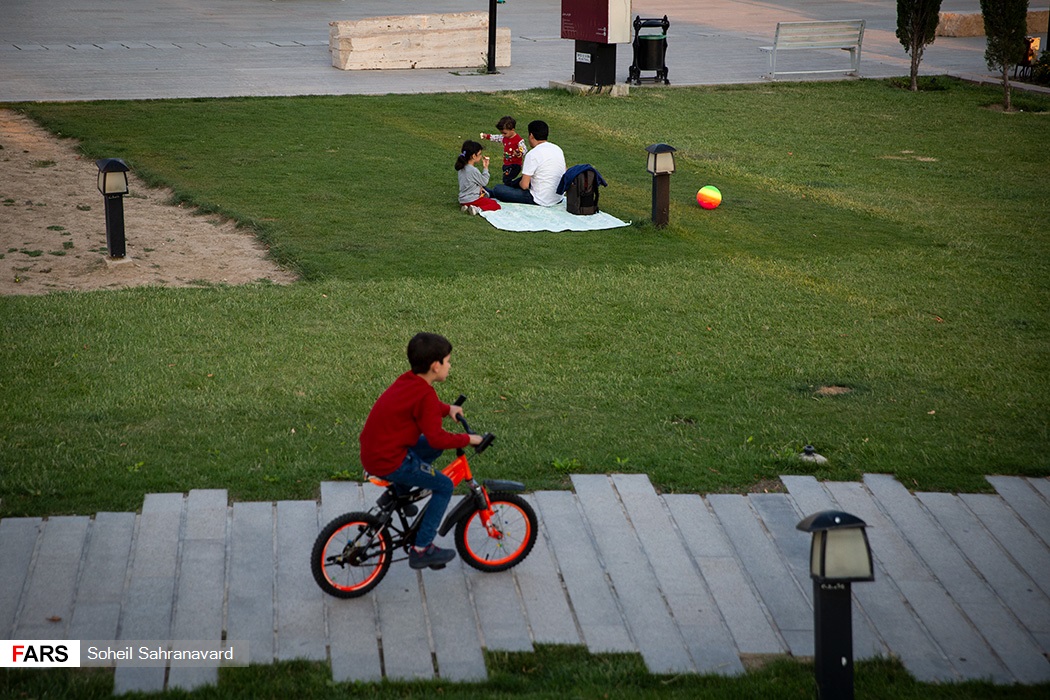
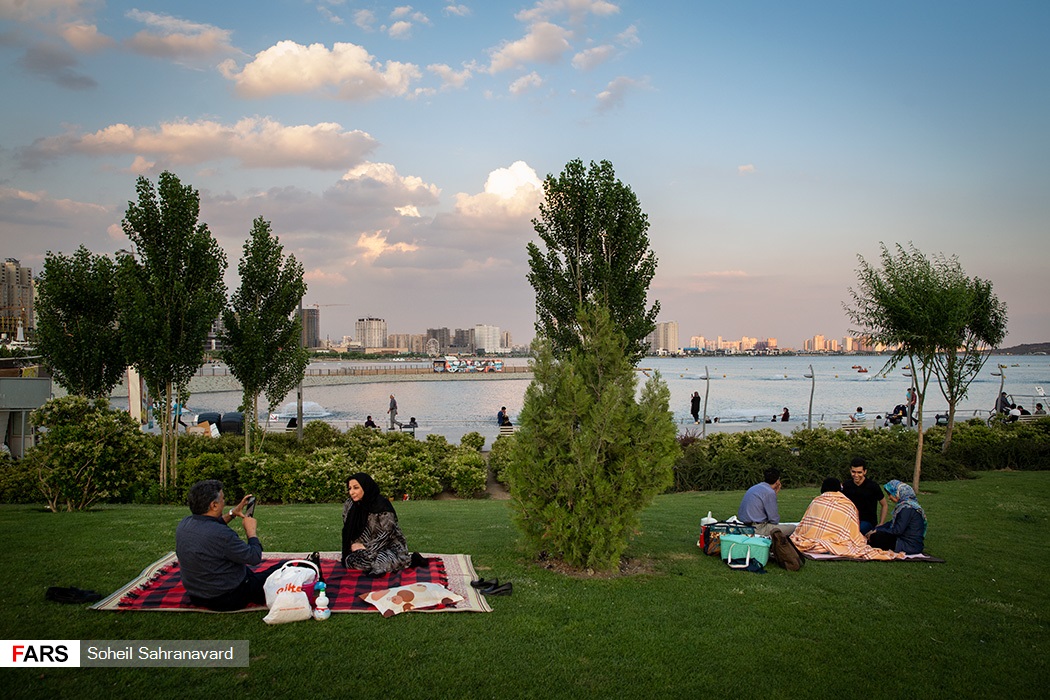
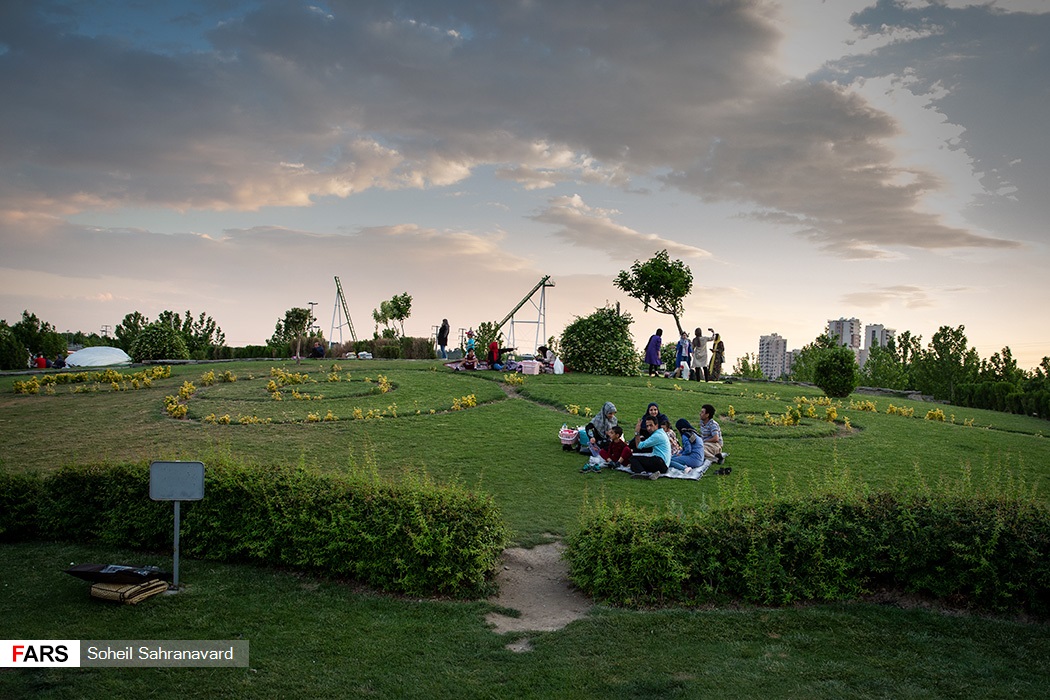
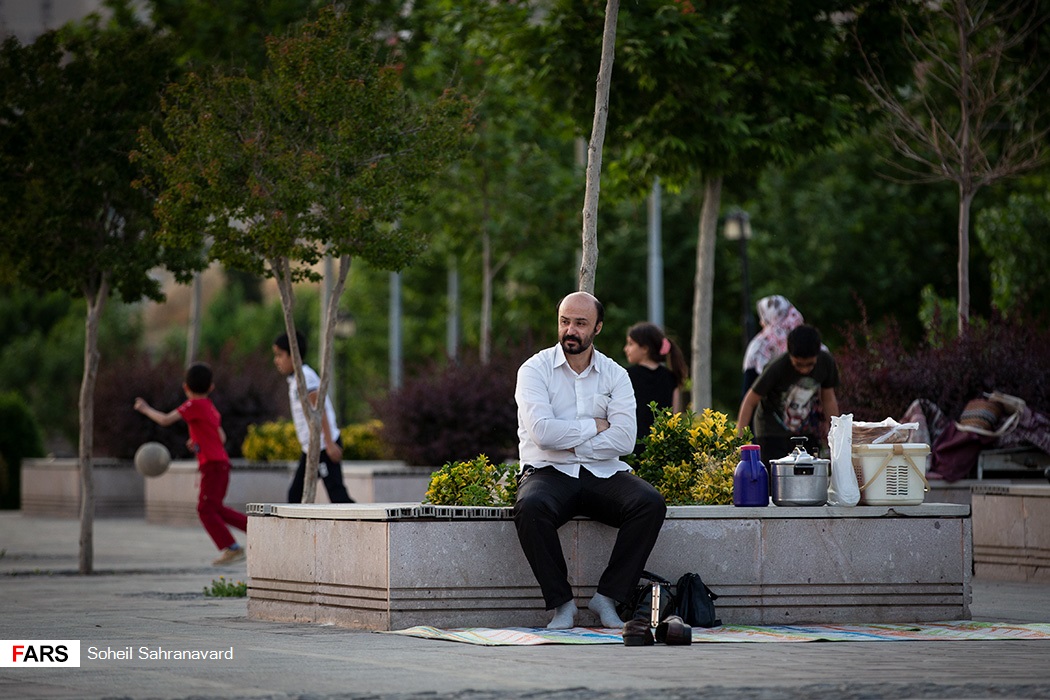
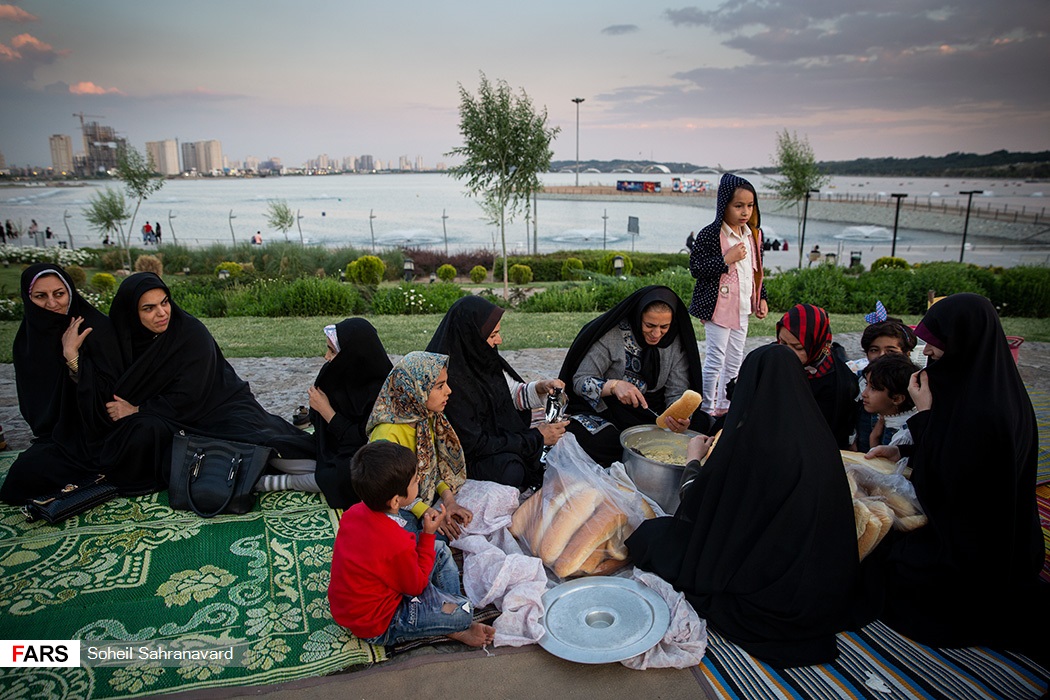
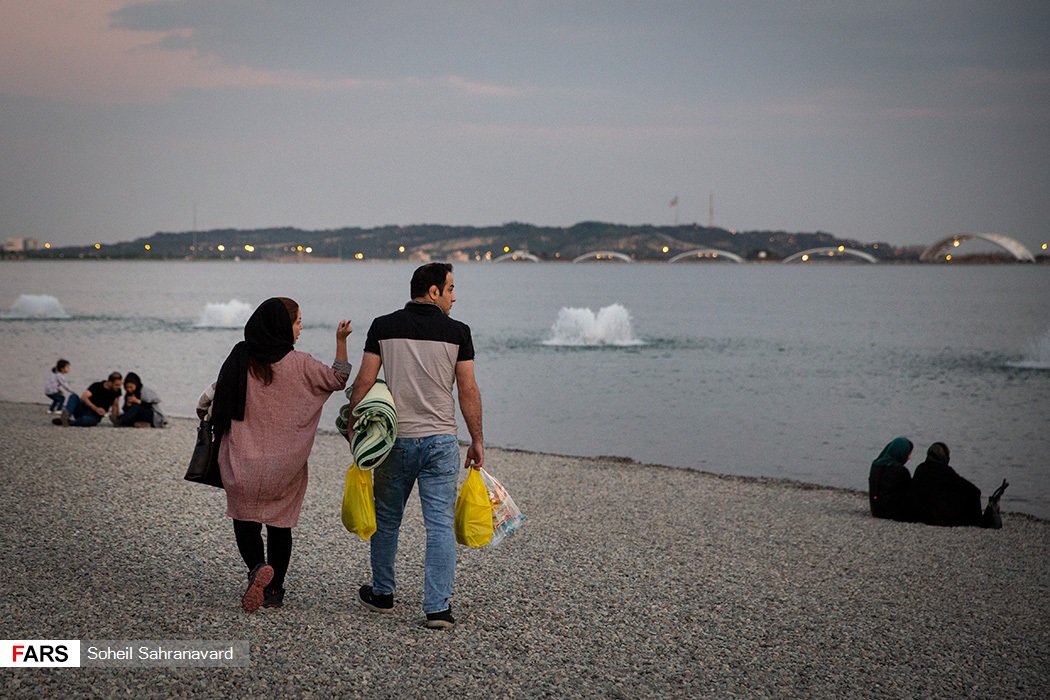
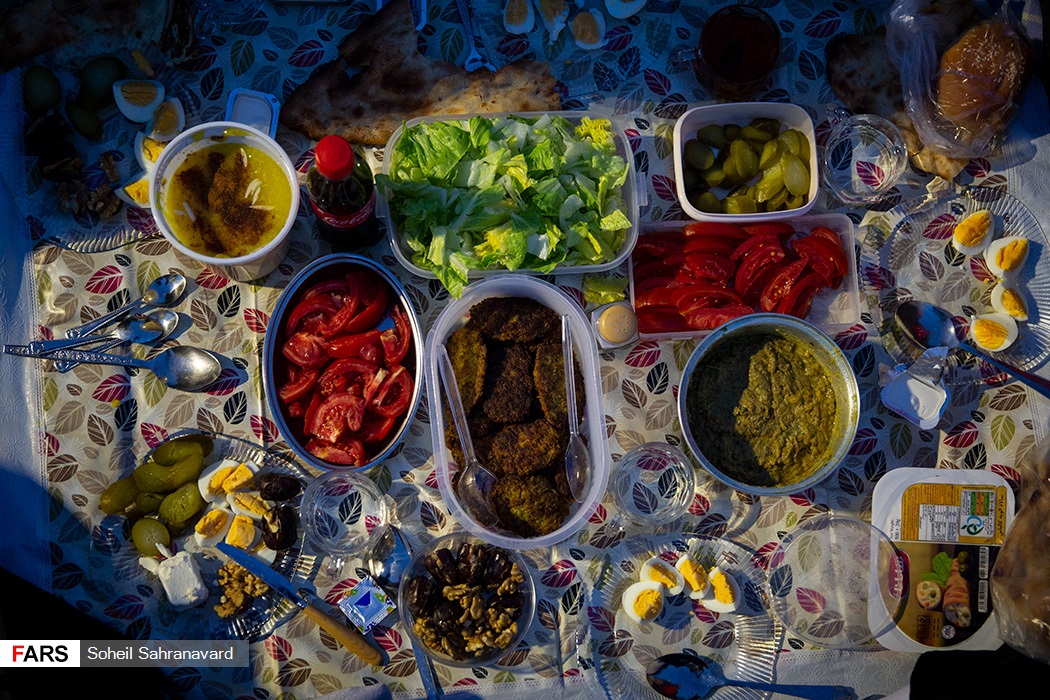
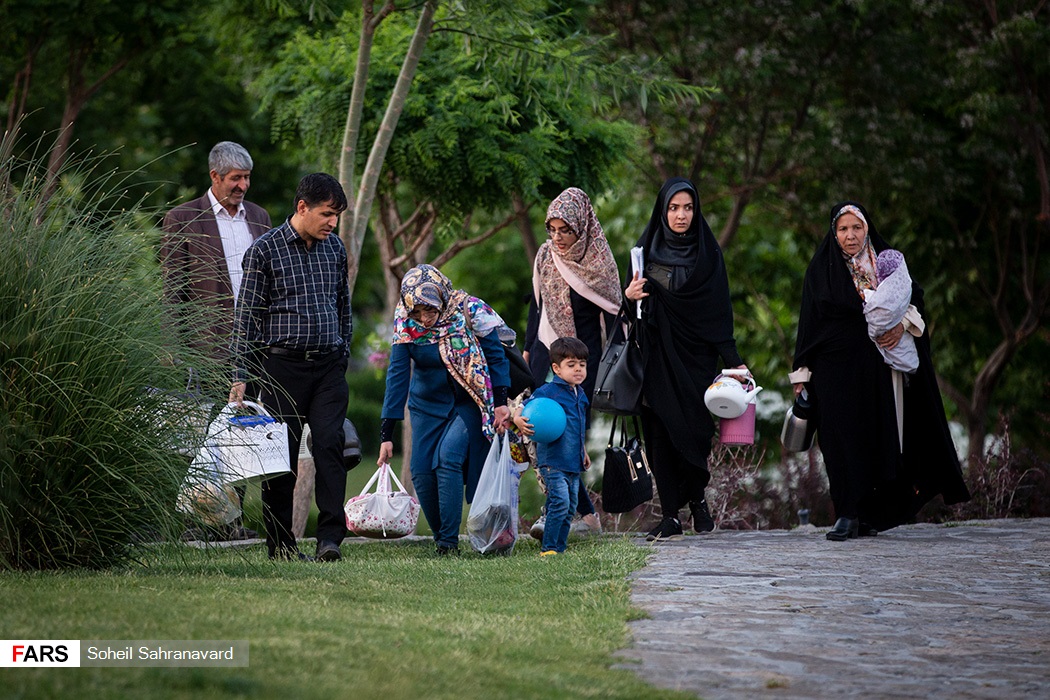
Mild Weather Taking Tehran Citizens to Parks for Iftar

What follows are Mehr news agency‘s photos of the people enjoying the spring weather in parks while breaking their fast:

Iran Says Ready to Connect Pakistan’s Gwadar to Chabahar Port

“We believe that Chabahar and Gwadar can complement each other,” Zarif said upon arrival in the Pakistani capital of Islamabad on Thursday.

“We can connect Chabahar and Gwadar, and then through that, connect Gwadar to our entire railroad system, from Iran to the North Corridor, through Turkmenistan and Kazakhstan, and also through Azerbaijan, Russia, and through Turkey,” he noted.

“I’ve come here with a proposal for the government of Pakistan for connection between Chabahar and Gwadar.

Pakistan’s arch-rival India is trying to develop the port of Chabahar as a way to gain access to the markets of central Asia as well as Afghanistan by bypassing Pakistan. The port is about 72 km from its Pakistani counterpart Gwadar, which is being developed by China.

The strategic Iranian port city created a unique opportunity for India to send its goods to landlocked Afghanistan through a safe new route. It would to the same effect enable Afghan merchants to export their commodities – mainly fruits and vegetables as well as nuts and minerals – to global markets through Chabahar.

Considering the strategic importance of the Iranian port for Kabul, the US government was forced in November to approve a sanctions exemption for Chabahar in a bid to economically stabilize Afghanistan.

India hopes to utilize Iran’s transit potentials to embolden its connectivity footprints, with Chabahar being the stepping stone to those ambitions.

Located on the confluence of the Indian Ocean and the Sea of Oman in southeastern Iran, Chabahar is India’s first foreign port project. Once completed, the project would enable India to send its goods Afghanistan, Central Asia and beyond.

On December 3, 2017, Iranian President Hassan Rouhani officially launched the first phase of Shahid Beheshti International Port in Chabahar.

The project to develop Shahid Beheshti Port started in 2007 through an investment that officials previously said already amounted to $1 billion.

The annual cargo tonnage of Shahid Beheshti Port – Iran’s only oceanic port – has now almost tripled to reach as high as 8.5 million tons.

It can also accommodate 100,000-ton ships – what officials say can help promote the country’s international trade activities.

The overall development project is planned in four phases and is expected to bring the port’s total annual cargo capacity to 82 million tons.

‘Trump’s Insults Reveal His Endless Animosity towards Iranians’

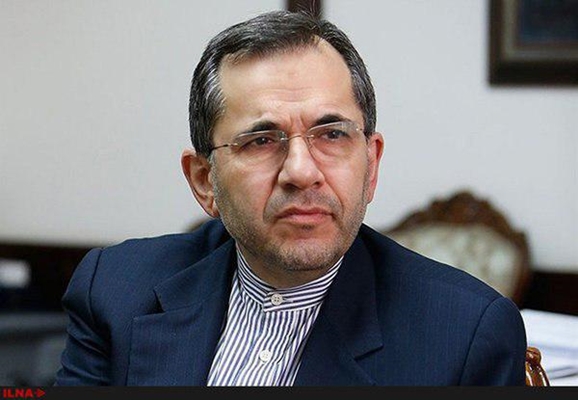
Takht-Ravanchi

“Such remarks are not new to us and we view them in line with the US brutal sanctions,” he said.
The Iranian diplomat said the US remarks are a prime example of his animosity towards the Iranian nation and the cheap remarks, more than anything else, shows his ignorance of thousands of years of Iran’s history and his lack of understanding of the Iranian people.

“Iran has been the biggest victim and at the same time the strongest enemy of terrorism in the region.  The eradication of ISIS as well as other similar terrorist groups over the past years is among the main achievements of Iran in this area,” he said, adding that Trump, himself, had confessed to Iran’s contribution to fight against terrorism during his presidential campaign.

According to Iran’s UN envoy, Trump’s insistence on using insulting language against the Iranian nation will double their determination to resist against the policy of pressure and coercion pursued by his administration.

Earlier Trump called Iranians “a nation of terror” but at the same time described them as great people. He then noted that he does not think additional US troops are needed in the Middle East to counter Iran.

His statement came after US Acting Defence Secretary Patrick Shanahan said that the Pentagon is considering sending additional troops to the Middle East as one of the ways to reinforce American positions in the region amid tension with Iran.

Iran Not to Stop Fighting for Its Independence Even If Bombed

President Rouhani on Thursday referred to the eight-year war Iraq imposed on Iran in the 1980s, and said, “At that time, Iran was under the pressure of a military attack and occupation of its territory, but today we’re faced with an economic war and an attack on people’s welfare.”

Addressing a group of war veterans in Tehran, Rouhani said this new attack is somehow more complicated than the previous one, and thus the Iranians need to remain resistant and united.

Our enemies must understand frustration and disappointment have no place in our hearts, and we won’t stop pursuing the goal of [protecting] the country’s independence and honour even “if our country is bombarded” and our men are martyred, wounded, and captured, he stressed.

“The enemies are putting Iran under pressure to make us regret striving for our independence and dignity, but the people will once again show their plots will not bear fruit, and will make the enemies regretful again,” he noted.

Rouhani said the Iranian nation has not bowed for more than one year despite tough sanctions and numerous problems.

“No one will hear the sound of humiliation and submission from Iran and the nation, and we will defeat the enemy through sacrifice and solidarity,” he added.

“Today is the day of resistance, and I openly tell the Iranian nation we can defeat the US, the Zionist regime, and the regional reactionaries through resistance and unity,” the president said.
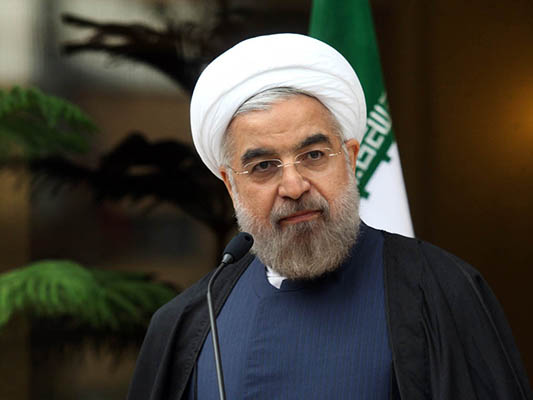
The president’s comments come amid heightened tensions between Iran and the US, and the growing threat of a military confrontation between the two sides.

The US has deployed a carrier strike group to the Persian Gulf citing “intelligence” of an imminent Iranian attack on US interests in the region. Tehran has repeatedly said that it is not seeking to escalate tensions but it won’t be afraid if there is any.

Iran FM to Visit Iraq Saturday: Sources

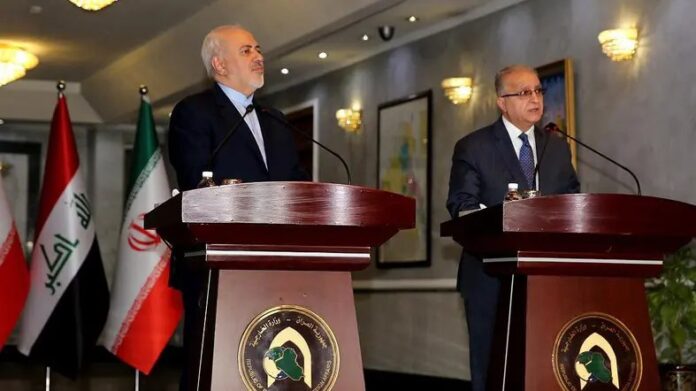
Iran and Iraq FMs
Iranian Foreign Minister Mohammad Javad Zarif (L) and his Iraqi counterpart Mohammad Ali al-Hakim (R) hold a joint press conference during an official visit in Baghdad on January 13, 2019. / Photo by AFP

That was reported by the Iraqi news agency Al-Forat, which quoted an informed source as saying on Thursday.

The report did not name the source or give more details about the visit, but said that the Iranian top diplomat is expected to hold talks with top Iraqi officials on the latest regional developments and bilateral ties.

Iraq will be the sixth Asian destination of the Iranian top diplomat during the past few weeks. He has earlier visited Turkmenistan, India, Japan, and China, and is currently in Islamabad on an official trip.

The visit to Iraq will come amid efforts by the Baghdad government to mediate between Iran and the US as tensions escalate in the Persian Gulf.

The Iraqi prime minister said Tuesday that Baghdad would take measures to curtail concerns over a military confrontation between Iran and the United States. Adil Abdul Mahdi said Iraq will send delegations to Tehran and Washington to help ease tensions.

In reaction to the offer, Iran said it has no problem with the visit of the Iraqi delegation to Tehran, but the Islamic Republic will have its own say on the issue.

Speaking to reporters on Wednesday at the end of a weekly cabinet session, Chief of Staff of the Iranian president Mahmoud Vaezi said, “If they want to send a delegation to Iran, we won’t make any opposition to the visit but the main issue is that we will have our own say.”

Tensions have recently mounted between Iran and the US with Washington deploying a carrier strike group to the Persian Gulf citing “intelligence” of an imminent Iranian attack on US interests in the region. Tehran has repeatedly said that it is not seeking to escalate tensions but it won’t be afraid if there is any.

Tehran’s Patience Over, Iranian Diplomat Tells Germany

Iran Says Concerted Global Effort Needed to Fight Coronavirus

In the Thursday meeting in Tehran, the two diplomats discussed the latest developments regarding the Iran nuclear deal and Germany’s attempts to salvage it.

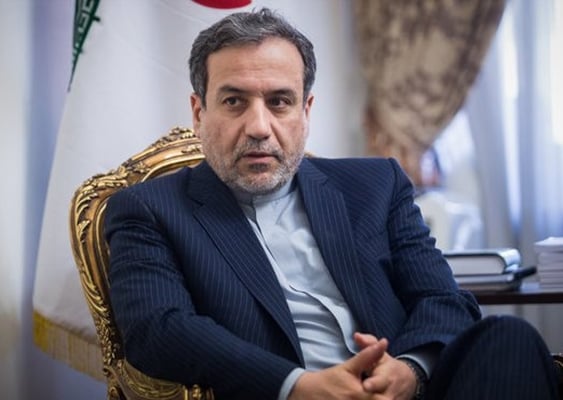
Asserting that Iran has run out of patience, Araqchi underlined the responsibilities of the remaining signatories after America’s decision to leave the deal and doubled down on the necessity of fulfilling those commitments in accordance with the four statements of the joint commission of the JCPOA.

Plotner, for his part, emphasized his country’s continued commitment to the JCPOA and said, “The European countries will push ahead with their efforts and consultations to meet Iran’s demands and save the JCPOA.”

Earlier this month, Iran said it was reducing its commitments under the nuclear deal and gave Europe 60 days to deliver on their end and stand up to pressure by the US.

The European countries have rejected the deadline but insist they are committed to the deal and will eventually find a solution to the current deadlock.