Sunday, December 21, 2025
Home Blog Page 3207

US Pressure on Iran Has Lost Its Capacity: Rouhani

Addressing a regular cabinet session on Wednesday, Rouhani noted that Washington exerted its utmost pressure on Iran and this pressure has reached its peak.

He said the US imposed the most unparalleled sanctions on Iran, but the nation managed to resist them.

The Iranian president described the US campaign of maximum pressure as a clear example of economic terrorism. He also said the current US administration will go down in history as an “executioner” that campaigned against the Iranian nation.

Elsewhere in his remarks, the Iranian president underscored that Iranian people today have a better calm than a year ago and are more hopeful about the country’s future.

“All officials in the country today have a single and unified voice. If a foreign official arrives and holds talks with the foreign minister or the president or the leader, s/he would understand that our words, strategy and opinions are the same.”

The president pointed out that not only the top officials, but all people and elites in our society have a single opinion. They all know that the main guilty party is the United States, and there is no one in Iran doubting about it.

“We would have been blamed if we took some actions regarding the nuclear deal and they [the west] would say you broke your promises. Not only didn’t we break our promises, but we waited a whole year and our patience showed we are acting with prudence. Nobody can today complain about the way the nation, the government and the Iranian establishment have picked,” maintained Rouhani.

Iran’s Development Model Is Unique: Sri Lankan Minister

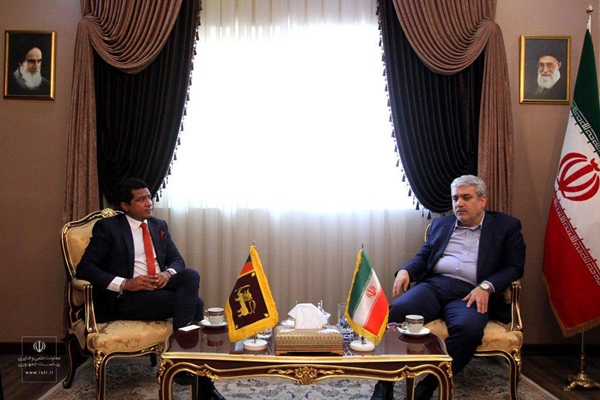
Senasinghe made the remarks in a meeting with Iran’s Vice President for Scientific and Technology Sorena Sattari in Tehran on Tuesday.

“Sri Lanka is interested in establishing cooperation with Iran in the related areas and take advantage of Iran’s experiences in scientific, technological and innovation areas,” he was quoted as saying in a report by dolat.ir, the government’s official news website.

He went on to say that Iran is a strong player in science and technology area and added bilateral relations between Iranian and Sri Lankan knowledge-based firms can pave the way for further mutual ties between the two sides.

For his part, the Iranian vice president cited referred to environmental innovation as an appropriate ground for further ties between Iran and other states and added Iran has had a great record in the development of knowledge-based firms.

“Some of Iranian knowledge-based firms involved in environment and medicine projects have large exports to the regional states,” he said.

Sattari went on to say that Iran and Sri Lanka have good capacities for further expansion of ties in scientific and research areas.

During the talks, the two sides also discussed ways to accomplish projects envisaged during earlier negotiations. They also exchanged views on setting up new joint laboratories.

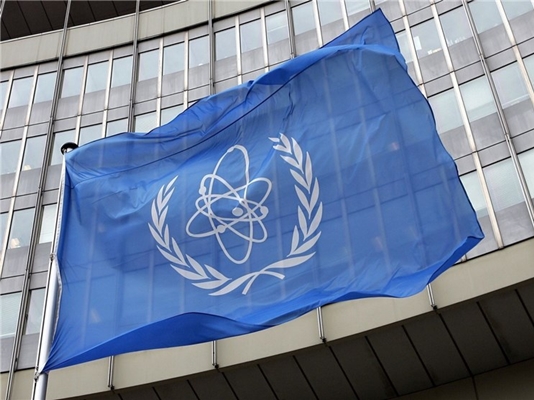
Iran Calls for IAEA Support to Keep Nuclear Deal Alive

Iran Sees ‘Positive Outlook’ for Ties with IAEA after Latest Report

Deputy Foreign Minister for Legal Affairs Gholam-Hossein Dehqani made the comment at a meeting of the Board of Governors of the International Atomic Energy Agency (IAEA).

At the meeting, the top official appreciated efforts by the IAEA’s director general, and stressed the importance of the agency’s professionalism, neutrality and independence as the IAEA’s real asset.

He said Iran regards as highly valuable all-out support by countries attending the IAEA meeting for the survival of the nuclear deal and multilateralism.

“This backing should be seen as a sign of hope suggesting countries’ firm commitment to respecting multilateralism and the rule of law in international affairs,” he added.

He underlined Iran has constantly and fully complied with its commitments under the Iran nuclear deal while the United States has never made good on its obligations under the agreement.

He then touched upon a statement issued by the Iranian Supreme National Security Council and the new steps to be taken in that regard.

“Iran has used the mechanism envisaged in Article 36 of the Iran nuclear deal,” he said.

Iran stopped some of its commitments under the nuclear deal on May 8, 2019. The country notified the remaining signatories to the accord that unless they protect its economy from US sanctions within 60 days and safeguard its interests under the deal, it will take further action.

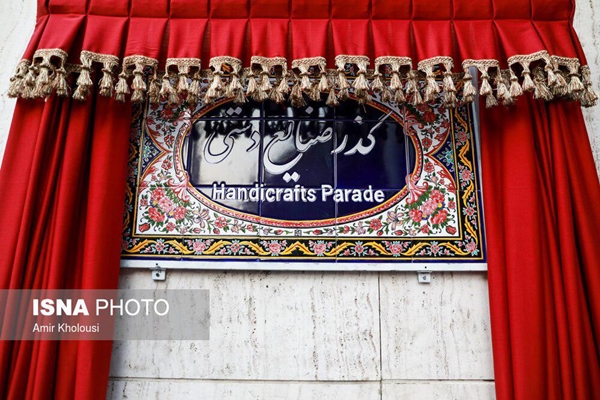
Street in Tehran Officially Called ‘Handicrafts Parade’

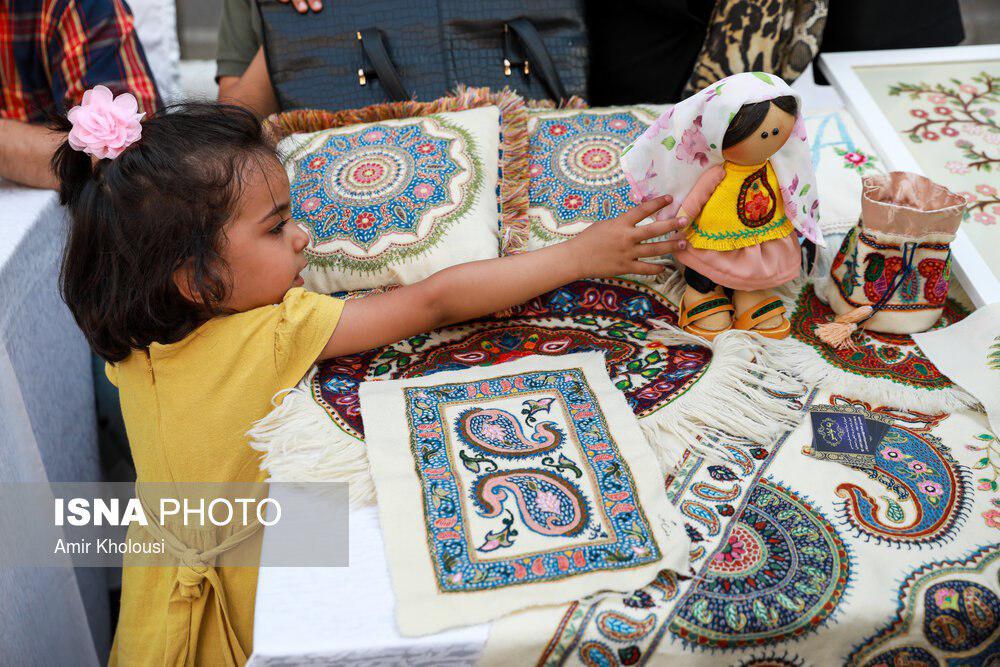
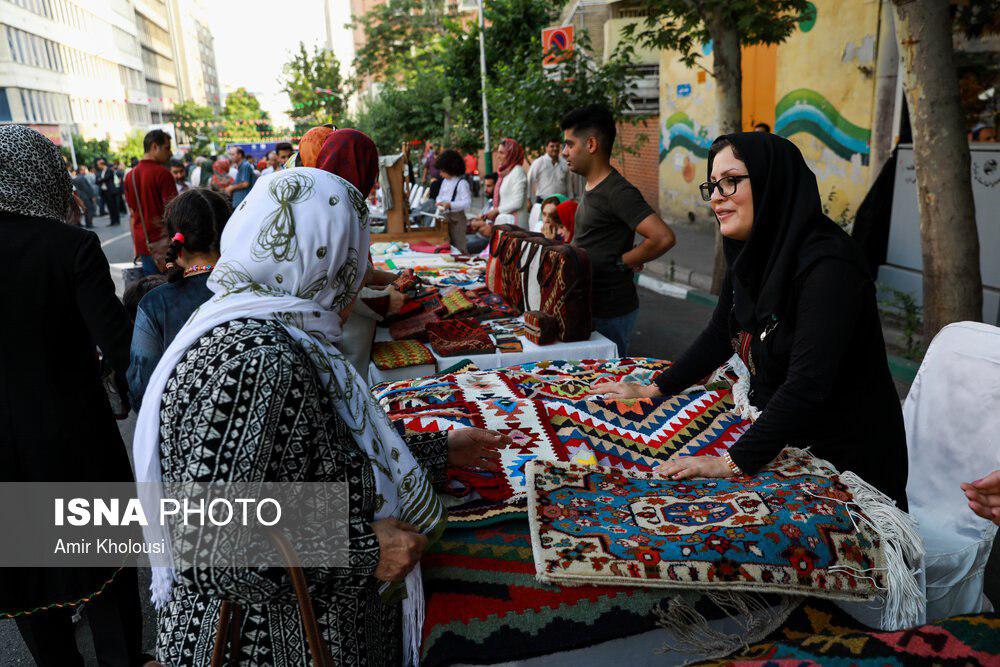
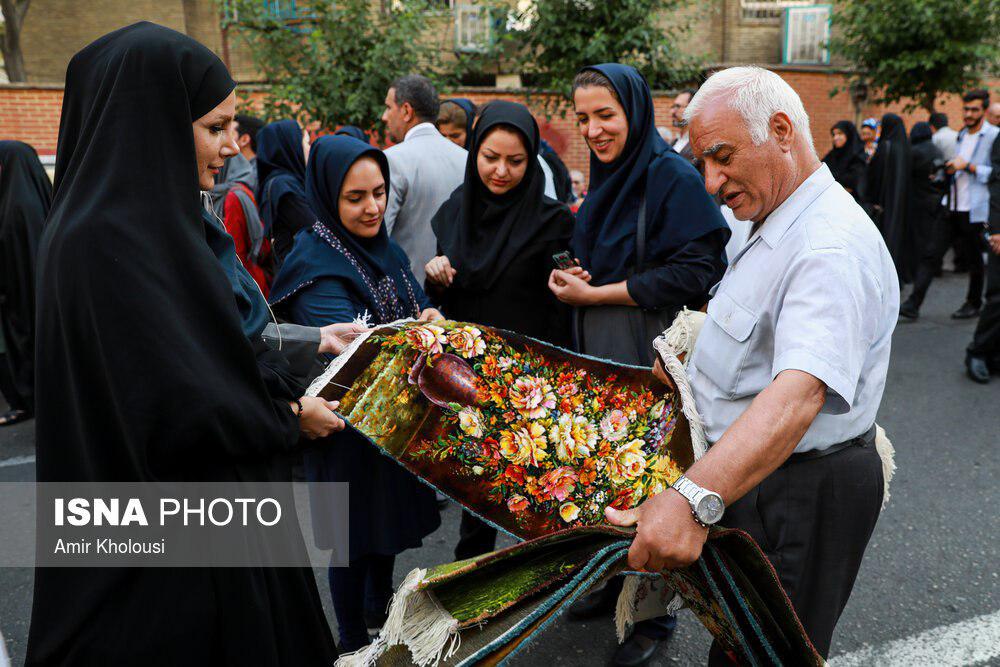
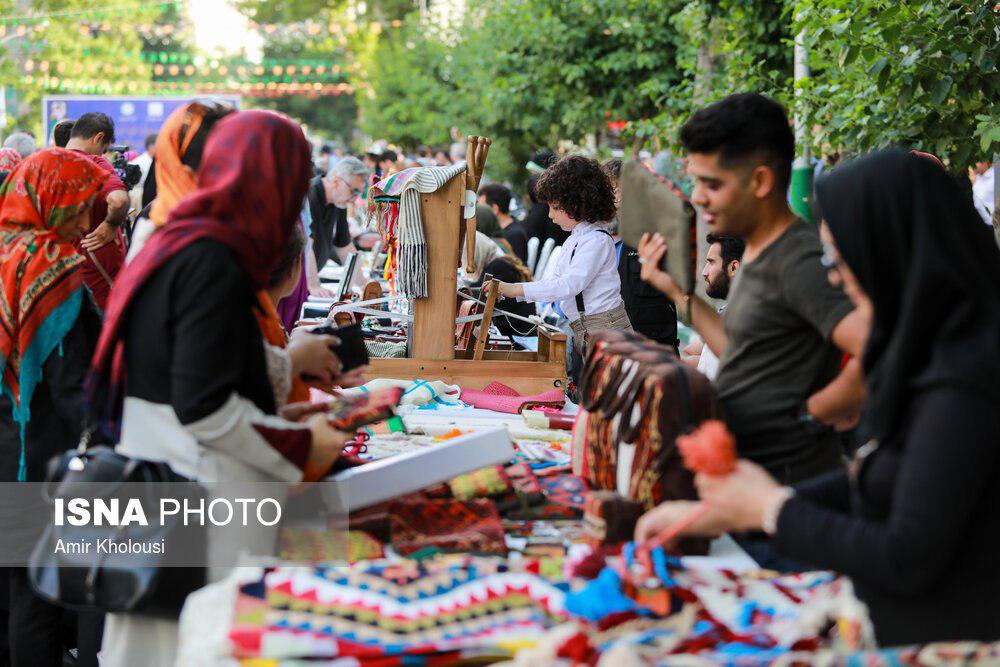
The title was given to Dr Nejatollahi Street (formerly known as Villa Street) in central Tehran which is famous for its various handicrafts shops.

The title was written on a seven-coloured tile installed at the starting point of the street.

The south-north street in central Tehran was named after Kamran Nejatollahi after the Islamic Revolution in 1979. Nejatollahi was an Iranian student who was killed by the former regime forces during a student sit in 1979.

The street used to be among the most significant ones in Tehran back in 1960s. Due to the presence of lots of modern hotels along the street, it has been among the favourable streets of most Iranian and foreign tradesmen.

To this end, lots of Iranian handicraft shops were set up along the street. Today, the shops have been divided into north and south sections.

Iran Welcomes Kazakhstan Presidential Election

In a Wednesday statement, Mousavi expressed pleasure over the democratic transfer of power in Kazakhstan, and wished President elect Kassym-Jomart Tokayev and the new administration success.

He also wished welfare, development and comfort for Kazakh people.

Mousavi expressed hope relations between Iran and Kazakhstan will continue to grow and follow a positive trend as before during the tenure of Tokayev.

Tokayev took 70.8 percent of the vote in Sunday’s election, with his nearest rival, opposition candidate Amirzhan Kosanov, taking 16.2 percent.

Tokayev’s victory was never in doubt after he received the blessing of former president Nursultan Nazarbayev, who led the Central Asian nation for three decades before his shock resignation in March.

Iran Describes Persian Gulf Security as Integrated Concept

Iran Says Concerted Global Effort Needed to Fight Coronavirus

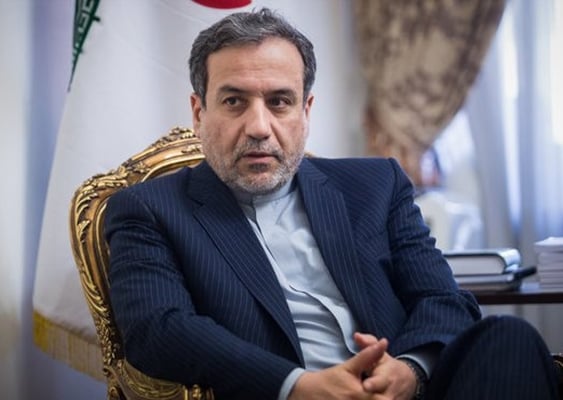
He made the remarks during a Tuesday meeting with Zainul Abidin bin Mohamed Rasheed, the Singaporean foreign minister’s special envoy for the Middle East.

Araqchi also touched upon the latest developments pertaining to the Iran nuclear deal known as the Joint Comprehensive Plan of Action (JCPOA) and Tehran’s efforts to preserve the agreement.

“The only issue in the Middle East which was settled through negotiations and diplomacy, leading to an agreement, is the Iran nuclear deal which the US withdrew from for illogical and unintelligible reasons,” said Araqchi.

Araqchi also referred to Washington’s economic pressure on Iran, and said, “The United States has engaged in an economic war with Iran now, which is the root cause of growing tensions in the Middle East.”

“US economic sanctions have, in fact, targeted the security of the whole region. So, one cannot expect tranquility and security [to take hold] in the region without a ceasefire in the economic war,” said Araqchi.

The Singaporean official, in turn, noted that many countries are under the pressure of sanctions. He stressed his country’s support for the JCPOA and expressed hope tensions in the Middle East would abate.

Iran Expresses Condolences over Demise of Top Afghan Cleric

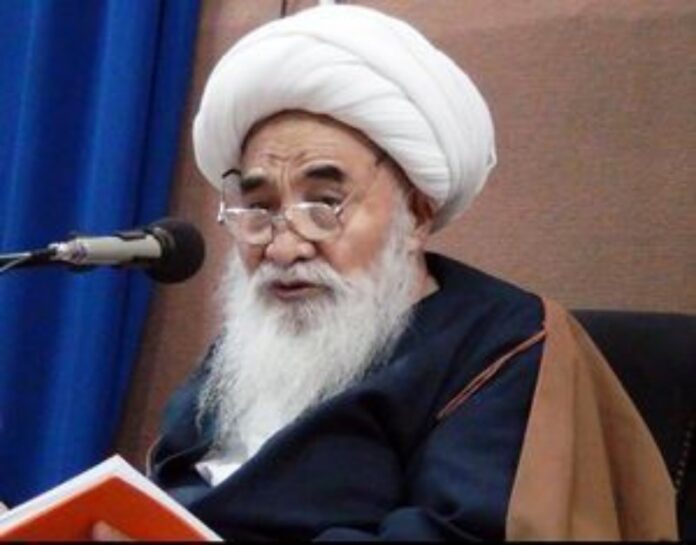
“I express my deep commiserations over the death of the great scholar, the jurisprudent and the grand Marja, Ayatollah Hajj Sheikh Qorbanali Mohaqiq Kabuli (RA) to the honourable people of Afghanistan, the seminaries, scholars, disciples and lovers of this salient figure,” Zarif said in a Tuesday message.

The Iranian top diplomat described the top cleric as “one of the most important assets of Iranian and Afghan seminaries.”

“I ask God to give great blessings to Ayatollah Mohaqiq. May God give patience to his family [to bear this loss],” said FM Zarif.

The senior cleric, who resided in Iran’s holy city of Qom, died on Tuesday morning.

He was born in 1928 into a religious family in Parwan province, near the Afghan capital of Kabul.

At the age of 7, he started learning the holy Quran and Persian reading and then Islamic teachings and Arabic literature.

Ayatollah Kabuli continued his religious education in Kabul and then left for the holy city of Najaf, Iraq, to study at the prestigious seminary there.

He wrote various books on religious studies, including on Fiqh (Islamic jurisprudence).

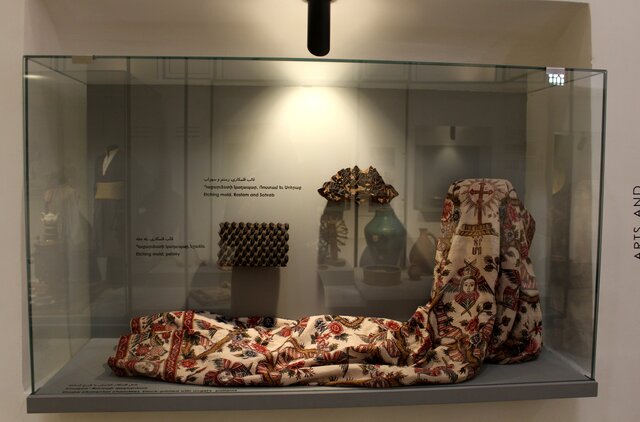
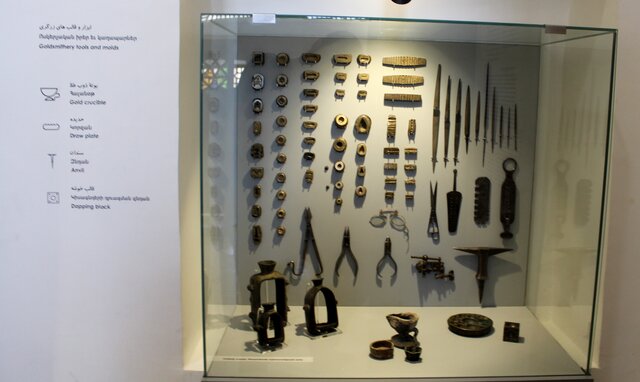
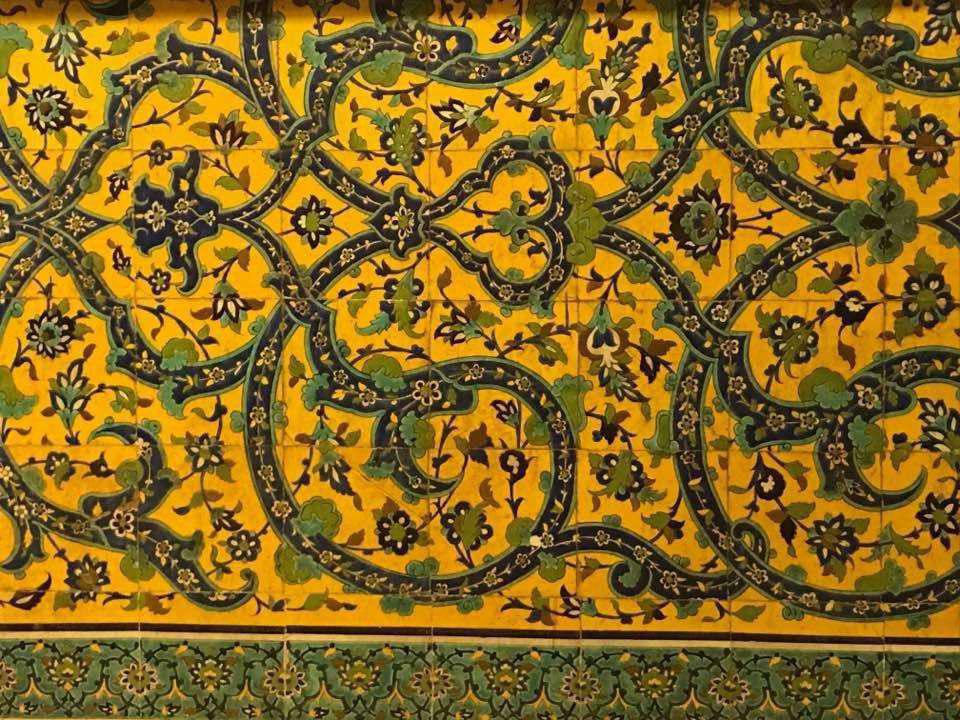
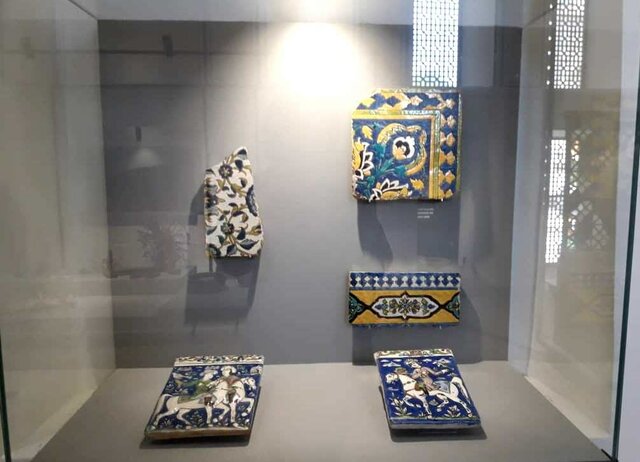
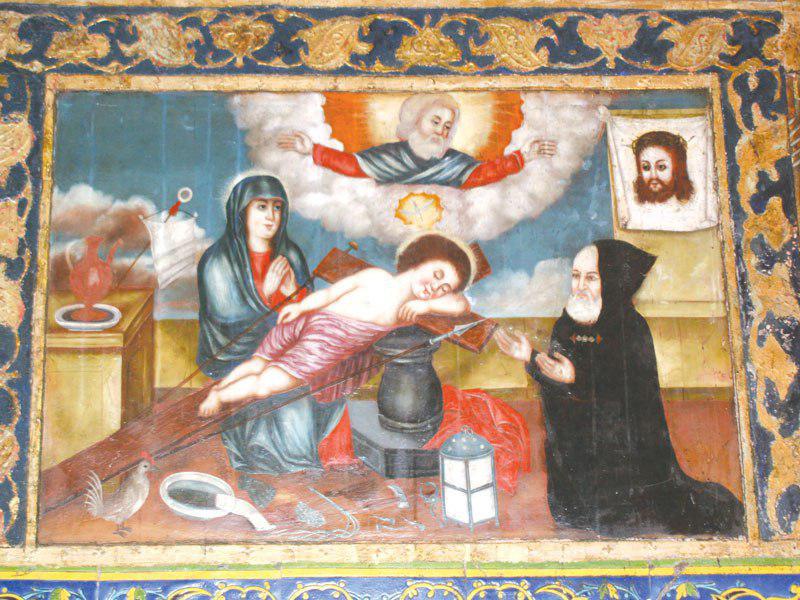
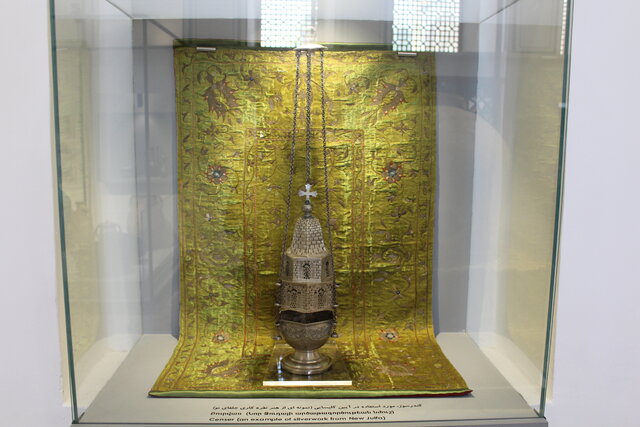
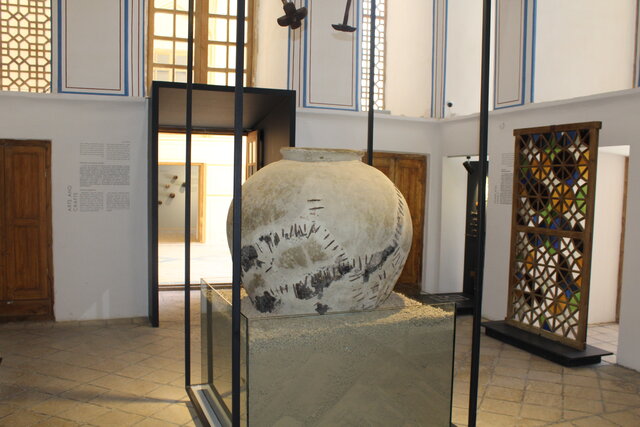
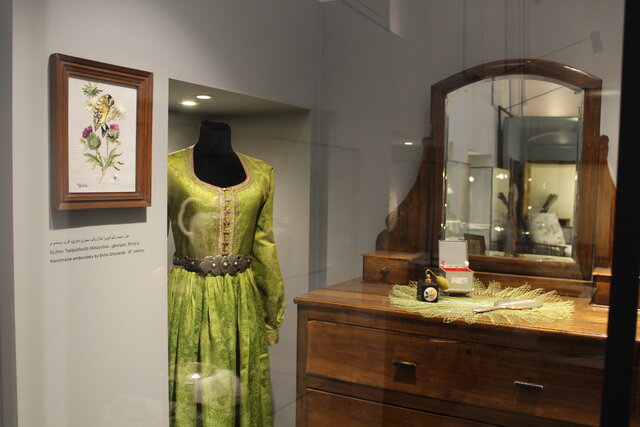
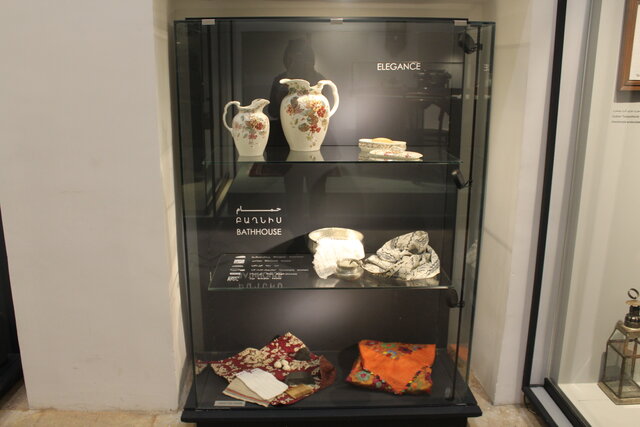
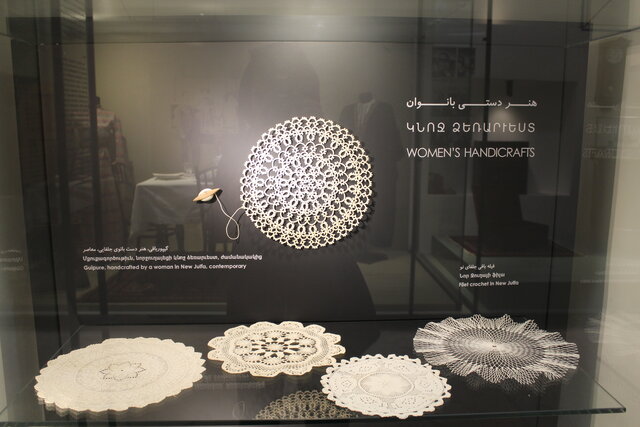
Handicrafts of Isfahan’s Jolfa: Epitome of Iranian-Armenian Art

Vank church

Those arts were produced in line with models of medieval Armenian art and in conformity with Ancient Iranian arts.

June 10th marks World Handicraft Day. Some 600 handicrafts have been registered on the list of the United Nations Educational, Scientific and Cultural Organization (UNESCO). Of that figure, 450 belong to Iran. Interestingly, 287 handicrafts out of 450 belong to Isfahan.

Around 300 years ago during King Abbas Safavid, Armenians migrated from the banks of the Aras river to the banks of Zayandehrood in Isfahan to remain immune to the mass killing of Armenians. After the threat was removed, they stayed there.

Little by little, Armenians in Isfahan managed to spread their traditional and native arts and produced works of art using gold and tile as well as works of miniature and Qalamkari, part of which is on show at Isfahan’s Vank church.

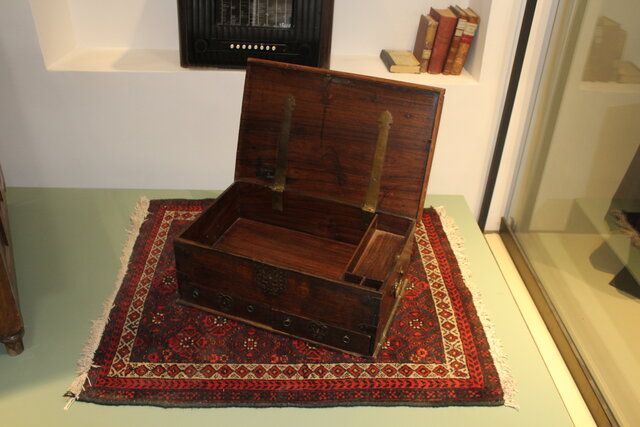
The following are images of handicrafts produced in Isfahan and its Jolfa neighbourhood.

* After the second World War, handicrafts with an artistic and cultural touch drew the attention of many countries. On that day, the first international conference was held in New York, bringing together university professors, artists and industrialists from more than 40 countries. The day when the conference was held was named as International Handicraft Day.

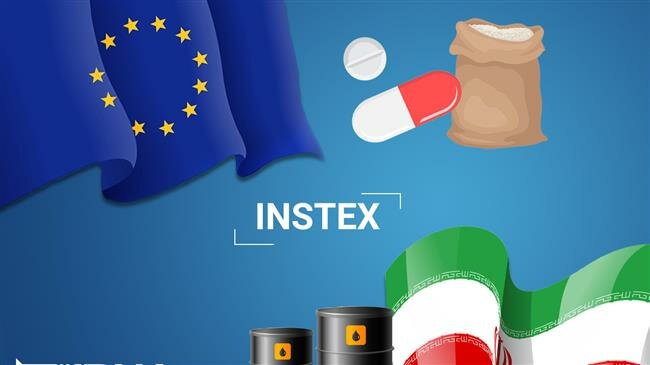
US Seeks to Kill INSTEX by Imposing New Sanctions

The financial news provider quoted a senior administration official as saying that the latest measures will target the Special Trade and Finance Institute, which Iran set up to correspond to Europe’s INSTEX in bypassing sanctions.

INSTEX is purported as the European fig leaf to Iran to persuade the country to remain in the 2015 nuclear agreement which the United States unilaterally left last year.

The news came as German Foreign Minister Heiko Maas visited Tehran on Monday to announce that the long-overdue mechanism would be ready soon.

The US government is targeting Iran’s Special Trade and Finance Institute (STFI) on the ground that the country has not implemented global safeguards against money laundering and terrorism financing, Bloomberg cited the unnamed official as saying.

It said punishing STFI could doom INSTEX because it raises the possibility of sanctions risk to anyone who is part of the European mechanism.

The initiative, it said, drives home a letter sent by the US Treasury Department in early May to Per Fischer, the president of INSTEX, arguing that the financial body could face sanctions.

“If they are looking at sanctioning STFI, you’re essentially trying to kill INSTEX through the back door,” said Ellie Geranmayeh, a senior policy fellow at the European Council on Foreign Relations.

The Europeans say INSTEX will support legitimate trade with Iran, applying initially only to non-sanctionable essential goods, such as humanitarian, medical, and farm products.

They have said it will function under the highest international standards with regards to anti-money laundering mechanisms, combating the financing of terrorism as well as EU and UN sanctions compliance.

US authorities are reportedly worried that other nations, including America’s adversaries, could use INSTEX as a model in the future and avoid the US financial system entirely.

“The development of INSTEX is really worrying for US sanction policy in the long run,” Emma Ashford, a research fellow at the Cato Institute in Washington, told Bloomberg. “INSTEX sets up a framework other countries can use in the future.”

According to Suzanne Maloney, deputy director of the foreign policy program at the Brookings Institution, Washington’s bid to crush INSTEX “does call into question what the long-term strategy here is” with the US sanctions.

“If there’s no room for humanitarian aid for Iran, literally no viable mechanisms for facilitating those transactions, then clearly this is purely a punitive strategy and one that is intended to wreak maximum havoc on the Iranian population.”

The trade of humanitarian goods, such as food, medicine and medical devices, is theoretically allowed by the US, but European companies refuse to do business with Iran, fearing secondary American sanctions.

Washington claims the sanctions target the government, but ordinary Iranians are the ones who suffer the most.

US President Donald Trump triumphantly tweeted a photograph of himself in the style of an advertisement for the Game of Thrones fantasy TV series, with the tagline: “Sanctions Are Coming, November 5.”

In an interview with BBC Persian in November, US Secretary of State Mike Pompeo brazenly said Iranian officials must listen to Washington “if they want their people to eat.”

Hawkish US National Security Adviser John Bolton then used vulgar language to stress that his country wanted to “squeeze” Iran. “It is our intention to squeeze them very hard. As the British say: ‘Squeeze them until the pips squeak’.”

For months, European powers have been tinkering with the much-hyped special trade vehicle, raising suspicions in Iran that they might be dragging their feet on operationalizing it in deference to the US government.

“We haven’t put much hope in INSTEX,” Iran’s Foreign Ministry spokesman Abbas Mousavi said on Monday. “If INSTEX was going to help us, it would have done so already.”

A stern-faced Iranian Foreign Minister also warned the US that it “cannot expect to stay safe” after launching an economic war against Tehran.

“Mr. Trump himself has announced that the US has launched an economic war against Iran,” Zarif said during a joint news conference with Maas. “The only solution for reducing tensions in this region is stopping that economic war.”

Iran Frees Zakka at Aoun’s Request, Nasrallah’s Mediation

That was announced on Tuesday by Keyvan Khosravi, the spokesman for Iran’s Supreme National Security Council, in an interview with Lebanon’s Al-Ahd.

No third party played any role in the freedom of Zakka and Iran released him only based on the request of Lebanese President Aoun and the mediation of Nasrallah, Khosravi said.

According to Khosravi, Iran gave a positive response to Aoun’s request given the significant and efficient support he had shown for Lebanon’s resistance movement.

“During his detention in Tehran, Zakka was treated within all legal procedures and judicial principles of dealing with the convicts. Iran even provided him with certain facilities and services beyond those given to other prisoners,” he noted.

Khosravi went on to say based on documents provided by Iran’s security apparatus, Zakka had been involved in cooperation with the American intelligence services against the Islamic Republic.

“Zakka was released on bail after passing four years of his ten-year sentence,” he concluded.

Zakka was arrested during a trip to Iran in 2015 on charge of having “deep links” to US intelligence services.

A source familiar with the case had told The Daily Star Saturday that Zakka would arrive in Beirut within 48 hours.

The Lebanese Foreign Ministry announced earlier this week that Iran had agreed to free Zakka after President Michel Aoun and Foreign Minister Gebran Bassil asked that he be released as a good-willed gesture for the Muslim holy month of Ramadan.