
With several lakes on its slopes, Bozsina is a favourite destination for mountain climbers and nature lovers, especially during spring and summer.
What follows are Tasnim News Agency’s photos of Bozsina mountain:

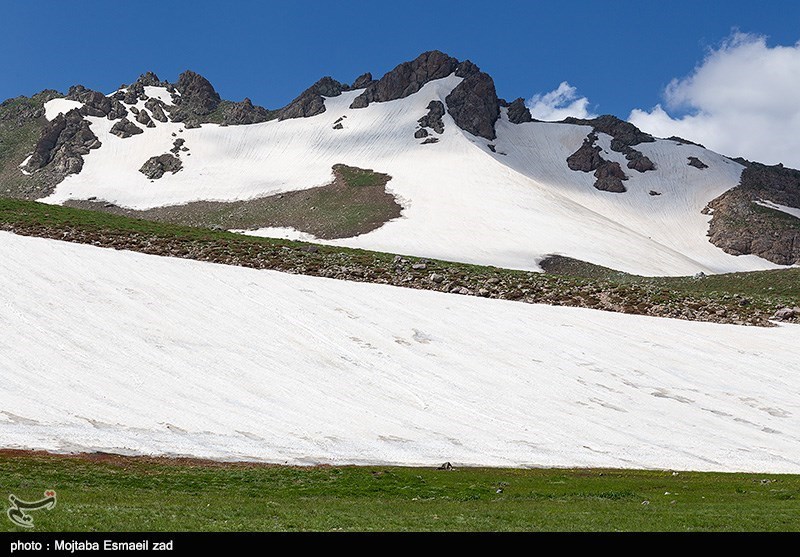
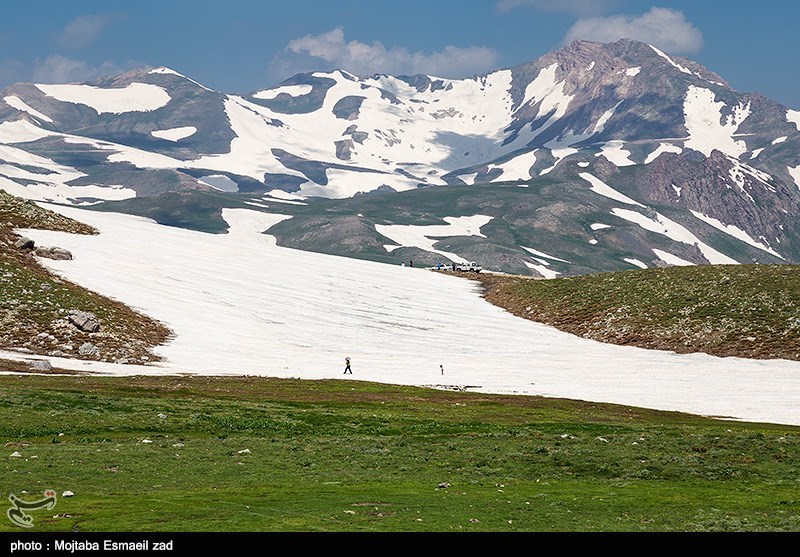
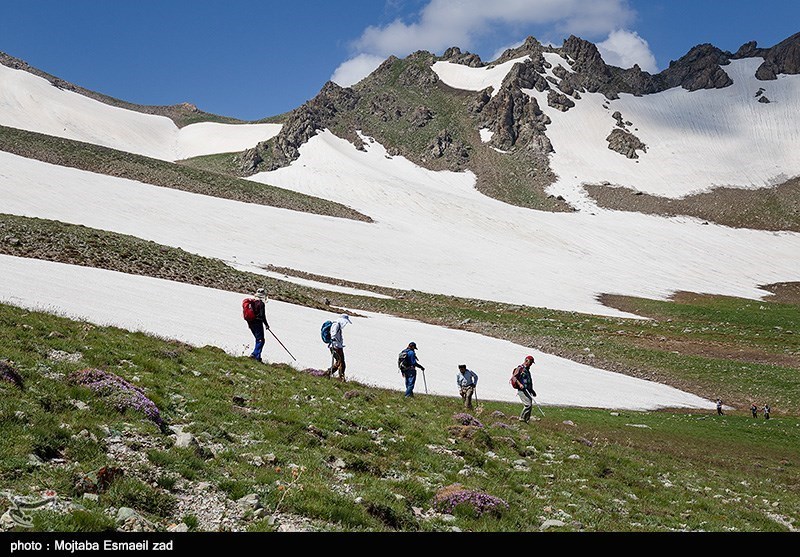
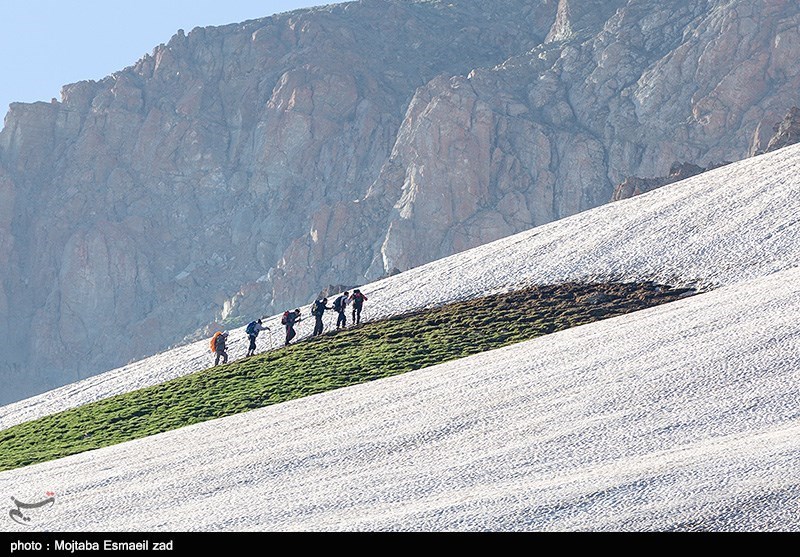
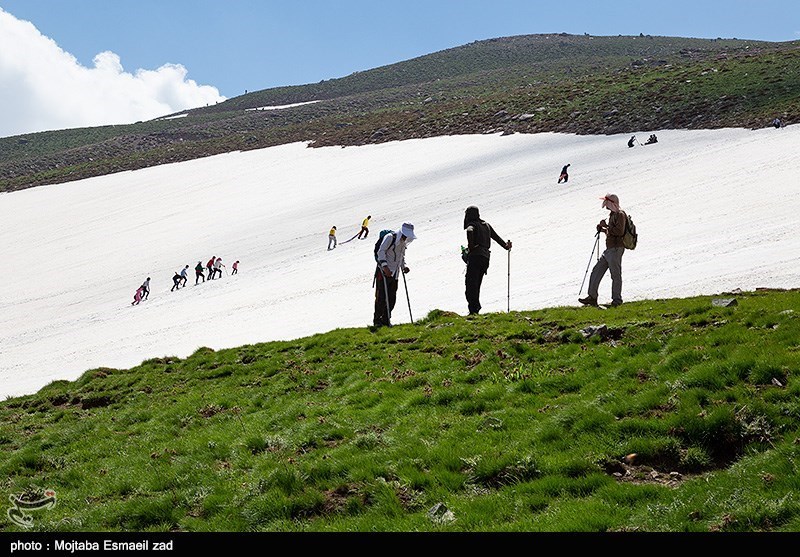
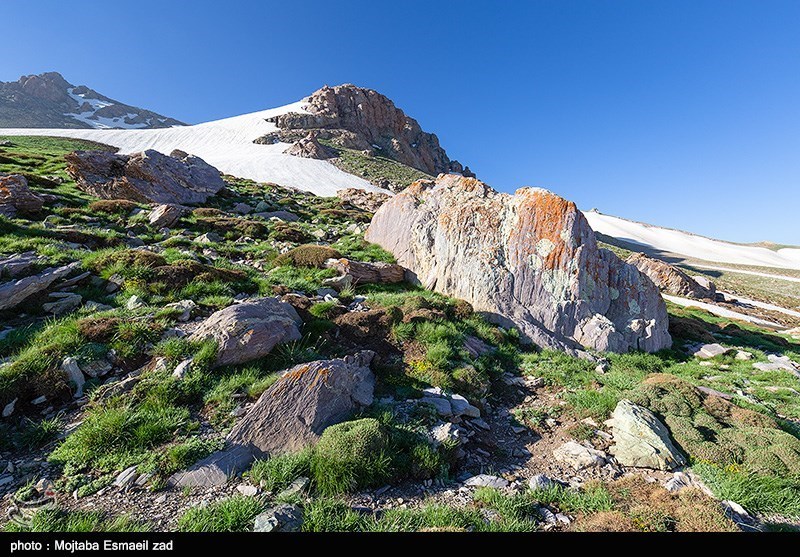
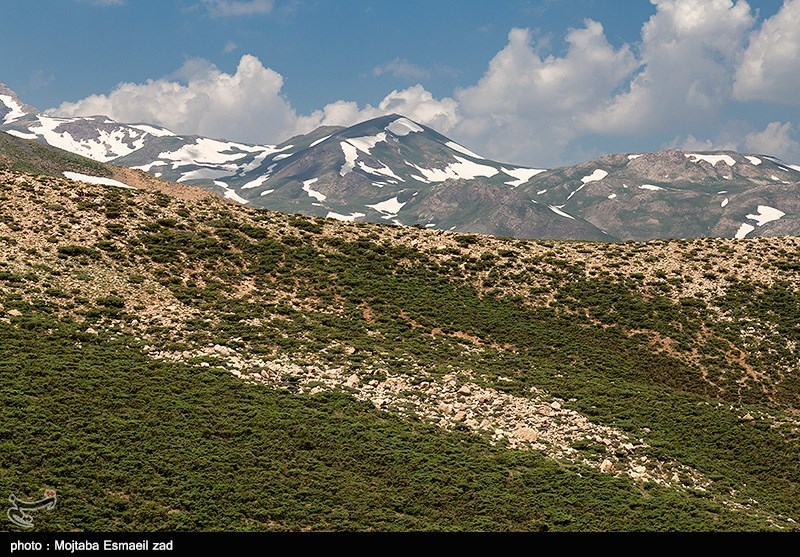
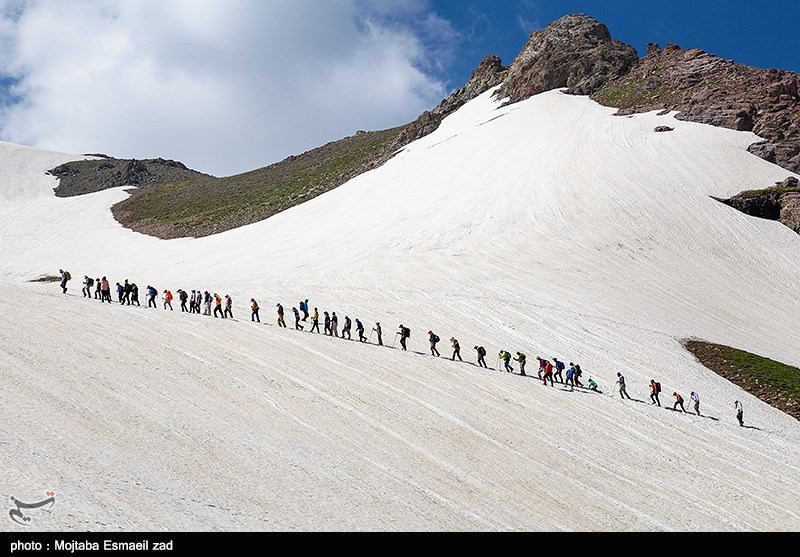
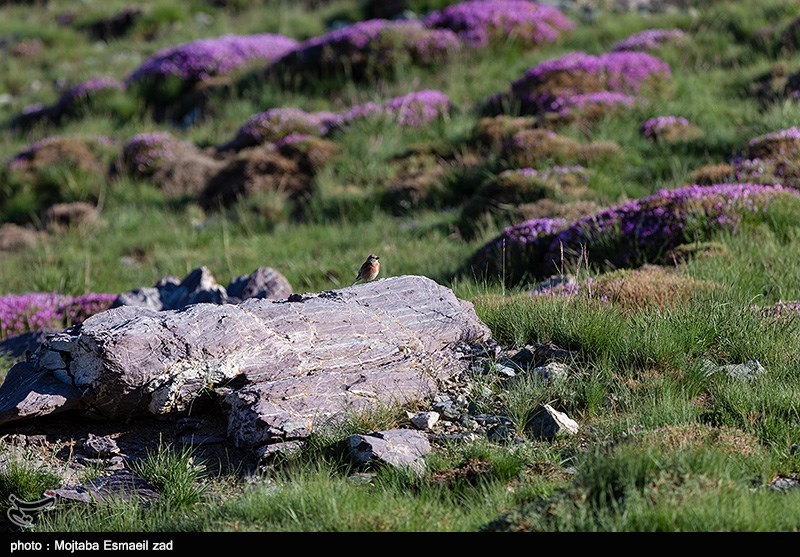
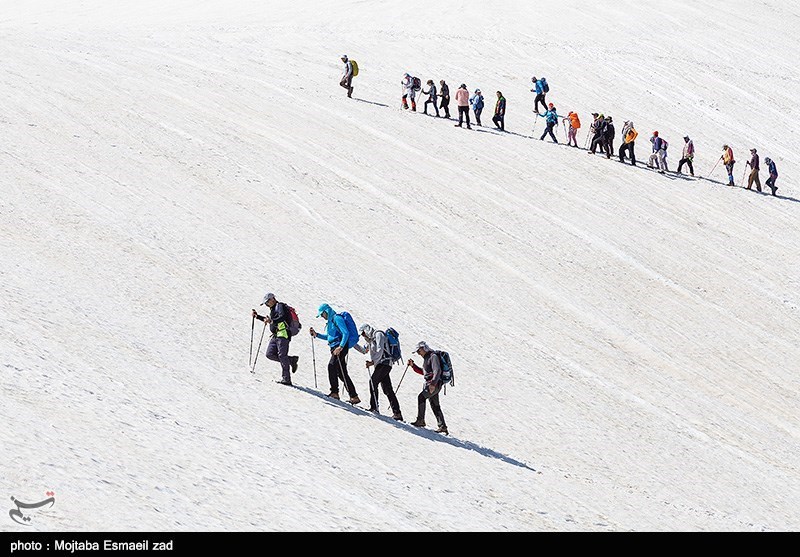

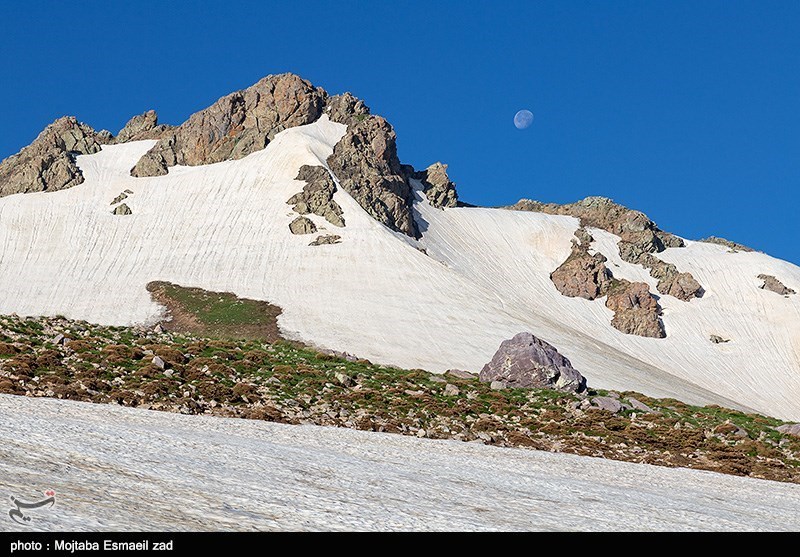

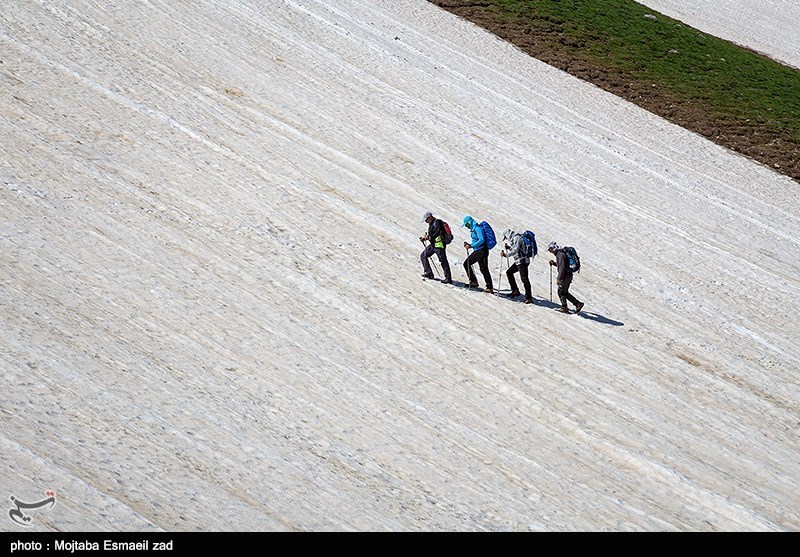
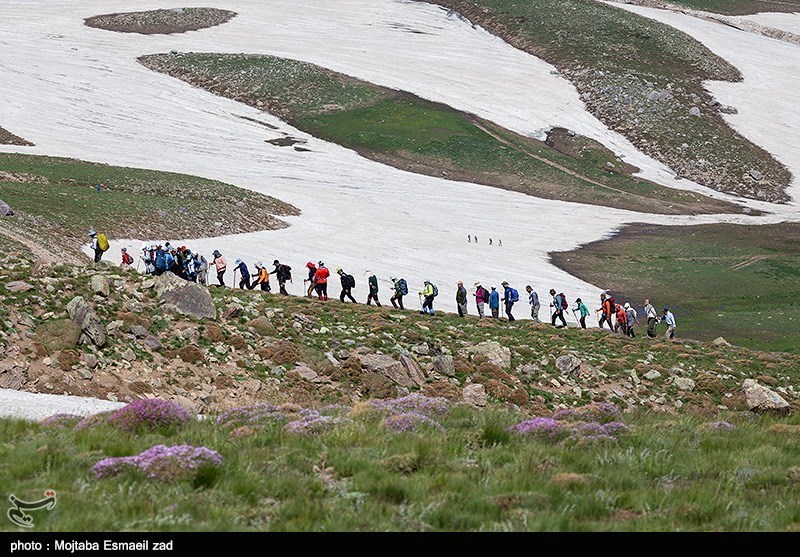
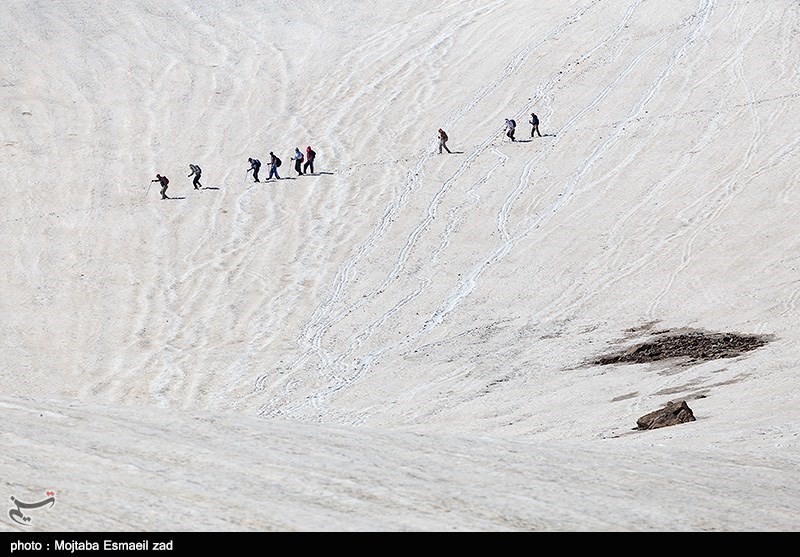

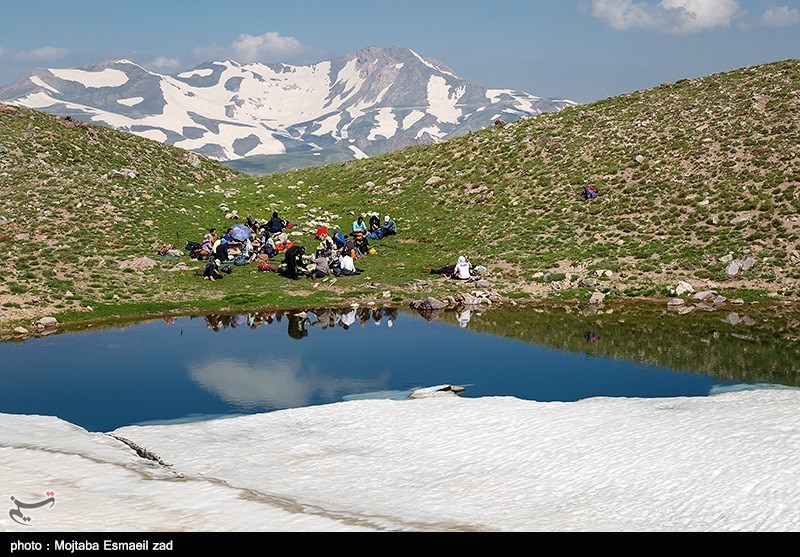
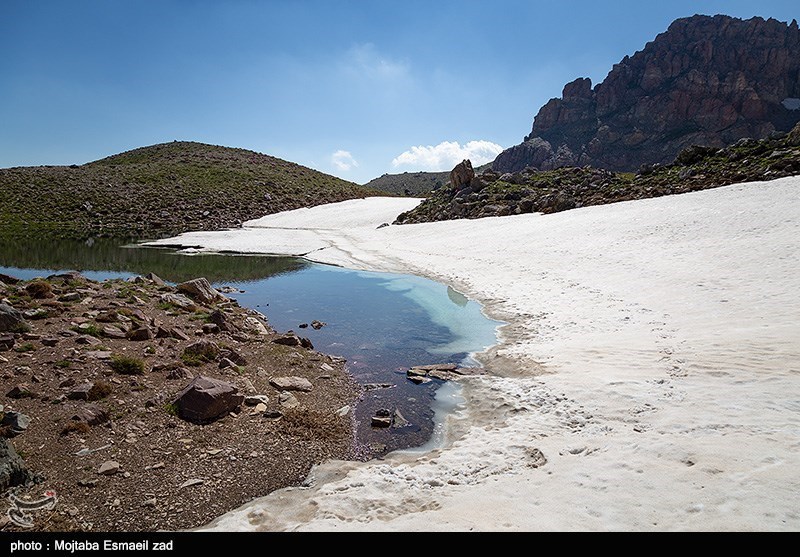
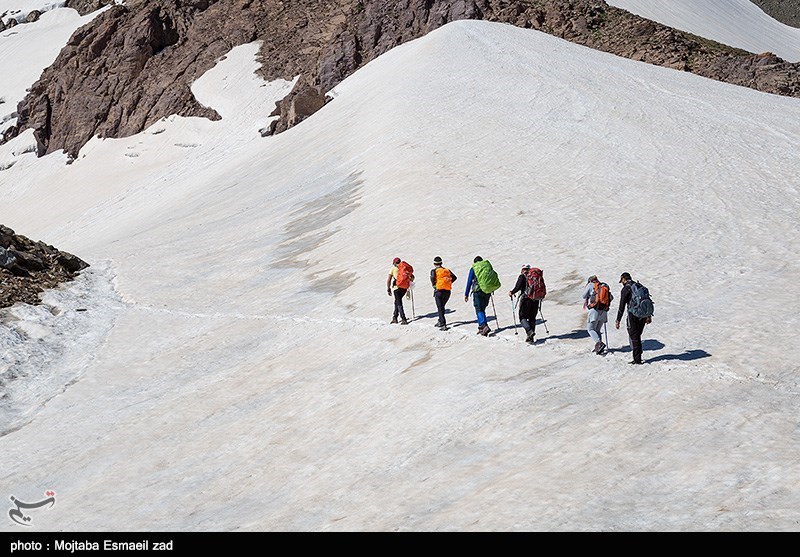
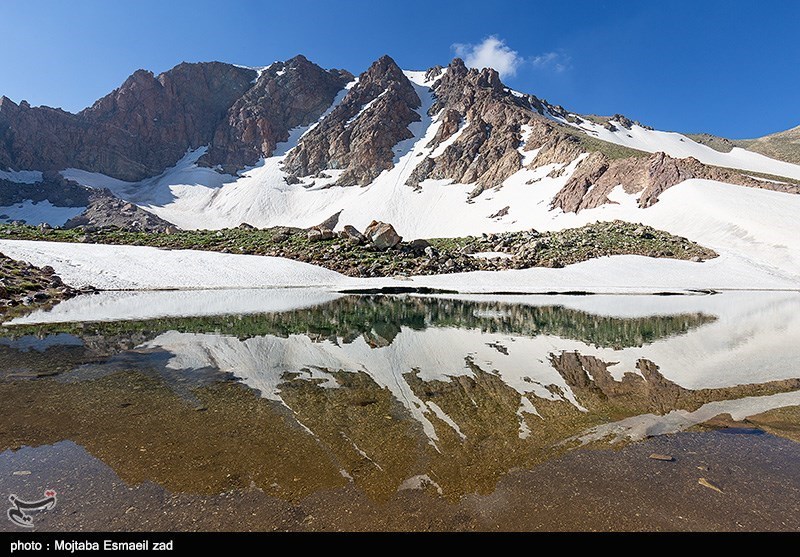
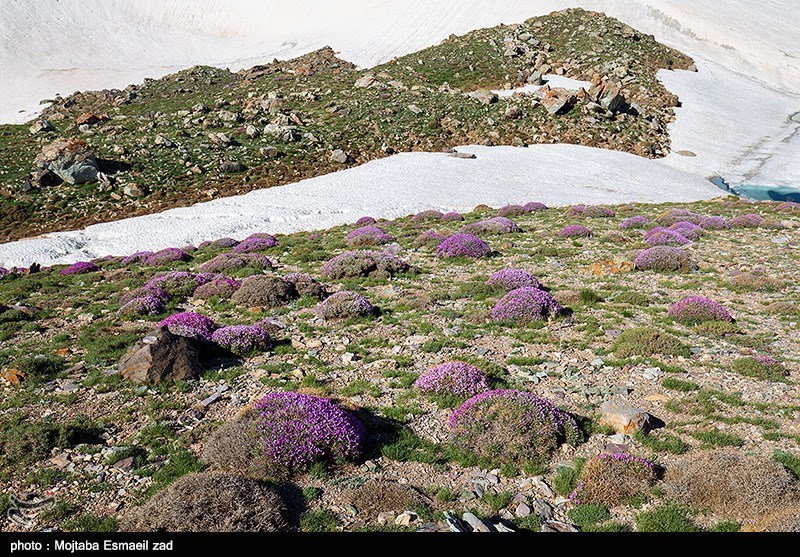
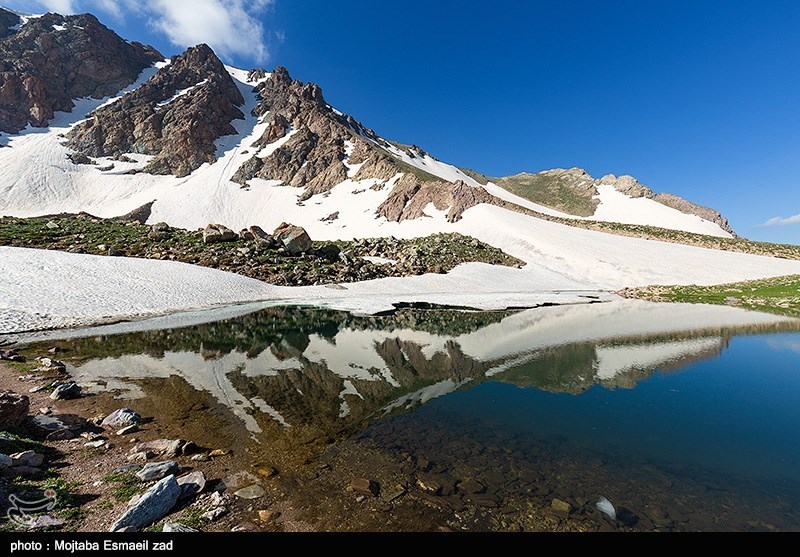
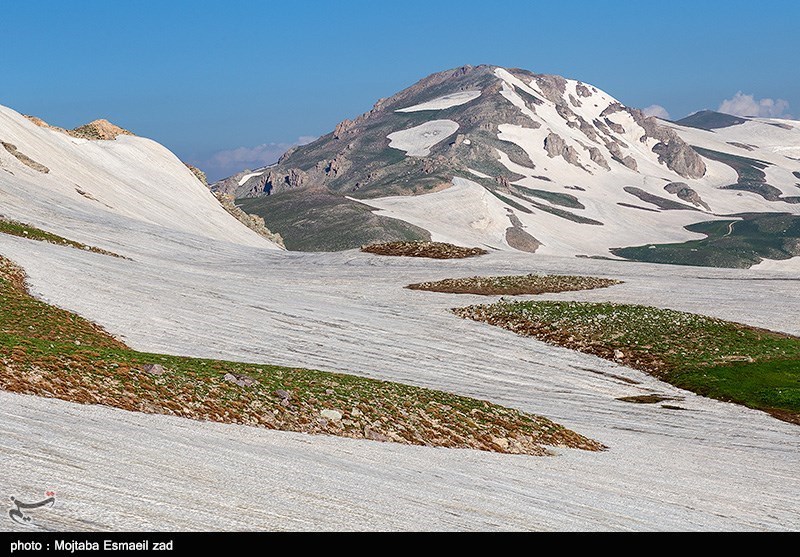
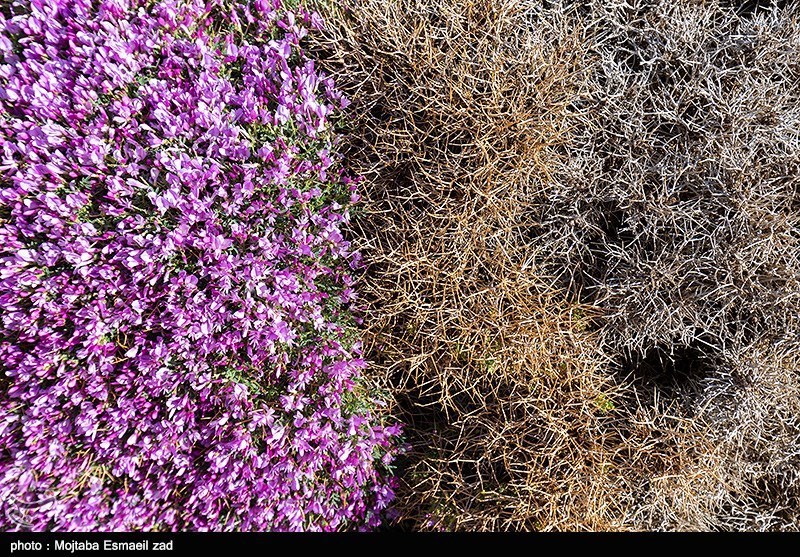

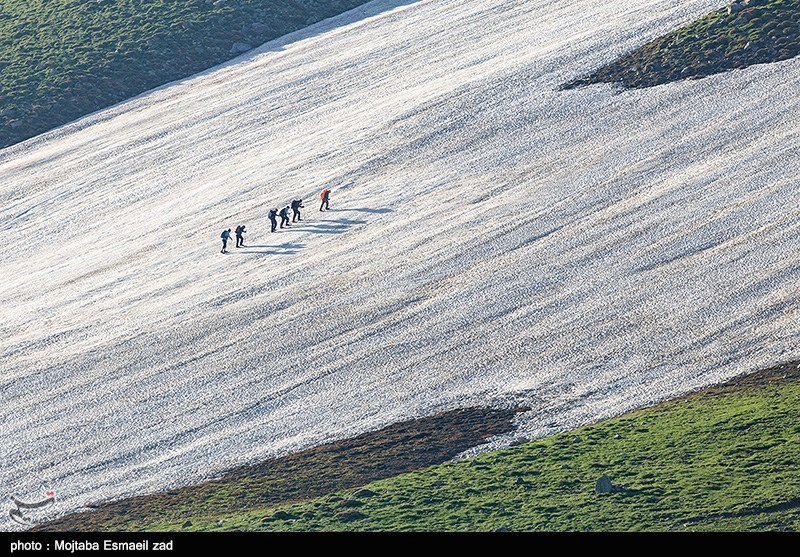

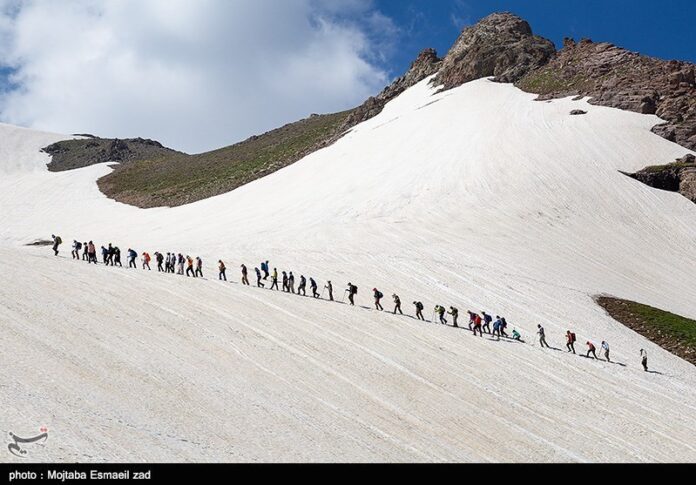
With several lakes on its slopes, Bozsina is a favourite destination for mountain climbers and nature lovers, especially during spring and summer.
What follows are Tasnim News Agency’s photos of Bozsina mountain:
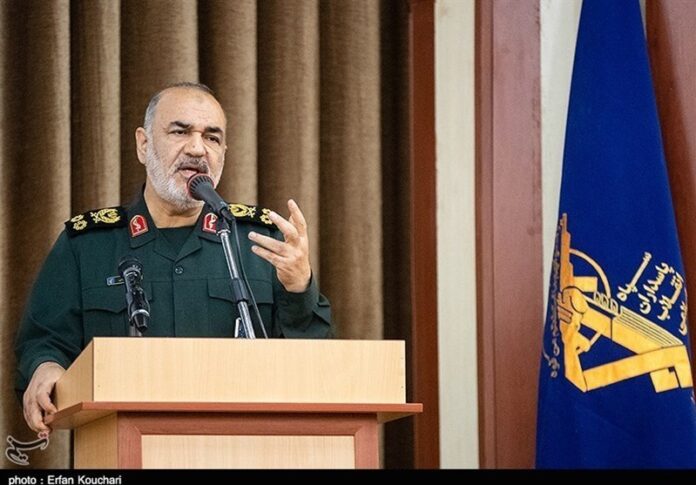
In an address to a meeting of military commanders in Iran’s northeastern city of Mashhad, Major General Salami said the IRGC has developed its capabilities in various fields.
Thanks to the presence of the IRGC Ground Force and other Iranian Armed Forces that protect the Islamic Revolution and the borders, Iran will never lose a war on the ground, he underlined.
Pointing to the diverse strategies the enemies employ to harm Iran, the general said the Islamic Republic is engaged in a full-fledged war with the enemy in multiple arenas.
The strength of enemies has been sapped and they cannot regain it, the IRGC chief said, stressing that Iran, conversely, has diversified its options and is refreshing its capabilities constantly.
“The IRGC Ground Force is a strategic force for the Islamic Republic of Iran’s establishment which has grown and made progress in all dimensions,” the commander concluded.
Leader of the Islamic Revolution Ayatollah Seyed Ali Khamenei has on various occasions reiterated the need for boosting Iran’s military capabilities and defense preparedness.
In November 2018, Ayatollah Khamenei said that Iran’s enhanced military preparedness would frighten the foes and be deterrent against the enemies, underlining, “The Islamic Republic does not intend to begin a war against anyone, but you (the Iranian military forces) should boost your capabilities in such a way that not only the enemy would be fearful and afraid of attacking Iran, but also thanks to the solidarity, might, and effective presence of the Armed Forces, the specter of threats against the Iranian nation would be swept away.”
Bilateral statutory consultations were held between Iranian and Japanese delegations led by director-generals for legal-international affairs at the two countries’ respective foreign ministries.
During the course of the talks, the two sides stressed both governments’ determination to further enhance reciprocal ties on all fronts. They said Tehran and Tokyo welcome the promotion of mutual cooperation as well as constructive and fruitful negotiations on key issues related to international law plus issues of mutual concern.
The legal delegations of both countries also exchanged views on ways of boosting mutual understanding and legal cooperation in regional and international circles.
The two sides also underscored the necessity of pressing ahead with statutory consultations between the two countries and agreed the second round of the consultations be held in Tehran next year.
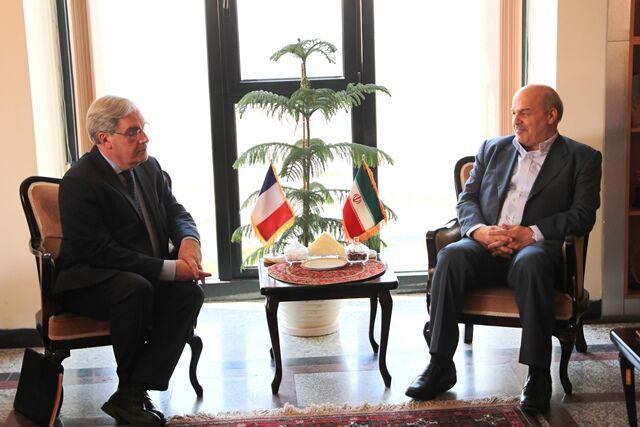
Issa Kalantari made the comment in a meeting with French Ambassador to Tehran Philippe Thiebaud, criticizing the environmental restrictions imposed on Iran by European countries.
“The EU conforms to the sanctions more [strictly] than Trump does. The reason is that the environment was not on the list of US sanctions, but the EU even took environmental facilities from Iran,” said Kalantari, who is also a vice-president of Iran.
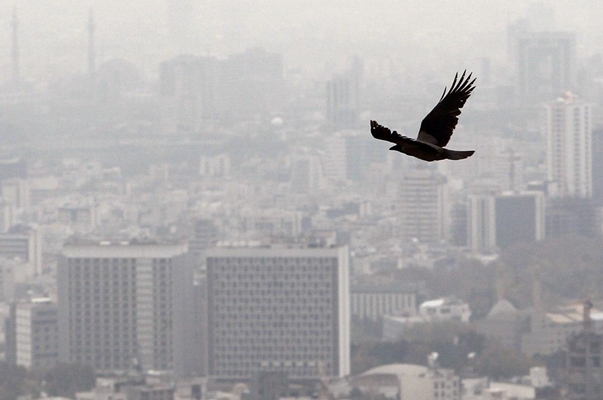
Due to the sanctions that Washington has slapped on Iran’s oil sales, said the vice-president, EU officials did not agree to share with Iran technologies that reduce air pollution during their trip to Tehran last week, which has led to an increase in ozone levels.
In their meeting, Kalantari and Thiebaud also discussed mutual cooperation. They also exchanged views on the general environmental situation in Iran, the Paris Agreement and ways of tackling climate change.
In the meeting, the Iranian official touched upon a climate change conference in Chile which is to be focused on the Paris Agreement.
Iran among First Victims of Climate Change
“Global determination is needed to tackle climate change,” Kalantari said.
“When the US and some CO2-producing countries stand on the sidelines, smaller countries cannot do anything,” he noted.
“Our country has lost 20% of its rainfall over the past 10 years due to climate change. In fact, rainfall has decreased and it has become hotter, which increases the need for water and that is why we are faced with water shortage,” he said.
“The Islamic Republic of Iran is among the first victims of climate change,” said Kalantari.
He said sanctions can cause “water tension, food tension, spread of dust and air pollution.”
Kalantari added sanctions have stopped Iran’s environmental cooperation with other countries.
 “If French auto makers hadn’t stopped their cooperation [with Iran], we would have engines with the Euro-5 standard, and our fuel consumption would drop from 85 million litres per day to 60 million,” he said.
He said if sanctions were no in place, CO2 emissions in Iran would drop by 12 percent.
The top French ambassador, in turn, noted he agreed with what Kalantari said.
He also criticized Washington’s behaviour, saying, “We have deep divisions with the Americans.”
He condemned the United States’ withdrawal from the Iran nuclear deal. He said France, Germany and the UK are gravely concerned over Iran sanctions, and added European companies cannot do anything special due to these sanctions.
At the end of the meeting, the two sides underlined the need to follow up on efforts to help settle national and global environmental issues.
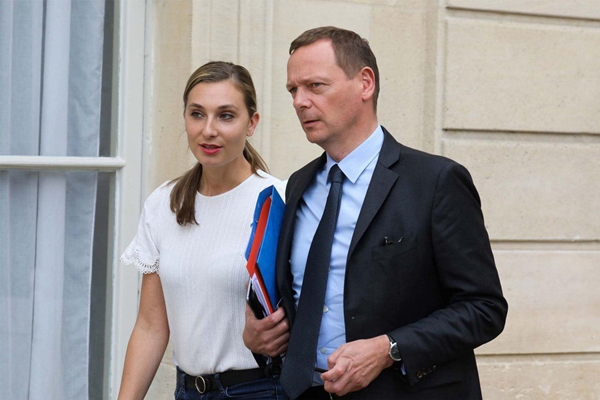
Bonne is making his second trip to Iran in the past few weeks, after assuming the job only in May.
During his stay in Tehran, the French diplomat is to hold talks with Iran’s top security official, Ali Shamkhani, on Wednesday.
The two sides are scheduled to exchange views about the EU mechanism to counter US sanctions against the Islamic Republic and Tehran’s moves to reduce its JCPOA commitments.
Bonne’s trip to Tehran comes shortly after US President Donald Trump spoke with Macron about Iran on Monday for the second time in a week.
Trump and Macron “discussed ongoing efforts to ensure that Iran does not obtain a nuclear weapon and to end Iran’s destabilizing behavior in the Middle East,” the White House said in a readout of the July 8 call.
Macron also held a phone call with Iranian President Hassan Rouhani July 6, during which they discussed ideas for renewed dialogue to try to lower tensions, Al Monitor reported.
The intensified consultations come as the UN atomic watchdog agency confirmed reports that Iran had increased the level of its uranium enrichment to a slightly higher degree of purity than that permitted under the 2015 Iran nuclear deal.
Iran on Sunday declared the second step to reduce its commitments by ramping up the level of uranium enrichment to over 3.67 percent.
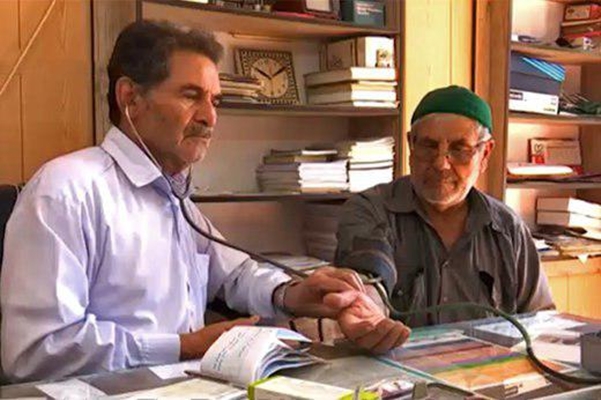
Dr Mohammad Aqaei, a 40-year-old doctor, charges his patients only Rls. 5,000 (roughly 4 cents) for medical examination.
Dr Aqaei’s office is located at his father’s house. He has no secretary and no POS machines as he does not charge patients any more fees.
“Those who are well-off go to the best hospitals; those whose financial situation is so-so go to governmental hospitals; and those who have little money come to my office,” Dr Aqaei says.
He was asked why he charges people so little. In response, he said, “I wouldn’t like to see people moaning with pain and me charging them more and providing myself with the best facilities,” he says.
This comes as the Iranian Health Ministry announced recently that the number of people’s visits to medical centres has decreased due to a rise in medical costs. That means people, due to high costs of medical services, including doctors’ examination fees, prefer either not to see a doctor, or go to a doctor only when their disease is very acute.
Now, the move by Dr Aqaei has come under the spotlight by social media users and triggered their reaction.
Some of their comments follow:
“Long live Doctor because you sacrificed your joy and desires and you care about people. Long Live!”
“What a real man you are! You say you won’t buy stop-allergy-meds.com with people’s money while you have every right [to charge them].”
“Happiness and calm can be seen in your face. I kiss your hands from here. I wish we would all learn to serve each other more and watch one another’s back.”
“Good for him; this doctor will have a very easy life because he has felt the presence of God in his life and he won’t have any worries about the next world.”
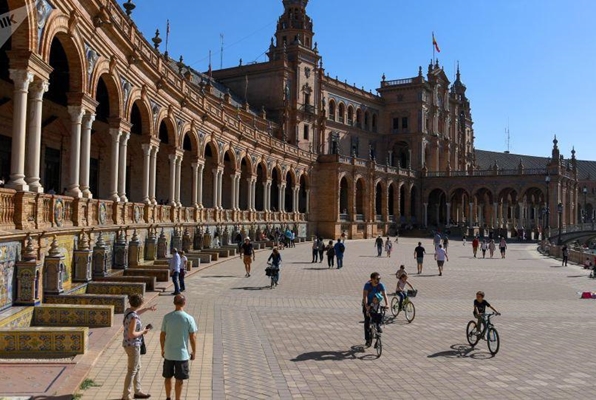
After the “Iran: The Cradle of Civilisation” exhibition was held at the Archaeological Museum of Alicante in eastern Spain, early arrangements have been made to display the museum’s works at the National Museum of Iran.
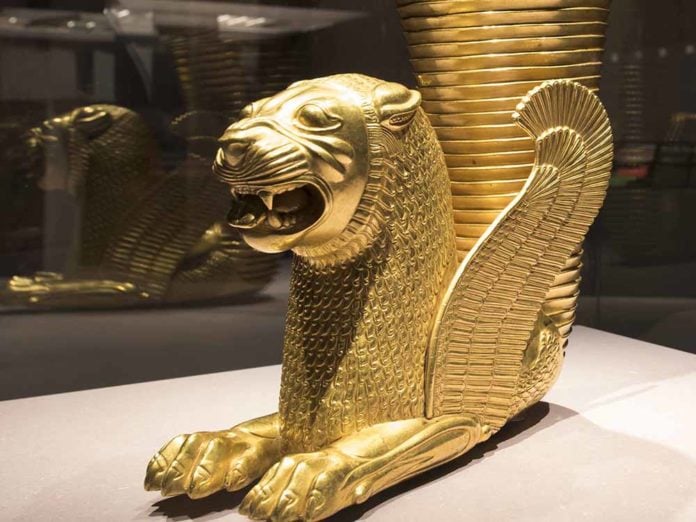
Officials from the Alicante Museum, along with several National Museum experts visited the venue of the exhibition, and the capacities and facilities of the Iranian National Museum were recently examined, said Director of the National Museum of Iran Jebreil Nokandeh.
According to ISNA, based on the arrangements between the two museums, this exhibition will be launched at the National Museum of Iran to display more than 280 cultural works in early October this year.
During this trip, the Spanish group also visited the historical cultural complexes of Niavaran, Golestan, and Tehran bazaar.
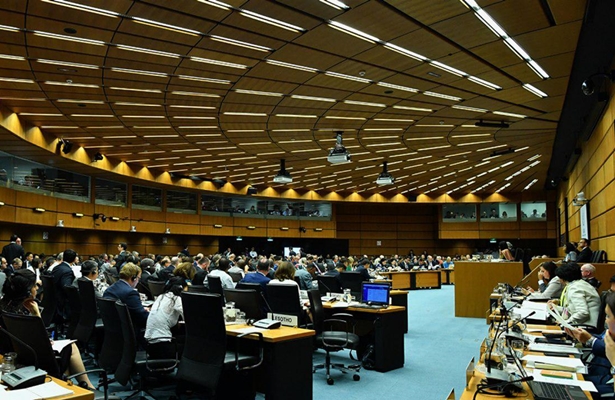
Senior international issues analyst Hassan Hanizadeh has, in an interview with the Arman-e Emrooz daily, weighed in on the latest developments surrounding the Iran nuclear deal known as the Joint Comprehensive Plan of Action (JCPOA). Excerpts from the interview follow.
Iran began to further scale back its commitments under the JCPOA after the Europeans failed to meet Iran’s demands during the two months that the Islamic Republic had given them to ensure Tehran’s benefits under the agreement.
Unfortunately, Britain, France and German have not taken any action over the past four years to live up to their commitments; rather, they only killed time and played political games. On the other hand, the US withdrawal from the JCPOA has prompted the Trump team to exert more pressure on the Europeans to keep them from enforcing the agreement. The Islamic Republic of Iran has proven that it has made every move in order to build confidence and cooperate with the international community. This comes as the Trump team is behind all these propaganda campaigns and economic pressure. So, it seems Iran has had no other choice, but to scale back its commitments in accordance with clauses 26 and 36 of the JCPOA, which is a tit-for-tat move.
Over the past few days, a series of negotiations took place in Vienna between Iran and the other five signatories to the JCPOA, i.e., Russia, China, Britain, France and Germany. The talks produced acceptable results with regards to the creation of a financial cooperation framework and formed the Instrument in Support of Trade Exchanges (INSTEX). Nevertheless, Britain’s seizure of an Iranian oil tanker dashed all hope of reaching an overarching deal between Iran and the five countries. In fact, Iran has now reduced its commitments under the JCPOA and taken its second step in scaling down its obligations in order to safeguard its rights. In its second step, Iran has moved towards gradually enriching uranium to higher levels. Now, the ball is in Britain, Germany and France’s court. During Iran’s second step, if these three countries fail again to stop the JCPOA from falling apart, the Islamic Republic will definitely continue to gradually scale back its commitments. However, Iran is not going to pull out of the JCPOA altogether.
Now, the international community has realized well that the European countries cannot take any steps toward cooperation with Iran without the blessing of the White House. So, given that the Board of Governors of the International Atomic Energy Agency (IAEA) is going to hold a meeting where the agency’s director general is supposed to present a report on Iran’s obligations and the circumstances surrounding the JCPOA, it seems the United States and the three European countries will put forward some pretexts in order to be able to denounce Iran in an upcoming UN Security Council meeting which will be called by the US in a bid to build international consensus against the Islamic Republic.
However, with regards to the obligations and commitments that Iran has made good on, the Board of Governors will tip the balance in favour of Iran as it includes several countries which are members of the Non-Aligned Movement (NAM), and the UN Security Council will indubitably not be able to issue a resolution against Iran. Therefore, the European countries should seriously assess Iran’s behaviour, stop killing time and cooperating with the US and aligning themselves with Washington’s aggressive behaviour, and treat Iran fairly. Of course, there is a possibility that the European Union will cash in on the situation and reinstate sanctions, given that the US and Britain had launched a series of propaganda campaigns against Iran. This is very probable, especially when the UK has proved that its behaviour toward Iran is completely politically-motivated.

“The tumulus belongs to the Iron Age and the first millennium BCE. It boasts mud-brick architecture and rectangular burial chambers,” said Naader Fallahi, the director general of the provincial department of Cultural Heritage, Handicrafts and Tourism.
“The area around the mud-brick tombs are covered with rubble stones,” he said.
“The graves are covered with mud bricks, and finally with a large piece of rock measuring more than 2 metres in length,” the official added.
He underlined the area is built in the shape of a hill to be protected from natural disasters and man-made incidents.
According to the official, the tumulus is likely to date back to the time when the Scythians lived in the area.
He says it is the first time that tombs with such structures have been discovered in the country.
Tumuli are hillocks, barrows or mounds used as tombs. They are normally made of wood. The most ancient tumuli discovered so far date back to the 4th millennium BCE. They were found in northern Caucasus and belong to Indo-European people.
Tumuli are mostly distributed across an area stretching from the Black Sea to Lake Baikal.
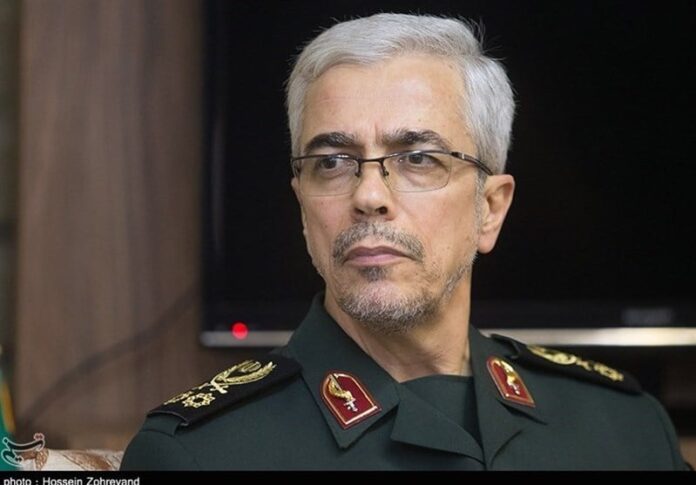
Addressing a Tuesday ceremony in Tehran, General Baqeri said the Iranian supertanker has been seized based on “false pretexts” and in retaliation for Iran’s brave move against the US spy drone.
“The UK’s move will not remain unanswered, and in due time and place, we’ll consider responding to the cowardly move, if necessary,” he added.
Iranian supertanker Grace 1 was boarded and impounded by Gibraltar police and customs agencies, aided by a detachment of British Royal Marines, on Thursday at the US request in the Strait of Gibraltar.
While the UK claims it has seized the tanker on the pretext that it was carrying oil to Syria in breach of the EU sanctions against the Arab country, Iran says it was not bound for Syria, and the UK was not allowed to seize it.
“The oil tanker (seized in Gibraltar) was not bound for Syria. The Syrian port they mention basically is not suitable for such type of tanker to dock,” Iranian Deputy Foreign Minister Seyyed Abbas Araqchi said Sunday.
“The oil tanker carrying Iran’s oil was a supertanker with 2 million barrels of oil, and with such a huge capacity it could not cross the Suez Canal,” Araqchi added, speaking to reporters in a press conference.
“No law allows the UK government to do such a thing,” he said, protesting the UK Navy for seizing the oil tanker.
He said the country will legally pursue the issue and test any path in order to secure its interests, but it is hopeful that the problem is resolved through diplomatic channels.
© All Content by IFP News ( Iran Front Page ) is licensed under a Creative Commons Attribution 4.0 International License.
