Thursday, April 23, 2026
Home Blog Page 3194

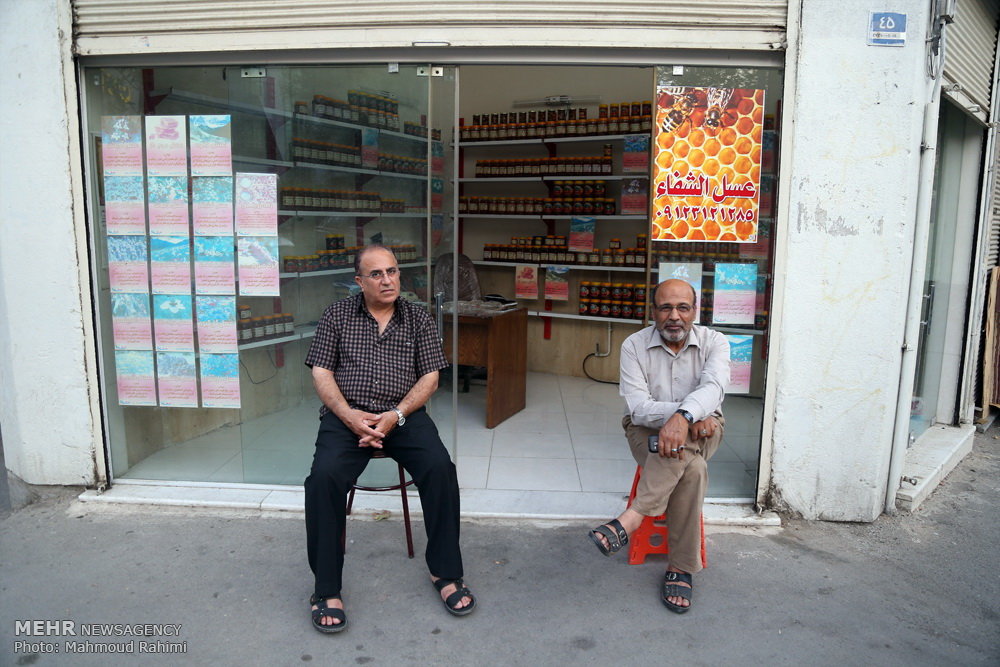
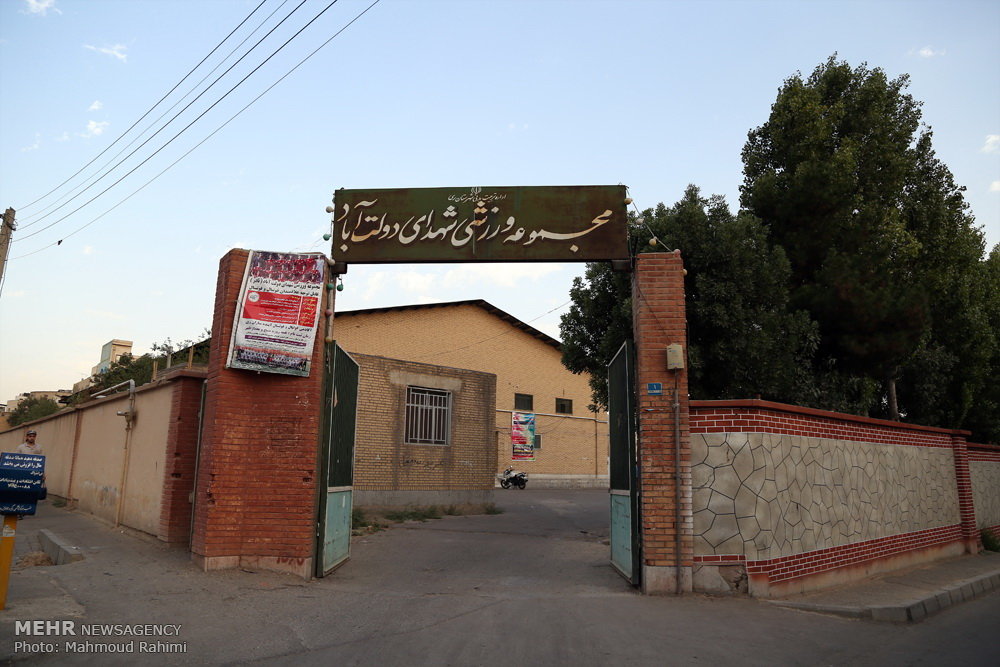
Dowlatabad; The Little Iraq in Heart of Iranian Capital

Dowlatabad is a neighbourhood with nice weather. It is full of trees and many consider it as the first town of Tehran.

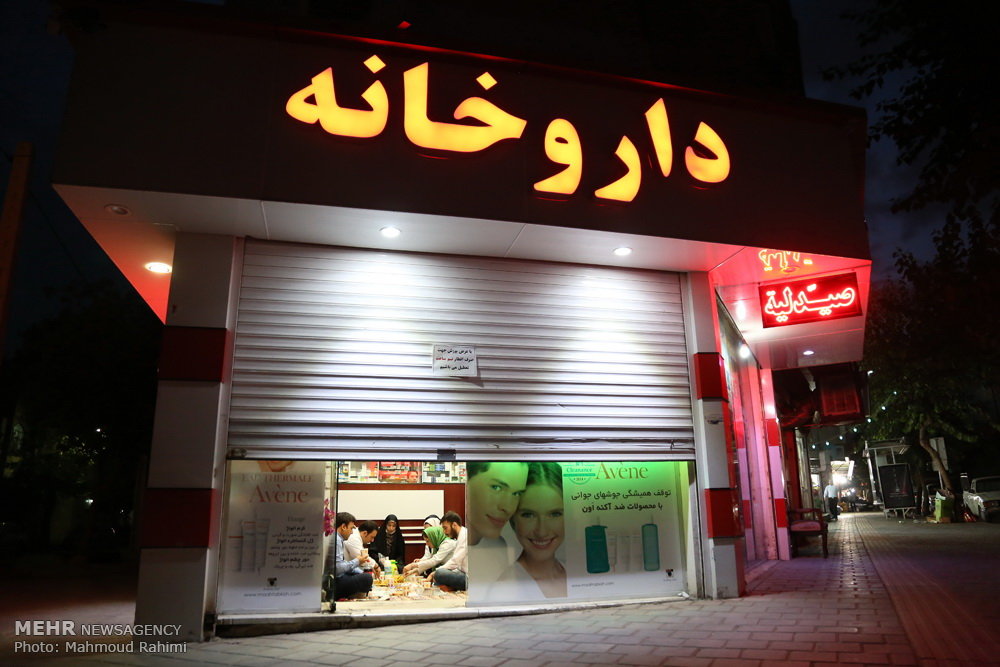
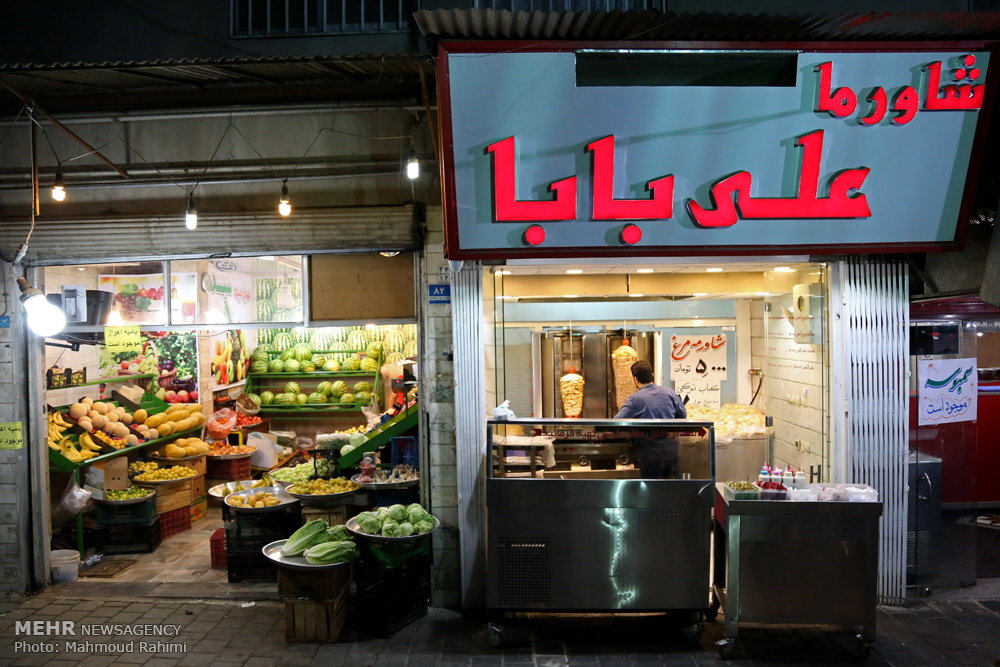
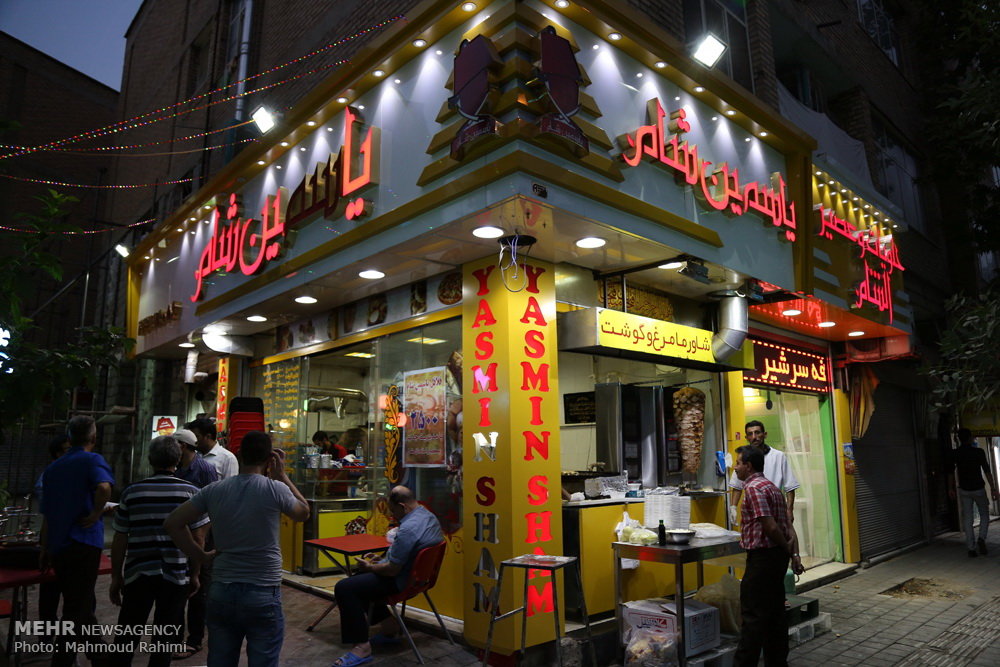
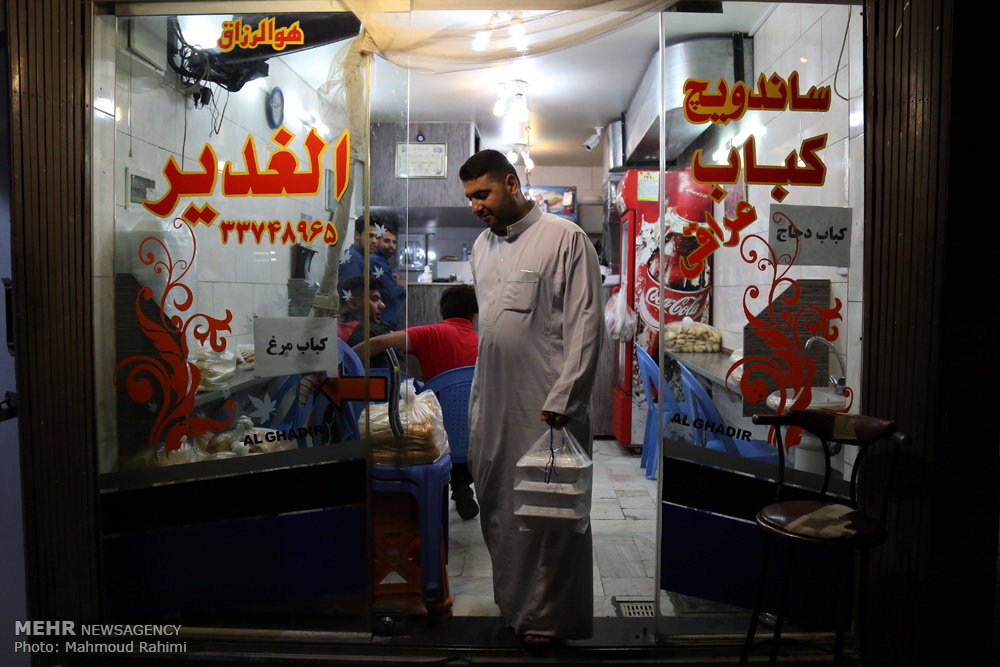
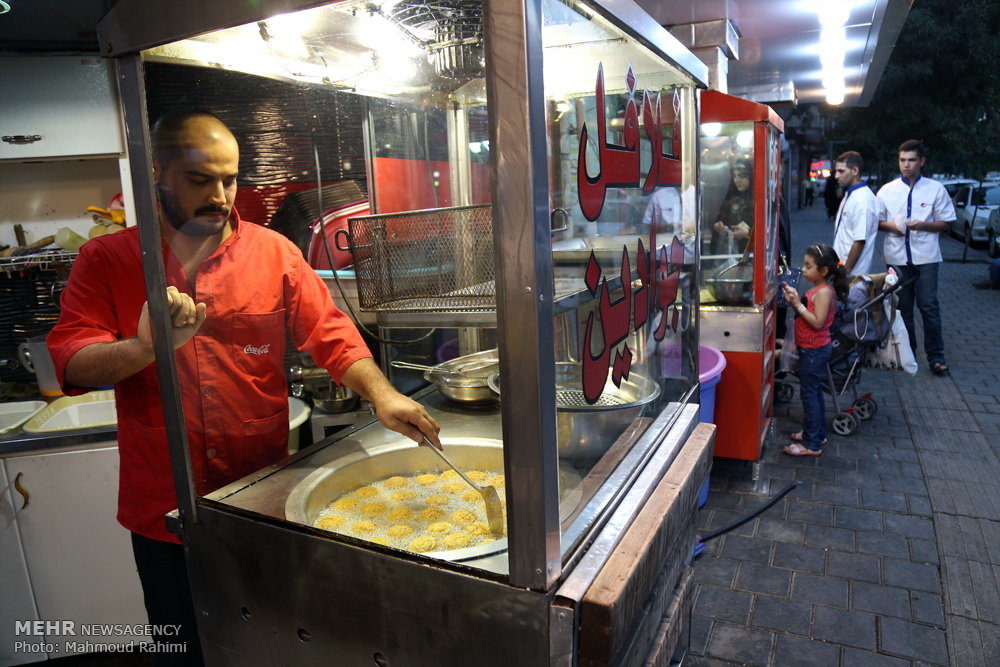
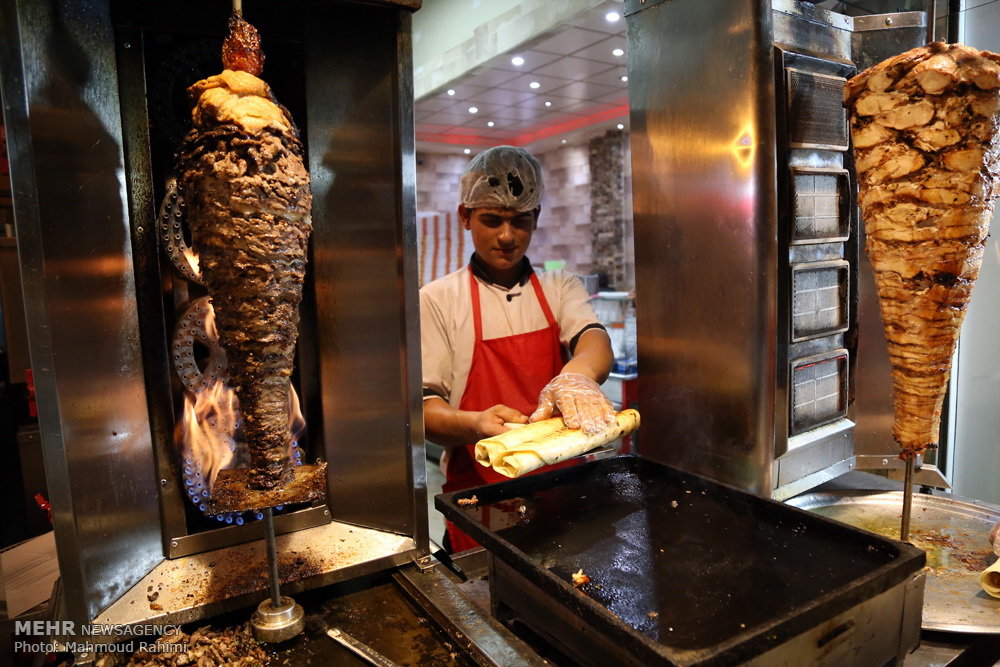
Quds Street in this neighbourhood is one of the most crowded streets in this region, where the largest restaurant and Arabic fast food outlets can be found there. At the dusk, the number of people who come to the streets is getting bigger.

This is the Arab’s tradition to protect themselves from the heat by coming out in the evening. When you pass the neighbourhood, they all speak Arabic. It’s as if you are on one of the streets of Baghdad.
Dowlatabad; The Little Iraq in Heart of Iranian Capital
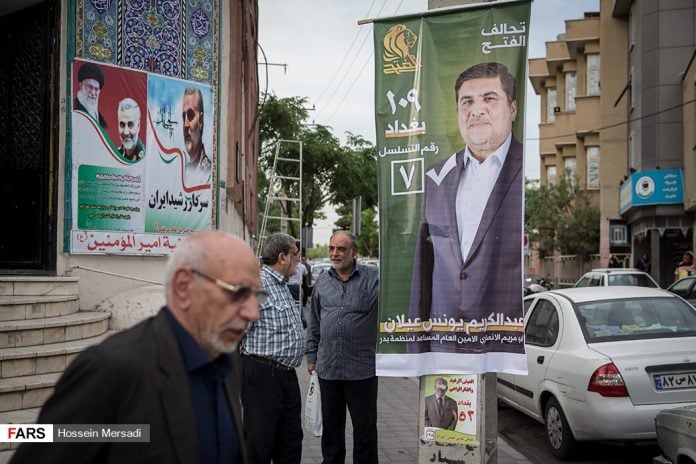
Iraqi Quarter in Tehran Heating Up with Election Fervour

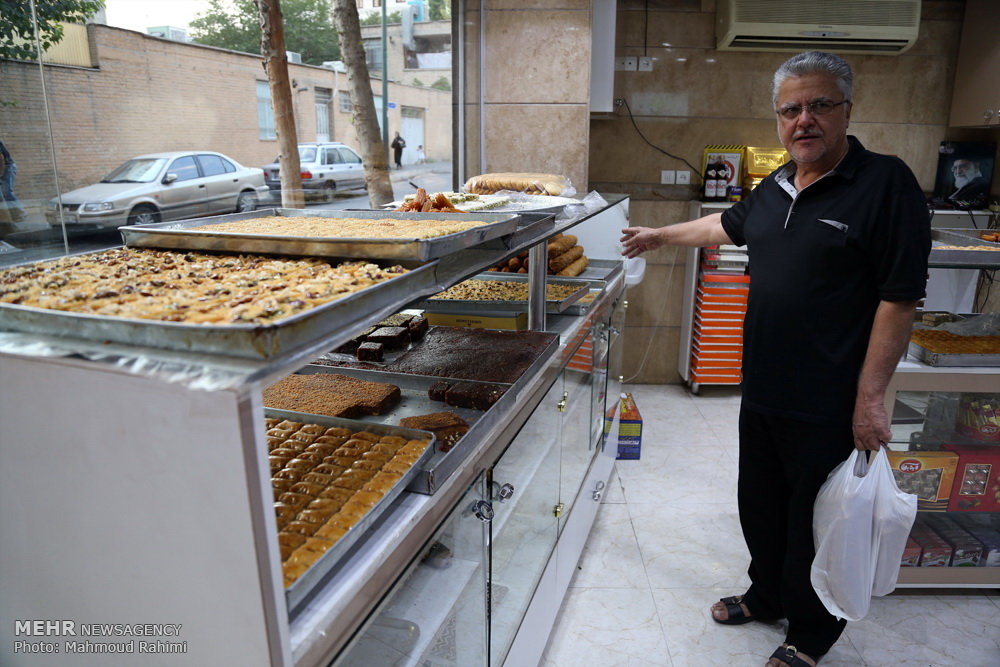
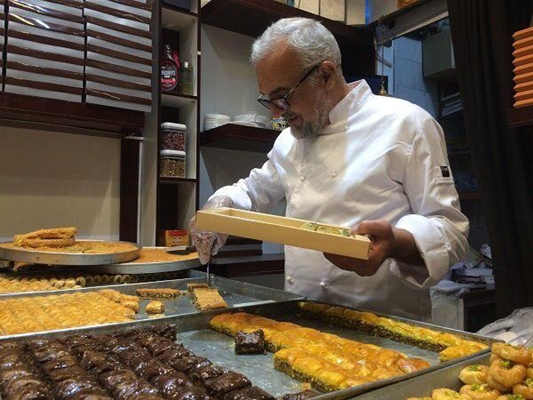
Dowlatabad’s crowded restaurants are well-known for their famous Arabic cuisine such as Shawarma, Kibbeh, Houmous, Samosa and Falafel. Their flavour is different from all falafels and fast foods in Tehran. In front of some of the restaurants there are tables and chairs, and elderly men in Dishdashas are drinking Arabic tea. Arabic tea is thicker than ordinary Iranian tea which the Tehranians are accustomed to. Arabic coffee is very thick too. These drinks will have different flavours alongside Lebanese and Arabic Baklavas. For this reason, next to these coffee shops and teahouses in this street, there are a lot of Baklava shops.

Arabian Baklava is one of the most famous sweets in the world. It is a popular sweet among Arab-speaking people of Syria, Lebanon and Iraq which is baked in different shapes and flavours.

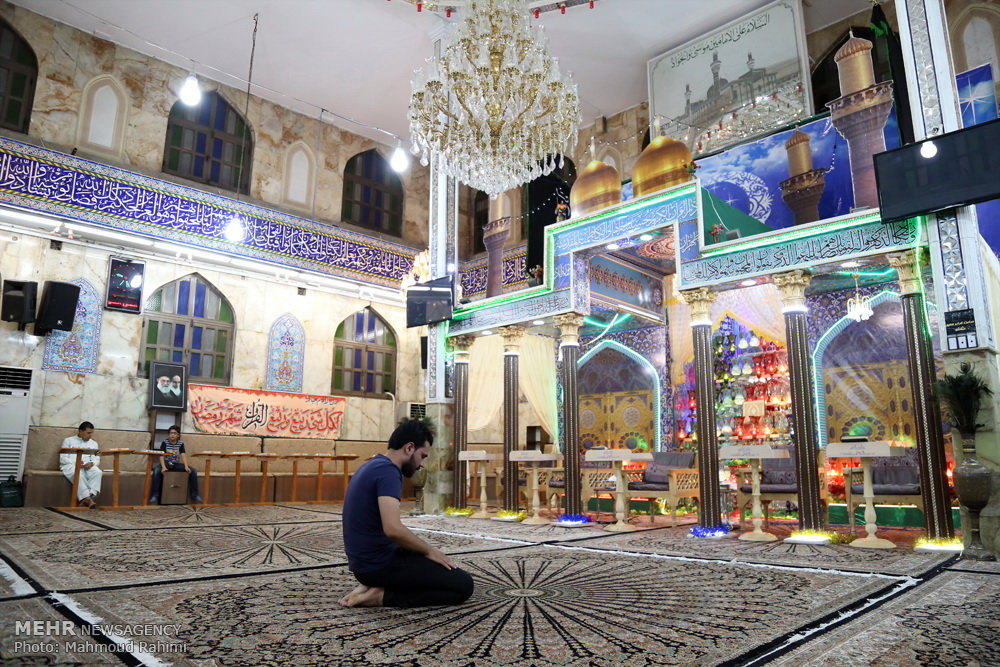
Moreover, there are so many mosques and hussainiyas in this neighbourhood that some call it the mosques neighbourhood. On Muharram nights, this neighbourhood is full of mourning groups. The mourning of the Arabs is considered by many tourists as an attraction; therefore, Dowlatabad is very busy during Muharram.

When the Arabic-speaking people of other countries get to know there is such a neighbourhood in Tehran, they come here to rent a house or suite. Therefore, on the walls of the neighbourhood, there are advertisements in Arabic for such suites.

Many tourist agencies have also emerged since the fall of Saddam Hussein so that passengers could travel from Rey to Baghdad, Sulaymaniyah or Erbil. Now, they can host their fellow countrymen in their own neighbourhood and easily travel to Iraq either by airplane or by bus.
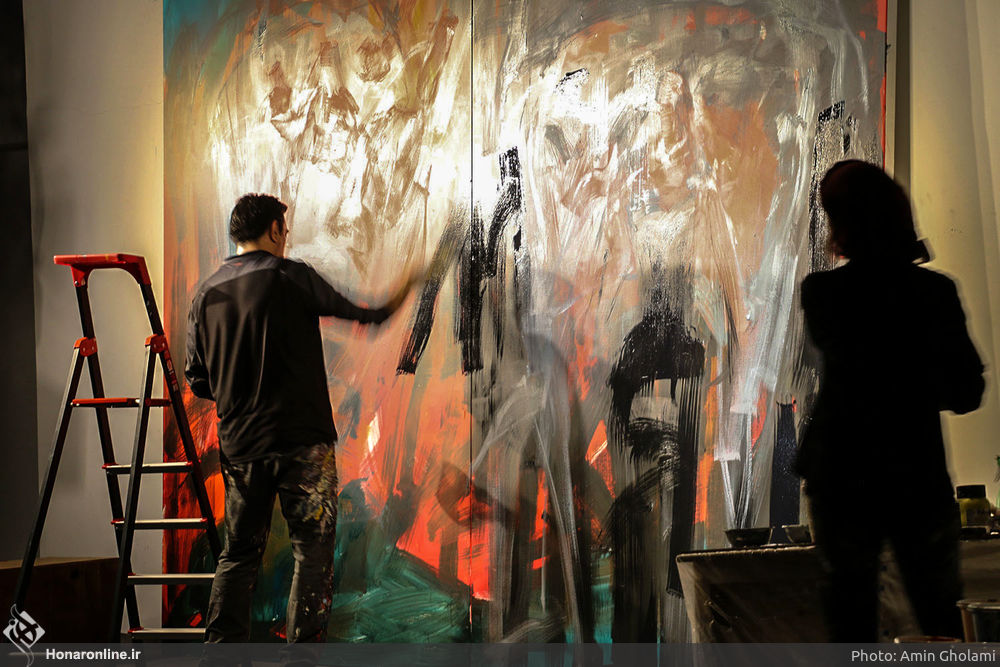
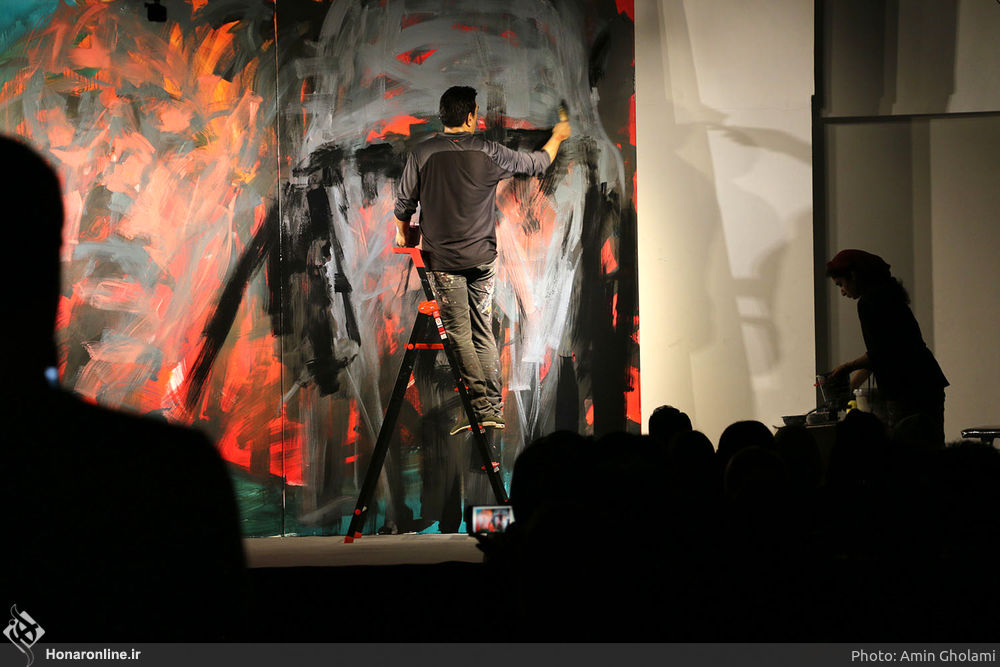
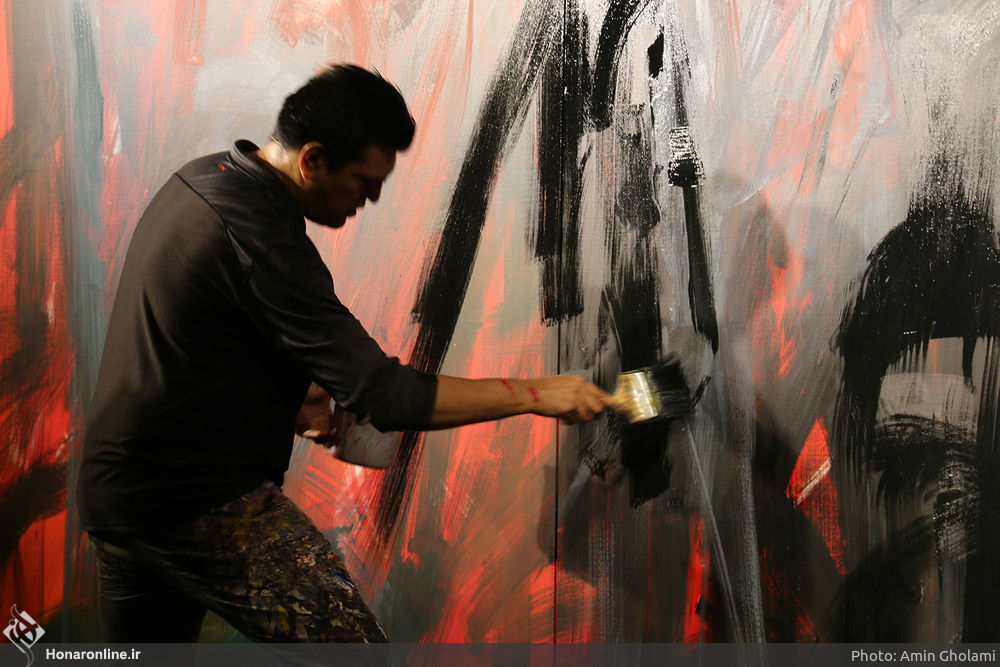
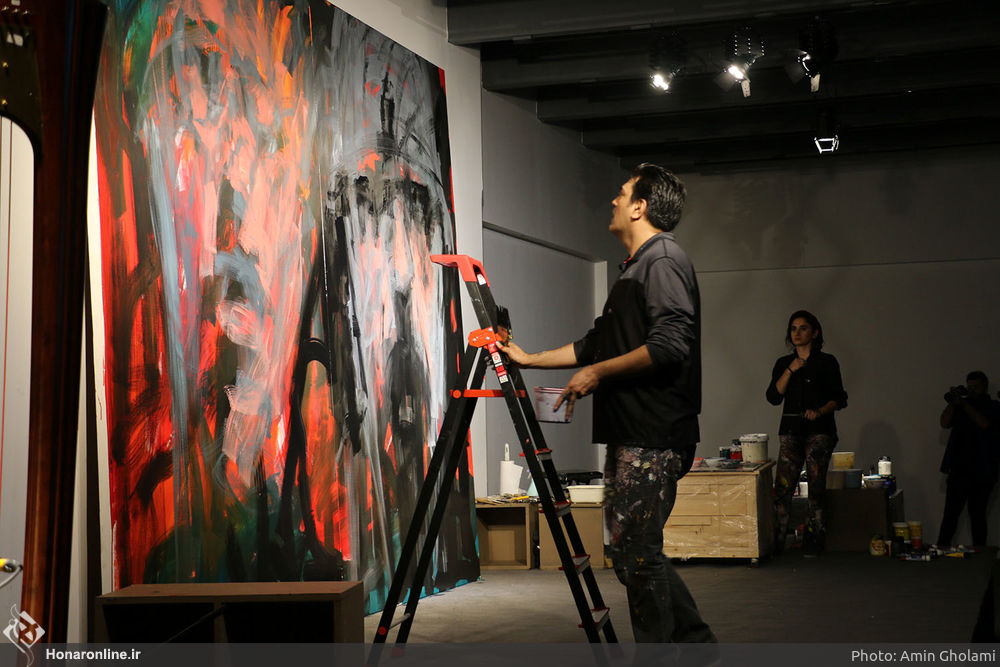
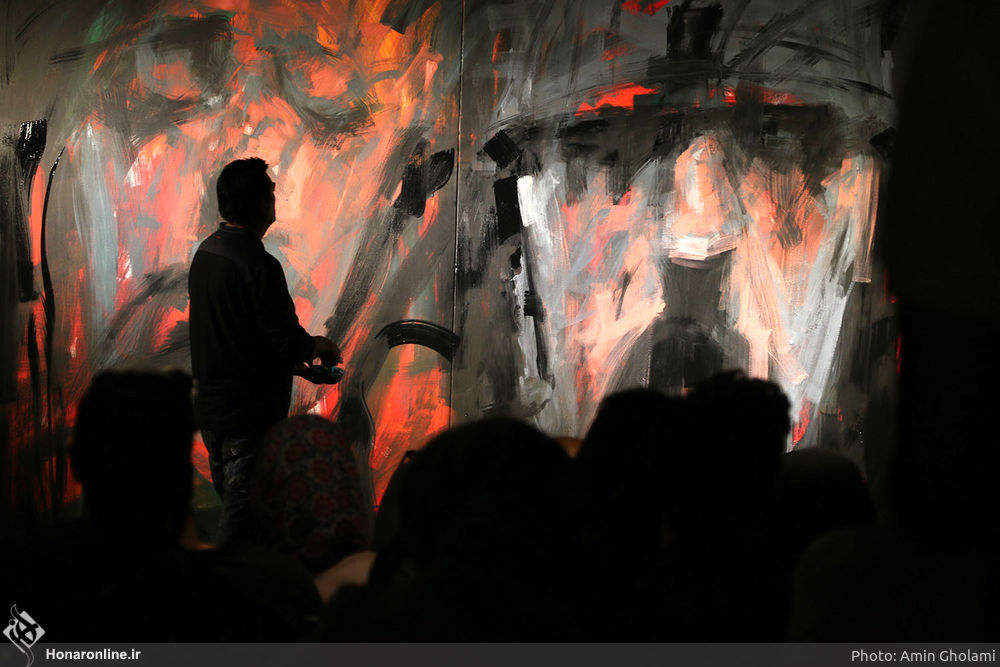
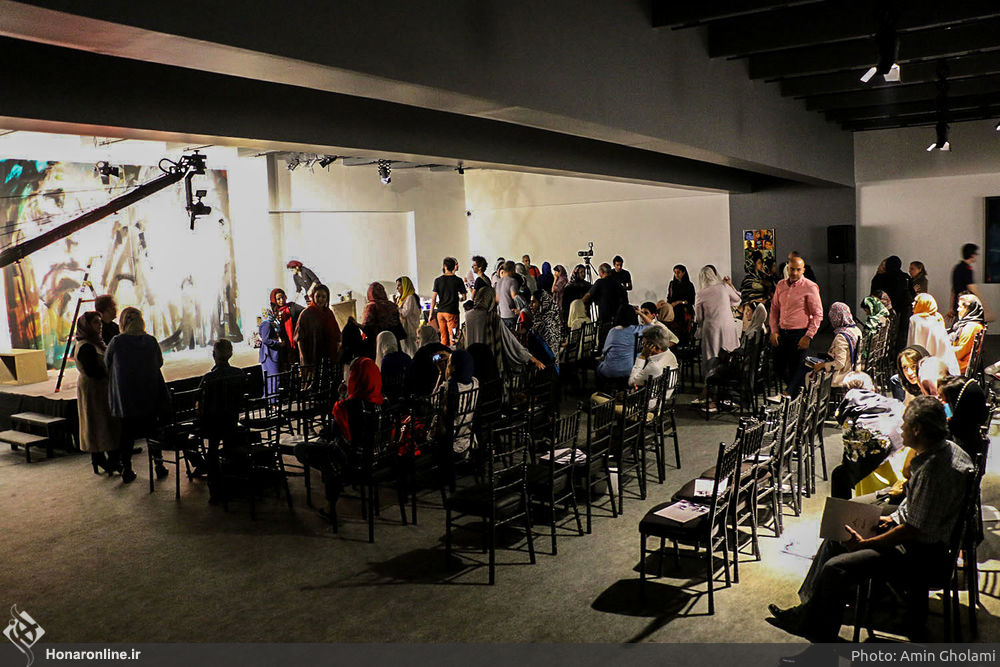
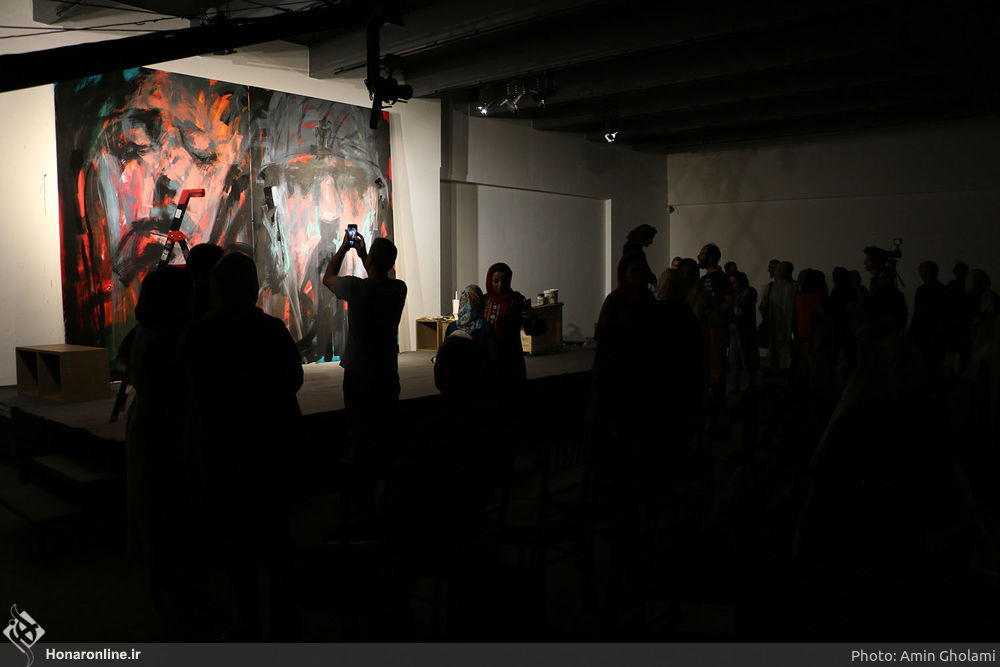
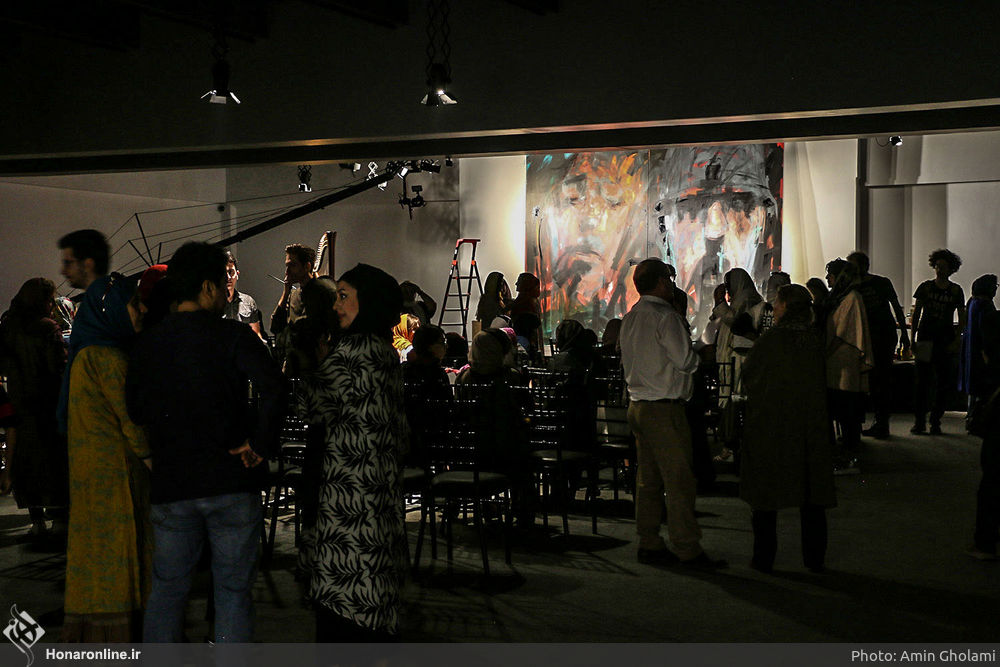
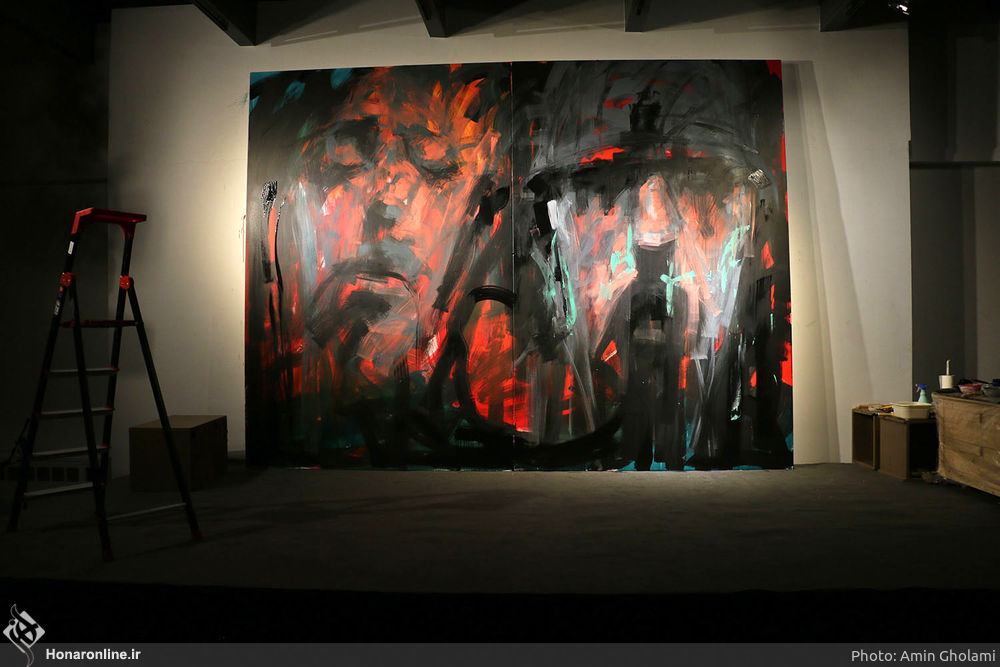
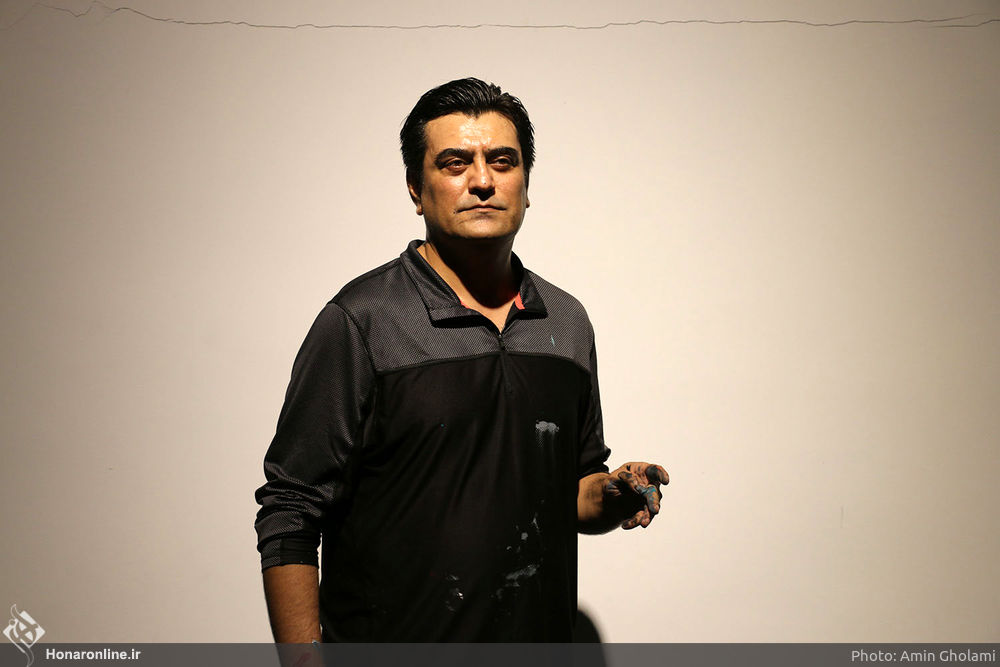
Iranian Artists Gives Live Performance on Significance of Peace

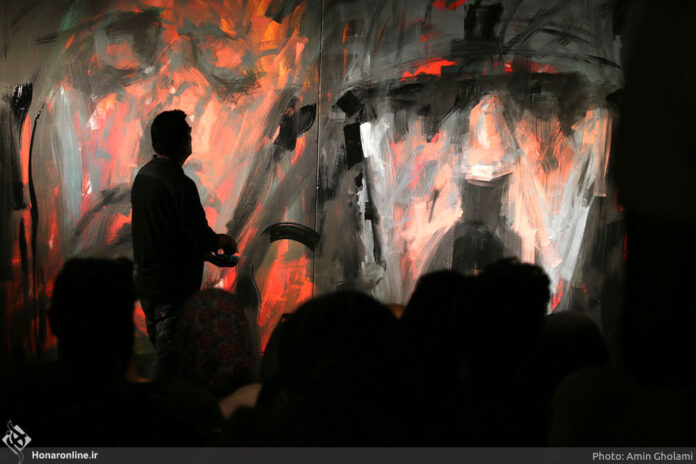
Asked about the idea of holding such an event Asanlou says peace existed from the beginning, but the human beings were not paying attention to it.

“Our talks are about war or anti-war, while peace is always there, and when we move away from it, war is created,” he noted.

He further added that all people are contributing to the vital issue of war and peace and must respond to it.

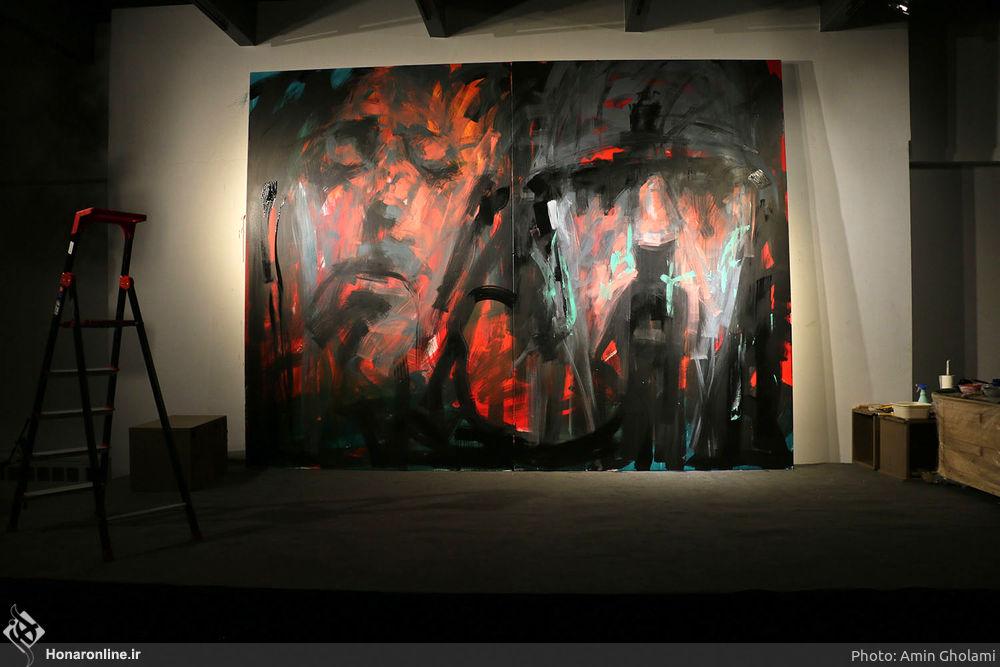
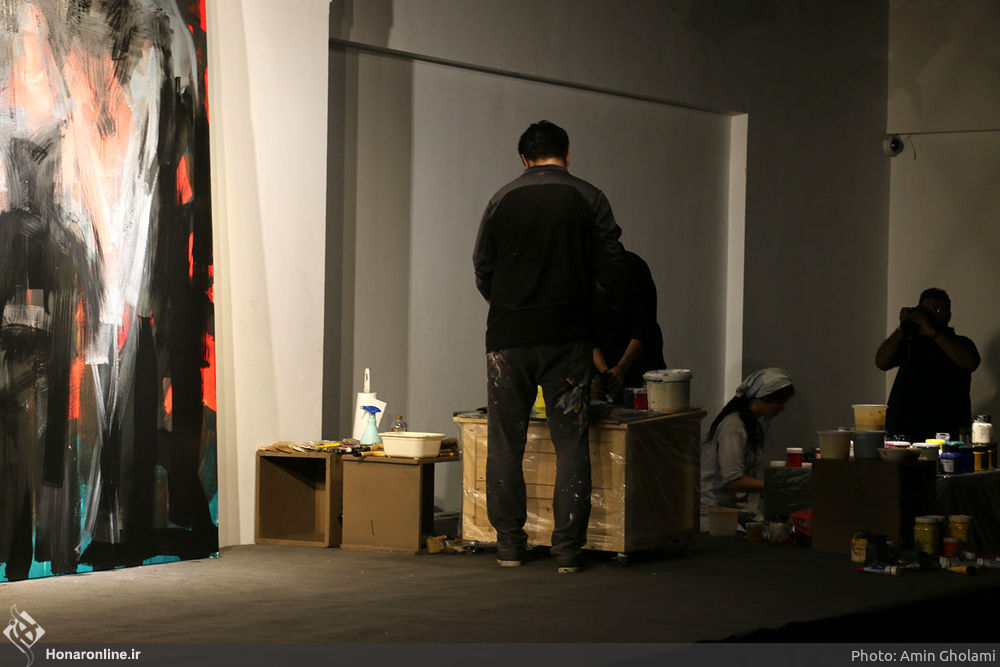
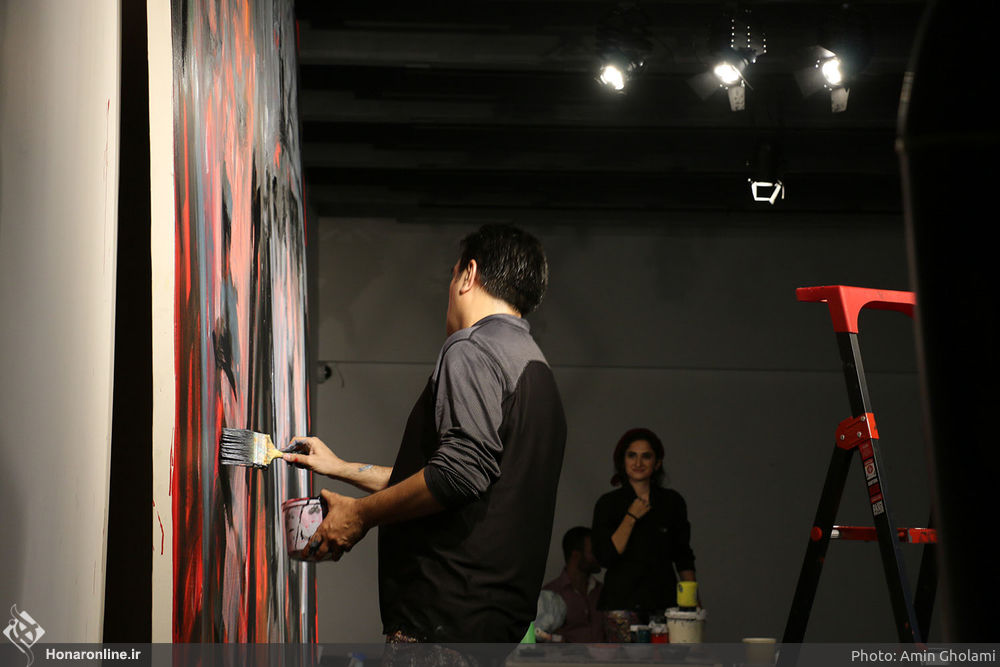
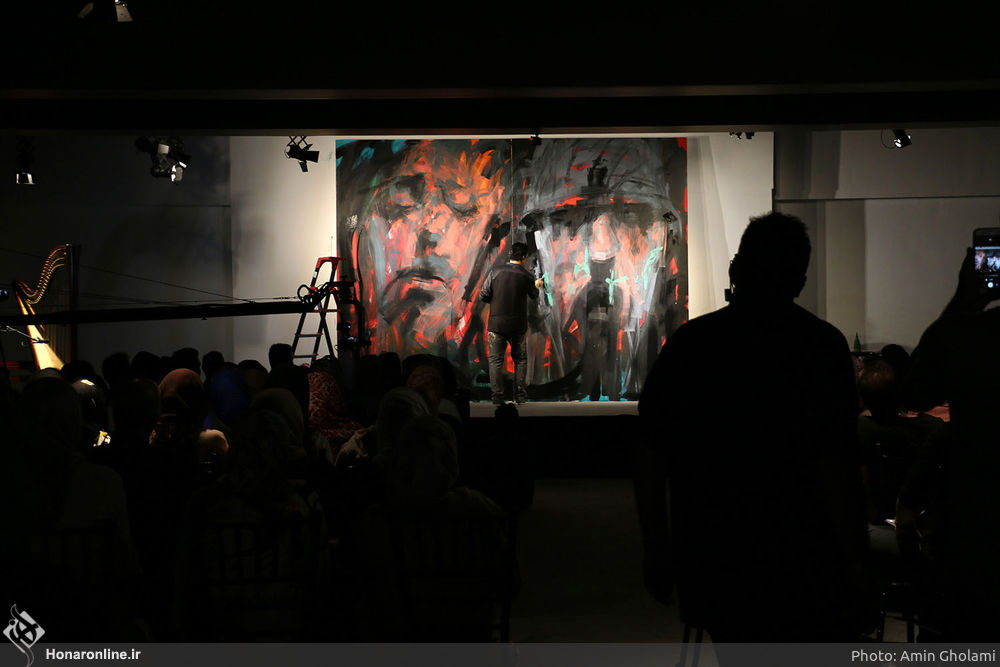
“The painting that I drew in this event consists of three figures: a soldier, a woman and an embryo. I tried to portray this soldier at the moment of death, and on the other side there is a woman who can be his mother or his wife who is very worried about him.”

This Iranian artist also underlined that the third person seen in this work is an embryo which is a symbol of the next generation.

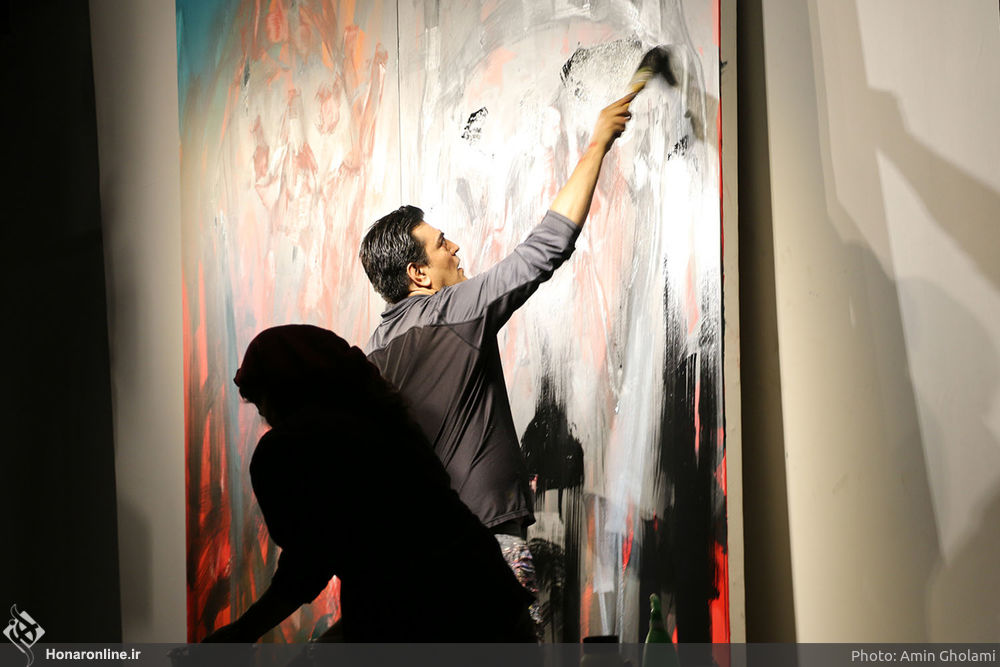
“I think every generation shapes the world in one form and delivers it to the next generation. I performed this part of the work live. I poured red colour on top of it, symbolizing war and bloodshed. This colour spills between the two characters and flows on the embryo. I have symbolically tried to protect the embryo with my hands so that blood and pain and death do not reach him. I try to preserve the next generation and deliver this message that as an artist we tried to take a step to make our voice heard and say that we are looking for the peace and tranquility of the next generation.”

Asanlou went on to say that he was not thinking about painting at this event and creating dialogue was much more important to him.

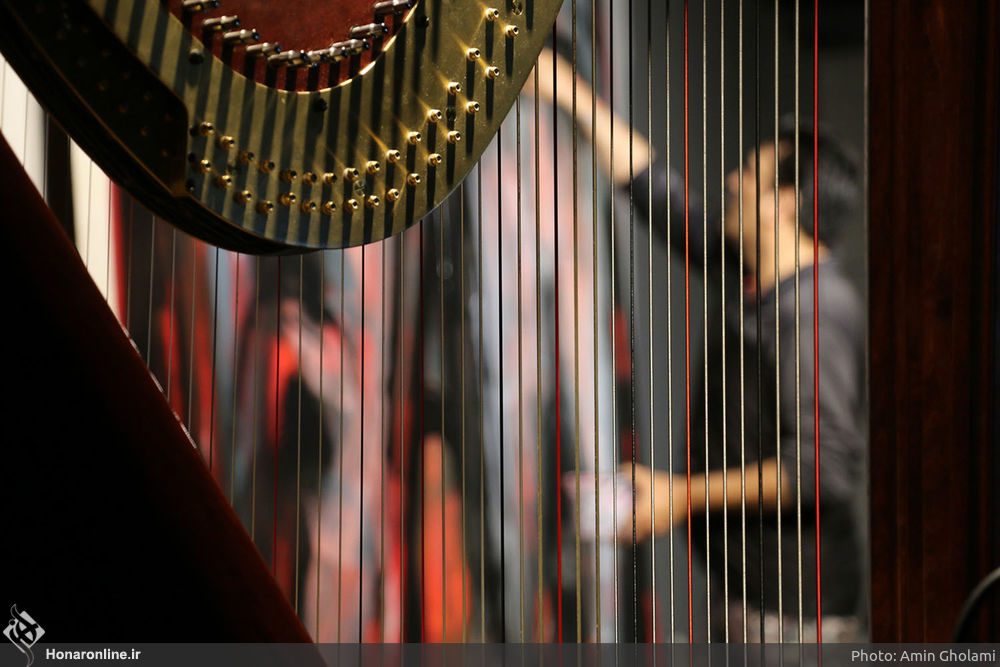
The interesting thing about the event was the impressive presence of the people. More than 150 people attended the performance listening to my words and expressing their own ideas, and at the end they wrote their peace message, noted Asanlou.

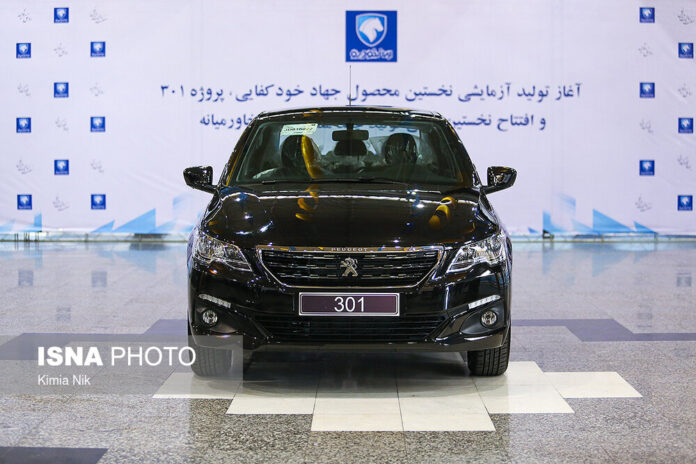
Limited Production of ‘Iranian Peugeot 301’ Kicks Off

CEO Hashem Yekke Zareh kicked off the test production of the sedan early on Monday in a ceremony inside the IKCO compound west of Tehran.

Yekkeh Zareh said IKCO plans to begin the mass production of Peugeot 301 after the end of the current Iranian calendar year in March, adding that Iran’s largest carmaker had put some €60 million worth of investment in the project.

“Some 100,000 units of this car will be produced in phase one and (the annual production) will increase to 250,000 units in the next four years without any support from Peugeot,” he said.

Yekkeh Zareh insisted that the car will keep the logo and name of France’s Peugeot despite the fact that the company reneged on its promises and left the Iranian market in June 2016.

“Ultimately, these cars belong to Peugeot,” he said, adding that the IKCO will launch similar production lines for Peugeot 208 and 2008, models that was supposed to be produced in Iran as part of a contract signed in January 2016.


Other officials in the IKCO said the company would soon become almost self-sufficient in production of the Peugeot 301.

Based on its deal with IKCO, the PSA Peugeot Citroën was supposed to invest up to €400 million over a five-year period to produce, launch and market three of its models, including the 301.

Iranian officials have said that Peugeot would pay compensation to the IKCO for the sudden withdrawal from the joint venture.

Sources close to the car industry in Iran said last month that the defense sector in the country had become involved in attempts to make electronic parts needed for production of Peugeot 301.

Reports earlier in June suggested the IKCO had begun testing Peugeot 301 on the roads while others said some 3,000 units of the car will be available on the Iranian market as of December with a price tag of around 200 million rials ($15,000).

Iranian Researcher Declares War against Cancer

Mohammad Kazem Rashidi, 75, says the newly produced medicines are completely natural from A to Z and there is no preservative among their ingredients.
The first anti-cancer medicine is produced only for women suffering from cancer. The second drug is mainly used for preventing Alzheimer’s disease among the elderly. It also treats patients suffering from frequent urination.

Rashidi is neither a doctor nor a university graduate but he has managed to take full command on the materials in the Canon of Medicine by Avicenna and The Comprehensive Book on Medicine by Rhazes, two major Persian polymaths.

He has managed to merge prescriptions by Avicenna and Rhazes together to develop a new medicine – the last of the three new drugs – which can prevent bleeding. Medical tests in the central city of Isfahan have approved the efficiency of the medicine.

Before the new medicines, Rashidi had produced a special medicine for treating patients suffering from Diabetic wounds for the first time in Iran.

For a brief review of Iran’s achievements in various fields of science and technology, check the book “Science and Technology in Iran: A Brief Review – 2019

He has already established a large farm and beekeeping field in his hometown in Hamedan province providing all the ingredients of his medicines himself.

“By establishing the farm and the beekeeping field as well as a knowledge-based firm, I‘ve managed to provide jobs directly or indirectly for tens of people,” he said.

Rashidi wishes to treat people suffering from Epidermolysis bullosa (EB) which remains an incurable disease even for modern medical science. The Iranian researcher says he also hopes to cure a number of teenage girls in a Shinabad village in West Azarbaijan province who were badly hurt after their school caught fire.

“The main problem of people suffering from the EB is that their skin doesn’t produce Collagen anymore. I’ve produced a new ointment which helps them to produce the material. The cost of chemical treatment for this type disease is too high and most of them usually end up in failure because it is an incurable disease. I’ve said I’m ready to treat these people. I provide them with the ointment free of charge and they have admitted its effect on themselves,” he said.

He went on to say that his main goal in life is offering services to people suffering from incurable diseases. “I’m 75 years old and have achieved whatever I wished in my life financially. So, I’ve decided to dedicate the rest of my life to efforts to offer services to such patients.”

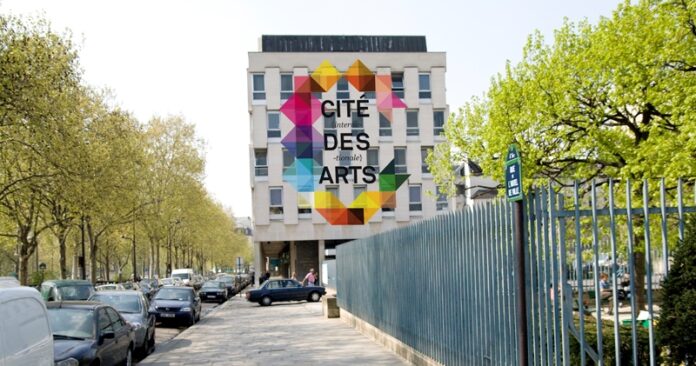
Iranian Artists Rank 6th in Cité Internationale Des Arts

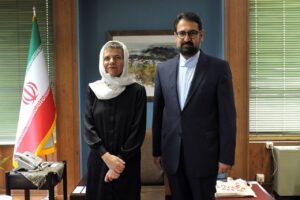
Benedicte Alliot made the comments in a meeting with the Deputy Director of Art Affairs at Iran’s Ministry of Culture and Islamic Guidance, Seyyed Mojtaba Hosseini.

Honar Online quoted her as saying that the deep-rooted Iranian culture is a great and universal legacy that Shahnameh (Book of Kings) by Ferdowsi is an example of it.

Iranian Artists Rank 6th in Cité Internationale Des Arts

“Iran and France share the love of culture and art. Iranian artists have a special place in the international arena. Iran’s art is of great significance in the world, Europe and France, but as it is not known very much, the presence of Iranian artists in this city is an opportunity to introduce the art of Iran.”

For his part, the Iranian official said the art of Iran has become very widespread in the last four decades, and today it can inspire Iranian artists and those from other countries.

Artists’ works were recently reviewed by a council to be sent to the Cité internationale des arts in Paris.

Professional artists who can present Iranian art in the international arena present their ideas and then their ideas are introduced to the Cité in accordance with the country’s cultural programs.

WWE Raw vs. WWE Smackdown Roster Comparison

The annual Superstar Shakeup went down over two nights at the Bell Centre in Montreal, Quebec, Canada, and the main roster brands have been reset heading into the summer months.

So how has the Shake-up fared, and where does the parity of the two brands stand? Here’s a detailed comparison:

Men’s Division

WWE Raw: The WWE news reported well ahead of the Shake-up that a move for AJ Styles could be on the cards. And sure enough, arguably the biggest move across the brands was The Phenomenal One making his way to WWE Raw. the red brand has been further bolstered by the addition of The Miz, Andrade, and Ricochet. Being the flagship show of the company, the Raw roster looks indeed star-studded and far more glamorous compared to SmackDown. Apart from the WWE Universal Champion Seth Rollins, the Raw roster boasts former champion and Money in the Bank winner Brock Lesnar, Drew McIntyre, Baron Corbin, Braun Strowman, Bobby Lashley and the list goes on. However, the creative team is yet to make effective utilization of the superabundant Raw roster, who seem to be more focused on making the pointless push of Shane McMahon.

WWE SmackDown: The loss of AJ Styles threatened to knock down the quality of the SmackDown roster and it definitely did so. However, to compensate Styles’ move Roman Reigns moved over to SmackDown. His addition will likely compensate for the loss of the Styles over time, but right now the SmackDown roster indeed looks without a major star apart from WWE Champion Kofi Kingston. Daniel Bryan is still there, but he is going to perform on the Tag Team division as the Smackdown has a major dearth of big names. Intercontinental champion Finn Balor made an interesting move to SmackDown, and he alongside Dolph Ziggler is expected to take the reins of the SmackDown men’s roster.

Women’s Division

WWE Raw: Again Raw has the edge over SmackDown in star power in the women’s division as well. Becky Lynch, hands down the biggest superstar on WWE, is ever-present in Raw alongside big names like Alexa Bliss and Ronda Rousey. Not to forget Sasha Banks and the currently injured Nia Jax. Lacey Evans also seems to be getting a push from the creative team lately. Even the mid-card in WWE Raw women’s roster has some pretty big names.

WWE SmackDown: Charlotte Flair moving to SmackDown has brought some parity to the women’s division of the two brands of WWE, with Bayley currently being the biggest name on SmackDown. Ember Moon makes a good mid-card, however, apart from that, there is really not a lot to pick from. Asuka is still on SmackDown, but like Bryan, she is going to be competing in the Tag Team division with Kairi Sane.

Tag Team Division

WWE Raw: The only division where Raw loses out to SmackDown in terms of roster. The Raw currently boasts former SmackDown talents The Usos, The Viking Experience, and The Revival, The Boss ‘n’ Hug Connection gets separated with Bayley moving to SmackDown adding to the skint nature of the Raw Tag Team Division.

WWE SmackDown: SmackDown has always better tag teams than Raw in recent years, and the WWE didn’t look to change that around this year at the Shake-up. It currently holds The IIconics, Asuka and Kairi Sane (Kabuki Warriors), Daniel Bryan and Erick Rowan, New Day, The Hardy Boyz and mid-cards like The Colons and Rusev and Aiden English.

Iran Rejects Europe’s ‘Unrealistic’ JCPOA Expectations

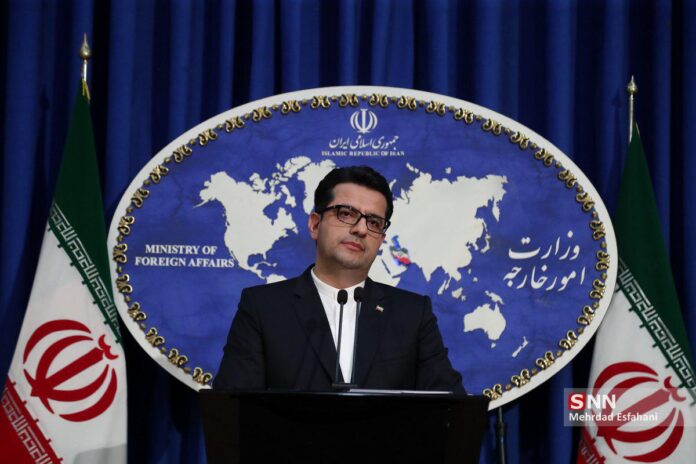
Mousavi made the remarks on Monday in reaction to a recent statement on JCPOA by the three European countries – France, Germany, and the UK.

“The government of the Islamic Republic of Iran closely monitors the statements and stances held by the European parties to the JCPOA in terms of their compliance with the governments’ obligations under the deal and the approvals of the Joint Commission,” Mousavi said.

“We emphasize that the continuation of Iran’s voluntary measures – which are based on good faith and within the framework of the JCPOA – hinges on the mutuality of the rights and obligations envisaged in the deal,” he added.

“Such a path should not be considered a one-way road,” the spokesman noted.

“Iran expects the European parties to the JCPOA to take practical, effective, and responsible decisions and steps regarding the process of implementing the 2015 nuclear deal,” he added.

“It would be unrealistic and in violation of the goals, logic, and contents of the JCPOA to expect Iran to return to the situation before May 8, 2019 unless it is proved that the European parties have a serious political will and the practical ability to create a balance in implementing the JCPOA commitments and helping Iran reap the benefits of the sanctions removal as enshrined in the JCPOA.”

“We reiterate that as long as the other parties remain committed [to the deal], we will remain committed to the same extent,” he added.

Mousavi’s comments came as the European Union’s Foreign Affairs Council is holding a meeting with a key focus on the issue of saving the Iran nuclear deal.

Upon arrival at the Foreign Affairs Council on Monday, EU Foreign Policy Chief Federica Mogherini said the EU officials are going to “see how we can together with all the Member States and with the rest of our international partners preserve the nuclear deal [Joint Comprehensive Plan of Action] with Iran.”

“We will start with a point on Iran. We will see how we can together with all the Member States and with the rest of our international partners preserve the nuclear deal [Joint Comprehensive Plan of Action] with Iran,” Mogherini added.

She also noted that the participants will “put in place all the measures so that Iran can go back to full compliance as it has been until a few days ago.”

Earlier in the day, France, Britain, and Germany in a statement reiterated their commitment to the JCPOA, and called for the resumption of dialogue and an end to the escalation over the Iran nuclear deal, amid heightened tensions between Washington and Tehran.

The three parties to the landmark accord expressed concern that the 2015 deal could potentially collapse following renewed sanctions by the United States and Iran’s decision to scale back some of its commitments in retaliation for the US’s unilateral withdrawal and the imposition of the sanctions.

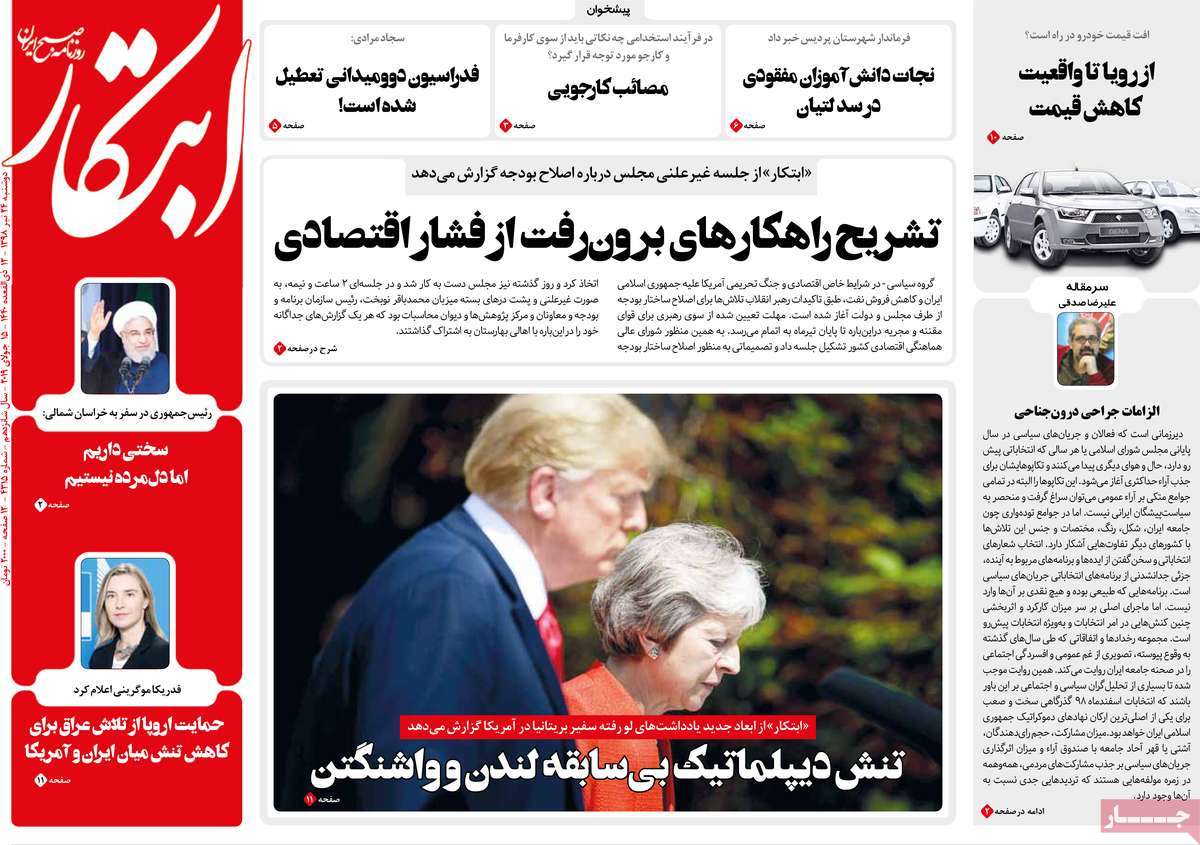
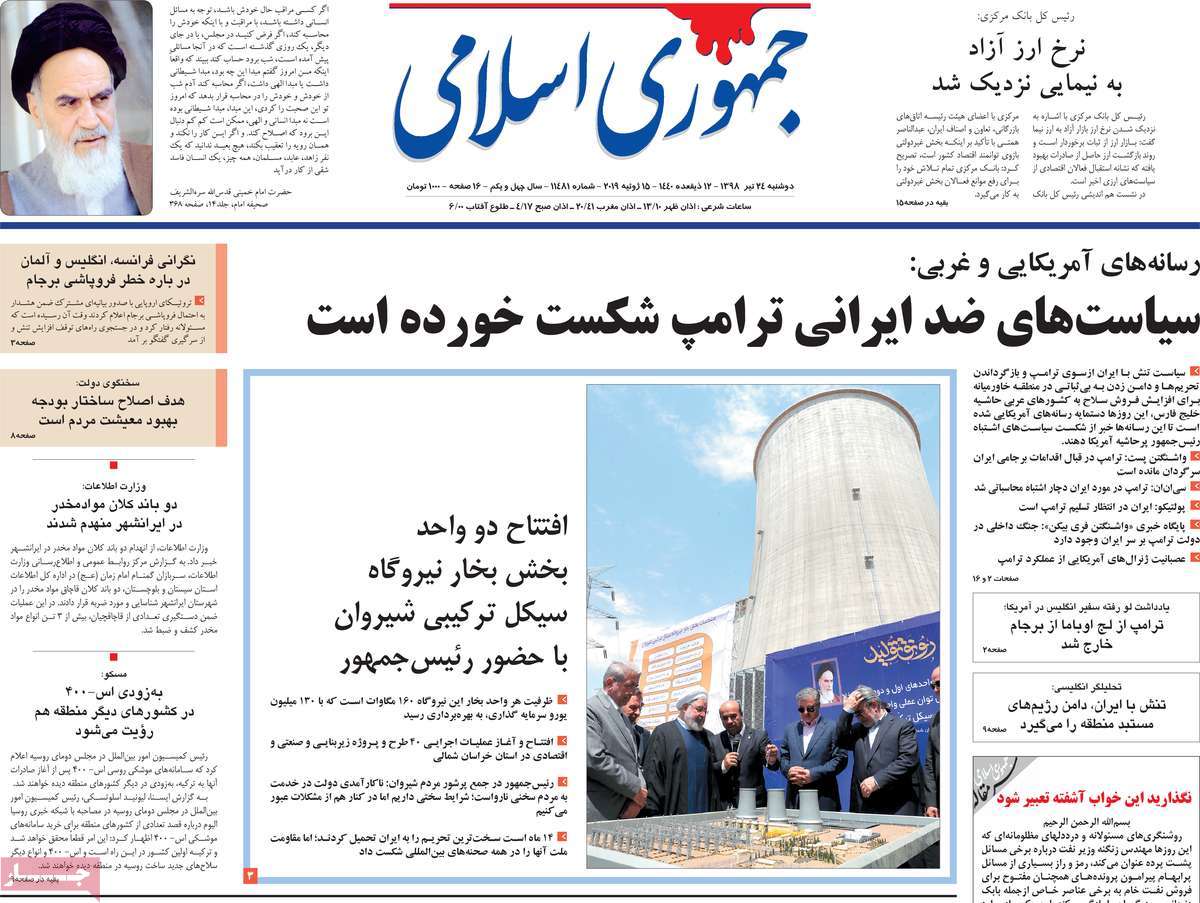
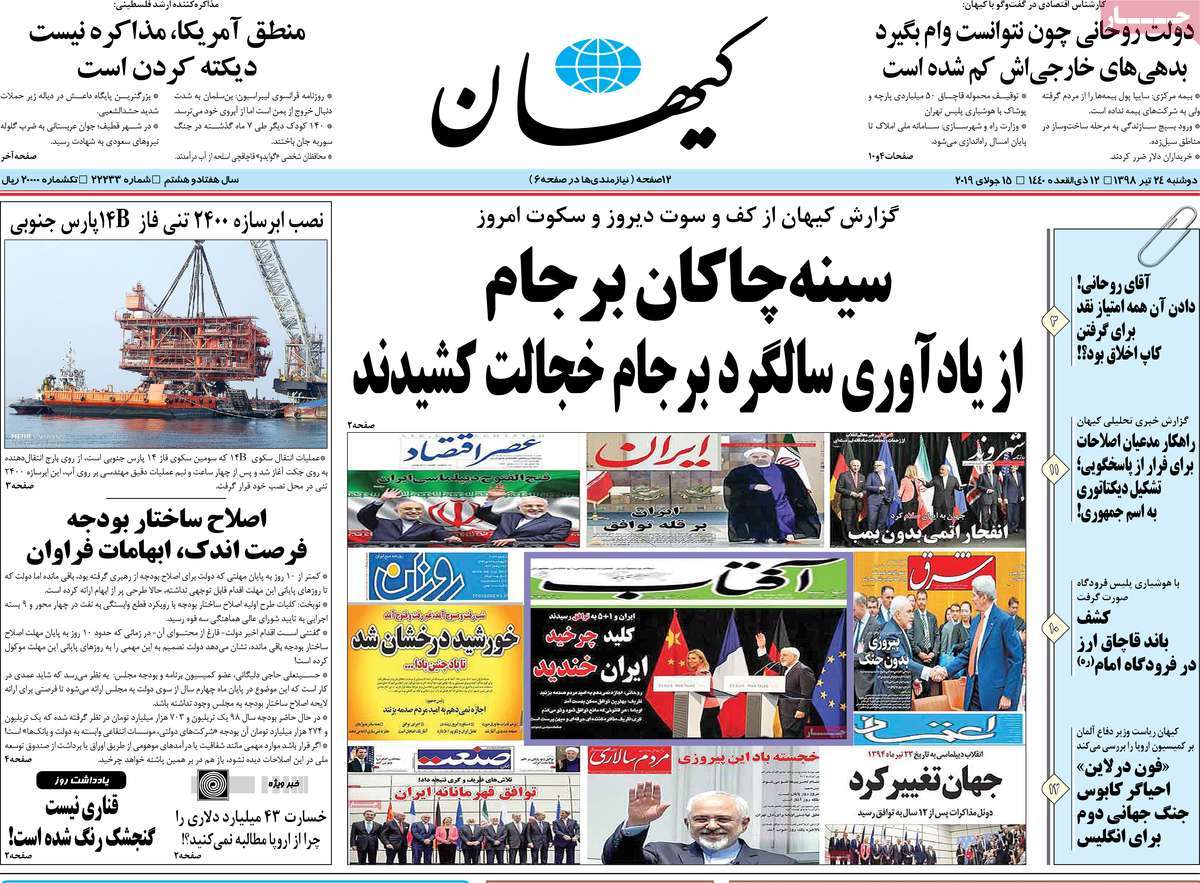
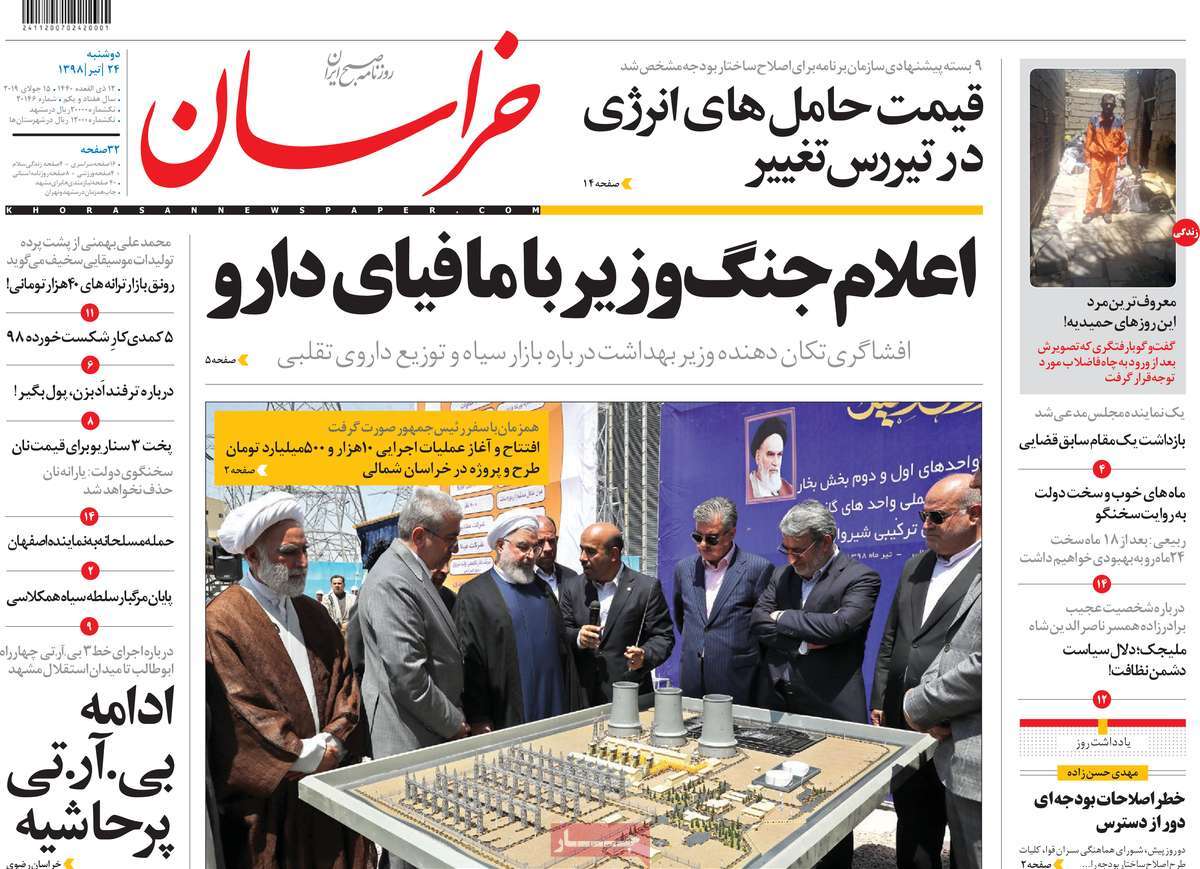
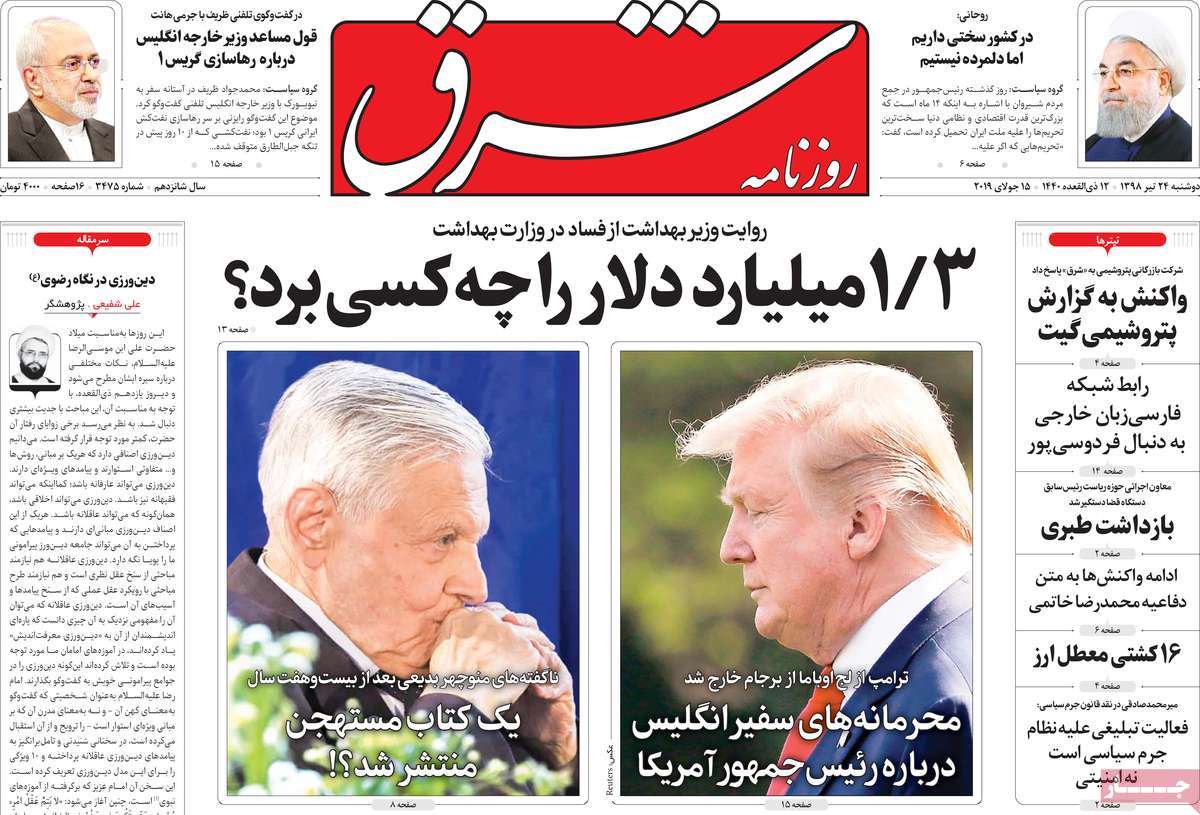
A Look at Iranian Newspaper Front Pages on July 15

A Look at Iranian Newspaper Front Pages on November 19

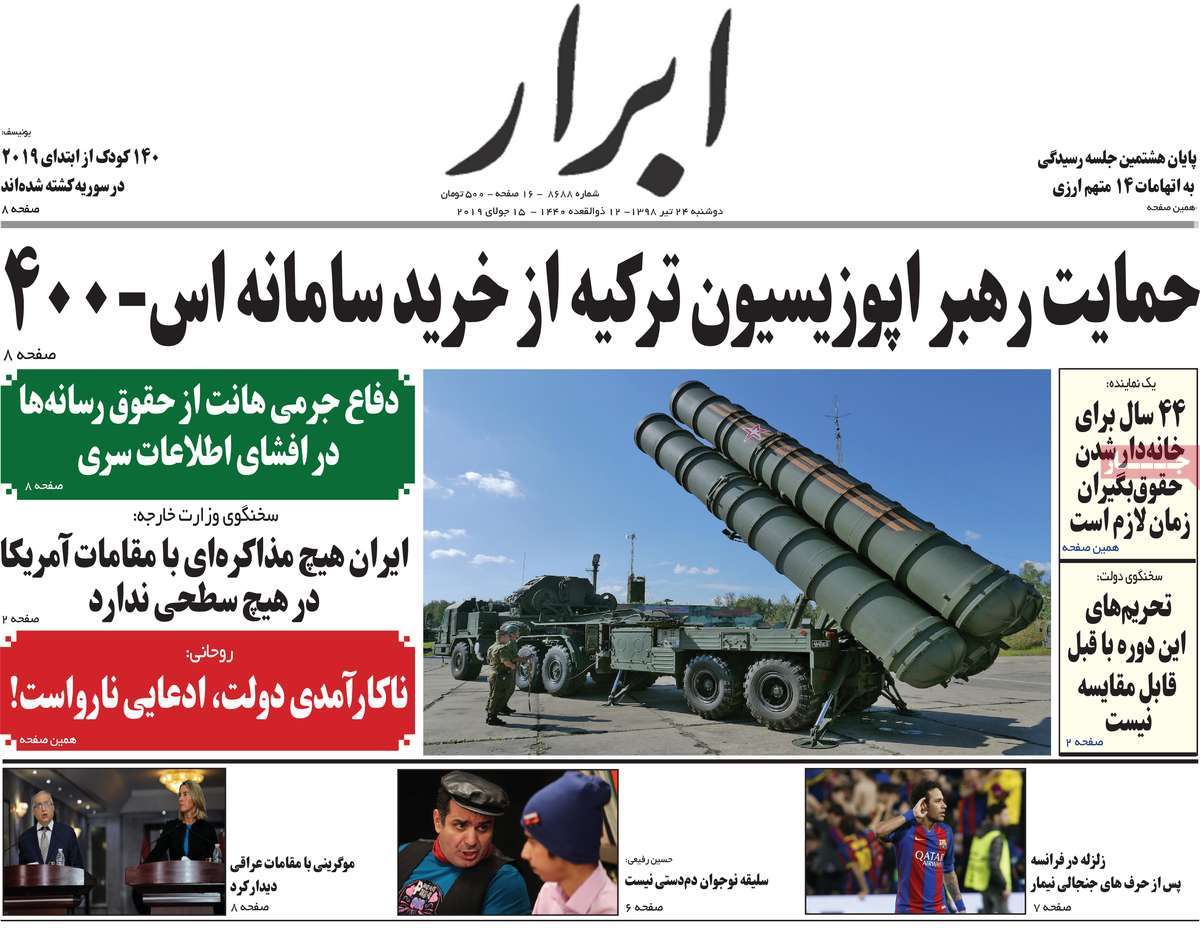
Abrar:

1- Turkey Opposition Leader Hails Purchase of S400

2- Iran Engaged in No Talks with US Officials: Spokesman

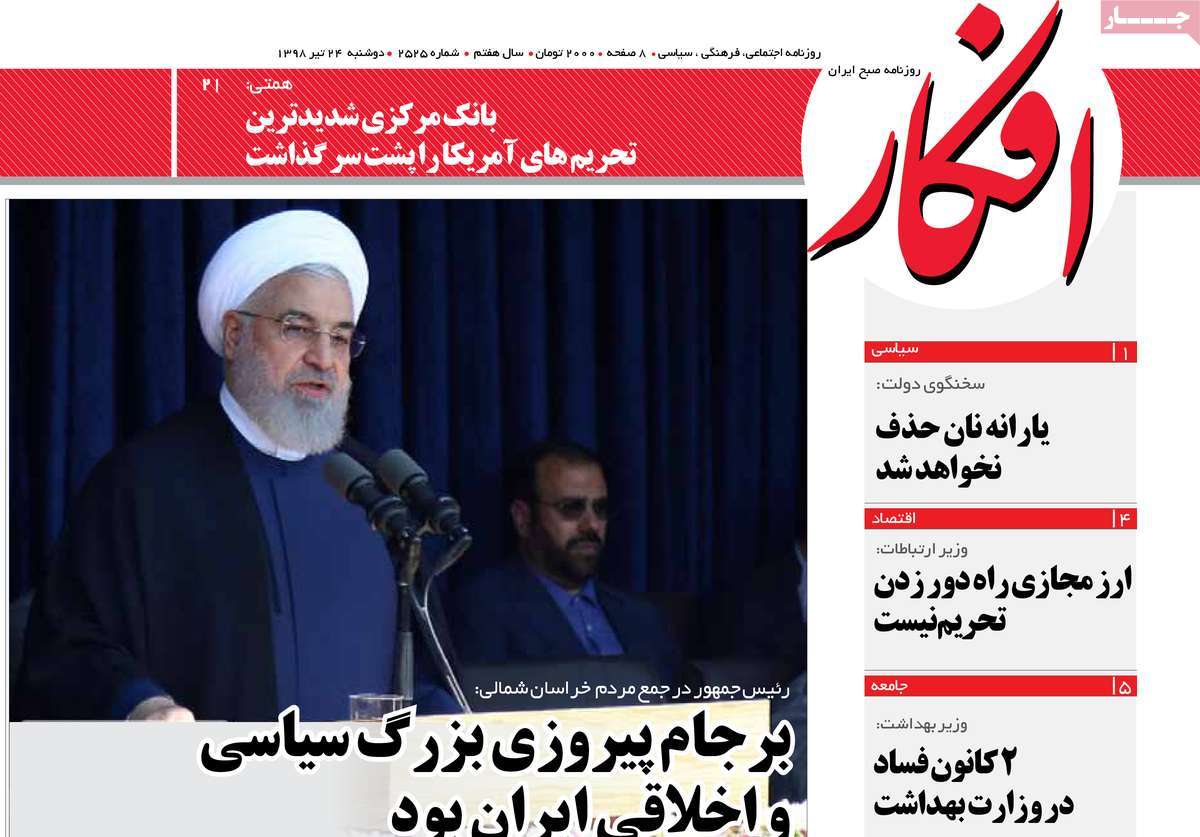
A Look at Iranian Newspaper Front Pages on July 15


Afkar:

1- Iran’s Central Bank Passed Harshest US Sanctions

2- Rouhani: JCPOA Great Political, Ethical Victory for Iran

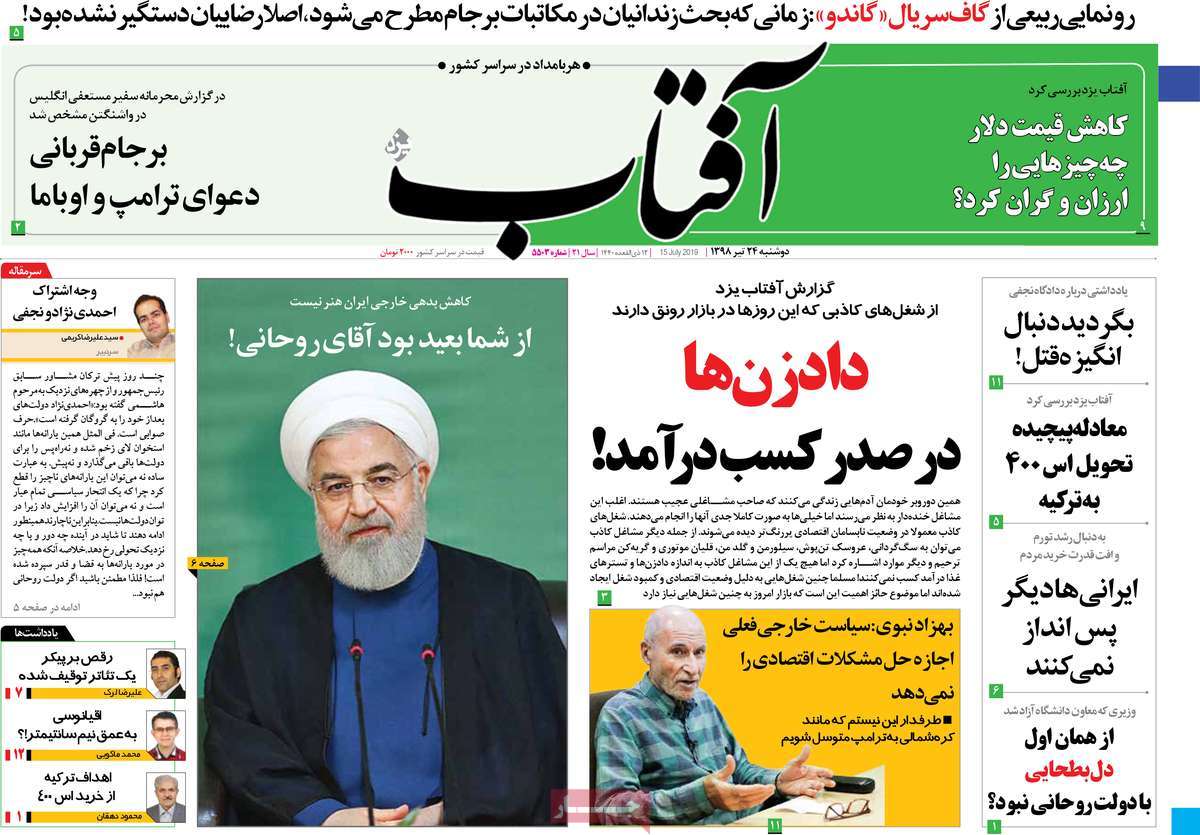
A Look at Iranian Newspaper Front Pages on July 15


Aftab-e Yazd:

1- JCPOA Victim of Trump-Obama Conflict: UN Envoy

2- Complicated Equation of S-400 Delivery to Turkey

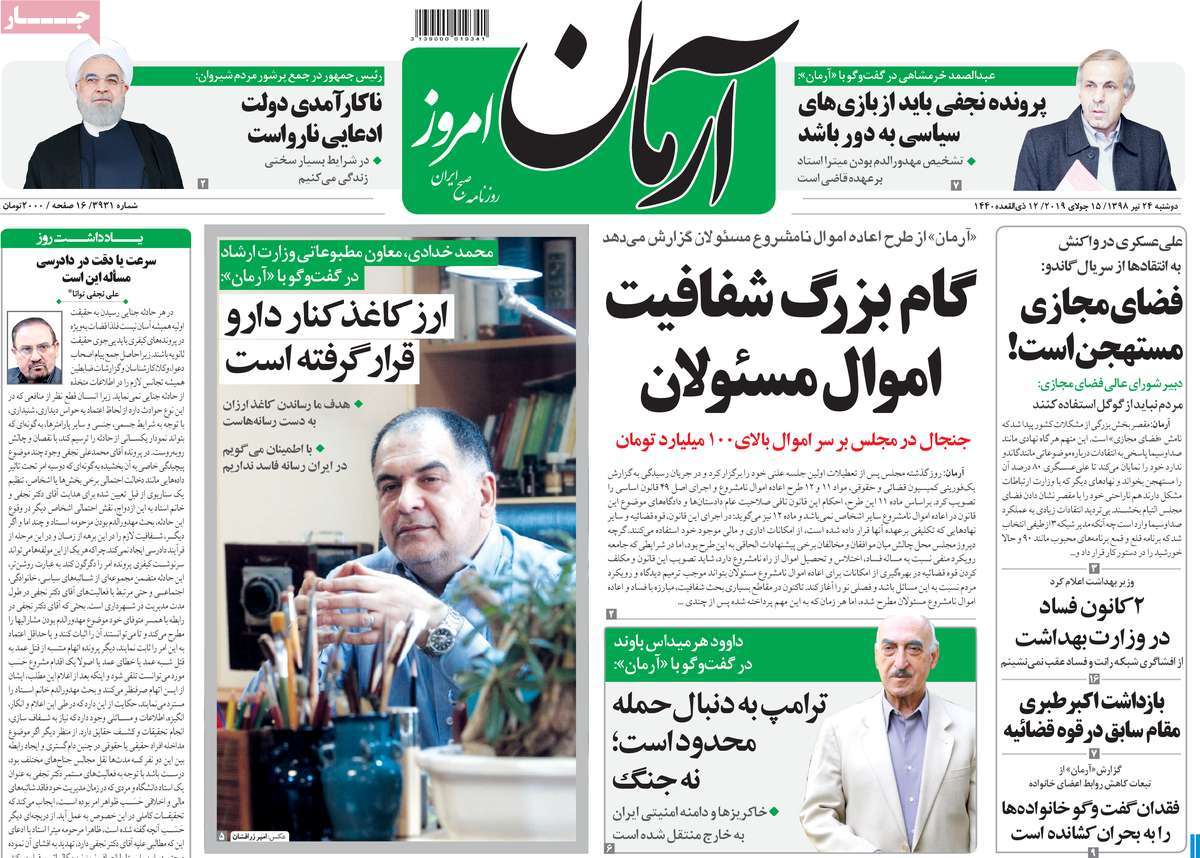
A Look at Iranian Newspaper Front Pages on July 15


Arman-e Emrooz:

1- Rouhani: It’s Baseless Claim that Iran Gov’t Was Incompetent

2- Analyst: Trump after Limited Attack, Not a War

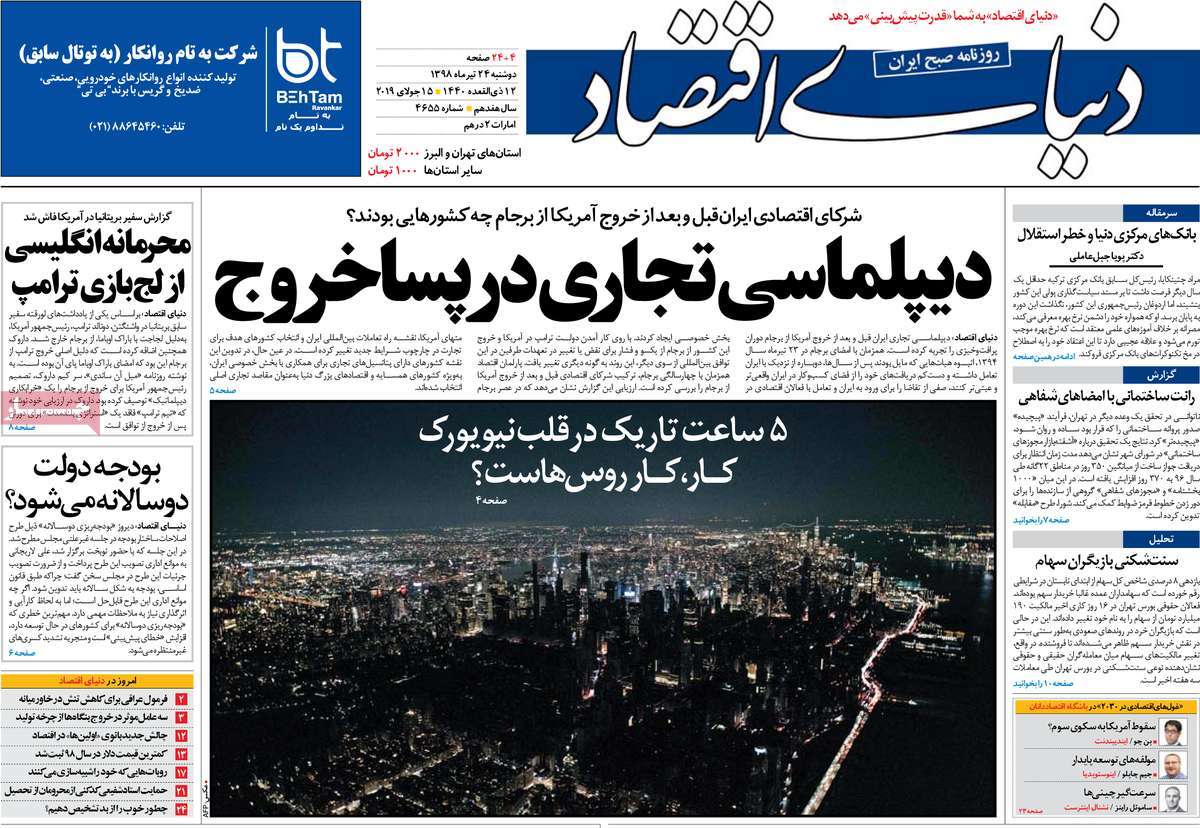
A Look at Iranian Newspaper Front Pages on July 15


Donya-ye Eqtesad:

1- Five Hours of Blackout in New York’s Heart: Were Russians Behind?

2- UK’s Confidential Report about Trump’s Stubbornness

A Look at Iranian Newspaper Front Pages on July 15


Ebtekar:

1- Rouhani: We Have Difficulties, but We’re Not Frustrated

2- Unprecedented Tension between London, Washington

3- Mogherini: Europe Fully Support’s Iraq’s Efforts to Ease Iran-US Tension

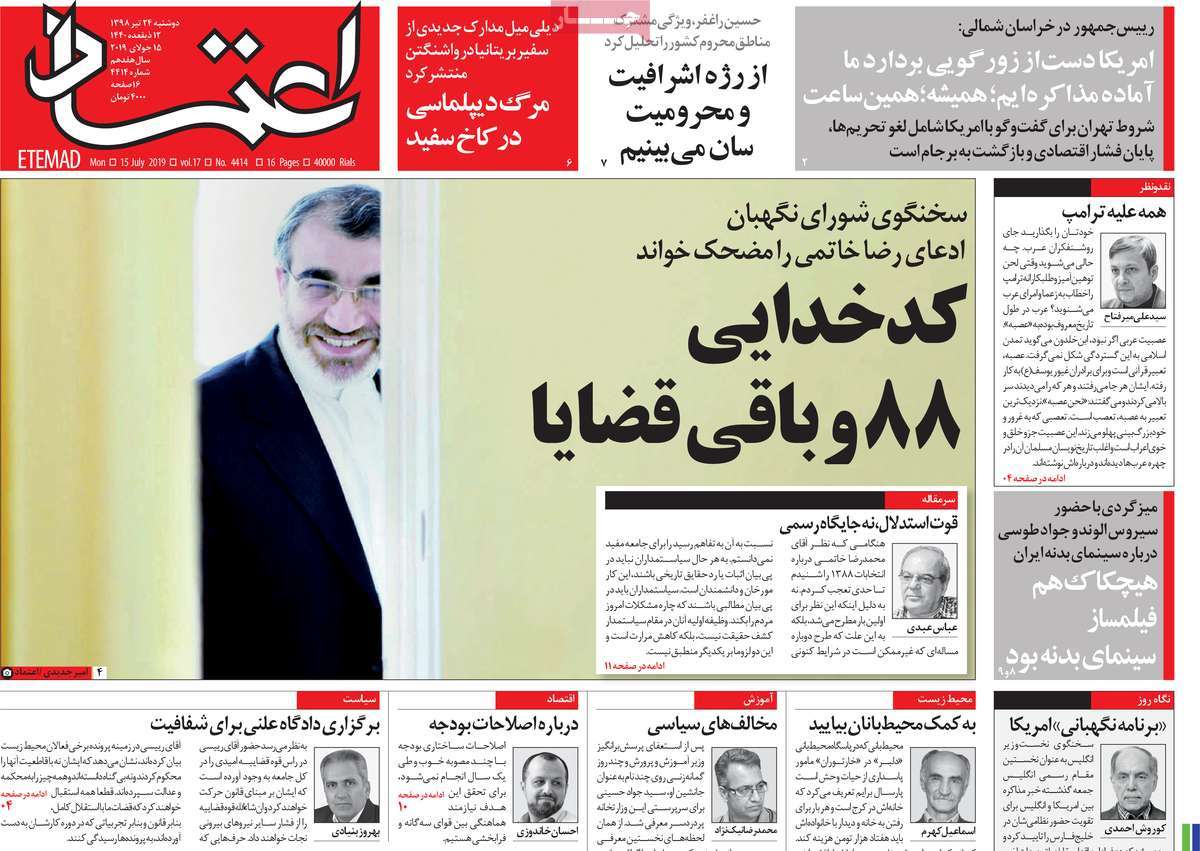
A Look at Iranian Newspaper Front Pages on July 15


Etemad:

1- Death of Diplomacy in White House

2- Iran Ready for Talks Right Now If US Stops Bullying Others: Rouhani

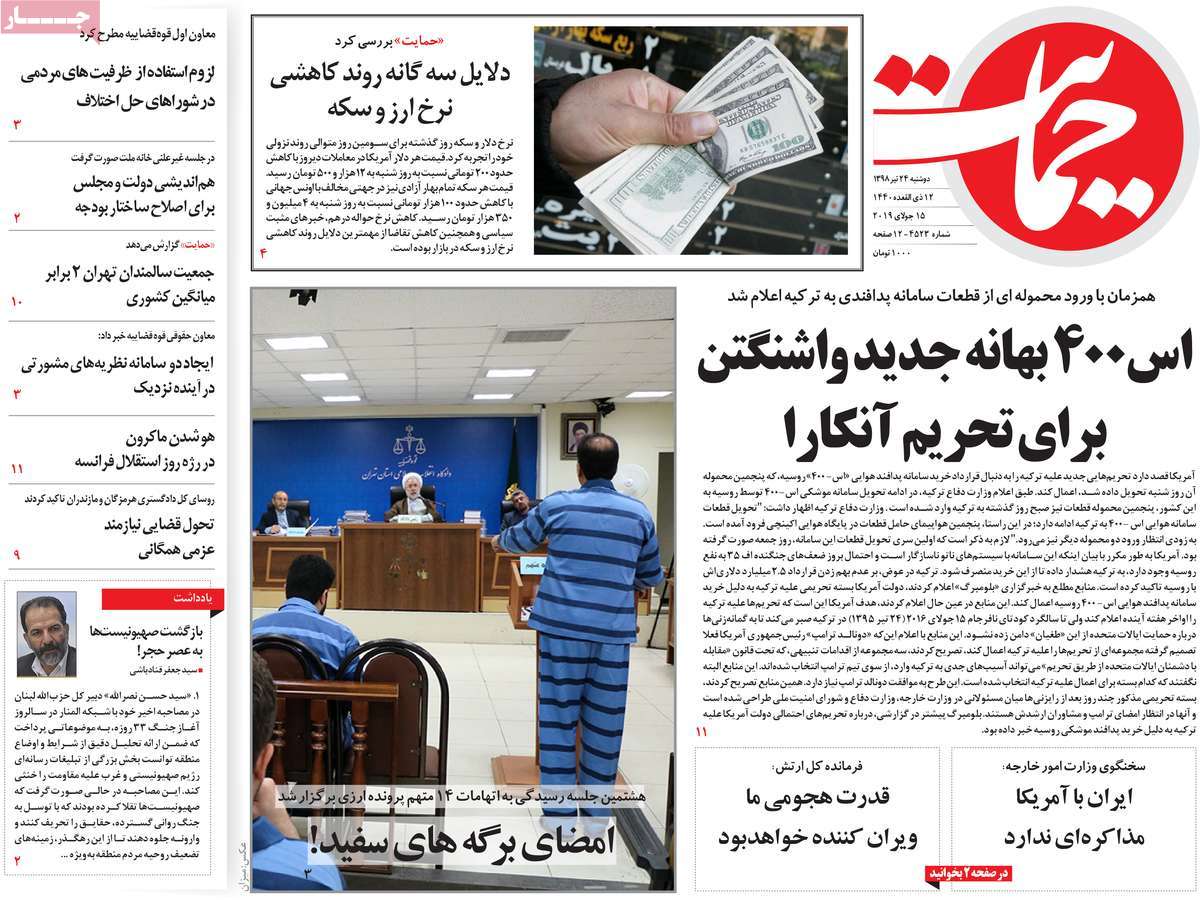
A Look at Iranian Newspaper Front Pages on July 15


Hemayat:

1- S-400 New US Pretext to Sanction Ankara

2- Macron Booed at France National Parade

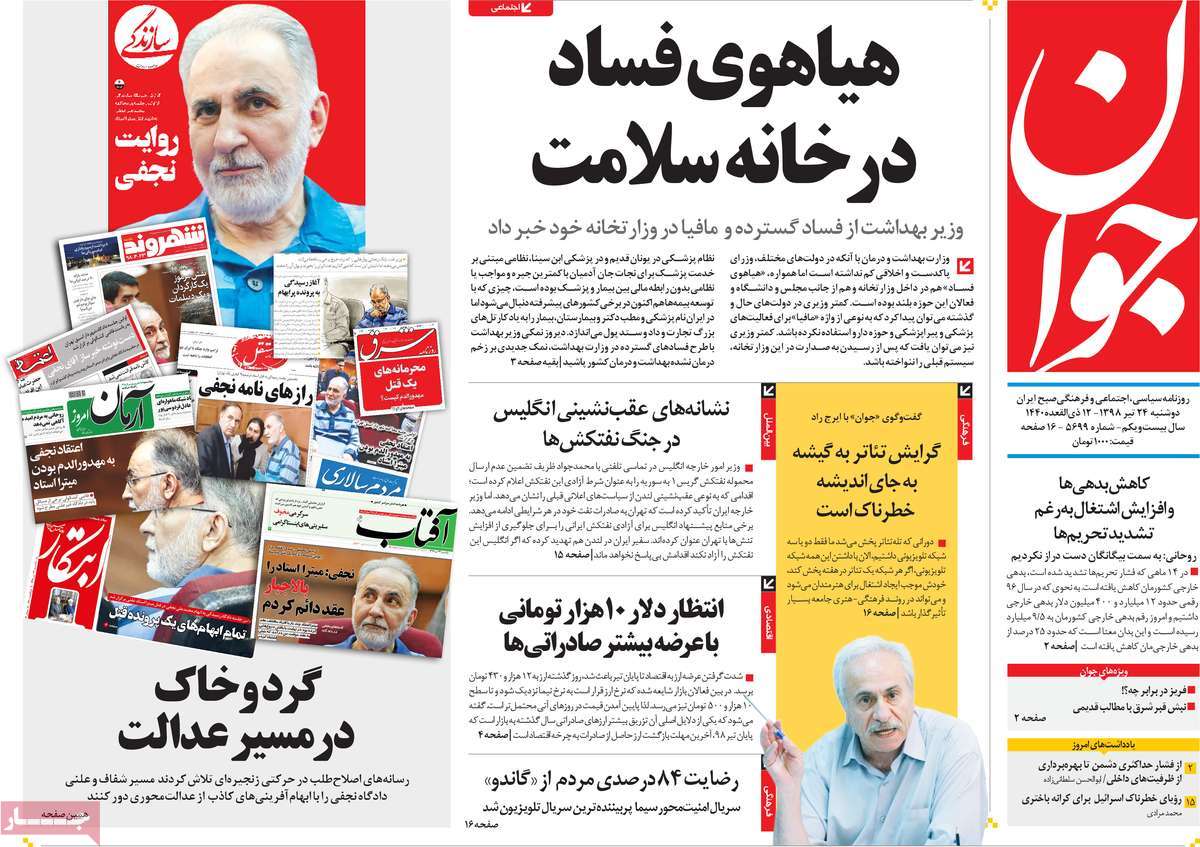
A Look at Iranian Newspaper Front Pages on July 15


Javan:

1- Signs of US’ Withdrawal in War of Tankers

2- Decrease in Foreign Debts, Increase in Employment Despite Sanctions

A Look at Iranian Newspaper Front Pages on July 15


Jomhouri Eslami:

1- US, Western Media: Trump’s Anti-Iran Policies Failed

2- France, UK, Germany Say Worried about JCPOA Collapse

A Look at Iranian Newspaper Front Pages on July 15


Kayhan:

1- Top Palestinian Negotiator: US’ Logic Is Not Negotiation, but Dictation

A Look at Iranian Newspaper Front Pages on July 15


Khorasan:

1- Health Minister Declares War on Drug Mafia

A Look at Iranian Newspaper Front Pages on July 15


Shargh:

1- Zarif’s Interview with Hunt: UK Promises to Help Release Grace 1

A Look at Iranian Newspaper Front Pages on July 15

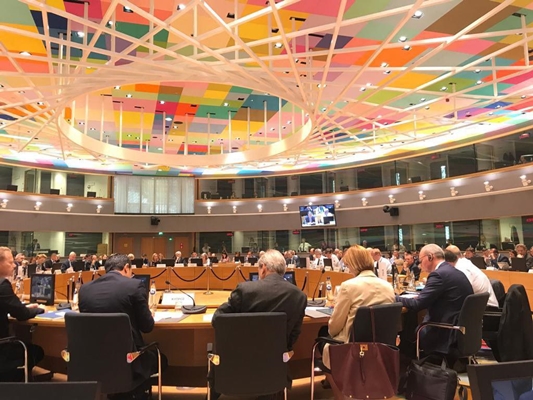
Iran Key Focus of Talks at EU Foreign Affairs Council

“We have probably today the longest ever Foreign Affairs Council of these five years, we have a very intense agenda,” EU Foreign Policy Chief Federica Mogherini said upon arrival at the Foreign Affairs Council on Monday.

“We will start with a point on Iran. We will see how we can together with all the Member States and with the rest of our international partners preserve the nuclear deal [Joint Comprehensive Plan of Action] with Iran,” Mogherini added.

She also noted that the participants will “put in place all the measures so that Iran can go back to full compliance as it has been until a few days ago.”

Earlier in the day, France’s Foreign Minister Jean-Yves Le Drian said that Europe had to remain united in trying to preserve the Iran nuclear deal, and said Tehran should reverse its decision not to comply with parts of the accord.

“The Europeans have to stay united on this issue,” Le Drian told reporters at a meeting of foreign ministers in Brussels. Iran’s decision to reduce compliance with the deal that the United States abandoned last year was “a bad response to a bad decision,” he said.

In a statement on Monday, France, Britain, and Germany called for the resumption of dialogue and an end to the escalation over the Iran nuclear deal, amid heightened tensions between Washington and Tehran.

The three parties to the landmark accord expressed concern that the 2015 deal could potentially collapse following renewed sanctions by the United States and Iran’s decision to scale back some of its commitments in retaliation for the US’s unilateral withdrawal and the imposition of the sanctions.

This is while Iran has scaled back some of its commitments based on the provisions of the deal itself and not in breach of it.

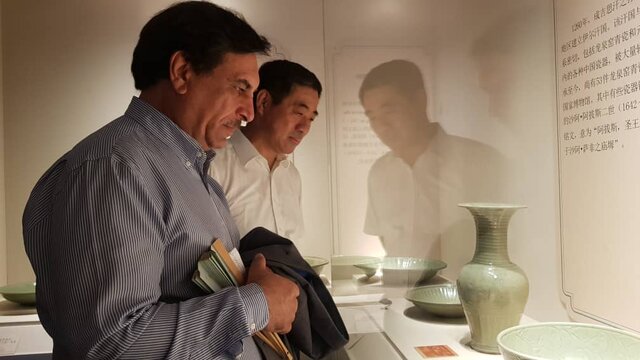
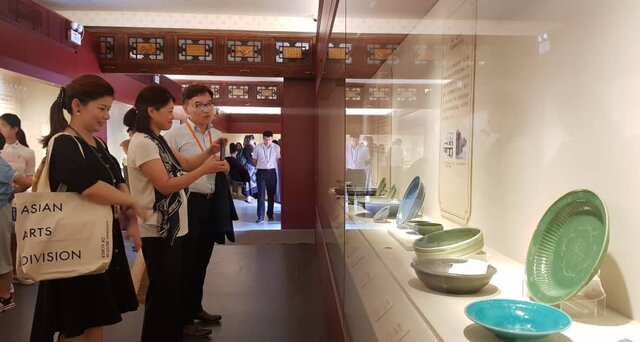
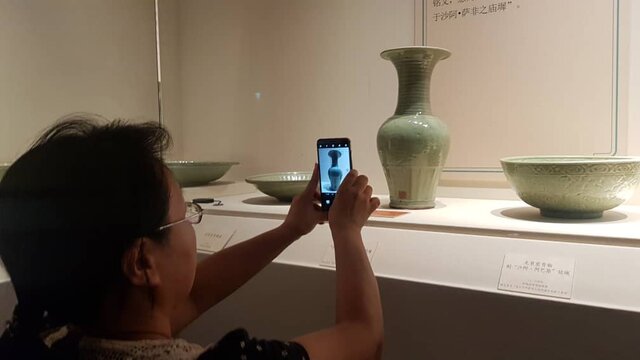
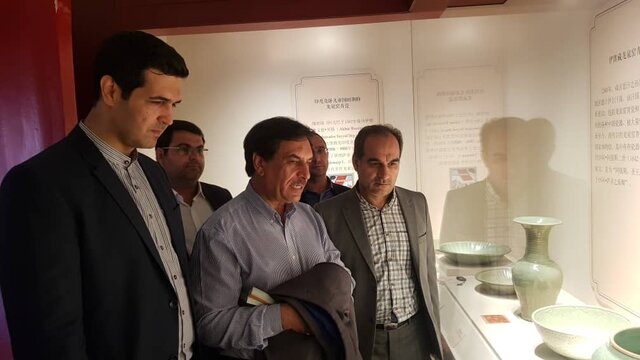
Ancient Works from Iran National Museum on Show in Beijing

Representatives from Iran delivered the collection to the Palace Museum or the Forbidden City of China in Beijing.

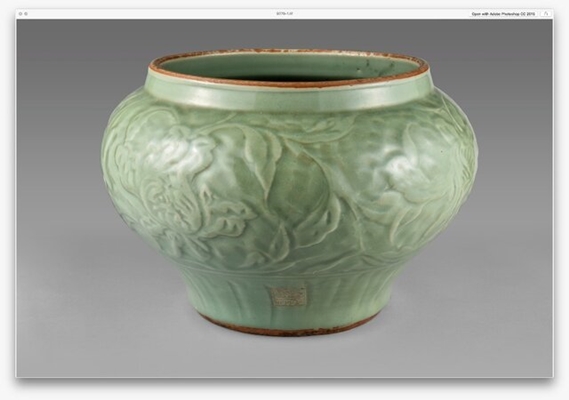
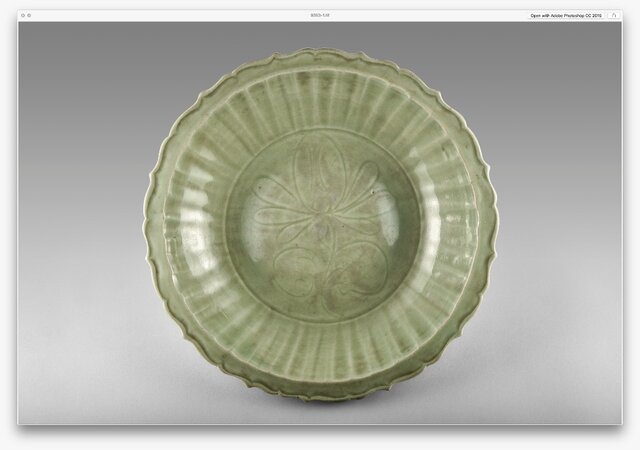
Jebrael Nokandeh, director of National Museum of Iran, said this collection includes 14 celadon dishes from a collection of the Safavid era that had been consecrated to Sheikh Safi al-Din Ardebili’s shrine during Shah Abbas’s Safivd era. These works have arrived at the National Museum of Iran in 1935.

A total of ten museums from Japan, South Korea, the United Kingdom, and the United Arab Emirates, as well as more than thirty Chinese museums from China have taken part in this exhibition.

Ancient Works from Iran National Museum on Show in BeijingNokandeh said celadon is a branch of pottery with a special glaze. The name Celadon was first used by the French for this type of container. Its tough ceramic body is light green with a variety of decorative items on it.

Kerman and Isfahan have been major centres of producing this type of pottery in Iran.

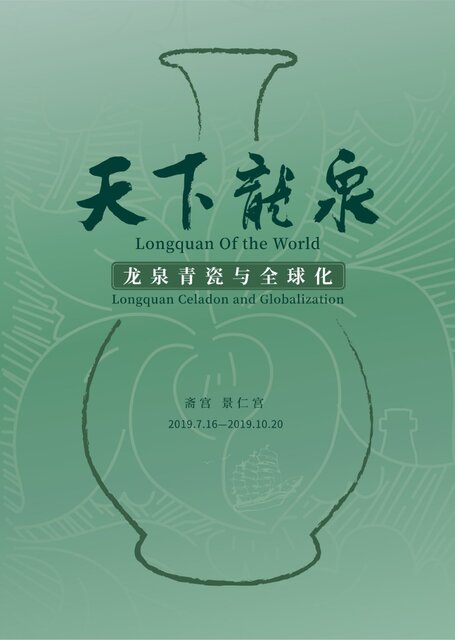
The exhibition opened at the Palace Museum of Beijing on July 15, 2019, and will run through October 4.

Ancient Works from Iran National Museum on Show in BeijingThe Palace Museum of the Forbidden City is a complex in central Beijing, China. It houses the Palace Museum, and was the former Chinese imperial palace from the Ming dynasty to the end of the Qing dynasty.

Constructed from 1406 to 1420, the complex consists of 980 buildings and covers 72 hectares. The palace exemplifies traditional Chinese palatial architecture. It was declared a World Heritage Site in 1987 and is listed by UNESCO as the largest collection of preserved ancient wooden structures in the world.

Since 1925, the Forbidden City has been under the charge of the Palace Museum, whose extensive collection of artwork and artifacts were built upon the imperial collections of the Ming and Qing dynasties. Part of the museum’s former collection is now in the National Palace Museum in Taipei. Since 2012, the Forbidden City has seen an average of 16 million visitors annually.

The National Museum of Iran, with 15 cultural works along with 24 other Asian countries, has participated at “The Splendor of Asia: An Exhibition of Asian Civilizations ” exhibition, which is currently underway in the National Museum of Beijing.