
In the heart of the salt dome, small lakes have been created in very beautiful and diverse shapes by salty waters accumulated after the seasonal rainfalls.
What follows are ISNA’s photos of the dome and its lakes:
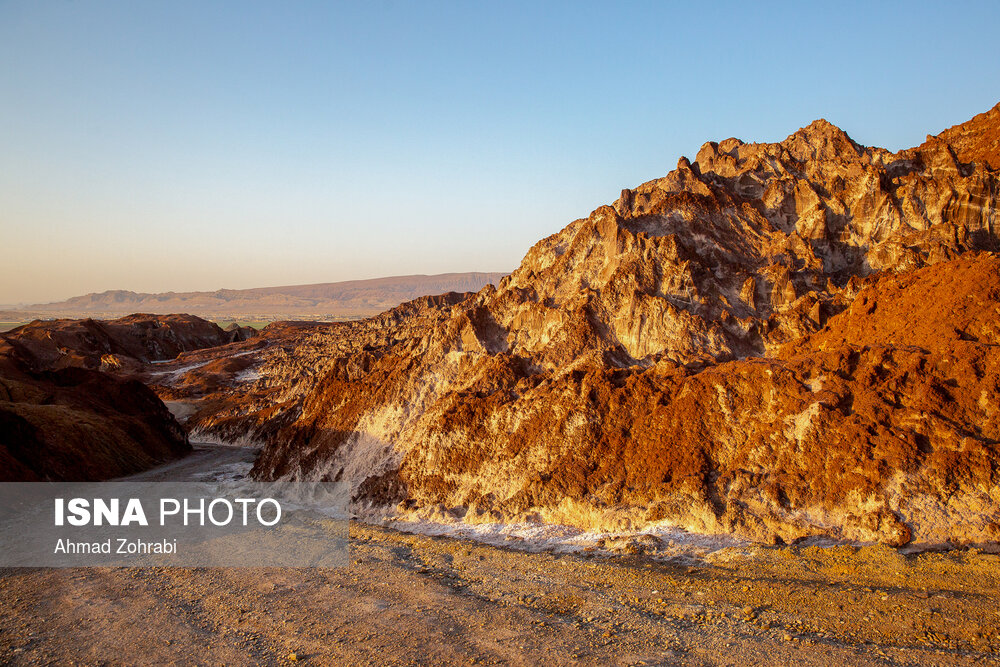
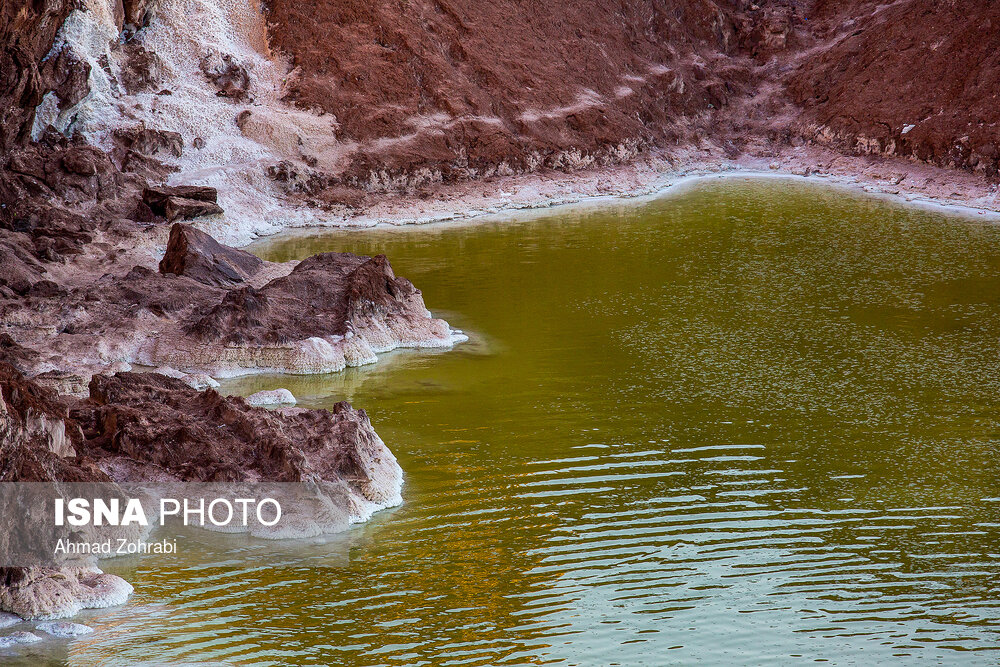
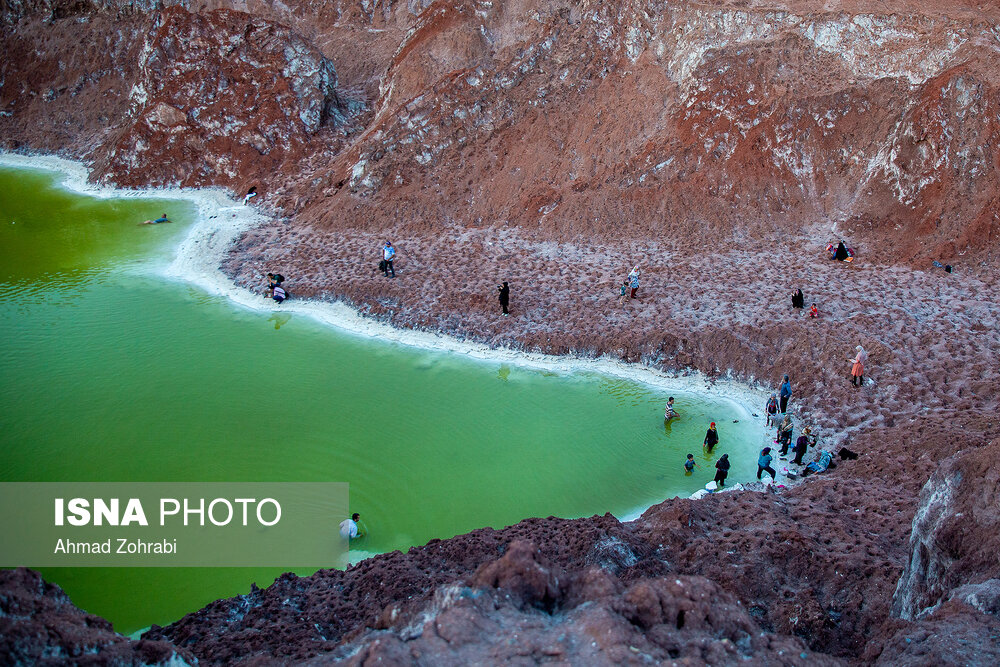
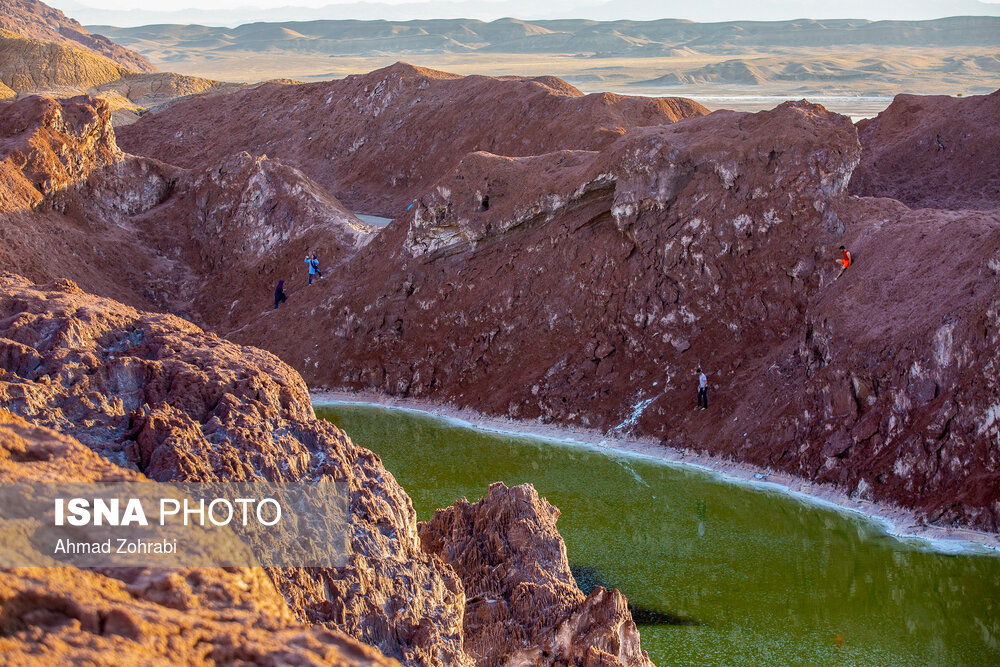
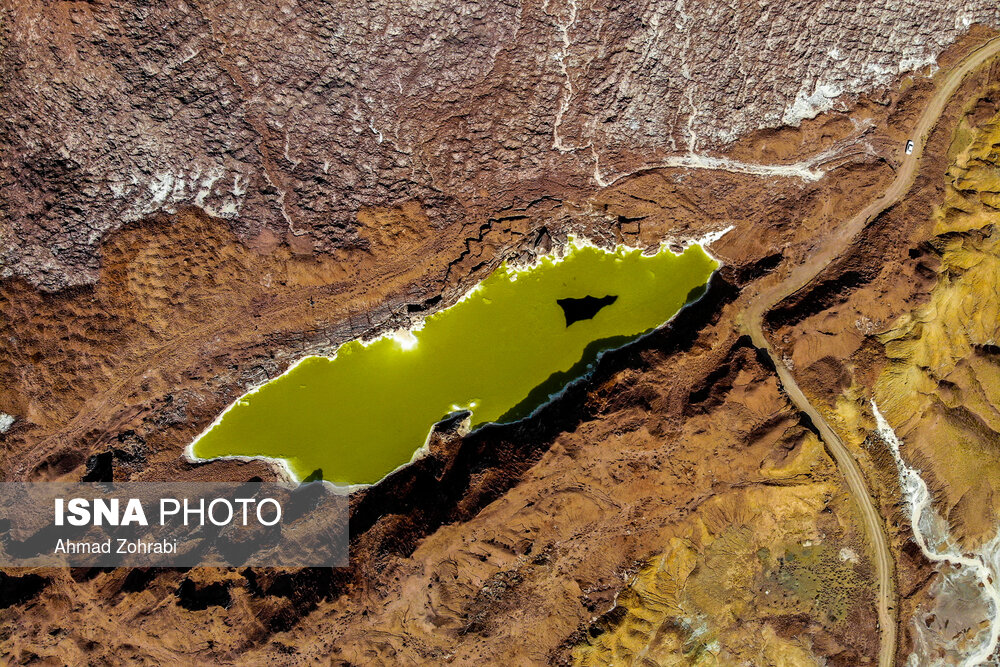
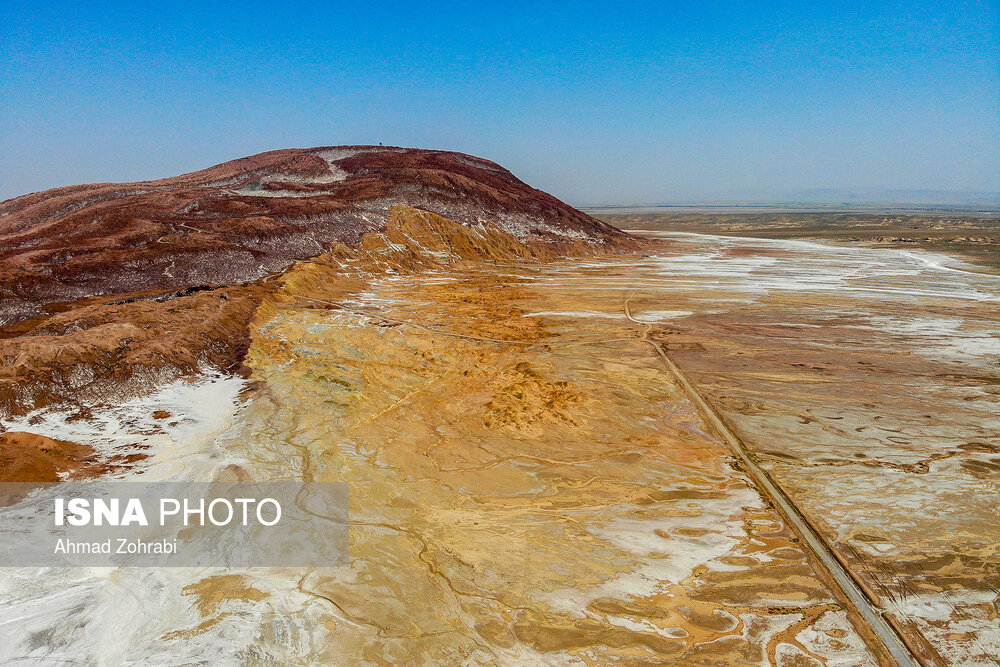
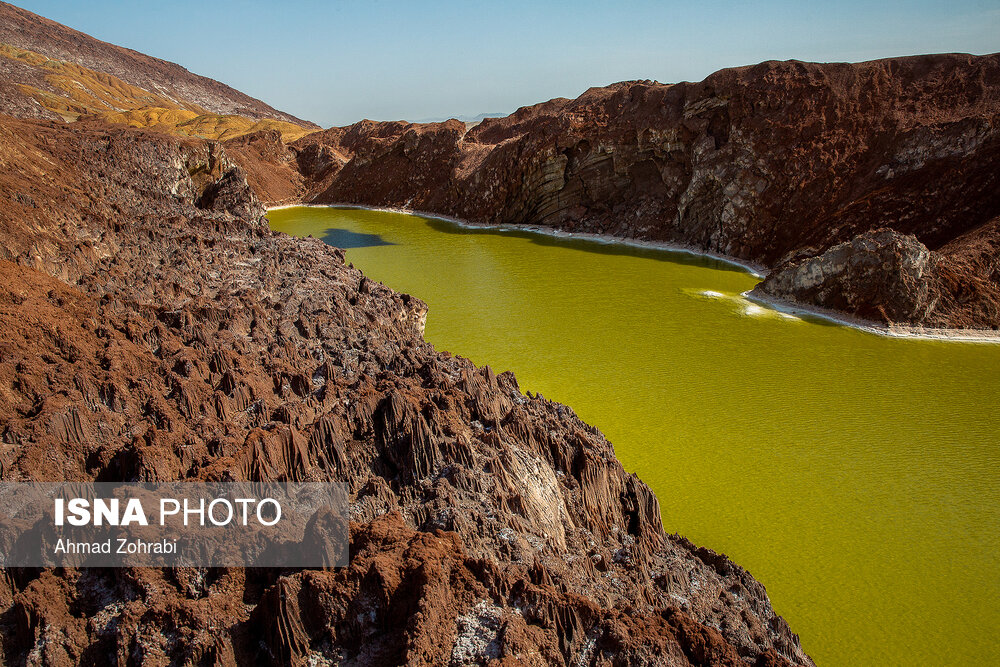
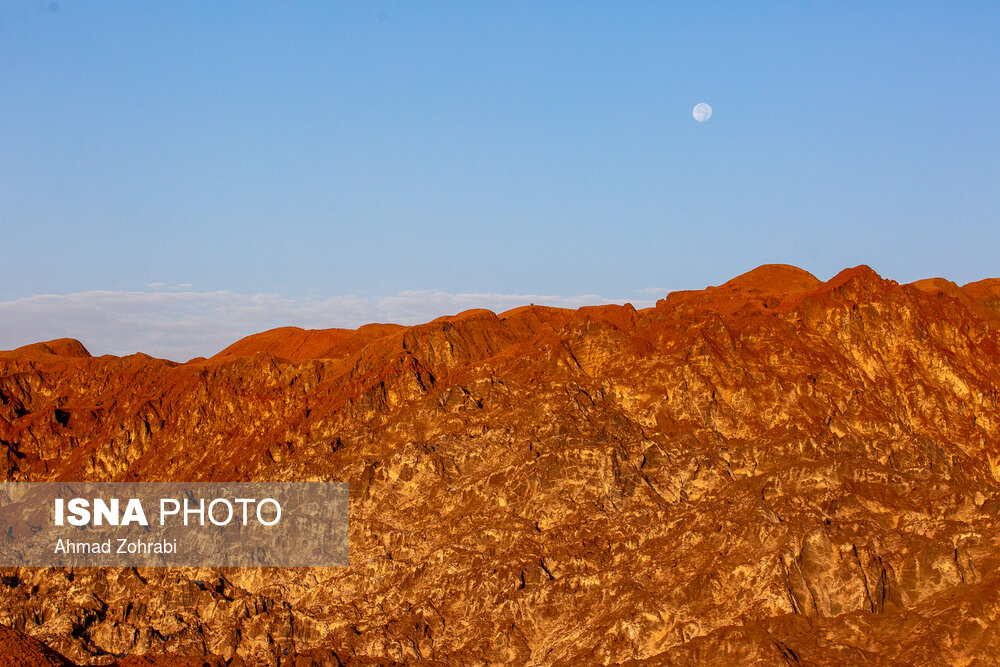
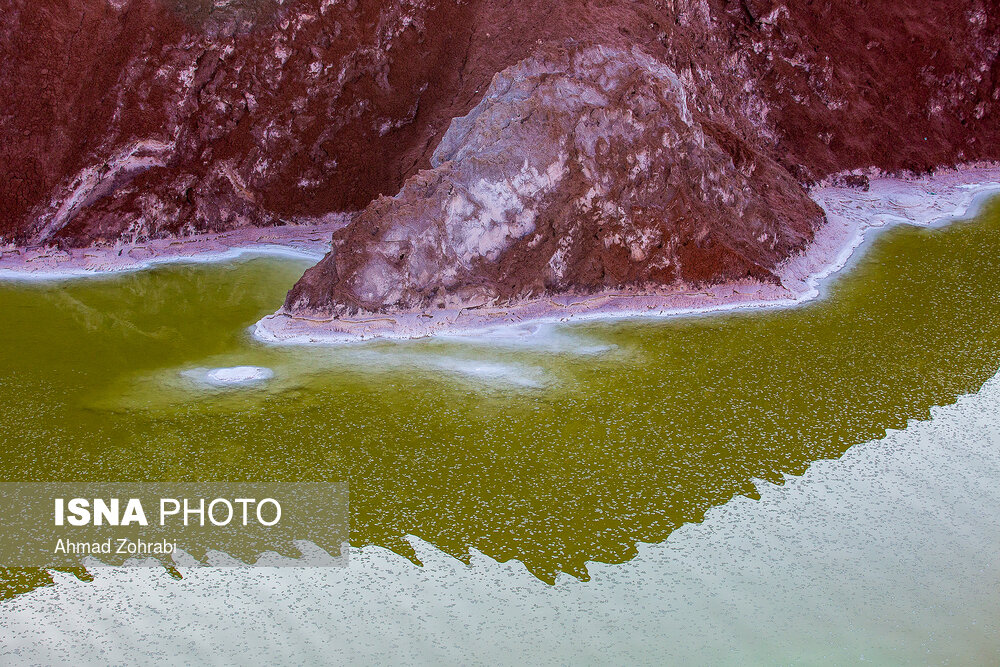
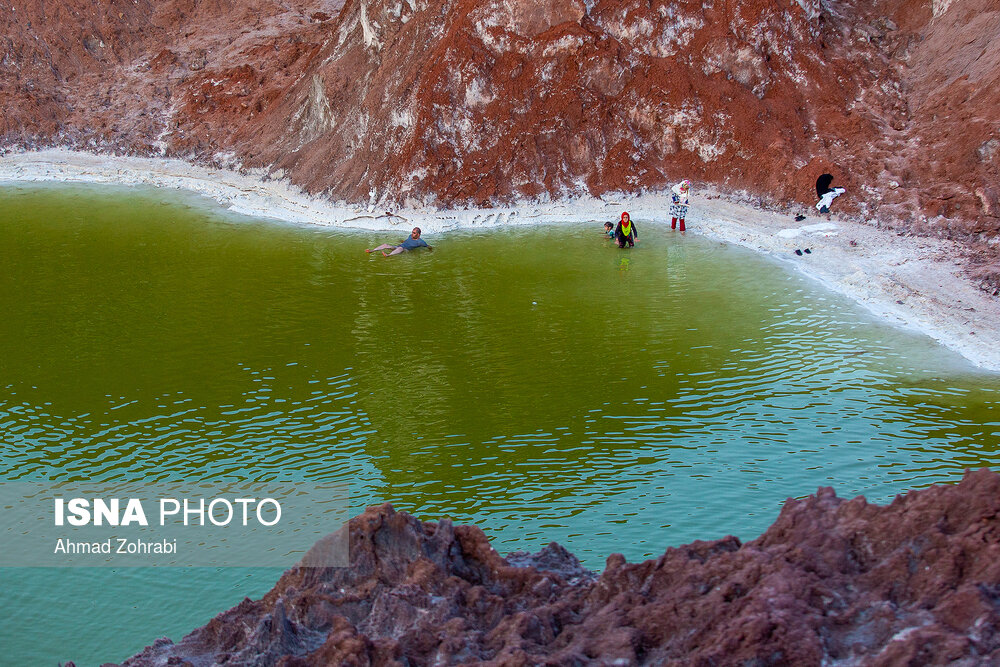

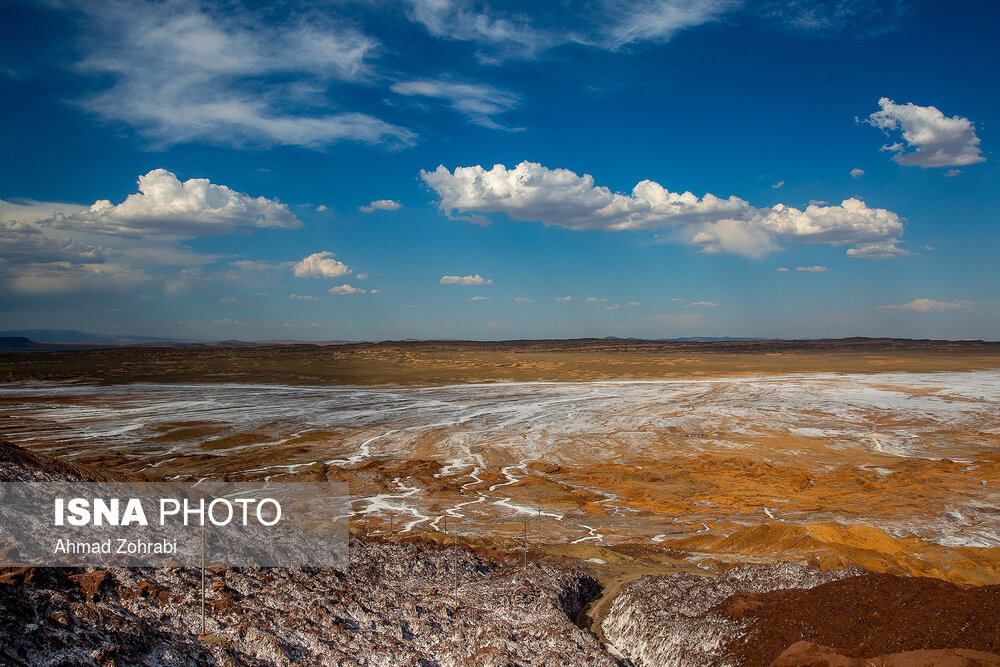


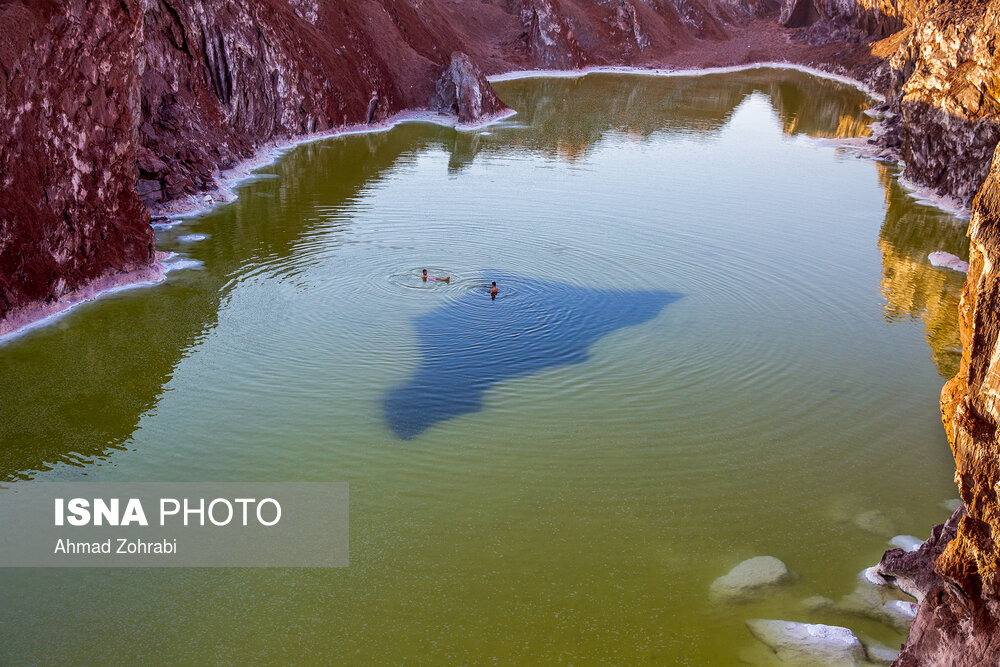
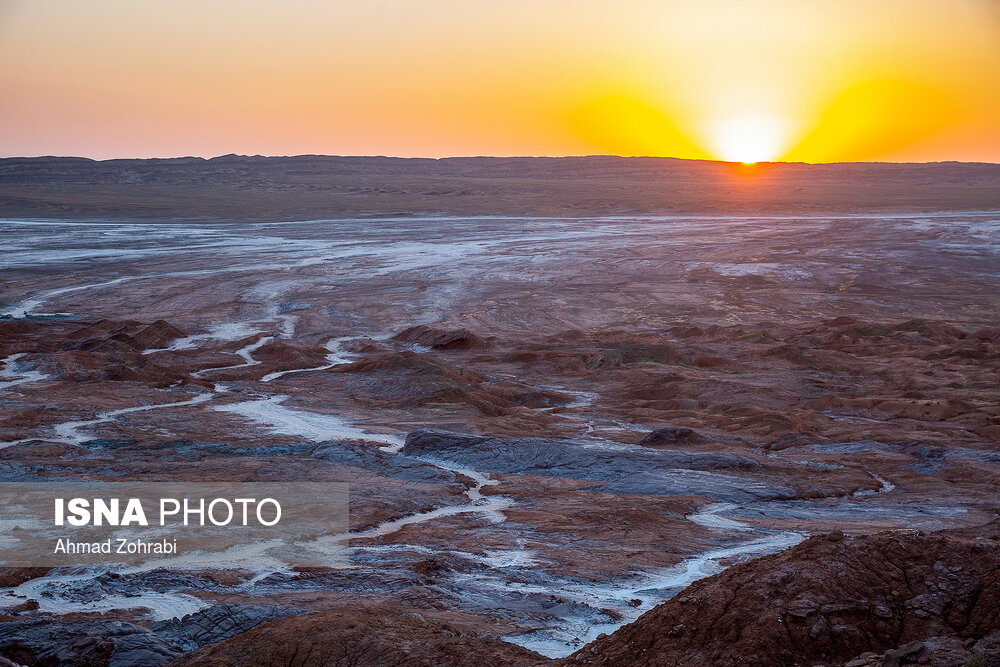
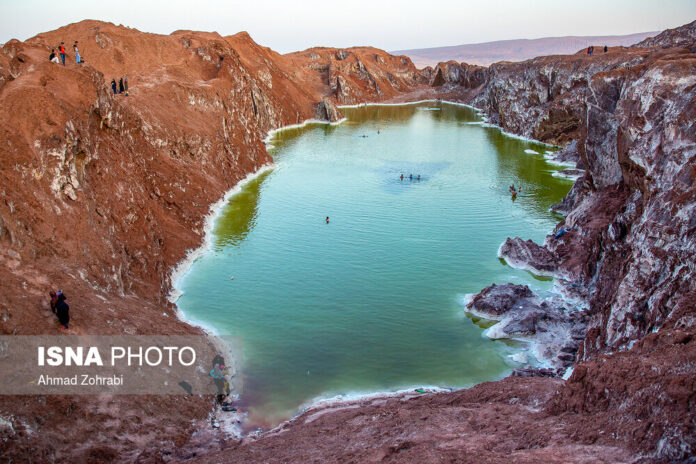
In the heart of the salt dome, small lakes have been created in very beautiful and diverse shapes by salty waters accumulated after the seasonal rainfalls.
What follows are ISNA’s photos of the dome and its lakes:

The photo shows Deputy Foreign Minister for Political Affairs going on foot to Iraq’s Karbala where the holy shrine of the third Shiite Imam, Hussein ibn Ali (AS), is located.
Araqchi in this photo has wrapped his head and face to avoid the sunlight or perhaps not to be recognised.
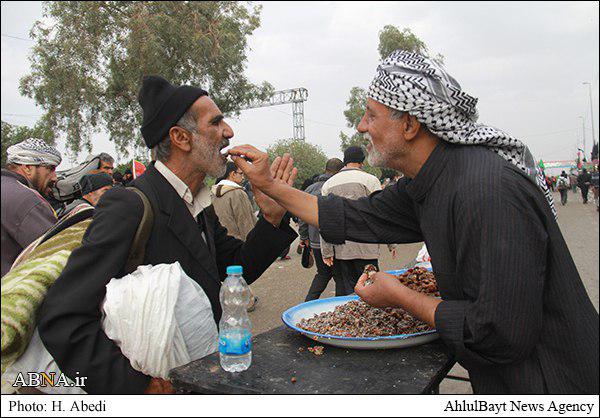
During the past week, many Iranian and Iraqi government officials have gone on a pilgrimage to the holy shrines of Shiite Imams in Najaf and Karbala in one of the safest marches of recent years.
While there has been numerous attempts in the past weeks to create chaos and division in Iraq, this year’s Arba’een march was held more magnificently than previous years.
The Arba’een pilgrimage is the world’s largest annual public gathering that is held every year in Karbala, at the end of the 40-day mourning period following Ashura on which Imam Hussein (AS) and 72 of his loyal companions were brutally killed by the tyrant of the time, Yazid I.
The number of participants in the annual pilgrimage reached 20 million or more by 2016. On the routes of the pilgrimage, food, accommodation and other services are provided for free by volunteers.
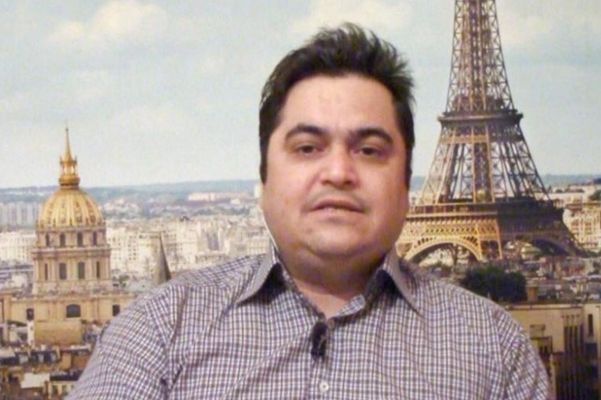
Major General Hossein Salami said on Sunday that the IRGC’s international and professional intelligence initiative and measure destroyed the hopes of the enemy’s mental warfare to launch street riots was neutralized.
In a statement, Salami noted that the network run by Zam was after causing division among elites and officials, and spreading lies and rumours.
“They wanted to spread pessimism and frustration among people, but it was silenced and the [global] arrogance intelligence services were shocked.”
In this message, the senior general expressed gratitude for the kind comments of officials, commanders, and the nation on the intelligence authority of the IRGC.
Last week, the Islamic Revolution Guards Corps said in a statement that its intelligence branch has arrested Rouhollah Zam in an operation outside the country.
After his arrest the head of the notorious anti-Iran website Amad-News appeared on national TV and expressed remorse for his wrongdoings. He said “I am sorry for the way I have behaved and misused mass media. I am sorry for trusting foreign governments. Trusting the French government in particular, was wrong. I never thought I would get caught.”
The message was addressed to Iraqi President Barham Salih and Prime Minister Adil Abdul-Mahdi.
In the message, President Hassan Rouhani said the great and glorious Arba’een march of this year marked by the unprecedented and millions-strong participation of the lovers of Imams and advocates of freedom once again showed that Arba’een is an everlasting historical event that would introduce the culture of Ashura and the uprising of Imam Hussein (PBUH).
President Rouhani said Arba’een is a manifestation of solidarity and unity and rapport among pilgrims and between the people and governments of Iran and Iraq.
He said Arba’een is tantamount to the formation of a united front against tyranny, discrimination and violence.
In his message, the president thanked Iraqi officials, people and religious figures for hosing pilgrims while providing security during the ceremonies.
He expressed hope that friendship and close bonds between Iran and Iraq will further increase

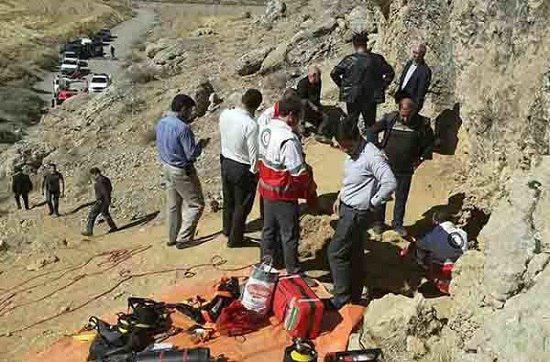
The cave is located in Asgarabad area in the city of Khoy, West Azerbaijan province.
The hunter along with three other people had gone to the cave a few days ago to find treasure when he fell into the cave.
Search and rescue teams managed to find the 48-year-old man after 48 hours.
His three companions were also arrested.
Reports suggest the four had been digging a well near the cave since ten years ago to find treasure.
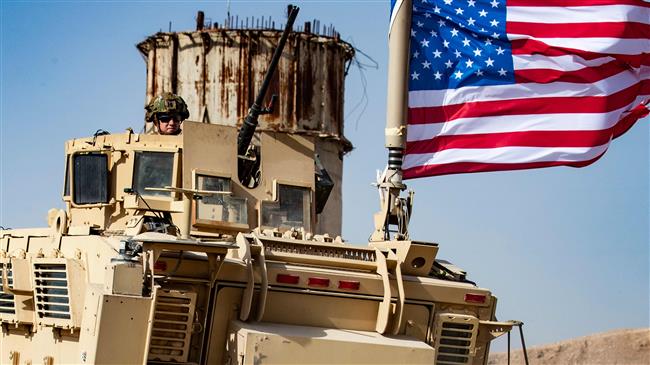
“The US withdrawal continues apace from northeastern Syria… we’re talking weeks not days,” Esper told reporters en route to the Middle East late on Saturday, noting that the process is being conducted via aircraft and ground convoys.
He also put the number of US forces moving to Iraq at about 1,000, saying, “The current game plan is for those forces to re-position into western Iraq.”
In a major U-turn in the US military policy, the White House announced on October 6 that the US would be withdrawing its forces from northeastern Syria, clearing the path for an expected Turkish incursion into the region.
Three days later, Turkey launched the offensive with the aim of purging the northern Syrian regions near its border of US-backed Kurdish militants, whom it views as terrorists linked to local autonomy-seeking militants of the Kurdistan Workers’ Party (PKK).
Esper claimed that the US troops going into Iraq will have two missions, including helping “defend Iraq” and performing an alleged campaign against the Daesh terrorist group.
“Things could change between now and whenever we complete the withdrawal, but that’s the game plan right now,” he said.
The Pentagon chief further stressed that he had spoken with his Iraqi counterpart about the US plan.
The additional troops are expected to add to the more than 5,000 American troops already based in Iraq.
Elsewhere in his remarks, Esper said he will discuss with other NATO allies at a meeting next week the way ahead for what he called the counter-Daesh mission.
On Thursday, Ankara agreed to pause its incursion into Syria for 120 hours while the US facilitates the withdrawal of Kurdish militants from a 20-mile safe zone along the Syrian-Turkish border.
The Pentagon chief said that the US-brokered truce in northeastern Syria was generally holding.
“I think overall the ceasefire generally seems to be holding, we see a stabilization of the lines, if you will, on the ground, and we do get reports of intermittent fires, this and that, that doesn’t surprise me necessarily,” he said.
Esper also claimed that the United States was still in contact with Kurdish YPG militants and that they appeared to continue to defend the prisons in northeastern Syria.
US should use ‘leverage’ with Kurdish militants: Turkey
On Saturday, Ibrahim Kalin, spokesman for Turkish President Recep Tayyip Erdogan, urged Washington to use its “leverage” with Syria Kurdish militants to ensure their pullout under the ceasefire deal.
“Within five days they are supposed to leave and we have told our American colleagues to use their leverage, their connections to make sure that they leave without any incidents,” Kalin told AFP in an interview in Istanbul
He also emphasized that Turkey has been sticking to its end of the truce agreement.
“Since we reached this agreement with the American delegation, we have been committed to this deal,” he said. “Our president has ordered our troops to maintain their positions and not engage anybody.”
Kalin further accused Kurdish militants of perpetrating 16 attacks in the Syrian border towns of Ras al-Ayn and Tel Abyad.
Ankara has no intention of “occupying” any part of Syria or “staying there indefinitely,” he said, ensuring that there would be no forced return of Syrian refugees to the planned safe zone in the Arab country.
The Turkish official also ruled out any direct contacts with the Damascus government and said, “We have no dealings with the regime at this point. We do this through the Russians.”
Kalin further accused Kurdish militants of using Daesh prisoners as a “bargaining chip in this dirty war” by deliberately freeing them in an act of “blackmail basically to garner support from the West.”
A source in Bahrain told The Times of Israel online newspaper on Sunday that a senior Israeli foreign ministry official working on regional security and counter-terrorism will take part at the Working Group on Maritime and Aviation Security in Manama on October 21-22.
Israel’s foreign ministry has not denied sending a representative to Manama, Channel 13 reported, confirming that Tel Aviv will participate “in the post-Warsaw process.”
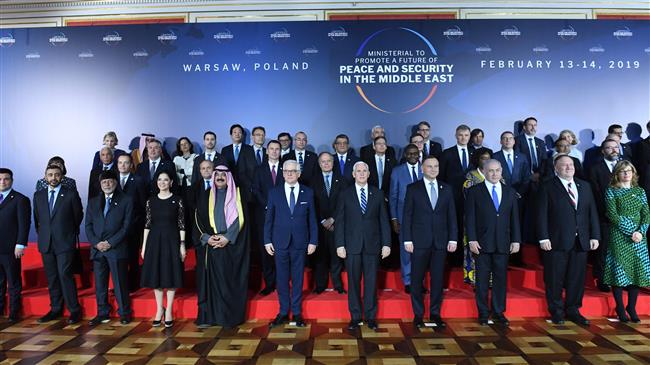
The so-called Warsaw process started with the February 13-14 anti-Iran conference in the Polish capital, co-sponsored by Poland and the US. At the time, Tehran denounced the summit as a “desperate circus” disgracing its participants.
Western officials told the Israeli TV channel that the Bahrain conference is an initiative pushed by the administration of US President Donald Trump.
Starting on Monday, the Manama summit is set to purportedly discuss the protection of vessels in the Persian Gulf from alleged “Iranian attacks,” the prevention of weapons smuggling and the protection of civil aviation.
On July 31, Bahrain where the US Fifth Fleet is based hosted a conference on “maritime security” in the Persian Gulf, after a number of mysterious attacks in the strategic waters, which Washington has blamed on Iran, without offering any credible evidence.
Iran has blasted Bahrain for hosting “suspicious and provocative meetings,” calling on the regime in Manama to stop acting as “a facilitator of enemy plots” in the region.
Israel has full diplomatic ties with only two Arab states, Egypt and Jordan, but recent reports suggest Tel Aviv has been working behind the scenes to establish formal contacts with other Arab countries such as Bahrain.
In July, Israeli and Bahraini foreign ministers Israel Katz and Khalid bin Ahmed Al Khalifah met for a brief chat on Iran in Washington and the two posed for a rare photograph.
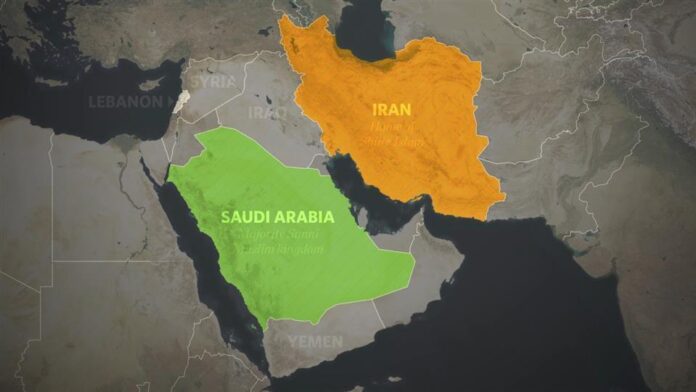
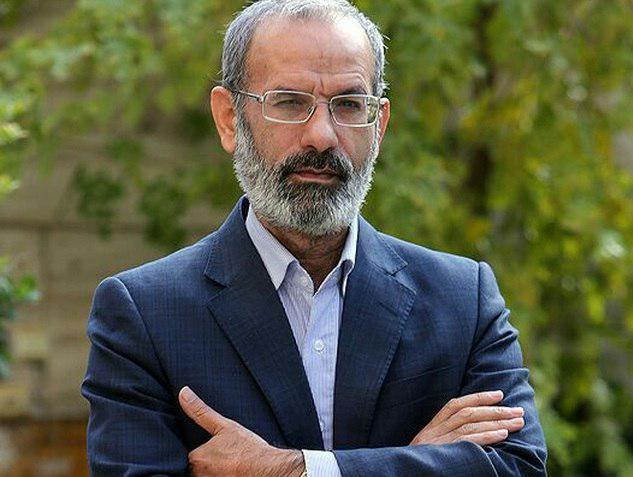
Sadollah Zarei, a Persian Gulf analyst and director of Andisheh Sazan Noor Institute for Strategic Studies, believes that the Islamic Republic cannot give concessions to anyone who once broke off relations with Tehran unless that country takes the first step to resume normal ties.
“At the same time, Iran is well aware that Saudi Arabia in the current situation is seriously concerned about the Yemen crisis, and Iran can help it resolve this issue, but Riyadh itself needs to think of a rational framework for de-escalation,” he said in an interview with Entekhab news website.
“This war is meaningless and a country cannot launch attack on another just because the people do not accept someone as their president. In fact, the situation must be de-escalated so that we can negotiate on the basis of rational principles and move along the path of common positions.”
Asked about the possibility of de-escalation between Iran and Saudi Arabia in light of recent diplomatic actions, in particular the efforts of the Pakistani prime minister, Zarei said Imran Khan’s trip to Tehran and then to Saudi Arabia was in line with a specific agenda, which included stopping the war on Yemen. The core of the talks was not about improving relations between Iran and Saudi Arabia. Rather, it was about the 43-month-long war that the Yemenis are facing, and the consequences that have affected the region.
“If the Yemeni war stops and the Saudis come up with a formula to end the war, the solution to other regional issues is not out of reach.”
In his assessment of Tehran’s reaction to the attack on the Iranian oil tanker in the Persian Gulf, Zarei said it is necessary to pay attention to the fact that Iran, at the highest level, warned the perpetrators about this incident.
“So it cannot be said that Iran has put aside the issue, but in the meantime, there is a question as to whether Iran suffered serious damages in the incident. Or the attack on an oil tanker near the port of Jeddah is to the detriment of the owner of the coast and the port. Therefore, it was not only Iran that suffered damages.”
“On the other hand, when we compare this incident with those that happened to some oil tankers in the past, we see much less damage to the Iranian ship. The size of the damage is not so much that Iran gives an immediate military response. For two reasons, I don’t think Saudi Arabia is involved in the Iranian oil tanker incident,” Zarei said.
“On the one hand, damaging a tanker near the strategic port of Jeddah and the Red Sea is to the detriment of Saudi Arabia itself, and on the other hand if the Saudis really wanted to take action, they could have taken more serious action but facts on the ground show they didn’t. So I think the clues to the incident should be sought somewhere else.”
Elsewhere in his remarks, Zarei noted that there has never been any serious tension between Iran and the UAE.
Even the statements sometimes made by the Emirati rulers about ownership of the three islands are more of a provocation by Saudi Arabia. The fact is that the UAE enjoys the most significant trade relations with Iran among its neighbours, and Dubai has been one of the key points of connection of the Iranian economy with the international community. “Many Iranians are also eager to visit Dubai. These are issues that the Emirates do not want to miss,” continued Zarei.
“It is important to note that minor countries suffer more in the face of a crisis. The UAE, whose emirates are located along a long line next to the Persian Gulf, is extremely vulnerable in this regard. However, the question is whether the UAE has the capacity through which Iran could pursue the issue of calming the region. The UAE does not seem to have this capacity. The reality is that talking about de-escalation with Abu Dhabi imposes restrictions through which we cannot fulfill our regional demands.”
In the final part of his remarks, Zarei highlighted that in the current situation, the Saudi rulers must know that Iran’s policy has never been based on creating tension and crisis. They must realise that what they are seeing in Iraq, Yemen and Syria is a result of national demands, not a result of Tehran’s intervention in the region. It should be noted that Tehran never wanted to cut ties with Riyadh, and it was Saudi Arabia that severed diplomatic ties with Iran. “So it is up to the Saudis to take the first step and keep in mind that opening and closing a building by itself will not work. If the embassy is open without constructive activities, there will be no improvement in relations between the two sides.”
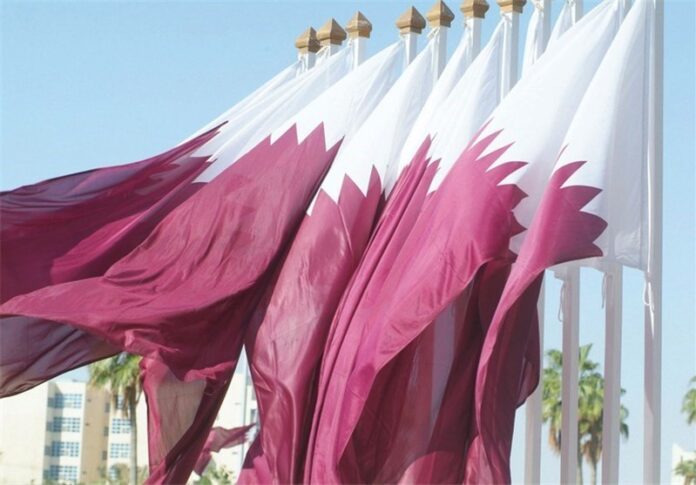
“The tension is not sectarian, as it appears to some; rather it is a power and influence struggle in the region between two different poles,” Lolwah al-khater, said in response to a question about the nature of the tension between some Arab nations and Iran, on the sidelines of a panel titled “Middle East- Is Anyone Still Looking for a Solution.”
Tensions have been high in the Persian Gulf after a series of suspicious explosions targeted oil tankers crossing the Strait of Hormuz earlier this year.
Speaking during a joint press conference with the visiting Prime Minister of Pakistan Imran Khan in Tehran earlier this month, Iran’s President Hassan Rouhani said no country can create insecurity in the Persian Gulf region and simply get away with it.
“If a country thinks they can create insecurity in the region without getting an answer, they are totally mistaken,” Iran’s president said.
Elsewhere in her speech, al-Khater stressed the importance of settling regional issues through independent will of all countries in the region, saying such determination should represent their collective interests and separate the accounts of international players.
She added that the ability to effectively deal with problems will increase if external interests are not taken into consideration, Press TV reported.
Al-Khater’s remarks came a few days after Qatari Deputy Prime Minister and Minister of Foreign Affairs Sheikh Mohammed bin Abdulrahman Al-Thani said relations between Doha and Tehran are based on mutual interests.
Speaking at a session held within the framework of the 2019 Global Security Forum on October 15, the Qatari minister added, “Iran is a neighbor to us, and since the inception of the State of Qatar we have not seen any violent or aggressive behavior.”
He admitted that Iran and Qatar have disagreements on many regional issues, saying, “We do not endorse some of their activities, and they do not endorse some of our activities.”
“But there is an understanding that we are neighbors and we must coexist, and this relationship is based on mutual respect,” he added.
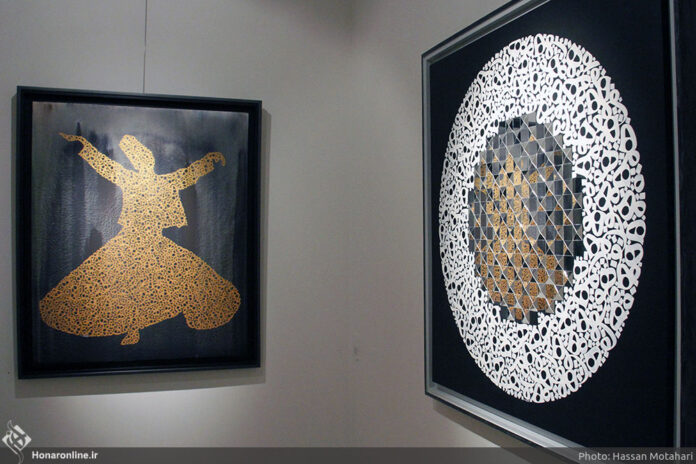
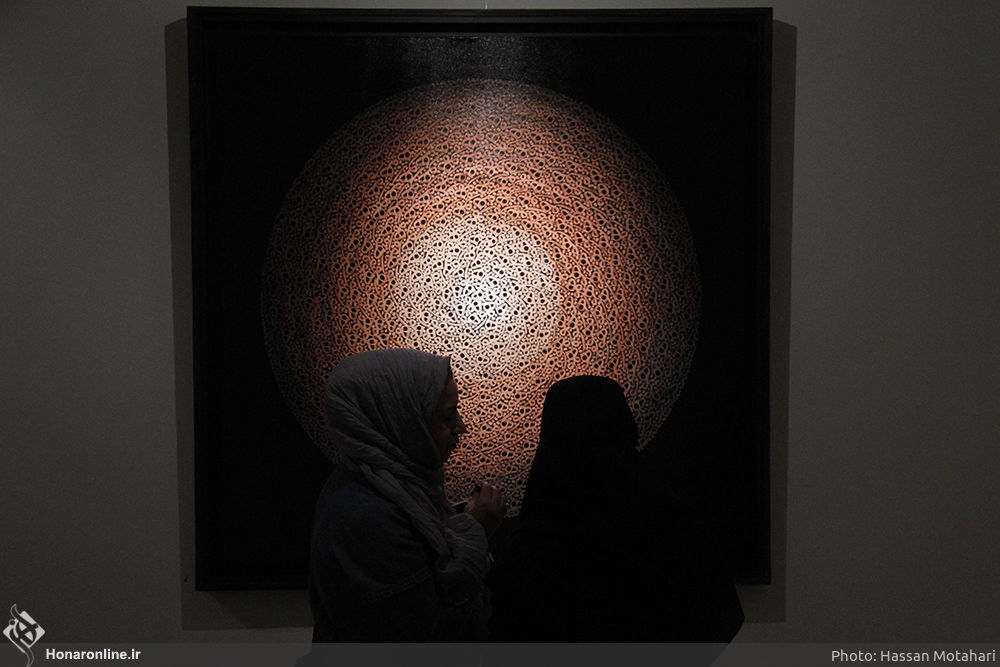
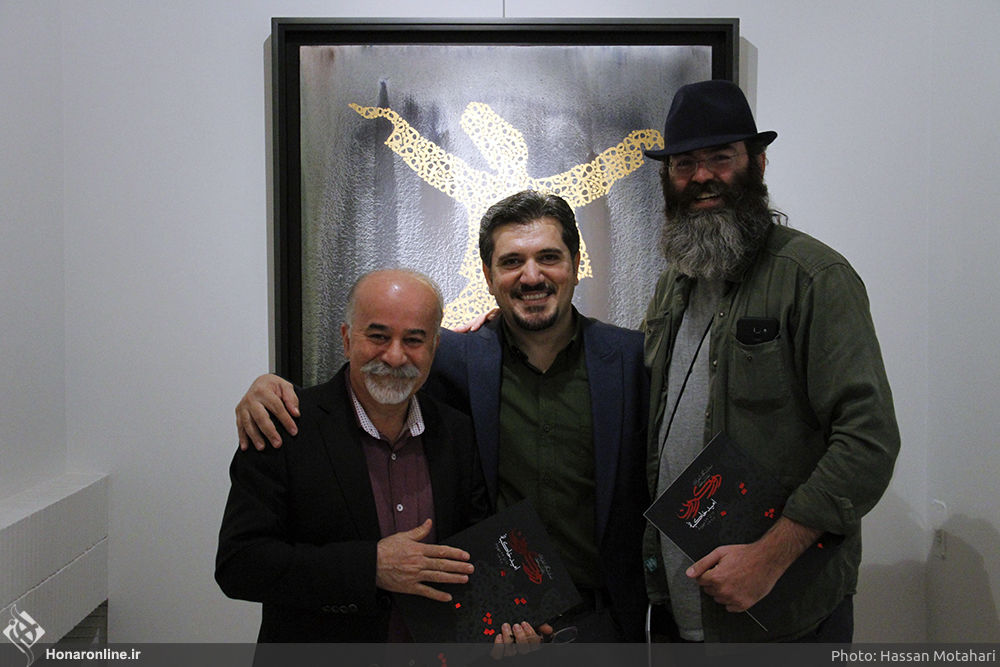
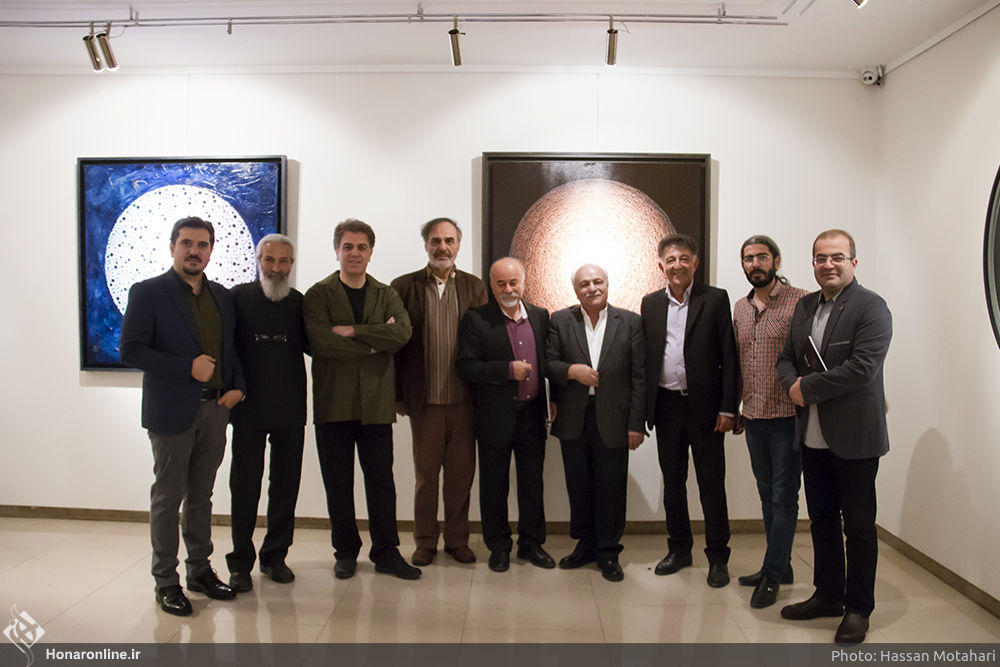
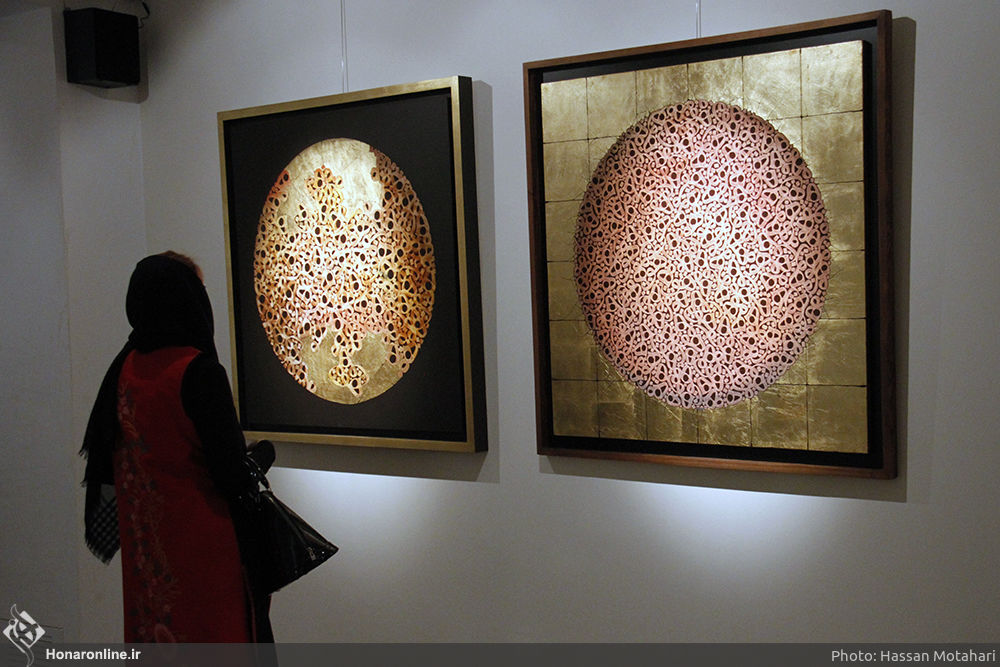
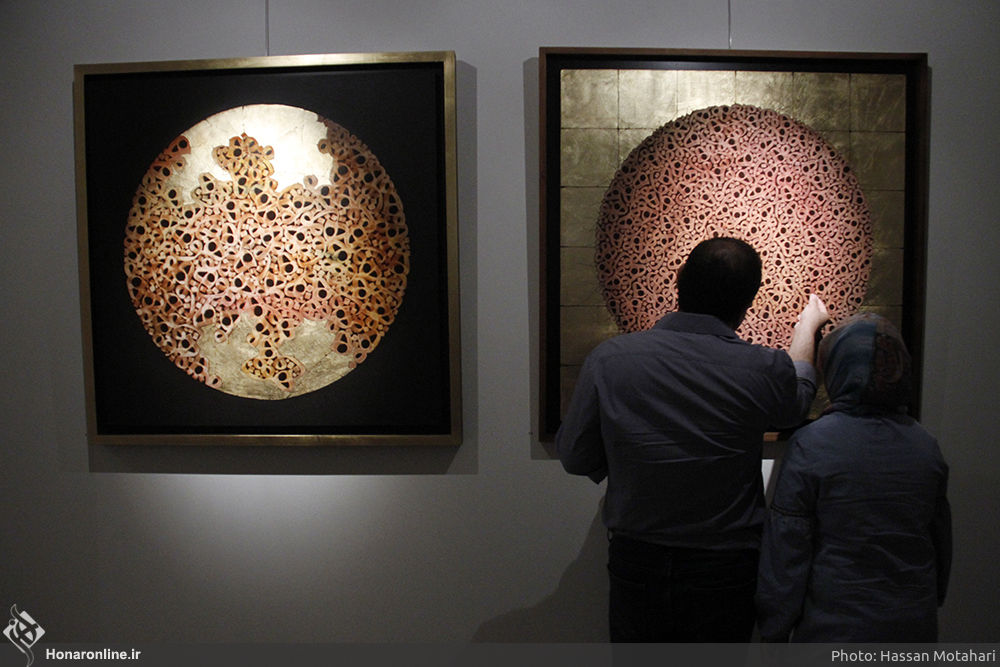
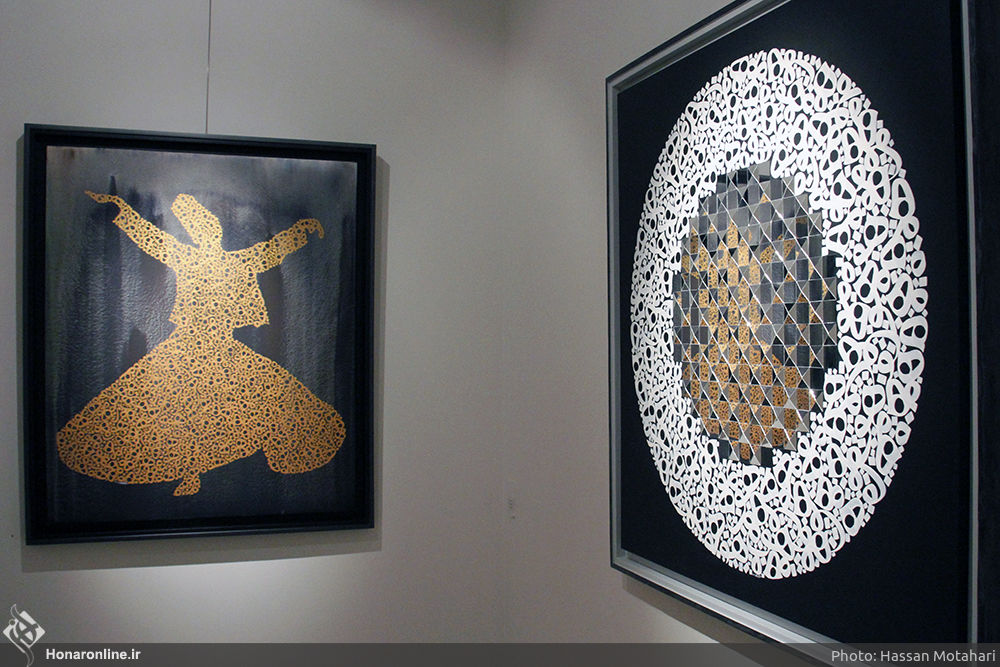
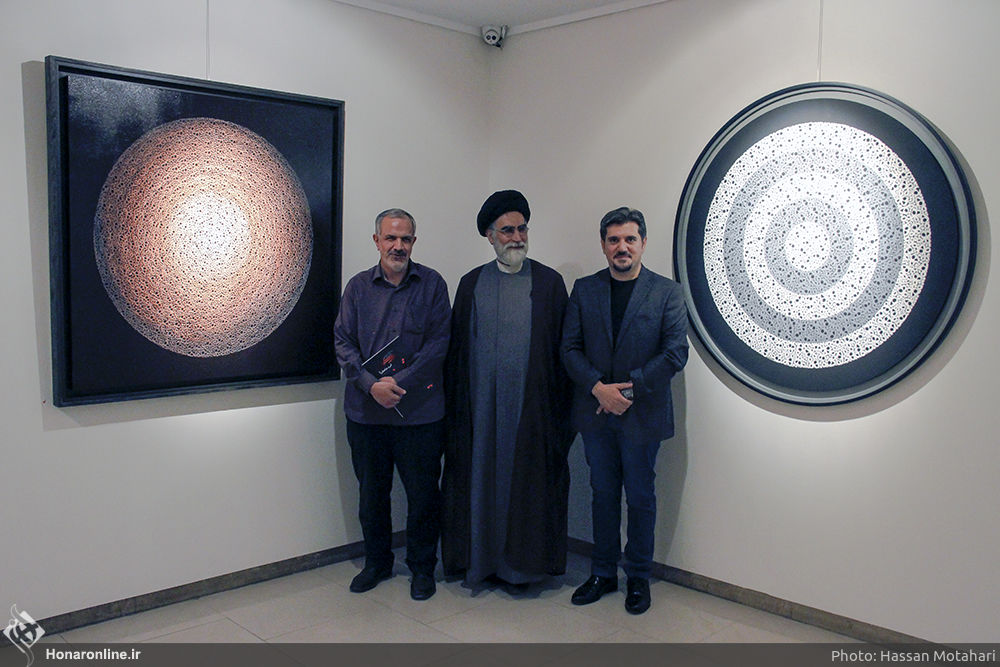
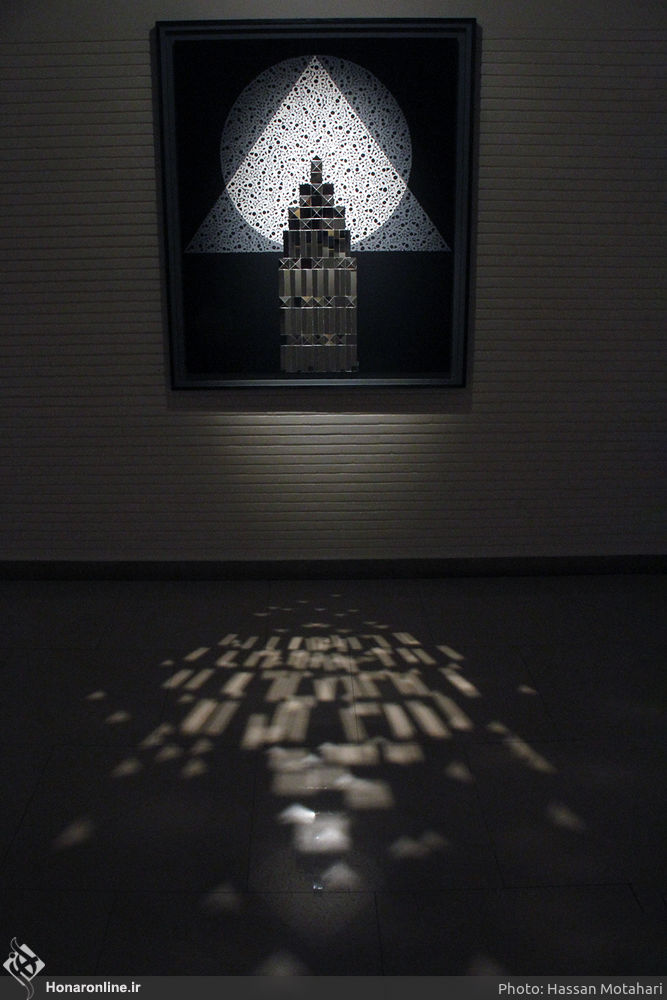
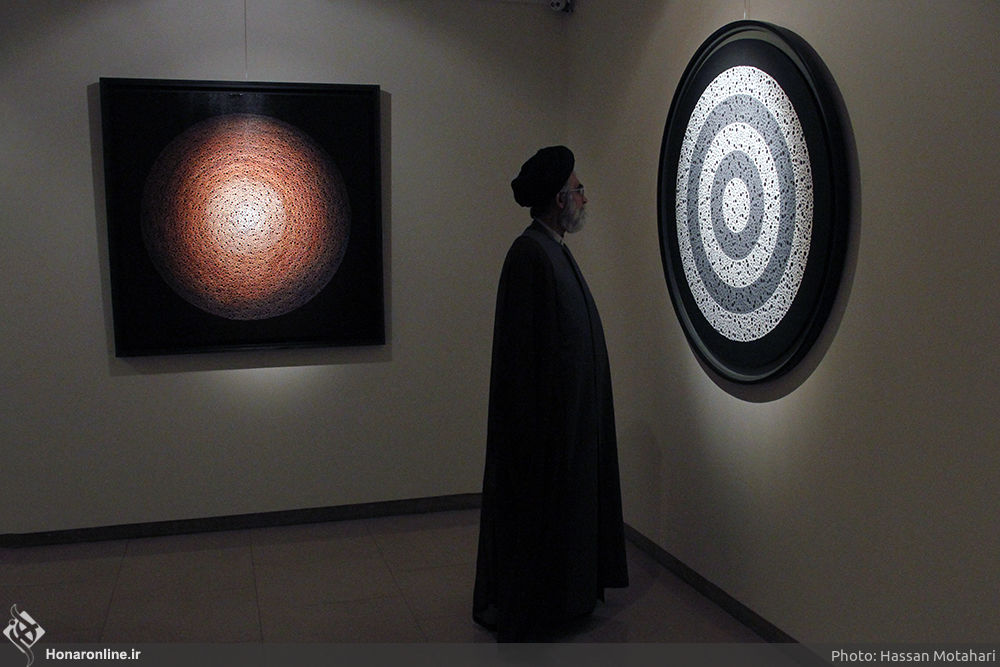
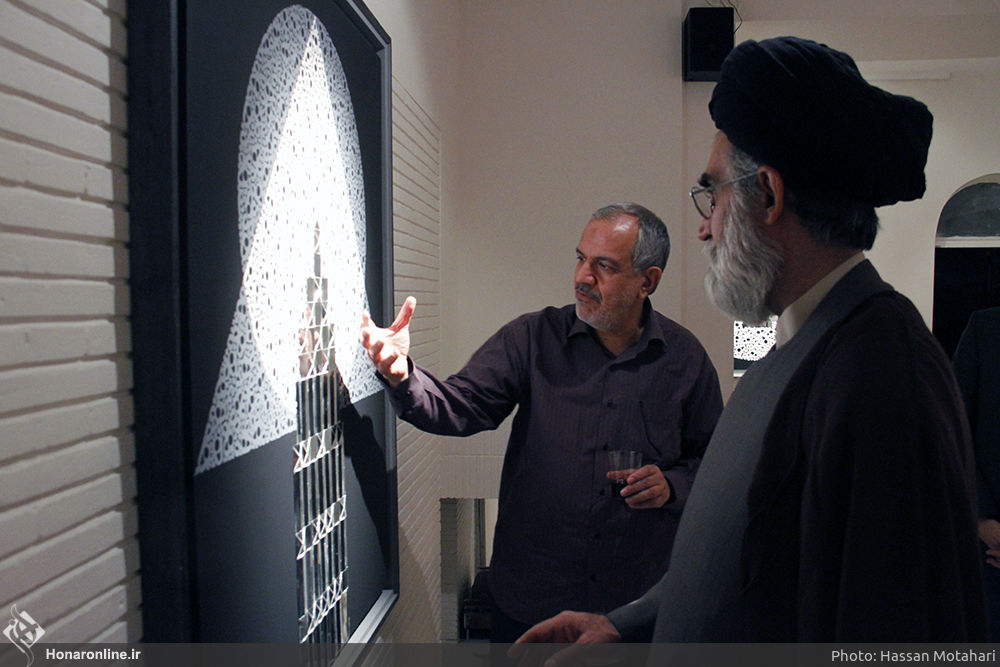
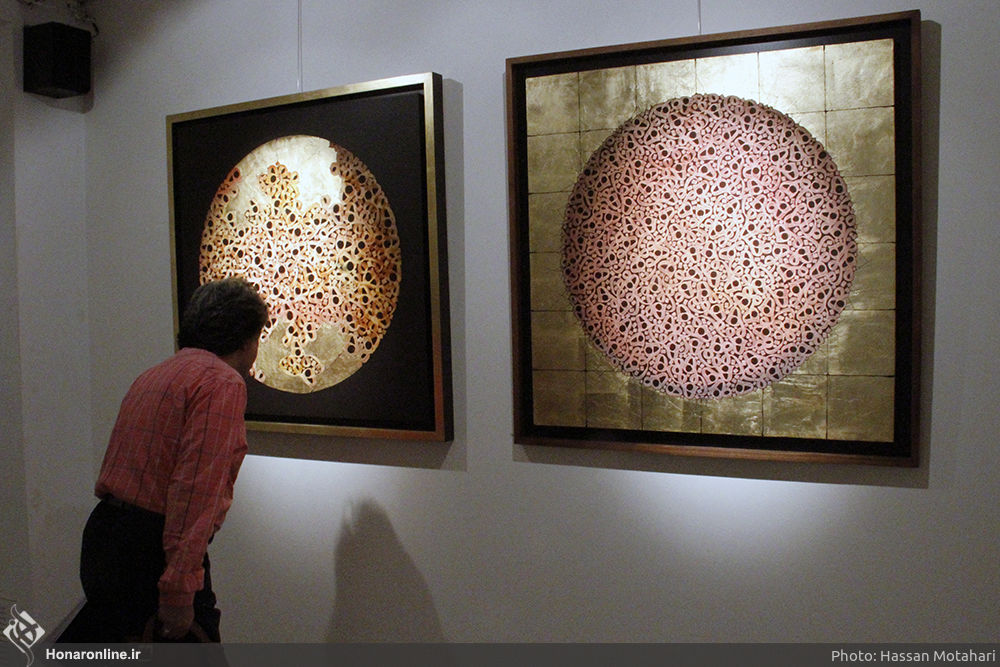
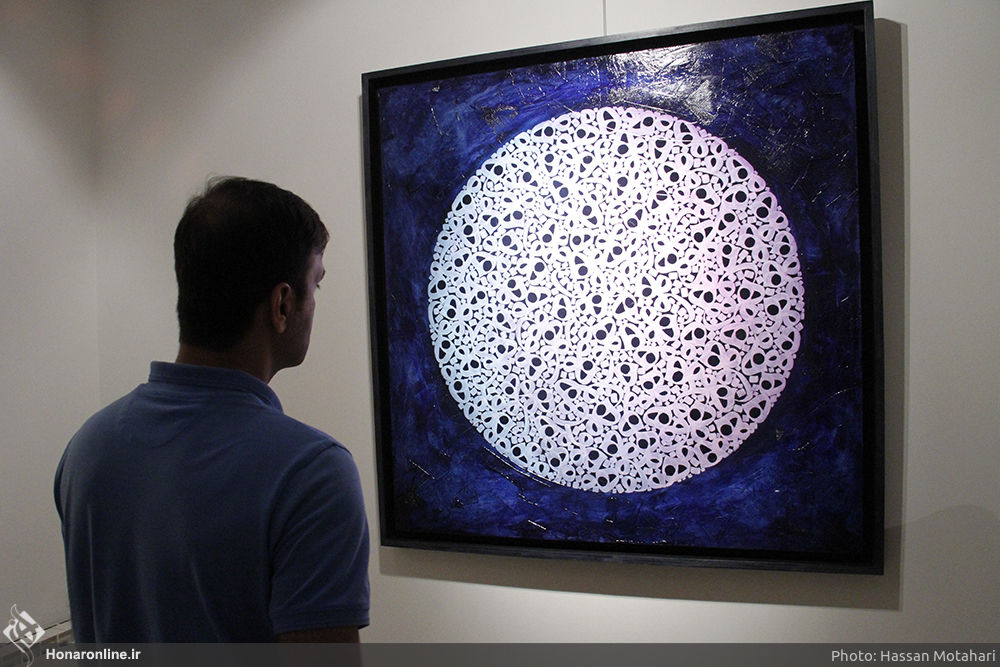
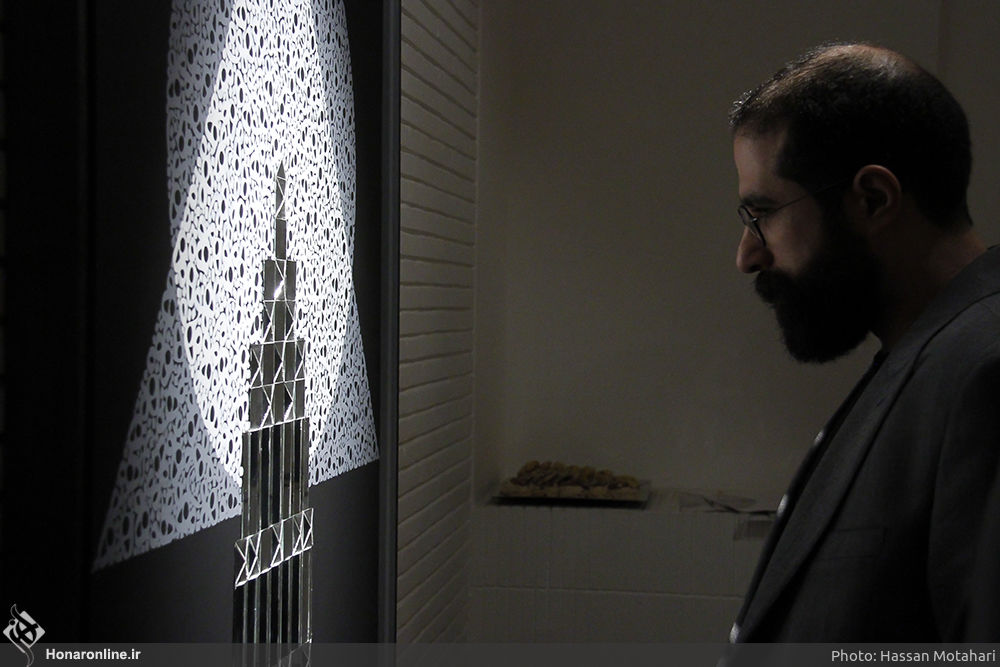
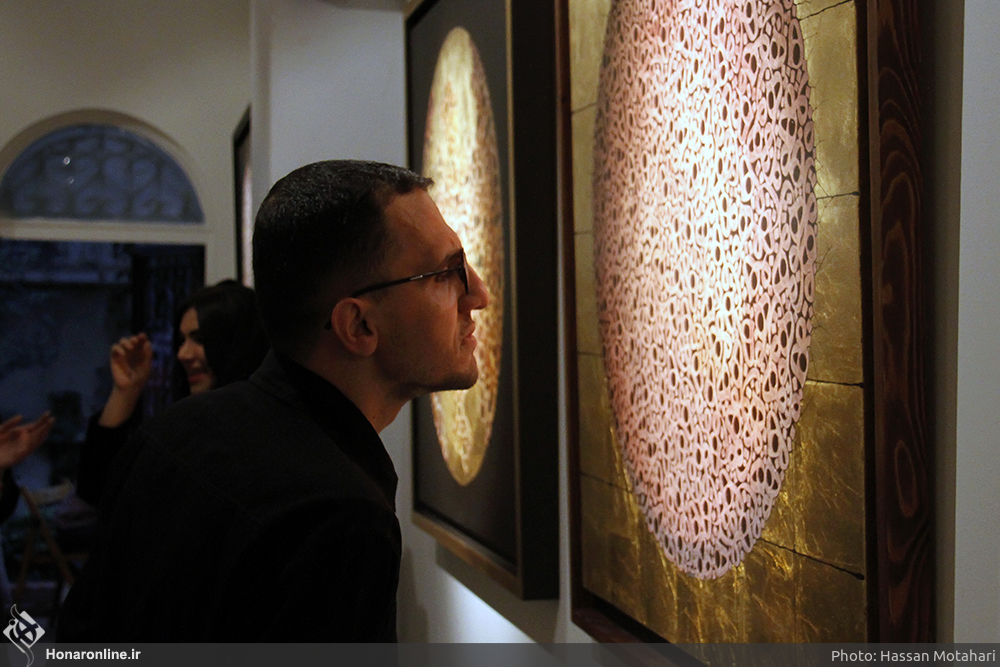
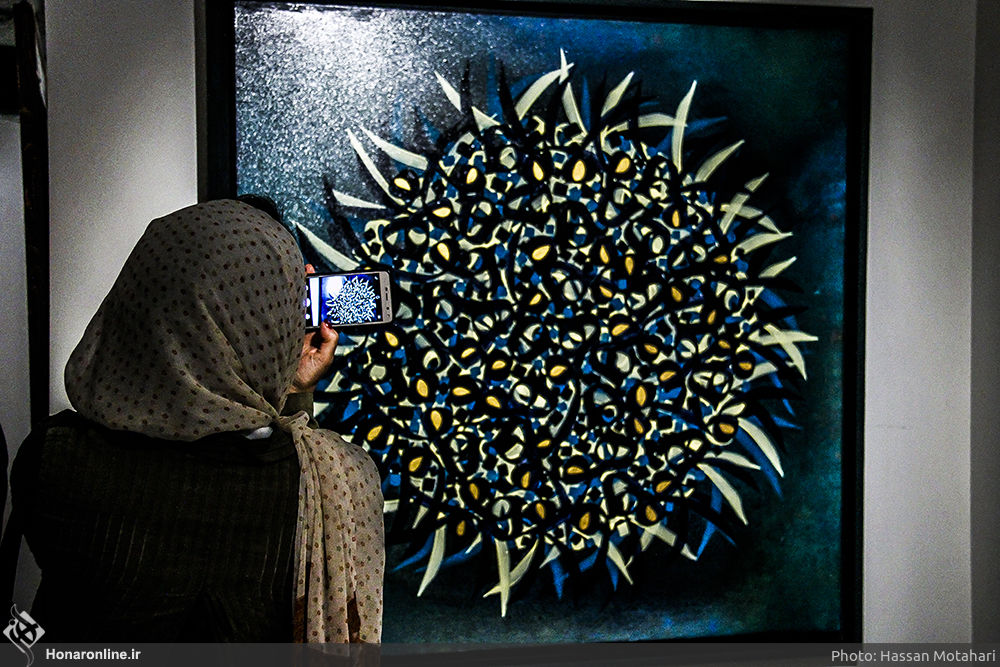
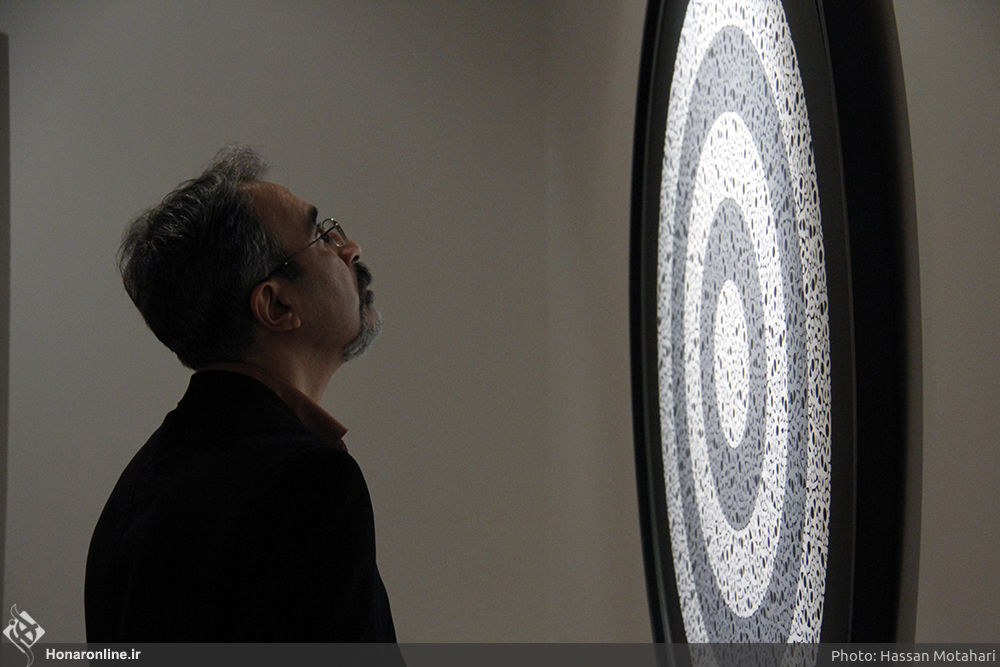
The exhibition presented several works of art created with different techniques. The spiral and circular forms of the artworks have been inspired by the geometry of the traditional and classical arts of Iran, especially architecture.
The title of the exhibition was derived from a sonnet by famous Persian poet Hafez that highlights the importance of the circular form in the ontology of Iranian people, especially in different fields of philosophy, art and literature.
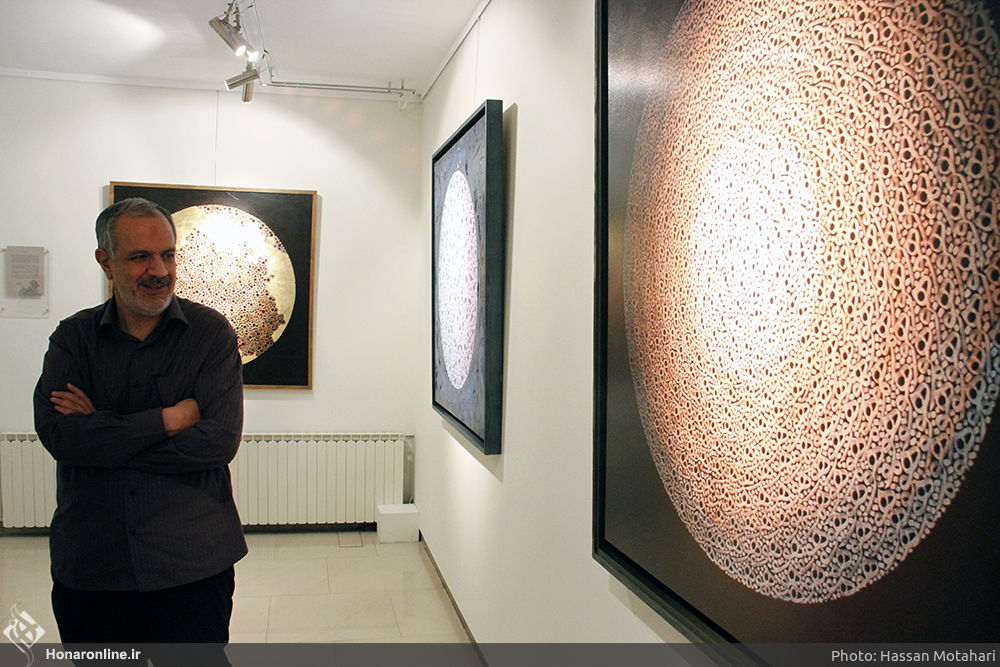
Omid Khakbaz, born in 1978 in Tehran, is a self-trained artist who has studied painting and graphic arts. In the past five years, he continuously sought to create modern works using calligraphic elements.
He has successful experiences in cultural and artistic management and his works have been depicted in several overseas and domestic exhibitions.
What follows are Honar Online’s photos of the exhibition:



© All Content by IFP News ( Iran Front Page ) is licensed under a Creative Commons Attribution 4.0 International License.
