
Tehran, Tbilisi Discuss Bilateral Relations
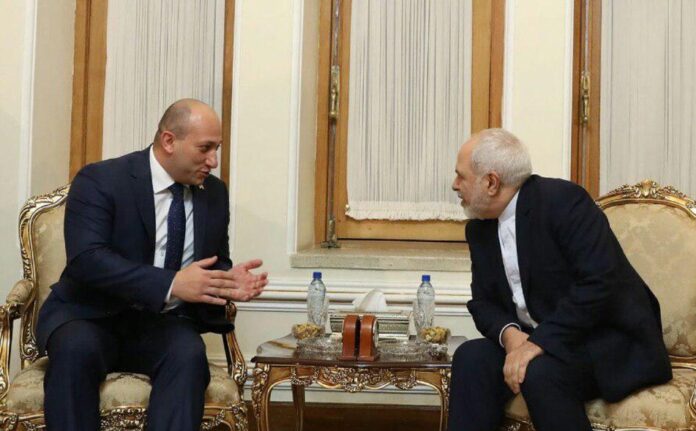
Mr. Khvtisiashvili, who is in Tehran to take part in the third round of political consultations between Iran and Georgia, held talks with Iranian Foreign Minister Zarif on Sunday evening.
In the meeting, the two sides talked about the current status of bilateral relations between the two neighbours, and discussed the ways to promote cooperation in various fields.
Zarif in Istanbul for High-Level Meeting on Afghanistan
Speaking to reporters upon his arrival in Istanbul on Monday morning, the top Iranian diplomat said, “The Heart of Asia conference, or the Istanbul Process, has been held to coordinate regional cooperation with Afghanistan in order to create stability and security in Afghanistan and also inclusive development.”
“Different countries have taken on different responsibilities, while the Islamic Republic’s responsibility deals with training in Afghanistan,” he noted.
“Under the current circumstances, the situation in Afghanistan is special, considering the presidential election and the developments surrounding the peace negotiations; and it is necessary, particularly for the regional countries and for Afghanistan’s neighboring states, to play a more active role in the peace process and the process of reconstruction of Afghanistan,” Zarif added.
“Therefore, this conference is a good opportunity for different countries to discuss these issues, the fields they can help Afghanistan, and also contribution to peace in Afghanistan,” the Iranian foreign minister stated.
The 8th Ministerial Conference of Heart of Asia (aka Istanbul Process) is themed Peace, Partnership, and Prosperity.
During the conference, Turkey is going to hand over its co-chairmanship, which it assumed in 2017 at the 7th Ministerial Conference in Baku, to Tajikistan.
Top Iranian Diplomat, Oman’s Commerce Minister Meet in Tehran
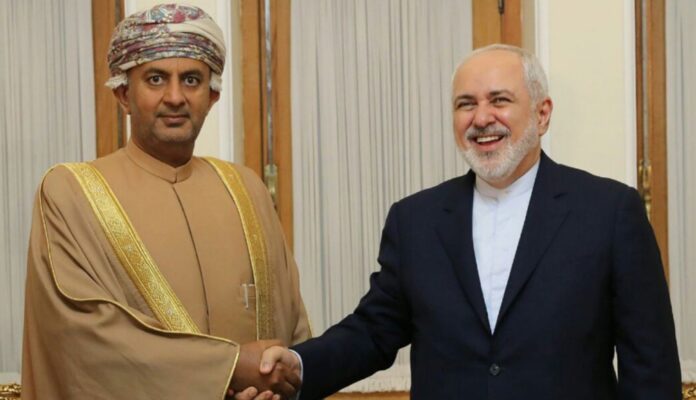
Ali bin Masoud Al Sunaidy, who is also the Omani chairman of the Joint Commission of Economic Cooperation between Iran and the Sultanate of Oman, has paid a visit to Iran for the 18th session of the Joint Commission.
On Sunday afternoon, December 8, the Omani minister held a meeting with Iranian Foreign Minister Mohammad Javad Zarif and gave a report about the session of Joint Commission of Iran-Oman Economic Cooperation.
In the meeting, the Iranian Foreign Minister highlighted the two countries’ great potential for cooperation in various spheres, and stressed the need for growing economic cooperation between the two states.
In turn, Al Sunaidy pointed to the achievements of the Joint Commission of Economic Cooperation, and explained the latest status of the bilateral economic ties.
14,000 Apply for Candidacy at Iran Parliamentary Elections
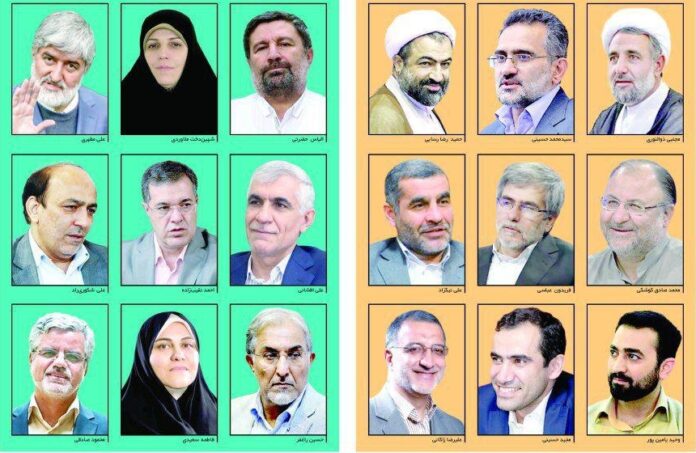
In comments on Sunday, the spokesperson for the Iranian Election Headquarters said 13,896 people across Iran have applied to run for the Parliament, saying the number has grown by more than 15 percent compared to the previous round of polls.
The people who have applied to run for the Parliament include 1,605 women (12% of total) and 12,291 men (88% of total), the spokesman added, noting that 37 percent of the applicants are under the age of 40.
During the week-long process of registration, there was widespread speculation about the presence of renowned figures from the reformist and principlist parties in the polls.
The major figures who have dropped out from the race for the 11th parliamentary elections include the incumbent Speaker of the Parliament Ali Larijani, chairman of the Parliament’s reformists faction Mohammad Reza Aref, reformist lawmaker Parvaneh Salahshoori, former principlist speaker Gholam-Ali Haddad Adel, and former president of Iran Mahmoud Ahmadinejad.
Meanwhile, a number of famous principlist politicians and activists have registered for candidacy, including former Ahmadinejad ministers Mohammad Hosseini and Ali Nikzad, former lawmakers Hamid-Reza Rasaee and Alireza Zakani, and Iranian state television host Vahid Yaminpoor.
Moreover, former mayor of Tehran and presidential candidate Mohammad Baqer Qalibaf applied for candidacy in the final minutes before conclusion of the registration period.
Among prominent reformist figures applying for candidacy for the Parliament seats are former Vice President for Legal Affairs Majid Ansari, former Vice President for Women and Family Affairs Shahindokht Molaverdi, former mayor of Tehran Ali Afshani, as well as incumbent lawmakers Mahmoud Sadeqi, Ali Motahari, and Eliyas Hazrati.
The Iranian Election HQ also saw other renowned figures register on Saturday, including Chairman of the House of Parties of Iran Abdul-Hossein Ruholamini, University of Tehran’s philosophy professor Saeed Zibakalam, and Eliyas Naderan who had a seat in the Parliament for three terms.
The parliamentary elections and the mid-term election of the Assembly of Experts will be held on February 21, 2020.
Iran, Georgia Hold Political Consultations in Tehran
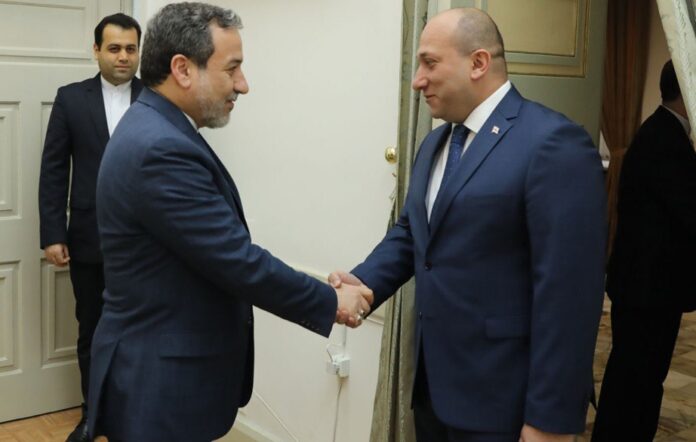
Deputy Minister of Foreign Affairs of Georgia Alexander Khvtisiashvili, who has visited Tehran for the third round of political consultations between Iran and Georgia, held a meeting with Iranian Deputy Foreign Minister for Political Affairs Seyyed Abbas Araqchi on Sunday, December 8.
In the meeting, Khvtisiashvili highlighted the historical ties between the two countries, and expressed Tbilisi’s readiness and willingness to broaden relations with Iran in all fields.
The Iranian diplomat, for his part, pointed to the extensive cooperation between the two countries in the past years, and described the advantages that Georgia offers in the transit of energy and commodities as a good opportunity for the promotion of mutual cooperation.
Pointing to the problems caused by the imposition of the US’ unilateral sanctions against Iran, Araqchi said the sanctions could provide new opportunities for cooperation between the two countries.
Iran’s relations with its neighbours in the region, including with Georgia, are not affected by the foreign factors, he underlined, stressing the need for independent expansion of the bilateral relations.
Referring to the presence of a considerable number of Iranian nationals in Georgia, the Iranian deputy foreign minister emphasized the necessity for the resolution of consular problems and for the immediate signing of judicial documents between the two governments.
Araqchi also expressed hope that the extradition of prisoners and convicts between the two countries would be possible soon.
The Iranian and Georgian delegations also discussed the JCPOA and the regional issues, including the developments in the Persian Gulf and Abkhazia, in the fresh round of political consultations.
On Saturday, Georgian Deputy Foreign Minister Khvtisiashvili travelled to Isfahan and visited the Iranian city’s attractions.
Blood Bank Centrifuges Produced by Iranian Researchers
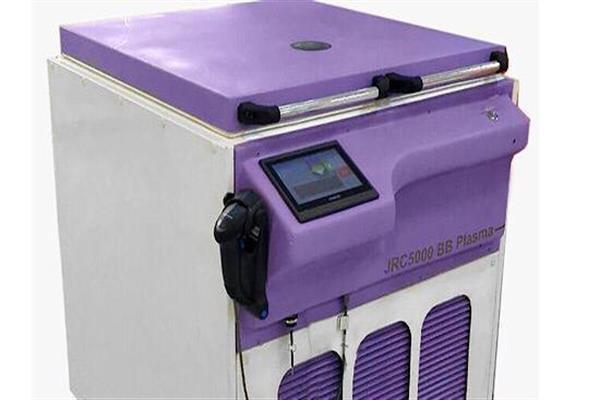
According to Iran’s scientific calendar just four decades ago, glass capsules containing ampule drugs were imported from abroad, but today, in the wake of dramatic developments, significant advances have been made in the field of medical equipment.
Domesticising all the needed medical equipment is part of the country’s strategic plan for the foreseeable future, which is now being implemented by creative youth and dynamic companies.
Sina Ebtekar Samen is an engineering knowledge-based company in Mashhad that has focused on manufacturing medical devices. The company has been able to consolidate its position as one of the leading companies in the field by selling blood bank centrifuges as one of the few manufacturers of the device.
An official from the company says a similar foreign sample is priced at more than 35,000 USD, but the Iranian centrifuge is priced at about 15,000 USD.
For a brief review of Iran’s achievements in various fields of science and technology, check the book “Science and Technology in Iran: A Brief Review – 2019”
He added that on the sidelines of the Exhibition of Laboratory Equipment and Supplies, they have been in direct contact with blood transfusion sites across the country and have been able to reach preliminary agreements to sell the product.
Blood banks spin a variety of containers as small as serology tubes and as large as blood collection bags. The things that set blood bank centrifuges apart are the need for temperature control, ergonomics, noise reduction, and high capacity
Sina Ebtekar Samen engineering company is working in four fields of biomedical refrigerators, medical and laboratory centrifuges, storage and transportation of blood and biotechnology products, and stem cell processing and maintenance systems.
The 7th Iranian Exhibition of Laboratory Equipment and Materials will be held at Tehran International Fairground from December 17 to 20. Those interested can visit the exhibition’s website at www.iranlabexpo.ir or call +982183533555.
A Look at Iranian Newspaper Front Pages on December 8
Abrar:
1- Araqchi: Rouhani’s Visit to Japan Being Arranged
2- Good News Coming on Arak Reactor: Iran Official
3- Qatar, Saudi in Talks to End Crisis
4- Pompeo Pleased with Iran’s Release of Chinese-American National
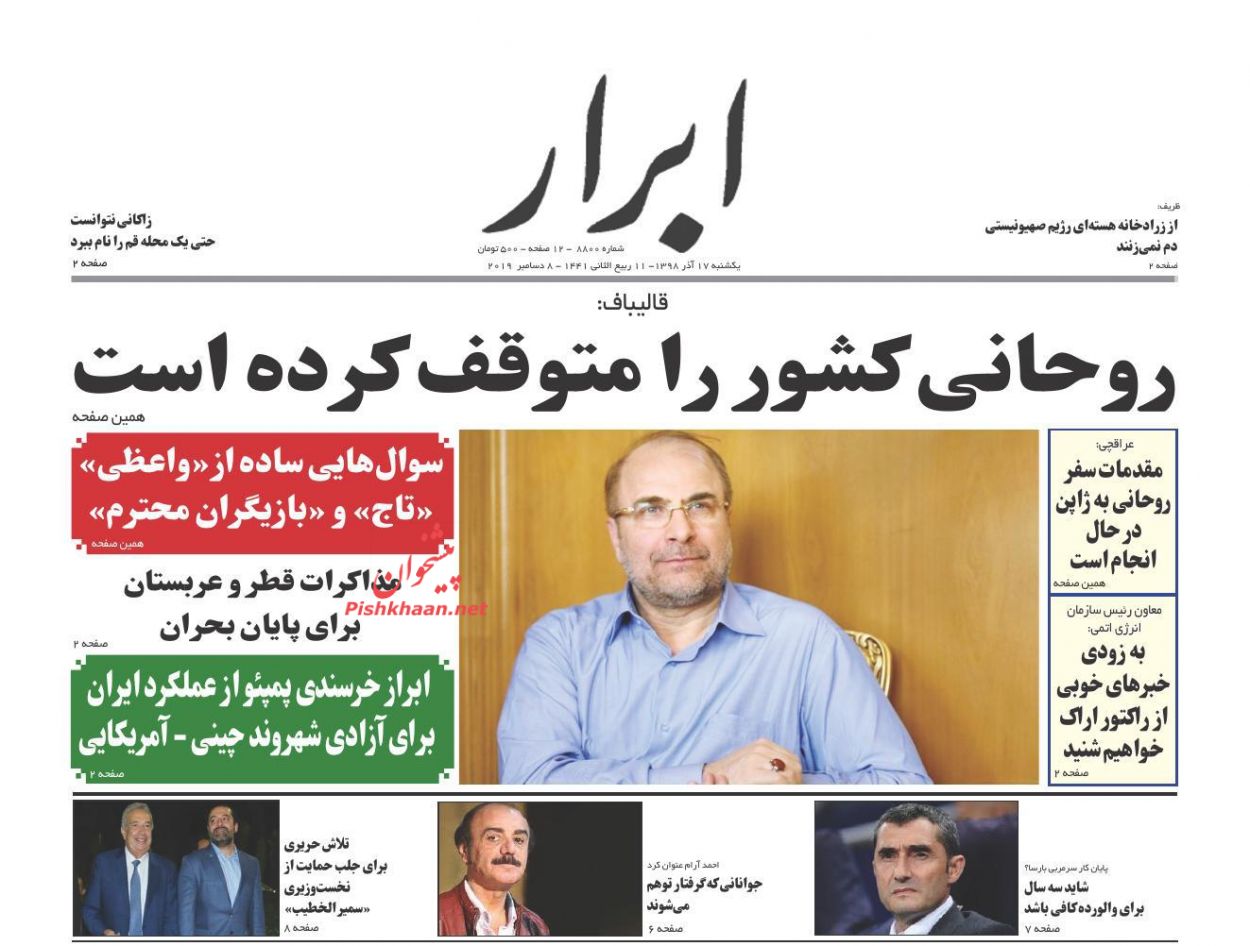
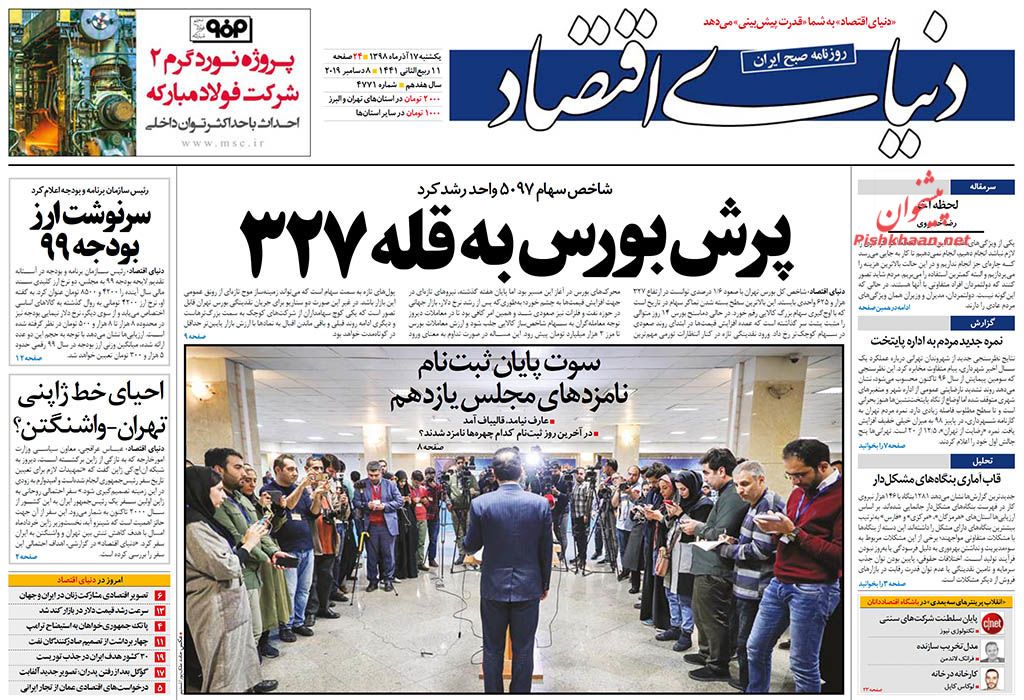
Donya-ye Eqtesad:
1- Japanese Channel between Tehran, Washington to Be Revived
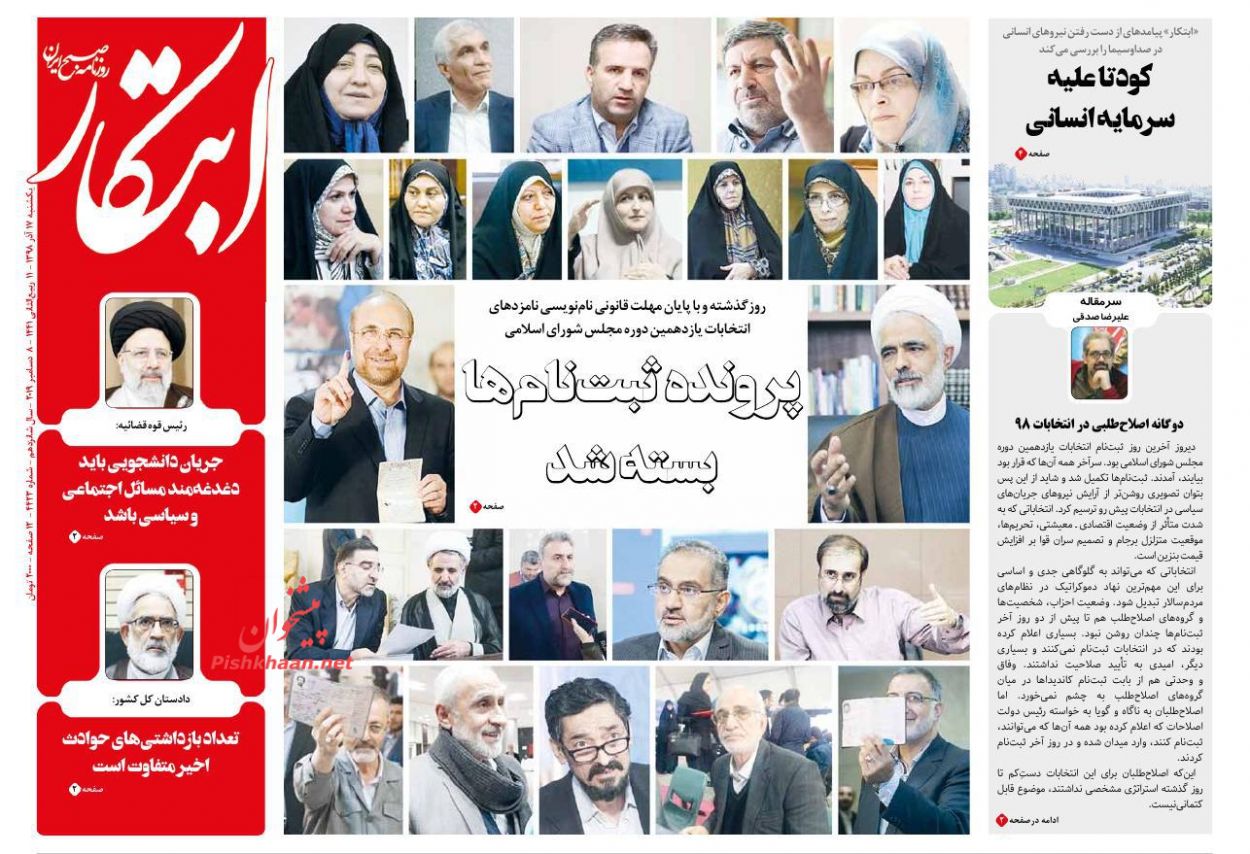
Ebtekar:
1- Registration for Parliamentary Elections Over
2- Reformist Dichotomy in 2020 Elections
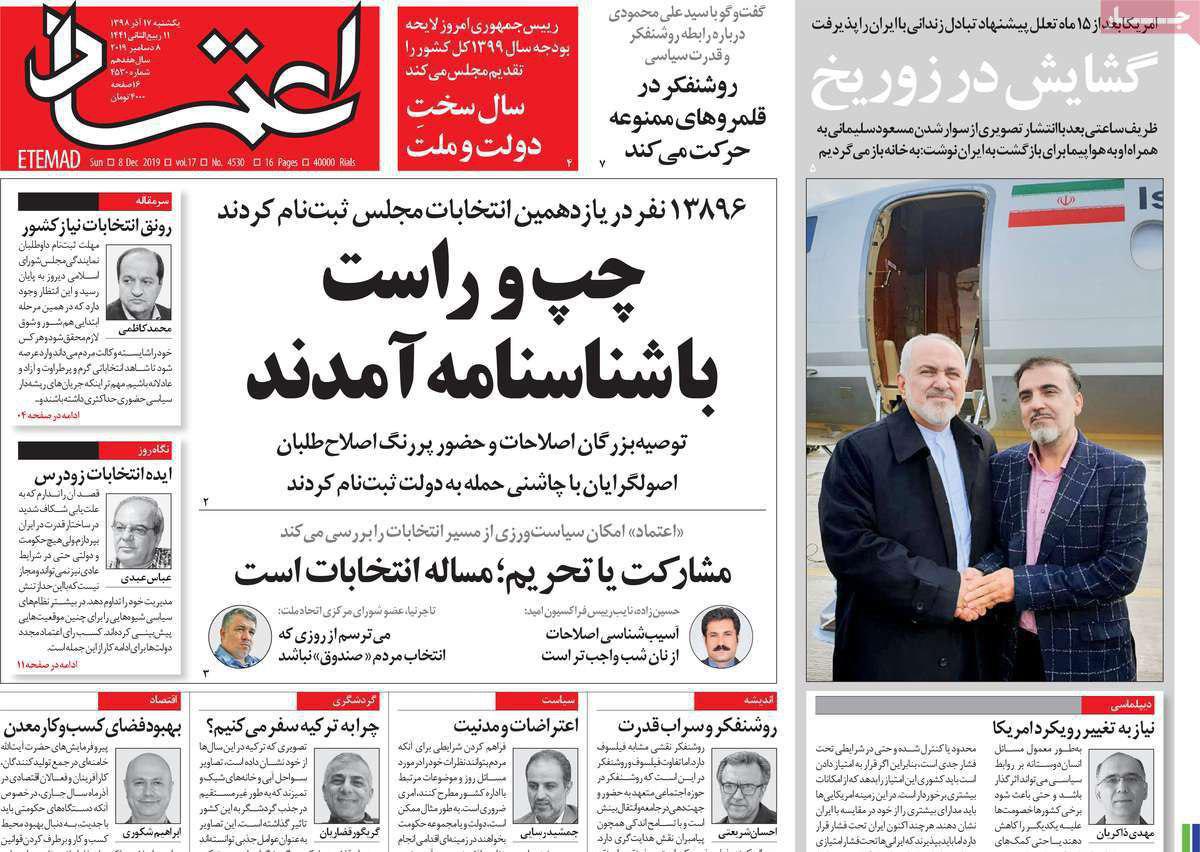
Etemad:
1- Recognized Figures from Right and Left Run for Parliamentary Votes
2- Many Reformists Sign Up Following Senior Figures’ Recommendation
3- Conservatives Sign Up with Attack on Rouhani Gov’t
4- US Accepts Prisoner Swap Deal with Iran after 15 Months
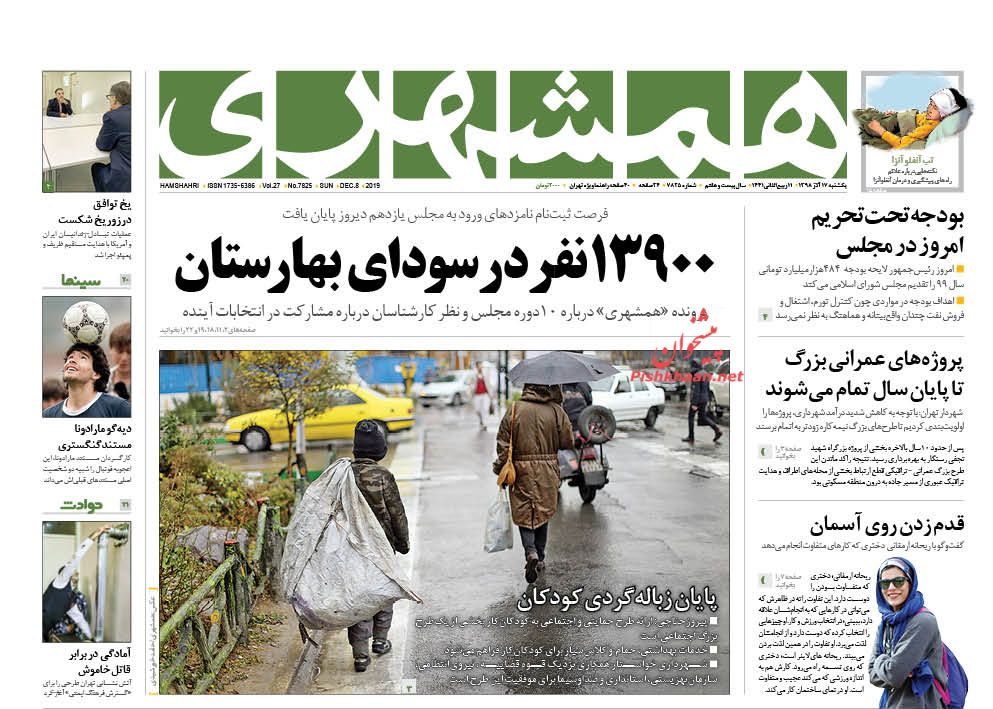
Hamshahri:
1- Tehran Mayor Says Social Plan Will Cover Child Scavengers
2- Mobile Hygiene Services, Bath, Classroom for Child Labourers
Hemayat:
1- Student Movement Must Rise against Corruption
2- Big No to Macron
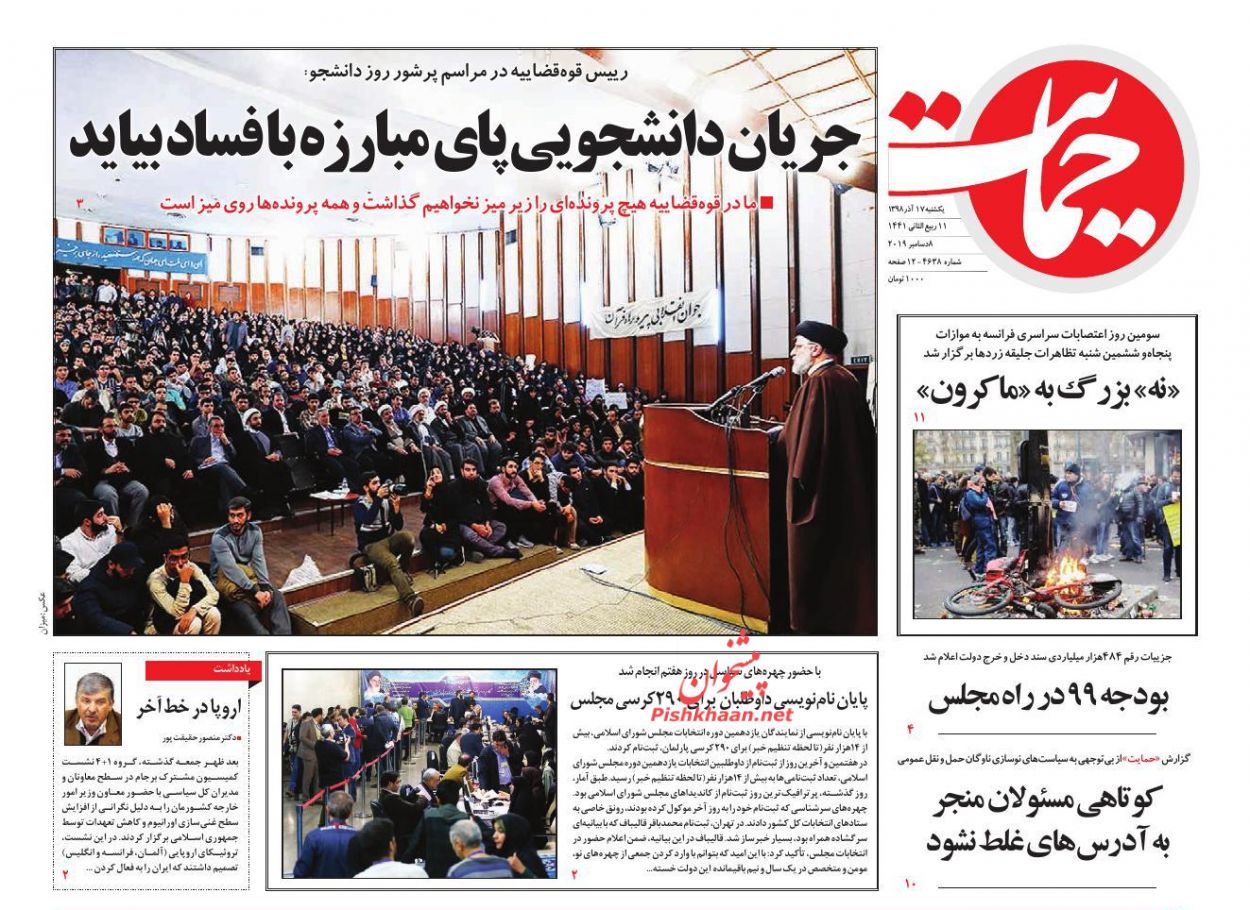
Iran:
1- Iran, US Exchange Prisoners
2- Politicians en Route to Parliament
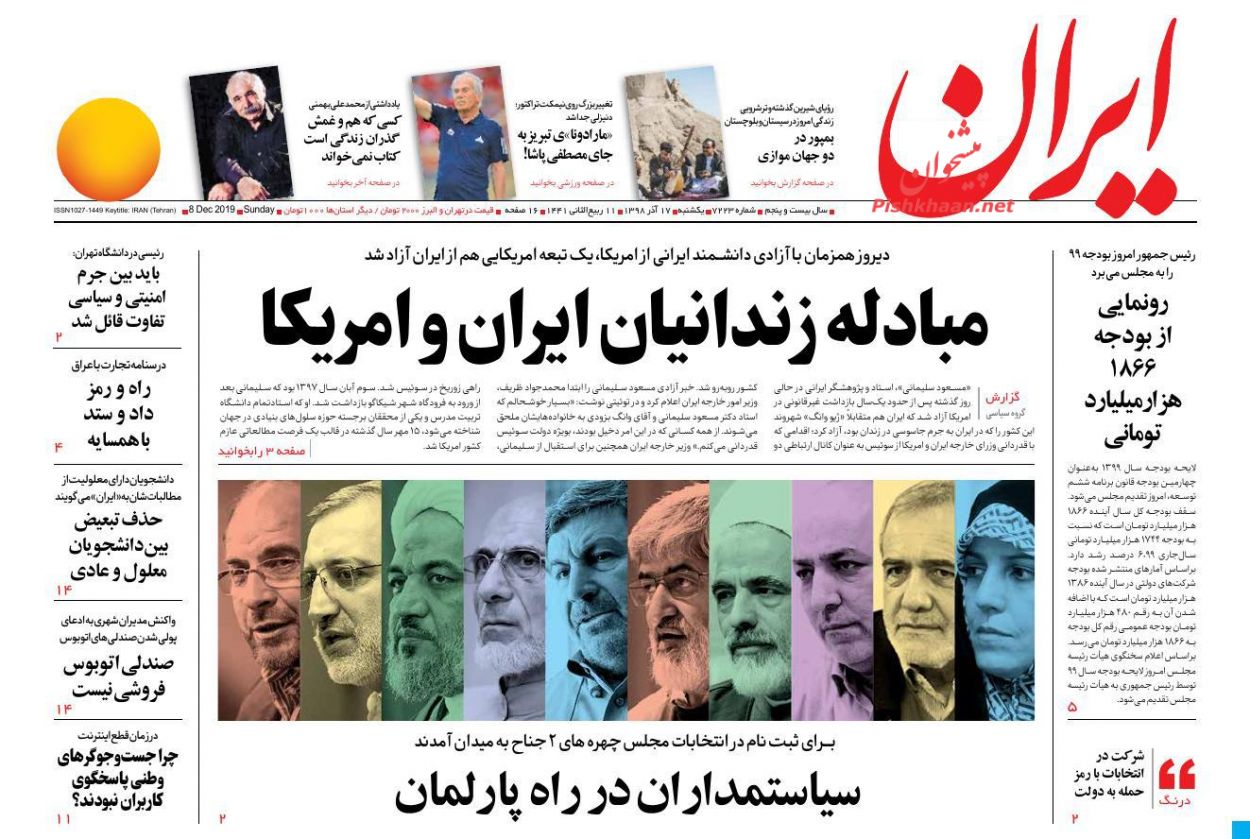
Javan:
1- Record Number of Candidates Run for Parliamentary Votes
2- Iranian Professor No More Hostage in US
3- Raisi: Students’ Demands from Officials a Blessing for Us
4- Tense Meeting with Europe on JCPOA
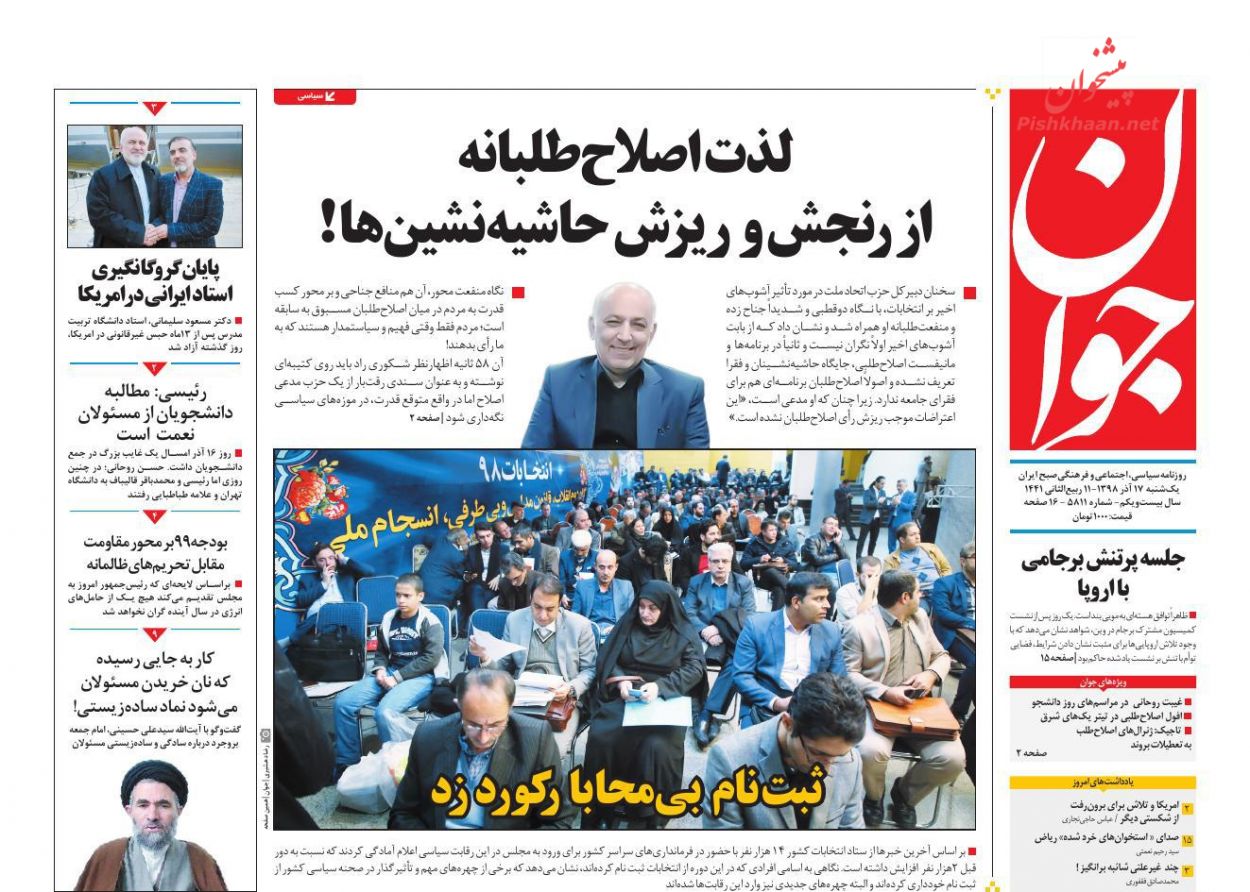
Jomhouri Eslami:
1- Guerrilla War against US Begins in Eastern Syria
2- Dr Masoud Soleimani Freed from US Jail
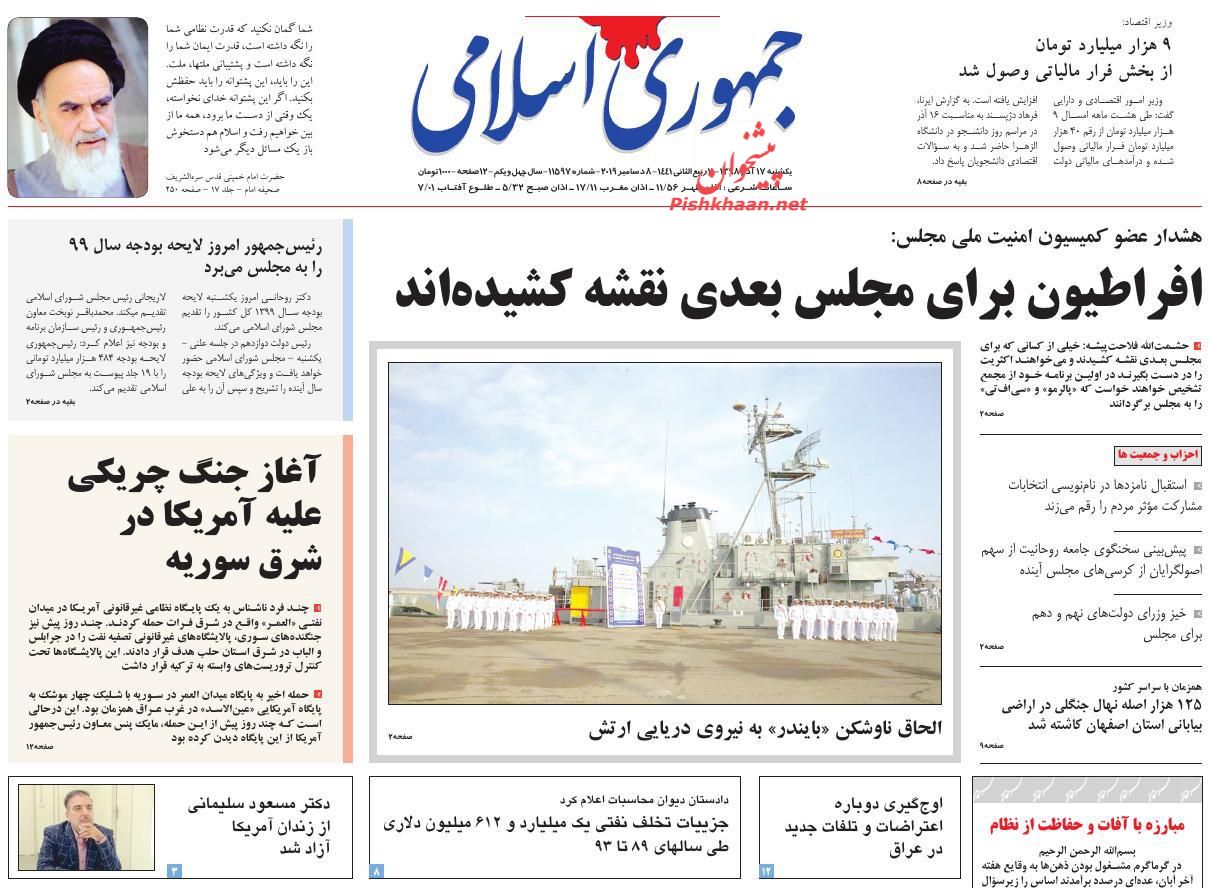
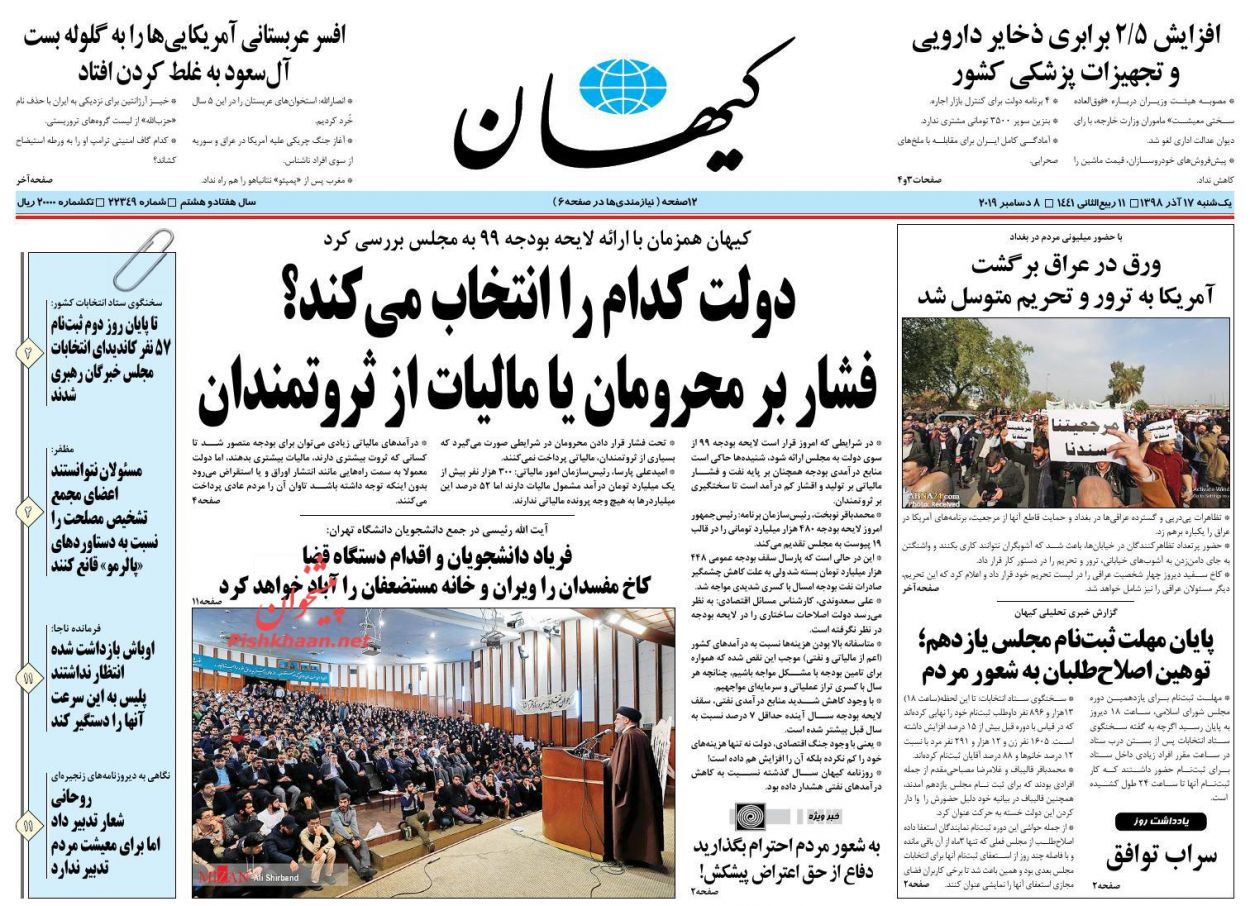
Kayhan:
1- Situation Changes in Iraq: US Resorting to Terror, Sanction
2- Saudi Officer Open Fire on Americans, Al Saud Begs for Forgiveness
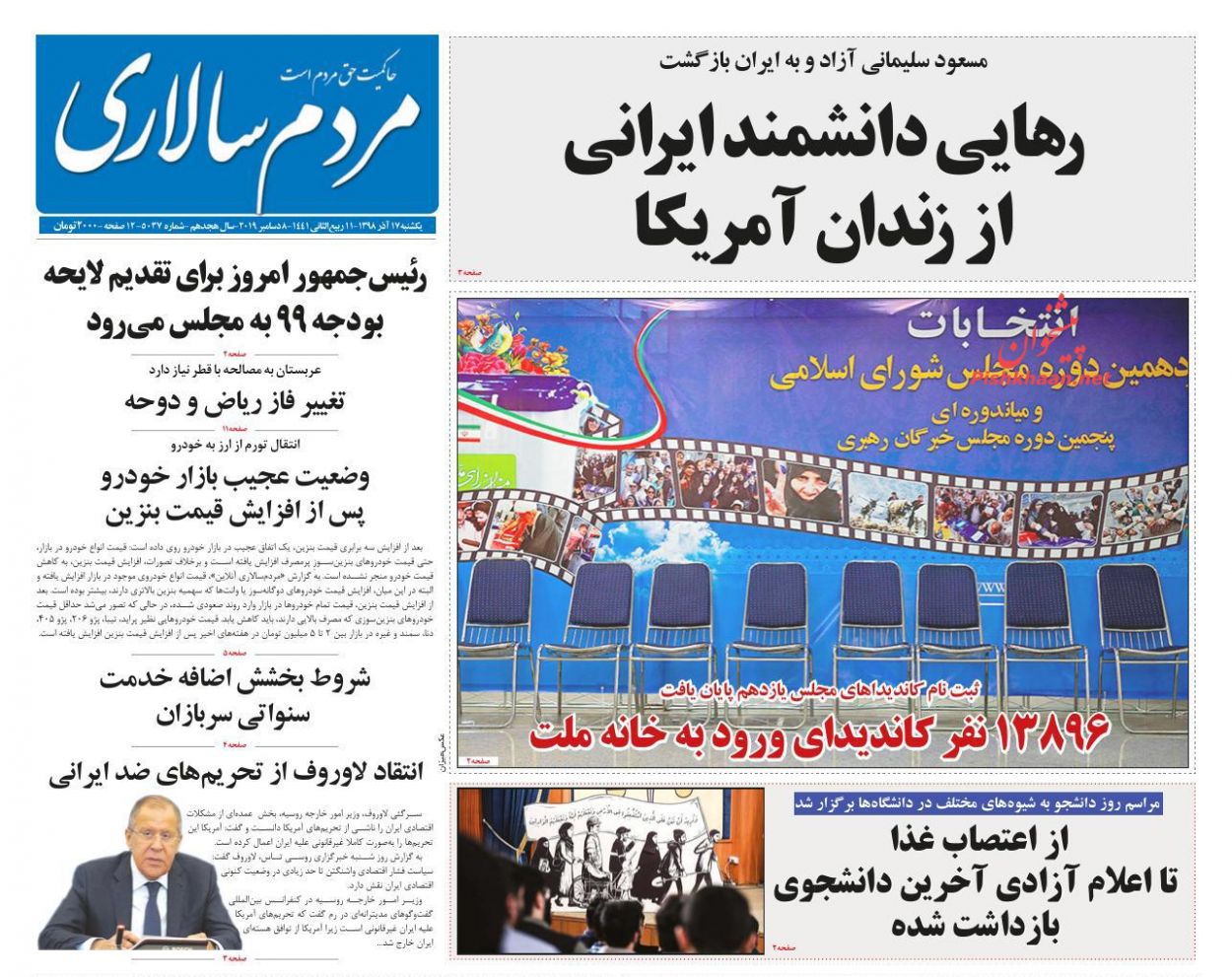
Mardom Salari:
1- Iranian Scientist Freed from US Prison
2- 13,896 Candidates Run for Parliamentary Votes
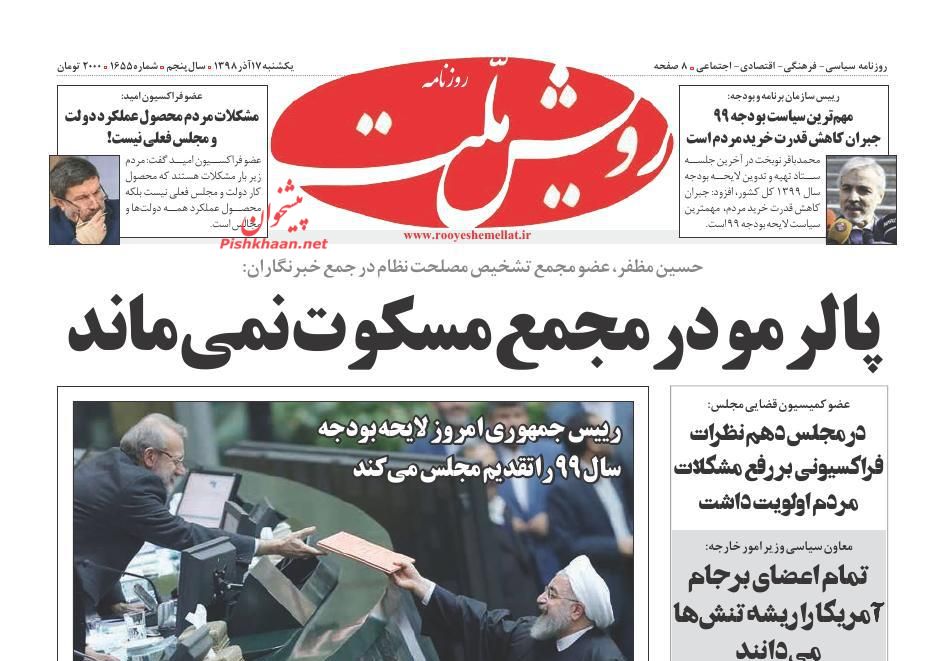
Rooyesh-e Mellat:
1- Deputy Foreign Minister: All JCPOA Parties Consider US as Root Cause of Tensions
2- Expediency Council Member: Council Will Make Decision about Accession to Palermo Convention
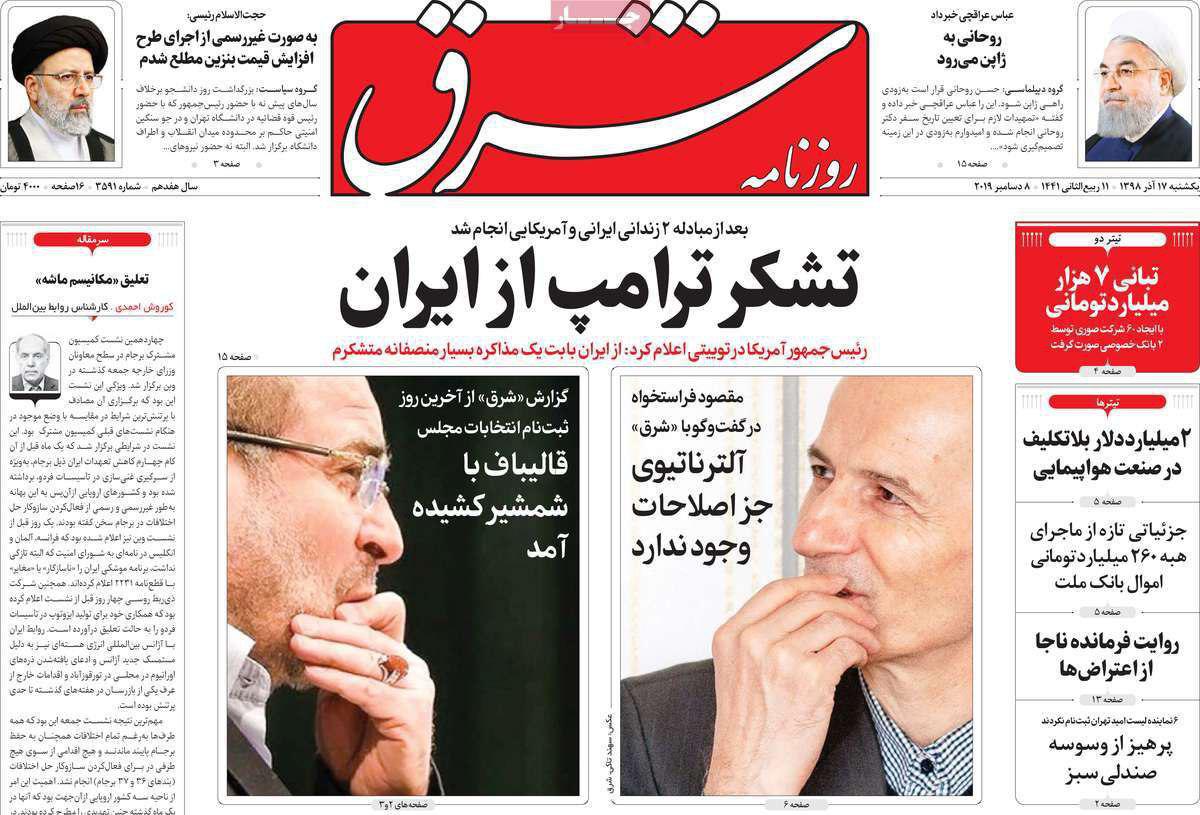
Shargh:
1- Trump Thanks Iran after Exchange of Two Iranian, American Inmates
2- Rouhani to Visit Japan
VP: Iran Sees No Limit to Closer Ties with Oman
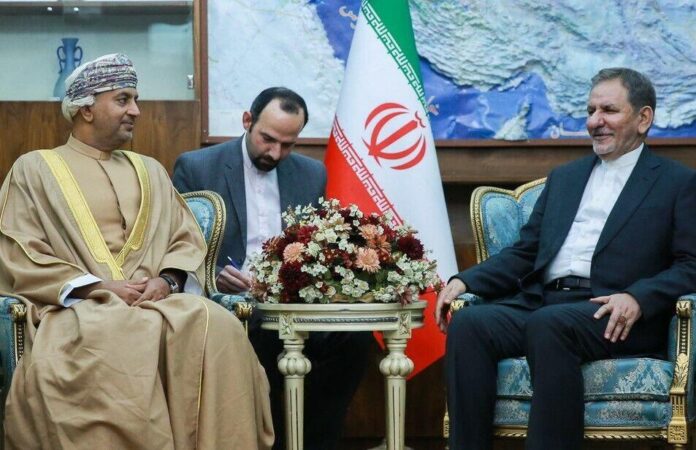
In a Sunday meeting with Oman’s Minister of Commerce and Industry Ali bin Masoud Al Sunaidy in Tehran, the Iranian first vice president said the political ties between Iran and Oman are at the highest level.
“The promotion of cooperation between Tehran and Muscat is beneficial to the Islamic world and the regional countries, and nobody would be harmed by these relations,” Jahangiri added.
Hailing the cordial relations between Iran and Oman as a model for the other regional states, the vice president said, “The region’s major countries, such as Iran and Oman, could play a constructive role in the settlement of today’s problems in the Islamic world by expanding mutual cooperation.”
He further expressed Iran’s readiness to enhance the bilateral and multilateral interaction with Oman, saying, “A rise in the volume of bilateral trade exchanges, which hit $1.3 billion last year, signifies a remarkable growth in the economic ties between the two countries.”
The vice president also highlighted the role of Joint Commission of Iran-Oman Cooperation in preparing the ground for an increase in the volume of trade exchanges, adding, “This commission must identify the ways for the promotion of ties and detect the obstacles, and to pave the way for accelerating and increasing the volume of trade exchanges by strengthening relations between the private sectors of the two countries.”
Among the Persian Gulf littoral states, Oman is the one with which Iran seeks to establish the highest level of trade exchange, Jahangiri added, stating, “The volume of Iran’s foreign trade under the toughest conditions caused by sanctions stands at above $100 billion a year, while Oman can have a share in a large part of these trade exchanges.”
The vice president then pointed to Iran’s decision to lift visa requirement for the Omani nationals, Oman’s move to facilitate visa regime for Iranian visitors, and the operation of direct flights between the two Muslim neighbors, noting, “Such measures and stronger cooperation between the two countries in the transit and shipping sectors could also help raise the volume of bilateral trade exchanges.”
For his part, the Omani Minister of Commerce and Industry lauded the closer direct interaction between the business people of Oman and Iran, saying such contacts and reciprocal visits would be a harbinger of direct trade ties between the two countries.
Al Sunaidy also pointed to a 30-strong delegation of Omani merchants accompanying him in the trip and the “constructive” meetings between the businesspeople of the two countries, saying the time has come for a “big jump in the trade ties” between Tehran and Muscat.
He finally hailed Iran’s facilities and services for the Omani medical tourists and pilgrims, saying a large rise in the bilateral trade ties requires support from the high-ranking officials of the two states.
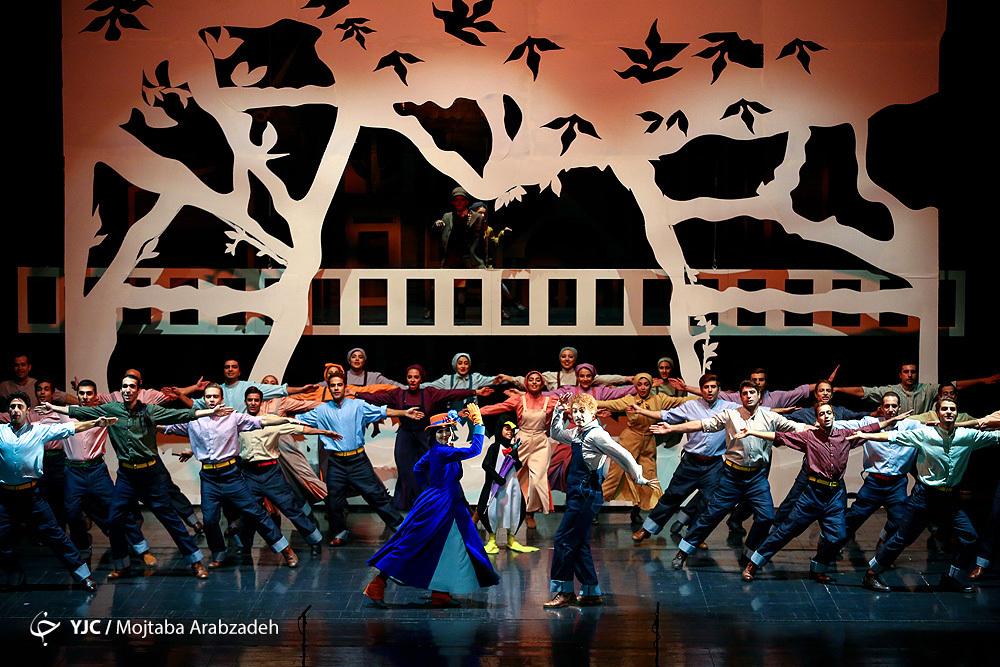
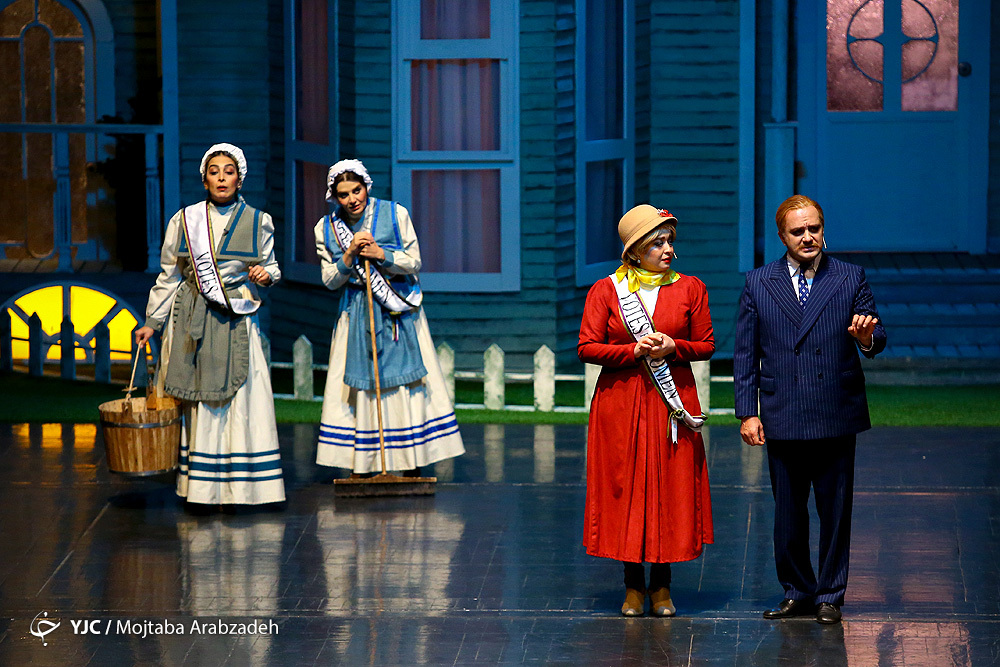
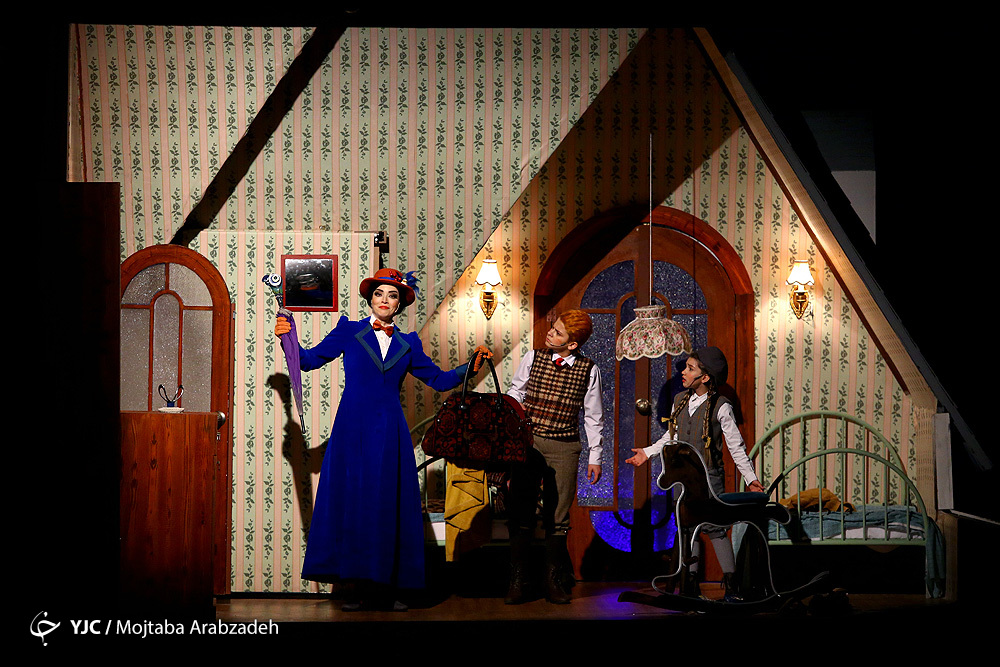
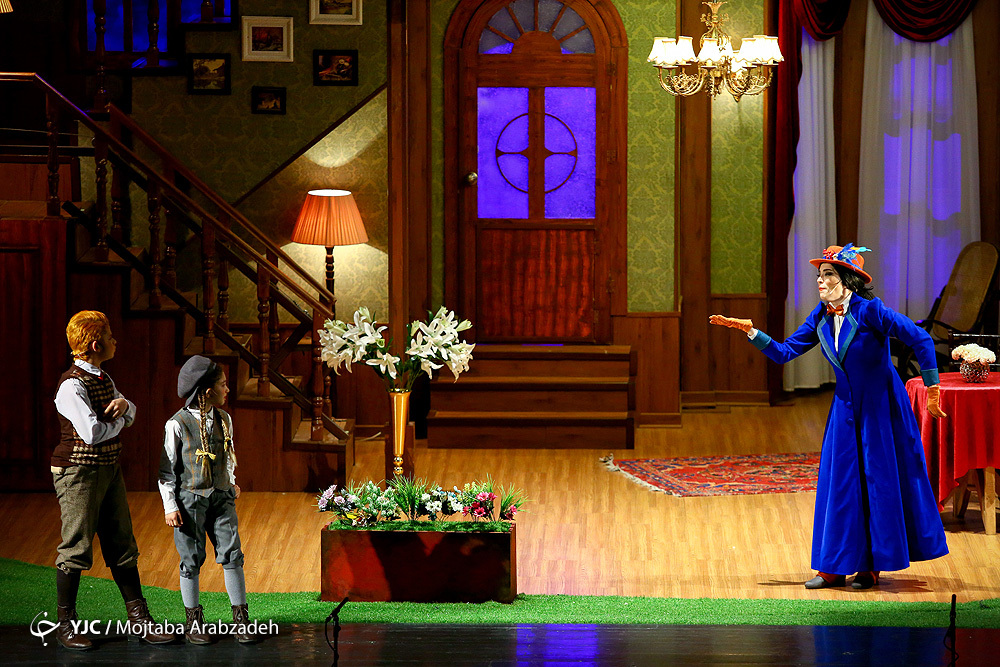
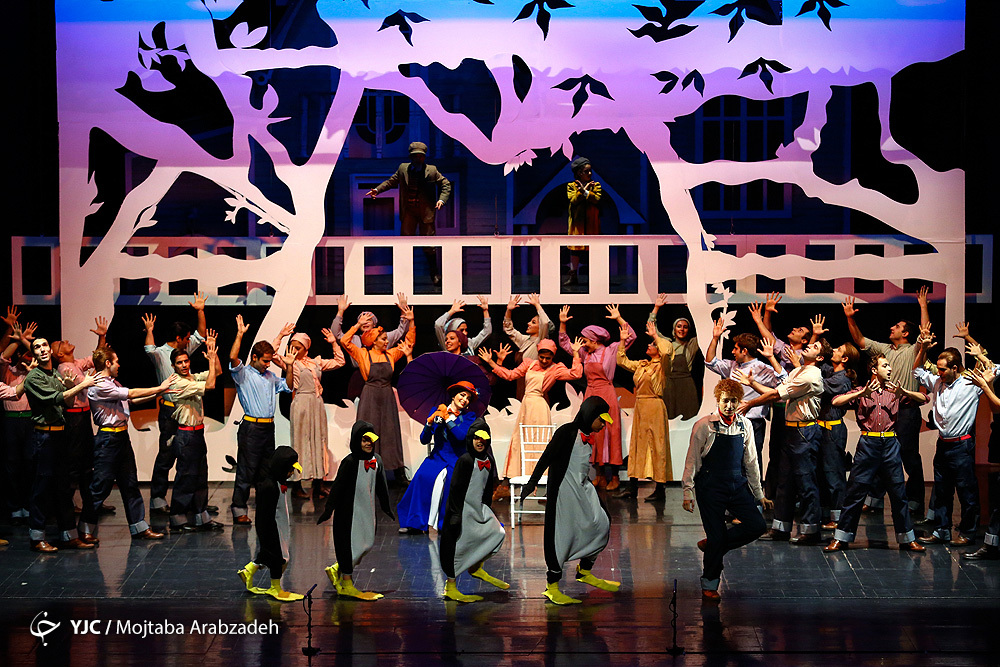
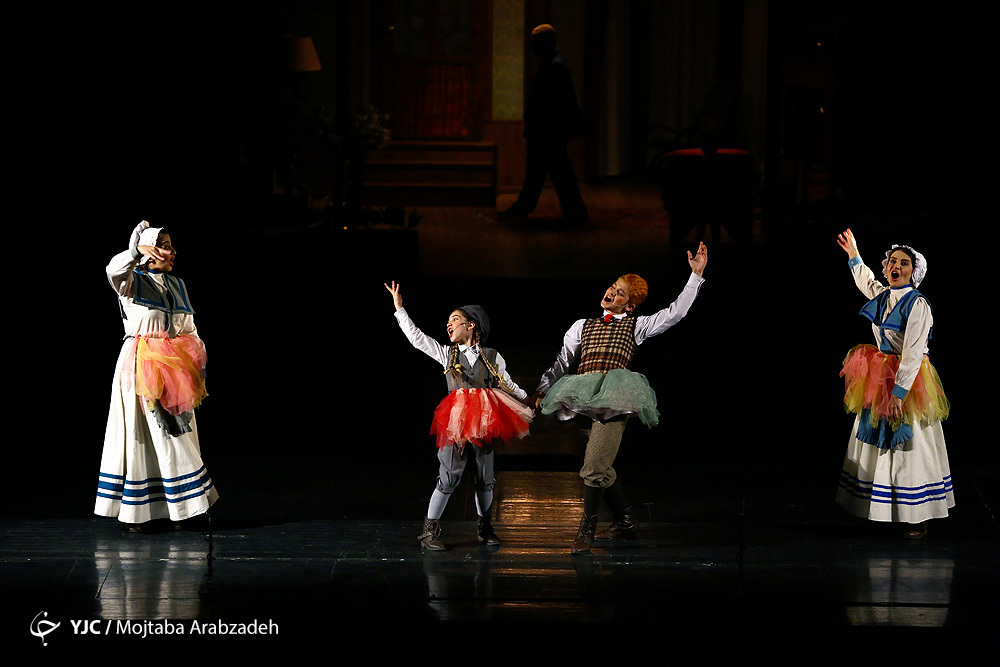
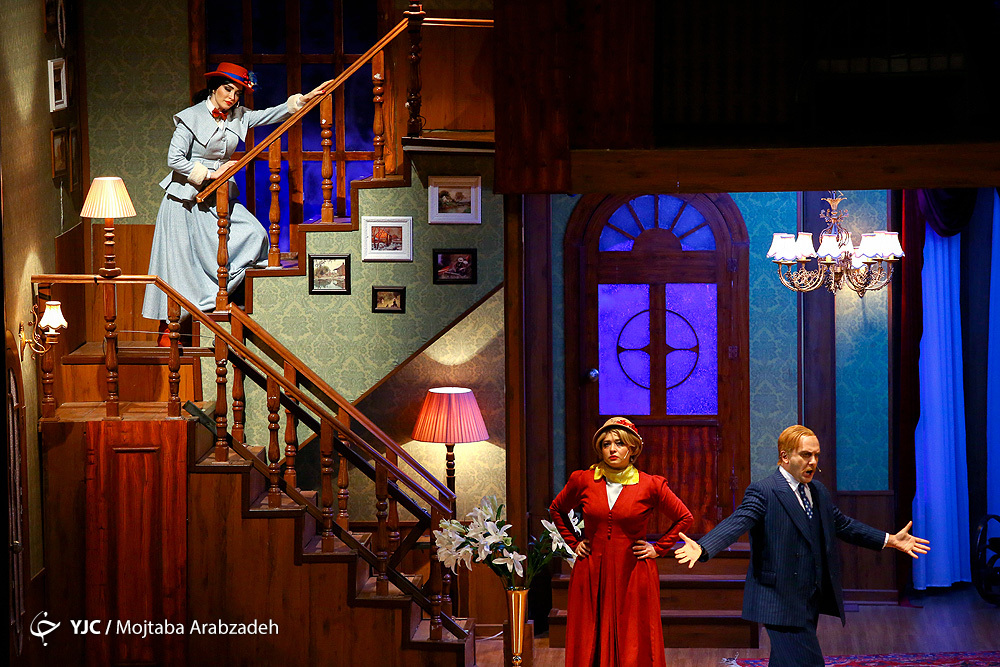
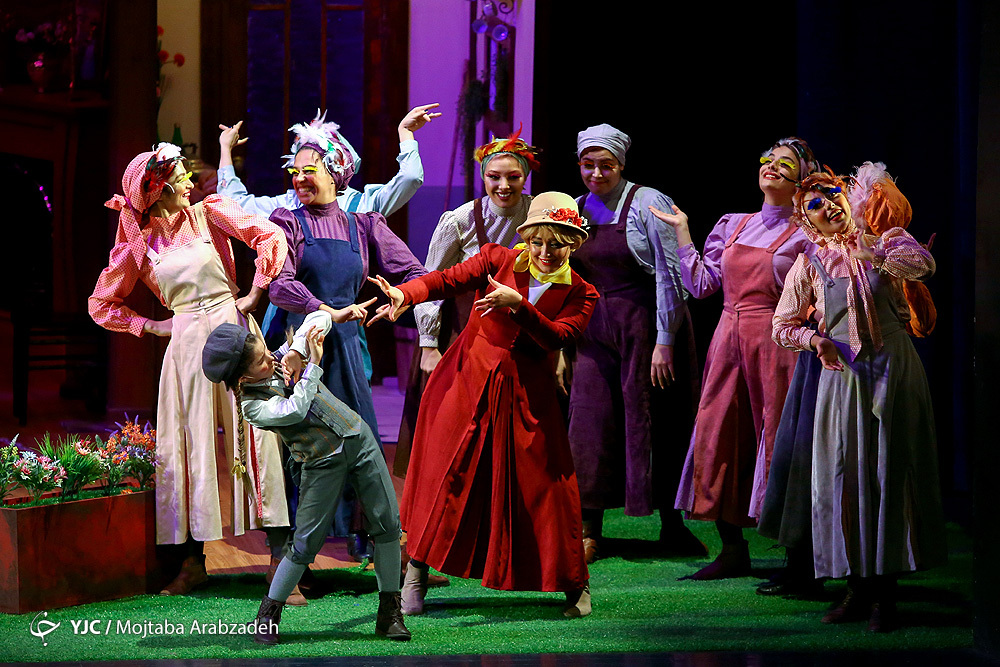
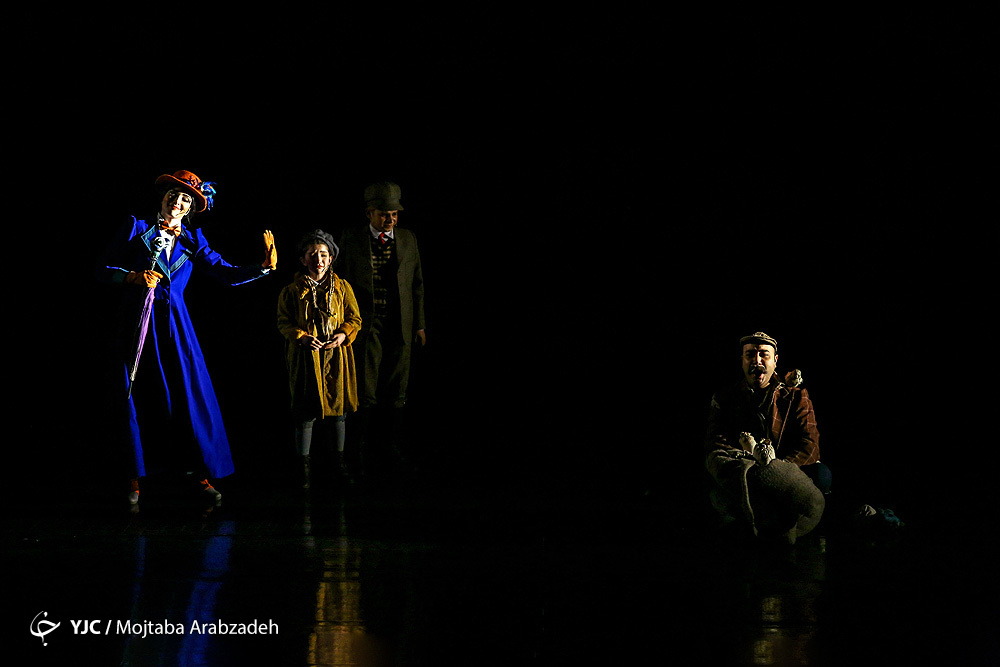
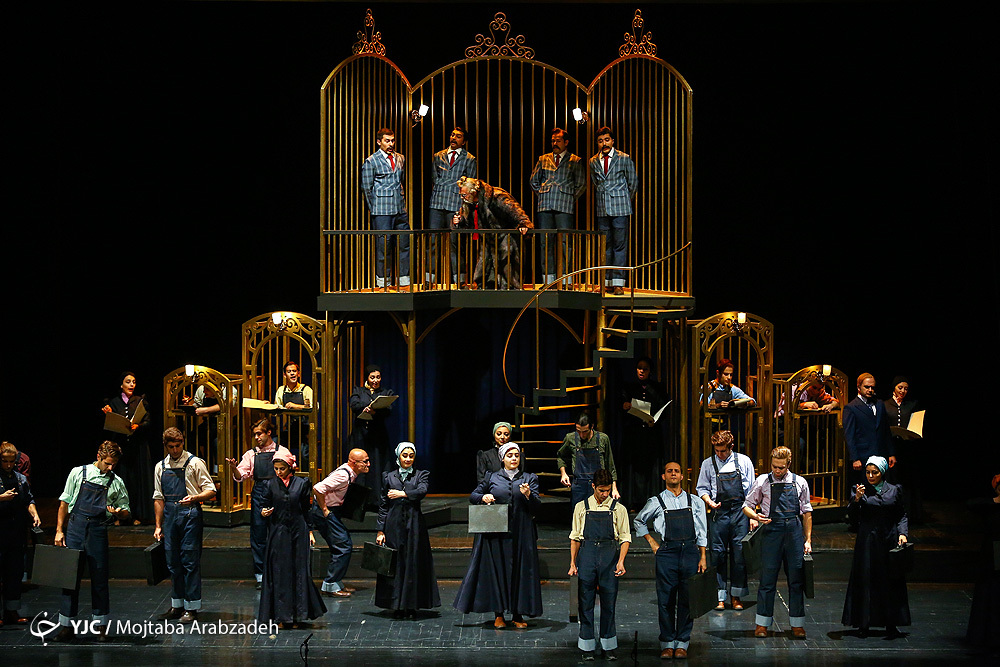
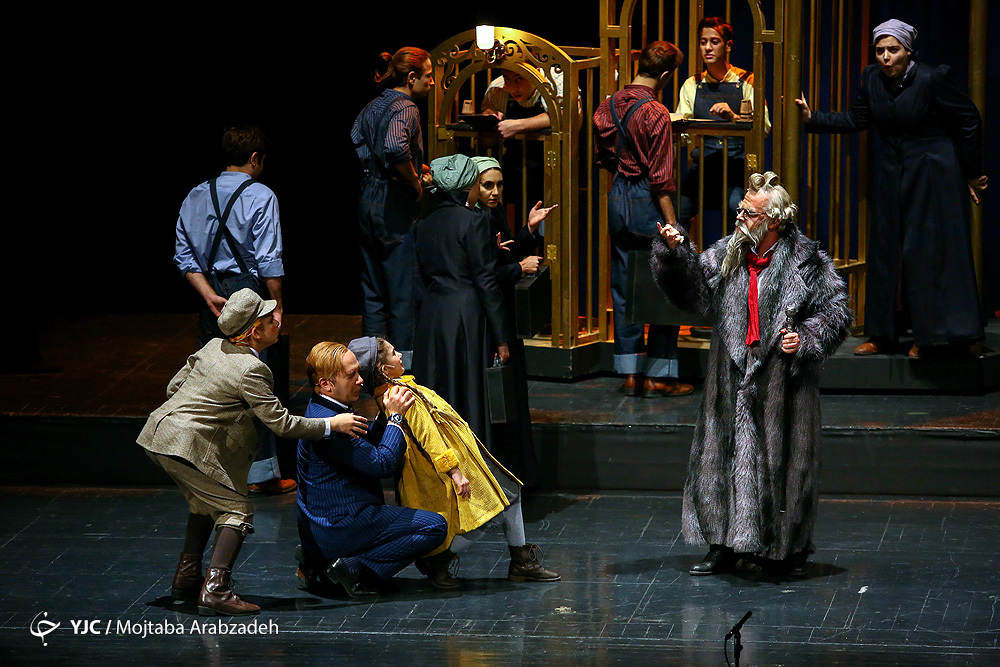
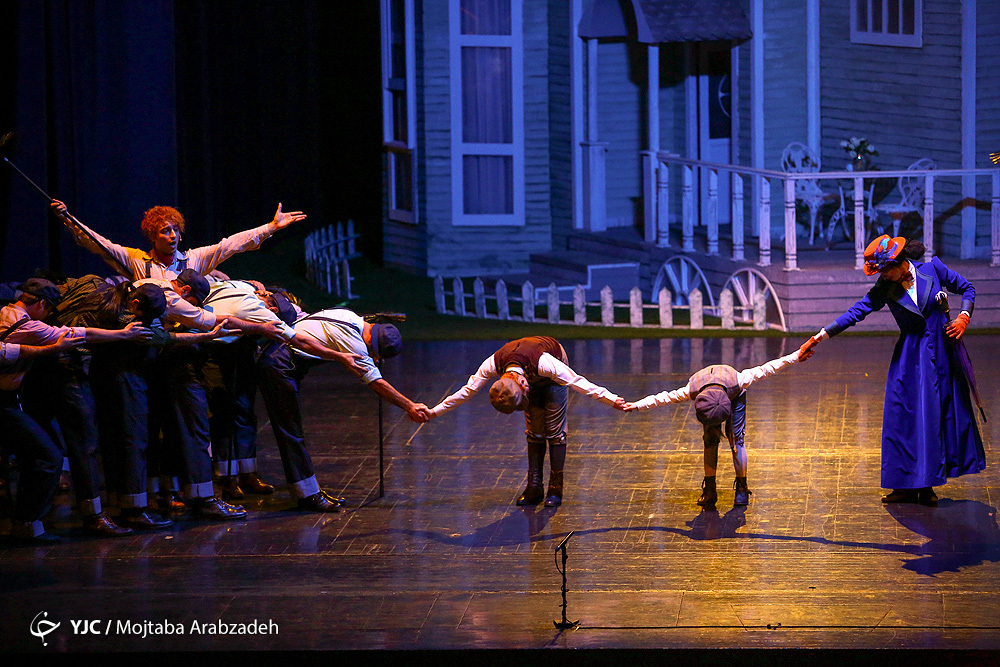
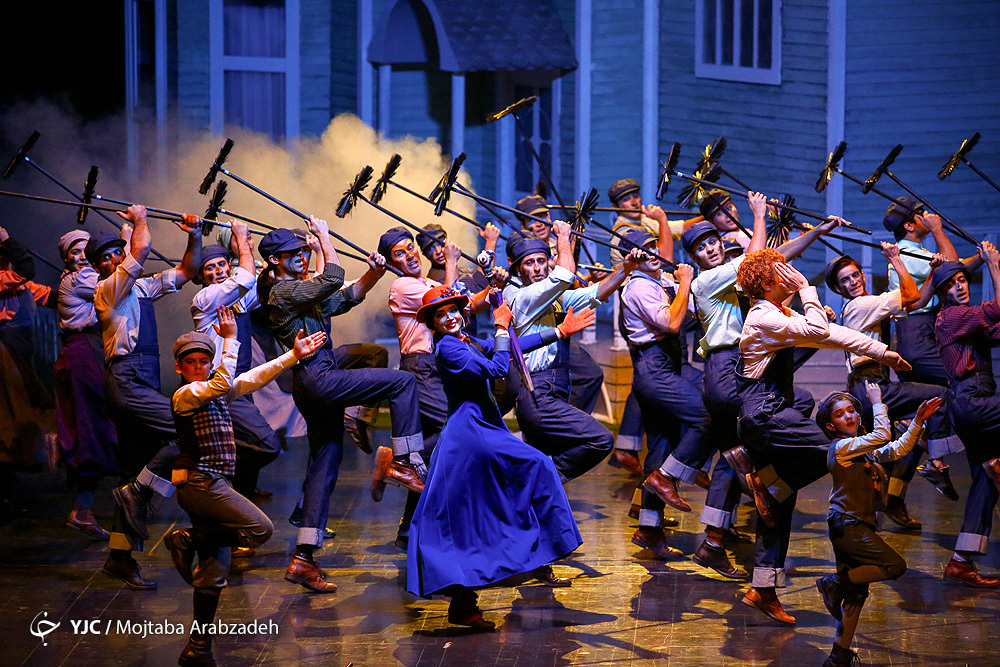
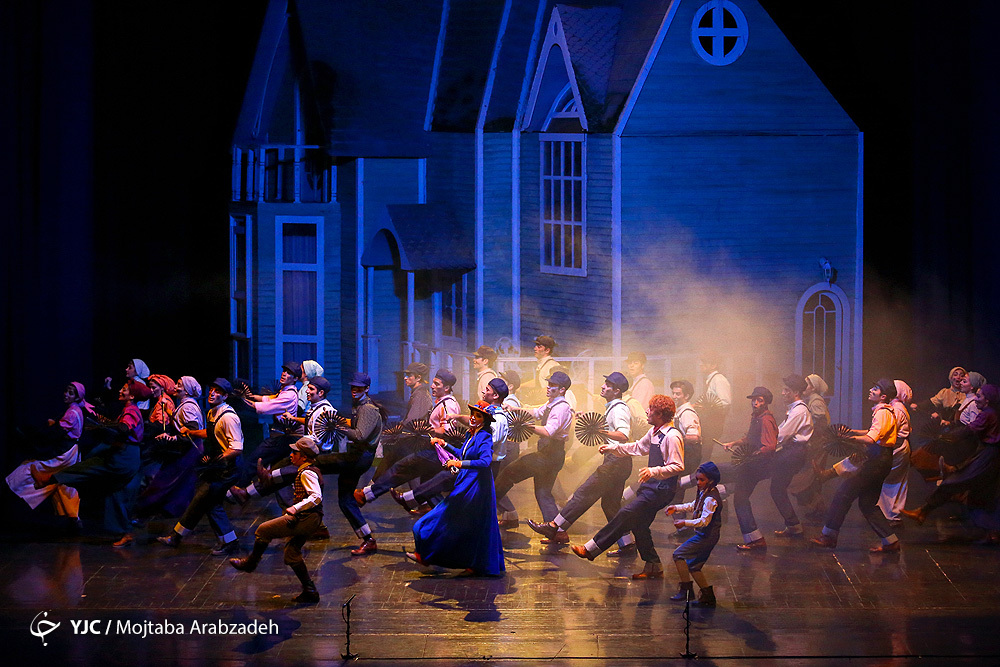
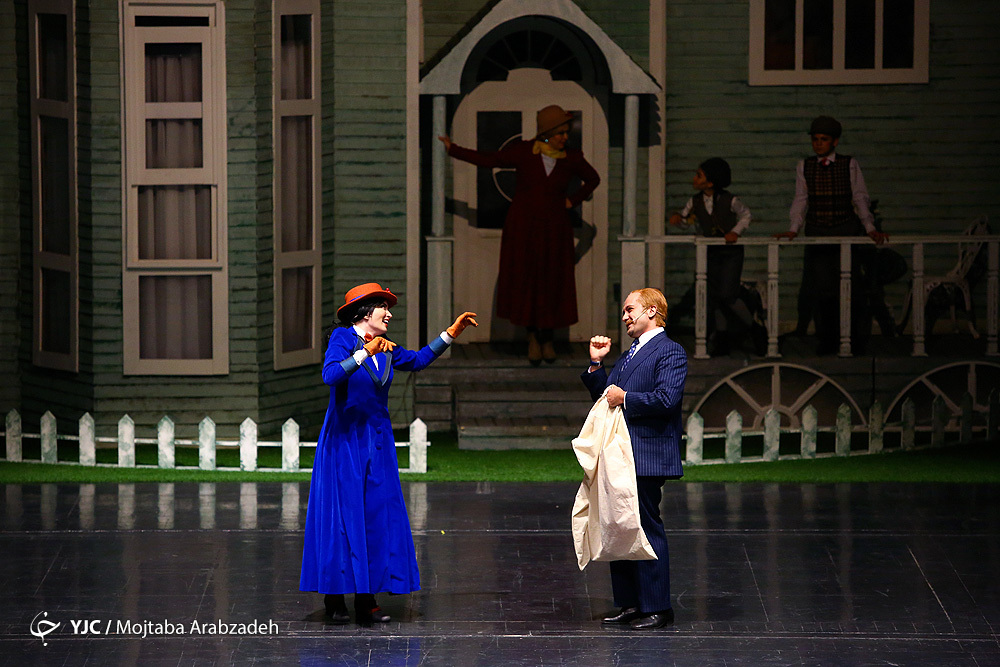
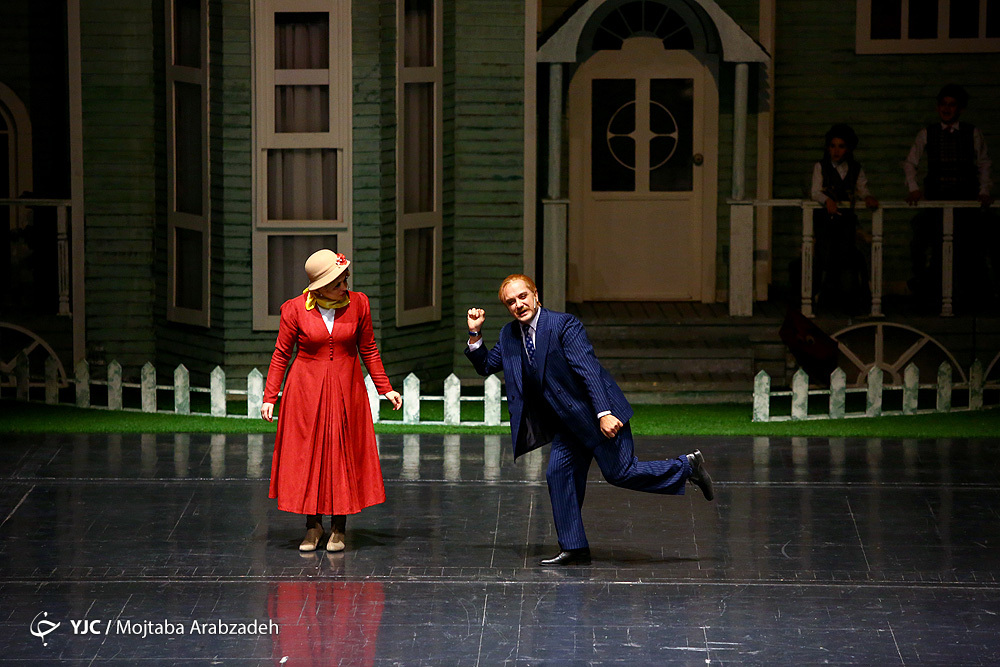
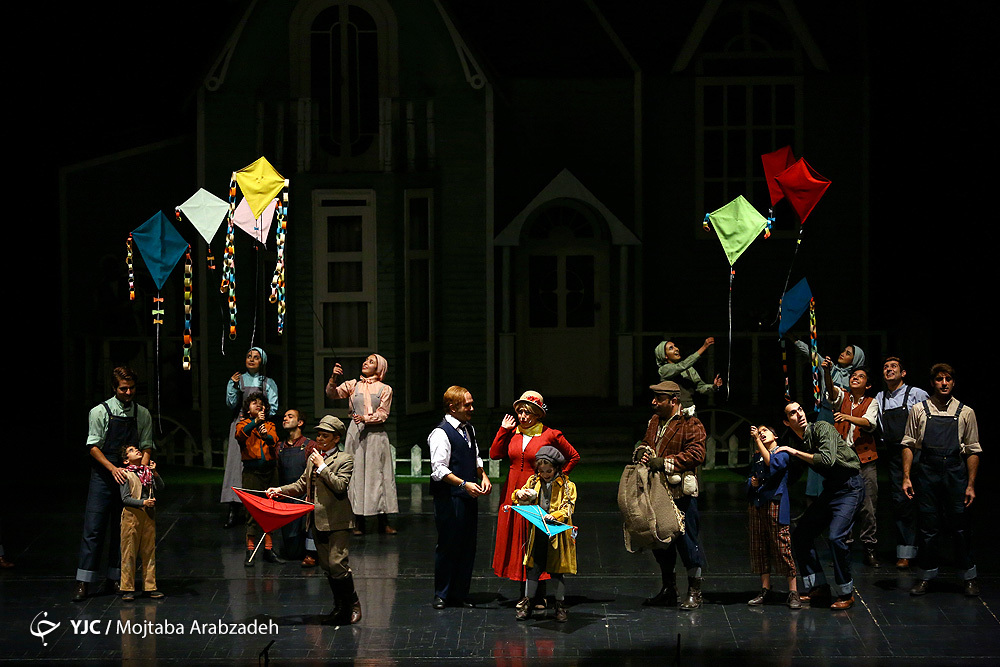
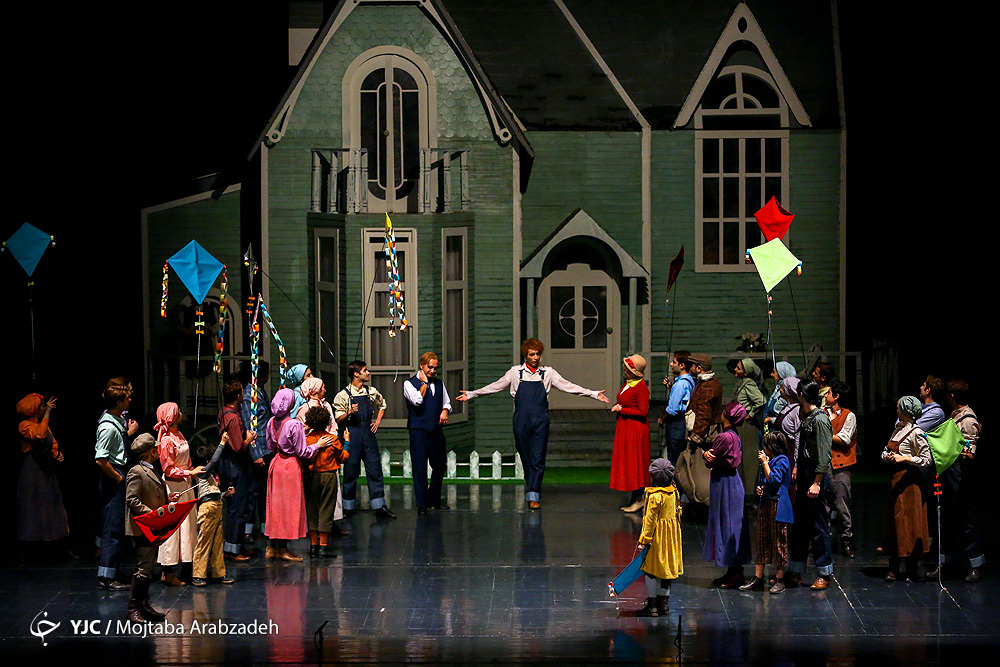
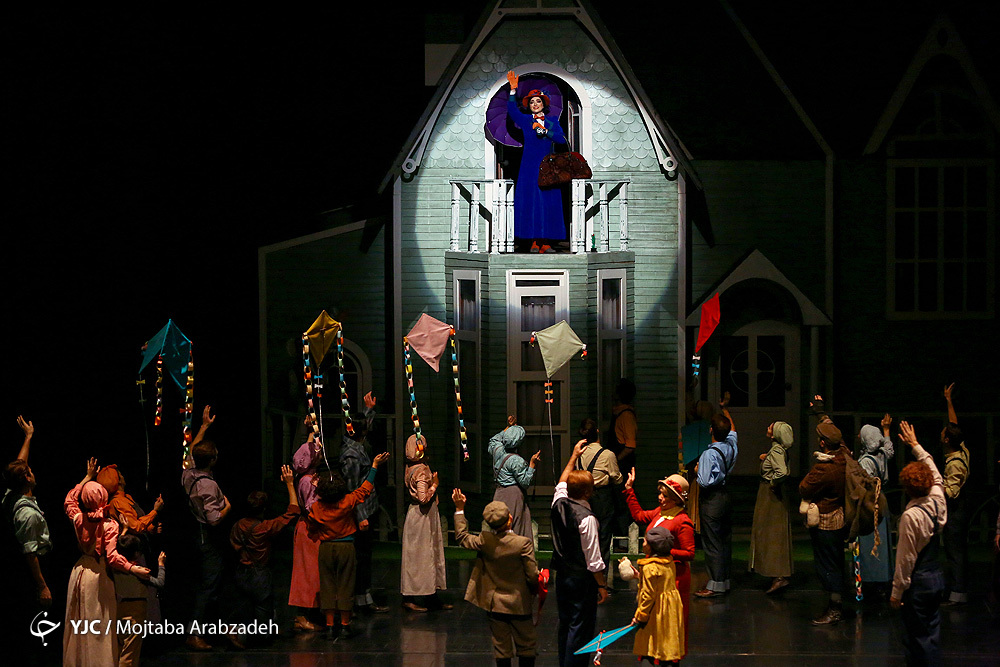
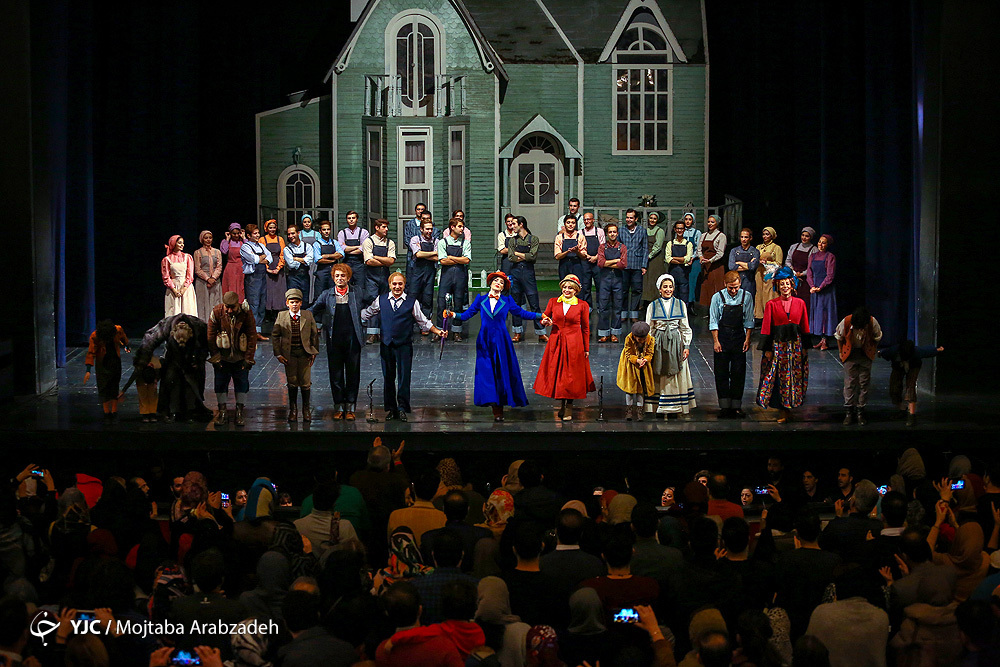
Mary Poppins Musical Onstage in Tehran
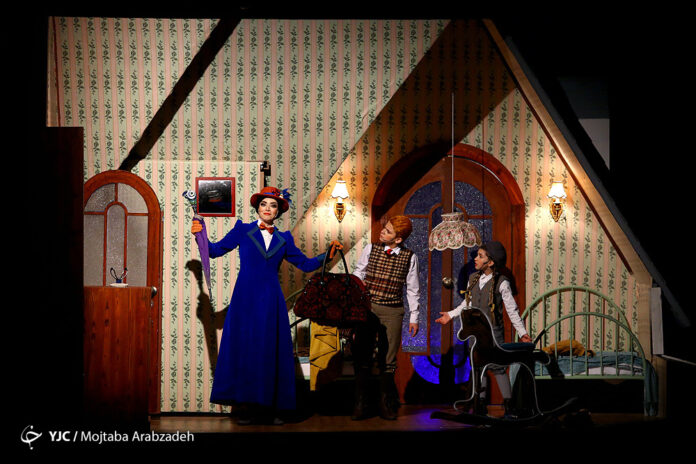
Armin Rahimian, Mehraveh Sharifinia, Behnoush Tabatabai and Ehsan Karami play in the musical directed by Ahmad Soleimani.
Mary Poppins, which has been onstage in Tehran’s Vahdat Hall since late October, will be performed until December 21.
The original script, written by Julian Fellowes, is based on the similarly titled Mary Poppins children’s books by P. L. Travers and the 1964 Disney film, and is a fusion of various elements from the two, including songs from the film.
What follows are YJC’s photos of the musical performed in Tehran: