Tuesday, January 13, 2026
Home Blog Page 302

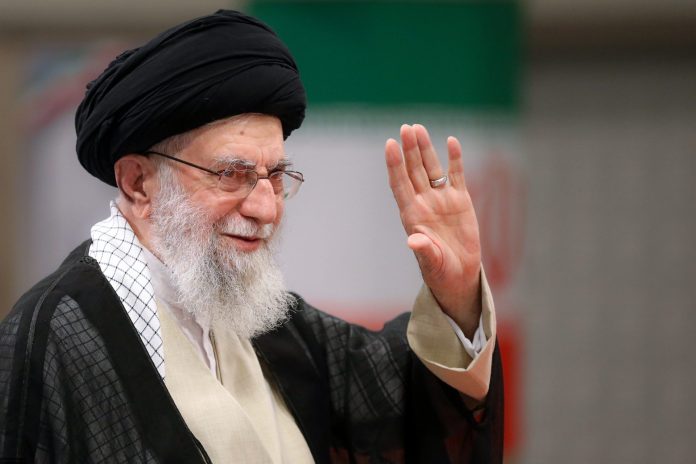
Iran’s envoy protests to UN over US, Israeli threat to assassinate Ayatollah Khamenei

Ayatollah Khamenei

In a letter addressed to the UN Secretary-General, Security Council, and General Assembly President on Friday, Amir Saeid Iravani called upon the international organization to take necessary measures to hold those responsible for such internationally unlawful actions accountable.

These officials have “openly and repeatedly threatened the Supreme Leader of the Islamic Republic of Iran with assassinations,” read the letter.

According to the letter, the Israeli minister of military affairs, Israel Katz, threatened Ayatollah Khamenei during an interview with Israeli media on June 26, revealing the regime’s assassination plots.

“The US and the Zionist regime of Israel have openly threatened to assassinate Iran’s Supreme Leader. This criminal act constitutes a manifest instance of State terrorism; and, the very gravity of such a threat must not be permitted to be diminished or normalized in any manner whatsoever,” Iravani said.

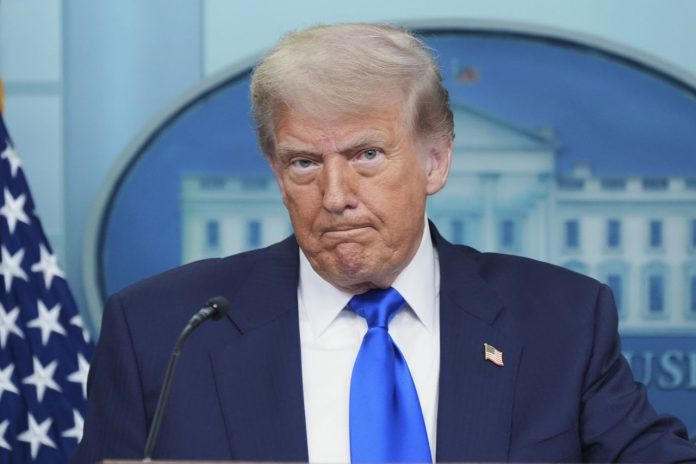
This “criminal and provocative rhetoric” was made in complete coordination with equally provocative statements by the US President Donald Trump, first on June 18 and again on Friday.

In these remarks, Trump described Iran’s Leader as an “easy target”, saying “we are not going to take him out— at least not for now”, while claiming to have prevented either the Israeli regime or US armed forces from ending his life, the letter added.

“Iran, while reserving its inherent right to exercise self-defense under Article 51 of the United Nations Charter, calls upon the Secretary-General and the Security Council to condemn in the strongest possible terms these assassination threats, which constitute a blatant violation of international law and the United Nations Charter, and to deem such statements illegal, irresponsible, and terrorist in nature,” it said.

“Such reckless and deliberate threats by senior officials constitute a serious violation of the Charter of the United Nations, particularly Article 2 (4), which unequivocally prohibits both the threat or use of force against the territorial integrity or political independence of any State.”

“Such threats set a dangerous precedent by seeking to normalize assassination as a tool of foreign policy, in blatant contempt for the international legal order. The international community must not remain silent in the face of such clear and escalating violations of international law,” it added.

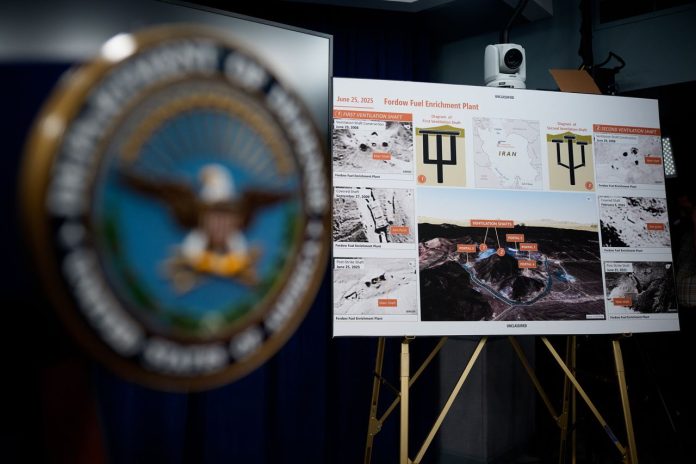
Israel carried out multiple acts of aggression on Iranian territory, targeting high-ranking military commanders, nuclear scientists, and ordinary civilians. On Sunday, the US bombed the Natanz, Fordow, and Esfahan nuclear sites in violation of the United Nations Charter, international law and the NPT.

The Iranian Mission brought this flagrant violation of international law and the UN Charter to the attention of the Secretary-General, the President of the Security Council, and the President of the General Assembly, urging them to fulfill their legal obligation in confronting such incendiary and criminal statements.

Earlier on Saturday, Iran’s Foreign Minister Seyed Abbas Araghchi advised Trump to show respect toward Ayatollah Khamenei, if he genuinely seeks a deal with Iran.

“If President Trump is genuine about wanting a deal, he should put aside the disrespectful and unacceptable tone towards Iran’s Supreme Leader, Grand Ayatollah Khamenei,” the top diplomat wrote in a social media post.
US Senate refutes limiting Trump’s military authority on Iran

US Attack Iran

The vote is a win for the White House and a sign of how much leeway Republicans and some Democrats are willing to give President Trump to take unilateral military action against Tehran.

The resolution, offered by Sen. Tim Kaine (D-Va.), was rejected 47-53. One Democrat — John Fetterman (Pa.) — voted “no,” and one Republican — Rand Paul (Ky.) — voted “yes.”

Many Democrats, and even some Republicans, have argued that the White House was required to seek consent from Congress before green-lighting last weekend’s strike.

But the White House received backup from Republican leadership on the Hill, with Speaker Mike Johnson (R-La.) going so far as to suggest the War Powers Act is unconstitutional.

The Iran strike reignited an old tug-of-war between the executive branch and Congress over war powers.

Trump twice vetoed resolutions related to the War Powers Act in his first term, including one aimed at curtailing his powers to strike Iran.

Congress also confronted the question when President Barack Obama authorized air strikes on Libya in 2011.

A pair of briefings in the Senate and House on Thursday and Friday did little to satisfy Democrats.

House Democrats left their Friday morning largely grumbling at what they described as “propaganda” and a “waste of time.”

The sentiment was similar among Democratic senators following their Thursday afternoon session.

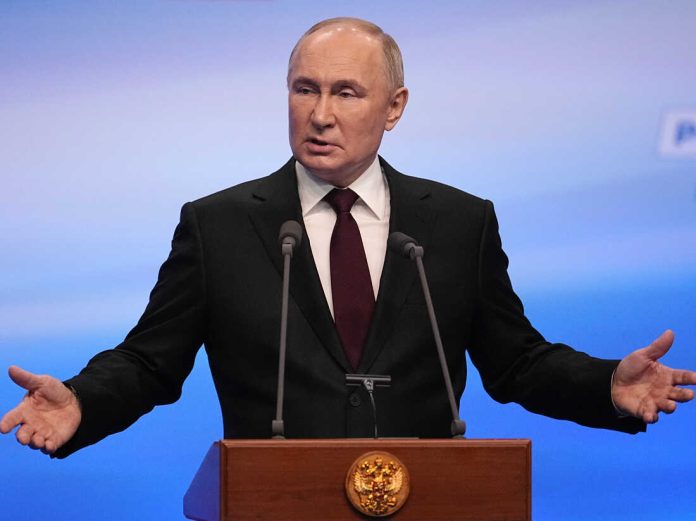
‘One-sided game’ in relations with West has finished: Putin

Putin

NATO is currently justifying its planned defense spending hike to 5% of its members’ GDP and military buildup in Europe by pointing to Russia’s “aggressiveness,” Putin said, adding that the bloc’s members are “turning everything upside down” when they make statements such as these.

“No one is saying a word about how we’ve come up to the Russian special military operation,” the president said, adding that the roots of the Ukraine conflict go back decades when Moscow was “blatantly lied to” about NATO expansion. “What followed was one expansion wave after another,” he stated.

Russia’s security concerns about the bloc’s activities have been consistently ignored and met with silence, according to Putin. “Isn’t it aggressive behavior? That is precisely aggressive behavior, which the West does not want to pay attention to.”

According to the president, Western nations have supported separatism and even terrorism as long as it is directed against Russia. Terrorist groups were outright ignored if they acted on Russian territory, he claimed.

“Everything was good as long as it was against Russia. Haven’t we seen this? They [the West] saw it as well. Yet, they only talk about our aggressiveness.”

He stressed, “We are not aggressive. The Collective West is.”

The president’s words came just days after the NATO summit in The Hague, where the bloc’s members made a commitment to hike defense spending to 5% of GDP annually by 2035. The decision was made “in the face of profound security threats and challenges, in particular the long-term threat posed by Russia to Euro-Atlantic security,” the summit’s statement read.

Russia has said it considers NATO expansion towards its borders to be a major national security threat, and cited Kiev’s ambitions to join the US-led bloc among the key reasons that led to the conflict between Moscow and Kiev.

Putin also said Moscow is prepared for a third round of negotiations with Kiev, adding that the talks should center on proposed agreements to resolve the Ukraine conflict.

Asked by reporters how the settlement process was progressing – and when a third round of talks with Ukraine might take place – Putin said the heads of both negotiating teams remain in constant contact, speaking regularly by phone.

He added that draft proposals from both Russia and Ukraine should form the basis of the next round of negotiations, the time and venue for which still need to be agreed on.

”These are two completely opposing documents. But that’s exactly what negotiations are for – to look for ways to bridge the gap. The fact that they’re polar opposites isn’t surprising in my view,” Putin said. ”I’d rather not go into details, because I believe it’s neither appropriate nor helpful to get ahead of the negotiations themselves.”

During the previous round of direct negotiations in Istanbul earlier this month, Russian and Ukrainian representatives exchanged draft memorandums outlining their respective visions for a road map toward a peace deal and agreed to exchange prisoners of war. Moscow also unilaterally decided to repatriate the bodies of slain Ukrainian troops as a humanitarian gesture.

Since then, Moscow has handed over 6,000 bodies to Kiev and is ready to return nearly 3,000 more, Putin said. “But it’s now up to the Ukrainian side to accept the remains of their fallen soldiers,” he added.

”We agreed that once this stage is completed, we would hold a third round of negotiations. Overall, we’re ready – we just need to agree on the time and place.”

Israeli soldiers ‘ordered’ to shoot unarmed Gaza aid seekers: Haaretz

Israeli Army

Israel ordered an investigation into possible war crimes over the allegations by some soldiers that it revealed on Friday, the daily said.

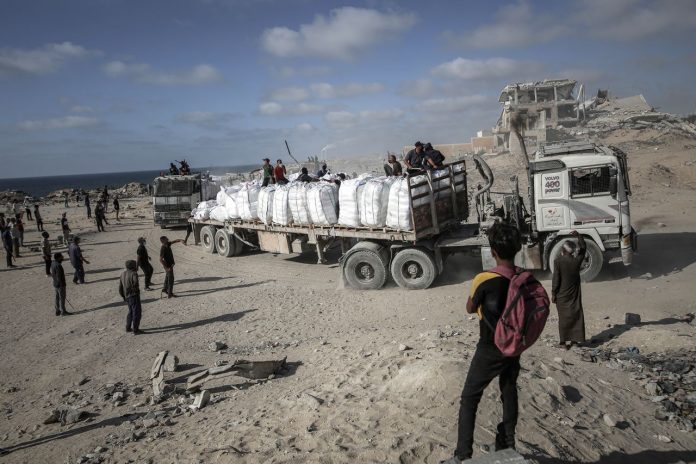
At least 549 Palestinians have been killed and 4,066 injured while waiting for food aid distributed at sites run by the Israeli-and United States-backed Gaza Humanitarian Foundation (GHF), the Gaza Government Media Office said on Thursday. The GHF has been a source of widespread criticism since its establishment in May.

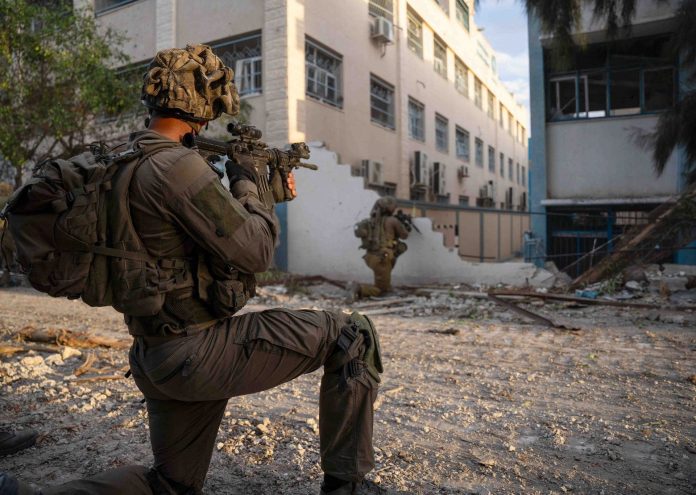
According to the Haaretz report, which quoted unnamed Israeli soldiers, troops were told to fire at the crowds of Palestinians and use unnecessary lethal force against people who appeared to pose no threat.

“We fired machineguns from tanks and threw grenades,” one soldier told Haaretz, adding, “There was one incident where a group of civilians was hit while advancing under the cover of fog.”

In another instance, a soldier said that where they were stationed in Gaza, between “one and five people were killed every day”.

“It’s a killing field,” that soldier stated.

The Israeli army “strongly rejected” the accusations in the report, according to a military statement published on Telegram.

“Any allegation of a deviation from the law or [military] directives will be thoroughly examined, and further action will be taken as necessary. The allegations of deliberate fire toward civilians presented in the article are not recognized in the field,” it added.

Israeli Prime Minister Benjamin Netanyahu and Defence Minister Israel Katz condemned the report, calling it “blood libel” on the Israeli Defence Forces (IDF), according to a statement carried by The Times of Israel news outlet.

“The IDF operates under difficult conditions against a terrorist enemy that operates from within the civilian population,” they said, adding, “IDF soldiers receive clear orders to avoid harming innocent civilians, and they act accordingly.”

According to Haaretz, the Military Advocate General has told the army’s General Staff’s Fact-Finding Assessment Mechanism, which reviews incidents involving potential violations of the laws of war, to investigate suspected war crimes at these aid sites.

“War crimes” are taking place at GHF aid distribution sites in Gaza, the enclave’s Government Media Office said in a statement, referencing “the shocking confessions” published by Haaretz.

“The report’s direct military orders to fire on unarmed civilians who pose no threat, and the use of heavy machine guns, artillery, and shells against peaceful gatherings waiting for food, are further evidence that the Israeli occupation army is pursuing a systematic policy of genocide under the false guise of ‘relief’,” the statement added.

The GHF operates four sites in Gaza – one in the centre and three in the south – and attacks on aid seekers have only increased since an Israeli blockade was lifted and the Foundation started distributing food at the end of May.

The GHF has come under intense condemnation by aid groups, including the United Nations, for its “weaponisation” of vital items.

“We don’t need a report of that nature to acknowledge that there have been massive violations of international law [in Gaza],” UN Secretary General Antonio Guterres said in response to a question from Al Jazeera about the Haaretz report.

“And when there is a violation of international law, there must be accountability,” he added at a press conference in New York.

Elsewhere on Friday, medical charity Doctors Without Borders, known by its French initials, MSF, called the GHF’s aid distribution sites “slaughter masquerading as humanitarian aid”.

Since Israel began its war on Gaza in October 2023, at least 56,331 people have been killed, with 132,632 wounded in Israeli attacks, Gaza’s Health Ministry reported.

‘Search for food must never be a death sentence’ for Palestinians in Gaza: UN chief

“The conflict between Israel and Iran has dominated headlines. But we cannot allow the suffering of Palestinians in Gaza to be pushed into the shadows,” Guterres said at a press conference at UN headquarters in New York.

“The ceasefire achieved between Iran and Israel offers hope. And hope is more needed than ever.”

The UN chief emphasized the “horrific” outcome of the Israeli army’s operations in the enclave, adding that “Families have been displaced again and again and are now confined to less than 1/5 of Gaza’s land. And even these shrinking spaces are under threat.”

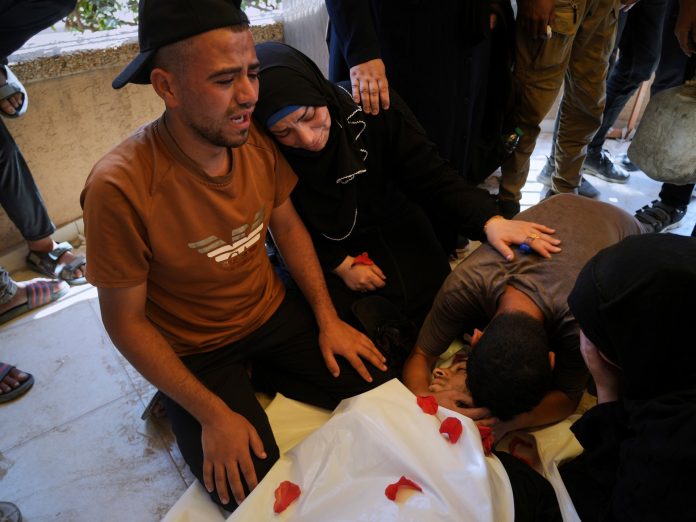
“Bombs are falling on tents, on families, on those with nowhere left to run. People are being killed simply trying to feed themselves and their families.”

Calling for immediate action to facilitate humanitarian relief, he said: “The search for food must never be a death sentence. Let me be clear: Israel, as the occupying power, is required to agree to and facilitate humanitarian relief.”

Noting that aid efforts “continue to be strangled,” Guterres recalled the Israeli blockade on “shelter materials and fuel for critical services.”

“Aid workers themselves are starving. This cannot be normalized,” he added, noting that “a trickle of aid is not enough.”

Guterres stressed the need for urgent and practical solutions to ensure aid reaches those in need.

“We need concrete actions so aid can reach all people — swiftly, at scale, wherever they are. Any operation that channels desperate civilians into militarized zones is inherently unsafe. It is killing people,” he said.

“The problem of the distribution of humanitarian aid must be solved. There is no need to reinvent the wheel with dangerous schemes,” the UN chief added.

Guterres said the UN has “the solution – a detailed plan grounded in the humanitarian principles of humanity, impartiality, neutrality, and independence,” adding: “We have the supplies. We have the experience.”

“To those in power, I say: enable our operations as international humanitarian law demands. To those with influence, I say: use it,” he continued.

Urging all UN member states to “uphold the UN Charter you recommitted to just yesterday for the 80th anniversary,” Guterres called on all countries to “recognize that the solution to this problem is ultimately political. The only sustainable path to re-establishing hope is by paving the way to the two-state solution.”

“Diplomacy and human dignity for all must prevail,” the UN chief added.

Asked about a report by Haaretz that revealed Israeli soldiers deployed in Gaza have been ordered to open fire on unarmed Palestinian civilians waiting for humanitarian aid, even when no threat was present, Guterres said: “Well, we don’t need the report of that nature to acknowledge that there have been massive violations of international law.”

“And indeed, when there is a violation of international law, there must be accountability,” he affirmed.

Responding to the Gaza Humanitarian Foundation (GHF) accusing the UN of a campaign of misinformation about killings near their food distribution sites, Guterres stated: “We didn’t invent the images everybody has seen.”

Trump says he thinks Gaza ceasefire to be reached ‘within next week’

Gaza War

“I think it’s close,” Trump told reporters in the Oval Office when asked how close his administration is to a deal in terms of a Gaza ceasefire.

“I just spoke with some of the people involved … We think within the next week we’re going to get a ceasefire,” Trump said.

The Israeli daily Haaretz said on Friday nearly 100,000 Palestinians have been killed in Israel’s genocidal war on Gaza, representing about 4% of the territory’s population.

The death toll contradicts the number of fatalities given by Gaza’s Health Ministry, which stood at over 56,300 since October 2023.

Haaretz added in addition to the high Palestinian deaths from Israeli attacks, many people also died from the indirect effects of the war such as hunger, cold and diseases amid a collapse of the health system in Gaza.

The newspaper noted while Israeli spokespersons, journalists and influencers reject with knee-jerk disgust the death toll announced by Gaza’s Health Ministry as exaggerated, more and more international experts “are stating that not only is this list, with all the horror it embodies, reliable – but that it may even be very conservative in relation to reality.”

It cited a study conducted by Professor Michael Spagat, an economist at Holloway College at the University of London, a world-class expert on mortality in violent conflicts, about deaths in Gaza.

The study surveyed 2,000 households in the Palestinian enclave, comprising almost 10,000 people.

“They concluded that, as of January 2025, some 75,200 people died a violent death in Gaza during the war, the vast majority caused by Israeli munitions,” it said.

According to the survey’s data, 56% of those killed have been either children up to the age of 18 or women.

“That’s an exceptional figure when compared with almost every other conflict since World War II,” Haaretz added.

Spagat stated the survey’s data positions the Gaza war “as one of the bloodiest conflicts of the 21st century.”

“Even if the overall number of war victims in Syria, Ukraine, and Sudan is higher in each case, Gaza is apparently in first place in terms of the ratio of combatants to noncombatants killed, as well as in terms of rate of death relative to population size.”

Data also show that the proportion of women and children killed via a violent death in Gaza is more than double the proportion in almost every other recent conflict, including Kosovo (20%), northern Ethiopia (9%), Syria (20%), and Sudan (23%).

“I think we’re probably at something like 4 percent of the population killed,” Spagat said, adding, “I’m not sure that there’s another case in the 21st century that’s reached that high.”

The Israeli army has pursued a brutal offensive against Gaza since October 2023, despite international calls for a ceasefire.

Last November, the International Criminal Court issued arrest warrants for Israeli Prime Minister Benjamin Netanyahu and his former Defense Minister Yoav Gallant for war crimes and crimes against humanity in Gaza.

Israel also faces a genocide case at the International Court of Justice for its war on the enclave.

He added that a “terrible situation” is going on in Gaza.

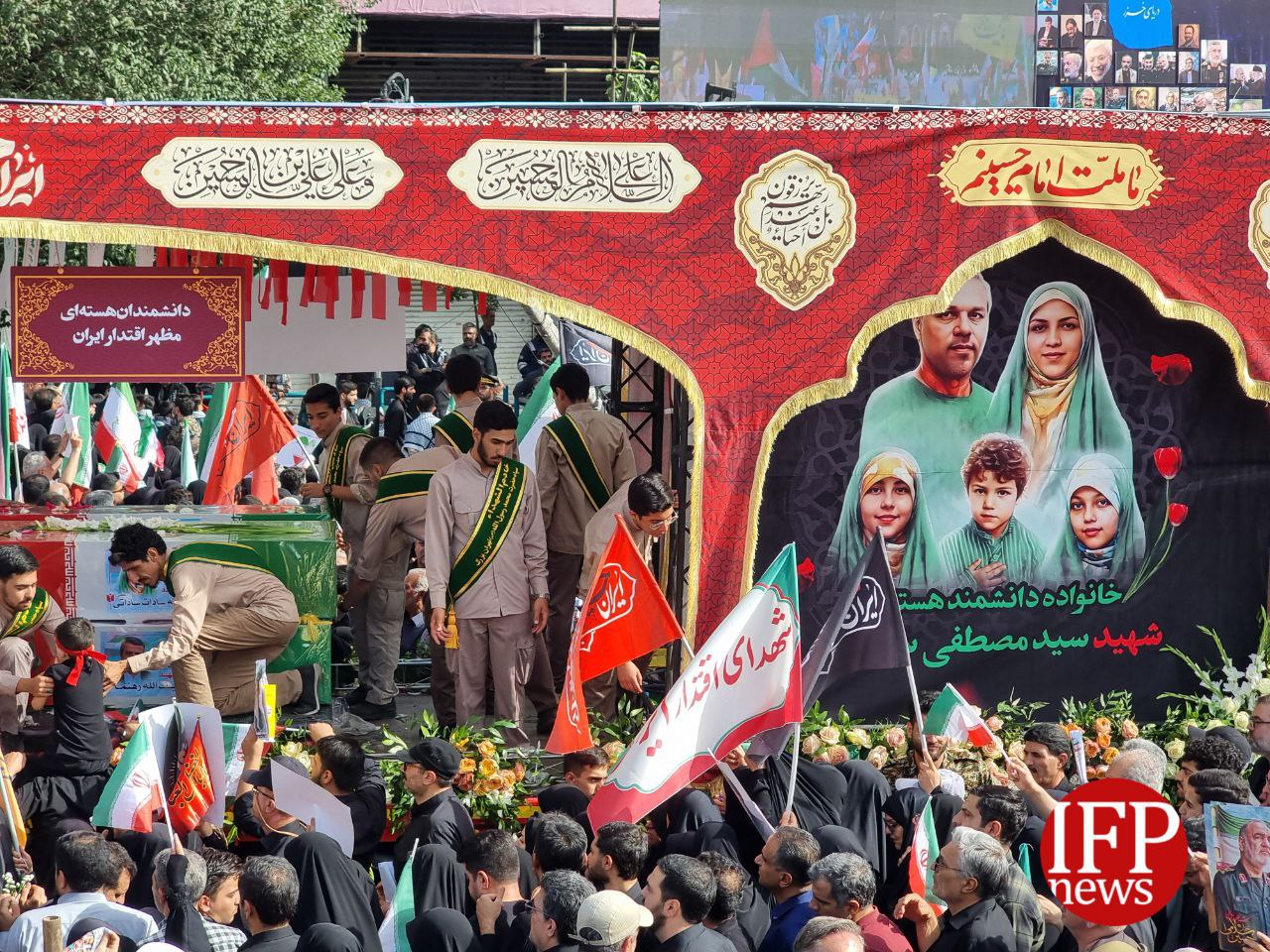
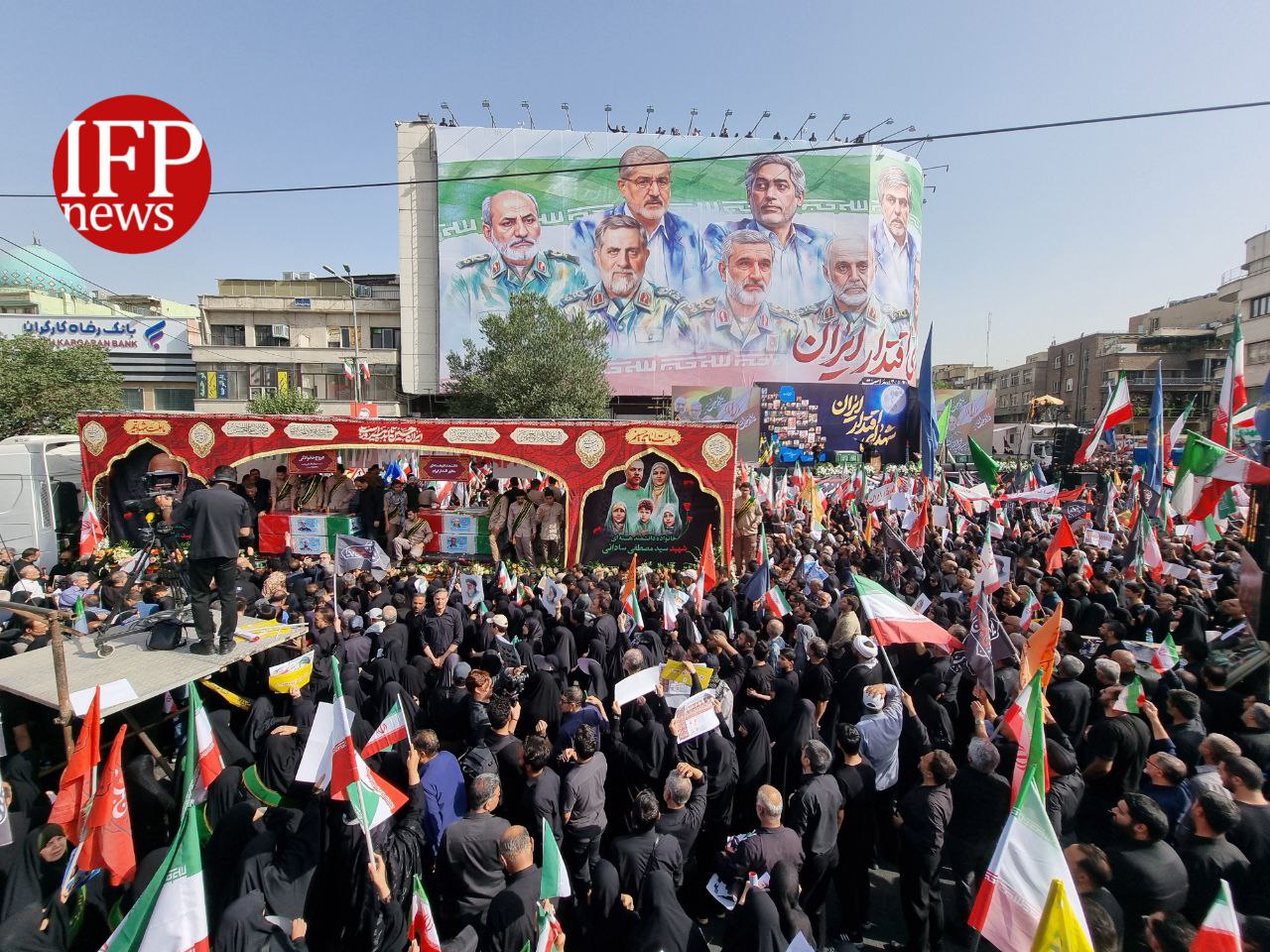
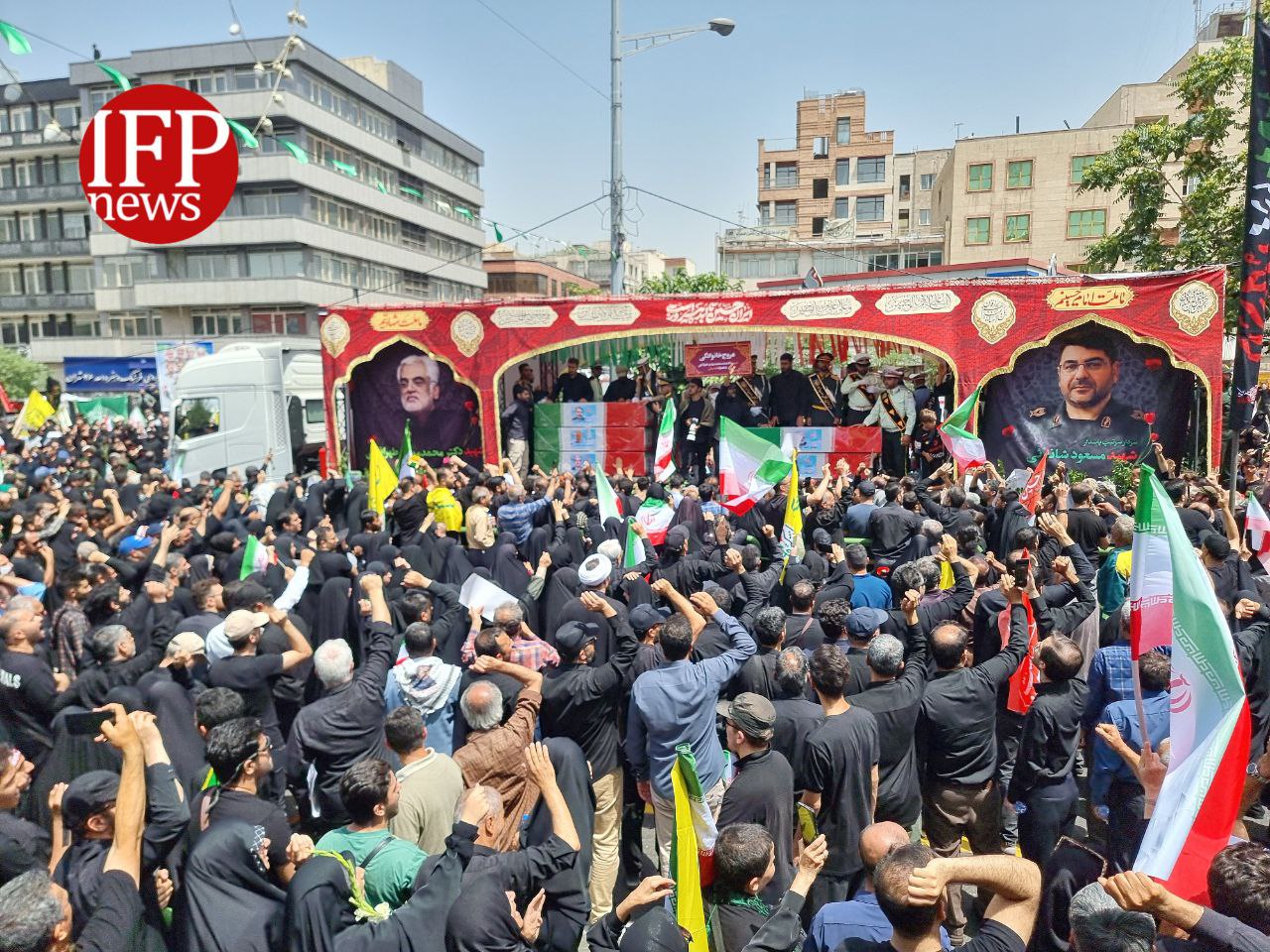
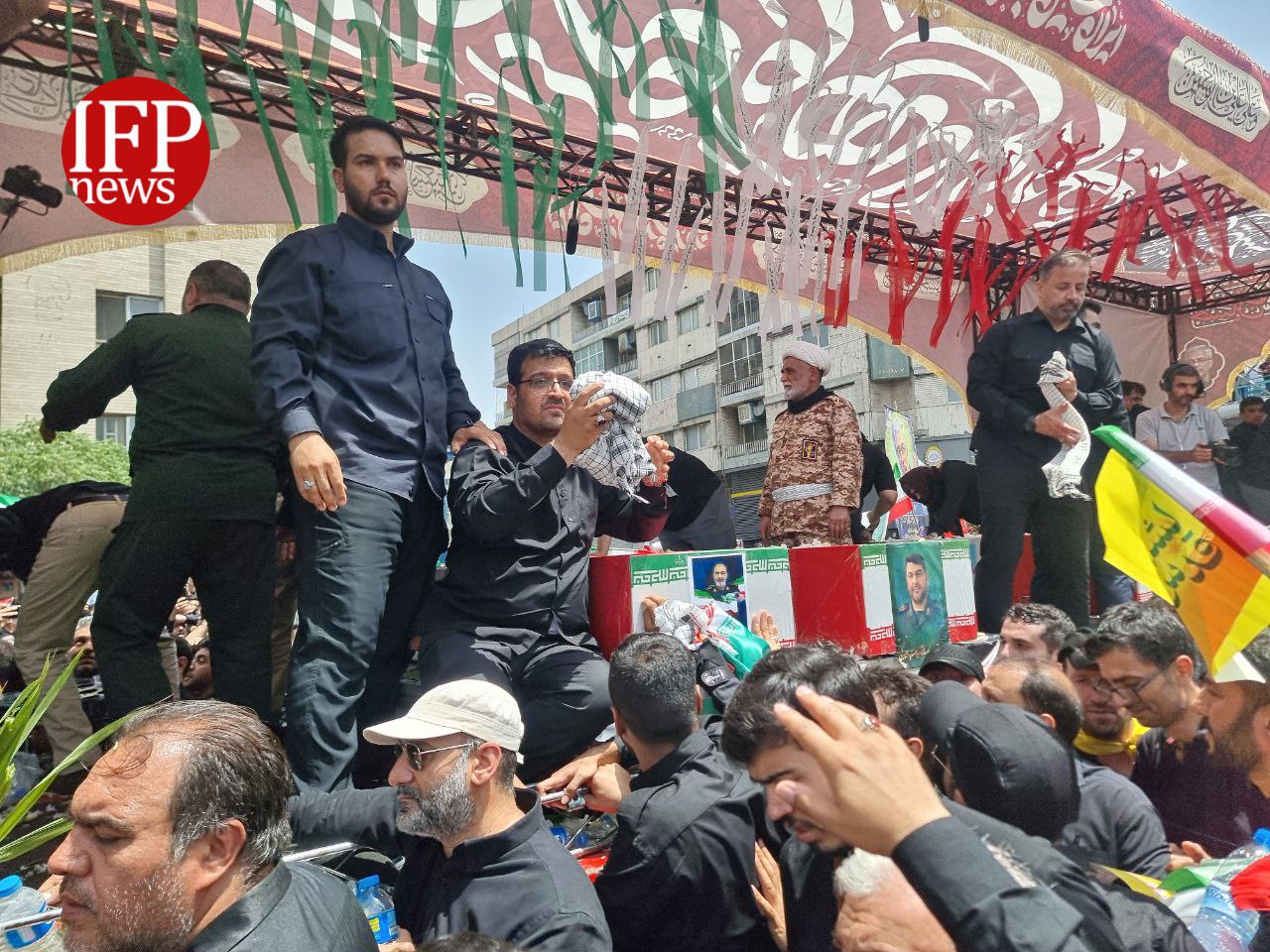
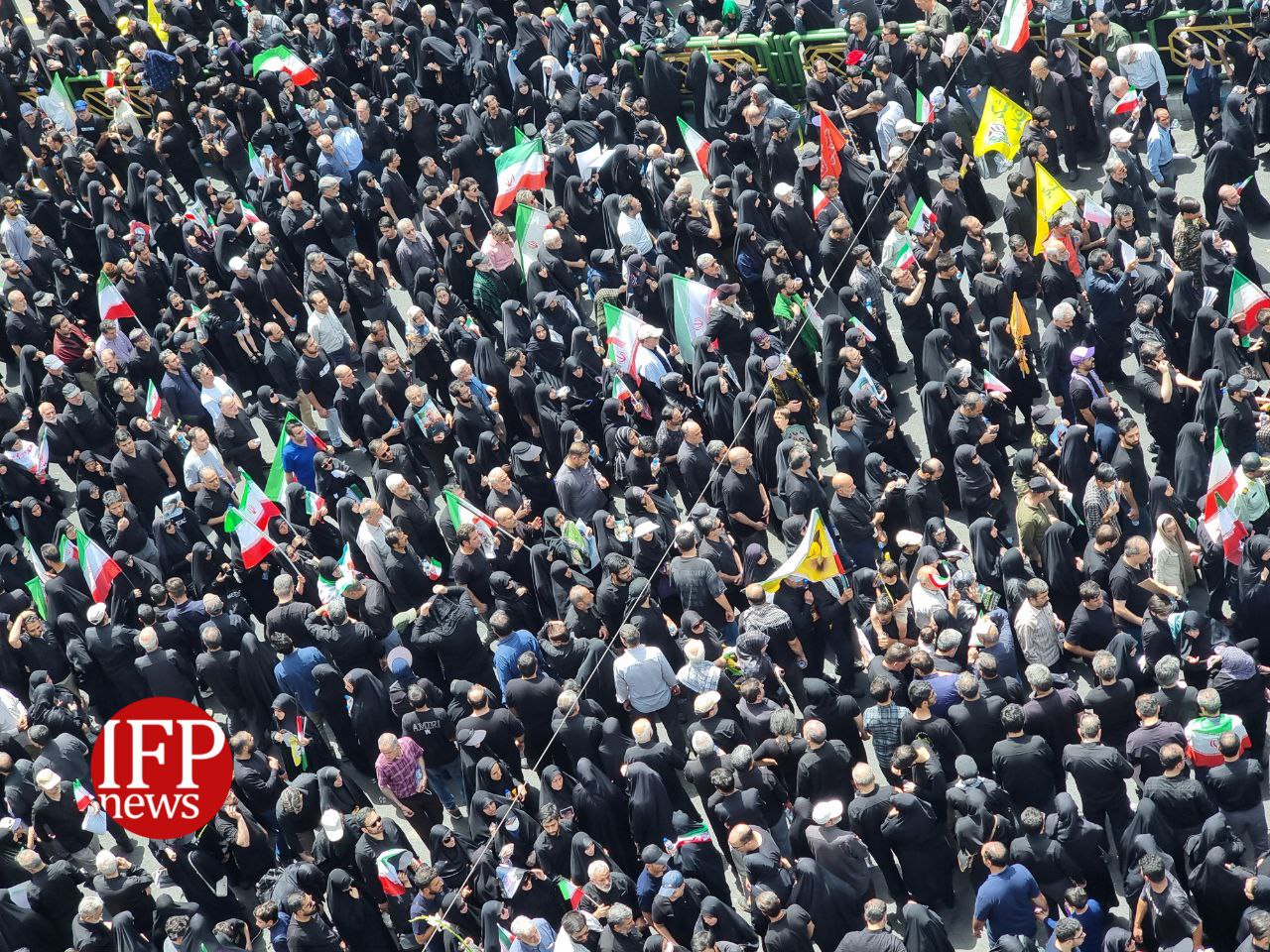
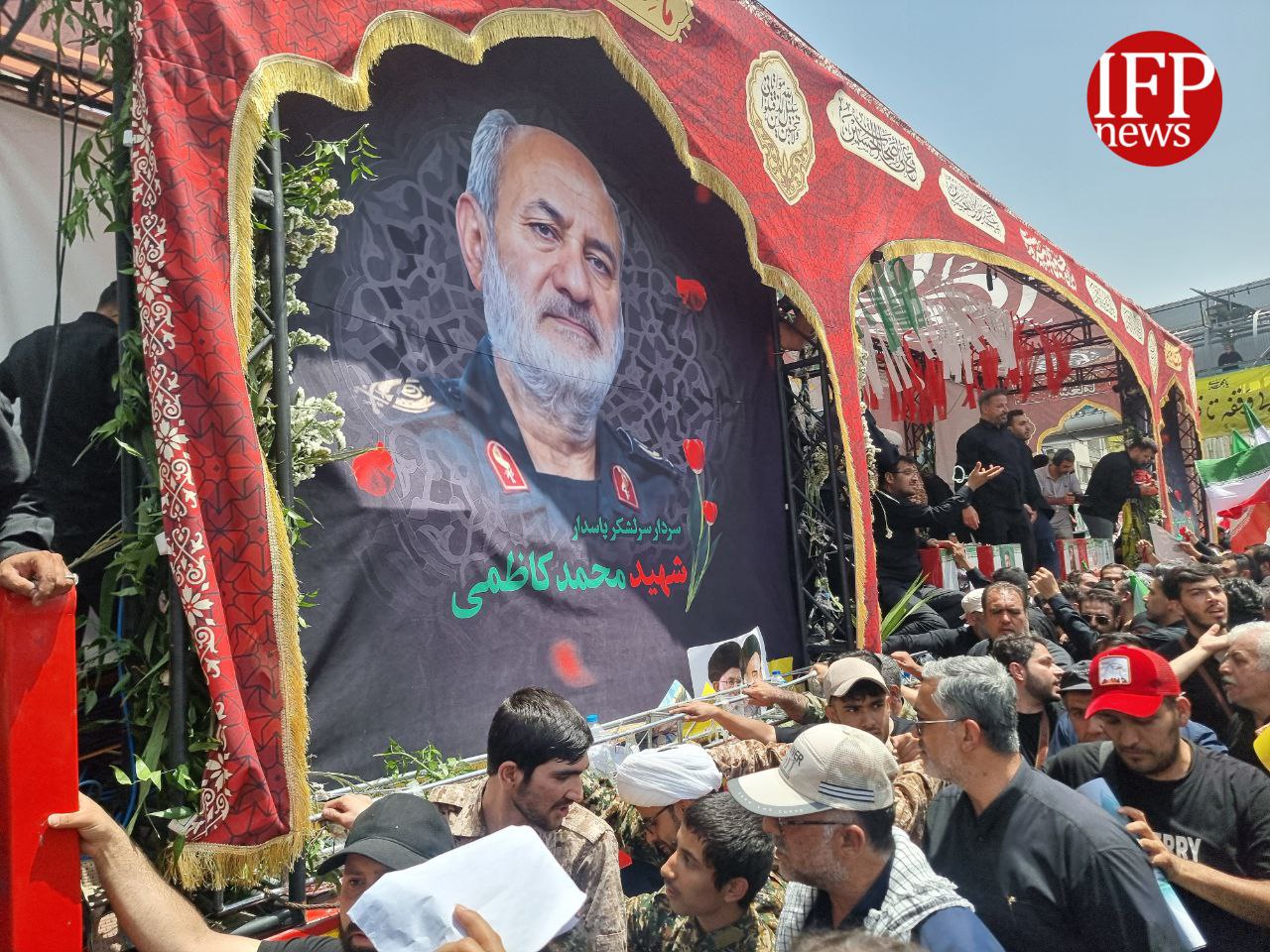
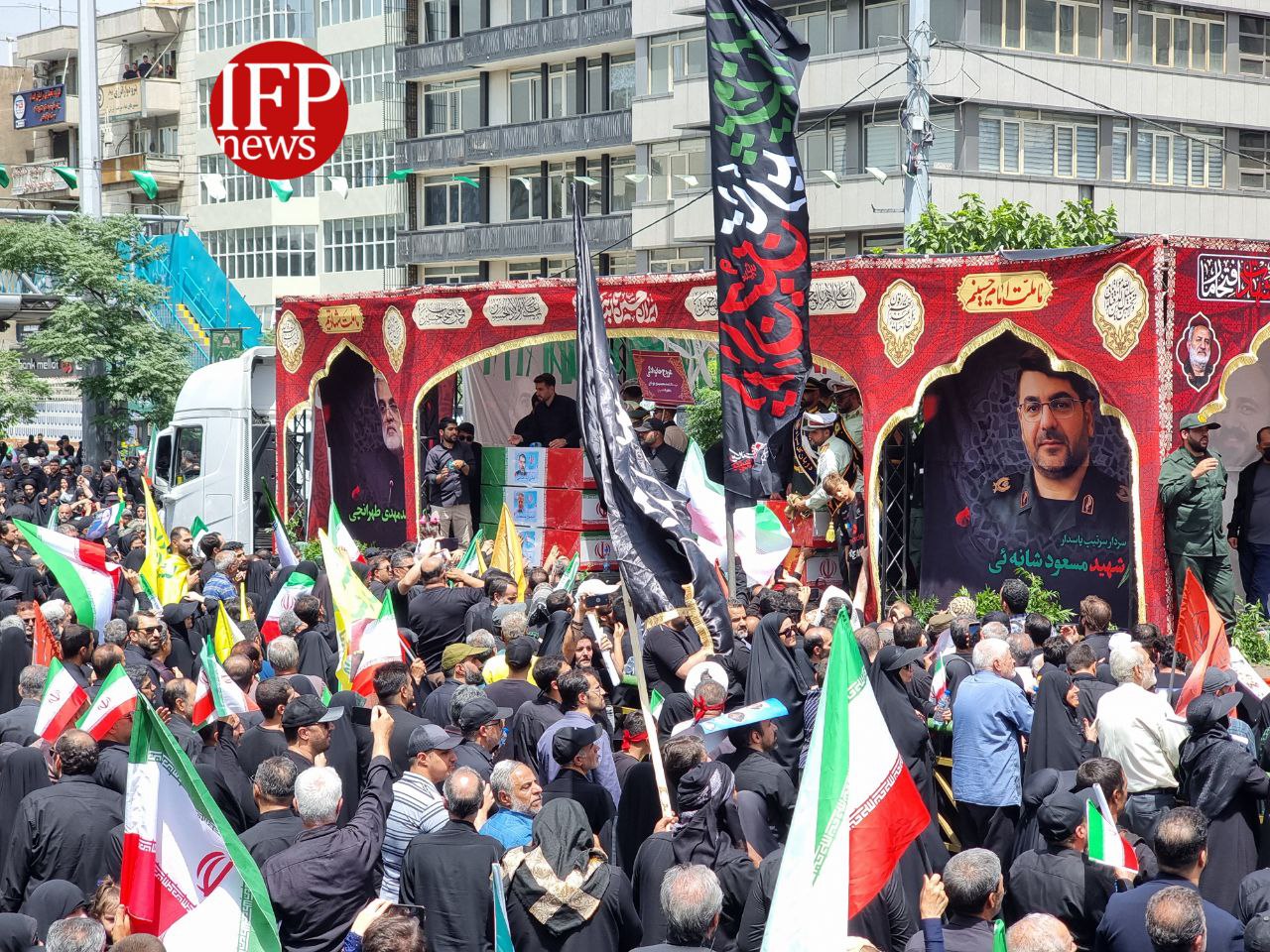
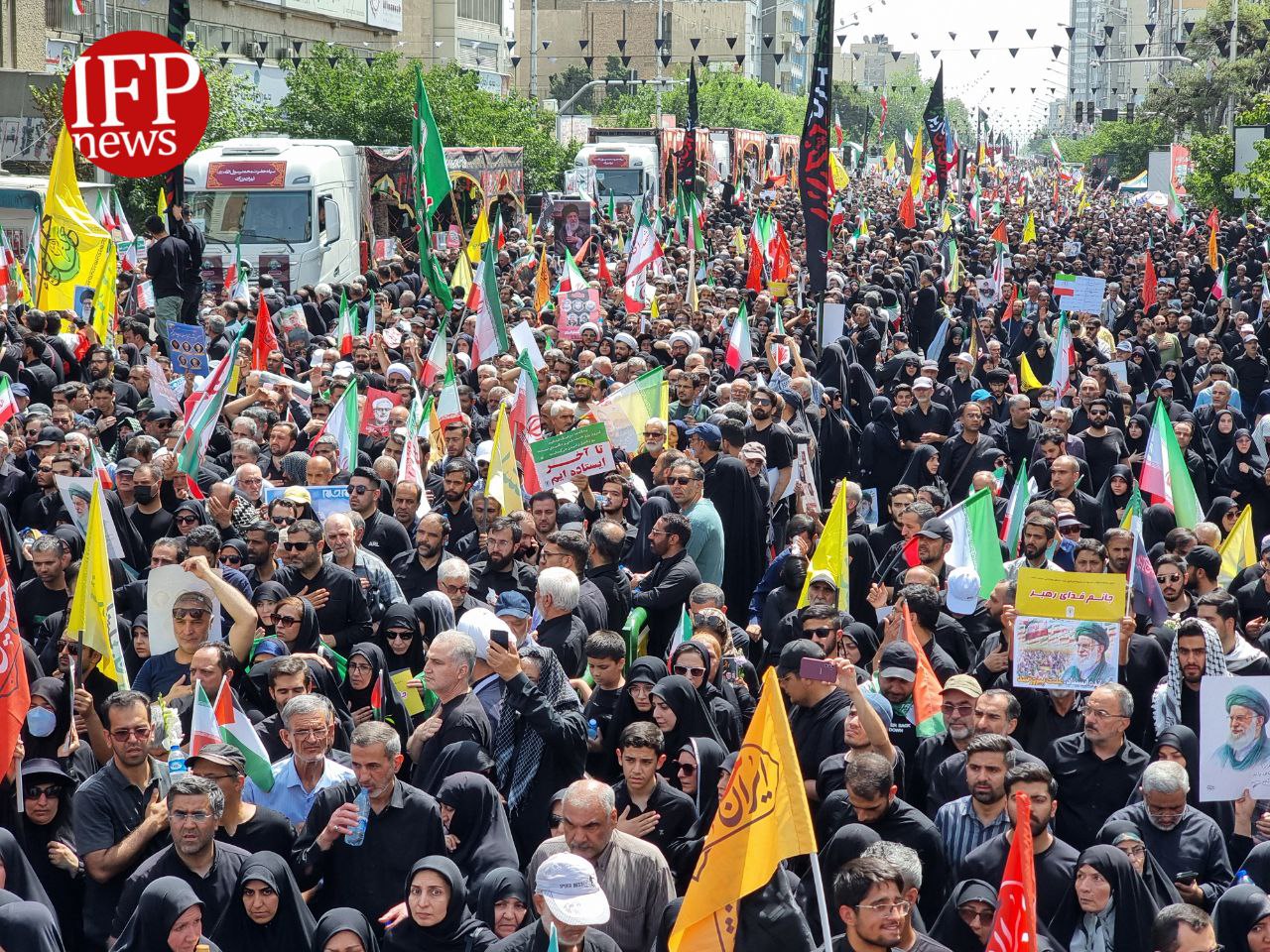
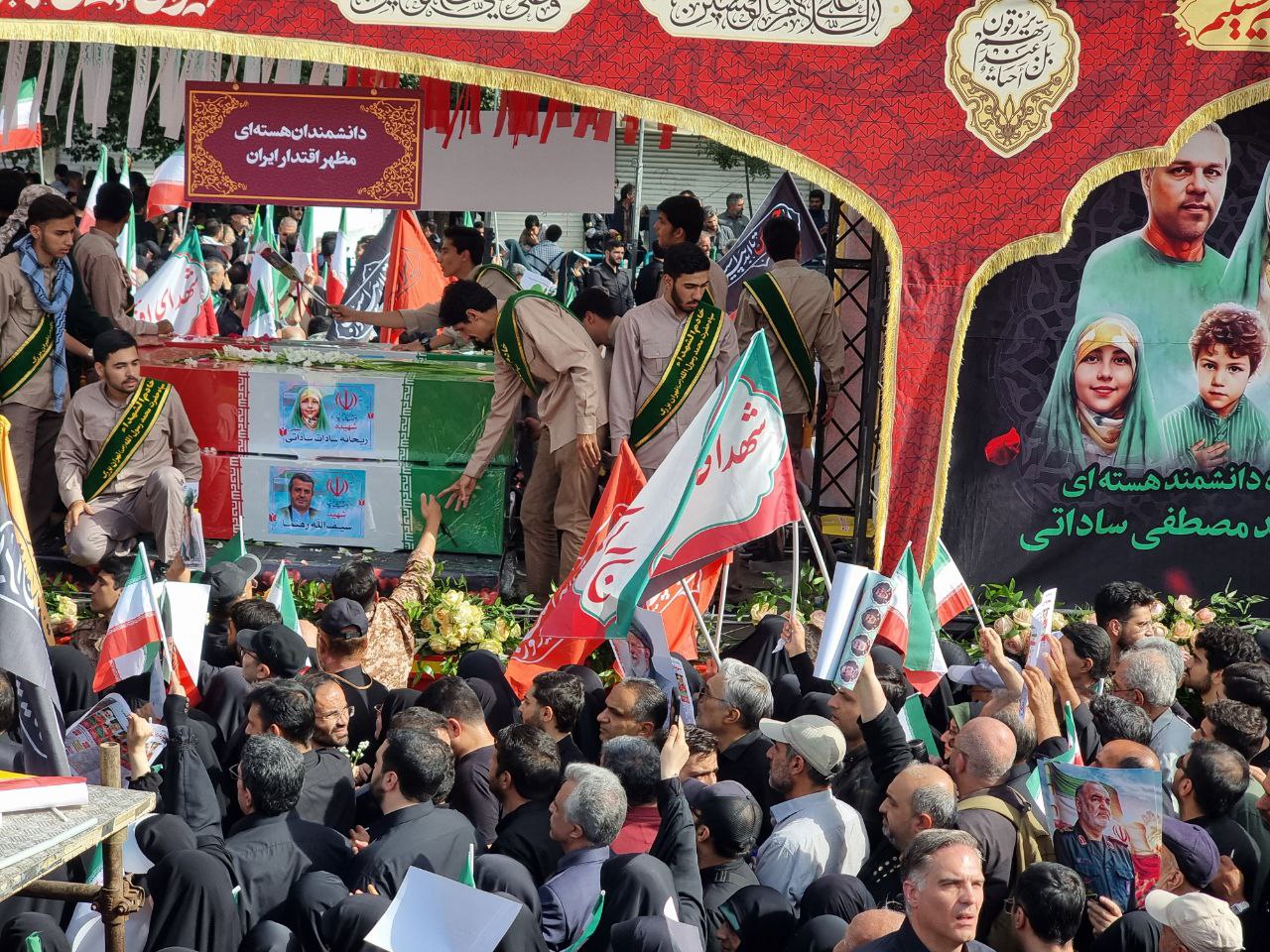
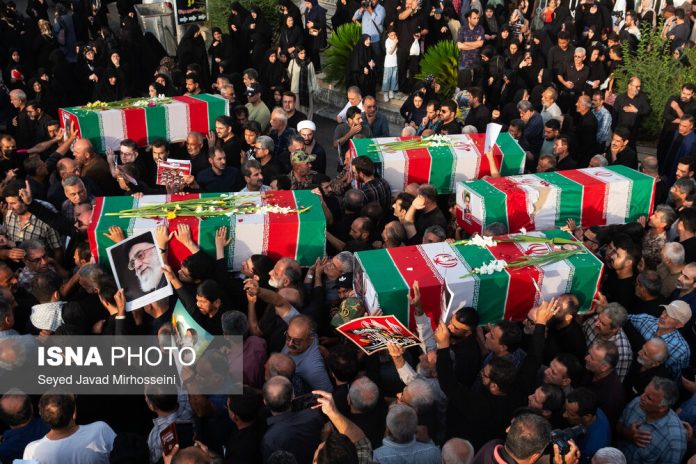
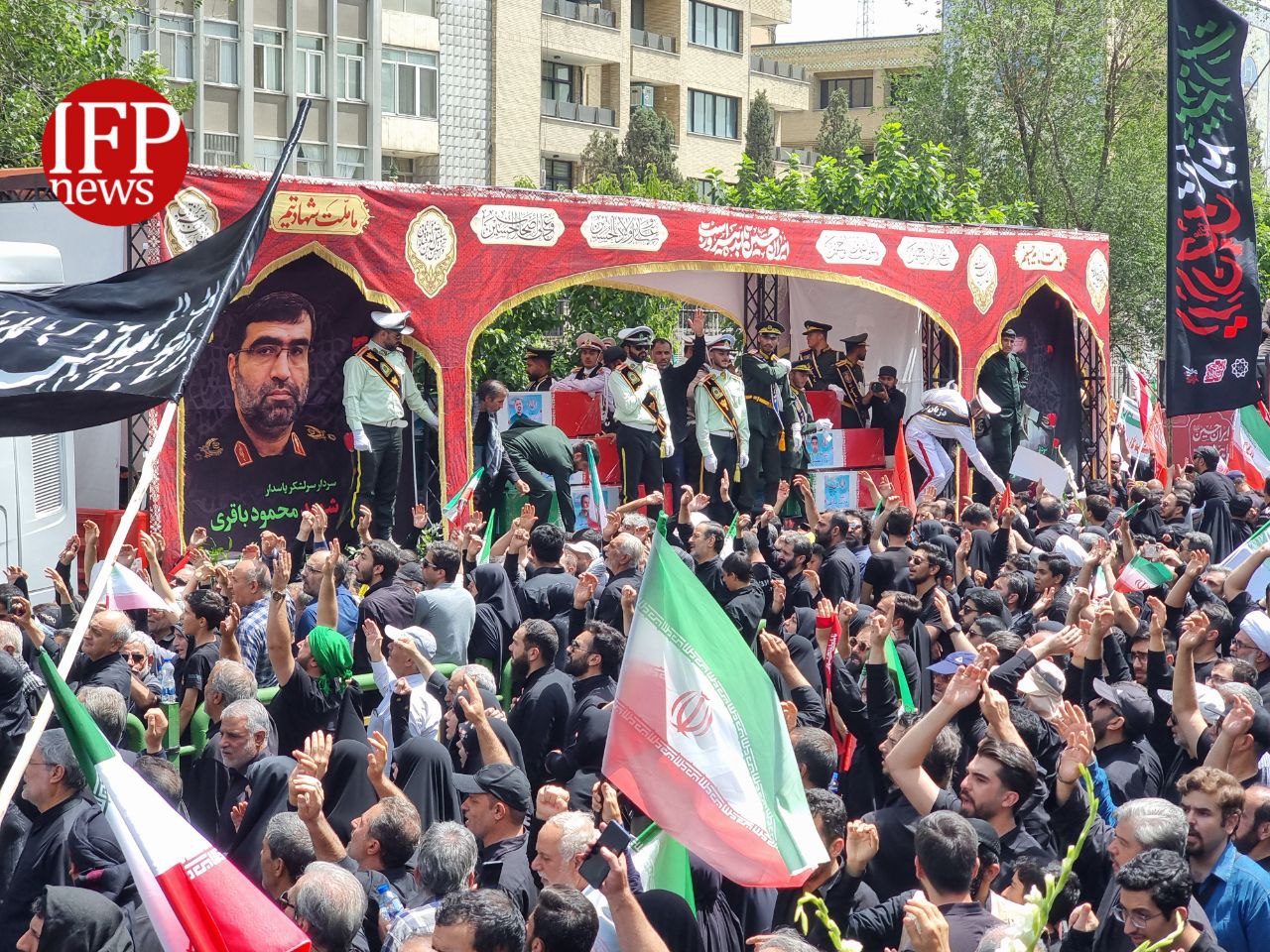
Iran holds massive funeral for martyrs of Israeli-US strikes

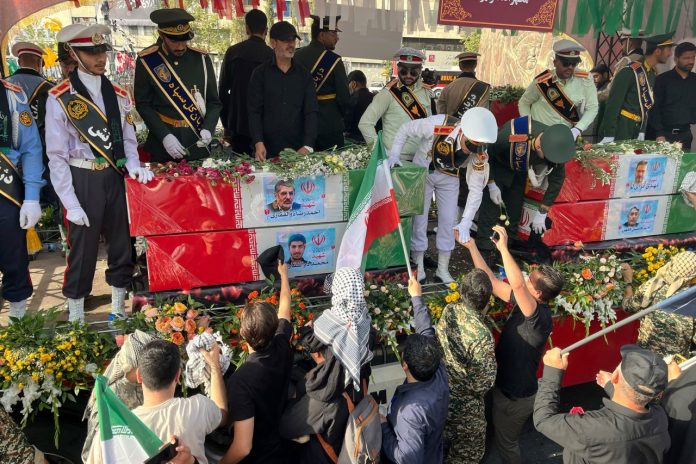
The ceremony, which began at 8:00 am in Enqelab Square and continued toward Azadi Square, drew tens of thousands of mourners.

Chants of “Death to Israel” and “Death to America” echoed through the streets as grieving citizens marched alongside coffins draped in Iranian flags.

Among those laid to rest were senior military leaders, nuclear scientists, civilians, and children.

Notably, Major General Mohammad Bagheri, Iran’s second-highest military commander, was buried with his wife and daughter, a journalist, all martyred in a targeted Israeli strike in Tehran.

Nuclear physicist Mohammad Mehdi Tehranchi and his wife were also among the victims.

The funeral honored the memory of IRGC Chief Commander Major General Hossein Salami, martyred on the first day of the aggression, along with over 30 other senior commanders.

President Masoud Pezeshkian, Parliament Speaker Mohammad Baqer Qalibaf, and Judiciary Chief Gholamhossein Mohseni Ejei were among the officials attending the ceremony.

Officials report over 600 Iranians, most of them civilians, were martyred in the attacks. Four children were among the 60 buried during Saturday’s procession.

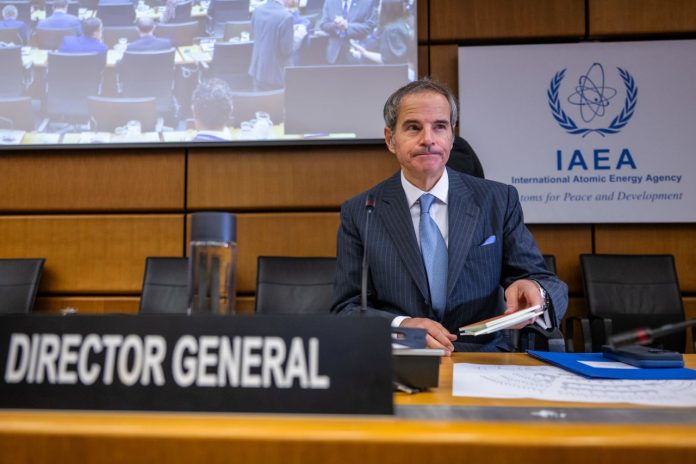
Iran FM refutes IAEA chief’s call to visit nuclear sites

Grossi’s “insistence on visiting the bombed sites under the pretext of safeguards is meaningless and possibly even malign in intent,” Araghchi said in a post on his X account on Friday.

“Iran reserves the right to take any steps in defense of its interests, its people, and its sovereignty,” he added.

Araghchi’s post came after the head of the UN nuclear agency, addressing the IAEA’s Board of Governors on Monday, appealed for immediate access to the targeted sites to assess the possible damages.

The three Iranian nuclear sites in Fordow, Natanz and Isfahan came under unprovoked and unlawful American aggression on Sunday morning, the responsibility of which was immediately claimed by US President Donald Trump.\

At the NATO summit in the Netherlands on Wednesday, Trump claimed the “total obliteration” of Iran’s nuclear program in the aggression, which was in blatant breach of international law and the Nuclear Non-Proliferation Treaty (NPT).

However, contrary to Trump’s claims, a leaked preliminary assessment by the Pentagon’s Defense Intelligence Agency (DIA) found that the attacks caused only minimal damage to the three facilities.

The report also noted that Iran’s enriched uranium stockpile remains intact despite Trump claiming that the country’s nuclear program was finished.

Araghchi said the Iranian parliament has voted for a halt to collaboration with the IAEA until the safety and security of the country’s nuclear activities can be guaranteed.

“This is a direct result of @rafaelmgrossi’s regrettable role in obfuscating the fact that the Agency—a full decade ago—already closed all past issues,” the top Iranian diplomat noted.

He added that Grossi’s malign action played a direct role in facilitating the adoption of a politically-motivated resolution by the 35-member Board of Governors against Iran and the unlawful Israeli and US bombings of Iranian nuclear sites.

On June 12, the IAEA Board of Governors passed a resolution accusing Iran of “non-compliance” with its nuclear obligations. The resolution, pushed by Britain, France and Germany, and endorsed by the US, was passed with 19 votes in favor, three against, and 11 abstentions.

In his post, Araghchi also pointed to a betrayal of Grossi’s duties, who also failed to explicitly condemn such blatant violations of IAEA safeguards and its Statute.

“The IAEA and its Director-General are fully responsible for this sordid state of affairs,” the Iranian foreign minister said.

The Israeli regime launched a full-scale aggression on Iranian soil on June 13 by targeting various military and nuclear sites, claiming the lives of many top military commanders and nuclear scientists as well as ordinary civilians.

The aggression on the Islamic Republic has so far claimed the lives of 627 Iranians, according to the health ministry.

“Daddy” can’t save Israel: Iran warns US against disrespect, vows stronger response

“If Trump wants a deal, he should put aside his disrespectful and unacceptable tone towards the Leader of Islamic Revolution, Ayatollah Seyyed Ali Khamenei, and not hurt the hearts of millions of his true followers,” Araghchi wrote in a social media post.
The foreign minister further noted, “The complexity and tenacity of Iranians is well evident in our luxurious carpets woven with endless hours of effort and patience. But as a nation, our principled logic is very simple and straightforward: we know what we have, we value our independence, and we will never let anyone else determine our destiny.”

Araghchi warned that Iranians, who forced Israel to flee to “Daddy” (the US) to avoid being “flattened” by Iranian missiles, will not tolerate threats or disrespect.

“If illusions lead to worse mistakes, Iran will not hesitate to unveil its true capabilities, and this will surely end any illusions about Iran’s power,” he stated.

Araghchi also highlighted Iran’s military strength, referencing hundreds of ballistic missiles, hypersonic weapons, and armed drones.

Iran submits official protest to UN rights office over Israeli, US onslaught

The protest was submitted by Nasser Seraj, head of the Islamic Republic’s High Council for Human Rights, to UN High Commissioner for Human Rights Volker Türk on Friday.

Iran’s health ministry on Wednesday announced that 627 people have been martyred and 4,870 others injured in the Israeli aggression against the Islamic Republic, which began on June 13.

The aggression stopped 12 days later after the regime declared a unilateral ceasefire in the face of spirited resistance by the Iranian armed forces that brought the Zionist entity to a standstill.

Iran’s protest note said the combined strikes “constitute a clear violation of the fundamental principles of international law, international human rights law, and international humanitarian law.”

It underlined how the Israeli aggression targeted, among other places, the central headquarters of the Islamic Republic of Iran Broadcasting (IRIB), which is the country’s broadcasting authority, healthcare and outreach centers, the capital Evin Prison, and residential areas as well as urban and rural regions.

The attack on the residential structures, the letter maintained, had targeted a number of the country’s noted nuclear scientists inside their own homes.

The Iranian rights body denounced the Israeli aggression for violating inherent rights enjoyed by people as the right to life, the right to physical and psychological security, and the right to medical services.

The Israeli attacks also contravened entitlements as the prohibition of psychological torture—which the regime violated through repeated threats of bombing residential homes—and freedom of speech that it trampled upon by attacking the IRIB’s buildings, it clarified.

Furthermore, the aggression flouted the “principle of distinction” by failing to differentiate between military and civilian targets, the “principle of proportionality,” and the “principle of precaution,” which it violated by refusing to warn civilians in advance and, therefore, minimize harm to the population.

Besides slamming the American aggression on the peaceful nuclear facilities, the Iranian rights body condemned Washington for providing operational and intelligence support for the Israeli assaults.

The letter finally called on the United Nations to enable official registration of all the violation cases, initiate formal investigation and referral to the Human Rights Council, and summon special rapporteurs to examine legal and humanitarian aspects.

It also urged the world body to ensure official accountability for both the Zionist regime and the US.