Monday, December 22, 2025
Home Blog Page 2847

Tehran Raps US for Pushing UN to Extend Arms Embargo on Iran

Tehran Raps US for Pushing UN to Extend Arms Embargo on Iran

Majid Takht Ravanchi said Washington is asking the United Nations Security Council to flout its own resolutions and maintain an arms embargo on Iran.

“Yet another attempt by US to distract from its continued #EconomicTerrorism on the Iranian people: this time, US is calling on #UNSC to violate its very resolution 2231, and continue arms restrictions on Iran,” said the diplomat in a tweet.

His comments came after US Secretary of State Mike Pompeo urged the Security Council to extend an international arms embargo on Iran. He said the lifting of the ban would prompt Tehran to start an arms race in the Middle East.

Under a UN resolution pertaining to the 2015 Iran nuclear deal, the arms embargo on Iran is scheduled to be lifted in October, 2020.

Iranian Wunderkind Arat Hosseini Impresses Lionel Messi

Iranian Wunderkind Arat Hosseini Impresses Lionel Messi

A video has gone viral in recent days, showing Arat doing remarkable football skills – including replicating Barcelona’s great star Lionel Messi.

Six-year-old Arat, who was born in northern Iran but now lives in Liverpool, has become an internet sensation due to a series of videos highlighting his incredible skills.

“After realizing my son’s talents, at the suggestion of those around me, I opened a page on Instagram, which was extraordinarily welcomed not only in Iran but also abroad,” says his father.

According to Arat’s father, when his son was 13 months old, foreign countries offered him to immigrate from Iran, but he refused at the time, and continued to train his son in the country.
Day after day, new dimensions of this genius boy’s talent surprised everyone.
Finally, after a lot of efforts he immigrated to England with his family in 2019 and could attract a lot of attention there.

The Iranian boy, now six, is living in Liverpool with his father and has turned into a football star.
Recently, a video of Arat’s freestyle and bicycle kicks was uploaded on his Instagram page, receiving a lot of attention.

In this video, Arat Hosseini addresses Lionel Messi, the prominent Barcelona player, and expresses his love for him.

Lionel Messi also left a comment for him and thanked him. Now, FIFA’s Twitter page has re-released the video of Arat.

Arat’s moves had earlier been widely broadcasted on media outlets such as ESPN and 433.

Iranian boy athlete

What’s Arat Doing at Liverpool Academy?

Arat is currently training at Liverpool Academy. In an interview with Varzesh 3, Arat’s father describes the latest situation of his child prodigy in England.

“One of the authorities of Liverpool club was surprised to see Arat and his talent. After that, preparations were made for Arat to join the Liverpool Academy,” Mohammad said.

Arat is training at the Liverpool academy, but due to the problems that clubs face in signing professional contracts with players at a young age, Liverpool cannot officially sign the Iranian boy at the moment.

“We have no intention of returning to Iran. We wanted to travel to Iran for a few weeks for the holidays, but it was not possible due to the cancellation of flights after the outbreak of the coronavirus.”

Iranian Wunderkind Arat Hosseini Impresses Lionel Messi

Arsenal, Manchester United Offer Deals

We are currently waiting for the next offers because many English clubs are interested in signing a deal with him. Even Arsenal invited us to take Arat there for at least three or four months, the father says.

“One day we even went to the Manchester United Academy. However, it is very important for Liverpool to keep Arat. After that, a Liverpool representative came to us and asked us to trust them and stay there.”

His father went on to say that Arat loves Barcelona. The Qataris have been sending lawyers trying to transfer Arat to Barcelona, but they did not succeed as it was prohibited by law. FIFA recently described Arat as a 5-year-old boy who will replace Messi.

“We are citizens of Iran and do not want to hold the citizenship of another country. It makes our job more difficult. I don’t want Arat to play for England or Spain in the future. We got a student visa; otherwise we could not be here because of the football contract. Liverpool FC, which is now hosting Arat at its academy, have said no one has the right to take pictures with this child.”

They even tasked several people not to allow anyone to take a picture with Arat so that they would not be in trouble. If the Iranian boy was not a well-known figure, we might not have had these problems, but Arat has become an international figure, he concluded.

What to Eat in Iran: 10 Essential Persian Dishes

What to Eat in Iran: 10 Essential Persian Dishes

Iran’s Tourism Newspaper has covered the report by Food Republic about best Iranian foods to try. Here is the article written by Louisa Shafia:

A visit to Iran yields a stunning variety of culinary delights. Between the familiar kebab and the decidedly outré grilled lamb’s testicles, there’s a vast spectrum of foods: caviar, pickle, and smoked fish in the north; samosas, falafel and hot and sour shrimp in the south; noodles, flatbread and rosewater-scented ice cream across the country.

Take a look at Iran’s place on the map and it’s easy to understand why the scope of native foods is so wide. Once the centre of the Persian Empire, Iran neighbours the former Soviet Union countries, as well as Afghanistan, Pakistan, the Arab states and Turkey. Although Iran is part of the Middle East, it has close ties to Europe, the Far East and Africa, owing to its central place on the Silk Road trade route.

What’s more, the ancient warrior-king of Greece, Alexander the Great, conquered the Persian Empire back in the 4th century, and later it was invaded by Arabs, Turks, Mongols and Uzbeks. While Iranians already had a well-developed food identity before these invasions, they assimilated what the outsiders brought in. Think Russian-style borscht with cumin and cilantro and Chinese noodles in a soup of beans, herbs and sour fermented whey.

Many coveted ingredients are native to Iran, including pistachios, almonds, walnuts, saffron, mint, oranges, pomegranates and grapes. Iran has a variable climate with four distinct seasons, and unlike other parts of the Middle East, where the dry terrain limited what food could be grown, the ancient Persians transformed vast stretches of arid land into fertile oases via underground aquifers that drew melted snow water into the desert. A bright, sensuous, fruit-and-herb filled cuisine was born.

A core curriculum of classic Persian favourites can be found on most Persian-American restaurant menus. Here are 10 to try. Noosh-e jan! (Yes, that’s Farsi for “bon appétit.”)


  1. Fesenjan (Pomegranate Walnut Stew)

This iconic stew, an essential part of every Persian wedding menu, pairs tart pomegranate with chicken or duck. Ground walnuts, pomegranate paste and onions are slowly simmered to make a thick sauce. Sometimes saffron and cinnamon are added, and maybe a pinch of sugar to balance the acid. Fesenjan has a long pedigree. At the ruins of Persepolis, the ancient ritual capital of the Persian Empire, archaeologists found inscribed stone tablets from as far back as 515 B.C., which listed pantry staples of the early Iranians. They included walnuts, poultry and pomegranate preserves, the key ingredients in fesenjan.
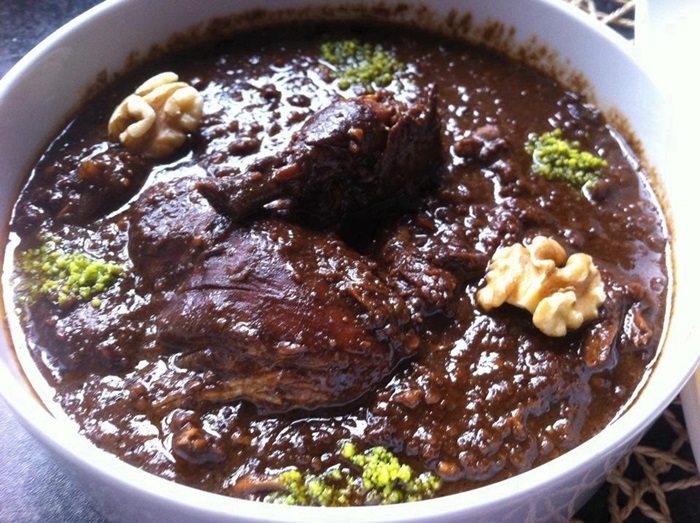
fesenjan

  1. Bademjan (Eggplant and Tomato Stew)

This stew has the shimmering red-gold colour of tomatoes cooked with turmeric, with a sheen of oil on top, a prized characteristic in Persian cooking that shows a stew has been cooked long enough for the oils to rise up. Slightly tart, with the tang of tomatoes, lemon juice, and sometimes the juice of unripe grapes, its tanginess is kept in check by the eggplant, which is first fried on its own until golden-brown, then cooked with onions, lamb and the tomatoes and seasoning. Like all Persian stews, bademjan is thick and meant to be eaten over rice with a fork.
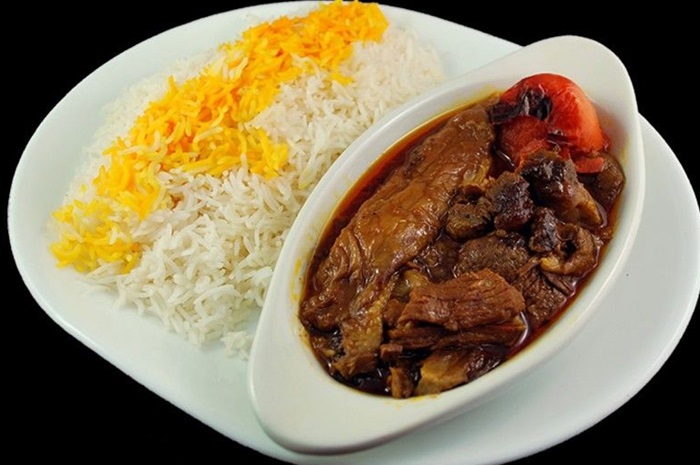
bademjan

  1. Baghali Polo (Rice with Dill and Fava Beans)

In Iranian cooking, rice can be prepared simply with butter and saffron, known as chelo. But just as often, it’s cooked with other ingredients and called polo. Polo can be made with herbs, vegetables, beans, nuts, dried fruit, meat and even noodles, and acts as the centrepiece of the meal. This polo is particularly good in the spring, when fava beans are young and tender and dill is in season. The dish is flecked with green dill and favas, and is often cooked with very tender chunks of lamb. Alternately, it may be served alongside lamb on the bone. The rice should have a mild saffron flavour, with the saffron mixed into the rice just before serving.
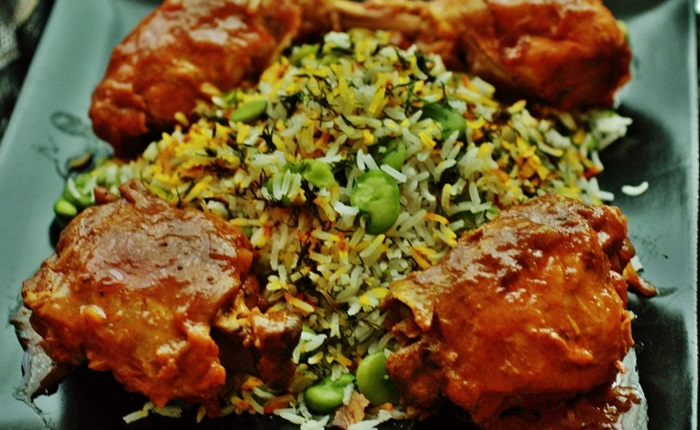
baghali-polo-ba-morgh-1

  1. Zereshk Polo (Barberry Rice)

Iranians love sour flavours. Like cranberries, barberries have a vibrant red color, but they’re even sourer. This classic rice dish is studded with the red berries, which are dried and then rehydrated before cooking. The rice is cooked with plenty of butter, which helps to soften the intensity of the berries. Quince, rhubarb, green plums, sour oranges, lemons, limes, dried limes, sour cherries, tamarind, sumac and pomegranate are all used in Persian cooking to make food tarter.
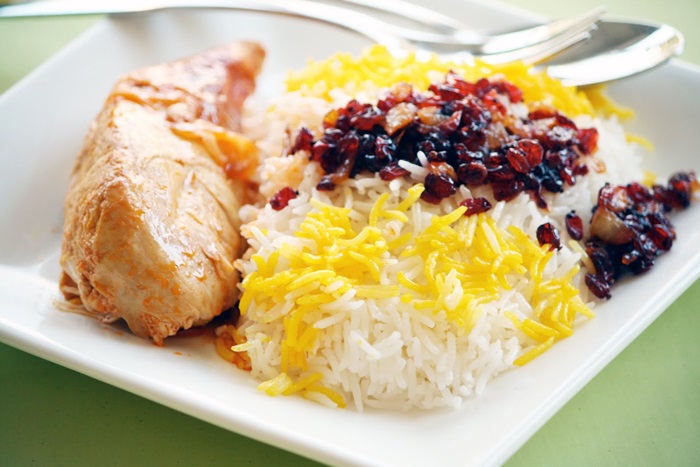
zereshk-polo

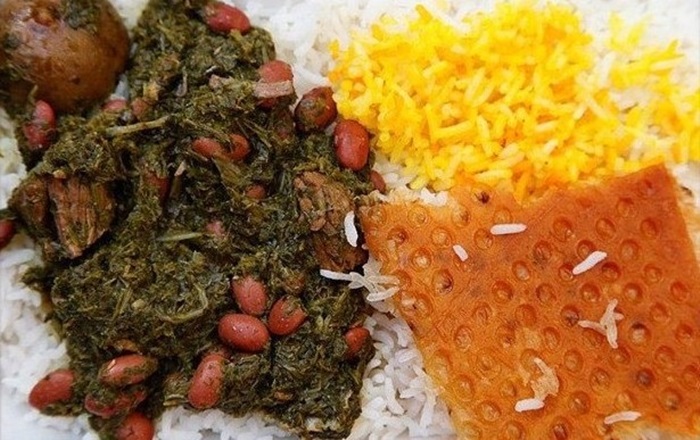
  1. Ghormeh Sabzi (Green Herb Stew)

Made from herbs, kidney beans and lamb, deep green ghormeh sabzi satisfies two Persian flavour obsessions: it’s sour and full of herbs. The stew is seasoned with dried limes, limoo Amani in Farsi. These limes are extra intense and sour, with a bittersweet taste that gives the stew a unique flavour. The other constant in ghormeh sabzi is fenugreek leaves, a taste unfamiliar to most westerners. Other herbs include parsley, coriander and scallions.
ghormeh-sabzi

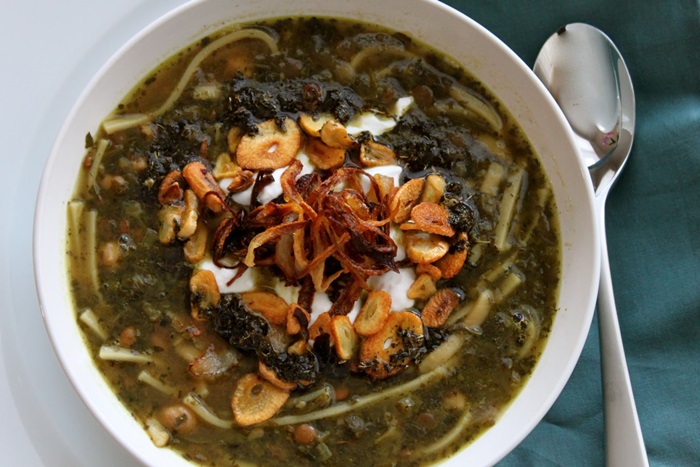
  1. Ash e Reshteh (Noodle and Bean Soup)

A richly textured soup full of noodles, beans, herbs and leafy greens like spinach and beet leaves. It’s topped with mint oil, crunchy fried onions and sour kashk, a fermented whey product eaten in the Middle East that tastes akin to sour yogurt. The noodles, which made their way to Iran from China, are thought to represent the many paths of life, and this soup is traditionally served when someone sets off on a long journey. Because of its auspicious ingredients, it’s also part of the menu for Nowruz, the Persian New Year, which occurs at the spring equinox in March.
ash-e-reshteh

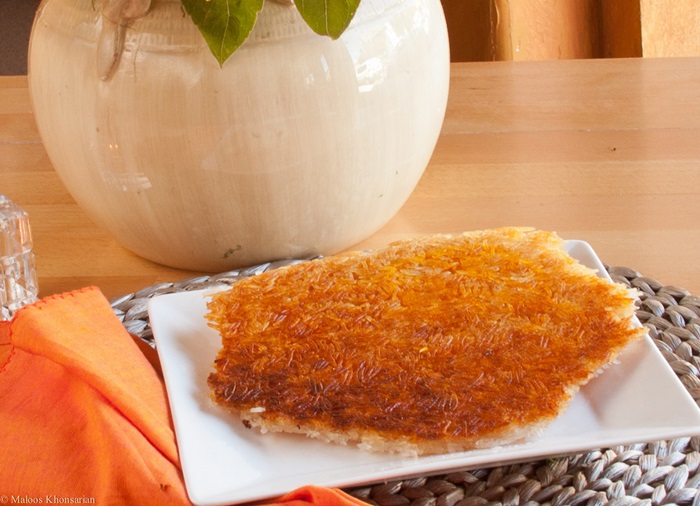
  1. Tahdig (Crunchy Fried Rice)

Tahdig is the soul food of Persian cooking. It’s the crisp, golden layer of fried rice at the bottom of the rice pot, and it tastes like a combination of popcorn and potato chips, but with the delicate flavour of basmati ice. (Tahdig is usually not printed on the menu, so you may have to ask for it.) At Iranian family gatherings, there are always plenty of leftovers, but the one dish that disappears completely is tahdig. It’s eaten as a side dish, and it’s forgivable to pick it up and eat it with your fingers.
Maloos Khonsarian

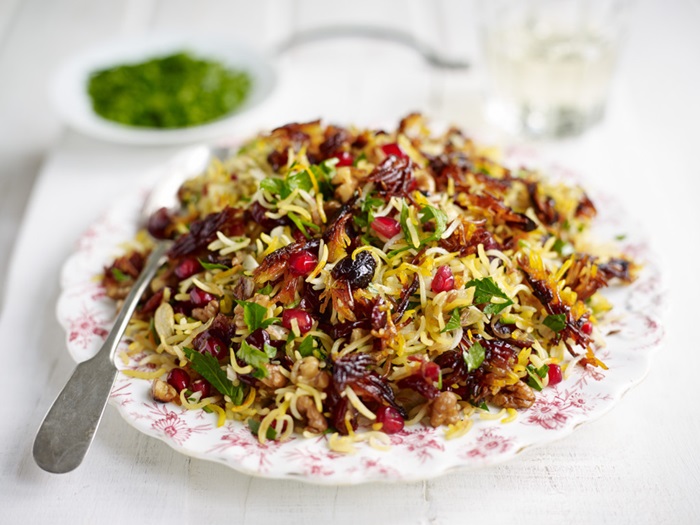
  1. Jewelled Rice (Rice with Nuts and Dried Fruit)

Dotted with brightly coloured dried fruit and nuts, like little jewels, this is a sweet-and-savoury dish that shows off some of the native ingredients of Iran, including pistachios, almonds, candied orange peel, barberries, carrots and saffron. It’s cooked with a little sugar to balance the sourness of the barberries. Jewelled rice is served for special occasions, particularly at weddings, because the sweet elements symbolize a sweet life. It’s traditionally served with chicken, which contrasts nicely with the sweetness.
 

What to Eat in Iran: 10 Essential Persian Dishes

  1. Kebab (Lamb, Chicken, Lamb Liver, Ground Meat)

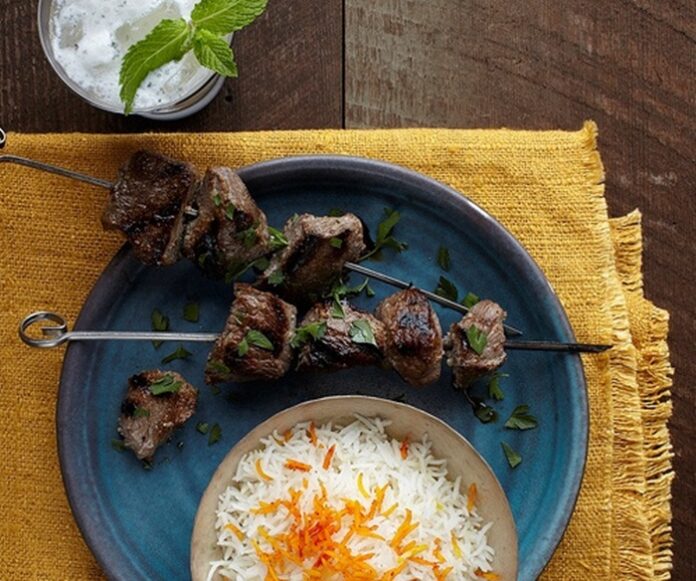
Kebabs have more variety than you might think. First, there’s koobideh, ground meat seasoned with minced onion, salt and pepper. It sounds simple, but the taste is sublime. There is kebab-e barg, thinly sliced lamb or beef, flavoured with lemon juice and onion and basted with saffron and butter. Chicken kebab, known as joojeh, is traditionally made from a whole chicken, bones and all, for more flavour (although in American restaurants it’s often made from skinless chicken breast), marinated in lemon and onion, and basted with saffron and butter. If you’re lucky, you’ll find jegar, lamb liver kebab, garnished with fresh basil leaves and a wedge of lemon.


  1. Sabzi Khordan (Herb and Cheese Plate)

No Persian meal is complete without a dish of sabzi khordan, or edible herbs. The plate can include mint, tarragon, basil and cilantro, alongside scallions, radishes, walnuts, feta cheese and Iranian nan (flatbread). Simply tear off a piece of flatbread, tuck a bit of the herbs and cheese and other garnishes inside, and fold it up like a rustic sandwich. The plate stays on the table throughout the meal, and the herbs are a crunchy palate cleanser between bites of stew and rice. Fresh and dried green herbs are eaten daily in Iran. The Zoroastrian New Year Nowruz celebrates rebirth and renewal, and the Nowruz menu includes several dishes made with green herbs representing new life, including rice with herbs, an herb omelette and the herb platter.
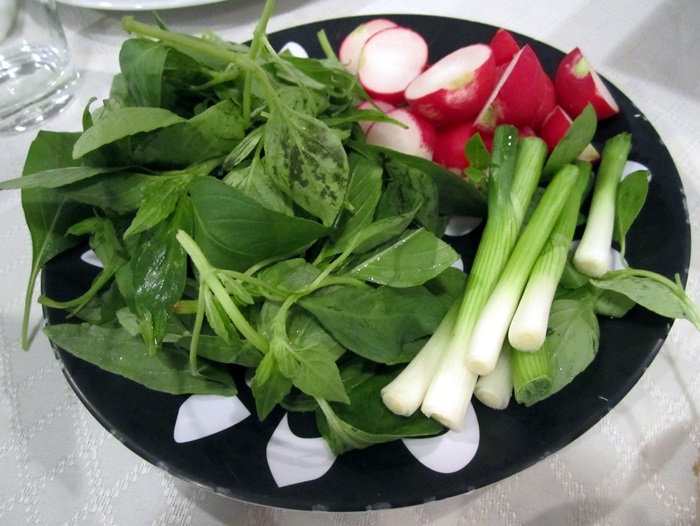

sabzi_khordan

Exchange 2010 to Office 365 Migration

It was intended to assist organizations and individuals to improve their work habits by changing the focus from communication to collaboration. With Exchange 2010, it was possible to be deployed both on-premises and on the cloud.

With the end of support for Microsoft Hosted Exchange 2010, businesses have to adopt new platforms. As of now, there are the options of Exchange 2016, Exchange 2019, and Office 365 available. While some organizations prefer to retain their on-premises platforms with Exchange 2016 or Exchange 2019, many prefer Exchange 2010 to Office 365 migration. This blog focuses on migrating from Exchange 2010 to the cloud-based Office 365.


Advantages of Office 365 Migration

Office 365 is a complete productivity suite with essential tools and services like SharePoint, Microsoft Teams, and OneDrive. Below are some of the other benefits.


Better flexibility at lower costs

Office 365 plans subscriptions offer a lot of flexibility based on business needs. You pay only for the Office 365 features that you need. A single license is sufficient to procure SharePoint Online, Teams, OneDrive and Sway.


Minimizes data loss risk

Being a Microsoft offering, Office 365 is protected by some of the most powerful backup systems minimizing the risk of data loss with guaranteed uptime.


Strong security and compliance features

Office 365 has some of the best security and compliance features that ensure that your data is safe and compliant with international safety standards.


Prerequisites for Exchange 2010 to Office 365 Migration

Exchange 2010 to Office 365 migration requires meticulous planning. Here are some of the considerations to be made for Exchange 2010 to Office 365 migration


Is Office 365 required?

How is Office 365 going to address the need of your organization? Besides, is it financially viable and what are its benefits? You will have to compare the cost of Office 365 with the on-premises options.


Changing DNS for Office 365

You have to confirm that you own the DNS before migrating to Office 365. This is needed to ensure that you can receive emails on the new mail IDs after the migration is complete.


Set up a password policy

The migration to Office 365 allows access from any device increasing the risk of hacks. Consequently, it is important to frame a password policy ahead of time.


Functionality retention

You might want to retain some of the functions of the old mailbox like autocomplete file, signatures, and other customization. You must be in a position to restore these after migration completion.


Methods for Exchange 2010 to Office 365 Migration

There are 2 manual methods provided by Microsoft for Exchange 2010 to Office 365 migration.


Cutover migration method

The cutover migration method is similar to express migration. It is a technique that allows for the migration of up to 2000 mailboxes. However, it is recommended to migrate only 150 mailboxes at a time. It involves the process of domain verification, initiating express migration, creating Office 365 accounts and licensing, user mailbox migration and DNS record update.


Hybrid migration method

The hybrid migration method provides the flexibility to maintain on-premises Exchange and Office 365 mailboxes. This method is more complex than the cutover migration. However, the advantage is that it supports over 150 mailbox migration without any third-party tool. However, you will have to enable directory synchronization.


Other Exchange 2010 to Office 365 Migration Options

There are certain tools that can simplify Exchange 2010 to Office 365 migration. These can move other items like contacts and calendar as well. However, it would be best to outsource the Exchange 2010 to Office 365 migration to a Microsoft Partner like Apps4Rent for seamless movement.

Iranian Army Equipped with New Combat, Surveillance Drones

Iranian Army Equipped with New Combat, Surveillance Drones

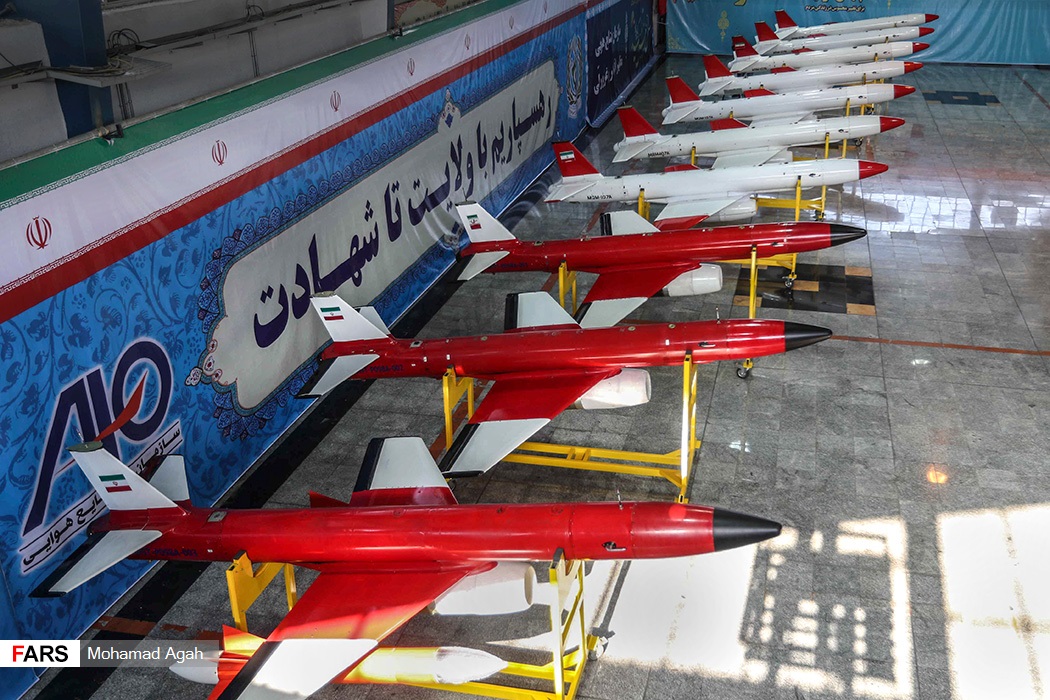
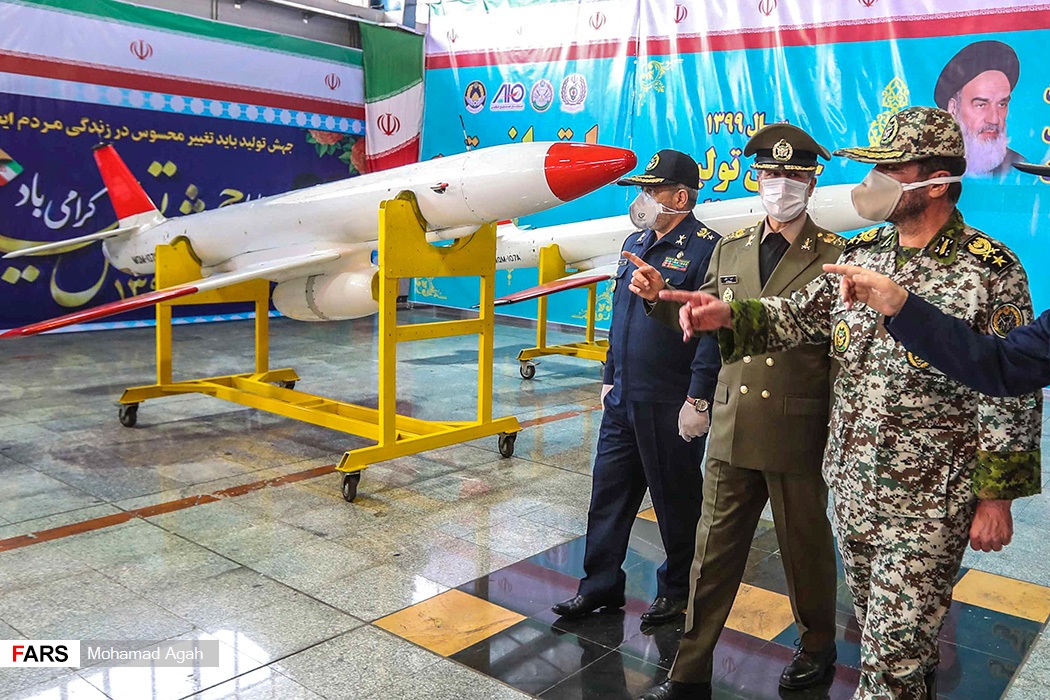
The delivery of the homegrown surveillance drones was made in an official ceremony at the Iran Aviation Industries Organization (IAIO) in Isfahan, attended by Defence Minister Brigadier General Amir Hatami and other senior military officials.

The defence minister said in the ceremony that the multipurpose jet-powered UAV delivered to the Army could travel at speeds of 900 kmph and conduct operations at an altitude of 12 kilometres.

General Hatami said the drone can fly for up to 180 minutes and has a range of 1,000 kilometres.

During the ceremony, a large contingent of Ababil 3 and Karrar drones was also delivered to the Air Force.

Referring to the Ababil-3 drone, Hatami said that the unmanned aerial vehicle is a medium-range surveillance craft capable of conducting airstrikes within a 150-kilometre radius.

The minister also said that the Karrar drone is a strategic combat drone which can deliver payloads comparable to manned aircraft.

He went on to say that the drone has pin-point attack capability and can be used in suicide attacks.

The drones were delivered to the Army of the Islamic Republic of Iran one day after the country marked the National Army Day.

Iran Unveils 6 Homegrown Products for Coronavirus Fight

Iran Unveils 6 Homegrown Products for Coronavirus Fight

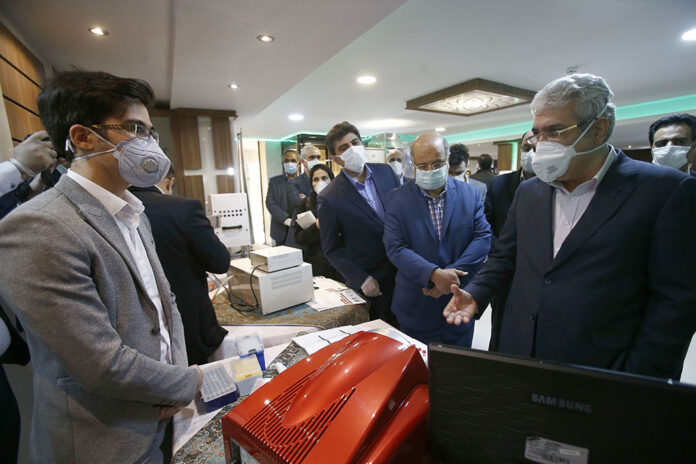
In a ceremony at Shahid Beheshti University of Medical Sciences and Health Services on Saturday, Vice President for Science and Technology Sorena Sattari inaugurated the university’s “Technology and Innovation International Complex”.

The vice president walked through a domestically-made disinfecting gateway upon entry into the hall, as his body temperature was measured by the device.

In comments at the event, Sattari said the statistics for the coronavirus epidemic in Iran show that the country’s innovation and technology ecosystem has produced acceptable performance in handling the disease.

“The technology and innovation ecosystem that has been shaped, particularly in the field of biotechnology, has been helpful in this path. The knowledge-based companies and the active human forces in this ecosystem have acted in a good and timely manner,” he noted.

The vice president then inaugurated the international technology and innovation complex that is going to include acceleration centers contributing to the development of the country’s innovation and technology ecosystem.

The complex currently involves two acceleration centers working on pharmacology and food sciences, but eight more acceleration centers are scheduled to come into operation in the complex to conduct research in the fields of medicine, cosmetics, biotechnology and digital health.

The domestic centers are going to develop various products such as pharmaceuticals, medical equipment, and relevant software. The Iranian start-ups will also enhance their activities in those centers.

On the sidelines of the event, the vice president unveiled six Iranian-made products for coronavirus diagnosis, screening and treatment.

The new products include a smart gateway that monitors the body temperature with temperature sensors, measures the oxygen saturation of blood, and can be integrated with the employee database of organizations or the integrated data systems.

Another new product unveiled in the exhibition was an ozone generator equipped with ozone measurement sensor. The Iranian device is used for air disinfection and can produce ozone on-site. The generator obviates the need for disinfectant chemicals, can replace medical autoclaves in hospitals, and does not leave any stain on the equipment, surfaces or clothes.

The other product was a face shield made up of nanomaterial. The flexible shield has been designed to meet the demands of the medical personnel.

The vice president also unveiled three test kits used for the molecular diagnosis of the novel coronavirus.

The other new products include COVID-19 rapid diagnosis test kit, COVID-19 management system, and an application dubbed TAK, which includes solutions for nutrition, safety and coronavirus prevention.

A Look at Iranian Newspaper Front Pages on April 18

A Look at Iranian Newspaper Front Pages on November 18

Iranian Newspapers

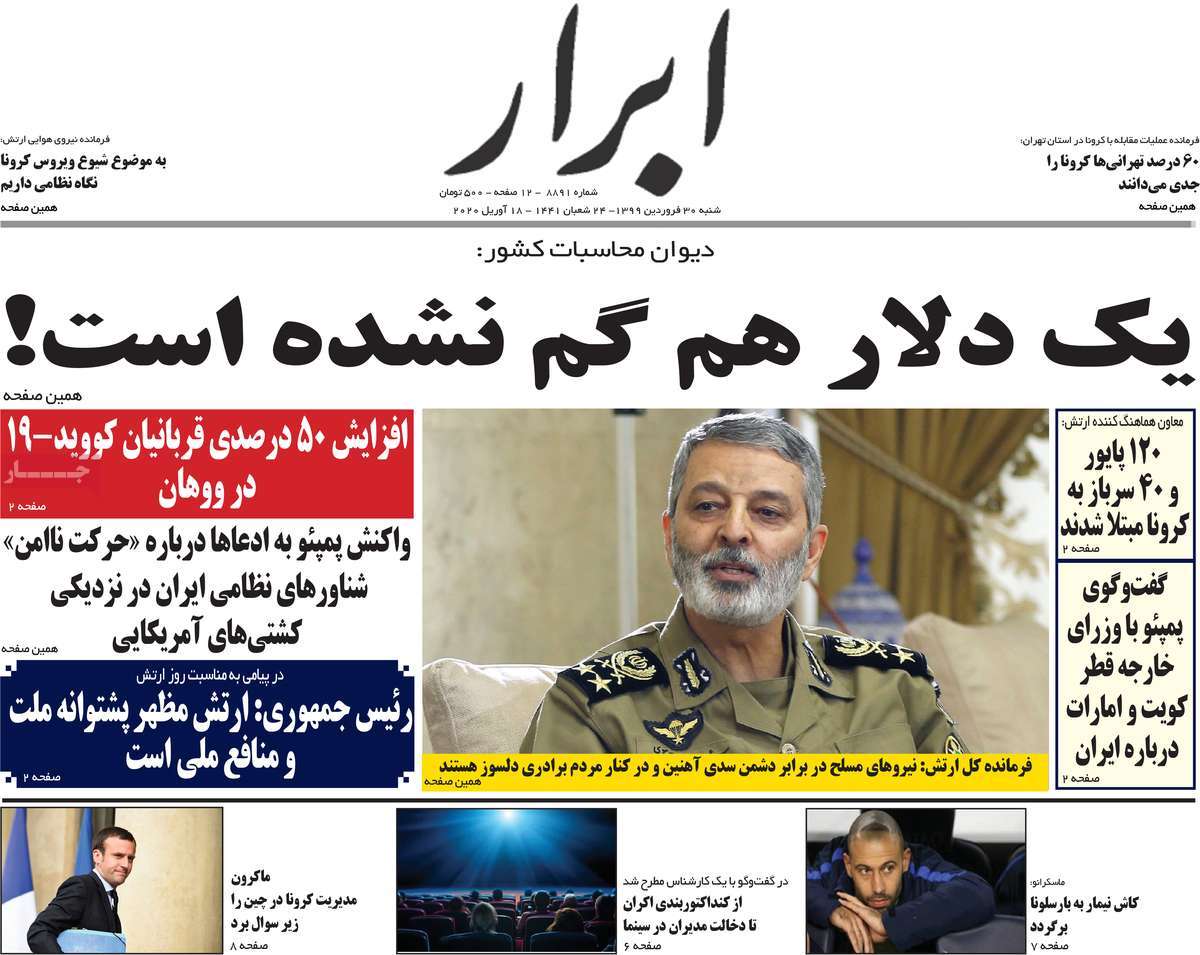
Abrar Newspaper:

1- Not Even a Single Dollar Missing
2- 50% Increase in Number of COVID-19 Fatalities in Wuhan
3- Pompeo’s Reaction to Claims about ‘Unsafe’ Movement of Iranian Military Vessels Near US Warships
4- Rouhani: Army Symbol of National Interests
5- Pompeo Holds Talks with Qatari, Kuwaiti, Emirati Counterparts on Iran

A Look at Iranian Newspaper Front Pages on April 18


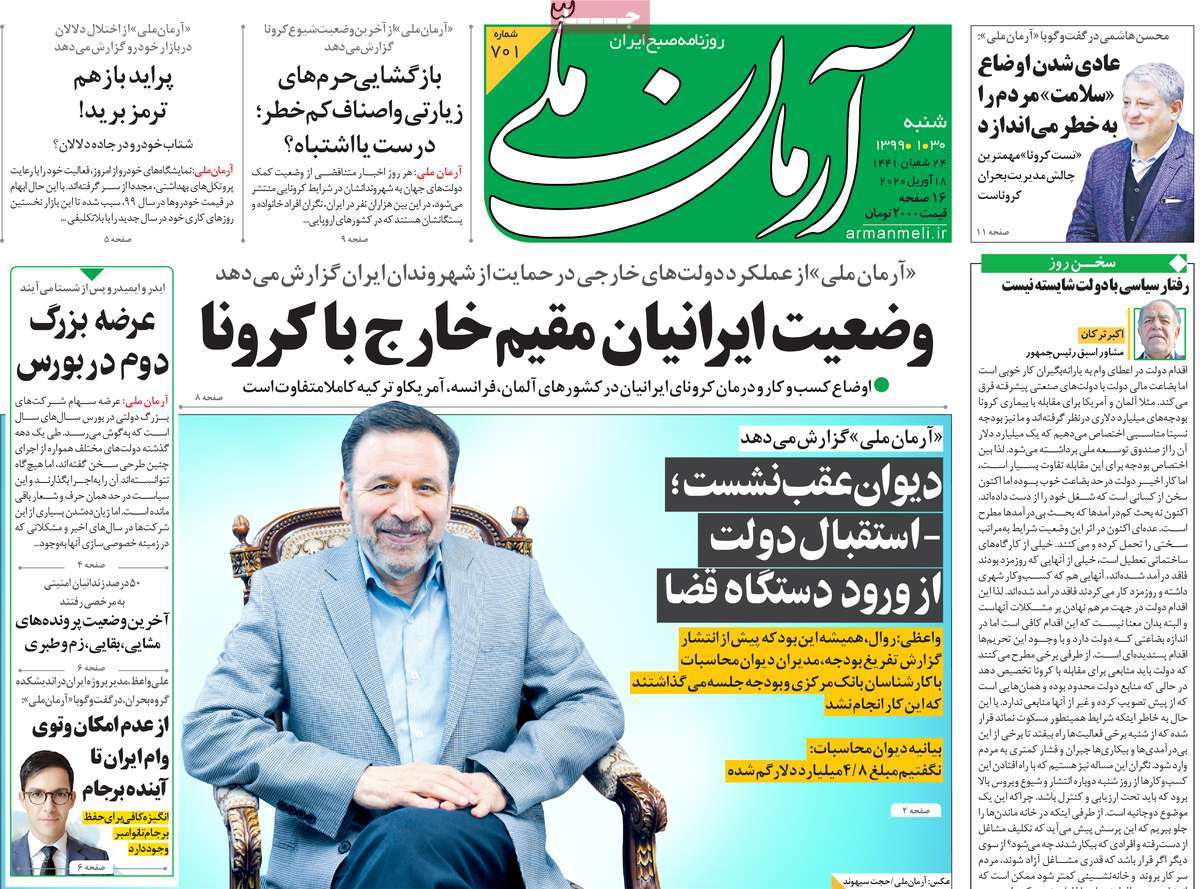
Arman-e Melli Newspaper:

1- Easing Restrictions Will Jeopardize People’s Health: Tehran City Council Chairman
2- Reopening of Holy Shrines, Low-Risk Shops: Right or Wrong?
3- Iranian People Abroad: How Are They Coping with COVID-19 in Germany, France, US, Turkey

A Look at Iranian Newspaper Front Pages on April 18


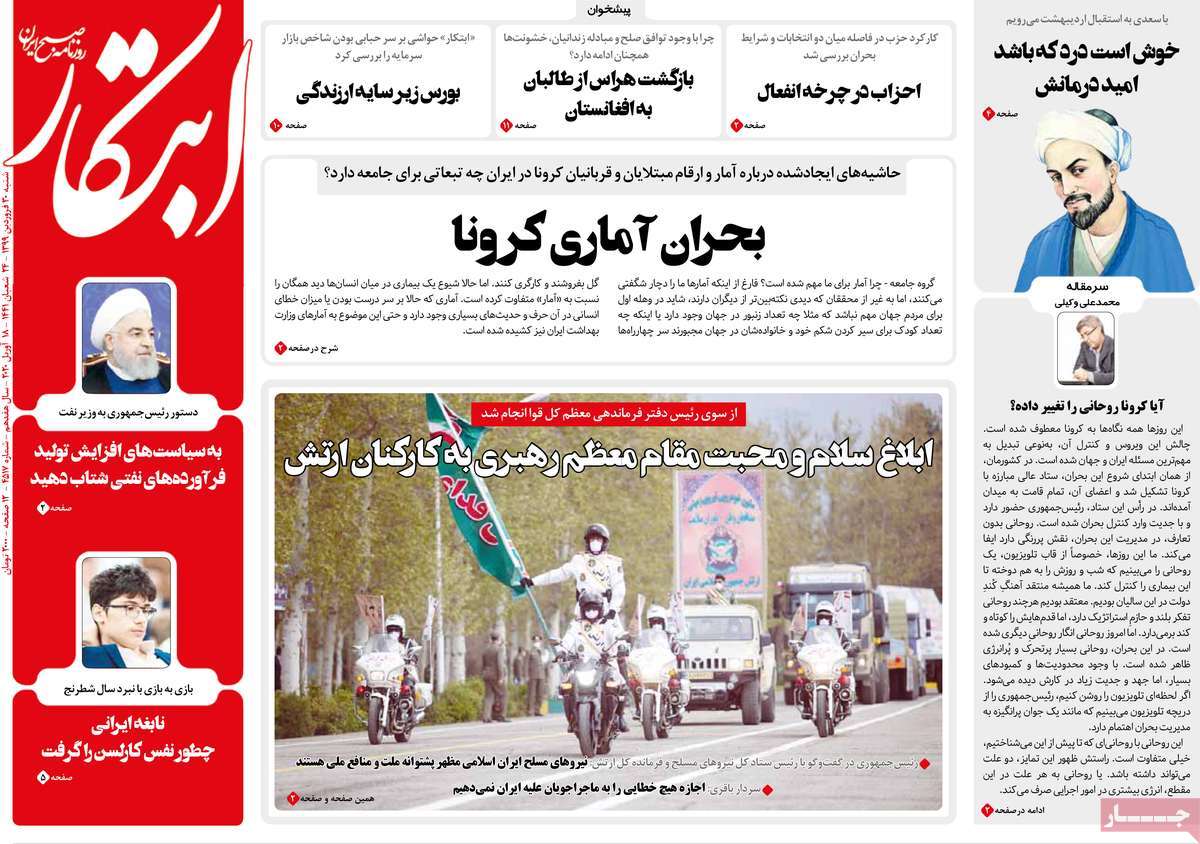
Ebtekar Newspaper:

1- Iran Leader Sends Greetings to Army Personnel
2- Rouhani to Oil Minister: Accelerate Policies of Increased Oil Production
3- Return of Terror from Taliban to Afghanistan
* Why Violence Continues Despite Peace Agreement, Prisoner Swap Deal?

A Look at Iranian Newspaper Front Pages on April 18


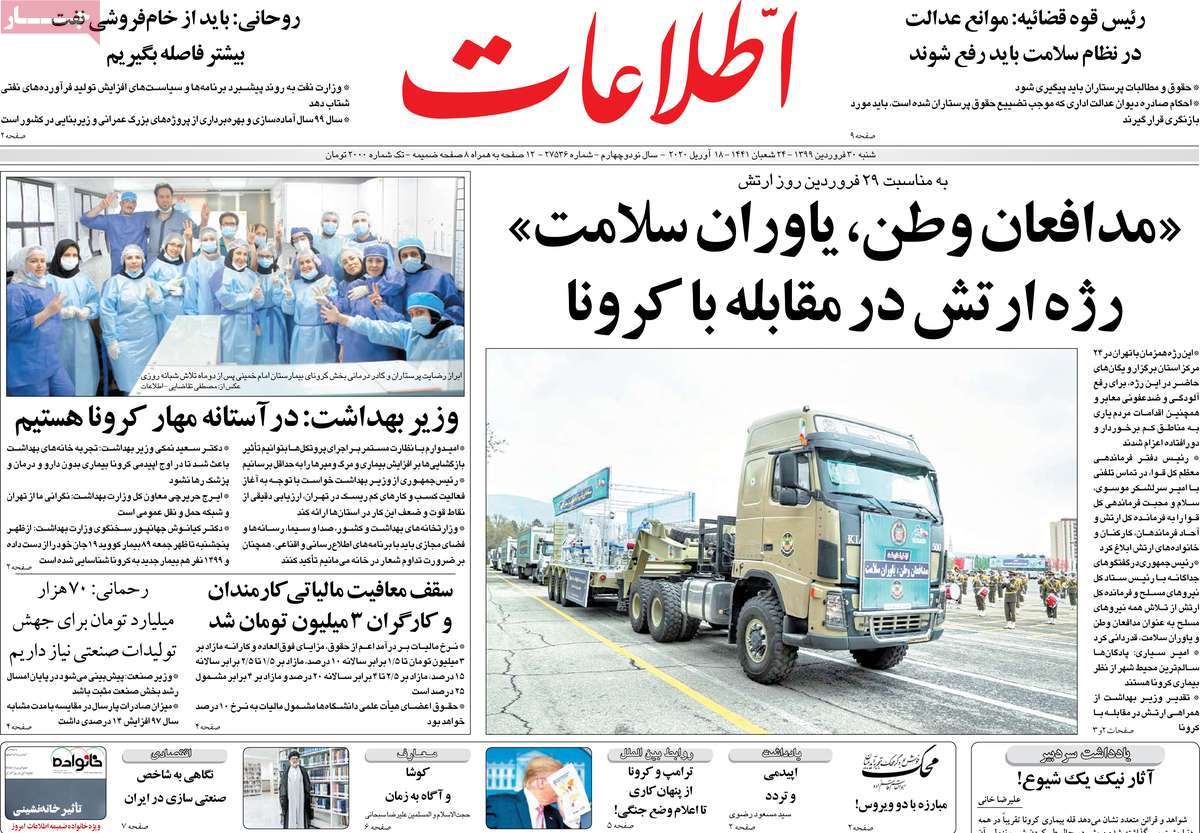
Ettela’at Newspaper:

1- Army Personnel Defenders of Iran, Assistants of Public Health
2- Rouhani: We Should Further Avoid Selling Crude Oil
3- Health Minister: We’re on Verge of Containing COVID-19

A Look at Iranian Newspaper Front Pages on April 18


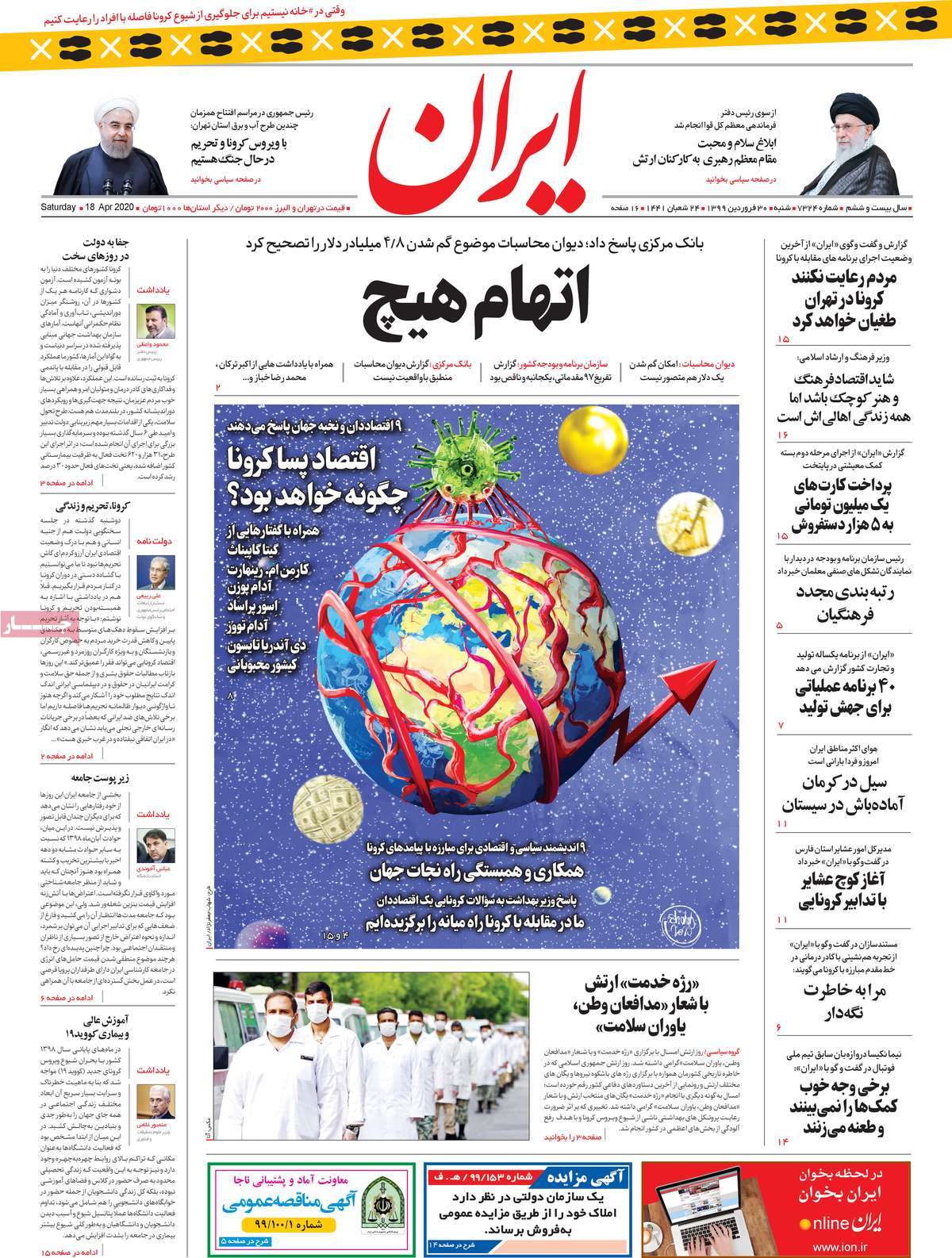
Iran Newspaper:

1- We’re in War with Corona, Sanctions: Rouhani

A Look at Iranian Newspaper Front Pages on April 18


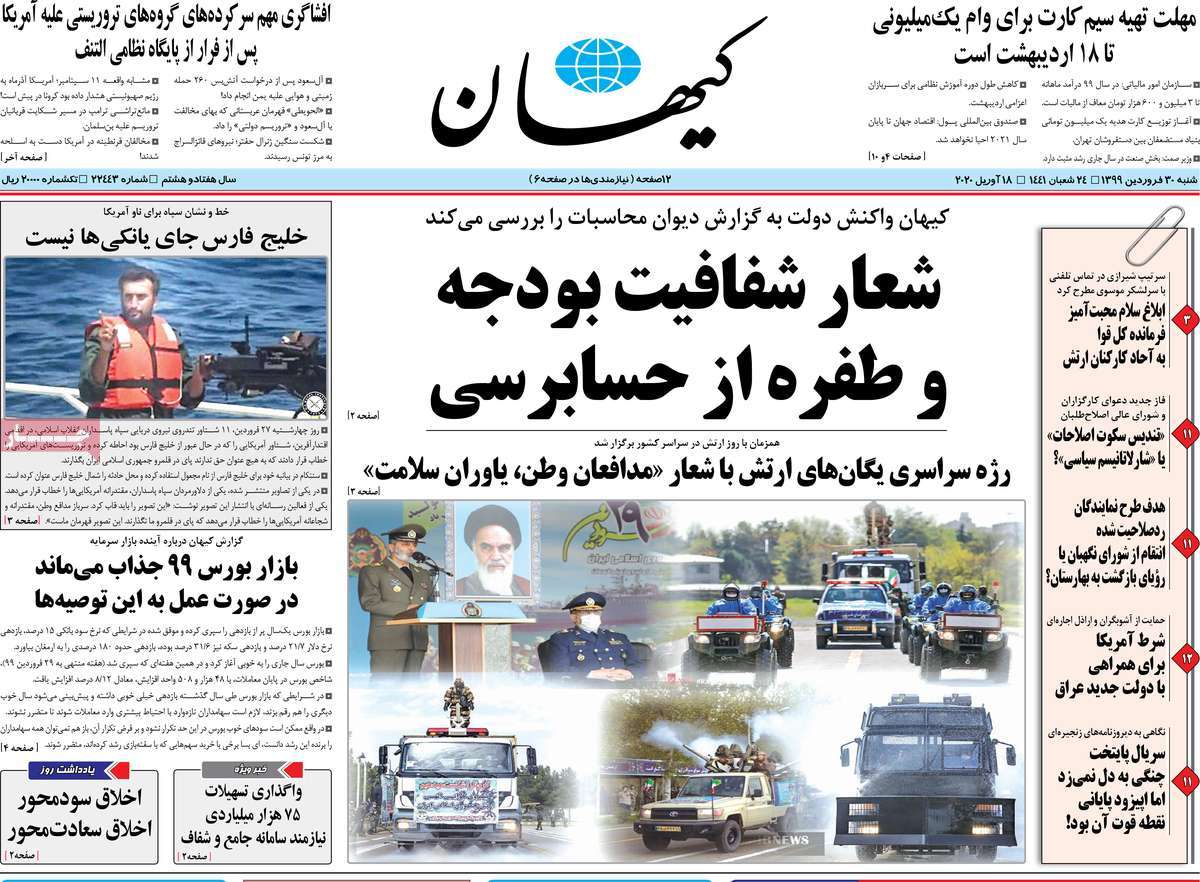
Kayhan Newspaper:

1- Iran Leader Sends Kind Message to All Army Personnel
2- US’ Condition for Supporting New Iraqi Government

A Look at Iranian Newspaper Front Pages on April 18


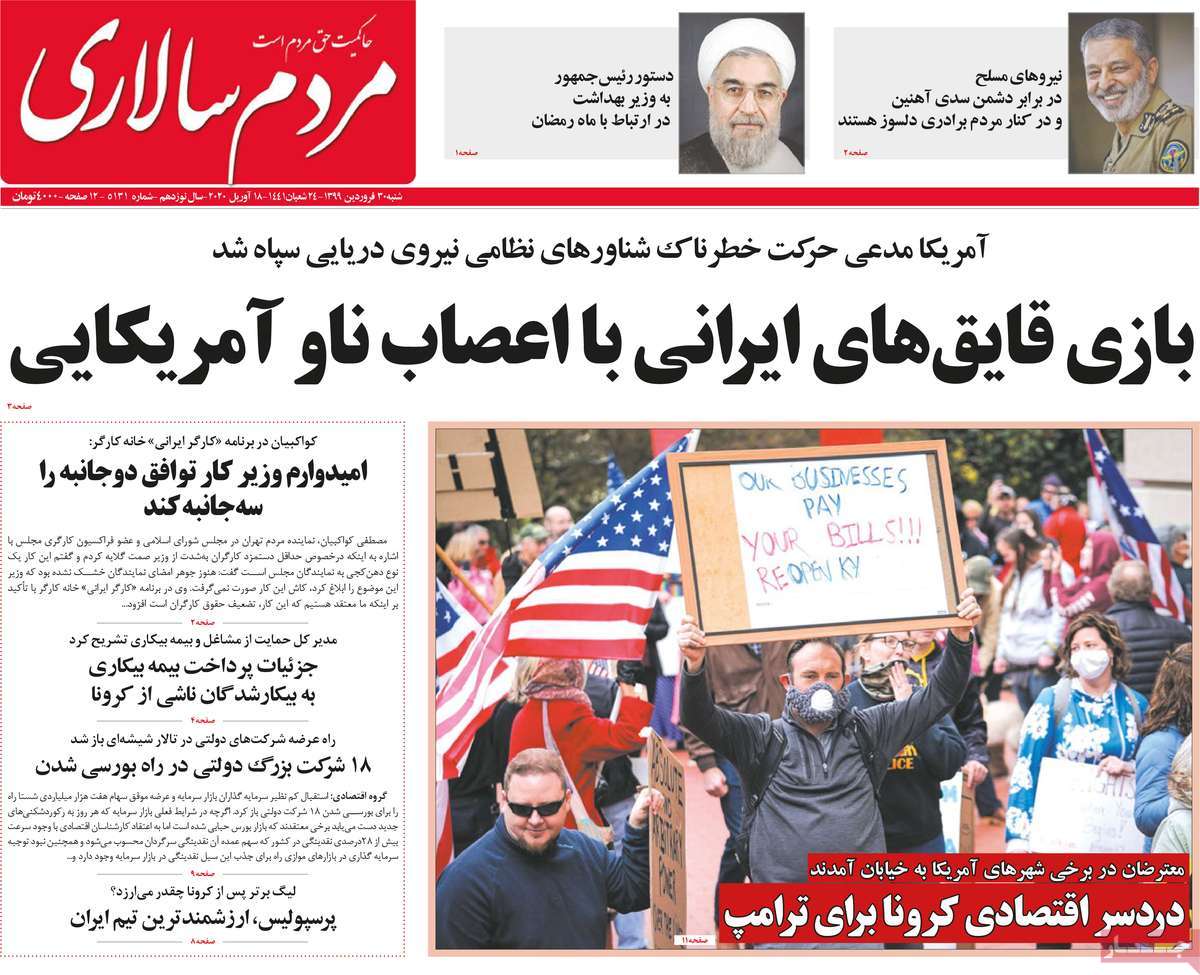
Mardom Salari Newspaper:

1- Iranian Boats Play with US Navy’s Nerves
* US Claims Iranian Navy’s Boats Made Dangerous Moves Around US Warships
2- Rouhani Gives Orders to Health Minister Ahead of Ramadan
3- Corona’s Economic Troubles for Trump: Protesters Pour into Streets in Some US Cities

A Look at Iranian Newspaper Front Pages on April 18


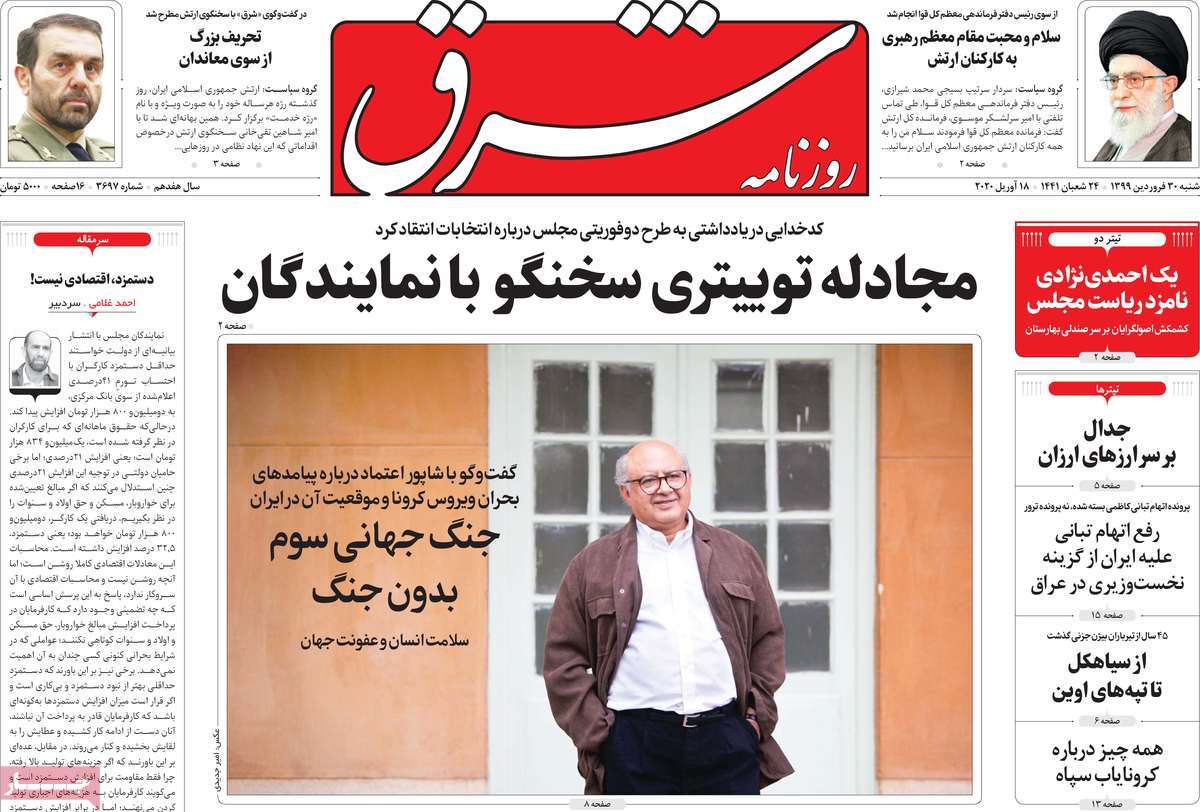
Shargh Newspaper:

1- Guardian Council Spokesman Criticizes Parliament’s Election Motion
2- Iraq’s PM-Designate Cleared from Allegations of Collusion against Iran
3- World War III Without War: Consequences of COVID-19 for Iran

A Look at Iranian Newspaper Front Pages on April 18

COVID-19 in Iran: Daily Death Toll Continues to Decline

COVID-19 in Iran Daily Death Toll Continues to Decline

Iran’s Health Ministry Spokesman Kianoush Jahanpoor said on Saturday only 73 people died of the novel Coronavirus in the past 24 hours, increasing the death toll to 5,031, and marking the lowest number of deaths in more than a month.

In the past 24 hours, 1,374 new infections have been confirmed across the country, raising the total number of cases to 80,868.

The spokesman said at least 55,987 patients have recovered from the virus so far and have been discharged from the hospital.

Among the patients undergoing treatment in the medical centres at present, 3,513 ones have critical health conditions because of more severe infection, Jahanpoor stated.

He finally noted that 330,137 coronavirus diagnostic tests have been carried out in Iran as of Saturday.

Coronavirus online test
If you are worried that you may have contracted the Coronavirus, take this test right now.

Social Distancing Slows Pace of COVID-19 Infection in Iran: Rouhani

US Push to Use Mechanisms in Iran Nuclear Deal Ludicrous: Rouhani

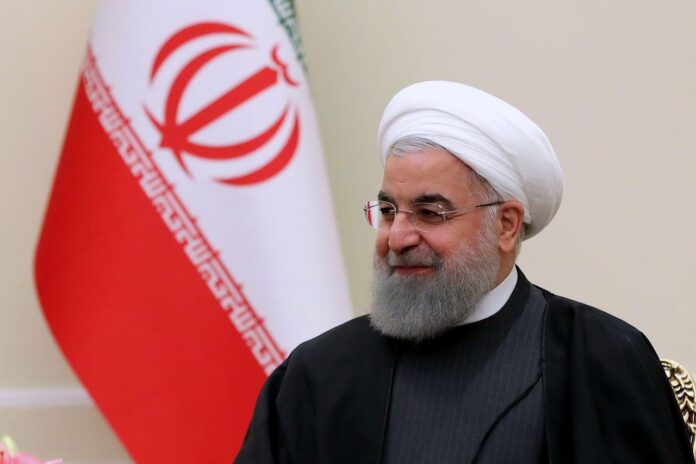
In remarks on Saturday, Hassan Rouhani thanked people for staying at home to help stem the spread of the virus.

“A considerable number of people have not only observed health directives, but also have abided by the ‘stay-at-home’ motto very well and have not left home except for necessary affairs,” the president said at a meeting with heads of expert committees of the National Coronavirus Headquarters.

President Rouhani further called on the health ministry to specify conditions for medium-risk businesses to resume work.

The president also asked local media as well as the state radio and TV to keep urging people to observe health protocols, stay at home and avoid nonessential travel.

“The Ministry of Health and Medical Education should work closely with relevant institutions to offer training to people and convince them of the necessity of abiding by the regulations and directives communicated to businesses which have resumed work,” he said.

The president further said the reopening of educational centres depends on the extent to which the spread of the coronavirus will be contained in the coming weeks.

Coronavirus online test
If you are worried that you may have contracted the Coronavirus, take this test right now.

How Will Middle East Look after Corona?

How Will Middle East Look after Corona?

Qassem Mohebali, a former Director General of the Iranian Foreign Ministry’s Middle East Department, says despite some good impacts, most of the countries in the region may face drastic problems.

What follows is the full text of his opinion piece published by Entekhab news website:

COVID-19, as a phenomenon that has affected all areas of human life, has caused countless tragedies for politicians in various countries. Meanwhile, the Middle East is one of the main centres of international politics influenced by this viral disease. Under such circumstances, it seems necessary to pay attention to a few points about the post-corona era in the Middle East:

First of all, most countries in the Middle East are living in poverty, and they are not economically able to manage the coronavirus crisis. It should be noted that the countries of the Persian Gulf, which have a small population, are in a much better situation. However, the Corona crisis will cause major problems and suffering in the Middle East. The need for oil of the economic powers and the world’s top producers has significantly decreased. This will have a profound effect on Middle Eastern oil-dependent countries and will have a detrimental effect on their economies. All in all, poverty can be the first phenomenon after the pandemic in the Middle East.

The second most significant impact of the virus in the Middle East is on tourism industry, which is extremely important for countries such as Egypt, the United Arab Emirates, Tunisia, Lebanon and Turkey. These countries have lost a large part of their revenue; the income that can be considered as the source of a large part of the budget in these countries. As a result, many labour forces working in the field of tourism in countries like Turkey will lose their jobs. This in turn will be another factor in the spread of poverty in the post-Corona Middle East.

Thirdly, as a result of increasing poverty among citizens of various countries in the Middle East affected by the spread of the COVID-19, one can predict a major crisis for governments in the region. Prior to the pandemic, countries such as Iraq and Lebanon were already involved in popular protests over the dire economic situation and corruption

In the new situation in which Corona has exacerbated the economic crisis, poverty and misery in the region, it can be expected that more poor people will take part in anti-government protests after the corona crisis. Therefore, it is already possible to see more popular protests in the post-Corona Middle East.

Fourthly, the disease can influence the region’s political conflicts. As we have seen over the past two decades, terrorism and conflict between different actors have led to confrontation, crisis and civil war in some countries, but what we have seen so far is the reduction of tensions. In fact, all governments have directed their attention to the domestic affairs of the country and the control of this disease. The involvement of all actors in the fight against COVID-19 has created an opportunity to stop the conflicts. For example, Corona’s impact on the Yemeni war and the Idlib crisis in Syria can be mentioned. Corona has greatly softened the warmongering view of both sides, and it can be expected that this trend will continue in the short run.

Coronavirus online test
If you are worried that you may have contracted the Coronavirus, take this test right now.

The fifth controversial issue surrounding the virus in the Middle East is its impact on the region’s traditional beliefs. In fact, Corona can pave the way for a kind of transition from traditional society to rational society and the spread of bureaucratic rationality in the Middle East. Many people saw how the thoughts of extremists and superstitious people failed against physicians and medical scientists. This has led to a kind of disrepute for superstitious missionaries; perhaps the post-Corona period can be seen as an intellectual renaissance.

The sixth impact is on the role of governments. On the one hand, the coronavirus, as a global crisis, weakens the independent role of states in dealing with the current situation, and we are witnessing a kind of minimalisation of states. On the other hand, the Corona showed that governments with stronger crisis management performed better. Regardless of the performance of a few limited governments that acted well, the rest of the governments performed poorly. Under these circumstances, the will of the people to strengthen good governance in the region will increase, so after the Corona, we will see an increase in the pressure and civil demands of the people on the statesmen and governments.