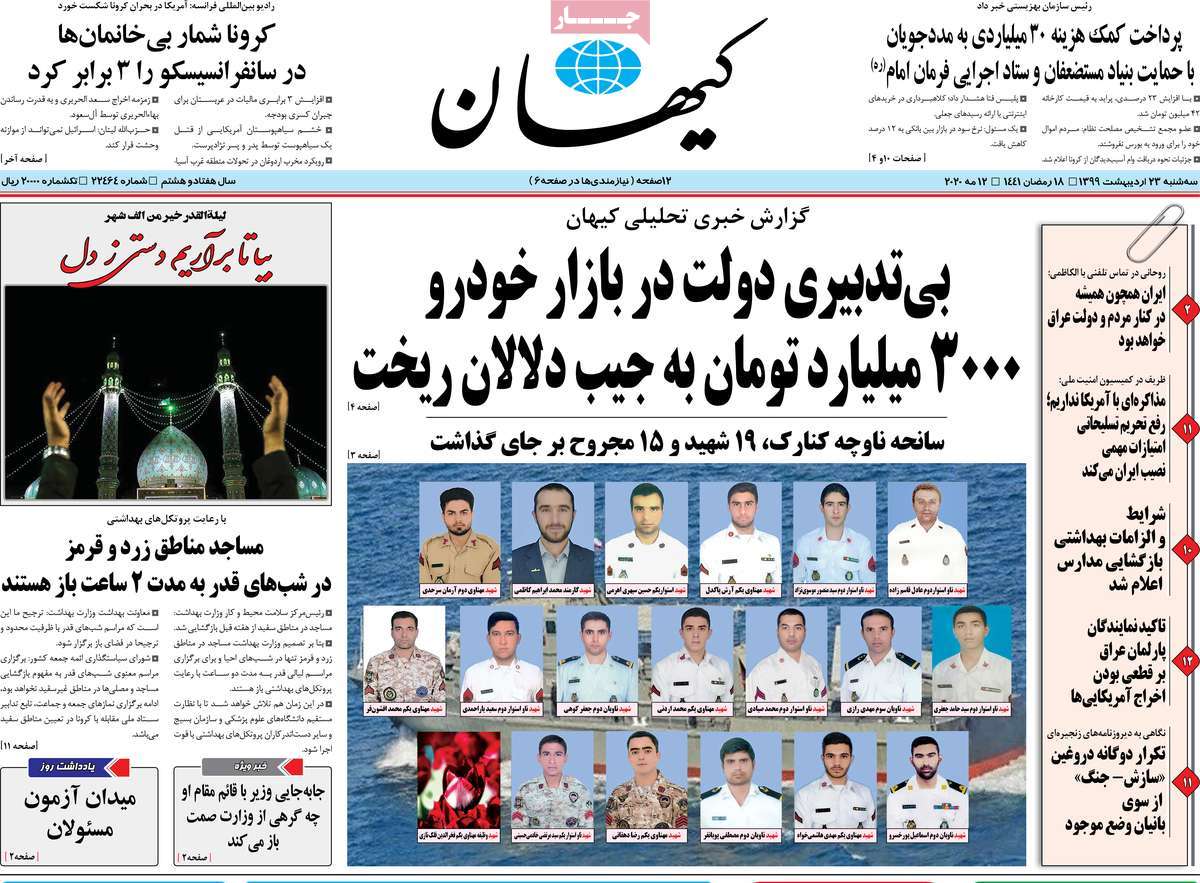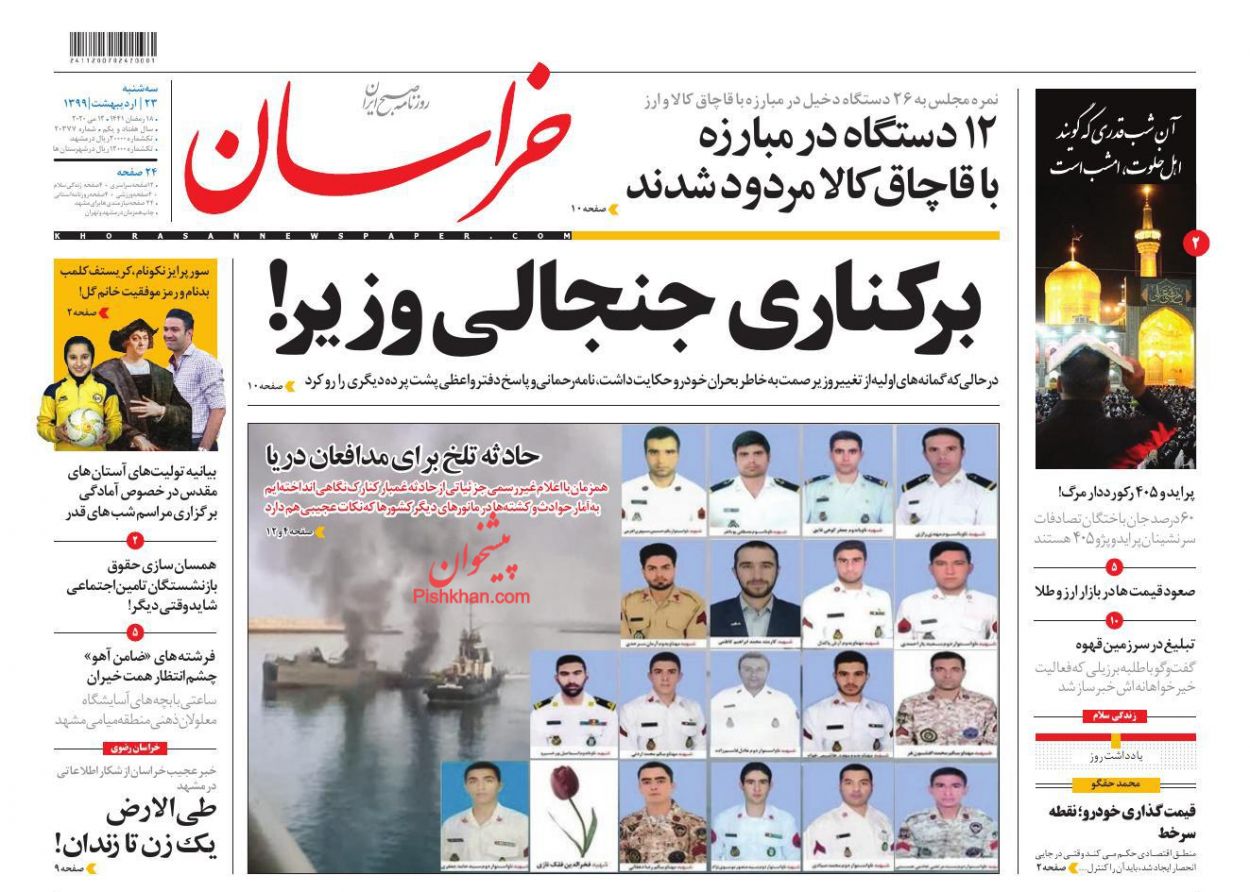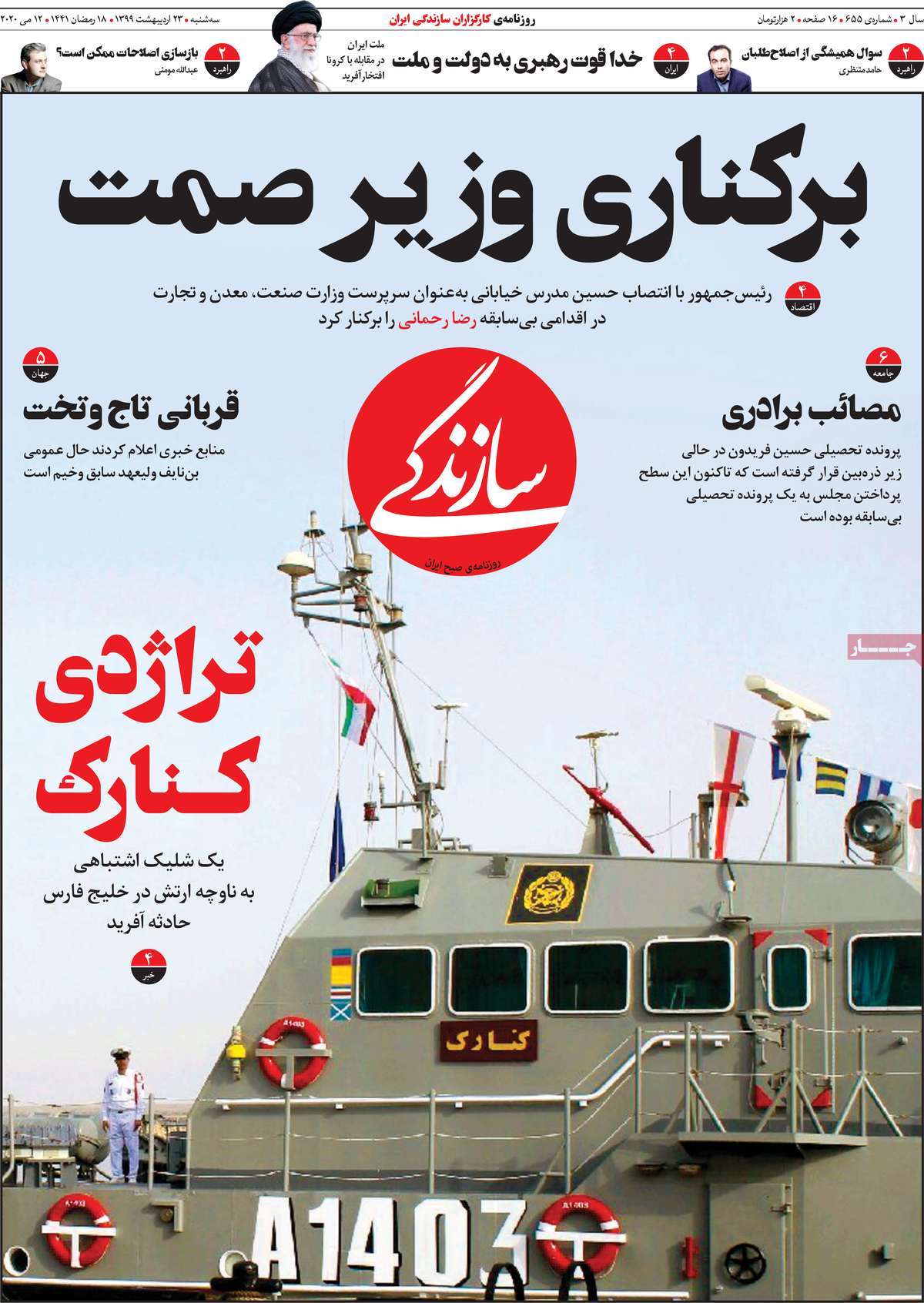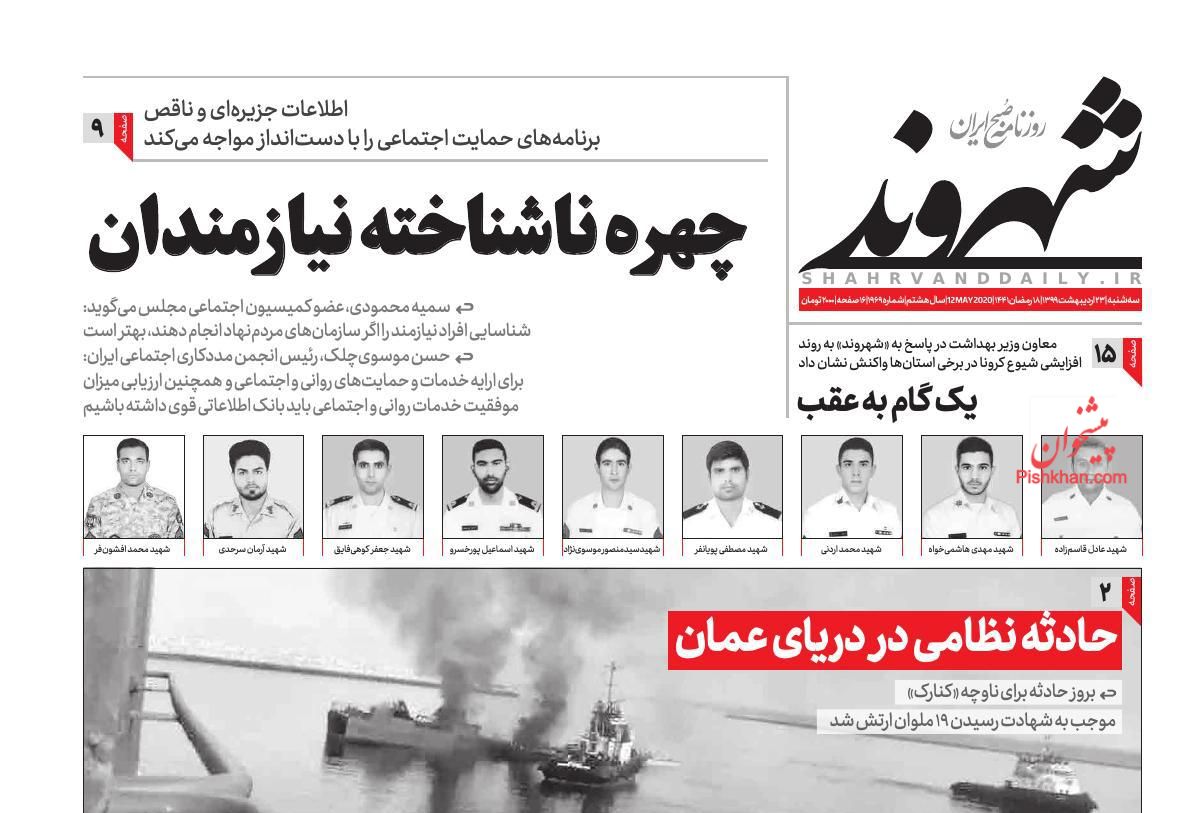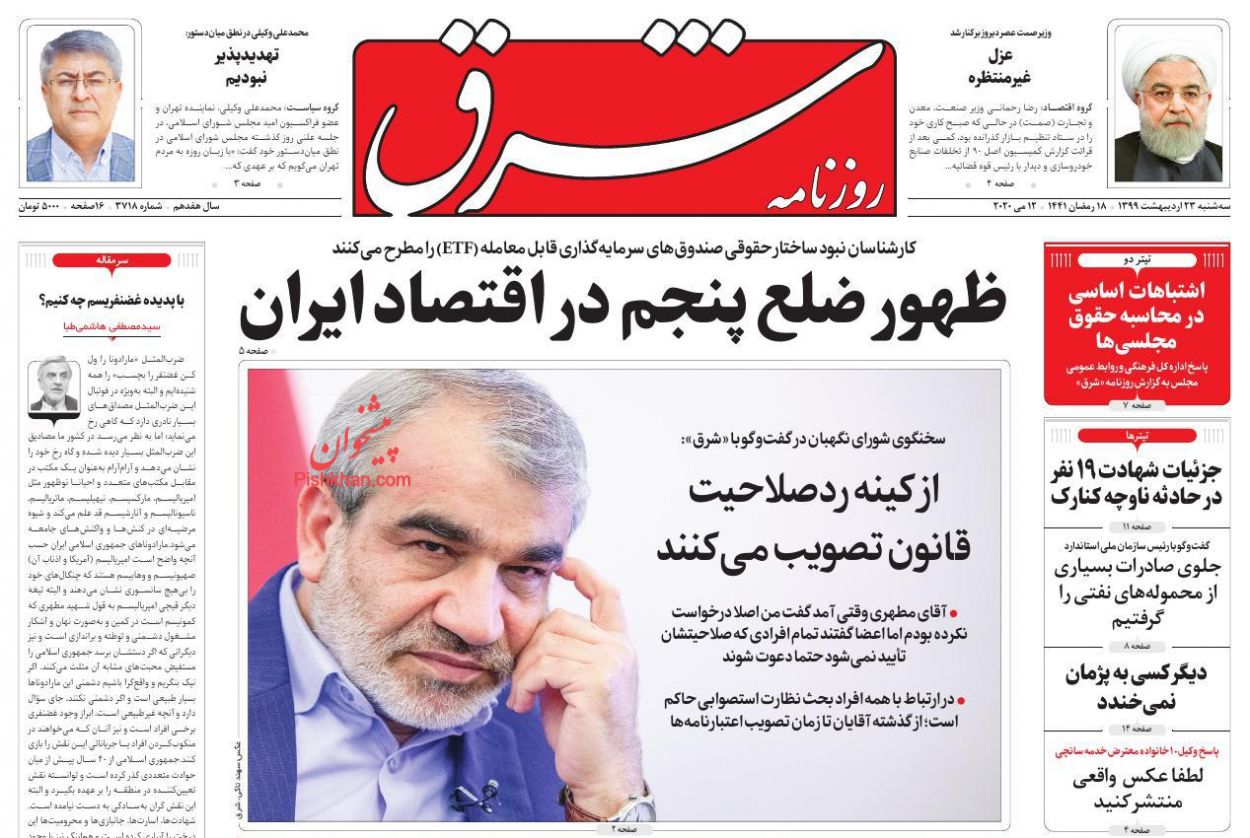
Speaking with Spanish Prime Minister Pedro Sánchez by telephone on Tuesday, President Rouhani said in the current situation, the relations between the countries should be based on human principles and hostile policies should be countered, but unfortunately in these very difficult conditions, the United States continues to intensify its sanctions against Iran and even applies them to medicinal products.
The President also referred to Iran’s loan request from the International Monetary Fund to fight against the coronavirus, saying the United States also opposes the payment of this loan, but the Islamic Republic expects the European Union and Spain to adopt a stance against such illegal act.
President Rouhani welcomed the Spanish Prime Minister’s proposal to resume talks between the Foreign Ministers of the two countries to exchange views on important bilateral and international issues, including the implementation of the JCPOA.
“If the other countries fulfil all their obligations, we will meet our commitments,” he reiterated.
Elsewhere in his remarks, Iran’s president touched upon the need for the implementation of the bilateral agreements, and expressed hope that the relations between Iran and Spain will grow in all fields.
Rouhani further expressed sympathy with the Spanish people, noting that Tehran is ready to share its experiences in dealing with the coronavirus.
For his part, the Prime Minister of Spain offered his condolences to the people of Iran over the coronavirus deaths, and gave a report on the situation in his country in the fight against the virus as well as the imposition of urban restrictions on citizens.
“In addition to concerns about the health of the people, we have deep concerns about the economic crisis that our country will face in future,” Sánchez underlined.
On the US sanctions against Iran, the Spanish premier said “We believe that the US sanctions have had a profound effect on the Iranian economy and the health of people, especially in this difficult time when you are struggling with COVID-19. Spain and the European Union do not agree with such sanctions.”
The Prime Minister of Spain also expressed his support for the activation of the European Union’s financial mechanism (INSTEX), saying, “Spain has put plans to join the INSTEX on the agenda as well.”
Pedro Sanchez further hailed the relations between Iran and Spain, asserting that it is very important that the two countries resume trade relations in the current situation.
The permit to finance the project by a foreign investor has been issued by the state Organization for Investment and Economic-Technical Assistance.
The investor is currently making the preliminary arrangements and finding a suitable location to build the power station.
As announced, the plant will be able to generate 300 megawatts of electricity. Moreover, the investor has the necessary permits to directly export that electricity to Iran’s neighbouring countries.
The project comes with a price tag of €300 million. The permission to implement the project was issued after several expert meetings were held to give the green light to foreign investment for the plan, offer guidelines and incentives for investment, and accredit the investor.
Surveys show Yazd is a desert area and catches much sun, and that is why it called Iran’s “Paradise of Solar Power.”
In his daily briefing on Tuesday, Health Ministry Spokesman Kianoush Jahanpour said 1,297 new cases of COVID-19 infection have been confirmed in the past 24 hours, bringing the overall number of cases to 84,802.
He said 88 people have died of the virus in the past 24 hours, increasing the death toll to 5,297.
Jahanpour said 3,357 patients are currently in severe conditions. He also noted that 365,723 coronavirus tests have been taken so far across the country.
In a meeting with the Ministry of Roads and Urban Development officials on Tuesday, Jahangiri said Iran was suitably prepared to weather the impact of an unprecedented collapse in the oil prices, because the US sanctions had already forced the Islamic Republic to devise oil-free economic solutions.
The arrangements made beforehand have enabled Iran to get ready for the elimination of oil incomes from the national budget, he noted.
“The crises and the sanctions imposed by the United States of America have prepared us for running the country under the current circumstances,” the vice president stated.
Jahangiri then noted that many oil-producers, such as Saudi Arabia, will definitely encounter serious problems with crude traded at below $70 a barrel, saying even a recent decision from the OPEC+ to cut output by 10 million barrels could not prevent the collapse in oil prices.
The vice president also warned that the other businesses dependent on oil, such as the petrochemical and metal industries, will suffer the economic consequences of the novel coronavirus outbreak.
He finally called on the Iranian universities and academic centers to formulate scientific plans to deal with the situation and urged the administrative organizations to develop new plans for the current circumstances.
The Persian Gulf stock markets fell on Tuesday, and the Saudi riyal dropped in the forwards market after US crude oil futures collapsed below $0 on a coronavirus-induced supply glut.
Global benchmark Brent crude has fallen sharply in response to the collapse of demand following reduced economic activity.
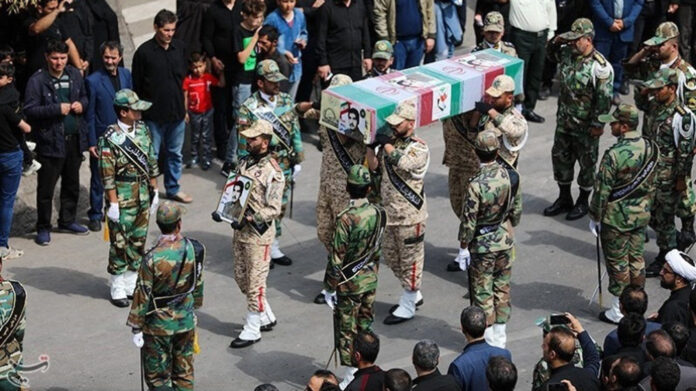
Major General Mohammad Baqeri said the IRGC is helping meet the needs of the Iranian nation on all fronts.
“The IRGC is shining in defense, security and cultural arenas as well as in eliminating poverty and assisting people, said general Baqeri, the chairman of the General Staff of the Iranian Armed Forces, in a message on April 21, marking the anniversary of the ratification of the Statute of the IRGC.
The message was addressed to IRGC Commander Major General Hossein Salami.
General Baqeri congratulated all military and state officials on the anniversary, saying the IRGC has raised the flag of awakening and the campaign against hegemony.
“Devoted and brave IRGC personnel have given their lives to safeguard the Revolution, religion, the Islamic Establishment and lofty ideals of Islam as well as Iran’s independence, power and national security” to protect the country against enemy plots
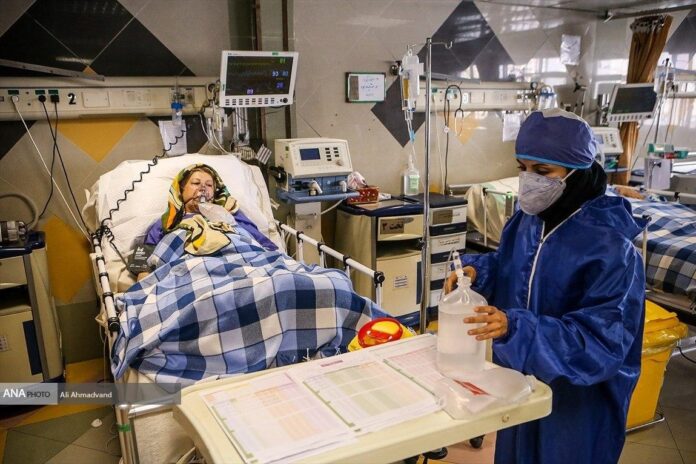
In a phone conversation, Mohsen Hajimirzaee appreciated efforts by Ms. Jafari, and English Language teacher, for continuing to educate her students while being ill.
A photo showing the bedridden teacher running online courses has gone viral on social media.
“This photo deserved so much honour as it showed a committed and responsible school teacher being so much caring about her students,” said the minister in the phone conversation.
He wished the Jafari a rapid recovery, and added, “I thank you on behalf of all teachers whose efforts have made a difference.”
The old Titi caravanserai in Gilan dates back to the era of Safavid dynasty, one of the most significant dynasties who ruled Iran until 1736.
The Titi caravanserai, meaning ‘blossom’ in the Gilaki language, is located some eight kilometers from the city of Siahkal.
The building, used as a hotel by the caravans in the past, was of strategic significance when it was built, considering the very small number of caravanserais in northern Iran at that time.
The historical building takes its name from Titi Khanoom (Lady Titi), the aunt of one of the Safavid kings, who ordered the construction of the caravanserai. It was used to accommodate the people travelling between Siahkal, Deylaman and Taleqan.
The caravanserai was built of stone obtained from the rivers, brick, lime and mortar.
The old building was in service even until decades ago in the contemporary century, when the current roads had not been constructed.
The Titi caravanserai was frequented by travellers when people used animals as means of transportation before the invention of motor vehicles.
What follows are IRNA’s photos of the 600-year-old building:
Everywhere there is talk of medical advice, and social communication is forgotten in the context of social distancing. Sociologists say the discipline is concerned with building relationships and linking individuals, while now everyone emphasises that these bonds must be cut; however, this may lead to further isolation.
Amir Hossein Jalali, a psychiatrist, and Abbas Kazemi, a sociologist of culture, are two Iranian experts who have examined the negative impacts of reduced communication in the current situation and offered solutions.
According to a report by Shahrvand daily newspaper, Abbas Kazemi believes social sciences are facing a new discourse in the wake of the COVID-19 outbreak. The concern of this field has always been the connection of people and their relationship with each other, but suddenly they are faced with a discourse that asks people to be alone and observe social distancing. However, after the criticisms, it was announced that the term “social distancing” should be replaced by “physical distancing”.
“According to health and medical protocols, people are being asked to distance themselves from others, while sociologists and psychologists are aware of the negative consequences of loneliness and isolation,” added Kazemi.
Loneliness in English has different meanings and one of them has a negative meaning. Some say this distancing and the severance of social relations is a good thing, asserting that it forces them to think more about themselves, but this is not how sociology defines loneliness.
“In sociology, it is stressed that many of people’s personal issues are addressed in relation to the society,” says Kazemi, adding that human beings develop via communications. Under these circumstances, the capacities of online and virtual life must be used to get closer to the real space.
Dire Psychological, Social Consequences of Corona
“I read a report in the New York Times saying that we are constantly being told to disinfect, to wear masks, and so on, but there are no written protocols to tell people how to communicate with each other,” continued Kazemi.
Perhaps at the beginning of the quarantine, people even felt good and satisfied that they were not going to work and that they were clearing the backlogs of work. Most of them were happy to spend time with the family, but when it lingers on, it becomes annoying. People get bored and the normal routine of life is disrupted.
According to Kazemi, with the continuation of this process, social skills will be forgotten and people will run out of patience. After the end of the Corona pandemic, the consequences will befall us. Therefore, the communications must be redefined without compromising our health.
Jalali, a psychiatrist, says that before quarantine, the issue of people and their communication on social media was raised. It was said that this kind of relationship has made people lonelier, and now the quarantine has legitimized this issue!
According to psychologists and analytical psychiatrists, when we are faced with a problem that we cannot solve, we isolate ourselves and do not address it.
As Jalali says, in the current situation, people are officially isolating themselves. The quarantine has prevented us from confronting the conflicts we have to face, that is, mental growth and vitality. As this process continues, we become a greenhouse plant that must eventually return to the society. So we should not be so weak that if the wind blows on our stems we break apart.
He believes that our calm during the quarantine period cannot a be positive thing. People may even say why life should not be like this and always work from home. Raising this issue can be worrying. According to him, at first, the quarantine was something against the accelerating flow of life and slowed down the process of life. It was fun in the beginning. But we can’t be away from social atmosphere all through the year.
Compromise with Corona
Explaining this point, Kazemi emphasizes that quarantine can be enjoyable when it is under the control of humans. That is, the individual voluntarily distances himself from society in order to discover himself. But it can be scary when it is coupled with psychological pressure and stress. Therefore, given the current situation and the continuation of this process, we have no choice but to compromise with it.
Social Media Can’t Replace Real Socialising
The two experts went on to refer to the effectiveness of social media. Jalali believes that without virtual networks and the modern type of communication, the extent of damage during quarantine would have increased. However, it should not become a routine way of socialising.
“Physical communication is the source of communication excitement,” says Kazemi, adding that we need to look for ways to minimise the harm of being in the cyberspace and make the most of the simulation with the real world.
“Emotions are not conveyed through written communication, and body sounds, looks, and movements are eliminated. So we have to try to use verbal relationships in this space,” he maintained.
Respect for Privacy in Family
Kazemi says going out of the house often helps people’s relationships and prevents many conflicts. According to media reports, the number of disputes and tensions has increased among families in the current situation.
Jalali also refers to the polls conducted by the Tehran Municipality on this issue. According to him, based on the results of this poll, 16% of the families reported tension within the family during this period, 50 percent of which was related to the differences between the couples and the rest was regarding the differences between the parents and children.
“In the current situation, family members must respect the privacy of people at certain times of the day. This can have some of the effects of going out. Of course, couples with major problems need the help of social support services,” concludes Kazemi.
Launched with the support of Rudaki Cultural and Artistic Foundation, the charity unit is equipped with 27 sewing machines.
It produces 3,000 masks a day with the help of people from all walks of life who join it quite voluntarily.
The masks produced by this charity workshop are then sterilized by the Atomic Energy Organization of Iran (AEOI) before being distributed in deprived areas.
What follows are Iranian websites’ photos of the mask production workshop in the Iranian capital’s Hafez Hall: