Monday, December 22, 2025
Home Blog Page 2796

Divorced Iranian Lady Receives 1mn Roses as Marriage Portion  

Divorced Iranian Lady Receives 1mn Roses as Marriage Portion

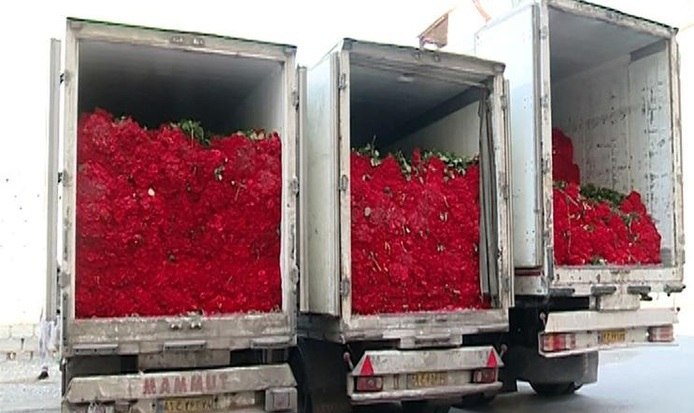
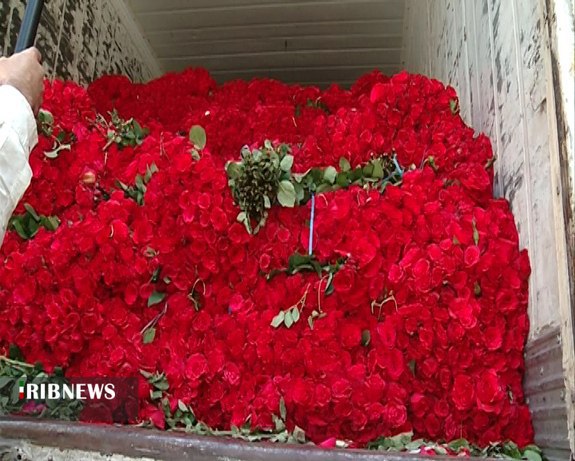
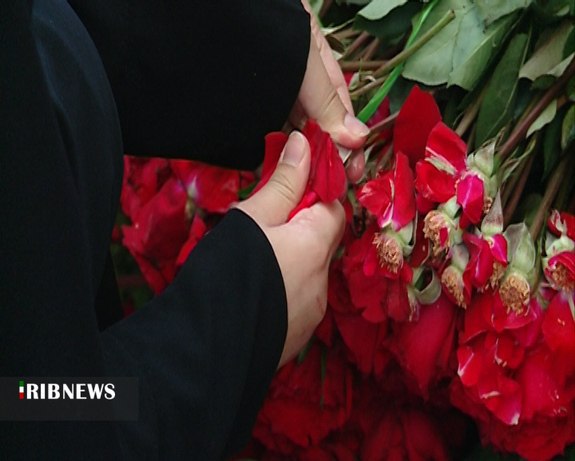
Trucks carrying one millions flowers were unloaded at the martyrs’ cemetery in the southeastern Iranian city of Kerman, a development which went viral on social media.

In fact, the flowers were the marriage portion of a woman divorced from her husband. 

“When one million roses were designated as my marriage portion, I was not supposed to demand it,” says this lady, who had demanded the marriage portion from her husband.

Divorced Iranian Lady Receives 1mn Roses as Marriage Portion  “But after my husband and I began to have a row, I had to file for divorce. The I demanded my marriage portion. Now that I have received the flowers, I donate these roses to martyred general Qassem Soleimani and all other martyrs who fought for the sake of this land, so that we are now living in safety,” she says.
“I tried to reach agreement with my husband over receiving the marriage portion, but he never agreed to pay me money instead of the flowers. Moreover, my former husband wanted to pay me very little as marriage portion. Also, no agreement was reached on the issue that the money be spent for charity and orphans. So, I finally decided to demand the flowers. Of course, I could have exchanged the flowers for money after I got them, but I didn’t do it,” she says.

“As my client was obliged to give one million roses to his wife as marriage portion, he tried to provide the flowers,” said the husband’s lawyer.

“When authorities at the Judiciary make inquiries to flower shops to learn about the price, each flower is priced at Rls. 40,000. So, the wife’s marriage portion was estimated at round Rls. 40 billion. However, the husband objects to paying that amount and announces that he would be able to provide one million roses at a lower price and give them to his wife,” said the lawyer. 

“The roses were procured from the towns of Mahallat in Markazi provice and Dezful in Khuzestan province. After the issue was followed up, flowers were bought at Rls. 10,000 each, putting the estimated value of the marriage portion at Rls. 5 million. The flowers were sent to Kerman in eight trucks,” the lawyer said.

Flowers Not Allowed inside Cemetery

The official in charge of the martyrs’ cemetery said he refused to accept the flowers.

“These flowers were provided as a result of divorce, which was not acceptable to martyrs’ cemetery officials. So, flowers were not allowed to be used to shower the tombs of martyr Soleimani and other martyrs,” he said.

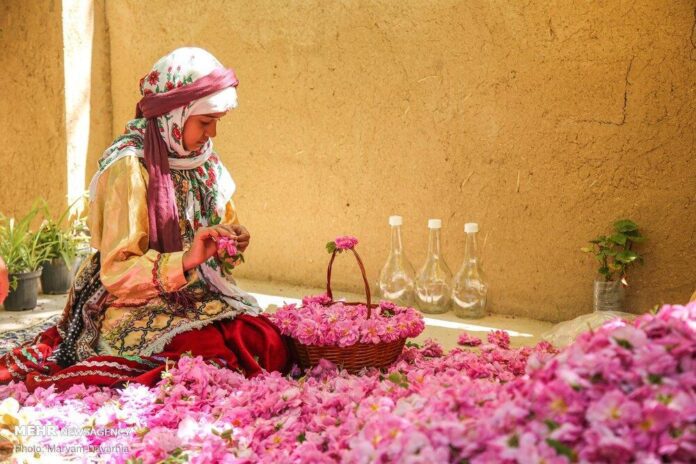
Divorced Iranian Lady Receives 1mn Roses as Marriage Portion With the wife’s consent, part of the flowers was given to the office running the martyrs’ cemetery in Kerman to be sued for charity and essence extraction, but one million fifty thousand flowers are left withering.
The head of the Kerman Justice Department told reporters “We will not allow some people to tie their personal issues to the sentiments of citizens whose family members have been martyred,” adding the issue will be further reviewed.

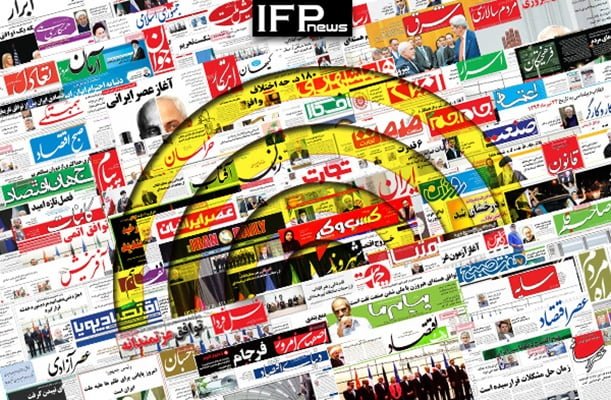
A Look at Iranian Newspaper Front Pages on May 28

Iran Newspaper Headlines

Iranian Newspapers

Aftab-e Yazd Newspaper:

  1. A Parliament with Expert MPs Can Be in Charge of All Affairs
  • Iran Leader Sends Message to Opening Session of 11th Parliament

2. Most Indebted Country Threatens Most Credible Country with Sanctions!

  • US President Says Will Soon Announce China Sanctions

3. Trump’s Tweets Validated

  • Twitter Warns US President

A Look at Iranian Newspaper Front Pages on May 28


Afkar Newspaper:

  1. Americas New Centre of Coronavirus Spread: WHO

A Look at Iranian Newspaper Front Pages on May 28


Ebtekar Newspaper:

  1. Ayatollah Khamenei to Deliver Speech on Imam Khomeini’s Passing Anniversary
  • Tsar Confronting Corona

2. Will COVID-19 Challenge Putin in Russia?

A Look at Iranian Newspaper Front Pages on May 28


Etemad Newspaper:

  1. Iran, Afghanistan to Legalize Cross-Border Traffic
  • Tehran, Kabul to Continue Probe into Harirud Incident

2. Parliament’s Priority Must be Livelihood of Lower Classes

  • Iran’s Leader Sends Message to 11th Parliament Opening

A Look at Iranian Newspaper Front Pages on May 28


Ettela’at Newspaper:

  1. Goals of Establishment Can Be Achieved by Maintaining Independence of Branches: Rouhani

2. Whole Resistance Movement to Enter War with Israel Should Tel Aviv Make Mistake: Nasrallah


A Look at Iranian Newspaper Front Pages on May 28


Iran Newspaper:

  1. President Announces Roadmap for Cooperation between Government, Parliament

2. Economy, Culture Iran’s Top Priorities

A Look at Iranian Newspaper Front Pages on May 28


Jomhouri Eslami Newspaper:

  1. Iran’s New Parliament Opens with Leader’s Message

2. US Uses Violence in Response to Justice Demands: Iran Foreign Ministry

A Look at Iranian Newspaper Front Pages on May 28


Kayhan Newspaper:

  1. Israel to Perish in Next War: Hassan Nasrallah

2. Trade between Iran, Venezuela Has Nothing to Do with US: Rouhani

3. US Police Brutality against Blacks Never-Ending: Iran Foreign Ministry

4. Saudi Network Admits Trump’s Defeat in Confronting with Iran

A Look at Iranian Newspaper Front Pages on May 28


Mardom Salari Newspaper:

  1. Iran’s Influence on US Elections

2. Tehran in Full Harmony with Kabul on Border Incident: Foreign Ministry

A Look at Iranian Newspaper Front Pages on May 28


Sazandegi Newspaper:

  1. Russia Sends 14 Fighter Jets to Libya to Support Military Group in Tripoli

2. President Rouhani Orders to Draft Laws on Domestic Violence

A Look at Iranian Newspaper Front Pages on May 28


Vatan-e Emrouz Newspaper:

  1. US Hegemony Rebuked
  • Third Iranian Oil Tanker Reaches Venezuelan Waters

A Look at Iranian Newspaper Front Pages on May 28

Iran Unveils Four Mega Projects to Boost Digital Economy

Iran Unveils Four Mega Projects to Boost Digital Economy

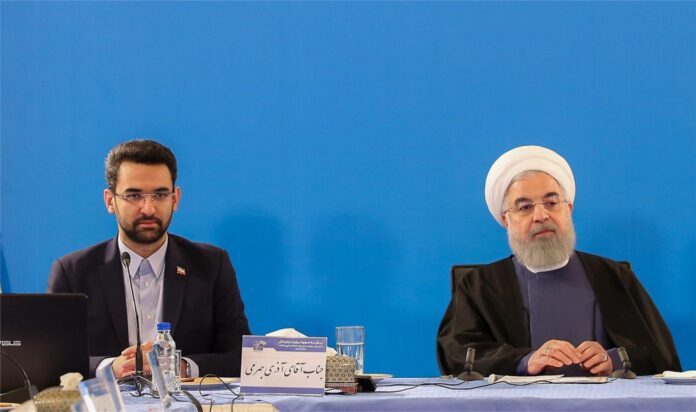
A data centre in Tehran, the infrastructural project of the National Information Network in the provinces of East Azarbaijan, Tehran, Khorasan Razavi and Fars, a plan to support digital businesses damaged by the coronavirus, and “Every Iranian, an Internet TV” were the four projects launched by President Hassan Rouhani on Thursday.

At the unveiling ceremony, Iran’s Information and Communications Technology Minister Mohammad Javad Azari Jahromi said the new projects will boost digital economy, emphasing that the digital economy can replace the oil-dependent economy and can be realised with the leap of Iran‘s smart economic economy.

He said in a country with a creative young workforce the core of the digital economy has grown. He added that Iran is under international pressure, and there is no choice but to be productive, and one of the most important tools for productivity is information technology.

Therefore, the minister said, the digital economy can be a good replacement for oil-dependent economy.

Azari Jahromi said currently digital economy accounts for 6.5 percent of the country’s GDP.

“On average, the global share of the digital economy is 15.5 percent of the total economy, and this shows that Iran has a huge growth potential in the field of digital economics. This is an area that needs to be attended. The digital services are among the most important areas for growth while a lot of jobs are created in this sector.”

Talking about the new projects, Jahromi underlined the data centre of the National Information Network will be launched with the creation of 407 new capacity racks and a 25% increase in the storage of the national network data.

Also, in order to develop the cloud infrastructure of the National Information Network, the private cloud infrastructure project of the National Information Network will be inaugurated, which is one of the most important pillars of the country’s information infrastructure, he went on to say.

Jahromi said the next project is “Every Iranian, an Internet TV” in which the private sector provides free VOD services.

He further pointed out that 10 other information technology projects are in the making and will be unveiled gradually on different occasions.

113,000 Iranian Patients Recover from COVID-19, Released from Hospital

Some 157,000 Recover from COVID-19 in Iran

Kianoush Jahanpour said on Thursday 63 patients died of the virus in the past 24 hours, increasing the death toll to 7,627.

He also confirmed 2,258 new cases of COVID-19 infection, raising the totall number of cases to 143,849.

The spokesman said 2,543 patients are currently in severe condition of the disease.
So far, 876,492 COVID-19 tests have been taken across the country, according to Jahanpour.

Coronavirus online test
If you are worried that you may have contracted the Coronavirus, take this test right now.

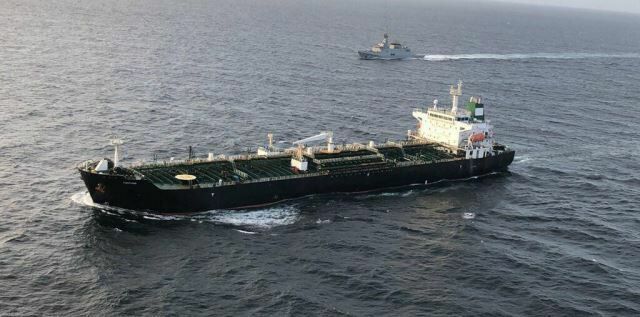
Fourth Iranian Tanker Sails into Venezuela Waters

Fourth Iranian Tanker Sails into Venezuela Waters

The tanker is being escorted by the Venezuelan armed forces en route to its destination, like its three predecessors.

The five-tanker Iranian-flagged fleet is carrying up to 1.53 million barrels of gasoline and components to help the country ease an acute scarcity that has forced Venezuelans to wait for hours in lines at service stations.

As Foxon was navigating through the Caribbean Sea, the third vessel of the flotilla, the Petunia, was approaching El Palito refinery, where the first vessel, the Fortune, has been docked since Monday.

The second cargo, on the vessel Forest, has been discharging at the Cardon refinery since Tuesday, according to Refinitive Eikon data.

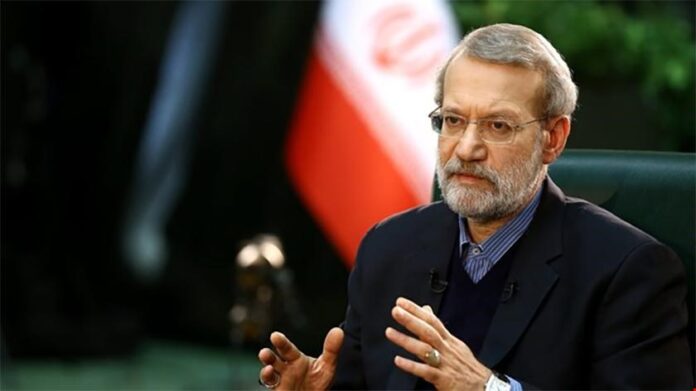
Leader Appoints Ali Larijani as His Advisor, Expediency Council Member

Leader Appoints Ali Larijani as His Advisor, Expediency Council Member

In a decree on Thursday, the Iranian leader appointed the veteran politician, who served for 12 years as the parliament speaker, as his new advisor.

“Considering your useful experiences during your tenure in various departments, especially your three terms of serving as the parliament speaker, I would like to appoint you as the Leader’s advisor and a member of Iran’s Expediency Council,” reads the decree.

Ali Larijani served as the Speaker of the Parliament of Iran since 2008 and his tenure ended in May 2020. He was the Secretary of the Supreme National Security Council from 2005 to 2007.

In 1994, he was appointed as head of the Islamic Republic of Iran Broadcasting, replacing Mohammad Hashemi Rafsanjani in the post. He was in office until 2004.

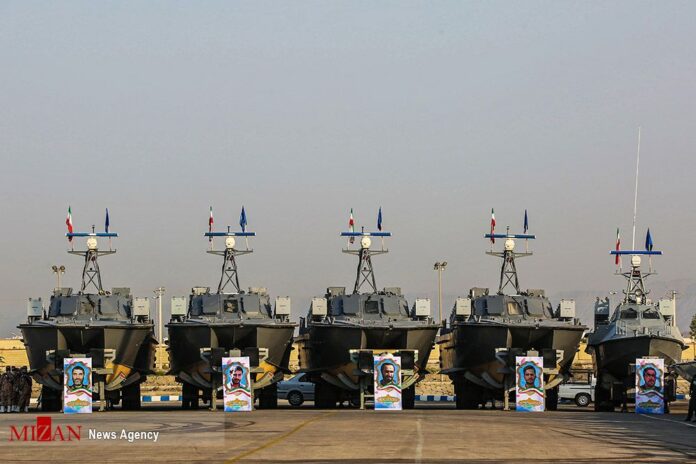
Over 110 Missile Boats Delivered to Iranian Naval Forces

Iranian Navy Forces

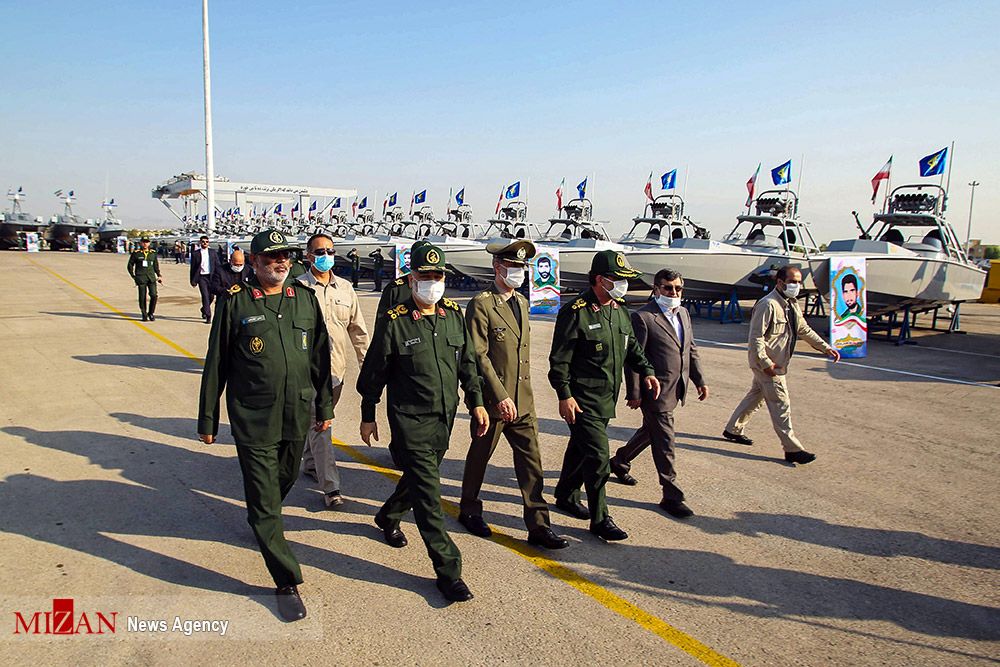
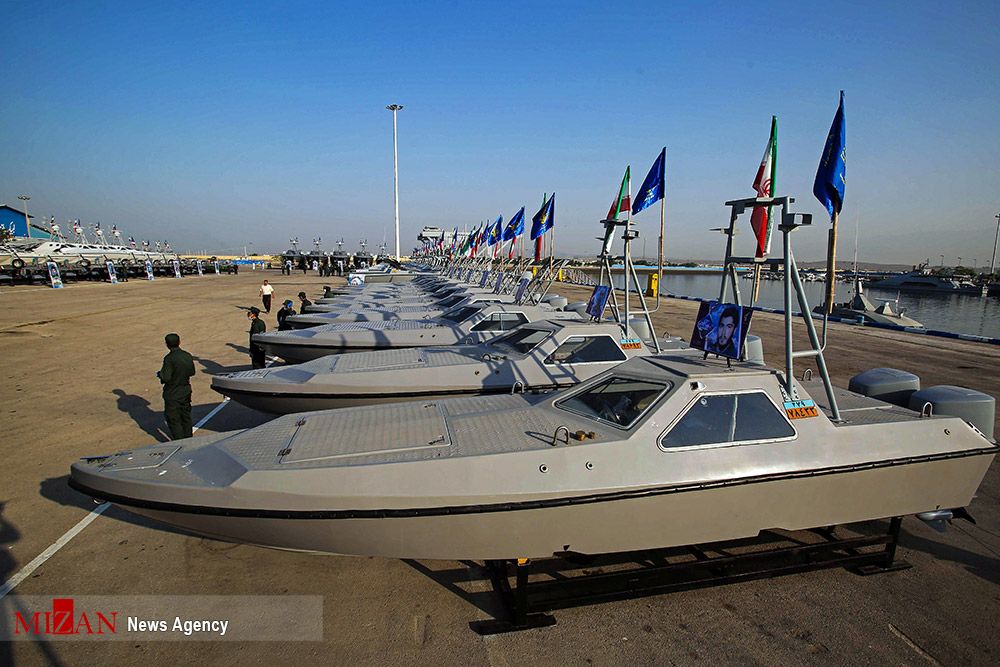
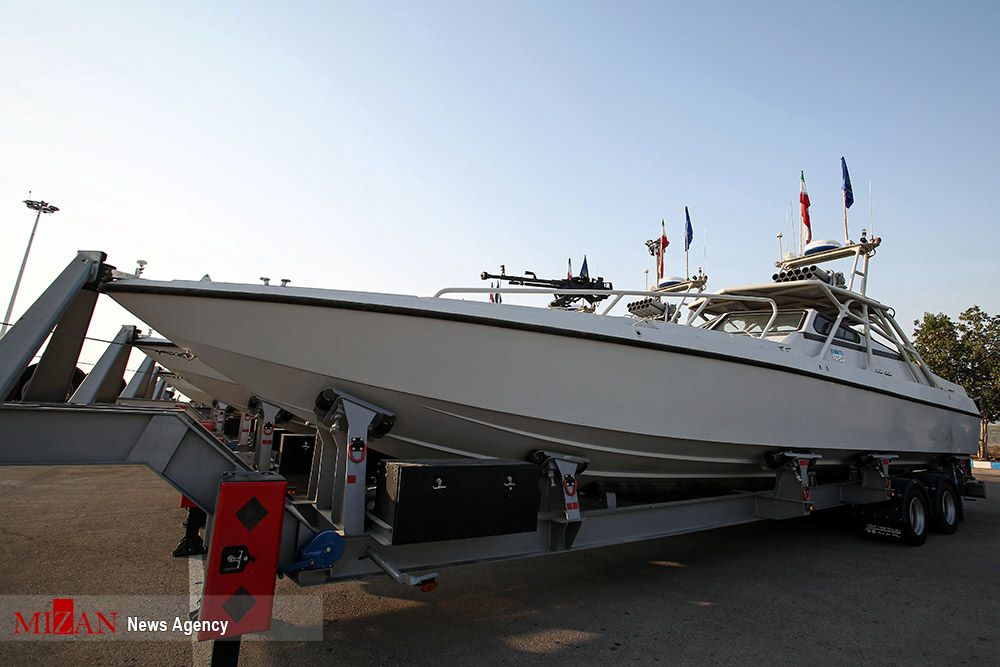
The missile speed boats have been designed and built by Iranian experts to increase the capability of the armed forces in Persian Gulf waters.

During the ceremony attended by the IRGC chief commander and several other senior officials including Defence Minister Amir Hatami on Thursday, various types of military boats called “Ashura”, “Tariq”, “Heydar” and “Zolfaqar” were delivered to the naval forces. 

They have been produced and optimised by experts in the knowledge-based companies of the defence ministry and the technical centres of the IRGC Navy.

Iranian Armed ForcesThese vessels enjoy very good hydro-dynamic capability, high speed, suitable maneuverability, and high offensive power and can have a great impact on improving the combat capability of the IRGC navy in the Persian Gulf and the Strait of Hormuz, a report by Fars News Agency said.
Speaking at this ceremony, IRGC Chief Commander Major General Hossein Salami said the Islamic Republic will not bow to the enemy and will not back down. 

Iran is determined and will not bow to enemies. Development is the nature of our work. Defence is our logic in war, but it does not mean we will be passive against the enemy. Our operations and tactics are offensive, and we have shown it,” he said.

Iran NavySalami also warned that a major part of Iran’s naval military power is still unknown, saying the only important and dangerous thing is this hidden power. 
“Our enemies will see this power the day they have bad intentions toward the country. On that day, they will see the main firepower of our forces in the sea and the sky, and the battlefield will become a hell for the enemies of Iran and Islam.”

Meanwhile, Commander of the IRGC Navy Rear Admiral Alireza Tangsiri also warned that today the naval forces have taken the threats seriously and are not afraid of death.

“Everyone is ready to sacrifice his life. We will show this in practice and we will hit the enemy. Today, we announce that wherever the Americans are, we are by their side and they will feel our presence more in the near future,” he added. 

He further noted that one of the vessels being designed will be named after General Qassem Soleimani. 

“The Qassem Soleimani vessel will have many capabilities and choppers can land on it. There is another vessel called Abu Mahdi Al-Muhandis. These two military boats will soon be delivered to the IRGC navy,” underlined Tangsiri. 

At this ceremony, Iranian Defence Minister Amir Hatami also hailed the new achievement saying that by designing, building, manufacturing and delivering fast-moving and combat vessels to the IRGC navy, the security belt of the Persian Gulf, and especially the vital Strait of Hormuz, will be strengthened.

Iranian Navy ForcesHe stressed that Iran will increase its presence in open waters by designing, manufacturing and producing various types of vessels, and the production of various ground, naval, air, electronic and aerospace combat equipment will be increased. 

Hatami further mentioned the new missile boats are designed and manufactured by experts at the defence ministry. He said the boats have excellent advanced capabilities in the field of naval combat, including intelligence, radar evasion, high mobility, maneuverability and high speed. 

“More than 80% of the equipment, including telecommunication devices, radars and control and monitoring systems used in vessels are manufactured domestically, and all systems for weapon guidance are localised by the ministry of defence,” he continued. 

Iran has made major advances in its defence sector and attained self-reliance in building military equipment despite the US illegal sanctions and economic pressure.

Tehran has time and again announced its military might is merely for defensive purposes against enemy threats.

All People Are Artists in One Way or Another: Blake English

All People Are Artists in One Way or Another: Blake English

After that, he and his team “after Romeo” took on the responsibility of composing music for many films produced by well-known film companies, including Disney. despite After Romeo’s success, its members split in 2017 to pursue their destiny. Blake has recently released his latest album “Spiders Make Great Poets”. On the occasion of the release of “Spiders Make Great Poets”, we have had a conversation with him, which you will read briefly here.

+ You and your team were in charge of composing music for many films. if you wanted to set “Spiders Make Great Poets” tracks to movies, what were those movies? 

– So, the way I have structured my album is like a musical. There is a storyline and each track plays a big part in moving the story along. So I would say they were made for my movie.

+ So “Spiders Make Great Poets” was made for your movie. As the world you show us in your music videos is surrealistic, is your world surrealistic too?

– I would say I view the world through a very surrealistic lens. I grew up with surrealism being which allowed me to escape from the hell that was my reality. I also just love playing make-believe and being different characters in different worlds.

+ What effect do you expect the songs you make to have on the audience?

– As an artist and person, I am but a culmination of all my favorite things. When I was younger, it was artists that permitted me to be whom I wanted to be and express myself in raw and honest ways. So my aim as an artist is to be for others what artists were to me: an inspiration to be whom I wanted to be without limitations. I think artists have a perfect platform for communicating social justice and should use it to bring positive change to the world. On that note, I believe all people are artists in one way or another.

+ Who is you legend?

I have many artistic inspirations but one in the particular that has remained at the top of my list, is Lady Gaga. From her skills as a performer to her kindness and generosity she gives to the world, I think she sets a great example of the type of artist I aim to be like.

+ How do you make yourself feel happy?

My hobbies include: going hiking (I love outdoors), writing music, hanging out with my friends and family, going to the movies, walking around the neighborhood and enjoying the sunshine, dance, yoga, and meditation. All of those things make me happy but particularly being outdoors always gets me in a good mood.

+ Would hold any concerts in the middle east?

– I would love to visit and perform in the middle east. I love going to new places, meeting new people, and learning customs and traditions different than the ones I grew up practicing. I also think the architecture is beautiful in the middle east! There is something so magical about a place with so much history.

Will COVID-19 Pandemic Impact Iran’s 2021 Presidential Election?

Will COVID-19 Pandemic Impact Iran's 2021 Presidential Election

The deadly coronavirus has changed many global equations and right now the governments are thinking of altering their strategies and approaches after the end of this pandemic.

Experts believe that the new virus may have threats and opportunities for the governments and people in the long run.

Iranian academic and politician Mostafa Moein says the governments must take the post-corona opportunity to make up for their past mistakes.

The former Iranian presidential hopeful also believes that people must help the government to overcome the negative effects of the deadly pandemic.

In addition to being involved in politics, Mostafa Moein has been a professor at Tehran University of Medical Sciences for some time. He is also the director of the Immunology, Asthma and Allergy Research Centre and the Supreme Council of the Medical System.

Shargh daily has conducted an interview with Dr Moein, asking about the relationship between politics and medicine, and also the effects of the coronavirus on politics and health.

Here are excepts from the interview translated by IFP:

Q: What is your idea about a world infected with COVID-19?

A: It’s not a small disaster, the epidemic is a pervasive, global virus that has infected about five million people so far. Many more are virus carriers. It has killed more than 320,000 people leaving countless families in poverty. It is the most horrible pandemic after the 1918 flu pandemic. But this is just the beginning! Epidemiologists predict the spread of the disease and its new peak will affect human society for many years. Although the situation is catastrophic, in any case, a new era has begun, which, as you said, disrupted the current order of the world.

Q: What do you think the corona pandemic has changed regarding the social order?

A: You can see that people’s lifestyles, administrative and social systems, the economy and the type of communication have changed which will more or less continue in the long run. Meanwhile, family ties were strengthened and public participation enhanced, the importance of the development of civic institutions and their role in managing such crises became clearer, and the observance of personal and social health protocols became more important. Moreover, the need for government investment in the health sector has shown itself more than ever. Environmental degradation has declined, virtual education has expanded, e-government has emerged as an urgent necessity, structural weaknesses in the management of biological crises, and flaws in the social and cultural infrastructure of countries even in developed countries were revealed.

Q: Political experts believe that the world of politics will be different after the corona. Do you agree?

A: Under the new conditions, past assumptions will not work anymore. Like it or not, the attitude of people and the approach of the governments will change. During the corona pandemic, the safety and health of human beings was imposed on the neoliberal governments as a general demand instead of economic and military development. The current health care costs, especially in superpower states are very low compared to their arms budgets. In fact, the right to biological, environmental, and all-inclusive physical, mental, and social health will be one of the most serious demands of the nations after corona. It is also predicted that the role of civil society intermediaries in mobilising the people and attracting public participation in decision-making and policy-making systems of countries will be greater than before. The economic, and political influence of the US will be decreased, while the European Union will become more unstable. However, economic superiority and greater global influence of countries like China, India and Japan could be observed.

Q: Let’s talk about Iran. Do you think we will see a different Iran from what it was in February 2020?

A: In the new era and the age of communication, it is not possible to build a wall around countries and prevent the impact of global processes on a nation. In Iran, we have more or less witnessed the same global developments that I mentioned above. The post-corona Iran can be a better country than ever before, provided that both the government, the elites and the masses take advantage of the crisis as an opportunity to change attitudes, policies and behaviours. Increase of government trust in people and civil society, maintaining national and relative solidarity achieved during the COVID-19 outbreak and raising social capital are some of the changes expected. On the other hand, political and social opportunities must open up to decentralise the government and reduce bureaucracy. The decision-making system must be transparent and corruption be eradicated. Moral and social values have to promote to develop science, etc.

Q: That’s right, but we saw the decline of social capital and public confidence in Iran earlier. According to some sociologists and politicians, this situation will definitely change. Do you think these changes will be positive or negative?

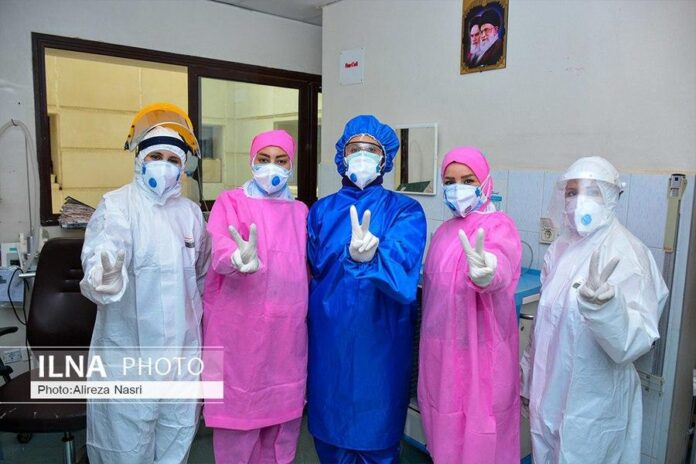
A: It seems solidarity has increased among people, and they trusted more in medical staff who were in the frontline of defending the society’s health. At the same time, the corona crisis provided an opportunity for government officials to make up for some of the inefficiencies of the past with their actions, and fill up the gaps that were revealed in the socio-political tensions of November last year. In Iran, the corona crisis is a double-edged sword. If we take it as an opportunity to make up for past mistakes and inefficiencies, we will become stronger, otherwise the virus will be a major threat to the country’s chronic shortcomings!

Q: In your opinion, what new form will politics take in the post-corona Iran?

A: Given the process of the recent parliamentary elections, there may not be a tangible political impact in the short term, but it may affect the 2021 presidential election in the medium term and, in the long run, lead to structural reforms to further democratise the country. All of this, in addition to changing the government’s approach and the behaviour of officials, depends on the responsible efforts of the elites and the civil society.

Q: Looking at Iran’s social and political structure, what is the most effective model of governance and management for the country facing the corona crisis today? How do you think this model should change in the post-corona era?

A: As I said in response to the previous question, we need a democratic model based on public and managerial participation. We need to recognise the fundamental rights of people, especially their right to choose their destiny. The right to monitor the performance of officials as well as the officials’ honesty and transparent accountability are among these changes!

It is necessary for the country to have a well-written national and strategic plan for the post-corona era in order to manage the consequences of the crisis. In that national program, strategies and programs to win public trust and youth participation must be explained. The government must benefit from the ideas and cooperation of academics and elites to solve the economic, psychological and social problems of the people.

Q: You recently said that the corona had been the result of an unbalanced and unsustainable development of human civilisation over the past two centuries, adding that this national and global challenge could lead to new threats or opportunities. What will be these threats and opportunities?

A: In my opinion, the new threats will be the continuation of economic, psychological, and social damage of the pandemic and its more severe recurrence in the future. The economic recession, the increase of unemployment and poverty and despair of the young generation about the future next to migration, violence and political and social tensions will be among other threats.

Notable opportunities in the post-corona era include: planning to raise public awareness and health literacy, greater accountability of people and elites and civic institutions, reform of social, political and economic structures, accountability of governments about their legal duties, the realisation of the goals of sustainable development programs in the long run and the reduction of environmental degradation.