Sunday, December 21, 2025
Home Blog Page 2781

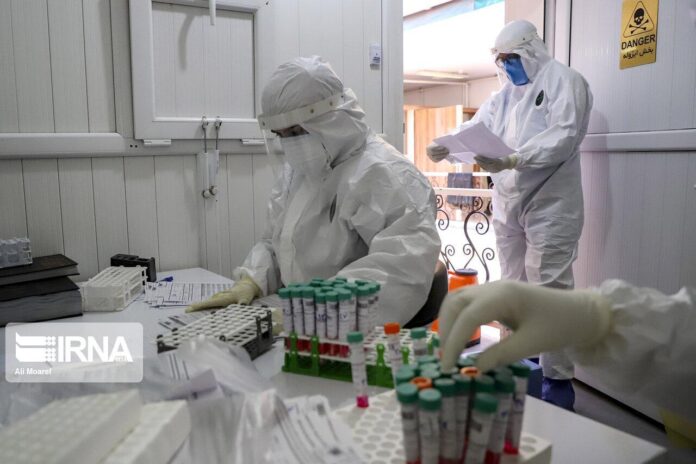
Over 144,000 Recover from COVID-19 in Iran

215,000 Recover from COVID-19 in Iran: Spokesperson

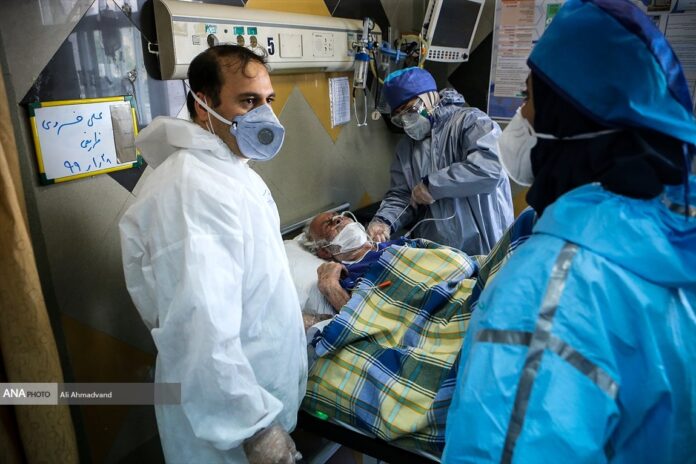
In her press briefing on Friday, Sima-Sadat Lari said 75 people have also died of the virus in the past 24 hours, bringing the total number of fatalities to 8,659.

She also confirmed 2,369 new cases of infection with the novel coronavirus, raising the total number of cases to 182,545.

2,739 patients are also in severe conditions of the disease, she added.
Lari noted that 1,196,947 COVID-19 tests have been taken across the country.

Coronavirus online test
If you are worried that you may have contracted the Coronavirus, take this test right now.

Iran, Canada Discuss Investigation into Ukrainian Plane Incident

Iran, France Finalize Date to Read Black Box of Downed Ukrainian Plane

In a telephone conversation on Thursday, Iran’s Deputy Foreign Minister for International and Legal Affairs Mohsen Baharvand and Deputy Minister of Foreign Affairs of Canada Marta Morgan discussed the issues of mutual interest between Tehran and Ottawa.

Considering a planned resumption of international flights in the near future –after a hiatus in the wake of the coronavirus outbreak- the two diplomats stressed the need to expedite the settlement of issues surrounding the crash of the Ukrainian passenger plane.

The Iranian and Canadian deputies also emphasized that the process of investigation into and finalization of the case of the Ukrainian plane crash should be addressed immediately, transparently and justly.

In the conversation, the Iranian Deputy Foreign Minister pointed to the large number of Iranian nationals residing in Canada, the problems the expatriates are facing in receiving consular services, and the need to handle the legal issues and make contact with the families of victims of the plane crash, calling on the Canadian government to remove the obstacles to consular services for the Iranian and Canadian citizens to enable the nationals of the two countries to receive those services.

The Canadian Deputy Minister of Foreign Affairs said her government will address that subject at a later time.

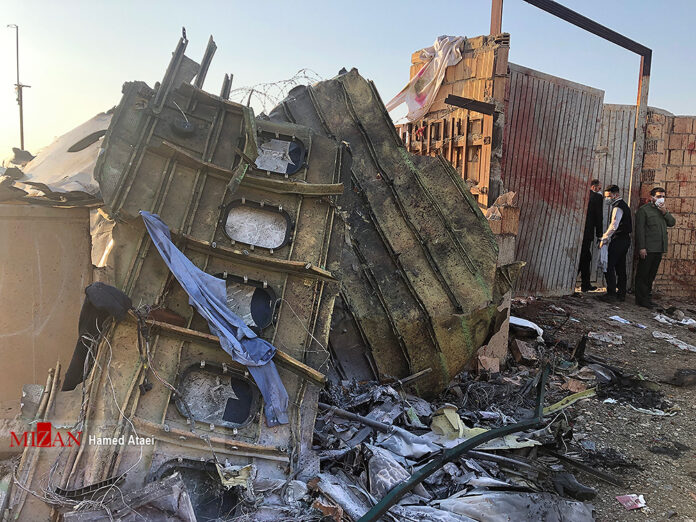
Ukraine International Airlines Flight 752 (PS752) was a scheduled international passenger flight from Tehran to Kiev operated by Ukraine International Airlines (UIA). On 8 January 2020, the Boeing 737-800 operating the route was shot down shortly after take-off from Tehran Imam Khomeini International Airport. All the 176 passengers and crew were killed.

According to Iranian officials, 146 passengers used an Iranian passport to leave the country, 10 used an Afghan passport, five used a Canadian one, four a Swedish one, and two used Ukrainian passports.

The Ukrainian government, however, says there were 82 Iranians, 63 Canadians (mostly Iranian-Canadian dual nationals), 11 Ukrainians, 10 Swedes, 7 Afghans, and 3 Britons on the plane, which was accidentally shot down by Iran’s Air Defence.

Iran’s Foreign Minister to Visit Turkey, Russia

Iran Vows Appropriate Response to US Interception of Mahan Air Flight

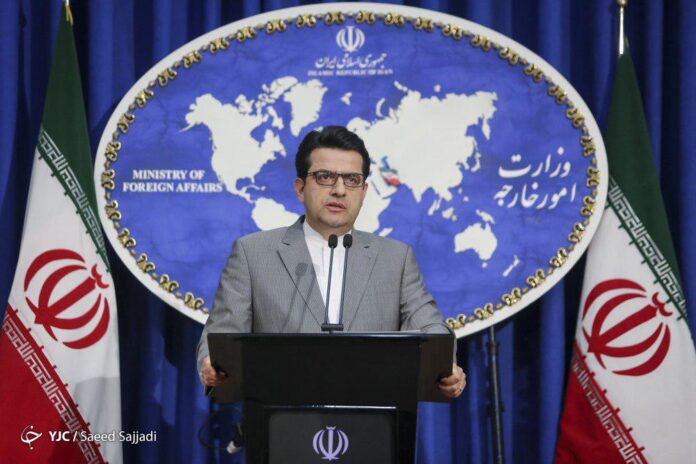
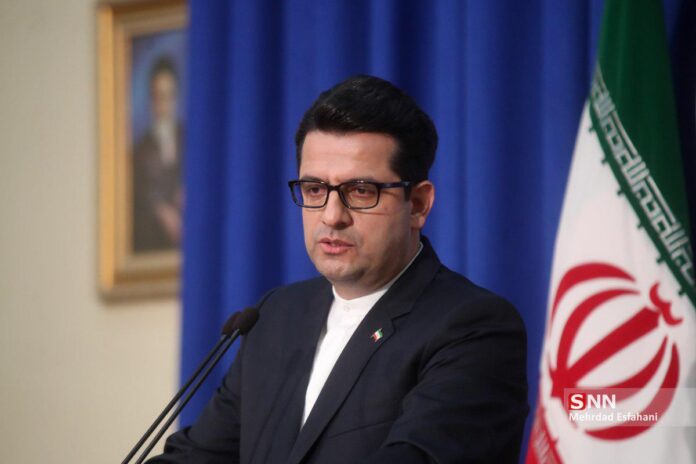
During the visits, the Iranian top diplomat will hold talks with his Turkish and Russian counterparts on the latest developments in bilateral relations as well as the most important regional and international issues, Foreign Ministry Spokesman Seyyed Abbas Mousavi said on Friday.

Following his trip to Syria, this is Foreign Minister Zarif’s second foreign visit after the first wave of coronavirus.

‘Iran Shouldn’t Pin Hopes on Trump’s Defeat in Elections’

‘Iran Shouldn’t Pin Hopes on Trump’s Defeat in Elections’

Eshan Ansari said in an interview with the Arman-e Melli newspaper that the Iranian Parliament is also likely to move towards pulling out of the JCPOA.

The full text of the interview follows.


Given the stances adopted recently by the speaker and some lawmakers of the tenth Parliament, how do you evaluate the position of the eleventh parliament on the international stage? Will the eleventh parliament bring about, with its discourse, any changes in Iran’s foreign policy?

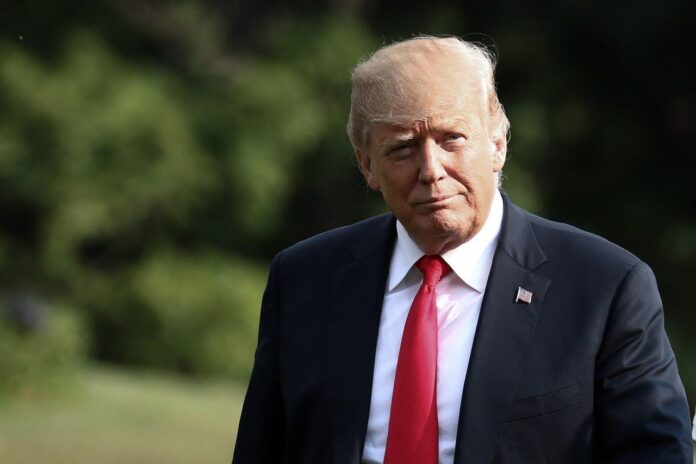
On the international stage, the eleventh parliament will move along the Leader’s line and continue the policies that the Islamic Republic of Iran has pursued on the international arena so far. This comes as Donald Trump is likely to win the upcoming US presidential election. So, one cannot expect significant changes in Iran-US relations on the international stage. It seems threats will continue and US sanctions will be intensified as well. Some believe Trump is very unlikely to serve another term after these four years in office due to the developments unfolding in the United States. However, I have the opposite idea and believe he will most probably be elected President for another term.

If a rightist administration takes office after the Rouhani administration and if Trump becomes President, what prospect will lie ahead of Tehran-Washington relations? Will confrontations reach their peak?

With the 11th Parliament having started its work and given the possibility of an ultra-rightist administration coming to power, there is a possibility of radicalism gaining strength in Iran. The formation of the 11th Parliament has set the stage for such a thing to happen. In recent years, Iran has wisely adopted a precautionary approach vis-à-vis the US and avoided direct contact. Given these circumstances, events may play out is such a manner that Trump, who used to take precautions in dealing with Iran, would set aside his precautionary approach during his second term in office and begin new moves that will finally result in clashes between the two sides. Still, such a conflict will not be large-scale one and will be limited. The reality is that making decisions on Iran’s foreign policy falls outside the purview of Parliament’s authority; rather, other structures of the Establishment will decide on that. Of course, Parliament plays a role in this regard, but not to the extent where it would be able to change policies. Consequently, a change of legislators cannot be regarded as a sign of shift in the Islamic Republic of Iran’s foreign policy. Still, the 11th Parliament will make stricter decisions on Iran’s foreign policy and, accordingly, political decision-makers will adopt tougher decisions in line with the 11th Parliament’s approach.

In possible standoffs between Iran and the US in the future, is the 11th parliament likely to move toward actions such as pulling out of the JCPOA or increasing military spending at regional and international levels?

Ye, it is likely. In recent years, Iran’s economy has been harmed seriously. So, chances are slim that a huge budget will be spent on military confrontations. Nevertheless, there is a possibility that the 11th parliament will move toward pulling out of the JCPOA. The US is more trying to impose economic sanctions and paralyse Iran’s economy than seeking a military confrontation. In my estimation, there is high likelihood that minor events between Iran and the United States will, all of a sudden, turn into a major and serious event. Therefore, the current status of Iran’s foreign policy will remain the same in the future, and the formation of the 11th parliament is not expected to make sea-changes in Iran’s foreign policy. The circumstances are such that the 11th parliament may move toward pulling out of the JCPOA. Still, such is thing is unlikely to happen given the horrendous repercussions that such a decision would have. Under such circumstances, not only will international sanctions against Iran increase, but Iran’s dossier will be referred to the UN Security Council as well and, as a result, all doors will be shut to Iran. I am of the opinion that Parliament will be more of a slogan-type than going radical. So, one cannot bank on Parliament moving towards bringing about major changes to Iran’s foreign policy. If the 11th parliament is seeking to be revolutionary and to fight colonialism, it should take into account the situation of the country, the region and the whole world as well. Furthermore, being revolutionary does not realize simply by chanting slogans. With a glance at lawmakers at the 11th parliament, one cannot hope the legislature will move towards radicalism and unbridled extremism. It seems the 11th parliament will not be that influential.

With regards to the issue of a prisoner swap between Iran and the United States, Trump thrillingly used the statement “Thank you, Iran!” On the other hand, he said Iran should not be waiting for the next US president because “I will be elected President again.” What does this Iran stance of Trump mean?

At this juncture, due to the domestic crisis which has emerged in the United States and put the Trump administration under pressure, Trump seeking a way to help him weather the crisis and emerge victorious in the forthcoming election. Trump has come to realize that his approval ratings have dropped due to different reasons, especially following the incidents surrounding the US police killing of George Floyd. So, he looks at Iran and an agreement with Iran as a way out of the current problems. This comes as we are not seeing any shifts in Iran’s approach on the international stage. We have always missed chances rather than taking them. I believe if there is a will to make changes, the current situation is the right one. Of course, one should not forget that releasing the American prisoner was a positive response to the United States. So, it seems there will not be any initiative on the table to take the opportunity which has been created, and we should not expect it to be so, either. That Trump has thanked Iran shows effective measures can apparently be adopted to bring about to improve relations. Of course, the US should realize that it should respect Iran more. Iran has subjected its response to some actions to Washington’s return to the JCPOA. The United States claims it cannot return to the nuclear deal again and that it cannot even lift Iran sanctions. Indubitably, the US is making irrational demands from Iran, and, accordingly, Tehran cannot take effective measures as the US desires.

If a Democrat like Biden becomes US President, will you still rule out the possibility of Washington returning to the JCPOA?

Biden has said if he becomes US President, he will bring the country back to the JCPOA. Still, he will not emerge victorious in the upcoming election and little chance of winning over his rival, Trump. Trump is likely, by 90%, to emerge the victor in the forthcoming vote. Democrats may pin their hopes on winning the vote only if unexpected events that are detrimental to Trump happen in the months before the election. Otherwise, Trump will be elected US president again. As he has once withdrawn from the JCPOA, Trump cannot easily rescind his decision and return to the nuclear deal. Under such circumstances, many questions will be formed in the minds of American people about this subject and Trump will have to answer them.

Don’t you think the recent protests in the US held in support of black people were one of the factors that put Trump in trouble? This is while the elite and intellectuals in the US will not back Trump, either. Under such circumstances, which social powerbase can Trump rely on to get a high chance of coming to power?

We should look for Trump’s social powerbase among the US masses that have not change and will keep supporting him in the upcoming ballot. The US elite and intellectuals’ powerbase accounts for around 20% of the whole. This is while African Americans make up 10% of the total powerbase. So, given the events which have taken place in the US society, one cannot expect equations in the upcoming presidential election to change. Except for rare cases, the US history shows that most president have been in power for two consecutive terms. Trump will not emerge victorious in the upcoming US election only if new and instrumental events occur in the US society that would push Trump out of the scene.

Are some in Iran optimistic that Trump will be defeated in the election? Does such optimism exist in decision-making structures?

Yes; some are optimistic that Trump will have to concede defeat, and Trump knows it very well. Therefore, he has mentioned that point in his recent remarks. Still, some consider this as an opportunity. Historical experience also shows that we do not take most of the chances. Two things are important in foreign policy: secrecy and speed. Anyway, people did not have a suitable economic situation before the coronavirus pandemic, and it seems that it will get worse after the virus outbreak is over. As a result, the number of poor people will rise, and this is something which decision-makers need to take into consideration.

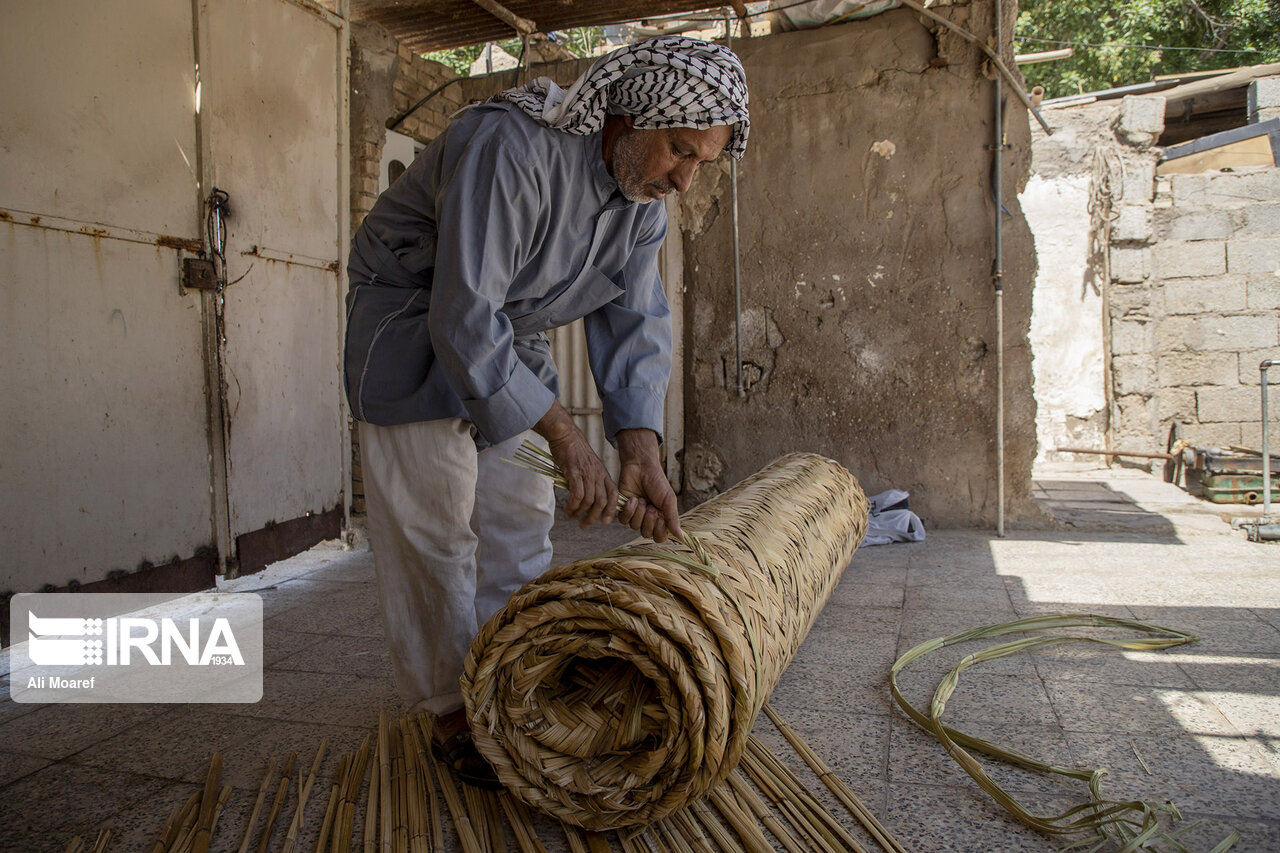
Ancient Art of Mat Weaving in Iran’s Khuzestan

Mat Weaving in Iran’s Khuzestan

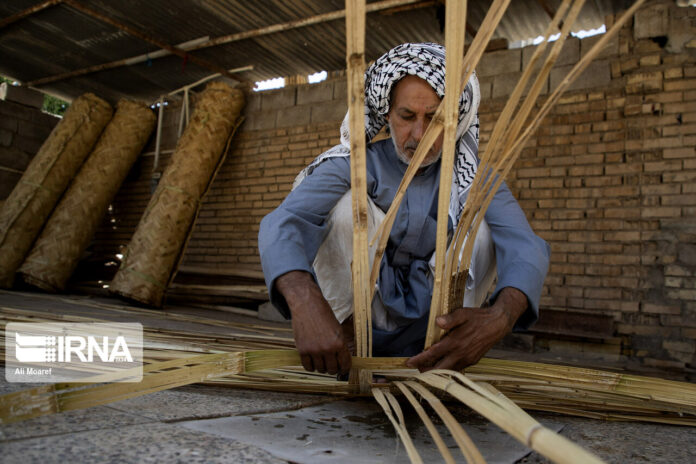
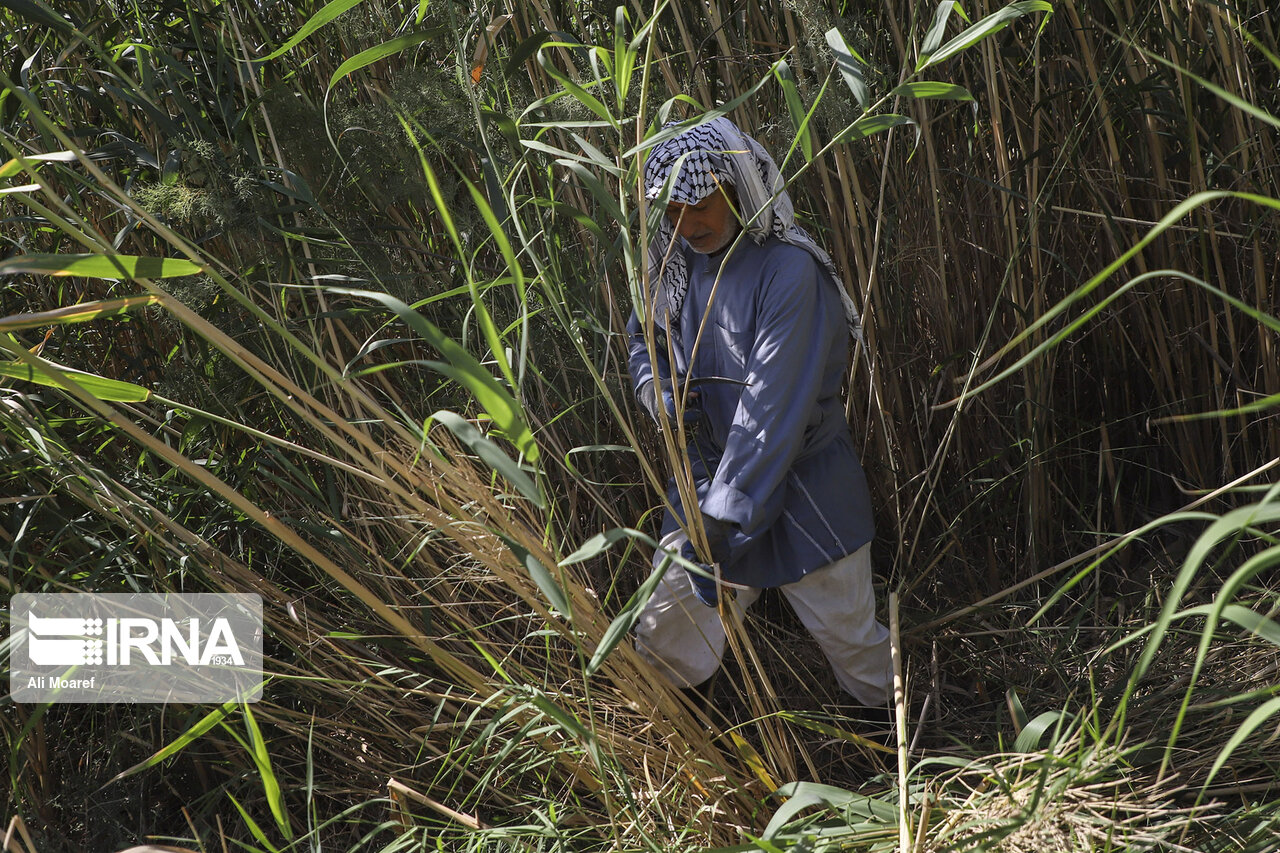
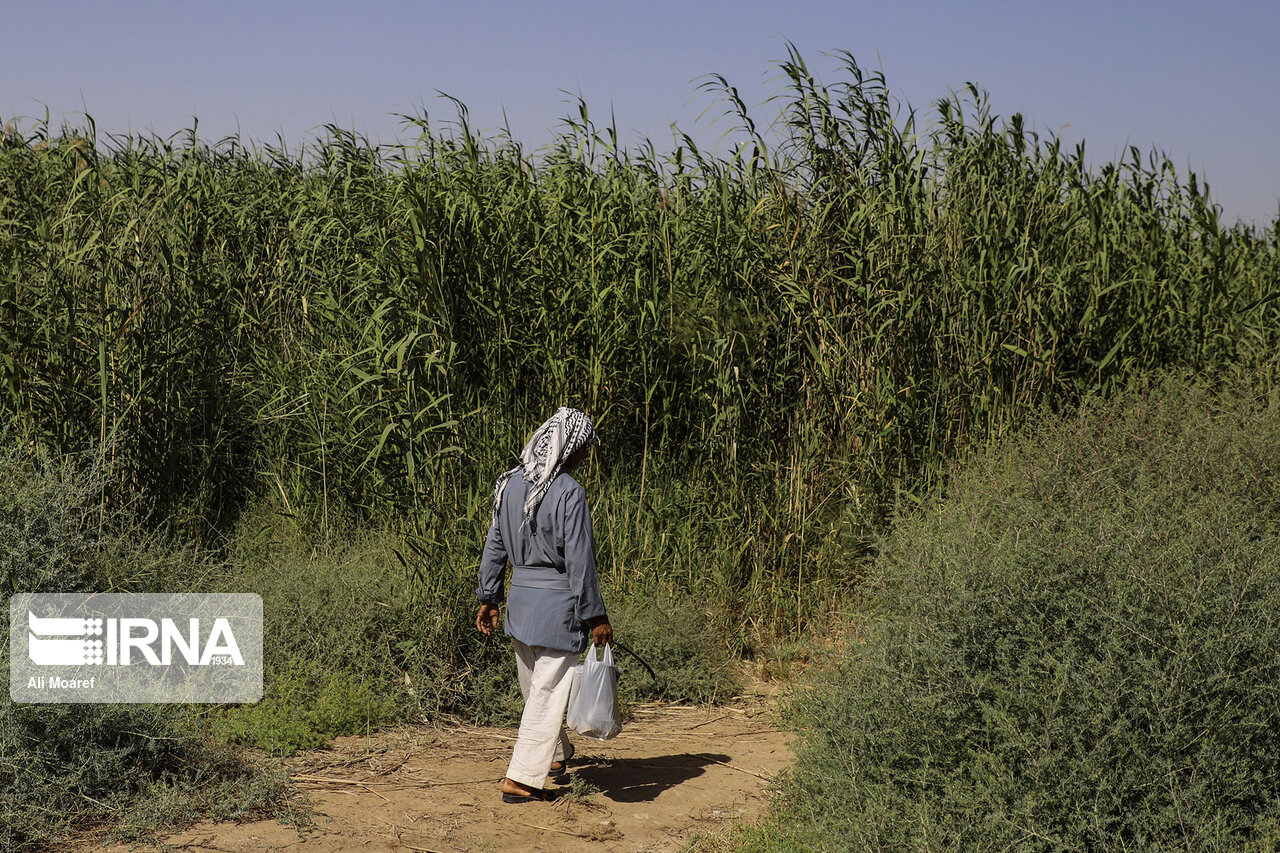
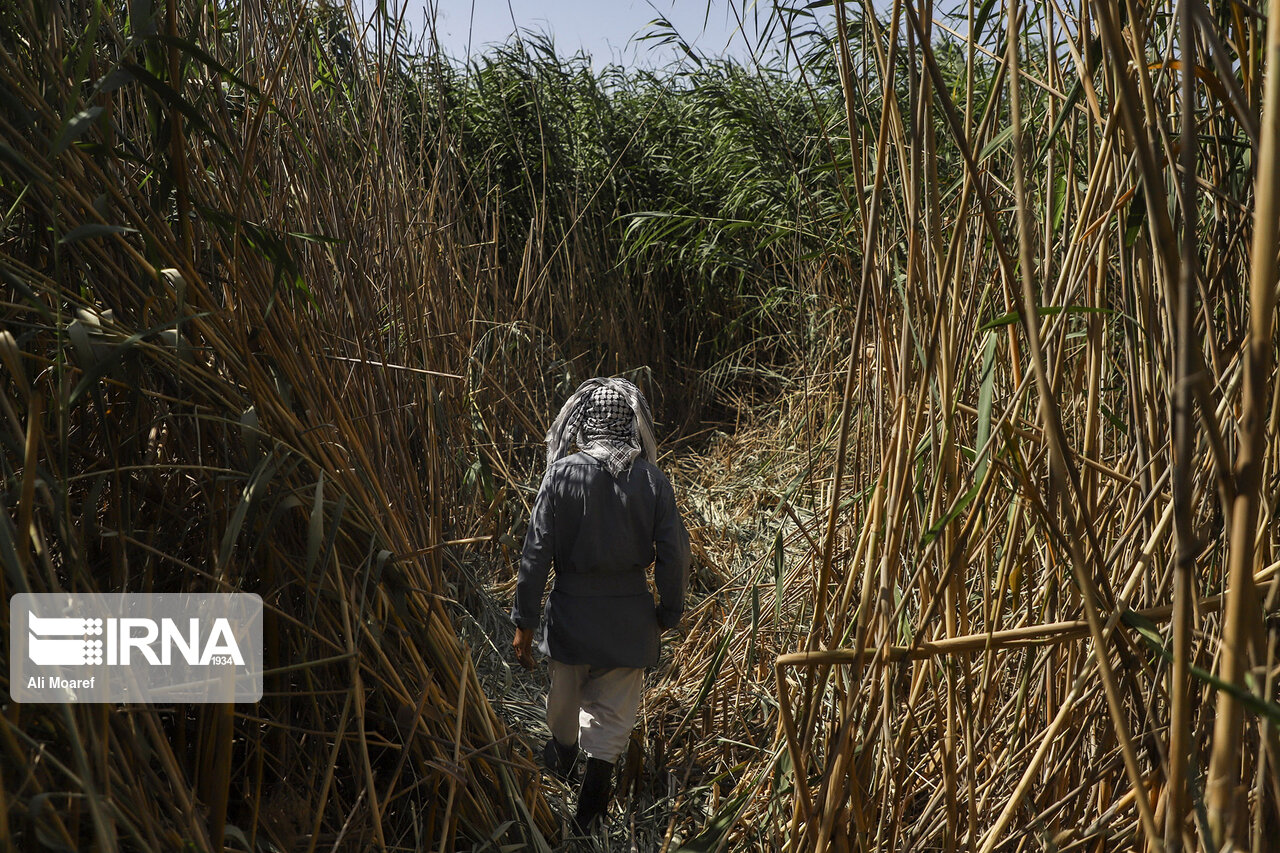
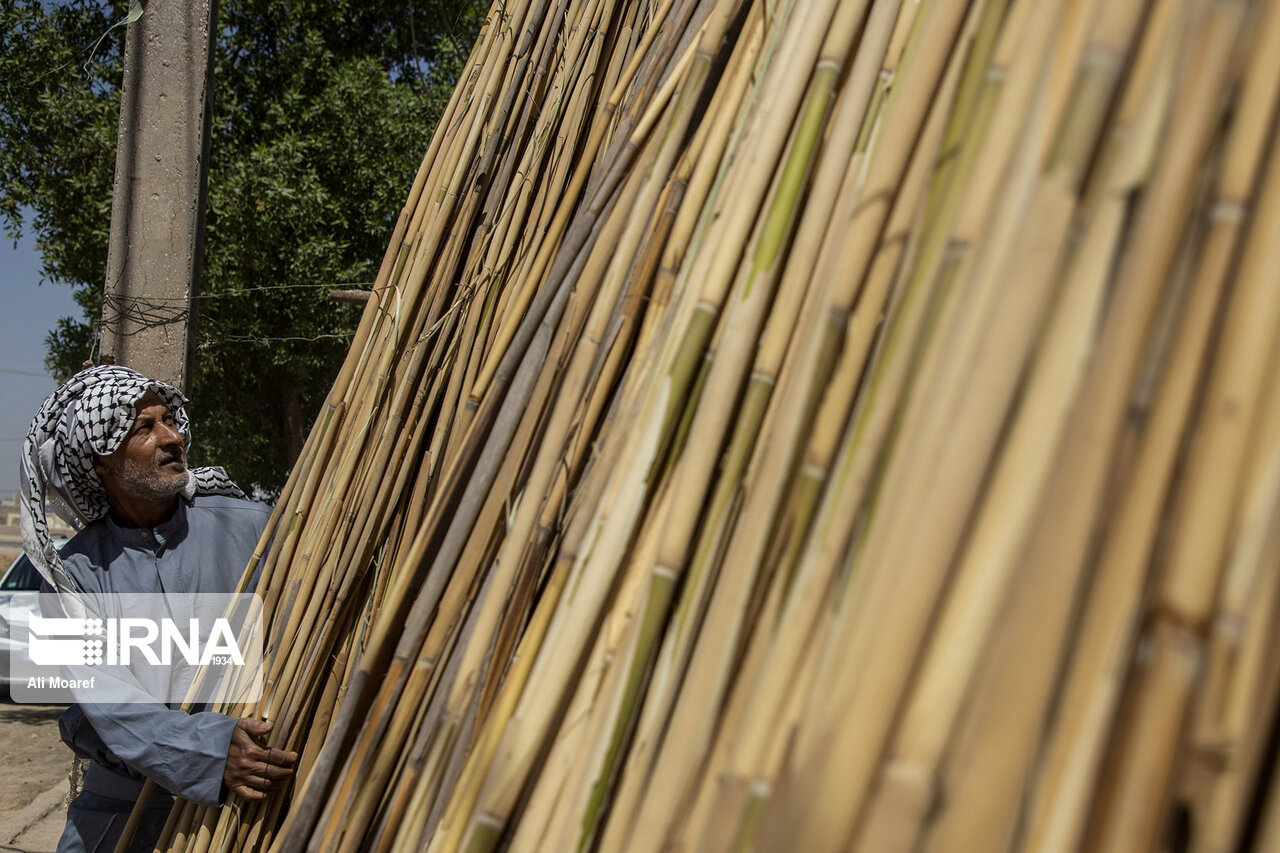
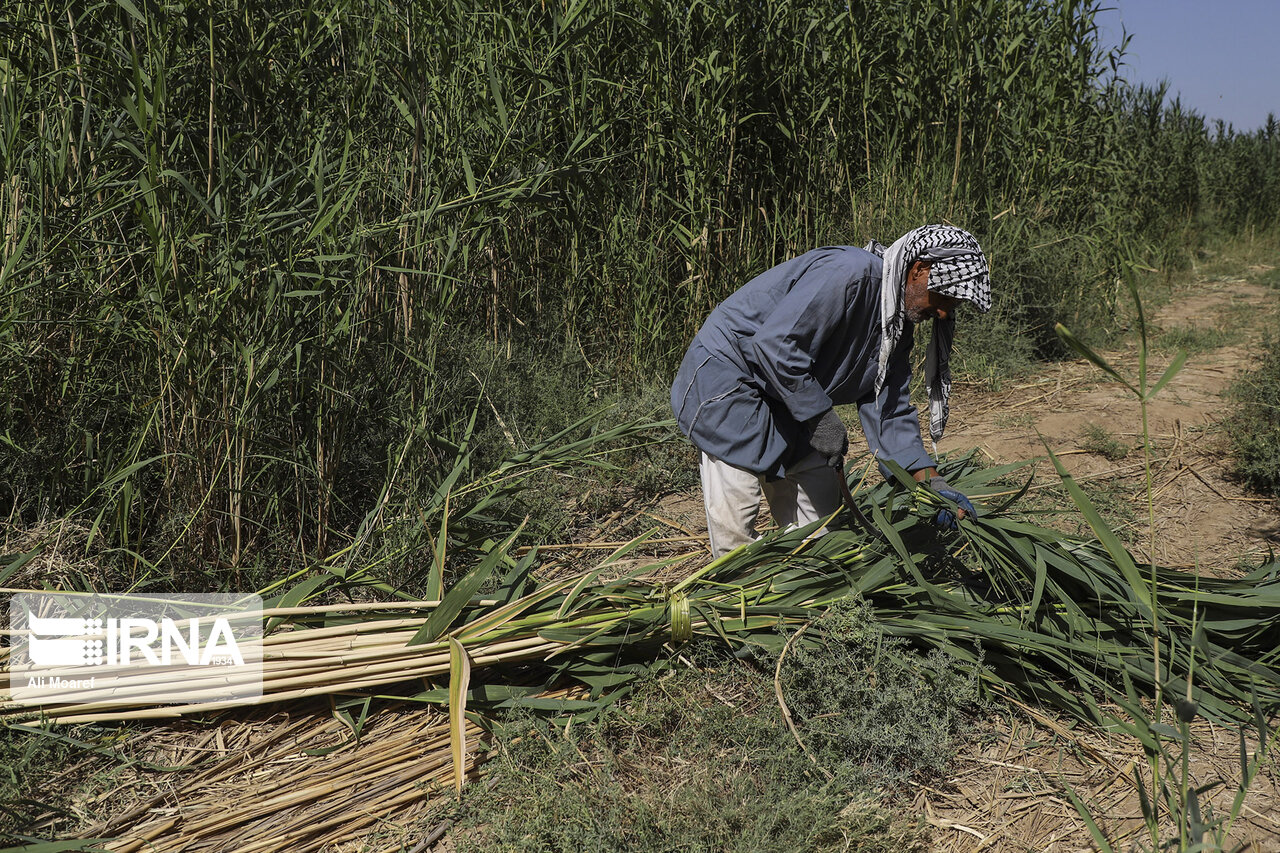
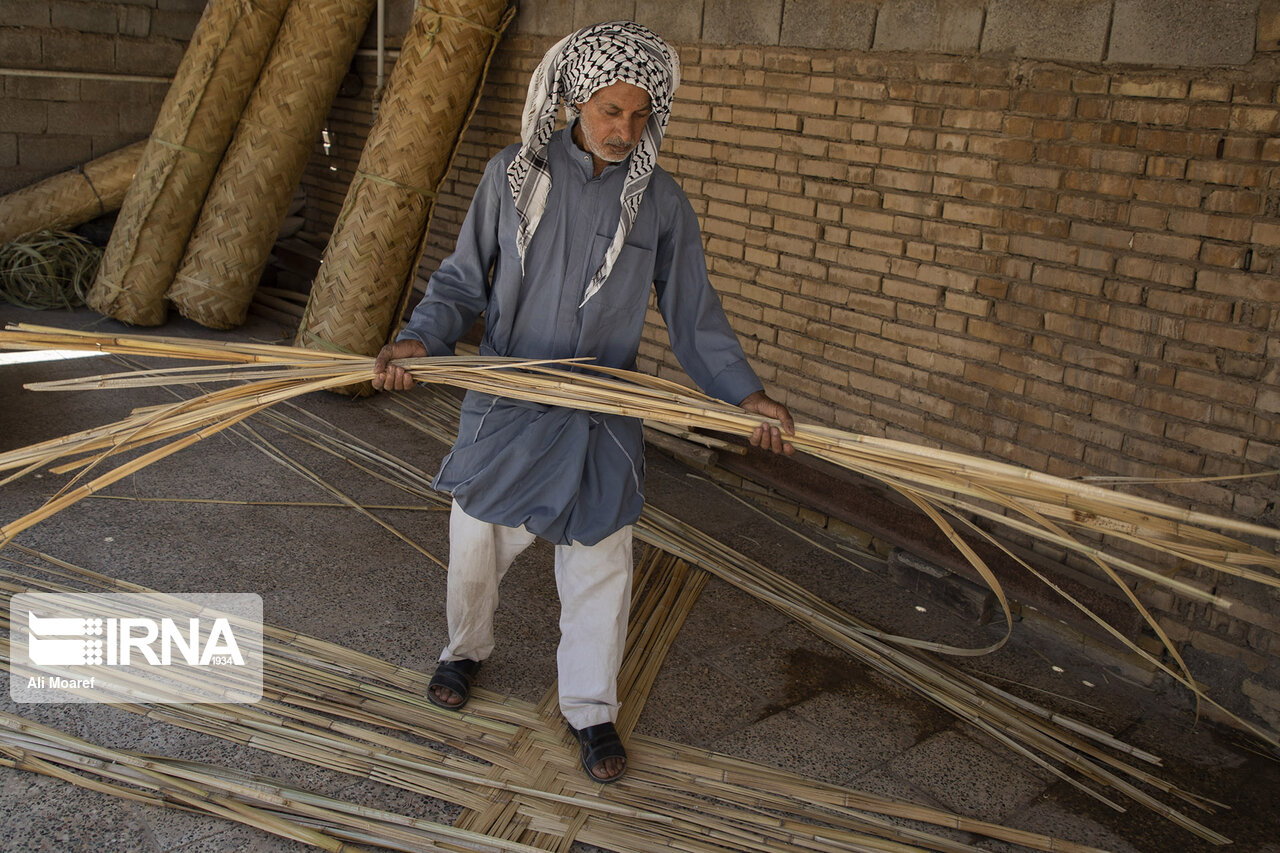
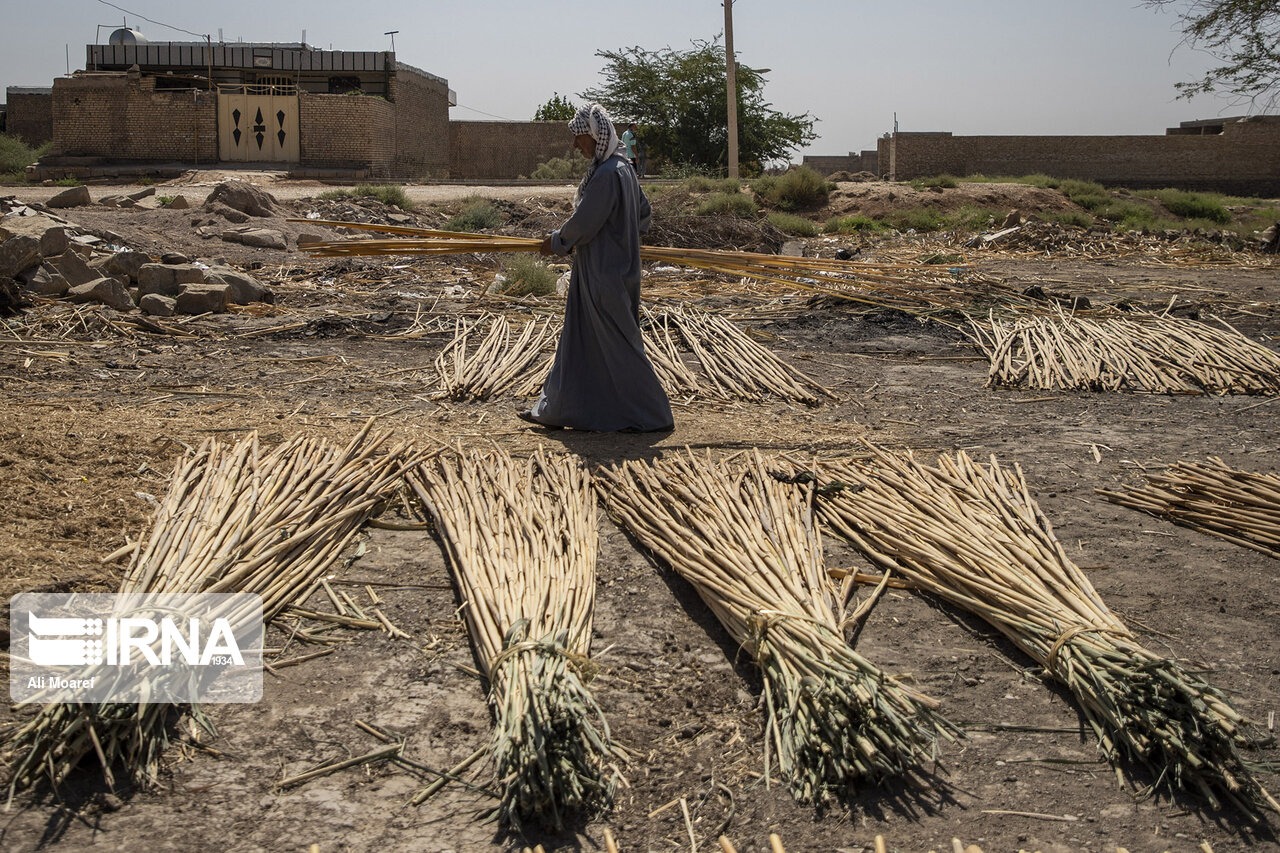
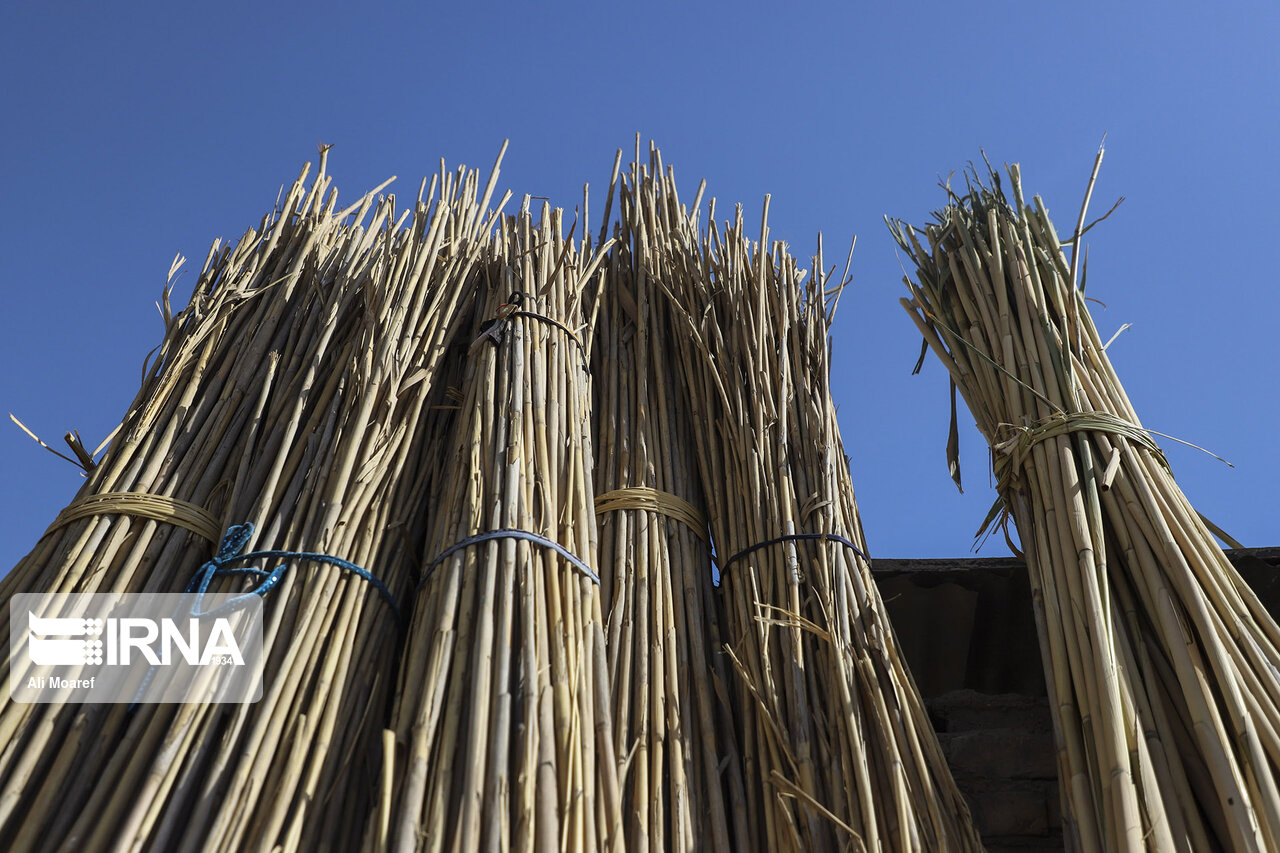
Booria is a very common handicraft in Khuzestan because of the abundant reeds and rushes available in the region’s wetlands and marshes.

They are mainly used to cover the floor, the roof and Kapar dwellings.

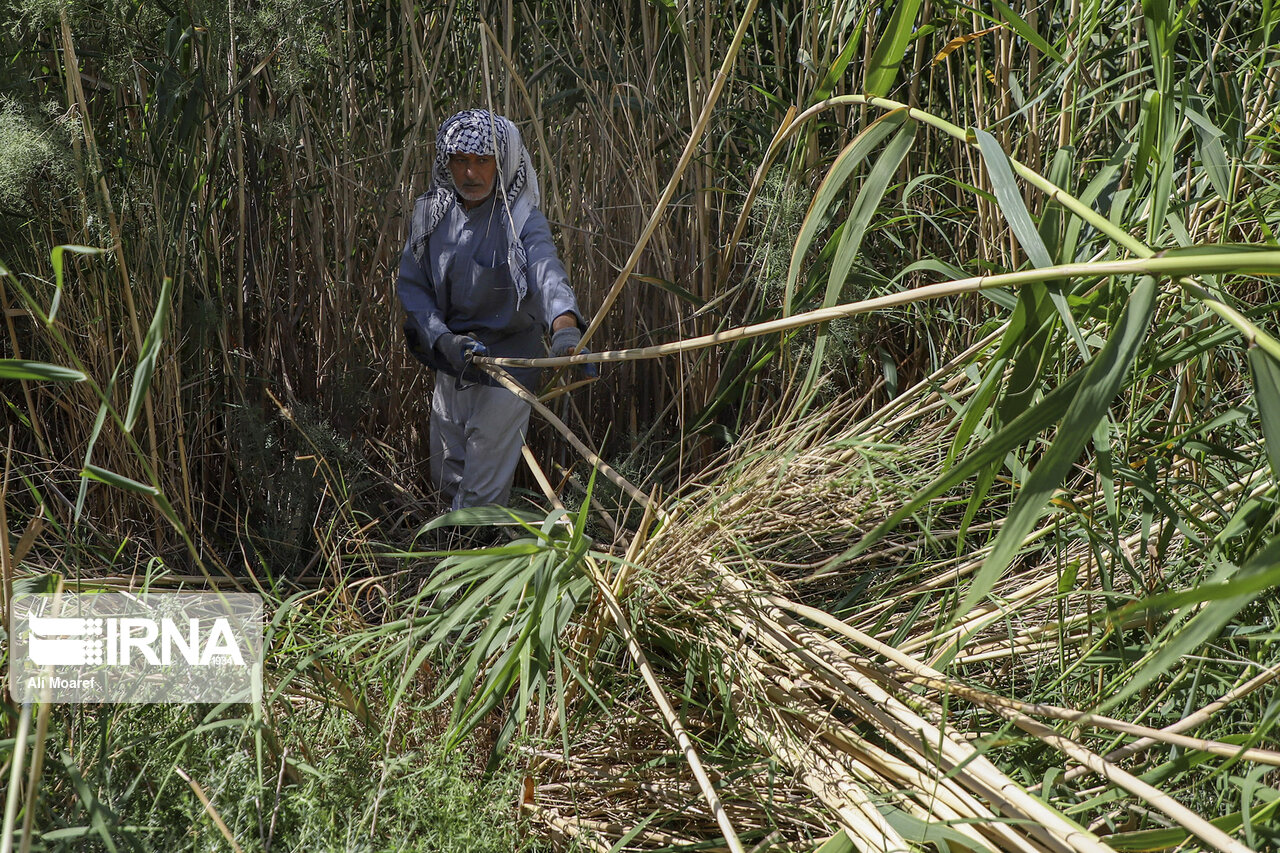
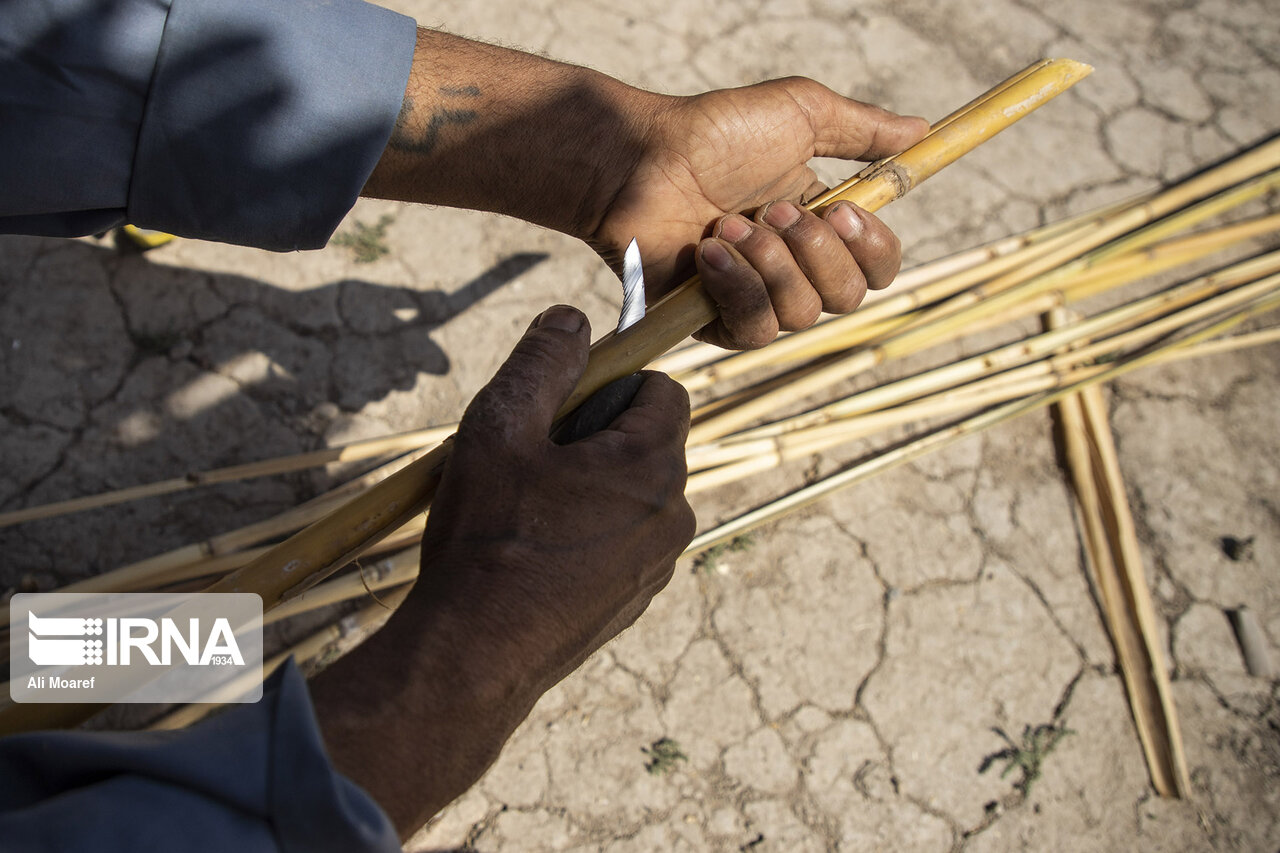
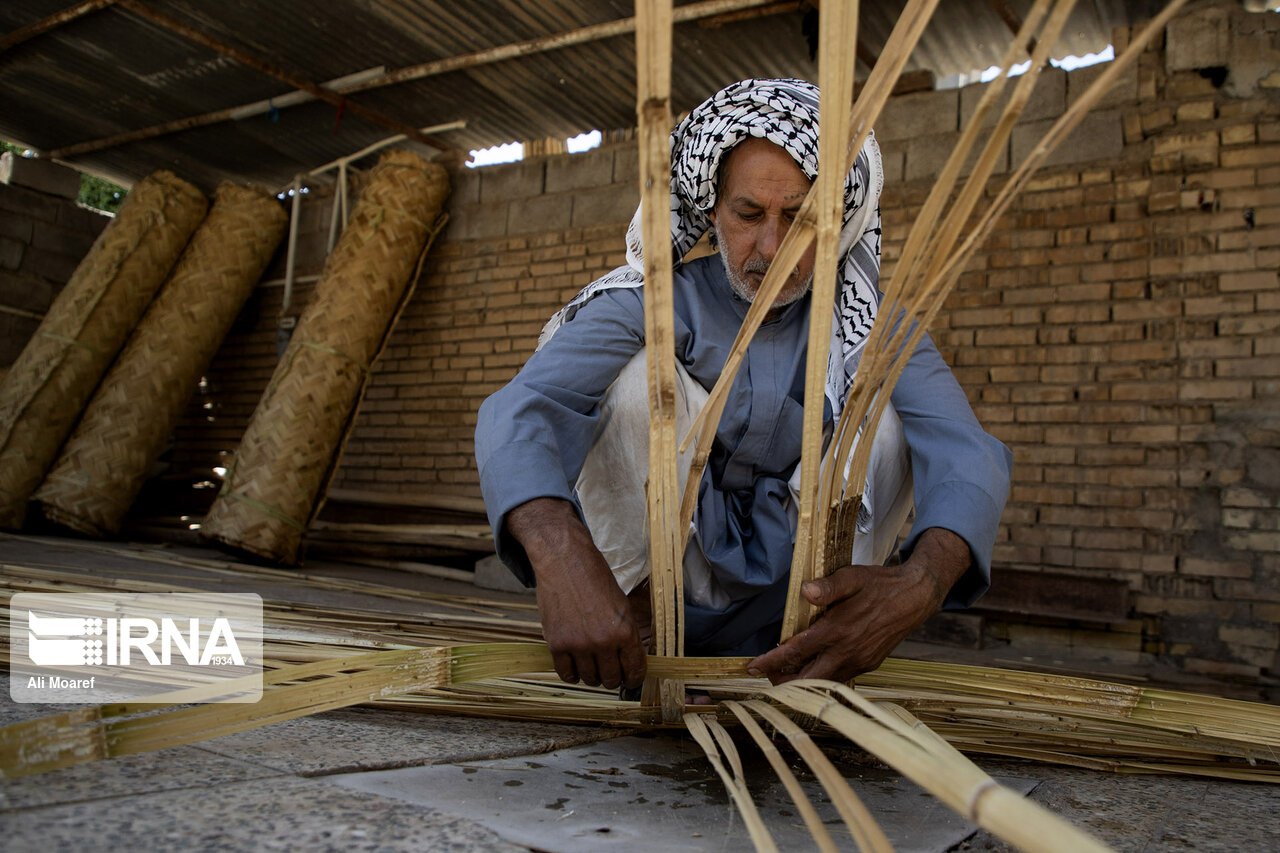
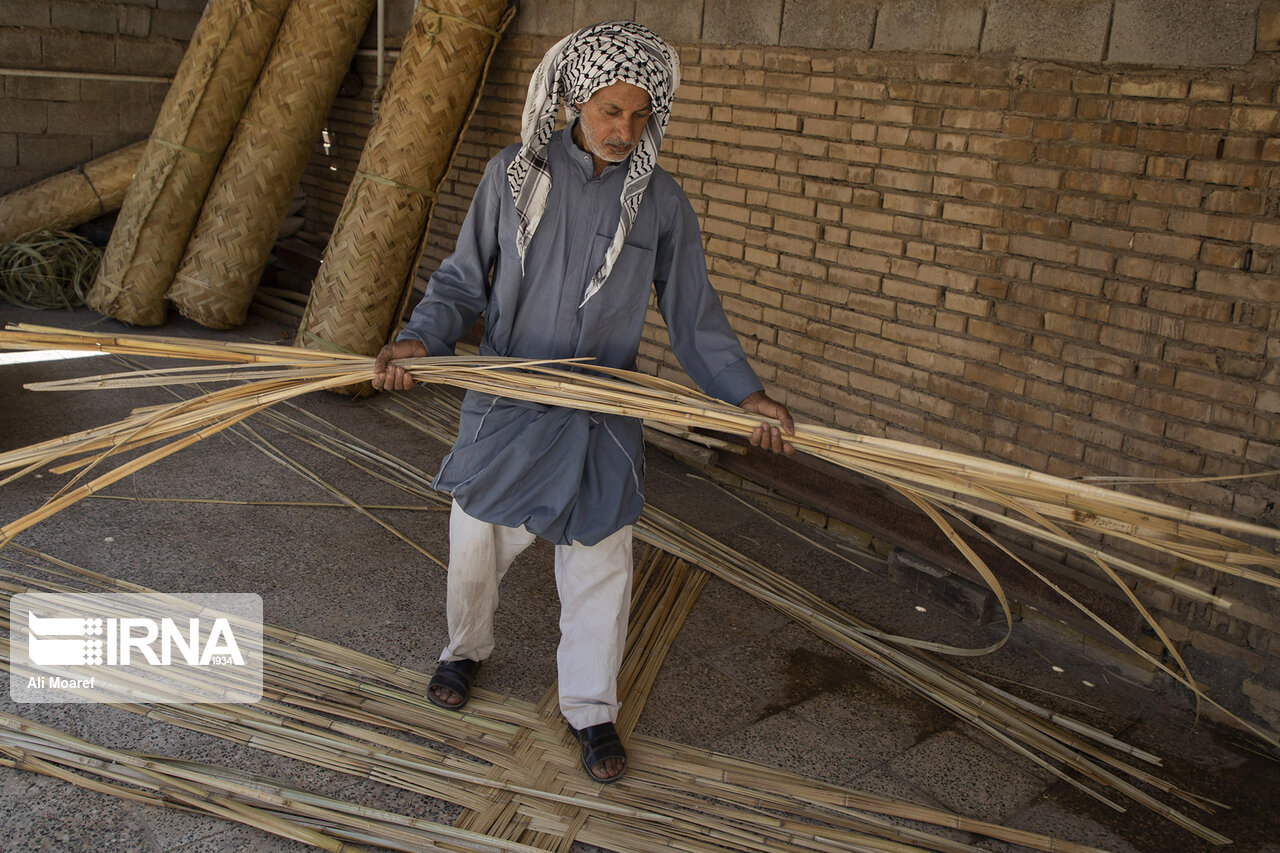
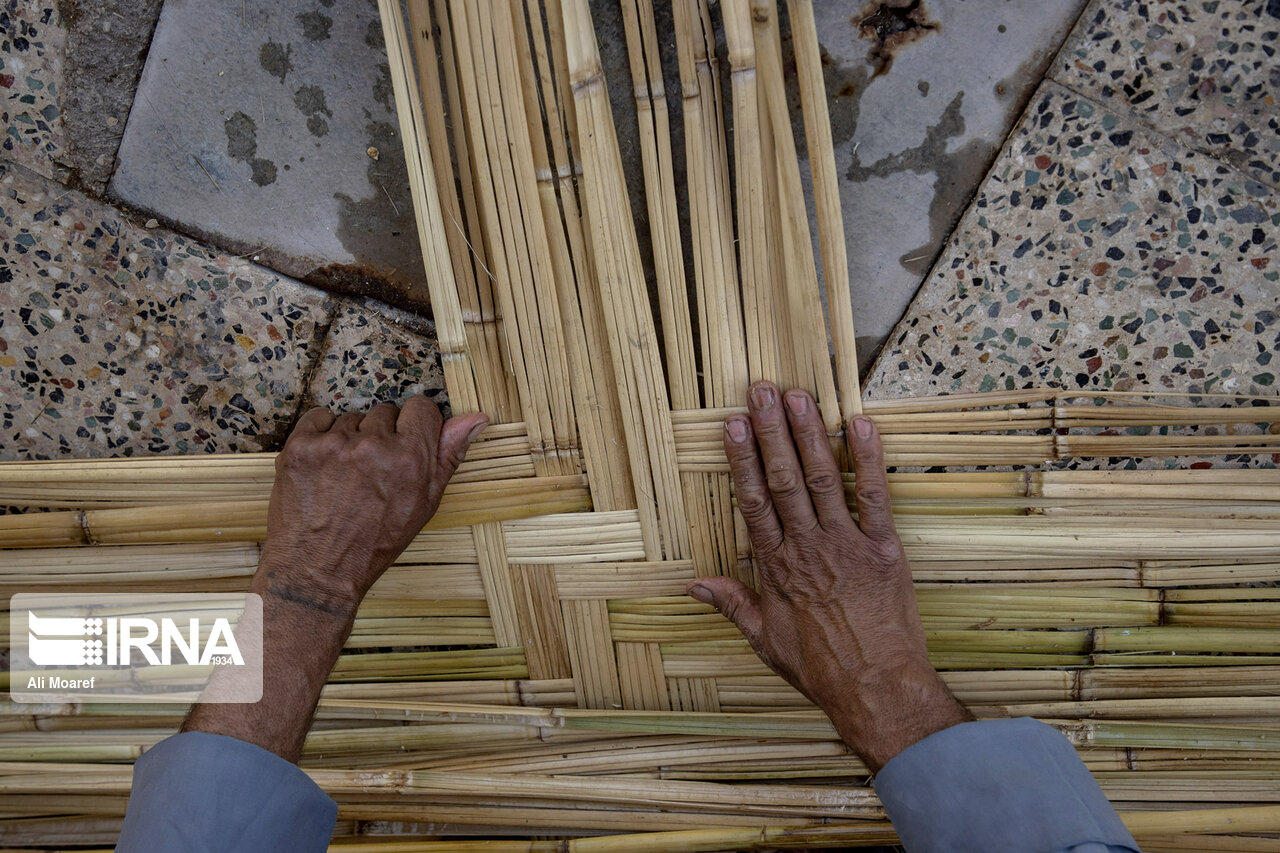
To make the Booria, the weavers cut the reed’s root and head first, before pouring water on it to soften the material. They then pound and flatten the stalks using a special masher in order to split the bamboo.

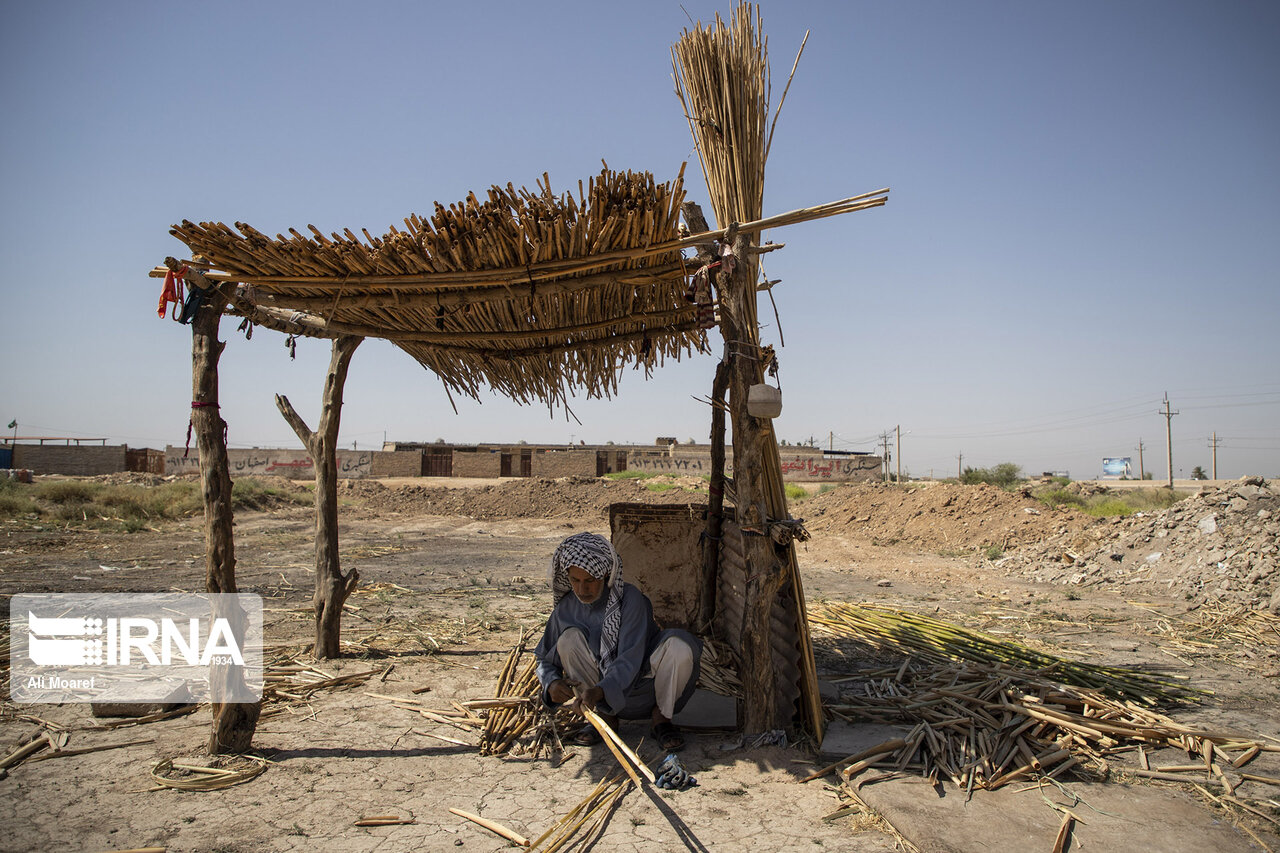
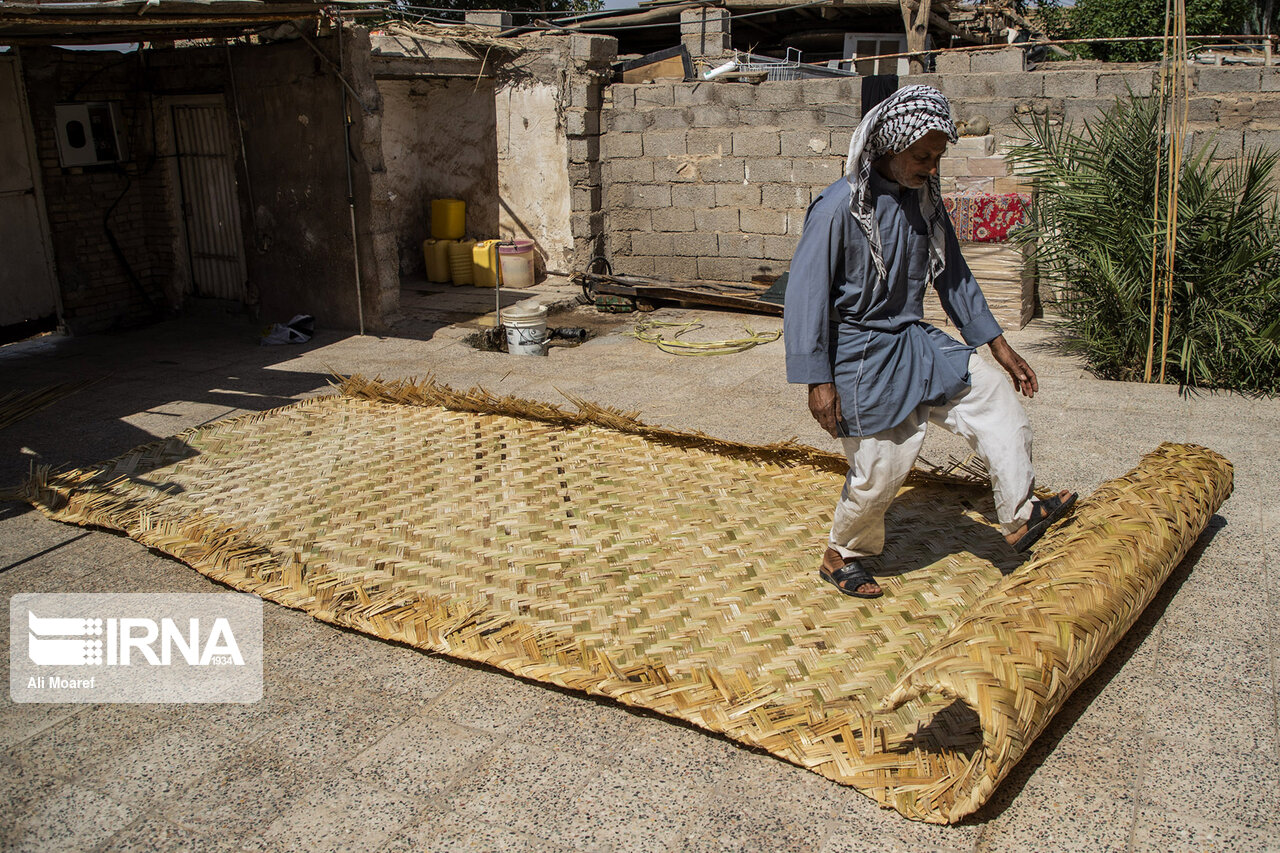
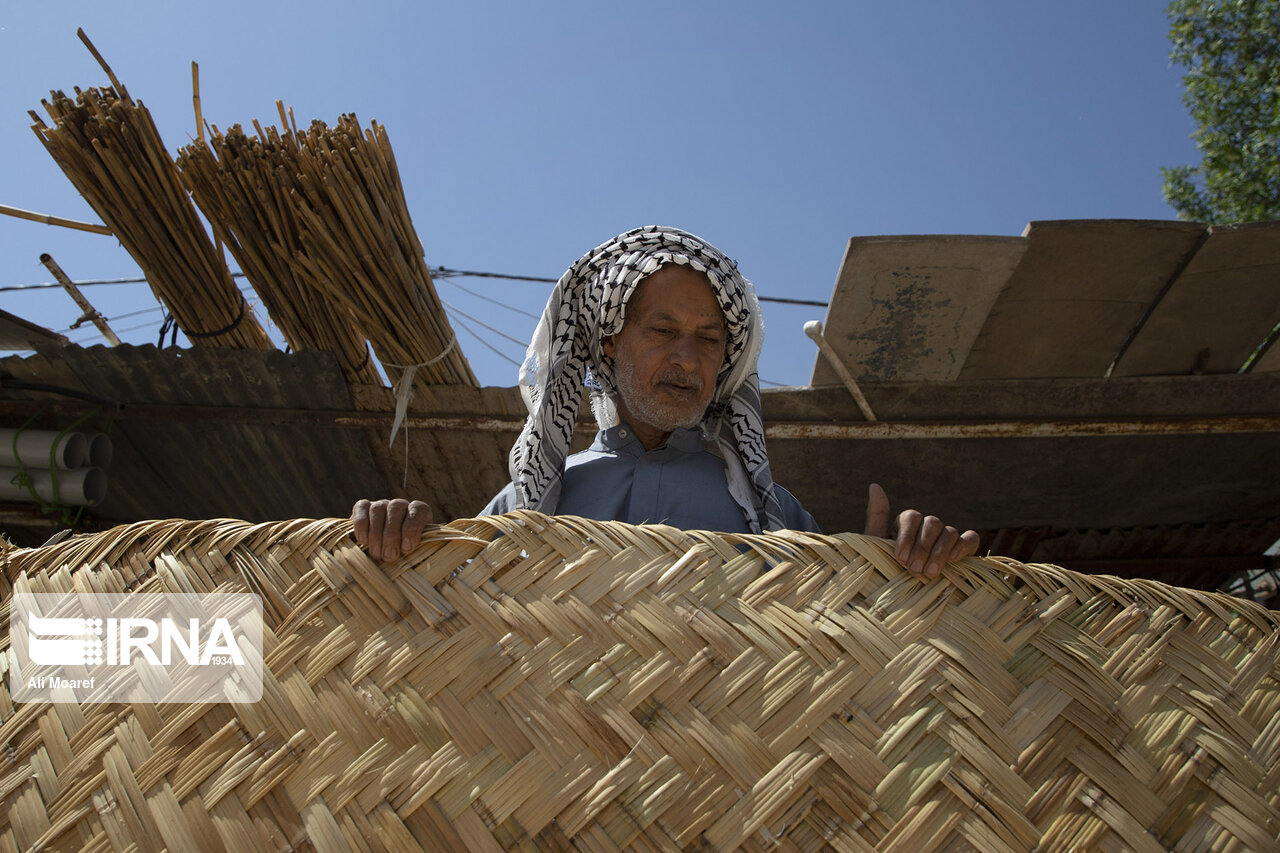
Then, the weavers sit on the ground and weave a number of split, flattened stalks together; after that, they weave a warp of bamboo at right angles.

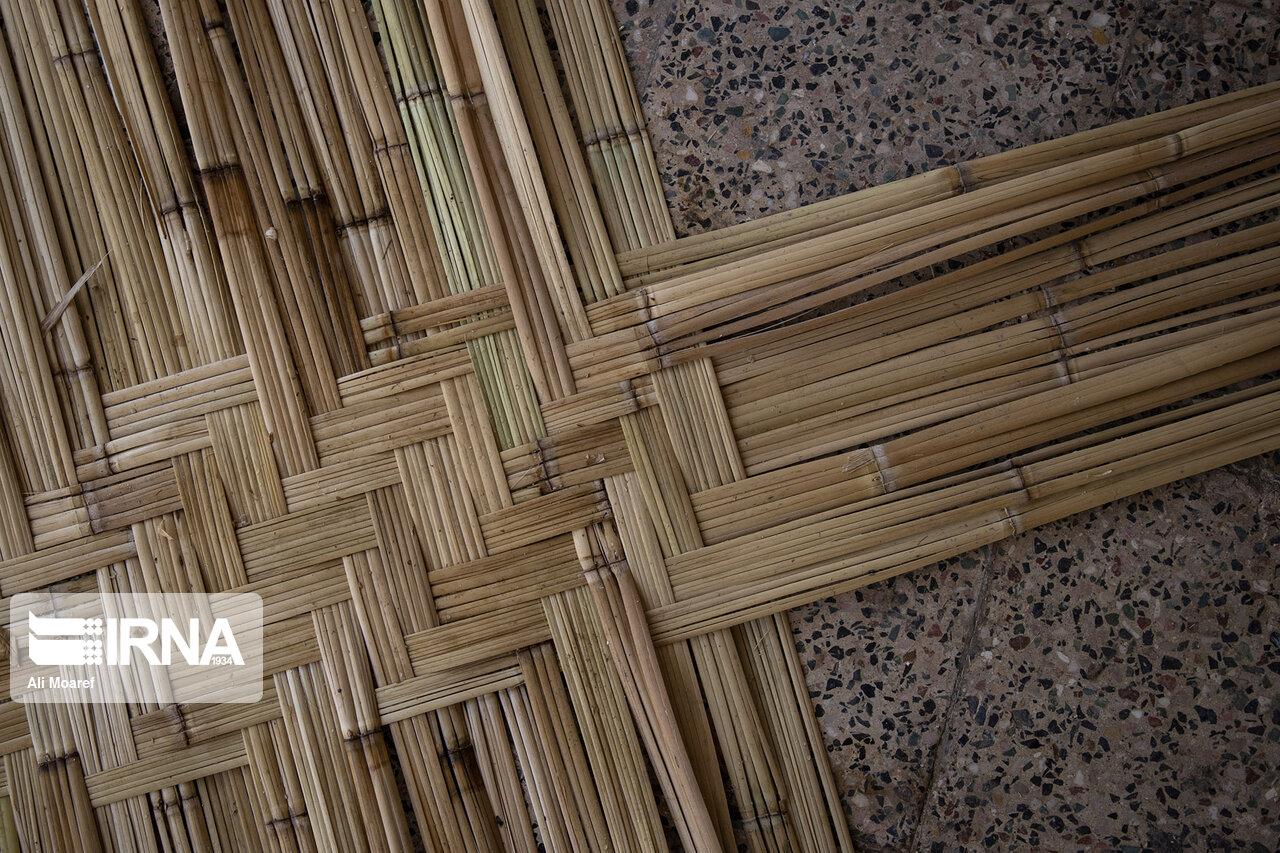
They use a kind of herringbone weave to make the Booria, and twist the bottom of the woven stalk warp to strengthen its edge. The fabric is then piped and sold to the constructors.

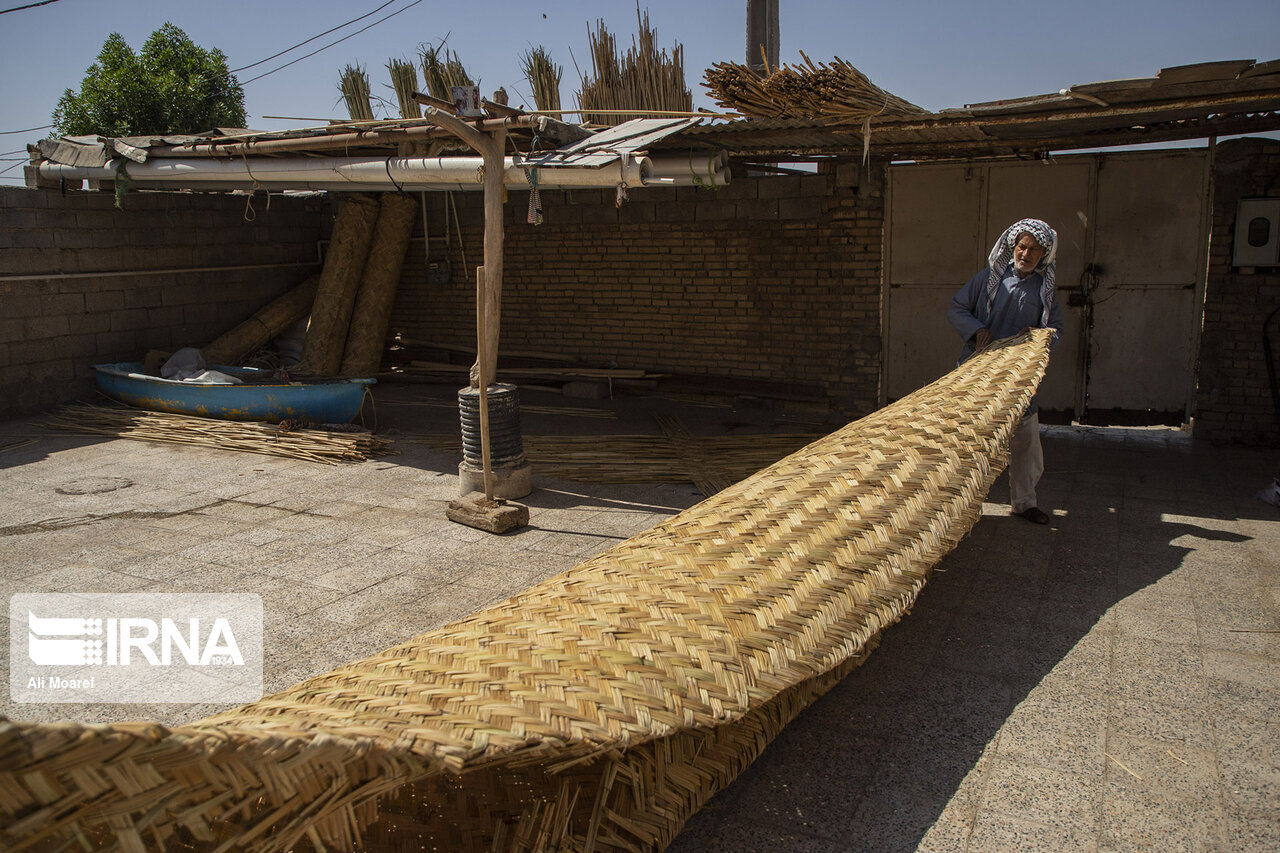
The mat size is generally between 4 and 8 metres.

What follows are IRNA’s photos of Hassan Heydari, known as Abu Abdullah, who has been earning a living by weaving Booria for 30 years:

Iran’s COVID-19 Cases Surpasses 180,000: Ministry

Iran’s COVID-19 Cases Surpasses 180,000: Ministry

In her press briefing on Thursday, Sima-Sadat Lari said 78 people have died of the virus in the past 24 hours, bringing the total number of fatalities to 8,584.

The spokeswoman said 142,663 patients have so far recovered from the disease, and been discharged from hospital.

2,728 patients are also in severe conditions of the disease, she added.
Lari noted that 1,173,208 COVID-19 tests have been taken across the country.

Coronavirus online test
If you are worried that you may have contracted the Coronavirus, take this test right now.

Iran Ready for More Prisoner Swaps with US: Spokesman

Iran Condemns US Oil Deal with Syrian Kurdish Group

Foreign Ministry Spokesman Abbas Mousavi said on Thursday that Iran has already announced that it stands ready to do all in its power to secure the release of Iranian hostages in US jails and bring them back home “within different frameworks.”

The Islamic Republic, he added, showed “goodwill” and made a “humanitarian” gesture in response to the proposals by some countries and figures, including Switzerland and its ambassador to Tehran, for the freedom of US security prisoners, whose wrongdoings are confirmed.

“If we find the conditions ripe again for such swaps or if we can prove the innocence of the Iranian citizens, who are facing baseless and delusional charges of circumventing unilateral, illegal and groundless US sanctions, we will definitely use all our diplomatic means to free our dear ones and reunite them with their families,” Mousavi said.

Last week, Iran freed US navy veteran Michael White as part of a prisoner swap, in which the US released Majid Taheri, an Iranian scientist who had been imprisoned in the US on false charges, after spending over a year in jail.

Iran’s Judiciary spokesman Gholam-Hossein Esmaeili said White was freed “on humanitarian grounds” while taking the country’s “general interests” into consideration.
The prisoners exchange came a day after Iranian scientist Sirous Asgari, a professor of material sciences at Iran’s Sharif University of Technology, returned home after spending about three years in detention in the US.

He was held behind bars in Louisiana despite having been exonerated in a sanctions trial.

Iran Calls on UN to Help with Extradition of Financial Criminals

Iran Calls on UN to Help with Extradition of Financial Criminals
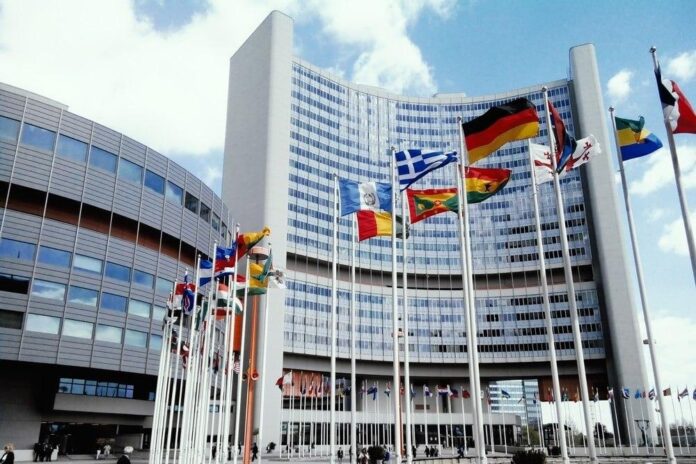
File photo of the UN Office on Drugs and Crime in Vienna

The Islamic Republic’s Permanent Representative to International Organizations in Vienna Kazem Gharibabadi says he has asked the new Executive Director of the UNODC to get involved in the issue and have the Iranian criminals arrested and extradited.

In a message on his Instagram page, Gharibabadi said some convicts have looted people’s property and now take refuge in the safe haven of some Western countries.

“Yesterday, I talked to new Executive Director of the United Nations Office on Drugs and Crime, Ms Ghada Waly. In this conversation, I called for the serious involvement of this office in the issue of the return of these lawbreakers, as well as the return of looted property.”

A major financial corruption case involving several judges and high-ranking officials at the Iranian Judiciary is being investigated at a court in Tehran.

It was said at the first session of the court that at least eight of around 20 suspects in this case have already left the country.

Iran President Inaugurates Several Industrial, Mineral Projects

Iran President Inaugurates Several Industrial, Mineral Projects

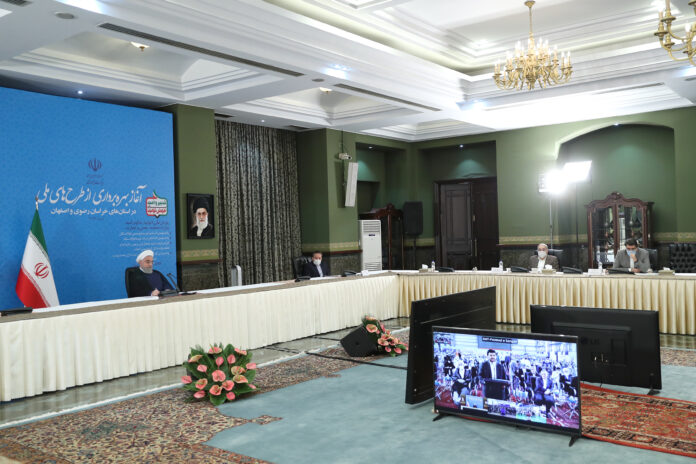
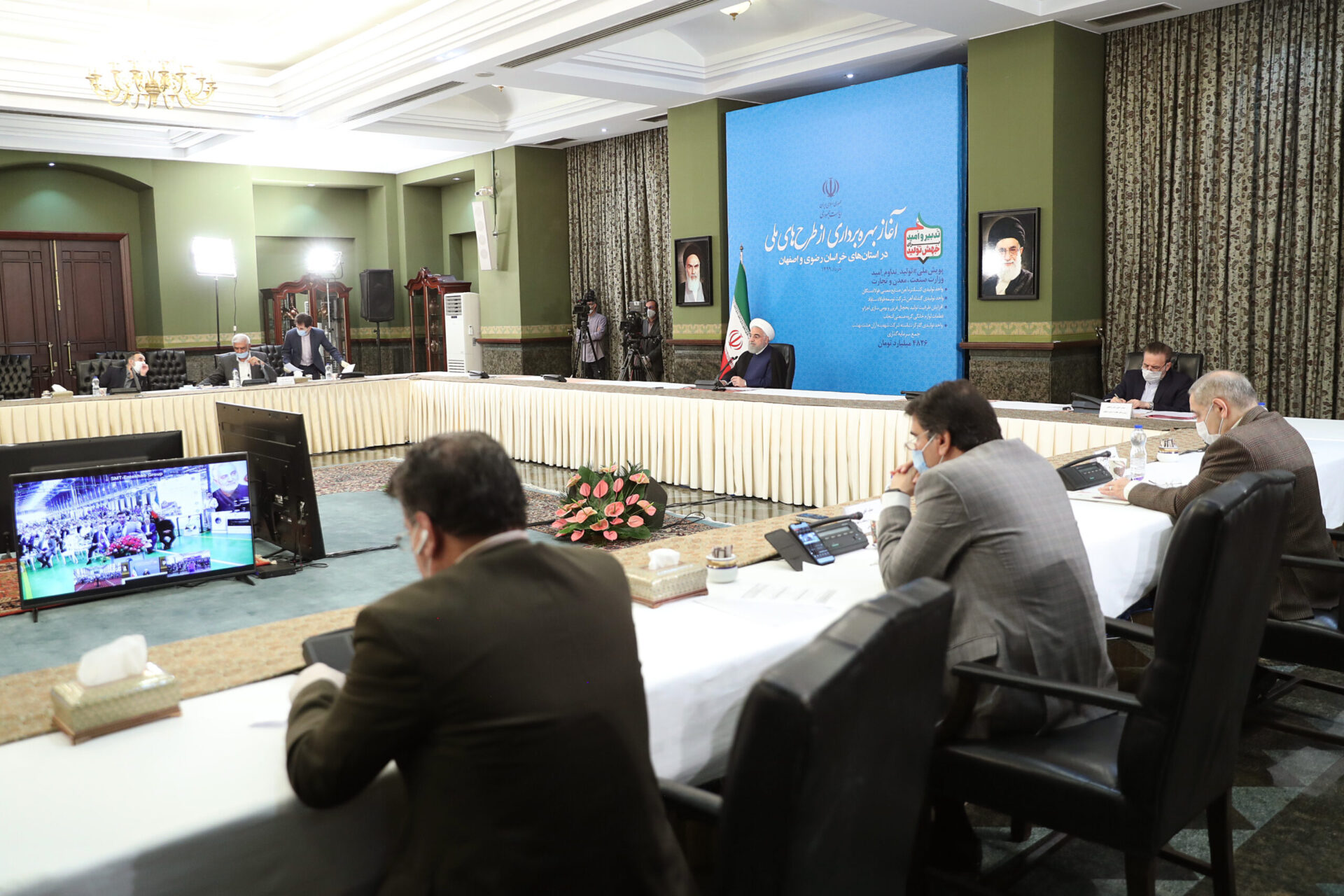
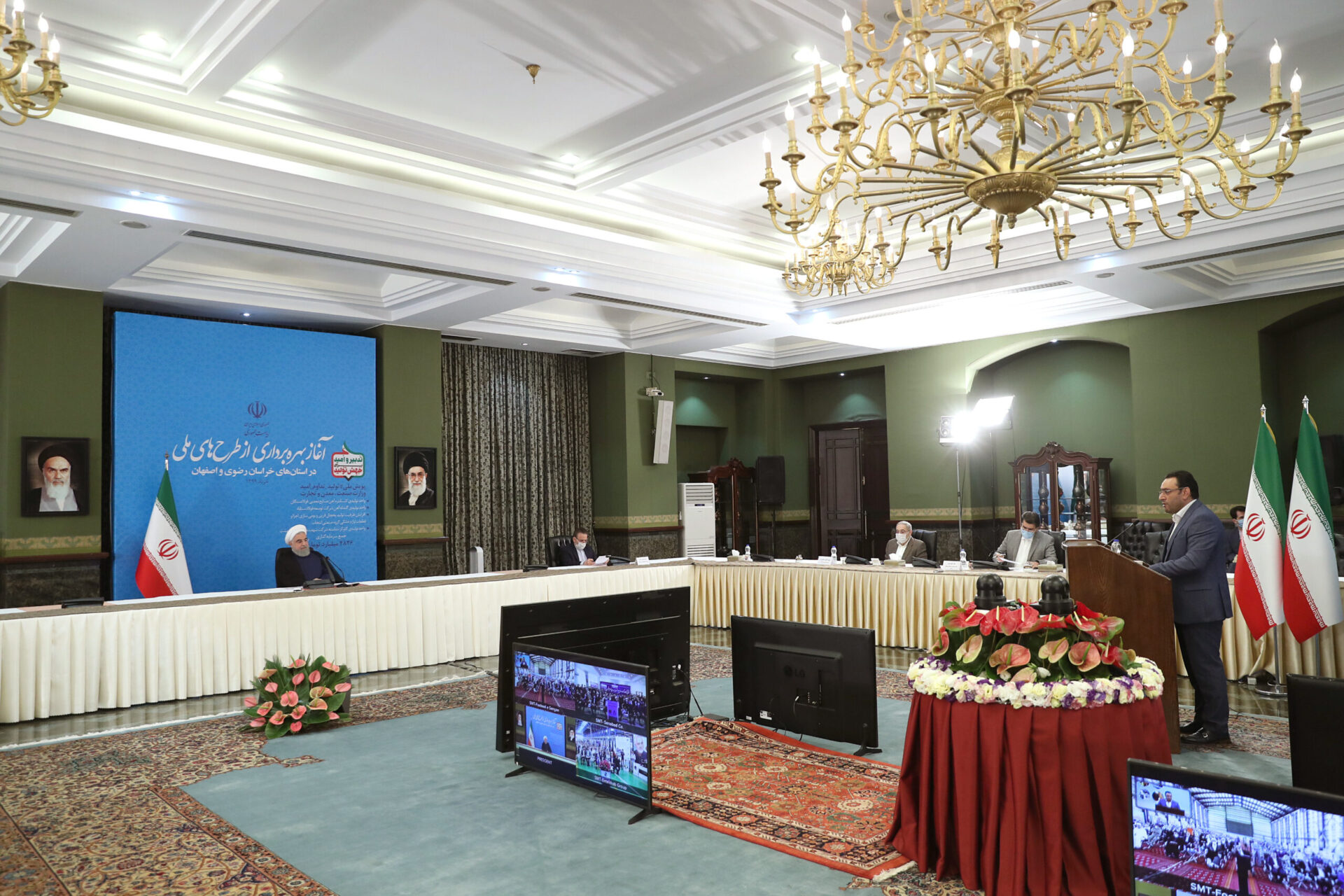
The projects, which were inaugurated in a ceremony held on Thursday via videoconference, simultaneously came on stream in the central province of Isfahan and the northeastern province of Khorasan Razavi.

Among the projects inaugurated was an iron ore concentrate production unite with an annual output capacity of 5 million tonnes as well as an iron pellet production unit with a production capacity of 2.5 million tonnes a year.

On the sidelines of the industrial projects, other projects also went on line, including several projects to produce fridges, polymer products and houseware appliances.

Addressing the opening ceremony, President Rouhani said the nation’s ranking in terms of steel production has improved from the 10th spot to the 8th as the country’s steel output capacity stands at 55 million tonnes.

He said Iran is producing a whole range of steel products, including iron ore concentrate, pellets, sponge iron and iron ingots.

“Our steel production chain (range of products) is a regular and complete one,” he said.

His comments come as the World Steel Association’s latest report shows Iran’s global standing in steel production has declined from the previous eighth to become the world’s ninth biggest crude steel producer.

Iranian steel mills sold over 254.35 trillion rials ($1.6 billion) worth of steel products during the last fiscal year.

According to Reza Shahrestani, a member of the Board of Directors of Iran Steel Producers Association, sales volume shows a 93% rise compared to the year before.

‘Some 15 Million Iranians May Have Contracted Coronavirus’

Some 15 Million Iranians May Have Contracted Coronavirus

Ehsan Mostafavi, Director of the Research Centre for Emerging and Recurring Diseases of the Iranian Pasteur Institute, said if 15 million people are indeed infected with the virus, it means that the virus is far less deadly than is assumed, and the country is facing a more benign virus.

In a video conference with reporters about the spread of COVID-19 in Iran, the scientist noted that fortunately the mortality rate of the disease in Iran is significantly lower than some developed and Western countries, and this is due to various factors.

“One determining factor is the relatively young age of the country. The average age of Iran’s population is 31 years, while in a country like Spain this index is 45 and in Italy it is 47 years. Therefore, when the people are older, underlying diseases such as cardiovascular problem, cancer, diabetes, obesity and the like are more common,” he noted, describing such underlying problems as death risk factors.

Regarding the recent increase in Iran’s COVID-19 cases, he said, “In recent weeks, we see a relatively fast increasing trend in the reporting of new cases of the disease in the country, but that’s caused by various factors. First, in the last month, we have significantly increased the number of tests. Our tests have now reached more than 20,000 daily tests from 10,000 in the past.”

There have also been some reopenings, which may naturally lead to an epidemic peak and second or third waves of the disease, underlined Mostafavi.

Currently, the provinces of Khuzestan, East and West Azarbaijan, Kurdistan and Hormozgan are the provinces that are more affected by the disease, according to the researcher.

The disease is unknown, and as new aspects of it are unfolded, we hope to be able to better control it, he said.

“It seems that we have to get used to living with corona. In general, we expect that in autumn and winter, if we have a recurrence of the disease, it will not be as severe as March and April. It is also expected that more effective treatment and better prevention methods will be available by then. So we expect to be able to live a more normal life than in recent months.”

In general, it seems the disease is relatively contagious, but the mortality is more prevalent in the elderly and people with more underlying diseases, reiterated Mostafavi.

“Today, we are certainly not worried about testing at hospitals, and anyone who is suspected of having the disease will be tested. During the first days of the outbreak in the country, only four laboratories were doing the daily testing. However, today, more than 150 laboratories across the country are doing the tests, and about one-third of private sector laboratories are conducting corona testing,” he concluded.