Sunday, December 21, 2025
Home Blog Page 2778

COVID-19 Pandemic Makes Lepers Lonelier Than Ever

COVID-19 Pandemic Makes Lepers Lonelier Than Ever

When the medicine science still had not found a treatment for the bacterium causing leprosy, lepers came to Mashhad, hoping they could be cured via divine healing at the holy shrine of Imam Reza. Accordingly, they settled down and stayed in the holy city in northeastern Iran. Afterwards, a definitive cure was found for leprosy. Medications were sent to Iran, and the advancement of the disease stopped when patients began to take the drugs. Nevertheless, the word “lepers” became a stigma attached to their names and they were ostracized and remained isolated forever.

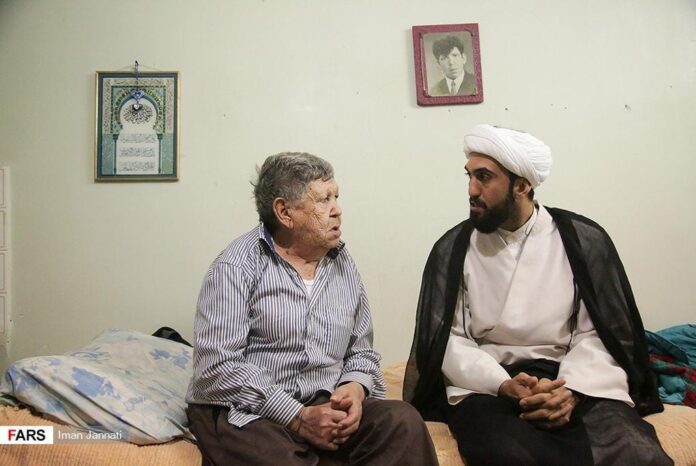
Pressured by grief and agony, lepers in Mashhad spent their youth and became old. Now, at a time of sorrow and regret, a young clergyman emerges to help. Hojjatoleslam Sadeq Abbasi stood by the lepers and did not forget them despite all problems amid the coronavirus crisis.

Lepers Defeat COVID-19

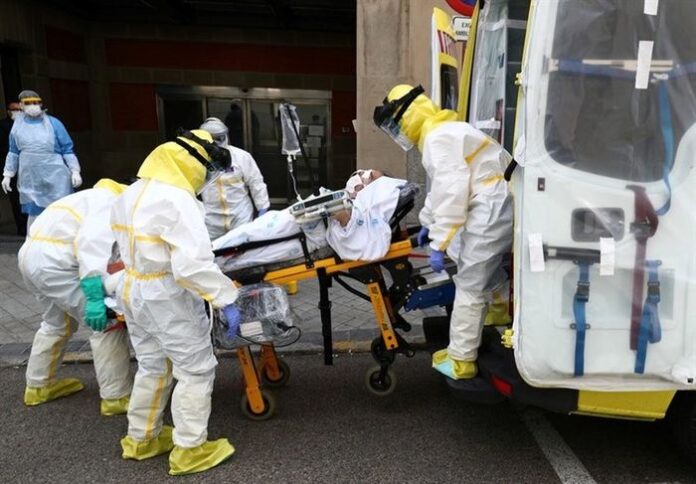
“We are going to have a get-together tonight at the home of one of the lepers who has just recovered from coronavirus and has passed his quarantine period. It was a divine miracle that he stayed alive; we had no hope that he would survive because he was old and suffering from a collection of underlying health conditions,” said the clergy in a phone interview with Fars News Agency.
COVID-19 Pandemic Makes Lepers Lonelier Than Ever

Coronavirus Pandemic More of A Joke to Lepers

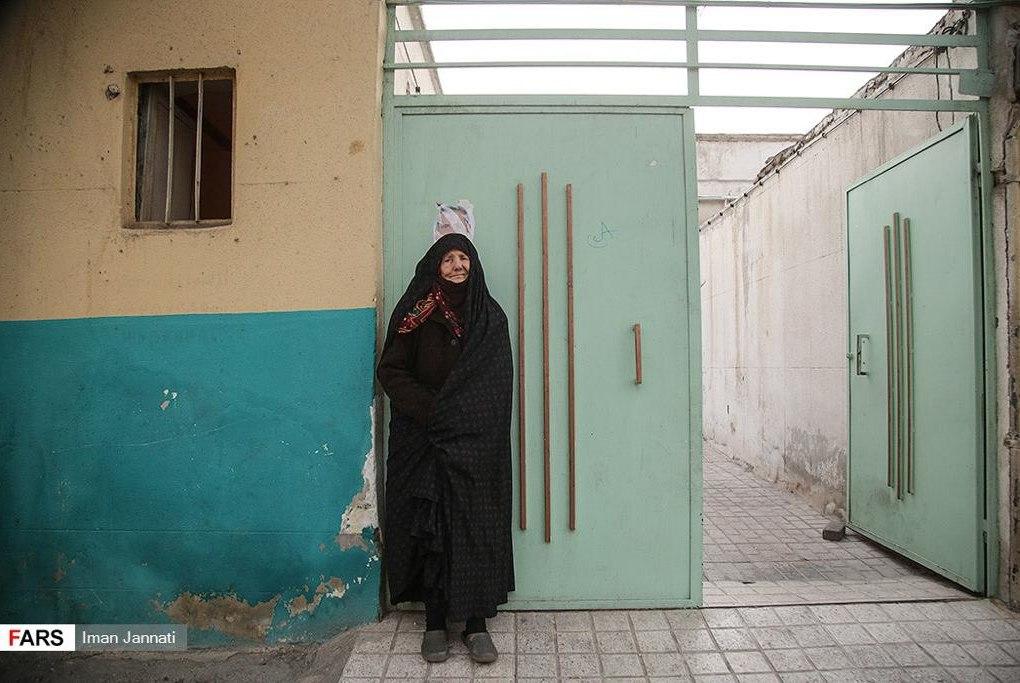
“Now is not the right time to tell you how things turned out that I found myself in the lepers’ neighbourhood. Just know that after coronavirus broke out, the lepers became lonelier than before. The lepers knew nothing of coronavirus. In this neighbourhood live around 100 families all of whom are healthy. All they own is a meagre room with fading paint. They either don’t have a TV or have a small one. Not knowing about global developments as well as events taking place around them, they spend weeks and months,” says the clergyman.

“When they heard a disease had emerged whose patients had a condition similar to what they were suffering years ago, i.e., everybody stayed away from those contracting the disease, the bitter memories of all those years were rekindled for them. Coronavirus was more of a joke to the lepers. They were indifferent toward coronavirus and didn’t take it seriously. However, old age, underlying health conditions and frail health increased the possibility of the lepers contracting COVID-19 and, accordingly, made it all the more important to look after them,” said the clergyman.
COVID-19 Pandemic Makes Lepers Lonelier Than Ever

Fighting Coronavirus in Lepers’ Neighbourhood

Abbasi speaks of the ambience in the streets in lepers’ neighbourhood amid the coronavirus pandemic.

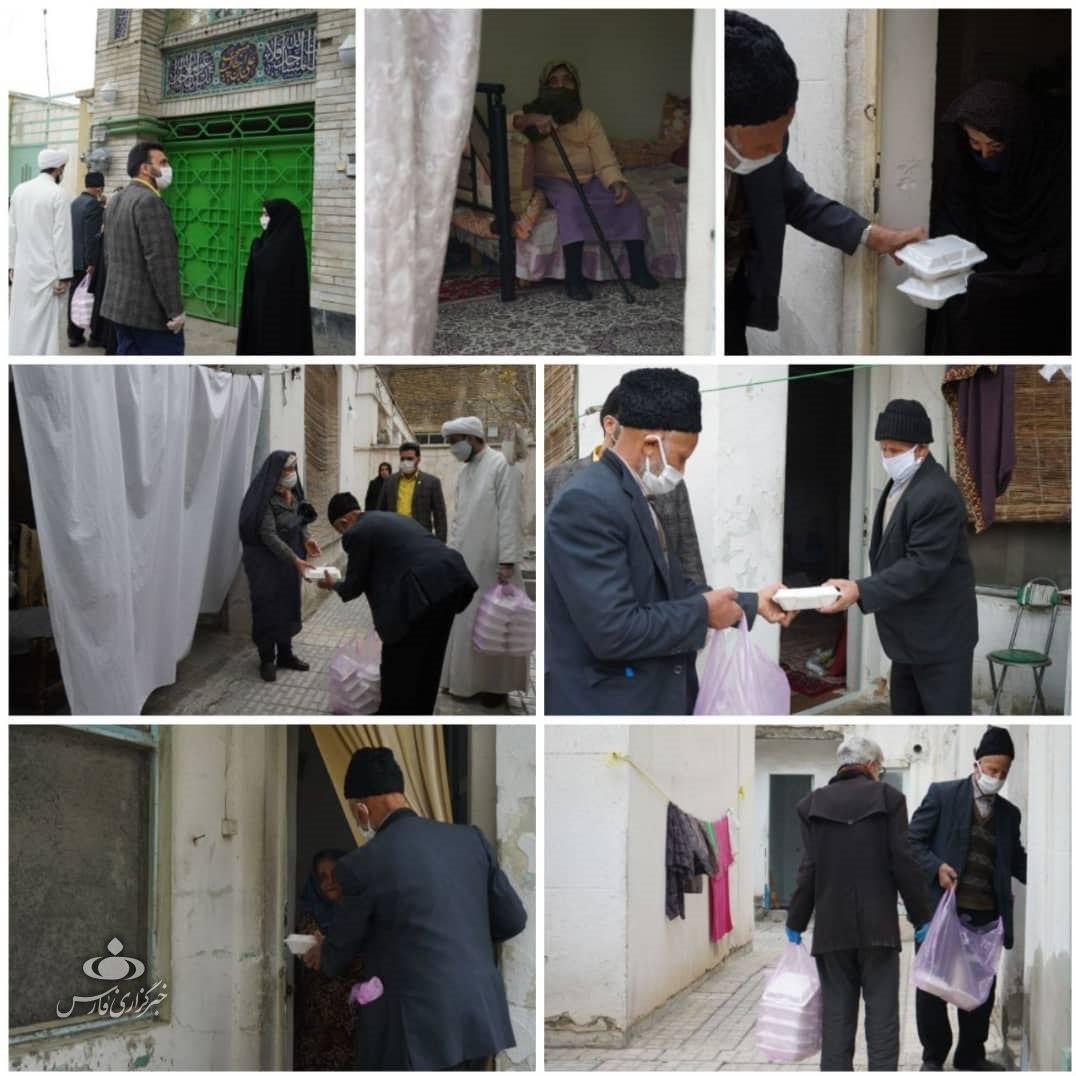
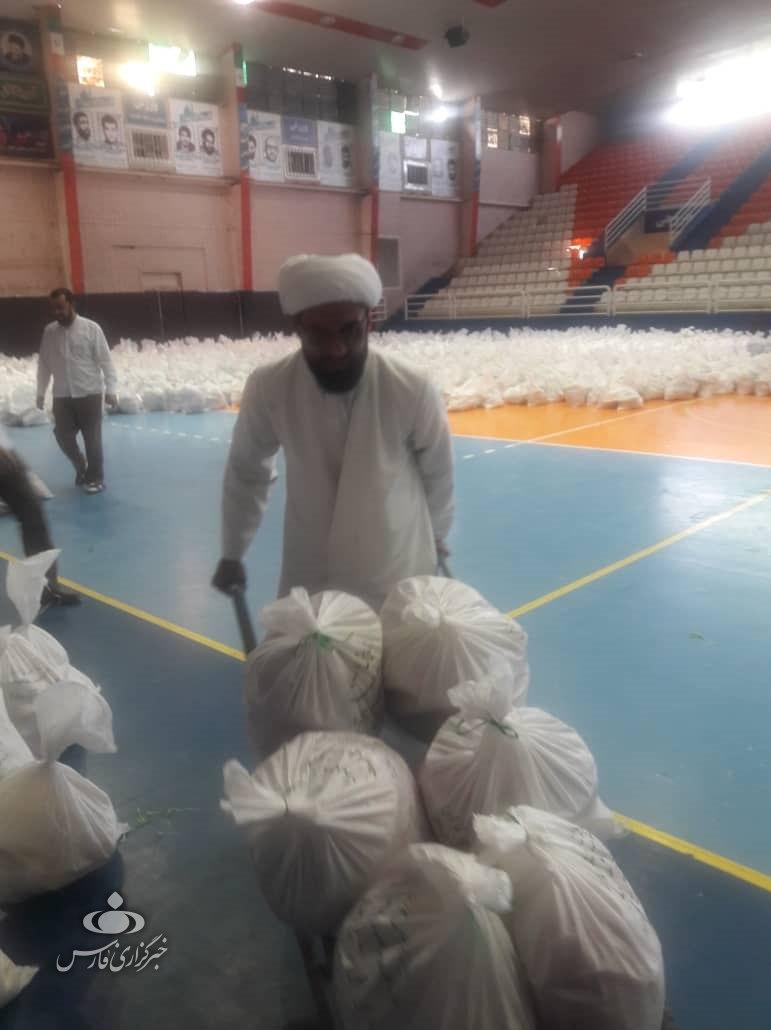
“Groups fighting coronavirus were not paying attention to the lepers. I have lived with the lepers for two years now. When coronavirus broke out, I myself went into action. I had consultations with the Municipality and the office charged with handling the affairs of the Imam Reza shrine. We provided masks and disinfectants for them. We distributed among them packages containing basic goods. We also gave them warm food. In a nutshell, we made whatever we could to keep them from leaving home,” he says.

“We went door-to-door and talked to them about this virus and its dangers. We asked mosque-goers for help. We disinfected the homes of those who I had tried, for two years, to make them understand leprosy is neither contagious nor dangerous. We disinfected their houses to keep coronavirus from spreading among the lepers, so that their situation won’t get any worse than what it is now. We continue to support them,” he says.
COVID-19 Pandemic Makes Lepers Lonelier Than Ever

Sarooq Rug: A Hand-Woven Persian Rug Popular among Western Buyers

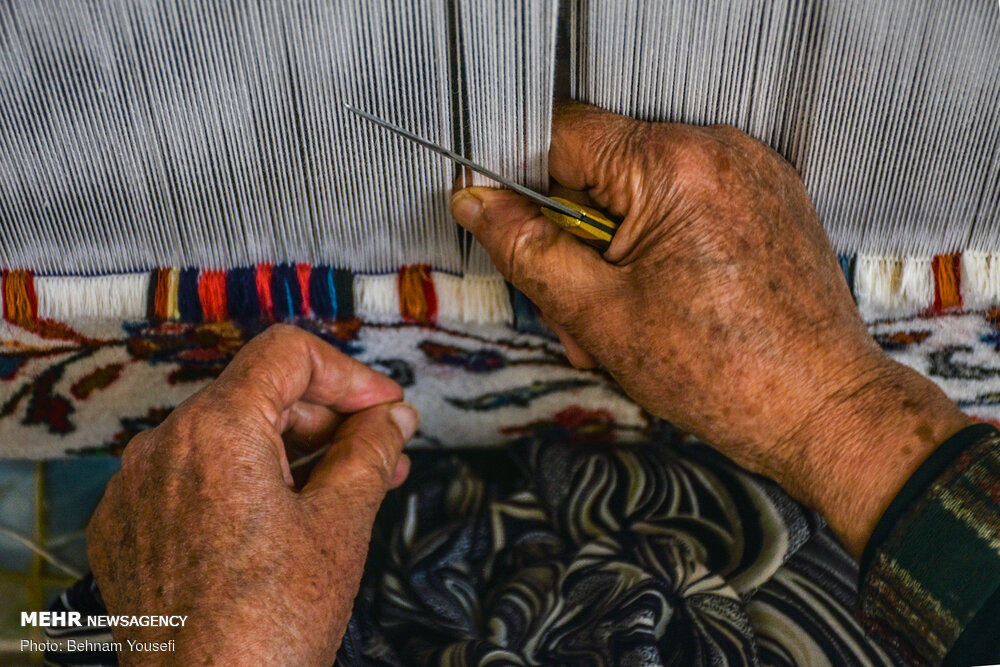
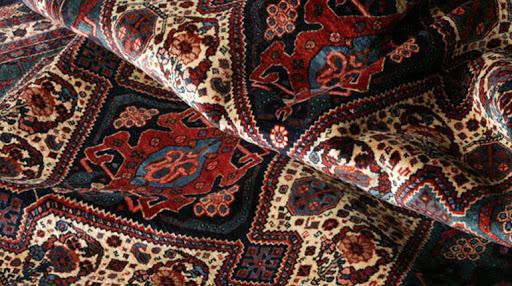
Sarooq carpets of Iran

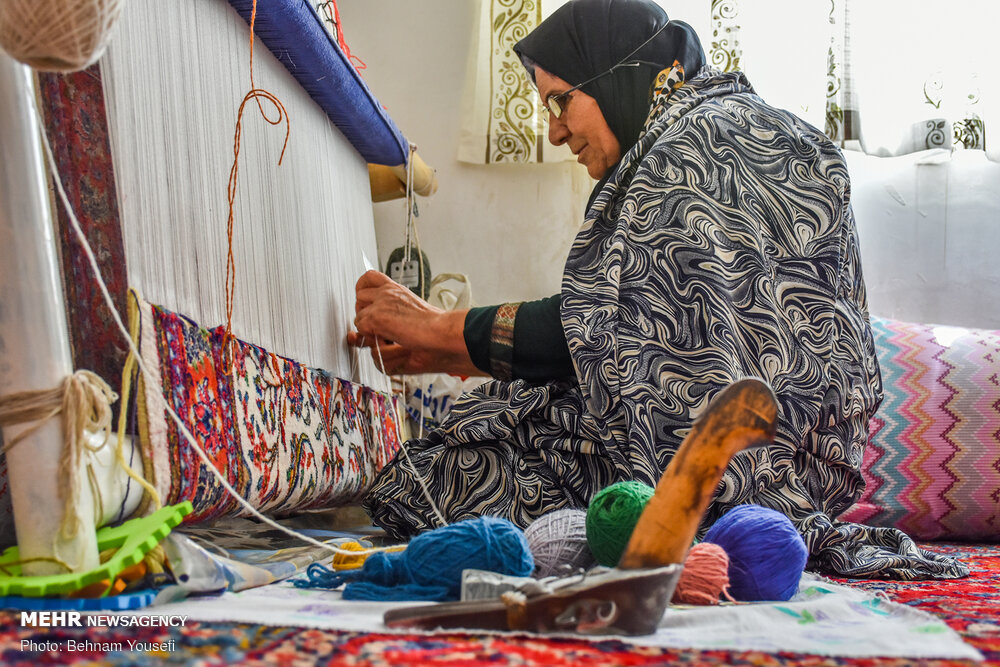
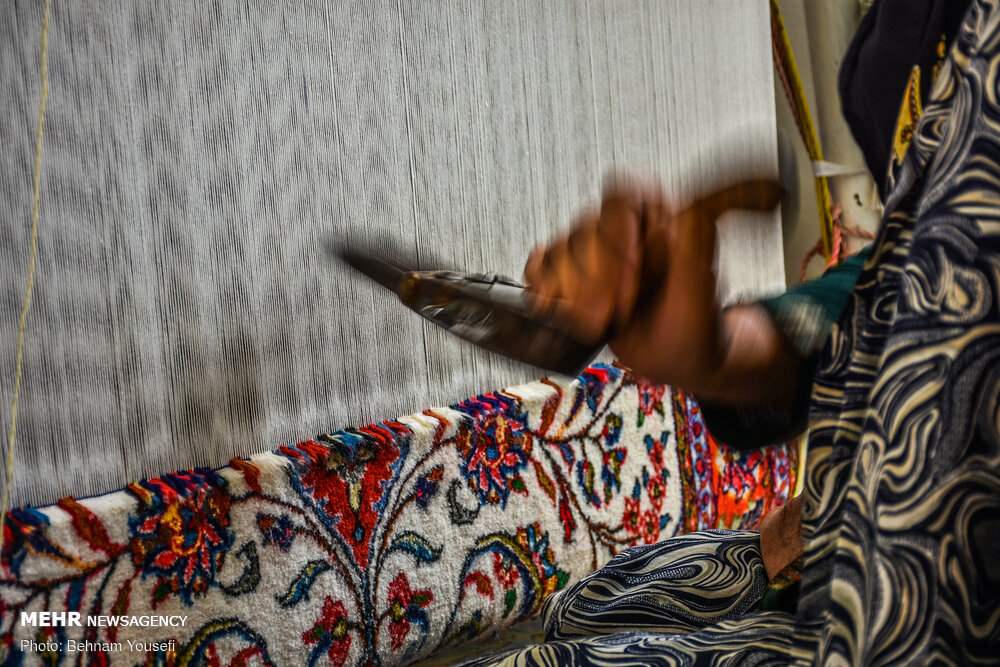
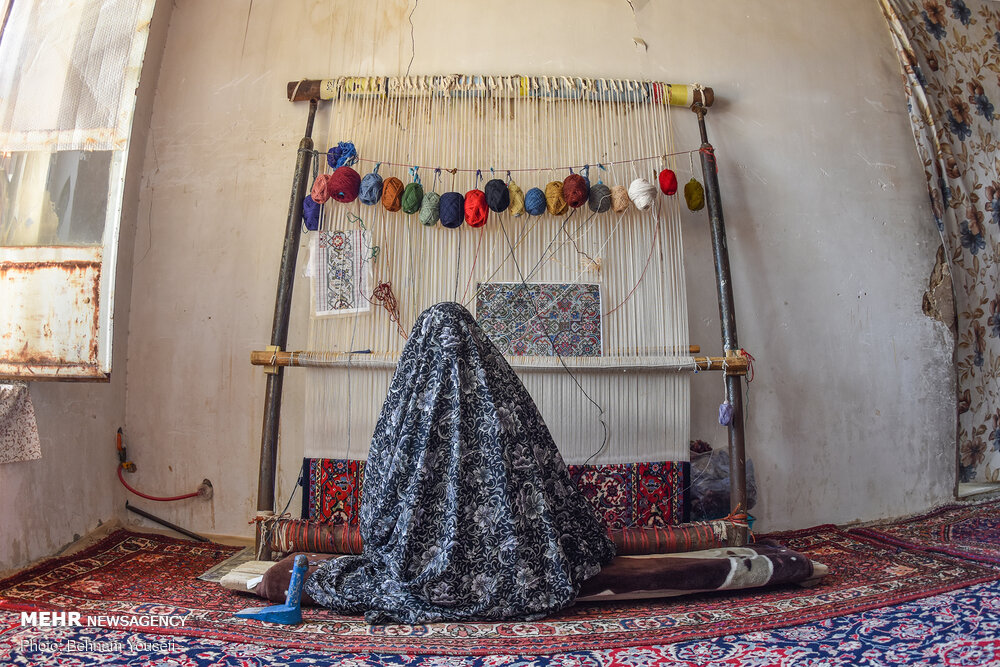
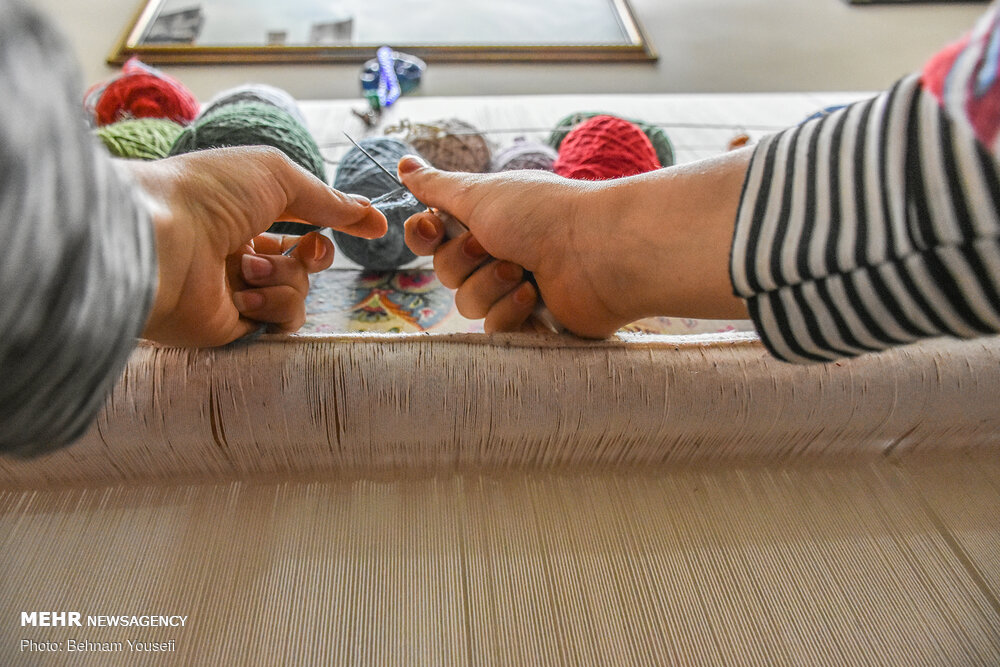
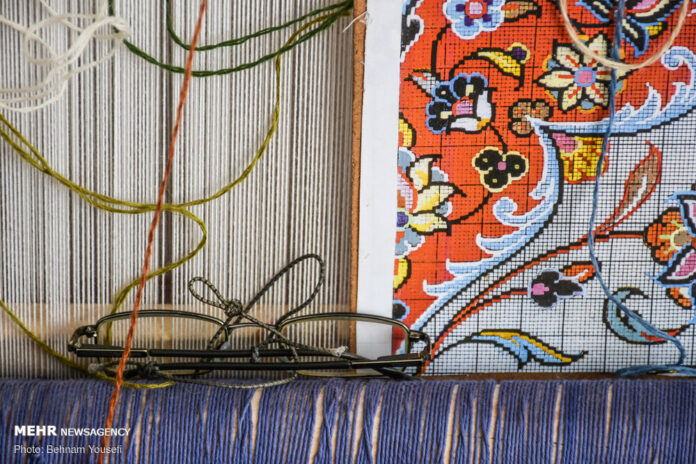
The Sarooq region enjoys a long history in terms of producing handwoven carpets. Sarooq and Jiria are two villages in the north of Arak, central Iran, and women there have special dexterity in weaving carpets. The centuries-long history of weaving carpets in these two areas has made the brand name Sarooq famous, so much so that European and American businesspeople are well familiar with this brand.
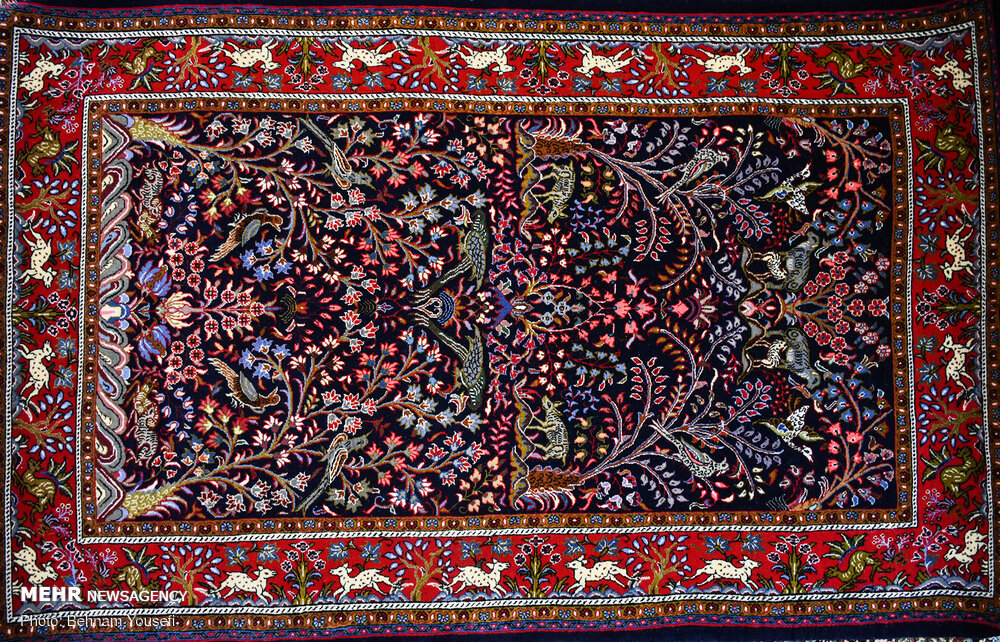
Of course, weaving this type of rug is more popular in Jiria and most Sarooq carpets are woven by local residents. The special feature of hand-woven Sarooq rugs and carpets is that they bear geometric and curvy designs.

Traditional designs have two forms: Afshan or Toranj. The Toranj design bears hexagonal, oval, rhombus or round shapes with which rugs are decorated.

The most attractive traditional design is Lachak Toranj which is made up of a geometric, and at the same time flowery shape reminiscent of nature.

Although Sarooq carpet is very famous, still experienced and sharp eyes are required to distinguish original Sarooq carpets from other rugs woven in adjacent villages.

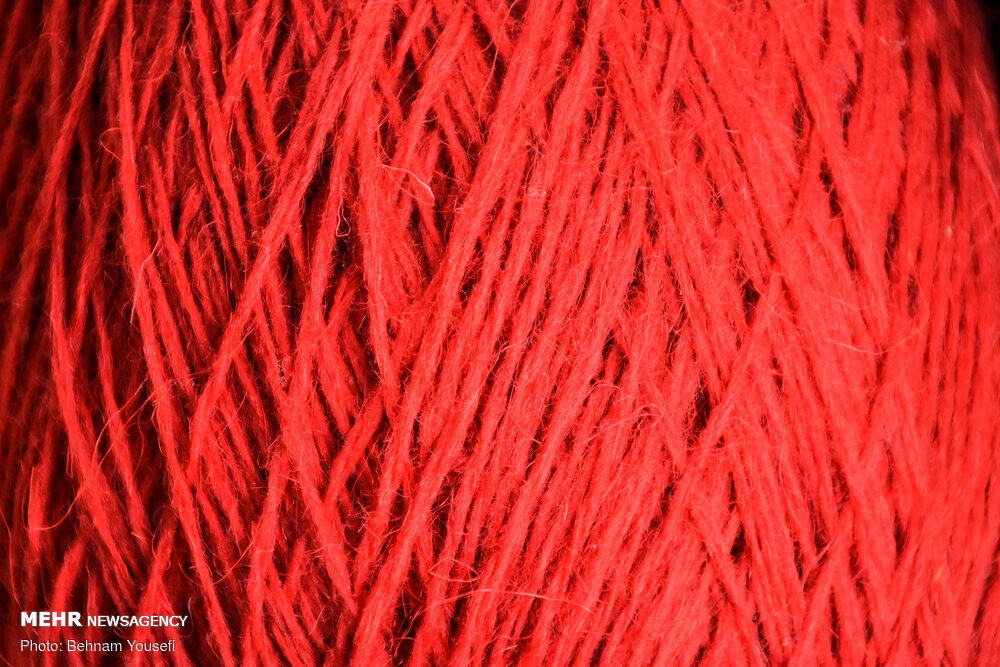
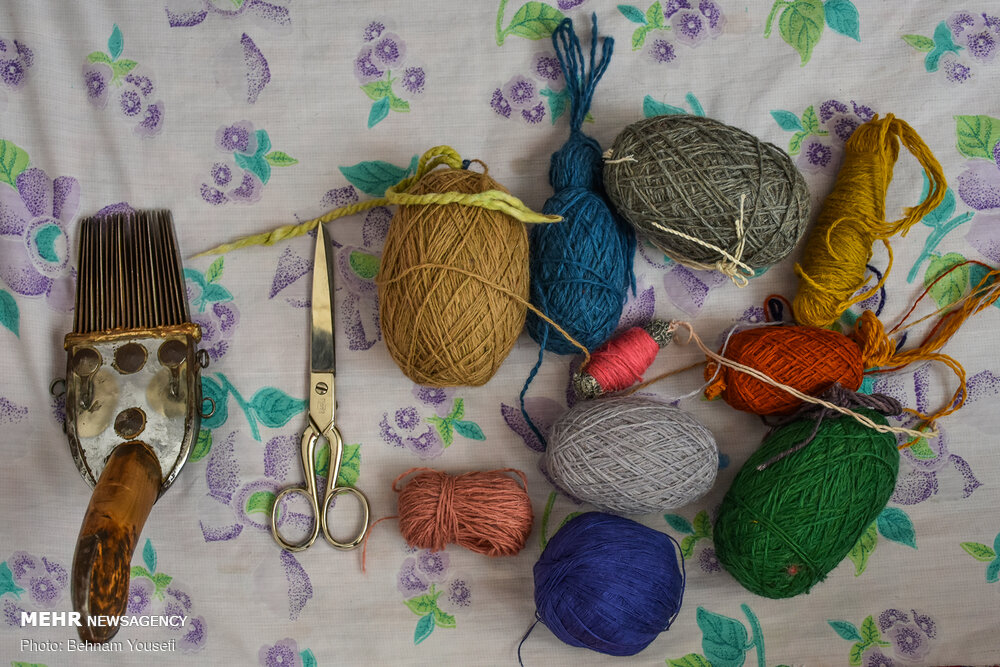
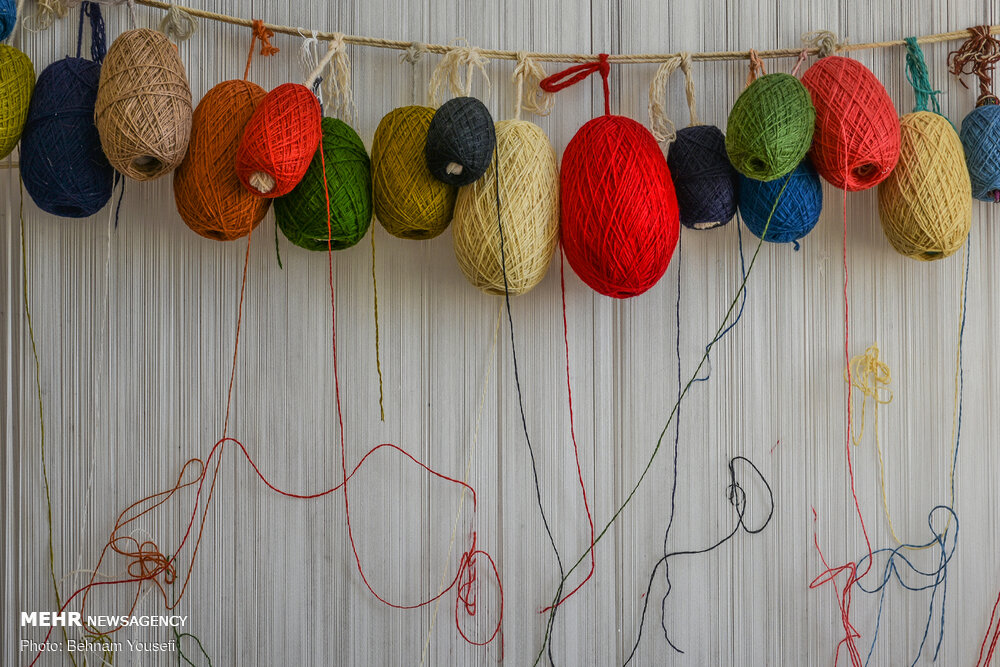
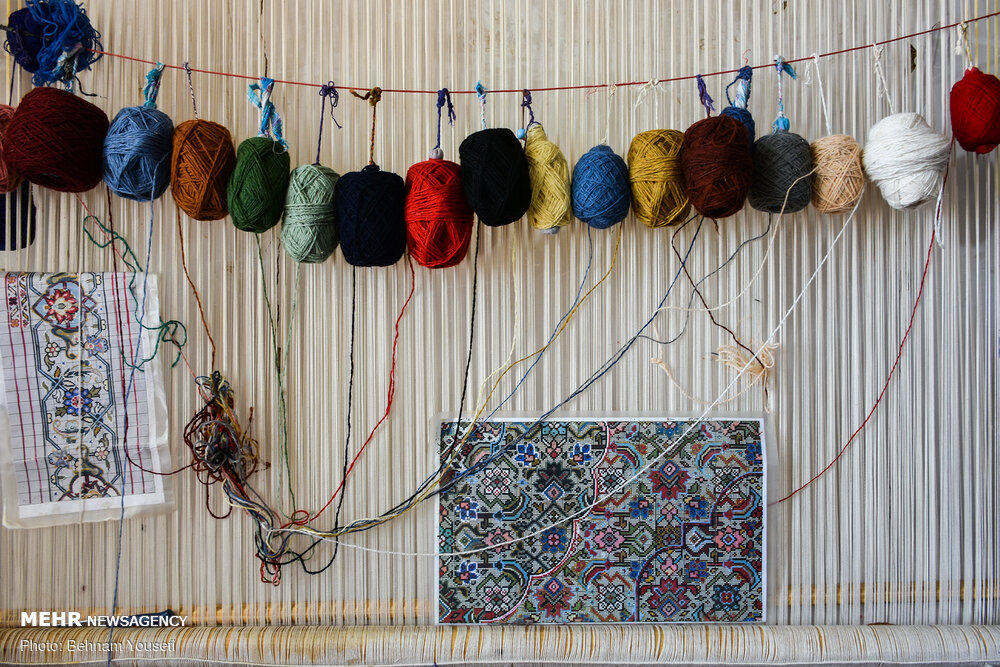
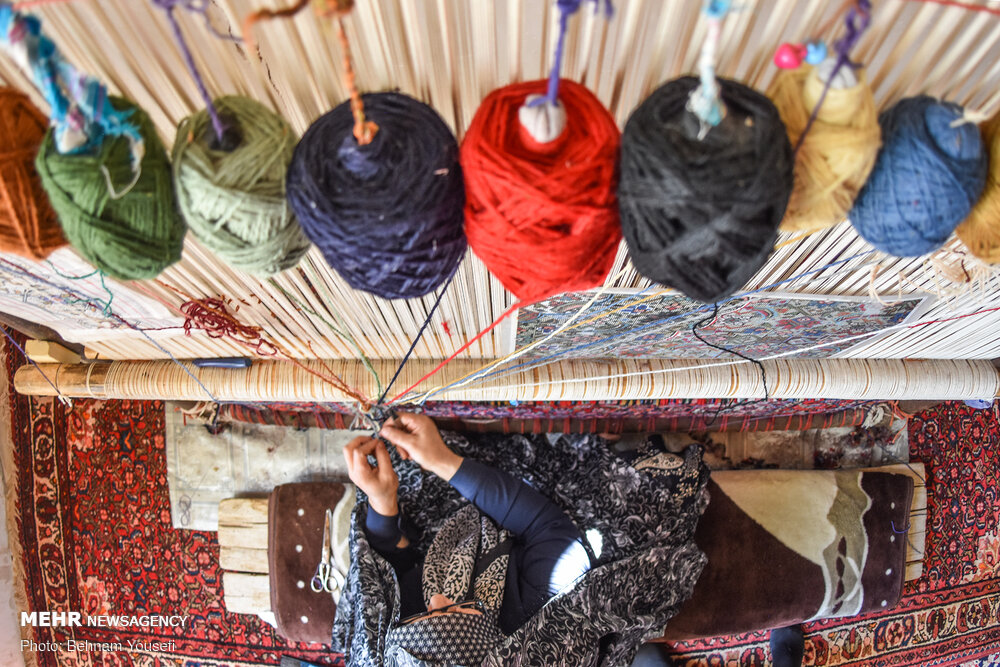
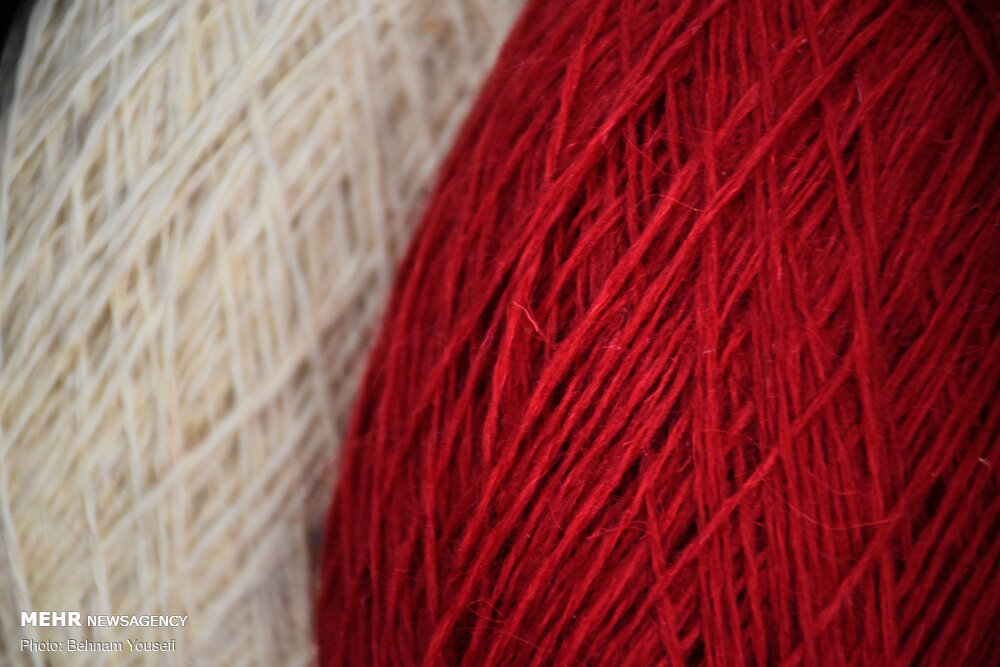
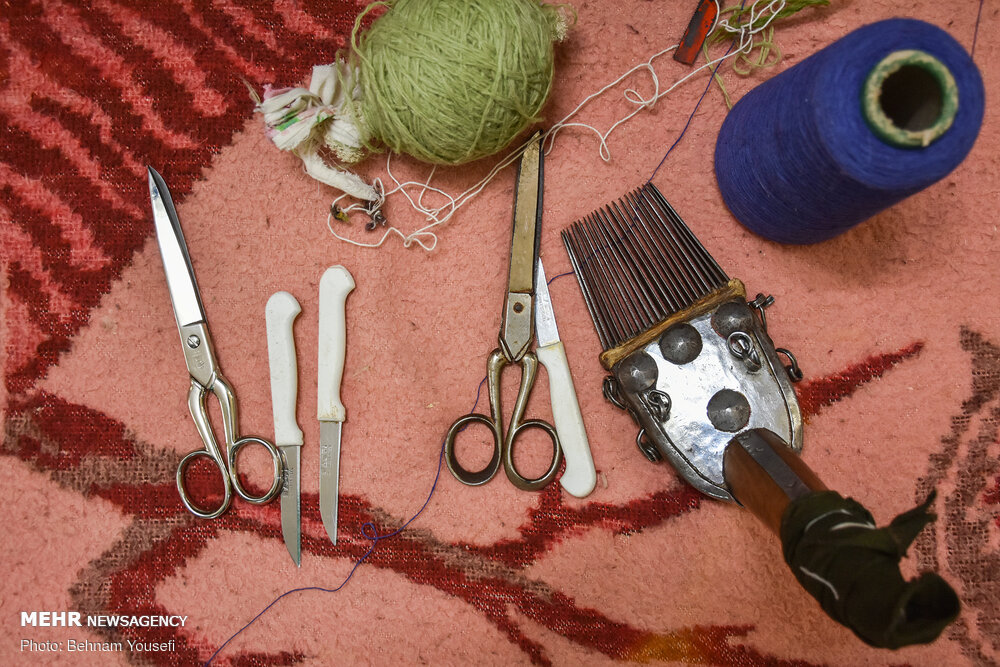
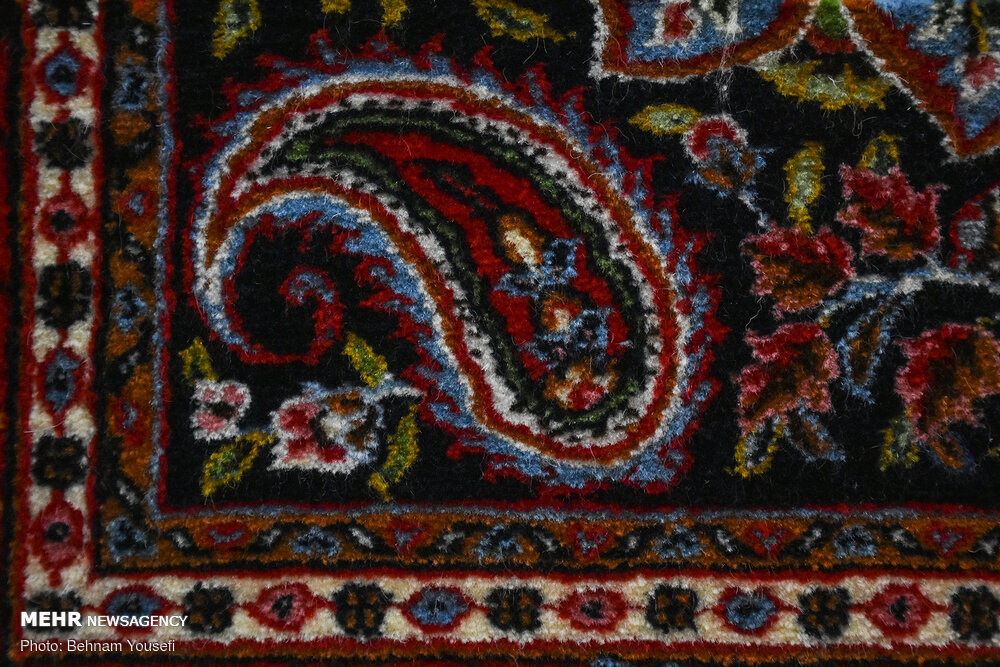
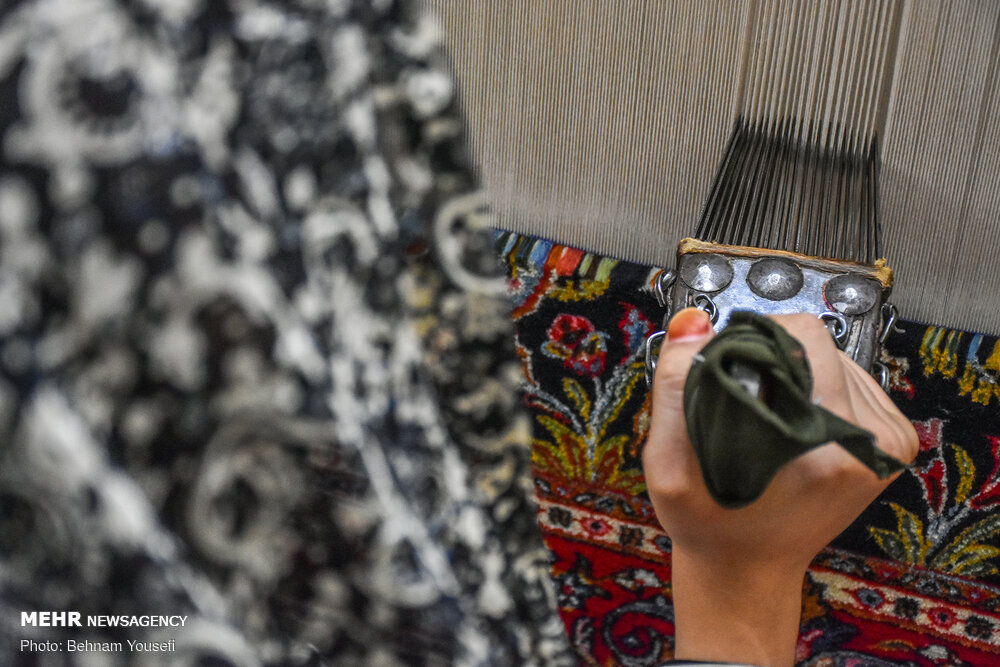
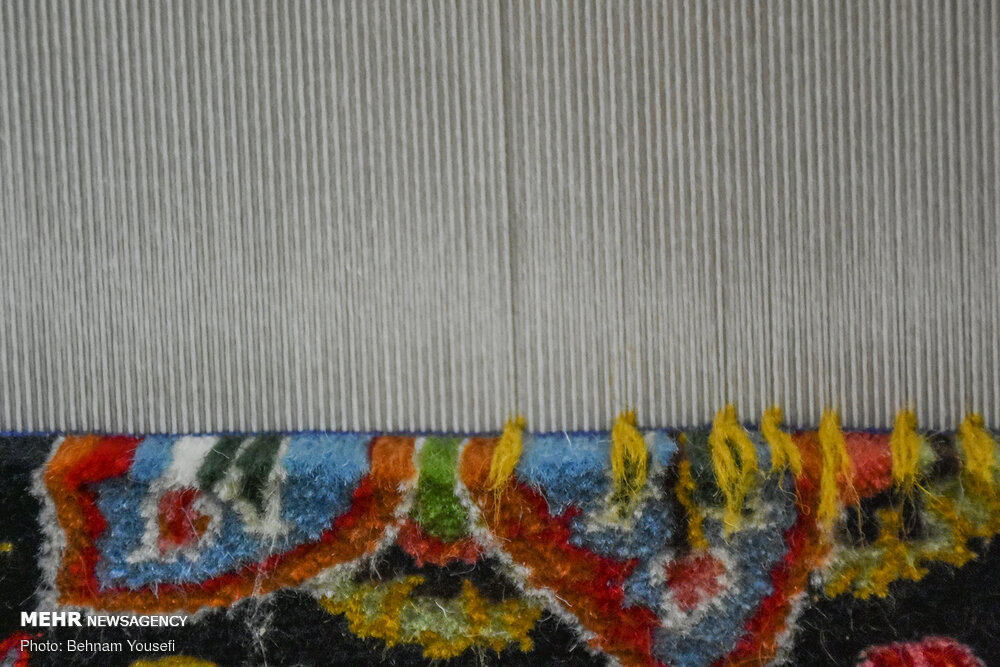
The following are images of weaving Sarooq carpets courtesy of Mehr News Agency:

Iranian Firm Exports Antibacterial Carpets to European, Asian Countries

Iranian Firm Exports Antibacterial Carpets to European, Asian Countries

The company is one of the largest Iranian units producing filament polyester threads.
After several years of research, it has managed to produce various types of antibacterial polyester threads to be used in the textile industry.

The carpets produced with these filaments have antibacterial properties and thanks to the use of nanomaterials, the growth of bacteria and mold is greatly reduced. Therefore, they are suitable for children and the elderly who are more sensitive to environmental pollution, ISNA reports.

Nano specialists say microbes, bacteria and microorganisms such as bacterium gonorrhea are the main causes of diseases, infections and bad smell. Therefore, the use of disinfectants that reduce the activity of these organisms can be important.

In this regard, the antimicrobial activity of silver particles has been proven and been used in various applications. Based on this, the company aims to prevent the carpet from getting wet due to the contact of body sweat with its surface in busy places.

Parthian Graveyard Found in Central Iran

Parthian Graveyard Found in Central Iran

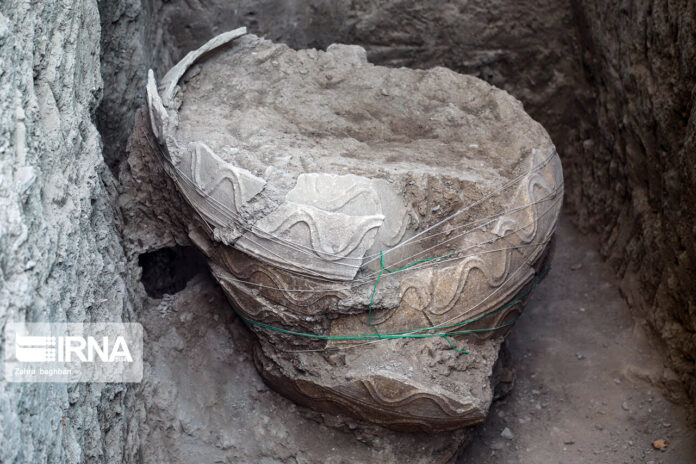
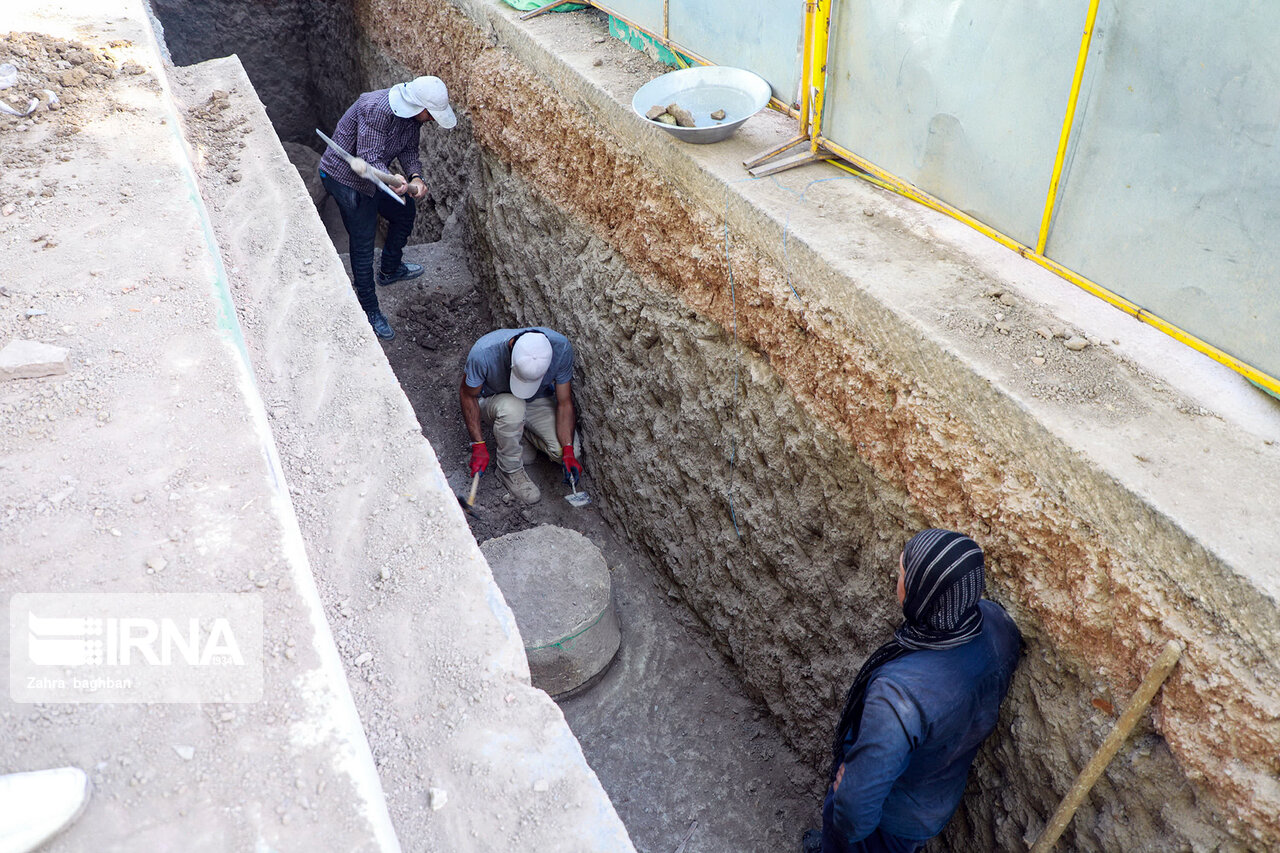
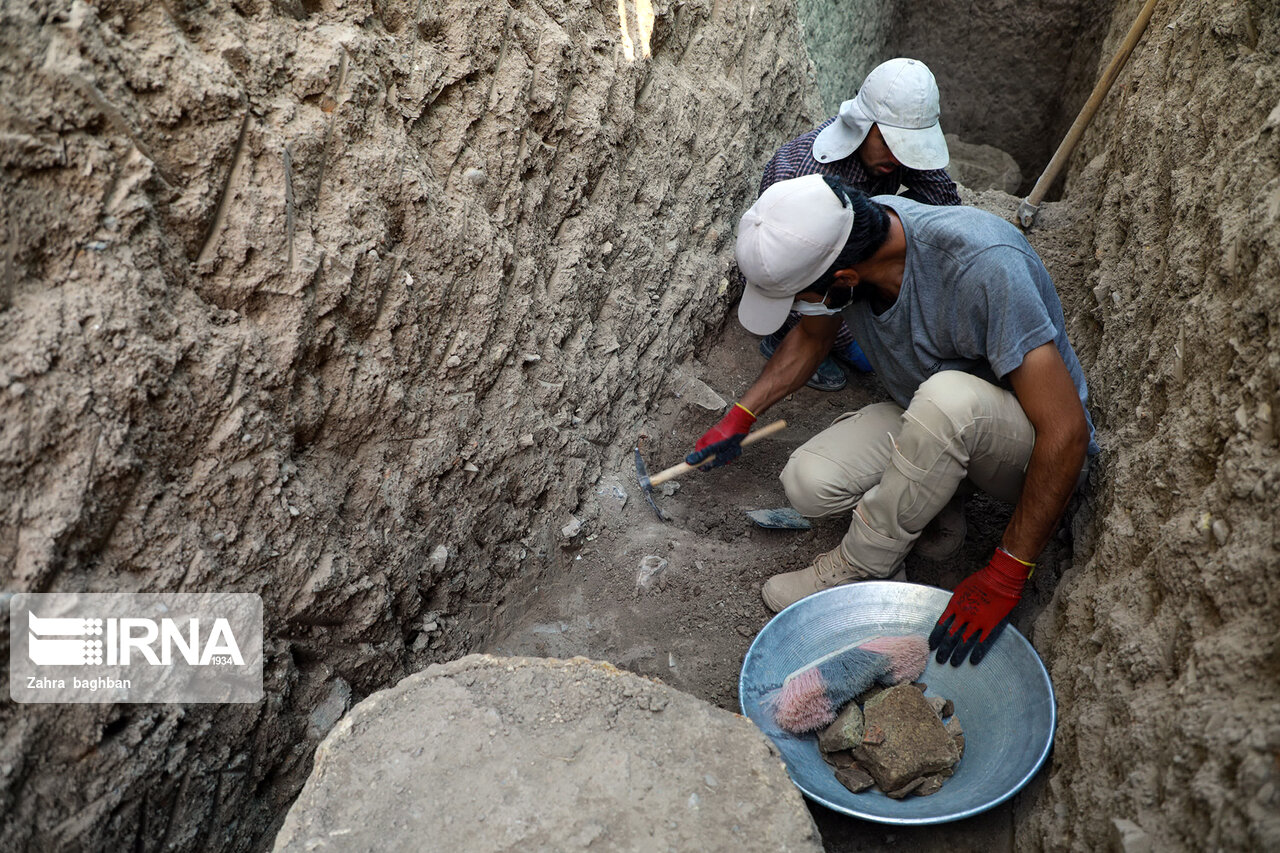
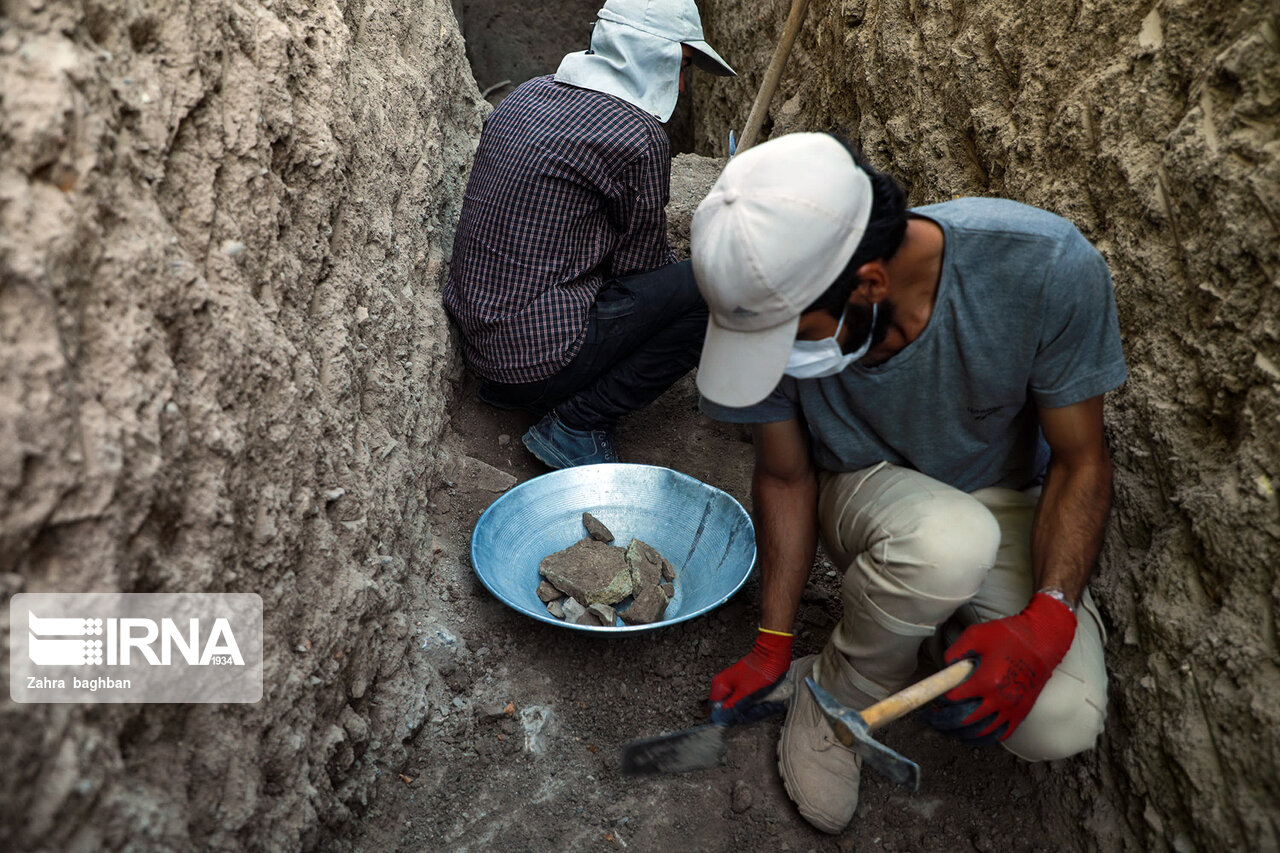
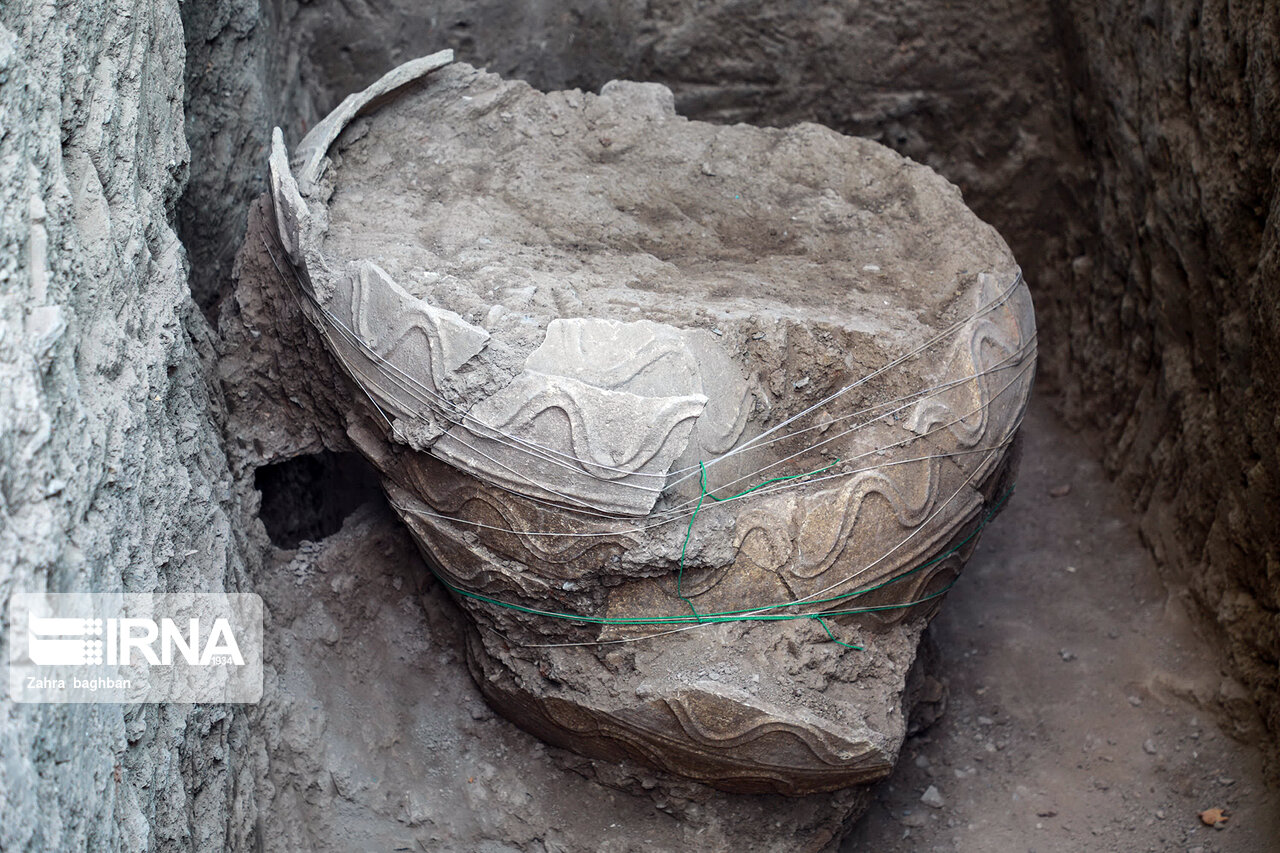
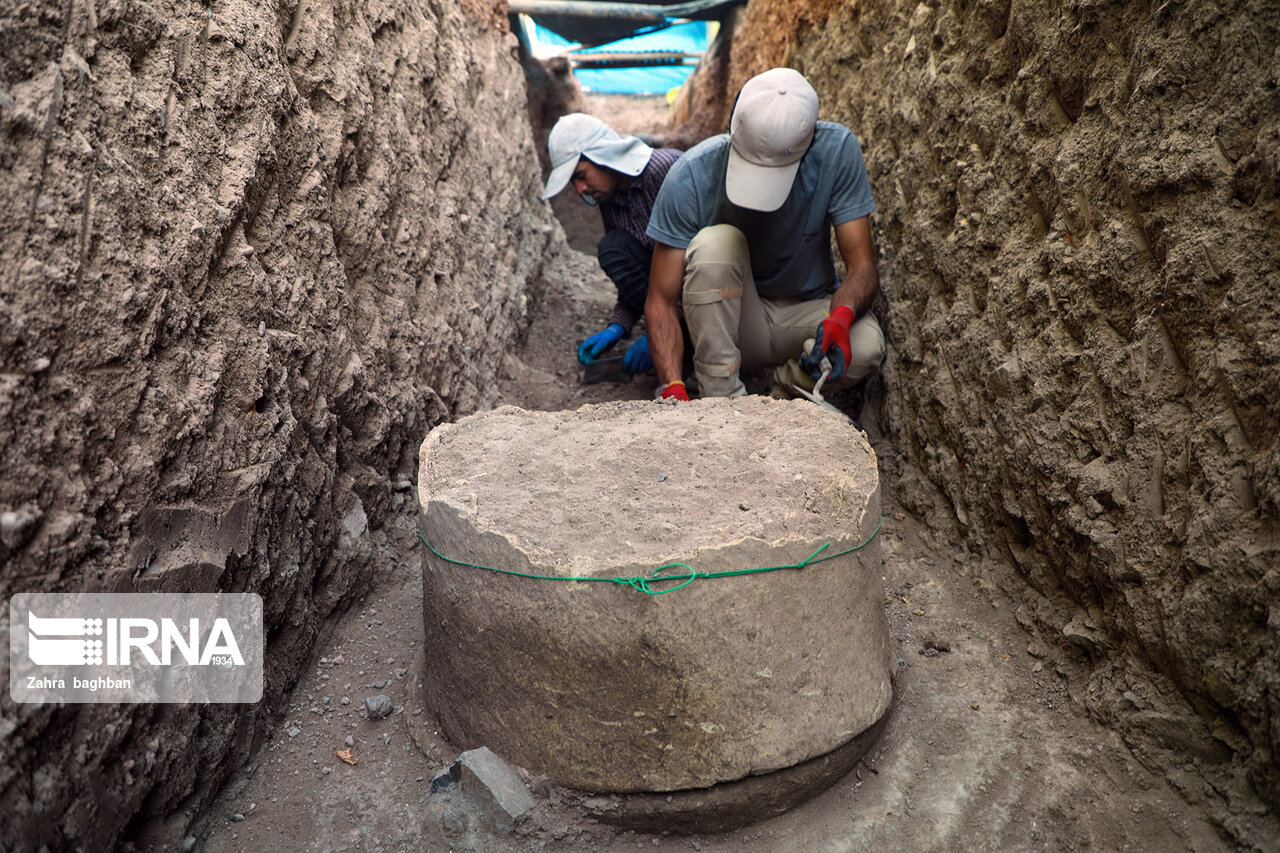
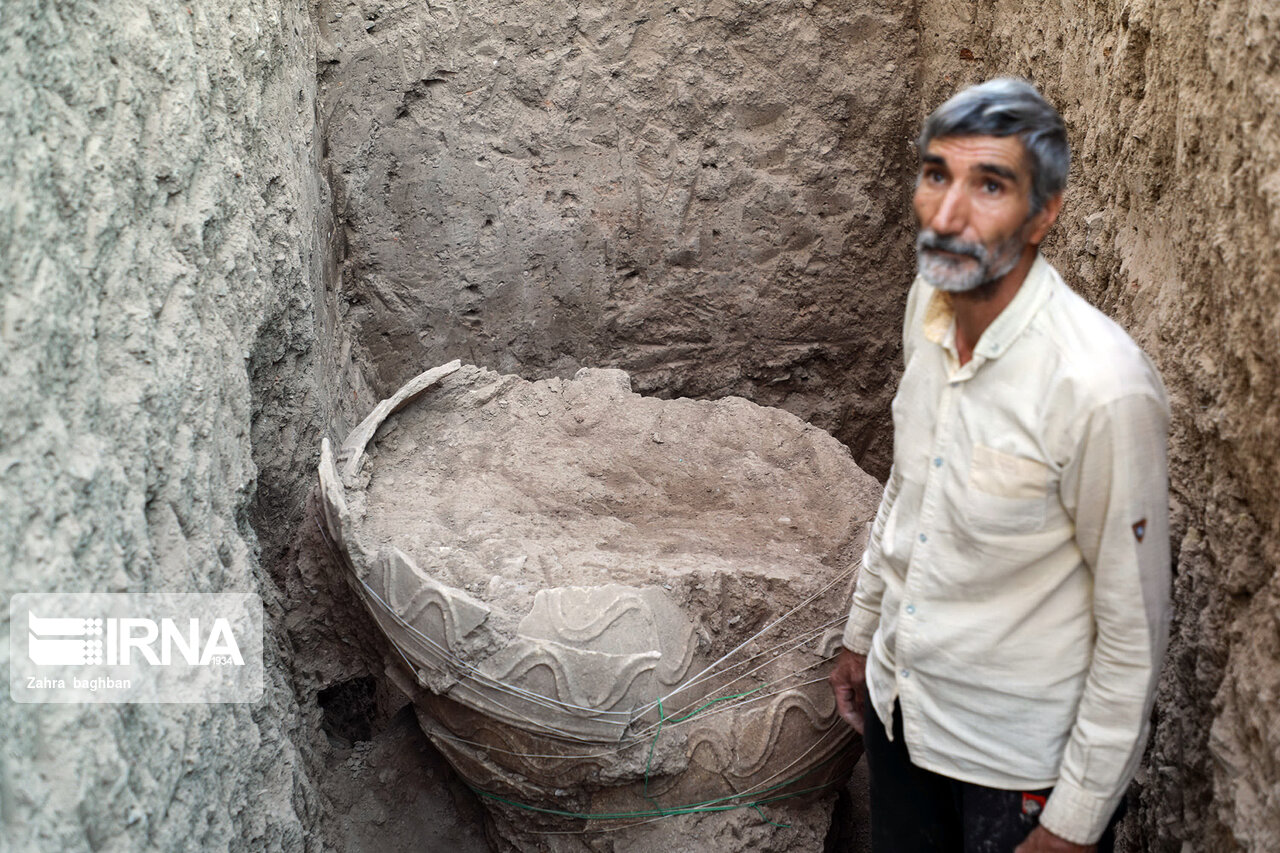
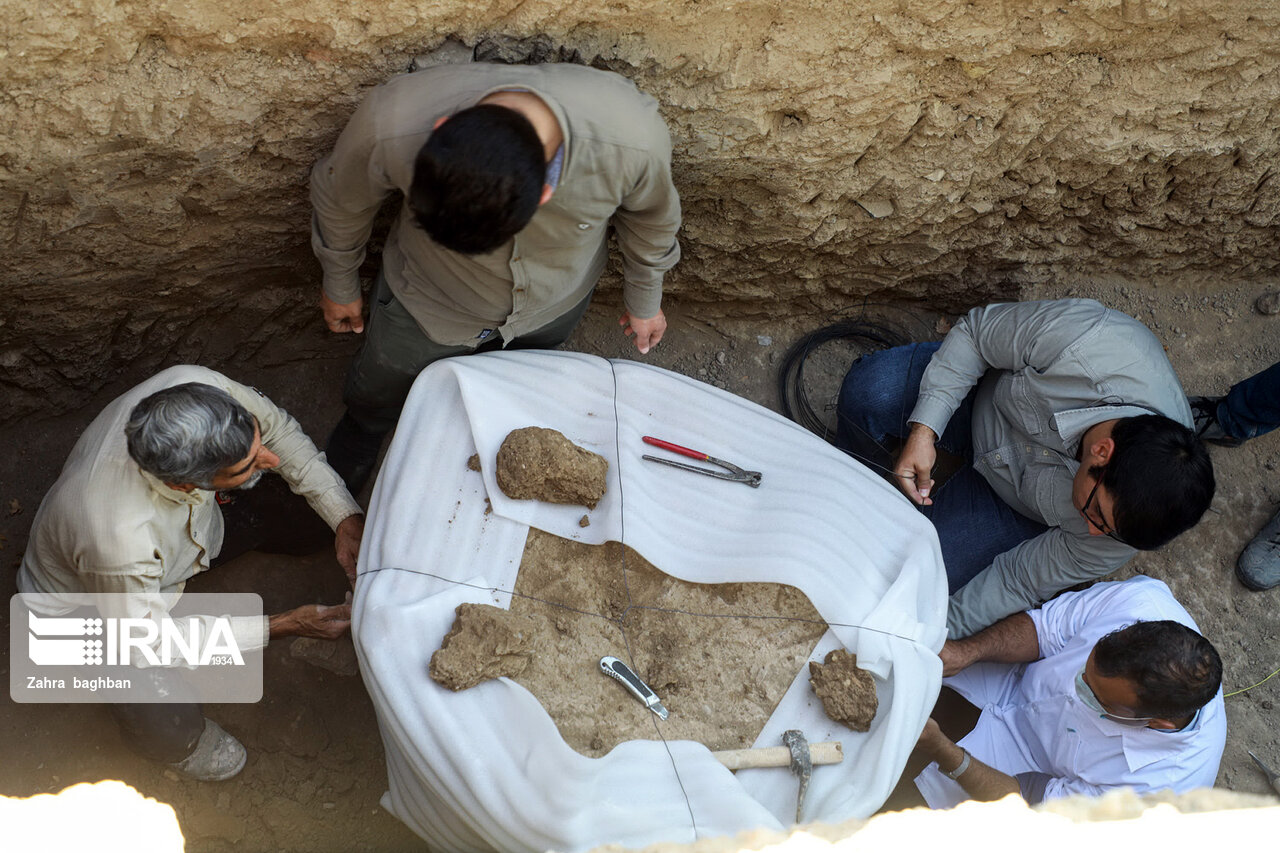
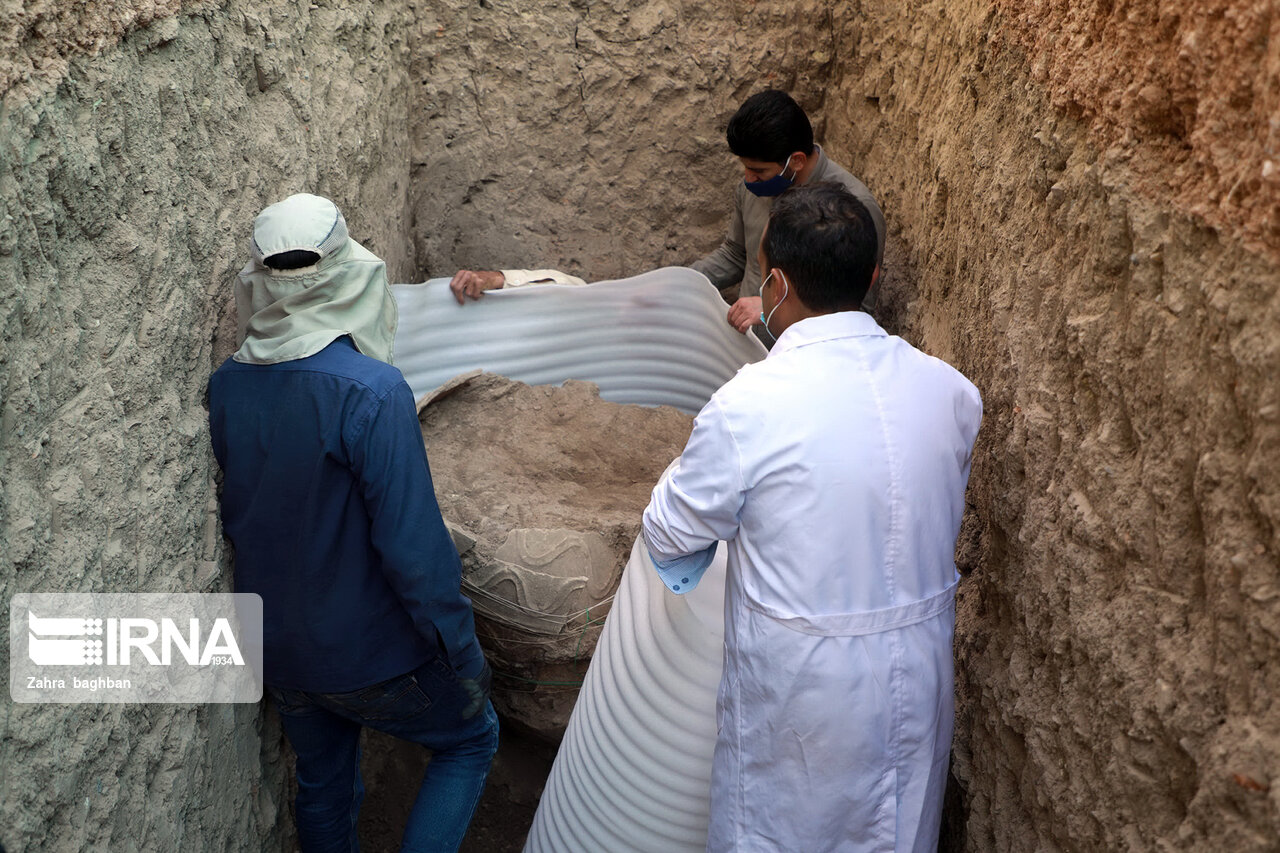
Discovery of the second jar burial cemetery at the only historic hill of Isfahan has confirmed a hypothesis about the existence of Parthian graveyards in the eastern side of the Ashraf Hill.

Ashraf is now the second archaeological site in the province of Isfahan, after the Sialk Hills of Kashan, where a graveyard containing jar burials have been found.

The new findings could shed light on the pre-Islamic history of Isfahan.

Ancient Stone Well Discovered in Isfahan Hills

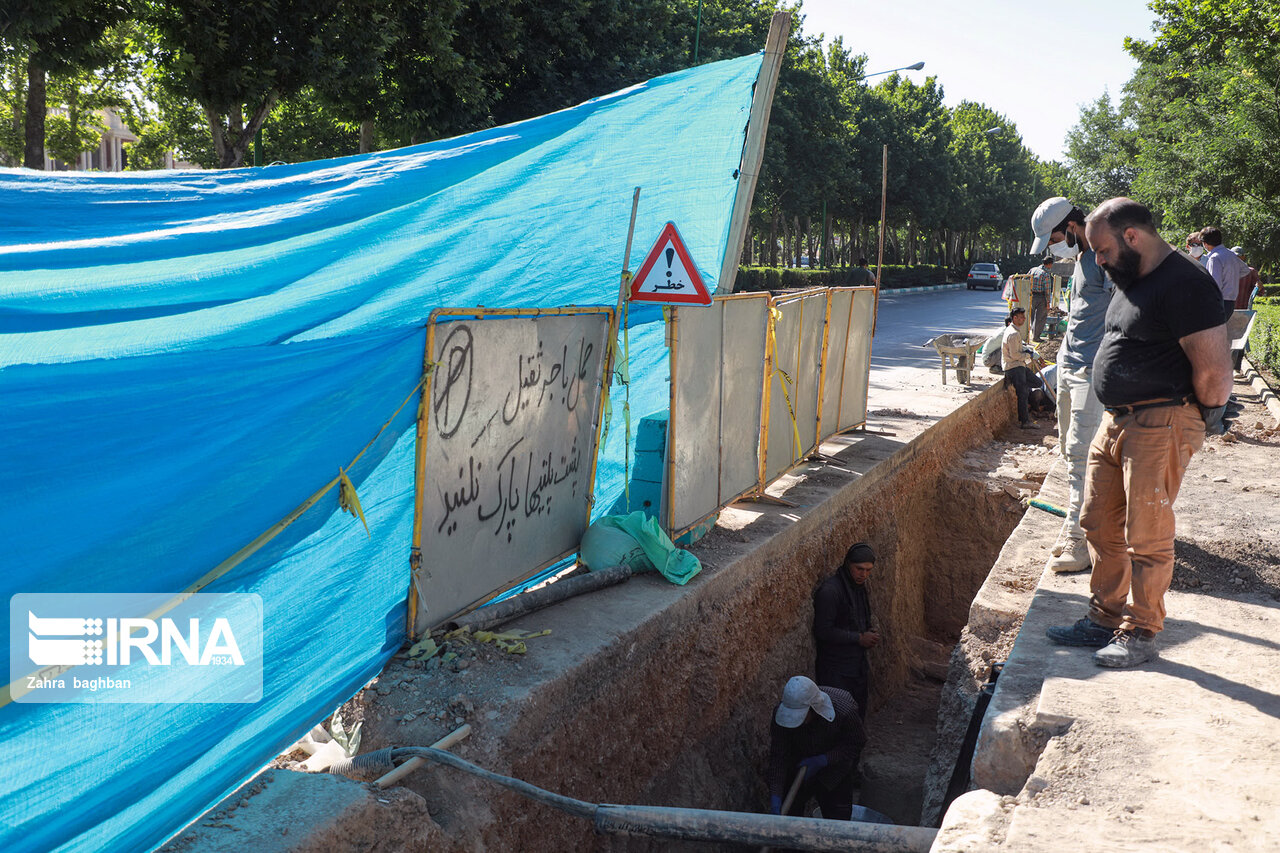
Supervisor of a team of archaeologists working in Ashraf Hill believes that the graveyard spreads out over a large area.

In an interview with IRNA, Alireza Ja’fari-Zand said the discovery of the Parthian cemetery marks the most important finding in the Ashraf Hill in recent years.

The type of burial depends on the traditions of followers of various religions and faiths, he noted, adding, “History shows that Isfahan has been a major province during Alexander’s reign and was part of the Elymais territory during the Parthian Empire. Elymais had local power, but were under the Parthian rule and their territories involved Khuzestan and part of Isfahan.”

Excavation by archaeologists at the Ashraf Hill site over the past recent days has also led to the discovery of a stone well six meters deep dating back to the Sasanian Empire, intact earthenware from the Buyid and Seljuq dynasties, and earthenware pieces from the Parthian and Sassanid empires.

Jar burials are human burials where the corpse is placed into a large earthenware and then is interred.

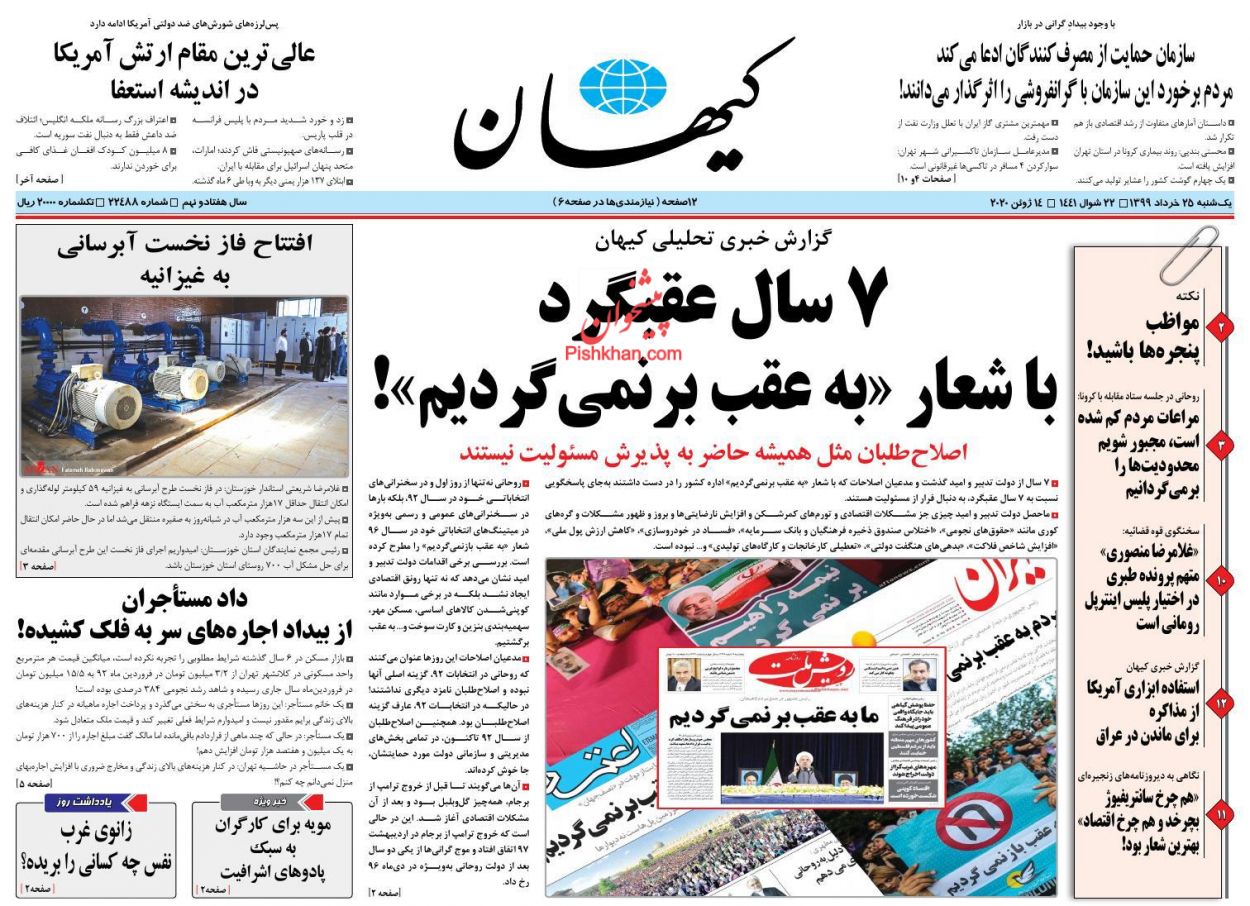
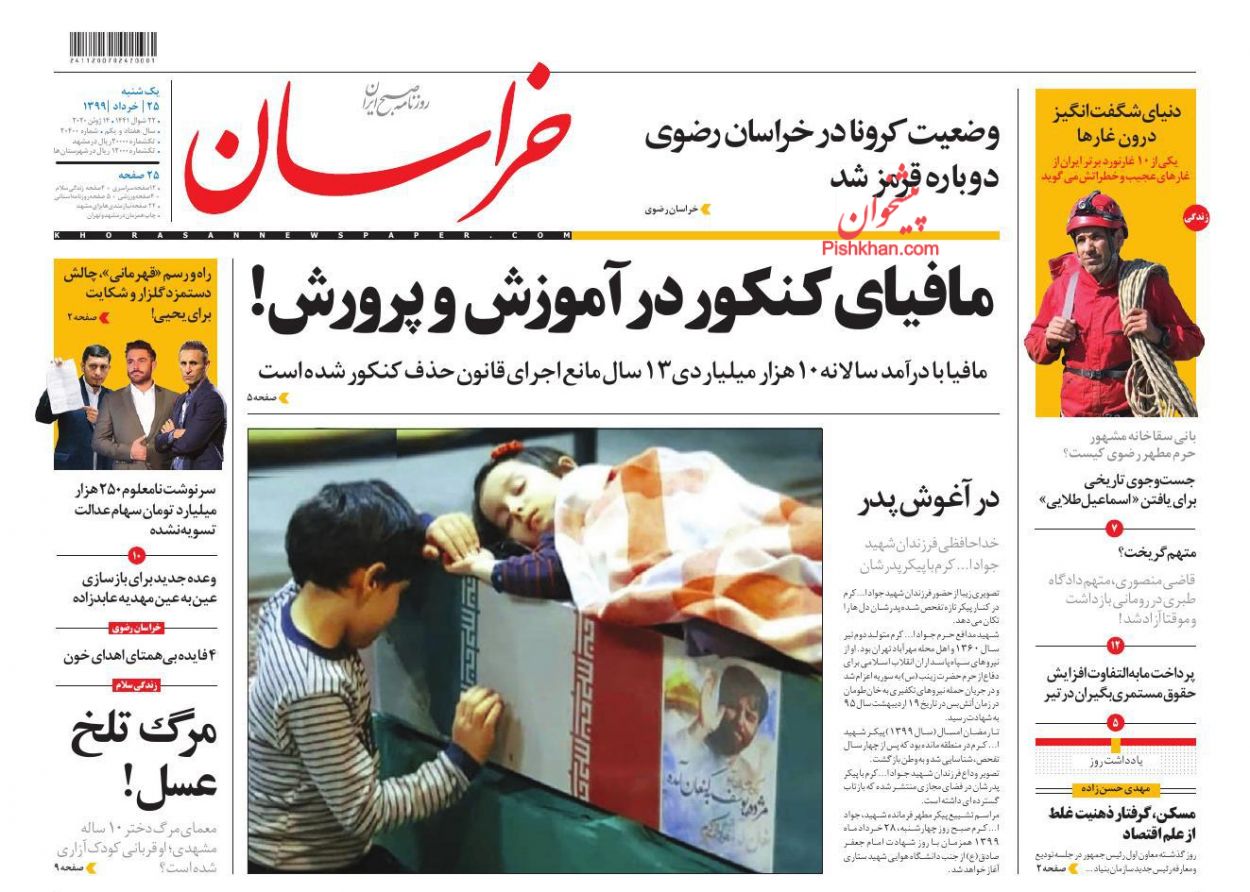
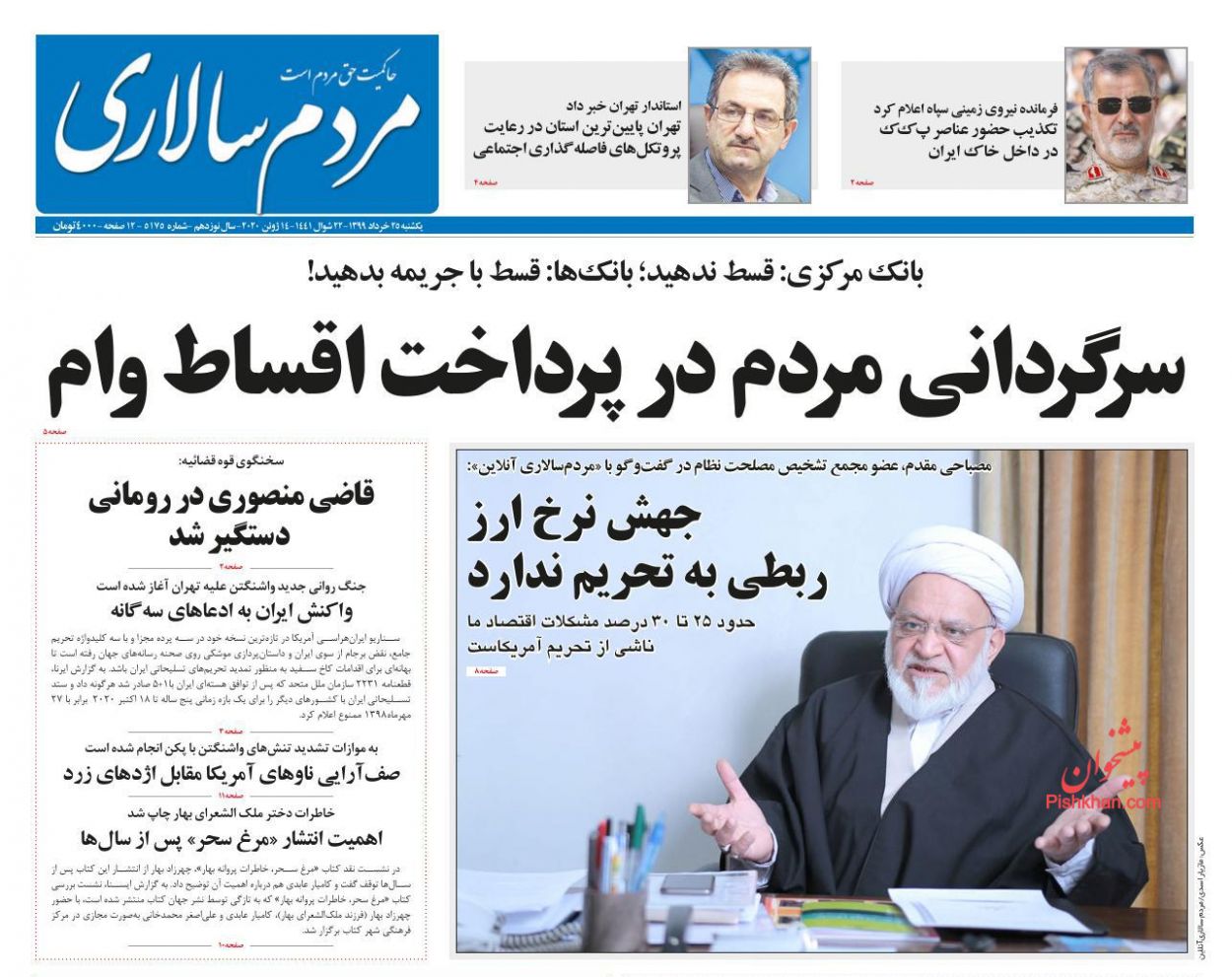
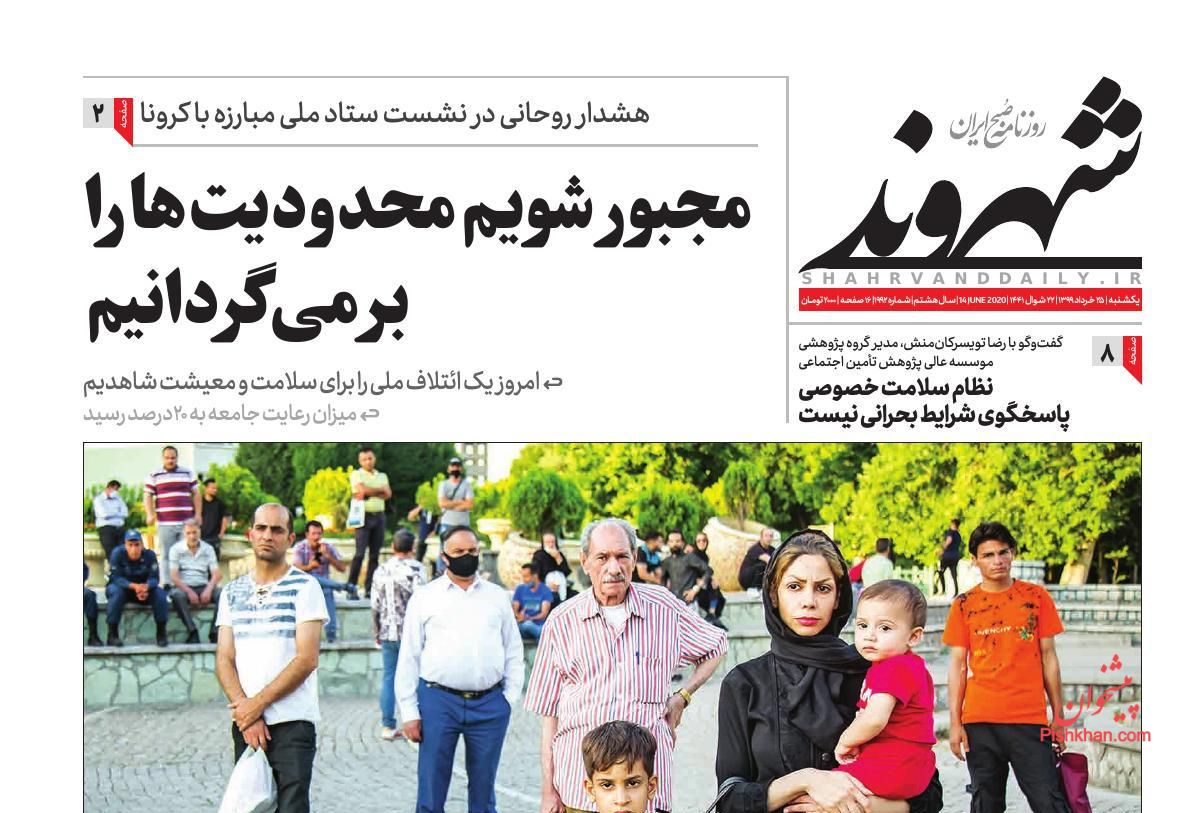
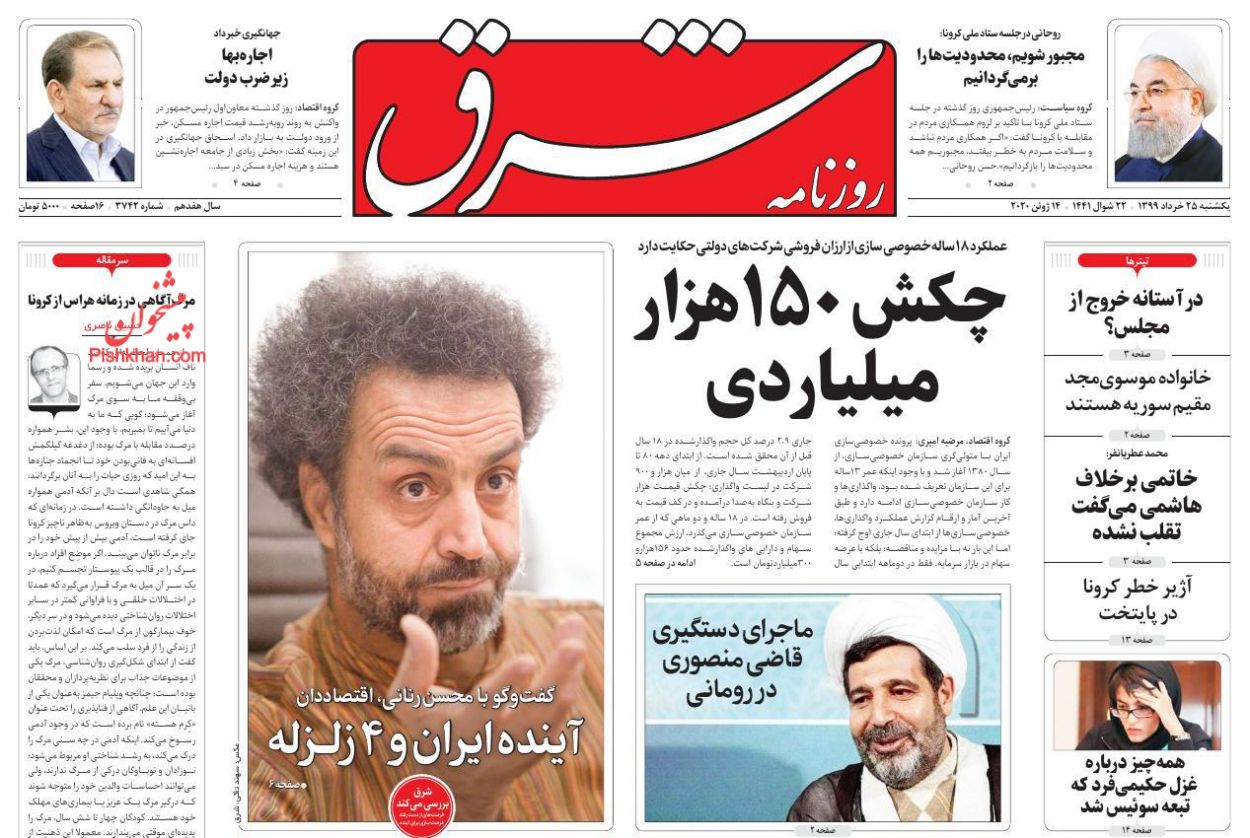
A Look at Iranian Newspaper Front Pages on June 14

A Look at Iranian Newspaper Front Pages on November 19

Iranian Newspapers

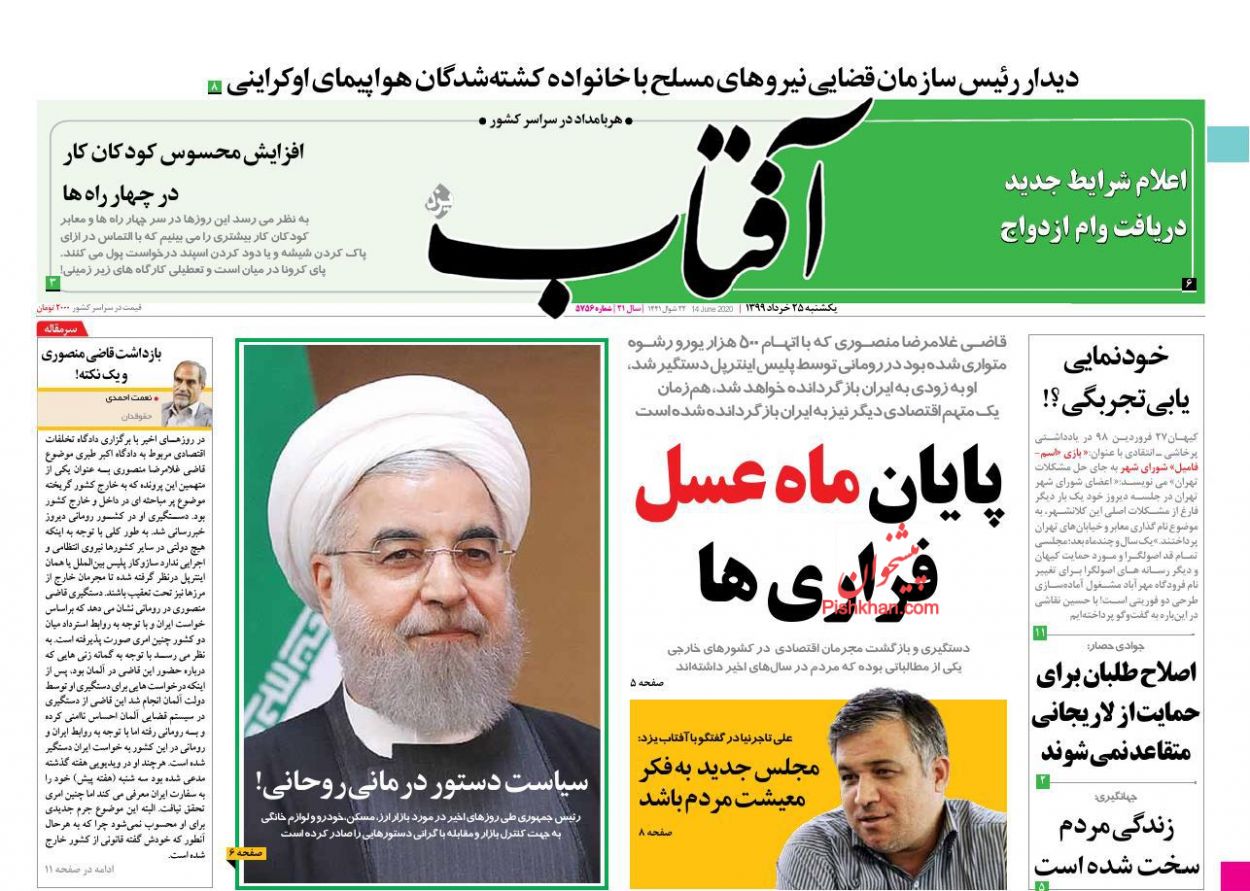
Aftab-e Yazd Newspaper:

1- Rouhani’s Solution to Problems Is Just Issuing Orders!
* President Gives Orders to Control Forex, House, Car, Home Appliances Markets
2- Military Official Meets Families of Ukrainian Plane Crash Victims
3- End of Honeymoon for Fugitives?
* Fugitive Judge Arrested in Romania by InterpolA Look at Iranian Newspaper Front Pages on June 14


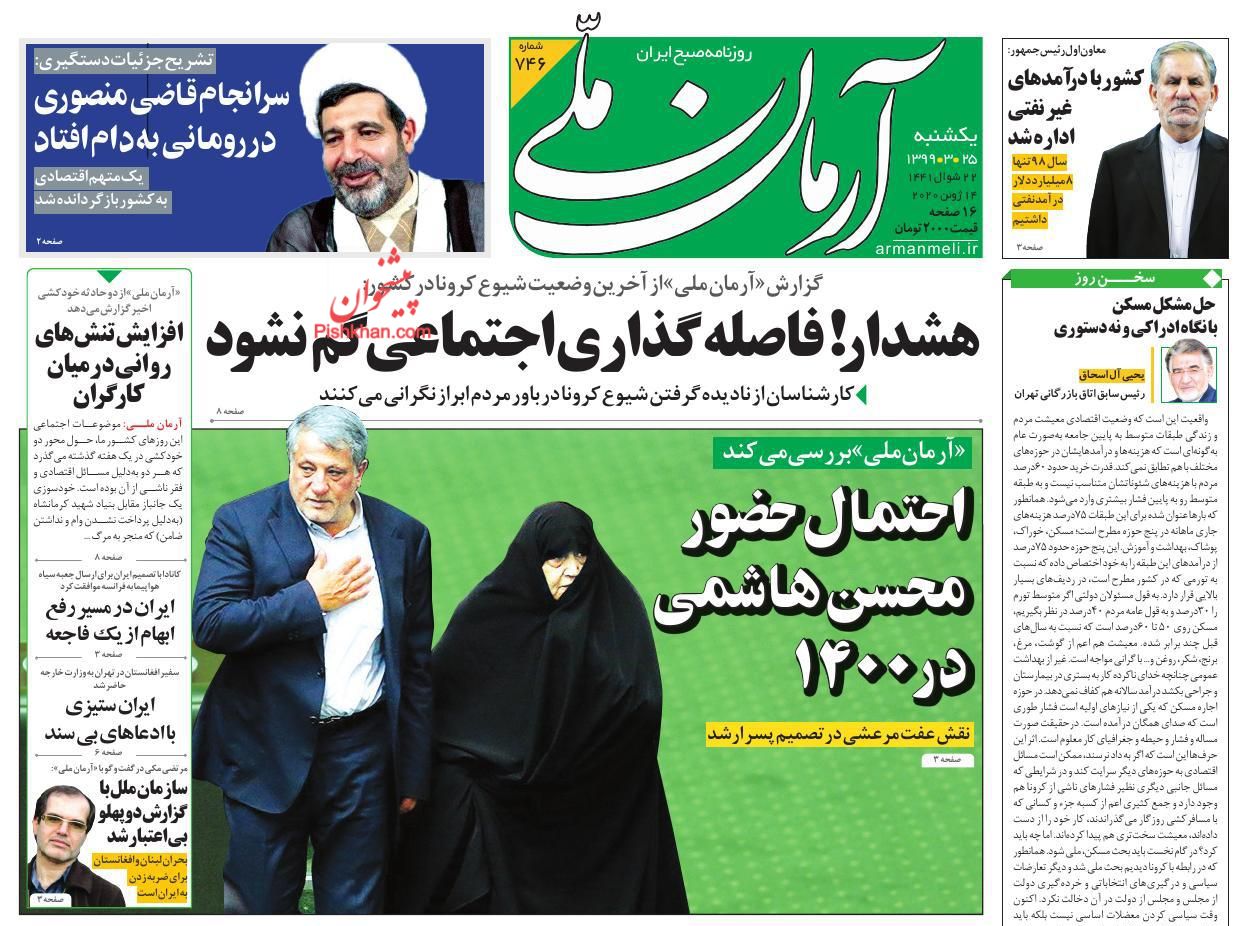
Arman-e Melli Newspaper:

1- Judge Mansouri Finally Arrested in Romania
2- Mohsen Hashemi Rafsanjani May Run in 2021 Presidential Elections
3- Iran Trying to Clear Ambiguities Regarding Plane CrashA Look at Iranian Newspaper Front Pages on June 14


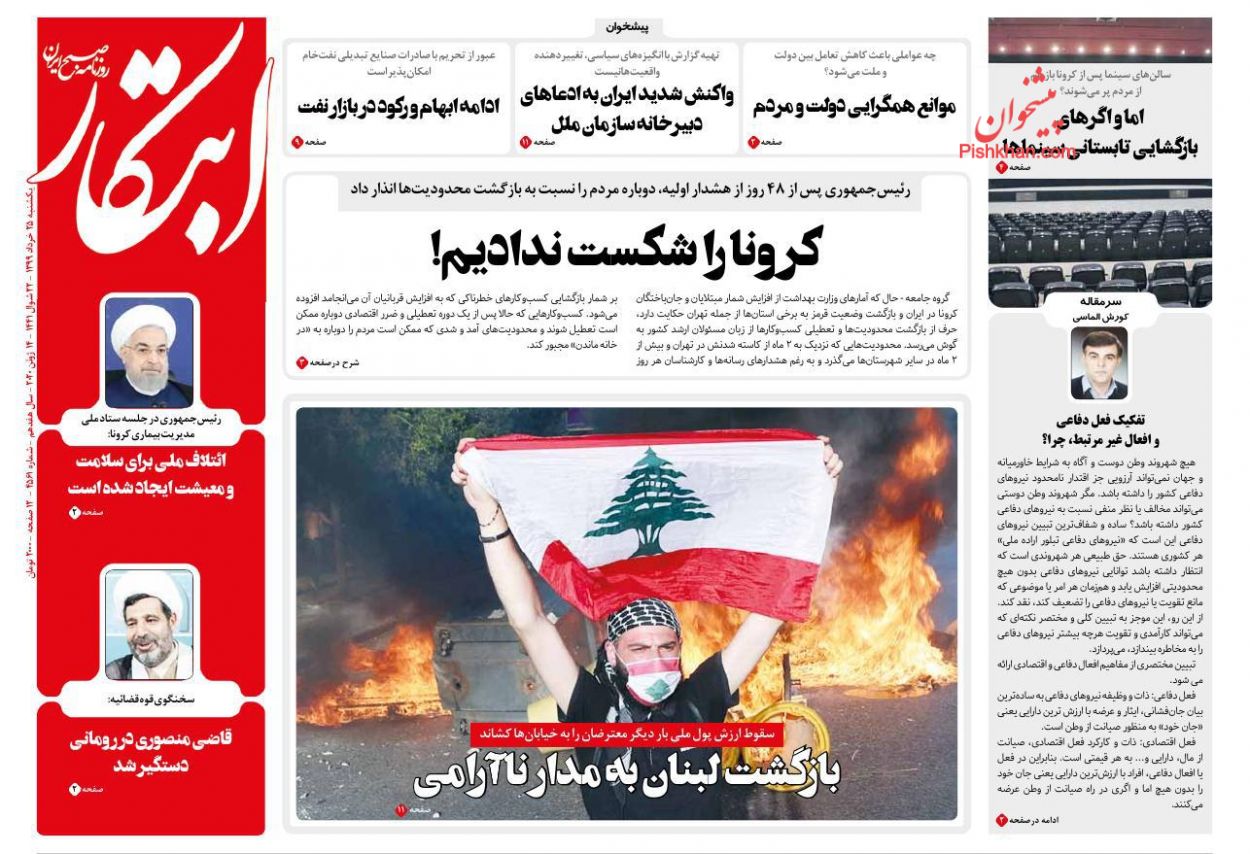
Ebtekar Newspaper:

1- We Haven’t Defeated Corona: Rouhani Warns Restrictions May Return
2- Devaluation of National Currency Sparks Protests in Lebanon
3- Iran’s Strong Reaction to UN Secretariat’s Claims about MissilesA Look at Iranian Newspaper Front Pages on June 14


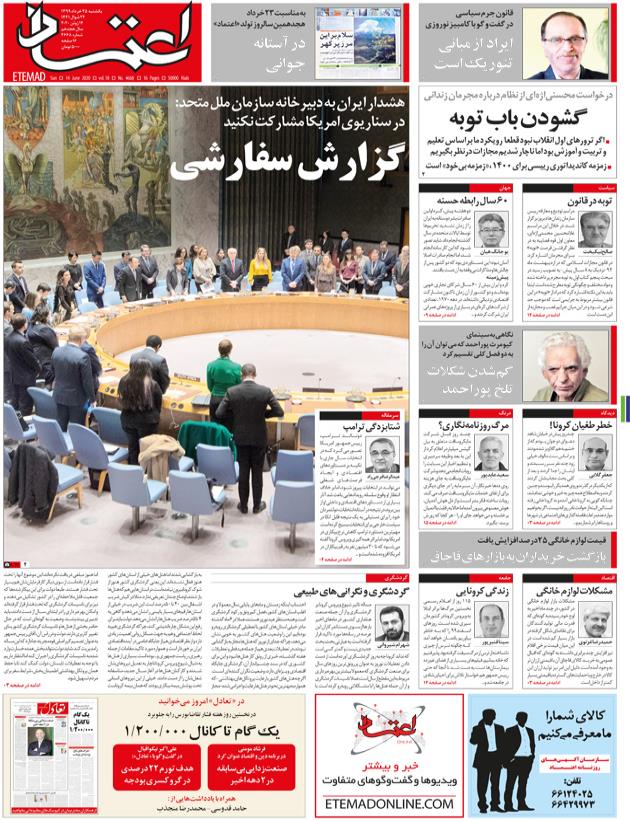
Etemad Newspaper:

1- Iran Warns UN Secretariat: Don’t Take Part in US Scenario
2- Trump’s Rush [Editorial]A Look at Iranian Newspaper Front Pages on June 14


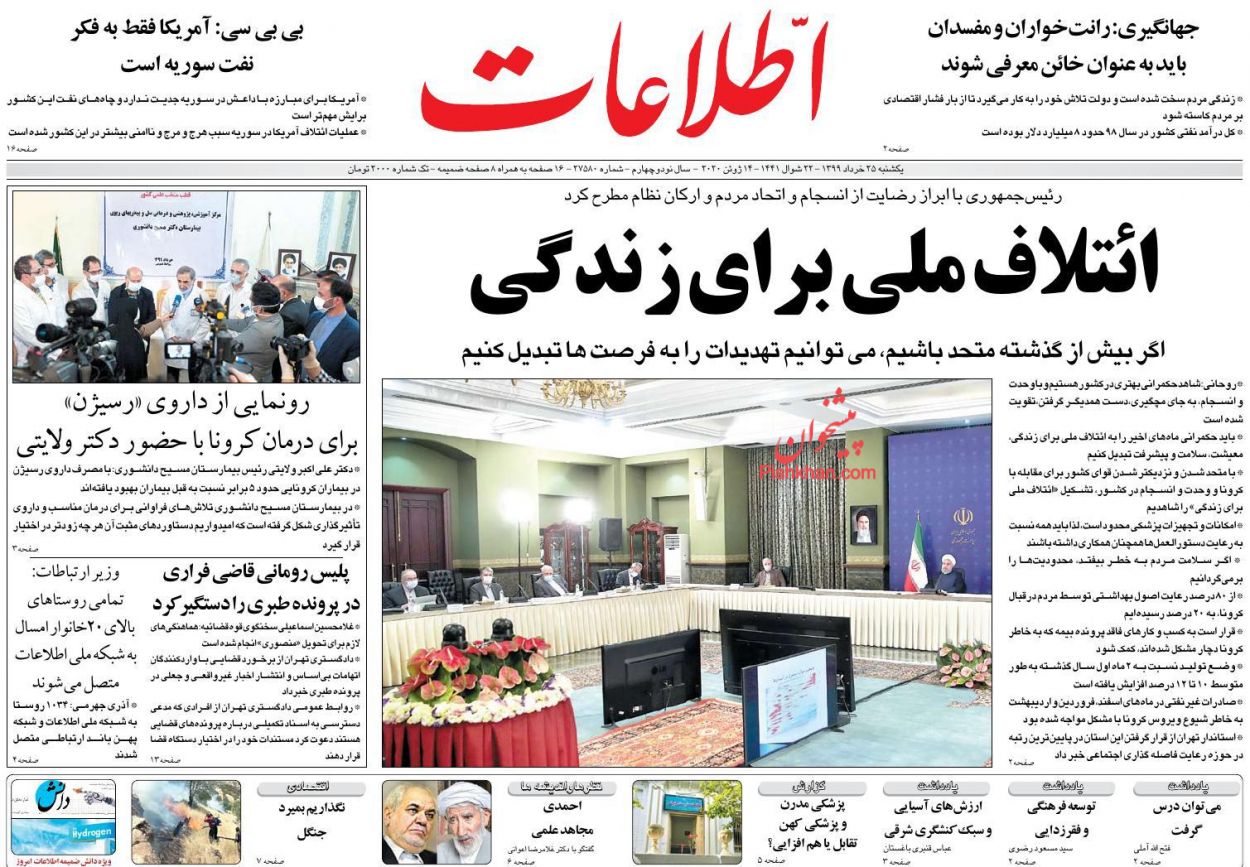
Ettela’at Newspaper:

1- Iran Unveils ReciGen Drug to Treat Coronavirus
2- BBC: US Only Thinks of Syria’s OilA Look at Iranian Newspaper Front Pages on June 14


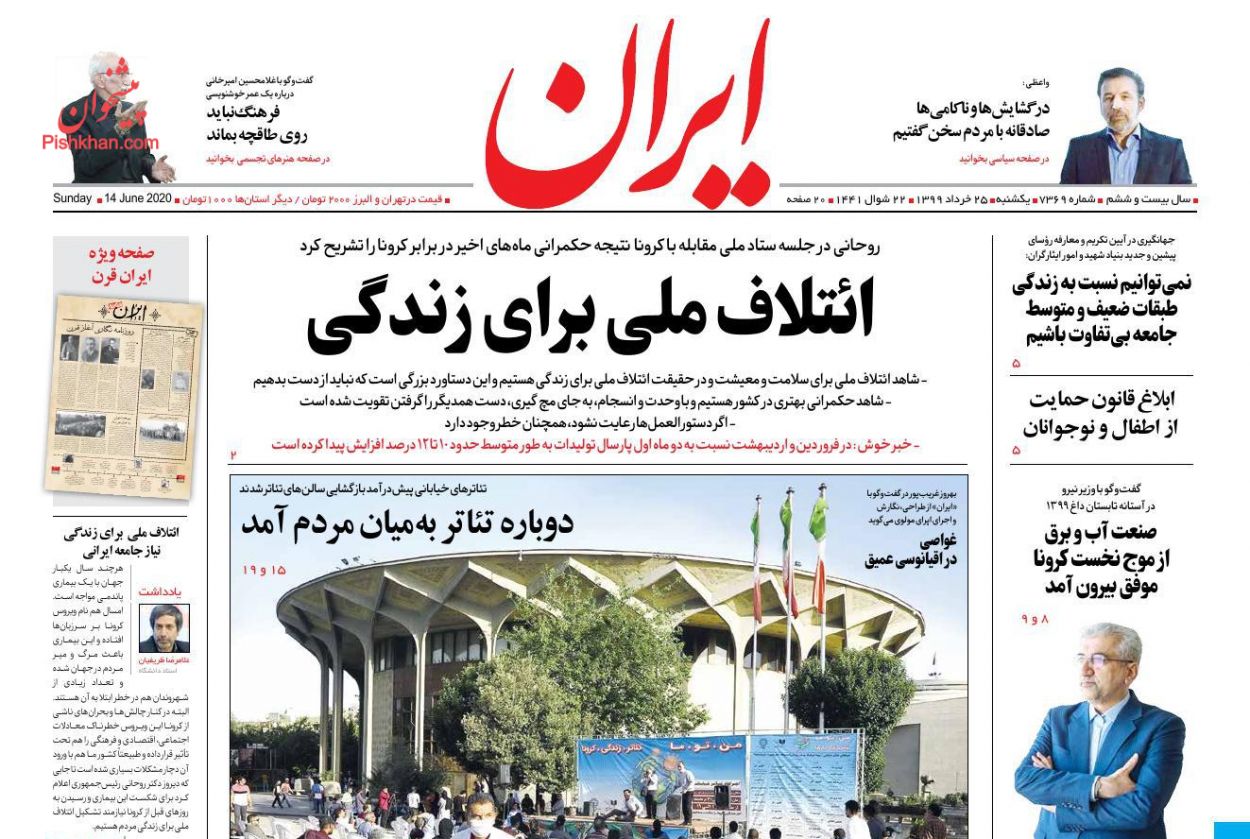
Iran Newspaper:

1- Water, Electricity Industries Successful at First Phase of CoronaA Look at Iranian Newspaper Front Pages on June 14


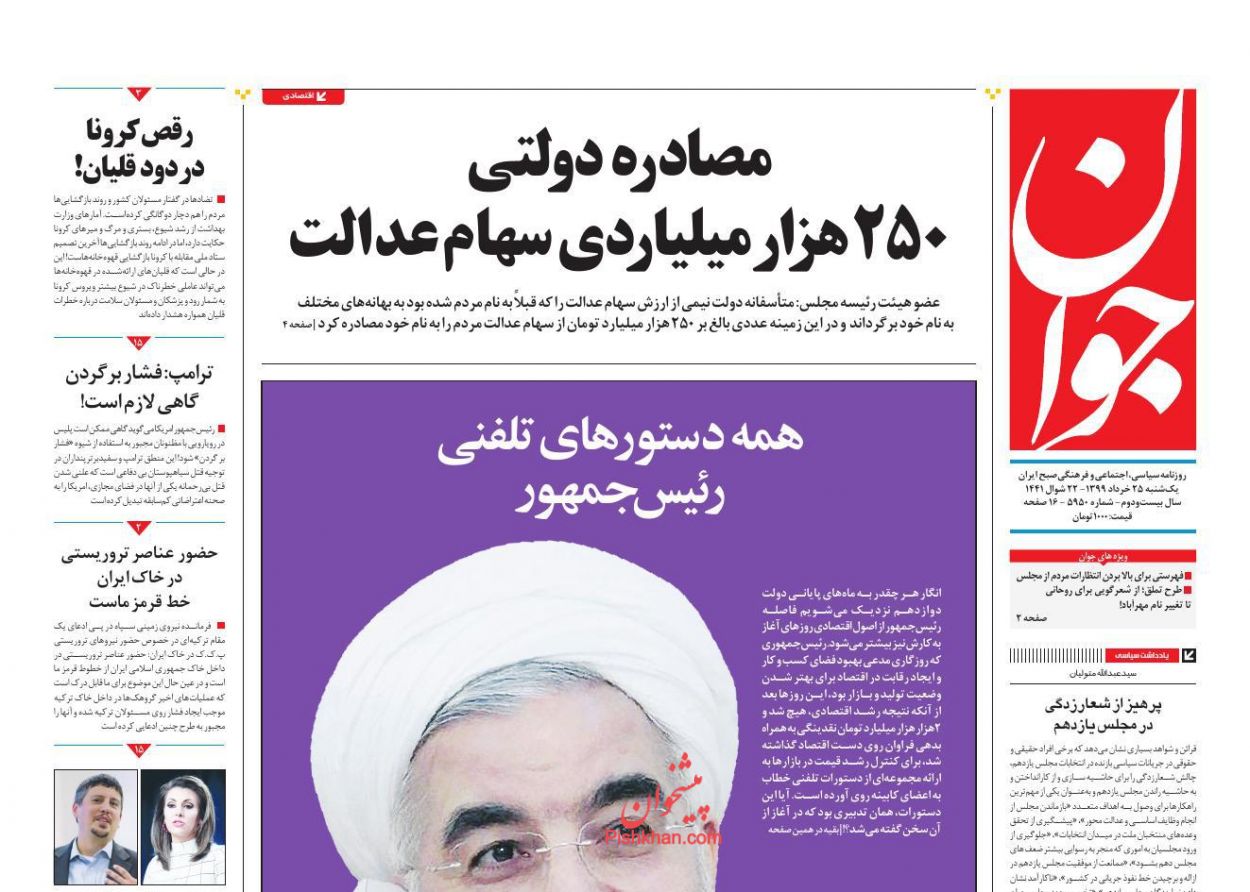
Javan Newspaper:

1- All the Orders Issued by Rouhani via Telephone
2- Trump: It’s Sometimes Necessary to Pressure Someone’s Neck
3- Terrorists’ Presence in Iran Territory Is Our Red Line
4- Corona Dancing in Hookah Smoke!A Look at Iranian Newspaper Front Pages on June 14


Kayhan Newspaper:

1- Highest-Ranking US Military Official Thinking of Resignation
2- First Phase of Supplying Water to Khuzestan Village Inaugurated
3- Rouhani: People Showing Less Attention to Health Protocols
* Restrictions May Return If We Have to
4- Fugitive Iranian Judge Nabbed by Interpol in Romania
5- US Making Instrumental Use of Negotiation to Stay in IraqA Look at Iranian Newspaper Front Pages on June 14


Khorasan Newspaper:

1- Coronavirus in Khorasan Razavi Once Again at Red ZoneA Look at Iranian Newspaper Front Pages on June 14


Mardom Salari Newspaper:

1- Iran’s Reaction to Three Claims: New Psy-War Begins between Iran, US
2- US Navy Vessels Line Up against ChinaA Look at Iranian Newspaper Front Pages on June 14


Shahrvand Newspaper:

1- Tired of Virus
* Tehran Citizens Have Lowest Rank in Observing Social DistancingA Look at Iranian Newspaper Front Pages on June 14


Shargh Newspaper:

1- Rouhani: We’ll Restore Restrictions If We Have to
2- Awareness of Death at Time of Corona Fear [Editorial]A Look at Iranian Newspaper Front Pages on June 14

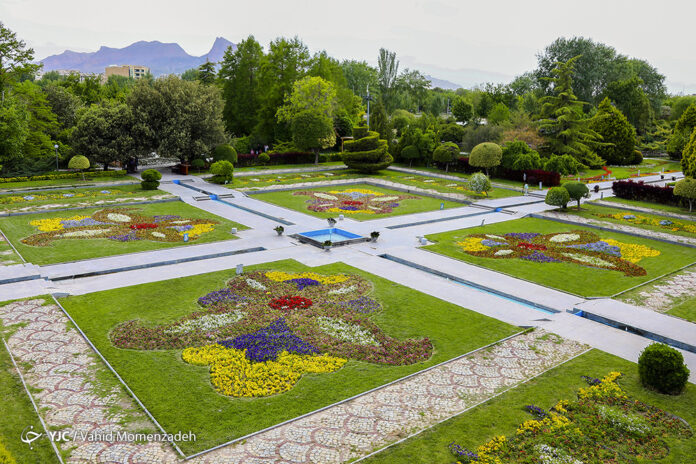
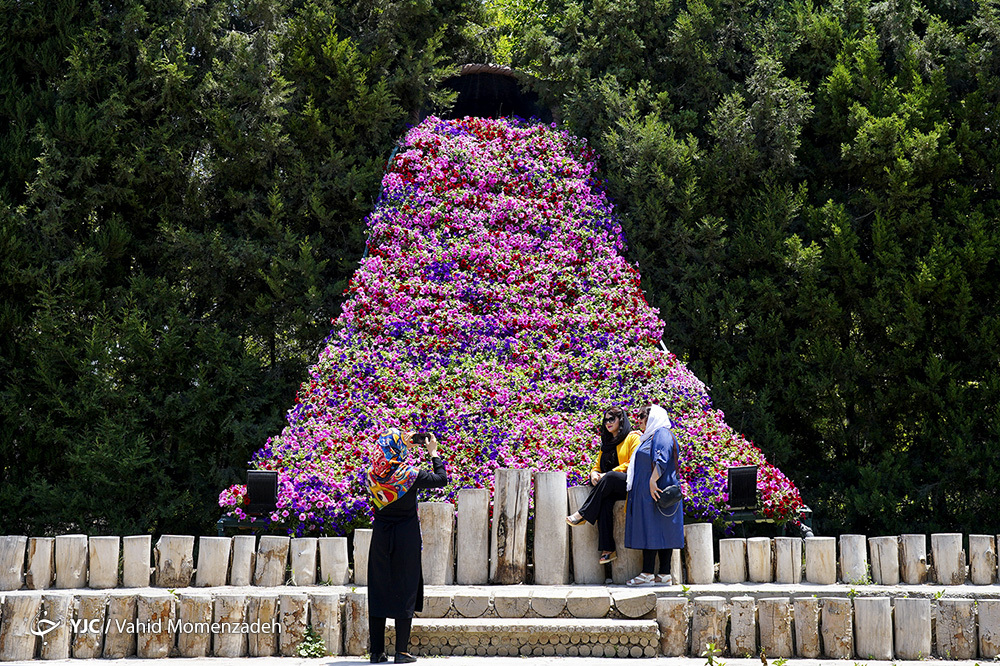
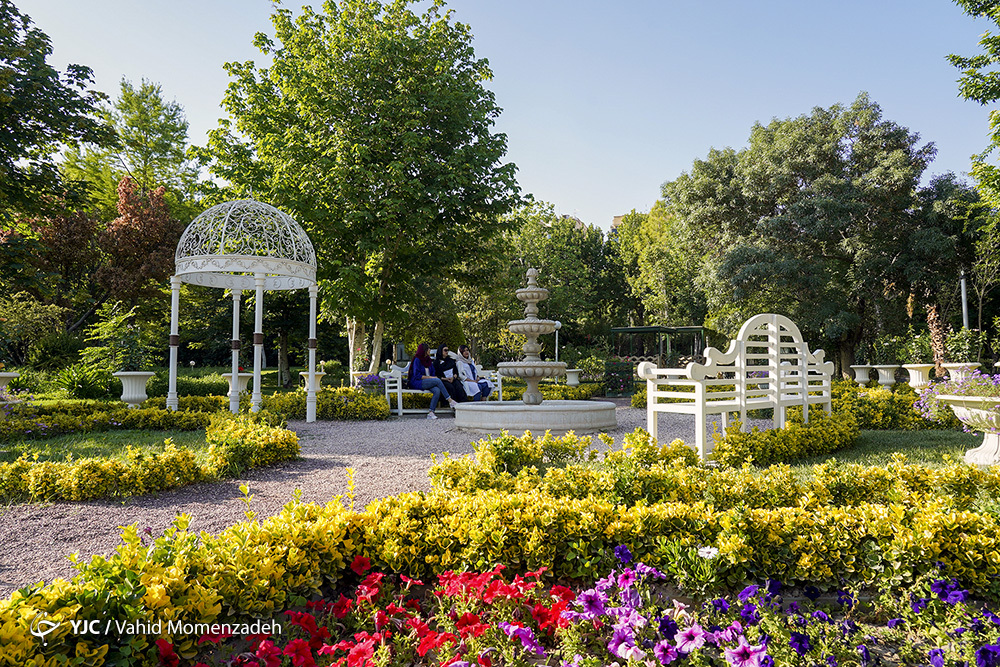
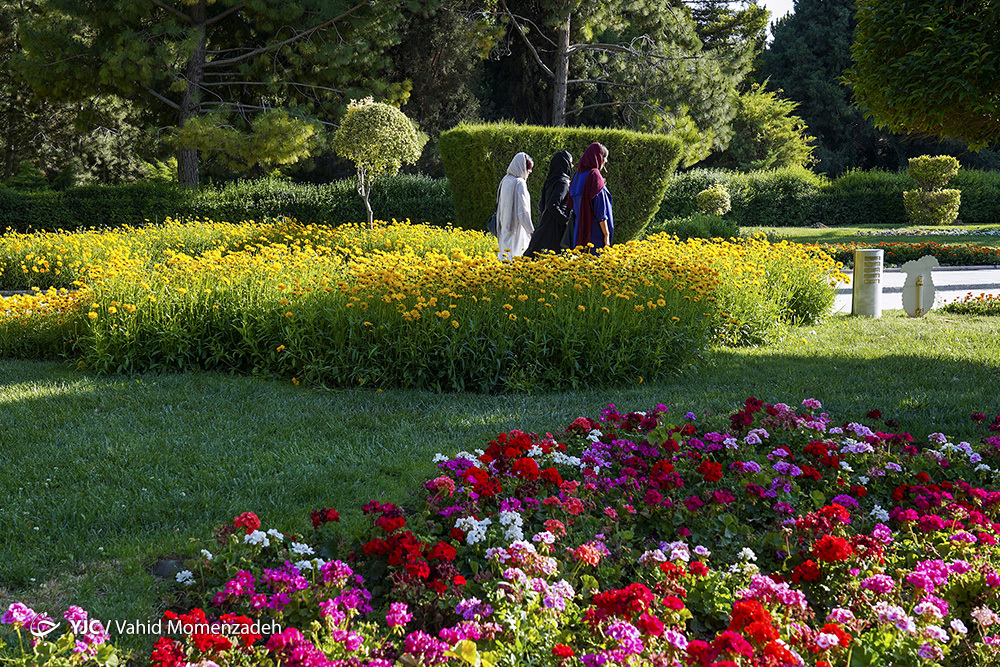
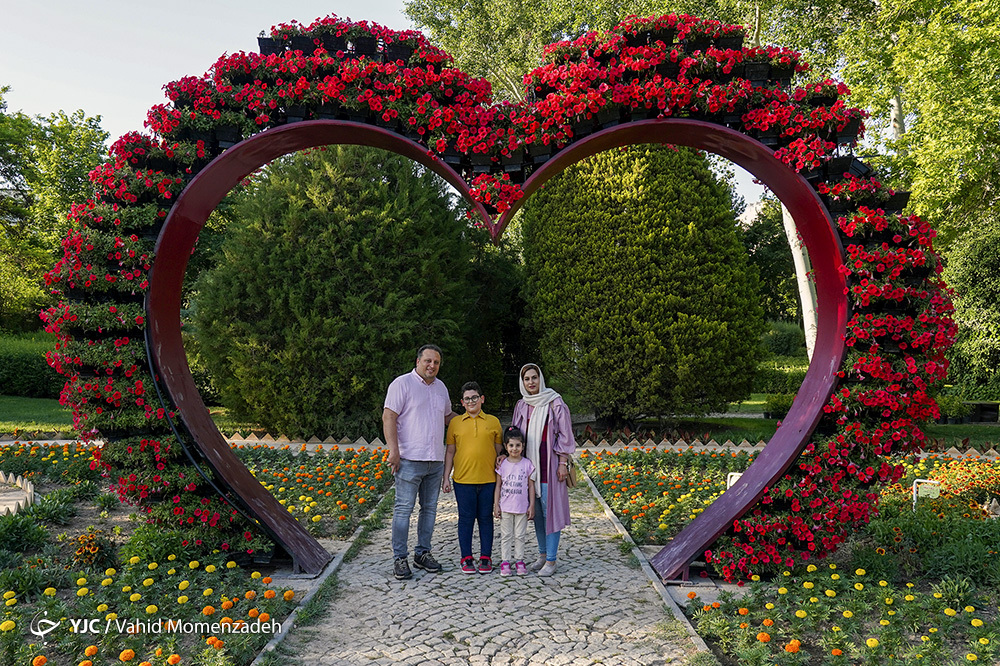
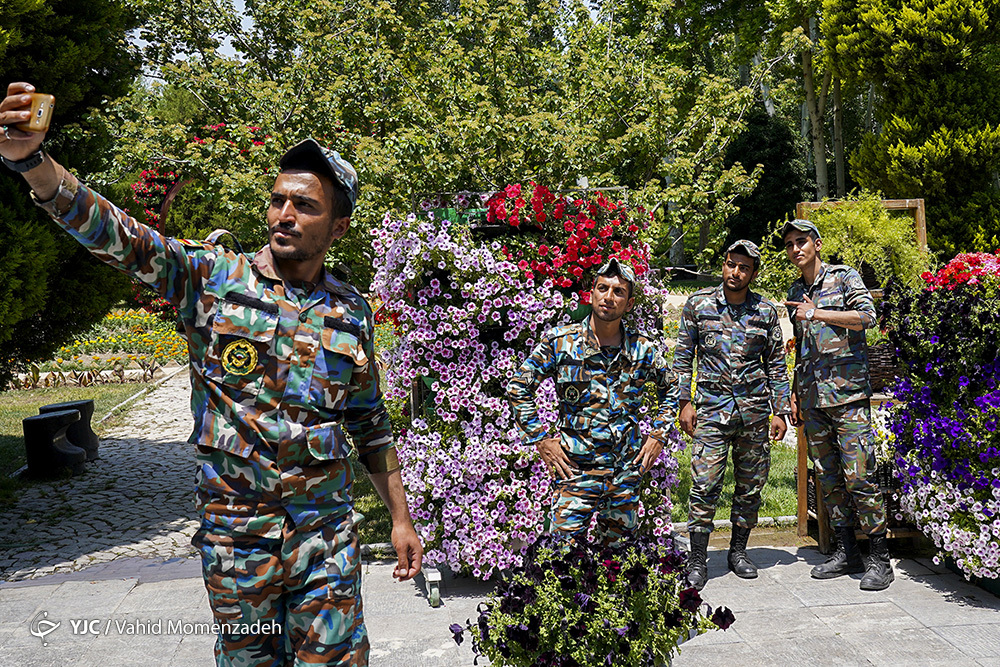
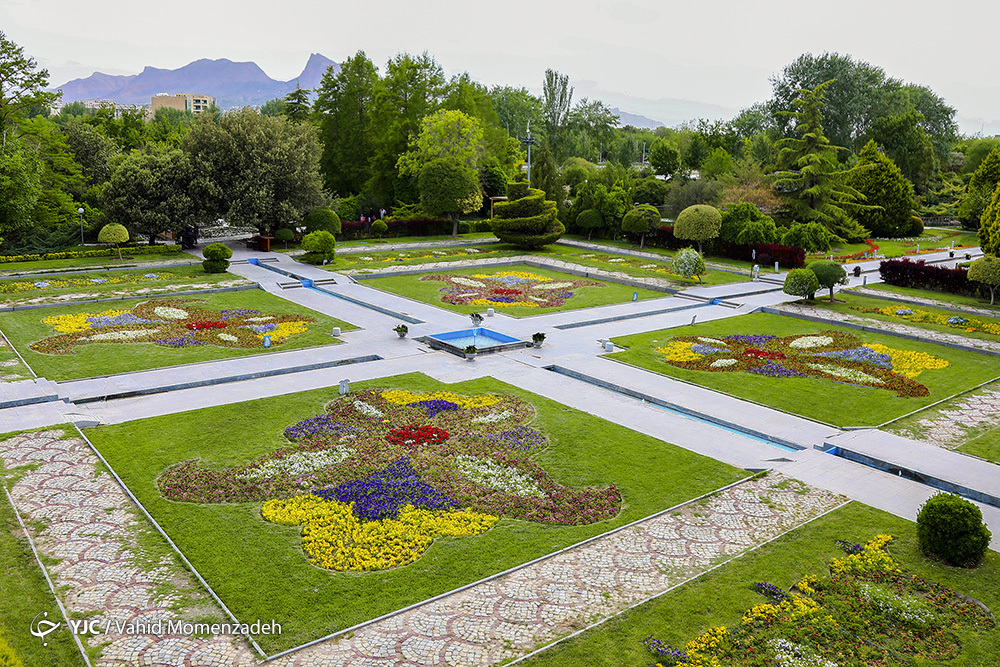
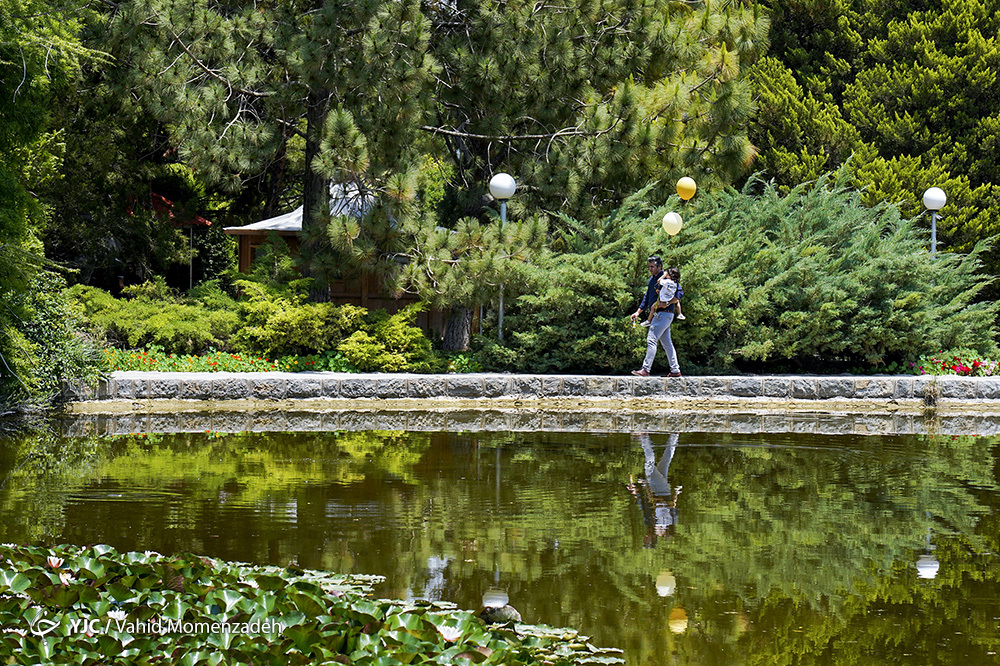
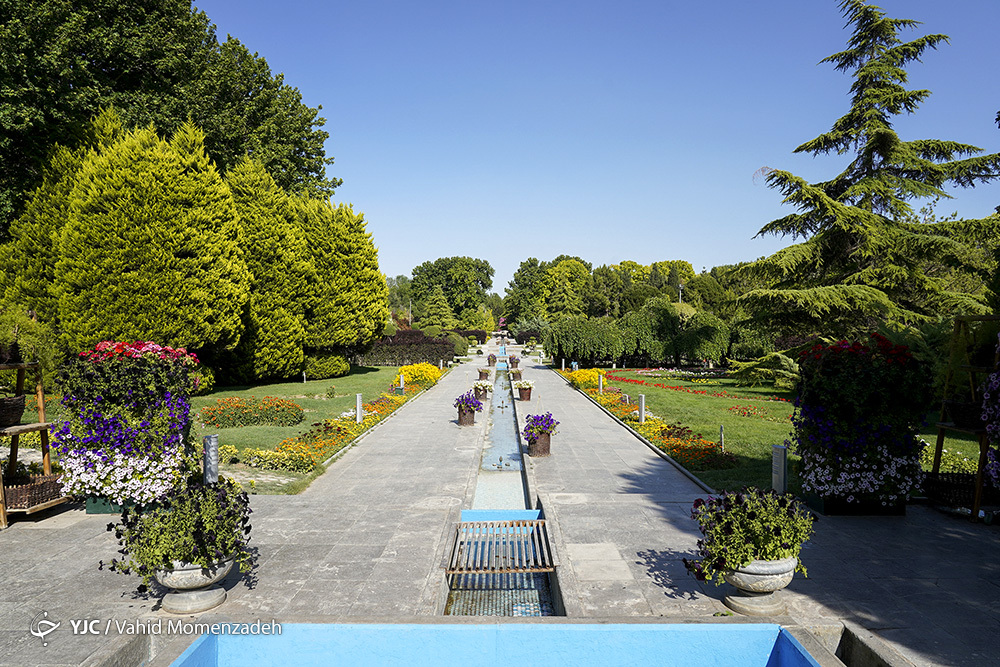
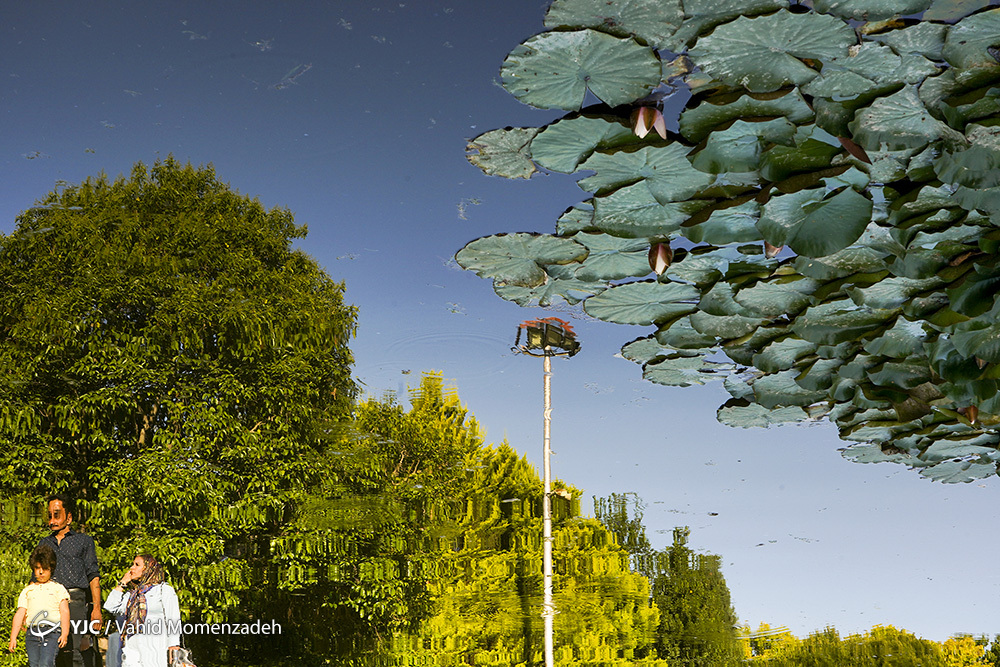
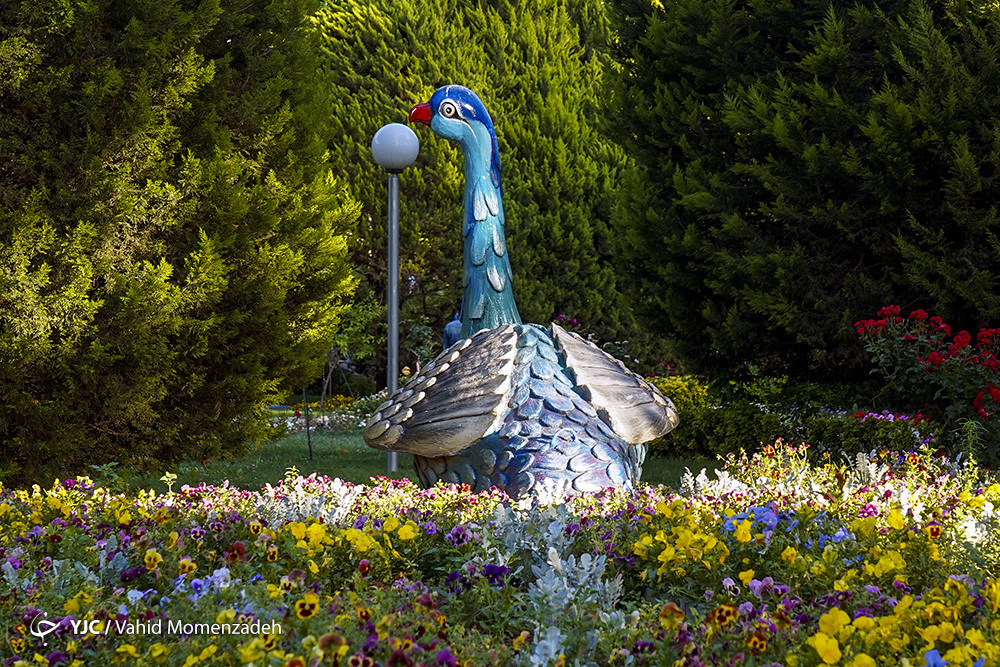
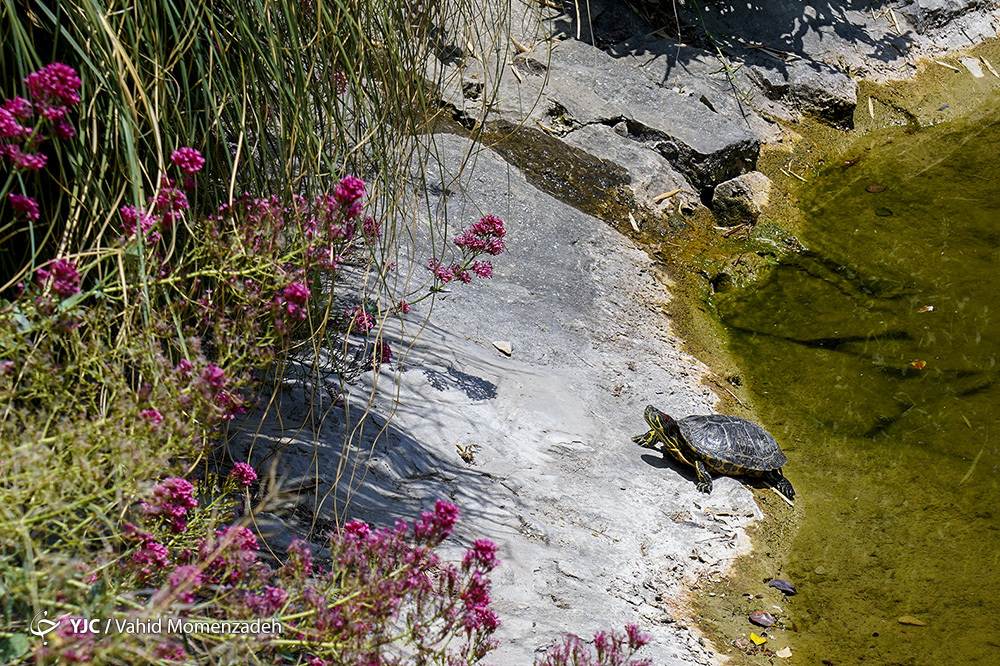
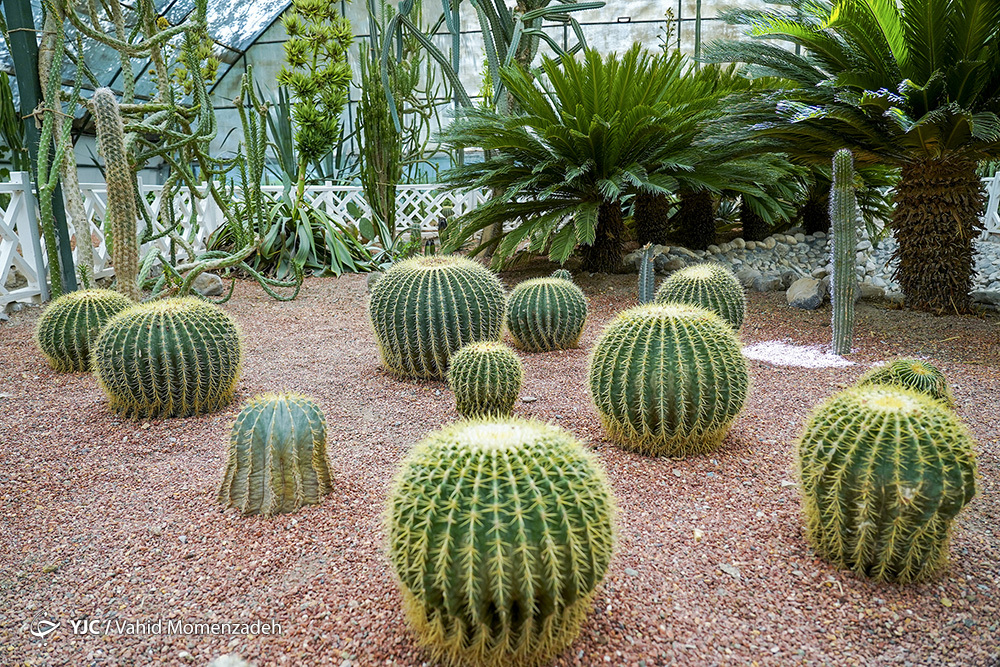
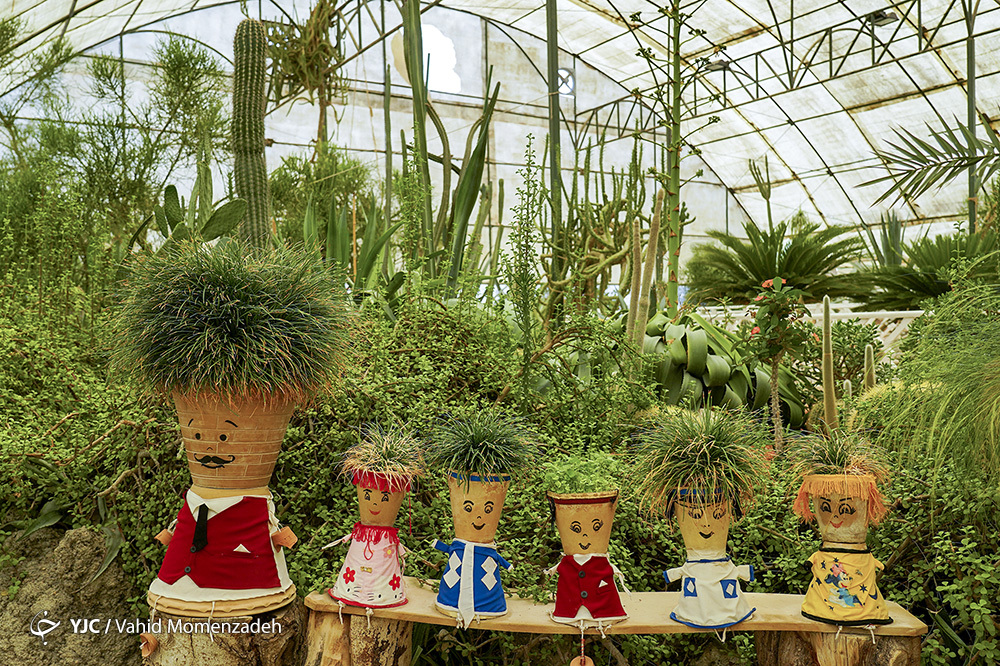
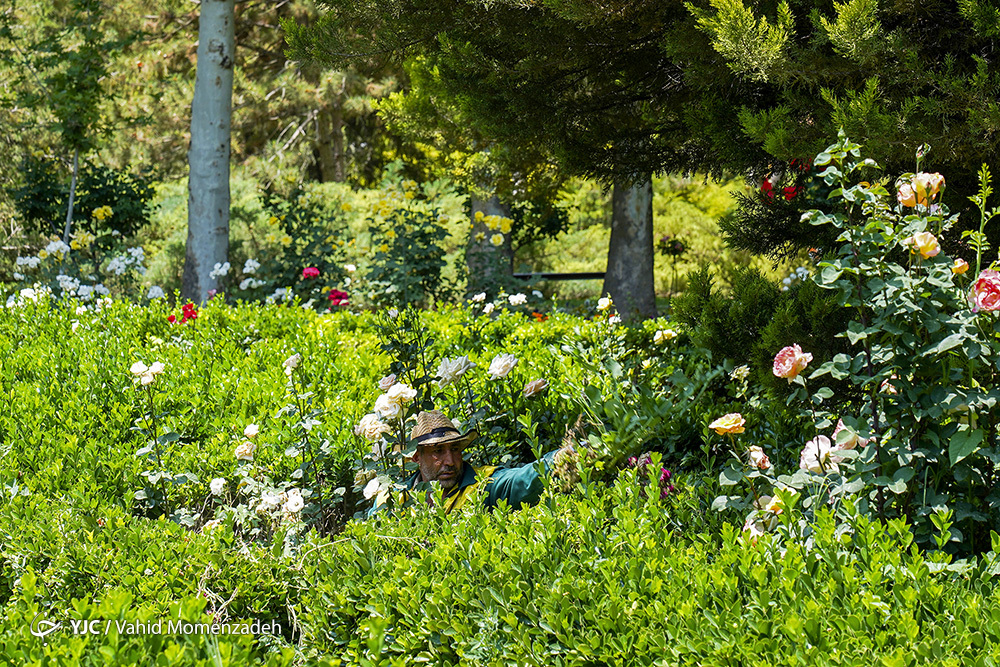
Iran’s Beauties in Photos: Flower Garden of Isfahan

Flower Garden of Isfahan

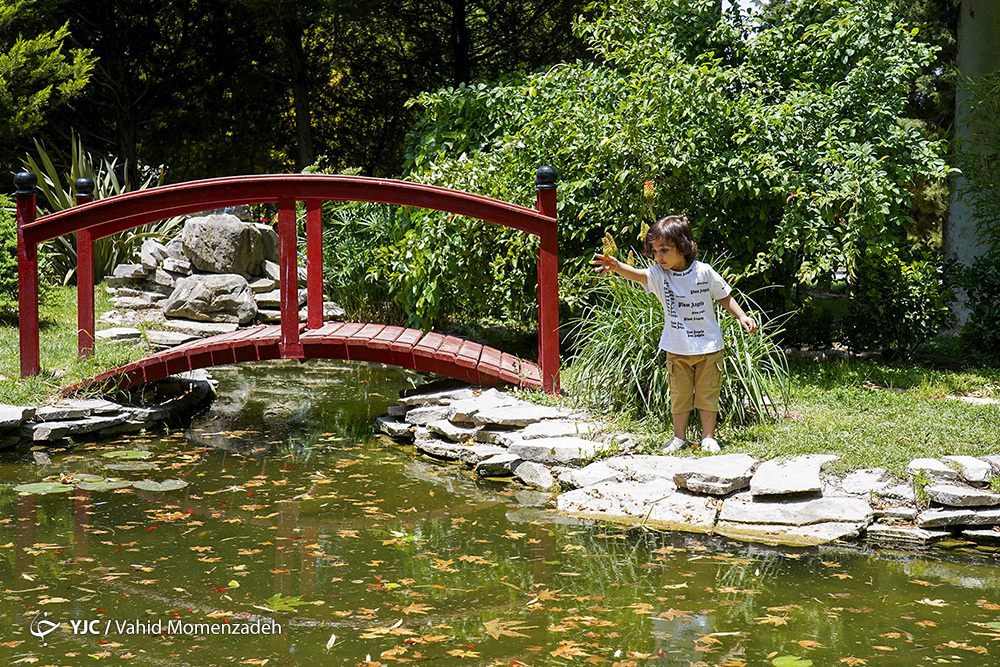
The Flower Garden is located in Bozorgmehr square in the southeastern part of Isfahan. Established on the banks of Zayandeh Rud during the 90s, it has been attracting tourists and local visitors up to this day.

The garden’s prominent feature is its multiple functions: it is used as a recreational, cultural, educational and research centre.

Around 395 plant species, compatible with the weather conditions of Isfahan, are cultivated in this garden.

What follows are YJC’s photos of Isfahan’s Flower Garden:

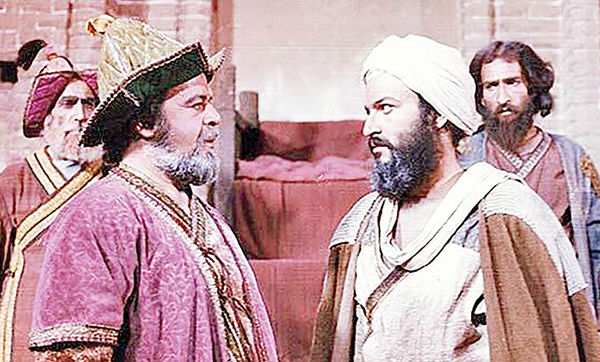
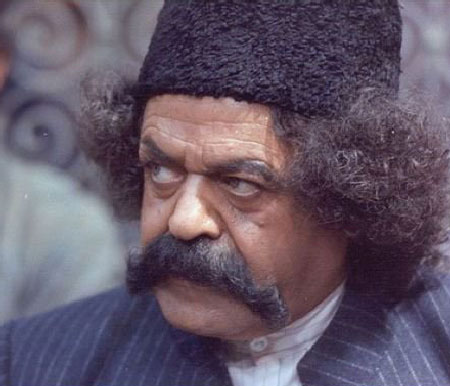
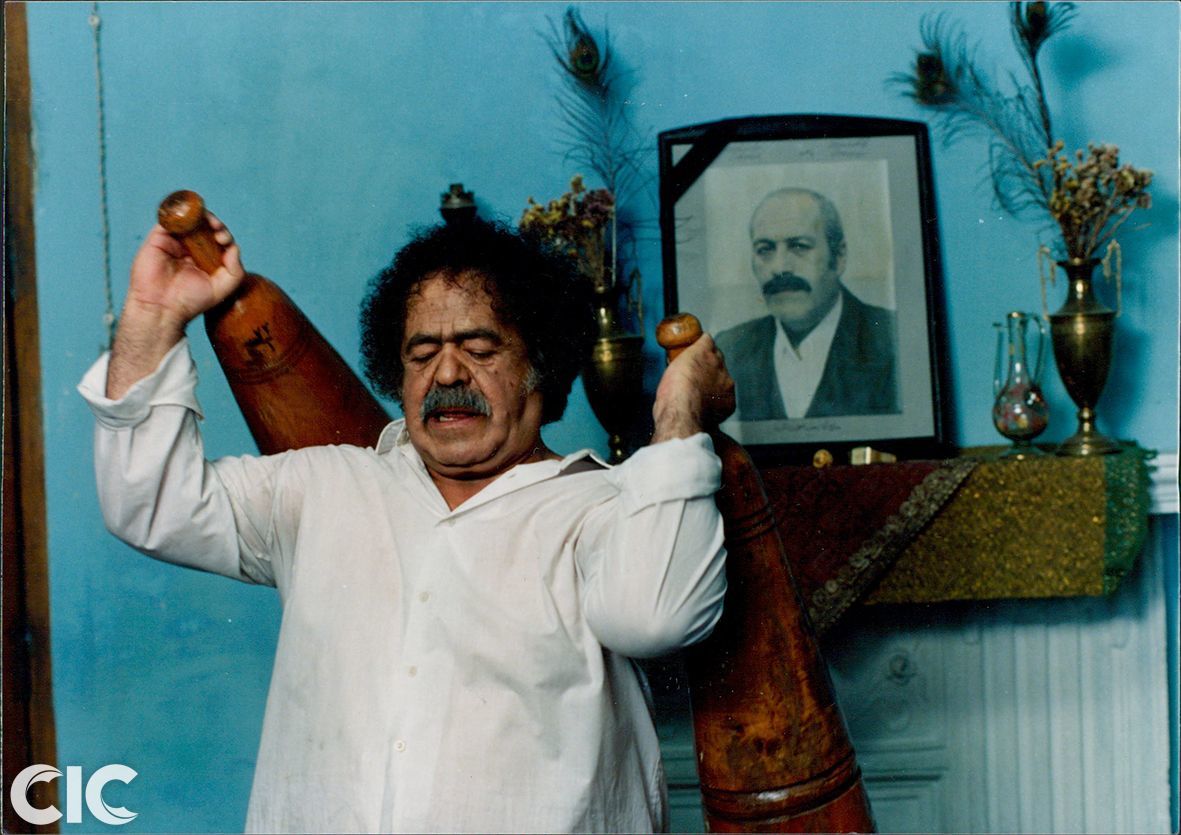
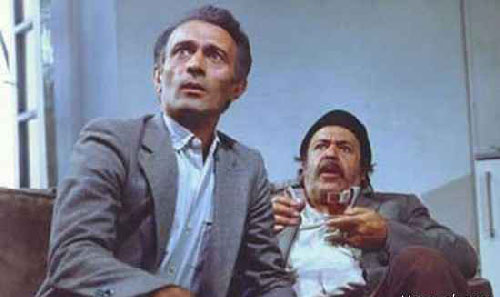
Prominent Iranian Actor Mohammad-Ali Keshavarz Dies at 90

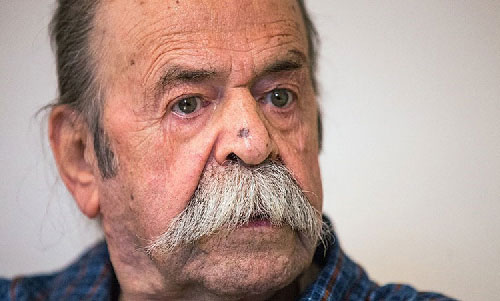
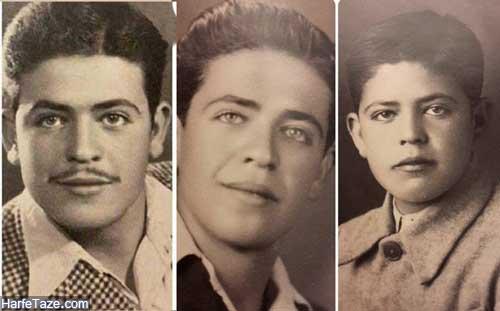
Prominent Iranian Actor Mohammad-Ali Keshavarz Dies at 90

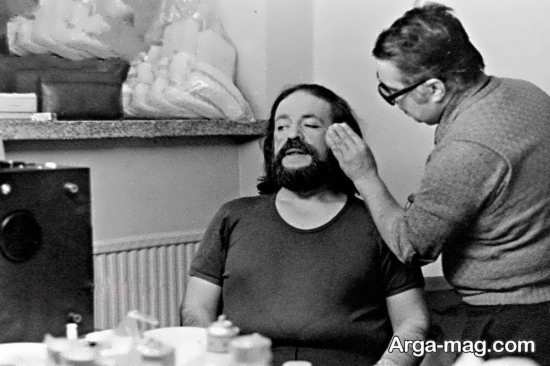
The highly-revered actor with a stellar record of professional role-playing in the theatre and the motion picture industry for more than 70 years died on Sunday after a period of declining health.

Born on April 15, 1930, in the city of Isfahan, Keshavarz was among the five legendary actors in the history of Iran’s theatre and cinema, out of whom only one is now alive.

The deceased had achieved the top medal of Iranian Culture and Arts for acting a broad range of roles.

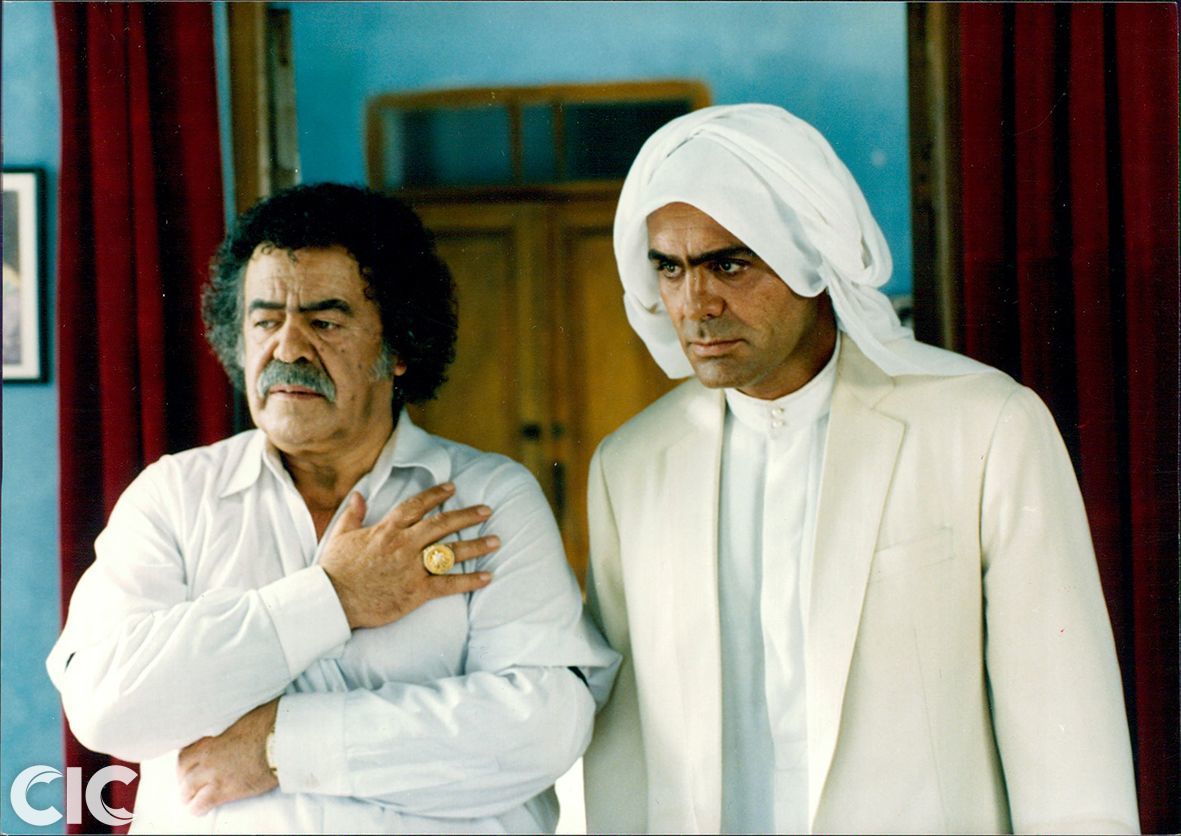
His major performances include TV series such as Dear Uncle Napoleon, Fire with No Smoke, Hezar-Dastan, Sarbedaran (heads on gallows), The Sultan and the Shepard, Patriarch, and the Wolves.

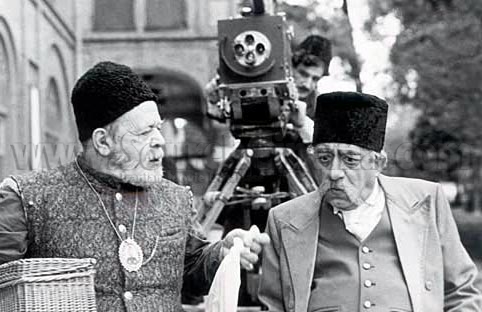
Keshavarz had also appeared in dozens of movies, including Adobe and Mirror, Mr. Naive, Sadegh the Kurd, Wind Chess, Kamal-ol-Molk, The Man Who Became a Mouse, Mirza Norooz’s Shoes, Mother, Foreign Money, Delshodegan, Naser al-Din Shah A Cinema Actor, and Lunar Eclipse.

Related Articles:

Iran Pushing to Mitigate Economic Repercussions of COVID-19: Rouhani

Iran Pushing to Mitigate Economic Repercussions of COVID-19: Rouhani

Addressing a Sunday session of the Administration’s Economic Headquarters, President Rouhani said the cabinet’s top priority in addressing the economic repercussions of coronavirus is to protect the livelihood and economy of the families, particularly the vulnerable groups.

He also noted that the problems created by the novel coronavirus pandemic could be addressed with serious cooperation from the people ,saying popular partnership is the most effectual help in dealing with the economic challenges and shocks.

Denouncing the harsh and inhumane sanctions that have been imposed on Iran amid the COVID-19 outbreak, President Rouhani said, “Fortunately, the administration has carefully devised plans since the outbreak of the disease to tackle the coronavirus economic problems, and has tried to withstand such difficult situation vigorously by formulating special policies and with reliance on people.”

The president said the main priority in the administration’s economic plans is to control prices and supply the basic means of life.

“Strict monitoring and control as well as timely reaction to price hikes are among the major duties of all authorities, producers, guilds and salespeople, and shortcoming and failure in this regard is by no means acceptable,” President Rouhani noted.

The president also unveiled grand plans to resolve the housing market problems, saying economic policies have been developed to regulate and control the flow of liquidity that may disrupt the housing market.

In April, Leader of Iran’s Islamic Revolution Ayatollah Seyyed Ali Khamenei gave permission for withdrawing €1 billion from the National Development Fund of Iran to battle against the novel coronavirus and handle the consequences of the disease.

Moreover, the heads of the three branches of power have already made a series of decisions to assist the country’s small businesses as the novel coronavirus epidemic has partially damaged economy in Iran.

Zarif Denies Saudi Oil Facilities Were Hit by Iranian-Made Missiles

US Claim That Iran Sanctions Reinstated 'Baseless': FM Zarif

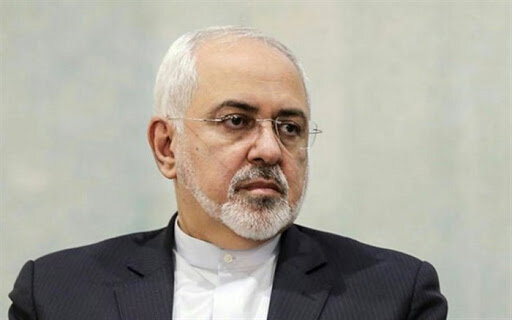
“Unfortunately, the UN Secretariat showed that it is being influenced by US threats,” said Mohammad Javad Zarif in a live Instagram interview on Saturday.

“The region is in a critical situation. The logical move would be for regional countries to hold talks about the future rather than being a hostage to the past,” the top diplomat said.

“The first year when I became [foreign] minister, I asked late Saudi Foreign Minister Saud Al Faisal whether he wanted us to exchange grievances about the past, or whether he wanted to air his grievances against us,” said Zarif.

“I told him ‘we have more grievances than you, but we can talk about the future. We a lot to say to each other about the future,’” said the Iranian foreign minister.

Zarif said Yemen didn’t use to be gripped by war at that time, and that many more things could have been done.

“I think if regional countries come to realize that the Americans will not stand by them and only want to milk them, then it would be possible to reach a solution and agreement in the region. This is our proposal to the regional countries, too,” he said.

He said the US, like Israel, seeks to create a security situation in Iran.

“The US is not sympathetic toward Saudi Arabia, the United Arab Emirates and others, either,” he said.

Asked whether Donald Trump has any chances of winning a second term as US president in the upcoming election, Zarif said, “The biggest mistake in humanities is to make predictions, especially with regards to political issues, especially under changing and dangerous circumstances.”

“But I want to predict that Trump’s chances of winning is more than 50%,” he said.
However, Zarif noted that Trump’s chances of emerging victorious in the forthcoming election have seriously decreased compared to four or five months ago.

Zarif said Trump has 35-percent voting base in the US society which has not changed yet, and as long as this base remains constant, there is still a chance of him being reelected.

“Of course, Trump has made many mistakes. In the foreign policy arena, he has not had a single case of success,” the top Iranian diplomat said.

“As for domestic policy, one should look at his handling of the coronavirus crisis, new unrest, and migrants as well as minorities. All of these are serious points of weakness in Trump,” Zarif added.

“However, if you, as a realistic person, look at the circumstances and predict Trump’s situation this autumn, you’ll see his situation has not yet changed that much,” he said.

Iran Records Highest COVID-19 Daily Death Toll in Two Months

Coronavirus Kills 117 More Iranians: Health Ministry

Sima-Sadat Lari said on Sunday the new deaths increase the overall fatalities to 8,837.
She also confirmed 2,472 new cases of COVID-19 infection, raising the total number of cases to 187,427.

So far, she said, 148,674 patients have recovered from the disease and been discharged from hospitals across the country.

However, 2,781 are currently in severe conditions of the disease, the spokeswoman added.

She also noted that 1,244,074 COVID-19 tests have been taken so far in Iran.

According to Lari, West Azarbaijan, Hormozgan, Khuzestan, Kurdistan, Kermanshah, Sistan and Baluchestan, and Bushehr provinces are considered as red zones.

Coronavirus online test
If you are worried that you may have contracted the Coronavirus, take this test right now.