Monday, December 22, 2025
Home Blog Page 2747

Zarbaft; A Fabulous but Almost Forgotten Persian Fabric

Zarbaft; A Fabulous but Almost Forgotten Persian Fabric

Made of gold warps and silk wefts, the cloth is not very popular these days. Even billionaires do not go for this splendid fabric.

The history of making superb fabrics in Iran, as the first country to have developed the art, goes back to the Parthian era. Of course, not many fabrics have been left behind from the Achaemenid era. However, due to the fact that art of weaving exquisite cloth was a developing industry, we can say the art was well developed during the Achaemenid era, too, as were other forms of art. In fact, threads made of pure gold had been used in fabrics since the Parthian era.

This art was so popular during the Sassanid era that the country’s commercial boom was dependent on selling magnificent silk cloth, which was exported to the Far East, i.e., the Chinese Empire, and the Far West.

During the Safavid era, especially during the rule of King Abbas, some eight hundred people were working at the workshop belonging to the king’s court. Trade in exquisite fabrics was so prevalent that, at some point, the king ordered the fabrics not be sold domestically and only be exported.

A major part of the running costs of the ruling system was met by selling Zarbaft and other exquisite fabrics.

Now, only a very limited number of workshops in Iran produce these exquisite fabrics. Most of their products are archived and put aside, and there is no good market for them.
Some superb Persian-made fabrics left behind from Achaemenid, Sassanid and other eras are kept in well-known museums around the world.

Two Historical Structures Dug Out in Central Iran

Two Historical Structures Dug Out in Central Iran

They were discovered on a historical hill in the city of Isfahan during operations to save antiquities in the ancient site.

The structures include a workshop and a metal melting furnace, says the head of the archaeological team.

“Marks of severe burns, furnace heat and pieces of metal were found around the walls of this Parthian structure,” the senior archaeologist said.

Ancient Stone Well Discovered in Isfahan Hills 3
Ancient Stone Well Discovered in Isfahan Hills

“Silver coins would be mostly made beyond borders and outside the realms of empires, but copper coins were made locally. The coin found in the metal melting furnace is a Parthian copper coin clearly bearing Greek letters,” according to the lead archaeologist.

Other structures have also been discovered on the historical hill in Isfahan which shows the site used to be an urban area, and not simply a military fortress or a single mansion, he said.

Researchers Use Persian Violet to Treat Breast Cancer

Researchers Use Persian Violet to Treat Breast Cancer

Breast cancer has the highest mortality rate of all other types of cancer among women in Iran, as in many other parts of the world.

Physicians have used different types of treatment such as chemotherapy and radiotherapy to combat these cancerous cells. In most cases, however, cancer stem cells are not destroyed and the disease recurs. The reason is that the cells left behind are capable of reproducing and creating a new cancer condition, leading to the recurrence of the disease.

So, researchers at the University of Isfahan and the Royan Institute of Isfahan in central Iran began to conduct research on herbs in a bid to control this type of cancer.

Throughout the research, a group of herbal cyclic peptides drew their attention. These compounds are naturally regarded as a defence element in plants. Their research shed light on the anti-cancer properties of these compounds. They focused their research on the Persian violet.

“Our research on the herbal extracts of the Persian violet showed they were effective in fighting cancer cells in the breast and slowed down or stopped their growth,” said Kamran Qaedi, the manager of the research project.

“Cancer tissues have cancer stem cells which are left behind and grow again even after surgery is conducted and the cell mass is removed. So, using a complementary treatment can be effective,” he added.

“The extract of the Persian violet is that very complementary treatment which can stem the growth of cancer stem cells in the breast. We are trying to have the medicine hit the market soon,” he said.

The herbal medicine will soon hit the shelves.

The research was partly financed by the Researchers and Technologists’ Support Fund of the Science and Technology Department of the Presidential Office.

Iran Says Ready to Mediate between Azerbaijan, Armenia

Iran Says Ready to Mediate between Azerbaijan, Armenia

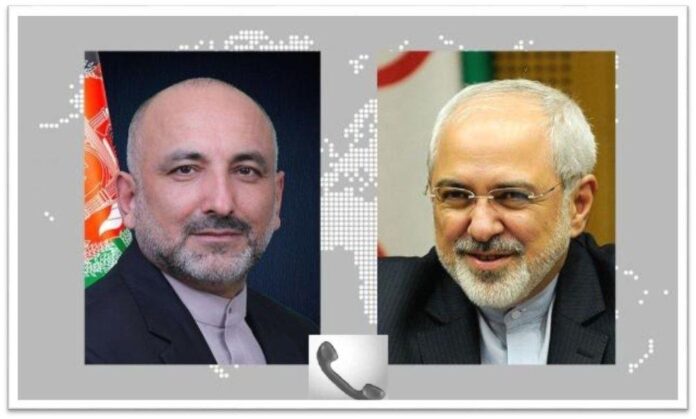
In a telephone conversation with the Republic of Azerbaijan’s new Foreign Minister Jeyhun Bayramov on Friday, Zarif congratulated the Azeri diplomat on his new post.

Foreign Minister Zarif also stressed the need to broaden the bilateral ties between Tehran and Baku.

He further expressed regret at the recent clashes between the Azeri and Armenian military forces and the deaths of a number of troops, and once again expressed Iran’s readiness to mediate between the two countries to de-escalate the tensions.

Azerbaijan’s President Ilham Aliyev on Friday appointed Education Minister Jeyhun Bayramov as the country’s new Foreign Minister.

The new appointment came one day after President Aliyev strongly criticized long-running Foreign Minister Elmar Mammadyarov, who had been in the post since 2004.

New clashes on the volatile border between Azerbaijan and Armenia began on Sunday, killing several soldiers and civilians.

The two South Caucasus nations have been locked in conflict over Nagorno-Karabakh. International efforts to settle the conflict have stalled.

Iran Condemns Fatal Saudi-Led Airstrikes on Yemen

Iran Condemns Fatal Saudi-Led Airstrikes on Yemen

In a statement on Friday, the Foreign Ministry spokesman categorically condemned the fresh crime by the Saudi-led fighter jets that have hit wedding parties in Yemen’s Hajjah and Jawf, killing and injuring more than 25 civilians, including women and children.

Expressing sympathy with the families of victims of the airstrike, Mousavi said, “Sadly, the war crimes committed by the (Saudi-led) coalition’s military forces in Yemen continue under the international community’s silence and indifference.”

The Iranian spokesperson also called on the international and human rights circles to prevent the continuation of such crimes by the Saudi fighter jets against Yemen by any means possible.

“The countries providing arms for the forces that have invaded Yemen, which have caused the slaughter of the Yemeni women and children by supplying them (invaders) with destructive bombs and weapons, are accomplice in these crimes and must be held accountable for such supports before the international community and the people of Yemen,” he added.

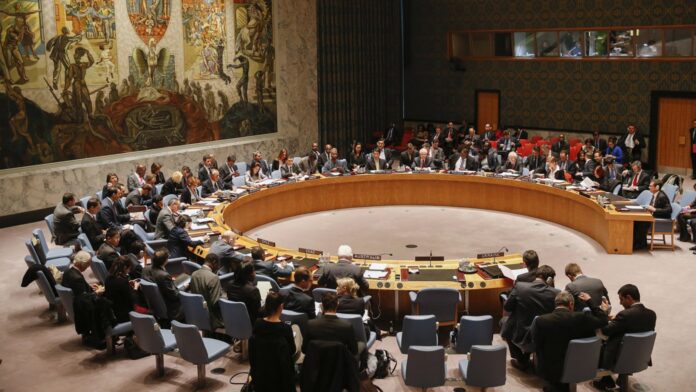
“Such crimes continue while, unfortunately, the United Nations has recently removed the name of Saudi Arabia from the list of child-murdering regimes with the political pressure of the US and the Saudi petrodollars,” Mousavi deplored.

He finally called on the UN to reconsider its decision, step up efforts for an immediate end to the attacks on Yemen, and take the necessary measures and arrangements to protect the health and security of civilians, women and children in particular.

An airstrike by a Saudi-led coalition on Wednesday killed at least 10 civilians, including six children and two women, in the mountainous northern Yemeni province of Jawf.

Yemen’s Health Ministry said the airstrike took place in Masafa village east of the provincial capital of Hazm.

At least three adults and four children were also wounded, the ministry said in a statement.

The attack came after an airstrike in the northwestern Hajjah province killed at least seven children and two women Sunday, according to the UN humanitarian office in Yemen.

Rouhani, Putin Discuss Expansion of Iran-Russia Cooperation

Rouhani, Putin Discuss Expansion of Iran-Russia Cooperation

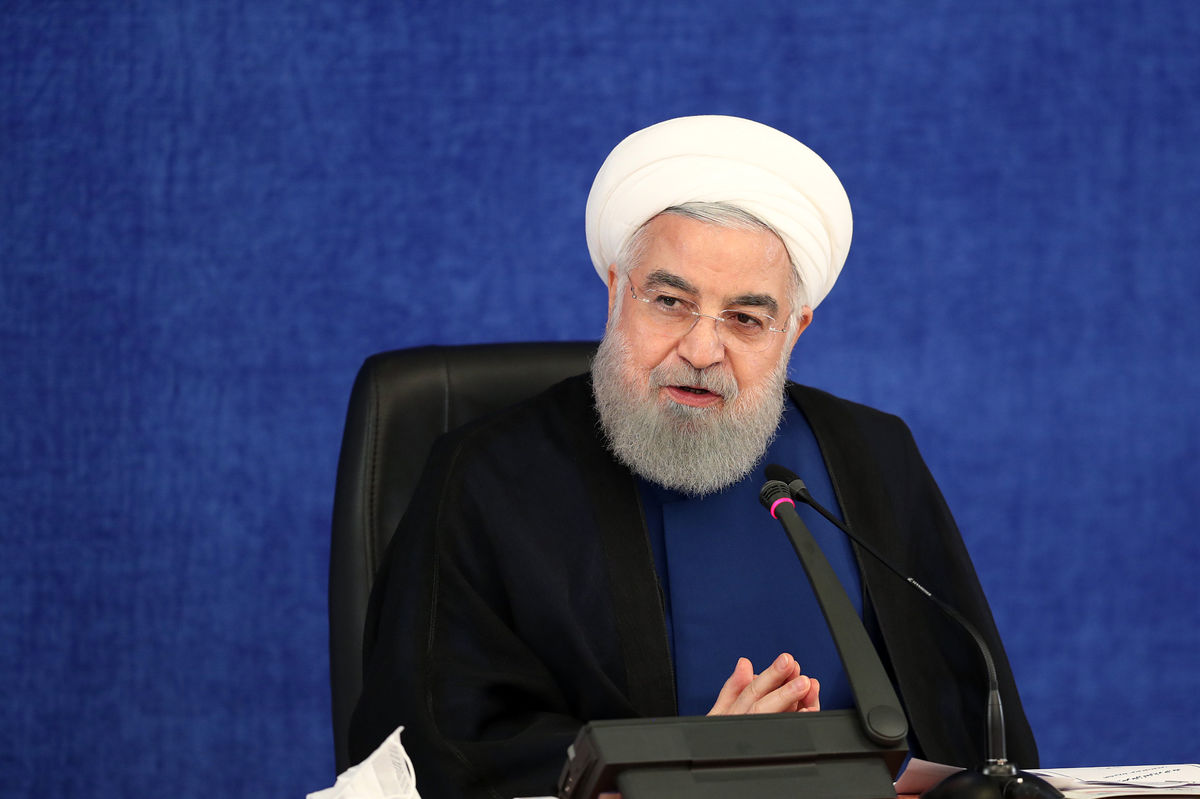
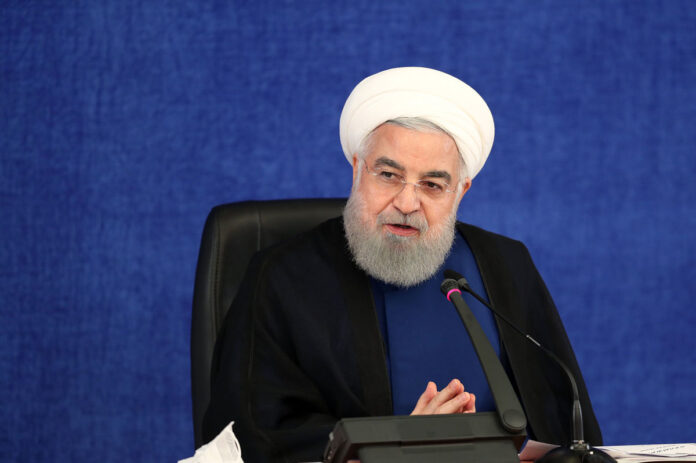
During the Thursday phone call, Iranian President Hassan Rouhani emphasised the development of balanced cooperation with Moscow at all political, economic, scientific and cultural levels.

President Rouhani called for further consultations and talks between the two countries’ officials, and expressed satisfaction with the implementation of the agreements.

Referring to the holding of a virtual summit of the leaders of Iran, Russia and Turkey with the aim of establishing peace and stability in Syria, President Rouhani stressed the need for continued cooperation between the three countries within the framework of the Astana process to achieve this goal, especially in humanitarian issues.

He also stressed the importance of maintaining and fully implementing the JCPOA as an international commitment, and underlined the need for countering unilateralism and the recent US actions and efforts to prevent the expiration of arms embargo against Iran.

President Rouhani also referred to the outbreak of the COVID-19 in Iran and other countries, and stressed the need for cooperation between the two countries and the exchange of experiences in the fight against coronavirus.

Russian President Vladimir Putin, in turn, said, “As in the past five years, we continue to support this international document (the JCPOA) and insist on its implementation and preservation.

Vladimir Putin also stressed the significance of development of relations with Iran in all fields and added, “We welcome cooperation with Iran in the field of coronavirus and exchange of experiences”.

The Russian president also stressed the continuation of his country’s support for Iran’s position in international communities.

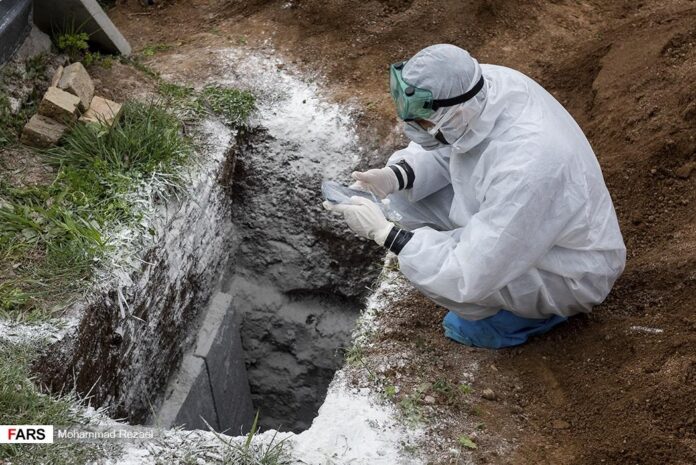
230,000 Iranian Patients Recover from COVID-19

350,000 Iranians Recover from COVID-19: Ministry

In a press briefing on Thursday, Sima-Sadat Lari said 198 people have also died of the virus in the past 24 hours, bringing the total number of fatalities to 13,608.

She confirmed 2,500 new cases of infection with the novel coronavirus, raising the total number of cases to 267,061.

3,471 patients are also in severe conditions of the disease, she added.

Lari noted that 2,073,791 COVID-19 tests have been taken across the country.

According to Lari, East Azarbaijan, West Azarbaijan, Khuzestan, Khorasan Razavi, Bushehr, Hormozgan, Kurdistan, Zanjan, Golestan, Ilam, Kermanshah, and Mazandaran provinces are considered as “red zones” today.

Tehran, Fars, Kohgiluyeh and Boyer-Ahmad, Alborz, Ardabil, Kerman, Lorestan, Hamadan, Yazd, South Khorasan, North Khorasan, Isfahan, and Sistan and Baluchestan provinces are also in orange zone, she added.

Coronavirus online test
If you are worried that you may have contracted the Coronavirus, take this test right now.

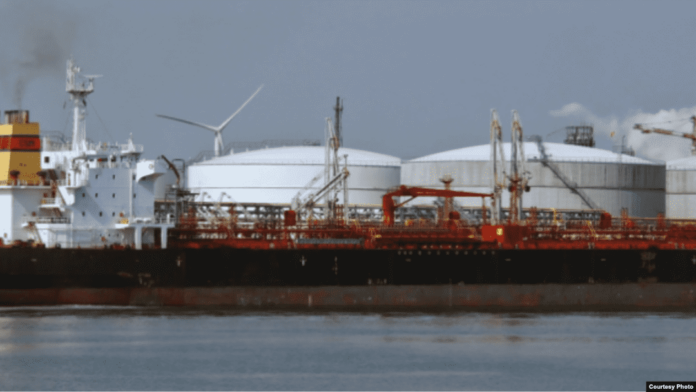
Iran to Turn Jask Port into Oil Exports Hub: President

Iran to Turn Jask Port into Oil Exports Hub: President

That was announced by Iranian President Hassan Rouhani at a ceremony during which 18 national projects were inaugurated in the southern Hormozgan province on Thursday.

“Jask will soon become a very important port for petroleum exports, and, therefore, the status of the province will become higher and more important day by day,” he noted.

A major pipeline is under construction that will connect Goreh in the west of the Persian Gulf to Jask Port in its east, making Iran independent of Strait of Hormuz for oil exports.

Elsewhere in his remarks, the president underscored that the country has reached 90-percent self-sufficiency in the power industry.

“Despite all sanctions and pressure by the enemy, some 90 percent of affairs pertaining to planning and implementing key projects in the sophisticated power industry are run by capable Iranian experts, and we should move toward full self-sufficiency in this industry.

He then expressed his gratitude to all those working at the Ministry of Energy as well as investors and entrepreneurs in the private and non-governmental public sectors.

150 Iranian Companies Exporting Medicinal Herbs

150 Iranian Companies Exporting Medicinal Herbs

An official in charge says a considerable number of firms are now exporting their products.

“At the moment, nearly 500 companies are producing natural and traditional products. Of that number, 150 firms have managed to export their products,” said Mohammad-Hassan Osareh, the secretary of the Science and Technology Development Commission for Medicinal Herbs and Traditional Medicine of the Science and Technology Department of the Presidential Office.

Given the great potential for exporting medicinal herbs, says the department, one of the priorities of the commission is to further enhance the value of basic medicinal herbs.

“The medicinal herbs and natural products industry enjoys a dynamic and growing biome where thousands of people from the private sector are working. This is while, according to a report by the Food and Drug Organization, around 500 companies are known for producing natural and traditional products,” he said.

The official added efforts should be made to increase the number of producers in this sector.

He touched upon restrictions on the transfer of money due to sanctions, saying exporters should be helped to tackle these challenges and to increase the “competitive privilege” of their products.

Mandaean Children Baptized in Iran’s Karun River

Mandaean Children Baptized in Iran's Karun River

As followers of John the Baptist, Mandaeans perform baptism for the newborns.

July 16th is their Great Feast, the day of creation of Adam or Dahua-Rabba. No baptism is performed on this day; People instead start 36 hours of worship at their homes.

The infants must have been already baptized in order to participate in the worship; so the Mandaeans have named the July ninth- one week to Dahua-Rabba- the Day of Little Angels, or Infant Baptism Day.

Due to the outbreak of coronavirus, this year the ceremony was performed by the Mandaean clergy in accordance with health protocols and social distancing in small numbers.

What follows are IRNA’s photos of the baptism of Mandaean children in Ahvaz: