Wednesday, April 22, 2026
Home Blog Page 2701

Extremism in Mideast Legacy of US, Israel: Iran DM

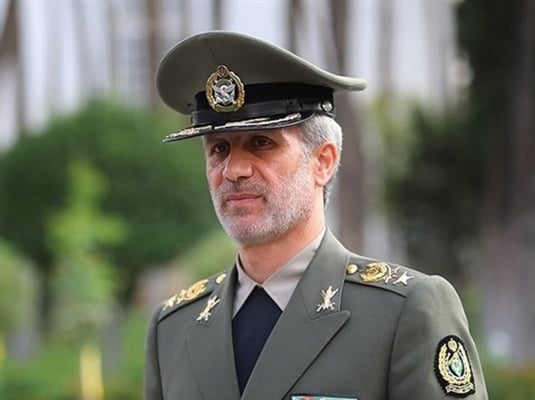
Speaking in a Thursday meeting with his Kazakh counterpart Saken Zhasuzakov in Moscow, Brigadier General Amir Hatami said extremism is a legacy of the US and the Israeli regime in order to secure their interests in the region.

“Cashing in [on the situation] and taking advantage of terrorist groups to loot the riches of the regional countries have always been among the objectives of hegemonic powers,” said Iran’s defence chief.

He highlighted the danger posed by extremism and terrorism in the region, saying, “As we have a precise understanding of the root causes of terrorism and its different dimensions, we helped Syria and Iraq, with all our power, in the fight against terrorism, so that they would be able to eradicate terrorism in their countries,” Hatami added, according to a Farsi report by Tasnim.

During the meeting which was held on the sidelines of the Moscow Security Conference, the senior Iranian official also touched upon the religious, cultural and historical commonalities between the two countries and described the enhancement of bilateral ties as important.

“Kazakhstan plays a key role in establishing stability and security in the region, contributed to the nuclear talks [between Iran and six world powers] and the Astana negotiations [on Syria] and managed to discharge its responsibility,” said he top general.

He said Tehran-Astana cooperation in international circles could set a good example of bilateral ties in the region, and stressed the need for such cooperation to continue.

The Kazakh defence minister, in turn, described as “significant” cooperation among regional countries, especially Russia, Iran and Turkey, to fight terror and prevent a flare-up of the crisis in Syria.

Zhasuzakov said insecurity in the region is a scourge for all countries, expressing hope that the countries in the Middle East will be able to take greater steps toward promoting mutual cooperation in political, military, economic and other areas.

In the meeting, the two sides reached agreements on the enhancement of relations in the defence-security domain.

Iran Urges NAM Members to Condemn Israel’s Atrocities (+Video)

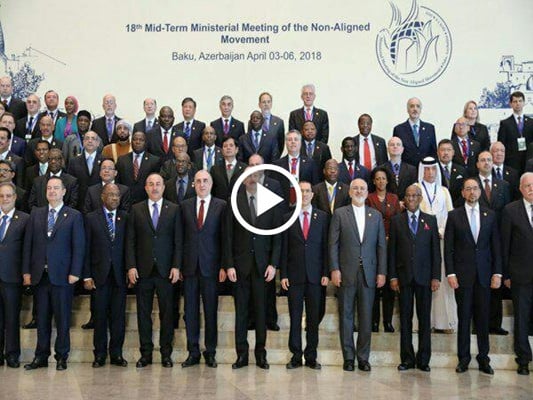
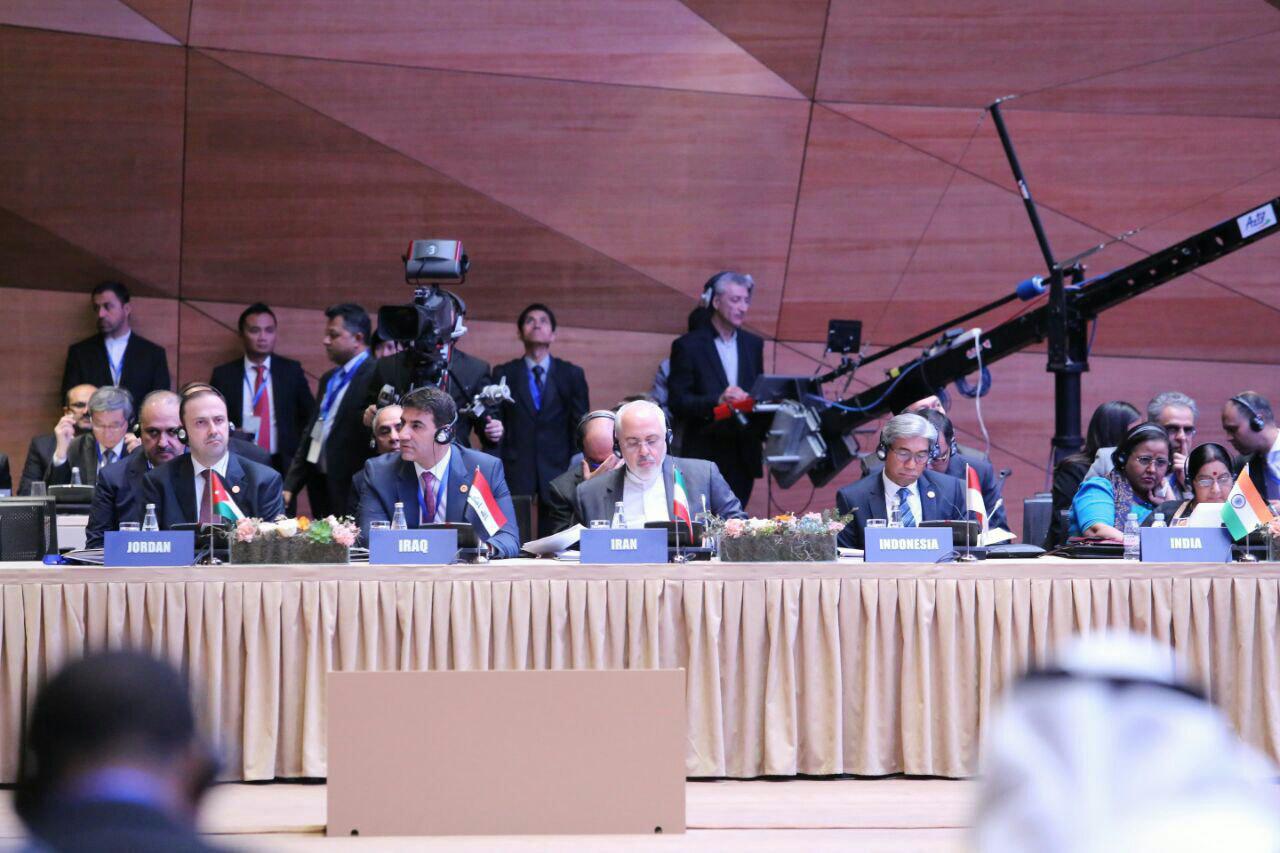
Addressing a mid-term ministerial meeting of the Non-Aligned Movement in the Azeri capital of Baku on Thursday, Zarif said NAM needs to take collective action here and in the UN to condemn Israel’s atrocities in Gaza as well as policies and measures that embolden Zionists.

He also urged the Movement to call for the establishment of an international inquiry bringing perpetrators to justice, to demand full restoration of the rights of Palestinians, in particular the establishment of an independent Palestinian state with Jerusalem al-Quds as its capital, and to demand an immediate end to the siege on Gaza.

What follows is the full text of his speech:

Iran Urges NAM Members to Condemn Israel’s Atrocities (+Video)Mr. Chairman,

Dear Friends,

NAM Member States are coming together to forge a collective response to the latest developments that affect our world with a determination to turn the Movement into a more effective vehicle for protecting our nations’ interests.

Let me thank the people and government of the Republic of Azerbaijan for the excellent preparations and the warm hospitality. I should also thank the Bolivarian Republic of Venezuela for leading our Movement.

Dear Colleagues,

We are following with a sense of repugnance the news of the premediated and deliberate massacre of unarmed Palestinian peaceful protesters, including women and children, in Gaza. This is the latest in the long history of Zionist atrocities against Palestinians in the past 70 years, carried out with impunity provided primarily by the US and some its regional and extra-regional allies. Recent US encouragements, especially its unlawful decision on Al-Quds Al-Sharif, have further emboldened this apartheid regime. NAM needs to take collective action here and in the UN to condemn these atrocities as well as policies and measures that embolden Zionists, to call for the establishment of an international inquiry bringing perpetrators to justice, to demand full restoration of the rights of Palestinians, in particular the establishment of an independent Palestinian state with al-Quds al-Sharif as its capital, and to demand an immediate end to the siege on Gaza.

The free hand given to Israel is a sign of new rising unilateralism, which is once more becoming the main threat against global security. The previous wave of unilateralism in early 2000s destabilized our region in catastrophic proportions, gave rise to violent extremism and terrorism and exacerbated tensions and crises in West Asia and beyond. Even today and despite the territorial defeat of Daesh by the valiant resistance of the Iraqi and Syrian people, our region is still suffering from the remnants of terrorist groups as well as their suspicious relocations.

Unpredictability — due to mutually reinforcing unilateral impulsive measures and continued extremism and terrorism – has exacerbated chronic challenges and uncertainties in West Asia and North Africa. A paradigm shift to regional cooperation and integration is imperative. We need to strengthen our neighborhoods through an inclusive paradigm of respecting the interests of each other and rejecting the outdated paradigm of hegemony and exclusion that only creates tension and leads to destructive arms race. For our immediate neighborhood, we have proposed a regional dialogue forum to redress the dialogue deficit through engagement and confidence-building measures.

In the field of disarmament, the growing contempt of the US government for international obligations and its plans to spend $1.2 trillion to modernize and build new nuclear weapons will lead to a new nuclear arms race. Our Movement should resolutely pursue its disarmament priorities through existing mechanisms, including the UN High-Level Conference on Nuclear Disarmament.

Mr. Chairman,

NAM must continue to be at the forefront of promoting multilateral decision-making, resisting the rising unilateralism. This is of great importance if NAM wishes to pursue its aim of creating a just and equitable world order and global democratic governance.

“Riyadh Must Get Out of Yemen Quagmire Instead of Threatening Tehran”

Tariq Harb described Saudi Arabia’s threats against Iran as ridiculous and added it’s better for the kingdom to get rid of the deep quagmire in which it has sunk to the bottom.

“The threats and provocative statements by Saudi Arabian officials against the Islamic Republic of Iran are nothing but a series of media campaign,” he said in an interview with IRNA.

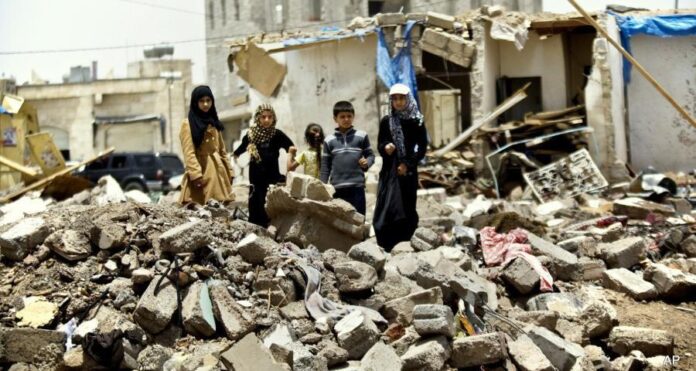
Harb also referred to the dire humanitarian situation in Yemen and the crimes committed by Saudi-led forces there and said the atrocities amount to international war crimes which can be prosecuted through legal and judiciary channels in international courts.

On the other hand, a member of Iraqi parliament’s foreign policy commission warned Saudi Arabia about its provocative policies including its threats against Iran and called on Saudi officials to learn from the fate of former Iraqi dictator Saddam Hussein.

Khaled Al-Assadi said like Saddam’s regime the Saudi Arabian rulers will get no benefit from such provocative policies in the region.

In his latest anti-Iran rhetoric, Saudi Arabian Crown Prince Mohammed Bin Salman called for further pressure and economic sanctions on the Islamic Republic of Iran. This comes as human rights activists throughout the world are calling for the trial of Saudi officials and their main sponsor, the US, over massacre of the Yemeni people in the past three years.

The statements come as in a sign of good faith, Iranian Foreign Minister Mohammad Javad Zarif announced that the Islamic Republic of Iran would be the first county defending Saudi Arabia if the country comes under any attack in the region.

During his US tour which wrapped up just recently, the Saudi crown prince warned that Kingdom of Saudi Arabia and Iran may indulge in war in the next 10-15 years if the international community fails to apply more sanctions to exert pressure on Tehran.

“If we don’t succeed in what we are trying to do [imposing sanctions on Iran], we will likely have war with Iran in 10-15 years,” he said in an interview with The Wall Street Journal.

In response to the threats, Iranian Foreign Ministry Spokesman Bahram Qassemi described the Saudi crown prince as a naïve politician. He also quoted a poem by a leading classic Iranian poet to implicitly suggest that the Saudi Arabia is too week to get involved in a war with Iran and it is doomed to failure in case of waging a war.

Talks with Deceitful Israeli Regime to Delay Palestinians’ Victory: Iran

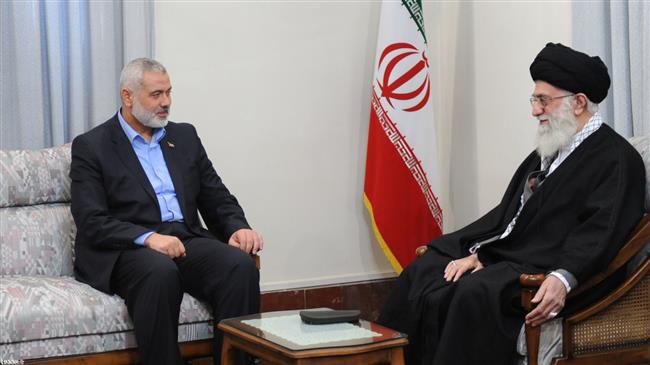
In response to an earlier letter from Ismail Haniyeh, the head of the political bureau of the Palestinian resistance movement of Hamas, Ayatollah Khamenei on Wednesday reaffirmed Iran’s unwavering support for Palestine and Palestinian fighters, and noted that strengthening the resistance front in the Muslim world and intensifying the fight against the occupying regime of Israel and its supporters were the solution to the Palestinian issue.

“The path of negotiation with the deceitful, liar and usurper [Zionist] regime is a big unforgivable mistake that will delay victory for the Palestinian nation and will bring about nothing but loss for the oppressed nation,” the Leader said.

“Undoubtedly, fighting and resistance are the only way out for the oppressed Palestine and the sole remedy for healing the wounds of this brave and proud nation,” Ayatollah Khamenei added.

The Leader said the Islamic Republic felt duty-bound to fully support Palestine.

Ayatollah Khamenei also underlined the need for the Islamic unity in the face of recent Zionist atrocities against Palestinians.

“Today, a return to dignity and power of the Islamic Ummah exclusively hinges on resistance against the global arrogance and its malicious plots,” the Leader said, noting that the Palestinian issue was the top priority of the Muslim world.

The nations and especially the zealous youths in the Muslim and Arab countries as well as the states that feel responsible for Palestine must take this great task very seriously and force the enemy to retreat to the point of demolition through their epic and wise fight, the Leader said.

This came amid Israel’s recent killings of more than a dozen Palestinian protesters in the besieged Gaza Strip.

On March 30, Gazans marched to the fence with the occupied lands at the start of a six-week protest, dubbed “The Great March of Return,” demanding the right to return for Palestinians driven out of their homeland.

The first day of the demonstrations turned violent after Israeli forces used tear gas and live fire against the Palestinians, killing 18 and injuring almost 1,500 others.

Prior to the mass demonstration, the Israeli military had deployed special forces, including 100 snipers to Gaza’s border, and authorized its forces to open fire on unarmed protesters.

Multiple human rights organizations have come out in full condemnation of Israel’s violent raids on the civilian mass protests in the besieged sliver.

What Do Netizens in Iran Think of Bin Salman?

The 32-year-old heir to the throne had several interviews with American media during his controversial two-week trip to the United States.

He also went to the UN office and gave UN Secretary General António Guterres a check for $1 billion. The crown prince also sat down with members of the American Israel Public Affairs Committee (AIPAC) and Israeli rabbis. Bin Salman then had his picture taken along with the Clintons, visited Bill Gates, and in his latest interview, announced his recognition of the Zionist regime of Israel and said Iran’s influence must be tackled one way or another.

Media have turned the spotlight on bin Salman as he is proposing political and social reforms in Saudi Arabia and trying to present a new image of the country.

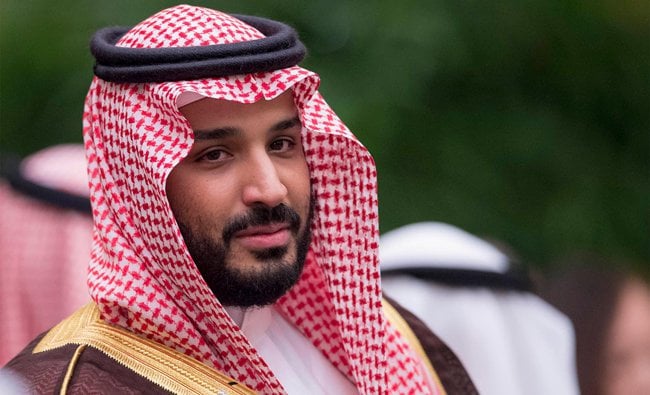
The Persian-language news website Khabar Online in a recent story has published s photo of Bin Salman and asked its readers, “How do you predict the future of Saudi Arabia with this novice politician in power? You may send us your comments on that at the bottom of the page.”

The following are some of the comments of Iranian readers regarding the crown prince’s behaviour, words and actions.

👤In my opinion, a person who tries to change Saudi Arabia and bring about different reforms and rid the country of unwarranted religious bias extremely cares about the welfare of their people and their national interests and seeks to give fresh impetus to a move towards modernism.

👤Reformist?? Why do Iranians care about foreigners so much, after all? The things he does mostly have their roots in his childhood complexes, i.e. his uncles and cousins. All the people he has ordered arrested or dismissed are those who humiliated him during his childhood.

👤 He bears animosity towards Iran.

👤He is a good stooge for the US …. and as long as he is a good crony … he will remain in power. …

👤You really believe he cares about the welfare of Saudi people and its national interests?  … This gentleman has spent a lot in Yemen and Syria, but, ironically enough, to no avail.

👤Mohammed bin Salman is a delusional and cunning crown prince, with the pious hope that he is able to overhaul the Arab world. He is the murderer of Syrian and Yemeni children as well as Shiites in Saudi Arabia. He is a dog whose bark is worse than his bite. He will have a fate worse than that of Saddam and Qaddafi and his cursed and wicked father and grandfather.

👤 After coming to power and assuming absolute power in Saudi Arabia, he will most probably try to establish good relations with all its neighbours, namely Yemen and Iran and Israel, and establish an Islamic Vatican in Mecca and Medina, and declare the whole Saudi Arabia a free zone like Dubai in the United Arab Emirates.

👤… Betrayal runs in his blood.

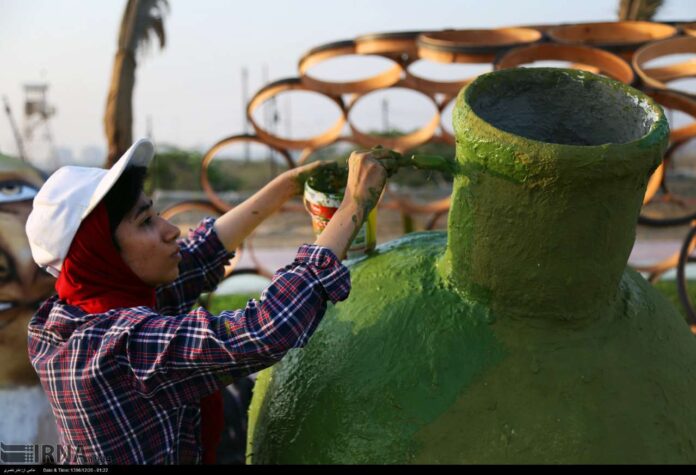
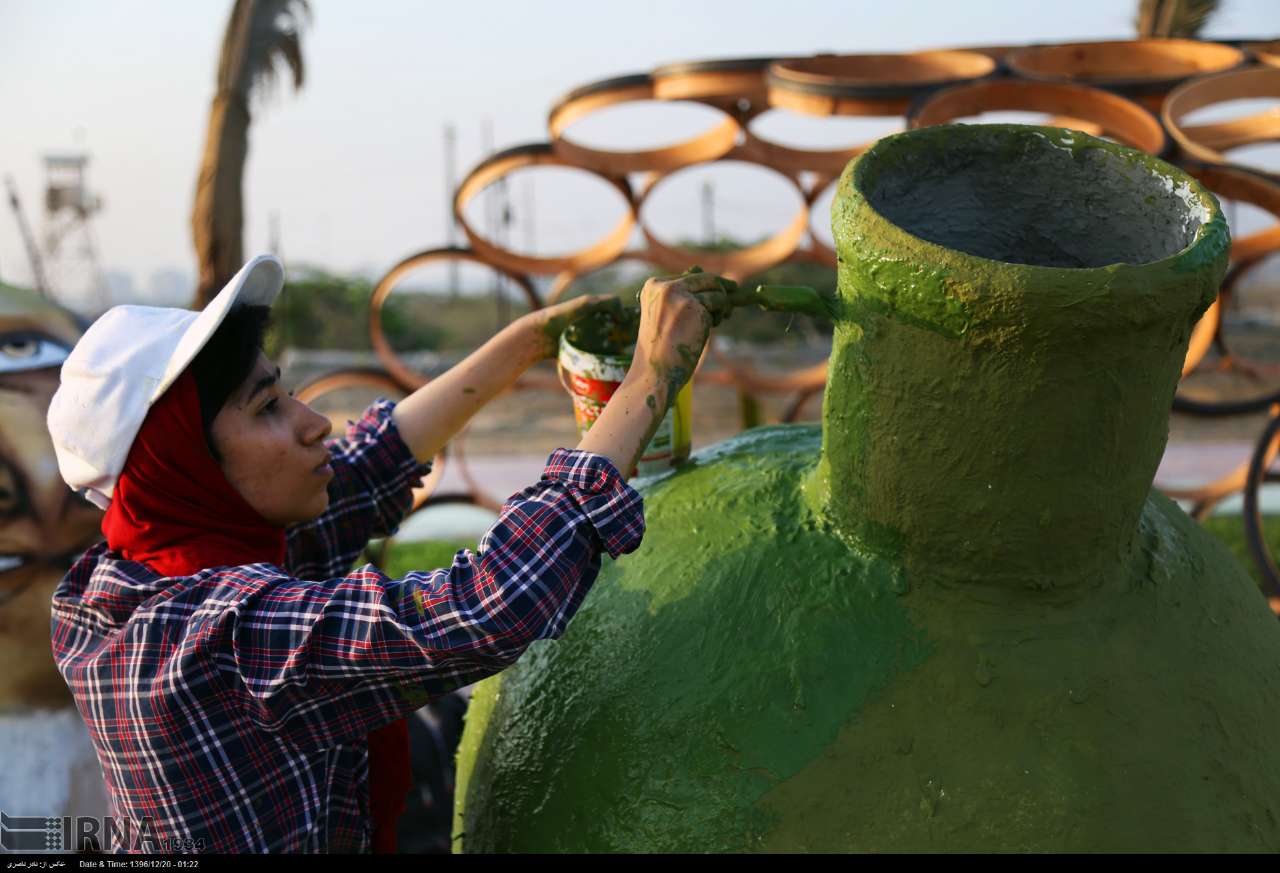
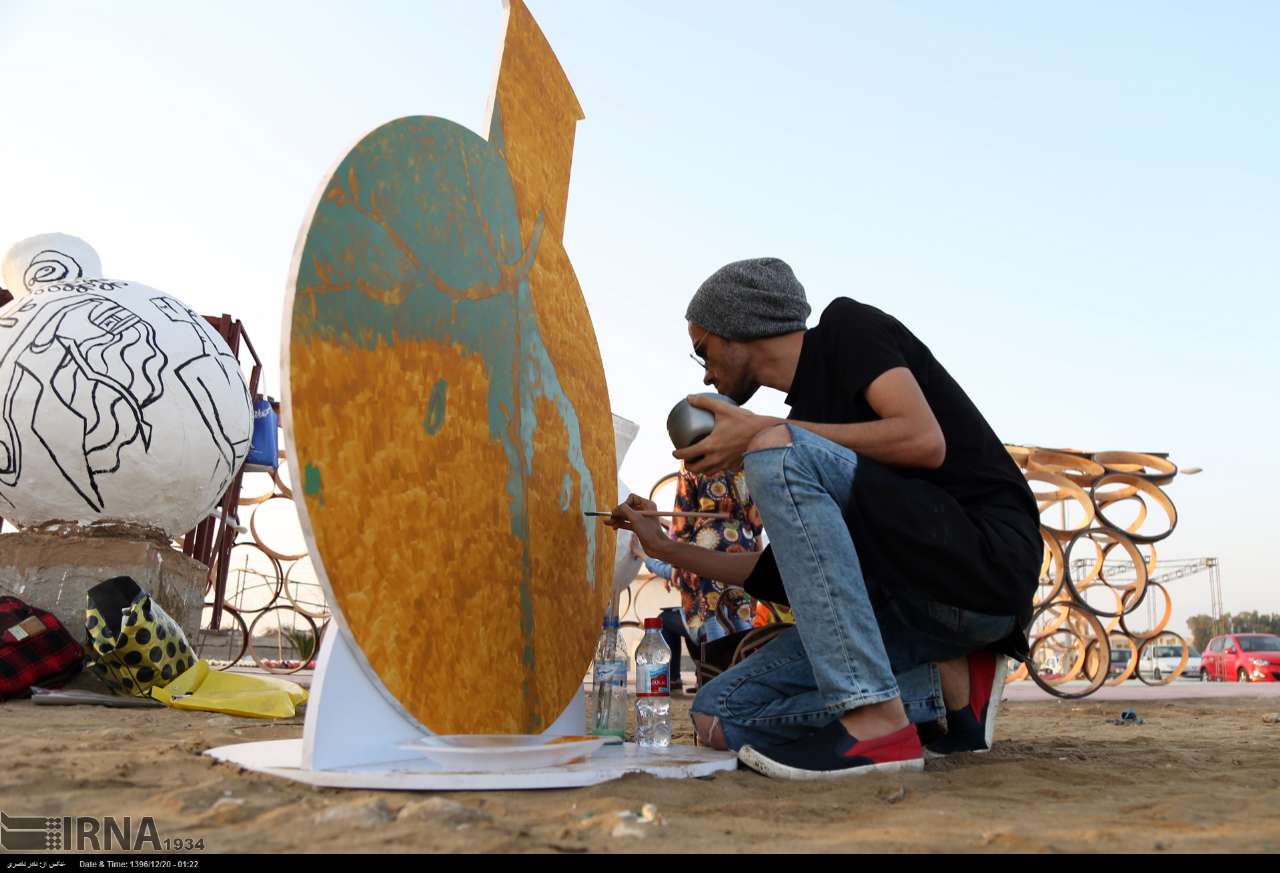
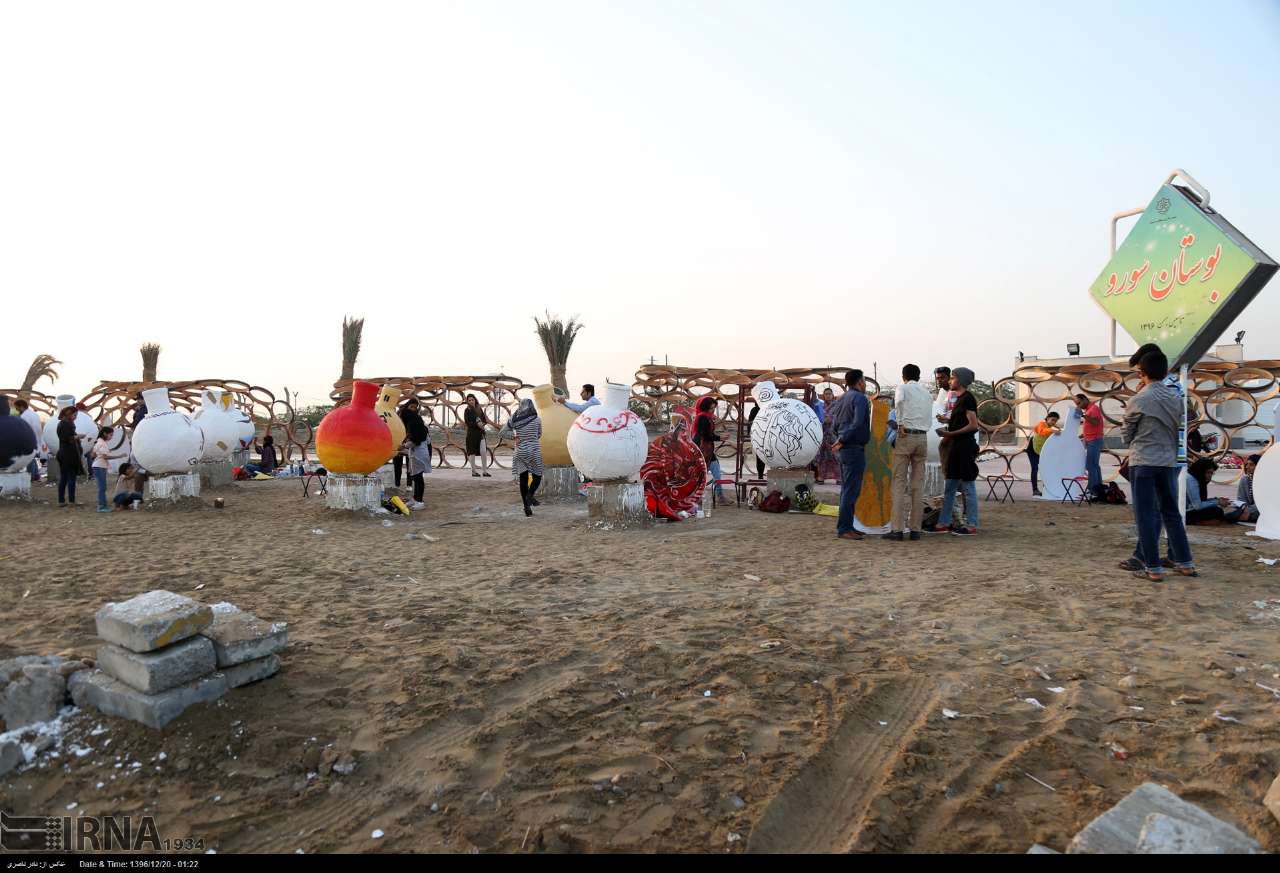
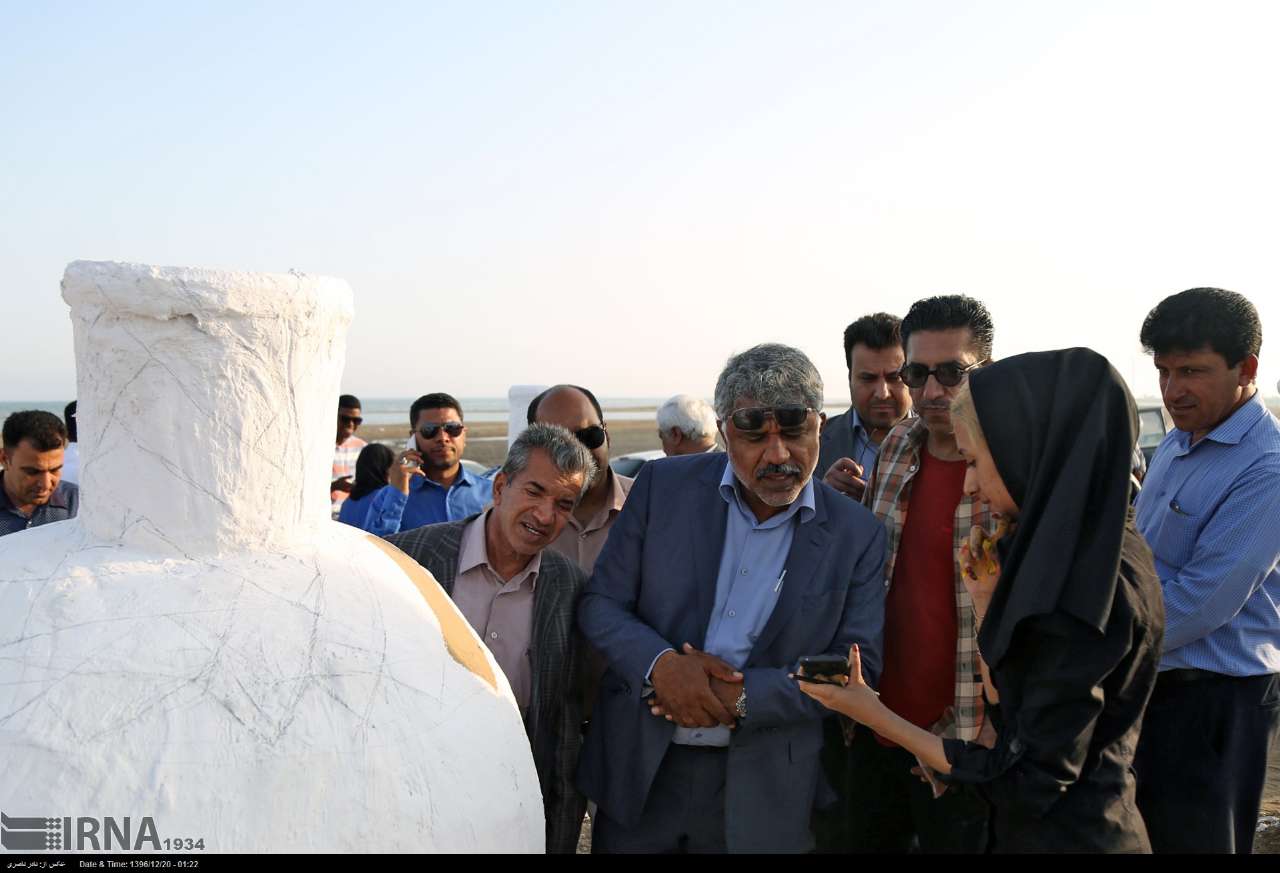
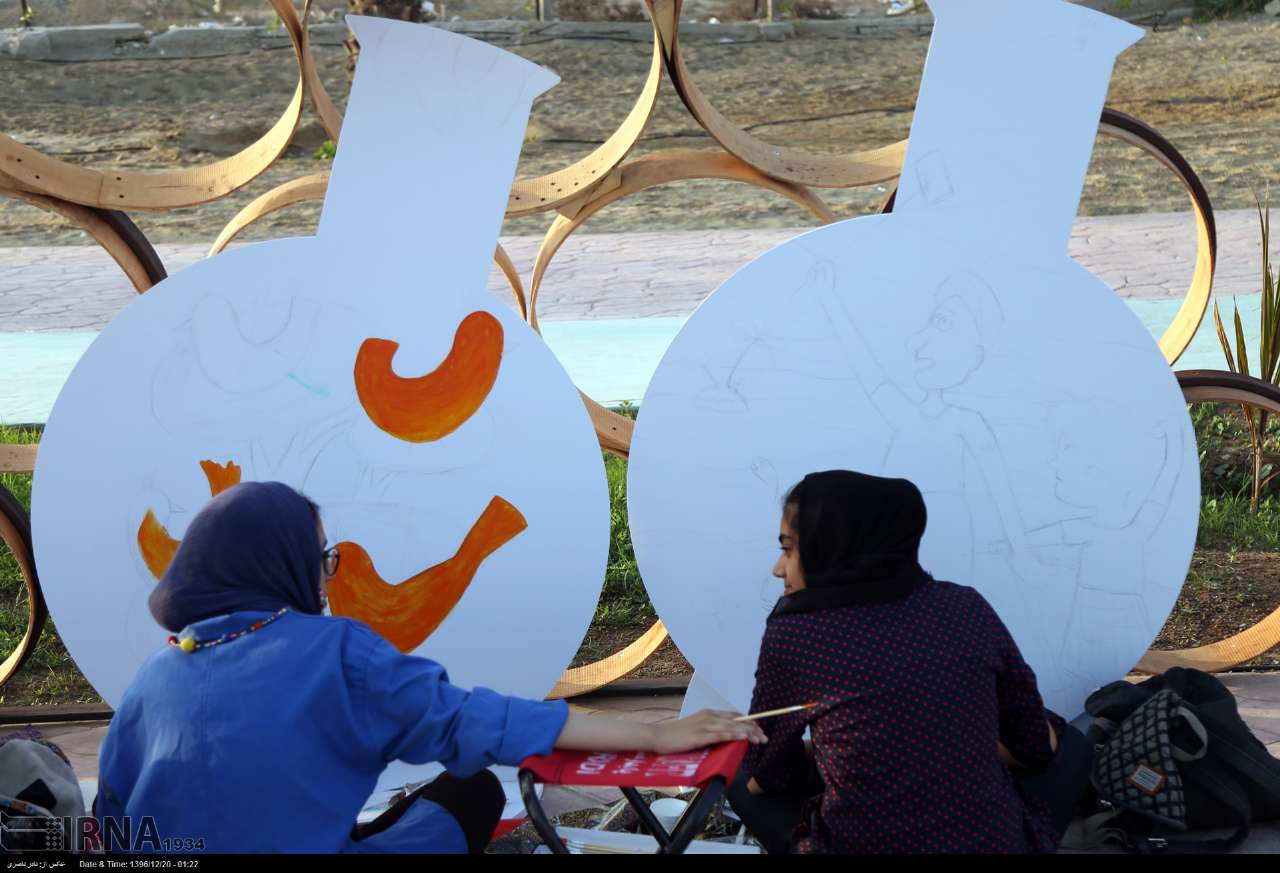
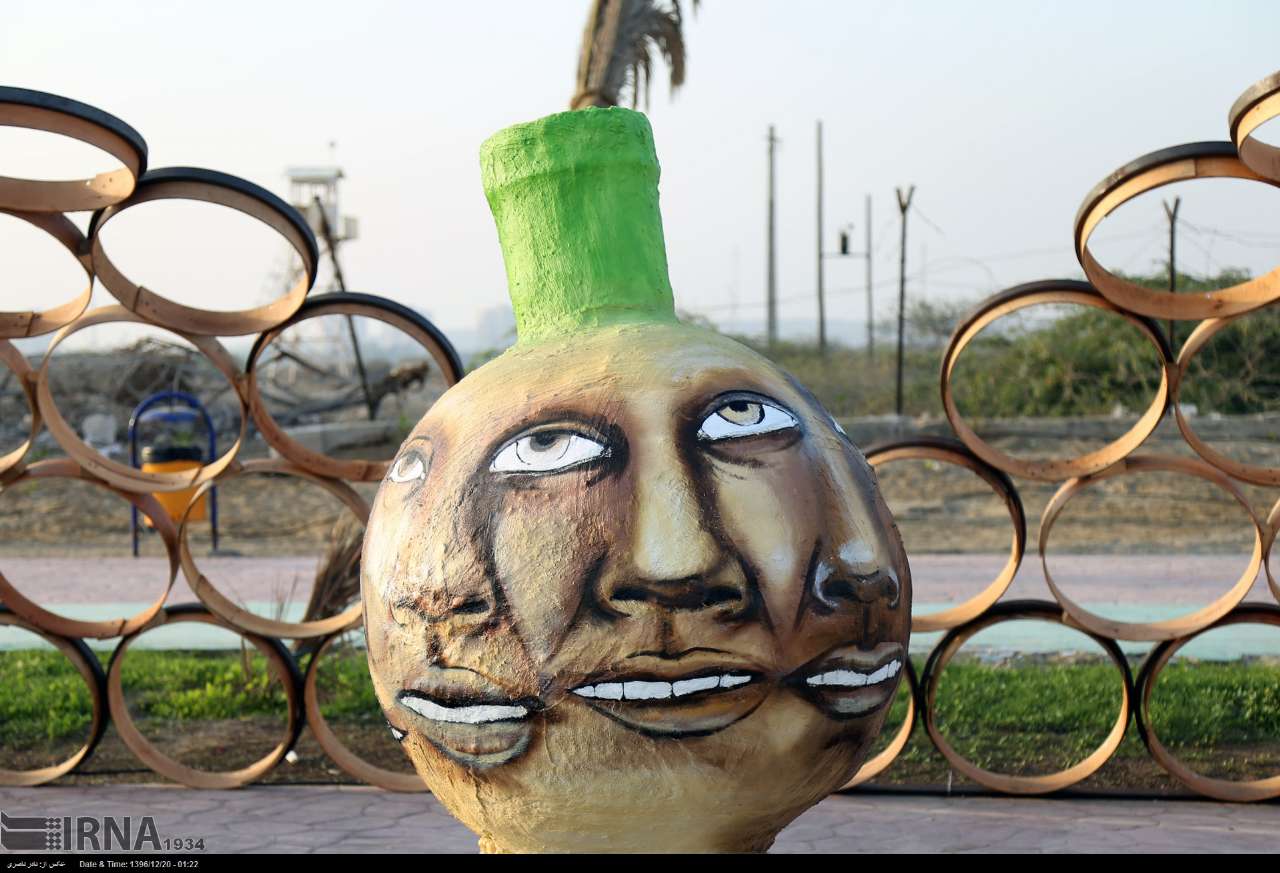
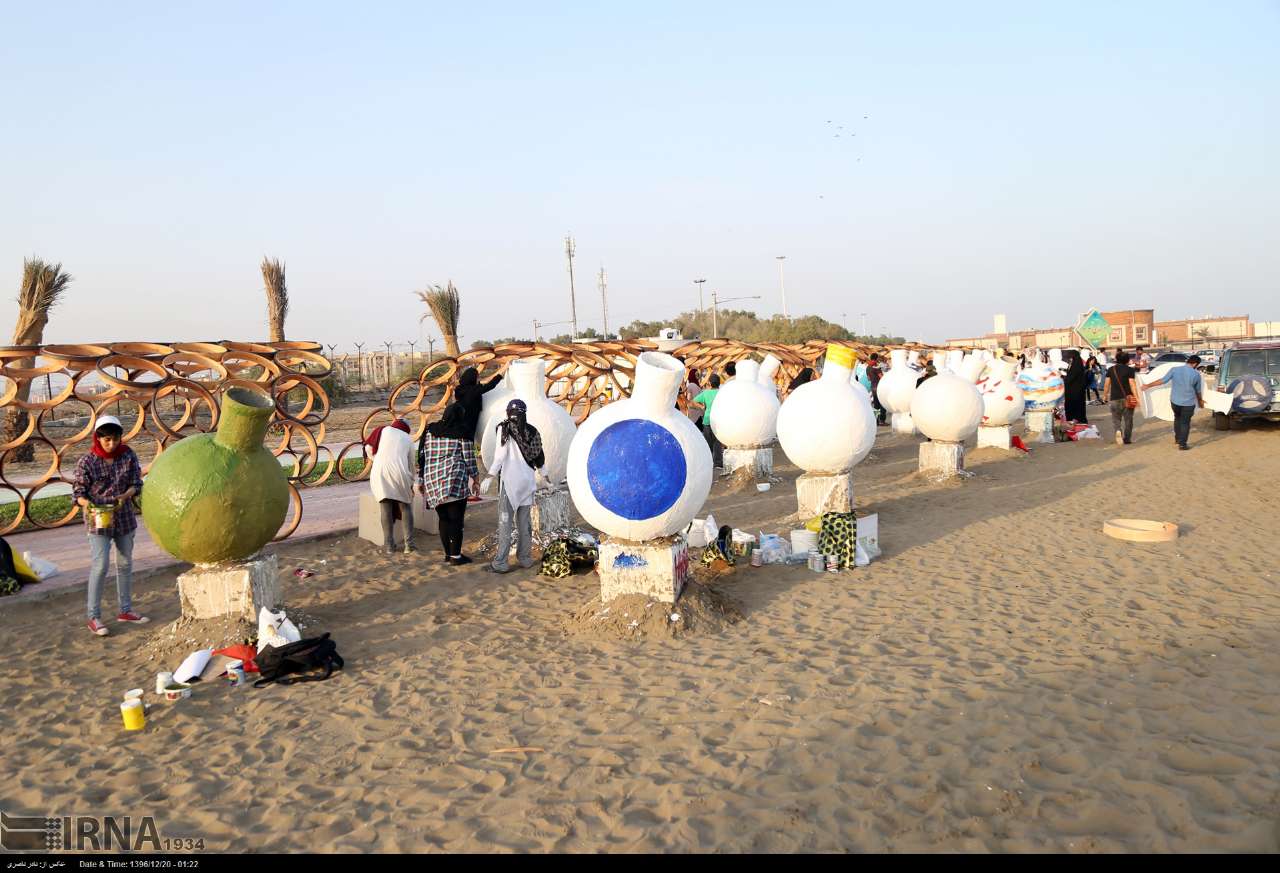
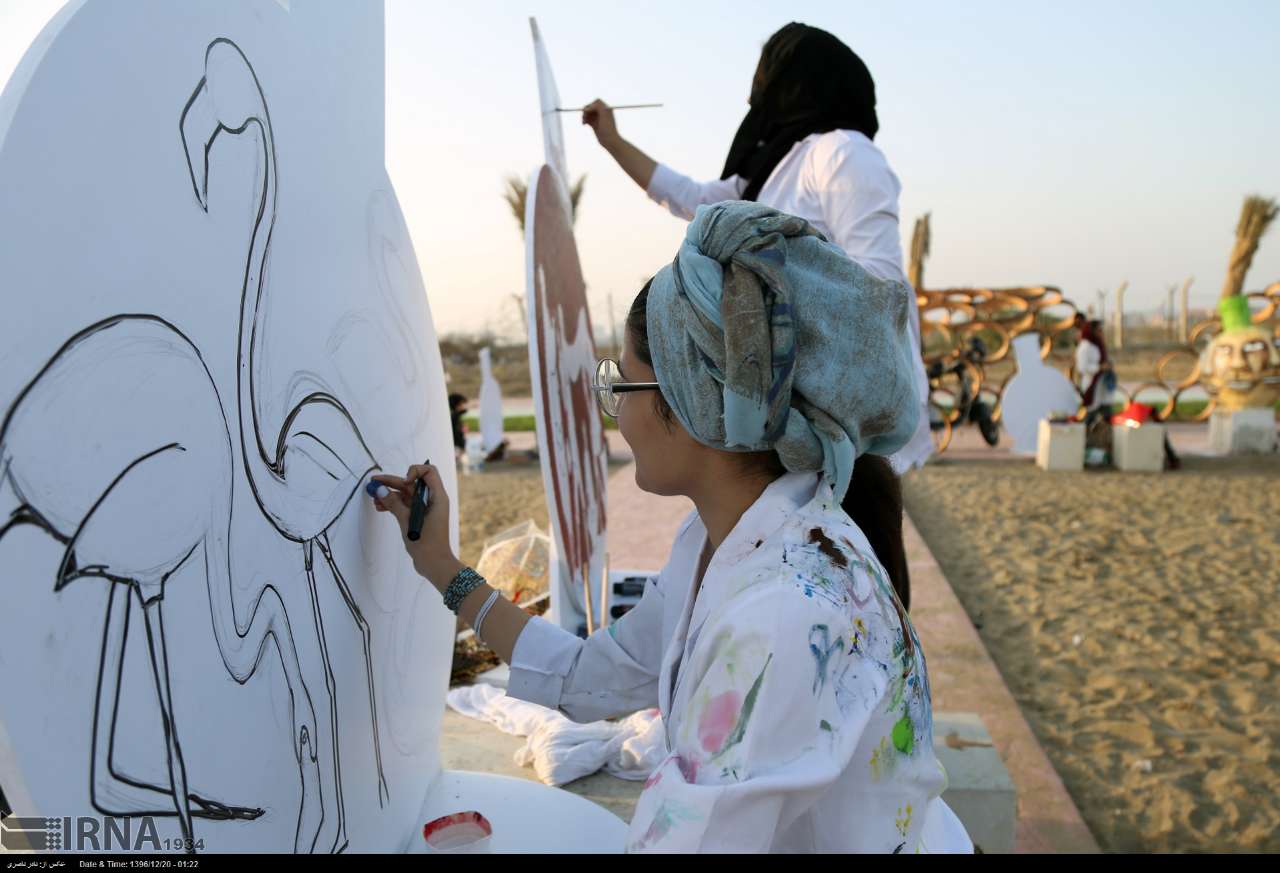
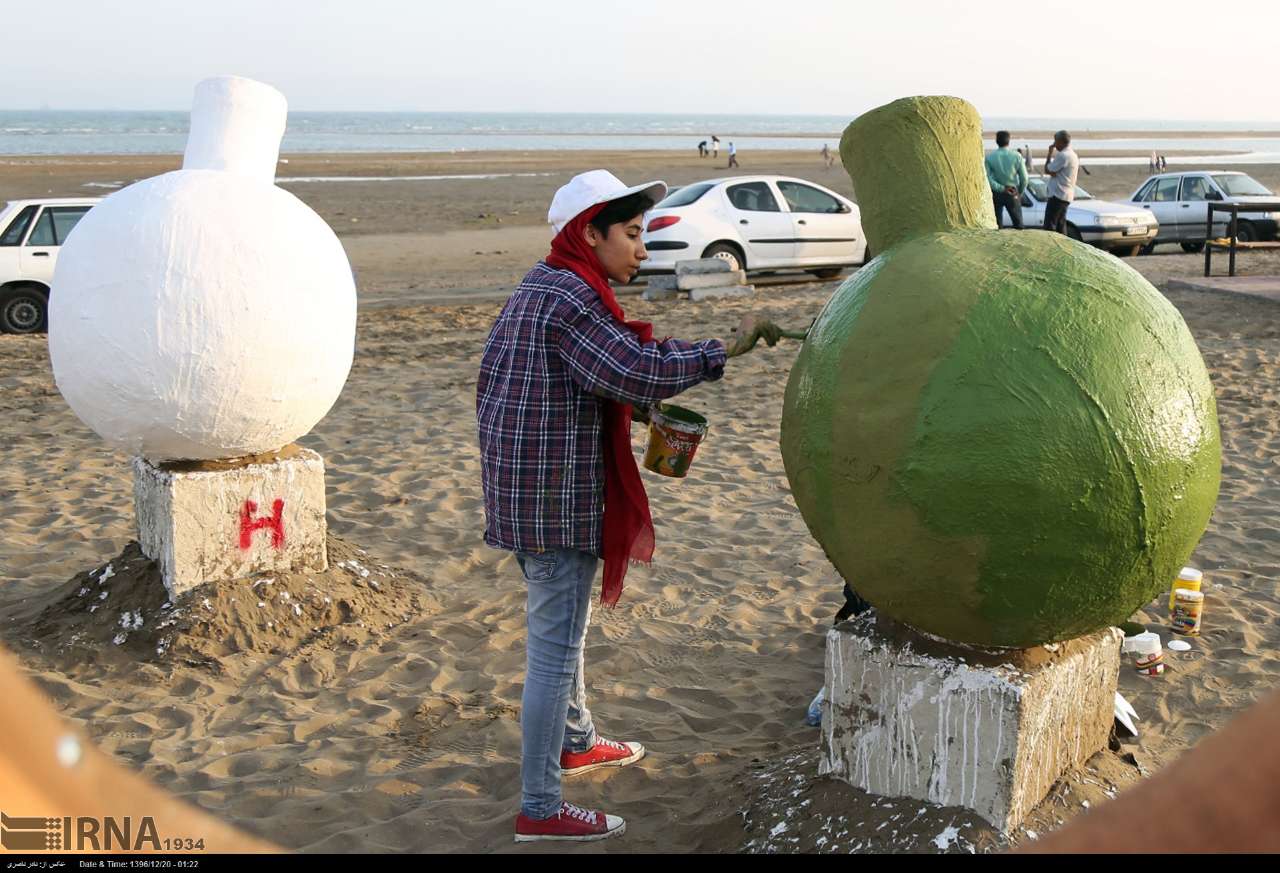
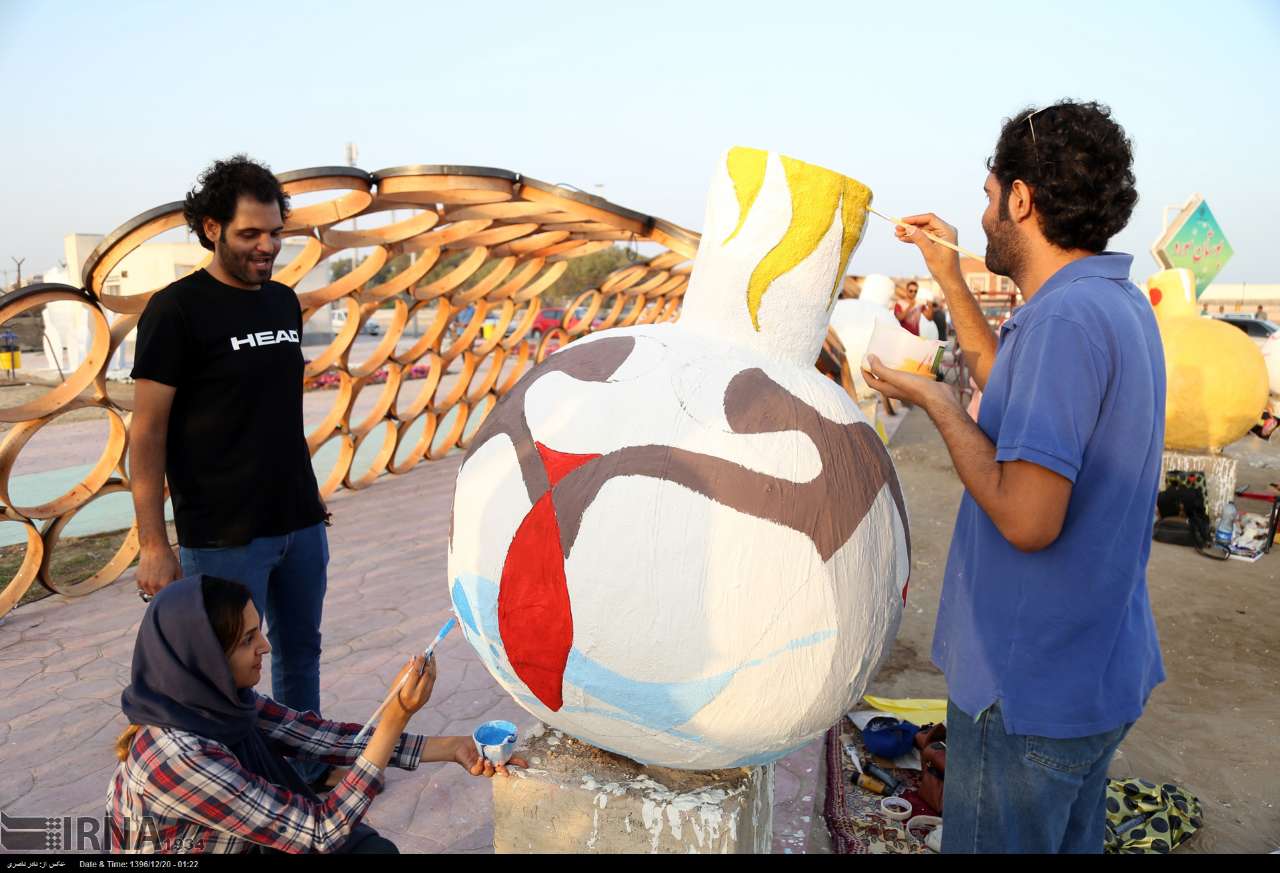
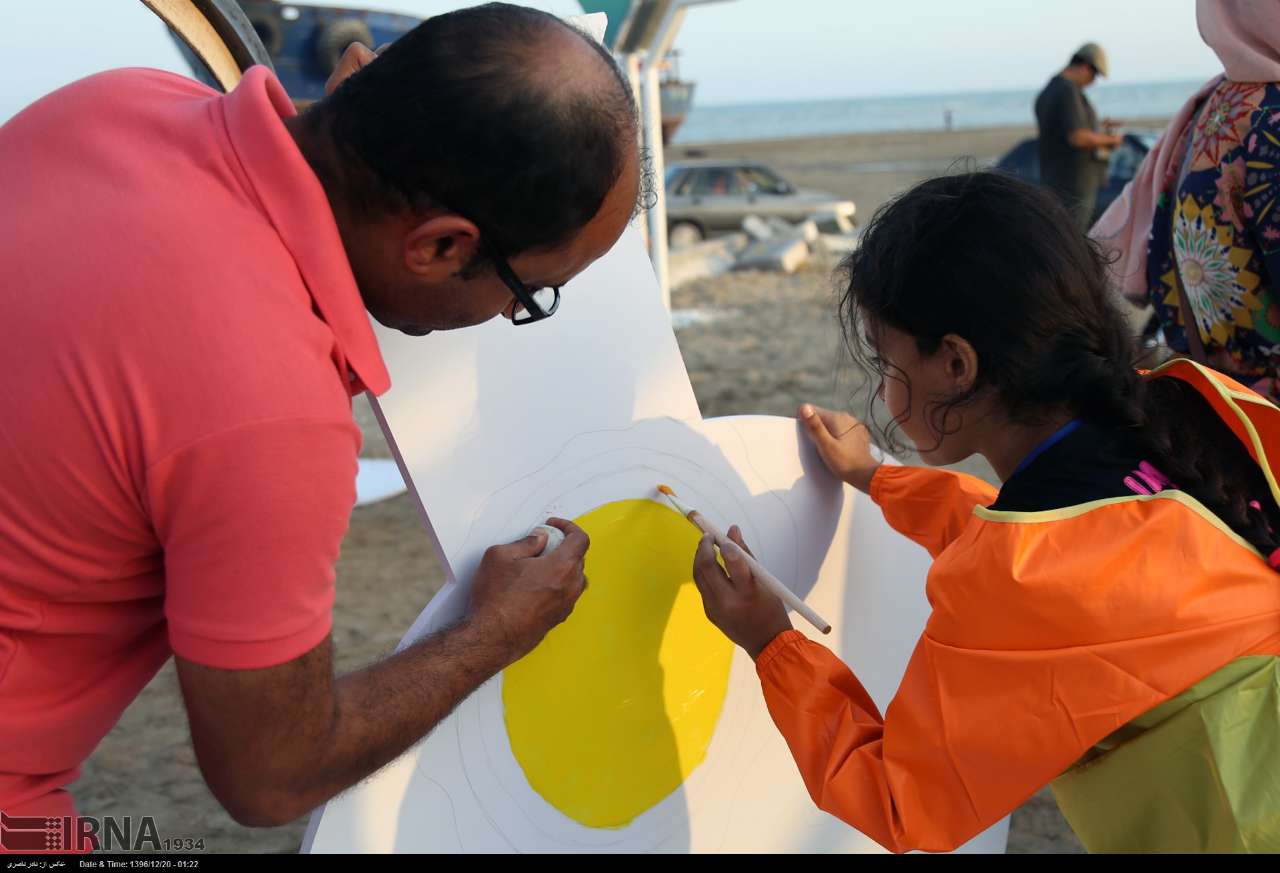
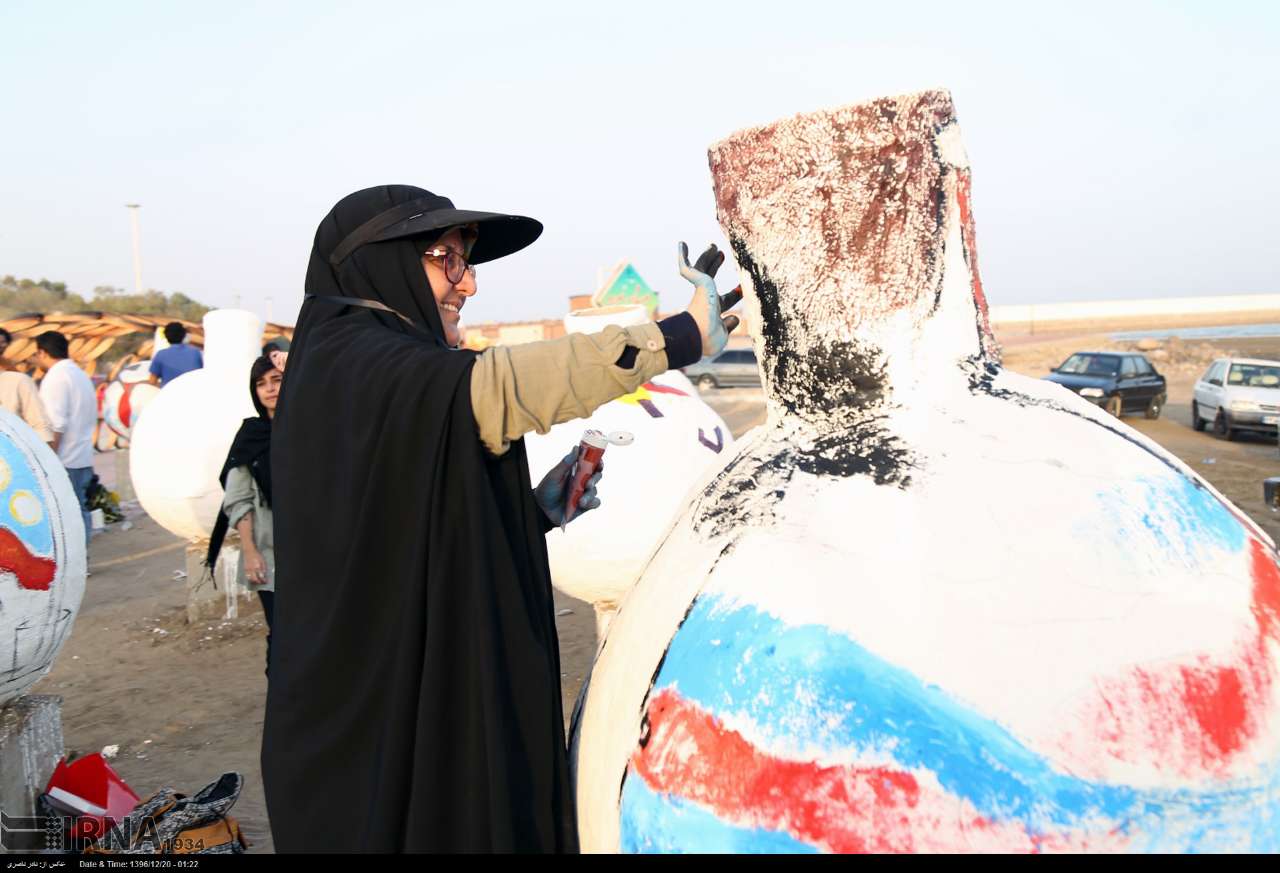
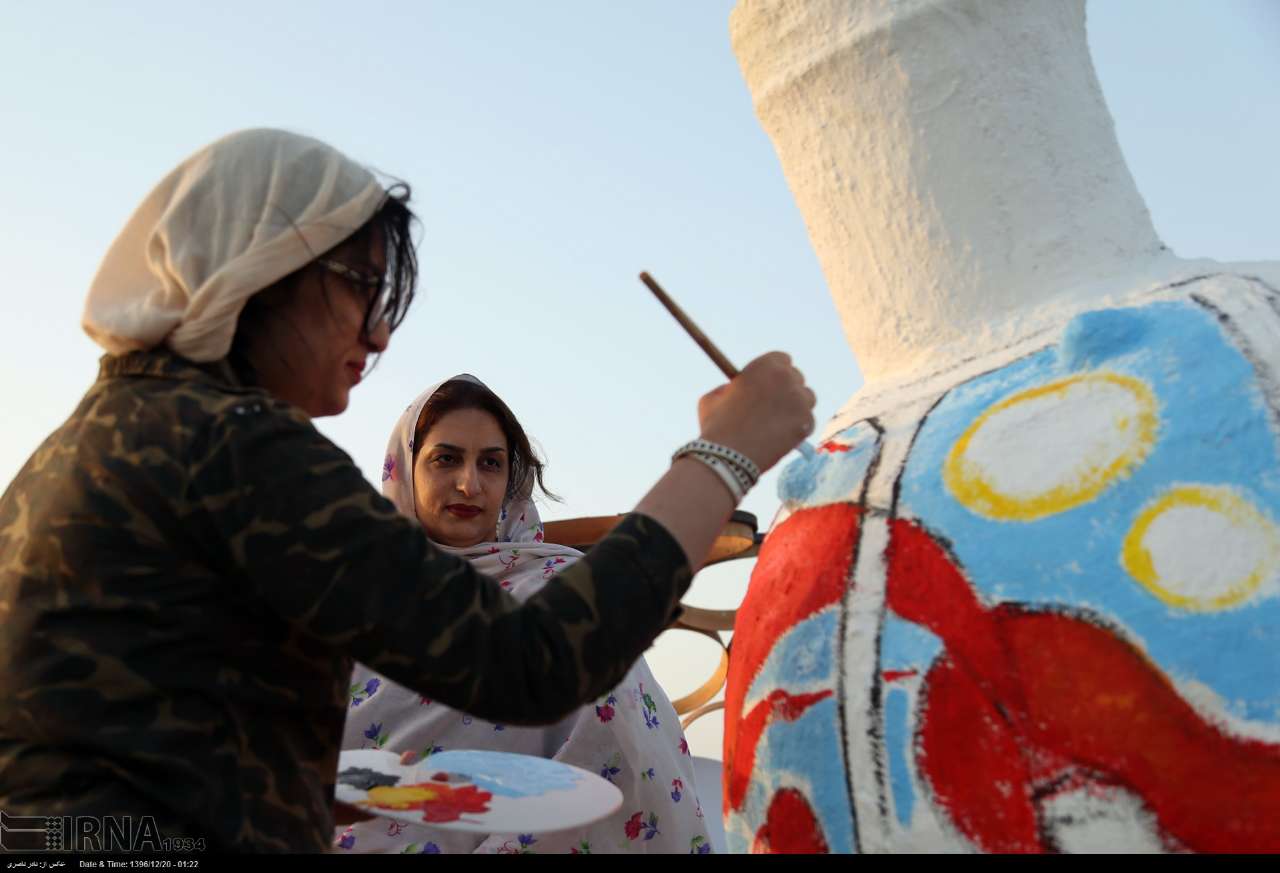
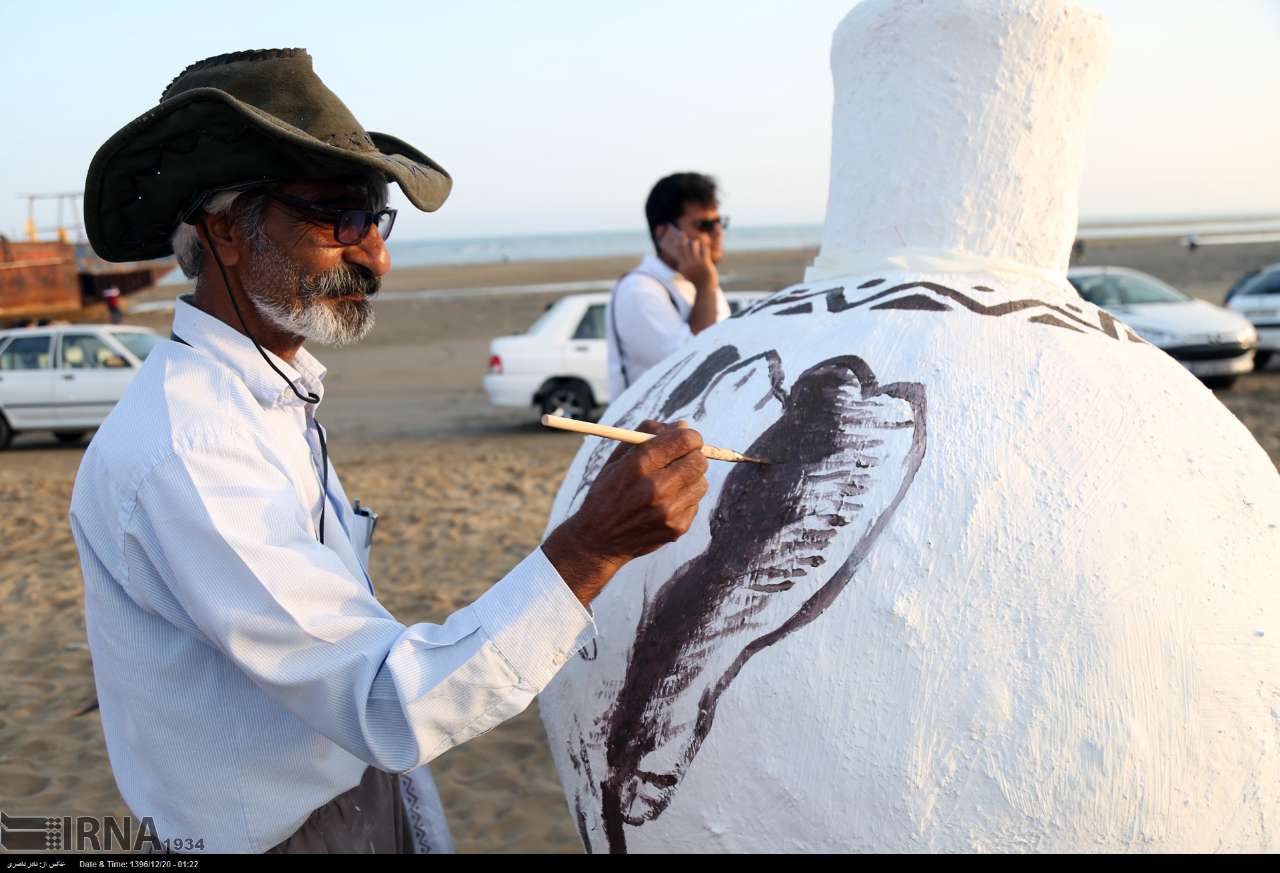
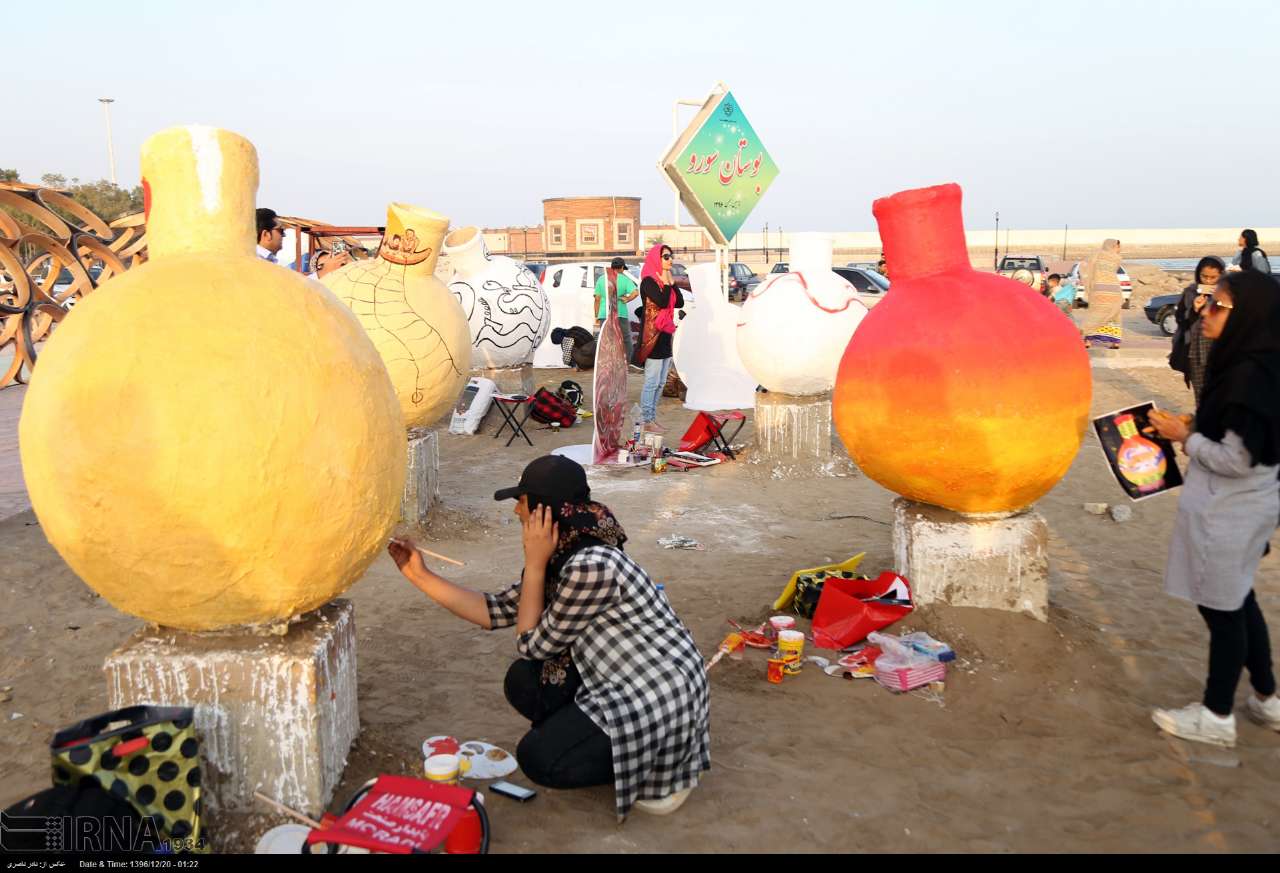
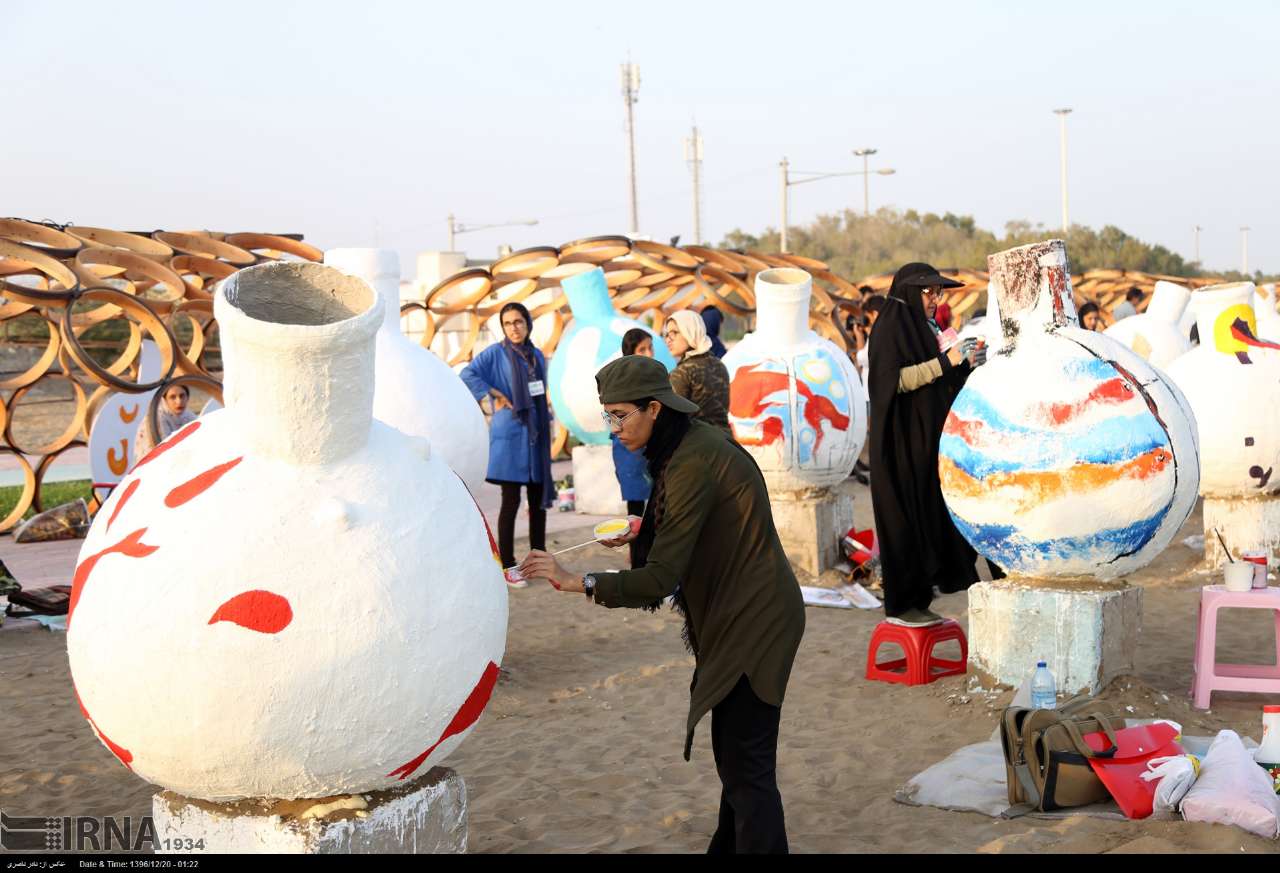
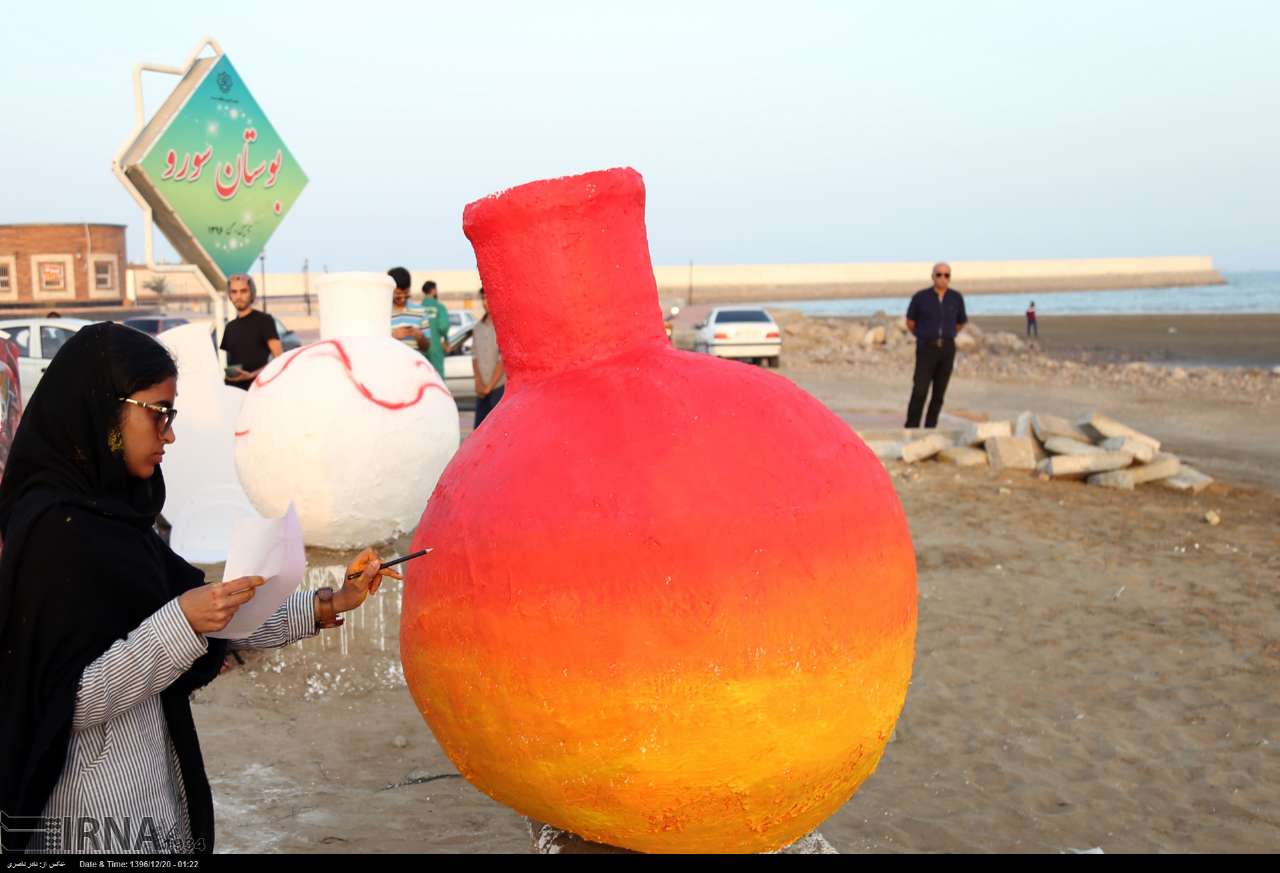
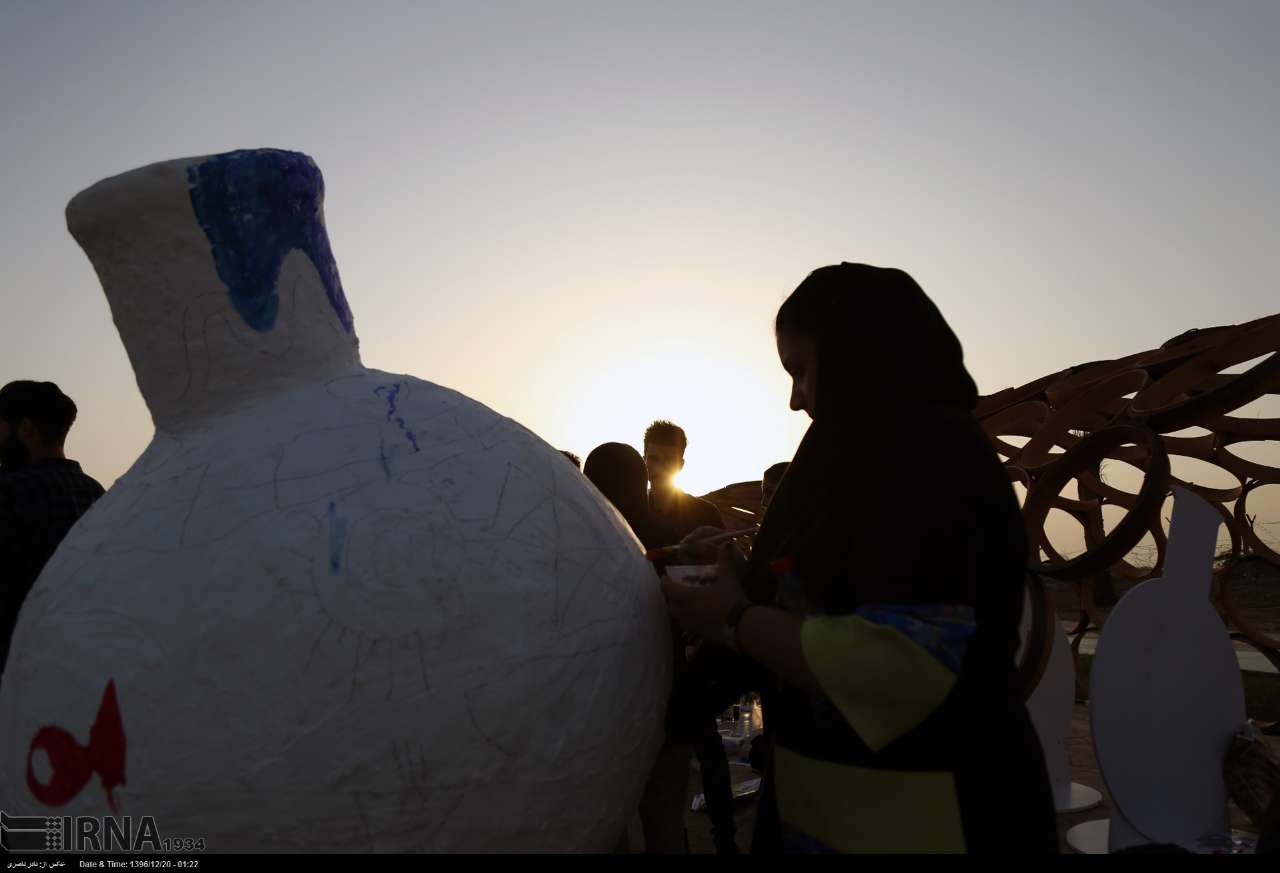
Iranian Artworks in Photos: Painting on Jahlah Jars

Jahlah jars are widespread in Hormozgan thanks to their ability to naturally cool the water when hung.

In a recent exhibition, several artists of Bandar Abbas put on display their works on these traditional jars.

What follows are IRNA’s photos of the exhibition:

“Iran-Turkey-Russia Cooperation Bearing Fruit in Syria”

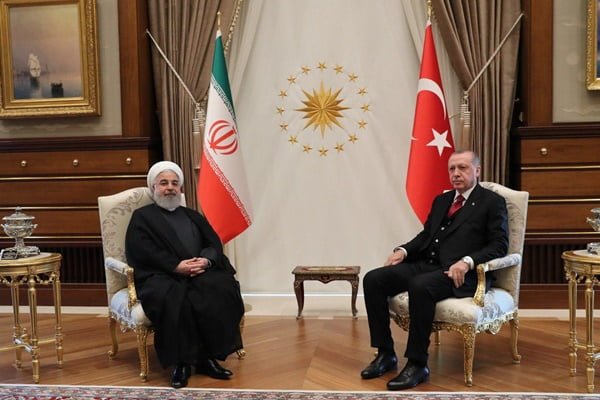
During his meeting with Turkish President Recep Tayyip Erdogan, Rouhani expressed his deep appreciation for Turkey’s hosting of Syria summit and said the joint efforts by Iran, Russia and Turkey have led to considerable achievements in fight against terrorism in Syria and the efforts should continue.

The Iranian president then called on the Islamic states especially Turkey to put more attempts into resolving the issue of Palestine and added the oppressed nation of Palestine who are entitled to return to their homelands are being massacred by Israeli regime.

He also underlined the urgency of expanding ties between Iran and Turkey.

“The strengthening of ties between Iran and Turkey has significant consequences in a number of issues like ensuring security, peace and stability in the regional states especially Yemen, preserving regional states’ territorial integrity, preventing the change of geographical borders in the region, putting an end to ultra-regional meddling in the internal affairs of the regional states and all-out fight against terrorism,” he was quoted as saying in a Farsi report by the Iranian President’s official website.

He called for expansion of ties with Turkey in areas including border cooperation, fight against organized crimes and drug trafficking, tourism, customs, banking, transit and energy.

The Iranian president said today there are appropriate opportunities and capacities for foreign investments in Iran saying Turkish businesspeople and investors can strengthen their presence in Iran’s economy.

For his part, the Turkish president said the High Council of Strategic Cooperation between Iran and Turkey will hold a meeting soon in Turkey.

He also described as constructive the two sides’ cooperation in resolving regional issues especially in war on terror.

"Iran-Turkey-Russia Cooperation Bearing Fruit in Syria"Iran, Russia to Continue Strategic Cooperation

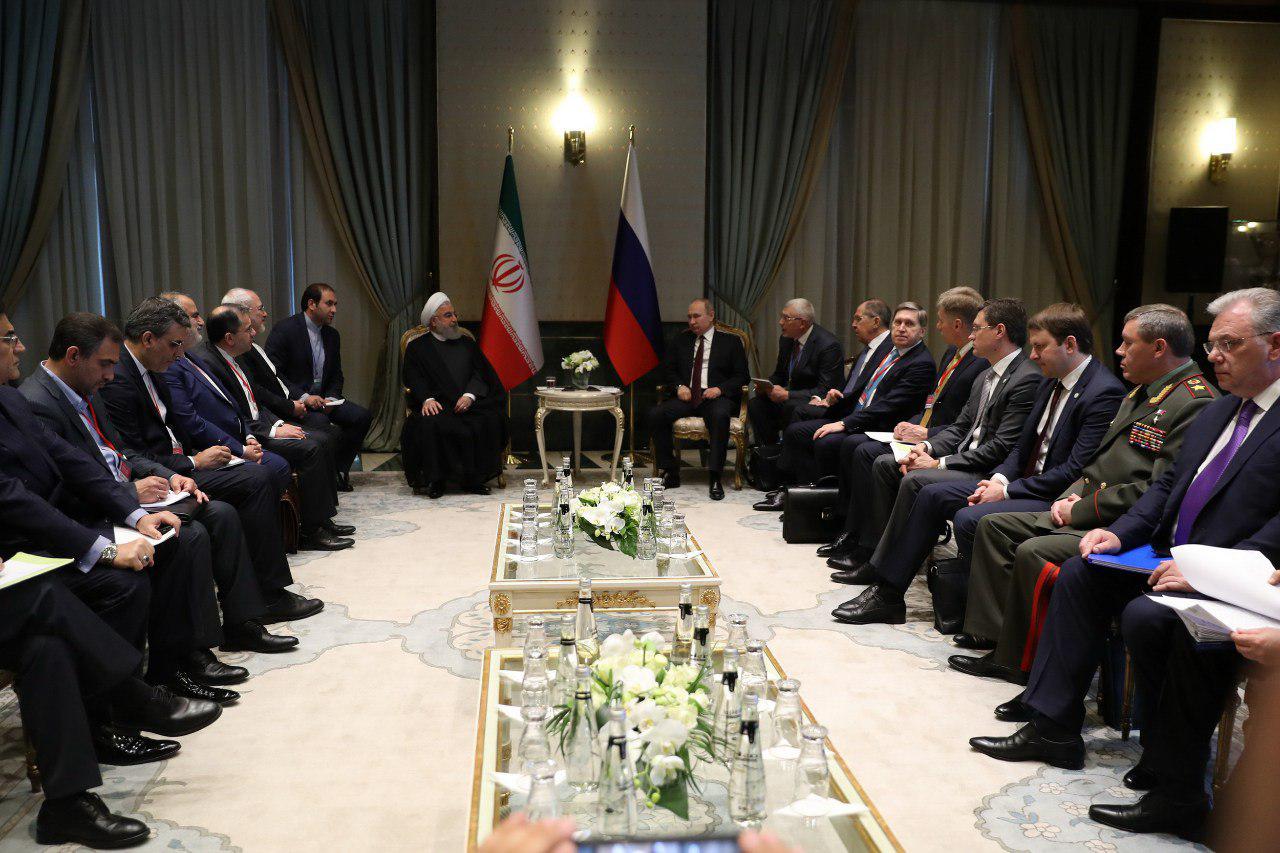
In a separate meeting with Russian President Vladimir Putin, the Iranian president referred to the growing relations between Iran and Russia and added the two sides strategic cooperation is aimed at promoting stability and security at the regional and international levels.

He called for full implementation of Iran-Russia agreements signed in economic, energy, transportation and transit fields and added further enhancement of banking relations between Iran and Russia could help their economies flourish.

“By economic relations and exchanges through their national currencies, the two sides can establish closer cooperation,” he added.

Rouhani underlined bilateral and multi-lateral relations between the two sides especially in summits on Syria should continue to speed up the process to restore peace and stability to Syria.

He referred to the 12 meetings held between him and Putin over the past four years and said Iran and Russia have similar stances on many regional and international issues.

The Iranian president also called on all involved sides in Iran’s nuclear deal to remain committed to their pledges.

“If we can’t reap the fruits of the JCPOA, we will make an appropriate decision about it.”

He also called for further attempts by Iran and Russia to put an immediate end to the massacre of Yemenis and the humanitarian crisis in the impoverished country brought about by Saudi Arabia’s war.

For his part, Putin called for further expansion of ties between Iran and Russia in various fields and said his country is interested in making further investments in Iran’s economy.

He said the two sides should put more efforts into expanding their banking relations and using their national currencies in bilateral trade exchanges.

The Russian president said Iran remains committed to the JCPOA and called on the international community to back the full implementation of the nuclear deal.

“Any blow to the nuclear deal will tarnish regional and international diplomacy.”

He praised Iran as a big regional player with a smart nation and concluded Iran should achieve its appropriate status at regional level with all other states respecting it.

No Country Allowed to Decide about Syria’s Future: Rouhani

He underlined that the national sovereignty, territorial integrity, unity and independence of Syria should be taken seriously by all states as the main demands of the Syrian people.

“The grand day of celebration in the region comes only after the war in Syria is over, terrorists are flushed out of the region, Syria’s gate is open to the Syrian displaced and Syrian people can decide about their future in a free election,” he was quoted as saying in a Farsi report by the president’s official website.

In a joint press conference with his Turkish and Russian counterparts following the Ankara Summit on Syria, Rouhani also said the region has been suffering from a major plight called terrorism.

“The terrorists trained and sponsored by certain states have not only damaged the ancient heritage of Syrian museums but also looted the country’s oil,” he noted.

The Iranian president said some big powers including the US have been seeking for years to use terrorist groups like ISIS as proxies to press ahead with their interests in the region.

“The great nations of Syria and Iraq backed by their friendly allies have managed to thwart the big powers’ plots. Though the remnants of ISIS are still scattered across the region, there is no comprehensive entity named ISIS anymore.”

He then added today the hope of regional nations to gain victory over the terrorists is more than ever.

“About 15 months ago, a summit was held in Kazakhstan capital Astana which paved the way for a truce and reducing tensions in four regions of Syria.”

President Rouhani said Iran, Turkey and Russia played a key role in the achievements and added following a number of other ministerial and expert meetings, the countries held their first summit in Russia’s Sochi back in November which led to considerable results including the establishment of a national congress among the opposition and Syrian government.

“This was the first step in the right direction which should be followed by further long strides. Since then, lots of developments have been unfolded in Syria including positive and negative but today, our hope for peace in Syria is more than ever and the Syrian displaced are hopeful to return to their homes in the near future.”

He expressed satisfaction with the results of Ankara Summit, saying during the summit, “constructive” discussions were made about Syria and its future.

“The climax of the summit came when the three countries agreed to expand their cooperation in providing the oppressed nation of Syria with further humanitarian aid.”

He reiterated that the Islamic Republic of Iran maintains that there is no military solution to Syria crisis and added political solution is only way out of the current situation.

“We should work together to put an end to the war in Syria and eradicate completely the remnants of the terrorists.”

The Iranian president described the humanitarian situation in Syria as “catastrophic” and said fight against terrorism should continue relentlessly till all terrorists are dislodged.

He underlined that no country is allowed to decide about the future of Syria and said as guarantors of the Syria ceasefire, Iran, Russia and Turkey will continue their efforts to restore peace to the war-torn country.

In response to a question about the US, Israel and their western allies’ efforts to hamper initiatives to establish peace and security in Syria, President Rouhani added as things stand, the enemies have failed in their projects in Syria including toppling Syrian government and making the terrorists dominant in Syria to press ahead with their regional interests.

“Since the beginning of war in Syria, the Islamic Republic of Iran has called for fight against terrorism. We maintain that the geographical map of the region must not change at all and each nation should decide about its future itself.”

President Rouhani expressed hope that the enemies keep failing in their projects and stability be restored to Syria through joint efforts by the Ankara Summit attendant countries.

In response to another question on the US president’s claim to pull out American troops from Syria soon, he said the US officials change their words day by day.

“No one can trust the US officials due to their changing positions and the long distance between their words and actions. They first said we will pull out US forces from Syria but after a while it became clear that they are after money. So, they told the Arab states insisting on the US stay in Syria to give money.  This means that they will remain in Syria after receiving more money for those Arab states.”

He also called for further support for Syrian refugees saying it is upon all Muslims as a religious duty to help the Syrian refugees.

President Rouhani thanked Turkey for its support for Syrian refugees and said Iran has always received refugees from its neighbouring countries over the past 40 years. He urged the European countries to fulfill their promises to support the Syrian refugees.

Iran, Turkey, Russia Reach Consensus on Syria

For his part, Turkish President Recep Tayyip Erdogan said during Ankara Summit, the three countries reached consensus on Syria and added Syria’s territorial integrity should be preserved under any conditions and fight against terrorism should turn into the first priority of all states.

He blamed the terrorist groups in Syria over making divisions in the country and added Turkey is committed to cooperate with other regional states to resolve Syria crisis.

The Turkish president noted that unrest in Syria means unrest in Turkey and added as neighbours of Syria, the three countries of Iran, Turkey and Russia will not allow chaos not only in Syria but the whole region.


Iran, Turkey, Russia Call for Preserving Territorial Integrity of Syria

Meanwhile, Russian President Vladimir Putin underlined that the three countries reached good points to resolve Syria crisis and added during the summit they insisted on the urgency of preserving the territorial integrity of Syria.

Putin also noted that this is the Syrians who should decide about the fate of their country.

“The national dialogue of Syria should be held in line with the UN Security Council resolutions on Syria.”

He also warned about politicization of humanitarian aid to Syrians and added his country is completely ready to play a leading role in the reconstruction of Syria.

JCPOA Violators Should Be Held Responsible for Consequences: Iran DM

No Obstacle to Development of Strategic Arms in Iran: DM

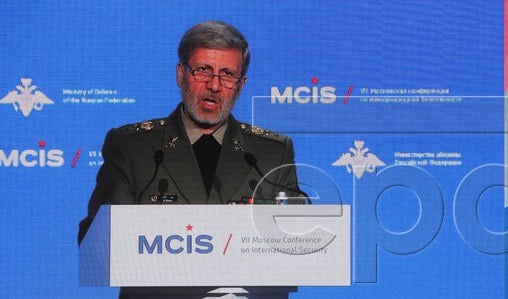
In an address to Moscow Security Conference, the Iranian official said Tehran deems the JCPOA as a successful example of international cooperation which has been achieved through sustained efforts by all involved sides within mutual respect for national and international rights to reach an agreement on the principles of regional and international security.

JCPOA Violators Should Be Held Responsible for Consequences: Iran DM“In the eyes of Iran, the US violations of its commitments under the deal as well as its western allies’ support for the violations and their excuses to hamper the implementation of the nuclear deal amount to a heavy blow to the ongoing trustful relations at international levels,” he was quoted as saying in a Farsi report by IRNA.


The Iranian general went on to say Iran views strengthening of its defence capability and deterrent particularly in missile technology as its natural right to establish a legitimate regional defence mechanism.

“We will resolutely follow up our defence development because it is a must in coping with various and emerging threats in the region,” he noted.

Part of World-System’s Power Transferring to East
Elsewhere in his address, the defence minister said with a comprehensive understanding of the ongoing sensitive international situation, Moscow Security Conference has rightly put its focus on the most critical security crisis of the region.
“That’s why the conference is expected to have positive results and achievements for the international security.”

According to General Hatami, the current trend of globalization reveals that the economic-security and political structure of the international system is undergoing new changes.

He said the changes are brought about by the communication era as well as the emergence of the new geopolitical values which have created new conditions and paved the way for the emergence of new global players.

“This means that for the first time over the past four centuries, the international developments are not necessarily initiated by the West. Meanwhile the leadership of the new developments is not exercised by one side, like what we witnessed during the Cold War. Today, a new group of global players are going to undertake the initiatives at regional and international levels and play their leading role,” he said.

US Not Interested in Asian System Development, Security
He said the western Asia region is mistakenly called the “Middle East” by the west based on its hegemony over the world and added the new changes have worried some global players like the US.

“They have come to this conclusion that a unified and comprehensive Islamic World will create a secure and strong system in terms of geopolitics within the current world system. That’s why they are seeking to hamper the realization of the new system and prevent from the establishment of an Asian-system,” he said.

General Hatami underlined that the dominant global players are afraid of any unified, secure and strong system in the region because it would stand in stark violation of their interests and threaten their power by establishing new law and norms.

“To preserve their interests, they are seeking to make divisions among the regional states.”

Self-Interest-Seeking Paves Way for Terrorism
The Iranian official also referred to the regional policies of big powers and said monopolization, hegemony and self-interest-seeking prepare the ground for emergence and growth and terrorism.
“Today, we are witnessing that the worst inhumane campaigns developed in Washington are leading to the massacre of innocent people. Based on the experiences gained over the past 20 years, the campaigns are predicted to unfold a long series of crises for human beings over the next twenty years,” he noted.

The Iranian defence minister underlined that the leading role played by the extreme groups like ISIS and Al-Qaeda over the last two decades and their strategies to create complicated civil wars across the world especially in Iraq and Syria reveal how dangerous and destructive the US-developed campaigns are.

He said the US is fuelling the regional tensions by using ISIS as proxy group, offering relentless support for the occupation of the Palestinian lands, recognizing Jerusalem Al-Quds as the capital of Israel and adopting racist policies toward regional young Muslim groups.

ISIS Ideology Still Alive
Elsewhere in his address to Moscow Security Conference, General Hatami said though ISIS has suffered heavy blows in Western Asia, the ideology of the terrorist group is still alive.

He went on to say that the complete defeat of ISIS requires full understanding of its ideology and rejecting it in all forms.

“The threats of terrorism will not be eliminated as long as the main sponsors of ISIS in the region and abroad provide the terrorist group with expensive complicated weapons and the US evades its regional responsibilities and refuses to abandon its self-seeking policies in the region,” he added.

Region Far From Stability
The Iranian defence minister said since the radical administration of Donald Trump took office in the US in 2017, there has been no bright prospect of stability in the region.

He said not only Iraq and Syria but the whole region is predicted to face a complicated and harsh condition in the coming years.

“Amid the current situation, our region seems to be far from stability because ISIS has not yet been defeated completely and the regional and international tensions are getting deeper,” General Hatami said.

Iran Calls for Partnership Instead of Balance-Making
The defence minister of the Islamic Republic of Iran also praised the constructive role of Russia in the region and said interfering in regional states’ internal affairs and making divisions stand in stark contrast with the will and interests of the nations and governments of the region.

He called for developing new strategies to ensure regional security and said such strategies contribute to the national sovereignty and territorial integrity of all regional states.

General Hatami said the Islamic Republic of Iran offers partnership instead of balance-making to achieve the mentioned goal.

The seventh Moscow International Security Conference was kicked off on April 4. Attended by 700 delegations from 95 countries including the Islamic Republic of Iran, the conference is to last till April 5.

Controversy Raging in Iran over “Threat” of Telegram Messaging App

“The decision has been made and I believe by the end of this [Iranian] month [April 20], Telegram will be replaced by a domestic messenger.”

Last Saturday, the above remarks went viral on the popular messaging service Telegram, raising eyebrows among 40 million Iranian users who were enjoying two-week holidays of Nowruz, the Persian New Year.

They were made in a radio interview by the conservative lawmaker Alaeddin Boroujerdi, who said the decision to ban Telegram indefinitely was made “at the highest levels.”

Boroujerdi cited “national security” concerns as the reason why the messaging service will no longer be accessible, saying it was a response to what he called Telegram’s “destructive” role in the violent protests in late December.

The lawmaker was referring to price protest that began in the eastern city of Mashhad and spread to several cities across the country.

The demonstrations were later turned political and even violent in some cities, leaving several dead and injured.

At the time, Telegram was blocked by the Supreme Council of Cyberspace, which is tasked with regulating Iran’s cyberspace, after it requested the messaging service to block channels inciting armed violence in Iran to no avail.

Telegram initially agreed to shut down one channel accused of encouraging armed clashes. However, the service later refused to take down the same channel’s new address and other channels publishing criminal content.

The restrictions on Telegram were lifted two weeks later, after President Rouhani reportedly fought for the government to reinstate access to the service.

Need for Online Privacy
Controversies over Telegram were not new to Iranians, but the remarks triggered an overdrive in the rumor mill, which in recent months was whispering the end of Telegram in Iran.

Moreover, the comments become a hot subject in political circles, with some prominent figures, notably parliament members, starting to push back against what they perceived to be part of preparations for the permanent filtering of Telegram.

Some people angered by the remarks took to social media to voice protest against the decisions that would affect tens of millions of Iranians.

A number of them expressed concern about the surveillance of homegrown applications by the government, while some others were worried the domestic services could be easily hacked.

One user wrote on Twitter,” What the hell do they think? A domestic messenger cannot be trusted at all.”

Another Iranian objected, “Instead of holding sessions to solve people’s problems such as water shortage, corruption, they hold sessions on filtering.”

“And they are active on the services they themselves ban,” he continued, referring to some government officials who hold accounts on Twitter.

“Before the filtering of Telegram, I was using just Telegram. After that, I use Telegram, anti-filter application and Twitter!” one user wrote humorously.

National Security at Risk
After the social media firestorm, Boroujerdi, the chairman of the parliament’s National Security and Foreign Policy Commission, gave a follow-up interview on Sunday describing the “threats” posed by Telegram.

In an interview with the Persian-language ICANA, the senior legislator said that Telegram founder Pavel Durov is a “Jewish-born Russian” who has close ties with Iran’s arch-foe Israel, and that means the information exchanged among Iranian Telegram users could be accessed by the Tel Aviv regime.

Boroujerdi claimed Israeli Prime Minister Benjamin Netanyahu has thanked Durov in a meeting for working with Israeli security and military organizations.

The lawmaker said Britain and Germany, two western states who are not in good terms with Iran, could also use the information stored on Telegram servers.

He said Telegram’s security threats are not exclusive to Iran and they have prompted countries such as China and Pakistan to block the service.

Boroujerdi expressed the hope the Iranian messaging service Soroush could be a viable alternative to Telegram, saying Iranian developers need to work harder so they can compete with foreign rivals.

Soroush is estimated to be used by about three million Iranians, a figure which lacks luster when compared to Telegram’s 40 million.

Threats to Iranian Economy
Boroujerdi was not the only Iranian official complaining about Telegram’s “threats” to the country.

Abolhassan Firouzabadi, the secretary of the Supreme Council of Cyberspace, also said he is wary of Telegram threats to economy.

Pointing to Telegram’s plans to launch what it calls the Telegram Open Network and create its own crypto-currency, Firouzabadi said the messaging service could become a huge actor in Iran’s economy while it is not bound by the country’s law and acts outside the purview of Iranian regulatory bodies.

In February, Telegram launched an Initial Coin Offering, an unregulated means by which funds are raised for a new cryptocurrency venture.

The ICO has so far raised of $1.7 billion, the technology news website The Verge reported on Tuesday.

In an interview with the Persian-language Fars News Agency on Tuesday, Firouzabadi said Telegram could have formed partnership with Iranian private sector firms to launch the project, but it instead has chosen to work with American investors.

The official said the project allows Telegram to pull out of the country the assets of millions of Iranians and eliminate thousands of jobs in Iran.

However, Firouzabadi said the council has not yet made decisions about the application.

President Comes in
The heated debate about the fate of Telegram prompted Rouhani, whose government is under great pressure to block the messaging app, to make an intervention on Tuesday.

The president, who heads the Supreme Council of Cyberspace, said it would be an honour for all Iranians to use “capable, secure and cheap” domestic messengers that satisfy their needs.

However, Rouhani said he does not favour restricting public access to foreign services and that the efforts should be aimed at breaking up the foreign monopoly over Iran’s instant messaging market.

“A good cyberspace is built by creating attractive, useful content and not by merely limiting access to [online services],” he said in an address to a gathering of government officials on the occasion Nowruz, according to a transcript of his words posted on President.ir.

Remarks by the centrist president showed Iranian officials hold conflicting views about the filtering of Telegram. But it seems safe to conclude that a consensus has emerged among government officials on diminishing the influence of foreigners on the country’s cyberspace