Sunday, May 3, 2026
Home Blog Page 2687

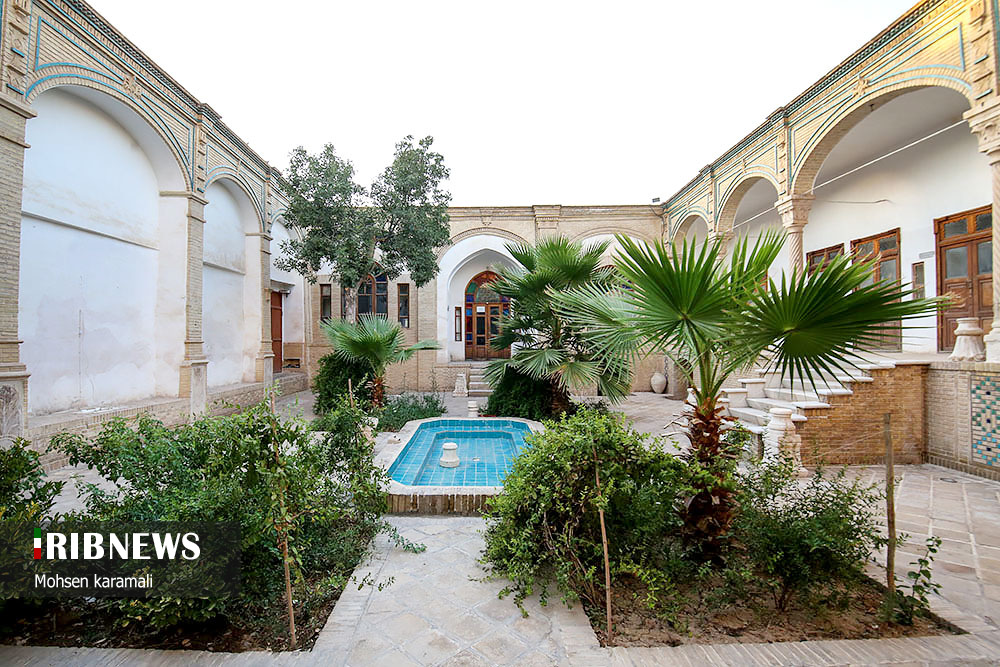
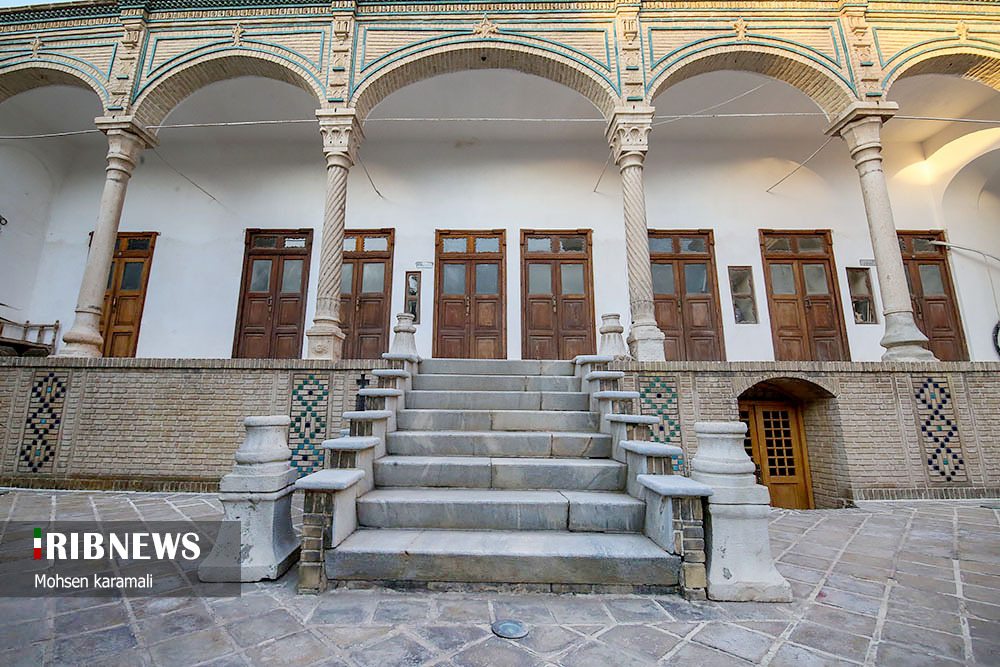
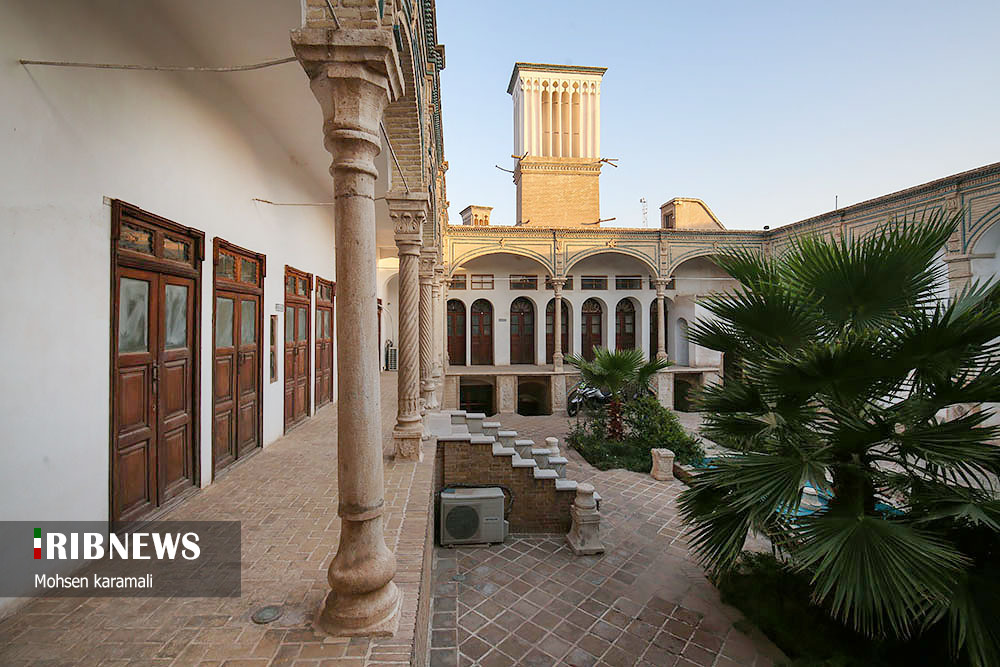
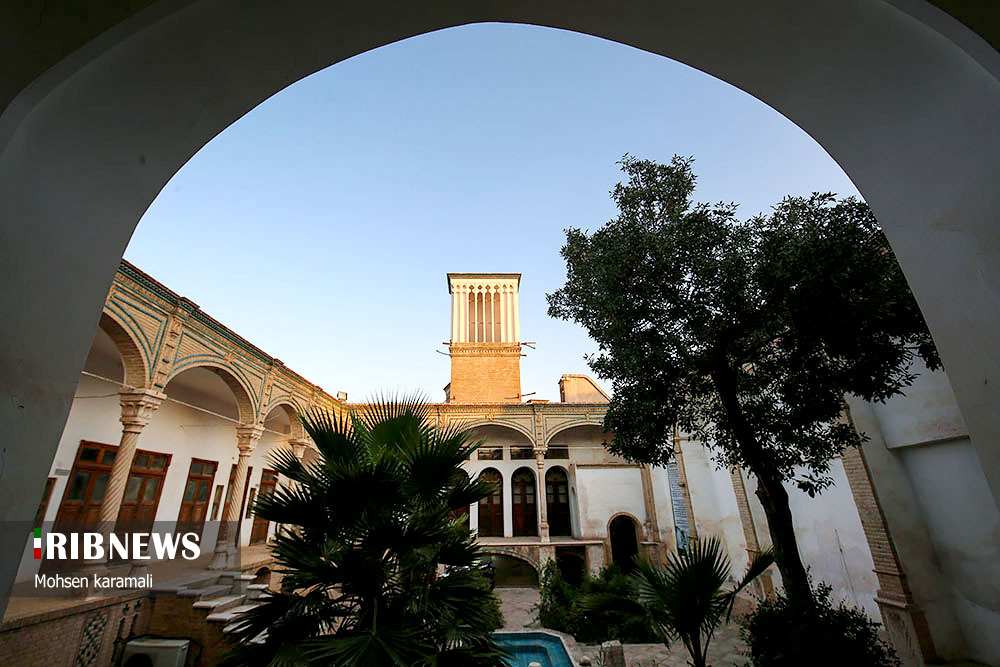
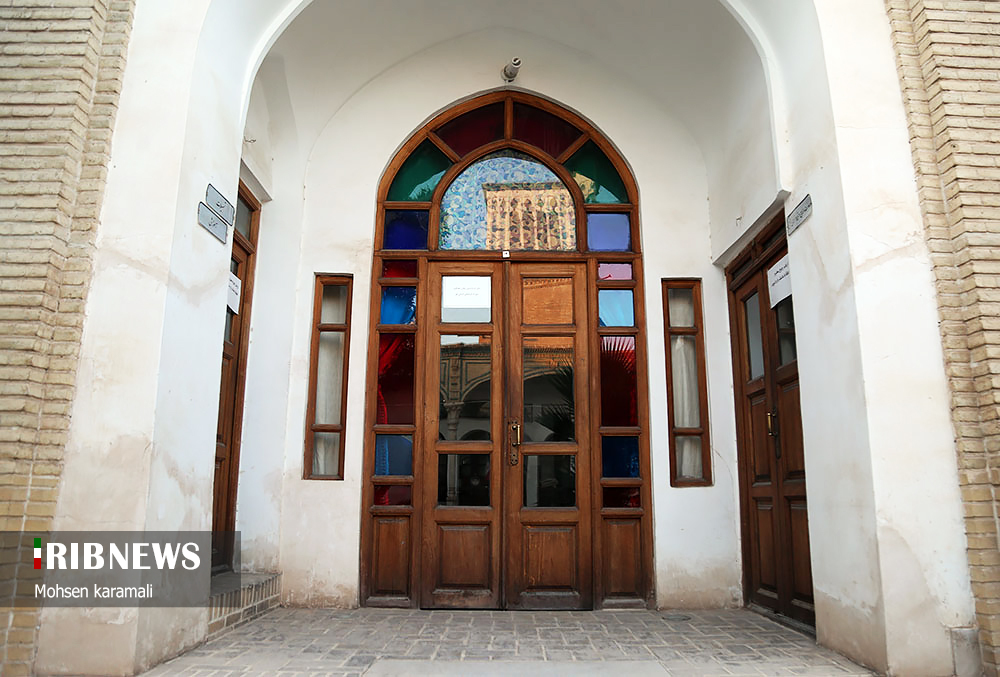
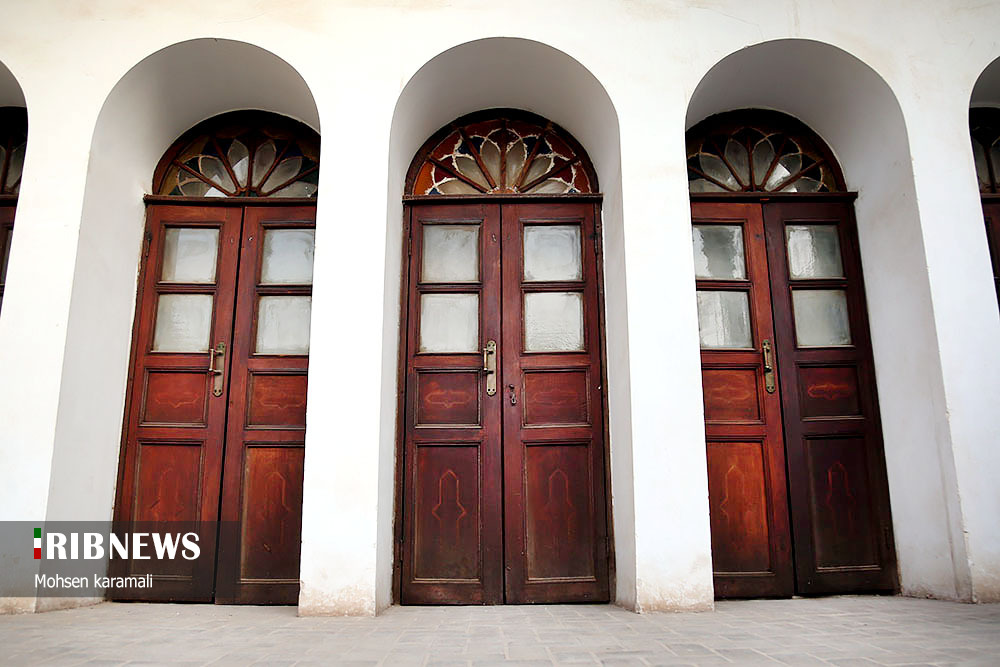
Century-Old House in Qom Boasts Unique Architecture

Century-Old House in Qom Boasts Unique Architecture 21

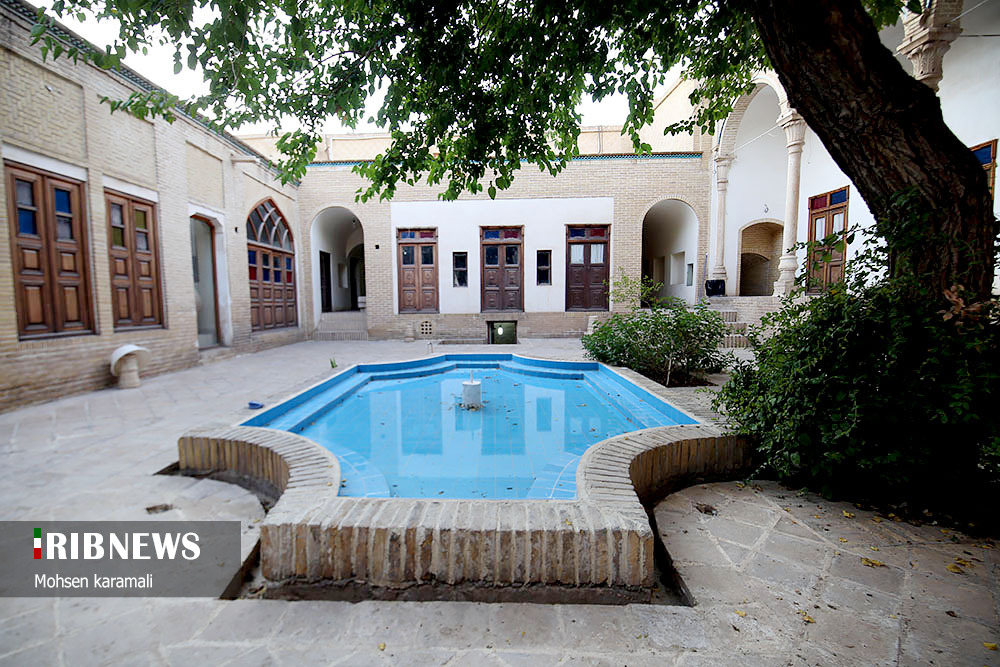
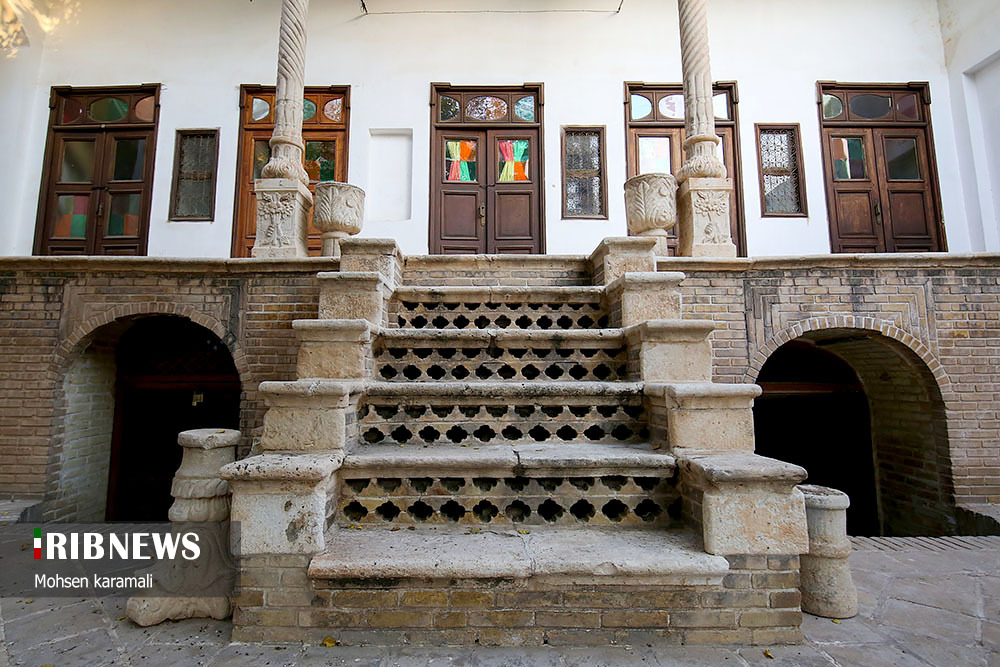
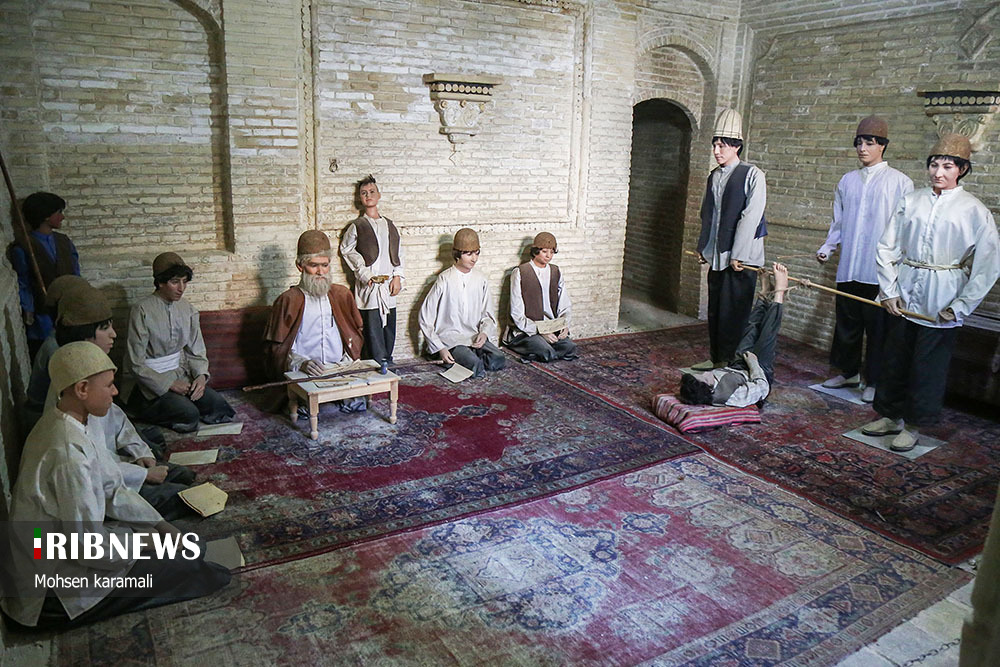
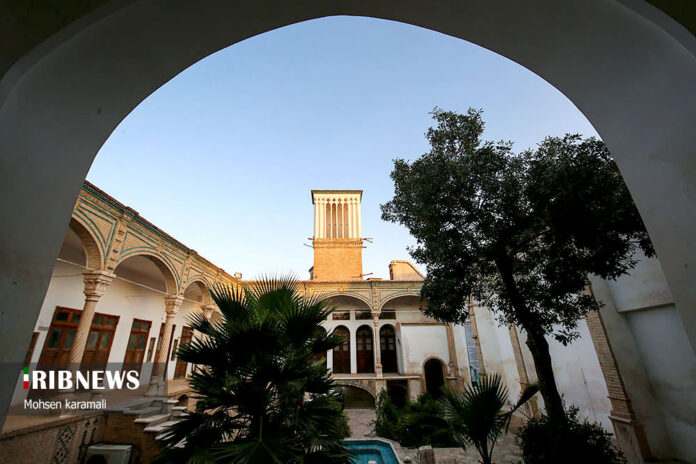
Based on historical documents, the building dates back to the late Qajar era. Of course, parts of the house are older and date back more than 120 years.

The house is located in one of Qom’s old neighbourhoods called Chaharmardan.
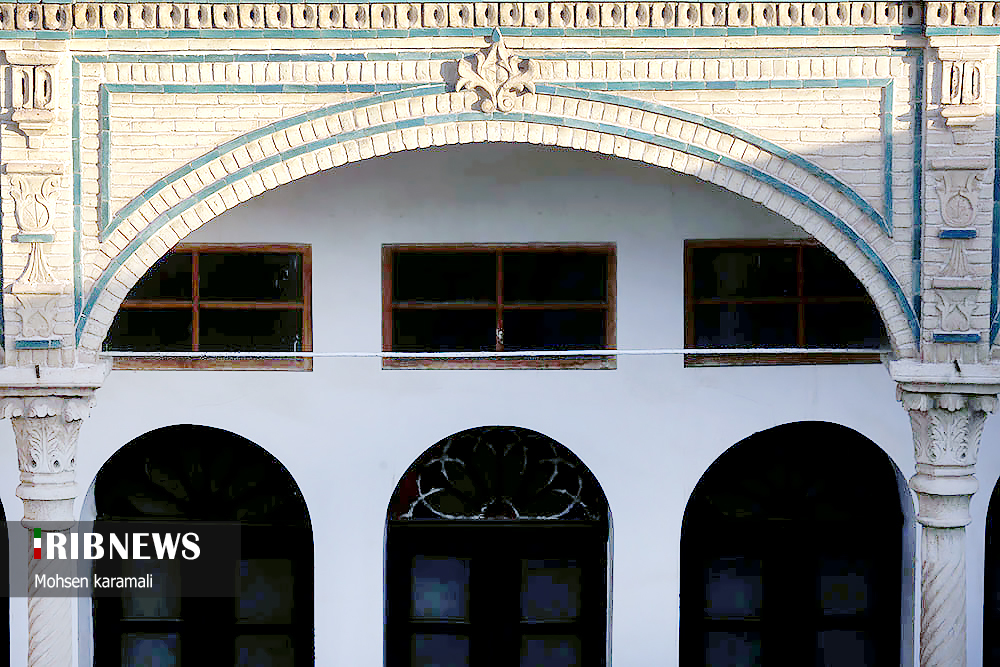
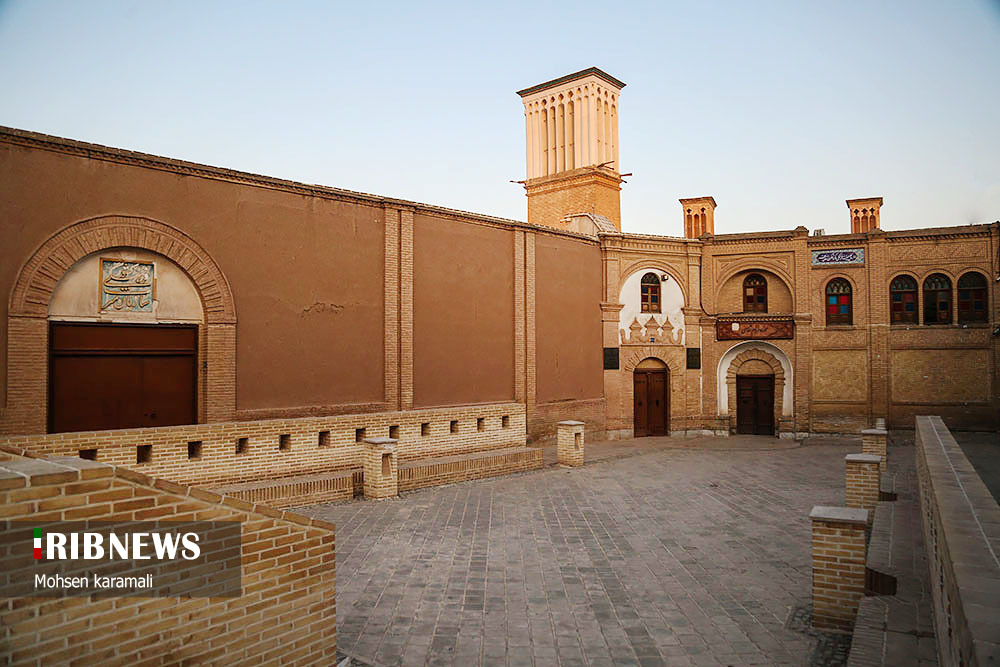
The entrance to the house has a low lintel, which is an arch-shaped ceiling made of bricks.
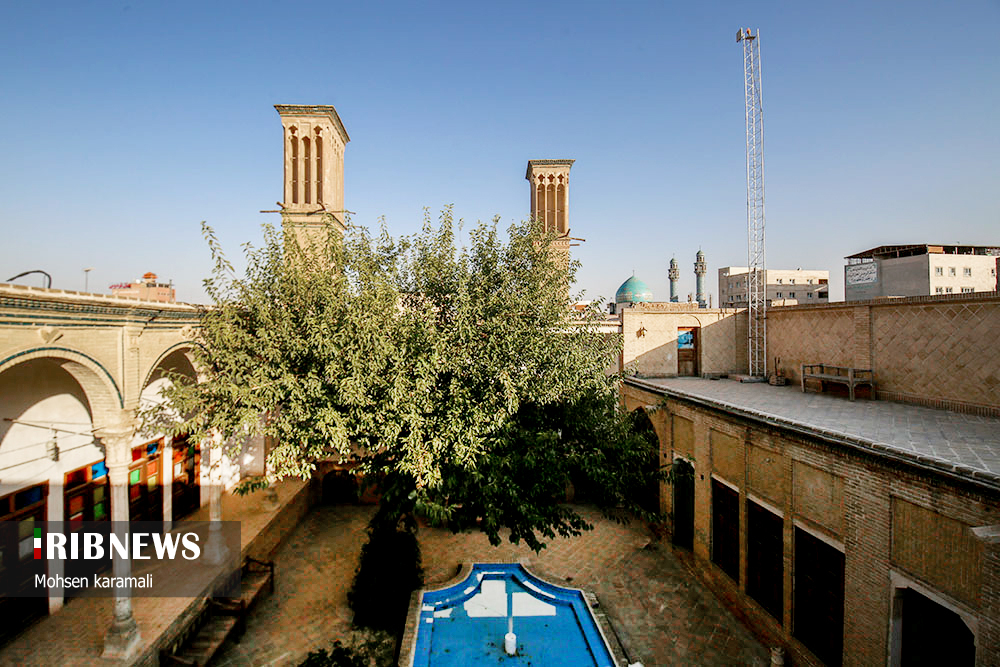
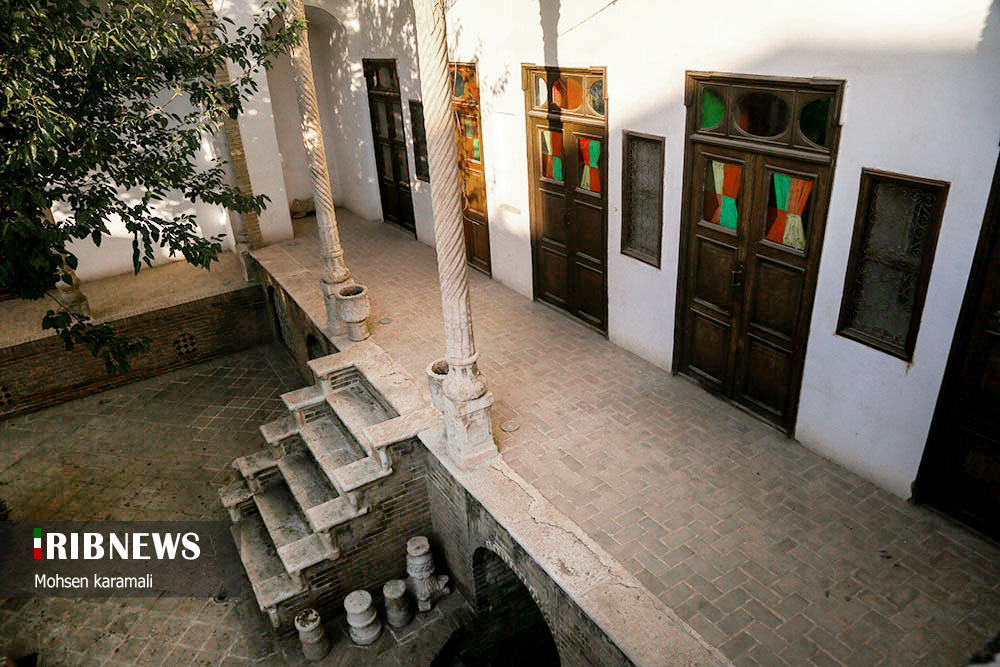
The total area of the house measures around 400 sqm. The house has thirteen rooms four of which are larger than others.

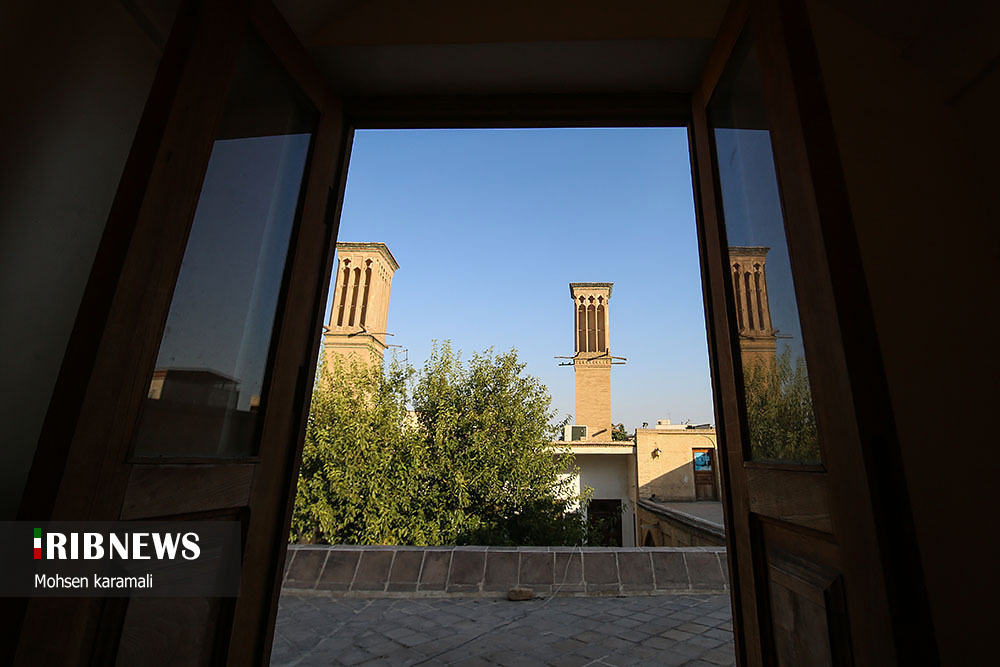
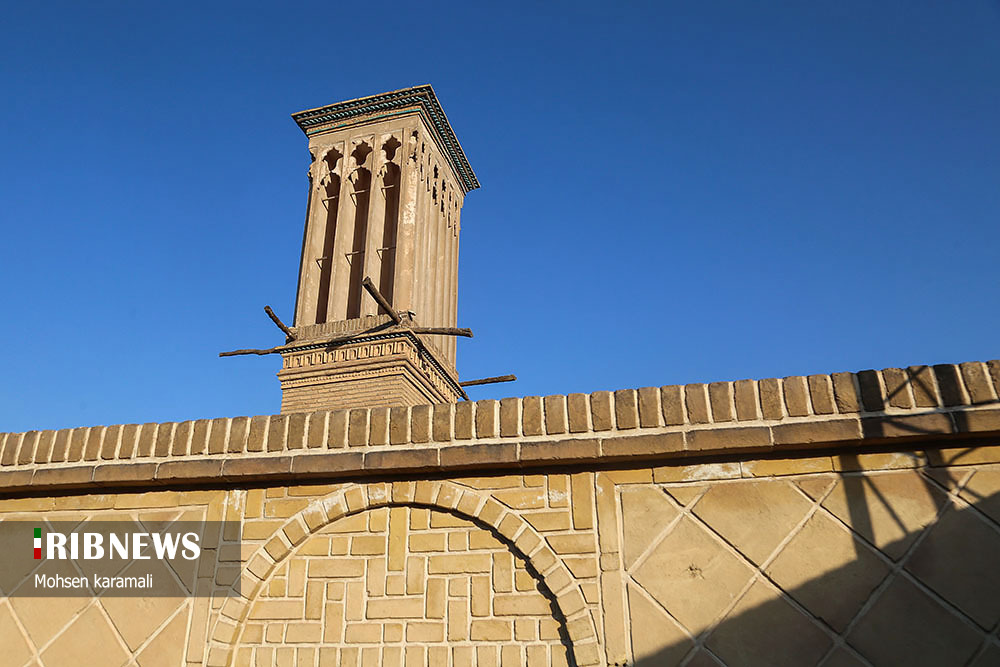
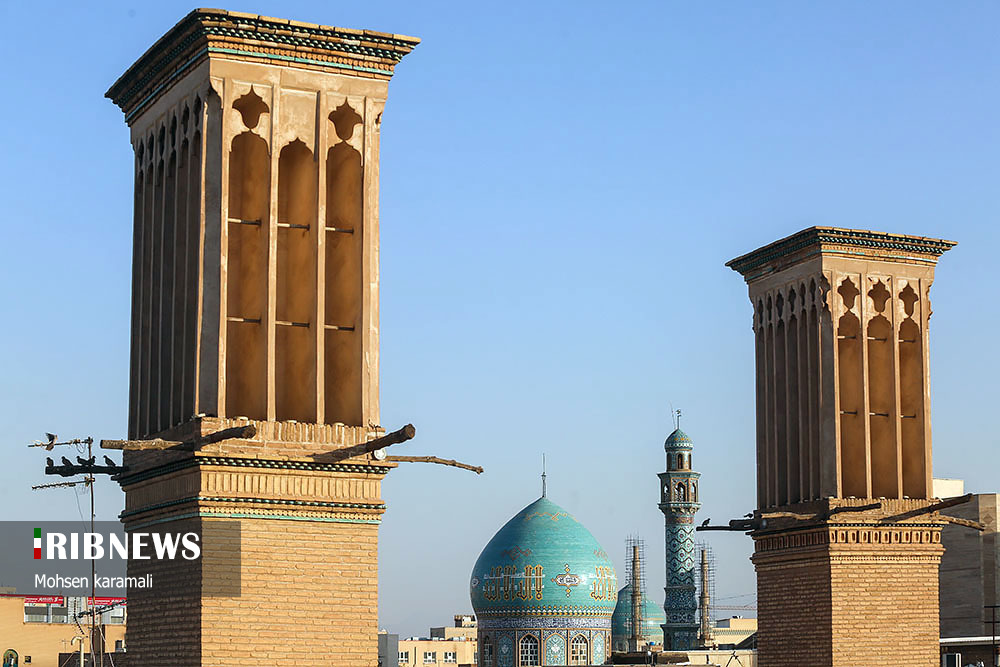
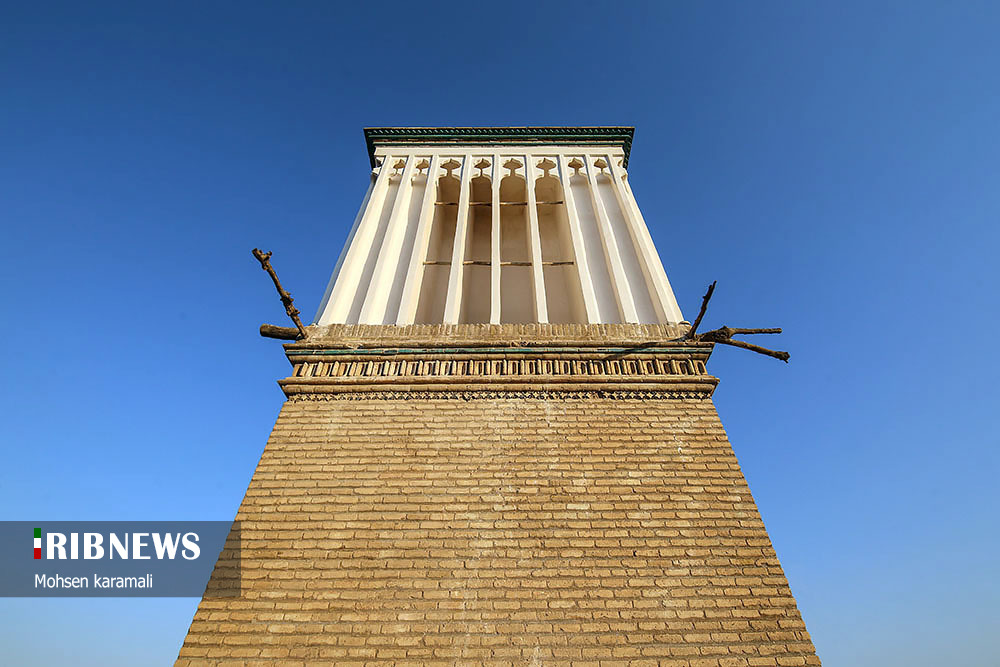
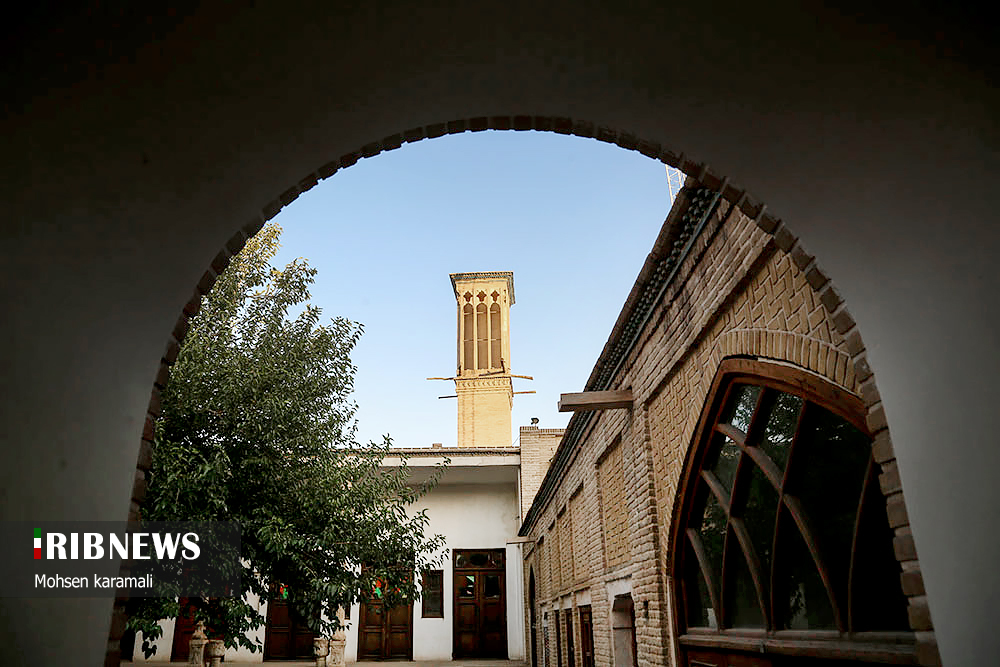
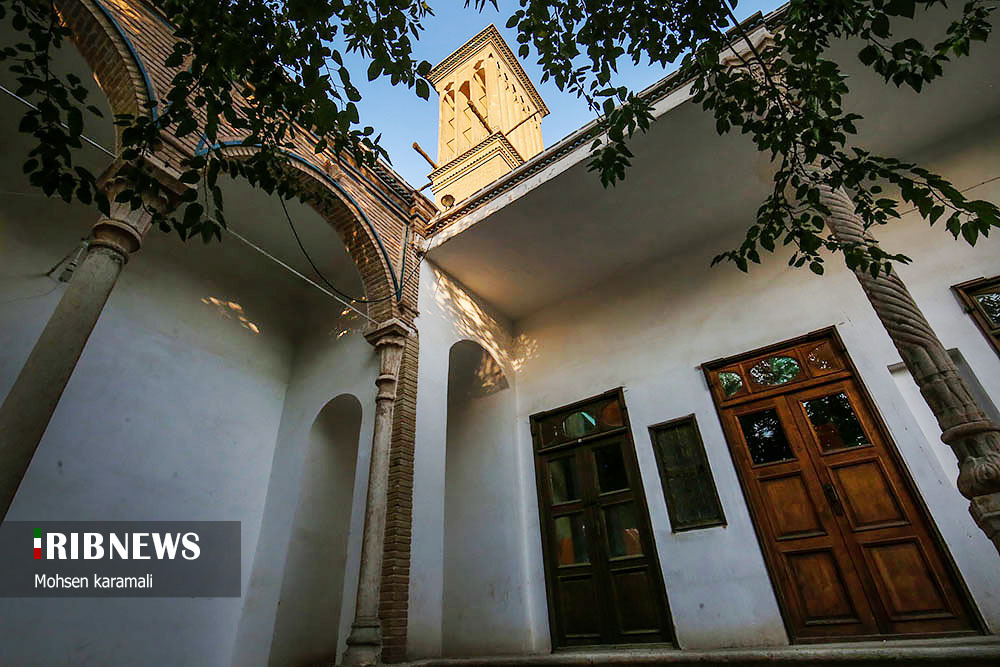
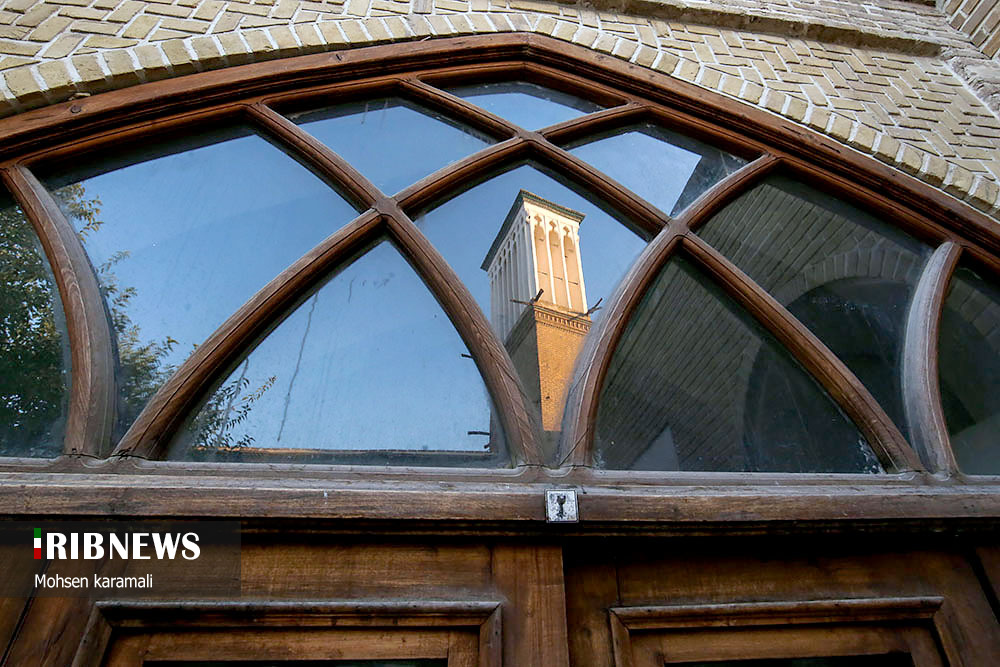
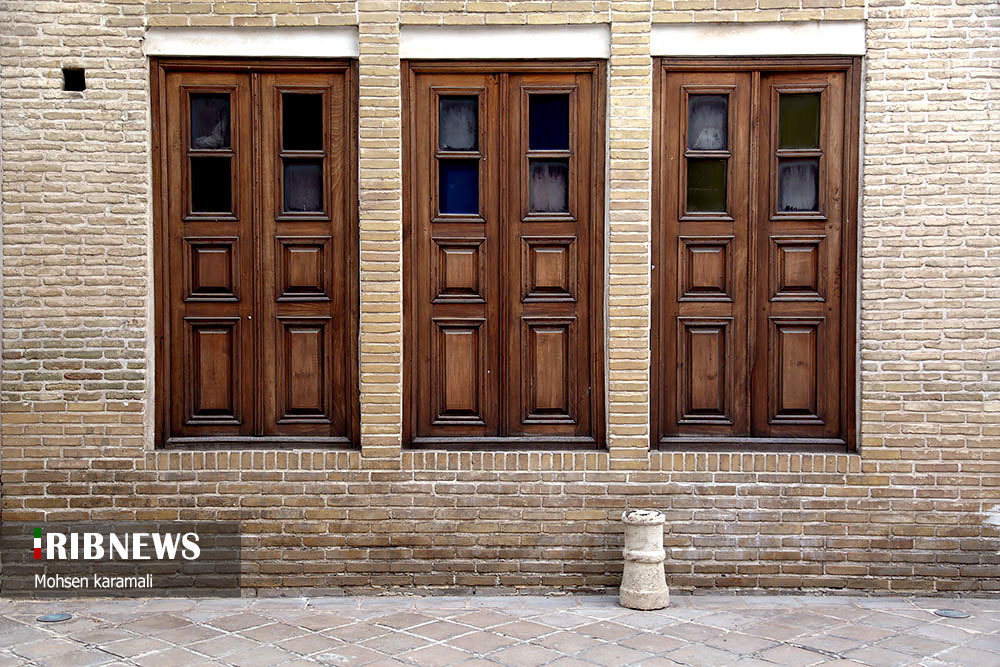
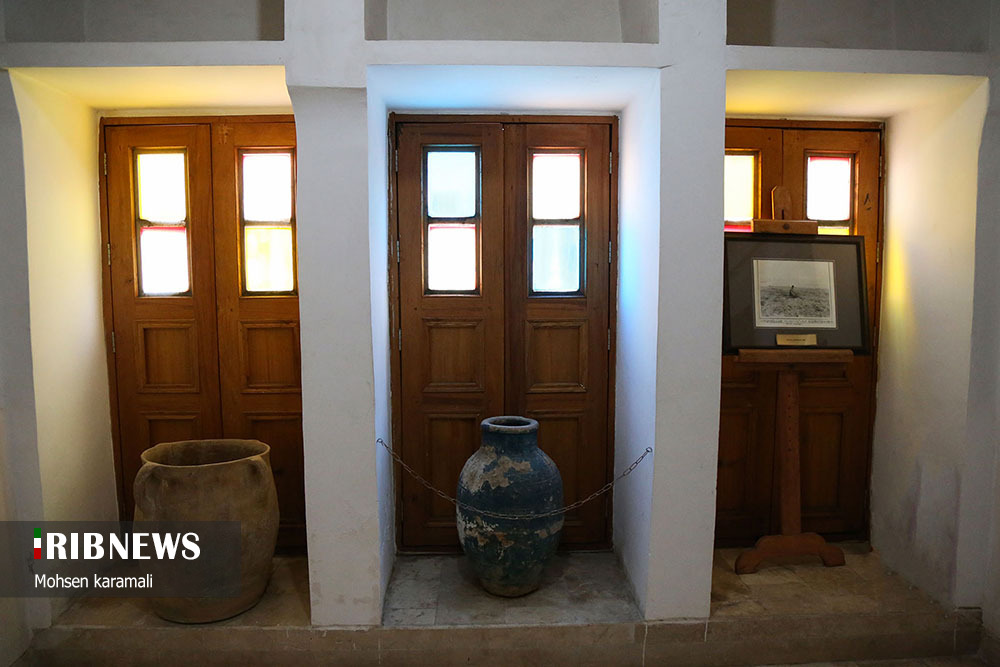
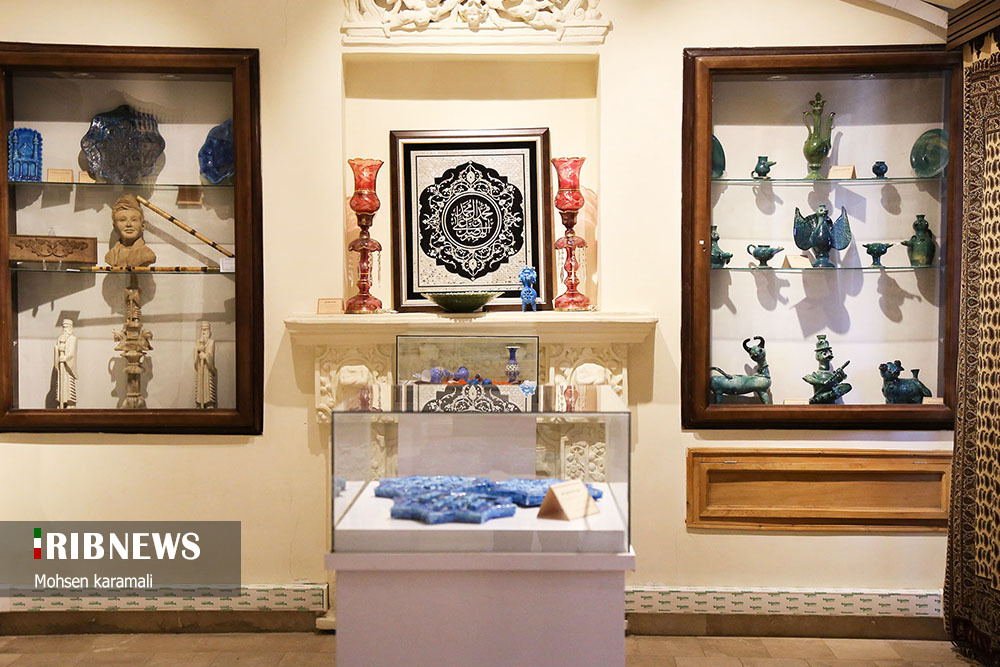
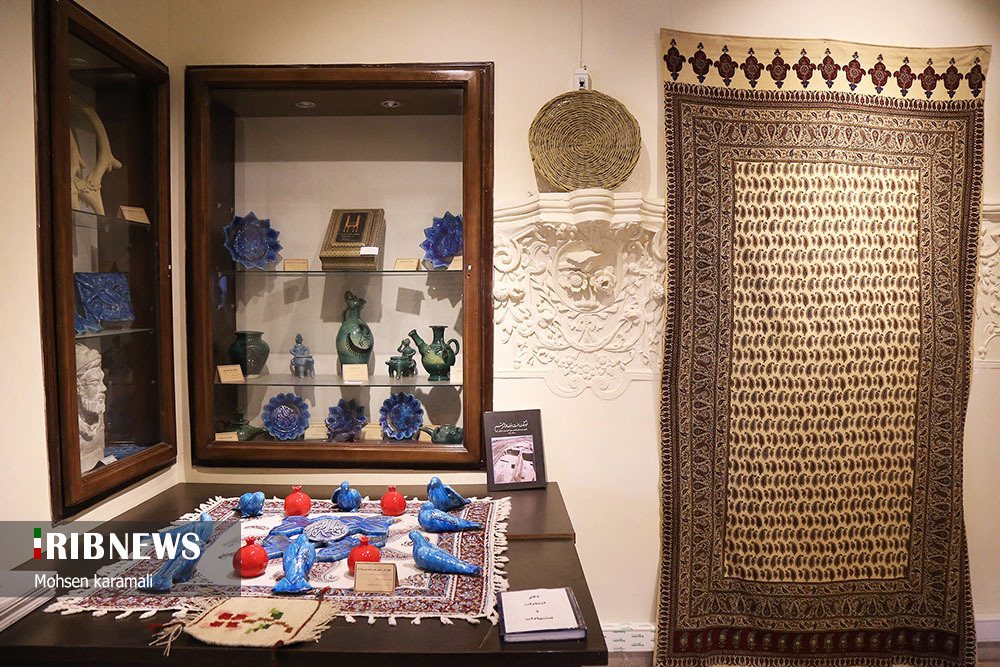
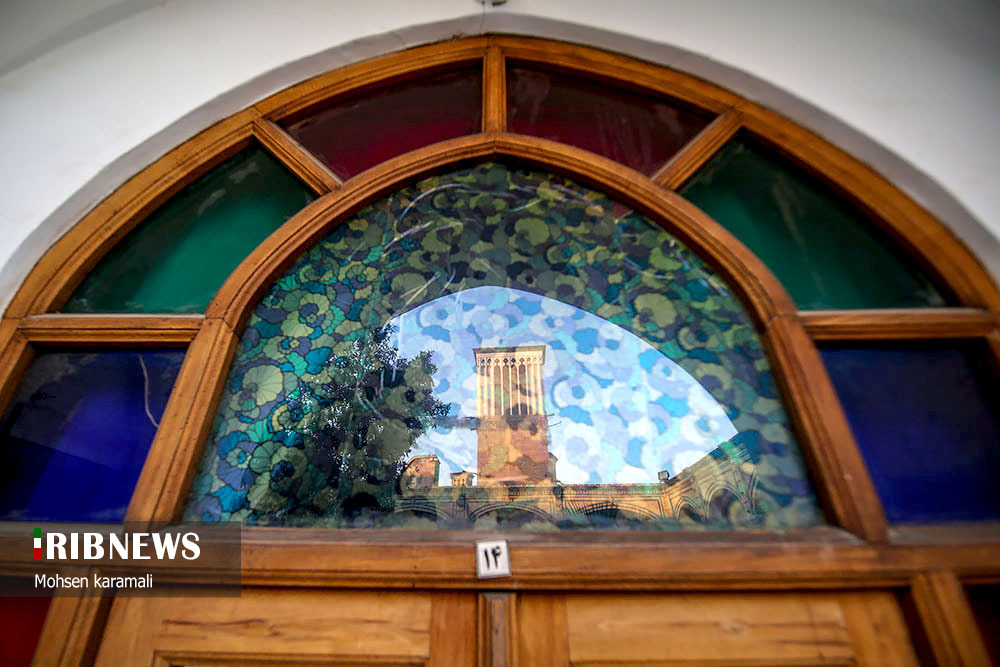
There are also two wind towers in the house. On the east side of the house there is a Panjdari (a five-door structure) which is linked to the outside space and the basement through the wind towers. The Haj-Qoli-Khan house is a precious structure both in terms of architecture and antiquity. The house was registered on the list of Iranian national heritage sites in 1998. It is currently used as an office building and is the location of the local cultural heritage department.

Iran Warns Azerbaijan, Armenia against Posing Security Threats

Iran Warns Azerbaijan, Armenia against Posing Security Threats

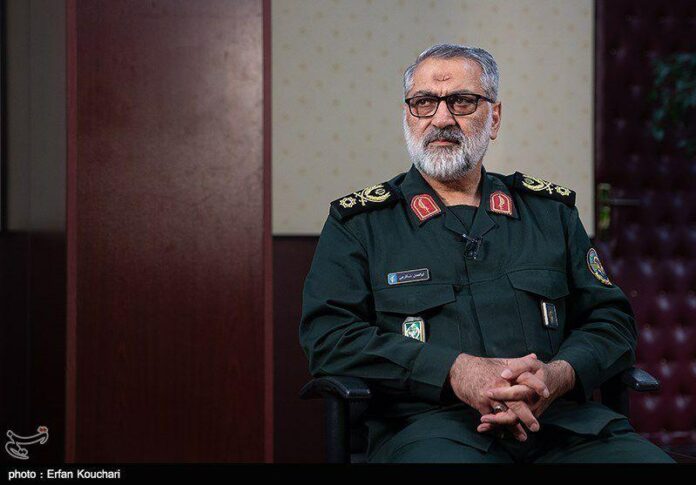
Brigadier General Abolfazl Shekarchi, the senior spokesman for the Iranian Armed Forces, made the comment amid an ongoing operation by the Azerbaijan Republic’s military to recapture parts of its territory occupied by Armenia.

“In the wake of a military conflict between the Azerbaijan Republic and Armenia and [their] failure to observe international good-neighbour principles as well as wartime expediencies on the borders of a third country, which resulted in a number of mortar rounds being fired and landing inside Iran’s territory, our Armed Forces will boost their defense lines along the borders and announce that the security of Iranian border areas and people is our red line,” said the general.

“In this connection, we remind both warring countries that first, they should watch out for warmongering and machinations of foreigners; secondly, they should settle their differences via peaceful means and dialogue, and thirdly, they should not jeopardize the borders of the Islamic Republic of Iran and the security and privacy of our fellow countrymen, which is a red line for our Armed Forces, by acting carelessly in their military operations and they should seriously take care in that regard,” he said.

“Following recent fighting between the two countries’ military forces in the Karabakh region, Nakhchivan and Armenia due to the machinations of some regional players, and the rocket and mortar attacks by the warring sides, some border areas of the Islamic Republic of Iran were affected and some of our fellow countrymen living in the border areas sustained damage,” the top general said.

“So, we emphasize that the two [warring] countries should resolve their differences through dialogue and not overstep Iran’s red lines or they will definitely rue the day,” he said.

Over 6,000 Iranians Contract Coronavirus in 24 Hours

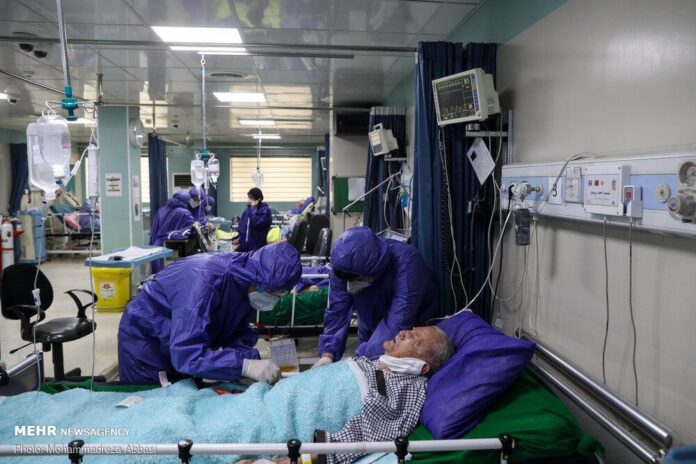
Iran’s COVID-19 Cases Hit 600,000: Ministry

In a press briefing on Friday, Sima-Sadat Lari said the virus has killed 325 patients since Thursday noon, raising the overall death toll to 31,985.

So far, she added, 446,685 patients have recovered from the disease or been discharged from the hospital.

Lari said 4,933 patients are also in critical conditions caused by more severe infection.
The spokeswoman noted that 4,658,727 COVID-19 tests have been taken across the country so far.
She said the high-risk “red” zones include Tehran, Qom, Mazandaran, East Azarbaijan, Isfahan, Yazd, Ardabil, Khorasan Razavi, Khuzestan, Hamadan, West Azarbaijan, Bushehr, Chaharmahal and Bakhtiari, Kohgiluyeh and Boyer-Ahmad, Alborz, Lorestan, Markazi, Ilam, South Khorasan, Kermanshah, North Khorasan, Semnan, Gilan, Zanjan, Qazvin, Kurdistan, and Kerman provinces.
The “orange” and “yellow” zones also include Golestan, Hormozgan, Fars, and Sistan and Baluchestan provinces, she added.

Iran Puts Several US officials on Sanctions List

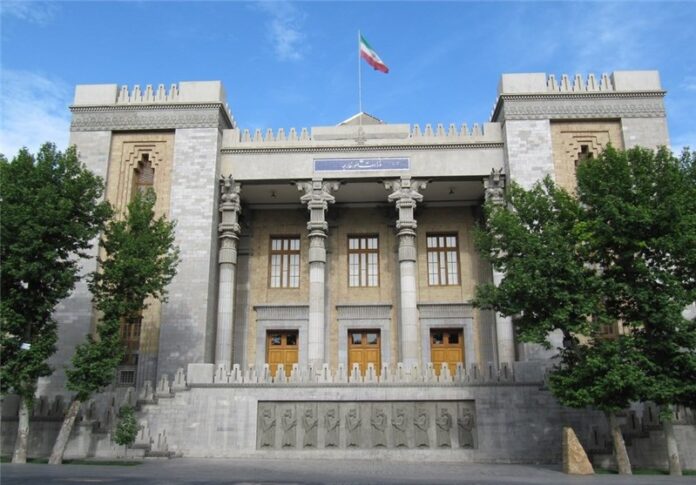
Iran's Foreign Ministry

The full text of the statement follows:

In line with the implementation of Note 1 of Article 4 and Note 1 of Article 5 of the “Law on Countering Human Rights Violations and Adventuristic as well as Terrorist Moves by the US in the Region” ratified by the Iranian Parliament on August 13, 2017, the Foreign Ministry of Iran, in cooperation with relevant authorities, puts US Ambassador to Baghdad Matthew Tueller, his deputy Steve Fagin and  the United States’ Consul General in Erbil Rob Waller on  the list of sanctioned individuals as stipulated in the above-mentioned law as of the date of the issuance of this statement, i.e., October 23  2020, because they are clear examples of individuals mentioned in clauses 3-5 of Article 4 and clause 2 of Article 5 of the above-said law, given that there is conclusive evidence and information which proves that these individuals were effectively involved in organizing, financially supporting,  steering and committing acts of terror against the interests of the government or citizens of the Islamic Republic of Iran, and that they backed extremist and terrorist groups such as the ISIS and Al-Nusra Front, and played an effective role in using state terrorism against people in the region, and that they contributed to the violation of basic rules and fundamental principles of international law, including humanitarian international law and the rights of the regional people,  especially being an accessory to the assassination of Lieutenant General Qassem Soleimani,  and that they had a role in the imposition of unfair and illegal sanctions by the US against Iranian people.

As of the mentioned date, the above-said individuals shall be subject to the consequences and requirements stipulated in the “Law on Countering Human Rights Violations and Adventuristic as well as Terrorist Moves by the US in the Region,” and all relevant authorities will adopt the necessary measures to put that into effect in accordance with the law.

Iranian, Turkish Presidents Discuss Enhancement of Trade Ties

Iranian, Turkish Presidents Discuss Enhancement of Trade Ties

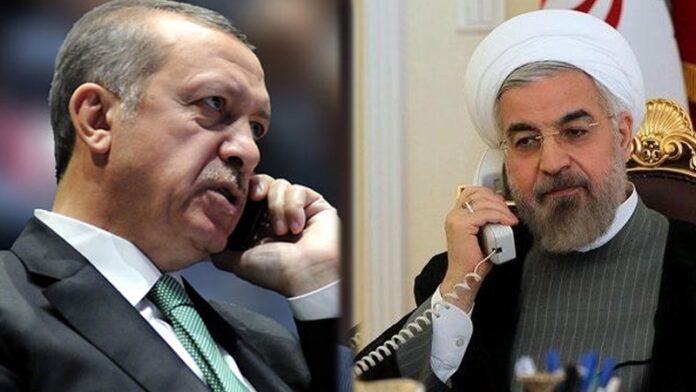
In a telephone conversation with his Turkish counterpart Recep Tayyip Erdogan on Thursday, President Rouhani hailed the bilateral relations between Iran and Turkey as a model for the other neighbors.

Pointing to the negative impacts of the illegal US sanctions and the outbreak of COVID-19 pandemic on the economic and trade interaction between Tehran and Ankara, President Rouhani expressed hope for growing trade ties in full compliance with the health protocols and with a rise in the transit of trucks and number of flights.

The president also stressed the need for the immediate implementation of the previous bilateral deals between the two countries, particularly the trade and banking agreements, considering the most recent meeting of Iran-Turkey High Council of Economic Cooperation, held in Tehran via videoconferencing.

President Rouhani further emphasized the necessity of joint action against terrorism, saying, “The terrorist groups could be a great threat to the region.”

The president also voiced Iran’s readiness to cooperate with Turkey in the battle against the coronavirus pandemic and share its experiences in tackling the pandemic.

President Rouhani then stressed the importance of protecting security of Iran’s border cities amid the escalation of fighting between the Republic of Azerbaijan and Armenia over the Nagorno-Karabakh region, adding, “Our stance on this issue is quite clear. We believe that war is not the solution, and the conflict needs to be resolved through dialogue and negotiations.”

“I believe that Iran and Turkey, as two powerful countries in the region, as well as Russia, can contribute to the establishment of peace and stability in the region, so that we’d see the establishment of peace and calm in the region with the implementation of the international law and territorial integrity,” the Iranian president stated.

Lauding the cooperation among Iran, Turkey and Russia for the settlement of crisis in Syria within the framework of the Astana Process, President Rouhani hoped that the trilateral interaction would resolve the problems in Syria, put an end to terrorism in the region, and protect Syria’s territorial integrity.

President Erdogan, for his part, hailed Iran as a friend and good neighbor of Turkey, and called for the expansion of bilateral ties under the agreements reached in the meetings of the High Council of Cooperation.

He also gave an assurance that Turkey will continue to support Iran against the US’ unilateral sanctions, saying Ankara would do its utmost, like before, to broaden the economic and trade ties with Tehran.

The Turkish president further described the cooperation with Iran in the war on terrorism as a major factor in ensuring regional peace and security, calling for continued interaction in the fight against terrorism.

President Erdogan finally expressed hope that the coordination between Turkey and Iran amid the Nagorno-Karabakh dispute would help settle the crisis through negotiations and restore calm and peace to the region.

Over 550,000 Iranians Infected with Coronavirus So Far: Ministry

Over 550,000 Iranians Infected with Coronavirus So Far: Ministry

In a press briefing on Thursday, Sima-Sadat Lari said the virus has killed 304 patients since Wednesday noon, raising the overall death toll to 31,650.

So far, she added, 442,674 patients have recovered from the disease or been discharged from the hospital.

Lari said 4,895 patients are also in critical conditions caused by more severe infection.
The spokeswoman noted that 4,628,866 COVID-19 tests have been taken across the country so far.

She said the high-risk “red” zones include Tehran, Qom, Mazandaran, East Azarbaijan, Isfahan, Yazd, Ardabil, Khorasan Razavi, Khuzestan, Hamadan, West Azarbaijan, Bushehr, Chaharmahal and Bakhtiari, Kohgiluyeh and Boyer-Ahmad, Alborz, Lorestan, Markazi, Ilam, South Khorasan, Kermanshah, North Khorasan, Semnan, Gilan, Zanjan, Qazvin, Kurdistan, and Kerman provinces.
The “orange” and “yellow” zones also include Golestan, Hormozgan, Fars, and Sistan-and-Baluchestan provinces, she added.

A Look at Iranian Newspaper Front Pages on October 22

A Look at Iranian Newspaper Front Pages on November 18

Iranian Newspapers

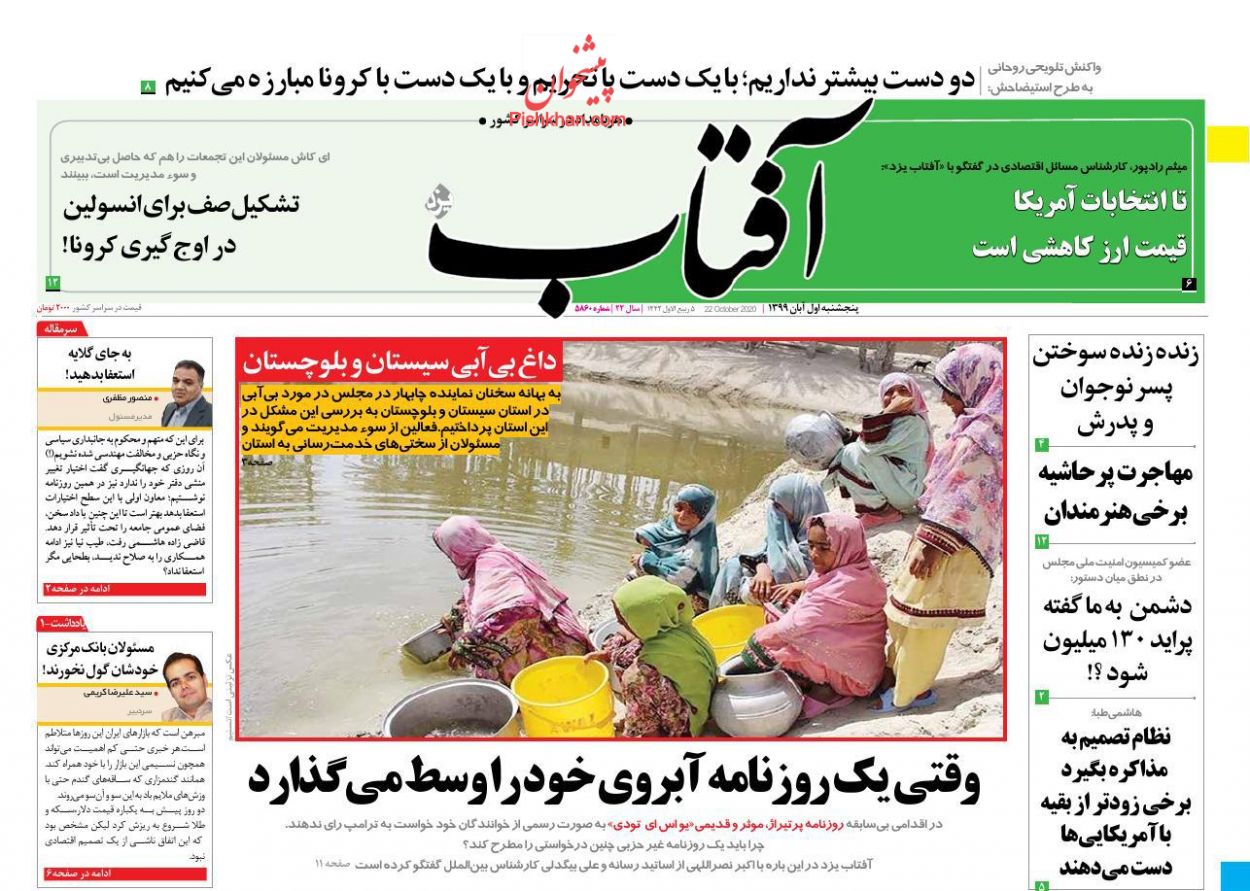
Aftab-e Yazd Newspaper:

1- When a Newspaper Risks Its Reputation

* USA Today Officially Asks Readers Not to Vote for Trump

2- US Dollar Rate to Keep Decreasing Until US Election: Analyst

3- Water Shortage in Iran’s Sistan and Baluchestan Province

A Look at Iranian Newspaper Front Pages on October 22


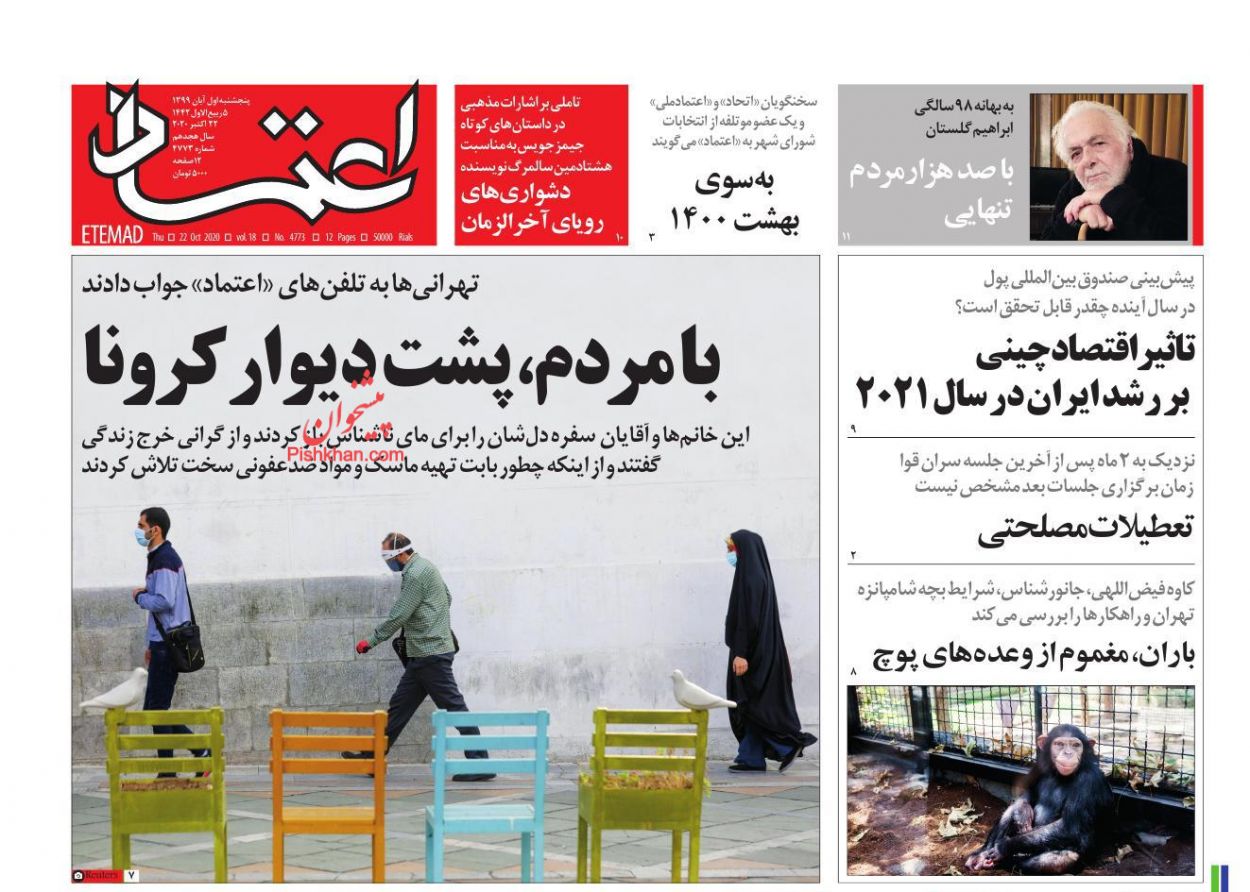
Etemad Newspaper:

1- Impact of Chinese Economy on Iran’s Growth in 2021

* How Much IMF’s Prediction Can Be Realized?

A Look at Iranian Newspaper Front Pages on October 22


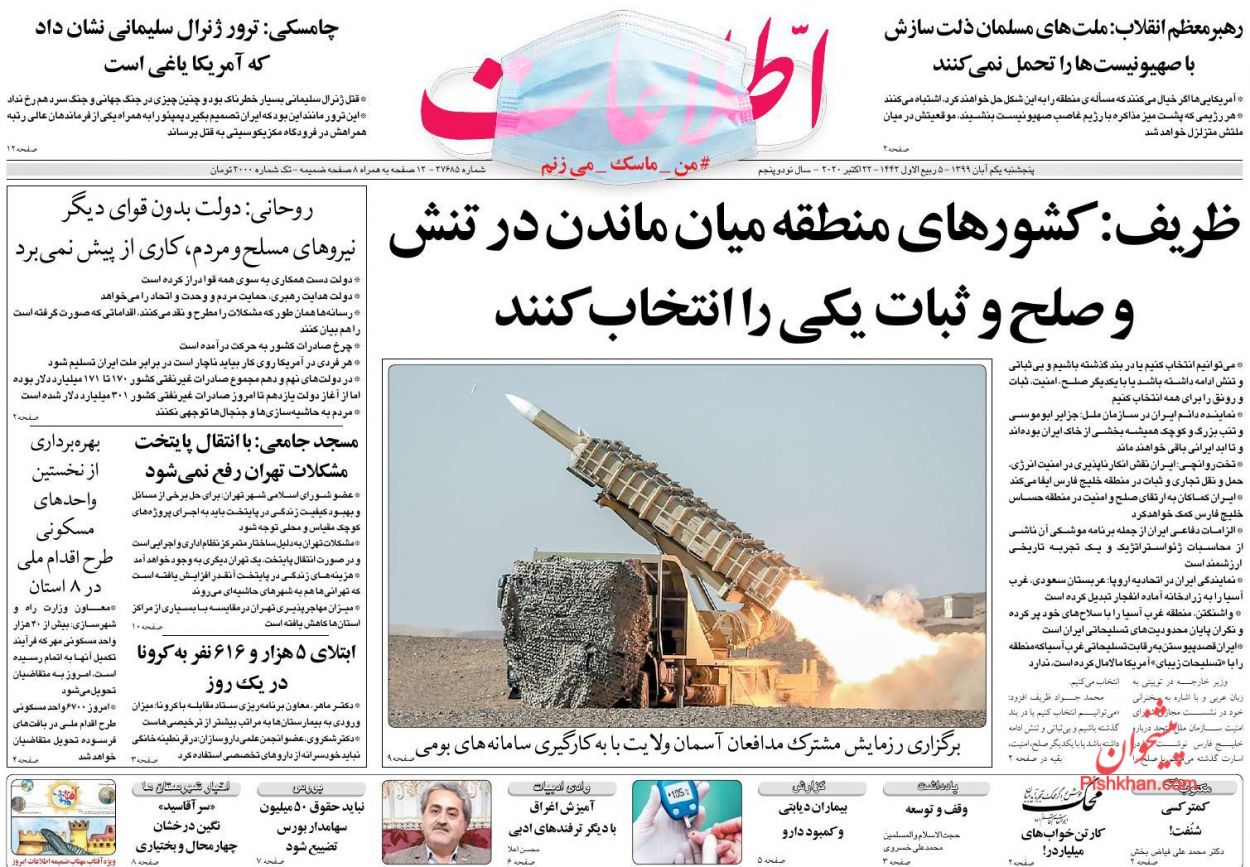
Ettela’at Newspaper:

1- Zarif: Regional Countries Must Choose between Tension and Peace

2- Chomsky: Killing Gen. Soleimani Shows US Rogue Regime

3- Iran Uses Homegrown Systems in Joint Air Defence Drills

A Look at Iranian Newspaper Front Pages on October 22


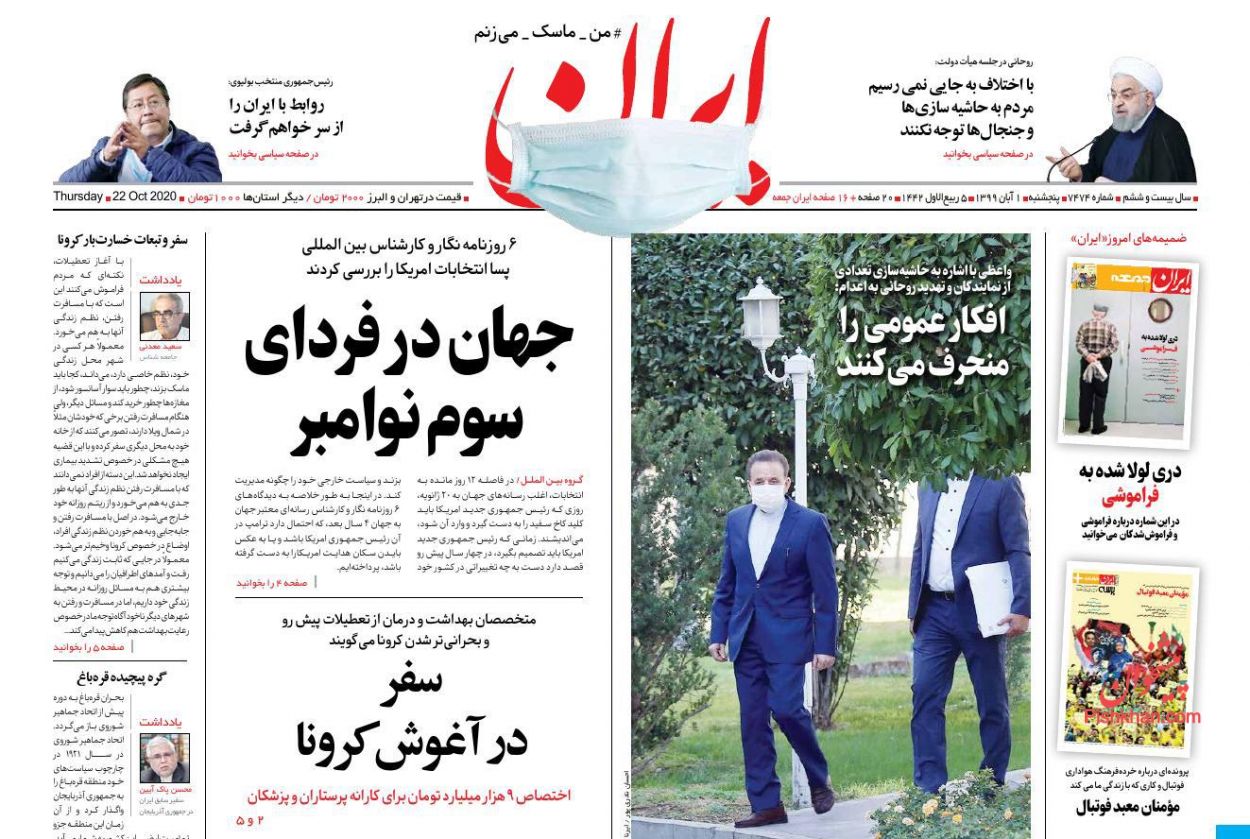
Iran Newspaper:

1- World after November 3: Experts Discuss What Happens after US Elections

2- Healthcare Specialists Warn about Vacations in Coming Holidays

A Look at Iranian Newspaper Front Pages on October 22


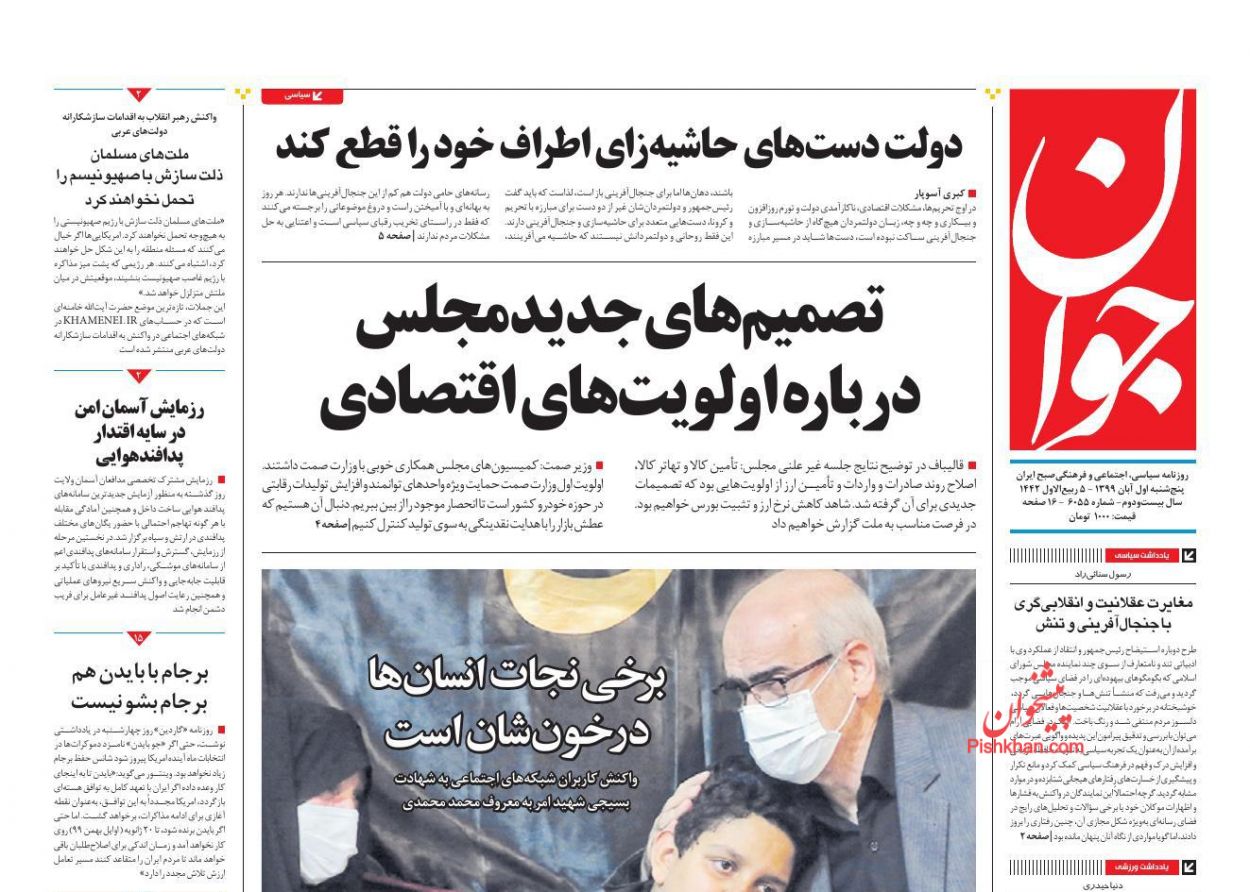
Javan Newspaper:

1- Iran Leader: Muslim Nations Won’t Tolerate Humiliation of Compromise with Zionism

2- JCPOA Won’t Be Revived Even with Biden

A Look at Iranian Newspaper Front Pages on October 22


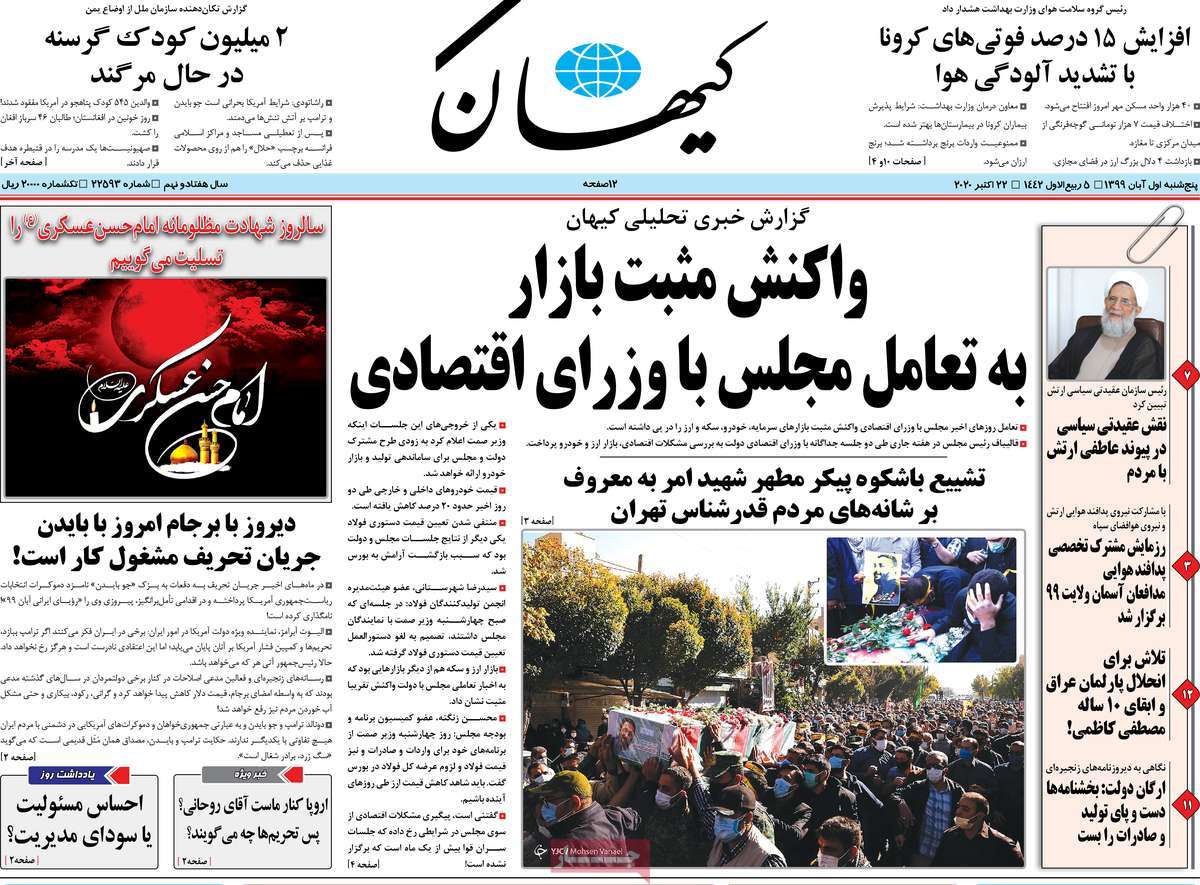
Kayhan Newspaper:

1- Market Gives Positive Response to Parliament’s Cooperation with Economic Ministers

2- 2m Hungry Children Are Dying

A Look at Iranian Newspaper Front Pages on October 22


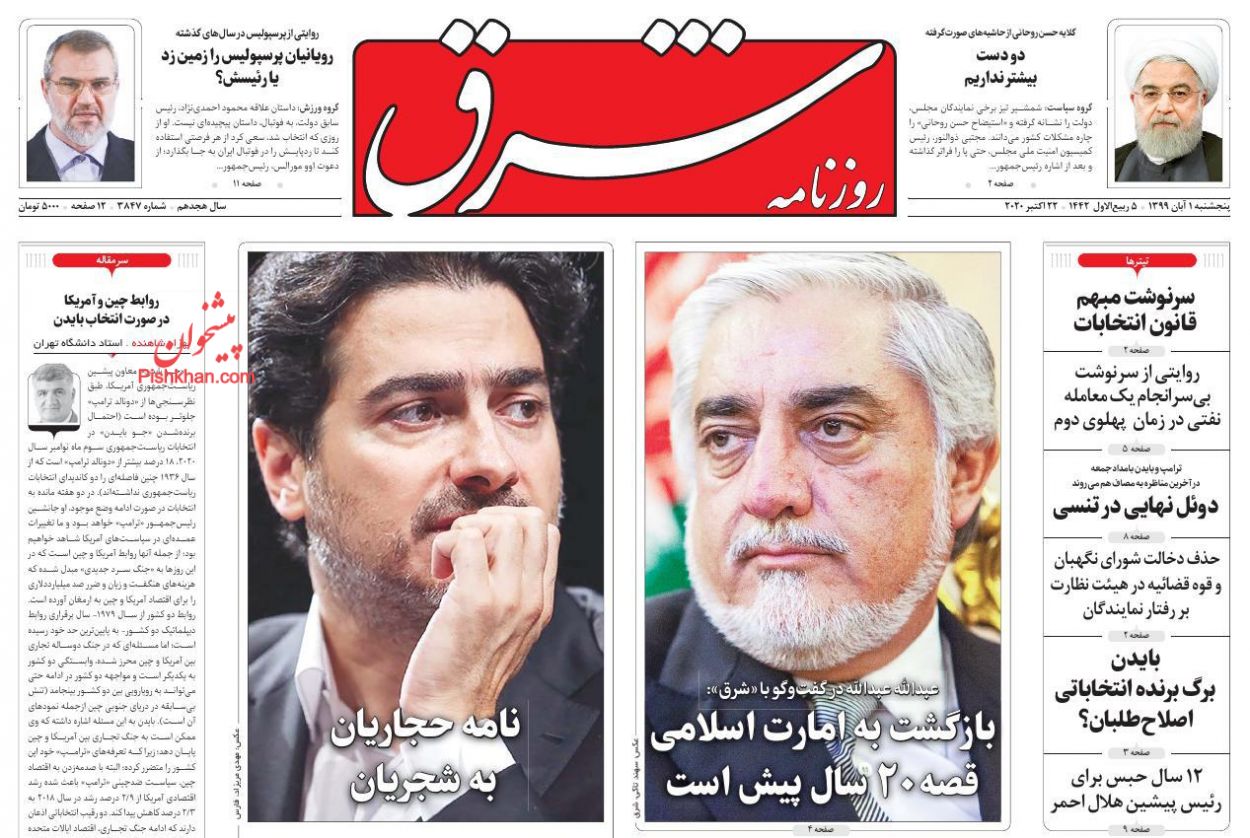
Shargh Newspaper:

1- Abdullah to Shargh: Return to Islamic Emirate Is for 20 Years Ago

2- How Biden’s Presidency Will Change China-US Ties?

A Look at Iranian Newspaper Front Pages on October 22

Iran Summons Swiss Envoy to Protest US Allegation of Meddling in Election

Iran Summons Swiss Envoy to Protest US Allegation of Meddling in Election

Spokesperson for the Ministry of Foreign Affairs of the Islamic Republic of Iran Saeed Khatibzadeh announced that the Swiss ambassador to Tehran has been summoned by the assistant to Iranian Foreign Minister and Director-General for Americas at the Foreign Ministry on Thursday morning after the US regime’s officials raised baseless allegations that other countries are meddling in the upcoming US presidential election.
“The Islamic Republic of Iran rejects the repetitive claims and the fabricated, amateurish and deceitful reports from the US regime’s officials, stressing once again that it makes no difference to Tehran which of the two candidates would reach the White House,” he added.

“The US regime and that country’s intelligence and security services, which have a long record of interference and creating chaos in the elections of other countries and are also imprisoned in their delusional and deceitful world, are raising a groundless claim ahead of the elections in that country in order to carry out their undemocratic project and predefined scenario by pinning the blame on the others,” Khatibzadeh deplored.

“It is not unlikely that masterminds of such childish scenarios are seeking to distract the attention and public opinion and foment suspicious provocations ahead of the elections,” the Iranian spokesperson noted.

“The Islamic Republic of Iran advises the United States to abandon the futile attempts to put the blame on others, the baseless accusations, and the creation of suspicious scenarios, and to try to behave like a normal state at the level of international relations and in relations with the other countries,” Khatibzadeh added.

His remarks came after Director of US National Intelligence John Ratcliffe alleged that Iran and Russia had obtained voter registration information in an attempt to undermine confidence in the US presidential election.
Speaking at a news conference at the FBI headquarters, Ratcliffe claimed that Iran was separately behind a series of threatening emails that were found to be sent this week to Democratic voters, which he said were “designed to intimidate voters, incite social unrest and damage” US President Donald Trump.
Iran’s Non-Oil Exports Doubled in 8 Years: President

Iran's Non-Oil Exports Doubled in 8 Years: President

President Hassan Rouhani said Wednesday the enemy intended to hinder Iran’s non-oil exports, but to no avail.

“Enemies tried to prevent the exports of oil, gas condensate, oil products and other items which were considered part of our staple exports in the past, but they failed to succeed because of the diversity of our products,” he said.

The president added enemy’s plots against Iran have failed.

“The enemy will definitely not be able to continue its plots,” he said.

President Rouhani added whoever is elected to the White House should submit to the Iranian nation.

“It makes no difference to us which person or which party will win in the US presidential election. Whoever comes to power in the US will have no choice but to submit to the Iranian nation. He has no other option,” he said.

“It is pretty obvious that they chose the wrong path. They wanted to bring the Iranian nation to its knees. They wanted to make our establishment give in to their demands. But we didnt succumb to them, nor will we do so,” he said.

He said non-oil exports have been a lever in Iran’s hands to counter the enemy.
“Our non-oil exports have been a bulwark against the enemy,” he noted.

“Our exports have increased in the steel, aluminium, copper and other sectors. There has been a jump in production, which shows we can be more active than before when it comes to exports.

“Non-oil exports have created problems for the enemy and have prevented the enemy from being successful in its wrong move,” he said.

Iran, Kazakhstan Agree to Ease Visa Requirements

Iran, Kazakhstan Agree to Ease Visa Requirements

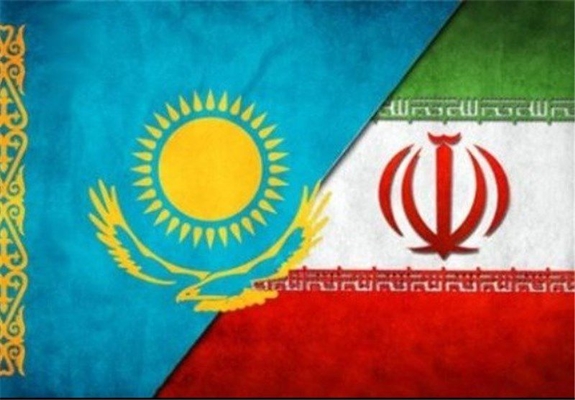
Mahmoud Adib, the director-general for consular affairs at the Iranian Foreign Ministry and his Kazakh counterpart Akataev Bauyrzhan, co-chaired the ninth meeting of the Iran-Kazakhstan Joint Consular Committee on Wednesday.

In the meeting, the two sides agreed to ease requirements for business, tourist and diplomatic visas, offer consular support to the nationals of the two countries, fight drug trafficking and organized crimes, and exchange mutual cooperation agreements on judicial issues.

As announced by the Iranian official, the Kazakh government has officially put Iran on its list of electronic visa issuance, and once the coronavirus restrictions imposed on Iranian nationals are lifted, they can obtain visas electronically at entry points to Kazakhstan.