Tuesday, April 28, 2026
Home Blog Page 260

Iran’s President Promises economic reforms in Nowruz address

He delivered a speech on national TV on Thursday as Nowruz began, just hours after the first Laylat al-Qadr, also referred to as the Night of Power or the Night of Destiny.

Laylat al-Qadr commemorates the night on which God revealed the Holy Quran to the Prophet Mohammad (PBUH).

President Pezeshkian said that Nowruz and Laylat al-Qadr are two manifestations of the same truth that calls for a change in destiny.

The Iranian president emphasized that the desired changes require “reforms on all imbalances with the help of experts, specialists, academics, elites, economists, cultural and media figures, and with the participation of each one of our dear people.”

He further expressed confidence that the Iranian people and officials will be able to create a promising future by relying on domestic capabilities.

“This is us who will be able to build a bright future and a dignified nation for ourselves and our children. It is we who will be able, through national unity and integrity, to create a unique and strong power that can withstand the toughest tests and navigate through the storms of events.”

He stated that the economic participation of people and the private sector boosts production and employment, leading to an improvement in people’s livelihoods.

The president reiterated his administration’s determination to “spare no effort” in removing “ugliness and injustices” from Iran through “solidarity and unity” and with the help of “the will and resolve” of the Iranian people.

“On this Nowruz and at this Laylat al-Qadr, God willing, we will begin a good year and open a new page in the history of Iran. The pride of Iran and all Iranians is our national ideal,” added President Pezeshkian.

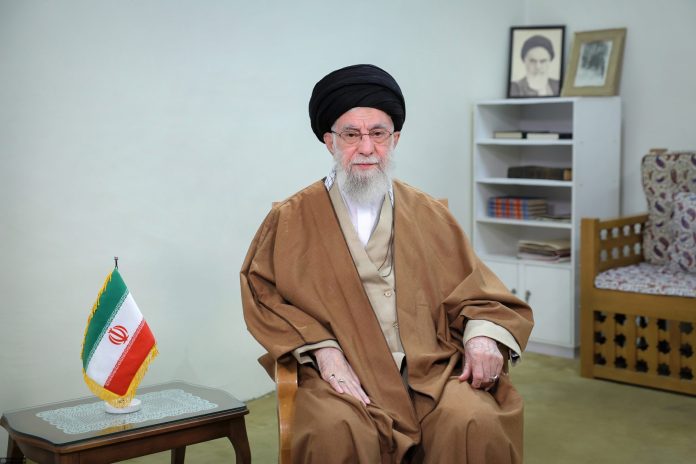
Iran’s Leader urges investments for production in New Year message

Ayatollah Khamenei made the remarks in a televised message to the nation on the occasion of the Persian New Year on Thursday afternoon.

The Leader of the Islamic Revolution underlined the need for both the government and the people to pursue investments for production with determination.

Ayatollah Khamenei emphasized that production flourishes when supported by investments.

The Leader also condemned the renewed Israeli attacks on Gaza, calling on countries around the globe to unanimously oppose the US-Israeli crimes in the besieged coastal sliver.

Turning to the issue of Yemen, Ayatollah Khamenei described the US attacks on the Yemeni people as a crime that must be stopped.

He expressed hopes for prosperity, victory, and goodness for the Muslim Ummah in the new year.

Ayatollah Khamenei also wished the Iranian nation happiness, contentment, unity, and success.

The following is the full text of the Leader’s New Year message:

In the Name of God, the Compassionate, the Merciful

O Transformer of hearts and sights,

O Director of nights and days,

O Transformer of situations and circumstances,

Transform our circumstances to the best of circumstances!

The beginning of the New Year (this year) coincides with the nights of Qadr and the martyrdom anniversary of the Commander of the Faithful (Imam Ali) (PBUH). We are hopeful that the blessings of these nights and the attention of the Master of the Pious (Imam Ali) (PBUH), will encompass our dear people, our nation, our country, and all those whose New Year begins with Nowruz.

The year 1403 AHS (March 20, 2024 – March 20, 2025) was a year filled with numerous events. The events that unfolded one after another during this past year resembled those of 1981, and there were hardships and difficulties for our dear people. Early in the year, we mourned the martyrdom of the Iranian nation’s beloved President, the late Mr. (Ebrahim) Raisi (RA). This was preceded by the martyrdom of several of our advisors in Damascus. After that, various events took place in Tehran and later in Lebanon, resulting in the loss of valuable figures for both the Iranian nation and the Islamic Ummah. These were indeed bitter tragedies. Furthermore, economic problems brought pressure on the people throughout the year, particularly in the latter half, and the difficulties involved in making a living created challenges for the population. These hardships existed throughout the past year.

On the other hand, a tremendous, extraordinary phenomenon took place, and that was the fact that the willpower of the Iranian people and their spiritual resilience, unity, and high level of preparedness were manifested. First, in the face of an event like the loss of the President, the massive turnout of the people (for his funeral procession), the slogans they chanted, and the high morale they exhibited showed that although this was a serious tragedy, it wasn’t able to make the Iranian people feel weakened. Furthermore, they were able to promptly hold elections within the legally designated time frame, elect a new President, form a government, and fill the gap in the country’s administration.

These matters are very significant and indicative of the high morale, capabilities, and spiritual strength of the Iranian nation. We must thank God for this. Moreover, during the recent events of the past months, when many of our brothers in Lebanon – our brothers in religion and our Lebanese brothers – faced difficulties, the Iranian nation gave its support with open hearts. This event that took place in this regard – that is, the overwhelming flood of aid from the people for their Lebanese and Palestinian brothers – stands as one of the enduring, unforgettable events in our country’s history.

The gold that the Iranian women and ladies, generously parted with and contributed to this cause, and the assistance given by our people and our men, are matters of great significance. They reflect the strength of the nation’s will and its unwavering resolve. This spirit, this involvement, this readiness, and this spiritual strength are assets for the future of the country and for the enduring life of our dear Iran. These assets, God willing, will be used to the fullest by the country, and may Almighty God continue to bestow His blessings upon the nation.

Last year, we introduced the slogan, “Surge in production through people’s participation,” which was essential for the country, and in a sense, it was vital. (However,) the various events that unfolded in the year 1403 AHS prevented this slogan from being fully realized. Of course, significant efforts were made by both the government and the people, as well as by the private sector, investors, and entrepreneurs. They were able to accomplish good things. However, the work that was done fell short of expectations. So, this year too our main issue remains the economy. Thus, my expectation from our esteemed government, respected officials, and our dear people once again centers around economic issues. This year’s slogan will once again focus on economic matters, specifically investment in the economy.

One of the important issues in the country’s economy is investments in production. Production experiences a surge when investments are made. Of course, investments should primarily be made by the people. The government must find various methods for this to be done. But in cases where people either lack the motivation or the means to invest, the government can step in – not in competition with the people, but as a substitute. In instances where the people don’t get involved, the government can enter the field and invest. In any case, investment in production is essential for both the country’s economy and also for solving people’s problems in livelihood. Improving people’s livelihood needs planning and cannot happen without these sorts of preliminary measures.

It’s essential that both the government and the people seriously pursue and follow through with investments for production with firm resolve and motivation. The government’s role is to create the necessary environment and remove obstacles to production. The people’s role is to invest – both small and large investments – for the purpose of production. If capital is directed toward production, it will no longer be diverted into harmful activities such as buying gold, purchasing foreign currency, or other such endeavors. Harmful activities will stop. The Central Bank can play a role in this regard, and the government can also implement many effective measures. With this in mind, this year’s slogan is “Investments for Production,” which will help to improve people’s livelihoods, God willing. The government’s planning in collaboration with the participation of the people will together, God willing, solve the problem.

I would like to briefly refer to recent events that have taken place during the past few days. The renewed attacks by the usurping Zionist regime on Gaza is a truly large, atrocious crime. The Islamic Ummah must stand united against this. They should set aside their differences on various issues. This matter concerns the entire Islamic Ummah. In addition to this, I urge all freedom-seekers around the world – within the United States itself, in Western and European countries, and in other countries – to strongly oppose this treacherous, horrendous act. Once again children are being killed, homes are being destroyed, and civilians are being displaced. The people must stop this tragedy.

Of course, the United States is also complicit in this tragedy. Experts in political issues worldwide concur that this action is being executed under the direction of the United States, or at the very least, with the approval and a green light from the US. Therefore, the US is also complicit in this crime. The same is true about the events in Yemen. The attacks on the people of Yemen and on Yemeni civilians are also crime that must definitely be stopped.

We hope that Almighty God has ordained goodness, prosperity, and victory for the Islamic Ummah this new year. We hope that the Iranian nation can start this new year, which has just begun, with happiness, contentment, complete unity, and success, God willing, and maintain this spirit throughout the year. I hope the sacred heart of the Imam of the Time (Imam Mahdi) (may our souls be sacrificed for his sake), the pure spirit of the magnanimous Imam (Khomeini) (RA), and the blessed spirits of the martyrs are pleased and satisfied with us.

May God’s greetings, mercy, and blessings be upon you.

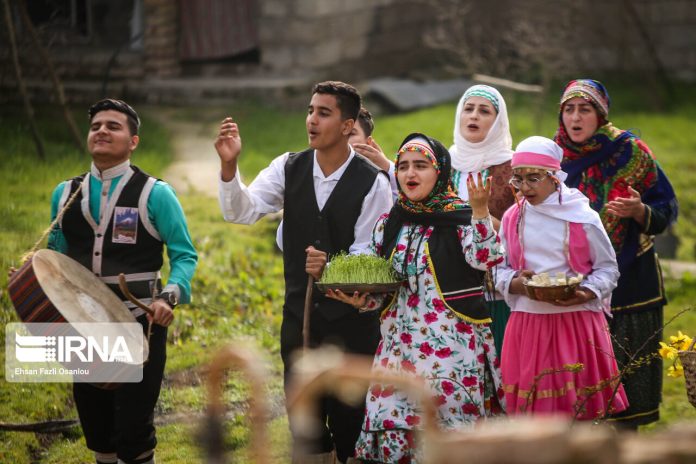
Millions in Iran, across the world usher in Nowruz, the Persian New Year

This ancient festival, observed for over 3,000 years, symbolizes renewal, hope, and the triumph of light over darkness, bringing families and communities together in a shared celebration of culture and heritage.
Saal Tahvil refers to the exact astronomical moment when the sun crosses the celestial equator, signaling the start of spring in the Northern Hemisphere, which is 12:31 pm local time this year.

Every year an animal is assigned to the New Year, and this year is the year of snake, which is the symbol of wisdom and might.

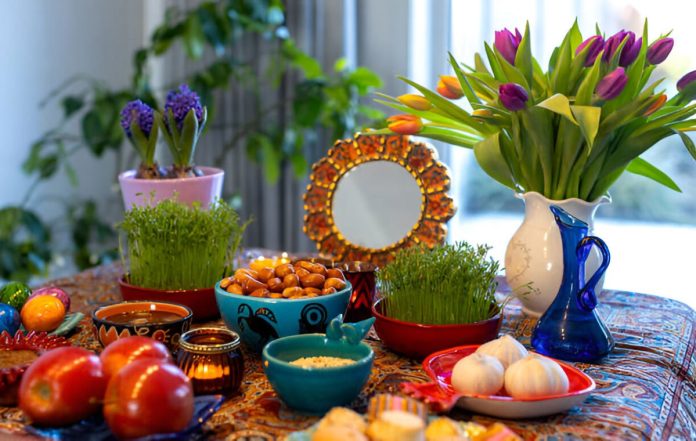
Around the Haft-Seen table – a beautifully arranged display featuring seven symbolic items which is a tableau of life itself – each item holds deep symbolism tied to life, growth, and prosperity.

Saal Tahvil is a moment of togetherness. Iranians, wherever they may be in the world, strive to be with loved ones during this time.

As the clock strikes Saal Tahvil, family members embrace, exchange New Year greetings of “Eid-e Shoma Mobarak” (Happy New Year), and share symbolic treats like sweets and nuts. It is also customary for elders to give gifts to younger family members, symbolizing blessings and good fortune.

In modern times, Saal Tahvil celebrations are often broadcast live on national television and online platforms, allowing families to join in the nationwide countdown together. These broadcasts frequently feature Nowruz-related programming, such as traditional music, folk dances, and discussions on the cultural significance of the holiday.

A massive number of pilgrims flock to holy shrines, including Imam Reza’s shrine, the eighth Shia imam, in the northeastern Iranians city of Mashhad to celebrate the start of the Persian New Year.

Echoes of trademark naqareh and karnay in the spiritual atmosphere of the shrine rings in the New Year.

There are also those who seek blessings for a good year in other spiritual places, like the mausoleum of the 14th century poet Hafez, known as Hafezieh.

Thousands of people also gather at the tomb of Cyrus the Great, the founder of the Achaemenid Dynasty in ancient Iran, located in Fars Province in southern Iran, to celebrate the beginning of the new year.

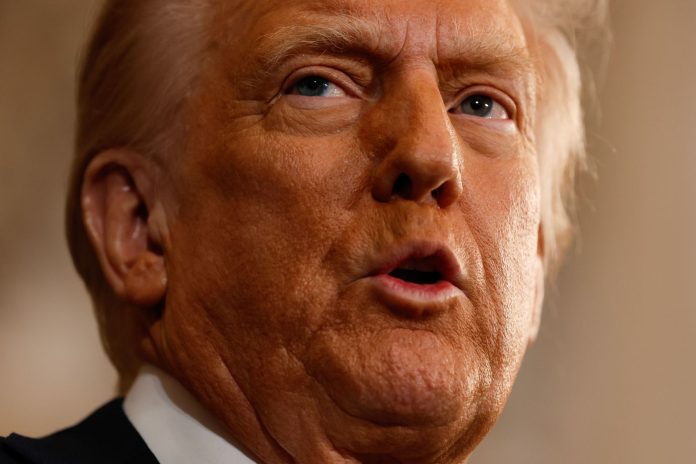
Iranian gov’t spokesperson: No immediate plans to divulge Trump letter content

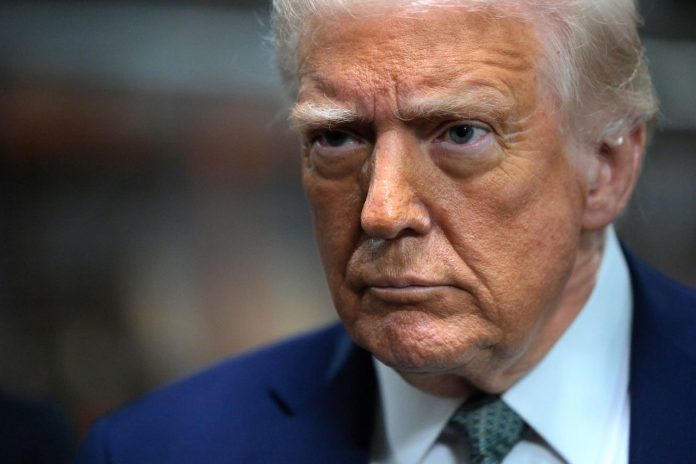
Trump

She emphasized that the letter is under review, and a response will be issued at an appropriate time and in a suitable manner.

Unofficial sources claim that the letter, handed over to Iran through the UAE, invites Iran for talks on unresolved issues, while threating the country with the use of force if it does not sit down for negotiations.

Mohajerani reiterated that Iran is a nation of peace and tolerance, but it will not yield to bullying.

She highlighted Iran’s commitment to diplomacy, stating that negotiations must follow proper protocols and that diplomatic channels remain open, provided that established norms are respected.

Regarding US military aggression on Yemen and potential security threats posed by American moves, Mohajerani emphasized that Iran remains vigilant and will respond appropriately to any actions that jeopardize its security.

She reaffirmed Iran’s stance as a “compassionate and peace-loving nation, but one that stands firm against injustice and aggression.”

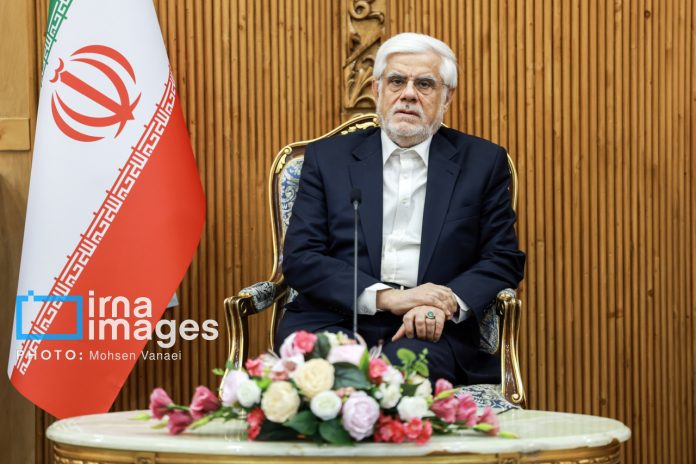
Iran’s first vice president felicitates Persian New Year, calls for unity and progress

Mohammad Reza Aref

He described the convergence as a “profound reminder of the balance between joy and spirituality, love for life, and devotion to God.”

Aref expressed hope that the New Year would provide an opportunity for unity, empathy, and collective efforts to advance the country’s development and address its challenges.

As the Iranians put behind a year of plunging national currency value and shrinking economy, the vice president acknowledged the pain, suffering, and shortcomings faced by the nation, stating that he personally felt the people’s struggles and apologized for existing difficulties.

He called for a renewed sense of solidarity and optimism, urging citizens to work together to overcome obstacles and achieve greater progress.

Aref wished all Iranians a prosperous year and emphasized the importance of unity and shared purpose in building a brighter future for the nation.

Trump calls on Iran to stop aiding Houthis

Trump stated reports suggest that Tehran has lessened its support for the Houthis, but said Iran is “still sending large levels of Supplies”. It is unclear if the president is referring to reports from his officials, or the media.

“Iran must stop the sending of these Supplies IMMEDIATELY. Let the Houthis fight it out themselves,” he said on his proprietary social media website.

“Either way they lose, but this way they lose quickly. Tremendous damage has been inflicted upon the Houthi barbarians, and watch how it will get progressively worse — It’s not even a fair fight, and never will be. They will be completely annihilated!” he added.

The Houthi group has been attacking Israeli-linked ships passing through the Red and Arabian seas, the Bab al-Mandab Strait, and the Gulf of Aden with missiles and drones since late 2023, disrupting global trade for what it stressed was a show of solidarity with the Gaza Strip.

The group halted its attacks when a ceasefire was declared in January between Israel and the Palestinian group, Hamas, but it threatened to resume the attacks when Israel blocked all humanitarian aid into Gaza on March 2.

Following the recent threats from US officials against Iran, the ambassador and permanent representative of the Islamic Republic to the UN warned that any aggressive actions would have dire consequences, for which Washington would bear full responsibility.

Amir Saeed Iravani stated in a letter to Kristina Markus Lassen, the rotating president of the UN Security Council, and Antonio Guterres, the UN Secretary-General, that the Islamic Republic of Iran firmly defends its sovereignty, territorial integrity, and national interests against any hostile actions.

Iravani condemned the recent hostile remarks from senior US officials, including Donald Trump, against Iran, adding that the US is attempting to justify its illegal aggressive actions and war crimes against Yemen with these desperate claims and has clearly threatened to use force against Iran.

US President Donald Trump recently ordered a new round of US military attacks against Yemen and threatened to attack Iran for its support of Yemenis.

The Iranian ambassador called on the UN Security Council to take a clear and principled stance in condemning these provocative statements and to urge the United States to adhere to its commitments under the UN Charter.

In the letter from Iran’s envoy, it was stated that the Houthis and Yemeni officials operate independently in their decision-making and actions, emphasizing that their operations are in support of the people of Gaza and in response to the violation of Yemen’s sovereignty and territorial integrity.

Iranians prepare Haft-Seen tables to welcome Nowruz, Persian New Year

Nowruz, which marks the first day of the Iranian calendar year on March 20 and coincides with the vernal equinox, is celebrated by millions of people in Iran and other countries with Persian cultural heritage.

The Haft-Seen table is the centerpiece of Nowruz celebrations, featuring seven symbolic items that start with the Persian letter “S”. Each item carries deep cultural and spiritual significance.

Sabzeh (sprouted wheat or lentils), representing rebirth and growth; samanu (sweet pudding), symbolizing wealth and fertility; senjed (dried oleaster fruit), signifying love and affection; seer (garlic), representing health and medicine; seeb (apple), symbolizing beauty and vitality; somaq (sumac), representing the sunrise and the triumph of good over evil; serkeh (vinegar), symbolizing patience and wisdom.

In addition to these seven items, the Haft-Seen table often includes other symbolic objects, such as a mirror reflecting the universe, candles representing light and enlightenment, goldfish symbolizing life and vitality, painted eggs representing fertility, and a book of poetry and the Qur’an reflecting wisdom and spirituality.

Families gather around the Haft-Seen table at the exact moment of the equinox, known as Saal Tahvil, to welcome the New Year with prayers, well-wishes, and the exchange of gifts.

The table remains in place for 13 days, until the end of the Nowruz holidays, when families celebrate Sizdah Bedar by spending the day outdoors and discarding the Sabzeh in nature, symbolizing the cycle of renewal.

The tradition of Haft-Seen dates back thousands of years and is an integral part of Nowruz, which marks the arrival of spring and the start of the Iranian solar calendar. As families gather around their Haft-Seen tables, they reflect on the past year and express their hopes for a prosperous and joyful future.

Despite modern challenges, the enduring popularity of Haft-Seen and Nowruz celebrations highlights the resilience of Persian traditions and the universal hope for a brighter future.

21 people killed in road accidents across Iran in 24 hours

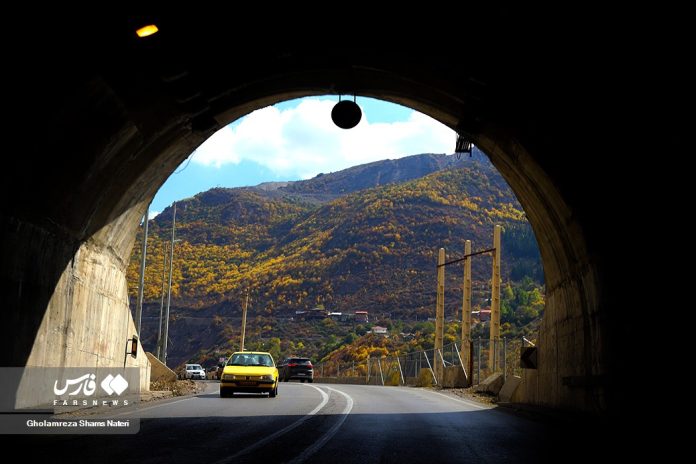
Iran Chalus Road

Colonel Ahmad Karami Assad added that 625 people were also injured during the period.

He noted that from March 15 when the Nowruz holidays started, 13,195 accidents have happened in Iran, killing 87 people and injuring 3,075.

Regarding the causes of accidents, he said lack of attention to the road ahead on highways accounts for 47%, sudden lane changes for 4%, inability to control the vehicle for 22%, and veering to the left for 11%.

Karami Assad underlined that the roads leading out of Tehran towards the northern cities, especially Chaloos and Firoozkooh, are experiencing heavy traffic congestion.

According to the traffic police commander, for this reason, the Tehran-North Freeway and Karaj- Chaloos Road have been made one-way towards Chaloos.

He also urged all travelers to observe the traffic rules and be cautious on the roads to ensure a safe journey.

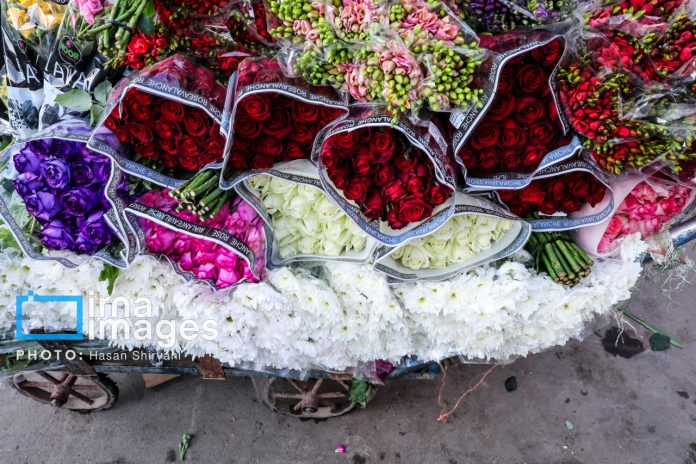
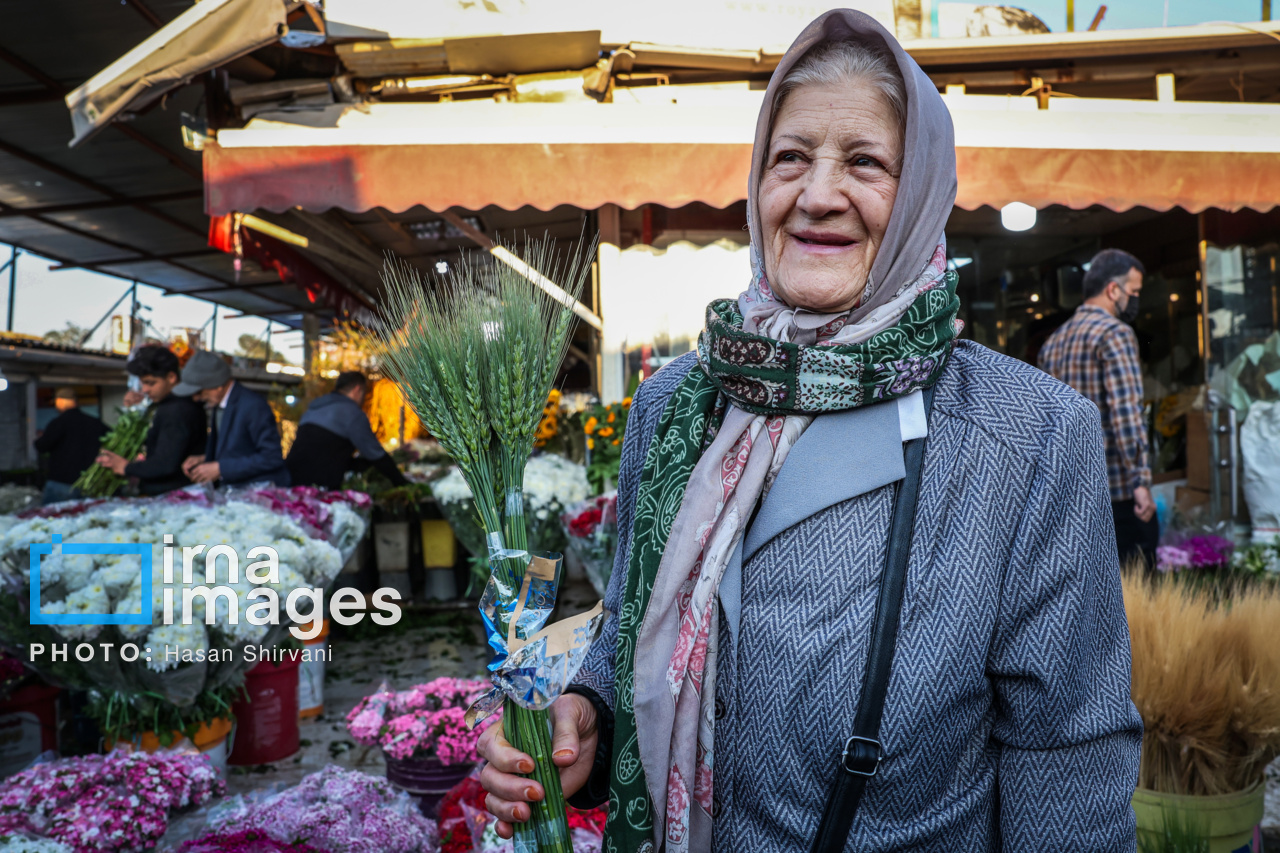
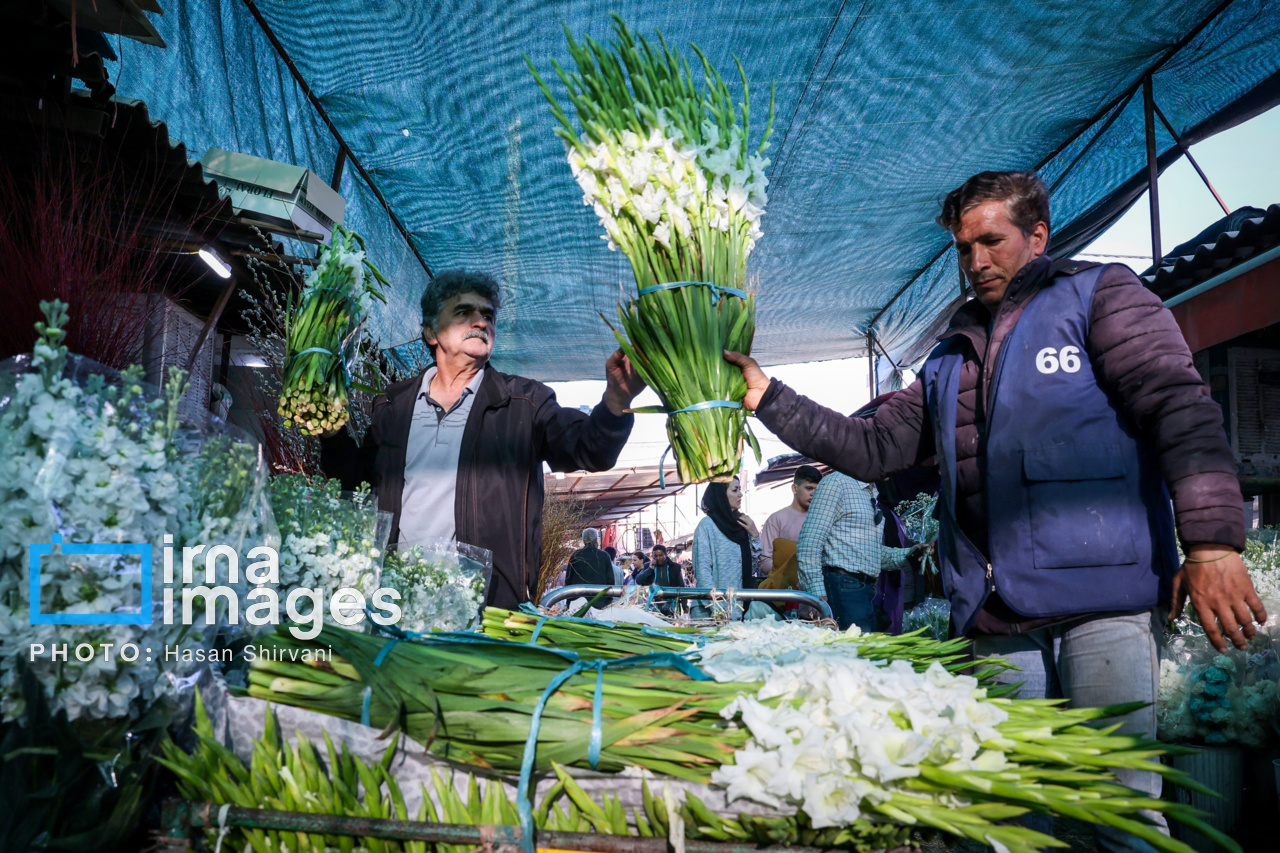
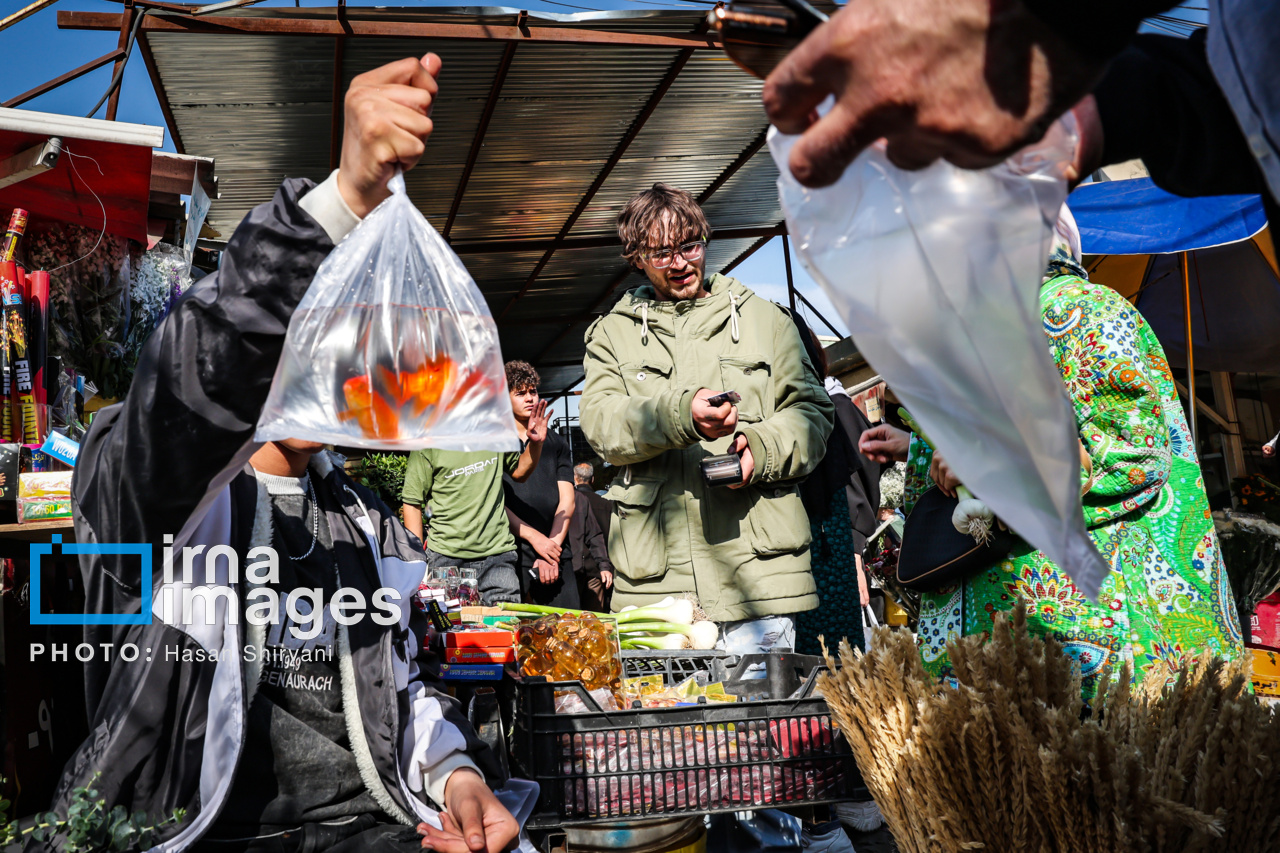
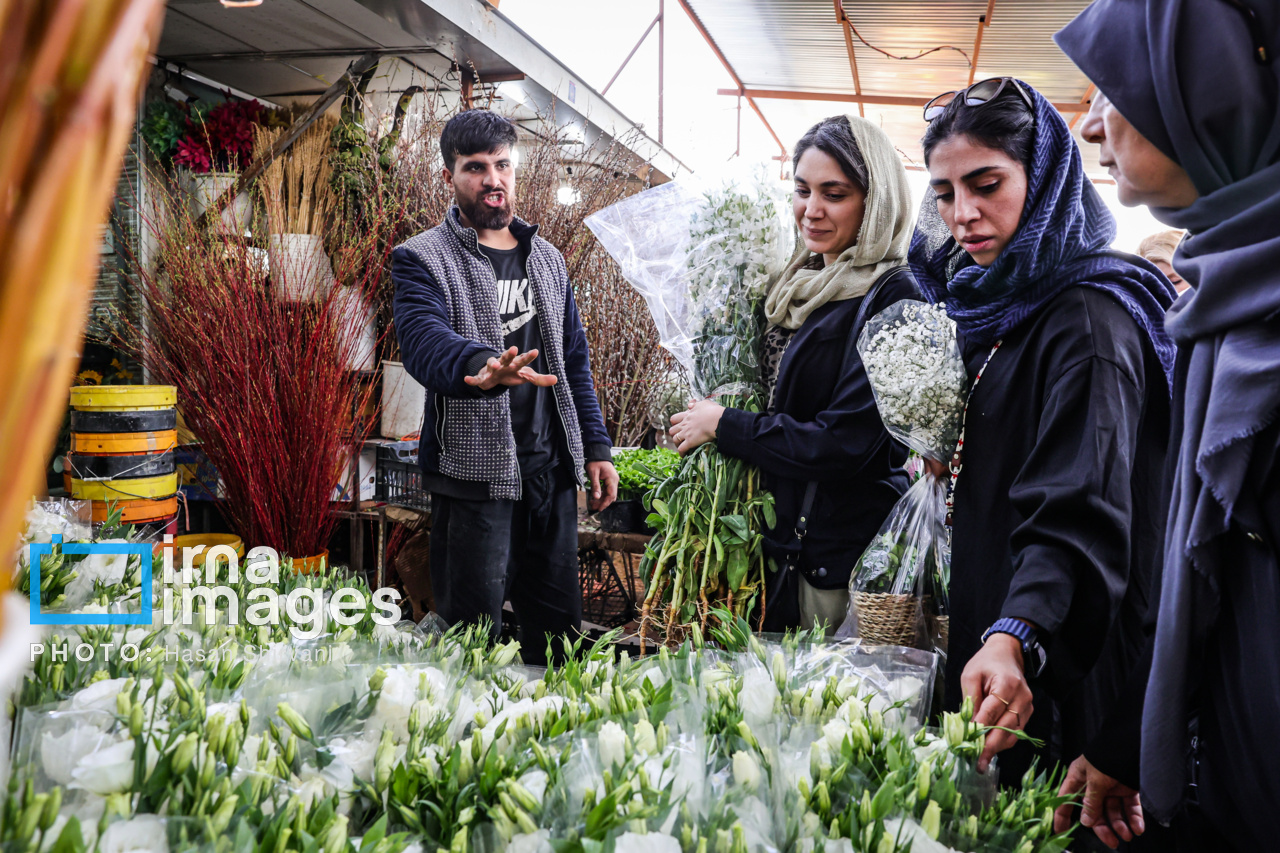
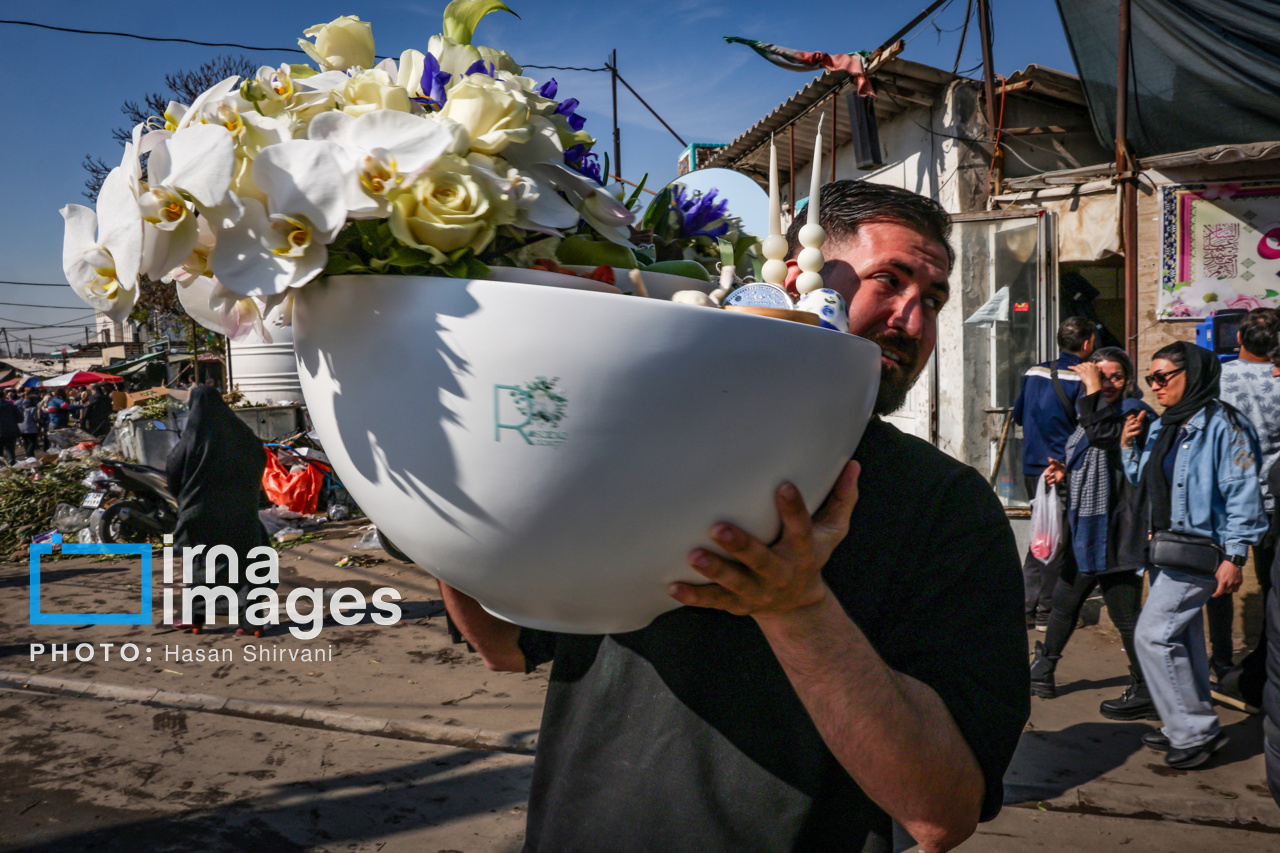
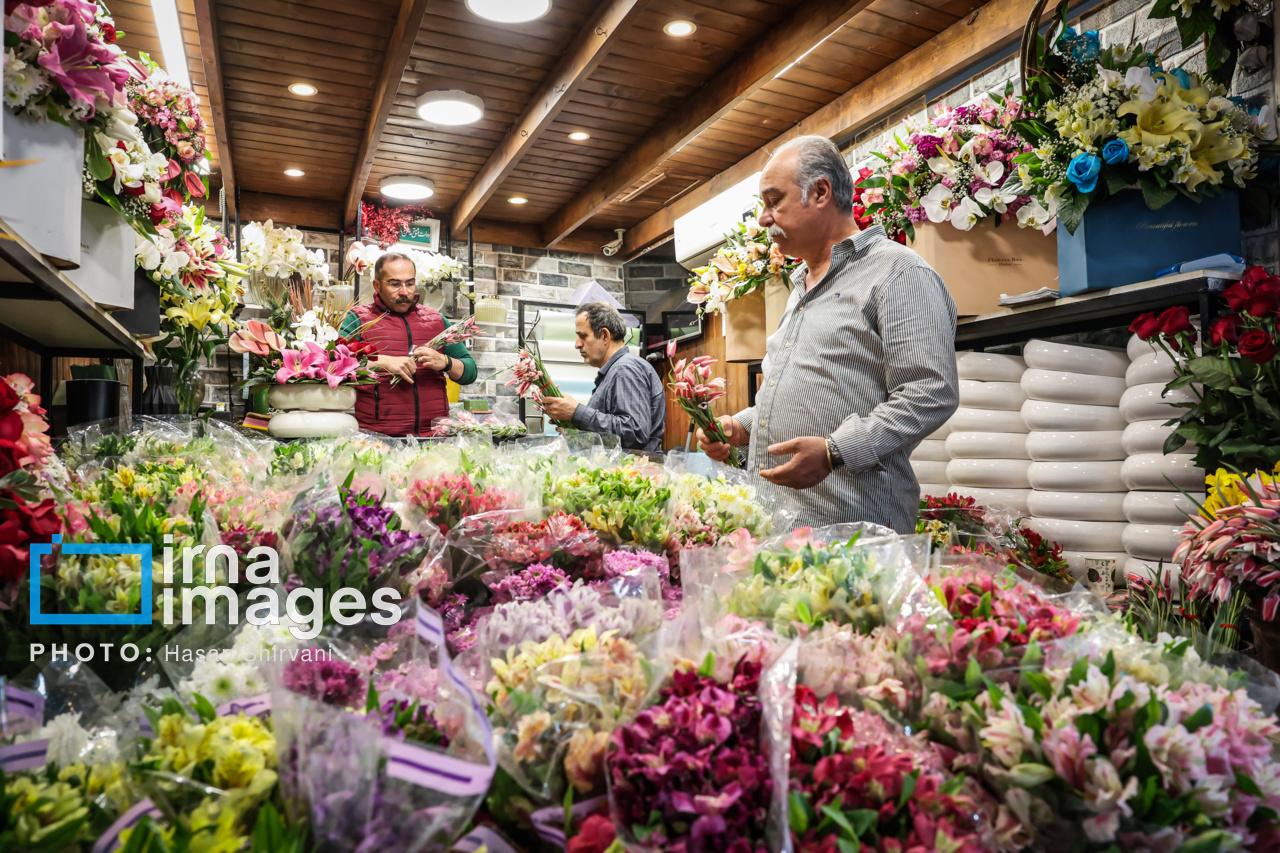
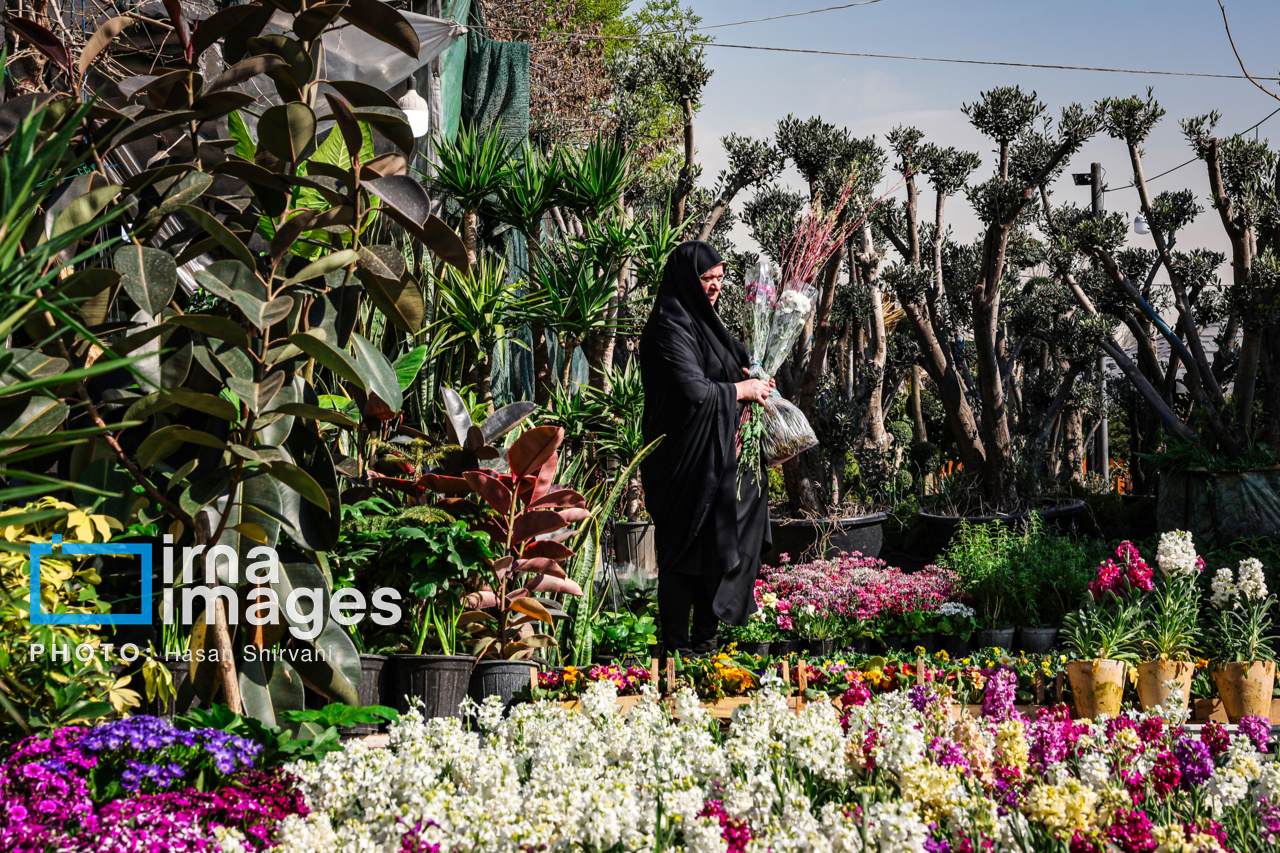
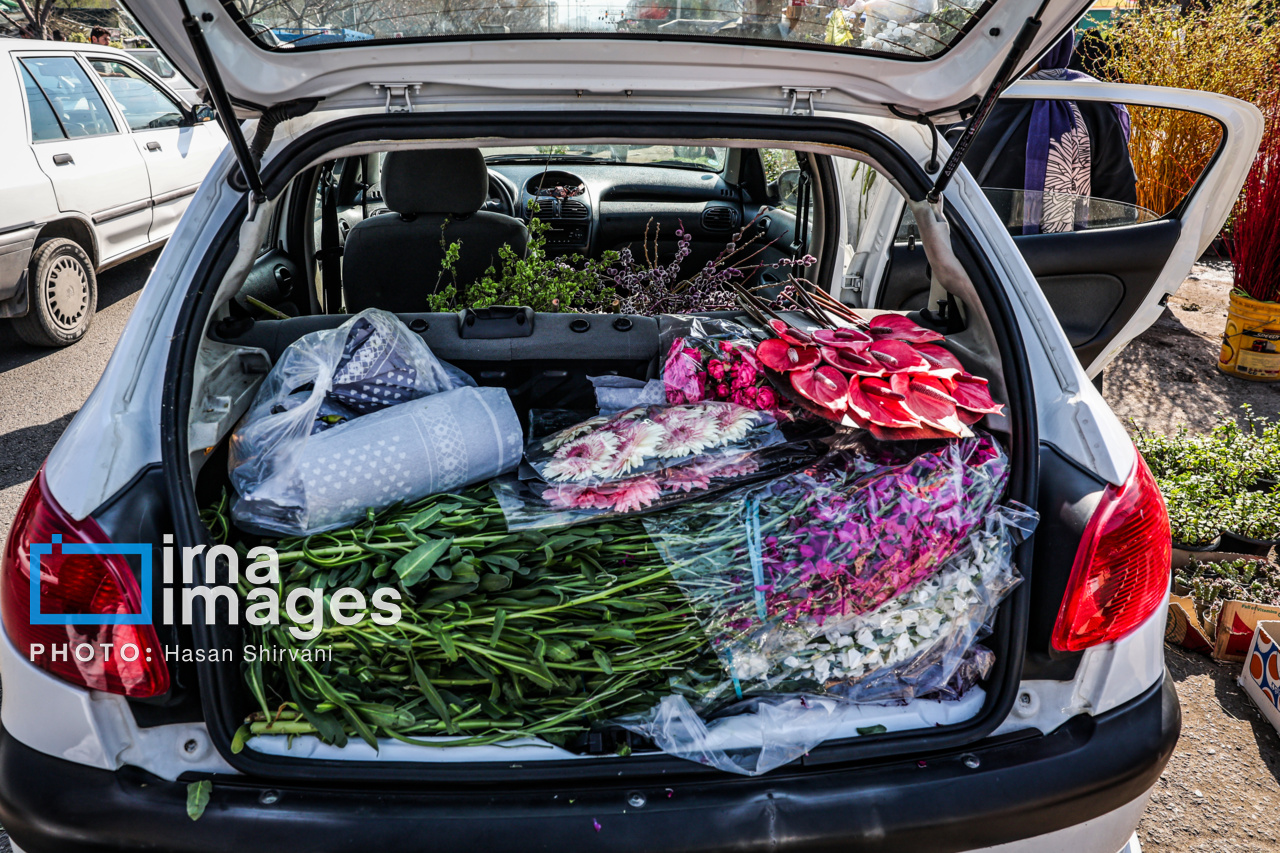
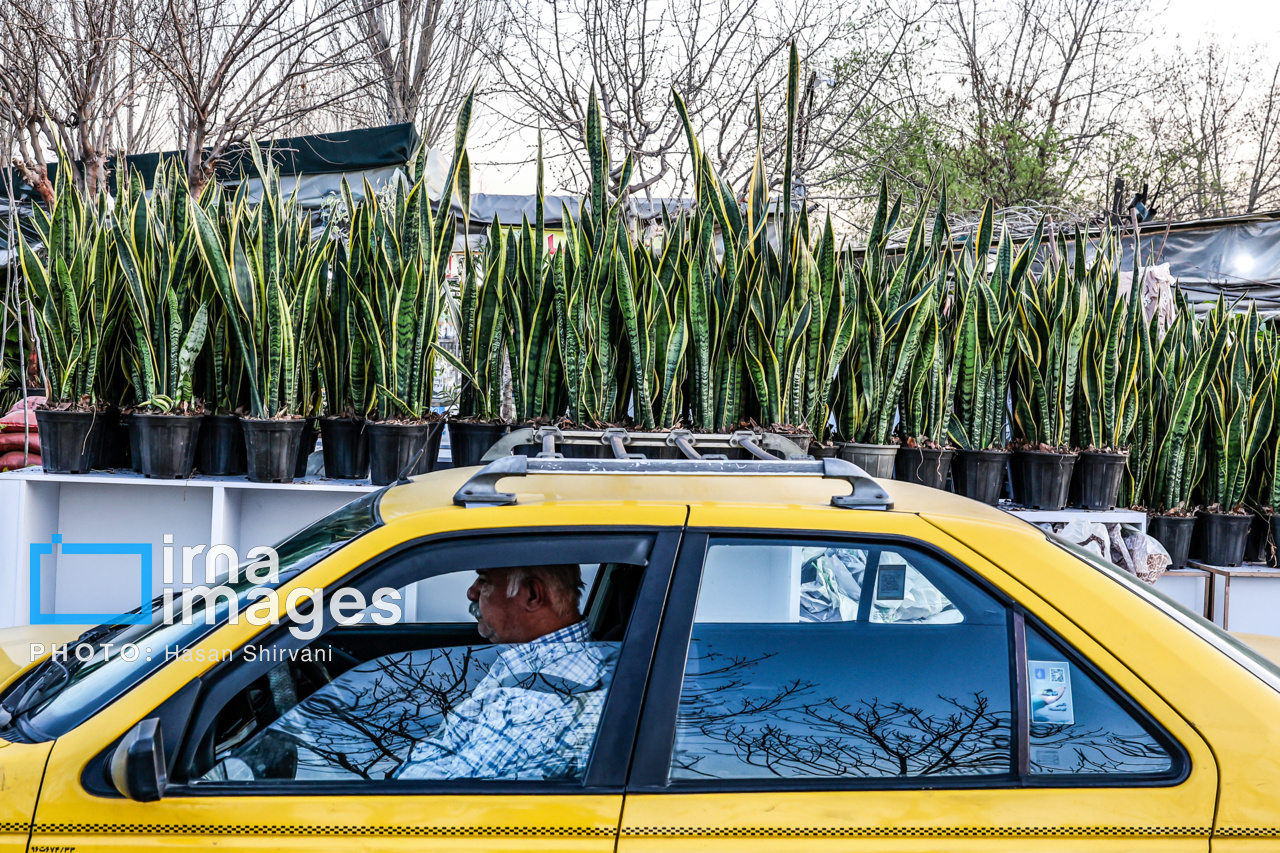
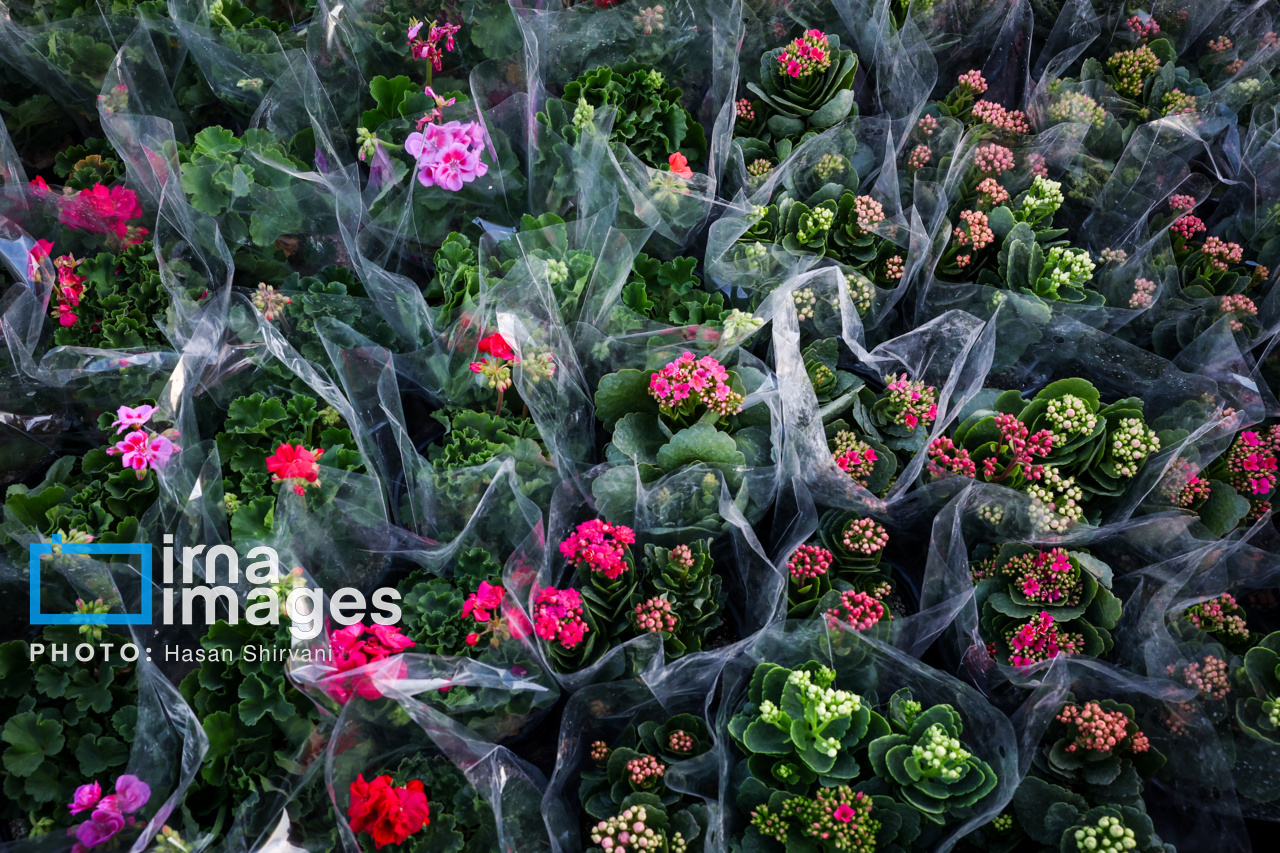
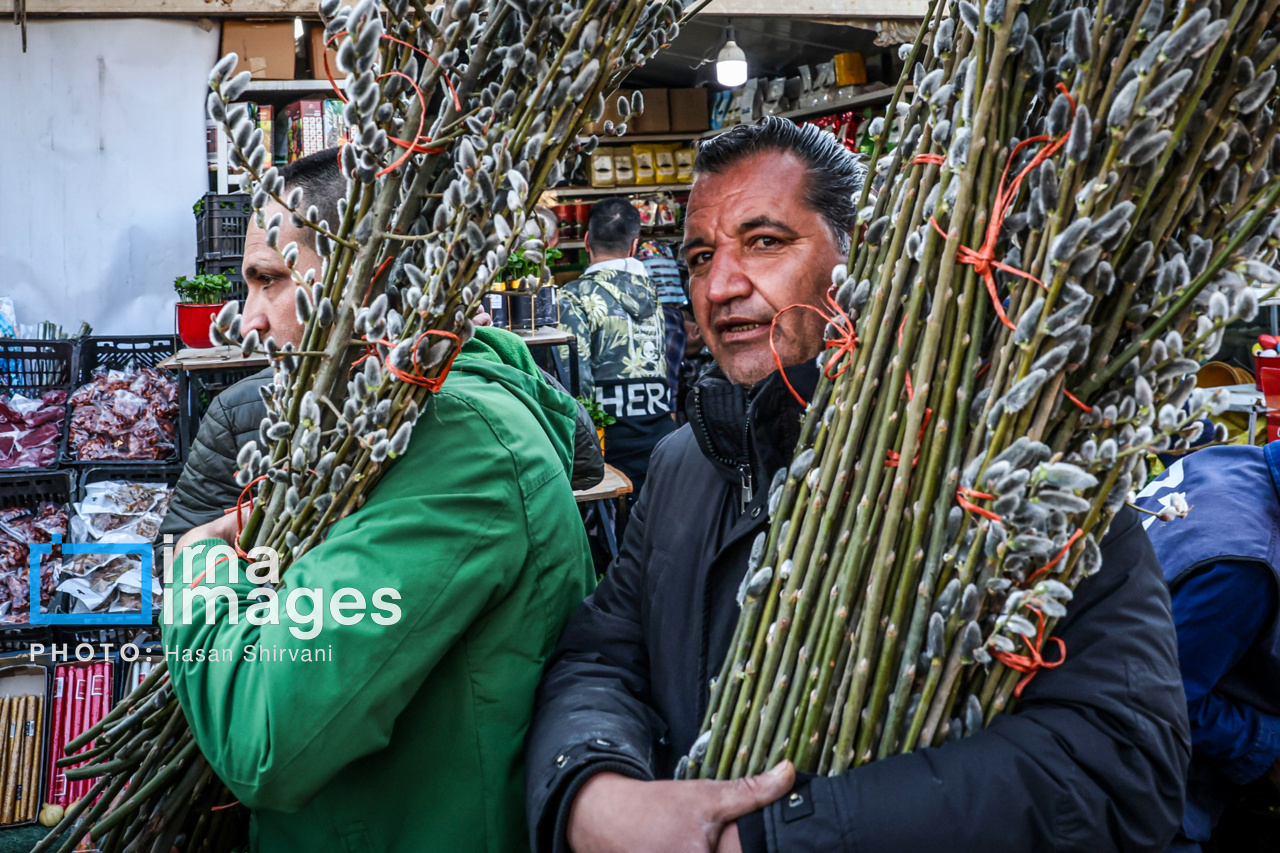
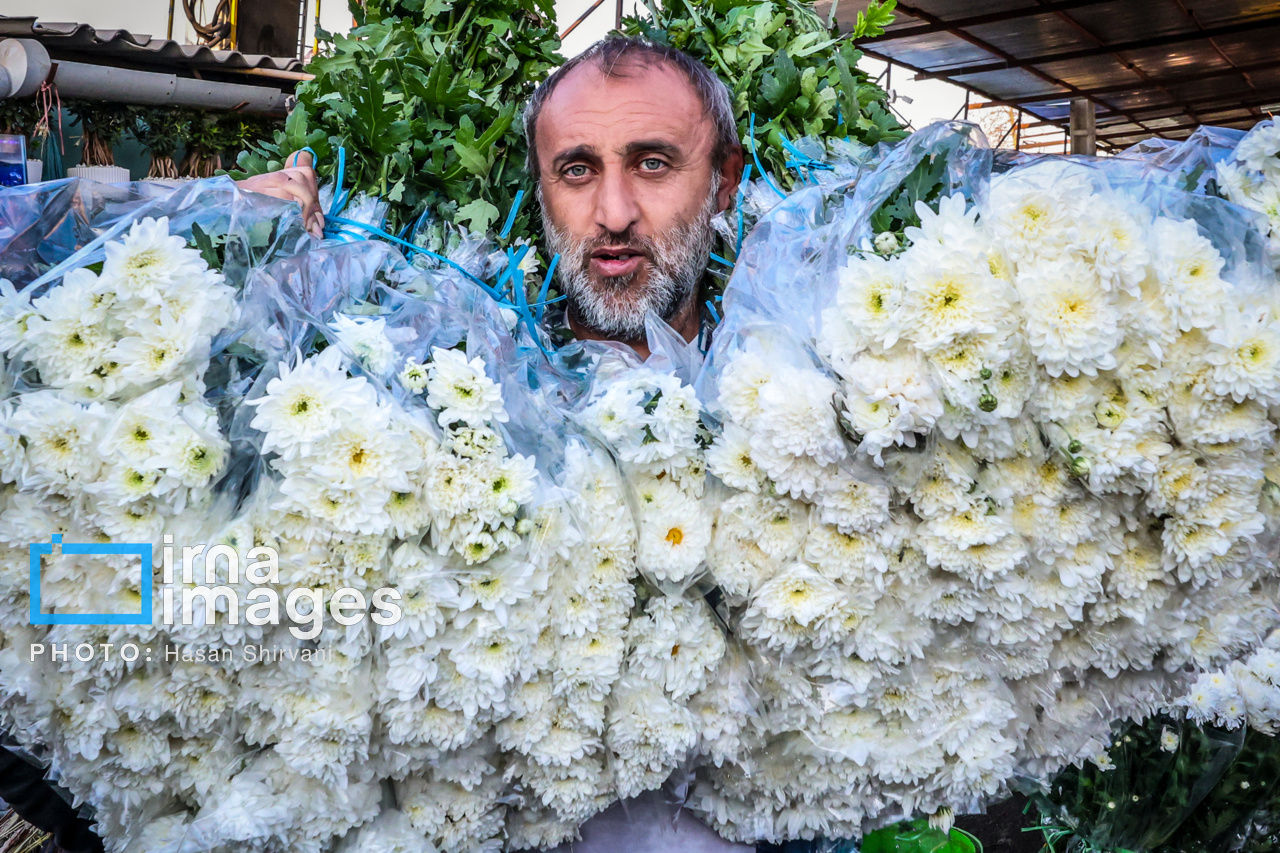
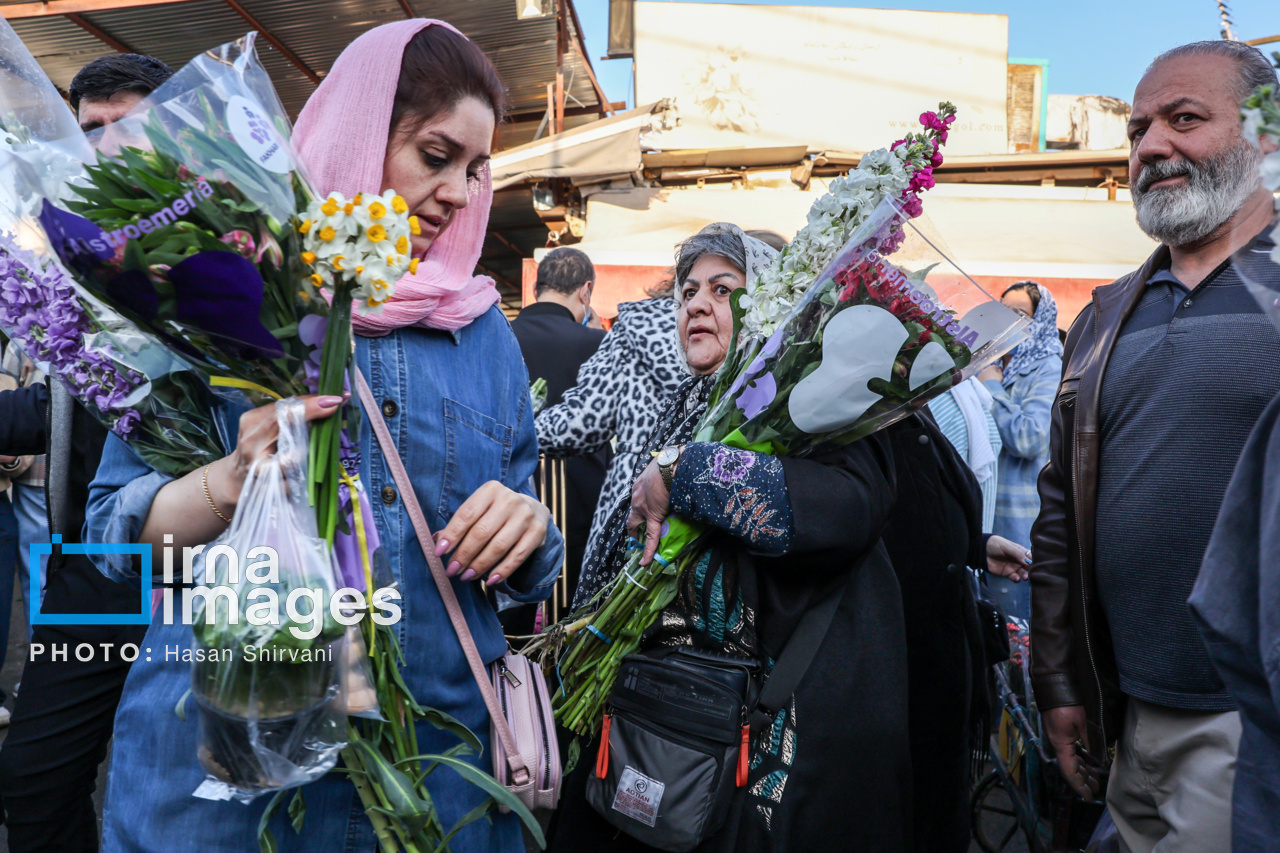
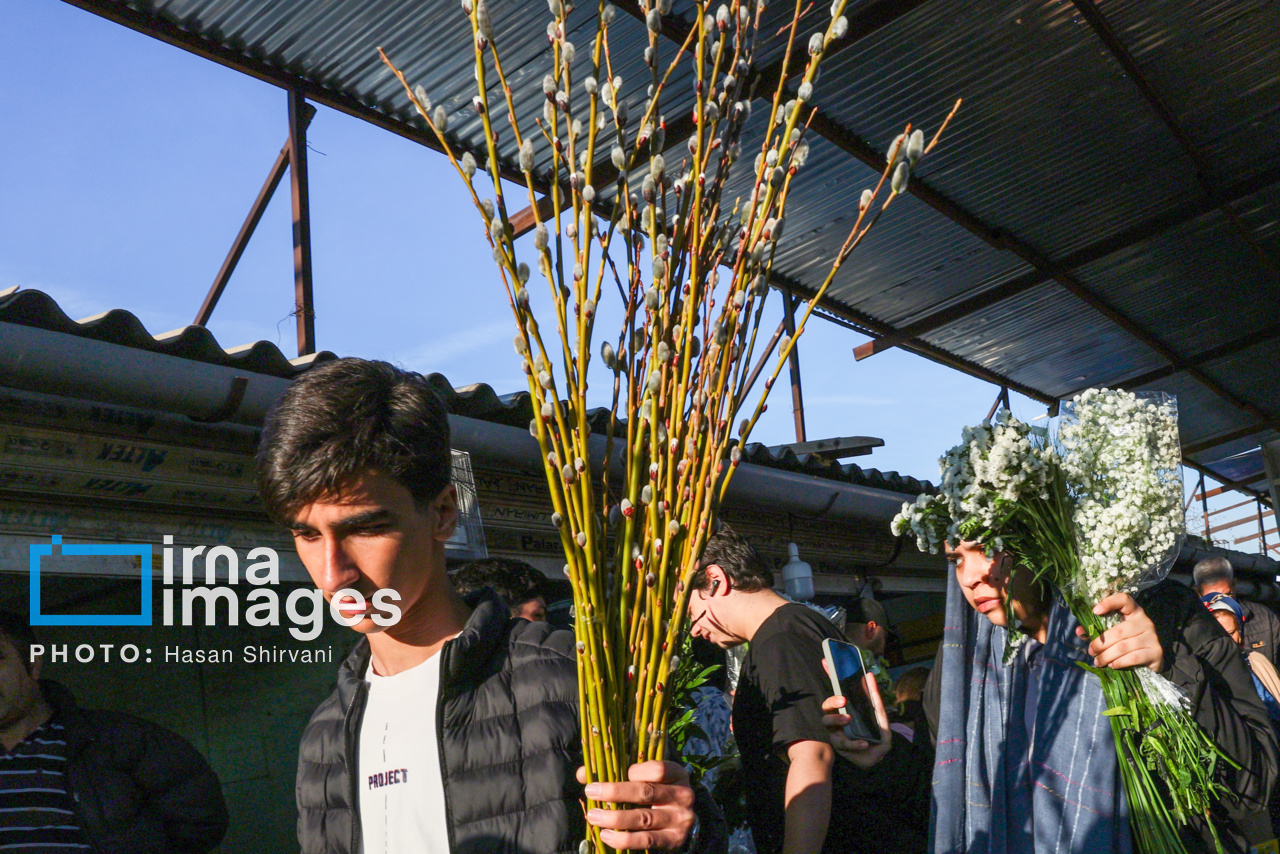
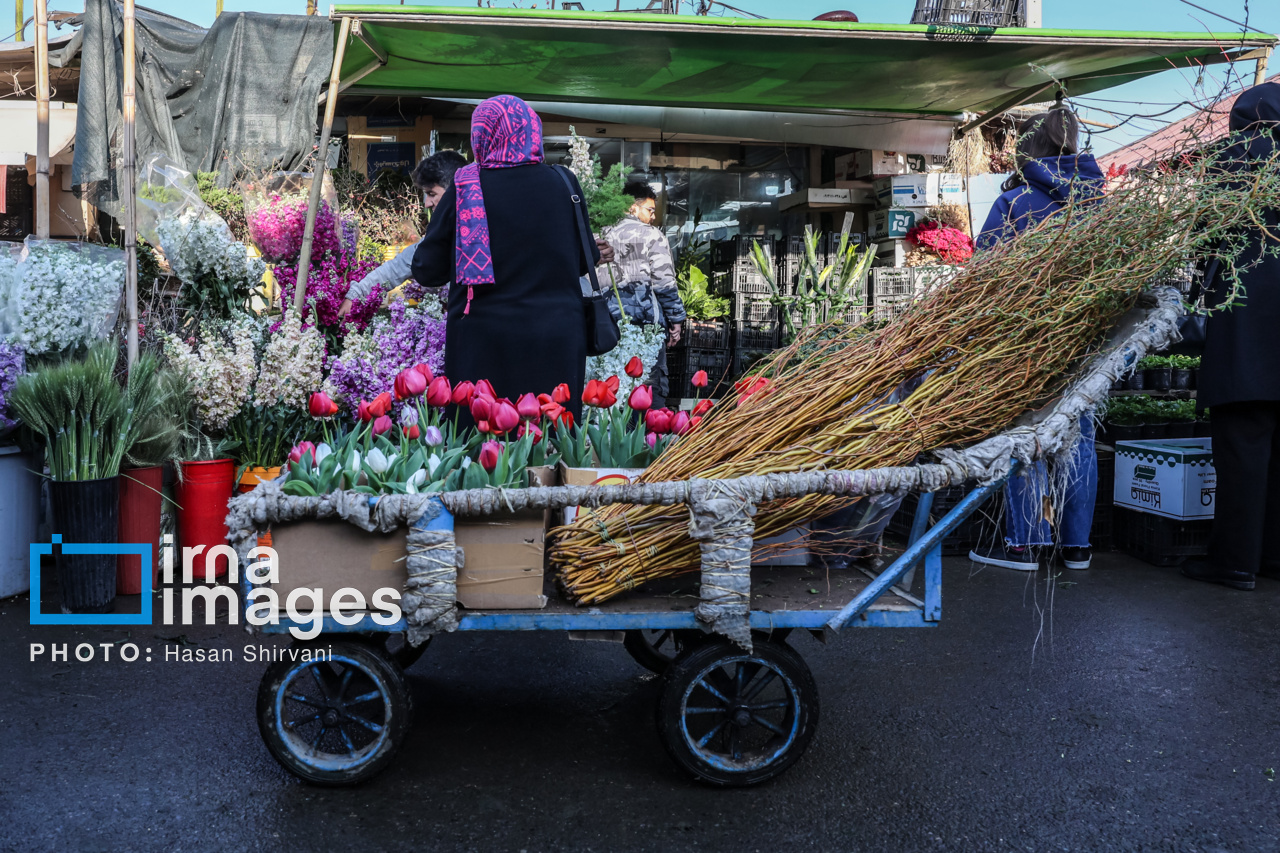
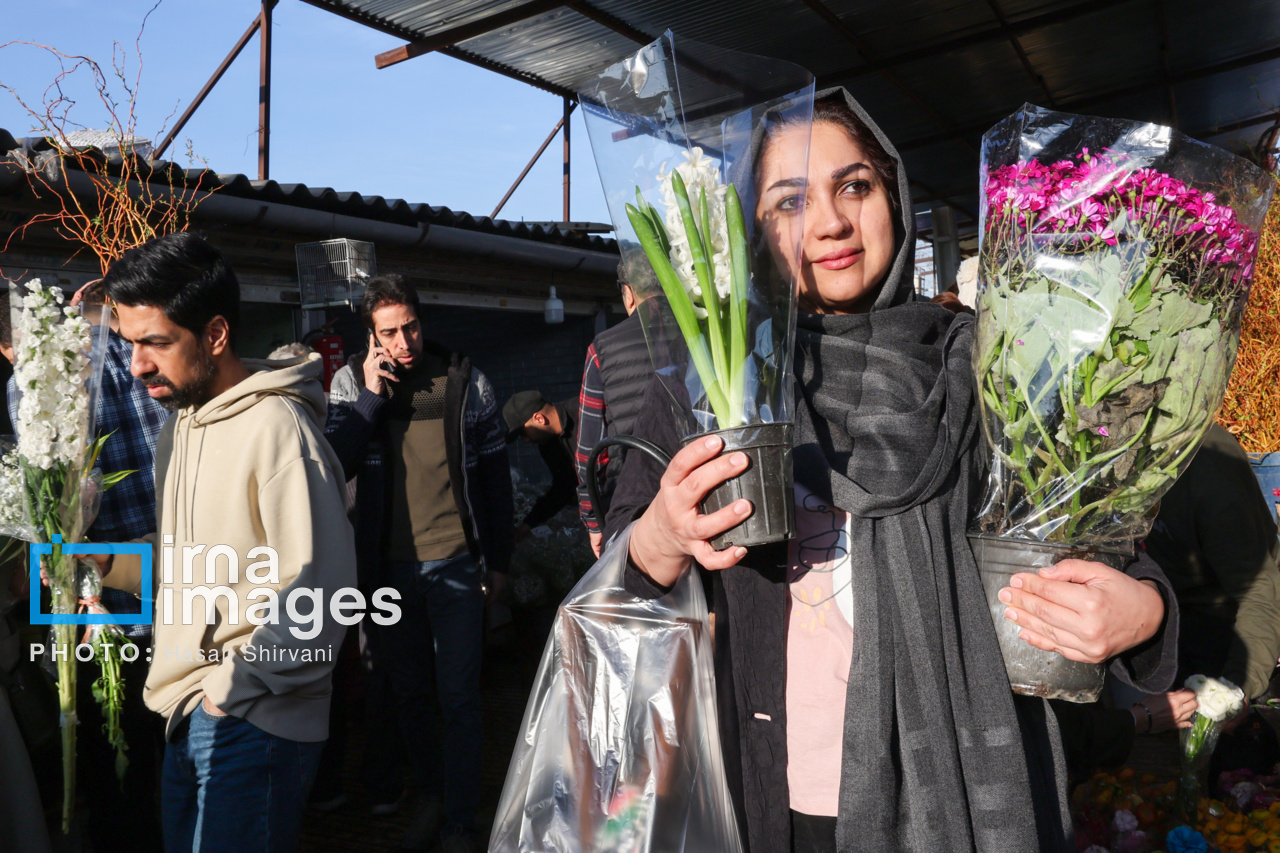
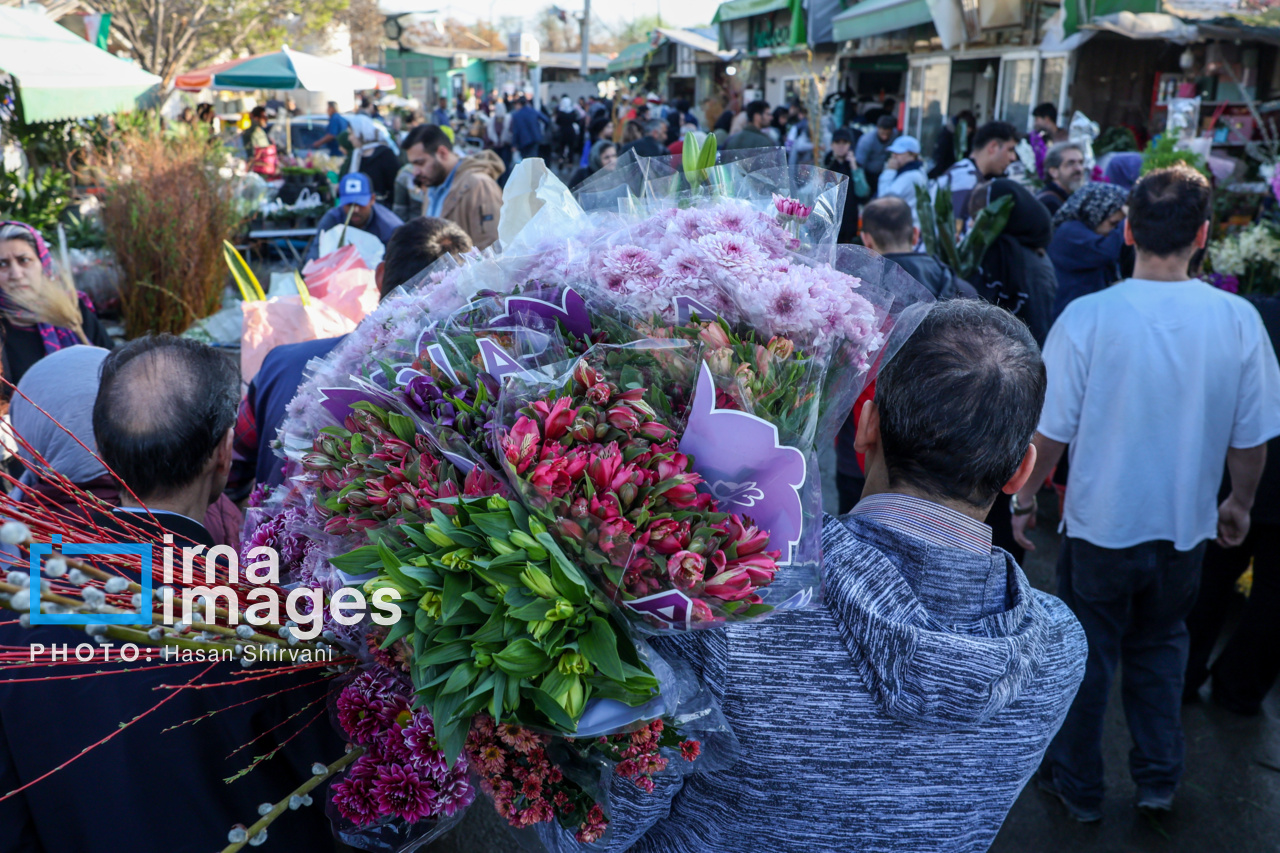
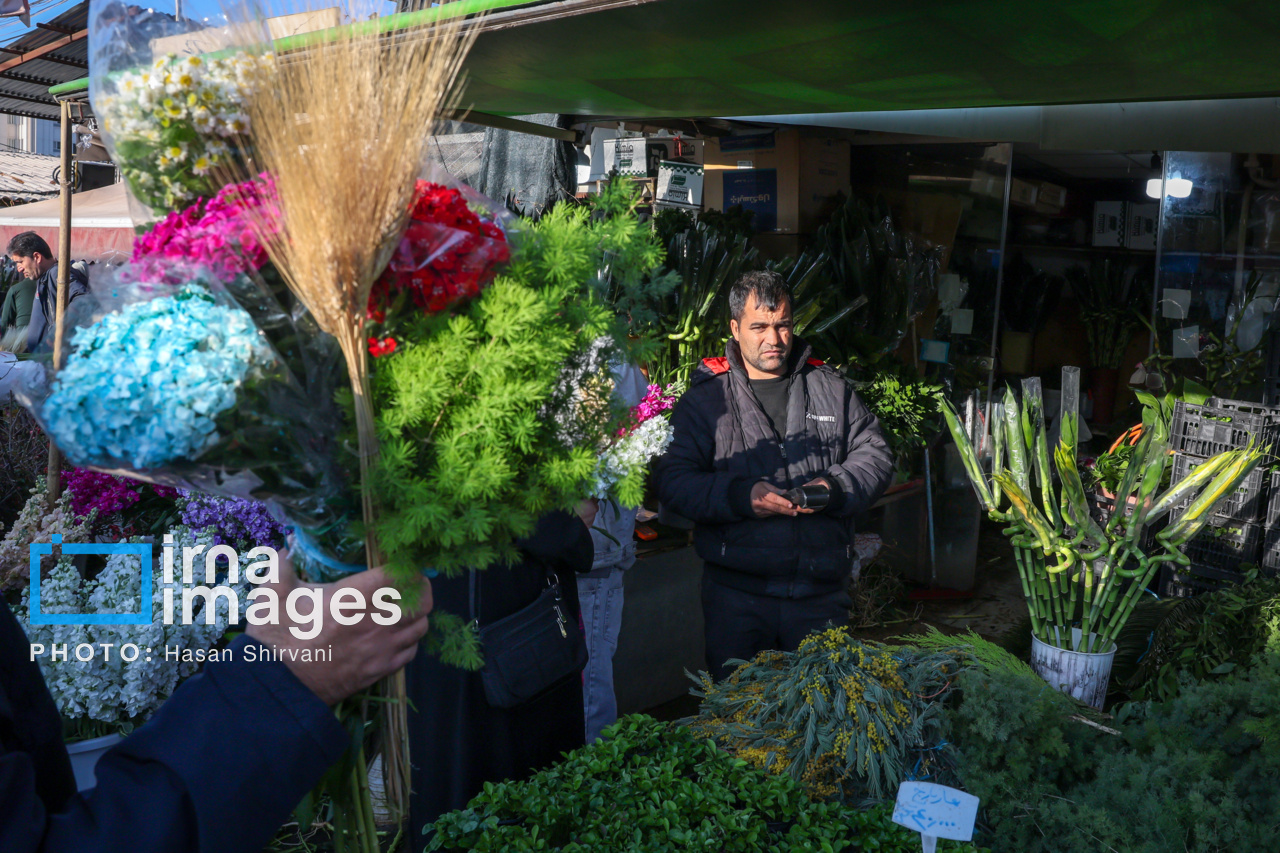
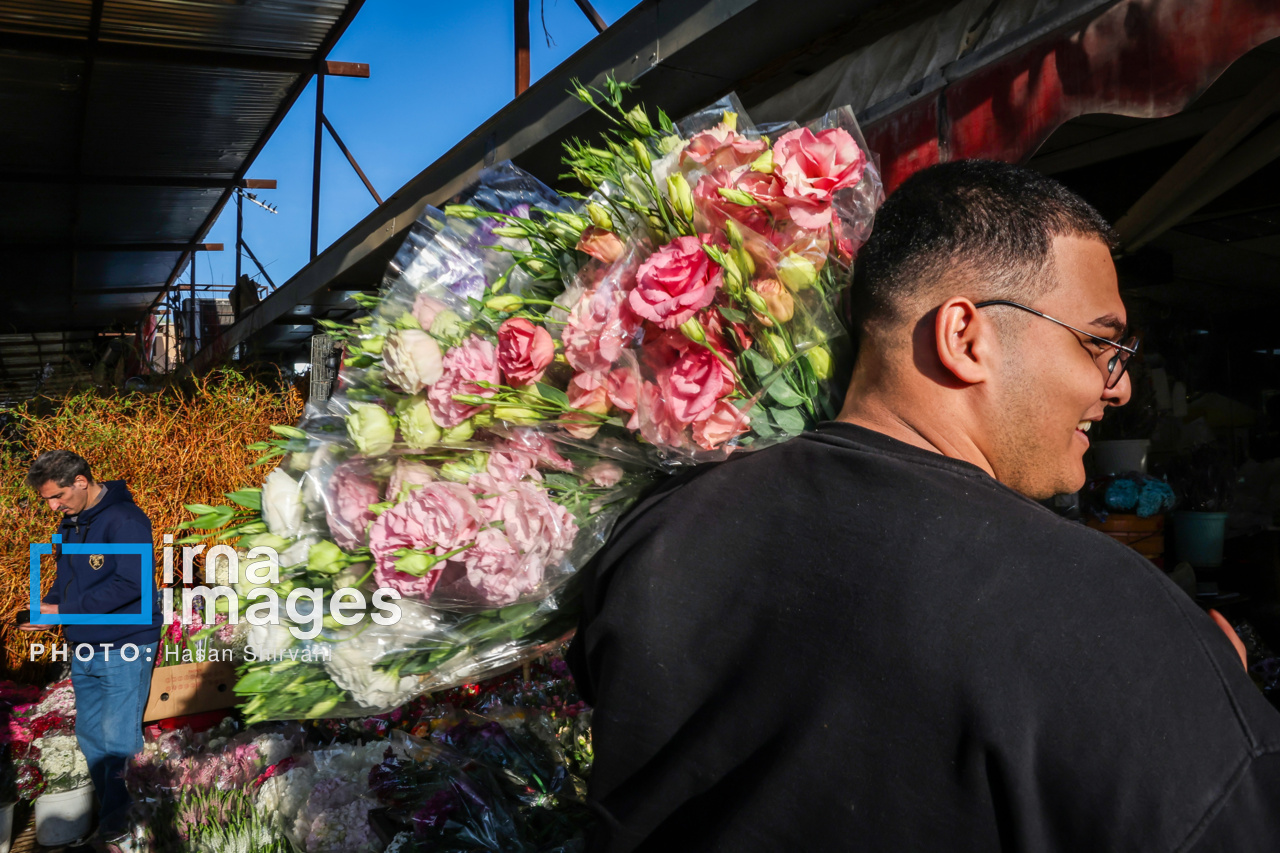
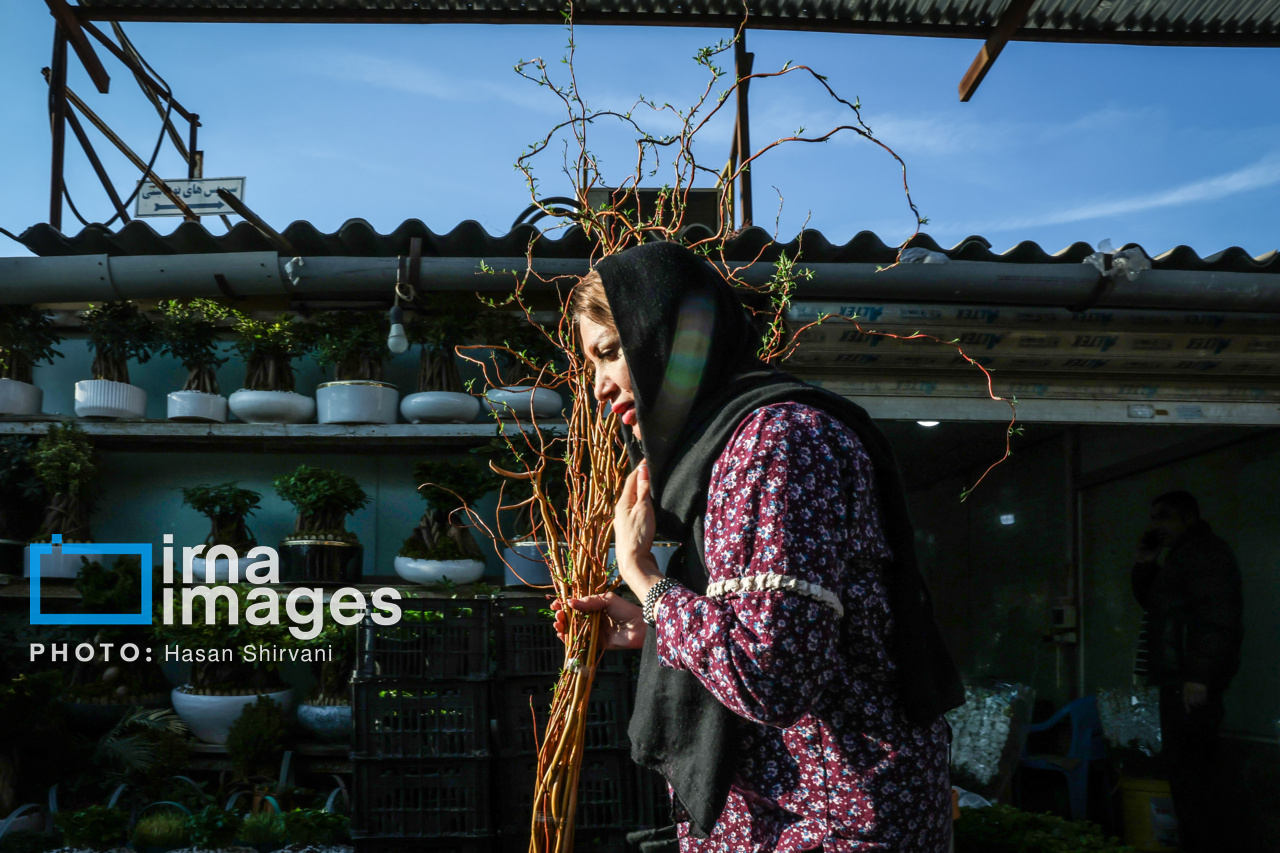
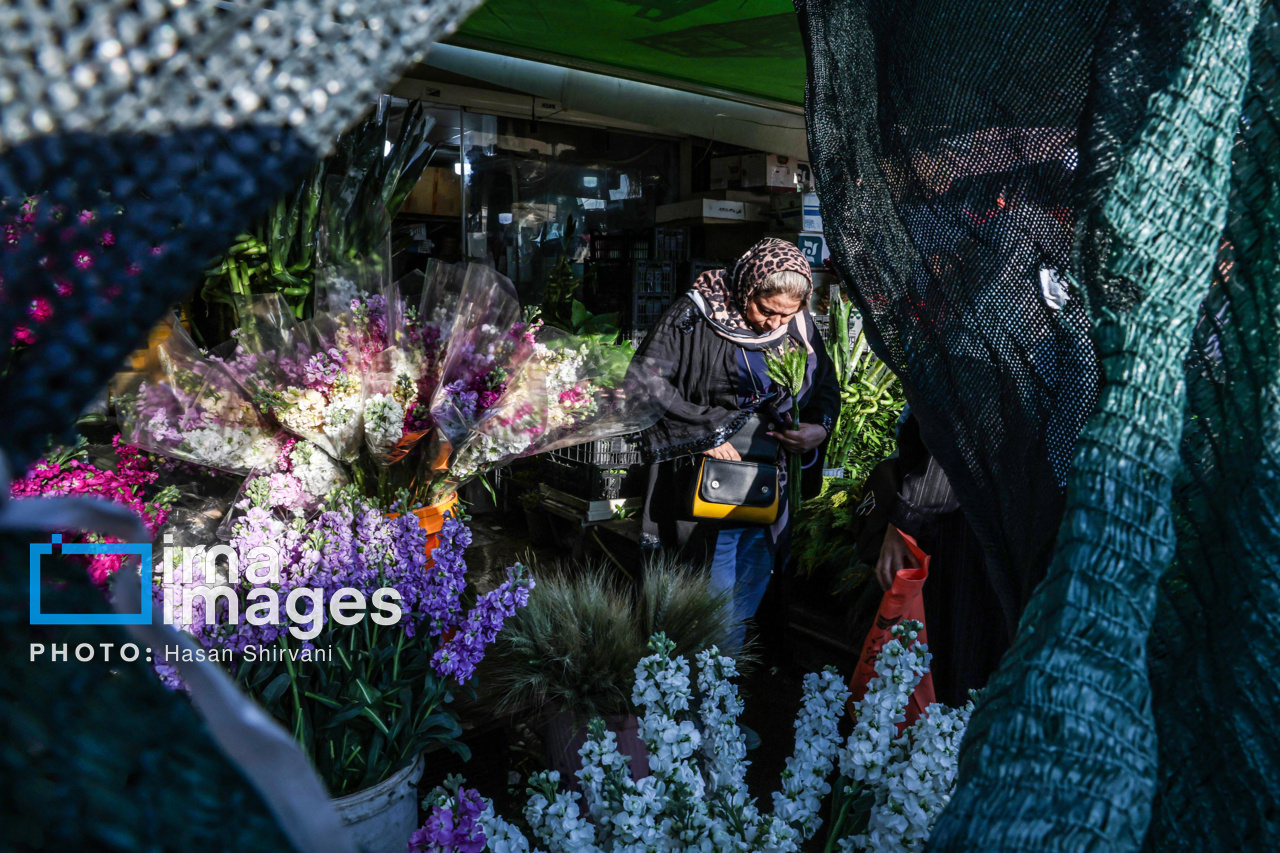
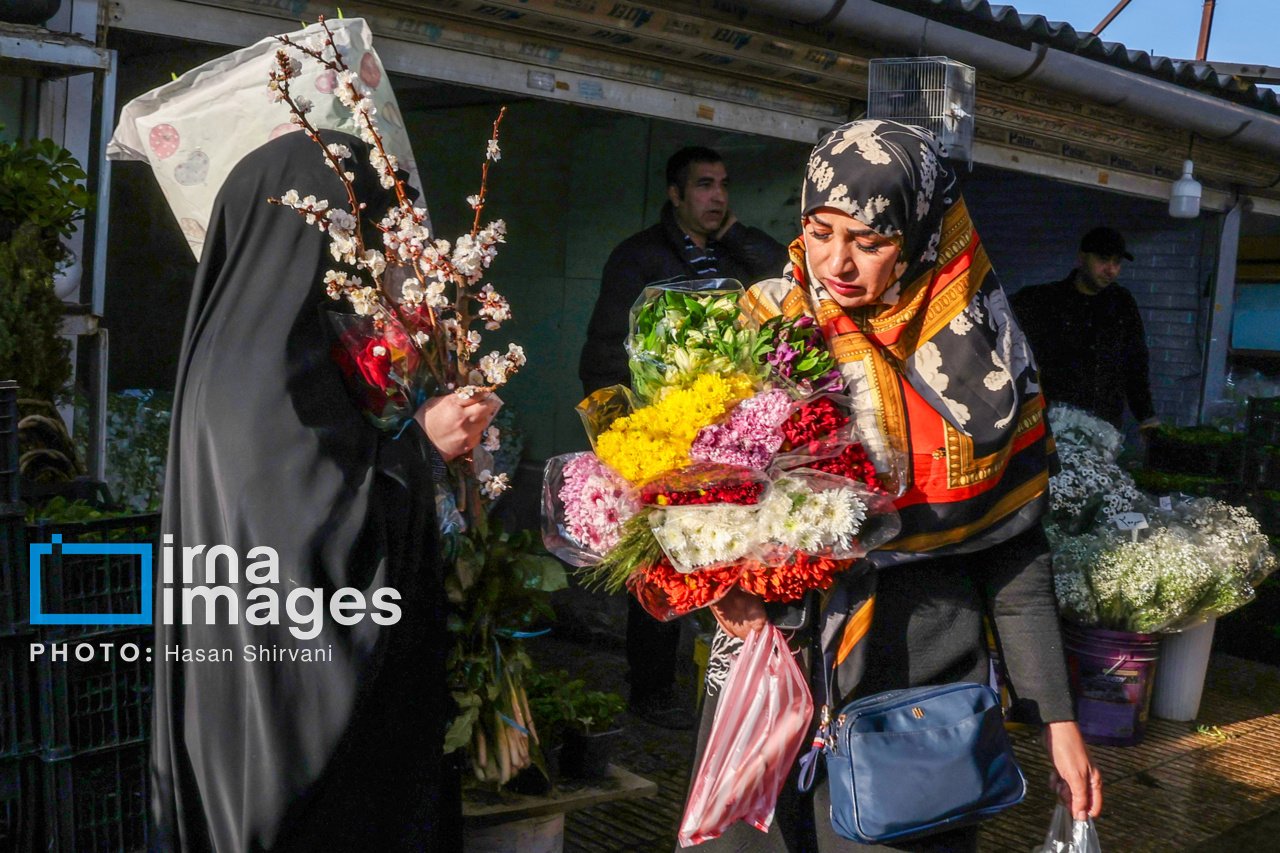
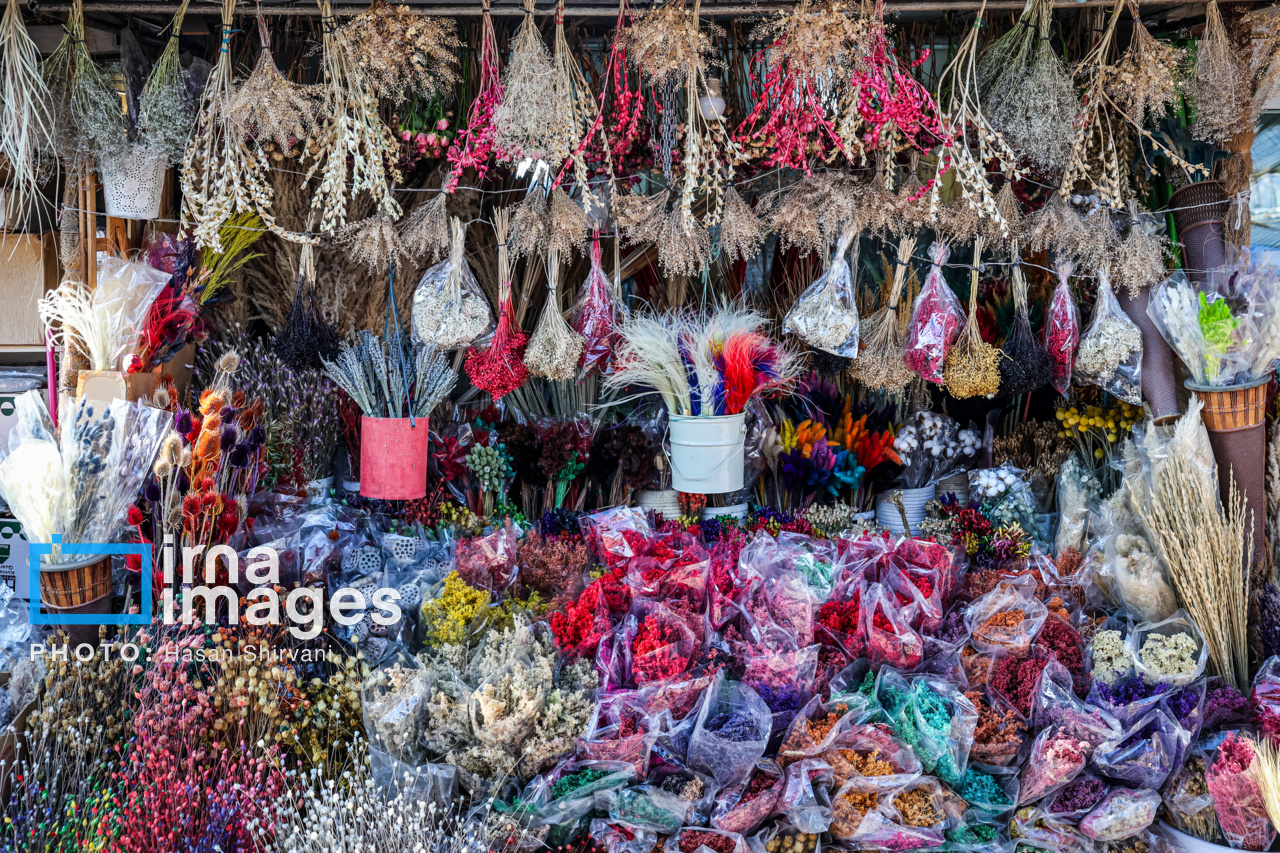
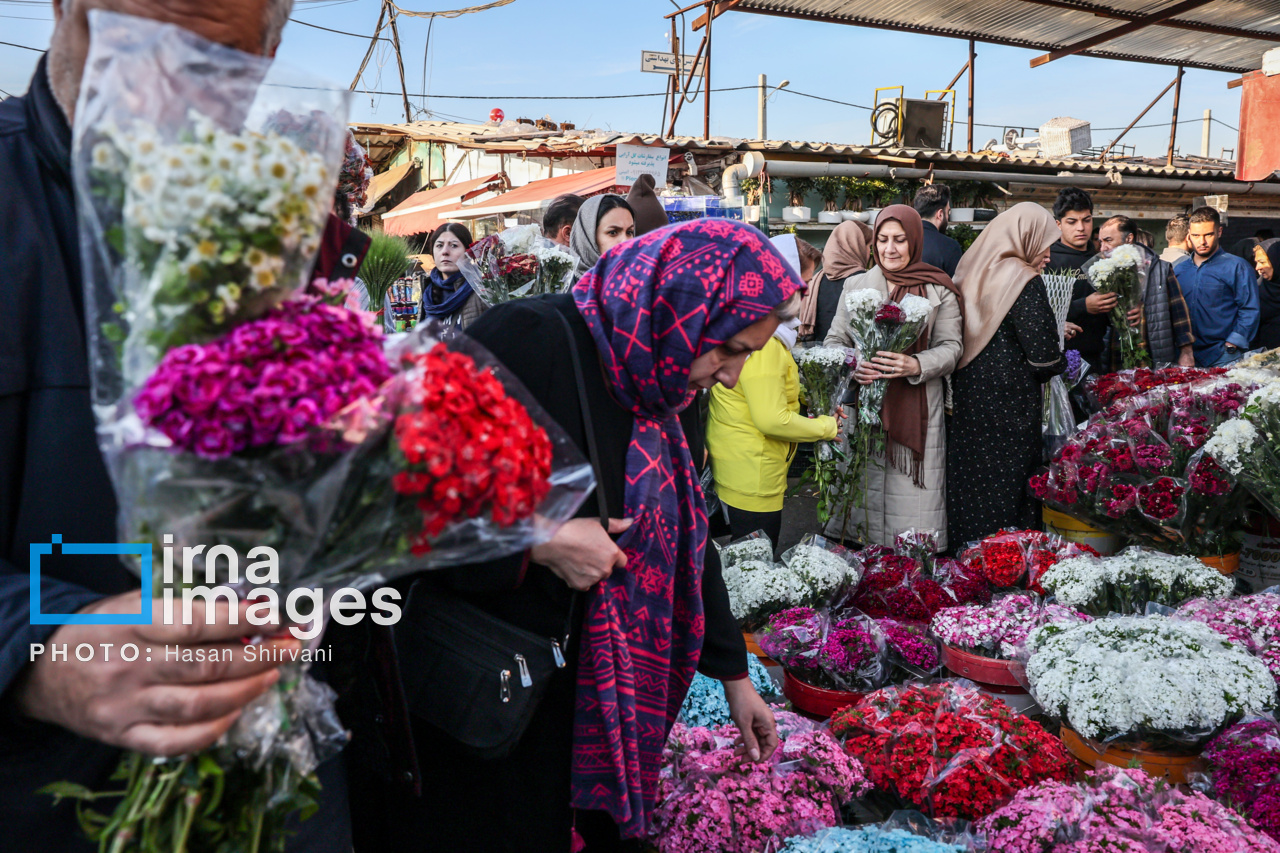
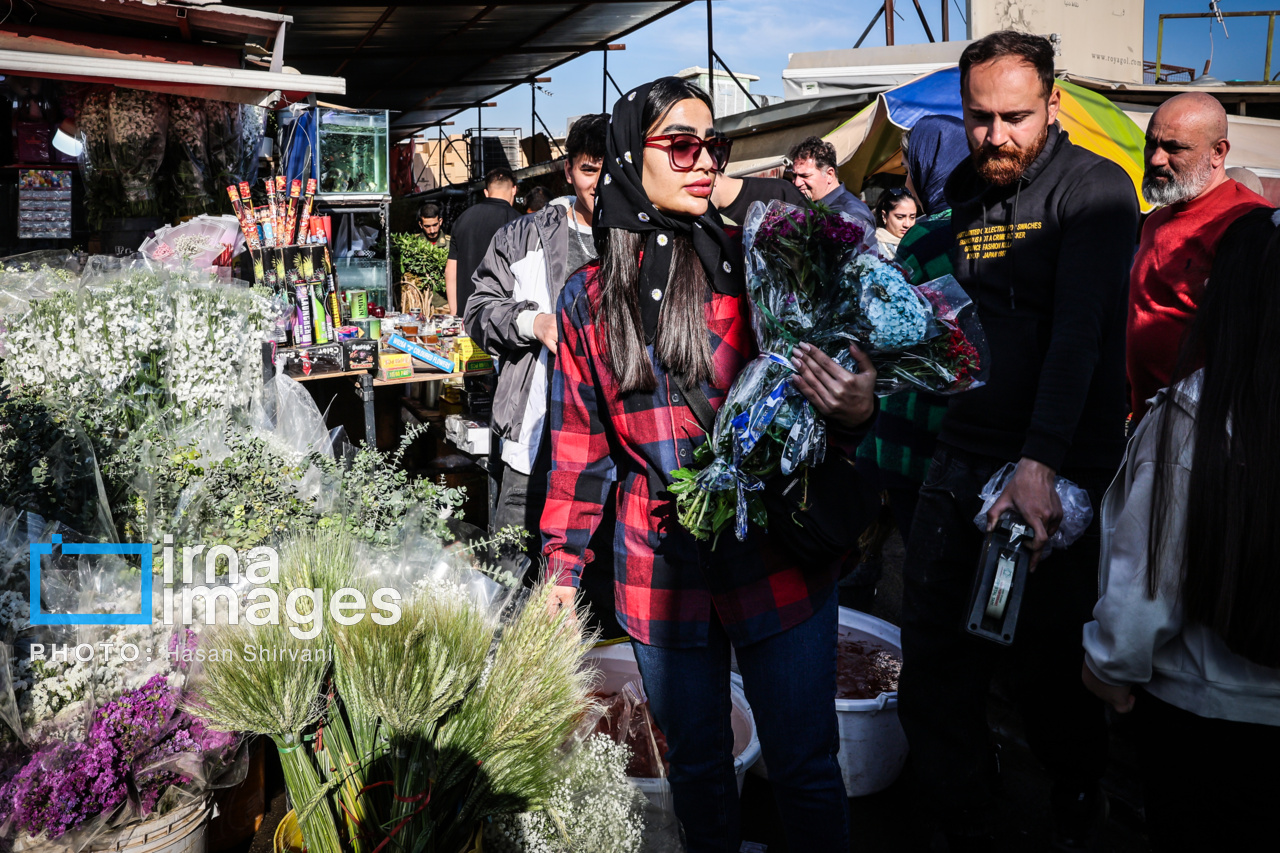
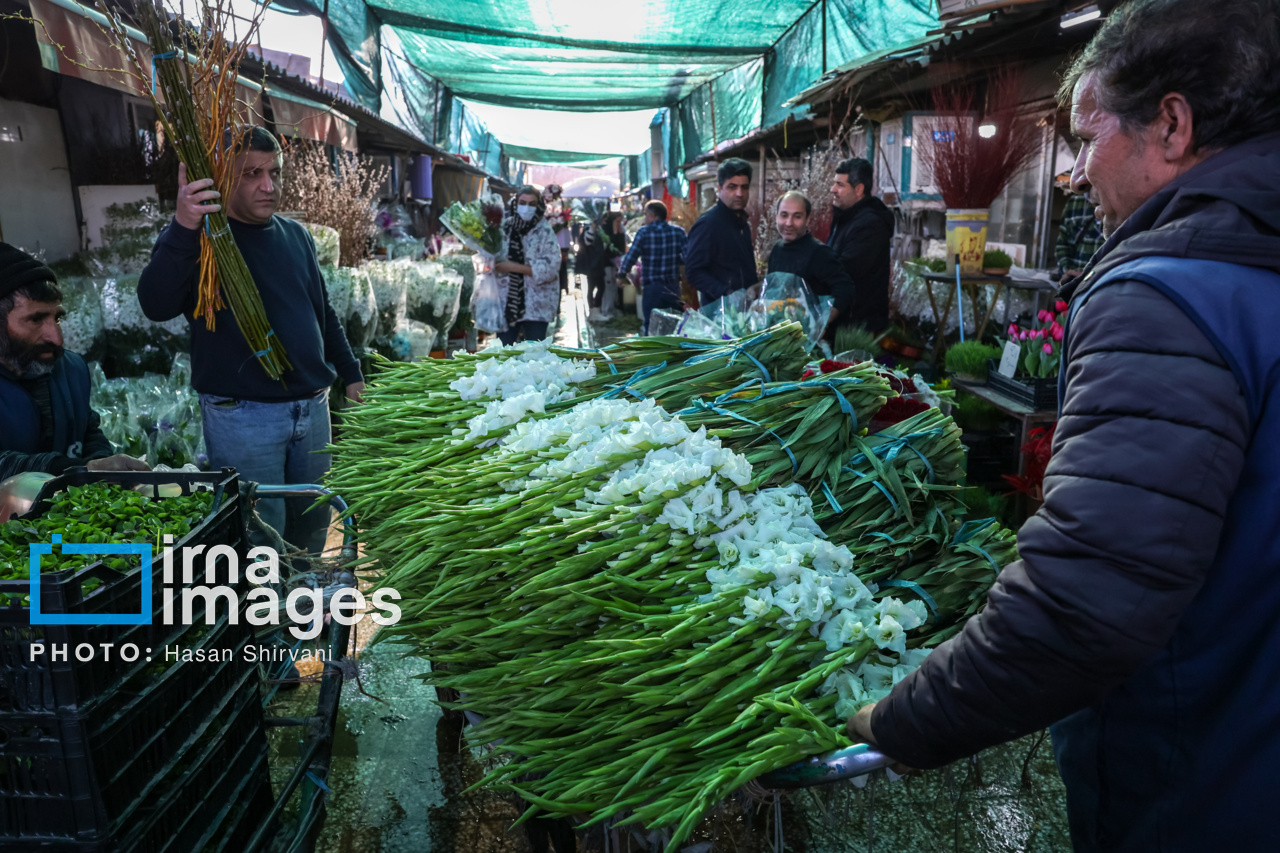
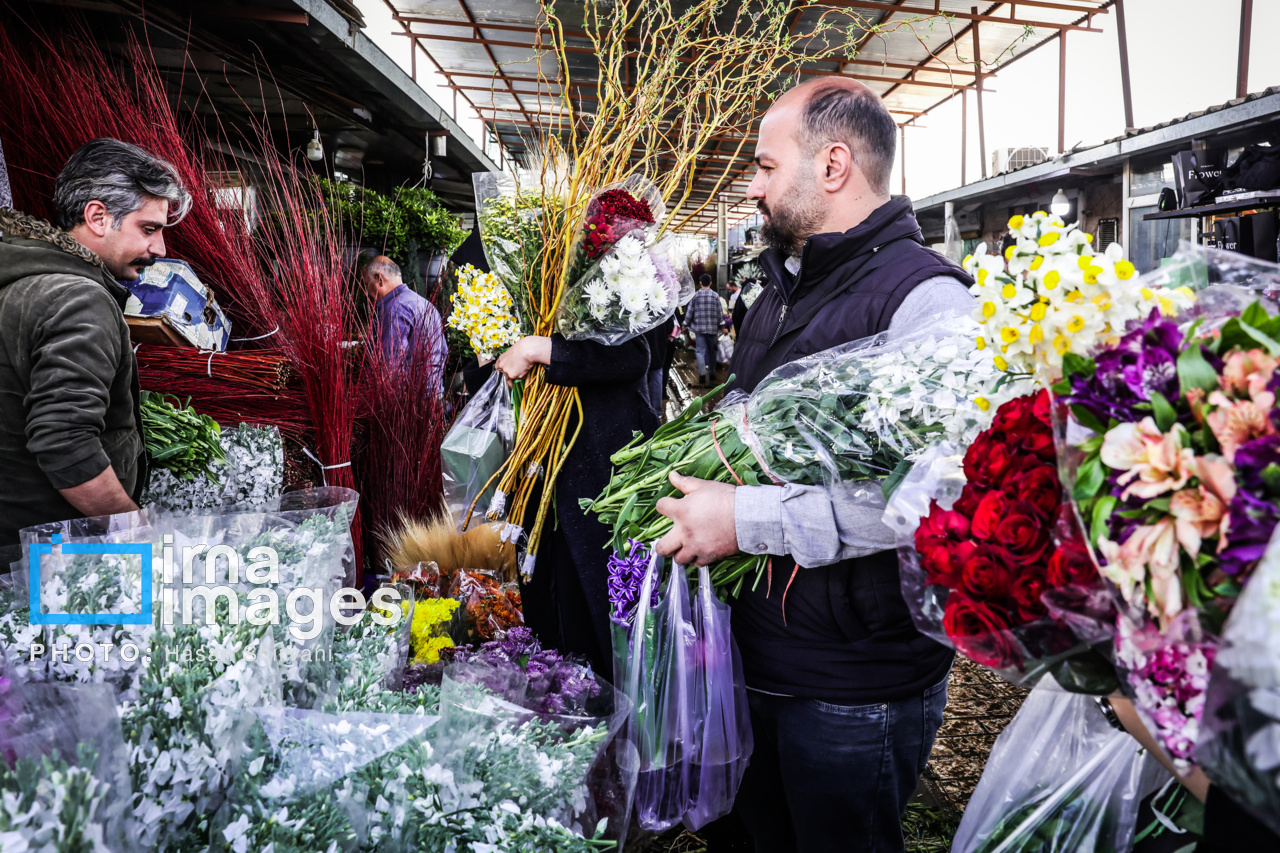
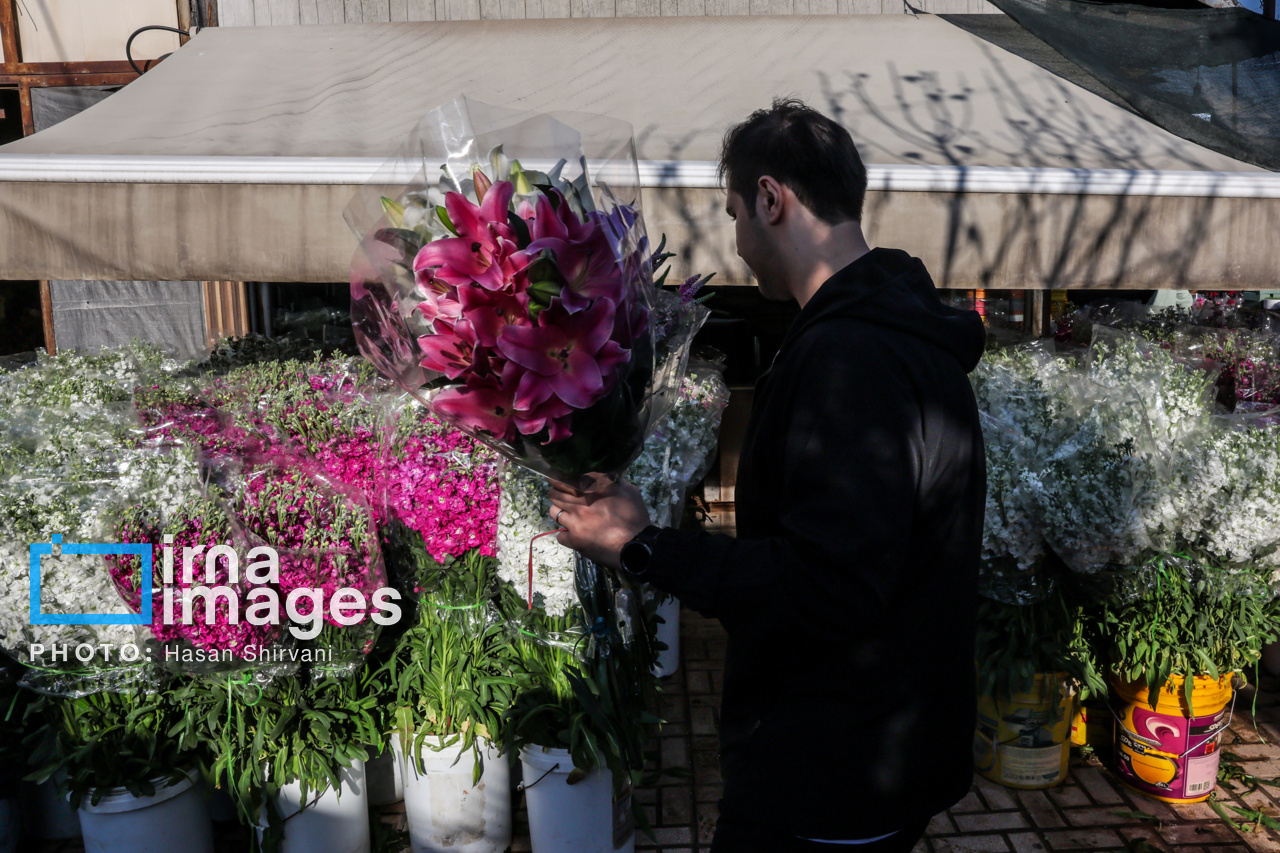
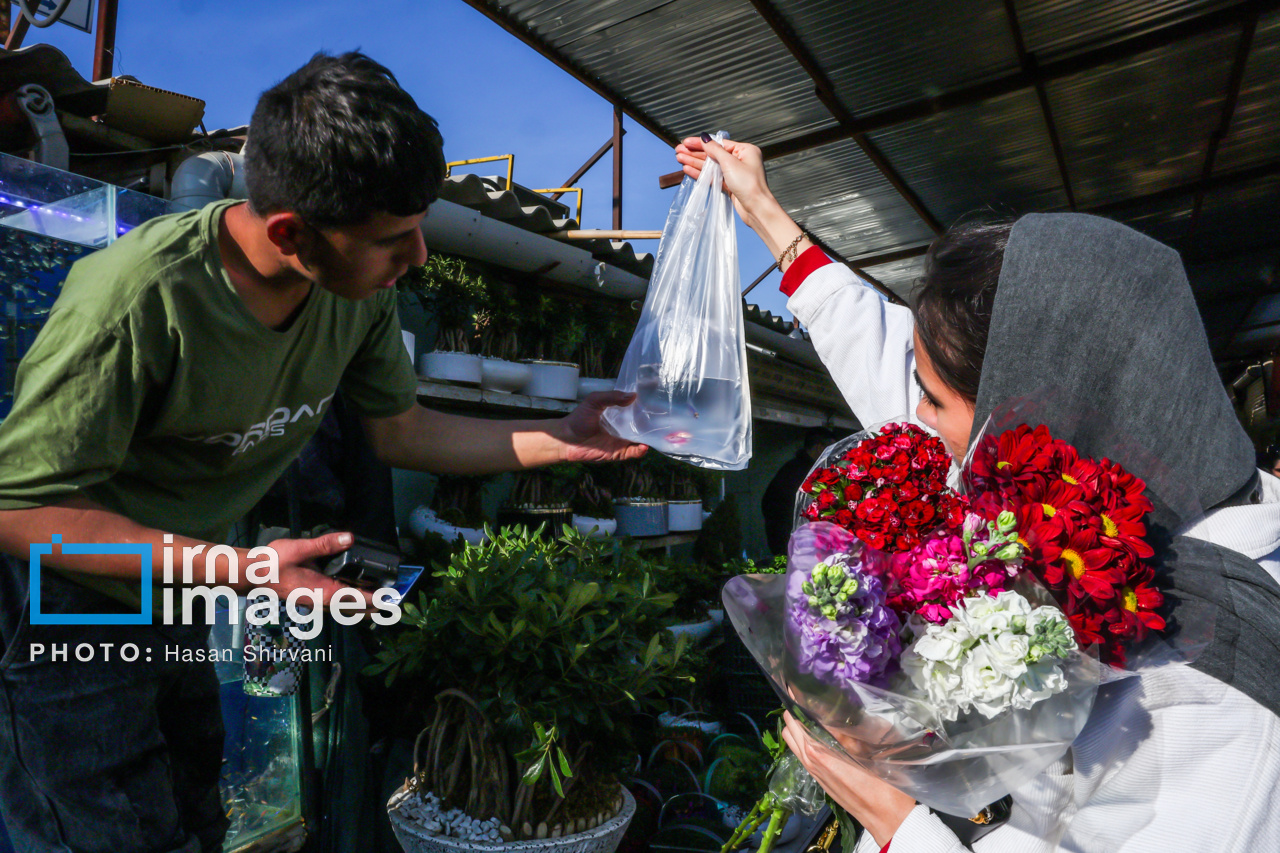
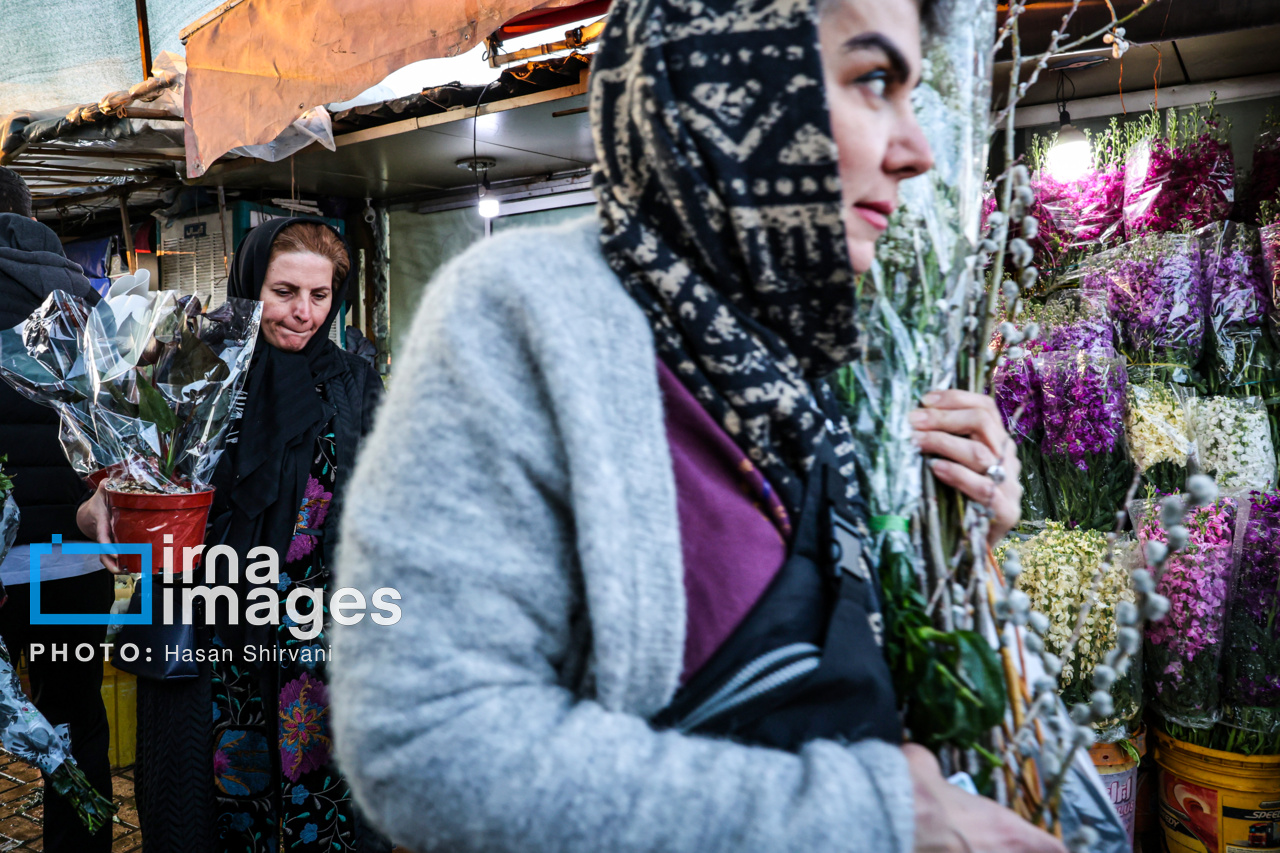
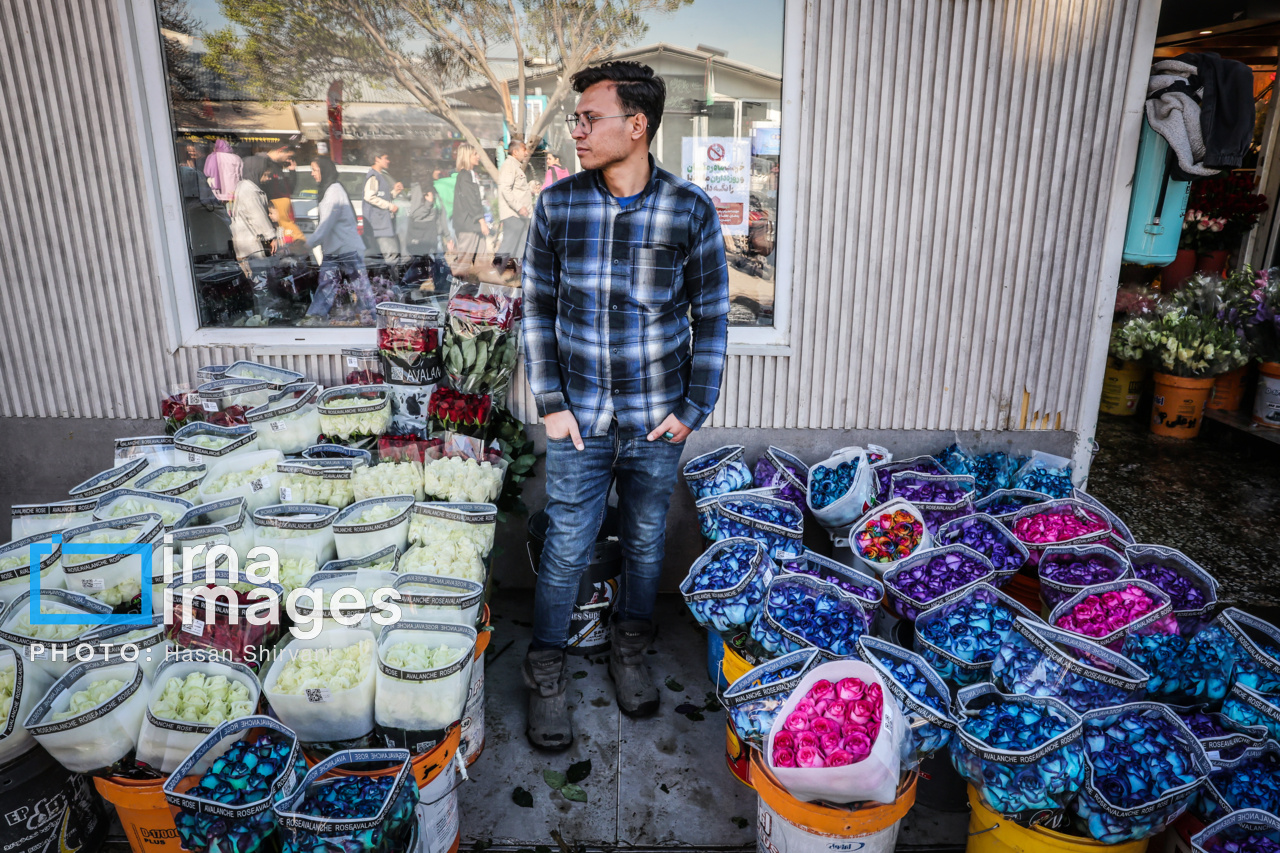
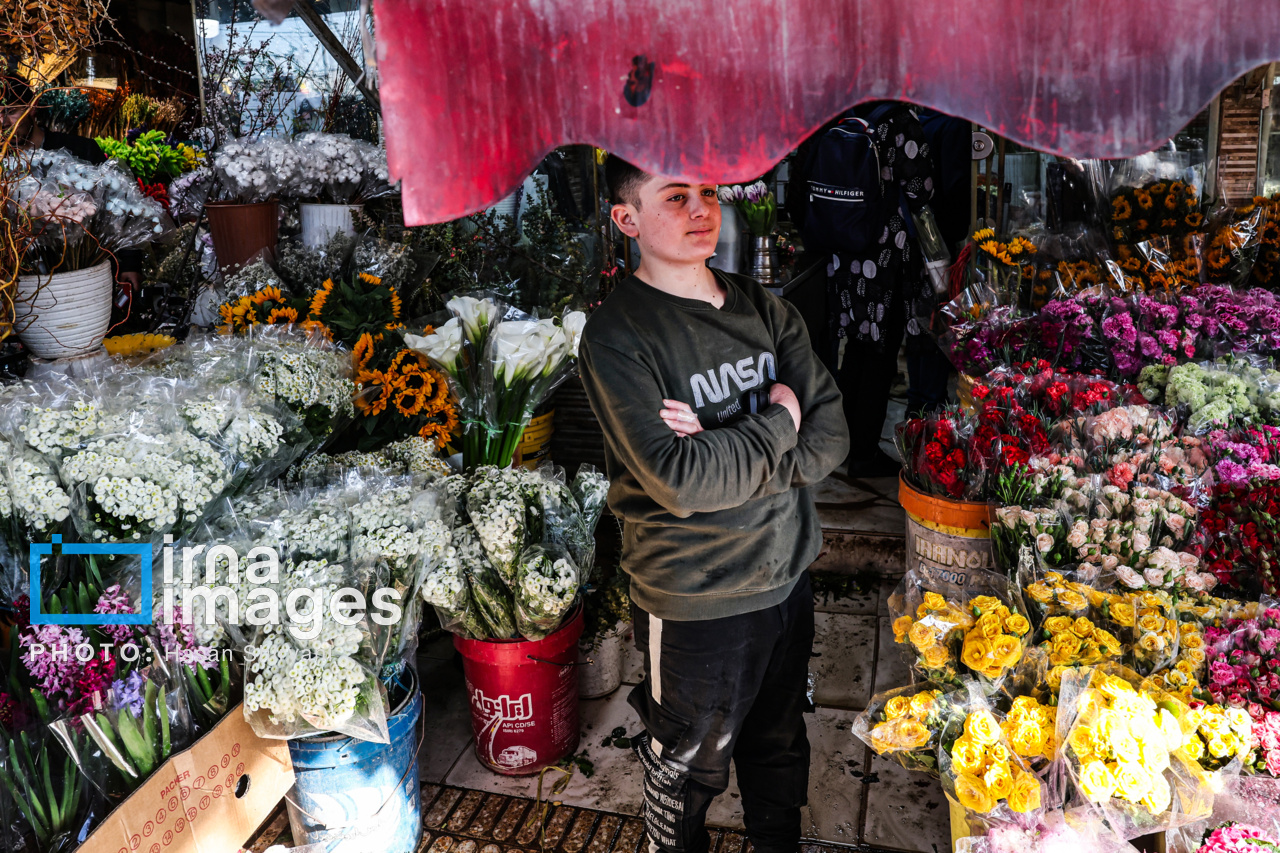
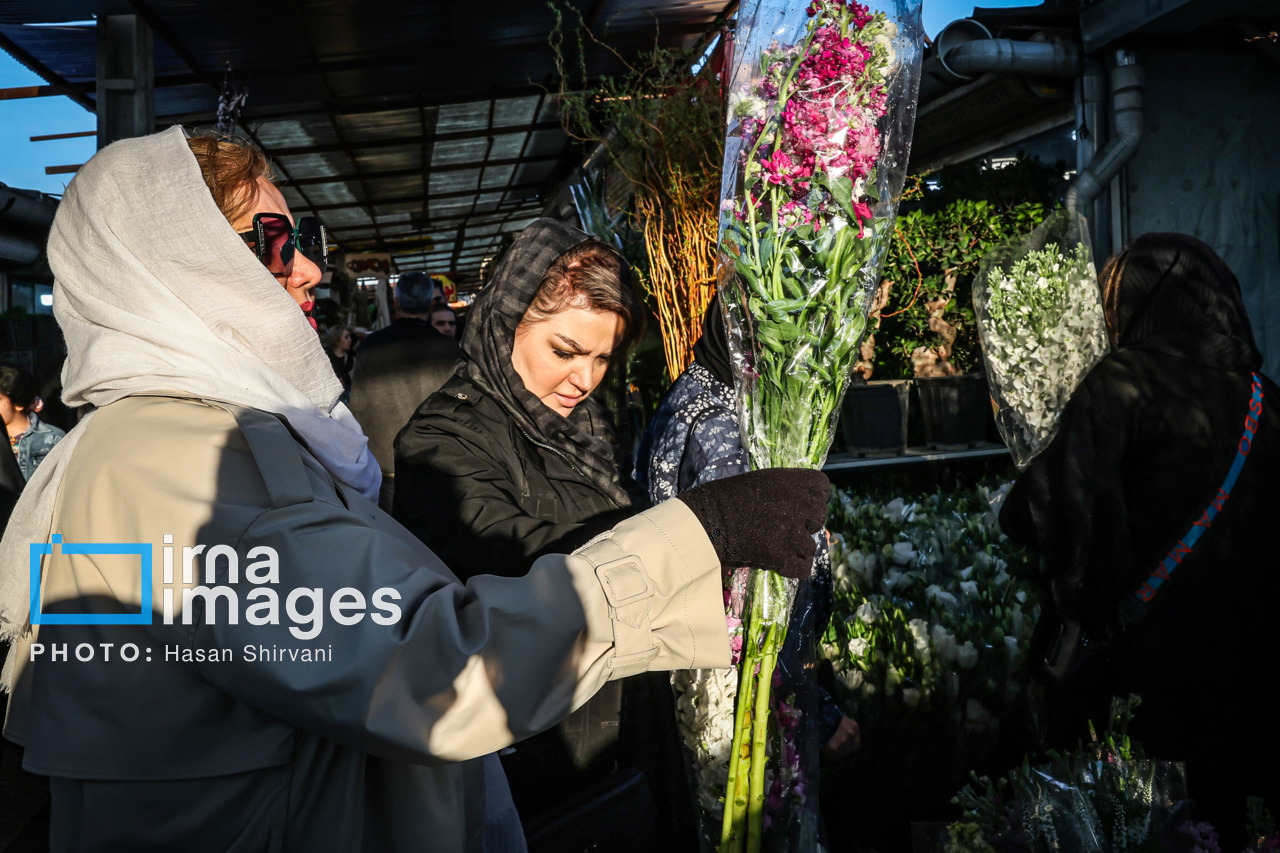
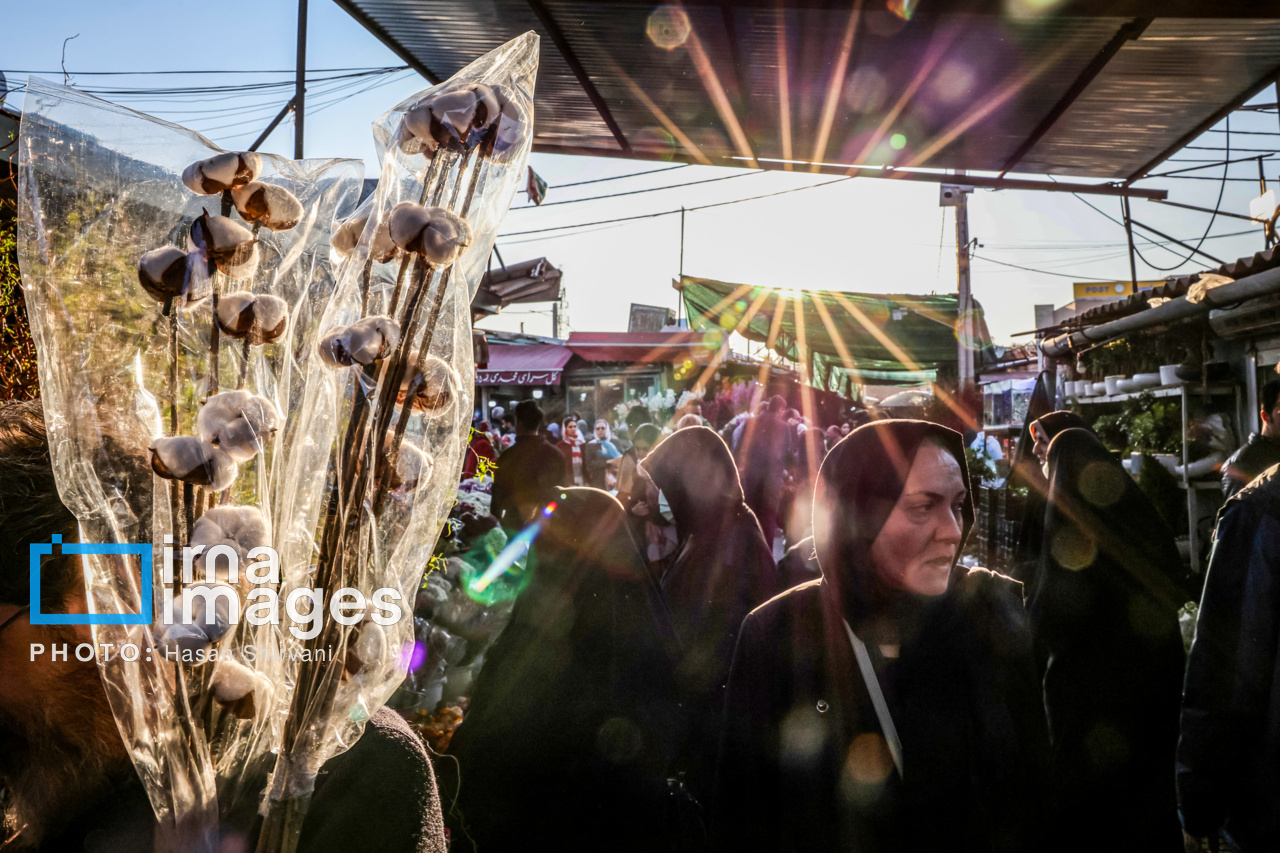
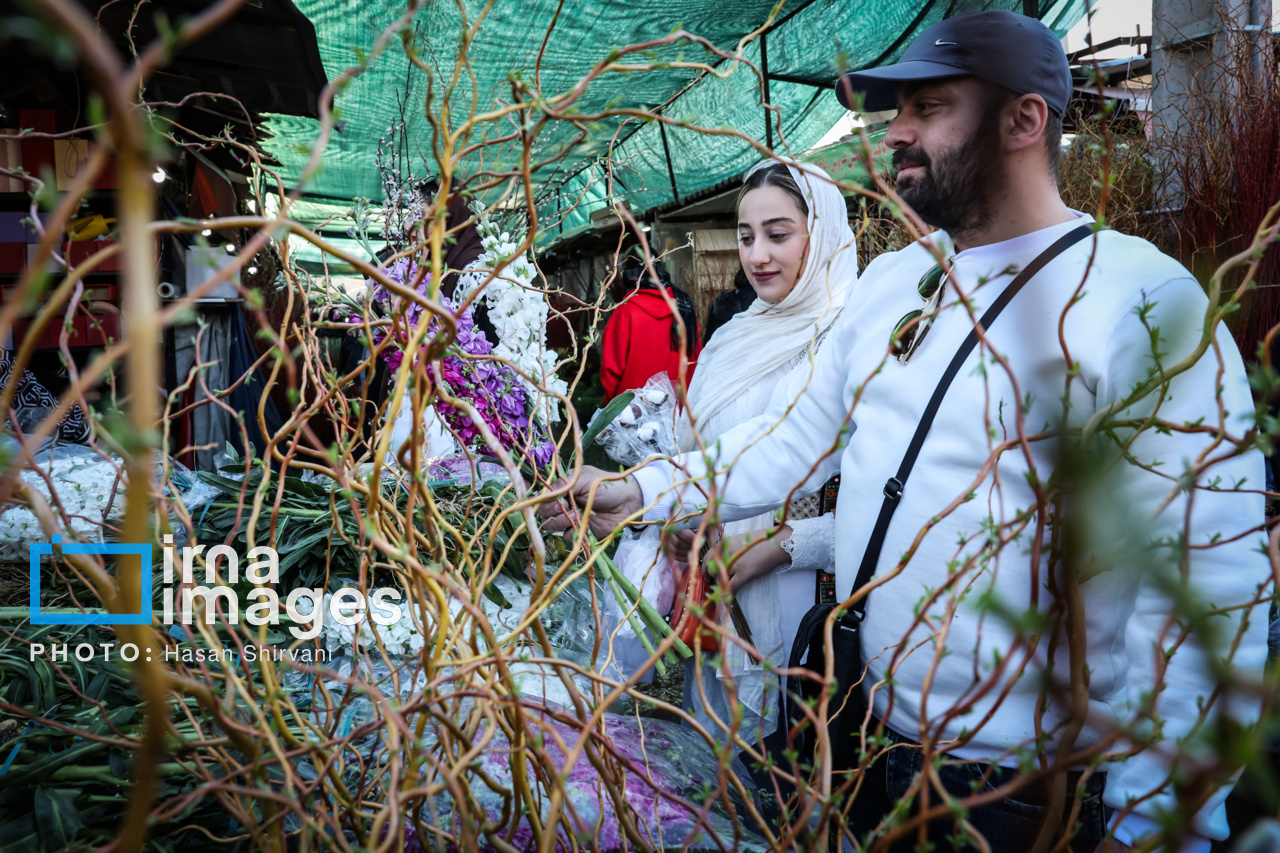
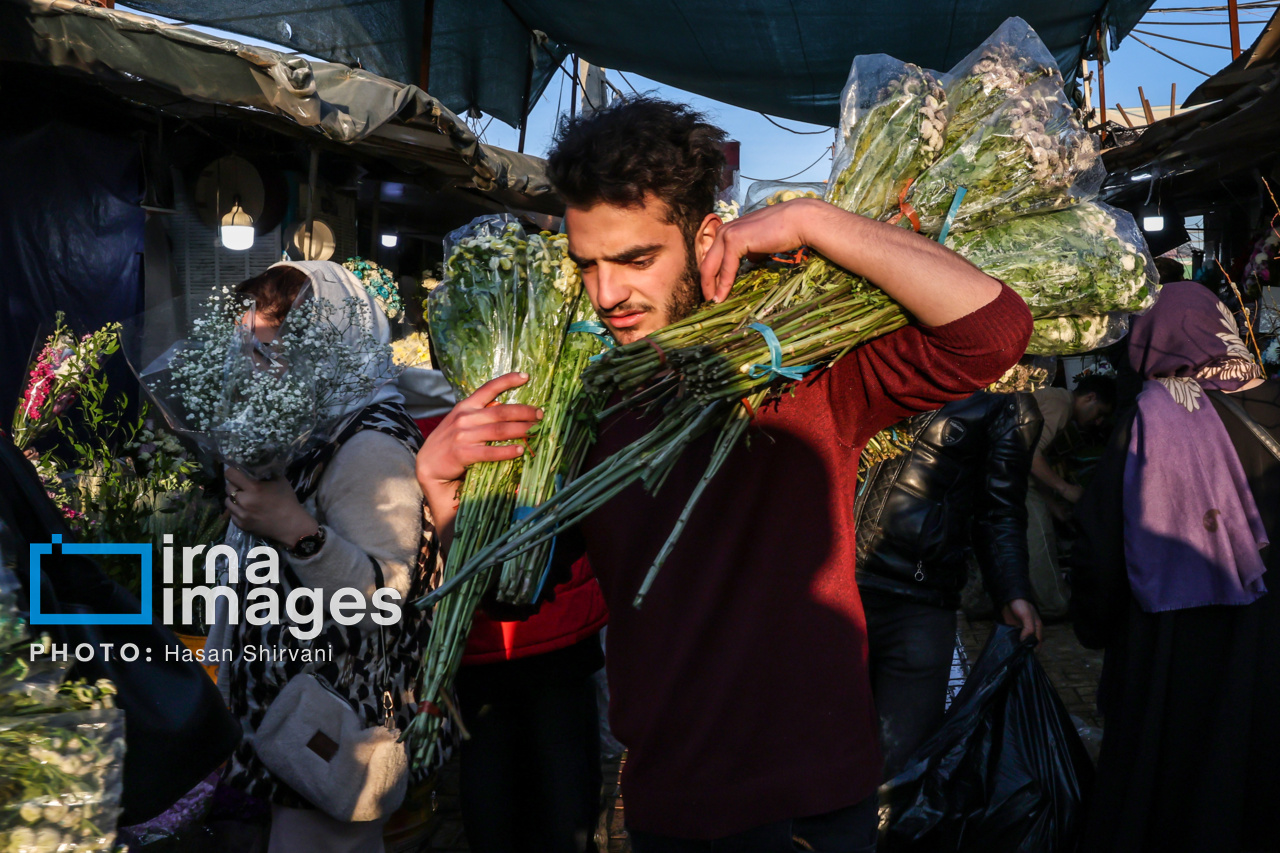
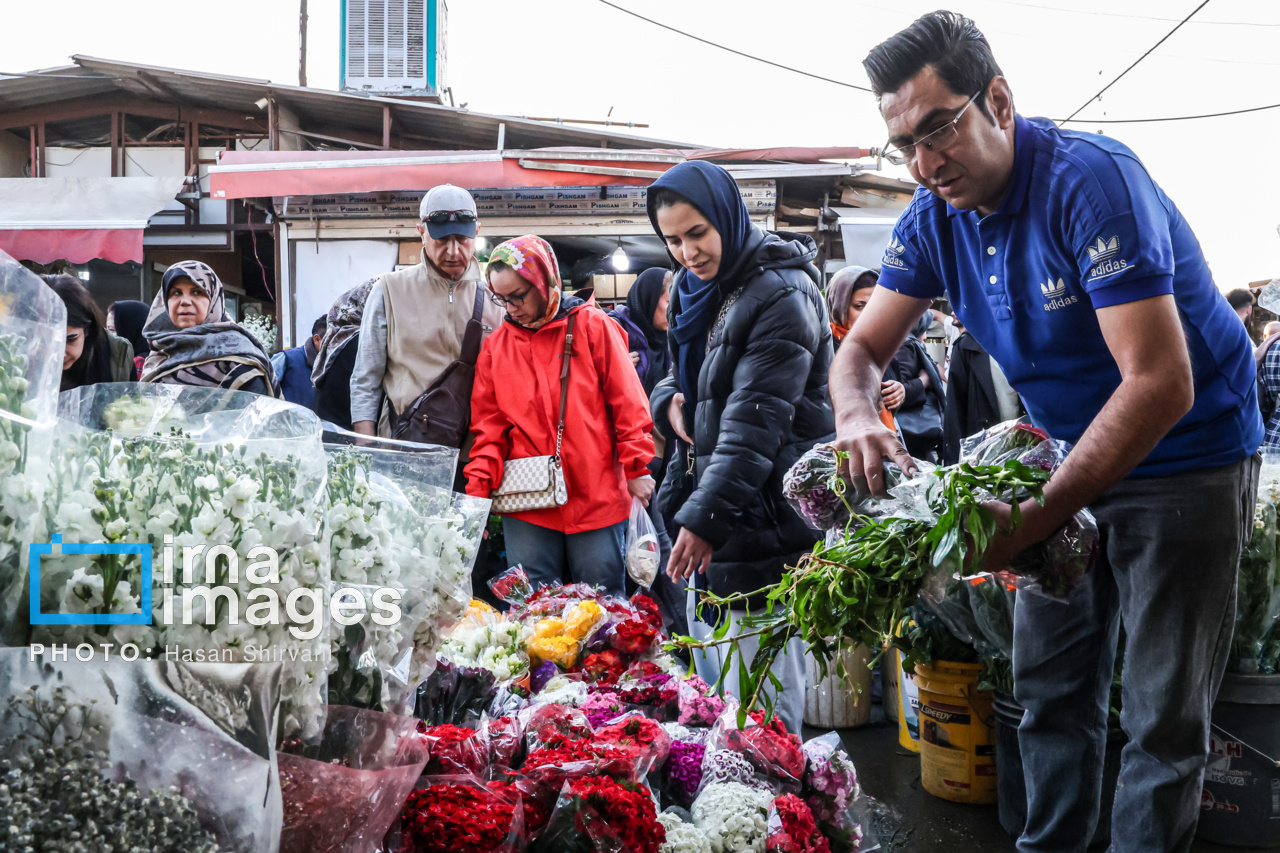
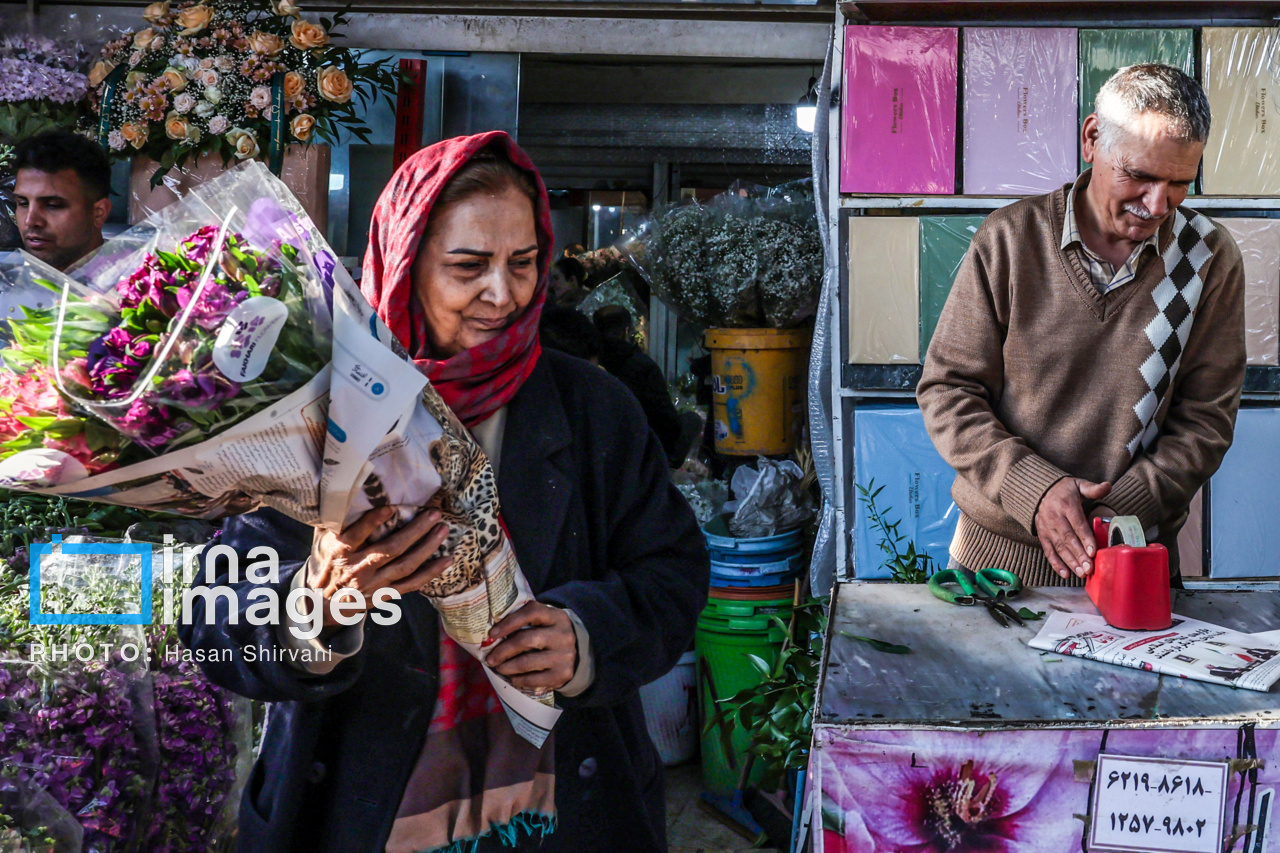
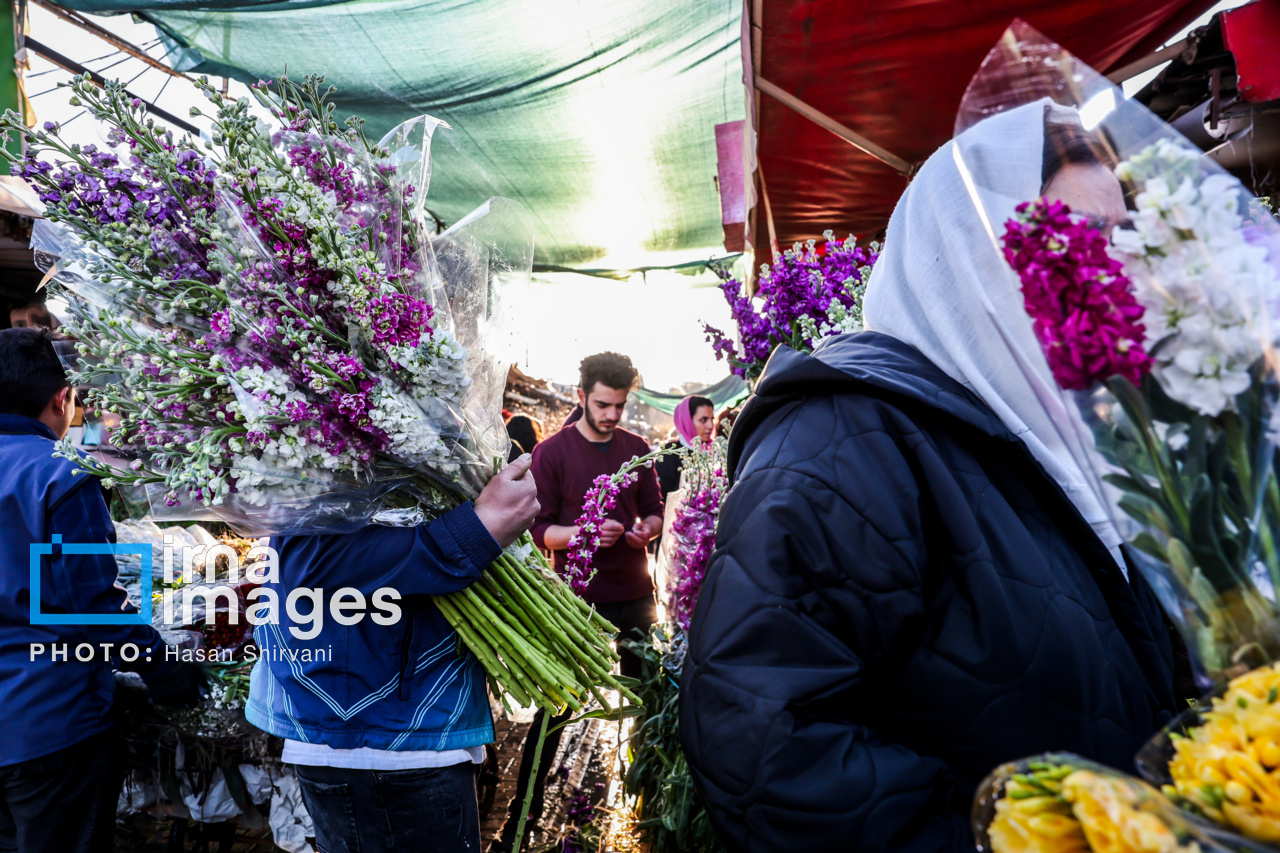
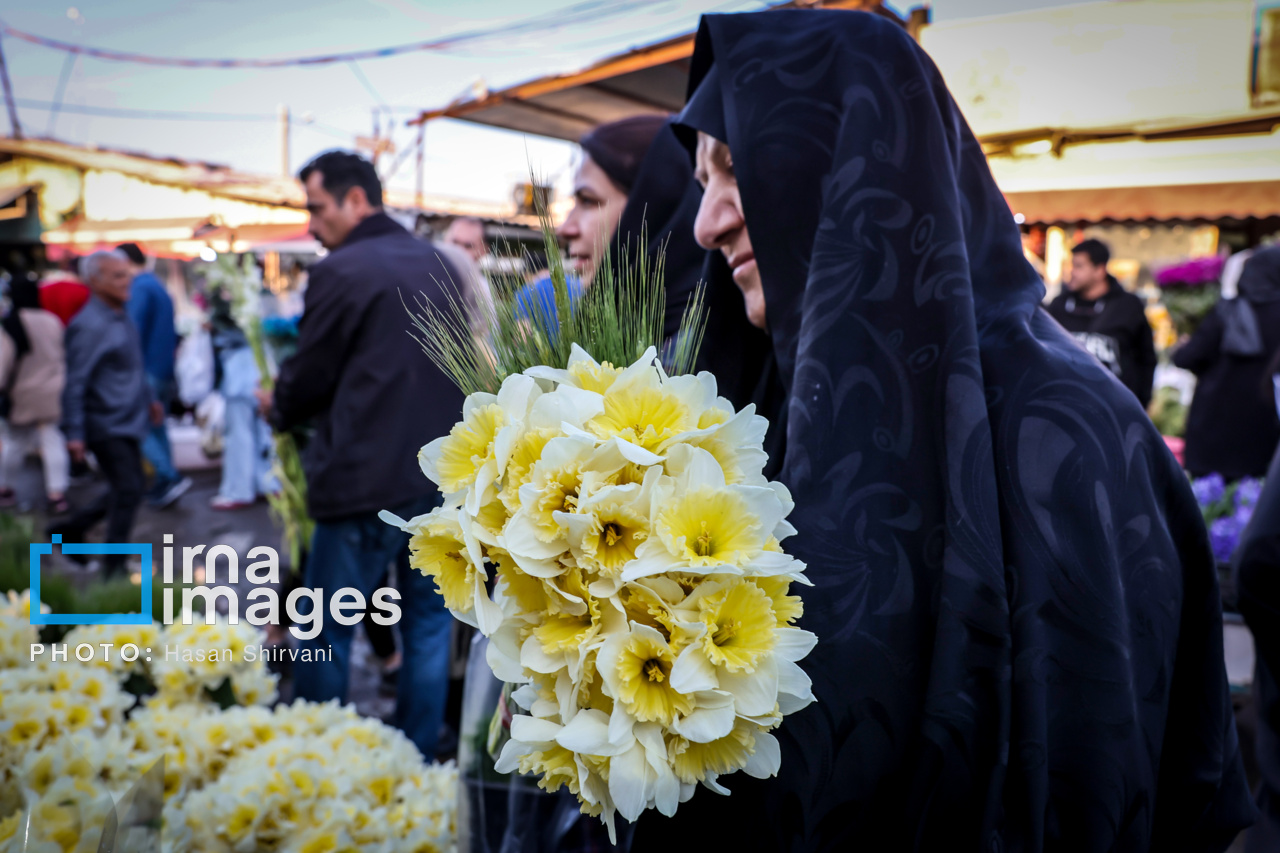
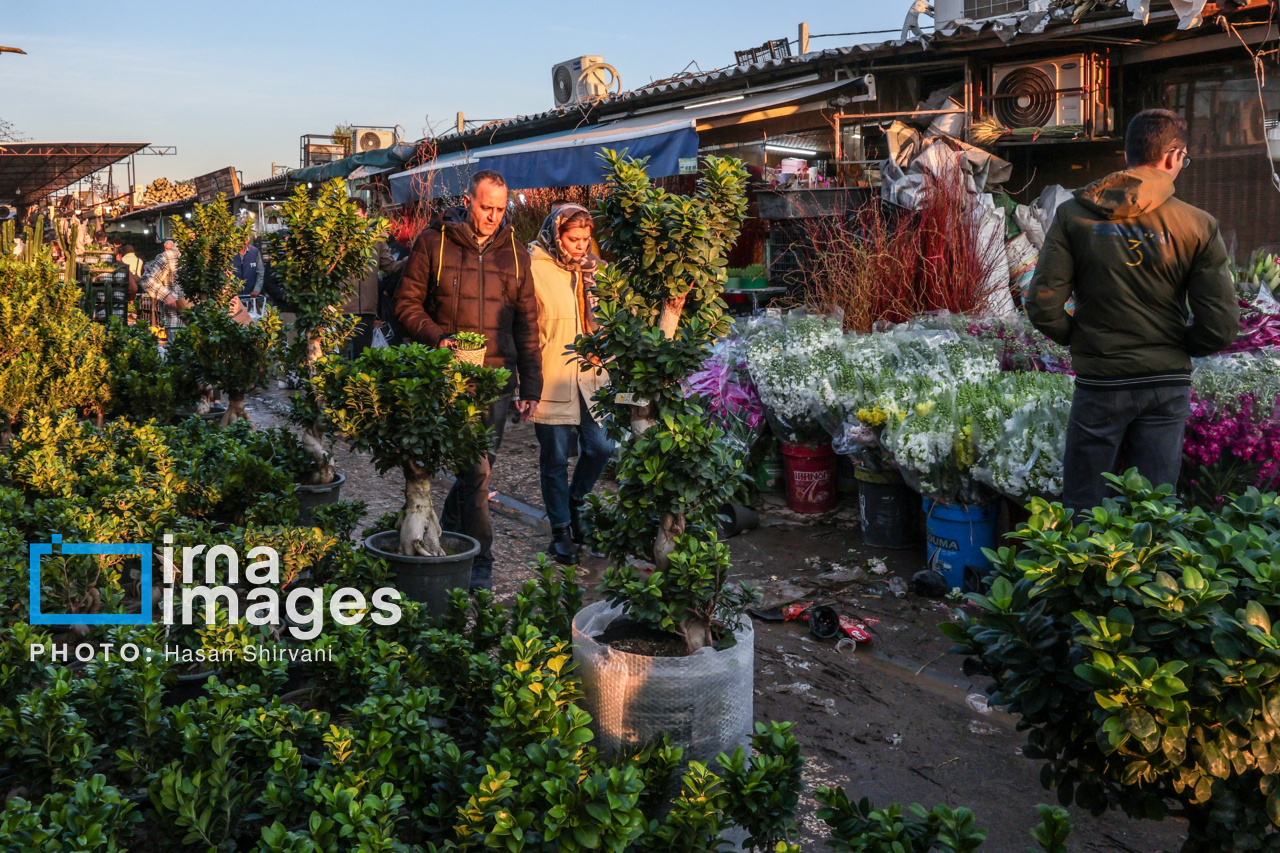
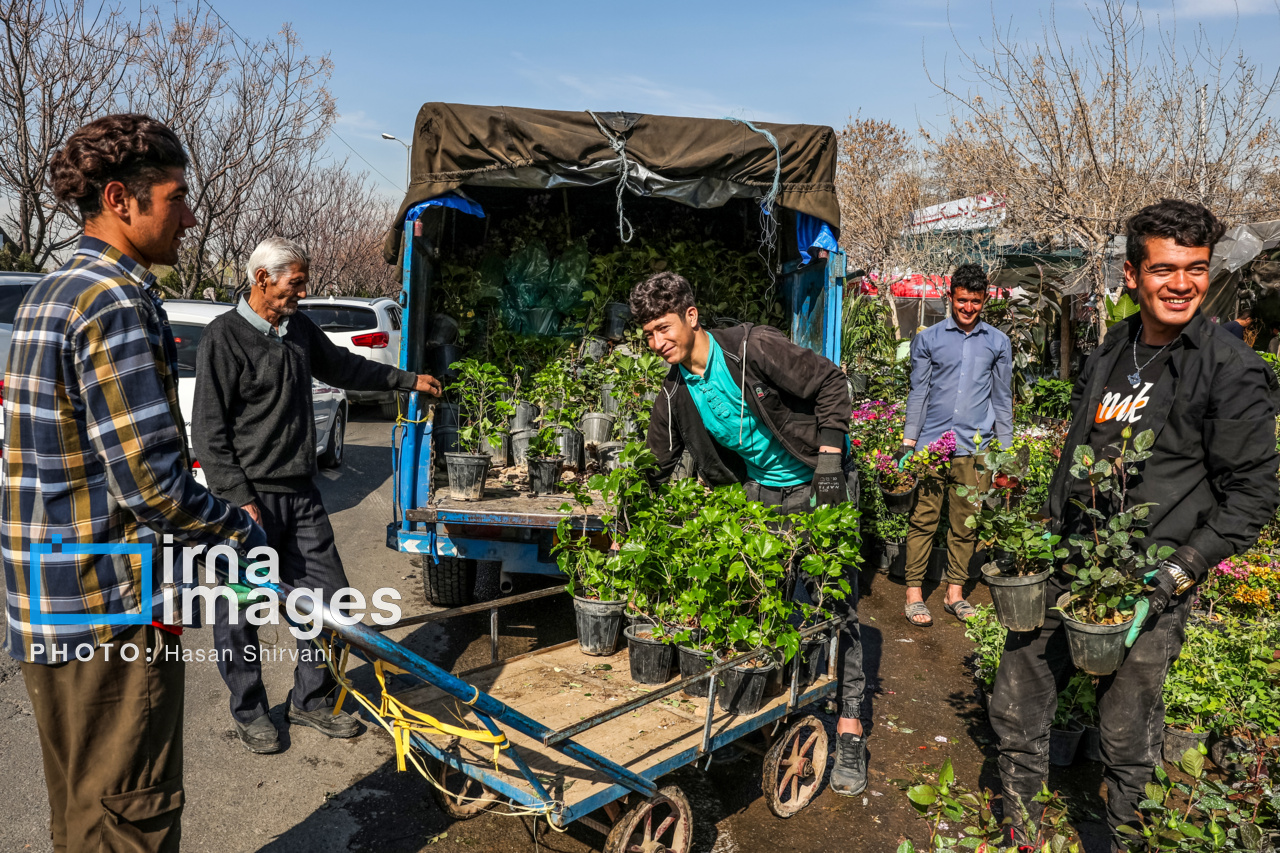
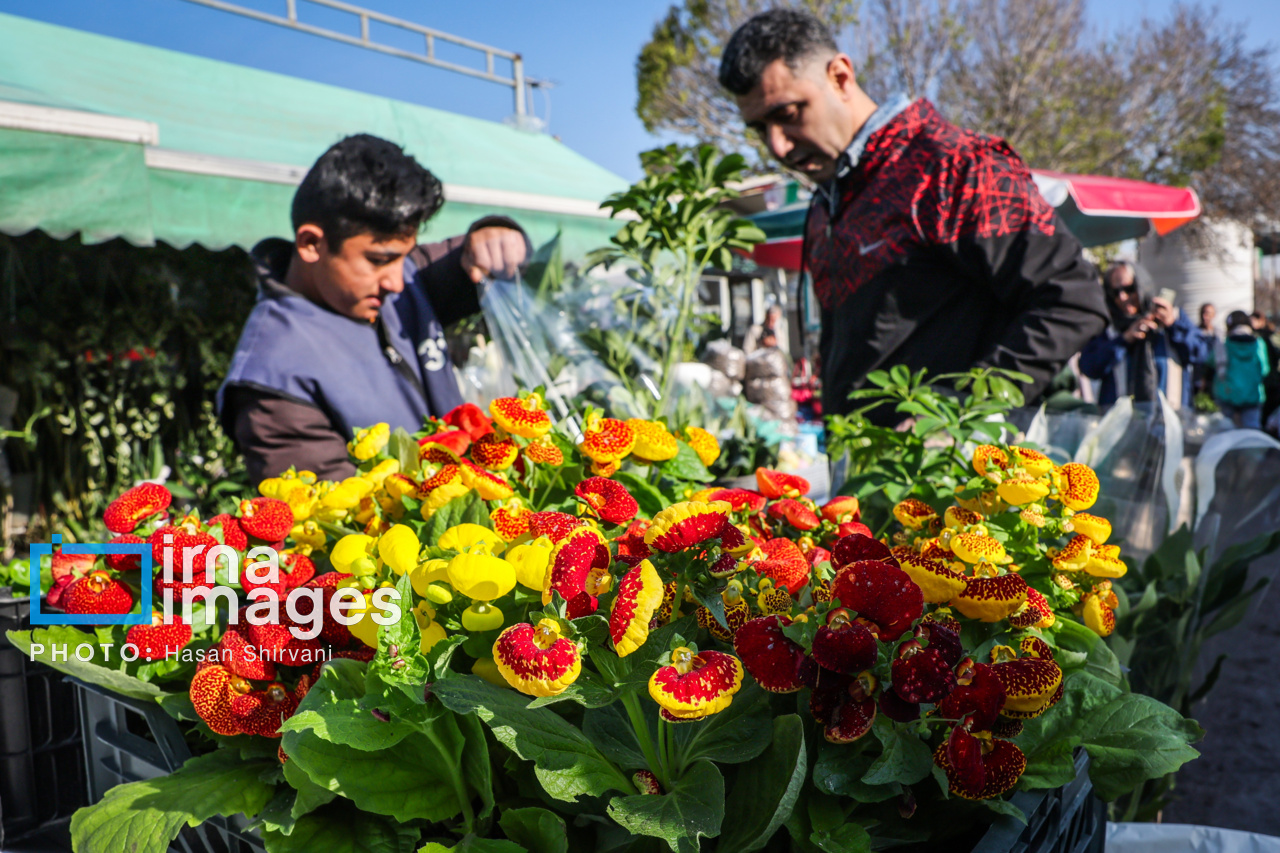
Blooms and cheer: Flower market thrives in Tehran in final days of Persian year

Citizens are flocking to purchase flowers, plants, and items for the traditional Haft-Seen table, a centerpiece of Nowruz celebrations.

With spring just around the corner, the vibrant Mahallati market in southern Tehran, reflects the festive spirit and the eagerness of people to welcome the new season.

More in pictures:

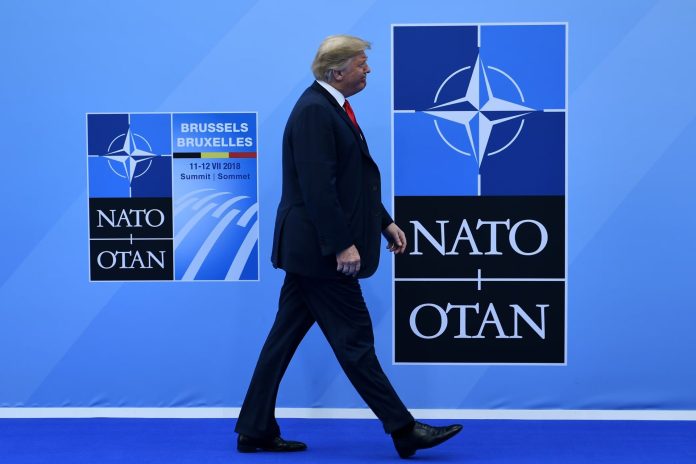
US considering relinquishing leadership of NATO’s European command: NBC

For nearly 75 years, a four-star U.S. general has held the position of Supreme Allied Commander Europe (SACEUR), overseeing NATO’s military strategy and operations.

According to two defense officials familiar with internal discussions and a Pentagon briefing reviewed by NBC News, the administration is evaluating whether to relinquish this post as part of a broader effort to reduce U.S. commitments in Europe.

Retired Admiral James Stavridis, who served as SACEUR from 2009 to 2013, warned that such a move would dramatically weaken U.S. influence within the alliance.

“We would lose an enormous amount of influence within NATO, and this would be seen, correctly, as probably the first step toward leaving the alliance altogether,” Stavridis stated.

The potential shift follows repeated calls by U.S. President Donald Trump and Defense Secretary Pete Hegseth for NATO allies to assume greater responsibility for Europe’s defense.

If Washington abandons the SACEUR role, NATO members would have to determine which European country would nominate a new supreme commander.

Trump has long demanded that NATO allies increase their military spending. He previously called for the alliance to raise its benchmark from 2% to 5% of the GDP.

Italy, Canada, and Spain remain below the current 2% target. Some NATO members are reportedly considering raising the spending target to 3% by 2030.

In 2023, Trump suggested that Russia should be allowed to “do whatever the hell they want” to alliance members failing to meet their defense obligations, a statement widely interpreted as undermining NATO’s unity.