Wednesday, April 29, 2026
Home Blog Page 261

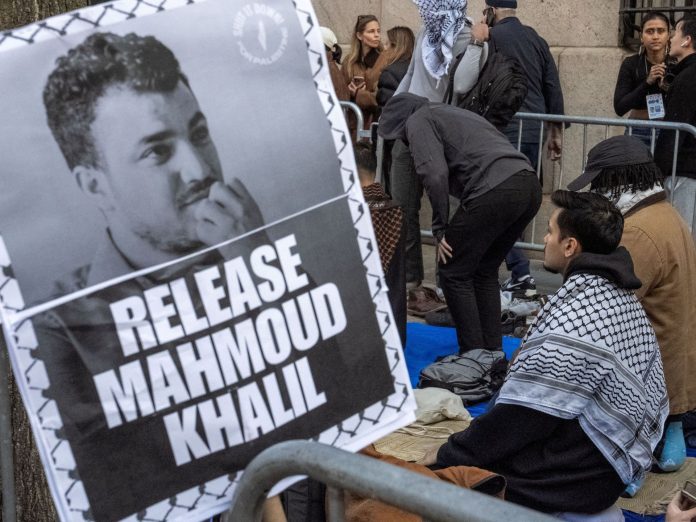
Palestinian Mahmoud Khalil calls himself ‘Political prisoner’ over US arrest

Khalil, the Palestinian student activist, was arrested on March 8 by the Department of Homeland Security (DHS) after he and his pregnant wife, Noor Abdalla – an American citizen – returned from a dinner.

In a letter made public on Tuesday, Khalil decried his arrest and the conditions facing detainees in United States immigration facilities.

“My name is Mahmoud Khalil and I am a political prisoner. I am writing to you from a detention facility in Louisiana, where I wake to cold mornings and spend long days bearing witness to the quiet injustices underway against a great many people precluded from the protections of the law,” Khalil wrote.

He added that “the agents threatened to arrest her [Noor] for not leaving my side”.

He was taken into custody without a warrant, and the DHS agents withheld details about his arrest, according to footage of the arrest that was made public by his family last Friday.

In his letter, Khalil wrote, “DHS would not tell me anything … I did not know the cause of my arrest or if I was facing immediate deportation.”

His lawyer Amy Greer said Khalil is a lawful permanent US resident. Experts have underscored it is rare for green card holders to be threatened with deportation, except in cases of serious crimes.

In April 2024, students across the US mobilised to demand an end to their universities’ complicity in Israel’s war on Gaza.

Demonstrations at Columbia University in New York drew particularly close media attention owing to the size of the protests.

The Trump administration has accused Khalil, who played a key role in pro-Palestinian demonstrations at the university last year, of engaging in activities aligned with Hamas, though no evidence has been provided.

Trump has accused student protesters from Columbia University of participating in “pro-terrorist, anti-Semitic, anti-American activity”. Again, no proof has been offered to support the claims.

Khalil stated his arrest was a direct result of his activism for a free Palestine and an end to Israeli violence in Gaza.

“My arrest was a direct consequence of exercising my right to free speech as I advocated for a free Palestine and an end to the genocide in Gaza, which resumed in full force Monday night,” he wrote in the letter.

Khalil also drew parallels between his situation and the use of administrative detention by Israel, where Palestinians are often imprisoned without trial or charge.

“For Palestinians, imprisonment without due process is commonplace.”

He refused to be forced into silence and stated “it is our moral imperative to persist in the struggle for their complete freedom”.

“I hope nonetheless to be free to witness the birth of my first-born child,” he added.
More Americans say Ukraine not getting enough help from US: Poll

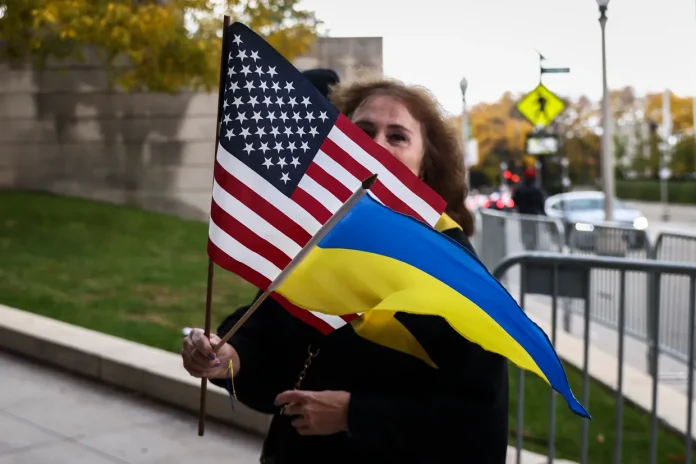
The Gallup survey found that 46 percent of Americans said the U.S. is not providing enough assistance to Ukraine in its three-year war with Russia, a 16-point increase since December last year, closely resembling the numbers seen during the summer of 2022.

Some 30 percent said Washington is doing too much to help the war-torn, country while 23 percent said the U.S. is offering the right amount of help. Both figures have dropped since December.

The number of Democratic Party voters who think the U.S. support for Ukraine is insufficient has increased by 31 points to 79 percent. Some 13 percent of Democrats think Washington’s support for Ukraine is at the right level, while 8 percent think the U.S. is providing too much backing to Kyiv, according to the survey.

The number of independents who think the U.S. is not doing enough to support Ukraine has also gone up, jumping by 14 points since December to 46 percent, Gallup found.

Republican Party voters who think the U.S. is supplying too much aid to Ukraine have gone down in the last three months, declining 11 points to 56 percent. Those GOP voters who say Washington’s backing of Ukraine is at the right amount went up by 11 points, “likely because of backing for the Donald Trump administration’s policy toward Ukraine,” according to Gallup.

The poll also found that Americans who think the U.S. should keep backing Ukraine in reclaiming its territory, even if it leads to prolonged involvement, has gone up by 5 percentage points to 53 percent. Those who prefer a quick end to the conflict, even if it entails Ukraine ceding territory to Russia, have dropped by 5 points, going from 50 percent in December to 45 percent in March.

The survey was conducted March 3-11 among 2,219 adults. The margin of error was 2 percentage points at the 95 percent confidence level.

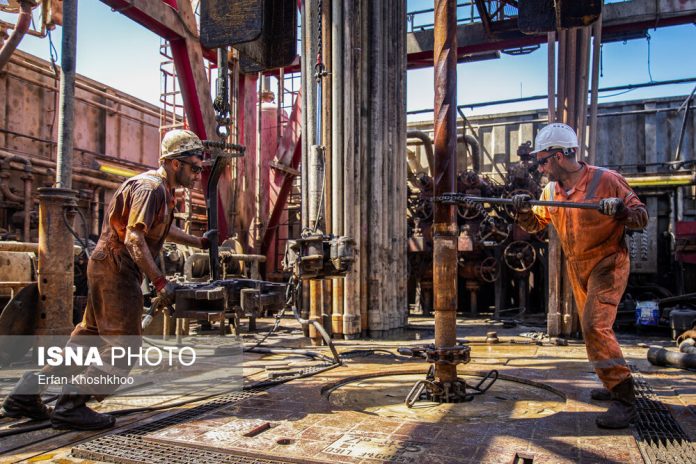
Iran marks 74th anniversary of oil industry nationalization

Iran Oil

The roots of nationalization trace back to exploitative concessions, such as the 1901 D’Arcy Agreement and the 1933 Oil Concession, which granted Britain extensive control over Iran’s oil resources.

In 1951, under Prime Minister Mohammad Mossadegh, Iran’s parliament voted to nationalize the oil industry, ending decades of foreign dominance by the British-owned Anglo-Iranian Oil Company (AIOC) that plundered the country’s oil resources.

The historic decision was a bold step toward economic sovereignty, ensuring that Iran’s vast oil resources benefited its people rather than foreign entities.

The move, however, triggered Western backlash, including a British embargo and a CIA-backed coup in 1953 that temporarily reversed the nationalization.

Mossadegh’s government was overthrown in a 1953 CIA-MI6 coup, reinstating Shah Mohammad Reza Pahlavi and reversing the gains. The 1954 Consortium Agreement returned control to Western companies until the 1979 Islamic Revolution.

However, the nationalization laid the groundwork for Iran’s control over its oil sector.

Today, the National Iranian Oil Company (NIOC) manages Iran’s oil and gas industries.

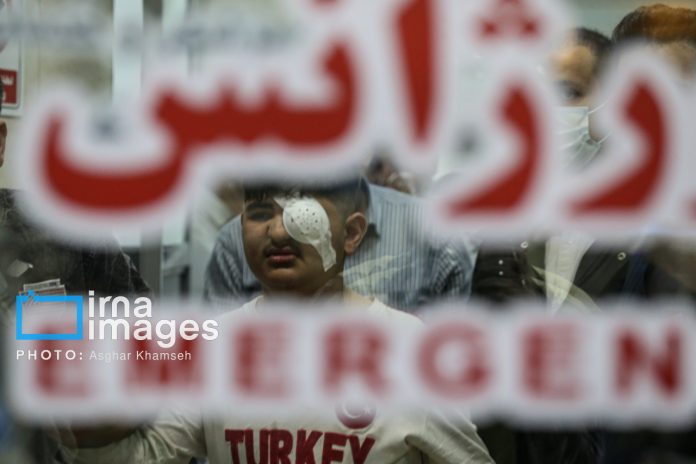
Chaos in Iran’s Chaharshanbe Suri: 15 dead, over 1,000 injured, air pollution spikes

The millennia-old festival, which involves lighting bonfires, setting off fireworks, and jumping over flames to symbolically ward off misfortune and welcome the New Year, has spiraled out of control in recent decades, often leading to accidents due to inclusion of explosives and flammable materials.

Ja’afar Mi’adfar reported 1,040 burn cases, 933 eye injuries, and 172 amputations, with the majority of incidents occurring in Tehran, West Azarbaijan, and East Azarbaijan provinces.

Tragically, nine deaths were recorded on the final day, bringing the total fatalities to 15. Additionally, six ambulances were damaged and taken out of service after being targeted by explosives.

Meanwhile, Tehran’s air quality plummeted to hazardous levels, reaching a “purple” status due to widespread use of fireworks and explosives.

The Air Quality Control Company reported an air quality index (AQI) of 208, classified as “very unhealthy,” a sharp rise from the previous day’s AQI of 89, which was considered acceptable.

This spike in pollution was directly linked to the festivities, which filled the air with smoke and harmful particles.

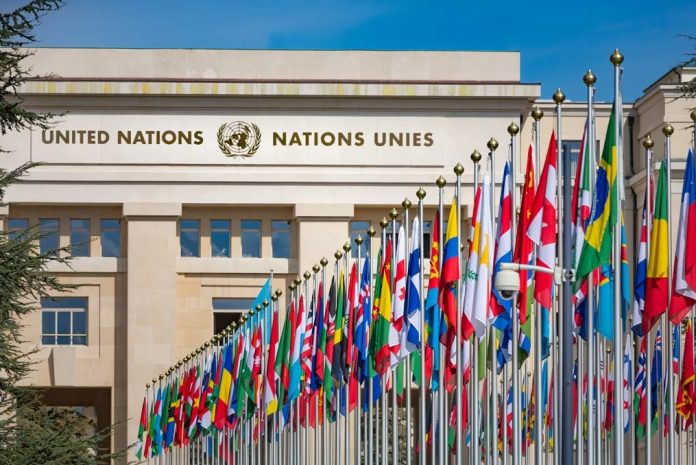
Iran rejects UN human rights mechanisms, vows non-cooperation with fact-finding mission

United Nations

Speaking at the 58th session of the UN Human Rights Council, Bahreini criticized the draft anti-Iran resolution establishing the mission, stating that Iran would reconsider its engagement with UN human rights mechanisms if the resolution is adopted.

Bahreini condemned the initiative led by Germany and the UK, accusing them of hypocrisy given their own human rights records.

He highlighted their support for Israel amid the ongoing Palestinian crisis, stating, “These countries, with their dark human rights histories, lack the moral authority to lecture others.”

He also criticized the unilateral sanctions imposed by the US and supported by its allies, arguing that they have deprived Iranians of their economic, social, and cultural rights.

The Iranian envoy rejected the legitimacy of the fact-finding mission, calling its reports biased and based on information from anti-Iranian terrorist groups.

He emphasized that Iran does not recognize the mandate of the Special Rapporteur or the fact-finding mission, describing them as tools for political agendas rather than genuine human rights advocacy.

Bahreini reiterated Iran’s “commitment to multilateralism and human rights, rooted in its religious, historical, and cultural values.”

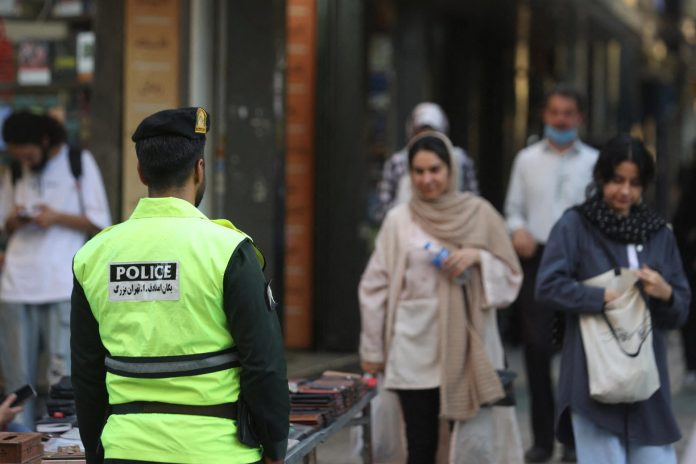
Iran parl’t speaker: Morality patrols completely removed

Iran Hijab

In a post on his social media account, Qalibaf wrote that the decision follows a formal meeting of the Supreme National Security Council, where members agreed to halt the law’s implementation pending government-led revisions.

The parliament speaker clarified that the hijab has long been regulated by law, and there is no legal vacuum in this regard.

He wrote, “The hijab had legal provisions even before the current law was passed, and there is no legal vacuum in this regard. The purpose was to introduce a law that considers both the positive and restrictive aspects.”

The speaker added, “In the current law, the guidance patrol (morality police) has been completely removed. However, the government has issues in some other areas, which are to be addressed after presenting them to the parliament for a decision on amending the law.”

The development marks a significant shift in Iran’s approach to enforcing hijab regulations, reflecting ongoing debates about the controversial Chastity and Hijab Law, which many have warned will set off new unrest in the country similar to the 2022 events following the death of Iranian woman Mahsa Amini in a police station.

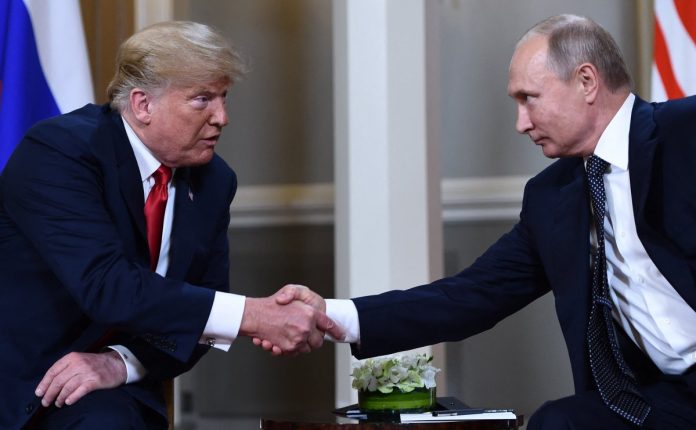
Putin supports limited 30-day ceasefire deal in call with Trump

Putin and Trump

While the White House gave no indication in a readout of the meeting that there was a tangible accord on a long-term ceasefire, there appeared to be consensus that any pause in fighting would begin with a halt in attacks on energy infrastructure.

Trump and Putin also discussed potential ceasefire agreements on matters of energy, infrastructure and maritime.

“The leaders agreed that the movement to peace will begin with an energy and infrastructure ceasefire, as well as technical negotiations on implementation of a maritime ceasefire in the Black Sea, full ceasefire and permanent peace,” the White House said in a readout.

“These negotiations will begin immediately in the Middle East.”

Trump has previously said he plans to visit Saudi Arabia to meet with Putin to further discuss the ceasefire, but the precise timing of that meeting is yet to be determined by the White House.

Russian state media reported that Trump proposed a 30-day pause on attacks on energy infrastructure, and that Putin “responded positively.”

Putin immediately gave the Russian military the corresponding command, the Kremlin said in a readout of the call, and committed to talks about halting fighting in the Black Sea.

But among Putin’s demands in the call included “the need to stop” Ukraine from mobilizing troops and rearming its army. The Russian leader laid out demands that working toward a resolution of the war should include “complete cessation of foreign military aid and the provision of intelligence information to Kyiv.”

Putin told Trump that a prisoner exchange with Ukraine will be carried out Wednesday, with the transfer of 175 people on each side. The Kremlin announced Russia will transfer 23 seriously wounded Ukrainian soldiers being treated in Russian hospitals.

Trump and Putin also notably spoke “broadly about the Middle East as a region of potential cooperation to prevent future conflicts,” the White House added. And they discussed efforts to stop the spread of “strategic weapons”; Trump has previously spoken about a desire to end nuclear proliferation.

The White House readout of the call made no mention about territorial concessions, which had been a key point of contention ahead of peace talks. Ukraine’s backers have argued Kyiv should not have to relinquish its territory to Russia.

Tuesday’s call came as the White House has intensified its efforts to stop the fighting in Ukraine. Russian forces invaded Ukraine in February 2022 after amassing troops near the border. Russia in 2014 annexed Crimea from Ukraine.

Putin had held back endorsing the U.S.-led ceasefire following meetings in Moscow late last week with Trump’s special envoy for Middle East affairs, Steve Witkoff.

Ukraine accepted the terms of the ceasefire during high-stakes talks with Trump administration officials in Jeddah, Saudi Arabia, on March 11.

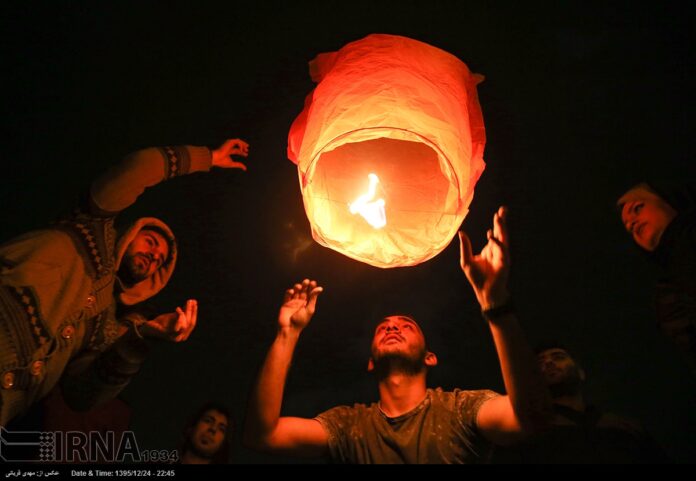
Iranians celebrate Chaharshanbeh Suri, an ancient festival of fire and renewal

Iranian People Celebrate Persian Fire Festival (19)

Rooted in Zoroastrian traditions dating back over 3,000 years, the festival symbolizes the purification of the soul, the triumph of light over darkness, and the renewal of life.

As the sun sets, neighborhoods across Iran are illuminated by the glow of bonfires as a fiery prelude to Nowruz.

Families and friends gather in streets, parks, and open spaces to participate in the ritual of fire-jumping. Leaping over the flames, they chant the traditional phrase, “Zardi-ye man az to, sorkhi-ye to az man” (My yellowness to you, your redness to me), a symbolic act meant to transfer sickness and misfortune to the fire and replace them with warmth, energy, and vitality for the year ahead.

In addition to fire-jumping, the celebration includes other cherished customs. Children and adults light sparklers and fireworks, filling the night sky with bursts of color and light. The festive atmosphere is enhanced by the sharing of ajil, a mixture of nuts, dried fruits, and sweets, which symbolizes abundance and prosperity.

In some regions, people engage in qashoq-zani, a playful tradition where children knock on doors with spoons and receive treats from neighbors.

However, the joyous occasion is not without its challenges. In recent years, safety concerns have prompted authorities to issue warnings about the use of fireworks and fire-related activities, as accidents sometimes lead to injuries or property damage.

Municipalities have organized supervised public events to ensure safer celebrations, while encouraging citizens to preserve the cultural essence of the festival.

Chaharshanbeh Suri holds deep cultural and spiritual significance. It reflects Iran’s ancient connection to nature and the cycles of renewal, as well as the enduring resilience of its people. The festival serves as a unifying force, bringing together Iranians of all ages and backgrounds to celebrate their shared heritage and look forward to the fresh beginnings that Nowruz promises.

As the fires of Chaharshanbeh Suri fade, they leave behind a sense of hope and anticipation for the year ahead. For Iranians, the festival is not just a celebration of fire, but a powerful reminder of their rich history, cultural identity, and the enduring light of community and tradition.

EU, others pledge over $6bn to Syria in post al-Assad donor drive

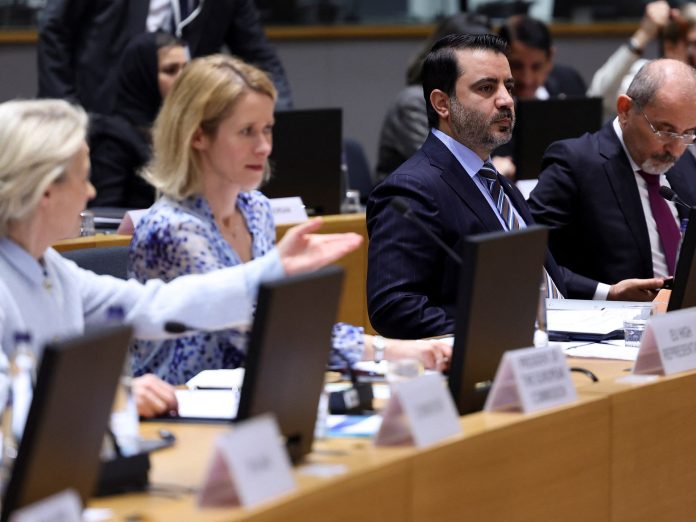
Western and regional powers participated in Monday’s one-day meeting in Brussels, chaired by EU foreign policy chief Kaja Kallas.

Fourteen years of war killed hundreds of thousands of Syrians, displaced millions more, and decimated the economy.

Among all donors, the EU reported that 5.8 billion euros ($6.3bn) was pledged in aid for Syria.

“Together we have pledged a total of 5.8 billion euros in grants and loans,” said EU Commissioner for the Mediterranean Dubravka Suica, adding that grants accounted for 4.2 billion euros ($4.6bn) and loans 1.6 billion ($1.75bn).

During the meeting, the EU itself vowed to provide about 2.5 billion euros ($2.7bn) in aid to Syria.

“Syrians need greater support, whether they are still abroad, or they decide to go home. And this is why today, the European Union is increasing its pledge for Syrians in the country and in the region to almost 2.5 billion euros for 2025 and 2026,” stated European Commission head Ursula von der Leyen.

German Foreign Minister Annalena Baerbock announced that Berlin would provide an additional 300 million euros ($328m) for the United Nations and other organisations assisting Syrians.

“There can only be a peaceful future for Syria if there is an inclusive political process,” Baerbock said.

The United Kingdom pledged up to 160 million British pounds ($208m) in humanitarian aid to support Syria’s recovery.

The foreign office announced the funds would “help provide Syrians with critical water, food, healthcare, and education in 2025″.

Last year’s donor drive raised 7.5 billion euros ($8.2bn) in grants and loans to help the people of Syria, but efforts to top that number fell short after the United States rolled back its foreign aid budget.

Meanwhile, for the first time, Syria, represented by interim Foreign Minister Asaad Hassan al-Shaibani, attended the meeting, the ninth of its kind.

Syria’s new leadership is attempting to consolidate control over territory that had been devastated and divided for more than a decade.

Last week, gunmen from the Alawite minority sect, loyal to al-Assad, launched an ambush on a Syrian security patrol that sparked the worst bloodshed since the former leader was overthrown in early December.

According to a war monitor, nearly 1,500 civilians, most of them members of the Alawite minority, were killed during the clashes.

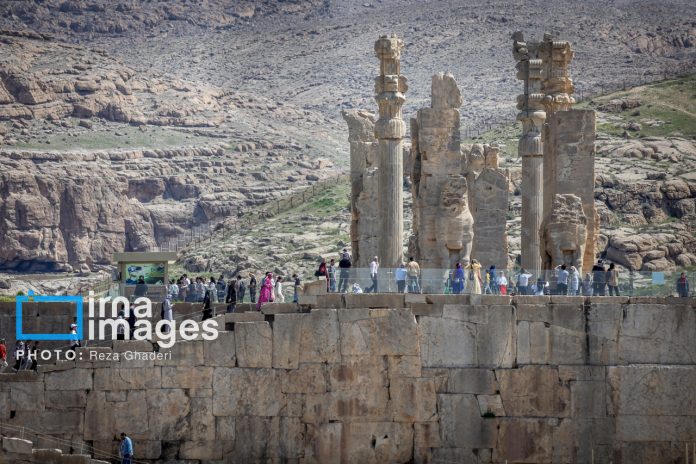
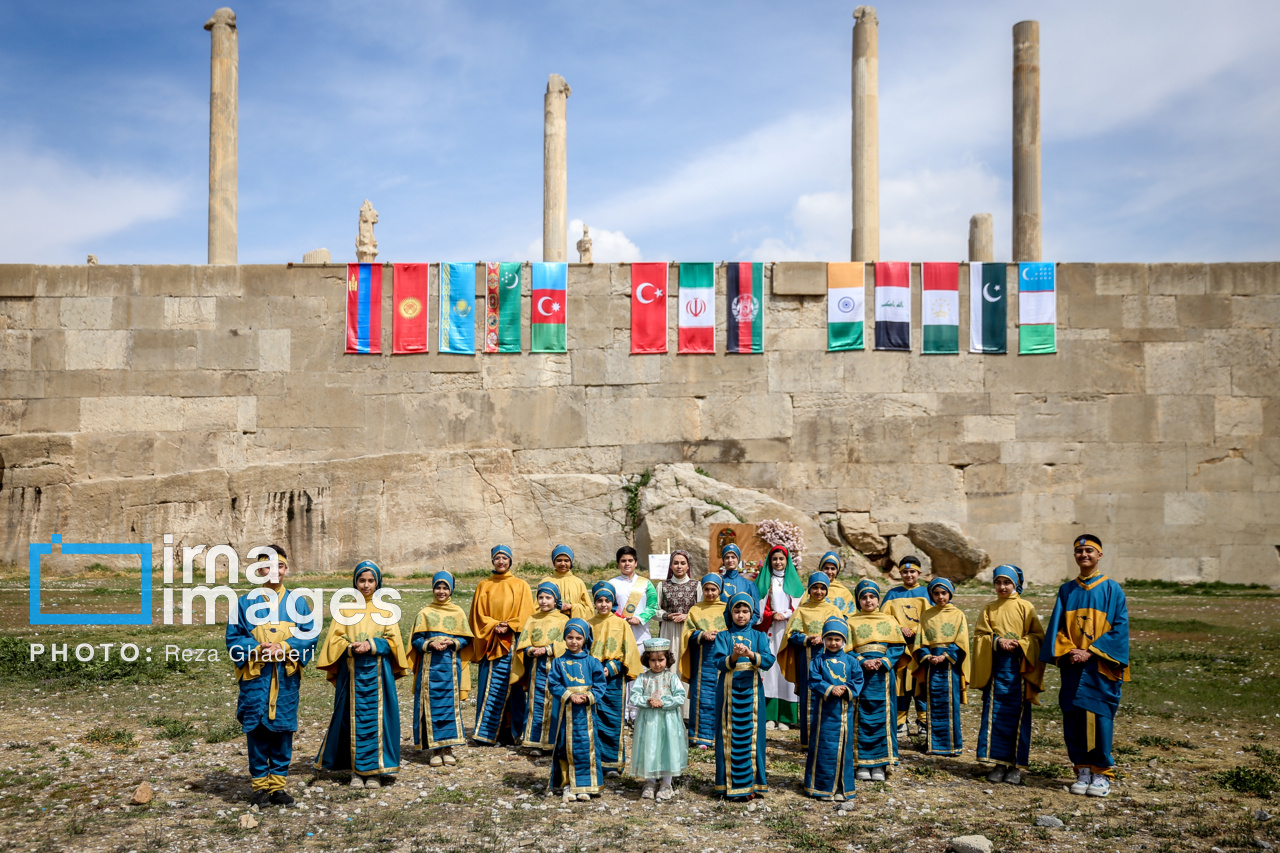
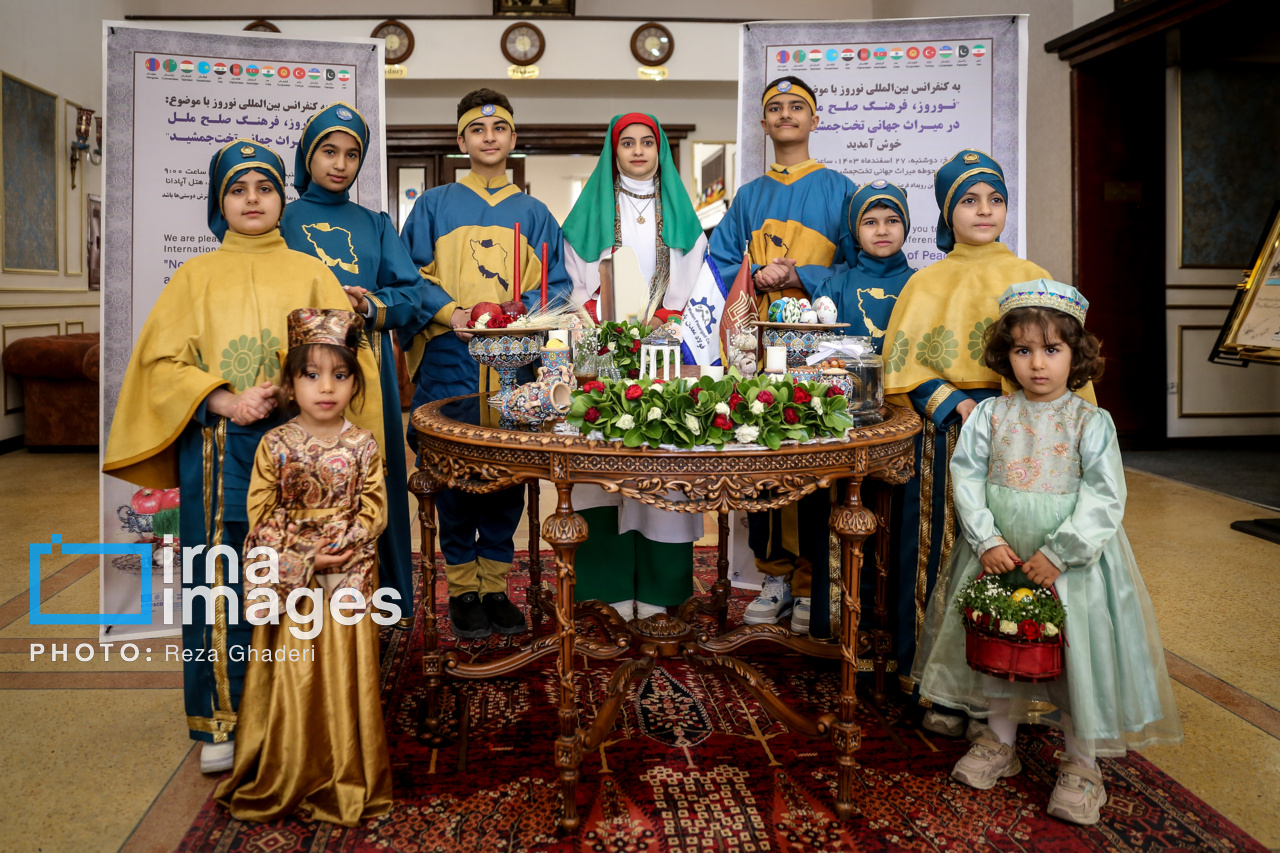
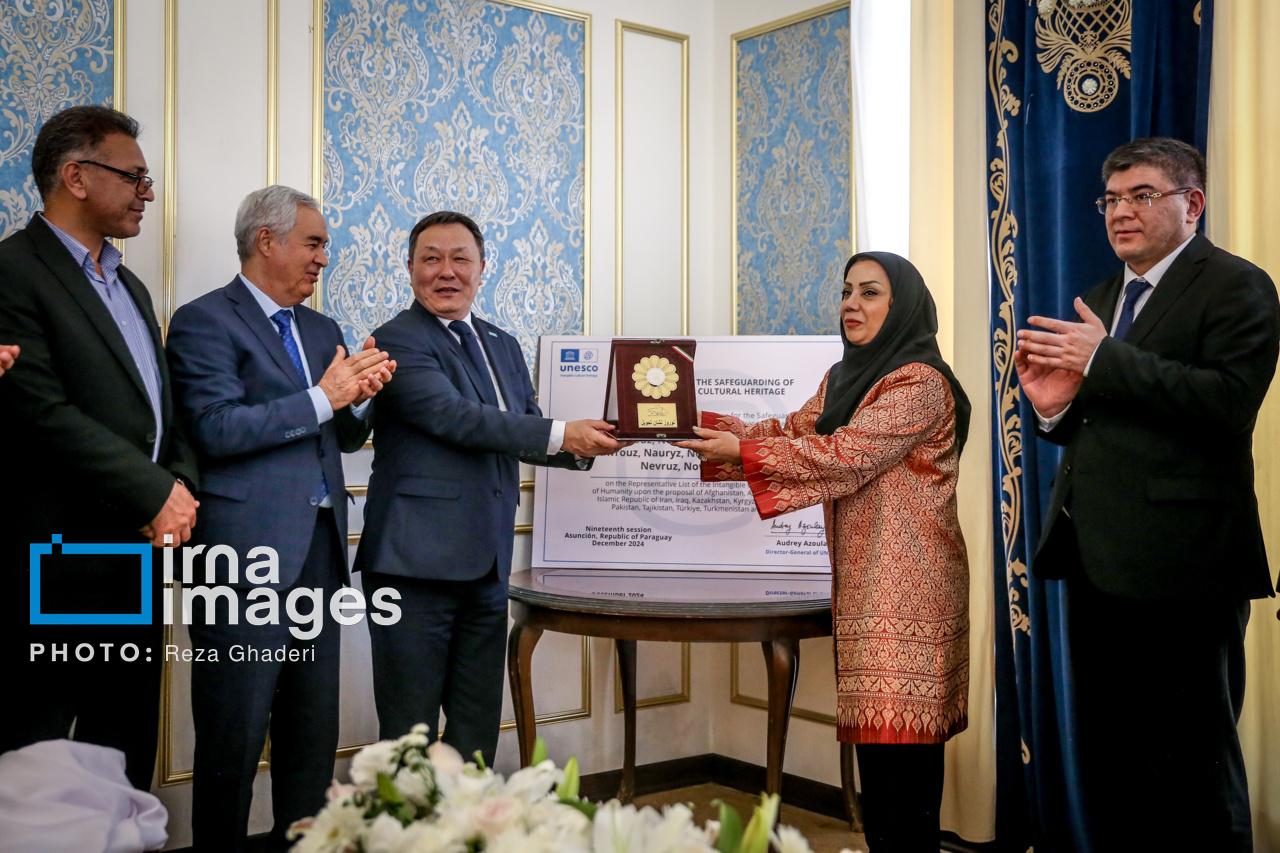
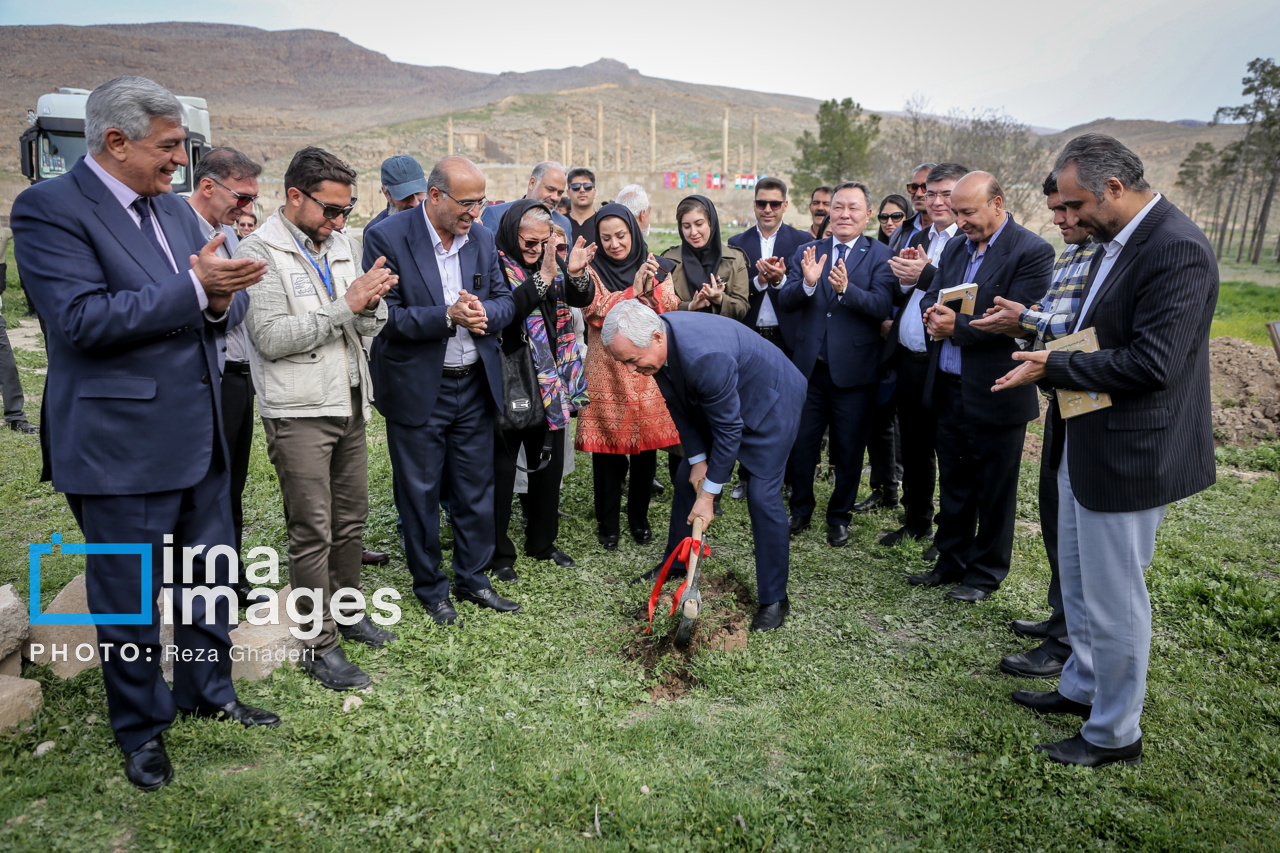
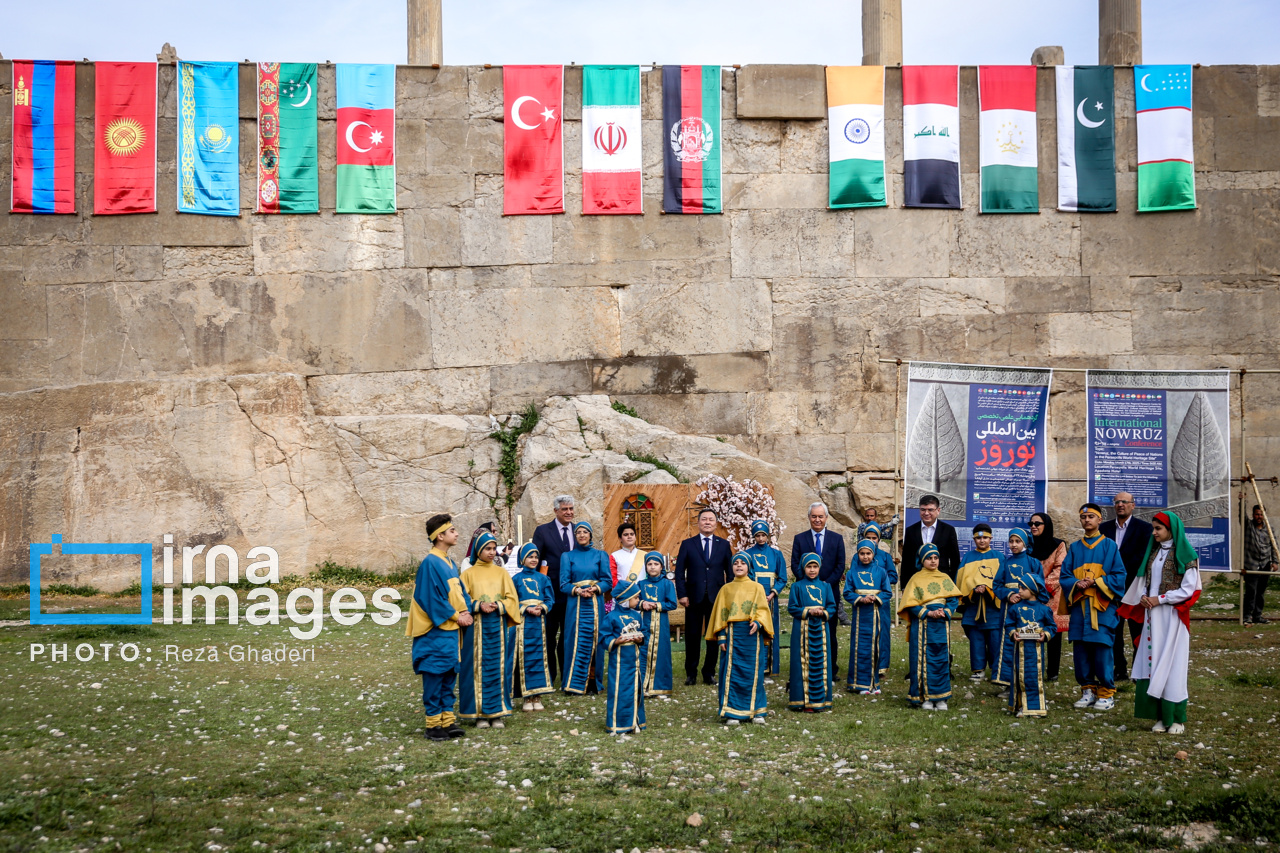
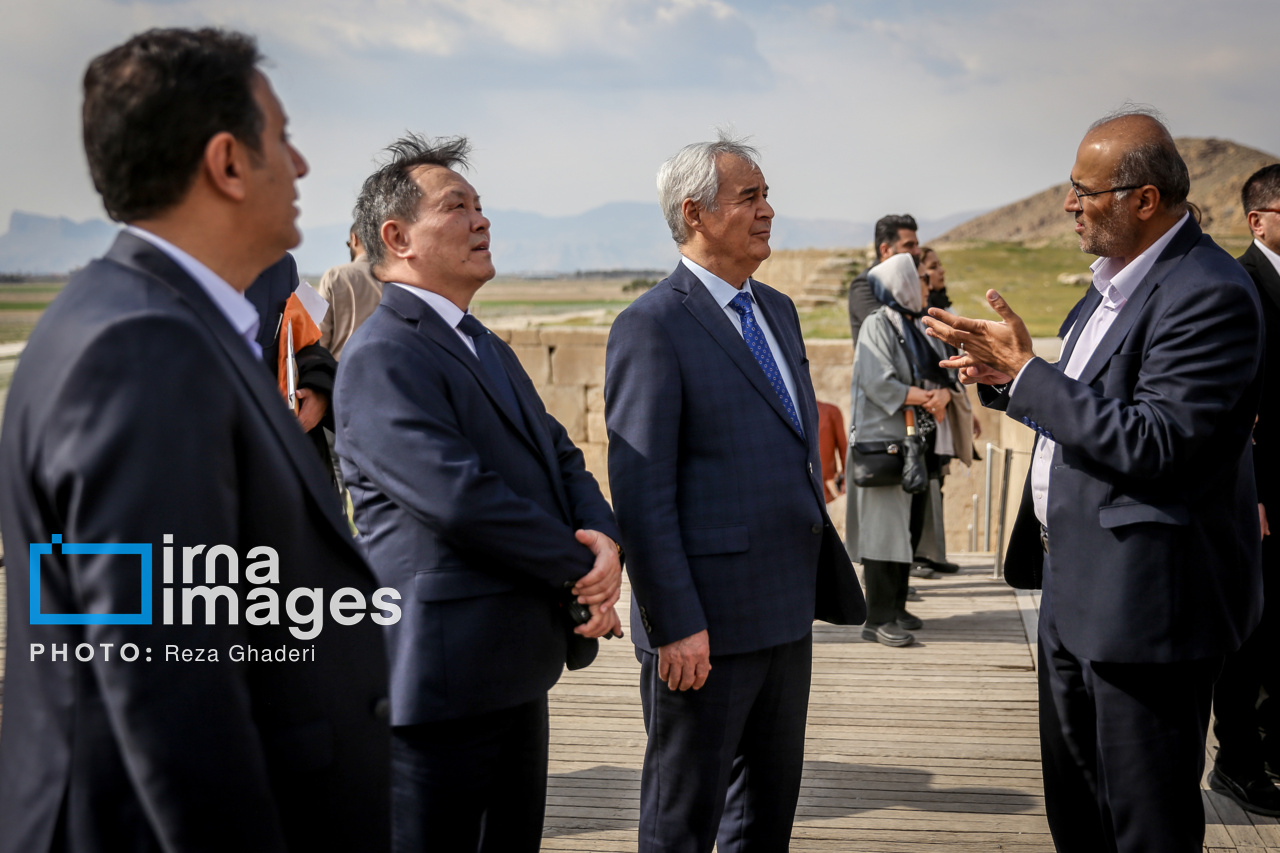
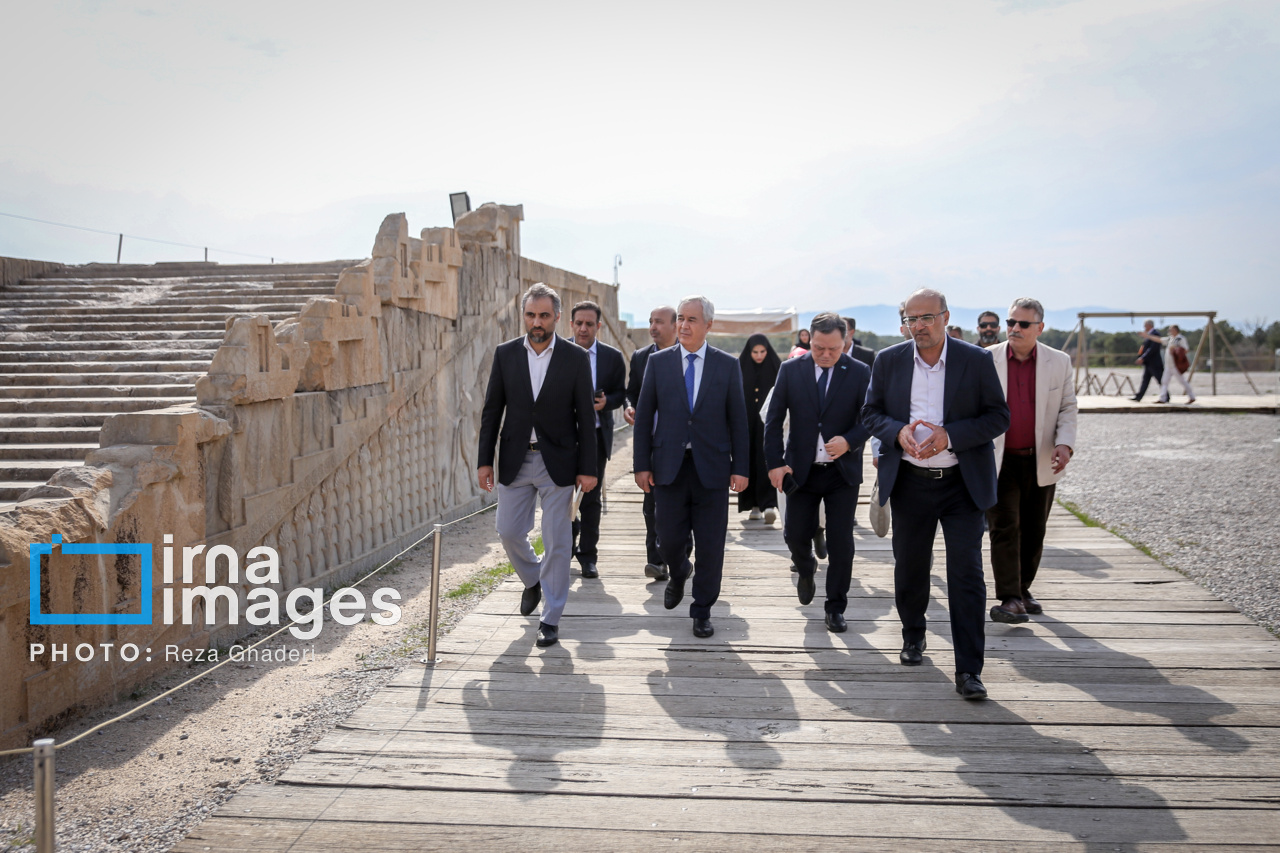
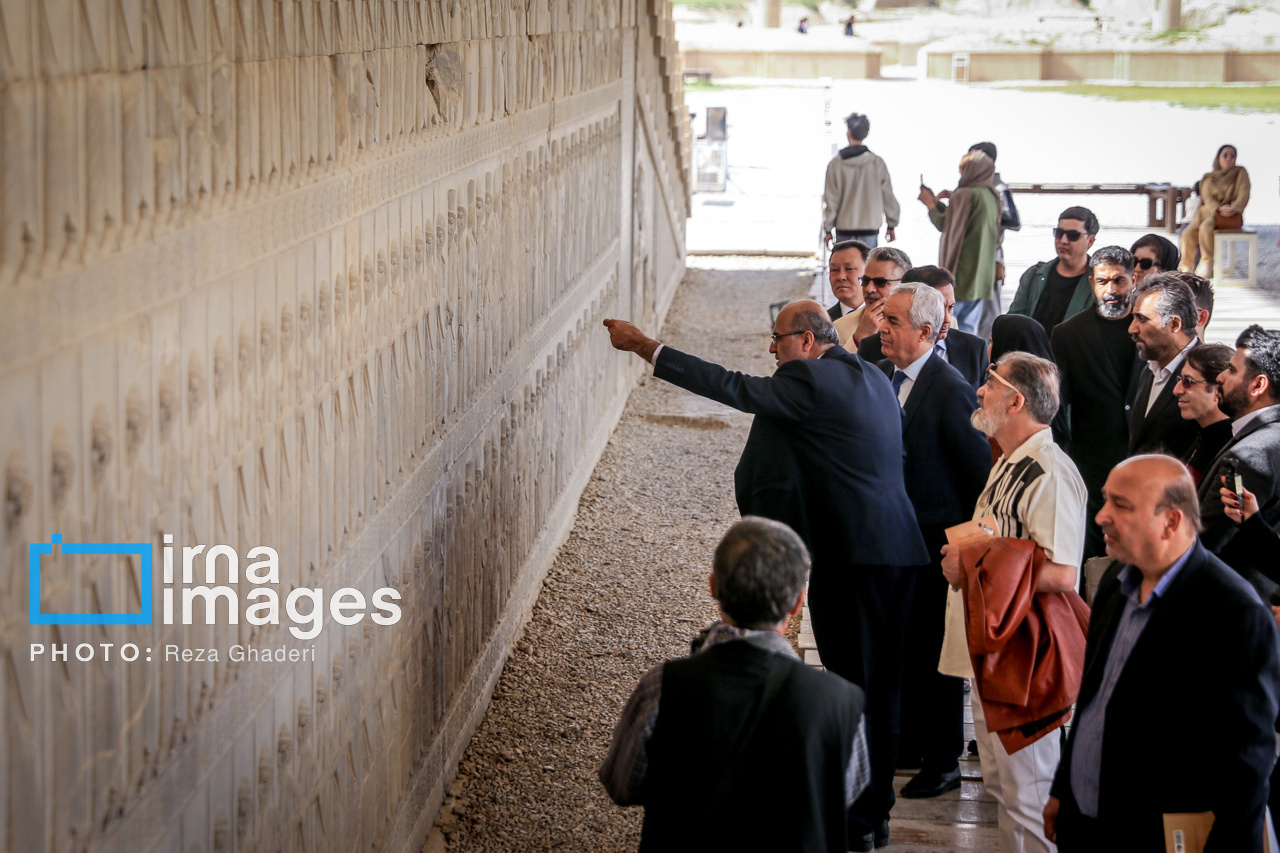
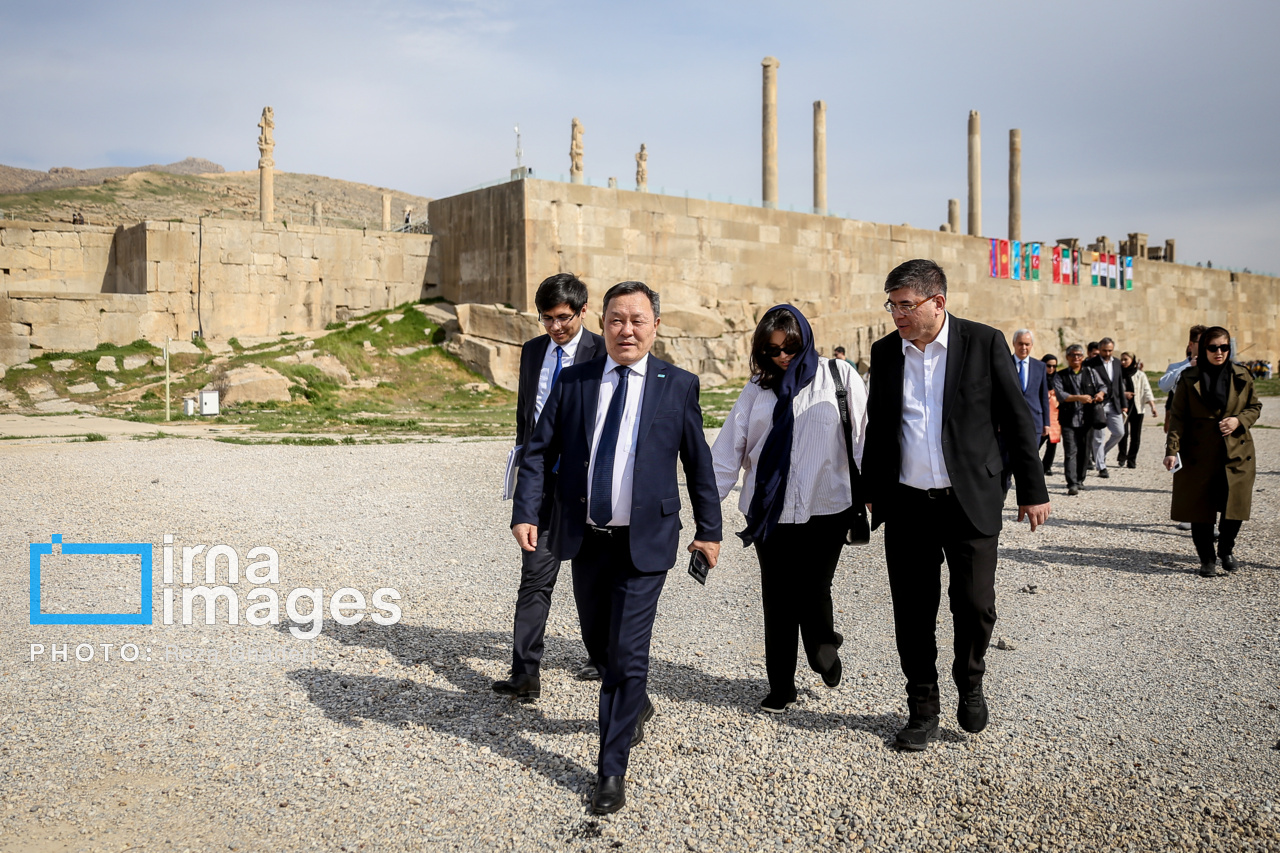
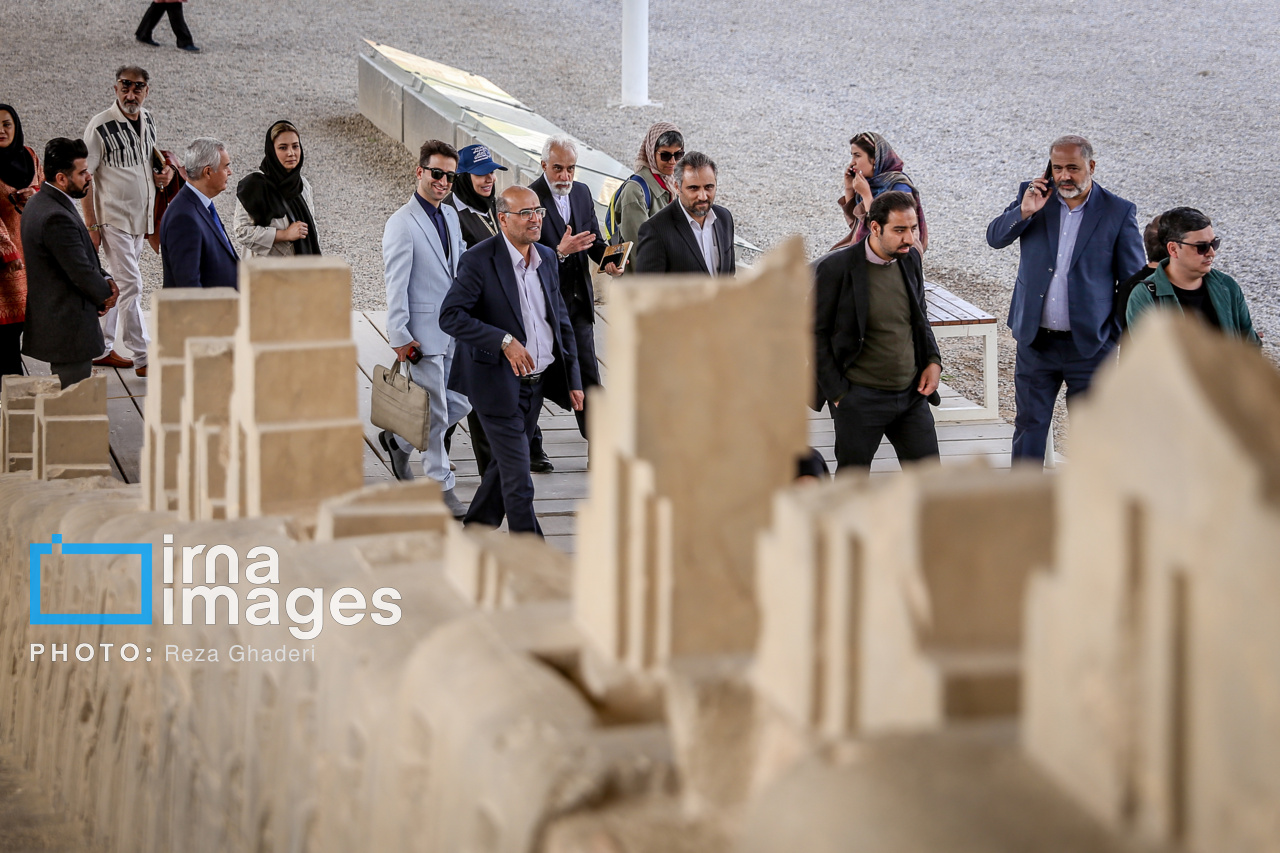
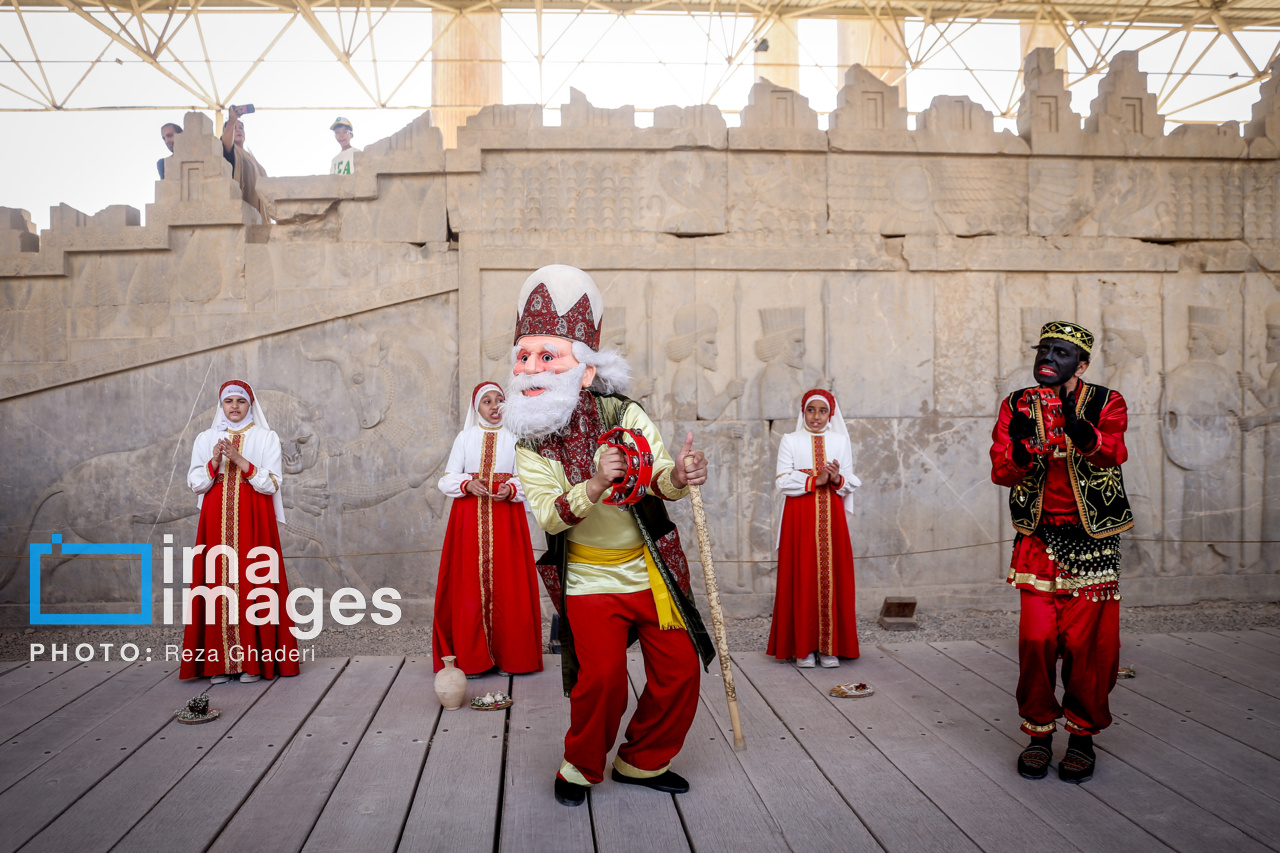
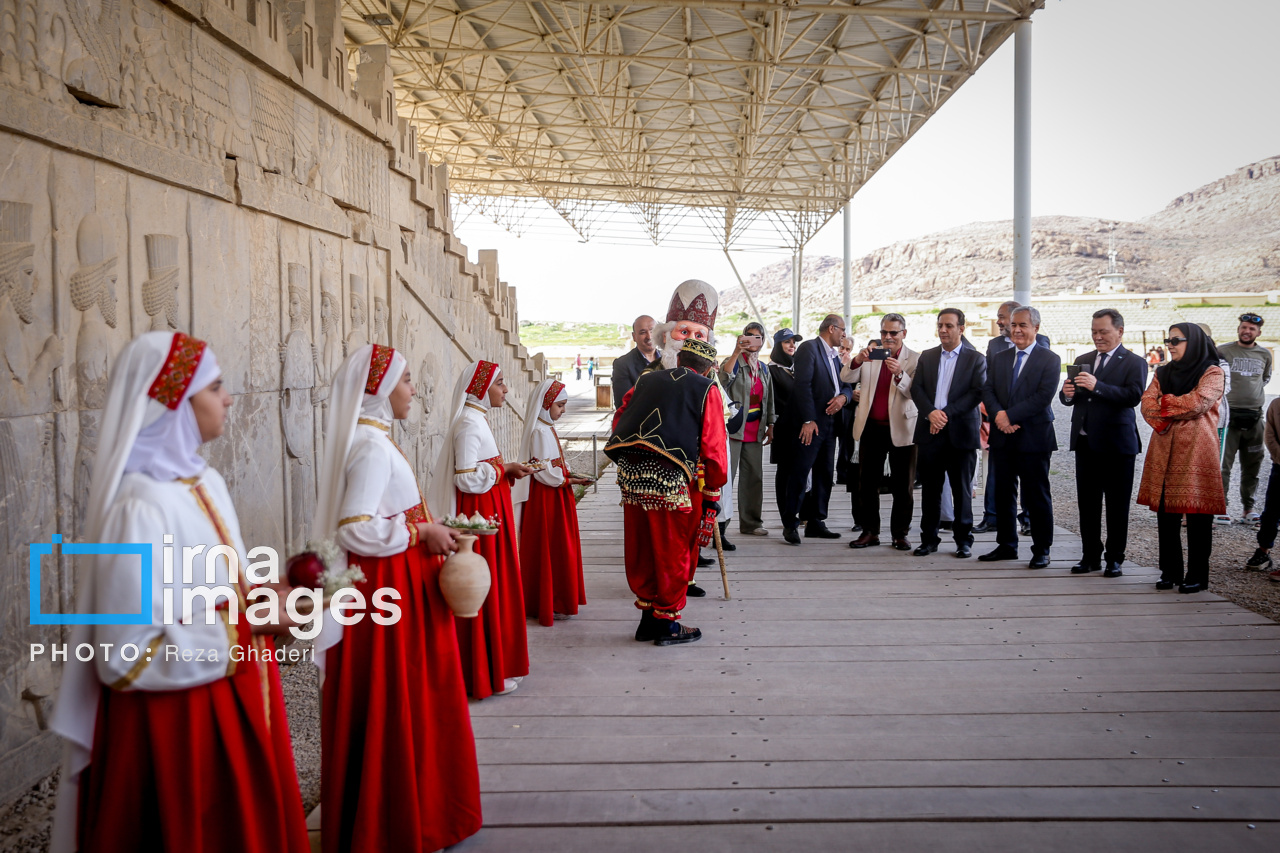
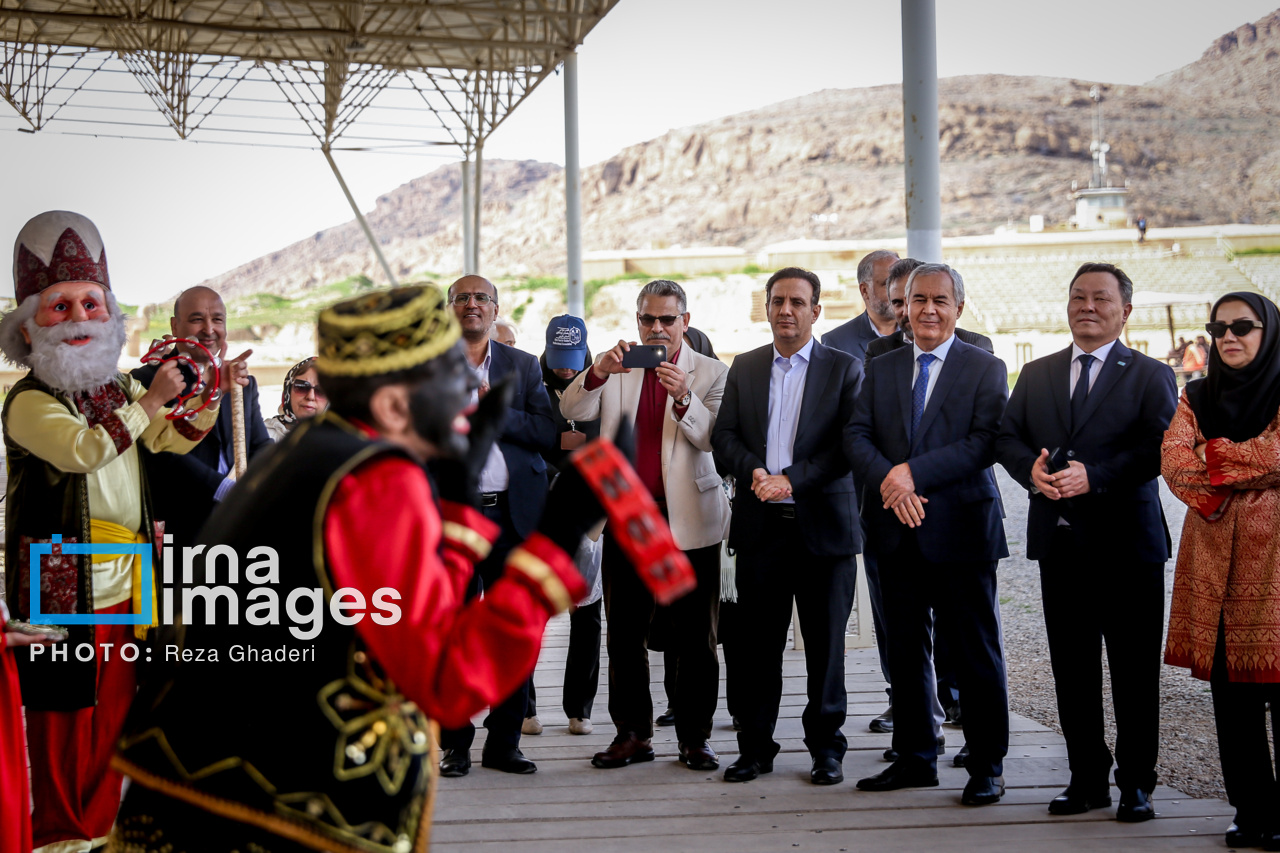
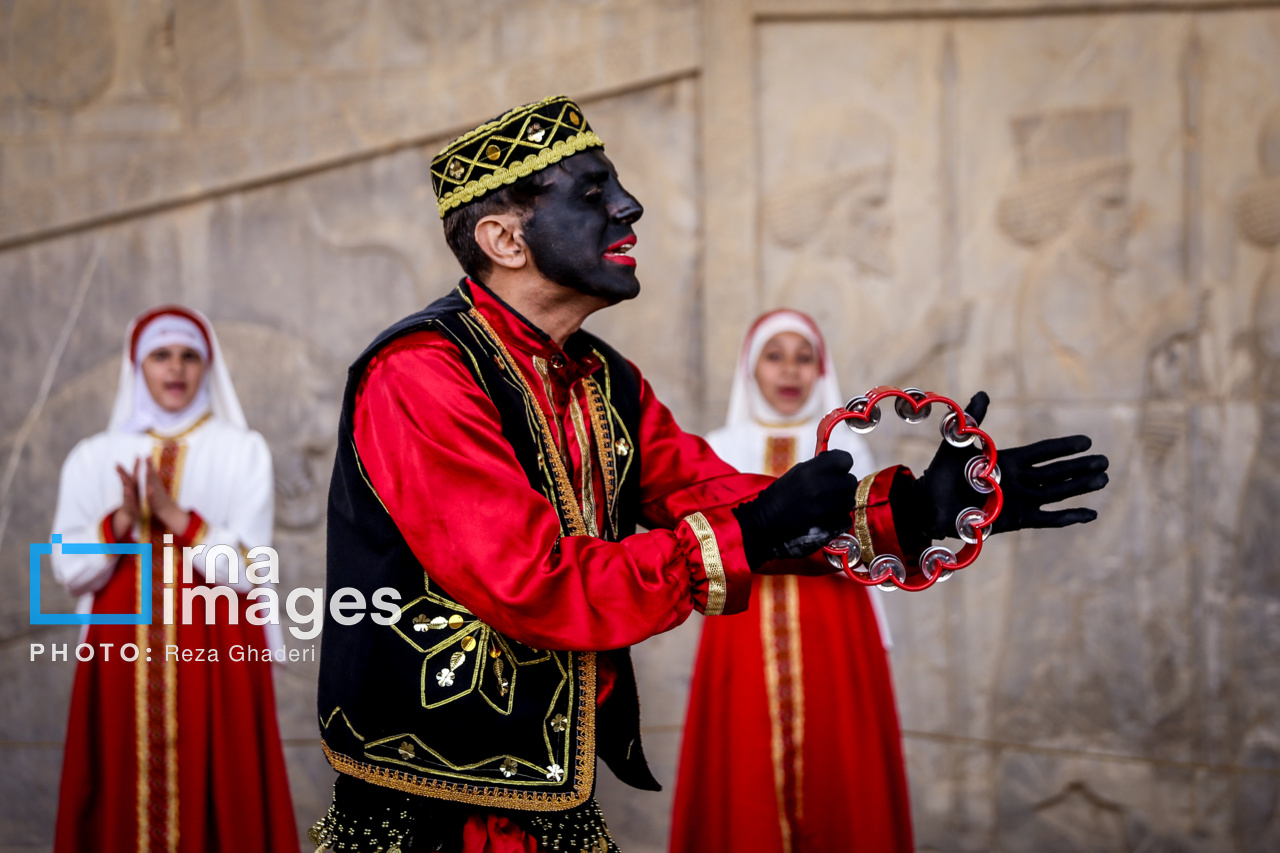
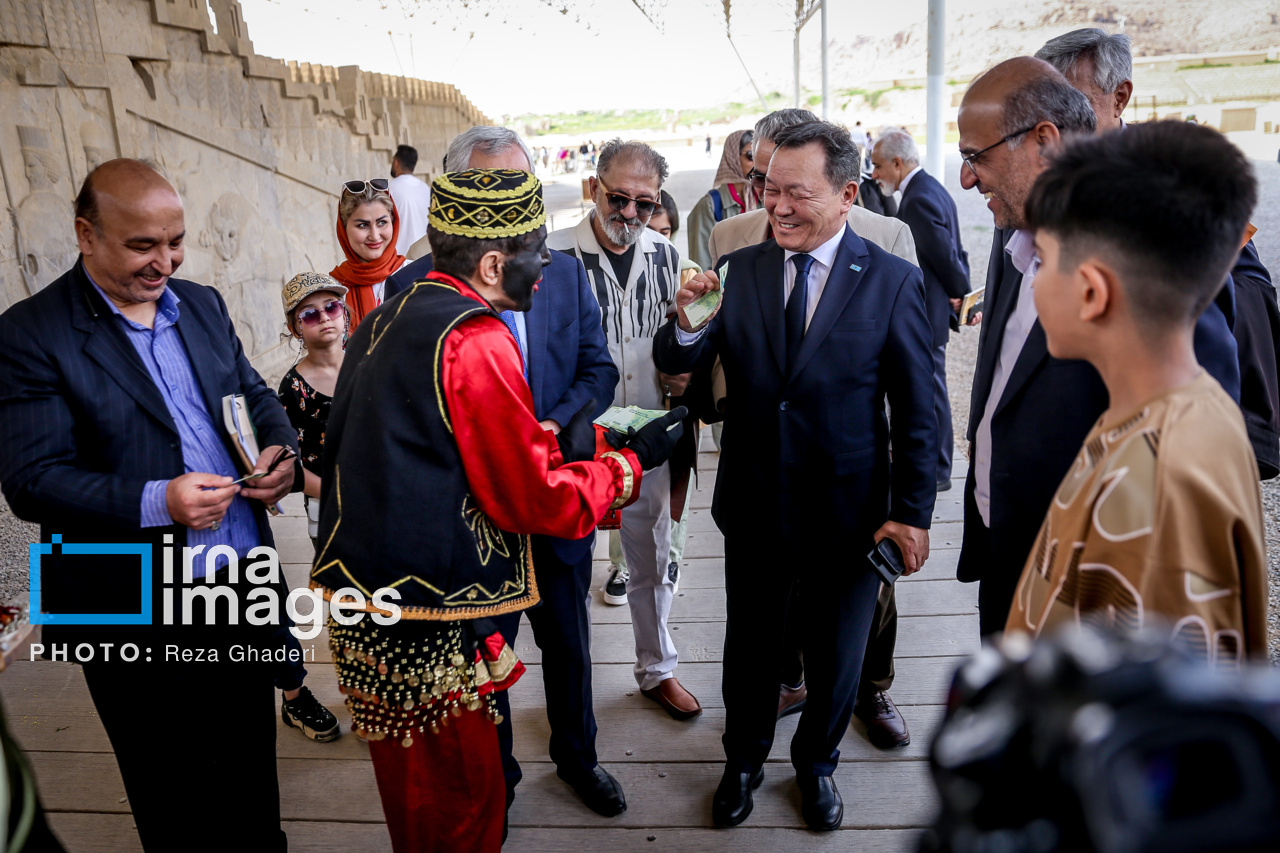
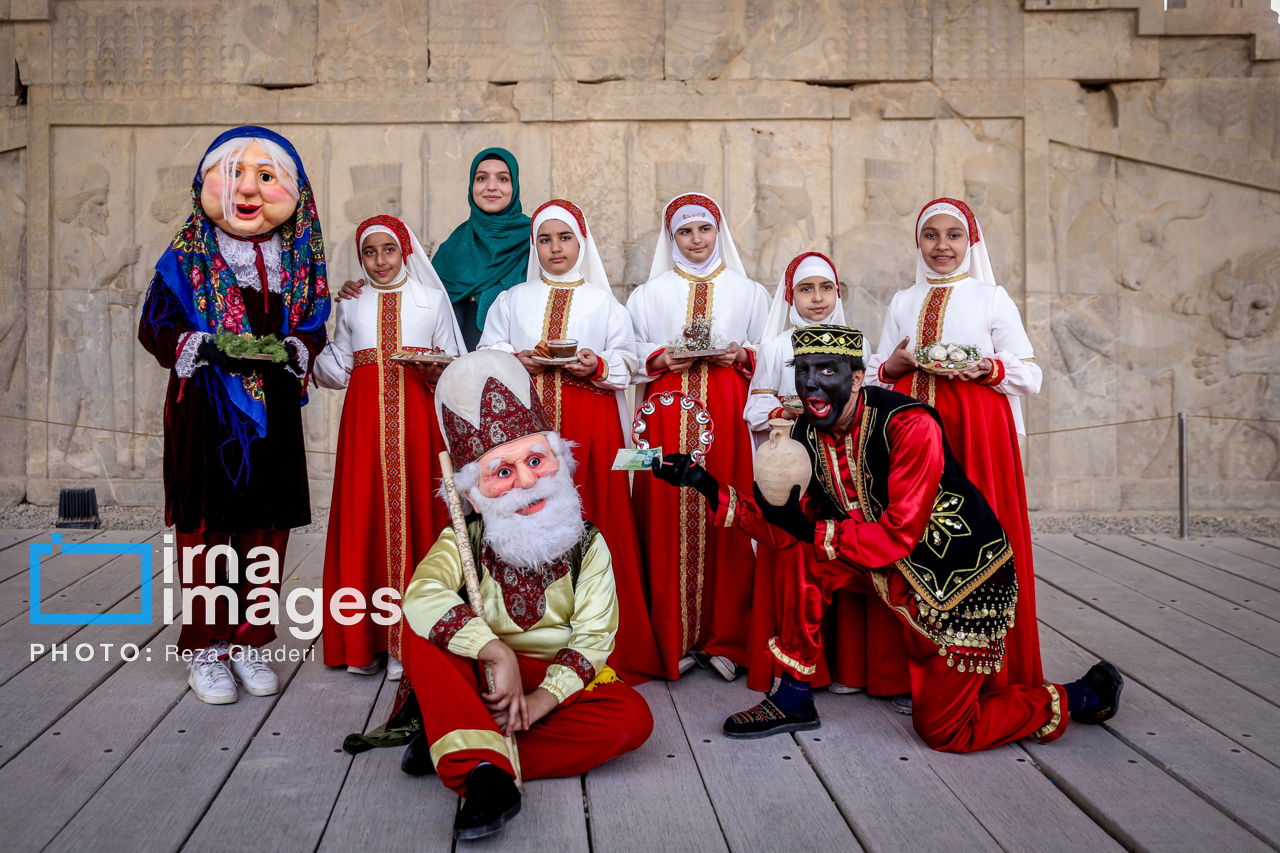
International Nowruz celebration held at Iran’s Persepolis

The event was attended by ambassadors from Uzbekistan, Kazakhstan, and Tajikistan, highlighting the cultural significance of Nowruz, the Persian New Year, which marks the arrival of spring and is celebrated across Central Asia and beyond.

During the ceremony, the International Nowruz Symbol was unveiled.

More in pictures: