Friday, December 26, 2025
Home Blog Page 2595

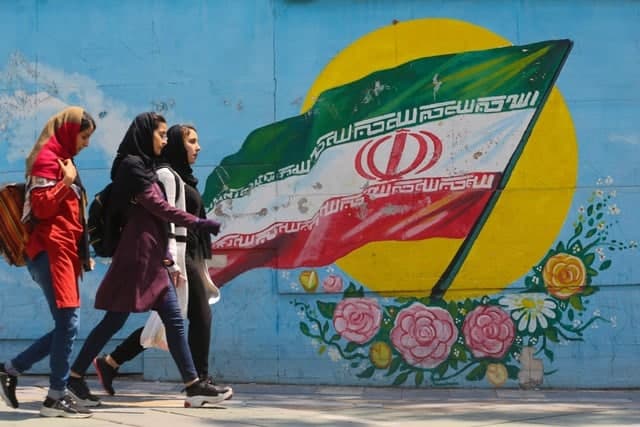
Iranian Women Making Their Presence Felt on World Stage: VP

Vice President for Women and Family Affairs Masoumeh Ebtekar described women as a key ingredient of the country’s social assets.

“The Islamic Revolution set the stage for the presence of women in different social arenas unlike what certain people thought that the Islamic Republic of Iran would restrict or isolate women, something that never happened,” she noted.

The vice president underlined Iranian women both handled their duties at home as mothers and wives and at the same time made their presence felt in different social arenas.

“Forty-one years on since the Islamic Revolution, we are seeing women making progress fast on the scientific front,” she added.

Ebtekar said these achievements could be due to proper planning by the Iranian government; nevertheless, she stressed, Iranian women’s perseverance and hope for future have definitely contributed to their progress.
Tehran, Ankara to Set up Permanent Centres for Technological Exchanges

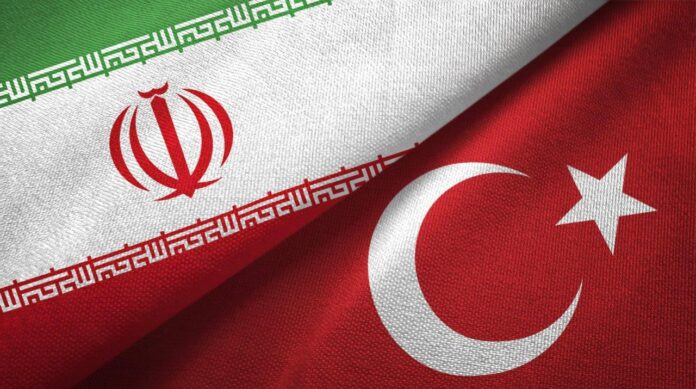
Iran, Turkey Convene Transportation Commission

In the virtual meeting, participants discussed an action plan on a cooperation agreement signed between the two sides aimed at boosting economic and trade cooperation and increasing competition between small and medium-sized enterprises of the two countries on world markets.
Under the action plan, the two sides agreed to work together on technological exchanges, the establishment of a permanent centre for technological exchanges between Iran and Turkey, sharing experience in the domain of business clusters, financing small and medium-sized enterprises, cooperation among both sides’ guarantee funds, holding meetings on attracting investment, holding face to face (B2B) meetings between Iranian and Turkish sides, and holding counsellor training courses, among other things.
The two sides will also hold training workshops, seminars, conferences, etc., share technology and run joint projects for small and medium-sized enterprises.

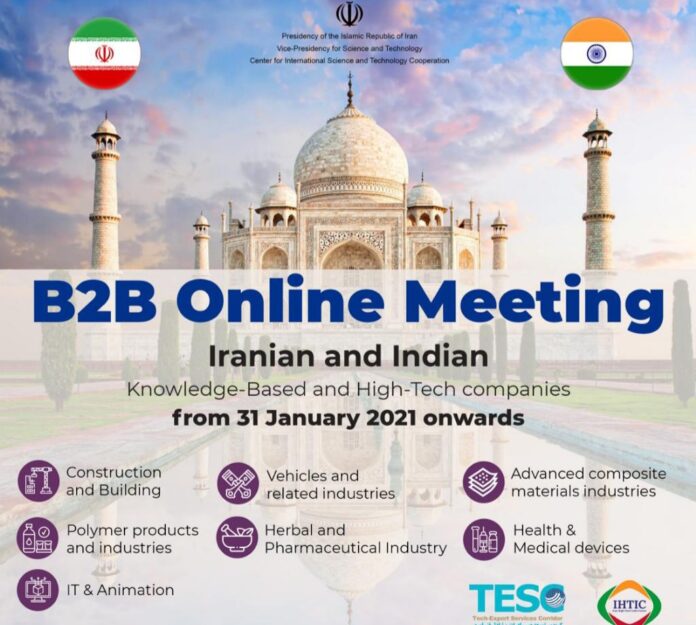
Iran, India to Hold Virtual B2B Meetings to Boost Mutual Trade

The online B2B meetings will be held between Iranian and Indian technological firms under the auspices of the Centre for International Interactions on Science and Technology of the Iranian Presidential Office’s Science and Technology Department.

Iranian and Indian knowledge-based and technological firms working in the fields of civil engineering and construction, automobile and related industries, composite and advanced materials industries, polymer industries and products, herbal and industrial medicines industries, health and medical equipment, information technology and animation can take part in the event.

The meetings aim to promote Iran-India trade and technological transactions.

The event kicks off on January 31, 2021, and the companies interested have until January 11 to register.

For more information, you may visit the following website: www.tesc.ir

Tehran, Yerevan Discuss Natural Gas-Electricity Barter Deal

Iran, Iraq Agree on Two Electricity Contracts

The heads of the Iranian and Armenian delegations that exchanged views on these issues described their discussions as constructive.

“In their meeting today, the two Iranian and Armenian delegations discussed the expansion of long-term relations in the domain of energy and reached agreement on key issues,” said Amir-Hossein Zamaninia, Iran’s deputy oil minister for international and commercial affairs, who led the Iranian delegation.

“The two sides decided to put off until a future time discussions on certain technical issues pertaining to the export of gas along with the gas-electricity barter deal,” said the Iranian official.

“After those issues are finalized, a long-term agreement will be signed in that regard,” he added following his meeting with the Armenian delegation.

Head of the Armenian delegation Hakob Vardanyan, in turn, said his country had been discussing gas exports and the extension of a gas barter deal with Iran for one and a half years, describing his talks with the Iranian delegation as very constructive.

He said the two sides reached agreement on some of the fundamental issues.

Back in 2004, Tehran and Yerevan signed a natural gas and electricity barter agreement under which Iran’s exported gas would be used as fuel for power stations in Armenia and, in return, Iran would import electricity from Armenia.

Armenia began importing natural gas form Iran in mid-2009.

Diplomacy Key Tool for Realizing Islamic Revolution Goals: Zarif

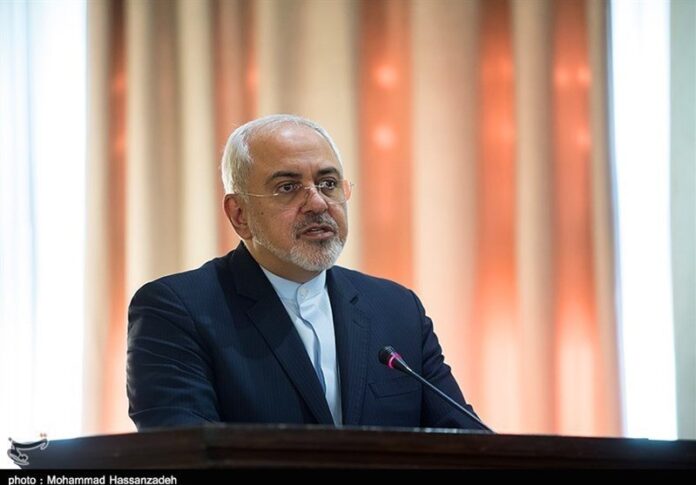
Mohammad Javad Zarif made the comment in an address to the Conference on the History of Iran’s Foreign Relations held on Sunday for the fourth year in a row by the Centre for Political and International Studies of the Ministry of Foreign Affairs.

In his remarks at the virtual meeting, Zarif said the history of Iran’s foreign relations is a treasure trove of bitter and sweet events which make up part of Iranians’ territorial and national identity as well as collective memories, and mirrors the struggles, sacrifices and resistance of the Iranian nation against foreign aggression throughout centuries.

“Iran has always taken action, and these actions have been influenced by Iran’s understanding of itself and others’ understanding of the international climate, and by objectives and tools of foreign policy in each epoch in history,” said Zarif at the conference attended by a host of top researchers and experts in the field of foreign relations history.

The foreign minister also described as “very important” the study of the history of Iran’s ties with other Asian countries, which, together with Iran, have always experienced the same historical fate.

Iran Reports No Rise in COVID-19 Deaths, Infections in Some Provinces

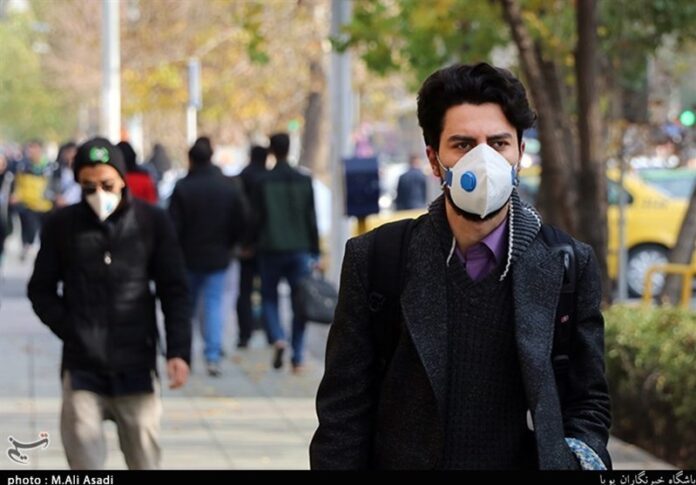
Saeed Namaki noted in some provinces there were zero deaths, and no one was hospitalized due to the coronavirus infection in some other provinces.

“Fortunately, the daily coronavirus deaths in our country dropped below 120 today,” he said, adding this is a record in months.

The minister said the figures keep decreasing to hopefully reach below 100 per day.
On Sunday, Iran confirmed 119 new deaths caused by COVID-19 in the past 24 hours, the lowest figure since September 14, and 5,502 new cases of infection with the virus, a record-low since October 24.

According to Health Ministry spokeswoman Sima-Sadat Lari, the new fatalities increase Iran’s overall death toll to 54,693, and the new cases raise the total number of infections to 1,200,465.

Lari went on to say that 5,212 patients are also in critical conditions caused by more severe infection, and only 530 are hospitalized.

The spokeswoman noted that 7,407,400 COVID-19 tests have been taken across the country so far.

She said currently 108 cities are in the “orange zone” and 340 are in the “yellow zone” in terms of coronavirus outbreak.

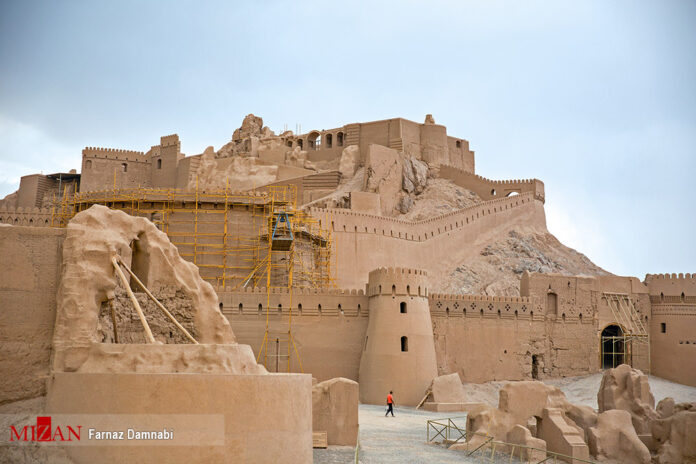
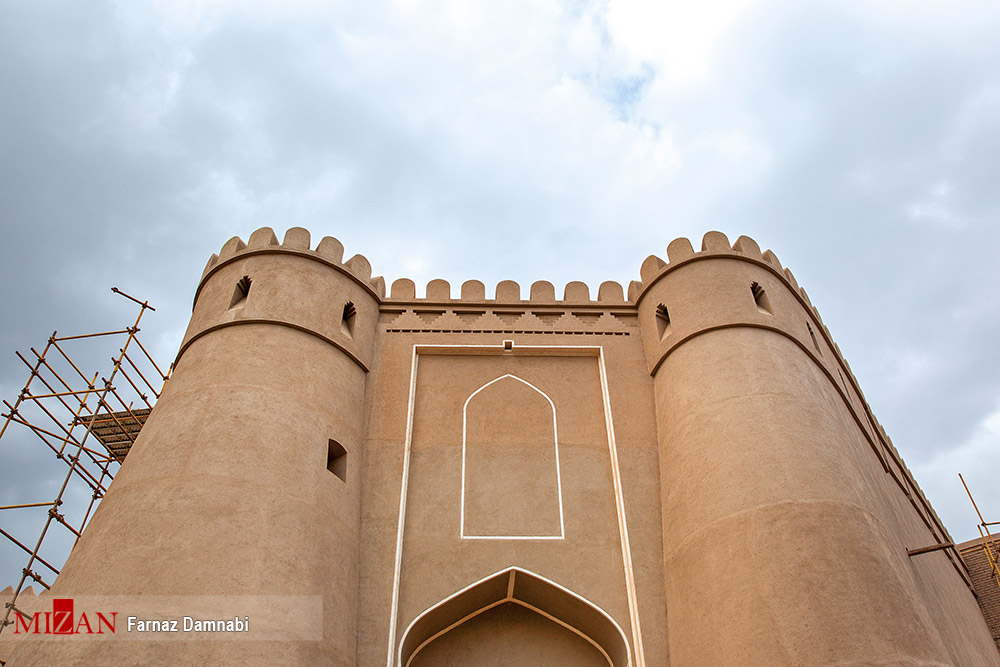
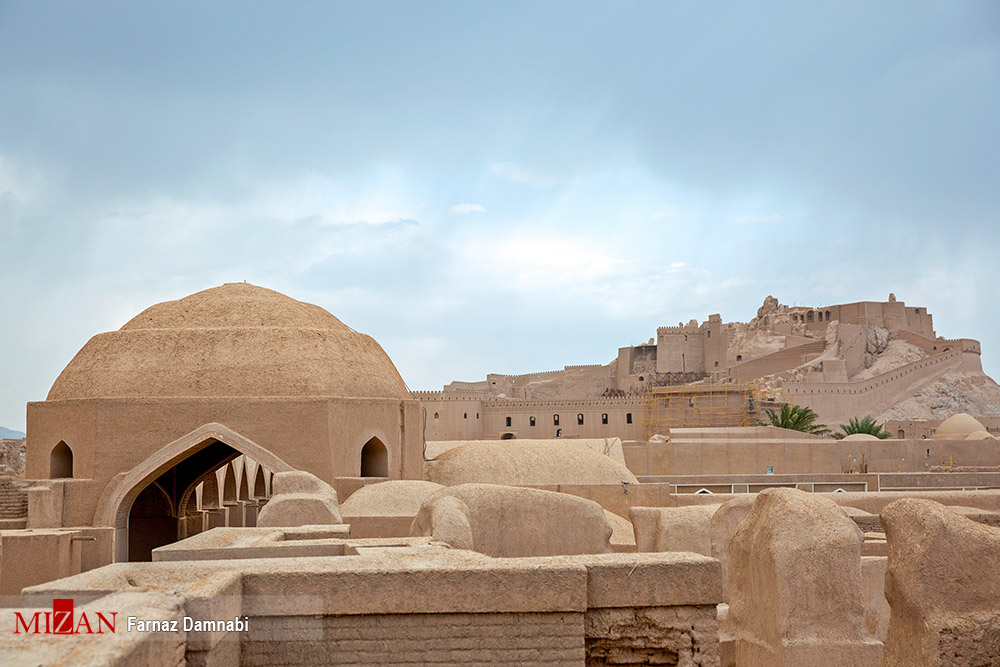
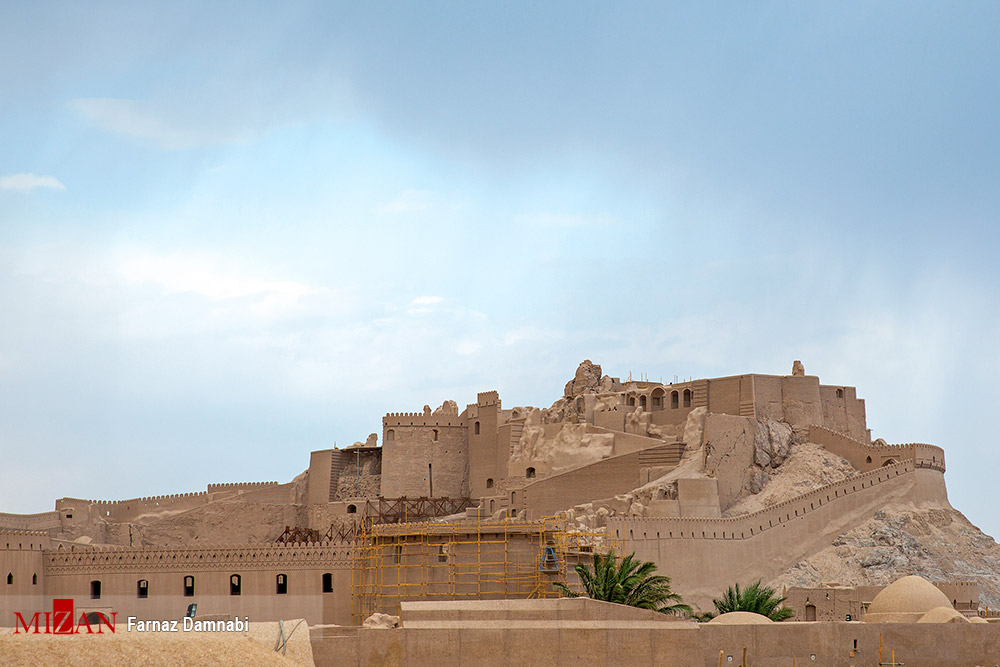
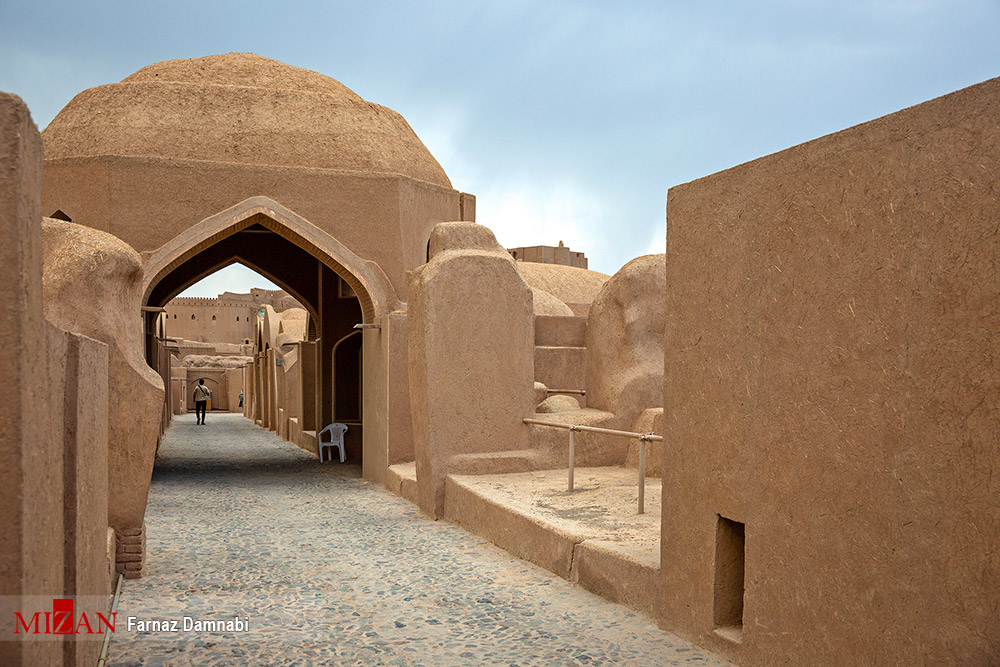
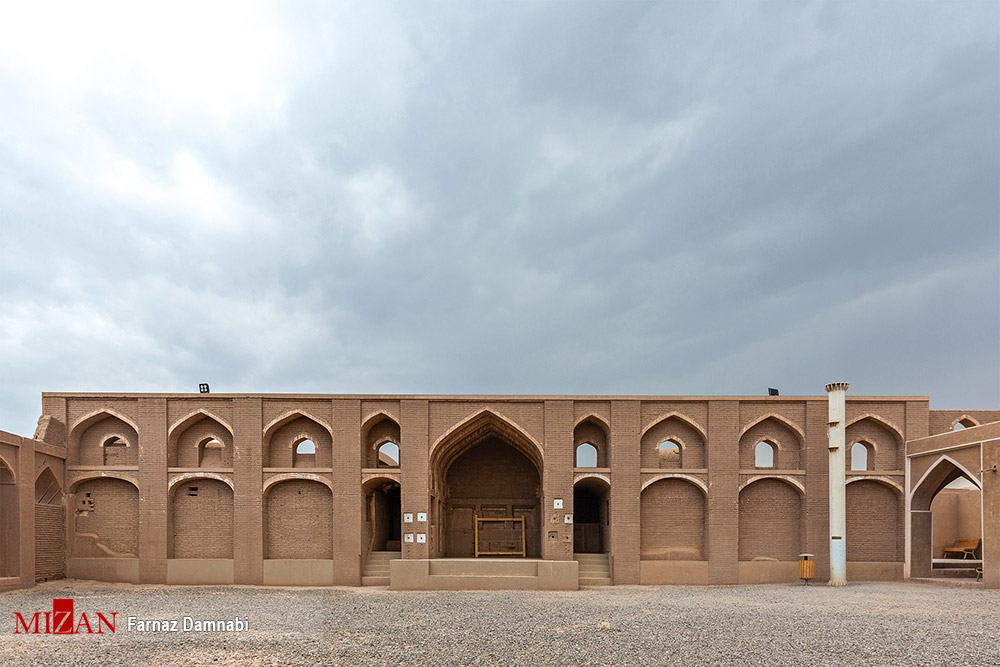
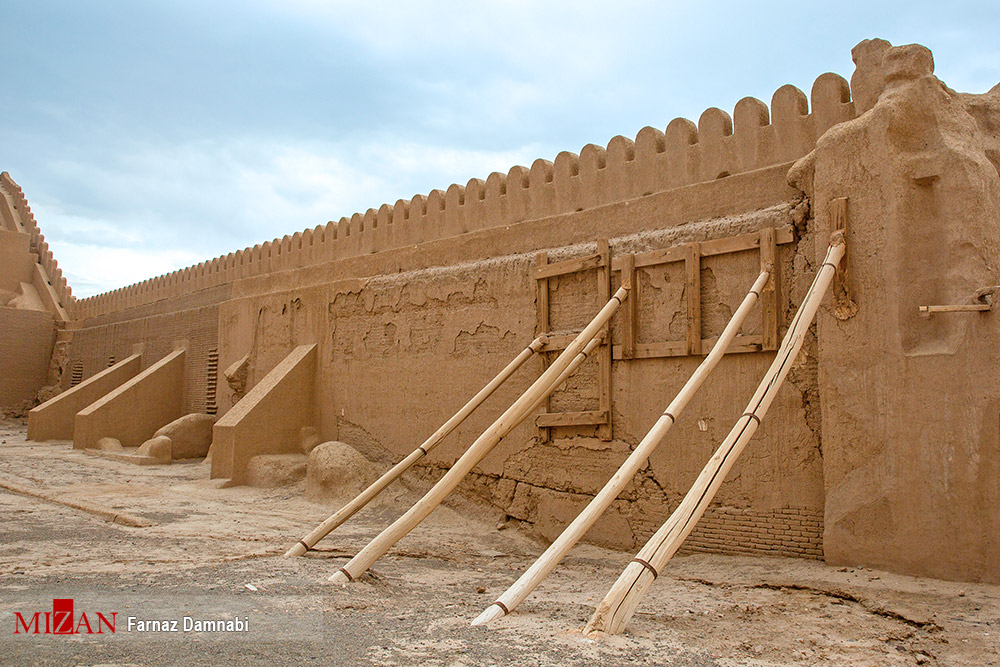
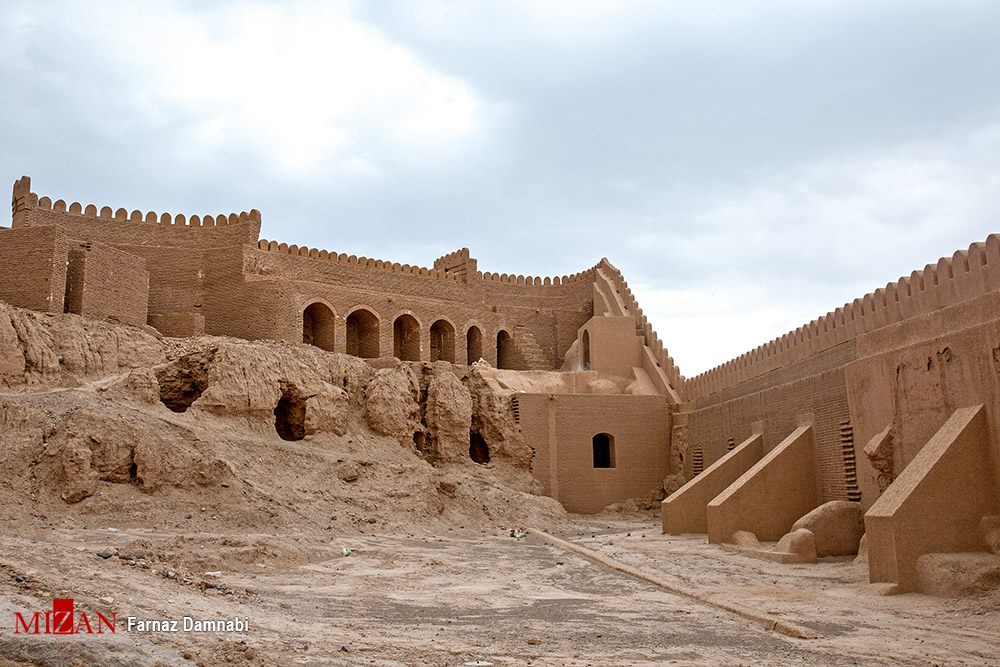
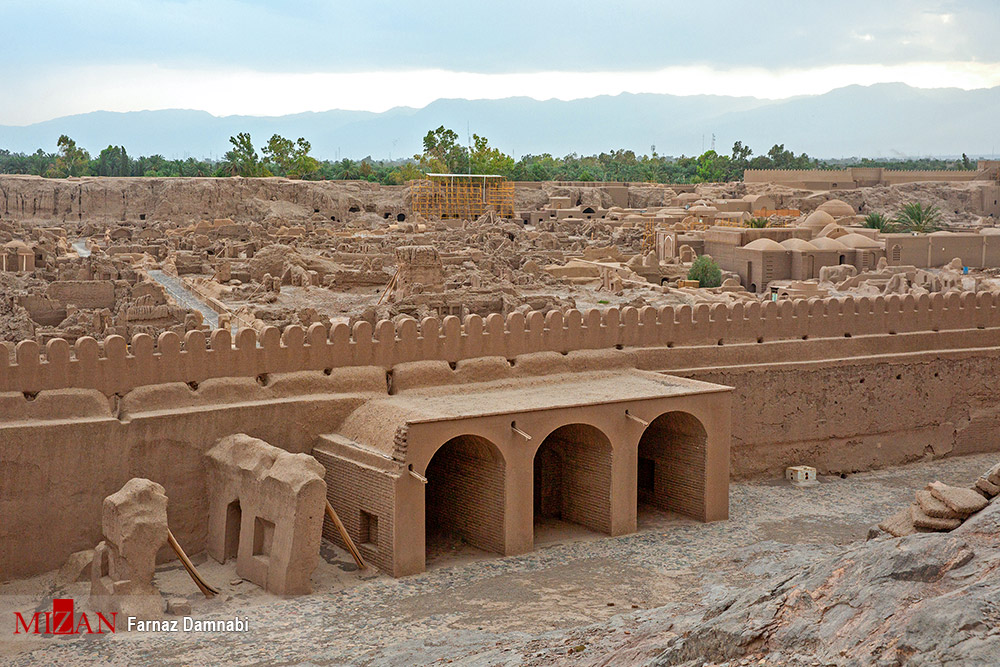
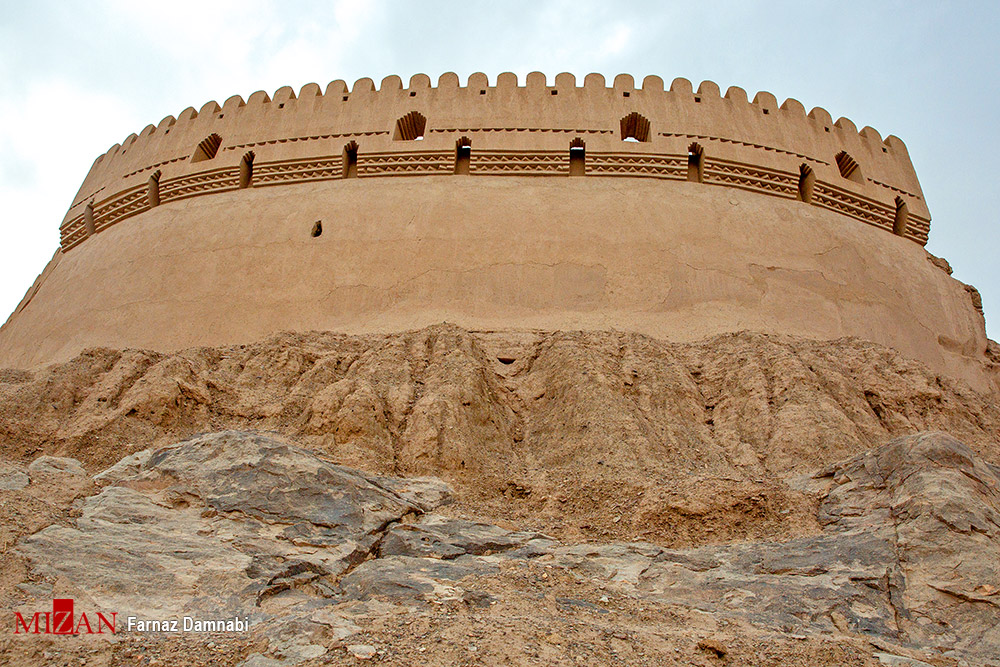
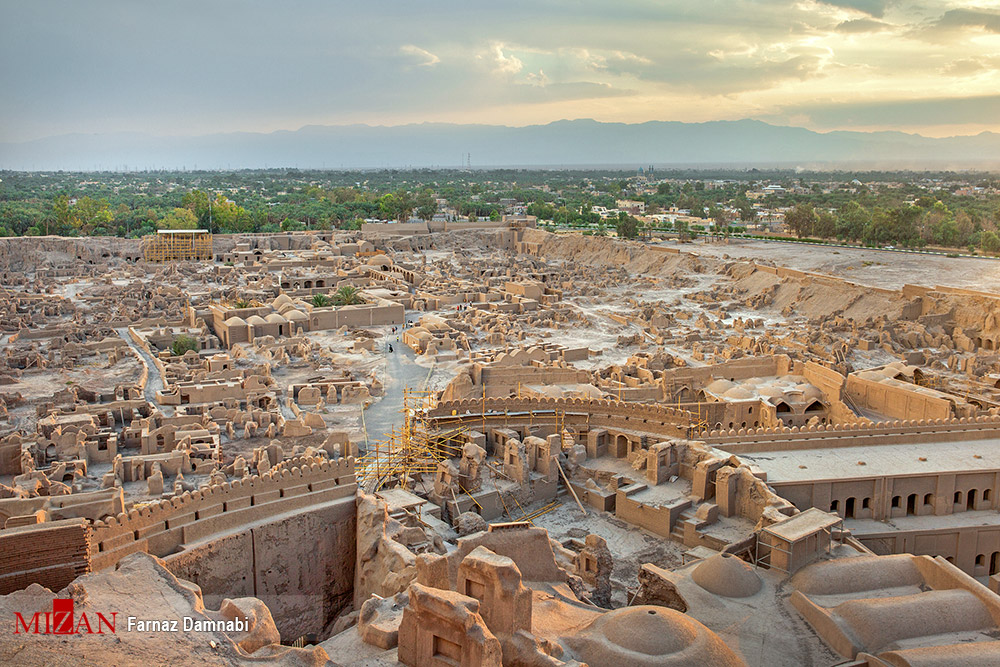
Bam Citadel: 17 Years after Devastating Earthquake

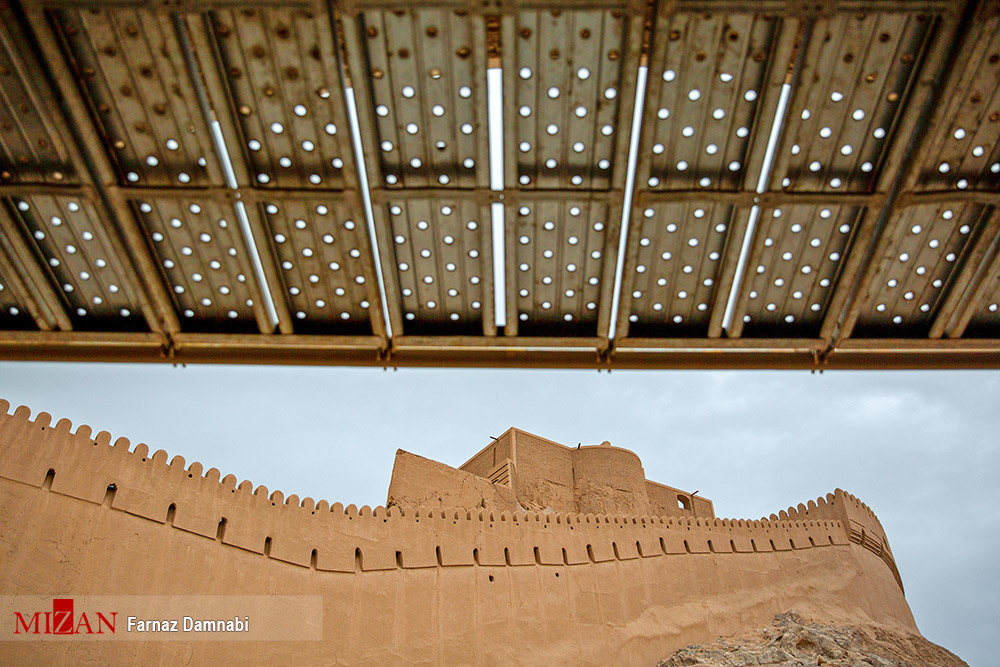
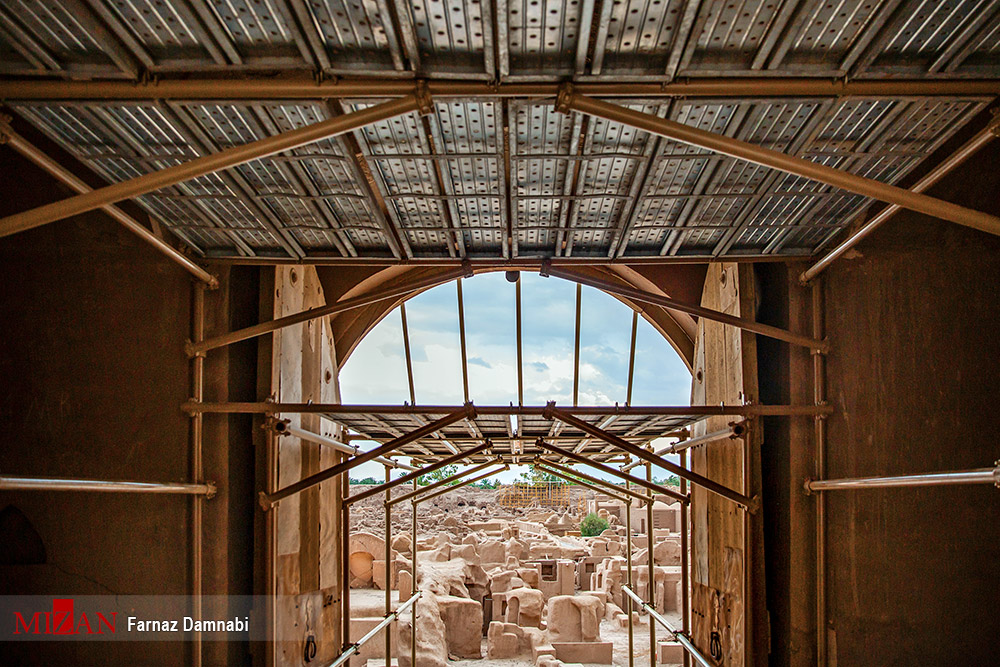
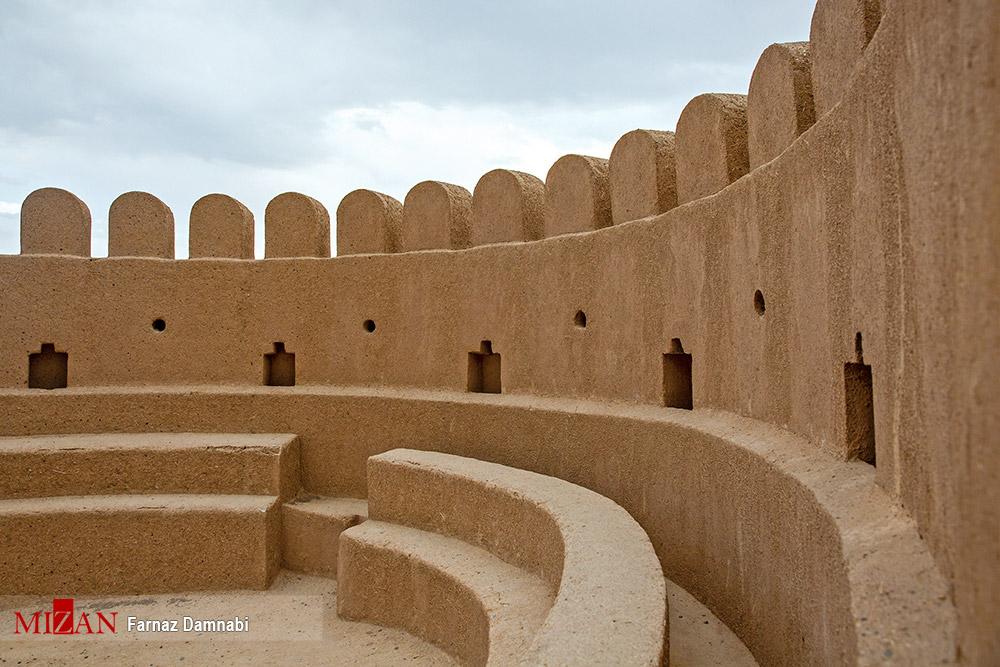
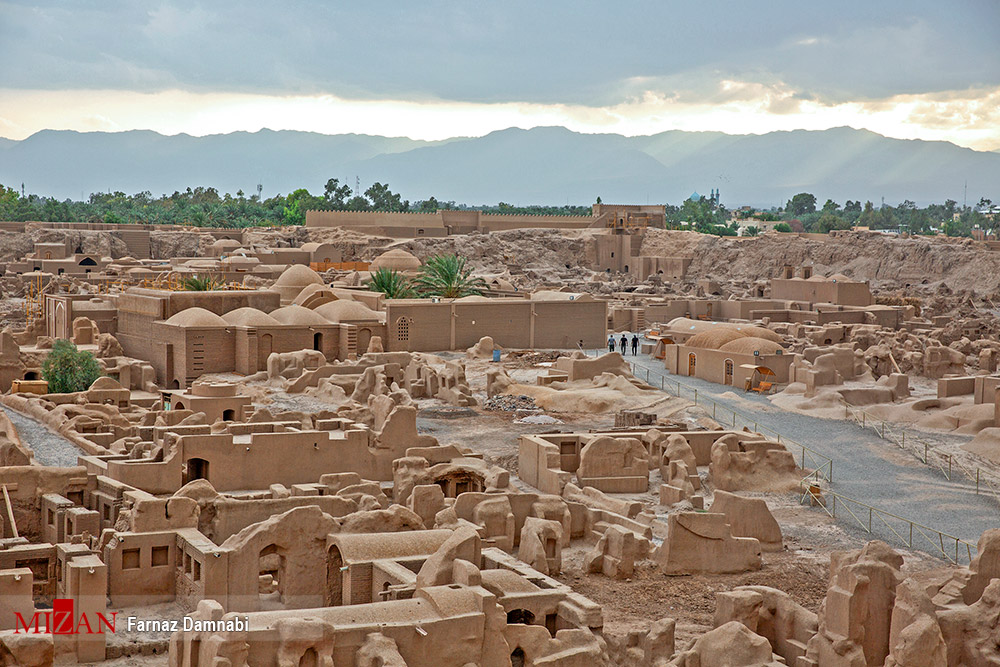
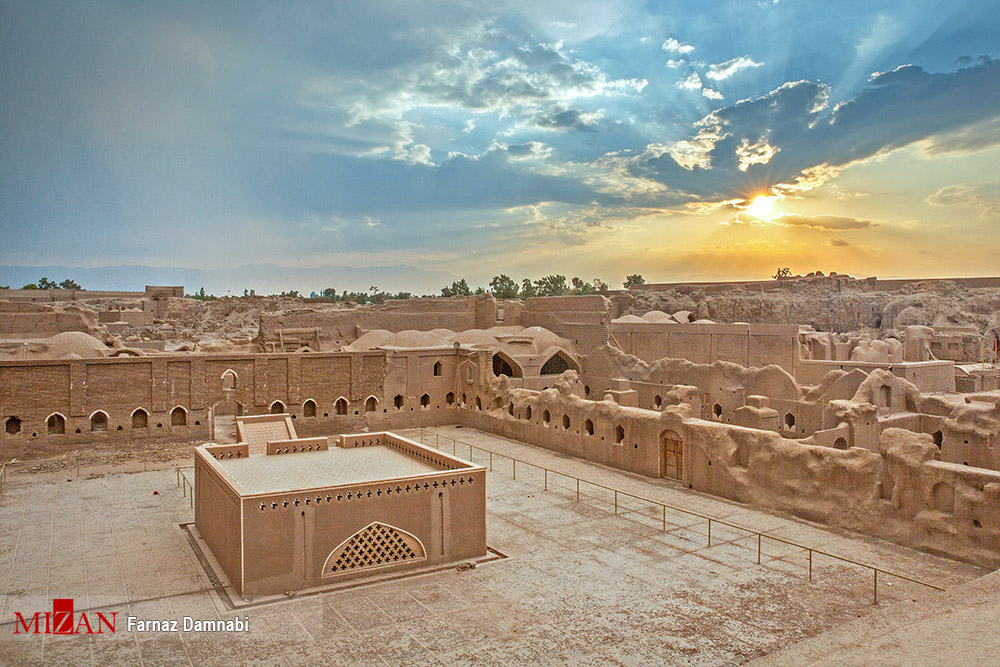
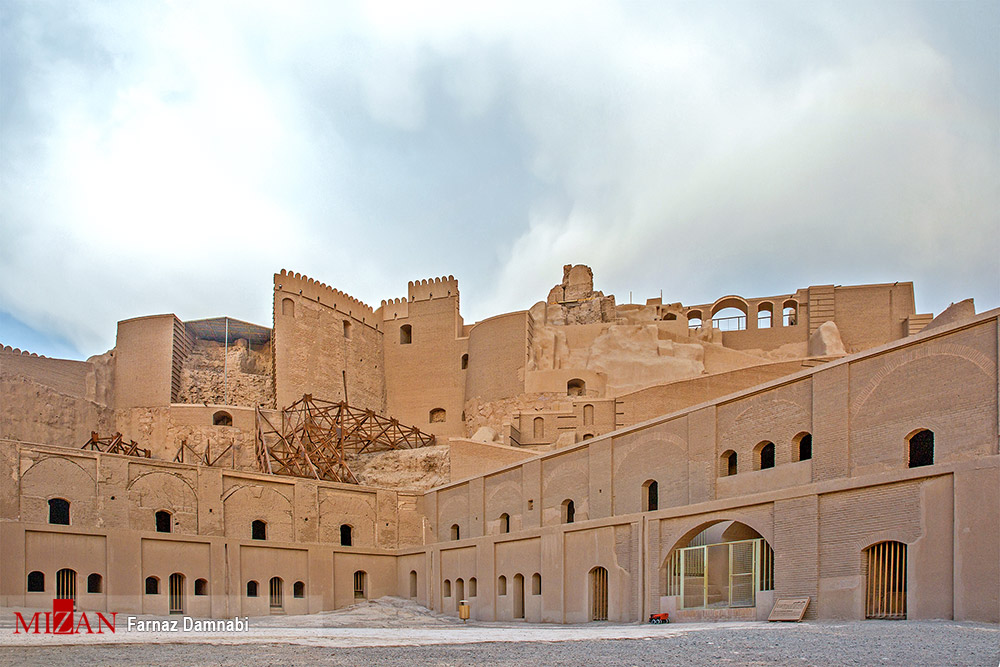
The 2003 earthquake caused the collapse of various sections of the Governor’s Quarters and the upper parts of the defence walls. Notwithstanding, much of the lost fabric was from modern restorations.

The materials found at the older levels are well preserved and have now been revealed. The traditional culture for architecture and the city plan have also been preserved, including the continuity in workmanship and know-how for earthen architecture construction.

Following the earthquake, a team of experts coordinated by the UNESCO Tehran Cluster Office and Iran’s Cultural Heritage Organization prepared a Comprehensive Management Plan, 2008-2017, which covers the World Heritage property and was developed through a process involving the local authorities of the County, the five Districts and the municipalities of Bam and Baravat.

The new urban master plan for the reconstruction of the City of Bam, prepared in 2004, respects the original street pattern.

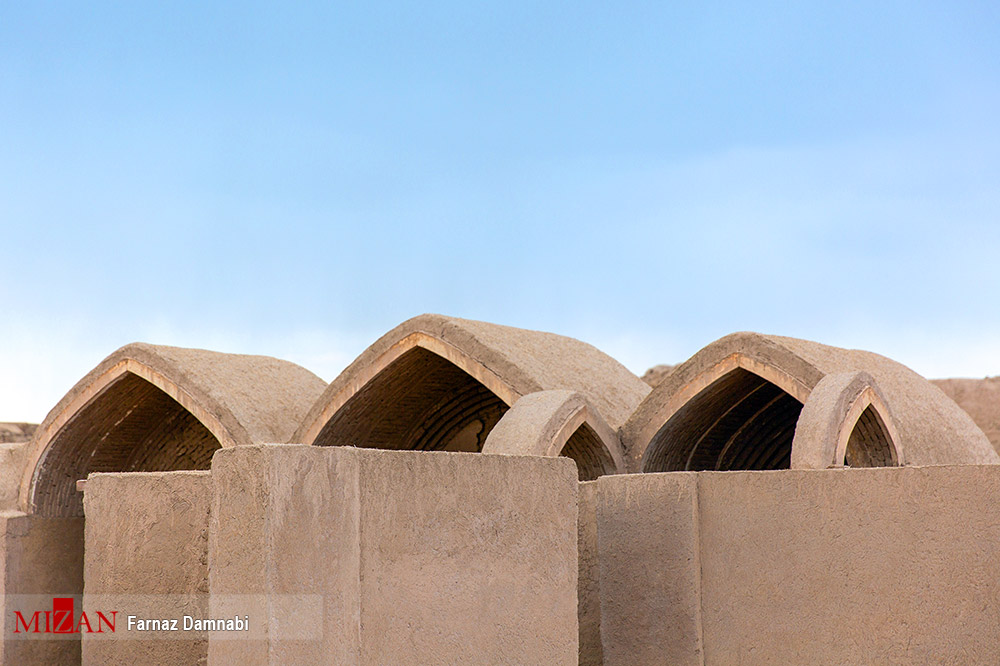
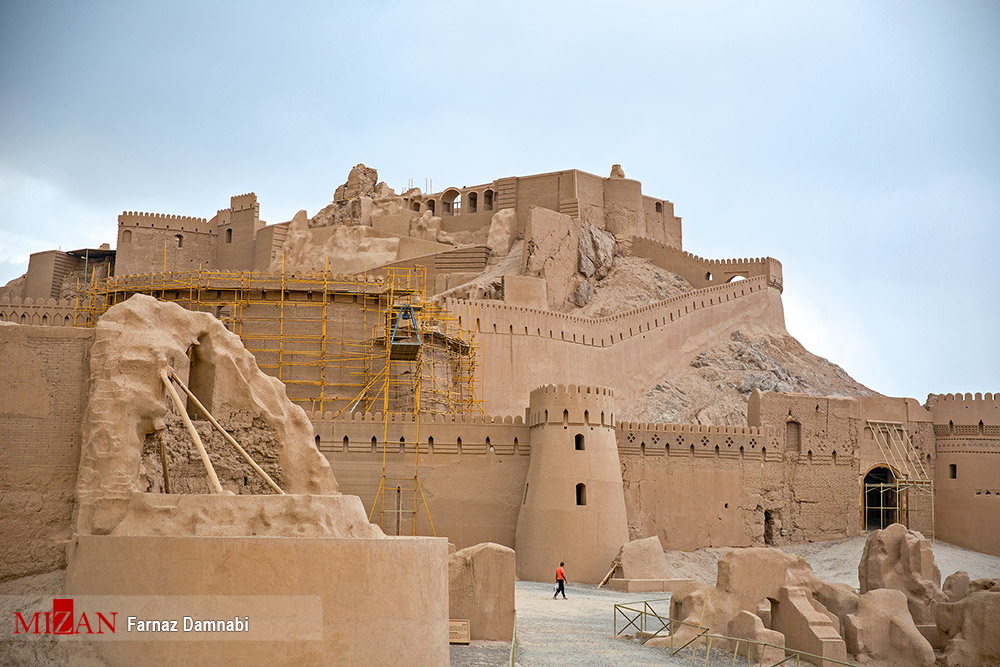
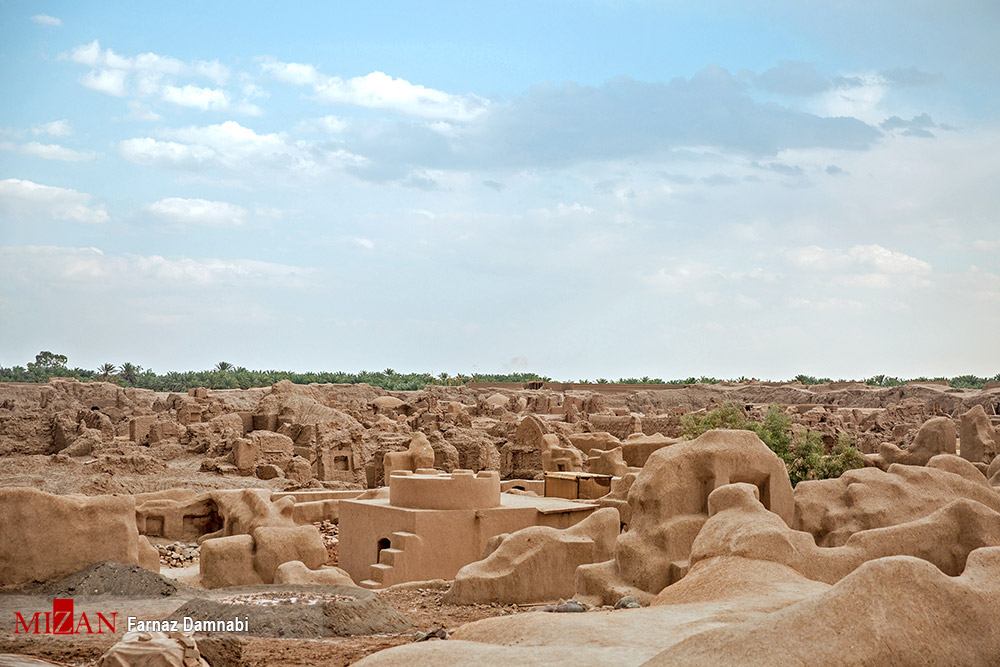
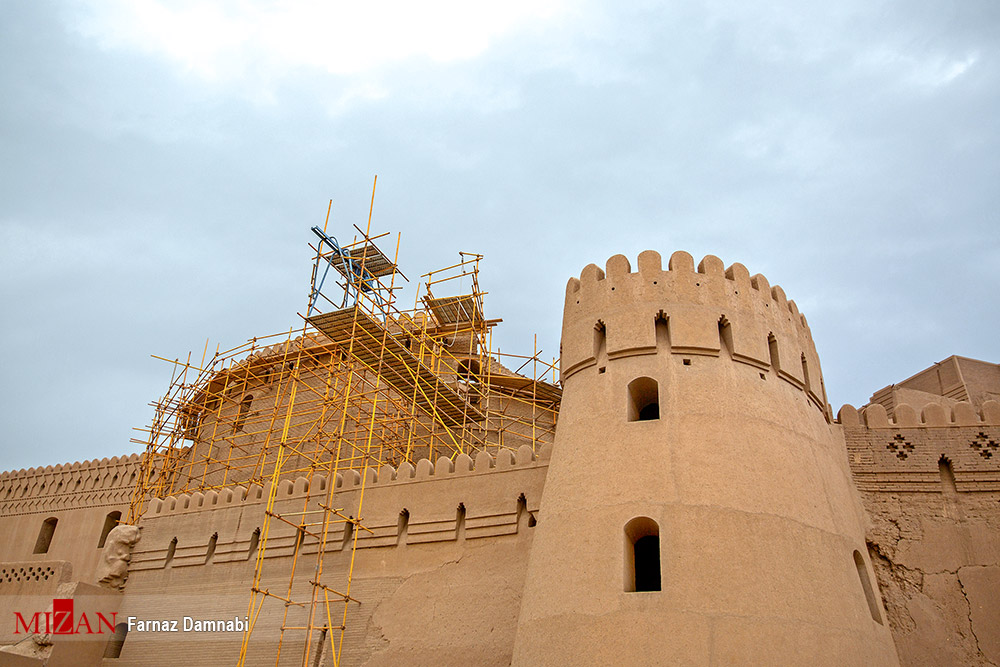
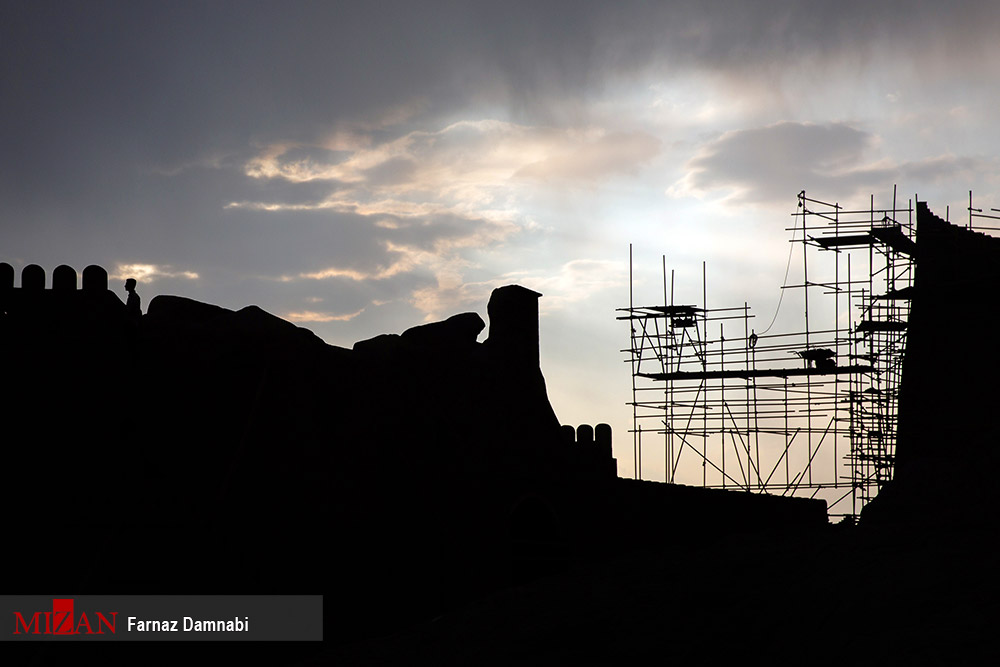
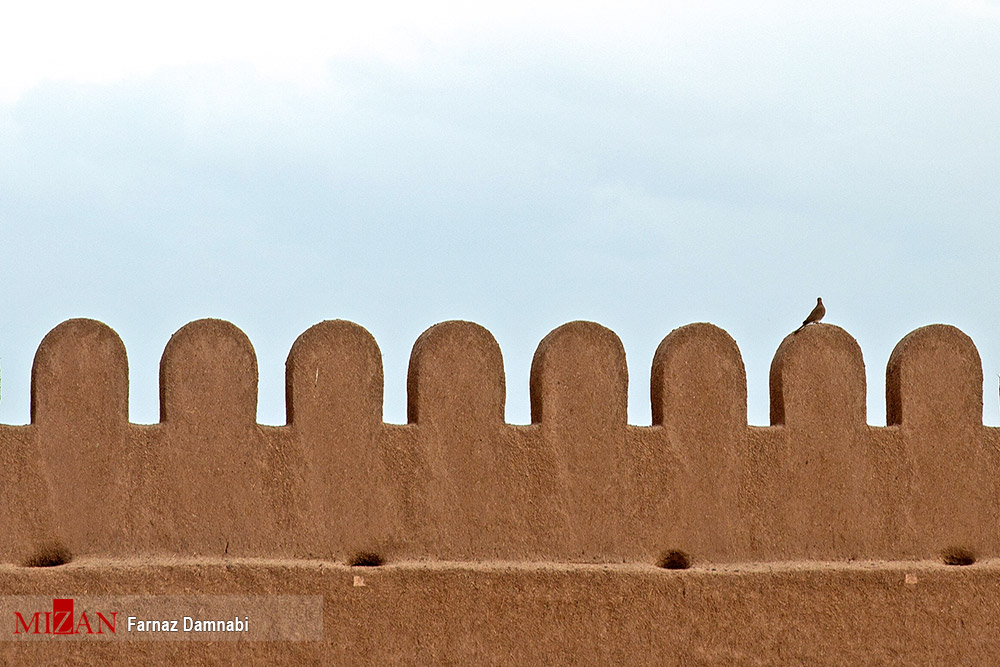
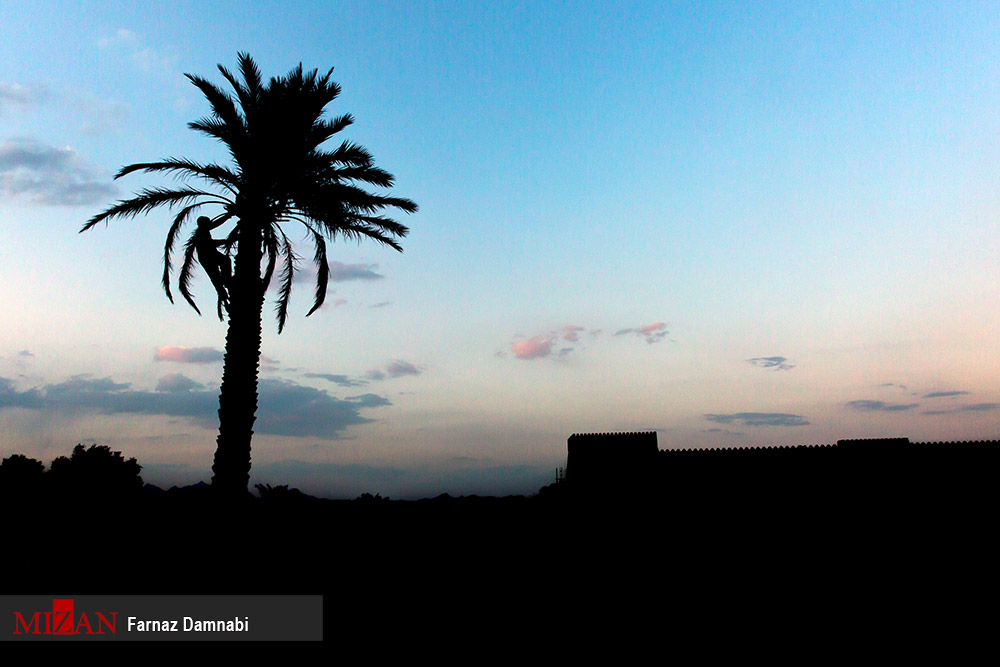
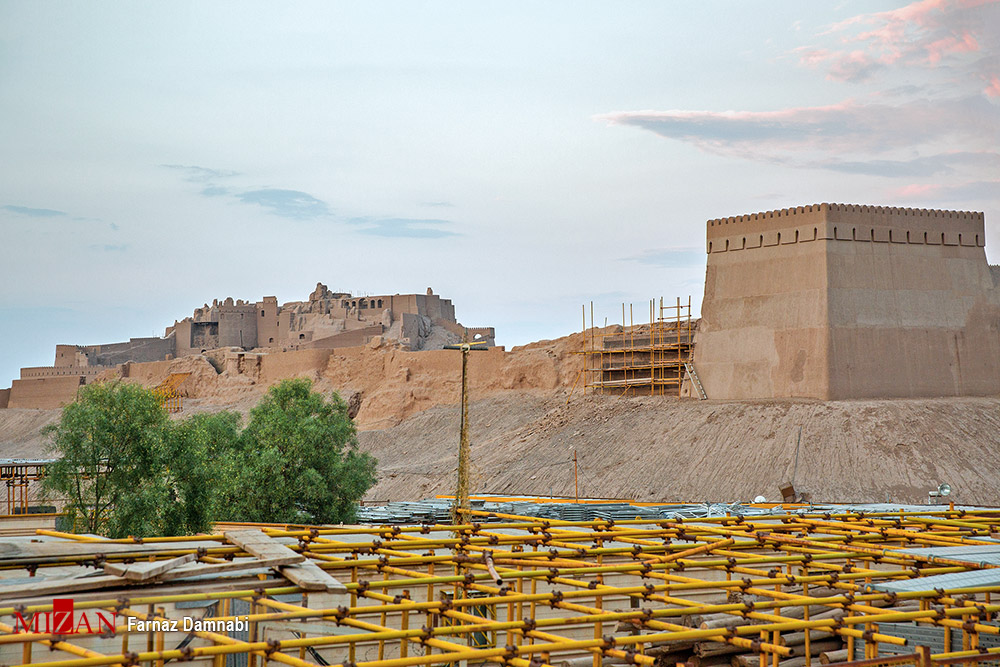
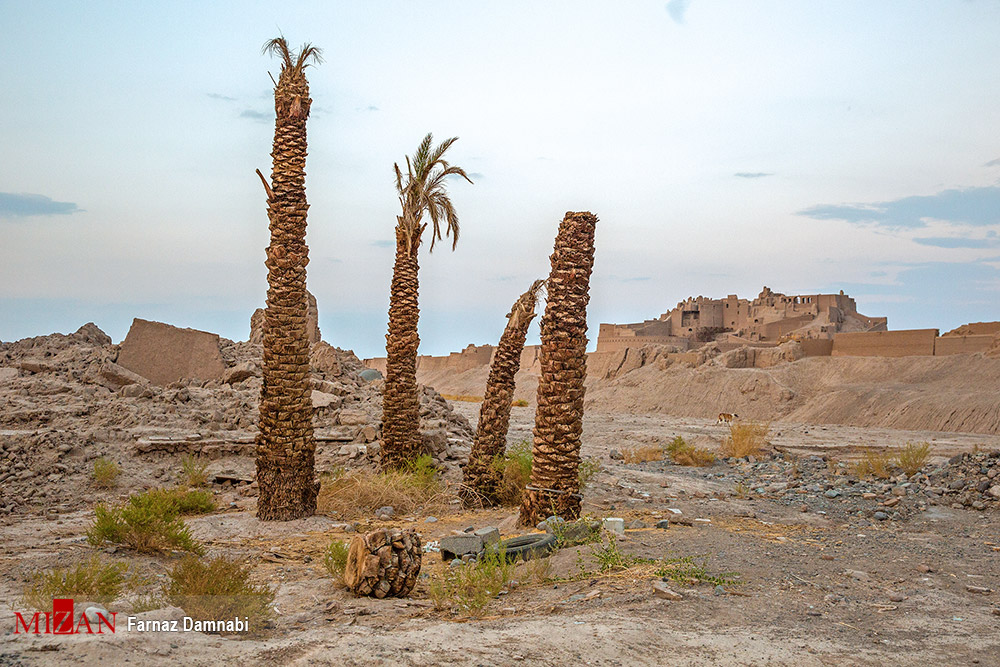
What follows are new photos of the citadel, 17 years after the tragic earthquake which killed thousands of people:

Asian Anti-Drugs Body Lauds Iran’s Fight against Narcotics

Asian Anti-Drugs Body Lauds Iran’s Fight against Narcotics

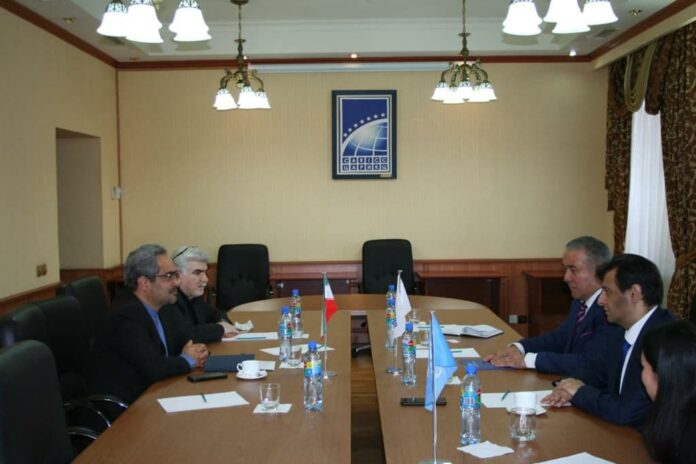
In a meeting with Iranian Consul General in Kazakhstan Mohsen Faghani in Almati, CARICC Director Rustam Miralizoda further underlined the need to promote bilateral and regional cooperation in the war on drugs.

He noted more than 950 tonnes of narcotics were seized by Iranian police last year, and that fighting the global scourge of narco-trafficking requires collective cooperation and efforts by the international community.

Miralizoda then touched upon the history of the establishment of the CARICC.
“This institution was set up in 2007 by Russia, Kazakhstan, Uzbekistan, Tajikistan, Kyrgyzstan, Turkmenistan and the Azerbaijan Republic, with its Secretariat located in Almati,” said the CARICC director.

He said several other countries also have observer seats at the centre.

The CARICC chief said member states coordinate their efforts in the fight against narcotics in the region, facilitate cooperation among them to prevent the transit of illicit drugs through those countries, devise mechanism for collaboration among officials of member states, contribute to and run joint international efforts in that regard, and exchange and analyze relevant intelligence and information on fighting narcotics.

He further congratulated Iran on having joined the centre, and said Iran’s membership will considerably boost the CARICC’s potentialities and capabilities.

The Iranian official, in turn, underlined the need for cooperation among regional and international institution in the war on drugs, saying the cooperation of institutions such the CARICC and the United Nations Office on Drugs and Crime (UNODC) with Iran, which is at the forefront of the campaign against narcotics, will contribute to tackling this problem.

A Look at Iranian Newspaper Front Pages on December 27

Iranian Newspapers

Iranian Newspapers


Aftab-e Yazd Newspaper:

1- Pakistan-Russia LNG Pipeline: Fact or Bloomberg Fabrication?

A Look at Iranian Newspaper Front Pages on December 27


Arman-e Melli Newspaper:

1- Rouhani: We’ll Both Produce, Purchase Vaccine

A Look at Iranian Newspaper Front Pages on December 27


Ebtekar Newspaper:

1- Ankara-Tel Aviv: A Dangerous Normalization

2- Vaccine Won’t Be Distributed among Officials, Their Families beyond Regulations: First VP

3- Tension in Iraq: Muqtada al-Sadr’s Request from Iran

A Look at Iranian Newspaper Front Pages on December 27


Etemad Newspaper:

1- White Death: Efforts to Rescue 7 Missing Climbers to Resume Sunday

2- Novel Missions of Judiciary

3- A Corruption beyond Nepotism: Why Is Ivanka’s Political Career Worrying?

A Look at Iranian Newspaper Front Pages on December 27


Ettela’at Newspaper:

1- Negligence to Spread Mutated Coronavirus Strain in Iran

A Look at Iranian Newspaper Front Pages on December 27


Iran Newspaper:

1- Creation of a Super Bank in Iran

2- Rouhani: We Won’t Allow Unreliable Vaccines to Be Tested in Iran

A Look at Iranian Newspaper Front Pages on December 27


Javan Newspaper:

1- Rouhani: We Should Beware of British Coronavirus

2- Al-Kadhimi Playing in US Court

A Look at Iranian Newspaper Front Pages on December 27


Kayhan Newspaper:

1- Judiciary’s Big Step to Deliver Justice, Make People Satisfied

2- Several Israeli Troops Wounded after Zionist Regime’s Military Vehicle Destroyed in Lebanese Border

3- Western Countries Hoarding Coronavirus Vaccine, Threatening Billions of Lives

4- 11 Mountain Climbers Rescued, Eight Die

5- Hadi al-Amiri: Iraq Indebted to Gen. Soleimani’s Sacrifice

A Look at Iranian Newspaper Front Pages on December 27


Khorasan Newspaper:

1- Dark Rubble of Snow!

A Look at Iranian Newspaper Front Pages on December 27


Mardom Salari Newspaper:

1- Foreign Policy: Minimum Gains of Maximum Pressure against Iran

2- Abdul Mahdi’s Account of Saudi Letter for Iran

3- Iranian Meat Consumed in Arab Countries

A Look at Iranian Newspaper Front Pages on December 27


Shahrvand Newspaper:

1- Death in White Hell

A Look at Iranian Newspaper Front Pages on December 27


Shargh Newspaper:

1- Rouhani, Jahangiri Give Assurance: We Have Problems, but We’ll Buy Vaccine

A Look at Iranian Newspaper Front Pages on December 27

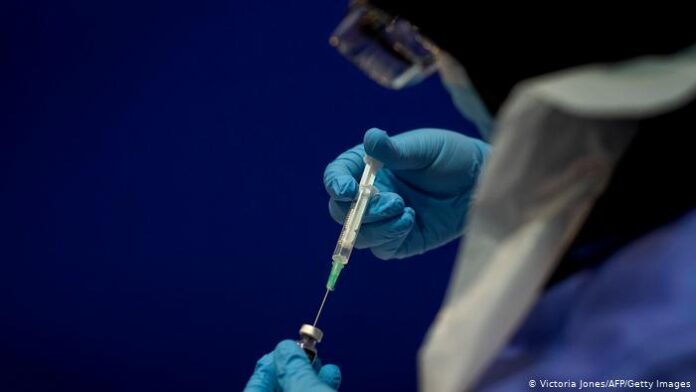
Medical Staff, the Elderly to Receive First COVID-19 Vaccine Shots in Iran

Abdolreza Rahmani Fazli said in a televised interview that the ministry of health, which is technically charged with handling health issues, takes different issue into consideration when providing the COVID-19 vaccine.

“The health ministry has precisely categorized people, and the first batch to receive the vaccine numbers 1.8 million,” he added.

“They include the elderly with underlying diseases,” the minister said.

“The second group [to receive the vaccine] are medical personnel and teams who have the most number of contacts with patients,” the minister highlighted.

The minister said Iran will continue to buy foreign vaccines until one is developed in the country.

“We have been trying to provide a low-risk vaccine,” he added.

He also noted that Iran first did not have the kits required to diagnose the disease, but later produced them domestically.