Tuesday, December 30, 2025
Home Blog Page 2574

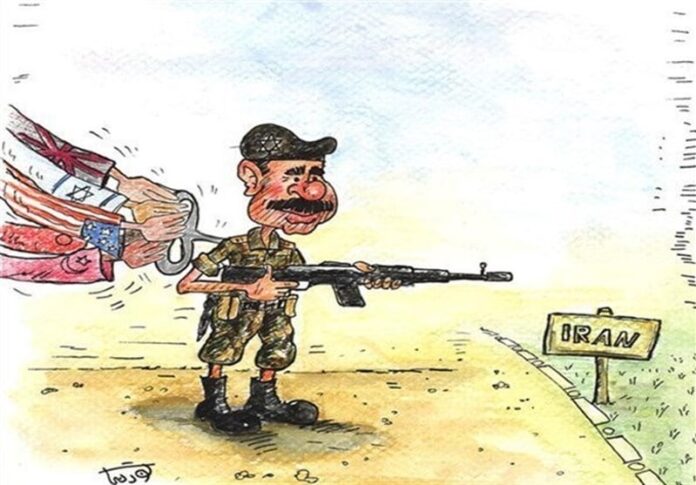
Iran Calls on Germany to Account for Supplying Saddam with Chemical Arms

Iran’s Ambassador to the United Nations Esmaeil Baghaei Hamaneh recalled that Germany provided the former Baghdad regime with chemical arms, and said the German government has a responsibility to seriously look into the issue.

Speaking at a United Nations’ plenary session on disarmament held in Geneva, the top diplomat reiterated that all natural persons and legal entities that had a role, in whatever manner, in arming the former Iraqi dictator with chemical weapons are accomplices to Saddam Hussein’s war crimes, and this fact will not slip into oblivion with the passage of time.

He blasted remarks by the German ambassador to the UN, who had said that the issue goes back four decades and that Iran’s bringing up the issue is unjustifiable. 

“The issue of Saddam Hussein’s regime using chemical arms and German companies’ complicity with him will not fade away in Iranian people’s memory,” he said.

“Rather, it is felt wholeheartedly by the oppressed victims of these weapons, who are still suffering from the complications of the wounds caused by these arms,” Iran’s envoy added.

However, he welcomed comments by the Germany envoy who claimed his country is prosecuting German firms involved in selling chemical arms to the former Iraqi regime.

Meanwhile, Iran’s ambassador stressed that Tehran will never abandon efforts to follow up on this “blatant tyranny.”

He said Iran expects the German government to publicly announce the outcome of its probes, including investigations into German officials’ involvement or failure to prevent the illegal transfer of chemical arms to Iraq.

It is noteworthy that the German ambassador expressed surprise at the Iranian envoy’s bringing up the issue of Germany’s complicity with the former Iraqi regime in producing chemical weapons. 

The top German diplomat claimed that back then, German judicial authorities looked into accusations of chemical arms transfers to Iraq and successfully handled the case.

In response, the Iranian ambassador reminded the German envoy that Tehran has, time and again, brought up the issue of Germany’s involvement in supplying Saddam Hussein’s regime’s with nuclear weapons.

Furthermore, he added, crimes against humanity and war crimes will not fade away with the passage of time.

He also criticized the German envoy for introducing Iran along with North Korea as proliferation threat.

Iran Tells Taliban It Won’t Recognize Currents Using War to Take Power

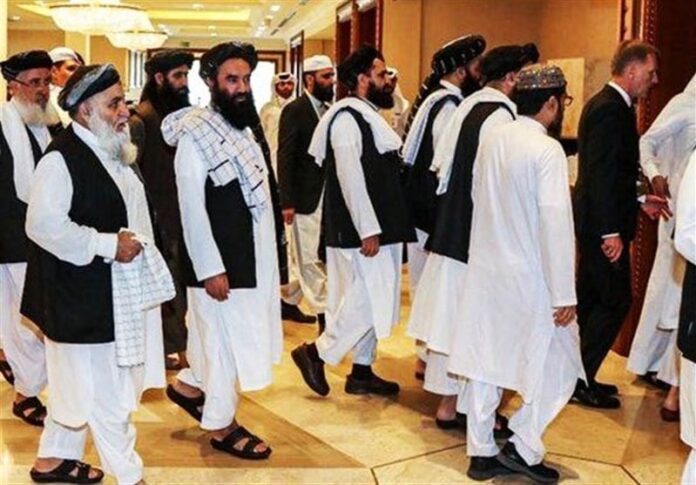
Shamkhani made the remarks in Wednesday meeting with a political delegation of the Taliban, led by deputy head of the group’s political office Mullah Abdul Ghani Baradar.

The senior Iranian security official underlined that the Islamic Republic of Iran would never recognize any current seeking to take power in Afghanistan through war, stressing the need for all ethnic groups to participate in a fully peaceful process to decide the fate of Afghanistan.

Pointing to the US’s warmongering and evil activities in the region, Shamkhani said, “The US is not after peace and security in Afghanistan. The US’ strategy is the continuation of war and bloodshed among various Afghan strata.”

“The US is pursuing the peace negotiations show with the purpose of creating a deadlock in the negotiations among various Afghan parties in order to blame them for insecurity and instability,” Shamkhani warned.

He also described any harm to security in Afghanistan, particularly in the provinces bordering Iran, as an intolerable issue, stressing the need for the Taliban to cooperate with the government of Afghanistan in the fight against insecurity and the activities of ISIS (Daesh) terrorist group.

For his part, Mullah Abdul Ghani Baradar gave a report of the process of peace negotiations in Afghanistan, highlighted previous US president Donald Trump’s failure to carry out the peace deal, and stressed that the Taliban does not trust the US and will fight against any current working as a mercenary of the US.

The Taliban believe that all ethnic and tribal groups must participate and play a role in the future of Afghanistan, he underlined.

Mullah Abdul Ghani Baradar also emphasized the necessity of protecting security of the common border between Afghanistan and Iran, expressing the Taliban’s readiness for cooperation in this regard.

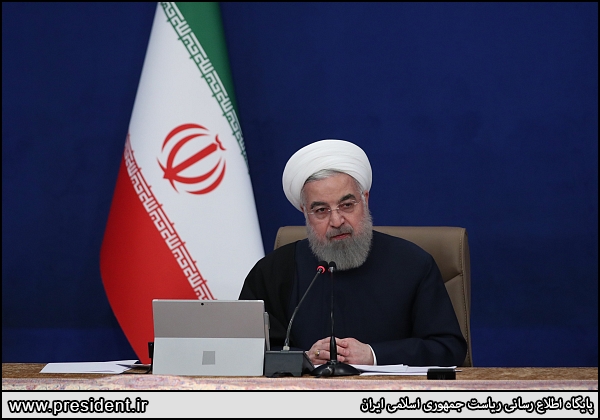
Iran to Return to Its Commitments One Hour after US Does So: Rouhani

President Hassan Rouhani further said all countries around the world agree that Washington should make good on its commitments.

“All countries are of the opinion that the United States should return to its obligations. There is a consensus on that across the world,” he said.

“The whole world is unanimously telling the US to return to its obligations as soon as possible,” the president noted.

He recalled that Tehran scaled down its commitments under the Iran nuclear deal because the US unilaterally pulled out of the agreement and Europe failed to fulfill its obligations under the deal. Elsewhere in his remarks, the president highlighted the failure of the economic war imposed by the White House on Iran.

“Not only has the economic war on Iran failed, but its days are numbered as well,” said President Rouhani.

He also said the situation has improved tremendously for Iran’s economic cooperation with regional countries as former US President Donald Trump is gone.

“That wicked criminal who annoyed people is gone,” he said.

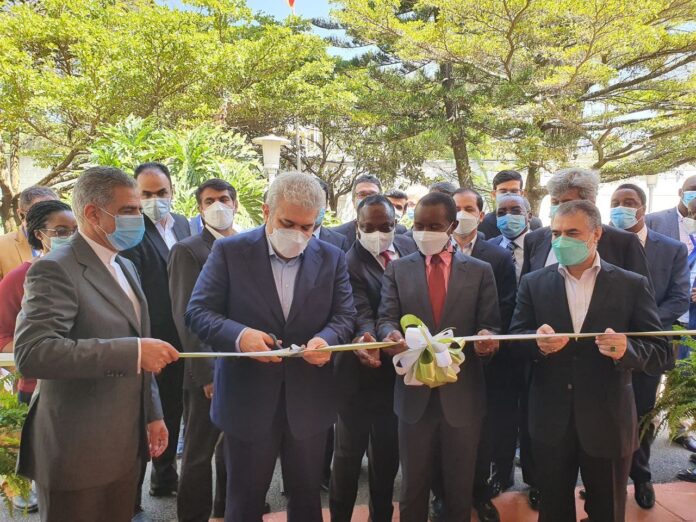
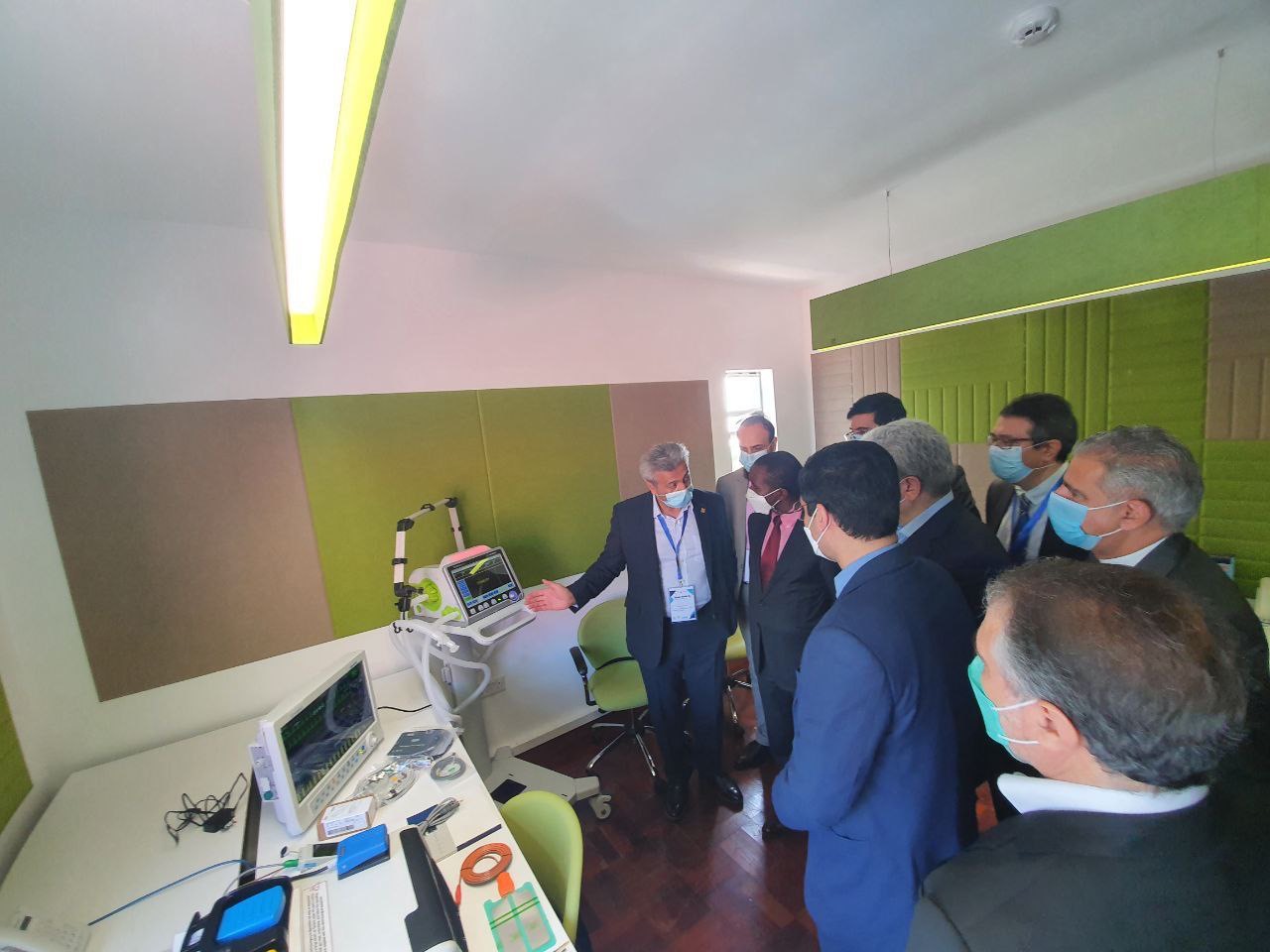
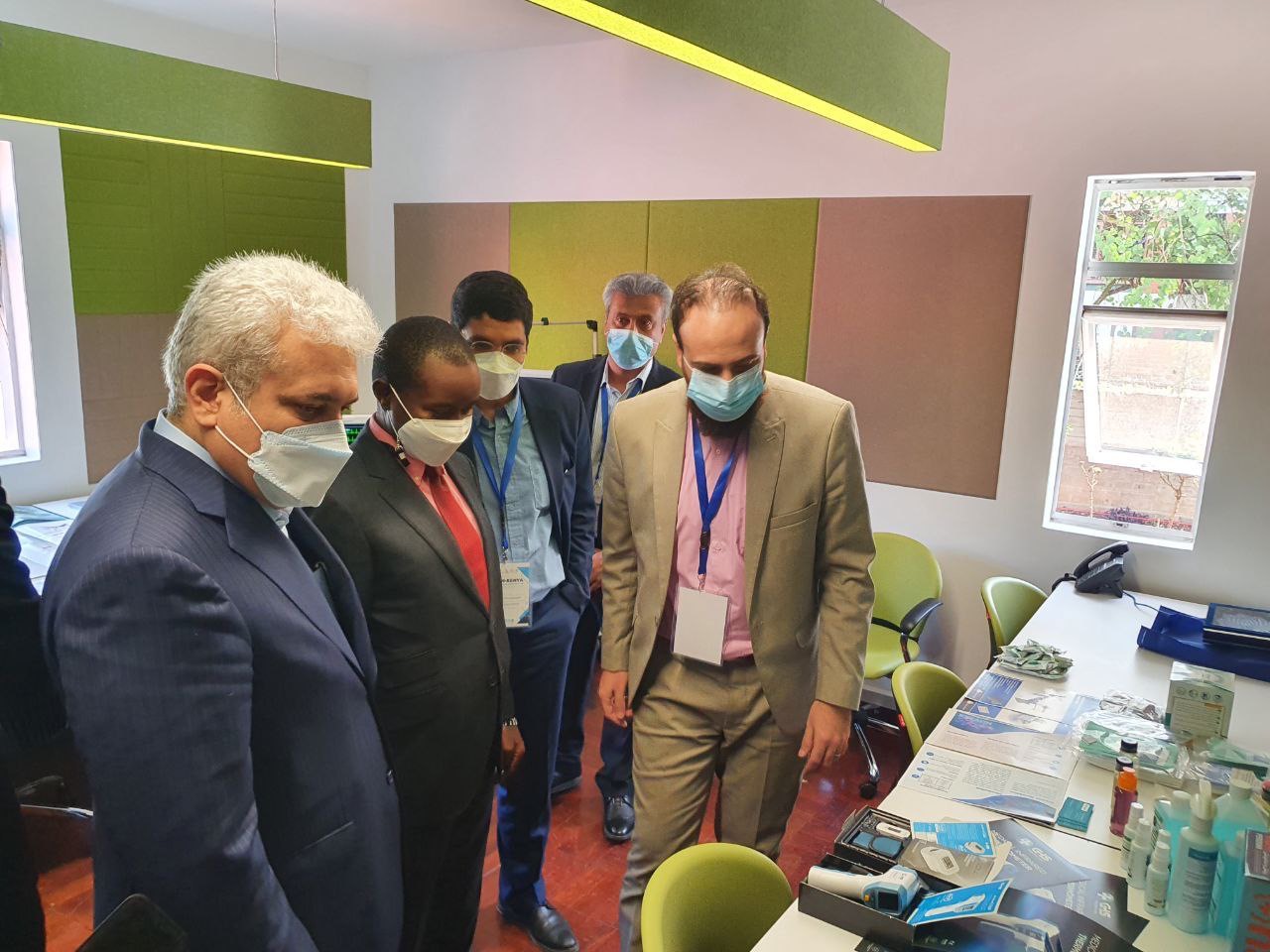
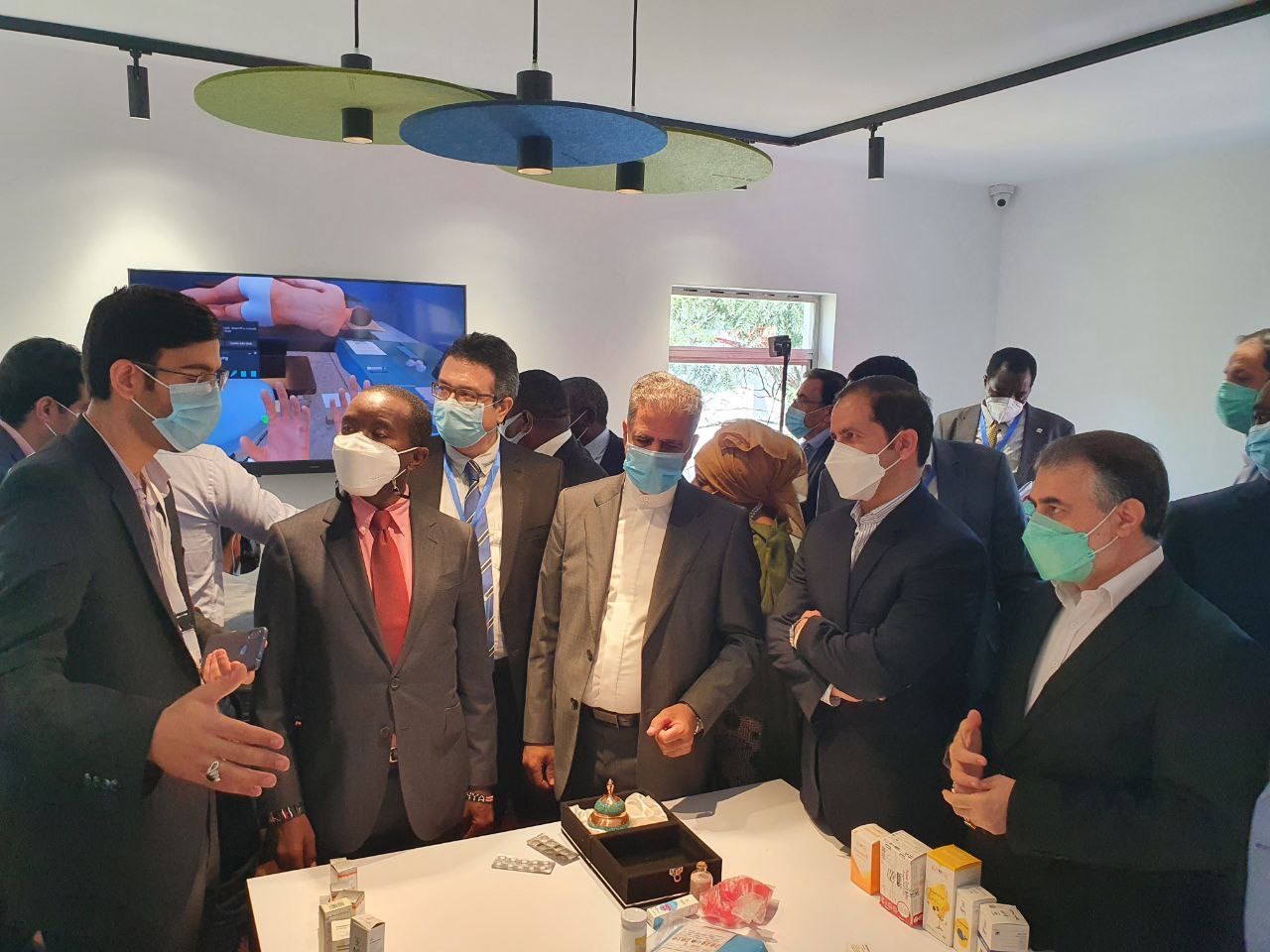
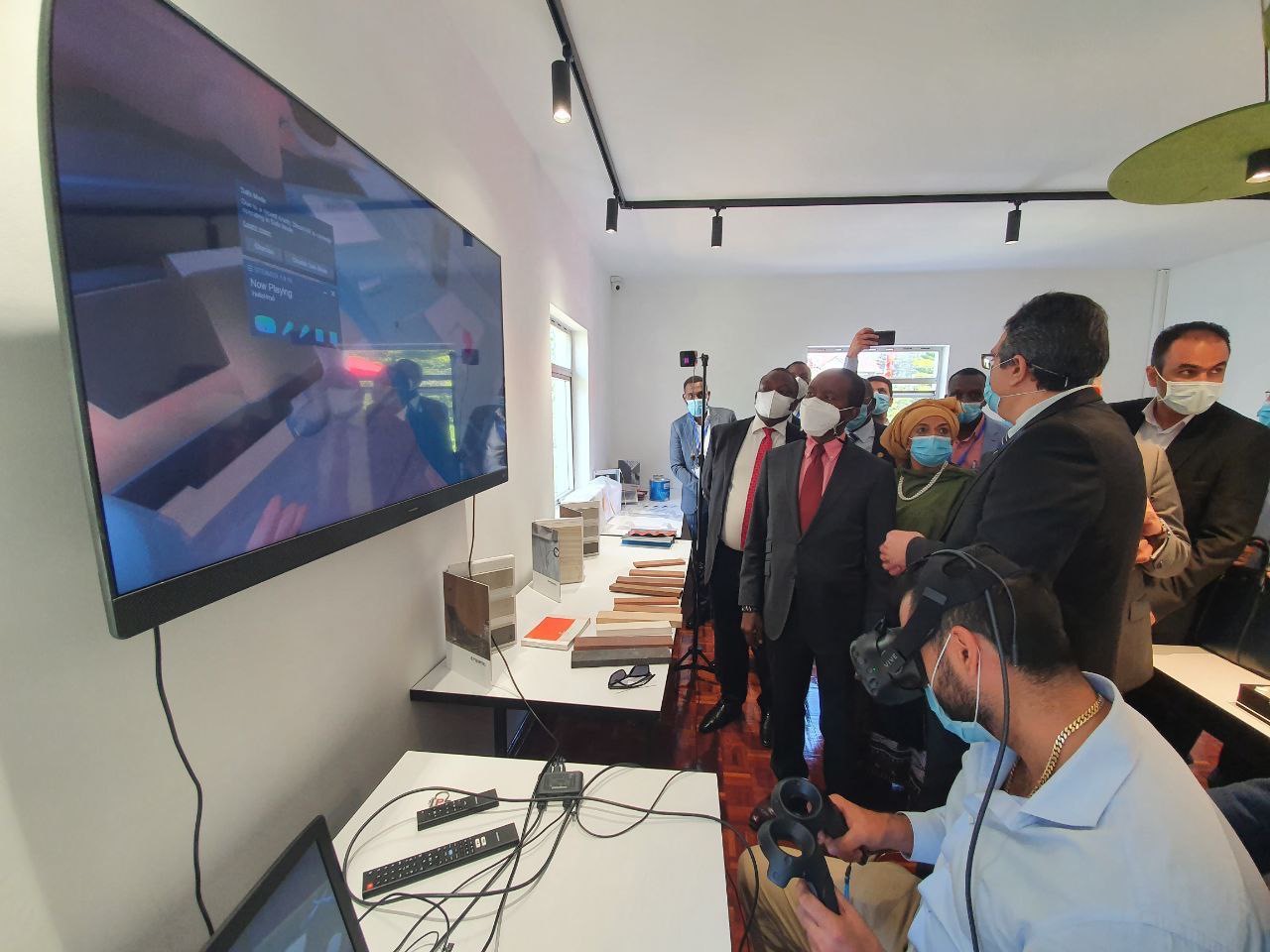
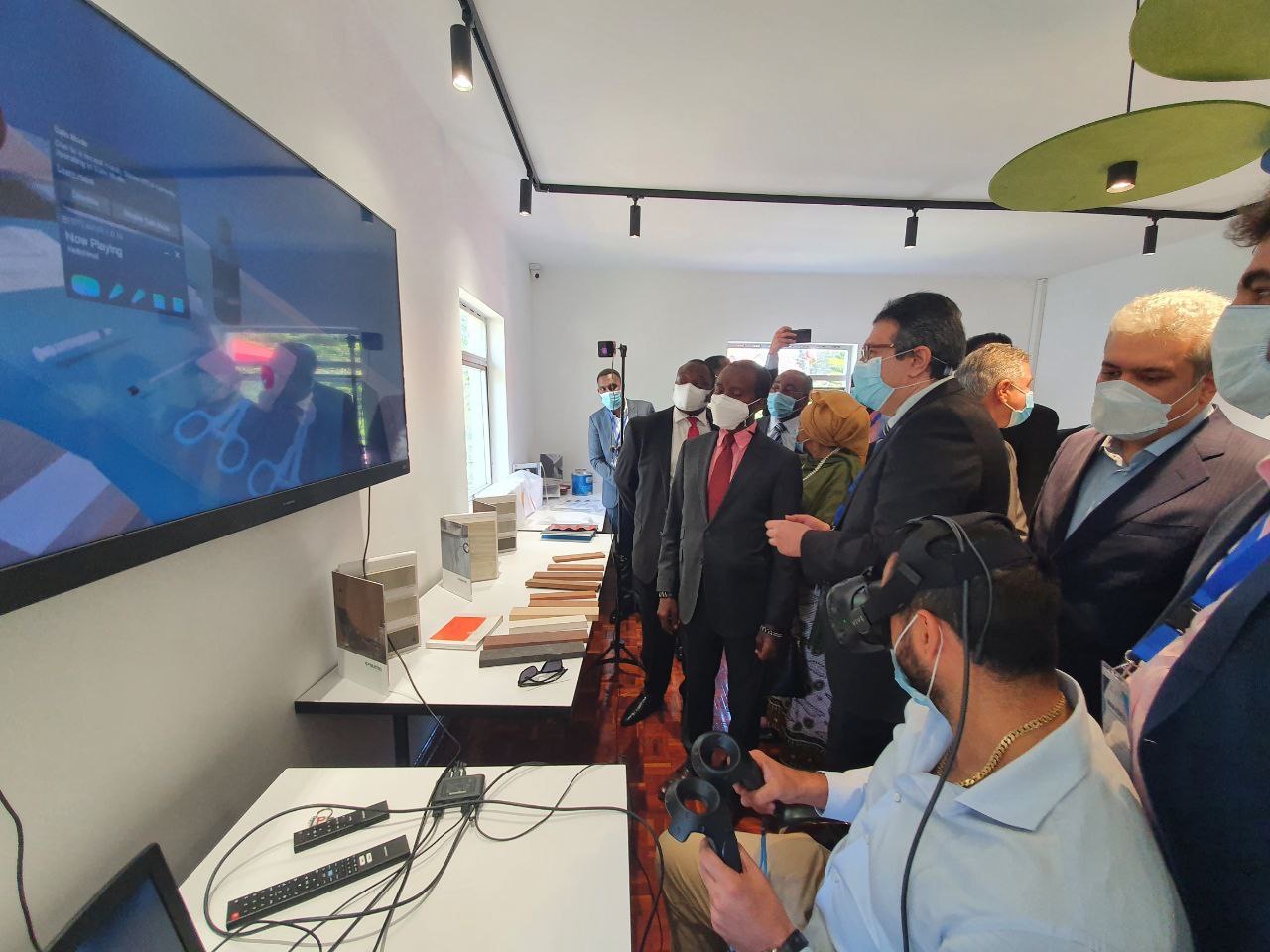
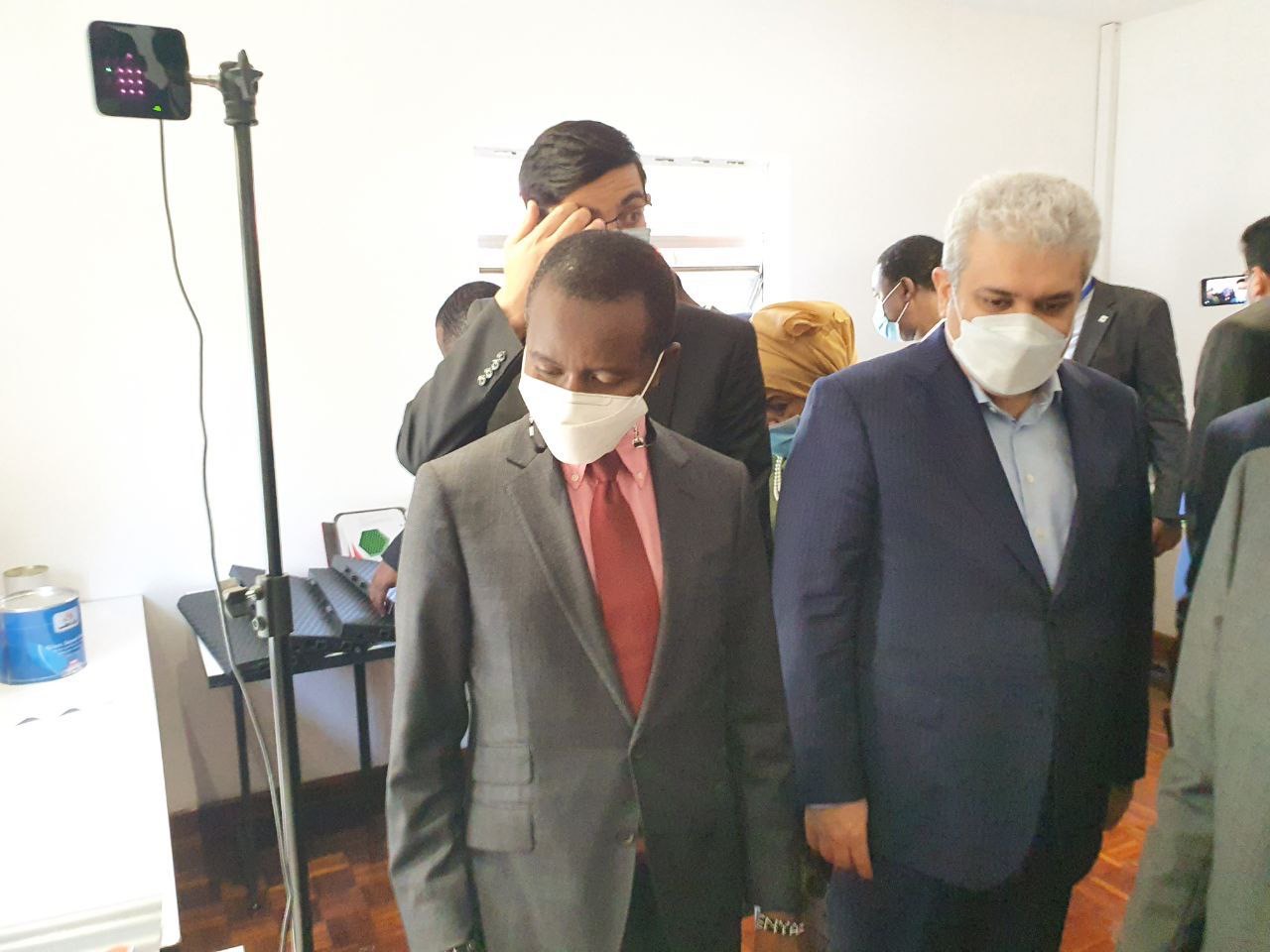
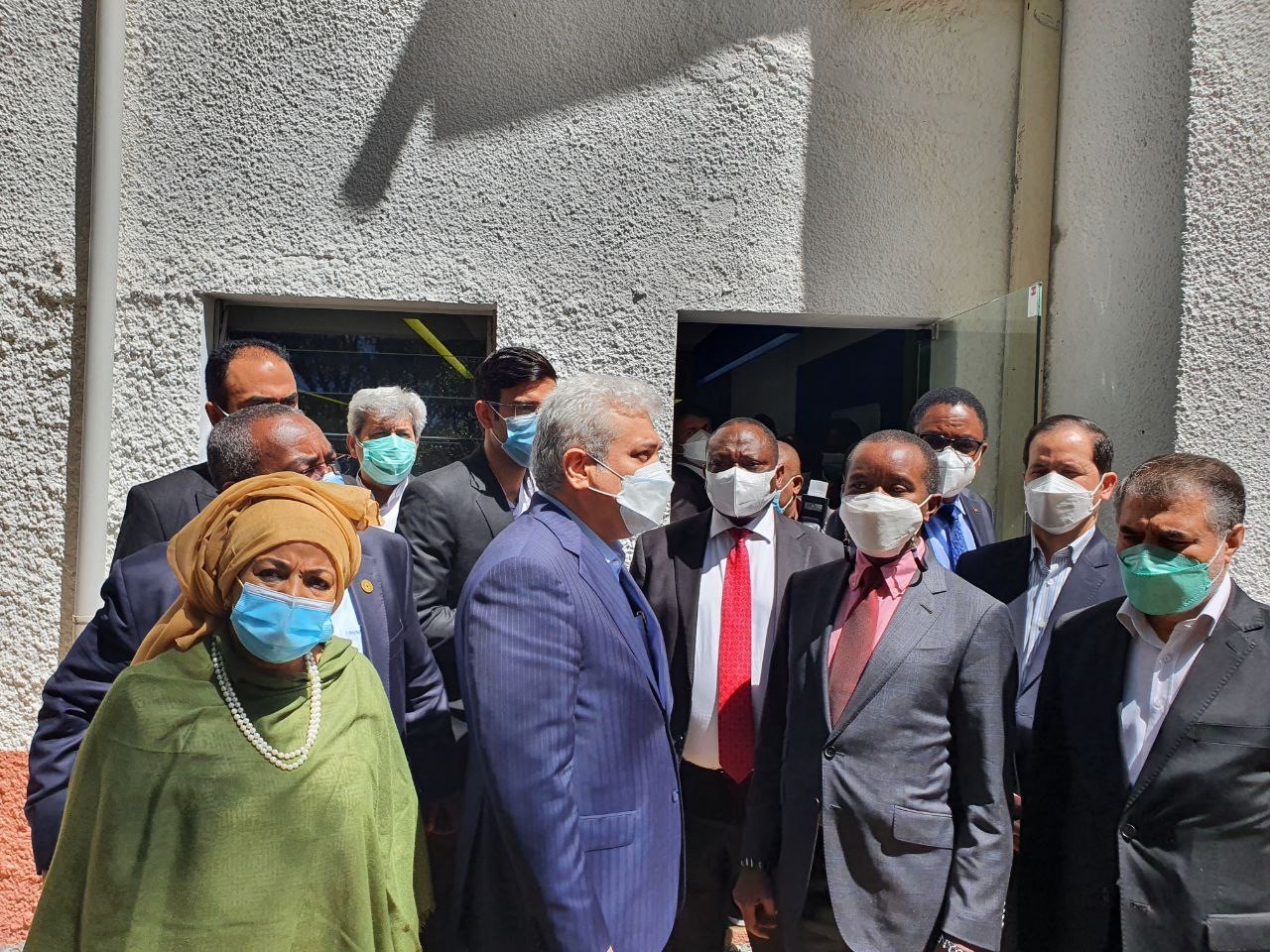
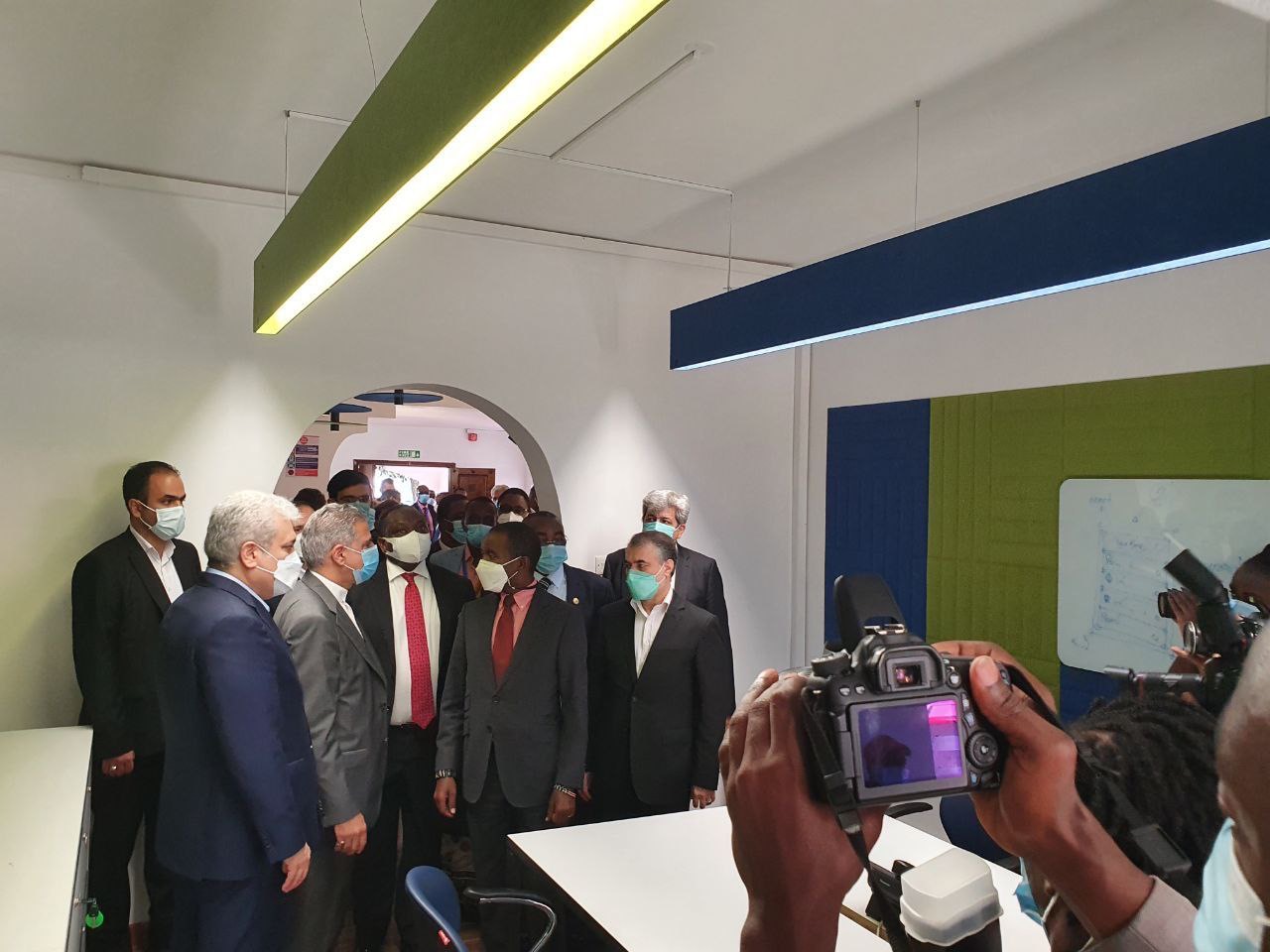
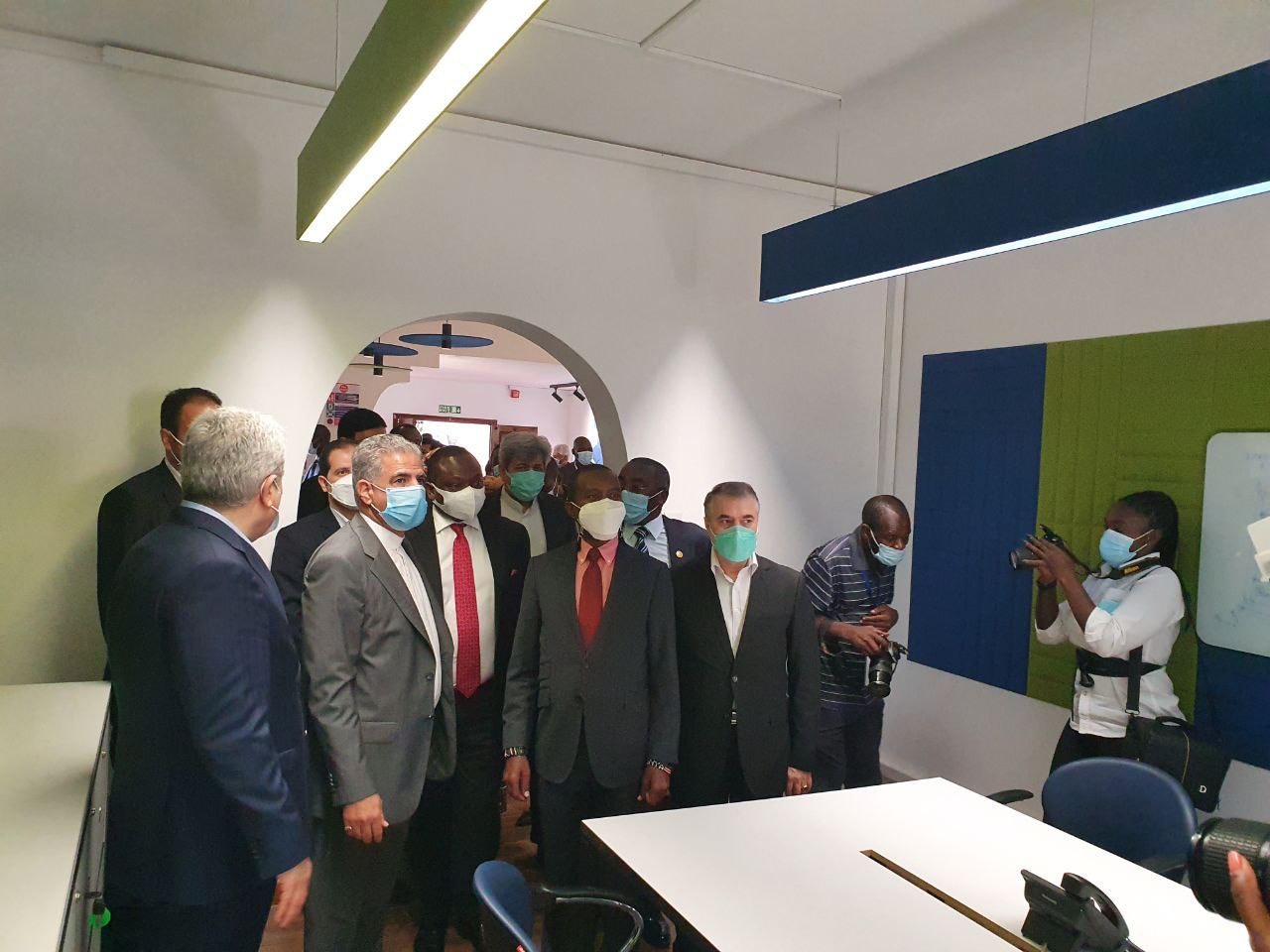
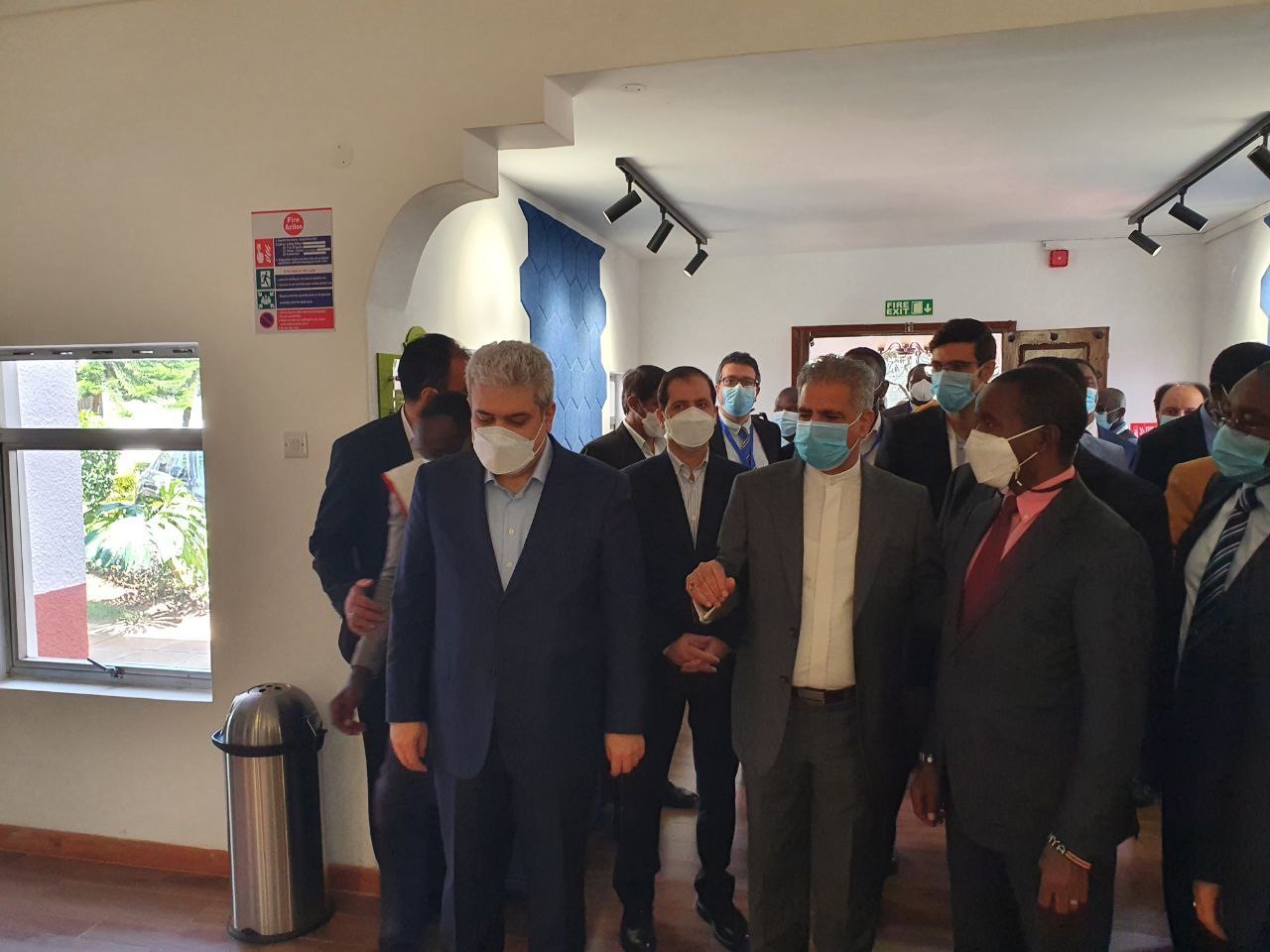
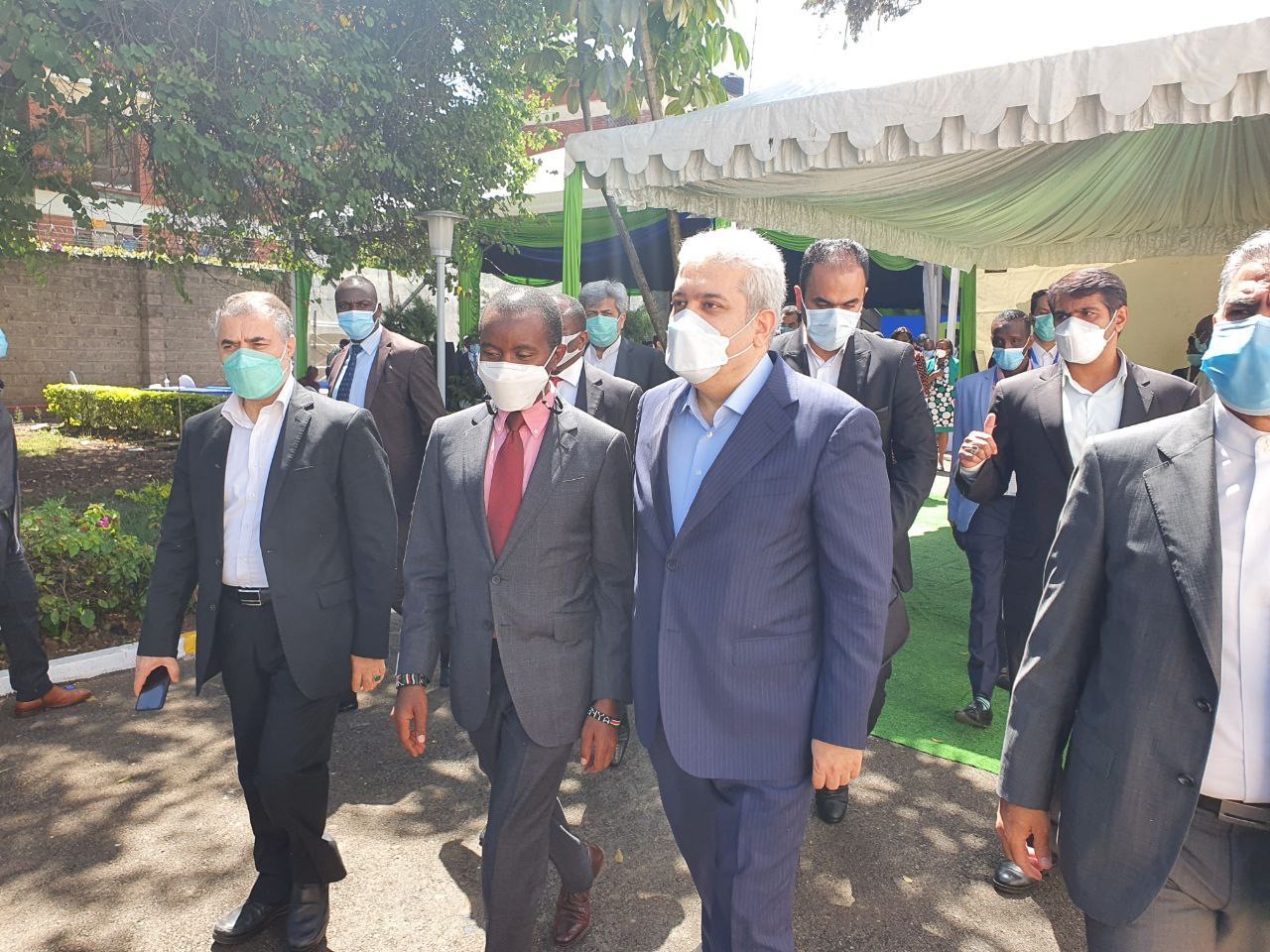
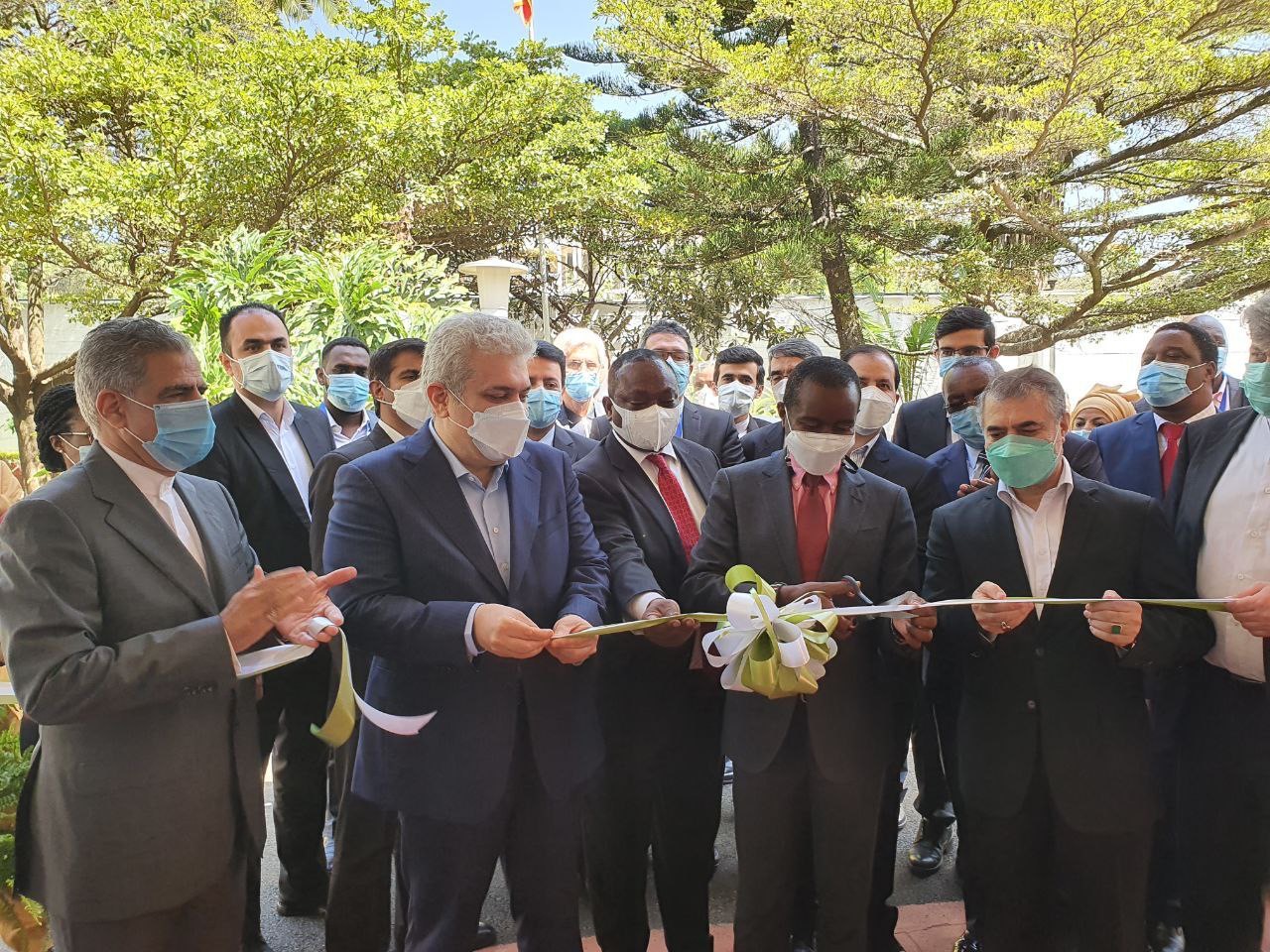
Iran Opens ‘House of Innovation and Technology’ in Kenya

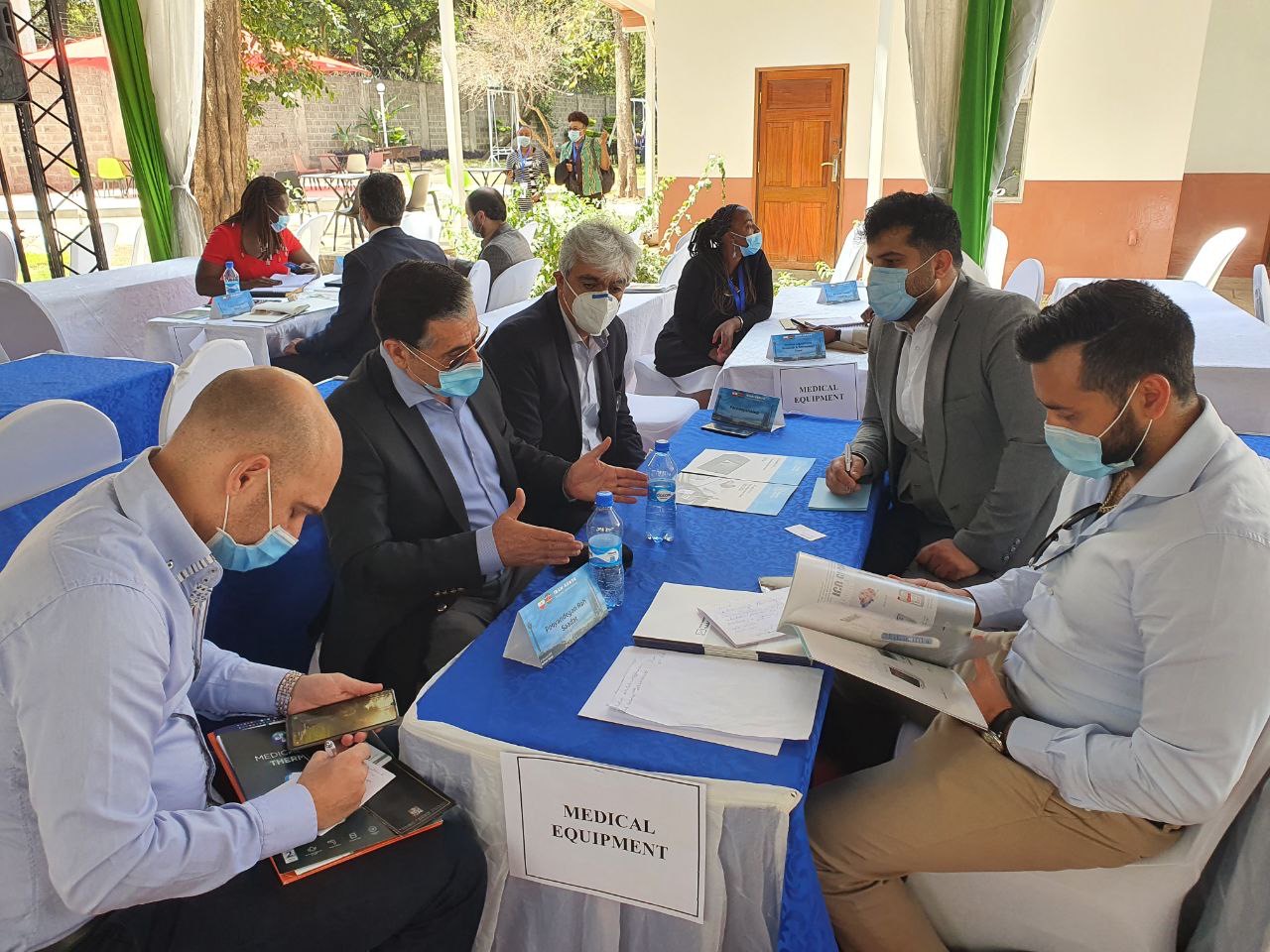
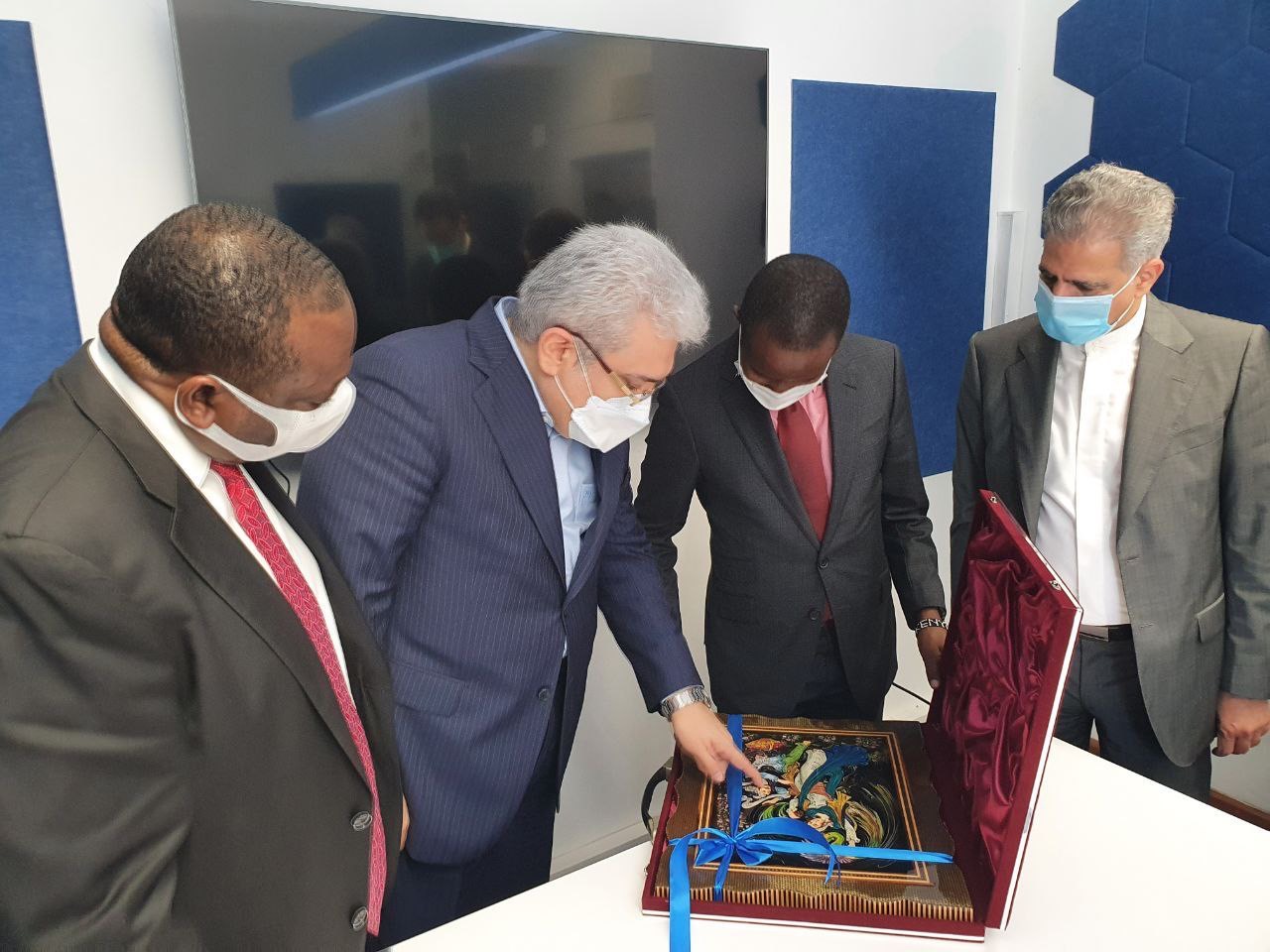
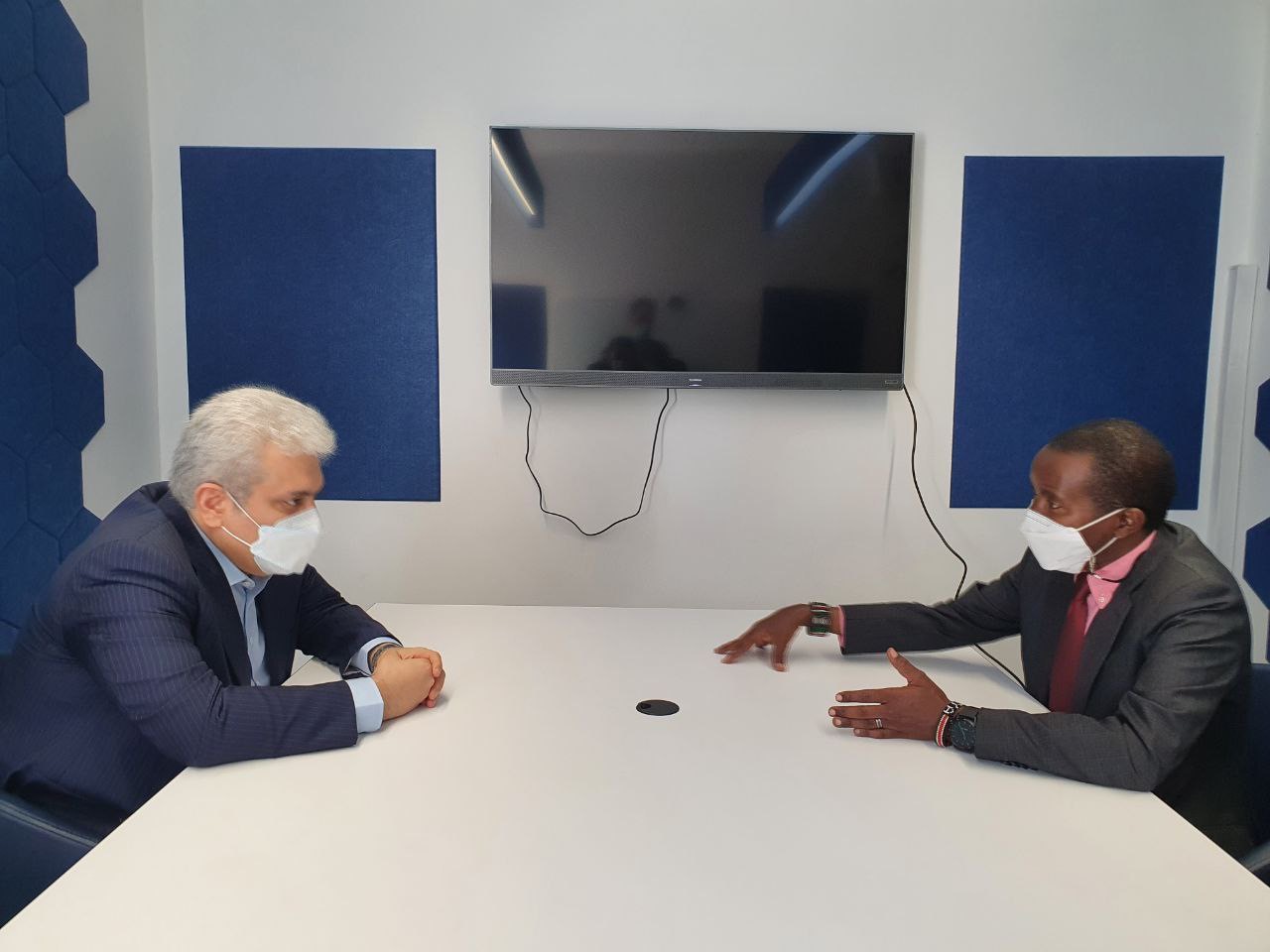
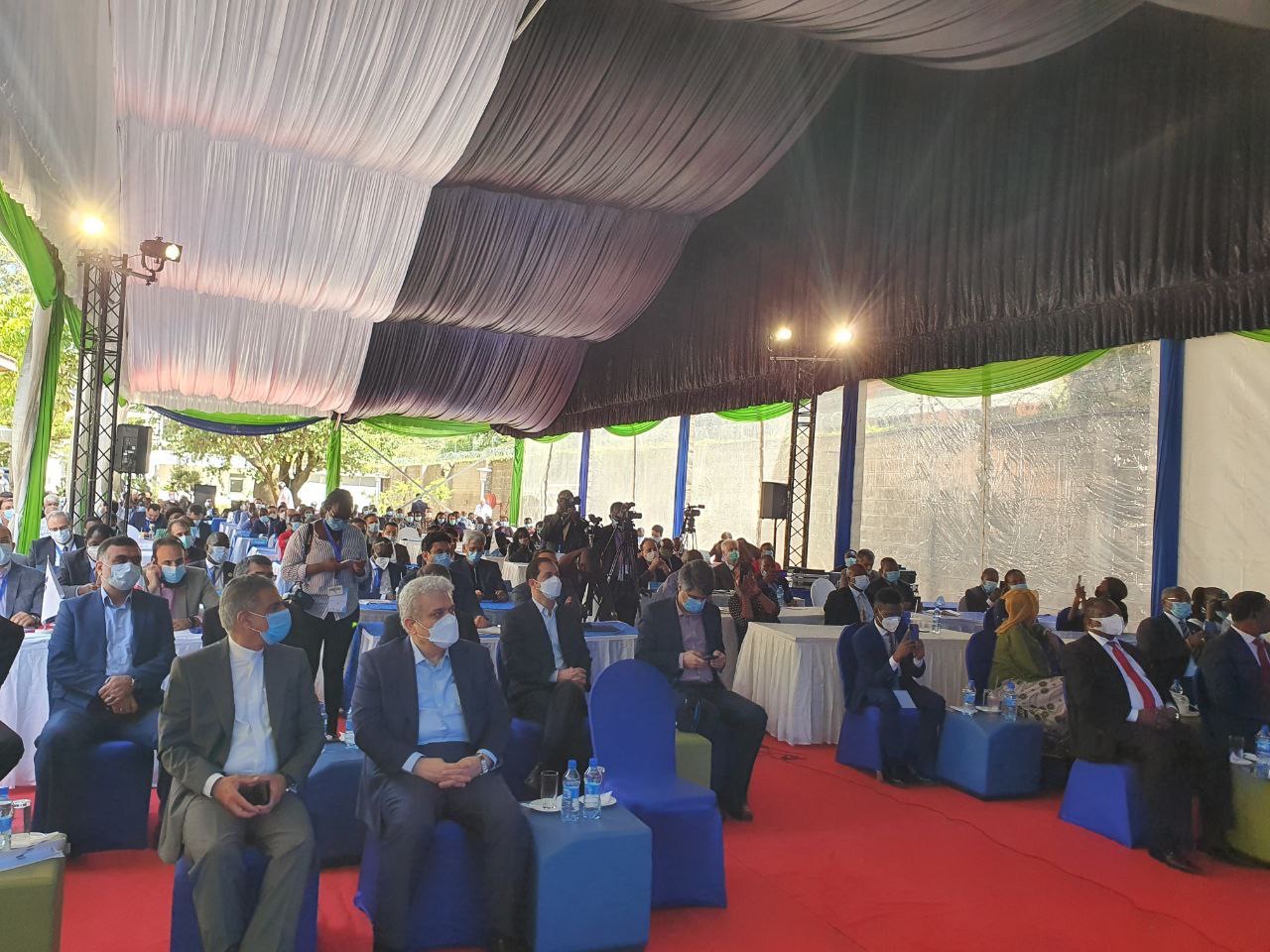
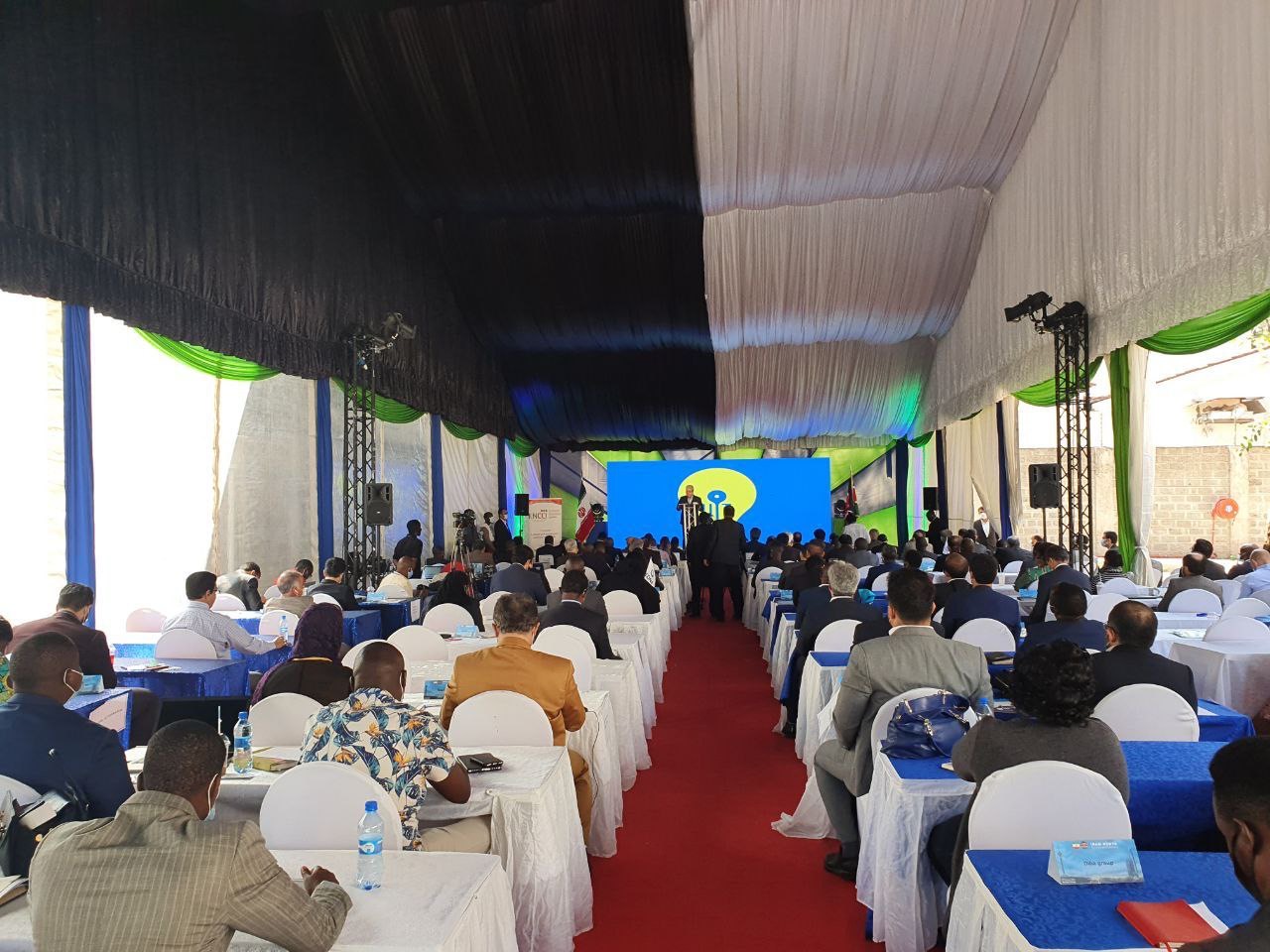
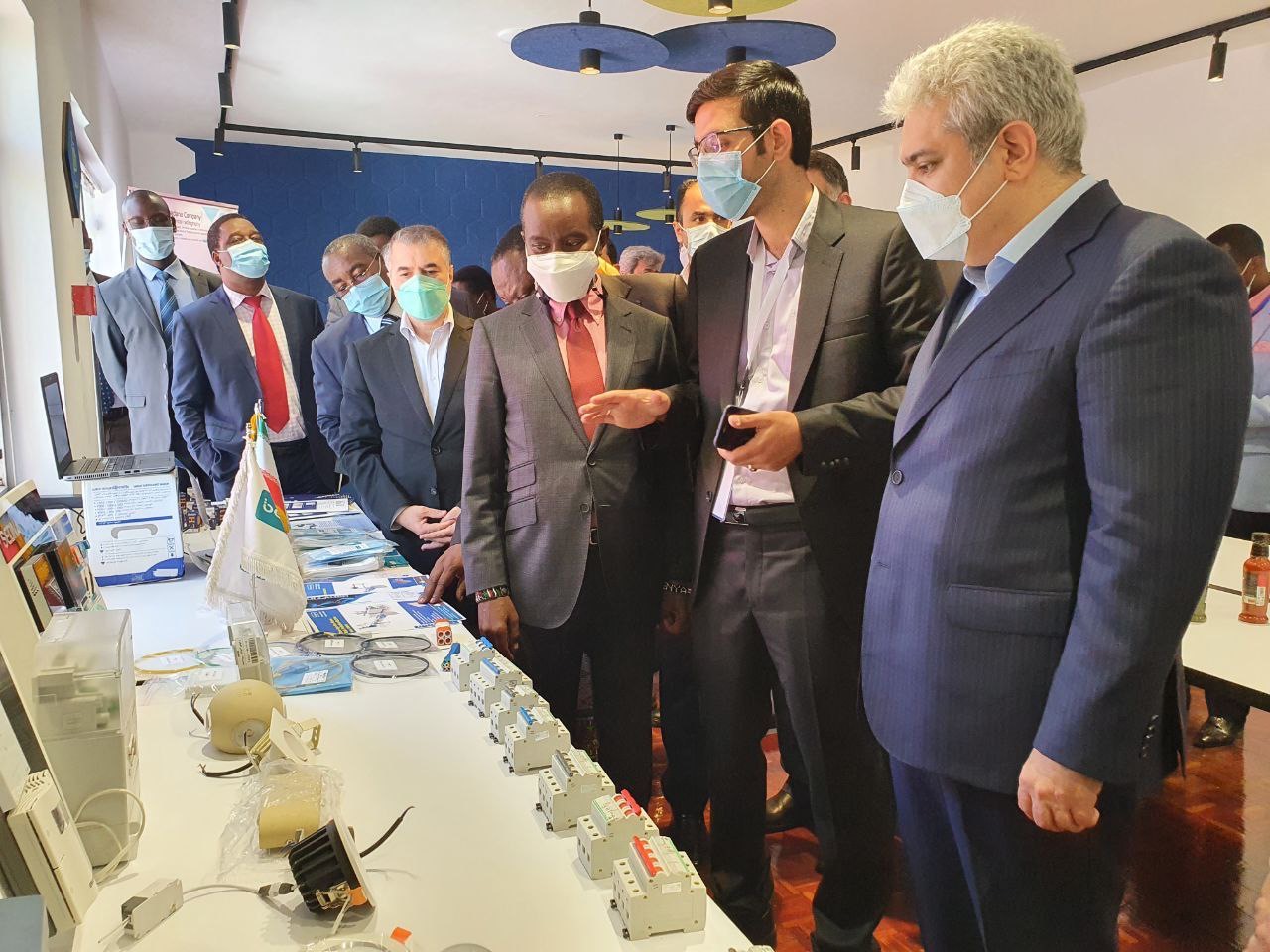
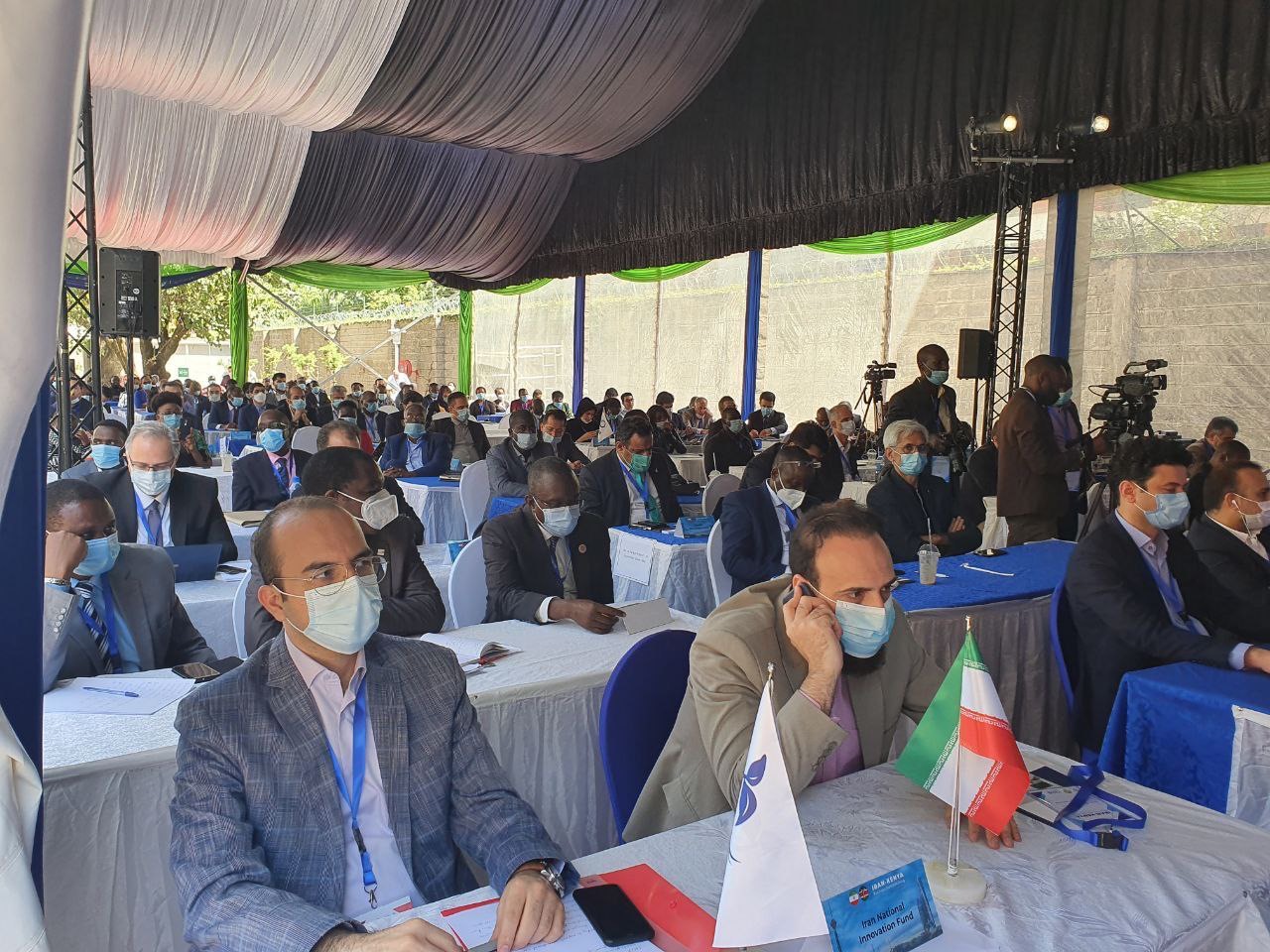
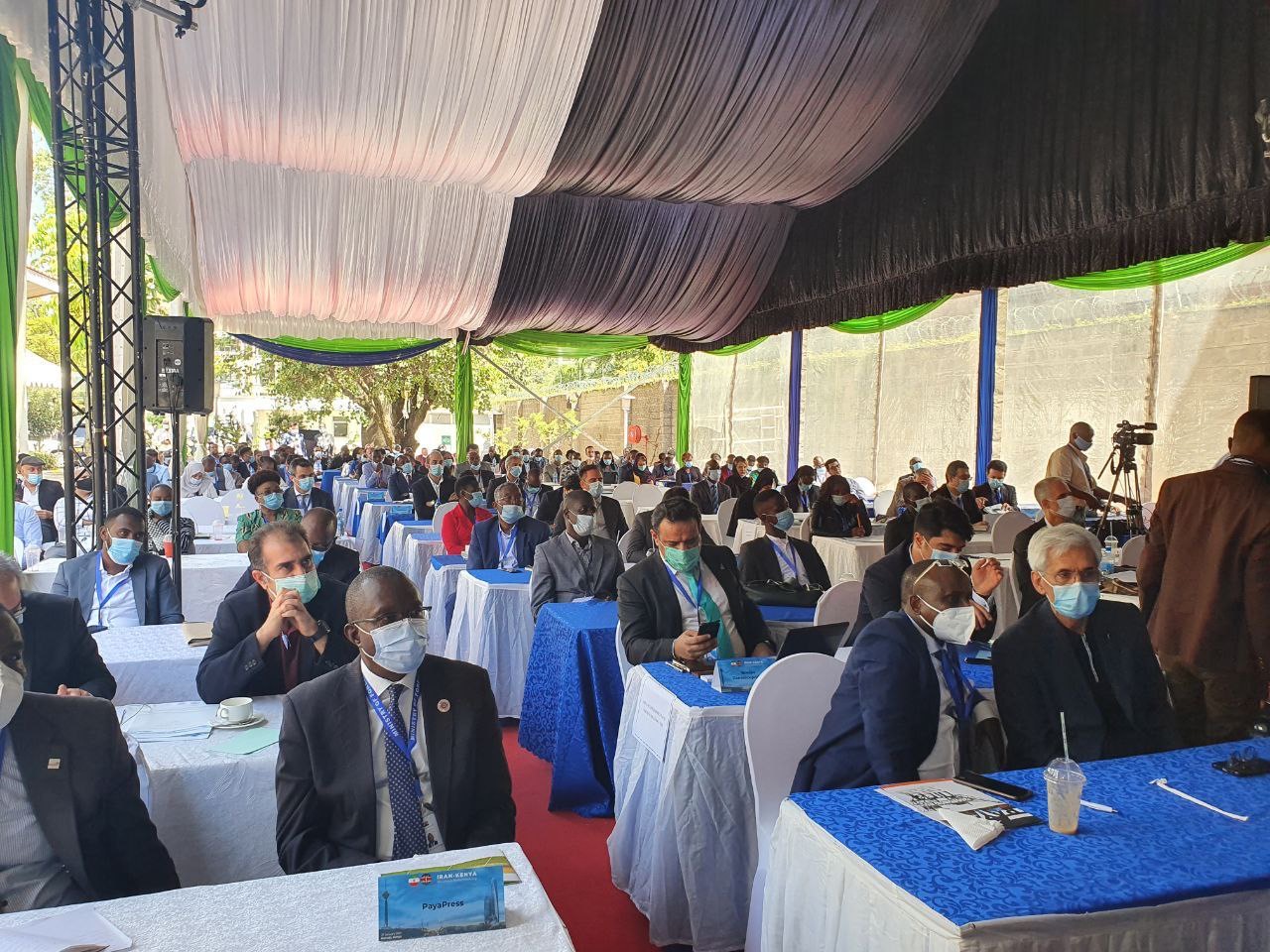
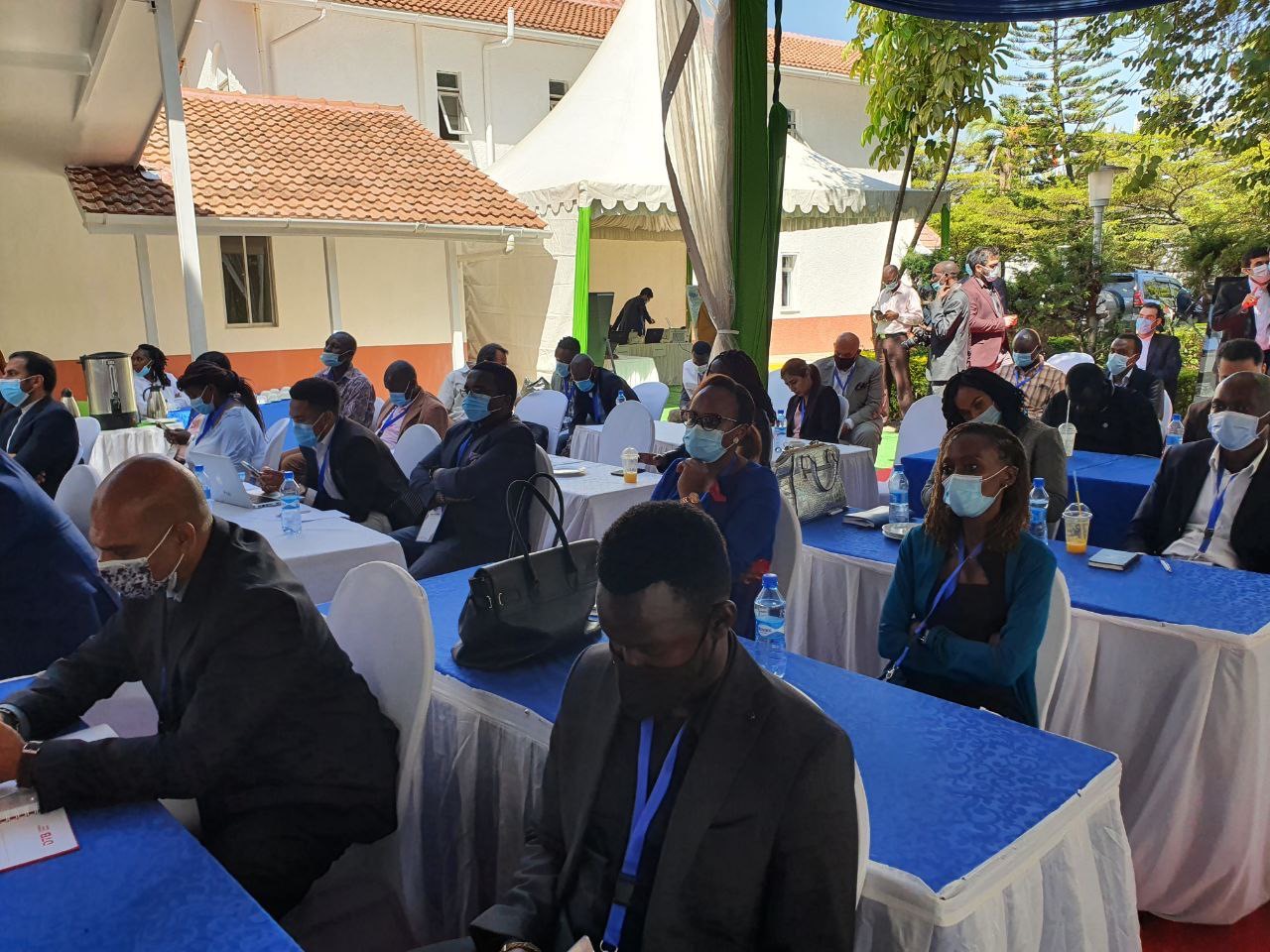
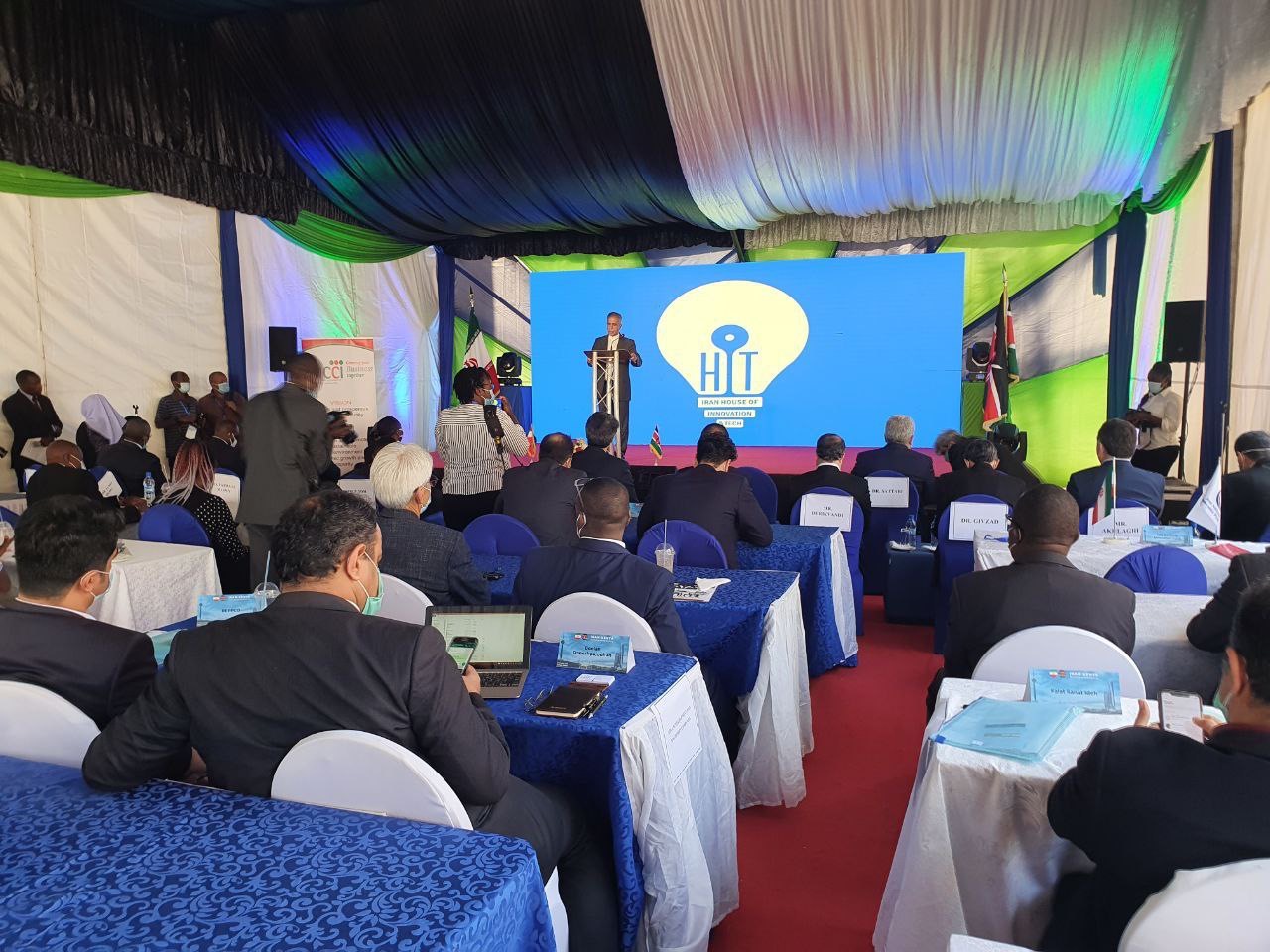
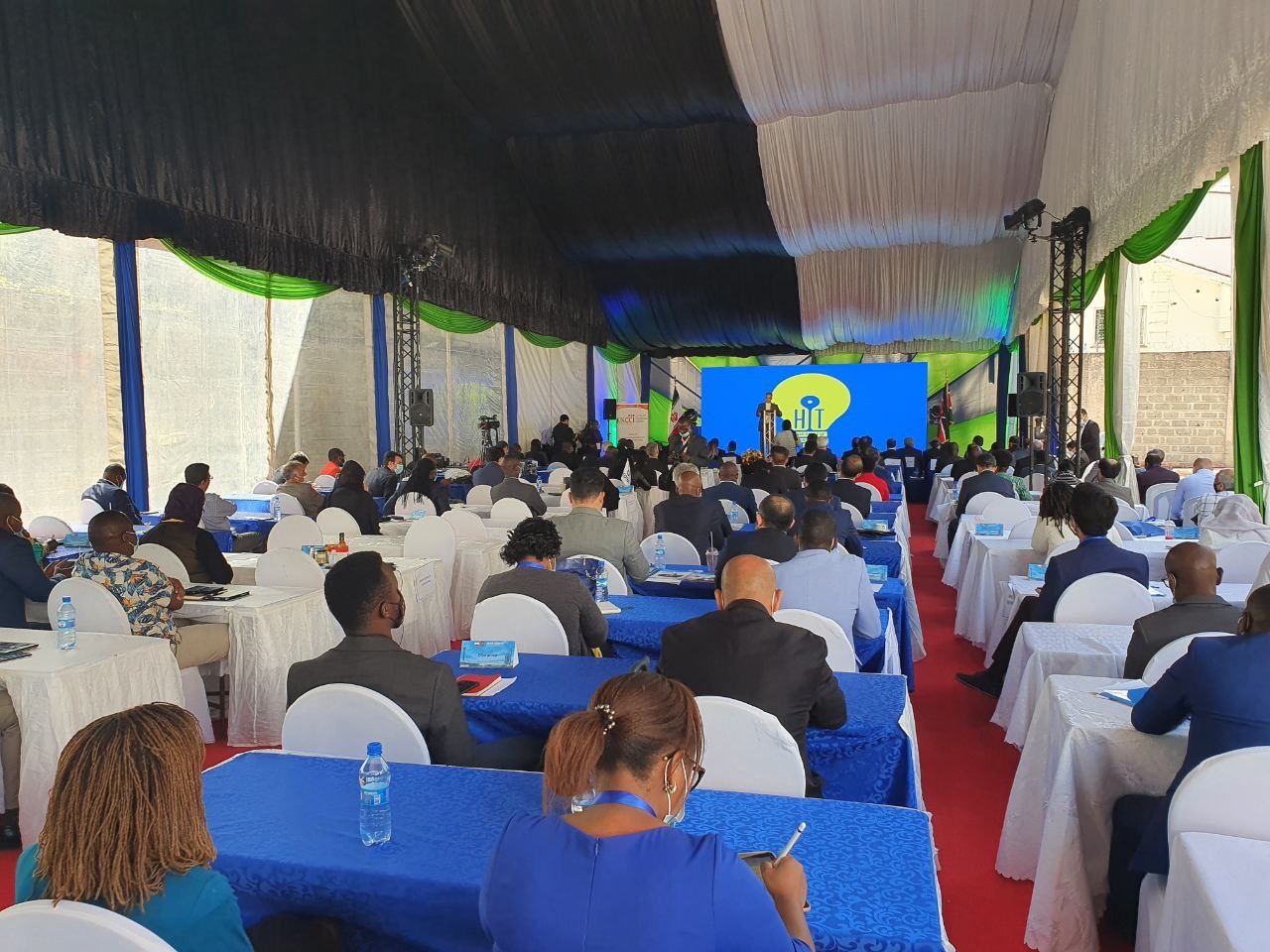
The Iranian vice-president opened the centre in a ceremonyheld on Wednesday, January 27, 2021, ahead of a business meeting between Iranian high-tech companies and their Kenyan counterparts.

Addressing the ceremony, Sattari hailed the capacities of Kenya for development of technology and innovation ties, saying the African country is among Iran’s priorities for promotion of mutual cooperation.

What follows is the full text of VP Sattari’s speech at the Iran-Kenya Business Forum:

Good morning ladies and gentlemen,

I would like to acknowledge my appreciation and gratitude to the Kenyan authorities and enterprises.

After my visit from East African countries two years ago, in which Iranian knowledge-based companies accompanied me; we realized various capacities of Kenya to develop technology and innovation ties.

It is obvious that Kenya has made significant political, structural and economic reforms that have largely driven sustained economic growth, social development and political gains over the past decade. Kenya’s economic growth of near six percent in 2019 placed this country as one of the fastgrowing economies in Sub-Saharan Africa, which made this country a focal point in the east of Africa for business and technology cooperation withIran.

Now, I am glad that my promise to establish an innovation and technology centre in Kenya has been fulfilled today. I must appreciate the efforts of the Honorable Ambassador of Iran in Kenya (Dr. Barmaki), my colleagues in Vice Presidency for Science and Technology,and also our Executive Agent (Mr. Hassani) for their efforts for the renovation of the building and establishing this centre.

Unfortunately, during the past year the COVID-19 pandemic has been the major problem for us. Its serious damages have affected all sectors of business, health, education and public welfare in all communities especially vulnerable groupsIt is important to think about solutions to prevent and control these disasters with technological approaches.

Under these circumstances, we need to share our experiences, expertise, and technological solutions for forming effective collective actions. Needless to say, overcoming this crisis requires the best efforts to acquire new technologies. At the same time, the dissemination of existing technological possibilities to facilitate universal access is of equal importance. This collective approach ensuring that nations have access to the right of basic technological requirements for public health and well-being.

I would like to mention that from the beginning of the outbreak of COVID-19, the support of the Government of the Islamic Republic of Iran has caused knowledge-based companies to design and manufacture equipment and drugs related to the diagnosis and treatment of COVID-19 at the level of international standards and cut the country’s dependence on imports of these products while exporting them to the other countries.

The Islamic Republic of Iran, as a leading country in science, technology and, innovation in the Islamic world, has had many successes in combating COVID-19. Here I would like to mention some of Iran’s technological achievements in this field:

1. In the field of COVID-19 vaccine, three groups have started their activities in Iran since months ago, which has passed clinical phases, and in the near future, we will hear promising news that Iranian scientists obtaining this vaccine.
2. In the field of effective drugs for the control and treatment of the COVID-19virus, countless clinical studies have been conducted in the Iranian medical health care sector, which has led to the discovery of effective therapies in the control and treatment of the COVID-19 virus. 
3. In the field of diagnostic kits and COVID-19 extraction kits, five Iranian companies have succeeded in manufacturing these kits.
4. In the field of medical equipment, in order to prevent the spread of Coronavirus and treatment of it, Iranian experts and knowledge-based companies have succeeded in manufacturing hospital ventilators, home oxygenators, hospital oxygenators, vital signs monitors, pulse oximeters, non-contact digital thermometers, CT scan devices, etc.
5. In the field of medical consumables products, in order to prevent the spread of the COVID-19 virus, Iranian companies have succeeded in manufacturing machines and devices for the production of various types of masks, gloves, alcohol-based and non-alcohol hand and surfaces sanitizers. 

All these developments have taken place in a situation where, despite that my country showed good faith in the Joint Comprehensive Plan of Action (JCPOA), the most severe oppressive sanctions by the United States of America hindered importing even international humanitarian aids. However, a significant amount of equipment, medical supplies and diagnostic kits have been exported to various countries. Also, we have a package of medical equipment as a gift to one of your hospitals in Kenya.

In that vein, my country is ready to participate effectively in bilateral scientific and technological cooperation, with the aim of strengthening Kenya long-term development agenda to Vision twenty-thirty, the “Big Four” development priority areas regarding manufacturing, universal healthcare, affordable housing and food security.

Dear audiences, Here I’d like to draw your attention to the point of how innovation is significantly prevailing in the Islamic Republic of Iran to move the country toward an innovation-driven economy.

As you are well aware, there are vast capacities in terms of science and technology in Iran; with regard to the changing discourse of the economy of the Islamic Republic of Iran as a transition from a traditional and oil-based economy to the development of a knowledge-based economy, Vice Presidency for Science and Technology, has expanded the ecosystem of innovation and technology in Iran with the aim of evolving new business environment and entrepreneurship.

In recent years, we have witnessed significant growth in technology and innovation areas in our country. Iran’s global rank in science production has risen from 34th to 16th and the first in the region. The number of university students in Iran has increased from 2.4 million to 4.8 million, which puts Iran among the top five countries in terms of the number of graduate engineers. Iran’s ranking in the Global Innovation Index has also increased by fifty-five places over the past five years, and we have had an increasing growth in the development of advanced technologies such as nanotechnology, biotechnology, renewable energies, cognitive science, stem cells and,ICT. Also as a result of the implementation of knowledge-based economy development policies in Iran, the size of the knowledge-based economy in Iran has grown to over eleven billion US dollars, through the activity of five thousand and six hundred knowledge-based companies and more than one thousand and forty creative and innovative ones.

My dear friends;

We all know effective global cooperation is now much more important for us because we are investing in technology and innovation to keep sustainable and competitive growth.

To this aim, the Islamic Republic of Iran, by relying on its capabilities, is trying to develop constructive and dynamic relations and cooperation globally; Hopefully, Kenya isamong the priorities of Iran’s bilateral cooperation.

Undoubtedly, the role of the government in each country is to pave the way for basic required platforms for international interactions of the private sector, something which has been done by opening this technology and innovation centre and holding more commercial forums like this.

I hope today’s opening ceremony of the centreand following B2B meetings between Iranian and Kenyan enterprises become a turning point in the bilateral economic collaboration.

The Islamic Republic of Iran fully supports such partnerships between Iranian and Kenyanenterprises.

Thank you all for your kind attention

Iran Hails Kuwait’s Push for Persian Gulf Compromise

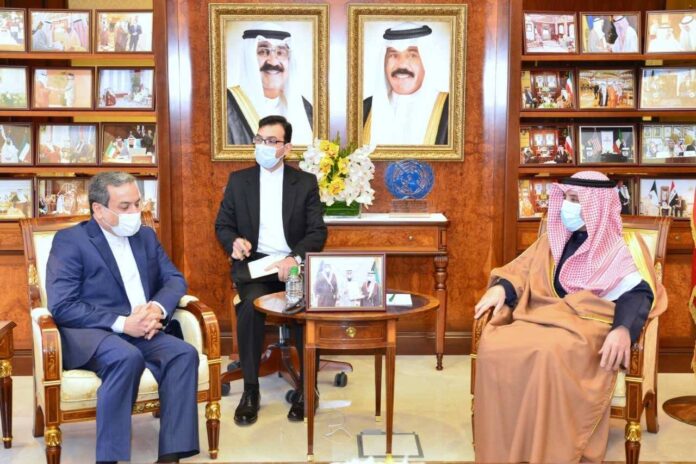
The Iranian Deputy Foreign Minister held a meeting with Minister of Foreign Affairs of Kuwait Sheikh Ahmad Nasser Al Mohammad Al Sabah in the Arab country on Tuesday, January 26.


In the meeting, Araqchi praised Kuwait’s efforts to develop understanding and compromise among the Persian Gulf countries.


He also described dialogue and non-interference from the extra-regional countries as two main elements in collective security across the region. 


Deputy Foreign Minister Araqchi then stressed the need for constant consultations between Iran and Kuwait on the bilateral and regional issues, expressing the Islamic Republic’s determination to strengthen ties with Kuwait and the other regional countries.


Considering the existing potential in the region, cooperation among the Persian Gulf countries in various fields could lead to a bright and promising future for the region, he noted.


The Iranian diplomat also emphasized that regional security and stability should be ensured by the region’s own countries, noting that it requires collective cooperation among the countries and non-interference from foreigners.


“From the viewpoint of the Islamic Republic of Iran, the Persian Gulf security is an issue relating only to the regional countries, and Iran is ready to hold talks only with the regional states about it,” Araqchi added.


Elaborating on the Islamic Republic of Iran’s policy on the possible return of the US to the JCPOA, Araqchi dismissed any negotiations about the JCPOA or the subject beyond the nuclear deal, but noted that discussions can be held on how the whole parties would resume implementing the JCPOA within the Group5+1 format.


“Firstly, the Islamic Republic of Iran will not hold talks with the 5+1 countries on any subject other than the way to implement the JCPOA, and, secondly, it (Iran) is ready to hold talks about the Persian Gulf security only with the regional countries and without any foreign interference,” Deputy Foreign Minister Araqchi stated.


For his part, the Kuwaiti Foreign Minister welcomed the continuation of consultations with Iran, describing dialogue and negotiations among the regional countries as the only appropriate solution to the disputes.


Sheikh Ahmad Nasser Al Mohammad Al Sabah also highlighted Kuwait’s resolve and willingness for the expansion of relations between the two countries in various fields.

‘US Expected to Release Iran’s Frozen Assets to Be Used in Fight against COVID-19’

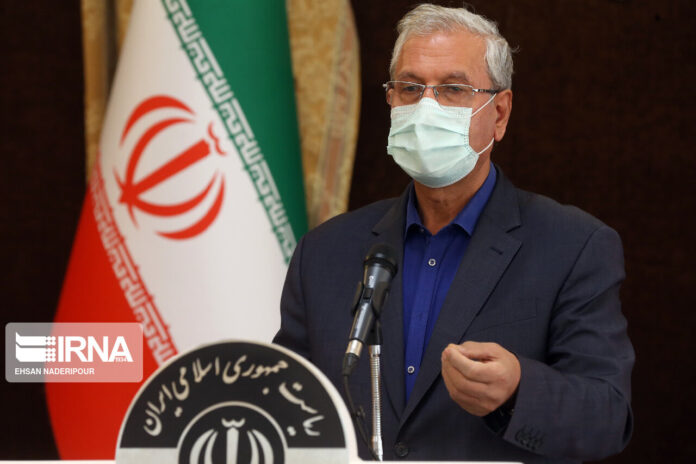
Ali Rabiei

Ali Rabiei said the Biden administration should prove its claim that it wants to put up a serious fight against coronavirus.

“With regards to coronavirus, I should mention that given a change of government in the United States and the coming to power of an administration which has, at least, claimed it is not against science unlike the previous administration, and claims it wants to work well in fighting coronavirus, it is expected to release frozen forex assets which belong to Iran to be used to fight coronavirus and provide health and food,” said Rabiei.
“We also expect banking sanctions on our foreign currency transactionstol end immediately,” he said.

Rabiei expressed concern over the global COVID-19 infections and fatalities, calling for compliance with health protocols and restrictions to contain the spread of the virus.

“So far, 100 million people in the world have contracted coronavirus and the death toll has crossed the 2 million mark,” said the spokesman.
“COVID-19 keeps taking its toll, and mutated and deadly viruses have been seen in some parts of the world,” he said.

“In Tehran, too, the number of hospitalized patients ranging in age from 5 to 17 years old has unfortunately increased,” he said.

Rabiei reiterated that Iran is pressing ahead with efforts to start the vaccination process as soon as possible.

“Vaccination is an important issue in public opinion. The process of producing three Iranian vaccines is going well at the Barakat Foundation, the Razi Institute and the Pasteur Institute. There is hope that in late spring or early summer next year, Iranian people will be able to use domestically-made vaccines, which will be completely available to the public,” he said.

“Being confident in the performance of the health ministry and its controls, the government gives assurances that the vaccines produced in the country will definitely be approved by international organizations and can compete with other vaccines on the international stage,” said Rabiei.

“With an agreement on the provision of vaccines being finalized, the inoculation of high-risk groups will get underway in February,” he noted.

Rabiei added no city in Iran is, at the moment, categorized as a high-risk zone known as “red” cities under the classification of the National Coronavirus Headquarters.

“Fortunately, no city in Iran is in a “red” state, and there are only 19 “orange” cities,” said the spokesman. 

“Iran’s performance with regards to containing the disease is praiseworthy and is not comparable to that of European and other countries. Still, failure to observe health protocols, nonessential gatherings, failure to take the danger of the spread of the virus seriously and the mutation of the virus in Europe and in other countries might lead to a new surge in the disease,” he explained.

“Despite all the emphasis put by all government organizations, especially the health system, we once again call on people to observe protocols. Failure to respect health protocols will lead to another surge,” he said.

“We should all join hands to maintain this situation until the injection of imported vaccines will get underway and domestically produced vaccines will become available to all,” he added.

Iran’s Foreign Minister Arrives in Armenia after Visiting Baku, Moscow

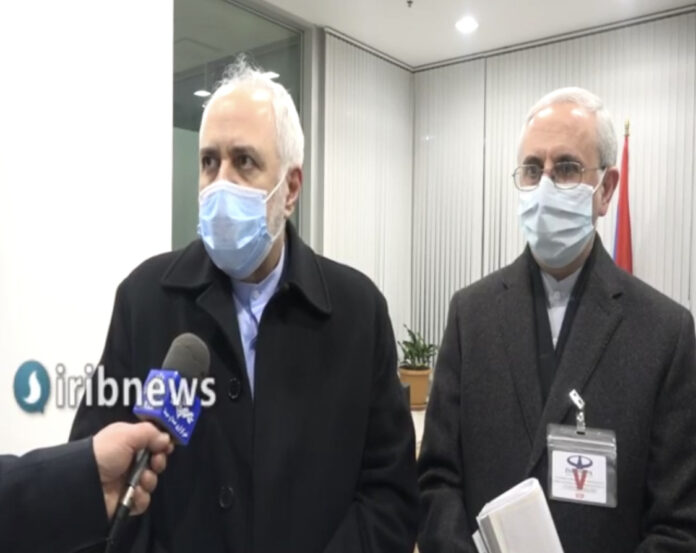
Foreign Minister Zarif travelled to Armenia on Wednesday in the third leg of a tour of the Caucasus that took him earlier to the Republic of Azerbaijan and Russia.


Speaking to reporters upon arrival in Yerevan, the top Iranian diplomat hailed Armenia as “an old neighbour and friend of the Islamic Republic”.


Foreign Minister Zarif said he has held negotiations about “multilateral cooperation” during his stays in Baku and Moscow, considering the significance of the issue after a January 11 summit among Russian President Vladimir Putin, Prime Minister of Armenia Nikol Pashinyan, and President of Azerbaijan Ilham Aliyev.


“The ground is prepared for cooperation among the regional countries, particularly in the economic sphere. Such cooperation could entail long-term peace and stability,” he added.


On his schedule in Yerevan, Foreign Minister Zarif said he is going to hold talks with Prime Minister Pashinyan and with his Armenian counterpart about “the bilateral relations between Iran and Armenia, and the multilateral cooperation in the region.”

Iranian Diplomat Holds Talks with Afghanistan’s Abdullah

During the talks, the two sides discussed the latest developments pertaining to intra-Afghan talks.

They both said Afghan-Afghan negotiations should continue as it is the best way to work out a solution and establish stability in Afghanistan.

Iran, Oman Discuss Promotion of Bilateral Banking, Trade Ties

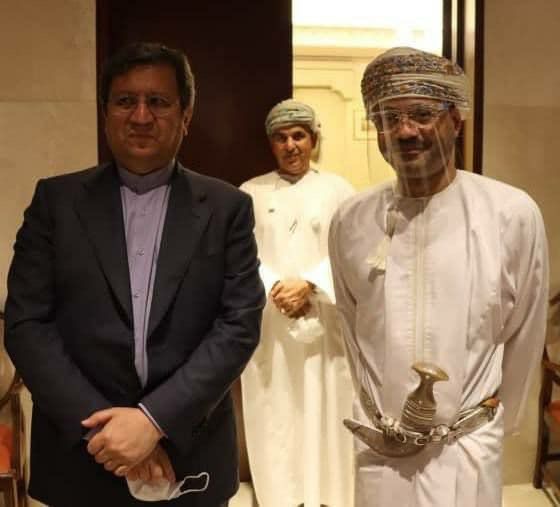
Abdolnasser Hemmati was accompanied by a delegation of senior Iranian officials in his visit to the Persian Gulf state.

“At the invitation of the governor of the Central Bank of Oman, I arrived in Muscat on Tuesday, January 26, 2021, on a two-day visit, accompanied by the deputy minister of industry, mines and trade, of health, and the deputy CBI governor for forex affairs,” said Hemmati.

“In the first meeting, we had extensive talks with Oman’s foreign minister,” he said.

“He was very much interested in boosting strategic economic relations between the two countries,” Iran’s CBI governor noted.

As Hemmati explained, the top Omani diplomat highlighted the importance of Iran’s role and status in the region and enhance mutual trade and economic ties.

“In these meetings, areas of, and obstacles to, and ways of promoting mutual banking and trade cooperation was reviewed in detail and the necessary decisions were adopted,” he said.

Hemmati said the expansion of bilateral commercial relations was also on the agenda of the talks.

“In the second meeting, we had lengthy discussions with Oman’s minister of industry and trade,” he noted.

“The meeting attended by authorities from Oman’s Chamber of Commerce as well,” said the CBI governor.

Given the existing opportunity for the expansion of mutual cooperation, said Hemmati, the potential of both countries’ private sectors can be tapped to upgrade the level and volume of mutual trade.

“I emphasized that we seek to further promote our trade relations with Oman as a trade partner,” he said.

“So, this trip is an opportunity to enhance our cooperation given the international developments,” he noted.

“I also emphasized that the United States’ ‘maximum pressure’ policy has failed, and it is necessary that the two sides further expand their trade transactions given the long historical background of relations between the two countries,” he said.

“We will continue our talks with Omani officials and the governor of the Central Bank on Wednesday January 27, 2021, focusing on banking and financial issues,” Hemmati explained.

US Should Show Goodwill Gesture First: Iran FM

Mohammad Javad Zarif said Tuesday Washington should make up for its mistakes.

“Why on earth should Iran—a country that stood firm & defeated 4 years of a brutal US economic terrorism imposed in violation of JCPOA & UNSC Resolution—show goodwill gesture first?” wrote Zarif in a tweet.

He noted Iran
“It was the US that broke the deal—for no reason. It must remedy its wrong; then Iran will respond,” he added.

He made the remarks in reaction to the French presidency’s claim that Iran must first return to its commitments before the US rejoins the JCPOA.