Tuesday, December 30, 2025
Home Blog Page 2575

Iranian, Russian Foreign Ministers Meet in Moscow

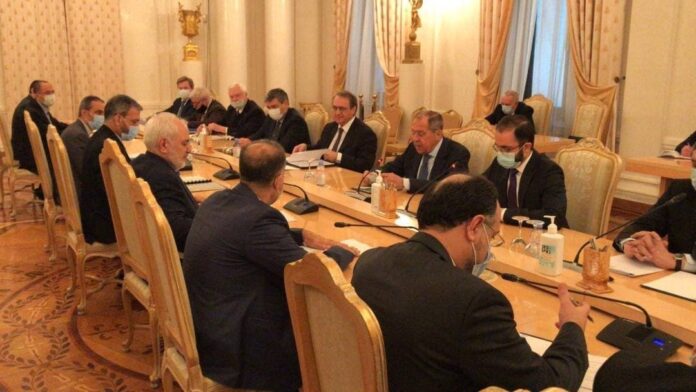
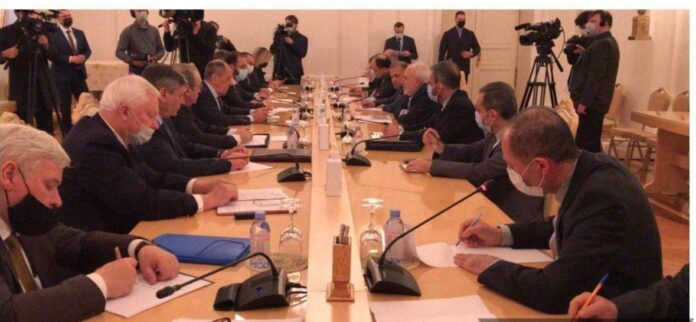
Foreign Minister Zarif, who is visiting Russia in the second leg of a tour of the region, held talks with Lavrov on Tuesday on various bilateral issues, the regional affairs -particularly the subjects relating to the recent developments in the Karabakh region- and the other international issues.

In the meeting, the top Iranian diplomat touched on various aspects of relations between Tehran and Moscow, admired Russia and its president for the measures to end the military clashes in Karabakh region near the common border with Iran, and explicated the Islamic Republic of Iran’s stance on using the new capacity for creating an opportunity to establish stability and calm in the region within the framework of the common interests of all parties.

Foreign Minister Zarif also expressed gratitude to the Russian Federation for its principled and constructive views and stances on the JCPOA, stressing the need to continue close cooperation between the two countries over the nuclear deal.

Highlighting the special attention that the presidents of Iran and Russia give to the relations between the two countries, Zarif called for efforts to facilitate the expansion and promotion of mutual cooperation in various fields.

For his part, Foreign Minister Lavrov underlined the significance of cooperation and interaction between the two countries based on trust in the bilateral and multilateral spheres, pointing to the constant negotiations between the two presidents on various issues of mutual interest.

He also described the efforts to salvage the JCPOA as one of the key issues, reiterating Russia’s call for the fulfillment of commitments by all JCPOA parties.

The other topics that the two ministers discussed in the meeting included cooperation in supplying the coronavirus vaccine, reciprocal visits by high-ranking delegations of the two countries, Caspian cooperation, cooperation and security in the Persian Gulf, the developments in Syria, Lebanon, Yemen, Afghanistan and Libya, as well as the international cooperation between Iran and Russia.

No Talks with US before Biden Announces Official Position on JCPOA: Iran

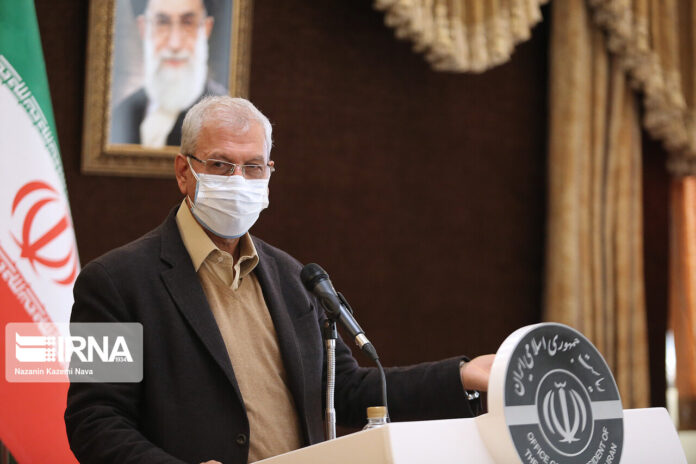
Ali Rabiei

Speaking in a Tuesday press conference, Ali Rabiei said the lifting of US sanctions on Iran is a major part of Washington’s obligations.

“For now, we have had no talks or contacts with the new US administration. We are still waiting for the new US administration to announce its official stances on how it would return to its commitments and lift its illegal sanctions as an integral part of its obligations,” he told reporters.

He said Iran does not intend to sit at the negotiating table with Washington for now.
“We have no plans for negotiations with the United States and any progress in that regard depends on the United States’ practical steps in returning to its commitments in accordance with [UN Security Council] Resolution 2231,” Rabiei noted.

He said time is running out for the United States to make up its mind.

“Of course, I should announce that the US won’t have time forever, and the window of opportunity will remain open for a limited period of time for both the US and the European signatories to the Iran nuclear deal to return to their obligations,” he said.

“We hope before issues become more complicated, the US government adopts practical decisions and actions to prove its goodwill and to build confidence,” he said.

Iran Approves Russian Vaccine for COVID-19: FM Zarif

A medical specialist holds a vial of Sputnik V (Gam-COVID-Vac) vaccine against the coronavirus disease (COVID-19) at a vaccination centre in the State Department Store, GUM, in central Moscow, Russia January 18, 2021 / By Reuters

“The Sputnik V vaccine was yesterday registered and approved by our health authorities,” Zarif said at a meeting with his Russian counterpart, Sergei Lavrov, in Moscow on Tuesday.

“In the near future, we hope to be able to purchase it, as well as start joint production.”

Earlier this month Iran’s Leader Ayatollah Seyyed Ali Khamenei banned the government from importing vaccines from the United States and Britain, which he said were possibly seeking to spread the infection to other countries.

Iran is at the same time developing its own vaccine, named CovIran Barakat, and is also producing a joint vaccine with Cuba.

The country has also purchased around 17 million doses of foreign-made vaccines from the COVAX, the first batches of which are expected to be imported in coming weeks.

Iran’s government spokesman Ali Rabiei announced on Tuesday that the vaccination of high-risk groups of people will begin before the 42nd anniversary of the victory of Iran’s Islamic Revolution in February.

Iran, Russia Sign Information Security Cooperation Pact

The information security cooperation agreement between the Islamic Republic of Iran and the Russian Federation was signed by Iranian Foreign Minister Mohammad Javad Zarif and his Russian counterpart Sergei Lavrov at a meeting in Moscow on Tuesday.

Under the pact, Iran and Russia will cooperate in various fields, such as strengthening information security, the fight against the crimes committed with the use of information and communications technology, the technical and technological assistance, and the international cooperation including detection, coordination, and collaboration in the regional and international organizations to ensure national and international security.

The new agreement is seen as a milestone in the cyber-security collaborations between Iran and Russia.

Iran, Russia Need to Coordinate Stances Now That Trump’s Gone: Zarif

Speaking to reporters upon arrival in Moscow on Tuesday, Foreign Minister Zarif said Iran and Russia have strategic relations and need to hold regular and constant negotiations in various conditions.

“We always hold important talks with the Russian friends in various conditions. Considering that the issue of Karabakh and the subject of six-party or five-party cooperation will be a significant topic in this visit, it has a new feature that we will be pursuing the Caucasus region matter specifically. The international situation is also special as Trump has left office. We and Russia need to coordinate our stances in such circumstances,” he added.

The top Iranian diplomat said even the outbreak of the coronavirus pandemic has not prevented the contacts between Tehran and Moscow.

He further hailed the Russian president’s efforts to halt the armed clashes in the Nagorno-Karabakh region in Iran’s neighborhood, stressing that implementation of the agreements achieved after the war “is important to create common interests among the regional countries, particularly in the transit sector and participation in and cooperation for progress.”

Pointing to the “very good” negotiations held with the president of the Republic of Azerbaijan in the first leg of his tour of the Caucasus, Foreign Minister Zarif said he will proceed with the talks in Russia and in the upcoming visits to Armenia, Georgia and Turkey.

He also noted that the initiative for six-party regional cooperation is another topic that will be discussed during his stay in Moscow, adding, “The international conditions, the JCPOA, and the necessity to implement the commitments by all parties are the common subjects that we have had with Russia. We will discuss them as well.”

“The other regional conditions, such as Afghanistan, Syria, Yemen, and other regional discussions are always on the agenda of our negotiations. I hope we’d take the time to discuss all of these subjects today,” the senior Iranian diplomat concluded.

Iranian High-Tech Firms Offer Their Products and Services in Kenya

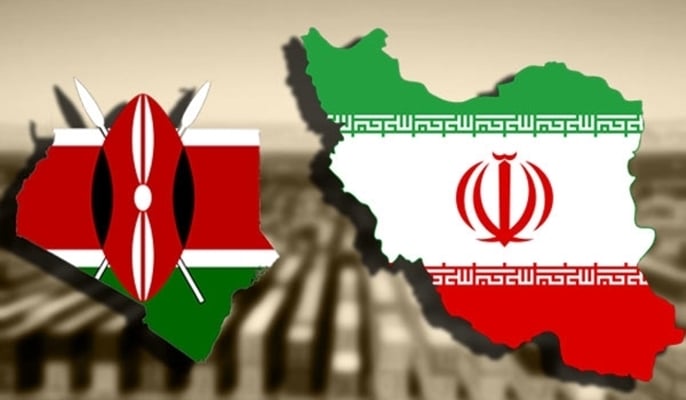
The Iranian knowledge-based companies will attend a business-to-business event with their Kenyan counterparts on January 27, 2021.

The delegation will also present a package, prepared by Iran’s Official Development Assistance (ODA) with the support of Iran National Innovation Fund (INIF), says a senior official.

The package aims to strengthen mutual interactions in the fields of technology and innovation between Iran and Kenya.

The ODA package worth $75,000 includes items such as ventilators, COVID-19 diagnostic kits, pulse oximeters, infrared thermometers, and facemasks.

Sohrab Assa, the international affairs manager of INIF, said, “The global economy has undergone numerous extensive changes since the outbreak of coronavirus pandemic.”

He then pointed to an unprecedented downturn in many industries and jobs and said, “INIF tried to supply the products needed in Iran by empowering TBFs and producers of anti-coronavirus products.”

INIF international affairs manager added, “Today, the young generation of Iran has reached a good position in the field of production of many high-tech products. These valuable achievements can be made available to Iran’s friendly countries for humanitarian purposes.”

Assa then said, “During the visit of the high-ranking Iranian delegation to Kenya, headed by Iran Vice President for Science and Technology with the presence of Jafar Barmaki, Iranian Ambassador to Nairobi and representatives of INIF, the package of Iranian ODA will be presented to the officials of Kenyan ministry of health in Nairobi.”

Environmental Hazards Jeopardizing Iranian People’s Social Health: Rouhani

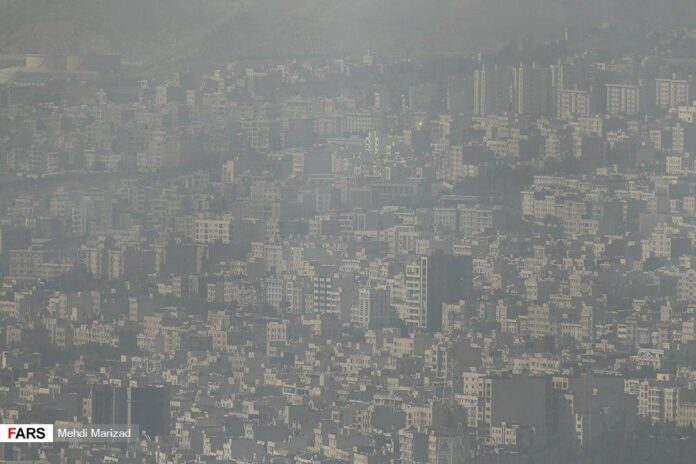
Air Polution Returns to Tehran as Winter Looms 1

President Hassan Rouhani noted on Monday, “The protection of the environment is not a preferential matter; rather, it is an obligation and a duty.

Speaking at a meeting of the High Council of Environmental Protection, he underlined that his administration has secured good environmental achievements.

President Rouhani said the government has had environmental concerns and has paid due regard to the protection of the country’s natural resources.

He said the government has adopted different measures to protect the environment and has had good accomplishments.

“The government has taken giant steps in this regard so far in the form of coherent programs, including measures to reduce atmospheric particulate matter, revive the Lake Urmia and lagoons, plant saplings and tackle flooding,” he said.

He said measures have also been adopted to deal with air pollution.

“While seriously caring about environmental issues, the High Council of Environmental Protection seeks to facilitate the country’s development, too,” he said.

He underlined the coronavirus pandemic should not deflect attention from the key issue of the environment.

Iran Holds Talks with German, Russian, UN Envoys on Afghan Peace Process

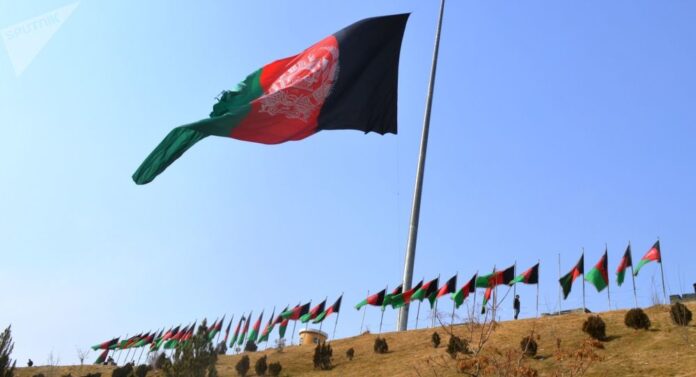
Taherian discussed the latest Afghan developments in a Tuesday conversation with the UN secretary-general’s special representative for Afghanistan Deborah Lyons.

During the talks, the two sides conferred on the latest status of intra-Afghan negotiations, the peace process in Afghanistan, and the establishment of sustainable peace through diplomatic solutions.

Earlier on Monday, Taherian had discussed the issue with Afghan Foreign Minister Mohammad Hanif Atmar as well as the German and Russian special envoys for Afghanistan.

In these conversations, the Iranian envoy underlined the necessity of reducing violence and the need for collaboration among the friends of Afghanistan in establishing sustainable peace through diplomatic solutions.

He also described intra-Afghan negotiations as the most appropriate way to end the crisis in Afghanistan and relieve the Afghan people’s pains, and expressed Tehran’s preparedness for any assistance in this regard.

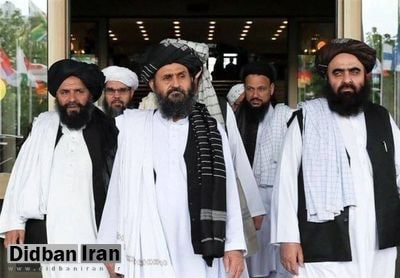
Taliban Delegation Arrives in Iran for Talks on Afghan Peace Process

In a Tuesday statement, Saeed Khatibzadeh said the trip is a pre-arranged visit.

“This delegation arrived in Tehran this morning based on arrangements already made and upon the invitation of the Foreign Ministry of the Islamic Republic of Iran, and was welcomed by foreign ministry officials,” he said.

“During their stay in Tehran, the Taliban’s political delegation will have meetings with Iranian officials, including the respected foreign minister and Iran’s special envoy for Afghanistan, and discuss the peace trend in Afghanistan as well as relevant issues and topic,” he said.

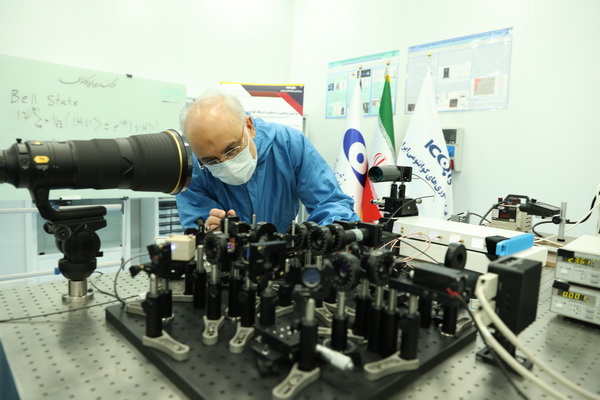
Iran Launches Phase Three of Tests on Quantum Key Distribution

Present at the unveiling ceremony was head of the Atomic Energy Organization of Iran (AEOI) Ali Akbar Salehi, who described the quantum technology as very important.

“The quantum technology is a very significant one whose roadmap was initiated in modern industrial countries in the early 21st century, and the world has seriously stepped into this realm in the recent decade,” he said.

“Theoretical issues go back 80 years, and it was in the late 90s when Western countries began work on this at the laboratory and hardware level,” said Salehi.

“We also started practical work at the AEOI in 2016,” he added.

“In June 2020, we tested this project at the AEOI at a distance of 300 metres at a high rate. We managed to produce 117 bits per second of quantum key,” he said.

“The next phase of this project covers the distance between the Azadi Tower and the Milad Tower (two major landmarks in Tehran) which are almost 7 kilometres apart, and will hopefully be conducted next summer,” he explained.

“The following stages of data transmission will be carried out at higher and longer distances by drones and hot-air balloons. Afterwards, we will be ready to install the equipment on satellites,” he added.