Monday, December 29, 2025
Home Blog Page 2570

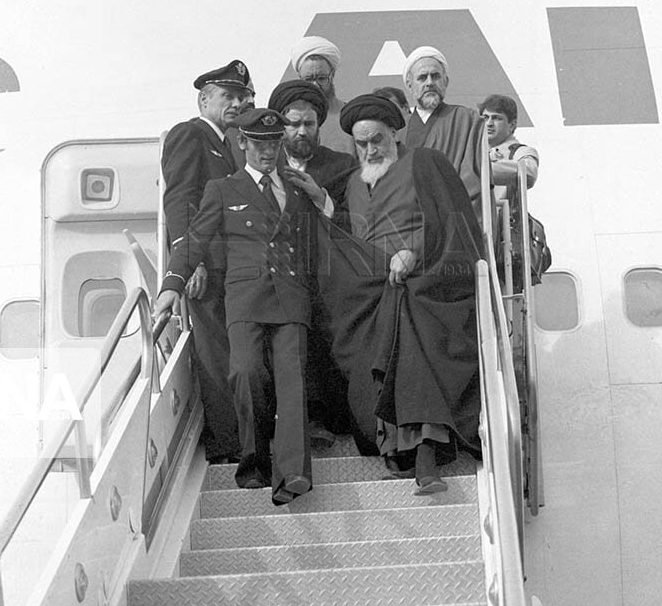
‘Iran Secured Major Achievements after 1979 Islamic Revolution’

Ali Rabiei underlined one of the accomplishments was to eliminate the system ruling the country which was based on succession.

“The first achievement of the Islamic Revolution was to remove the hereditary system [of ruling the country] and build a nation,” he said.

“Through the Revolution, we built the nation and government and replaced a hereditary system,” the spokesman explained.

He then noted that a lack of experience in the early years following the Revolution, the eight-year Iraqi-imposed war in the 1980s and sanctions imposed on Iran kept the country from making progress at the beginning.

Rabiei further said stability and security are among other accomplishments of the Islamic Revolution.
“We should counter anything that would harm the Revolution and be sensitive about republicanism,” he said.

Elsewhere in his remarks, the government spokesman said Iran now ranks among the top 15 countries in the world when it comes to the production of science.

“We still maintain the first rank in nanotechnology, which is another accomplishment of the Islamic Revolution in the domain of science production,” he explained.

He added effective measures have also been adopted in terms of building sci-tech parks.
“At the moment, we have 50 major sci-tech parks,” he said.

Rabiei also said Iran should keep producing knowledge and presenting theories in order to further cement its achievements.
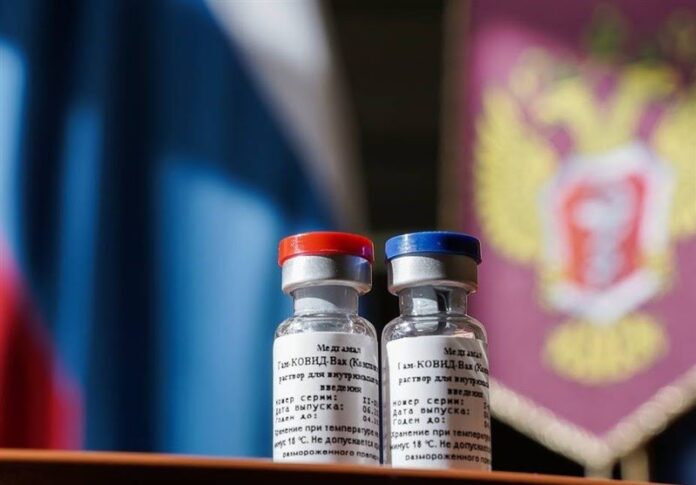
Iran Dispels Concerns over Import of Russian Coronavirus Vaccine

Saeed Namaki made the comment in response to speculations that the Russian vaccines due to be imported by the government might not be safe.

“Our own families will be the first to be inoculated with approved imported vaccines,” said the minister.

He said it is necessary to procure foreign vaccines for vulnerable groups “as long as domestically developed vaccines cannot meet our needs.”

However, he said only approved vaccines will be imported.

“We did not allow the clinical tests of vaccines produced by other countries to be conducted on our people,” he explained.

“No vaccine should be imported into the country before undergoing phase three of clinical tests and being [publicly] used in the country of origin,” the health minister stressed.

“We will only import vaccines which have been purchased and registered by at least five or six countries in the world and have begun to be used,” he said.

His comments came after Minoo Mohraz, a member of the scientific committee of the National Coronavirus Headquarters, said she would never accept to be vaccinated with the Russian SputnukV vaccine, as the World Health Organisation has yet to approve it, and it has only been approved by Iran’s Food and Drug Administration, which she said is not in a position to do so.

The concerns were echoed by the Medical Council of Iran, which questioned the effectiveness of the Russian vaccine.

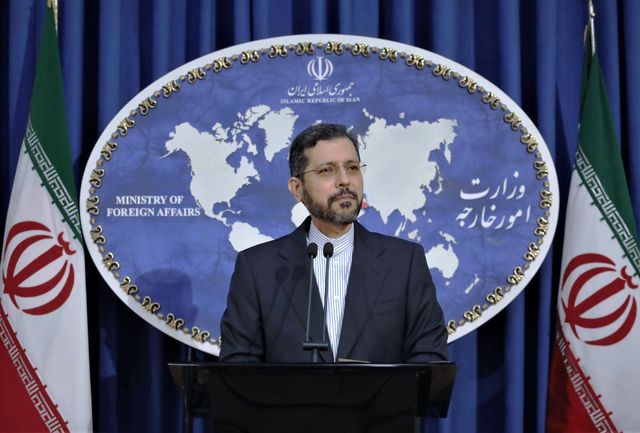
Iran Rejects ‘Distorted, Misleading’ Report on Zarif’s Meeting with Taliban

In a statement on Sunday, Saeed Khatibzadeh said the expression “all-inclusive Islamic government” was never used by the Iranian foreign minister.

“In this regard, the story published by this media outlet is unfortunately not documented,” he said.

“Proper news related to the Ministry of Foreign Affairs is published merely by media approved by this ministry, and the publication of any story by media outlets other than what was just said are not valid,” Khatibzadeh emphasized.

It is noteworthy that the Ministry of  Foreign Affairs has already covered the news about this meeting.

Iran Inaugurates 13 Major Water, Electricity Projects

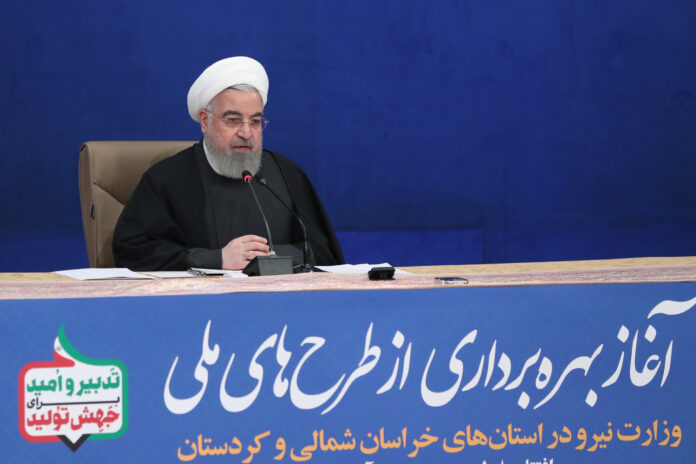
The projects were inaugurated in the provinces of North Khorasan and Kurdistan through videoconference on Sunday, January 31, 2021.

During the ceremony, President Rouhani inaugurated the Unit 3 of the steam section of Shirvan Combined Cycle Power Plant in North Khorasan Province and 14-MW Small Scale Power Plant, three 63-kV Zarivar-Marivan line projects, 3 electricity projects in Kamyaran Power Post, Ramasht Dam and its irrigation and drainage network, the irrigation project of Garan-Marivan irrigation and drainage network, the project of water treatment and water supply to Saqqez and the project of Kamyaran wastewater treatment plant in Kurdistan province.

‘Fresh Impetus to Domestic Production’

The Iranian president said the inauguration of so many projects in the country is aimed at boosting domestic production.

President Rouhani said Iran and Iranian people had a tough year due to the sanctions and the coronavirus pandemic, but the country managed to put many projects into service to give fresh impetus to domestic production as emphasized by Leader of the Islamic Revolution Ayatollah Seyyed Ali Khamenei.

“This year was really the year of boosting production as we inaugurated major projects every week,” he noted.

The projects were inaugurated ahead of the anniversary of the victory of Iran’s 1979 Islamic Revolution.

Rouhani said the 1979 Revolution was not only aimed at securing national independence and reviving Islamic values, but also geared to promoting the nation’s welfare and prosperity.

“Some believed the Islamic Revolution was only a political move and was aimed at securing the country’s independence and fighting hegemony and oppression. Some also believed the revolution aimed to establish Islam and was only a spiritual move. But figures show the revolution … paid attention to material sectors as well,” he said.

Rouhani said the government takes pride in the fact that it is supplying utilities to low-income families free of charge.

He then said the number of dams in the country has risen ten-fold.

“At the beginning of [the early days after] the revolution, there were 19 dams in the country, and the figure has increased to 193 now,” said the president.

He added the capacity of the National Grid has also risen by 2,500 megawatts of electricity annually.

Over 1.2 Million Iranians Recover from COVID-19: Health Ministry

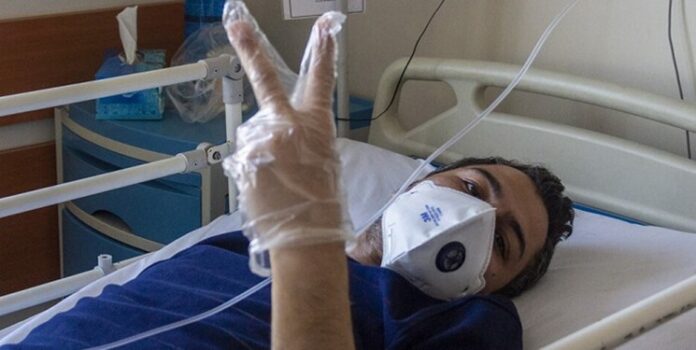
In a press briefing on Sunday, Sima-Sadat Lari said the virus has killed 70 patients since Saturday noon, increasing the overall death toll to 57,959.

She said 1,417,999 patients have contracted the novel coronavirus so far, including 6,268 new cases identified in the past 24 hours.

Lari said 3,932 patients are also in critical conditions caused by more severe infection.
The spokeswoman noted that 9,285,288 COVID-19 tests have been taken across the country so far.

She said currently 18 cities are in the “orange” zone, 124 are in the “yellow” zone, and 306 are in the “blue” zone in terms of coronavirus outbreak.

The “orange” cities are all in northern provinces, and include Amol, Babol, Babolsar, Behshahr, Tonekabon, Juybar, Chalus, Ramsar, Sari, Fereydunkenar, Qaemshahr, Mahmoud Abad, Neka and Nowshahr in Mazandaran province and Some’eh Sara, Rudsar, and Lahijan in Gilan province.

Iran Backs Formation of ‘All-Inclusive’ Gov’t in Afghanistan, Zarif Tells Taliban

Zarif made the remarks in a Sunday meeting with a delegation of the Taliban, led by deputy head of the group’s political bureau Mullah Abdul Ghani Baradar, in Tehran.

“Political decisions could not be made in a vacuum, and the formation of an all-inclusive government must take place in a participatory process and by taking into account the fundamental structures, institutions and laws, such as the Constitution,” the top Iranian diplomat said.

Foreign Minister Zarif also expressed Iran’s readiness to facilitate dialogue among the Taliban, the Afghan government and other Afghan groups, noting, “The noble people of Afghanistan have been wronged. The war and occupation of Afghanistan have dealt heavy blows to the Afghan people.”

The senior Iranian diplomat further expressed hope that the Taliban would focus efforts on an immediate end to the pains and problems of Afghan people, so that the establishment of peace in Afghanistan would strip the outsiders of a pretext for occupation.

At the beginning of the meeting, head of the Taliban delegation gave a report of the Afghan peace process and the intra-Afghan negotiations.

Mullah Abdul Ghani Baradar also noted that the relations between Afghanistan and Iran are based upon friendship and good neighbourliness, expressing hope for the expansion of relations between the two countries with the establishment of peace and calm in Afghanistan.

He also denounced the destructive role of ISIS in Afghanistan, expressed satisfaction with the process of intra-Afghan talks, and described the formation of an all-inclusive government with the participation of all ethnic and political groups as a necessary condition for the full establishment of peace in Afghanistan.

Iran’s Largest Chlorine Factory Comes on Line

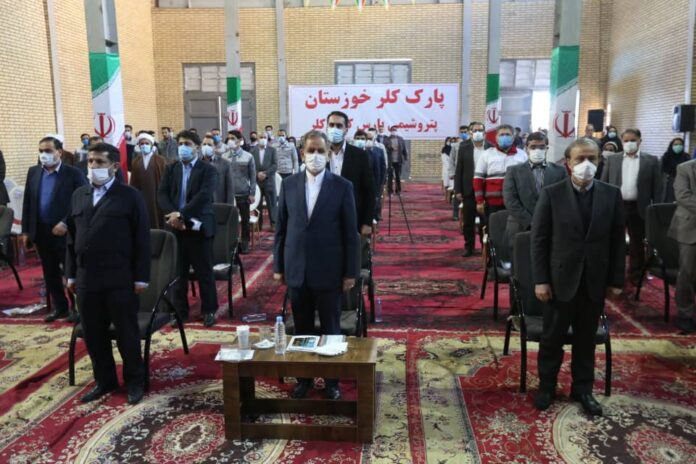
The Pars Kimia Chlorine Petrochemical Company is the country’s largest chlorination facility, with a capacity of producing 210,000 tonnes of chlorine, hydrochloric acid and sodium hydroxide.

The project comes with a price tag of nearly Rls. 9.4 trillion and €15 million, creating 75 direct jobs.

The project has been put into service as part of the phase one of the Khuzestan Chlorine Park. When phase one is fully operational, it will create some 300 jobs.

Once the park’s construction is completed (it includes a total of four phases), it will export some $600 million worth of products annually.

In total, $660 million has been invested in the park, which will create an overall 3,200 jobs.

Iran’s Oil, Natural Gas Industries Growing Considerably: Minsiter

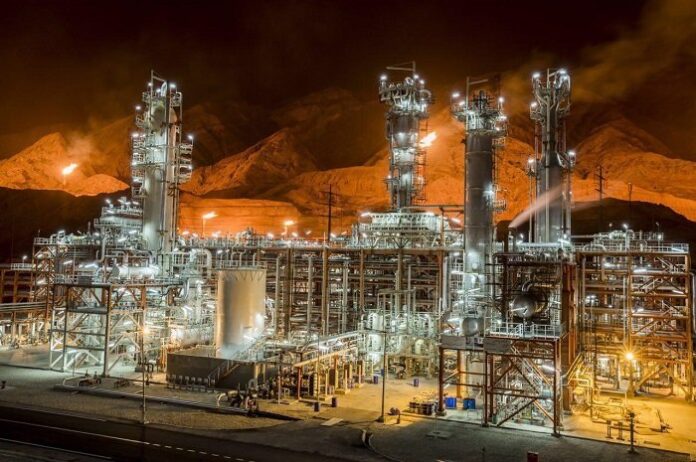
Bijan Namdar Zangeneh said Iran’s natural gas reservoirs have also increased.

“The [natural] gas industry has developed following the Revolution. [Natural] gas reserves amounted to 9 trillion cubic metres, but have now risen to 33 trillion cubic metres,” he said.

“Currently, more than 80 percent of the oil industry’s stationary equipment is produced inside the country, and good progress has been made in this regard. The [production] capacity is not comparable to that of 15 years ago,” the oil minister noted.

“Iran is now among the top producers of petrochemical products in the region,” he said.
The minister noted that 95 percent of the country’s population are now provided with natural gas.

He also touched upon Iran’s oil exports.

“As long as oil sanctions are not lifted, I’m not going to make any comments,” he said.
The minister said Iran has received all its payments for oil exports.

Iran Torchbearer of War on Drugs: Envoy  

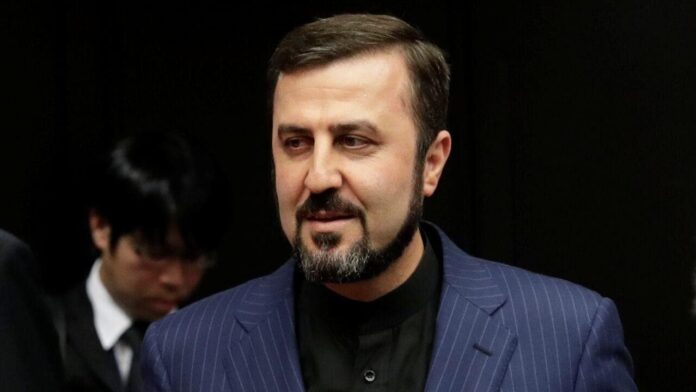
Kazem Gharibabadi underscored Iran confiscated a large amount of narcotics last year.

“Iran seized more than 1,147 different types of illicit drugs on the country’s borders and inside the country in 2020 on the back of efforts and sacrifices by soldiers and agents of the country’s police and security organizations, showing a 41% -rise year on year,” he said in a letter to the executive director of the United Nations Office on Drugs and Crime.

“Iranian drug enforcement agents had 2,851 firefights with drug traffickers in 2020, which saw 2,196 drug transit and distribution networks busted,” he noted.

“In these shootouts, 10 Iranian forces were killed as well,” the top diplomat underscored.

“We are critical of the inaction of relevant international organizations and countries in discharging their common responsibility of supporting programs to fight narcotics. We would like this approach to be corrected,” he said.

Iran-Iraq Railway to Connect China to Mediterranean: VP

connects Shalamcheh in Khuzestan province in south-western Iran to Iraq’s Basra is very important to both neighbouring countries.

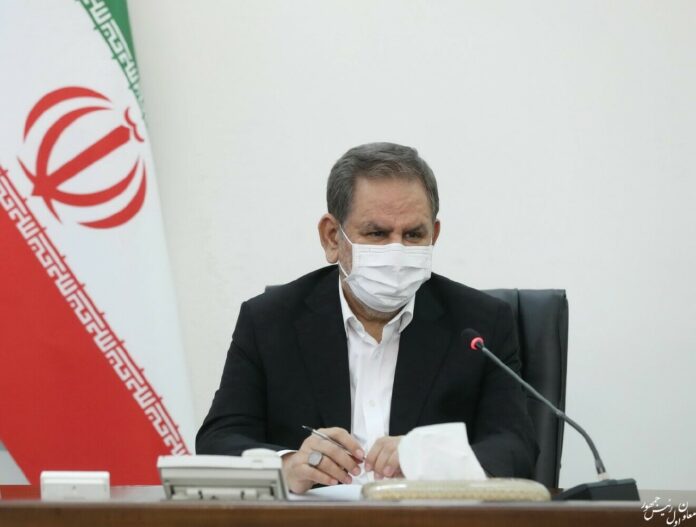
“If it is constructed quickly, it will turn into one of the world’s biggest railways,” Jahangiri noted on Saturday on the sidelines of a ceremony to inaugurate a number of construction projects at Abadan International Airport in Khuzestan province, south-west of Iran.

He said the railway can facilitate the transfer of goods from China to the Mediterranean with train, and will turn into one of the world’s transit hubs.
The vice-president, however, noted that part of the railway that connects Iraq to Syria needs to be reconstructed.

Iran had earlier linked its railway network to western Afghanistan through a joint project which was inaugurated in December 2020.

The 225-km railroad project, that connects Iran’s Khaf to Afghanistan’s Herat, includes four phases that are currently under construction. About 78 km of the project, which includes two phases, is on Iran’s soil and the rest in Afghanistan.

The construction of the project started in the fiscal year of 2007-2008. Completion of the project will affect transit facilities in Afghanistan and solve many investors’ and merchants’ problems in the country.

Afghanistan has still to complete the remaining 85 km section of the Khaf-Herat railway line which was inaugurated as far as Rahzanak in its territory.
Officials say work is in progress on the line, which ends at Herat International Airport, the fourth major airport in Afghanistan.

About 2.5 million Afghan migrants reportedly live either legally or without documents in Iran.

The 225 km long railway to Iran has long been touted as the sole viable option to build Afghanistan’s economy, connecting Herat to Mashhad in Iran and on to Turkey.