Saturday, January 10, 2026
Home Blog Page 2538

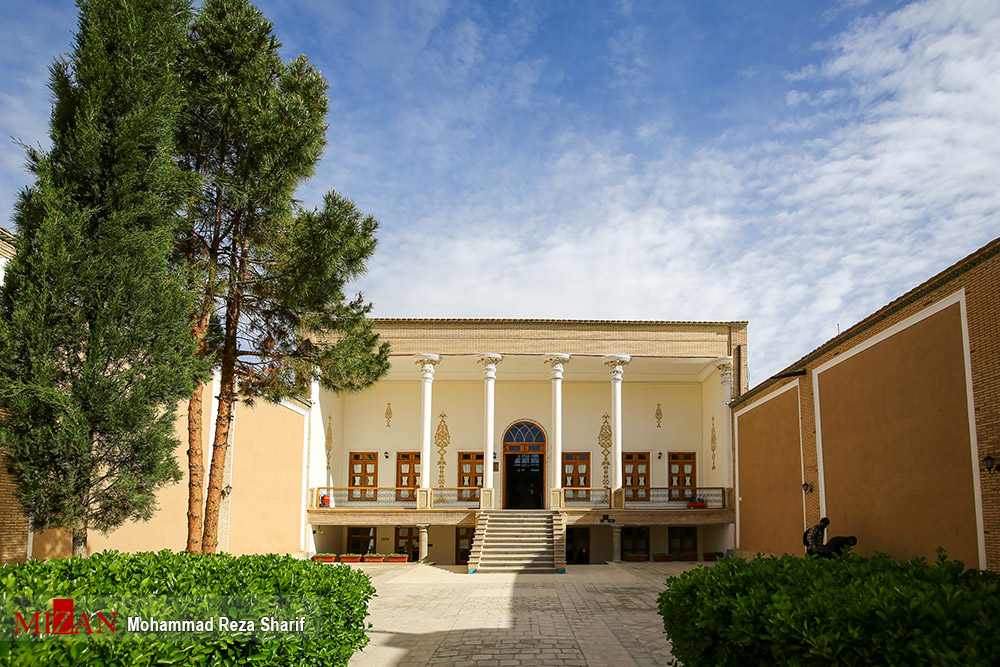
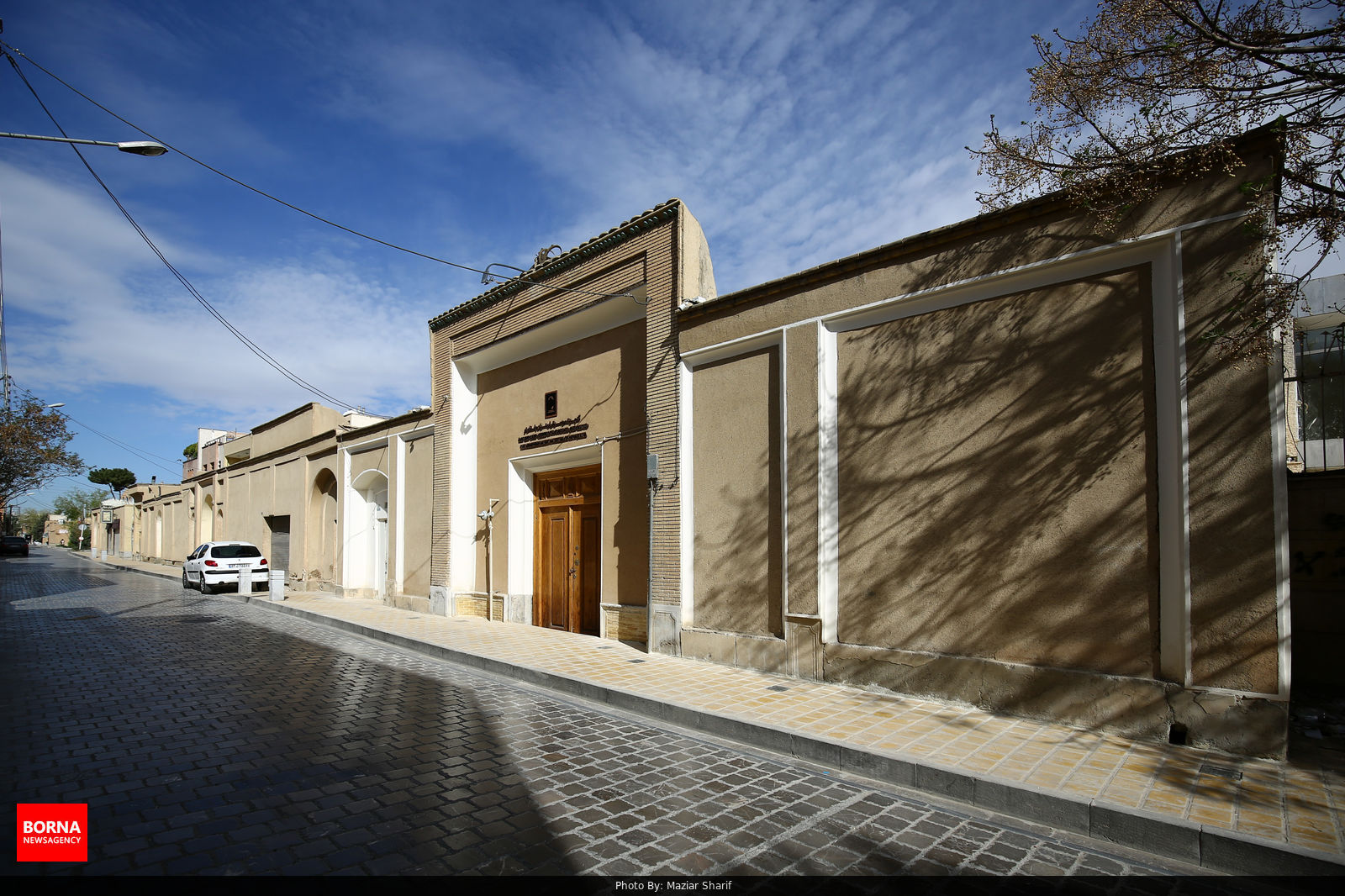
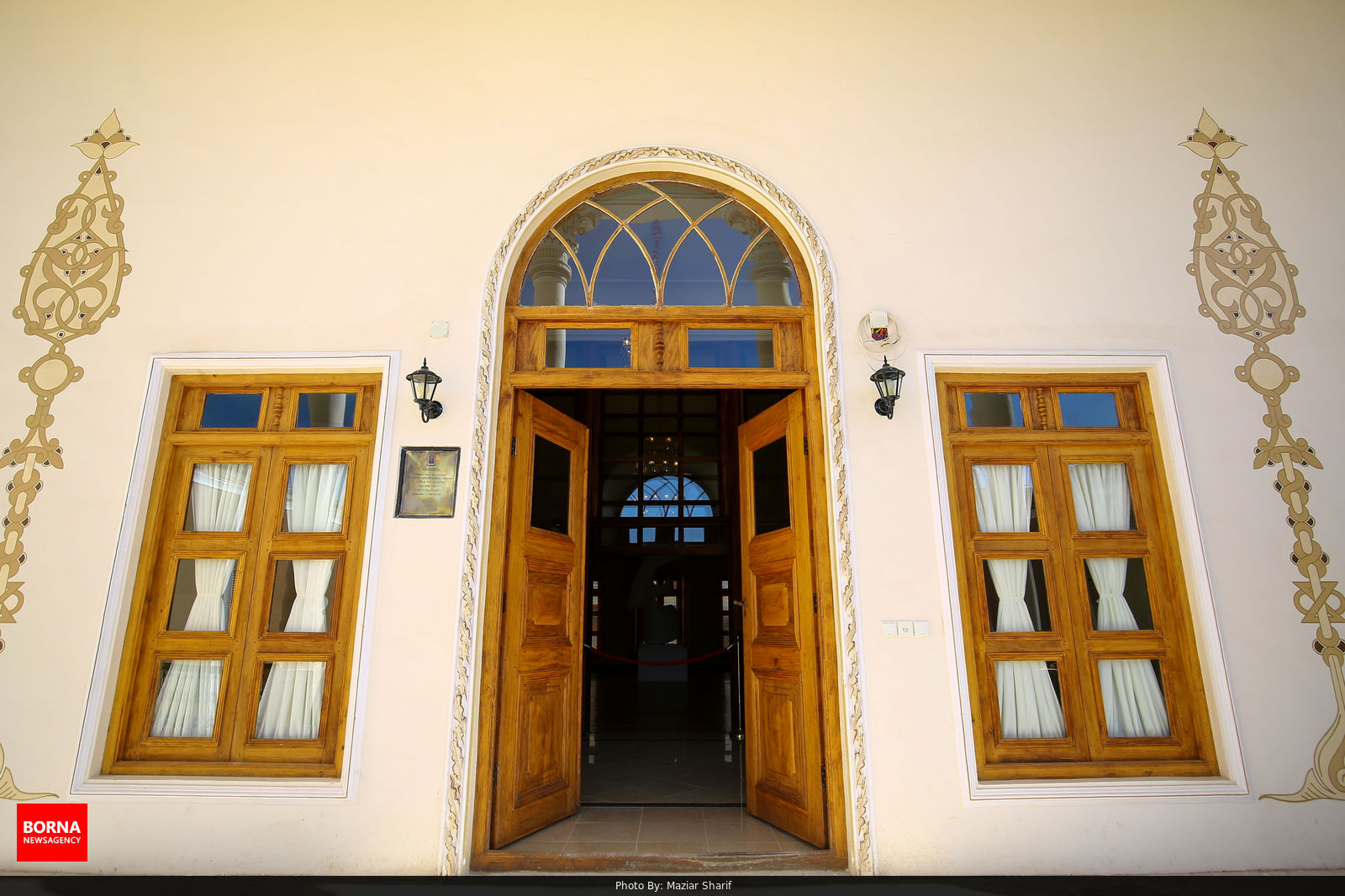
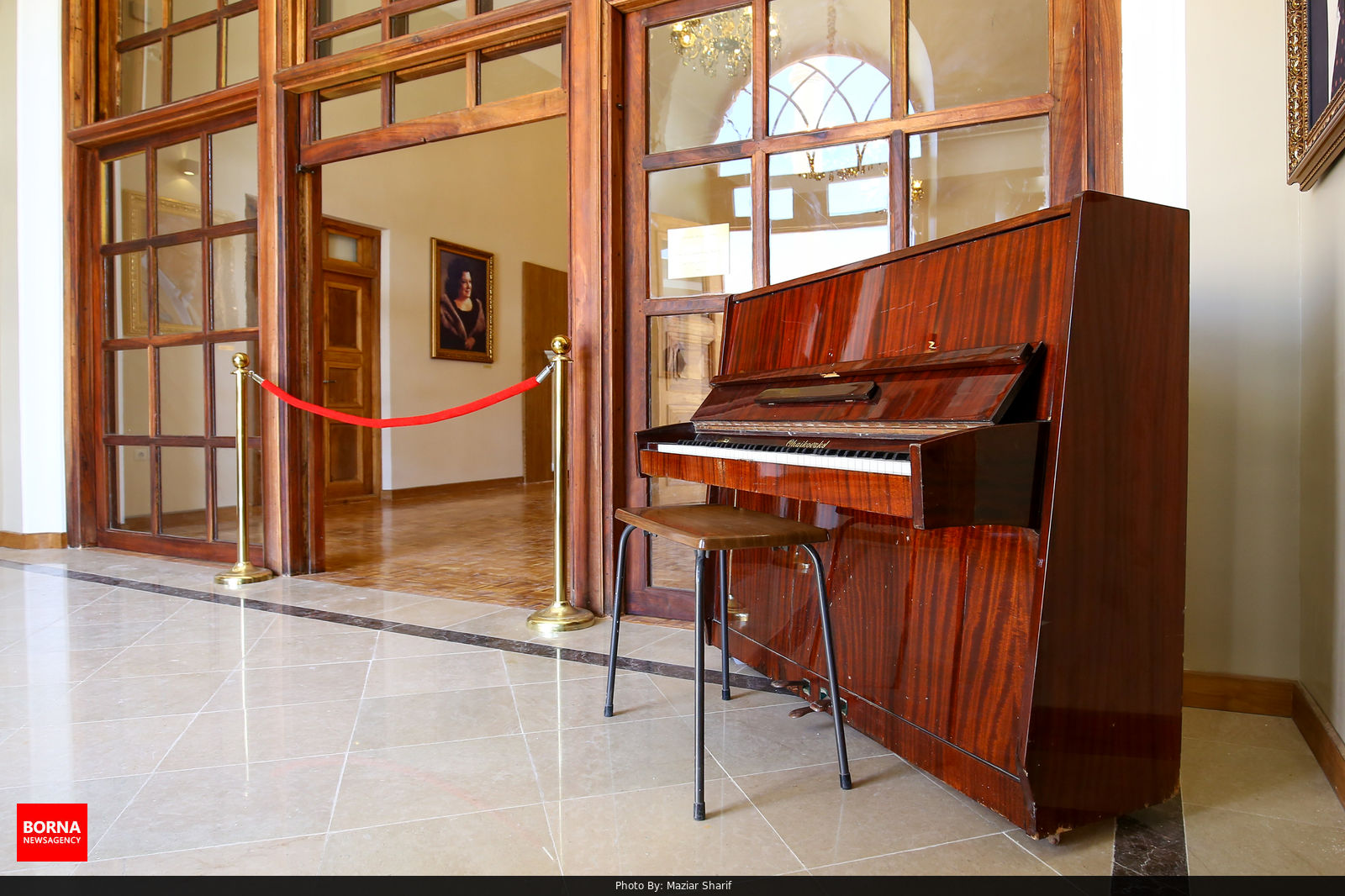
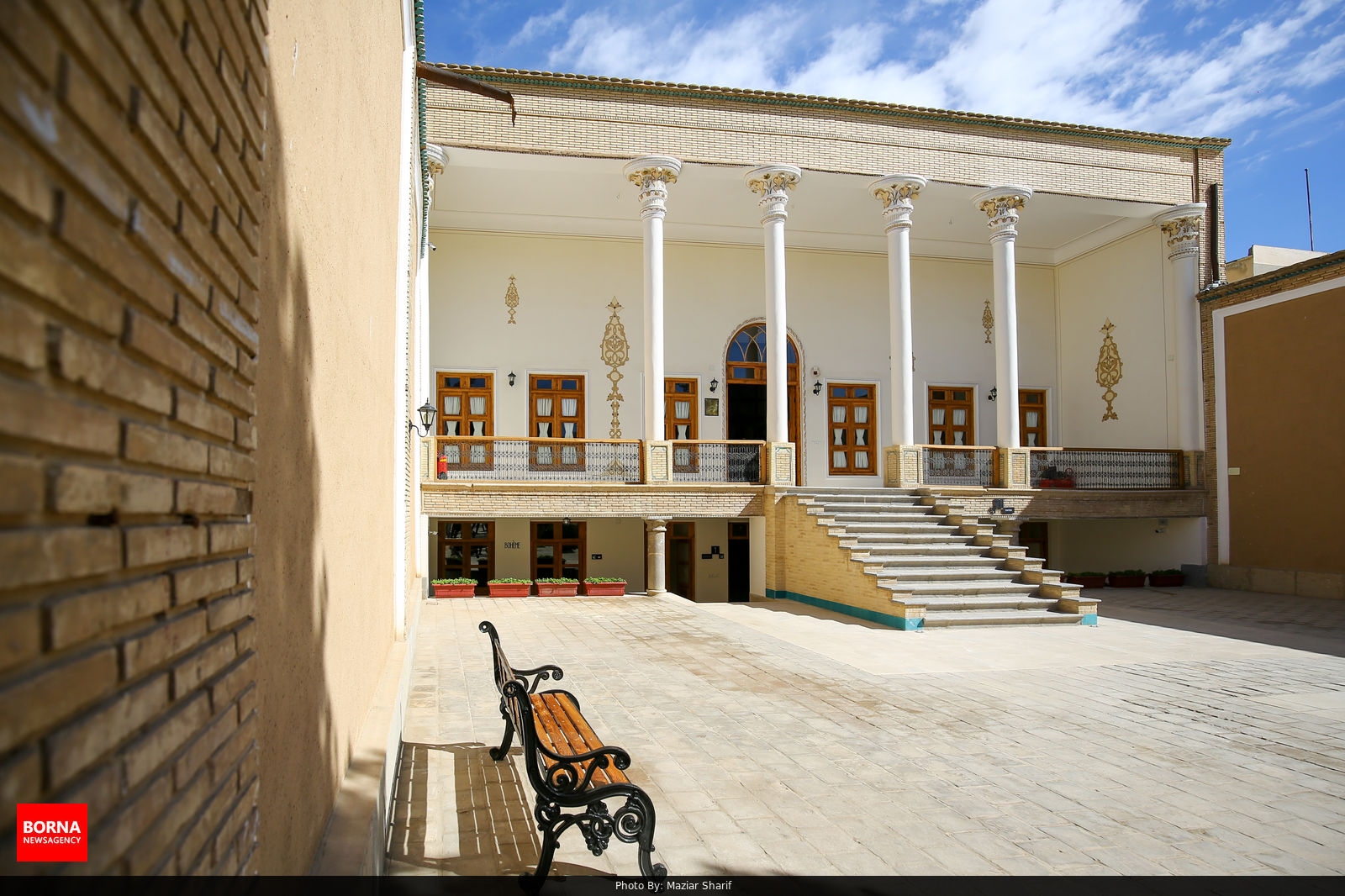
Armenians’ Music Museum in Central Iran: A Unique Attraction for Visitors

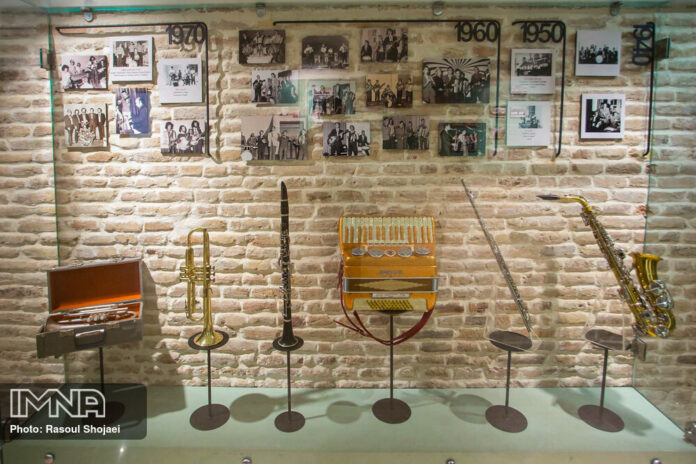
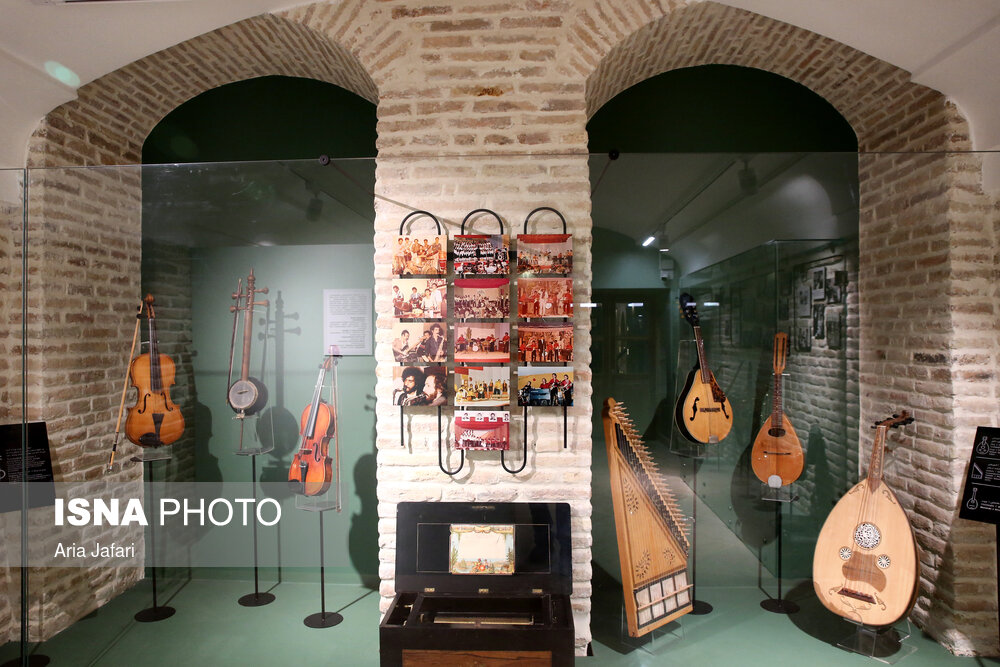
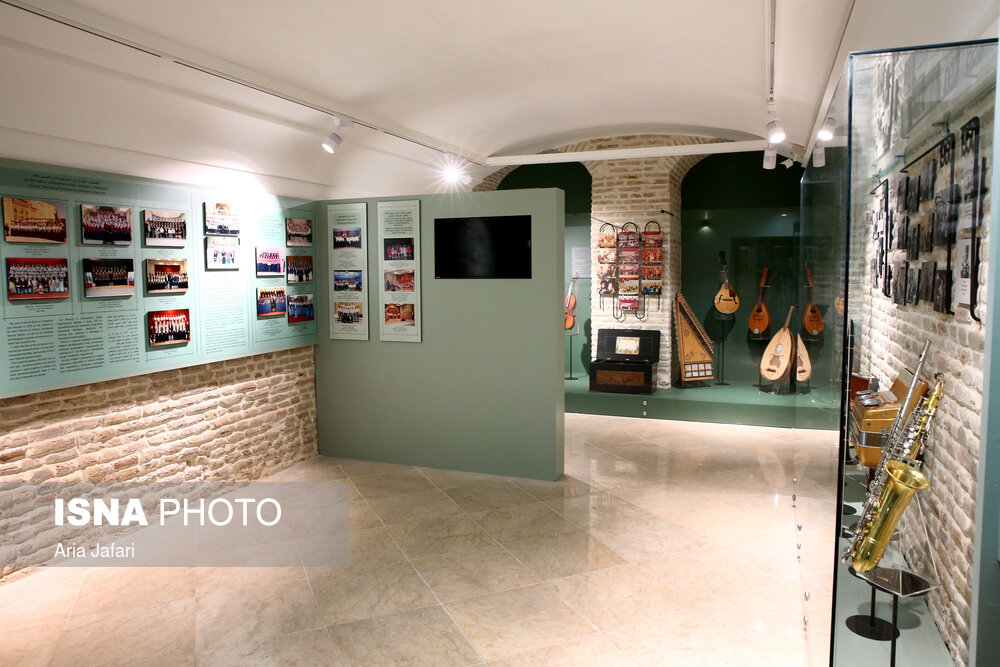
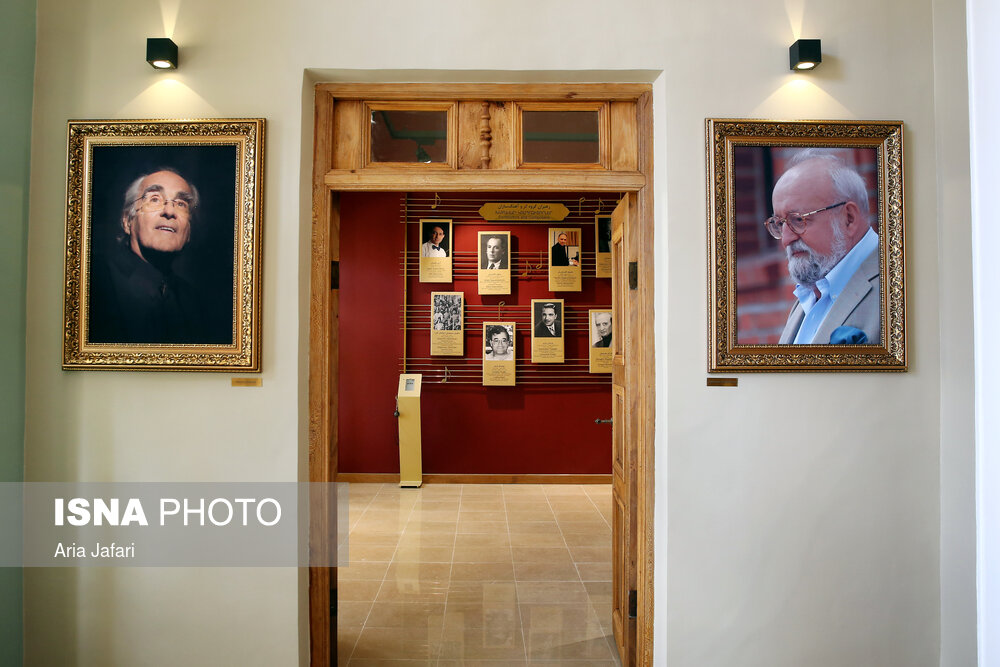
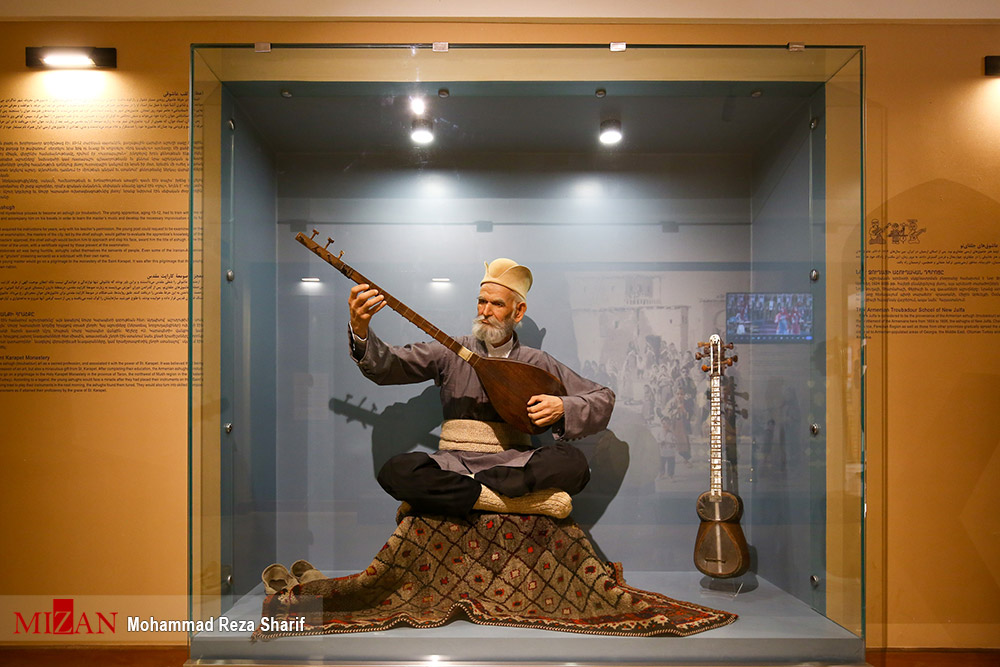
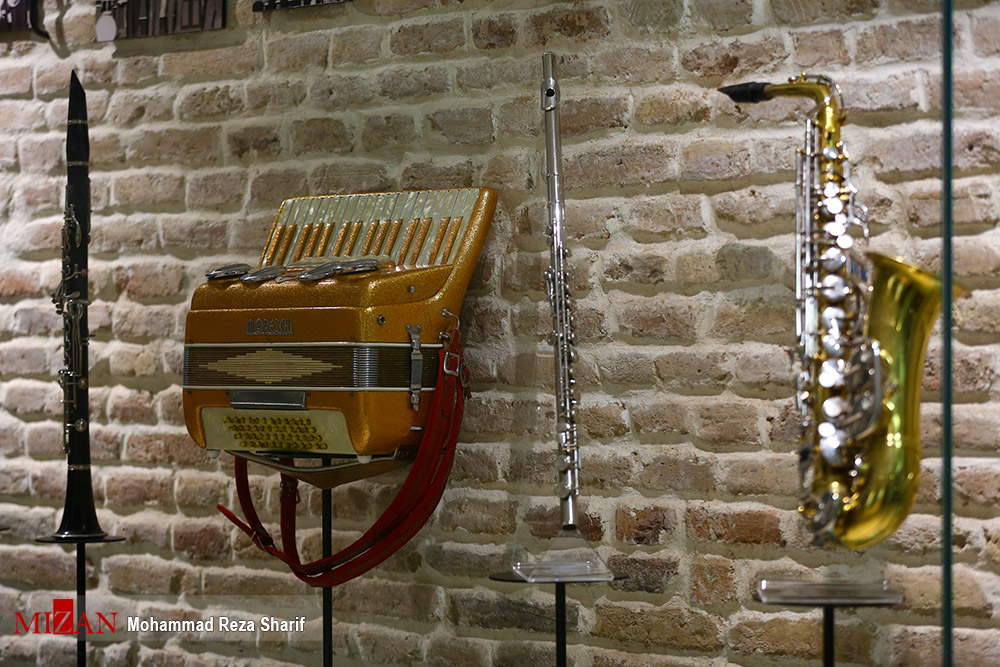
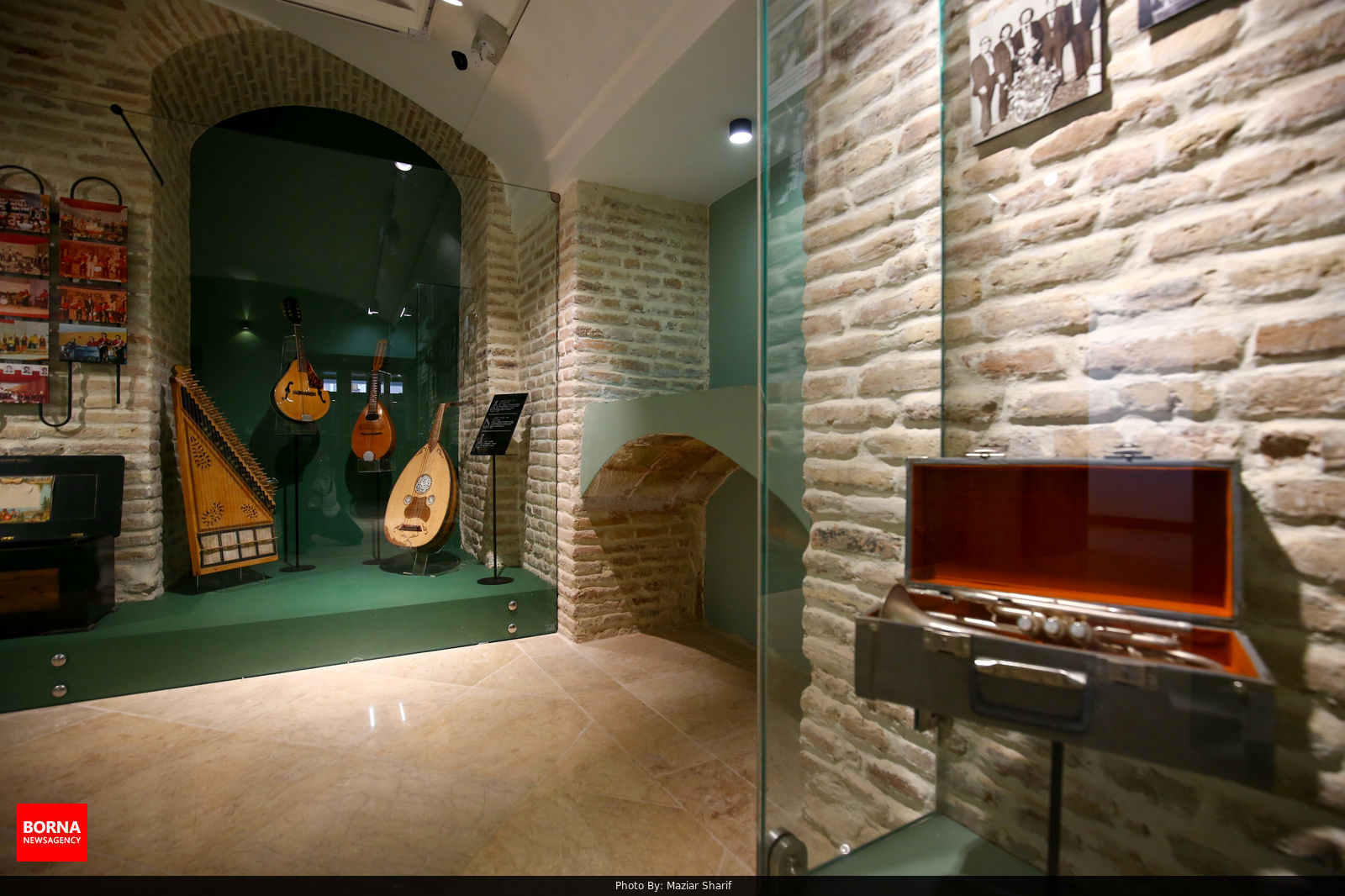
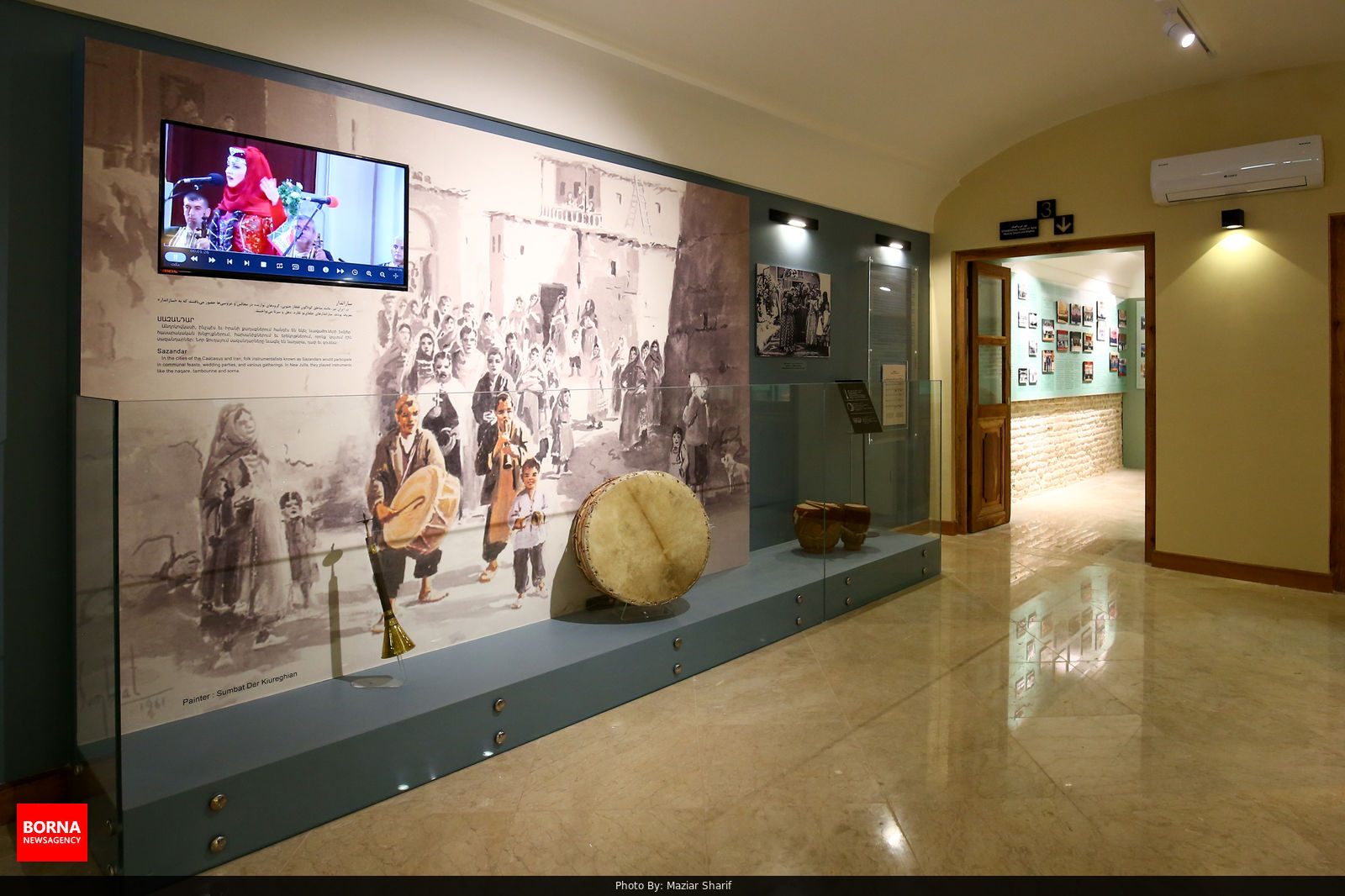
The first floor contains rooms and pavilions where visitors get familiar with the music background and traditions of Armenians in the New Jolfa neighbourhood.

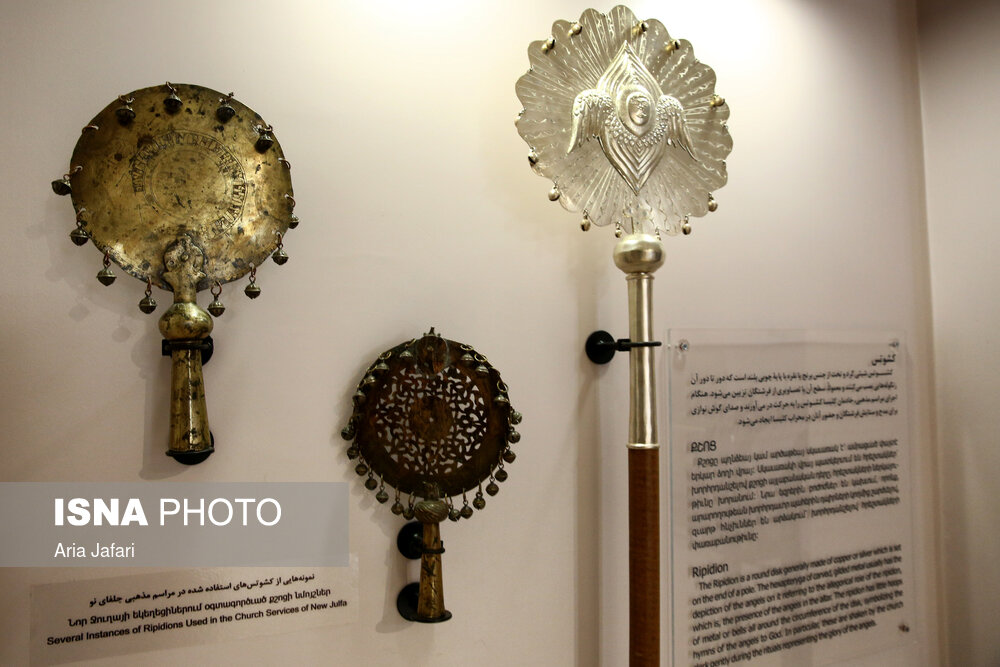
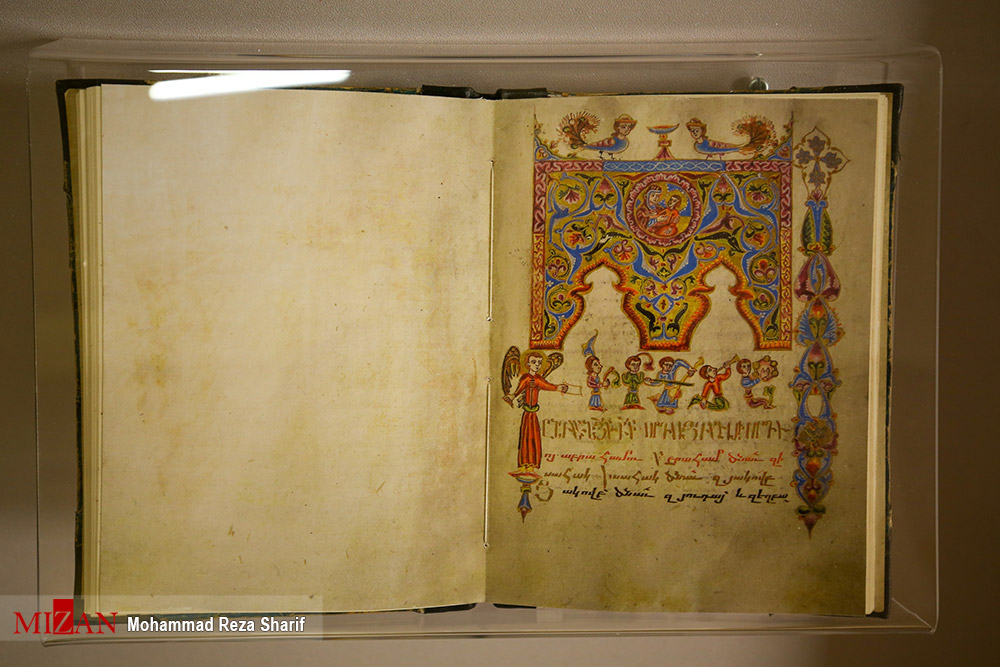
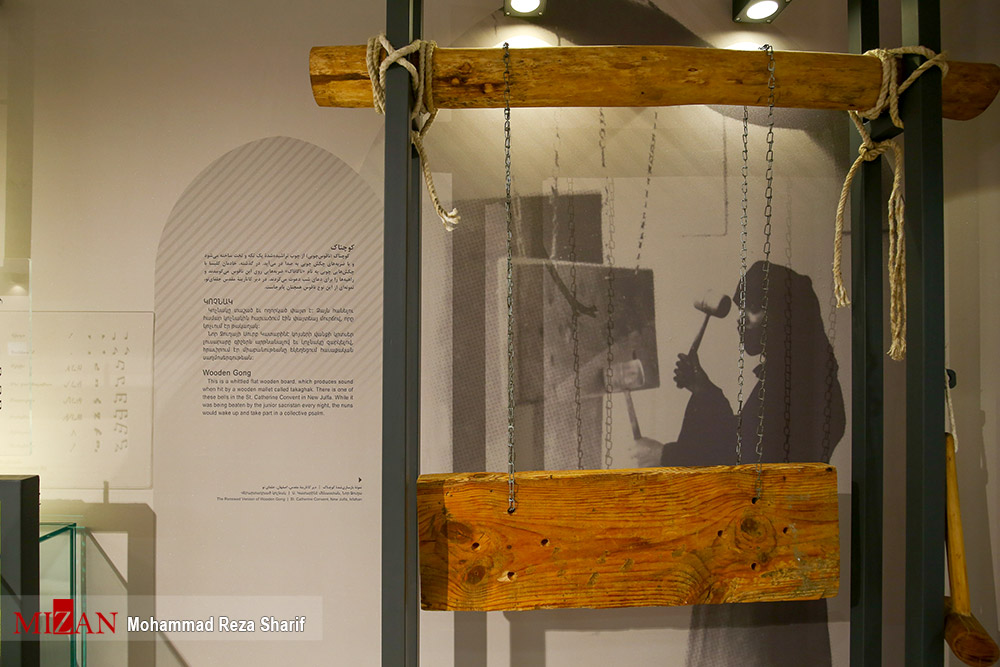
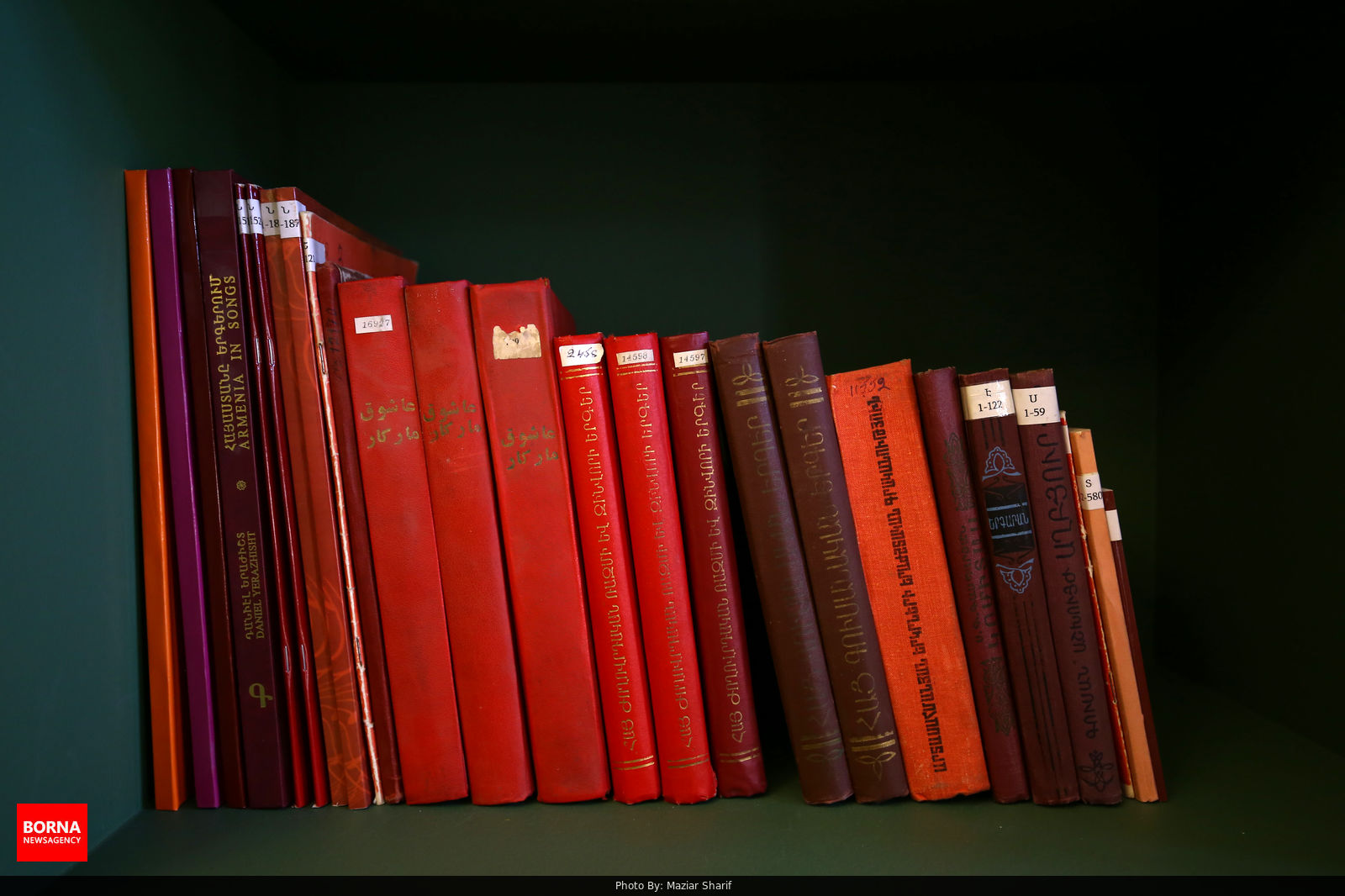
On this floor, old methods of writing music notes in ceremonies held at the Armenian church, the role of music rhythms in churches, percussion instruments at the Armenian church and sharakans are introduced as important parts of hymns sung at the Armenian church.

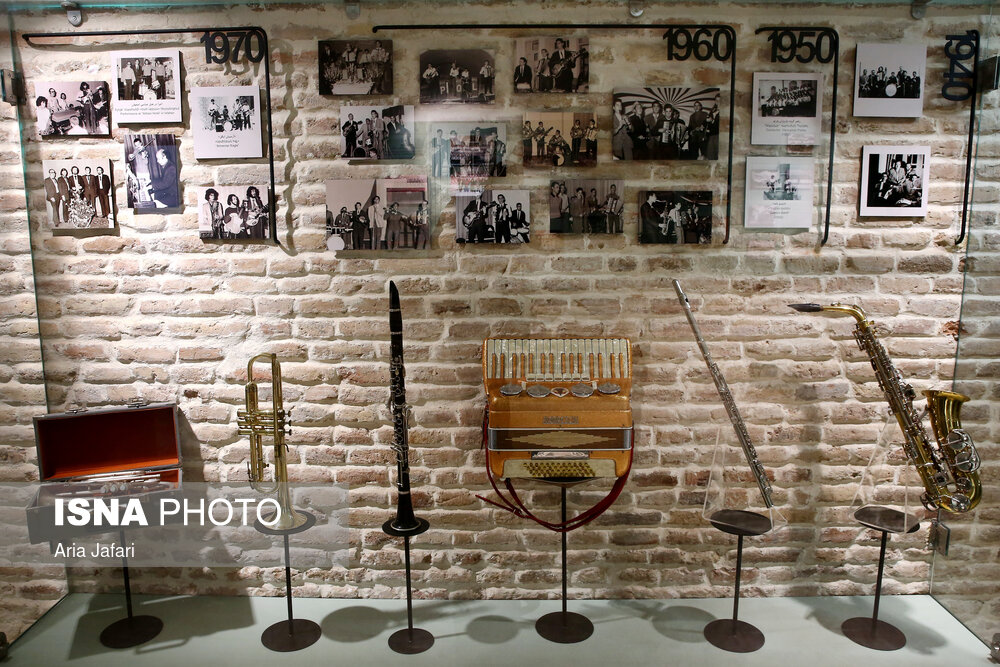
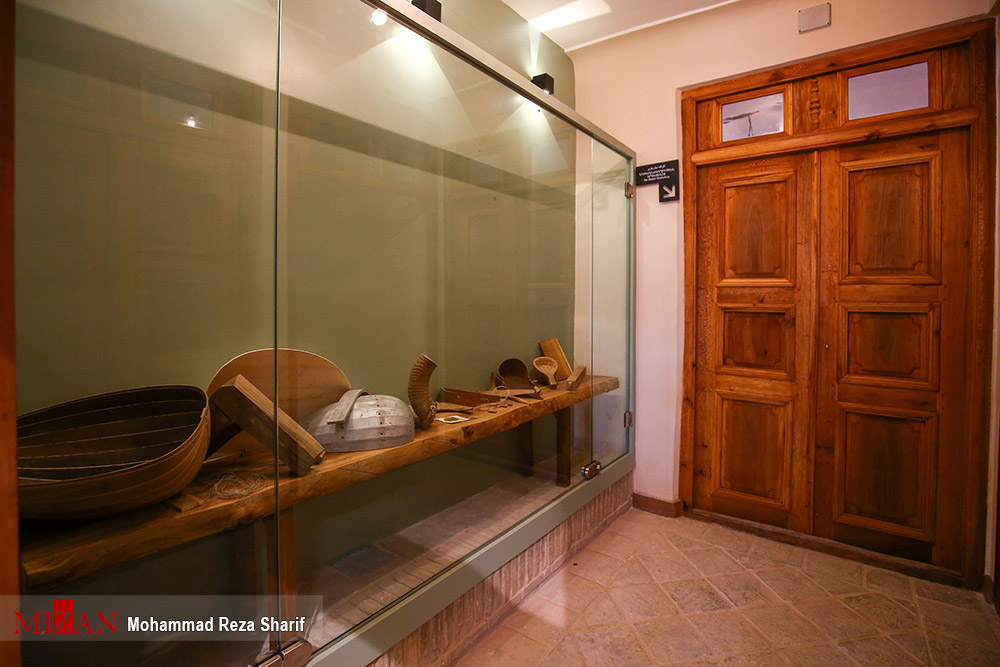
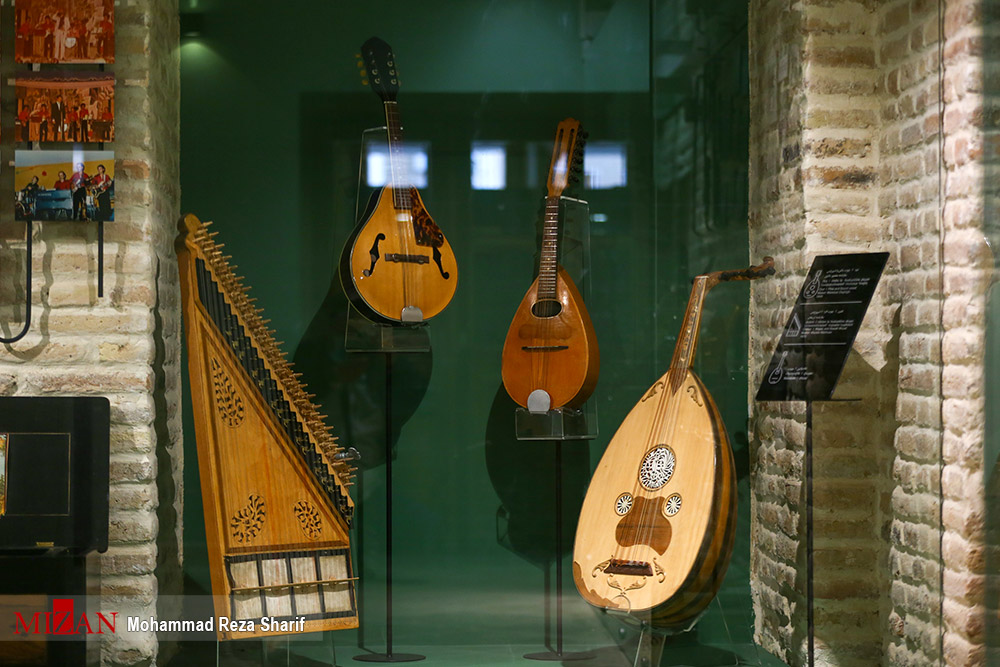
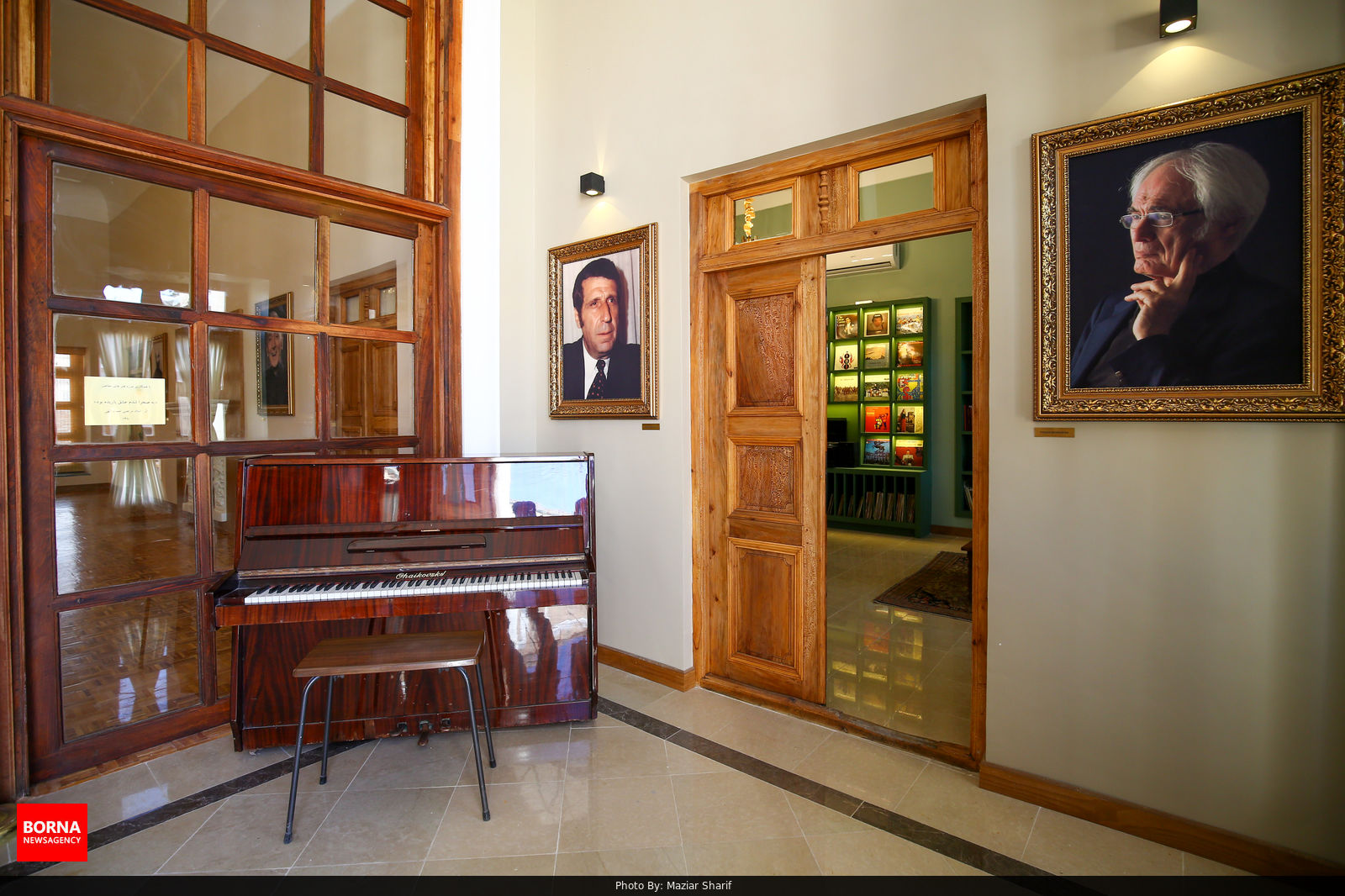
Also on display on this floor are illustrations of those playing musical instruments as well as instruments themselves in Armenia as well as in New Jolfa. Musical instruments made by the best luthiers of New Jolfa are also displayed on this floor.

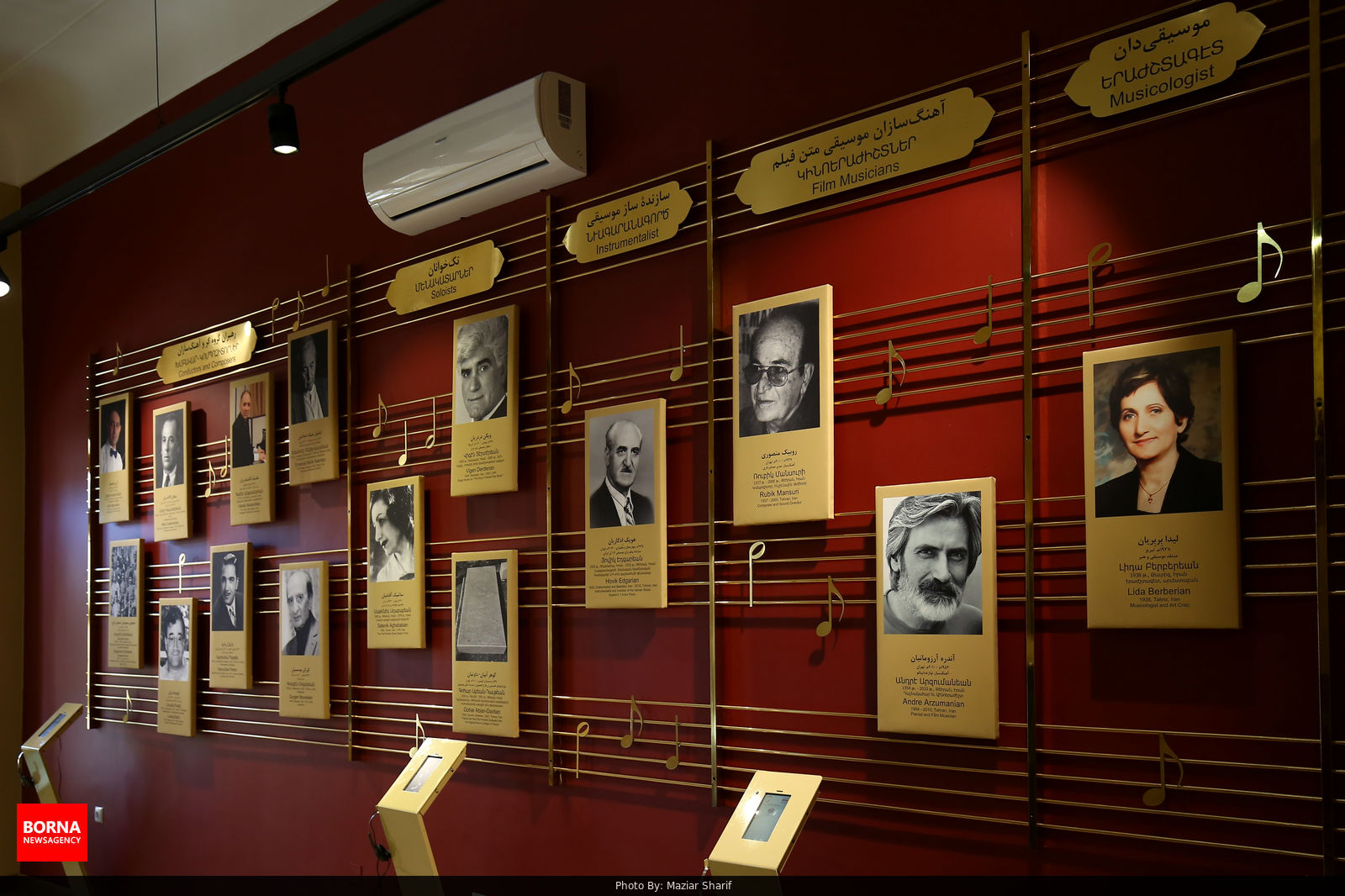
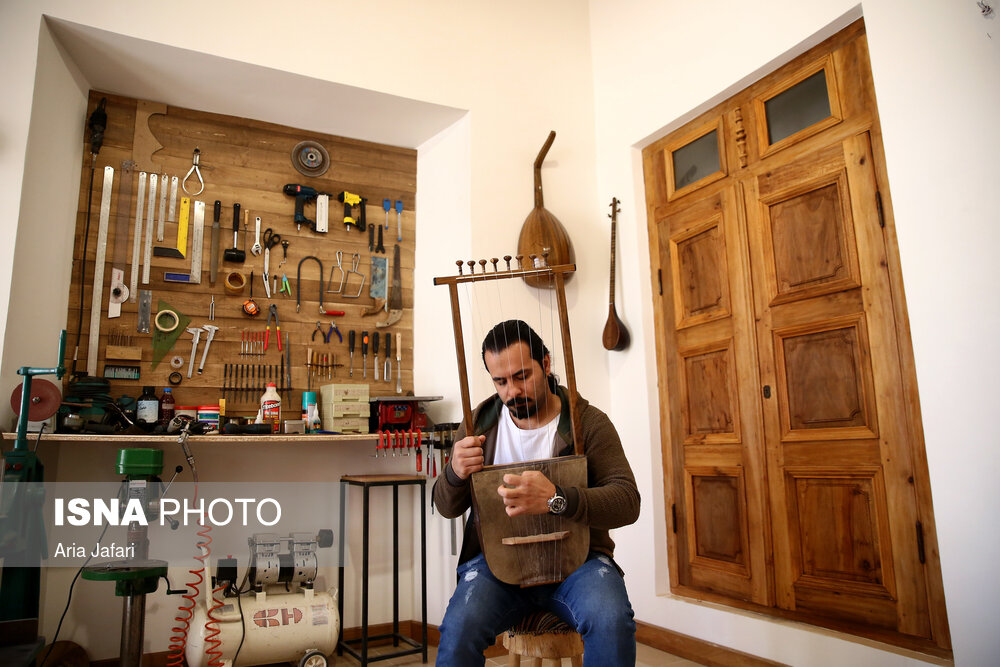
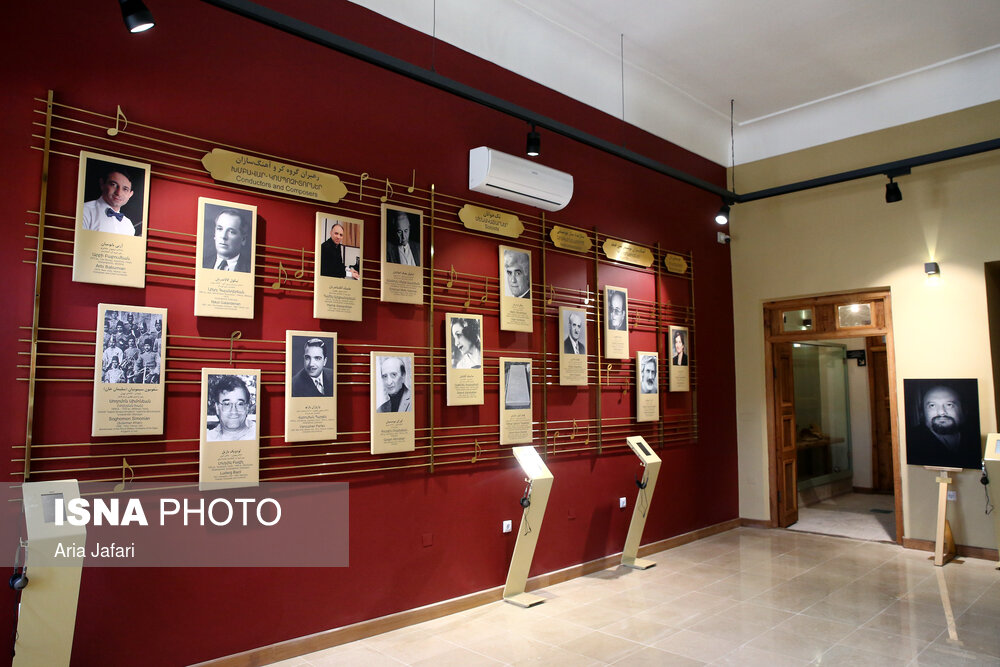
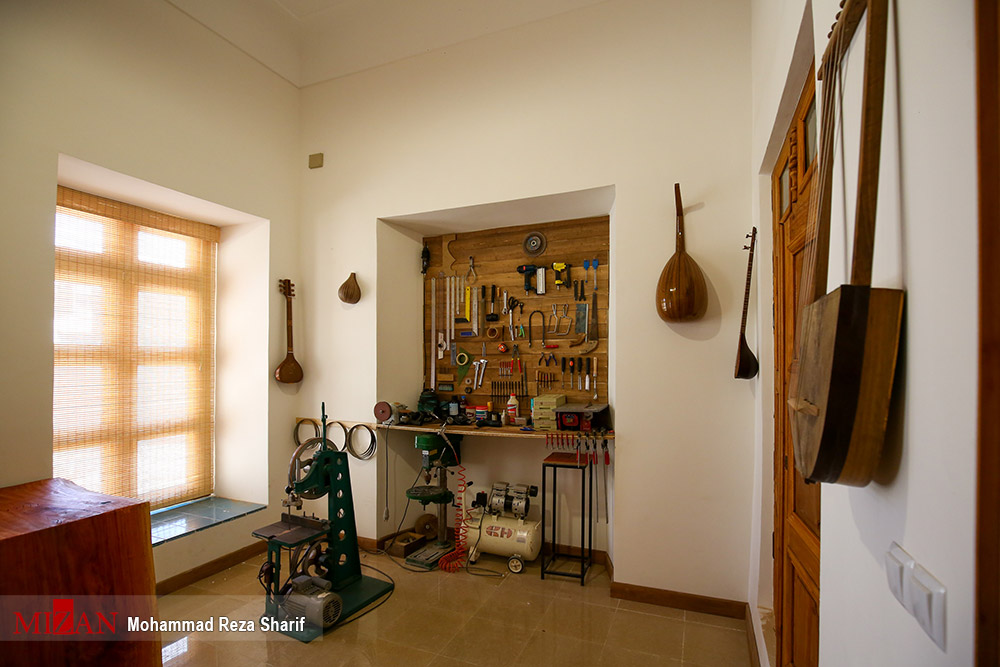
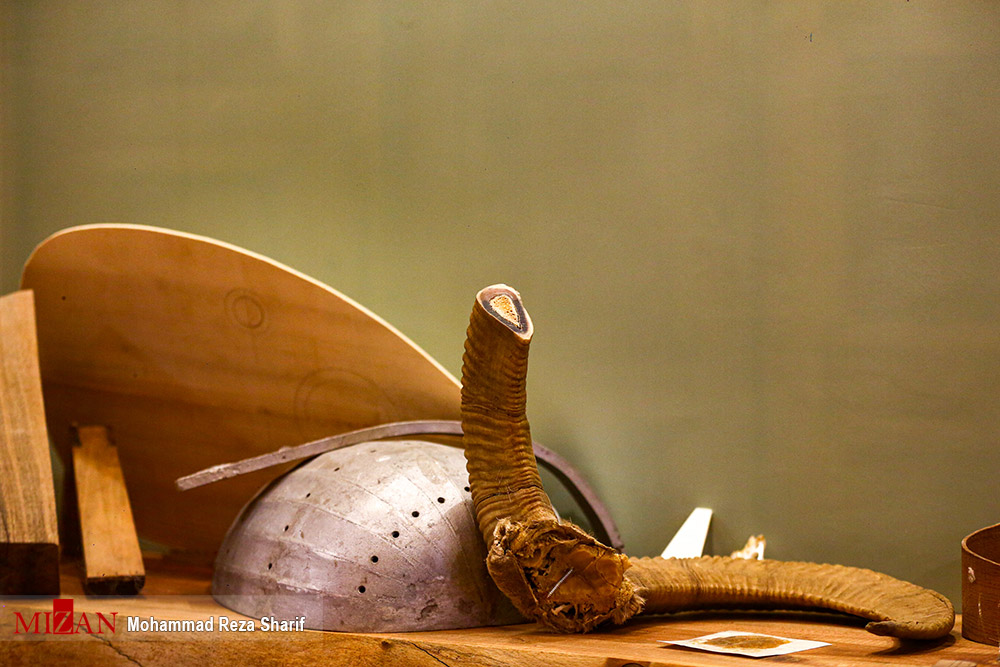
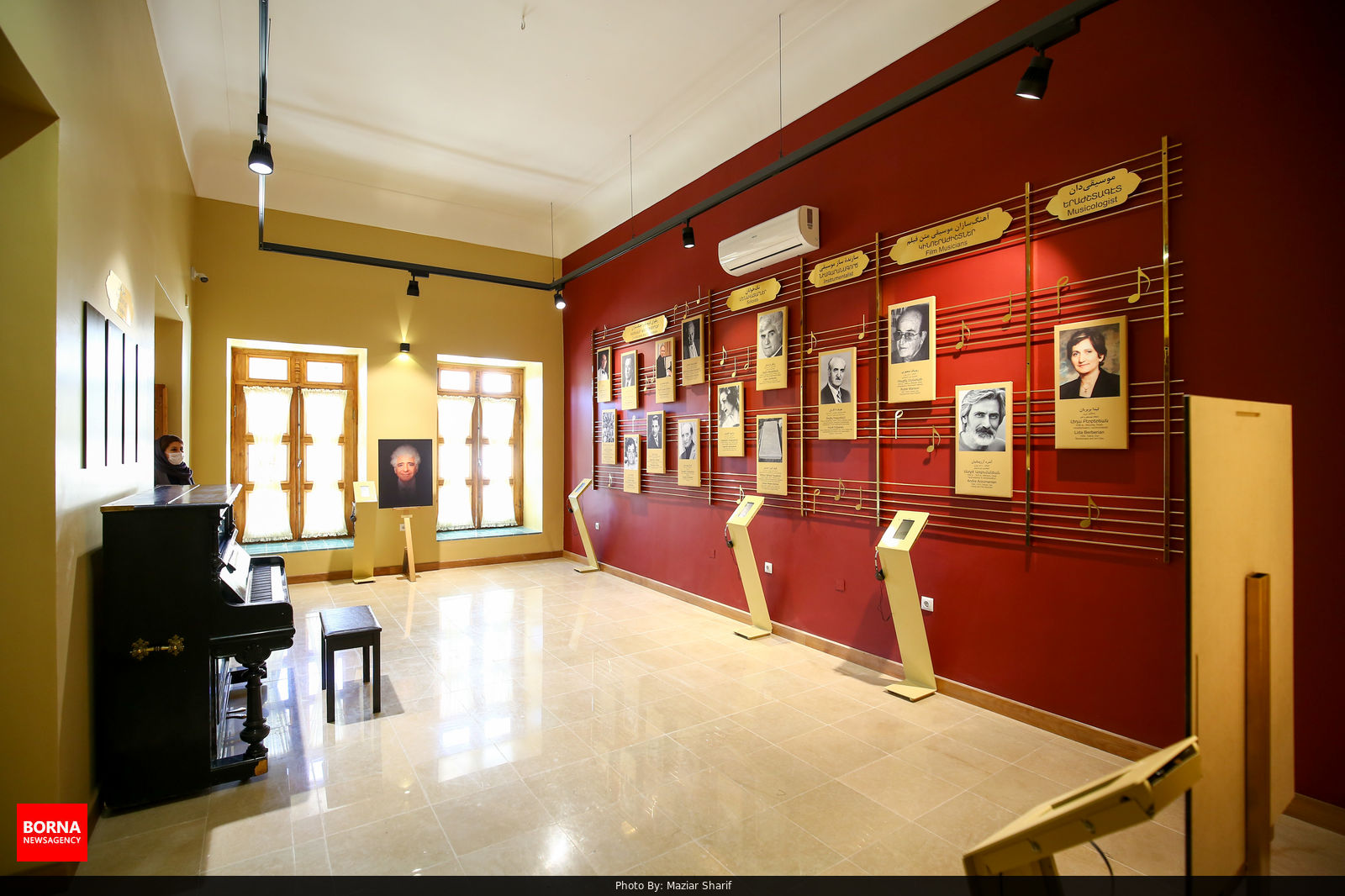
The second floor accommodates the performance hall, the audio library, the training room, the instrument-making workshop, and, the last but not least, the room where renowned Iranian musicians from Iran and around the world are introduced,
The museum was inaugurated on March 22, 2021.

Blast at Israeli Military Factory Possibly Intentional: Iranian Media

However, the IRGC-affiliated Fars News Agency says the claim can easily be refuted based on existing evidence.

The following are highlights of the article.
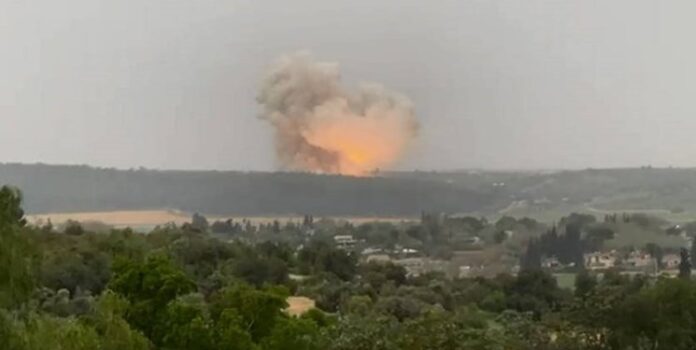
“Despite the strict news blackout imposed by Tel Aviv officials to keep the story from leaking out, finally images and videos of the blast at the Tomer military factory went viral and the Israeli daily Haaretz confirmed the explosion had occurred on Tuesday April 20, 2021.

The location of the explosion is important, too.

The Tomer company is affiliated with the Israeli Defense Ministry and is involved in cutting-edge technology focusing on the development of rocket engines running on solid fuel.

The factory produces some of the Israeli regime’s most important military hardware, including engines for Arrow air defense system missiles as well as the Shavit satellite carrier which particularly sends into orbit Israeli spy satellites.

The latest launch by the Shavit satellite carrier took place in July 2020 when it put the Ofek 16 spy satellite into orbit.

One of the key missions of the Ofek 16 satellite was to spy on countries such as Iran ans Syria.
Generally speaking, Tomer is the heart of the Israeli regime’s military industries as it develops many of the modern technologies of Tel Aviv’s war machine.

But what actually caused the explosion at this sensitive military factory?

As announced by Israeli authorities and media, the blast happened as a result of an error which occurred when a missile was being tested.
Nevertheless, the intensity of the blast seen in the images indicates it was much larger than what would have been the explosion of a satellite carrier engine.

Moreover, when testing space engines, they usually adopt high safety measures as engine parts are very sensitive and conform to space standards, so that any accident or blaze will be put out using special fire extinguishing equipment.

However, images of the recent blast which struck the heart of the Israeli military industries show a massive explosion coupled with huge flames and smoke.

Another point worth mentioning is that when we glance at Tomer’s past record, we find out the military company often conducts tests on its rocket systems outside the location where the recent incident happened. For example, tests pertaining to the Shavit satellite carrier are conducted in an Israeli airbase, or tests on the Arrow air defense system are carried out outside occupied Palestine in Alaska in the United States.

There is also a possibility that the explosion was a deliberate act due to the high sensitivity of the facility on the one hand, and domestic discontent within the Israeli regime, Israel’s acts of sabotage in the regional countries and its intelligence war on the other.

Several attacks on Iranian ships in the Mediterranean Sea and the Red Sea, the assassination of top Iranian nuclear scientist Mohsen Fakhrizadeh,and two acts of sabotage conducted by infiltrators at Shahid Ahmadi Roshan uranium enrichment facility are among the most high-profile acts of sabotage where the Israeli regime is the prime suspect thanks to conclusive evidence presented by Iranian security institutions.

What is more, the eruption of extensive discontent inside the Israeli regime and Israeli Prime Minister Benjamin Netanyahu’s failure to form a coalition government, which has resulted in holding four parliamentary elections over the past two years, are clear signs of a political deadlock inside the regime, which has stoked discontent among different Israeli groups.

So one of the possible factors contributing to the explosion at the Israeli military factor is domestic Israeli groups’ attempts to drag Netanhau into a stalemate and hold the fifth Knesset (Israeli Parliament) election.

Of course, the existence of domestic discontent as a factor contributing to such events is nothing new as similar cases had surfaced in the United States before. In summer 2020, an arson attack was carried out by some discontented individuals against a helicopter of the US Navy at San Diego naval base.

The same day, Washington accused Tehran of being involved in the incident, and charge that Iran vehemently denied.

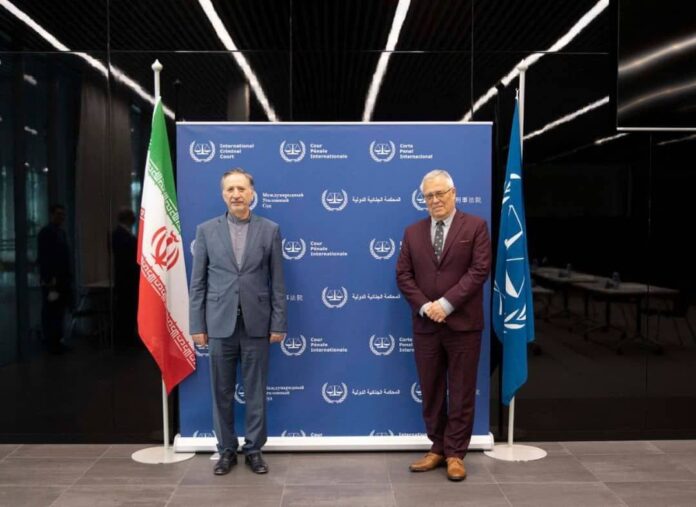
Iran, Pakistan Stress Closer Cooperation on Different Fronts

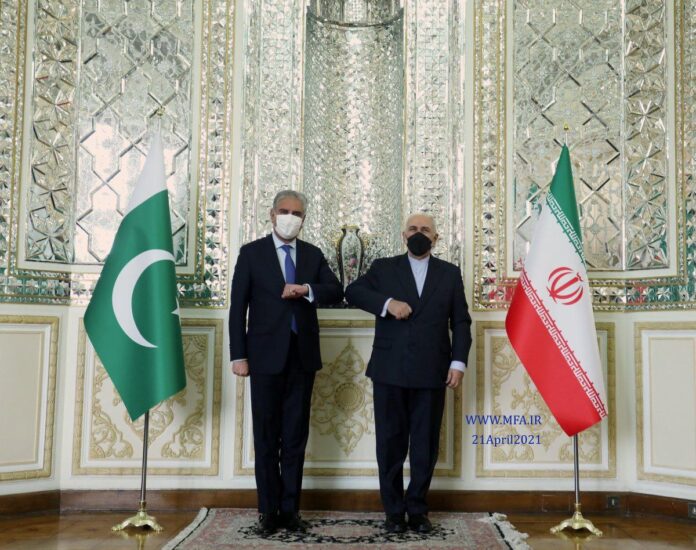
In the Wednesday meeting, the two top diplomats discussed issues of mutual interest.
While welcoming the visiting Pakistani foreign minister, Zarif noted that the anniversary of the demise of Muslim writer Muhammad Iqbal Lahori falls on Saadi Day on April 21, 2021.

“The fact that you in Pakistan honour Saadi and we in Iran commemorate Muhammad Iqbal Lahori shows deep-rooted bonds between Iranian and Pakistani nations and clearly demonstrates cultural commonalities between the two countries,” said Zarif.

He said the inauguration of the Pishin-Mand border crossing between Iran and Pakistan, which is the third border crossing between the two countries, is a sign of both sides’ determination to expand economic and trade relations.

Zarif expressed hope that a memorandum of understanding will be signed between Tehran and Islamabad on the establishment of markets along the two countries’ borders, and that ground will be broken to construct them as soon as possible.

“With the three official border crossings currently up and running and with the establishment of six border markets, cross-border trade will flourish and will impact the [living] conditions of people in the region,” said Zarif.

The top Iranian diplomat also called for the enhancement of consular cooperation and judicial assistance between the two countries.

“This cooperation will improve the conditions of Iranian and Pakistani expats living in either country and will further boost the relationship between the people of both countries,” said Zarif.

“Security and stability along Iranian and Pakistani borders are a key contributor to the betterment of the [living] conditions of those living on borders, the fight against organised crime and the prevention of illegal migration.

“Relations between the two brotherly and friendly countries of Iran and Pakistan should be designed in such a way that those relations are least affected by the United States’ cruel sanctions,” the top Iranian diplomat said.

Zarif further stressed the importance of continuing mutual consultations on different issues, including the future of Afghanistan.

The Pakistani official, in turn, said he was pleased to be visiting Iran, calling for the expansion of reciprocal ties on all fronts.

He said Tehran-Islamabad relations are based on deep-rooted historical, civilizational and democratic tenets.

He noted the two countries have common ground on many issues, namely bilateral affairs, regional developments such as the situation of Muslims and the issue of Palestine, and international issues such as multilateralism.

The top Pakistani diplomat called for the enhancement of mutual trade and economic ties, urging both sides to work together closely in fighting the coronavirus pandemic.

He also touched upon meetings, in Vienna, of the joint commission on the 2015 nuclear deal,

officially known as the Joint Comprehensive Plan of Action (JCPOA), and expressed support for those negotiations.

He embraced the promotion of consular cooperation and judicial assistance between the two  countries, saying Pakistan stands ready to forge closer cooperation with Iran on consular affairs as well as the status of the prisoners of both countries.

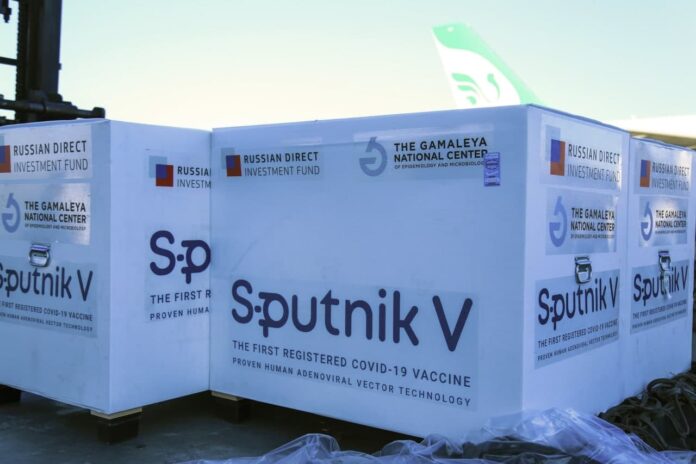
Iran to Receive 100,000 More Doses of Sputnik-V Vaccine Thursday

Based on a contract between the two countries, Iran is set to receive two million doses of the vaccine at this phase. So far 520,000 doses have been delivered in five consignments.

Iran’s Health Ministry says the country has signed another contract to receive 60 million doses of the Russian vaccine by the end of the next month.

Russia says it has received orders for the vaccine from numerous countries, but Iran is on top of the list of deliveries, and will receive further batches in coming weeks.

Iran’s Rouhani Urges Closer Security Cooperation with Pakistan

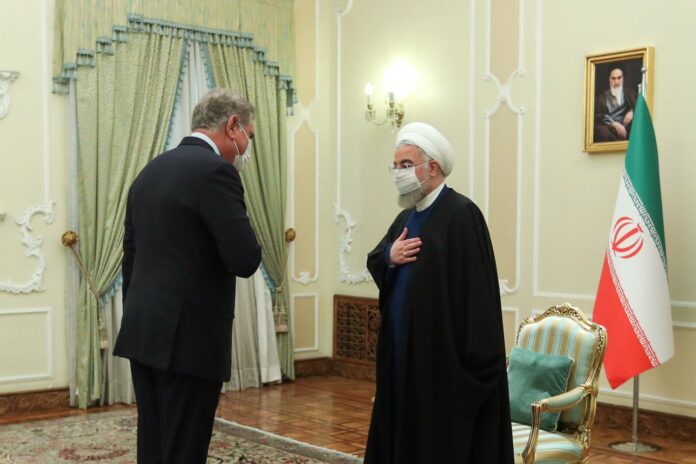
President Hassan Rouhani added Iran and Pakistan need to provide security along the common borders between the two countries.

“Security is a common concern of both countries, and it is necessary to boost cooperation in that regard,” said Rouhani in a meeting with Pakistan’s Foreign Minister Shah Mahmood Qureshi in Tehran.

The Iranian president further called for closer cooperation between two countries on all fronts, including mutual trade and economic relations, and urged the two sides to further expand and promote border markets.

Elsewhere in his remarks, Rouhani referred to the United States’ decision to pull its troops out of Afghanistan, adding the presence of American forces in the region has not helped provide security in the region.

“As the most significant and influential neighbouring countries of Afghanistan, Iran and Pakistan should play a role in handling the peace process in that country through interaction and cooperation, and the Islamic Republic of Iran welcomes collaboration with Pakistan and Afghanistan to contribute to that process,” added Rouhani.

President Rouhani also referred to the agreements already reached between the two countries in order to further expand mutual cooperation, and called for the implementation of the agreements.

He also said Iran is ready to meet Pakistan’s energy needs.
The top Pakistani diplomat, in turn, described Tehran-Islamabad relations as unique, invaluable and brotherly, calling for the enhancement of ties in all areas.

He expressed hope the two countries will open a new chapter in mutual relations, particularly in trade and economic domains.

He also expressed gratitude to Iran for supporting his country when it comes to regional and international issues.

Pakistan’s foreign minister added his country backs the 2015 Iran nuclear deal known as the Joint Comprehensive Plan of Action (JCPOA), describing the agreement as a major achievement in the domain of diplomacy on the world stage.

He said he was pleased to see that the JCPOA has been preserved thanks to Iran’s efforts, and that negotiations are being held nowadays to revive the multilateral accord.

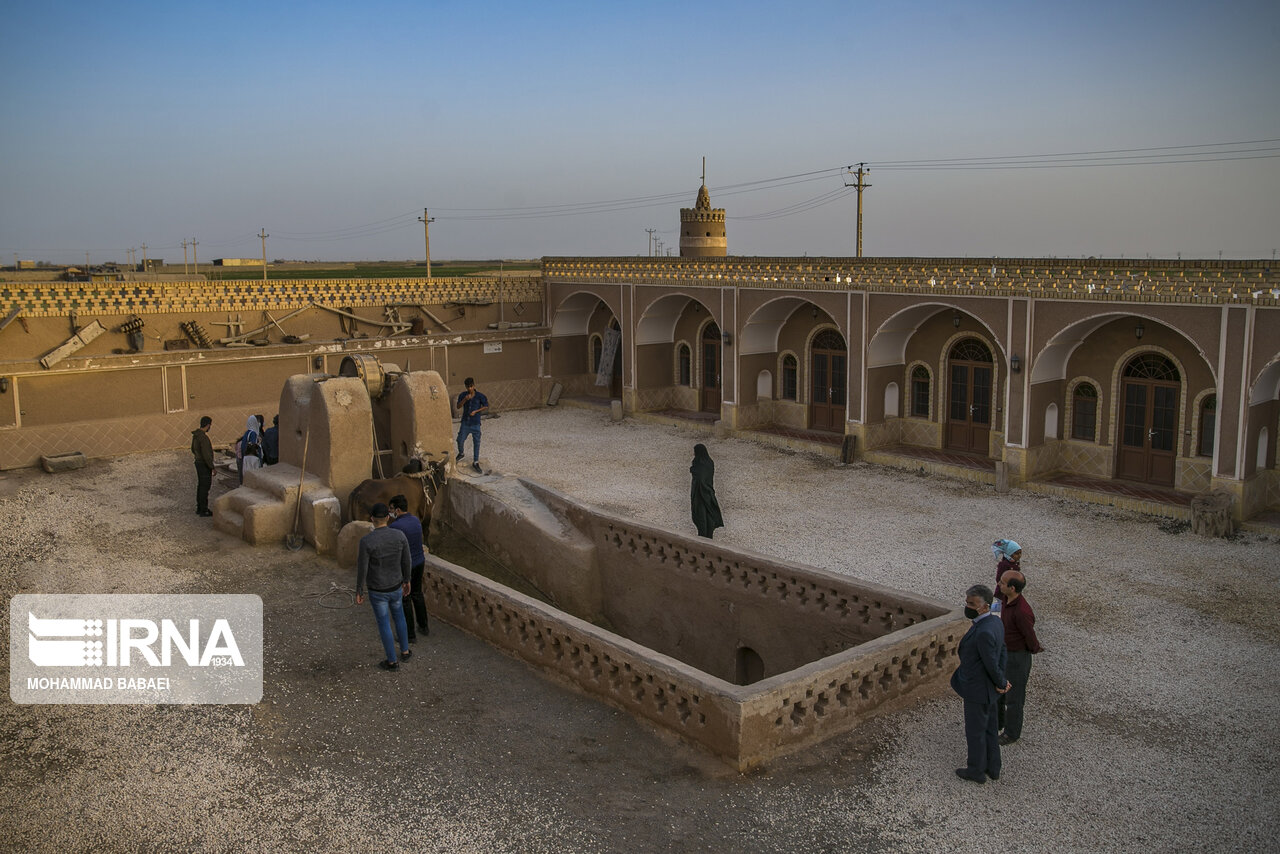
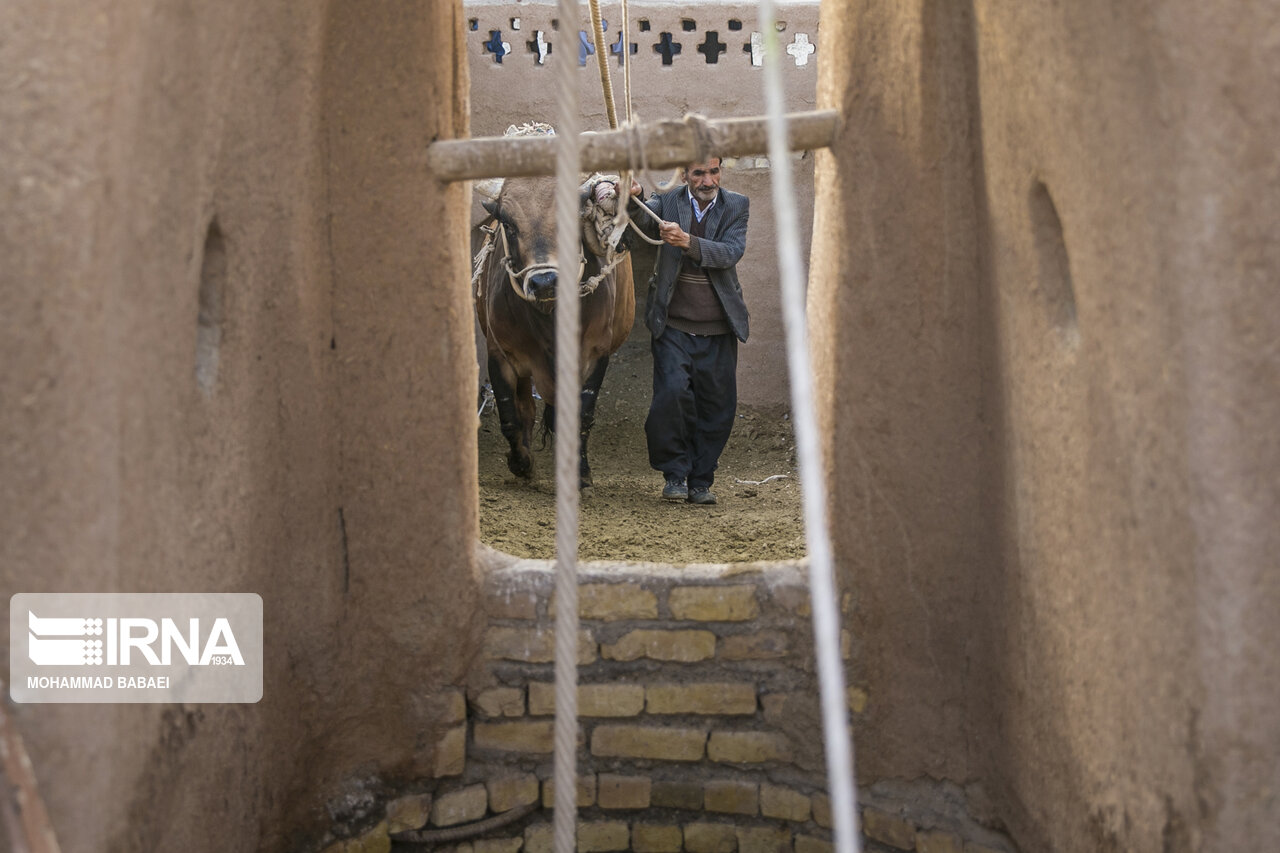
A Unique Tourist Attraction in Iran: Cow Works Only When Owner Sings!

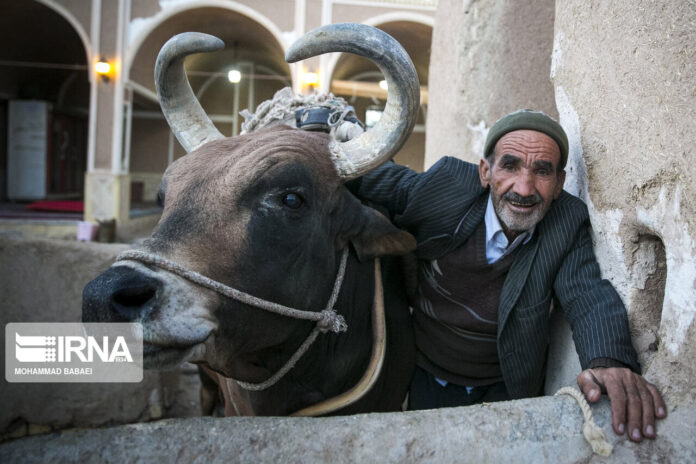
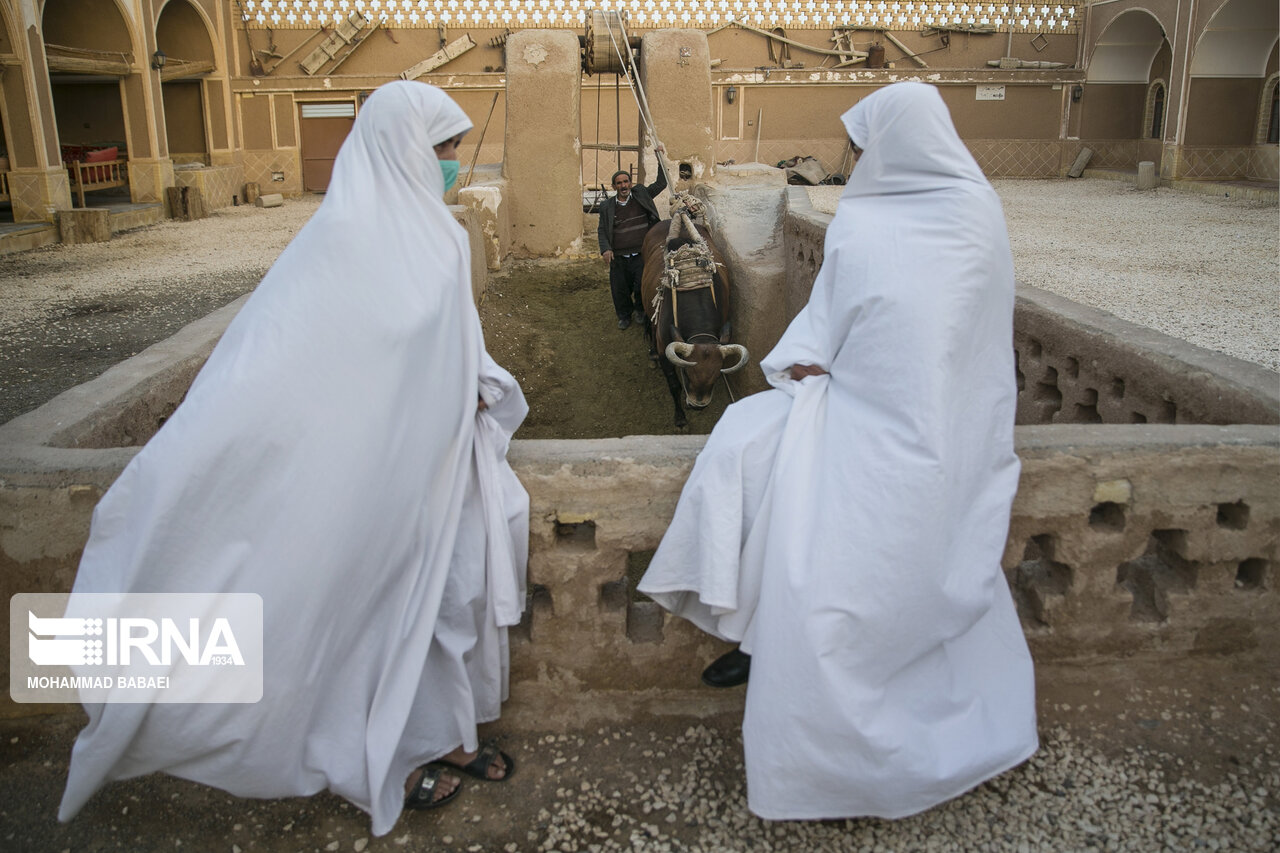
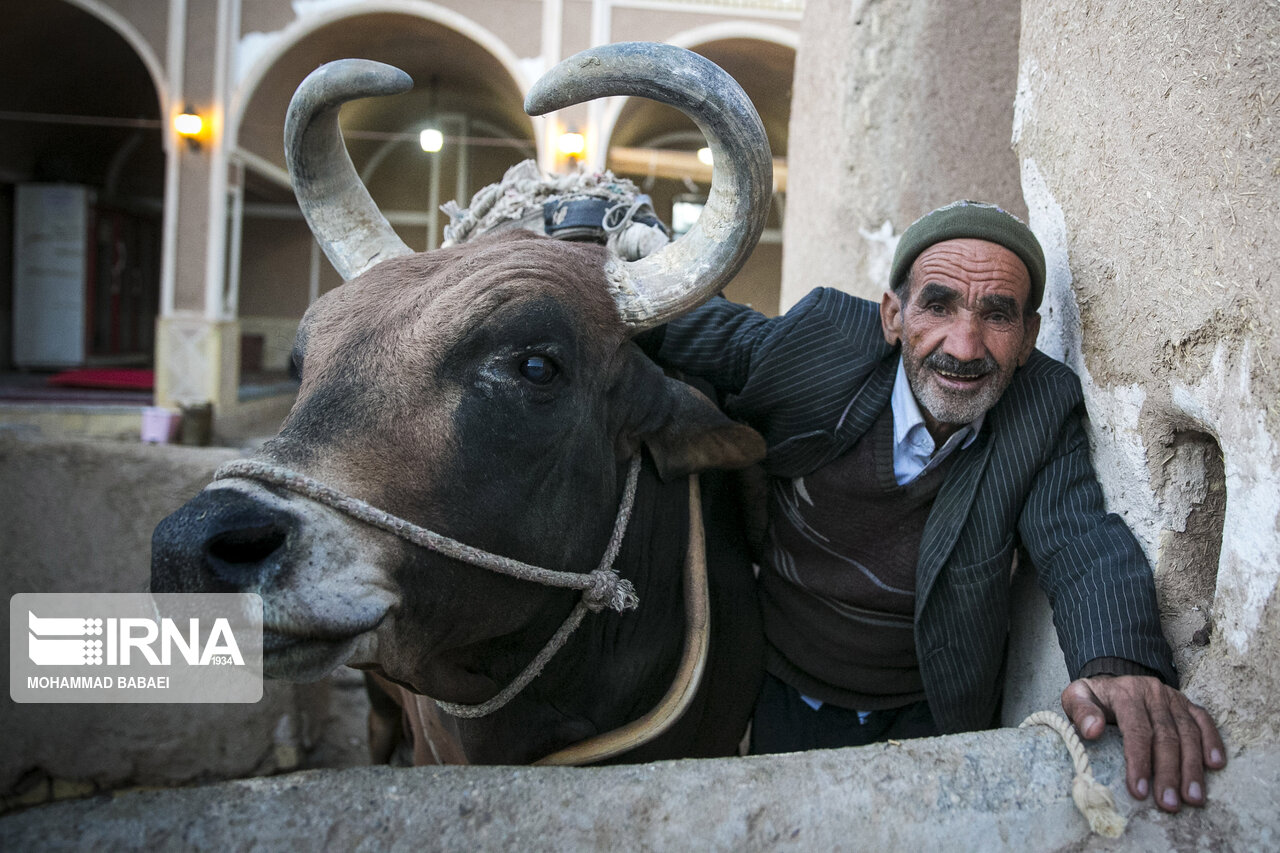
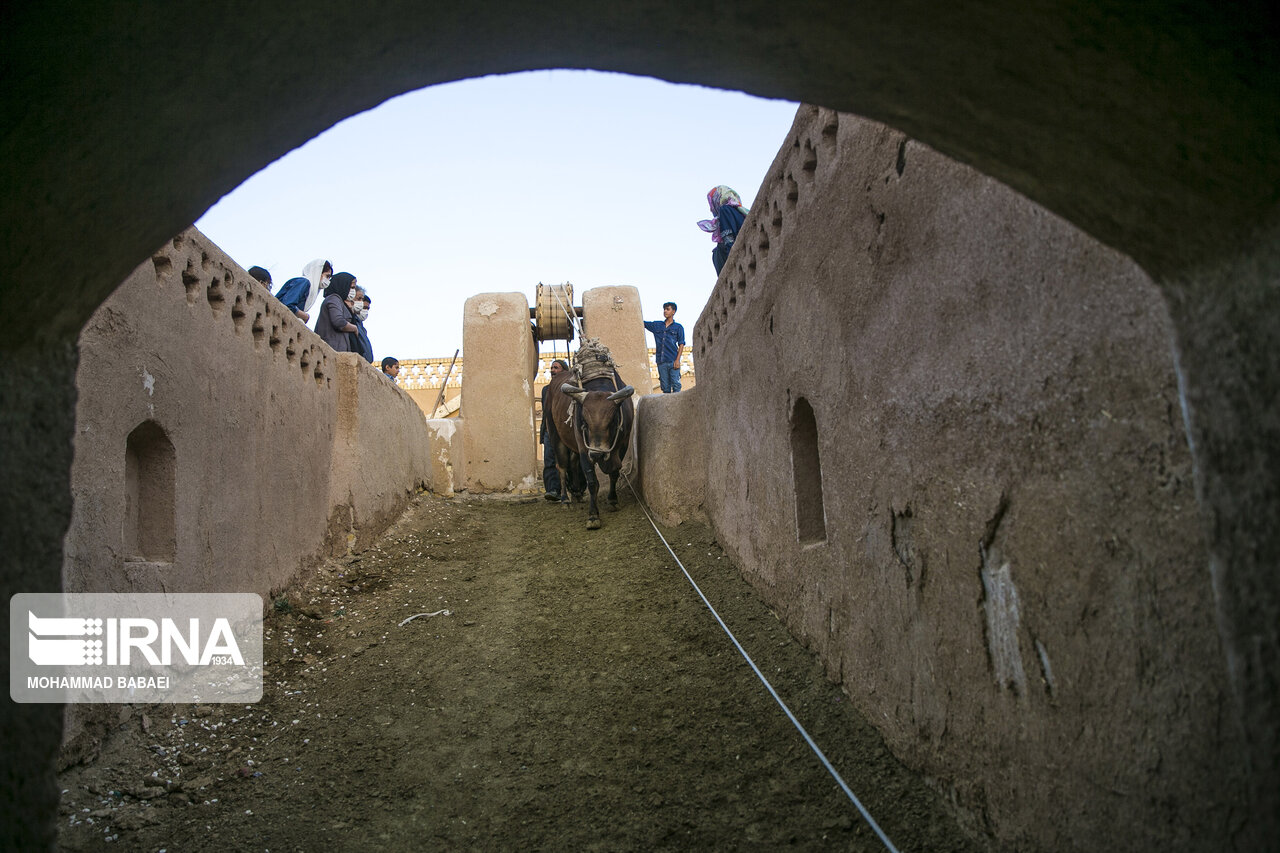
67-year-old Haaj Ebrahim, who lives in Varzaneh, bought two cows from Pakistan 15 years ago to both keep the “cow-well” tradition alive and pull up water from wells.

At the time when he began using the cows at wells, he started singing a local song. The cow gradually became attached to Haaj Ebrahim’s voice. And now after all these years, the cow moves to bring up water from the well only when it hears Haaj Ebrahim’s voice.

Haaj Ebrahim has to keep singing the song over and over again to make the cow move.

That is why this cow has won popularity in Iran and many people go to Varzaneh to see the cow.

Haaj Ebrahim and his sons have built a special structure to make it possible for visitors to see the cow and to accommodate them.

Varzaneh is a historical and tourist town located in the vicinity of Gavkhouni marshland. Women living there are known for wearing white-coloured chadors.

Iran President Rules Out Idea of ‘JCPOA Plus’

Hassan Rouhani noted Iran wants the very text of the JCPOA implemented as it is.

“We want the very text of the JCPOA [to be implemented], without a word being added to it or removed from it,” said the president.
“We want neither the ‘JCPOA Plus’ nor the ‘JCPOA Minus’,” he said.

President Rouhani reiterated that Tehran will return to full compliance with its obligations under the deal once the U-S removes all sanctions it has imposed on Iran.

“The first step is to remove sanctions. This is what the United States has to do. Of course others, namely the 4+1 group, should also help, but the main responsibility lies with the US. It is the US that created this problem, and it should remove all sanctions,” he said.

The president added Iran needs to verify the removal of sanctions first.

He said Iran will then dismantle any activity which may not be in line with the 2015 nuclear deal and fully abide by its commitments.

Elsewhere in his remarks, Rouhani touched upon the hardships that U-S sanctions have caused, especially for the country’s economy and medical sector.

He said the sanctions have hampered and delayed Tehran’s efforts to buy coronavirus vaccines.

OPCW Urged to Facilitate Access of Iranians with Chemical Injuries to Medicine

The meeting was held on the sidelines of the 25th annual Conference of the OPCW States Parties.

During their discussions, the two sides exchanged views on ways of enhancing cooperation between Iran and the OPCW.

In the meeting, the Iranian diplomat underlined the importance of the full, effective and non-discriminatory implementation of all provisions of the Chemical Weapons Convention.

He said it is incumbent upon member states to live up to their obligations under the convention regarding the exchange of chemical materials and equipment for peaceful purposes.

Baharvand further stressed the importance of removing trade barriers between member states and not imposing economic sanctions on one another.

He reiterated that Iran has been the main victim of chemical arms in the contemporary era.

“Although more than three decades have passed since the bitter experience of chemical weapons being used by the regime of [former Iraqi dictator] Saddam Hussein against Iranian military troops as well as civilians and even Iraqis themselves, still this harrowing memory cannot be forgotten as those injured in the chemical attacks are still suffering, especially at a time when they have numerous problems gaining full access to drugs and medical equipment due to unilateral and cruel sanctions,” said the Iranian official.

“Iran condemns the use of chemical weapons in any part of the world and under any circumstances, and, at the same time, respects the ideals of the Chemical Weapons Convention,” Baharvand added.

“Undoubtedly, it is not possible to have a world free from chemical arms without completely destroying chemical weapons arsenals,” he noted.

He expressed hope the United States, as the only country to officially possess chemical weapons, will make good on its commitments and destroy its chemical arms as soon as possible under the full supervision of the OPCW.

He called on the OPCW director-general to keep using his good offices to make it possible for Iranians wounded in chemical attacks to gain full access to all medicines and equipment required, and to neutralise cruel sanctions imposed in that domain.

Baharvand then called on the OPCW to maintain its technical and expertise-oriented nature , and warned certain countries against using OPCW mechanisms for political gain.

JCPOA Joint Commission Holds Another Plenary Meeting in Vienna

In this meeting, the heads of the negotiating teams of the JCPOA parties discussed the latest status of technical talks, the preliminary drafts, and the ways to continue the talks.

During the talks, Seyyed Abbas Araqchi, the head of the Iranian delegation, once again underlined Iran’s principles and stances regarding the JCPOA and the path that must be trodden, and said the current trend is progressive despite the existing challenges and difficulties.

Araqchi at the same time stressed that the Iranian delegation will stop the negotiations the moment they move towards excessive demands, wasting time and irrational bargaining.

In this meeting, the JCPOA parties agreed to form another working group in addition to the existing ones in order to make practical arrangements required for the lifting of sanctions against Tehran and then the US return to the JCPOA.

After consultations with their respective capitals, the delegations will convene next week to resume the meeting of the JCPOA Joint Commission, and also to pursue the technical and expert-level talks.