Monday, December 29, 2025
Home Blog Page 2534

JCPOA Joint Commission Holds Virtual Meeting, Agrees to Meet in Person in Vienna

Under the terms of the JCPOA, the Joint Commission is responsible for overseeing the implementation of the agreement.

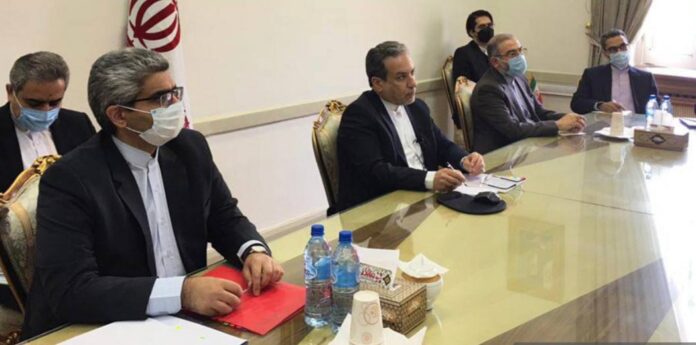
The Joint Commission was chaired, on behalf of EU High Representative Josep Borrell, by the EEAS Deputy Secretary General Enrique Mora and was attended by representatives of China, France, Germany, Russia, the United Kingdom and Iran at the level of Deputy Foreign Ministers/Political Directors.

In line with the joint ministerial statement of 21 December, participants recognised the prospect of a full return of the US to the JCPOA, and underlined their readiness to positively address this in a joint effort.

At the virtual meeting, the Iranian deputy foreign minister elaborated on Iran’s principled policies, and said the removal of US sanctions is the first step to revive the JCPOA.

“Iran will stop its remedial nuclear measures immediately after it verifies the lifting of sanctions,” he added.

He said there is no need for any negotiation for the United States’ return to the JCPOA, as it is totally clear how the US can return.

“The United States can get back to the deal and put an end to law-breaking in the same way as it left the JCPOA and imposed unlawful sanctions against Iran,” Araqchi said.

During the meeting, the JCPOA parties also highlighted the disastrous impacts of the US withdrawal from the JCPOA on Iran’s ability to reap the benefits of the deal, and stressed that time should not be wasted at this juncture.

In this meeting, the JCPOA member states emphasised their commitment to preserve the deal, and agreed to resume this session of the Joint Commission in Vienna next week, in order to continue consultations and clearly identify sanctions lifting and nuclear implementation measures, including through convening meetings of the relevant expert groups.
Iran Says Riyadh Not Safe Enough to Host ACL Play-off Match

“According to the international media reports, we have been informed that Riyadh has been attacked by rockets just in very recent days,” the Iranian Football Federation told the AFC in a letter.

Given the “war situation of Riyadh and considering the most recent missile attacks” against the city, the Iranian club Foolad Khouzestan is “very concerned and worried about the security conditions of the host city (Riyadh),” the letter said.

The Iranian Football Federation said Foolad has requested the venue determined for the playoff match to be changed and the match be held in another “safe and secure” venue.

Russian Foreign Minister to Visit Tehran on April 13: Spokesman

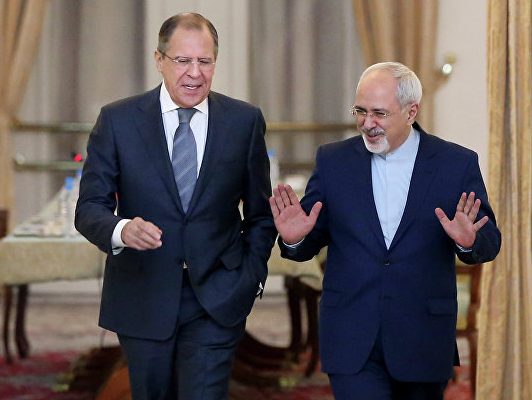
Mohammad Javad Zarif and his Russian counterpart Sergei Lavrov

According to Khatibzadeh, the visit will be made as part of political consultations between the foreign ministers of Iran and Russia and upon Iranian Foreign Minister Mohammad Javad Zarif’s invitation.

Consultations on various aspects of bilateral relations, regional issues especially the latest developments in the Caucasus, Syria, Yemen, and Afghanistan, Iran-Russia cooperation at international and regional bodies as well as important issues like the JCPOA, countering the United States’ unilateral moves and unlawful sanctions will be among the most pressing topics of negotiations between Zarif and Lavrov, the spokesman added.

Rouhani Says Rejected Trump’s Offer to Give Iran ‘Four Ventilators’

In comments on Thursday, President Rouhani described such an offer as an indication of American officials’ insufficient knowledge about the Iranian nation.

“At the beginning of the coronavirus pandemic, Trump had told one of the officials of other countries that ‘we are ready to help Iran regarding the coronavirus issue, and can give Iran four ventilators’,” Rouhani said.

“I answered, ‘we are prepared to export ventilators to America as much as they need’,” the Iranian president said.

Rouhani said such comments by US officials indicate the Americans don’t know the Iranian nation.

He also pointed to the new US administration’s failure to return to the 2015 nuclear deal with Iran, and said, “Iran’s Supreme Leader has clearly announced we would immediately return to the JCPOA if the US does so and lifts the sanctions, but what has unfolded so far indicates the new US administration is pursuing the same tack of the previous administration.”

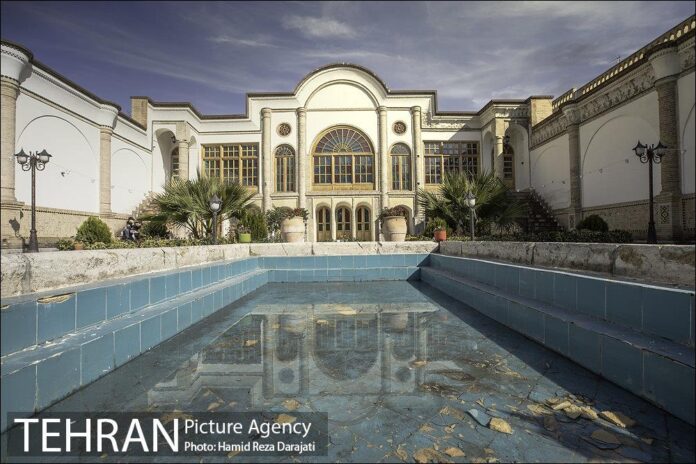
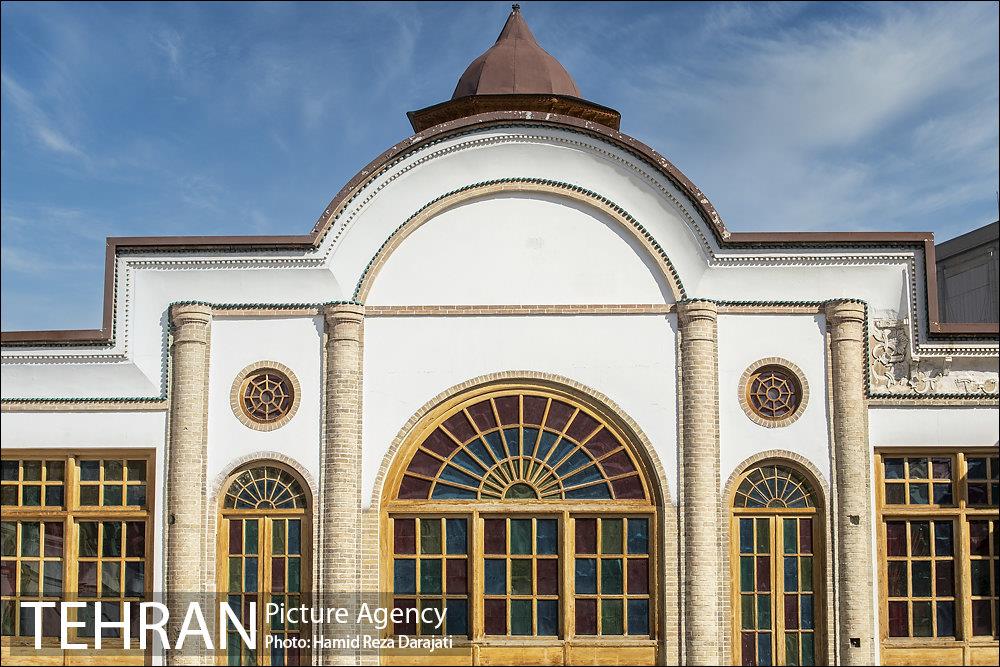
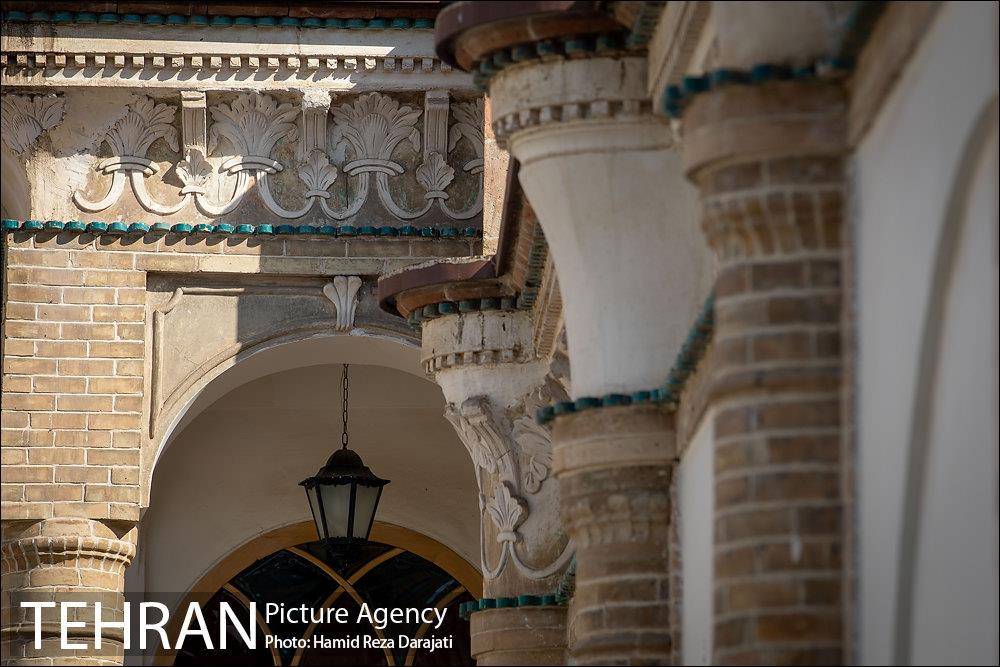
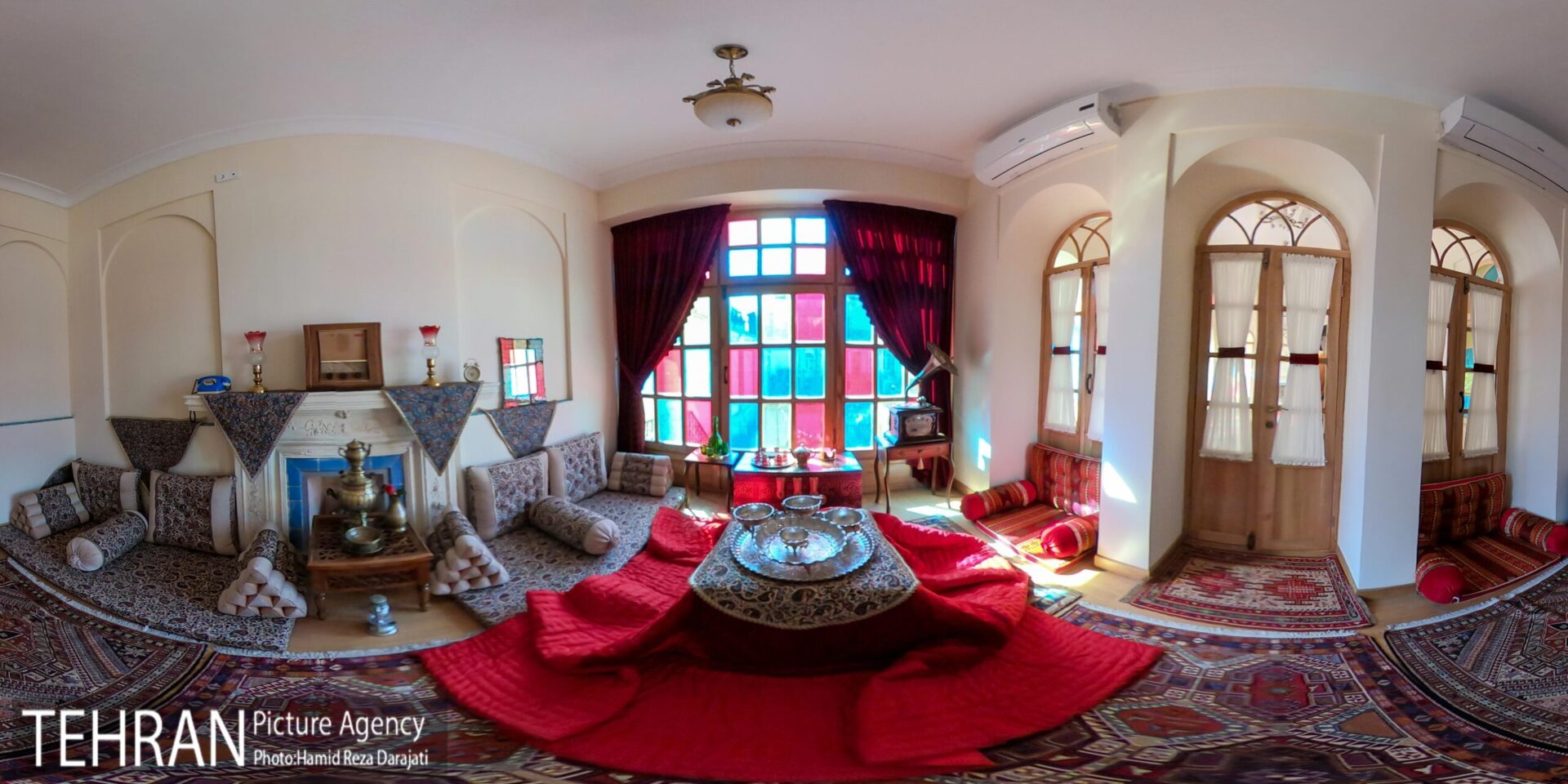
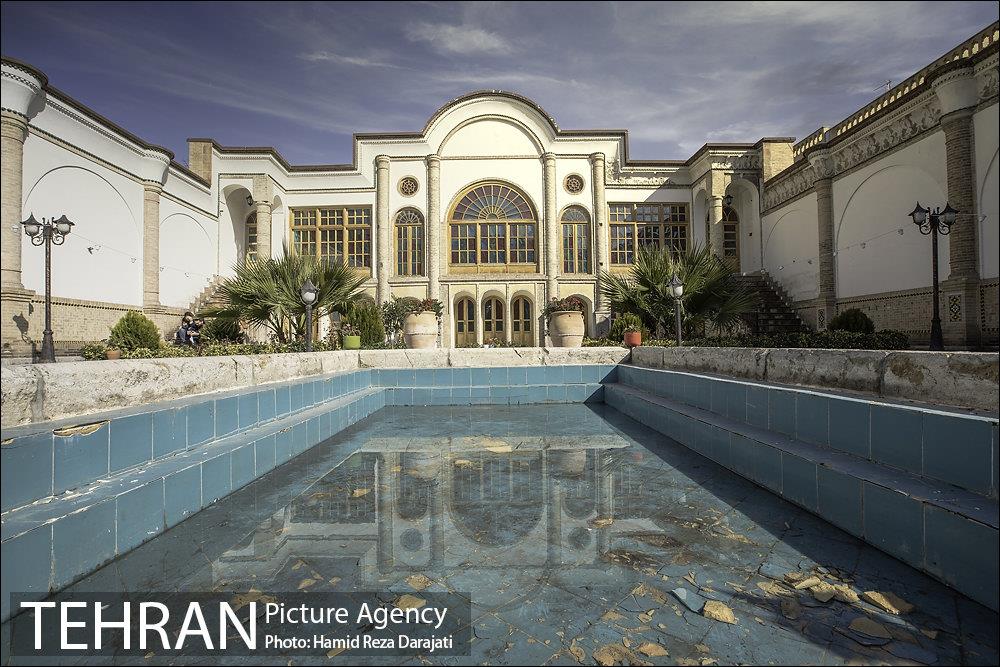
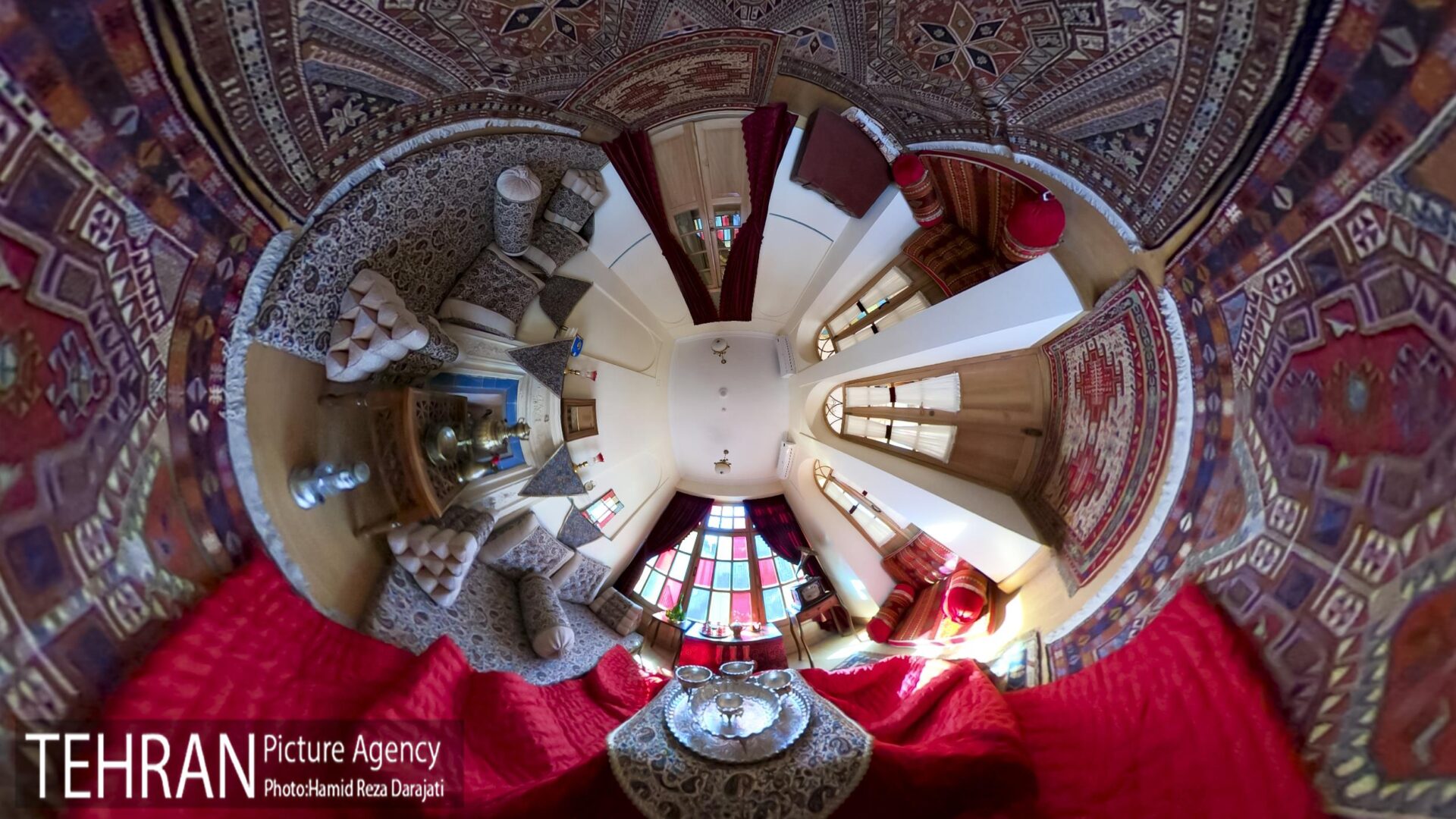
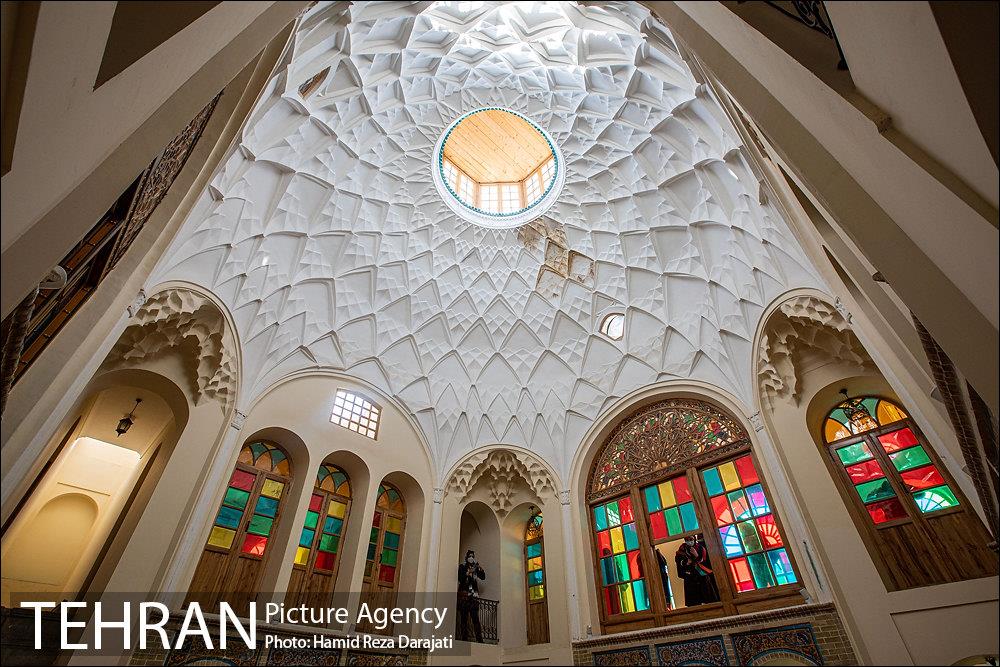
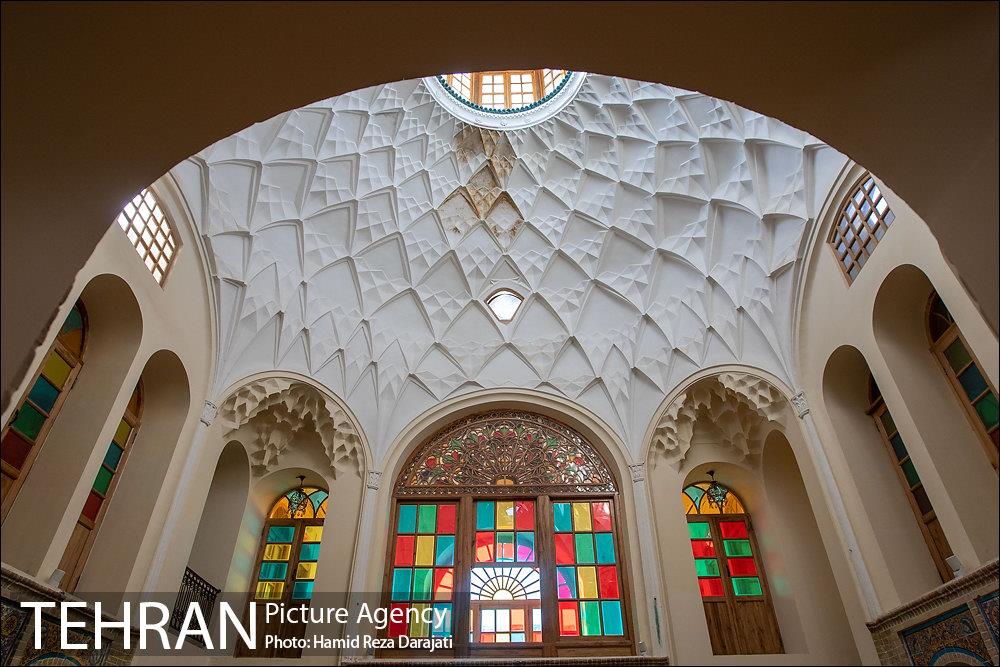
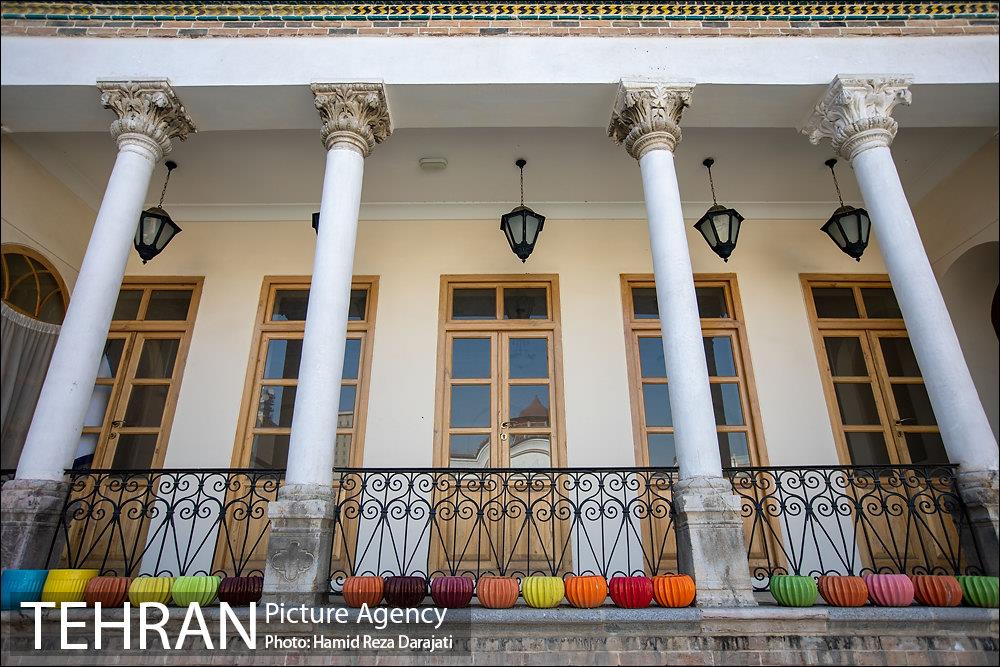
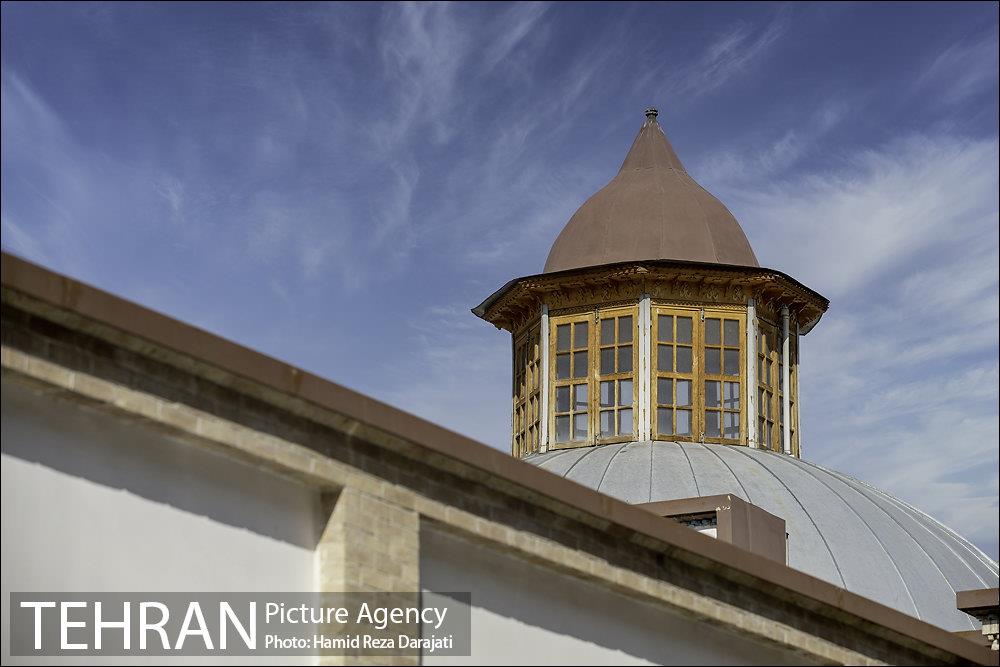
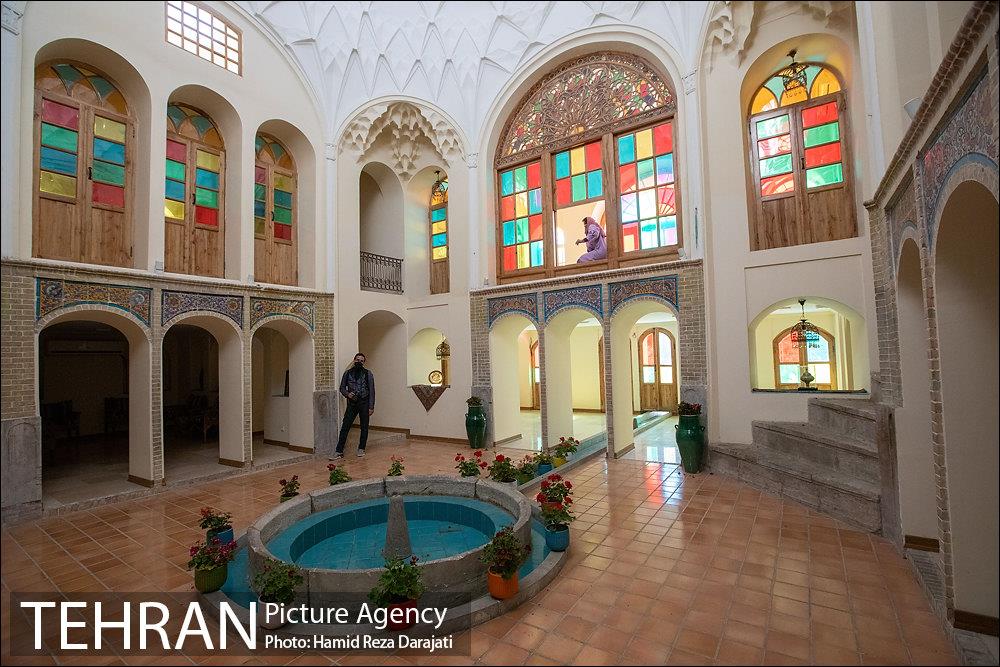
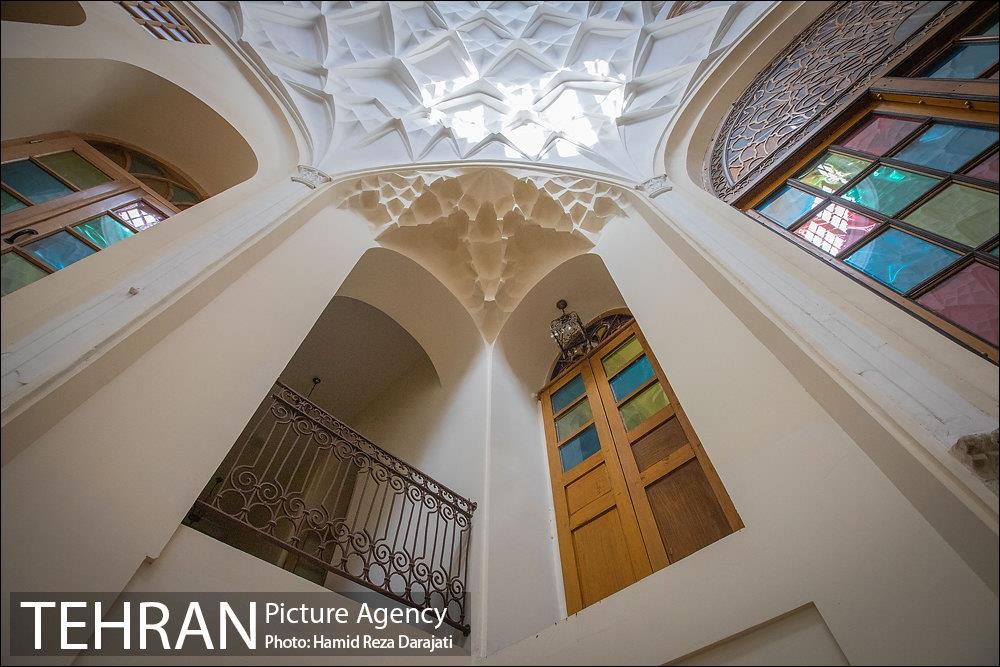
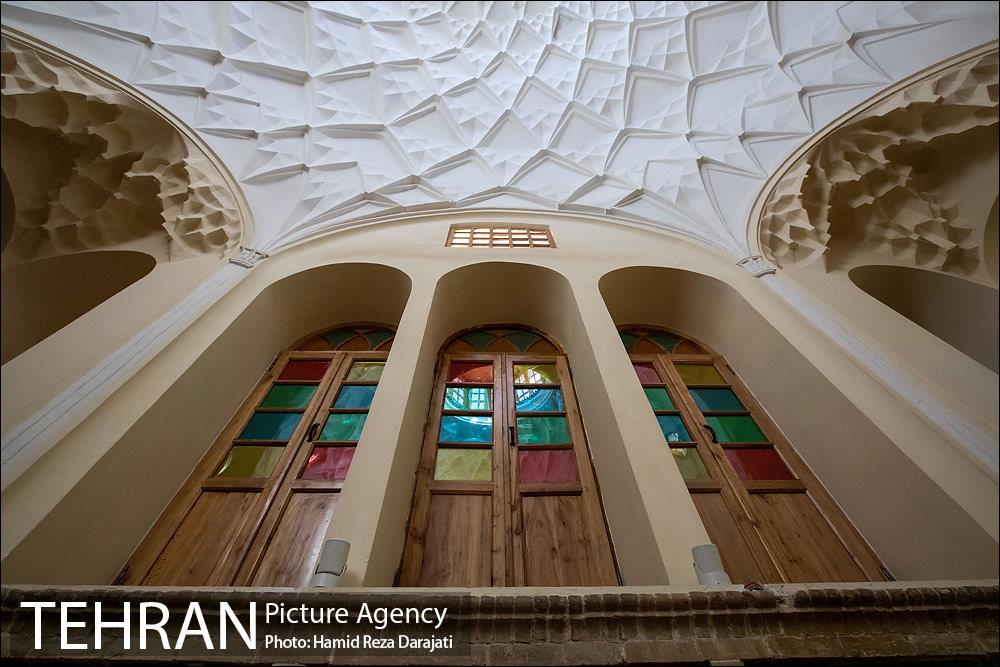
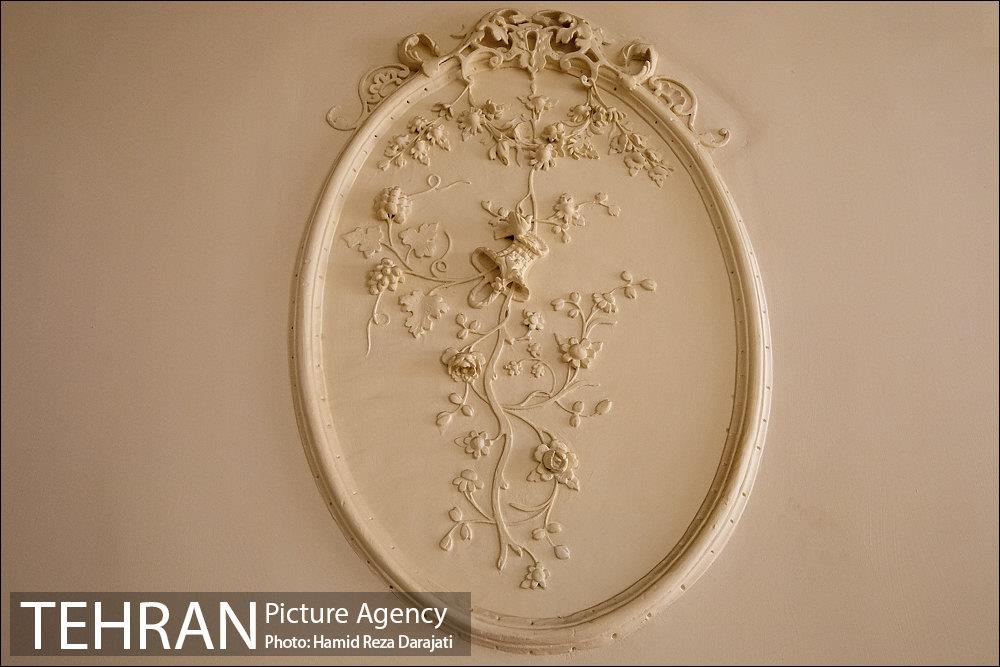
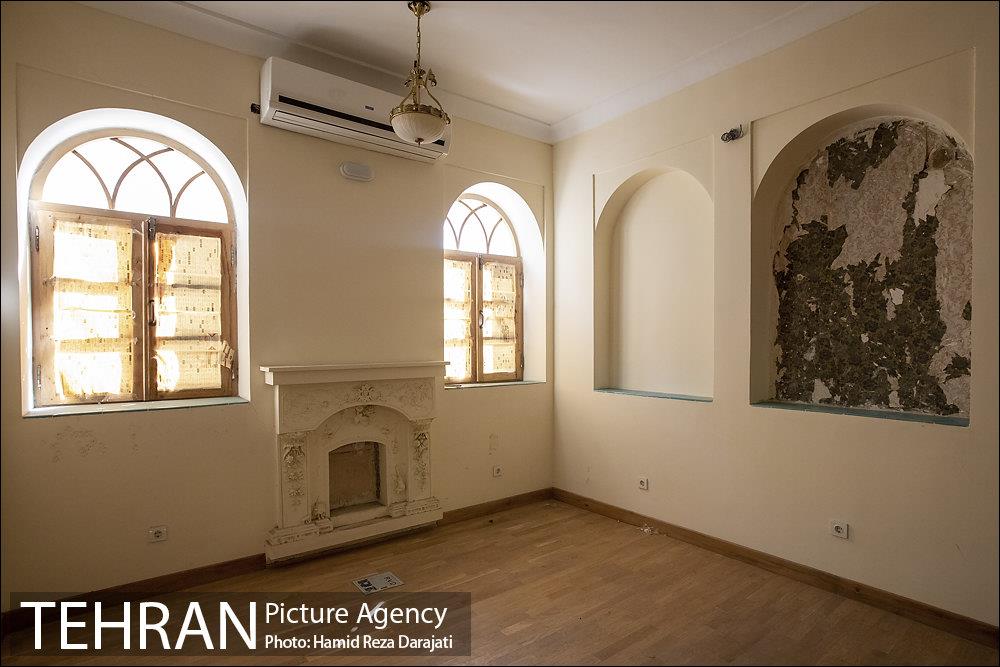
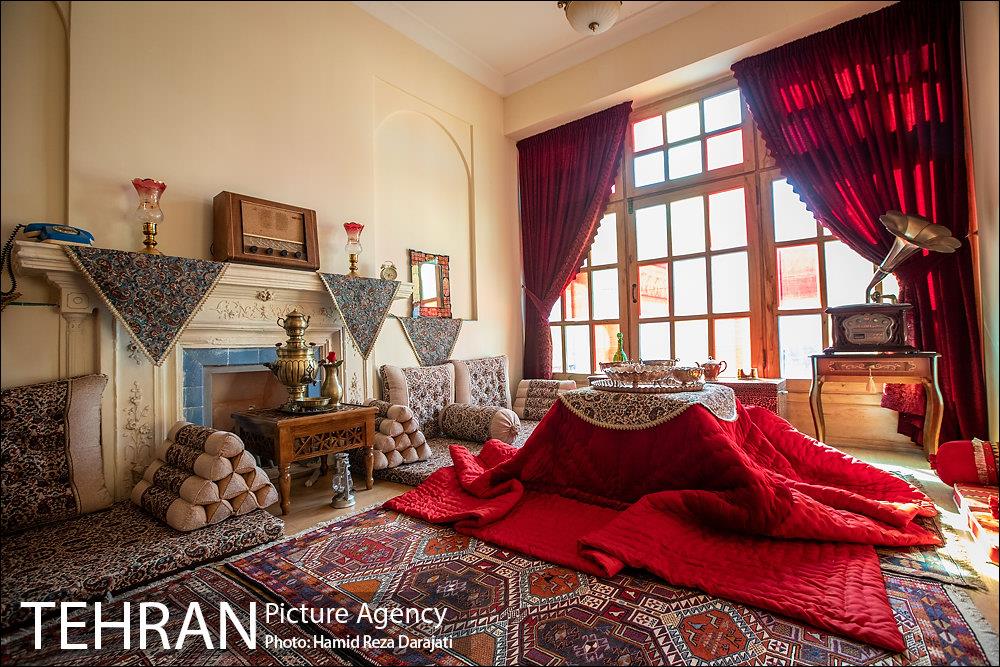
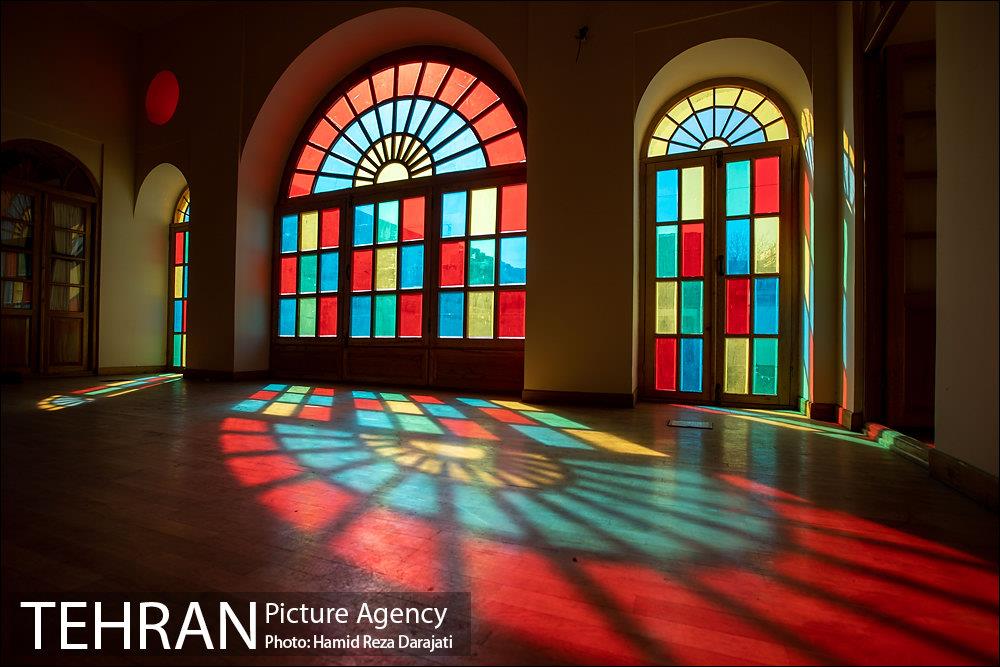
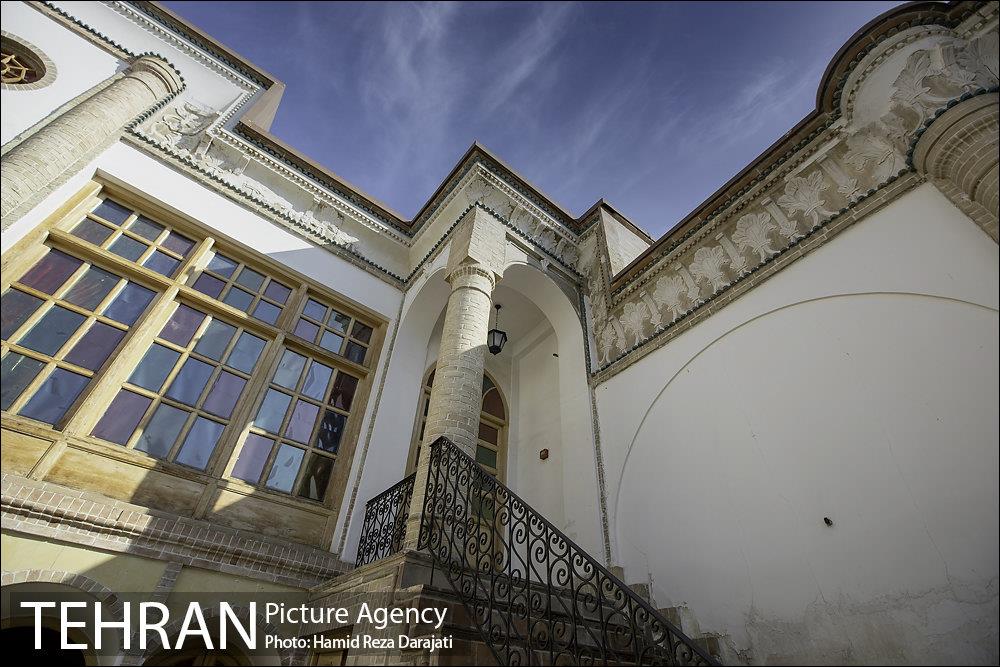
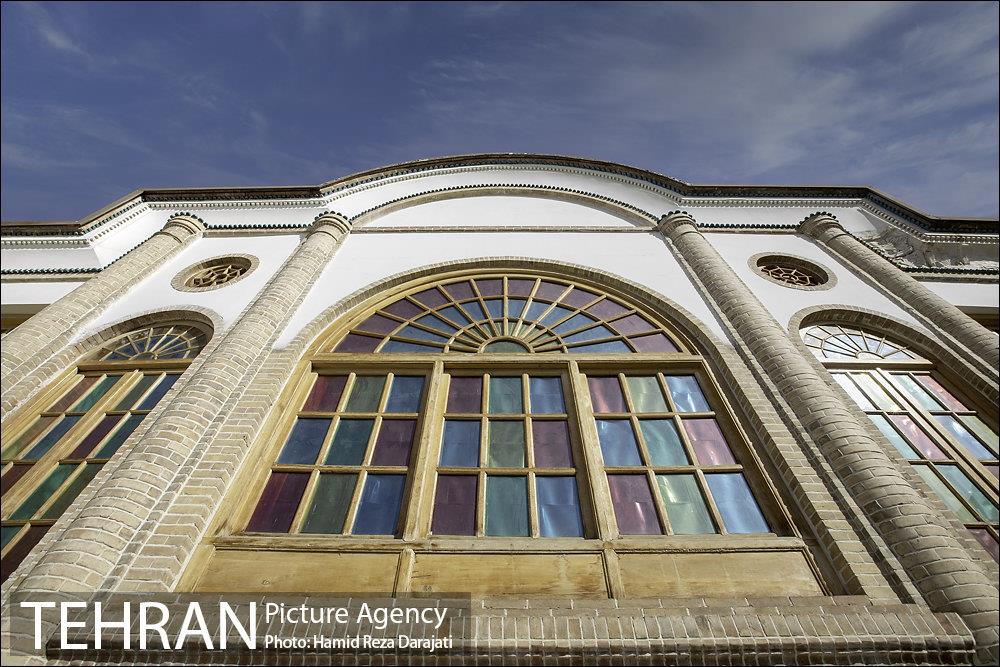
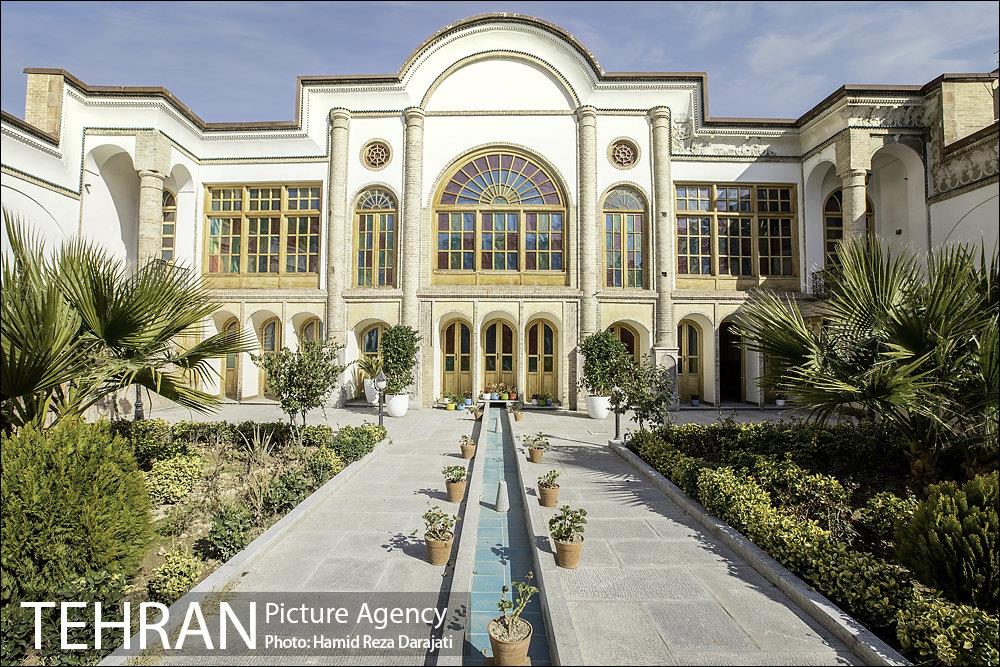
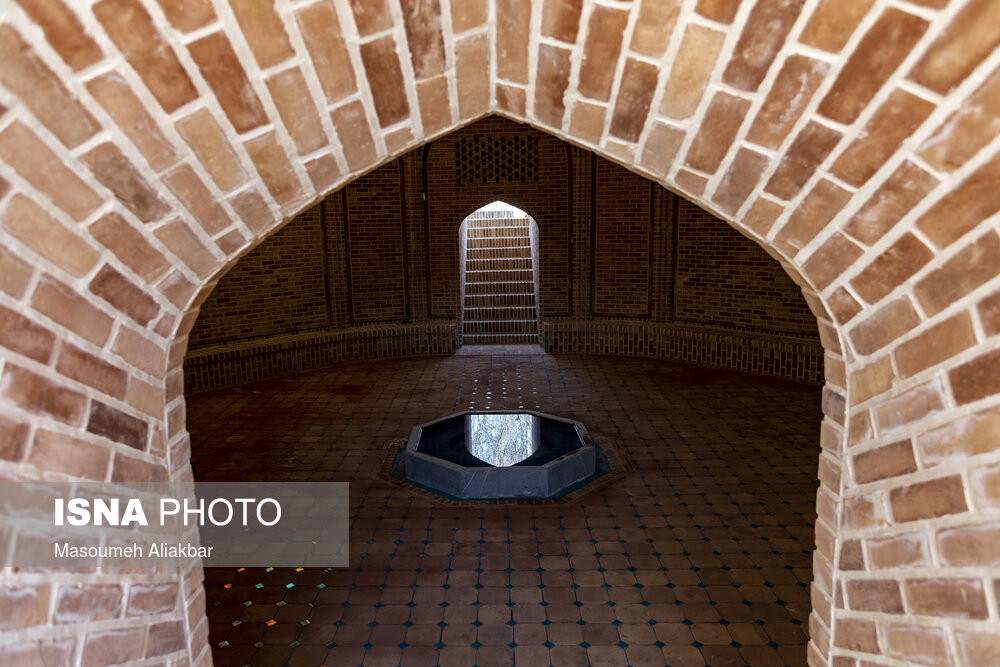
Nasser-ad-Din-Mirza House: A Masterpiece of Iranian Architecture

Located in the heart of the capital, the building enjoys the unique architecture specific to desert areas.
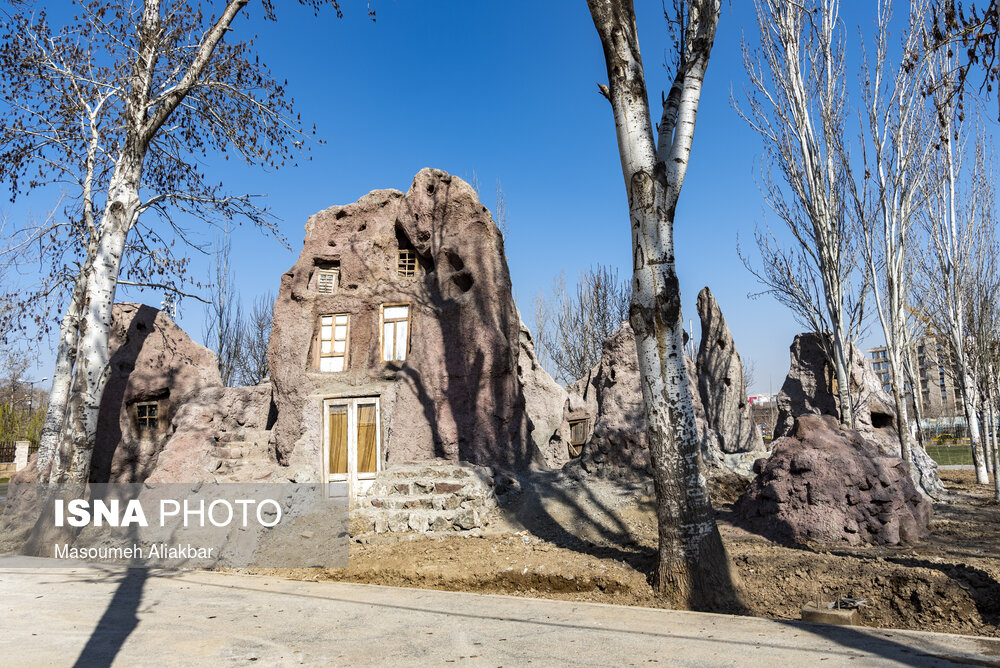
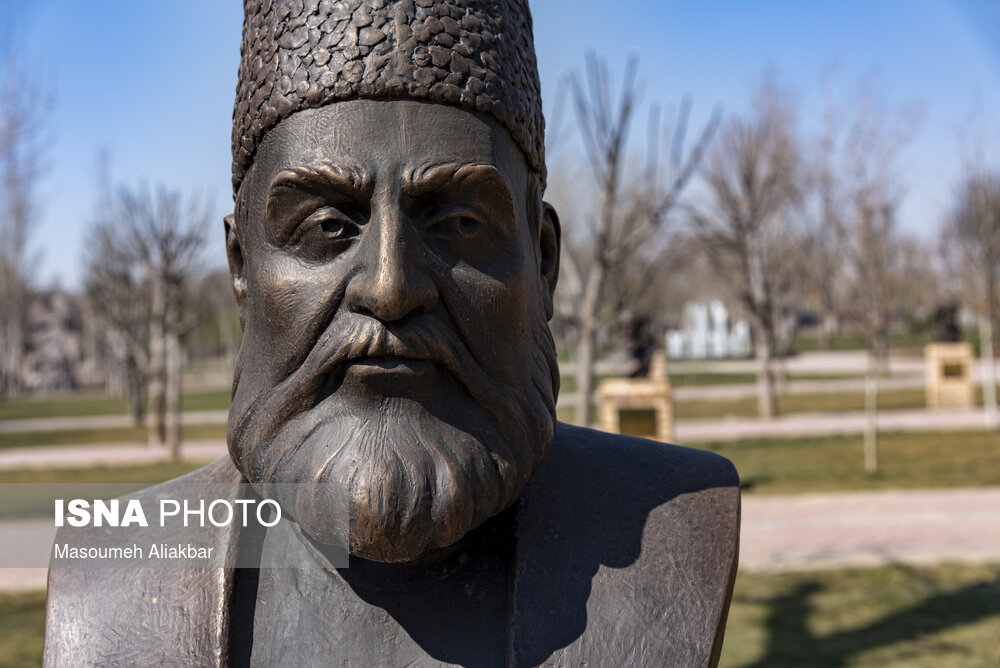
Nasser ad-Din Mirza was one of the kings of the Qajar dynasty and a son of Mozaffar ad-Din Shah Qajar, the fifth king of Qajar in Iran.
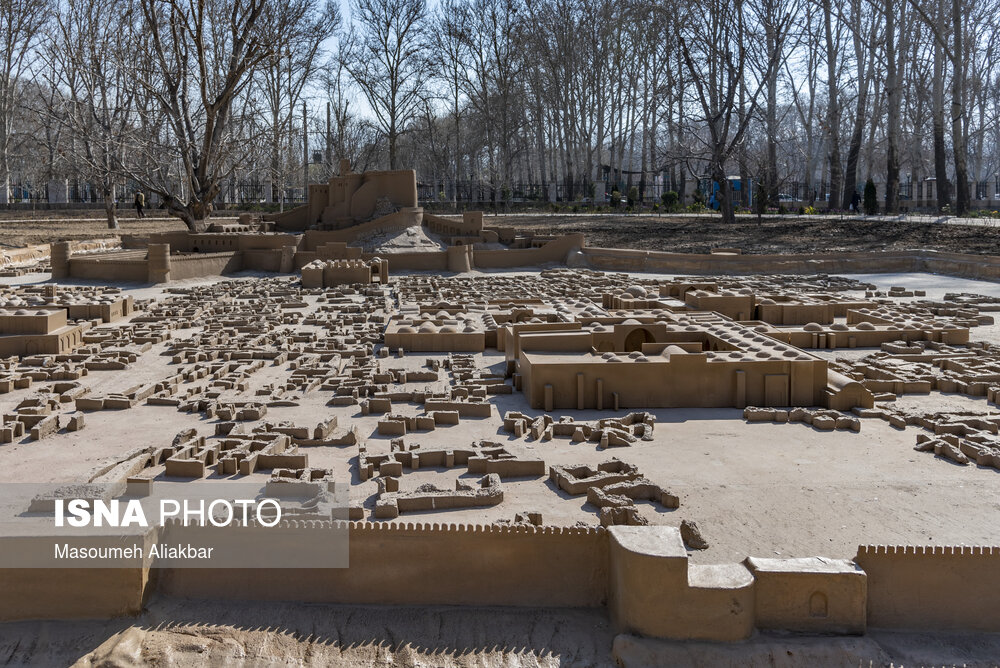
The Nasser-ad-Din-Mirza House was constructed between 1901 and 1906 in the northern part of the Royal Palace area and measured 4,500 square metres. However, only 900 square metres of the structure still stand today.

The monument is now possessed by the Iranian State Pension Fund.

Biden Continuing Trump’s Acts of Terror against Iran: Rouhani

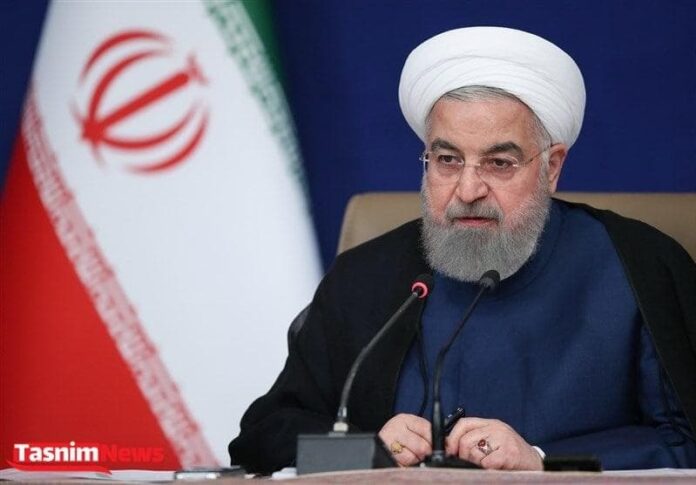
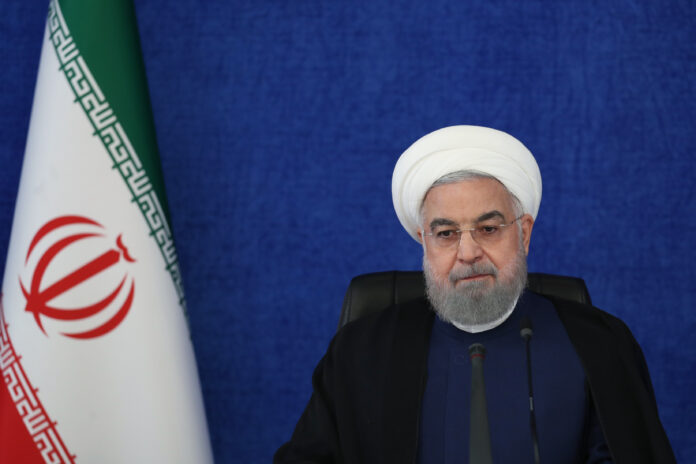
President Hassan Rouhani said on Wednesday the Biden administration is just saying, in word, that it wants to lift the sanctions without taking any practical steps to do so.

“The Trump administration was the most wicked one in the US history,” said Rouhani.

“And the new US administration is continuing Trump’s acts of terror against Iran. It is refusing to release our frozen assets, impeding our trade and even denying Iran access to coronavirus vaccines,” he stressed.

Rouhani added Washington is seeking to create the impression that it is Iran which is reluctant to cooperate when it comes to lifting the sanctions.

He said the new US administration is lying when it says it takes months for Washington to return to its commitments.

“It can be done in just one day,” he said.

President Rouhani reiterated Iran will fully live up to its obligations once the White House does so.

Iran began rolling back its commitments under the 2015 nuclear deal nearly two years ago. That took place a year after the US unilaterally withdrew from the accord and reinstated sanctions on Iran.

Intra-Afghan Talks Only Way to Achieve Lasting Peace in Afghanistan: Zarif

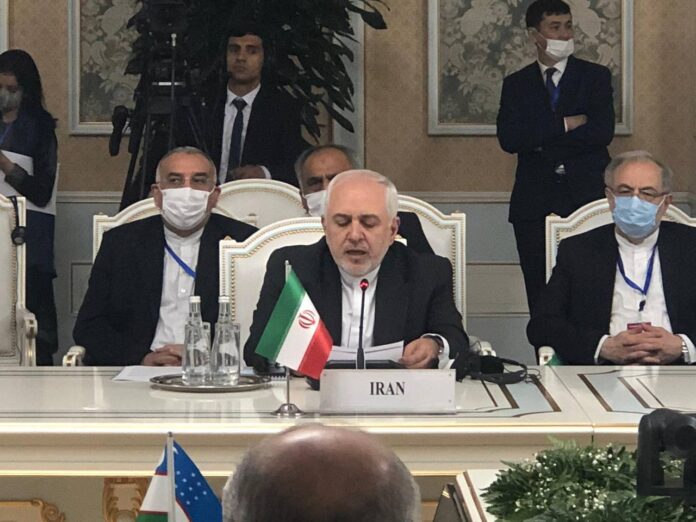
Mohmmad Javad Zarif made the remarks in a speech at the 9th ministerial meeting of Heart of Asia – Istanbul Process held in Dushanbe, Tajikistan, on Tuesday, March 30, 2021.

He said Iran is making every effort to bring about regional convergence and help bring Afghanistan into regional engagement.

He invited the UN to facilitate intra-Afghan negotiations, stressing that any peace agreement in the country should guarantee Afghan people’s right to self-determination.

Zarif touched upon Afghanistan’s railway network getting linked to that of Iran in 2020, describing the development as a major step towards the construction of a regional-international rail network.

He recalled Iran’s efforts to meet Afghanistan’s needs in its fight against COVID-19, and added Iran will press ahead with its attempts in that regard.
He invited all countries to work together in the campaign against the coronavirus.

Elsewhere in his remarks, he highlighted Afghan people’s invaluable accomplishments in getting the rule of law to take hold, especially the drawing up of the constitution.

Zarif said it is necessary that regional countries work towards facilitating intra-Afghan peace talks.
He denounced as “unconstructive” politically-motivated solutions imposed by some foreign players from beyond the region.

The top diplomat stressed that intra-Afghan talks are the only way to establish lasting stability, saying Iran will move forward with its attempts to facilitate the talks.

Iran’s Zarif, Ashraf Ghani Discuss Afghanistan Peace Process

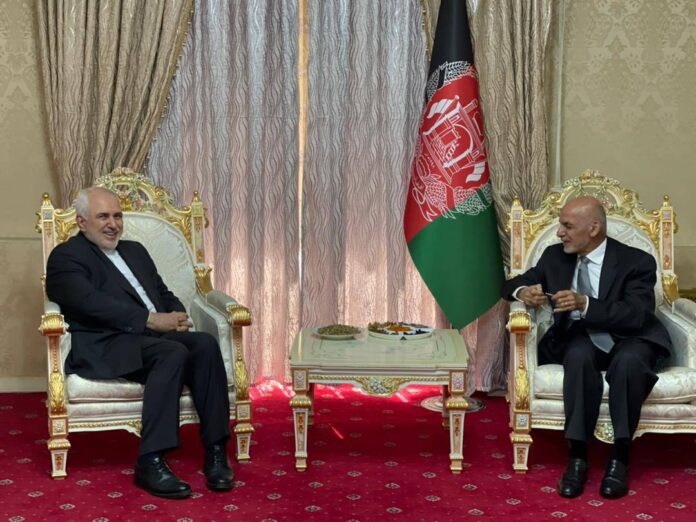
In the Tuesday meeting, the two sides discussed the peace process in Afghanistan, the regional issues as well as bilateral relations.

President Ghani appreciated Iran’s position on developments in Afghanistan, and said Kabul stands ready to enhance bilateral relations on all fronts and hold a meeting of the Iran-Afghanistan Joint Economic Cooperation Commission.

Among other topics which came up for discussion during the talks were the future of peace in Afghanistan as well as Iran’s role in helping establish peace and stability in Afghanistan.

Iranian, Tajik, Afghan FMs Discuss Trilateral Cooperation

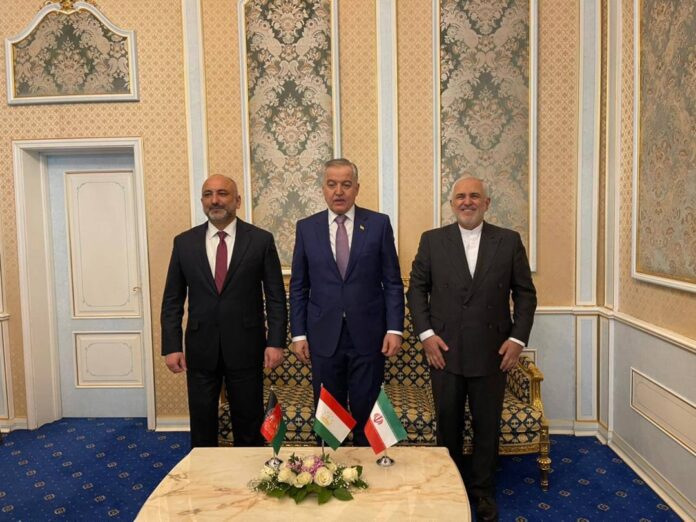
In the Tuesday meeting, Foreign Minister Mohammad Javad Zarif, his Tajik counterpart Sirojiddin Muhriddin, and Afghan top diplomat Mohammad Haneef Atmar discussed a range of issues.

Foreign Minister Zarif said Tehran attaches great significance to trilateral collaboration with Kabul and Dushanbe to establish convergence and stability in the region, and expressed Iran’s readiness to start cultural cooperation within the framework of an operational program.

The top Tajik diplomat, in turn, paid tribute to Iran’s rich culture, saying the cultural commonalities between Iran, Tajikistan and Afghanistan are a prime example of regional convergence.
The Tajik foreign minister referred to the traditional Nowruz festival, and proposed that joint cultural programs be defined to be run by the three countries.

For his part, the Afghan foreign minister said it’s valuable that the three countries share common views about regional issues, and expressed Kabul’s preparedness to pursue economic, cultural, and political collaborations between the three countries based on a single operational roadmap.

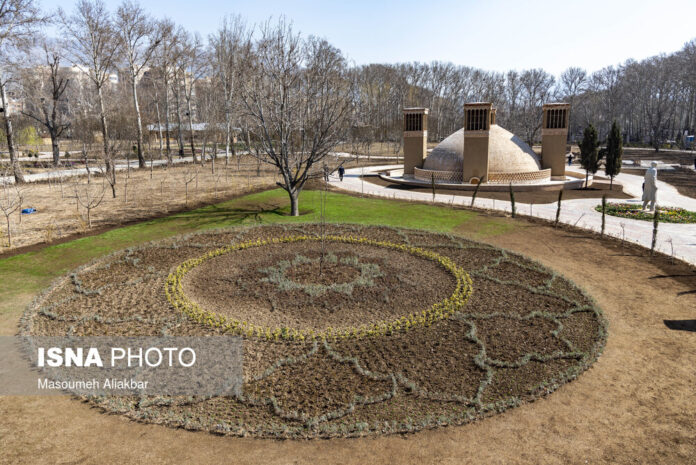
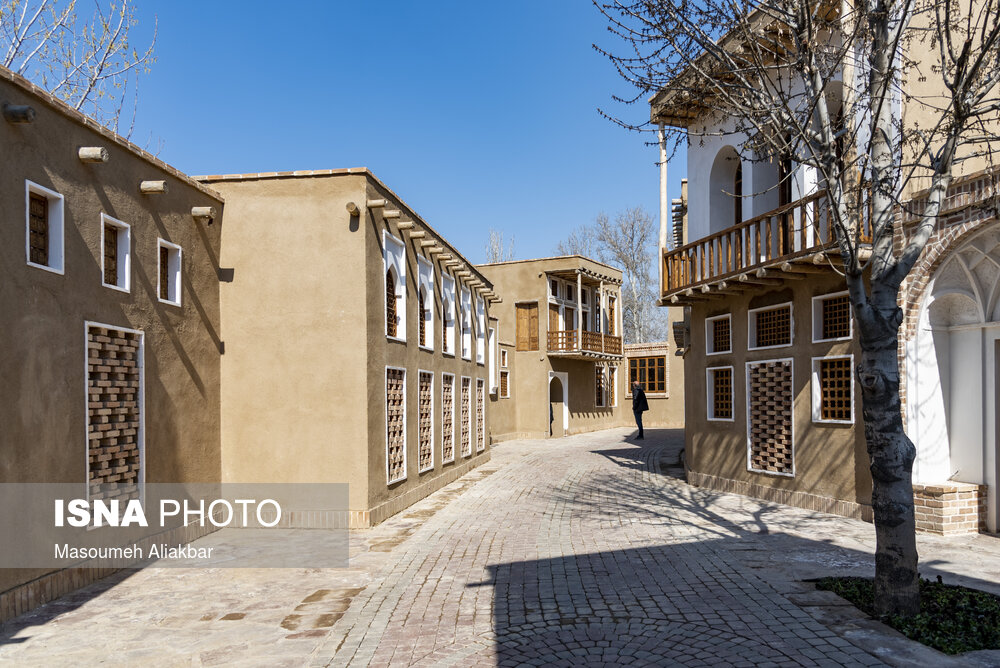
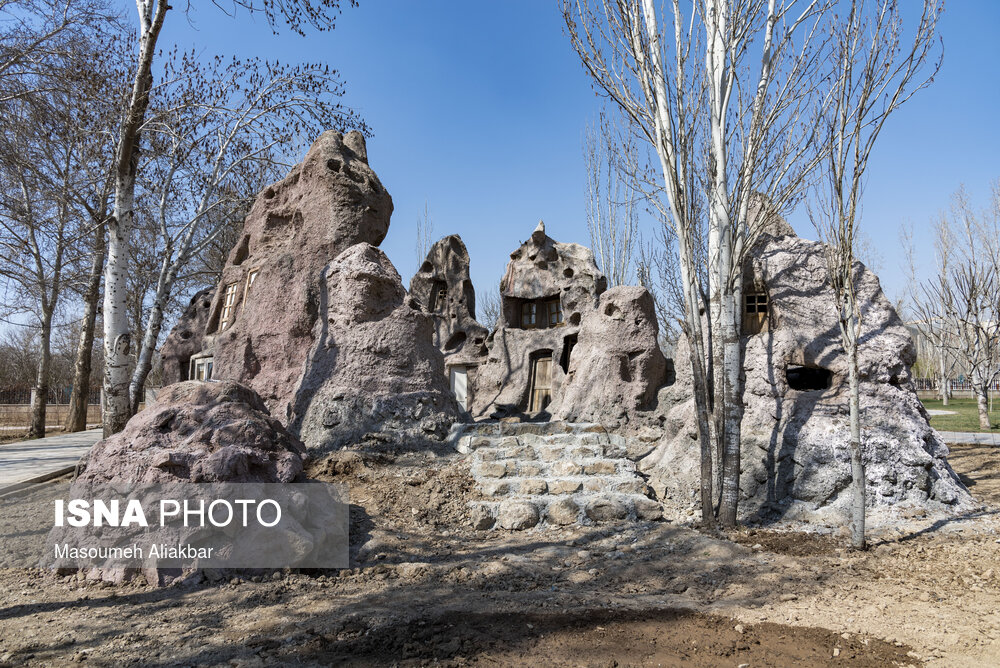
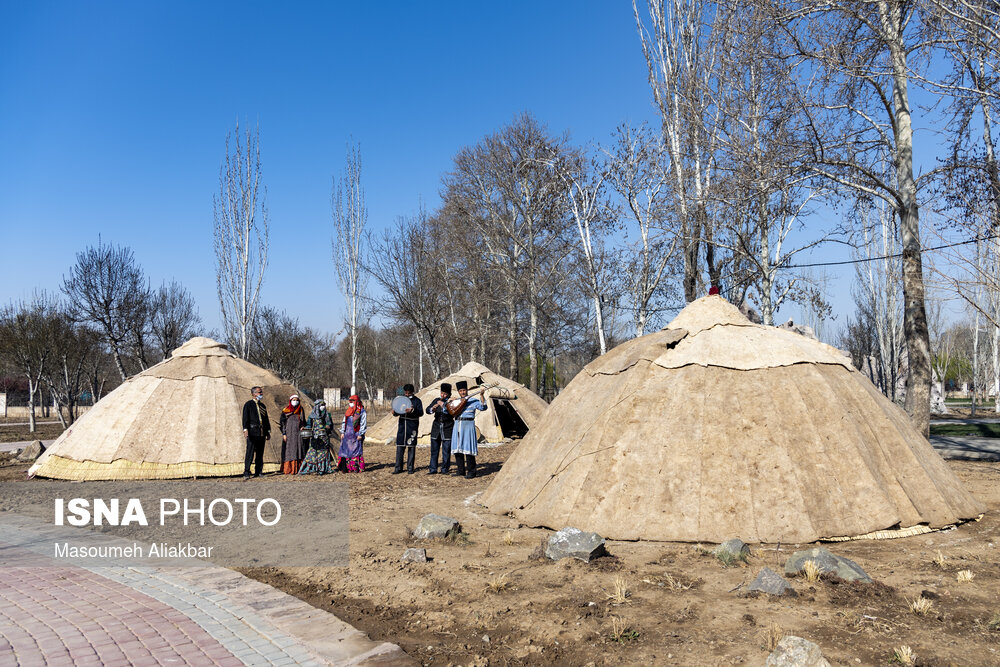
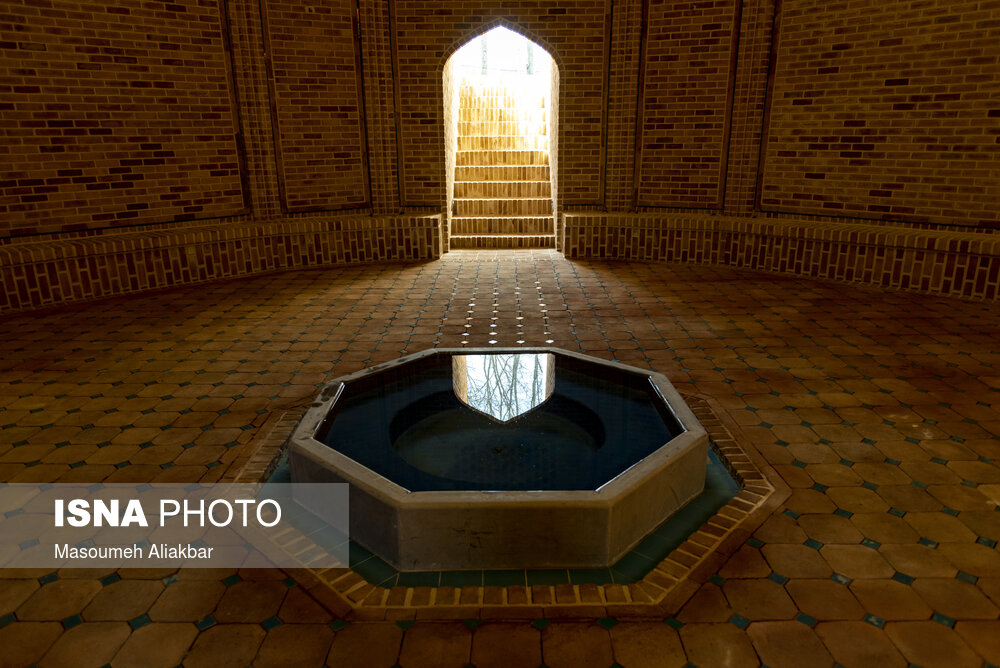
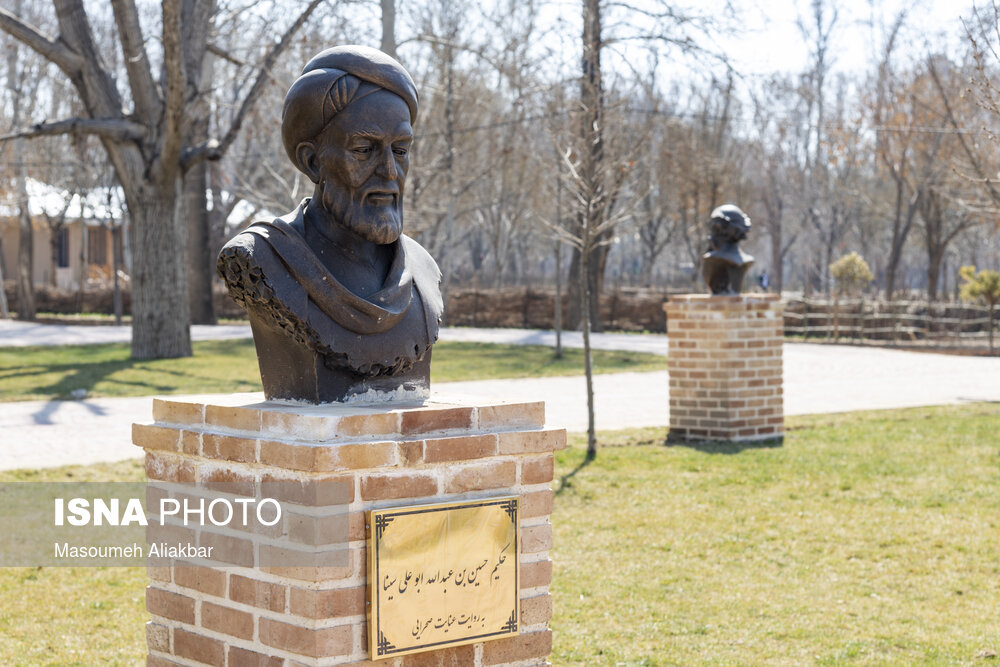
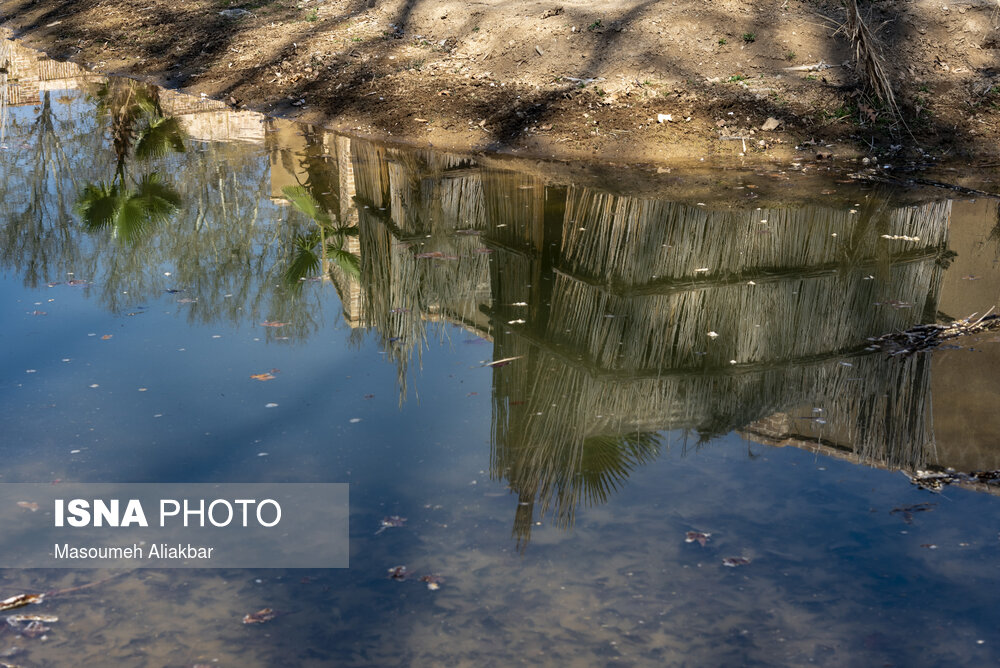
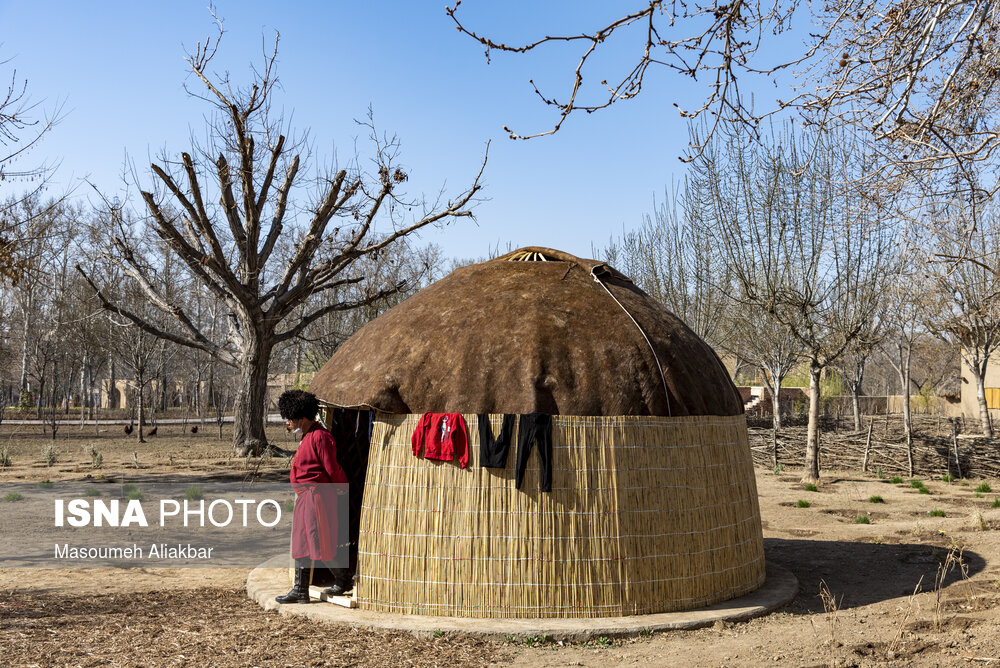
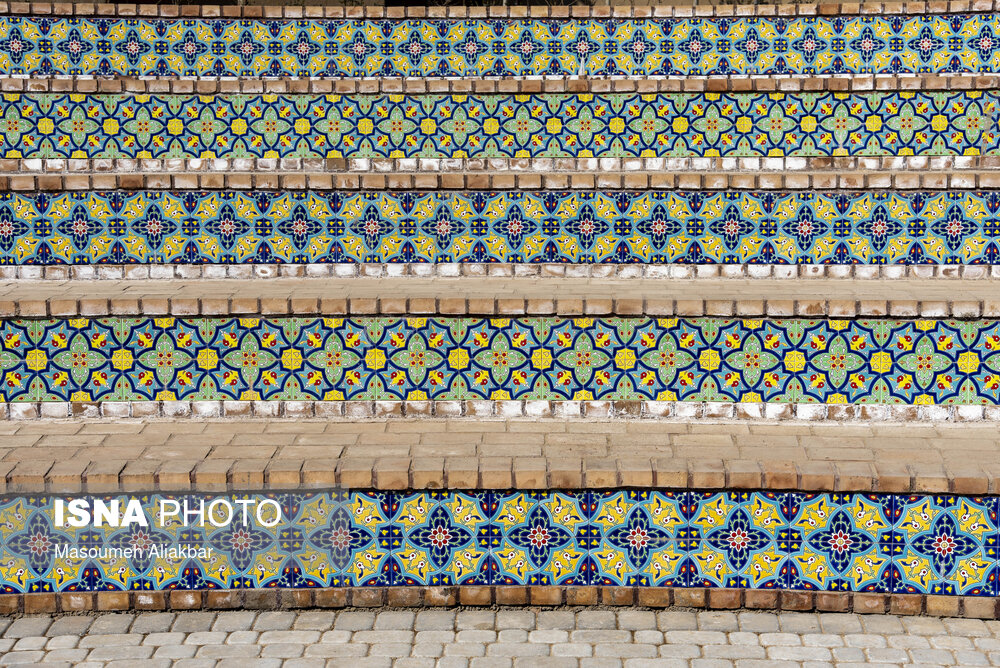
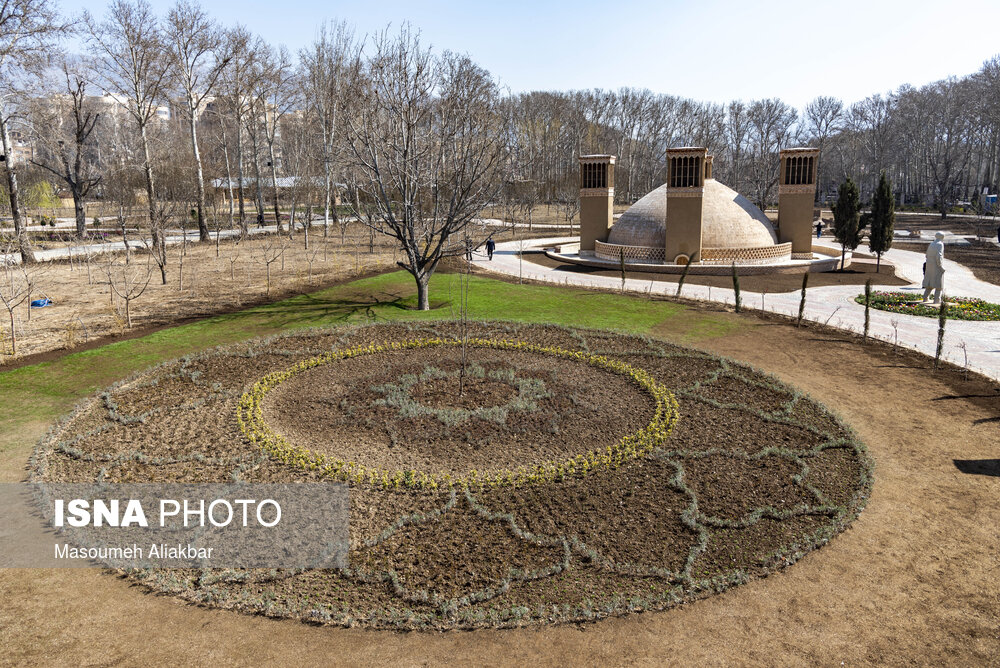
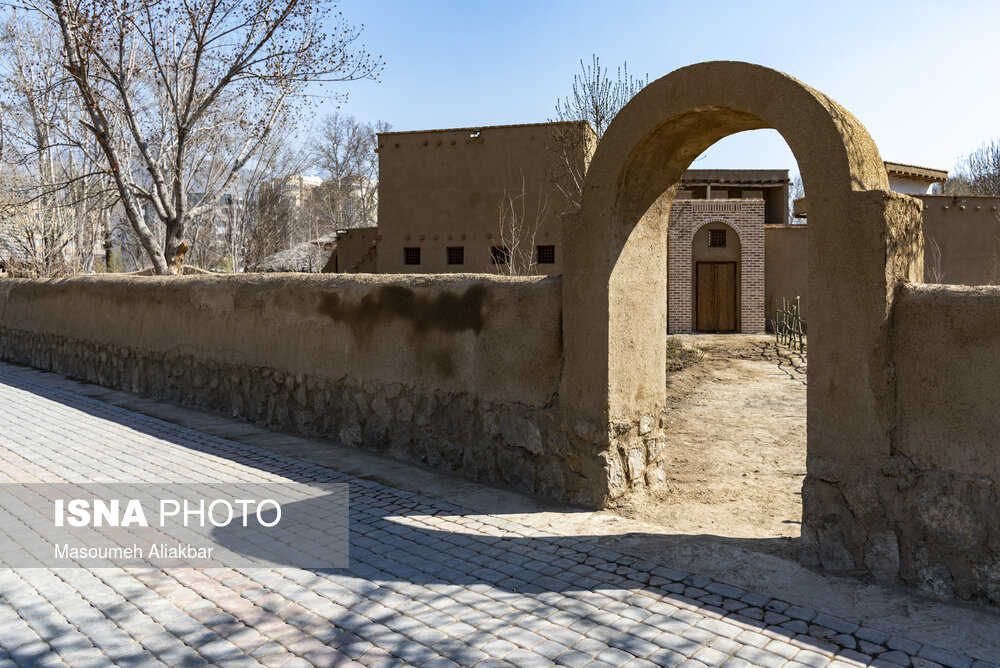
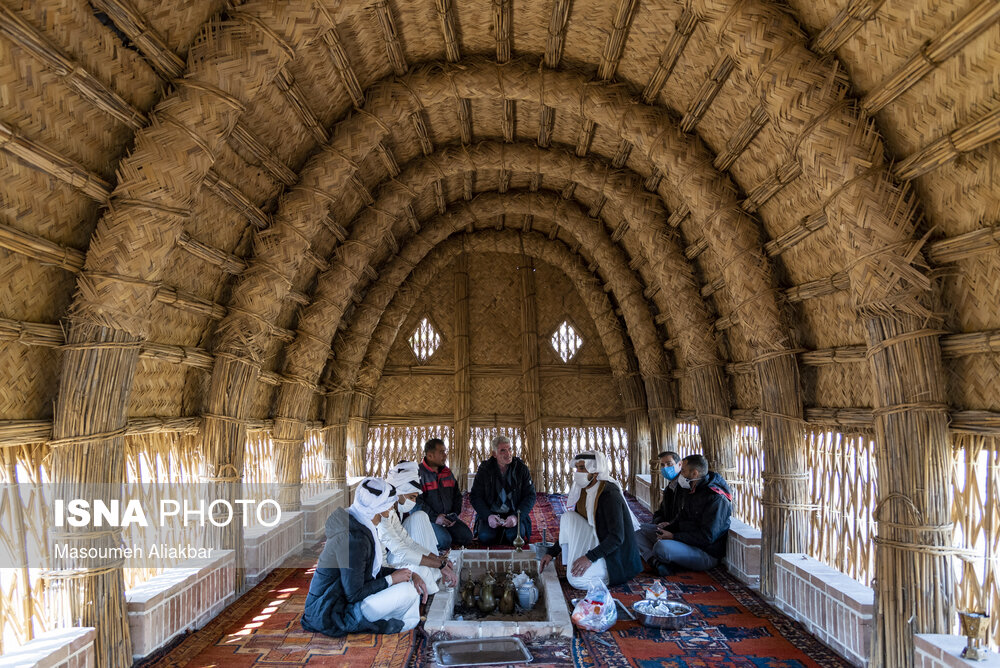
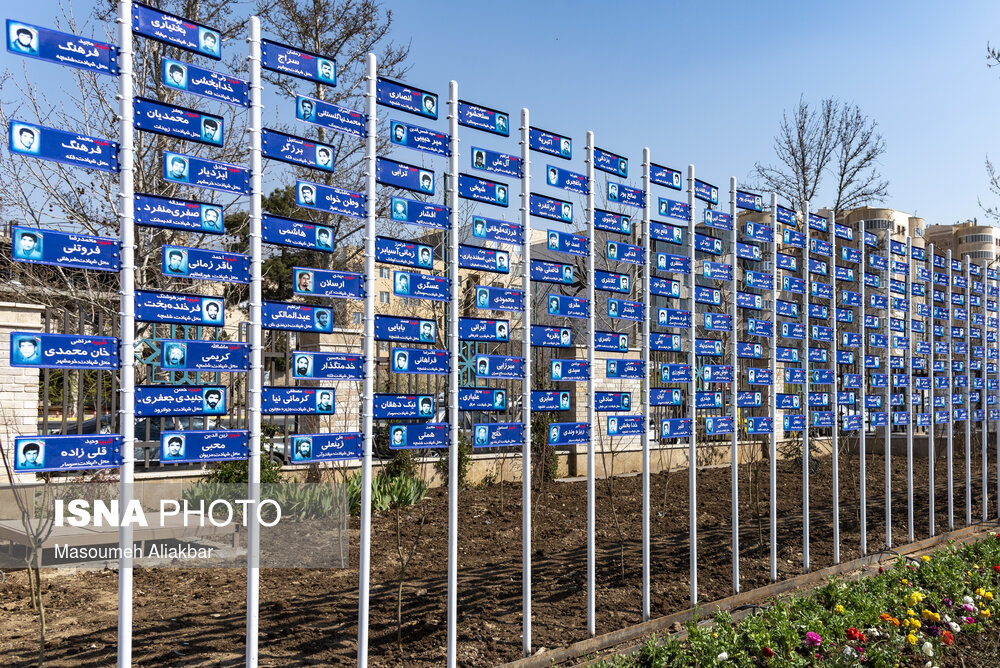
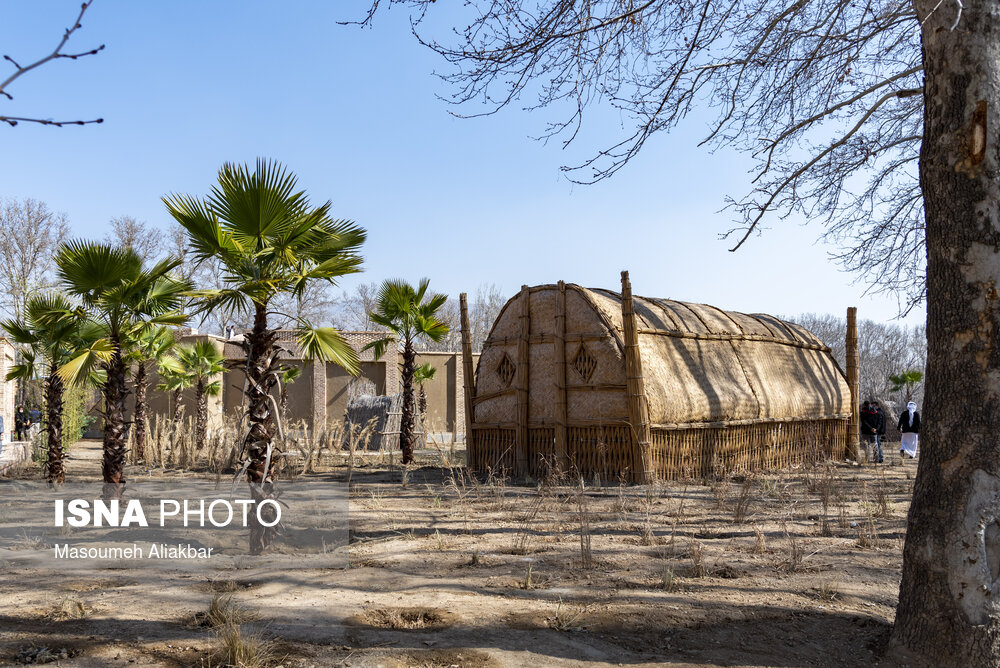
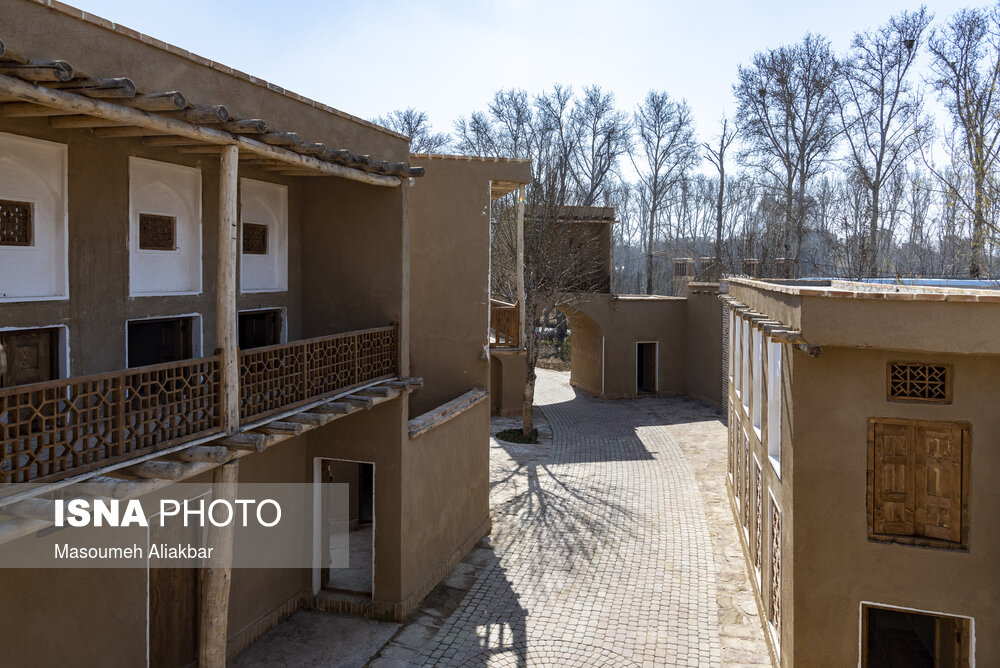
‘Little Iran’ Park: An Exhibition of Iranian History, Culture

On display are simulated replicas of the black tents of Bakhtiari and Lur ethnic groups, Turkmens’ dome-shaped traditional houses, straw houses in southern Khuzestan province, huts in the province of Azarbaijan, part of the fabric of the Abyaneh village, the ancient cistern in Yazd, the Bam Citadel, the Sa’d-al-Saltaneh in Qazvin, the windmill in South Khorasan province and sabats (passageways built between the opposite buildings on both sides of a narrow street) in central Iran.