Monday, December 29, 2025
Home Blog Page 2494

Iran Says Next Round of Vienna Talks Can Be Final Round

Following more than a week of intensive bilateral and multilateral talks at different levels, the JCPOA Joint Commission held a meeting at 8:15 pm (Vienna time) at the Austrian capital’s Grand Hotel.

In the Wednesday meeting, the heads of the negotiating teams of the JCPOA member states evaluated the latest status of negotiations.

All delegations expressed pleasure with the progress made so far, and once again underlined their determination and seriousness to pursue the negotiations in the coming days with the purpose of finding solutions to a number of issues which have yet to be settled.

During the meeting of the JCPOA Joint Commission, the participants agreed to continue their contacts and talks at the level of experts. They also agreed that the heads of delegations go back to their capitals for a few days for consultations, and then resume the talks in coming days.

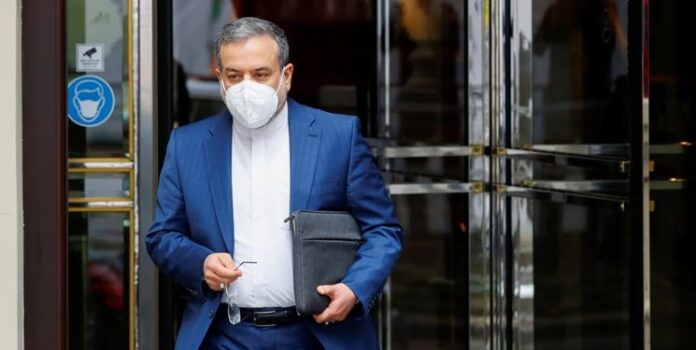
“There will be a breathing space for a few days, so that we would be able to wrap up the unresolved issues and to discuss the solutions proposed,” Araqchi said following the Wednesday talks.

“Logically, the next round must be the final one,” he noted, adding that certain decisions need to be made to achieve the desired result next week.

“No just Iran, but also others – including the other JCPOA member states and the Americans – must make hard decisions, and adapt themselves to Iran’s stances,” he added.

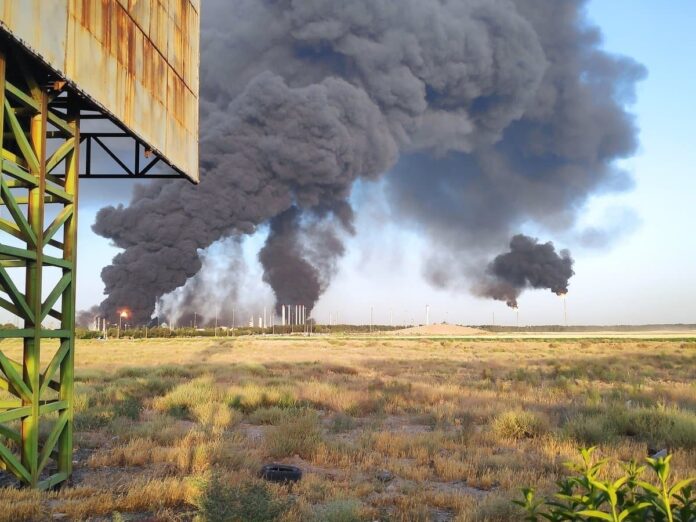
Massive Fire Breaks Out at Tehran’s Oil Refinery

A spokesman for the National Iranian Oil Refining and Distribution Company says a storage tank with 20,000 barrels of gasoline caught fire, and “we should just wait for the whole gasoline to burn.”

“We have tried to keep the fire from spreading to other tanks,” the official said.

Massive Fire Breaks Out at Tehran's Oil RefinerySeveral firefighting, rescue units, ambulances were dispatched to the scene and finally managed to contain it, but the fire is expected to be completely extinguished by Thursday noon.

The incident has not killed anyone, according to officials.

The head of the refinery’s Public Relations department has ruled out any possibility of an act of sabotage.

Massive Fire Breaks Out at Tehran's Oil RefineryThe refinery has stopped working, according to media reports.

The incident comes one day after the Iranian navy’s biggest ship, Kharg, caught fire in southern Iran and sank.


Islamic Republic Loses Its Power without Grassroots Support: Zarif

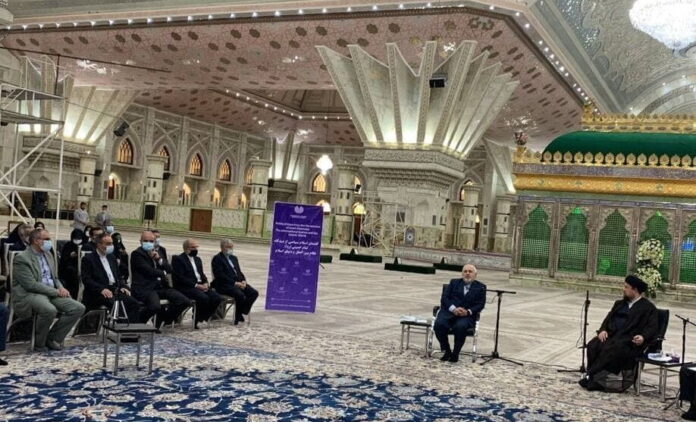
Mohammad Javad Zarif made the remarks in an address to a virtual international conference on political discourse from the perspective of late founding father of the Islamic Republic, Imam Khomeini (RA), which he delivered on Wednesday, after paying homage and renewing allegiance to Imam Khomeini and his ideals along with a number of his deputies and directors of the Foreign Ministry.

Addressing the virtual conference, Zarif said, “Our biggest asset is that we are confident that people support us, and if this asset is gone, our power will be lost, too, because in today’s world, it is this asset which determines the destiny and future, and material power, alone, is not a determining factor.”

Zarif further highlighted the role of Iran’s 1979 Islamic Revolution in overhauling the international system, and said, “The Islamic Republic of Iran and the late Imam showed well that material power is not the only component of power in the world, and that it is people’s willpower and the strength from reliance on people that can play a determining role in the international system.”

He noted that no power in the West or in the East wanted the Islamic Revolution to emerge victorious.

“Imam Khomeini showed that with reliance on people’s will, it is possible to overcome the material power of superpowers and carve out a destiny different from what they desire,” he said.

Zarif underscored no matter how severely superpowers can deal a blow to other countries and exert pressure on them with reliance on their material power, they cannot bring the fate and conditions of the world under their control completely.

“This is like the Islamic Revolution which showed it is possible to overcome superpowers’ schemes by believing in people and having faith in the supreme divine power,” Zarif explained.

The foreign minister recalled the plots hatched by enemies against the Islamic Revolution and Iranian people, and said, “Over the past four decades, Iran has faced numerous challenges, including the [Iraqi] imposed war, economic sanctions, economic war and different types of terrorism, including economic terror, military terror, environmental terror and medical terrorism. But despite all this pressure, Iran is standing firm.”

“Despite all conspiracies and moves against Iran, Iranian people have managed to stand tall due to their self-reliant spirit and self-confidence that have been manifested through Imam Khomeini’s message,” he said.

Zarif noted Imam Khomeini’s message was “believing people” and the belief that officials should serve people.

“That is why Imam Khomeini frankly said ‘what gives us legitimacy is that people’s hearts and minds are with us’,” he said.

Zarif further said that even today, Islamic movements can emerge victorious by looking to this message as a role model and relying on people’s power,” the top diplomat noted.

The foreign minister touched upon the Palestinian resistance front’s crushing response to the Israeli regime’s recent aggression on Gaza.

What has made Tel Aviv’s Iron Dome inefficient, he said, is Palestinian people’s believing in their own capabilities and in their right to defend themselves against the Israeli regime’s racist policies and Apartheid.

He said the realities associated with the Islamic Revolution on the international stage determine our destiny.

He said all developments which gave the Islamic Revolution its unique status are reminiscent of this divine message that the power of the Almighty is above all other types of power.

Iran’s President Marks 50th Anniversary of Ties with Senegal

In a Wednesday message to his Senegalese counterpart Macky Sall, Rouhani expressed hope that continued relations between Tehran and Dakar will serve the welfare of both nations.

He said constructive interaction, cooperation, and synergy between the two sides is necessary for successfully overcoming the challenges and threats to bilateral and international cooperation.

Over the past five decades, the two countries have made use of good historical ties and religious and cultural commonalities to promote their bilateral relations, President Rouhani said.

He finally wished health, success, and prosperity for the Senegalese president and nation.

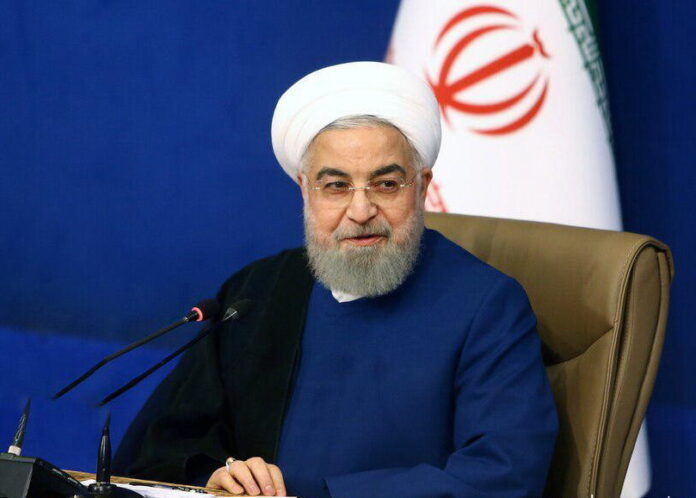
Key Issues between Iran, US Settled: Rouhani

Rouhani Says Quick Deal Possible If US Shows Honesty

President Hassan Rouhani added it has been his administration that handled efforts to resolve issues with Washington.

“We have done and finished our job,” he said.

Elsewhere in his remarks, the president underline that the 2015 nuclear deal, officially known as the Joint Comprehensive Plan of Action (JCPOA) was a good deal as Iran, the Europeans and even the US now agree that they should return to the deal.

He then recalled that former US President Donald Trump made numerous efforts to rally support against Iran on numerous occasions at the UN Security Council, but to no avail.

He said Trump suffered defeats in his efforts to counter Iran.

“Trump couldn’t get himself out of isolation,” said Rouhani.

“Trump withdrew from the JCPOA, but he was left alone,” he added.

“It was only the Israeli regime and a reactionary country that stood by him,” said President Rouhani.

He then thanked Iranian people for putting up a stiff resistance in the face of US sanctions.

The president said Iran managed to secure victories thanks to people’s patience and resistance and the government’s prudence.

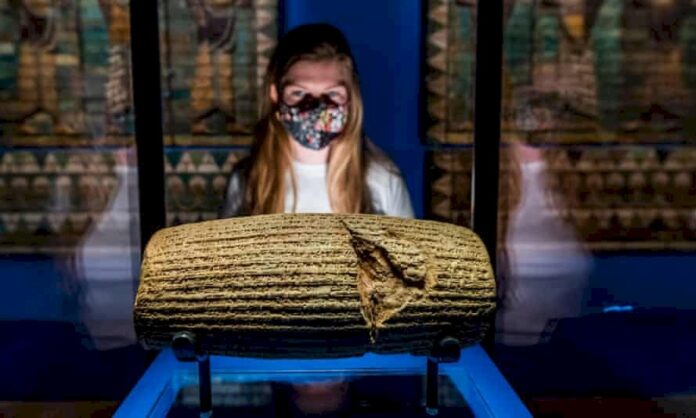
Exhibition of Ancient Persian Artefacts Opens in London Museum

The exhibit, which opened on May 26, 2021, displays antiquities from ancient statues to cotemporary pictures as well as manuscripts, pottery, carpets and textiles.

The items on show include objects associated with Iranian arts, culture and history belonging to the Islamic and contemporary eras of Iran.

The Victoria and Albert Museum of London is one of the leading and most important arts and design museums and the world’s largest exhibition of sculpture and design arts.

The museum was established in 1852, named after Queen Victoria and her husband Prince Albert.

Since the very beginning, the museum showed an interest in collecting items belonging to Iran, so much so that it has one of the most significant collections of Iranian artifacts from middle and modern eras.

It is said that holding such a large exhibition has been unprecedented in Britain in the past nine decades.

The exhibit marries studies on Ancient Iran and Islamic Iran, which had been reviewed separately until before the exhibition was set up. Now the studies are brought together and displayed next to a rich contemporary culture and arts section. The event makes it possible to view artistic achievements of different millennia as a single whole.

The exhibition is composed of ten sections.

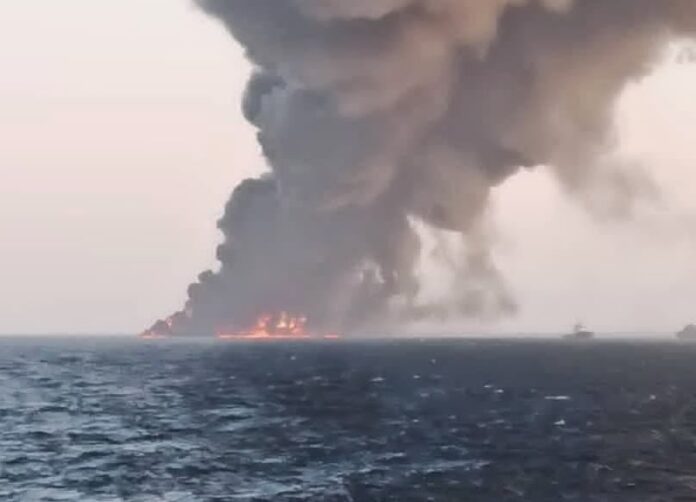
Iran’s Biggest Navy Ship Kharg Catches Fire, Sinks in Sea of Oman

Iran's Biggest Navy Ship Kharg Catches Fire, Sinks in Sea of Oman

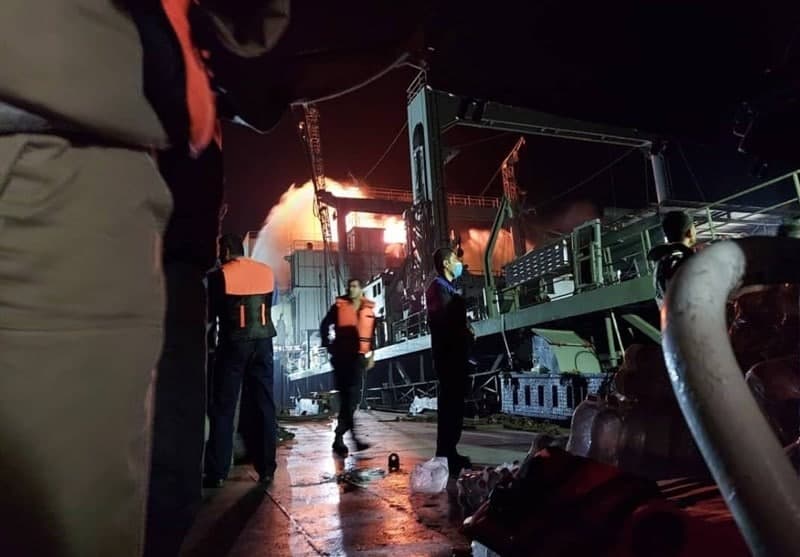
According to the Iranian Navy, efforts failed to save the support ship Kharg, which caught fire around 2:25 a.m.

The firefighters tried to contain it, but their efforts failed and the vessel sank near the Iranian port of Jask near the Strait of Hormuz — the narrow mouth of the Persian Gulf.

Photos circulated on Iranian social media of sailors wearing life jackets evacuating the vessel as a fire burned behind them.

Iran's Biggest Navy Ship Kharg Catches Fire, Sinks in Sea of Oman

Iran’s state TV referred to the Kharg as a “training ship.”

The Kharg was one of a few vessels in the Iranian navy capable of providing replenishment at sea for its other ships. It also can lift heavy cargo and serve as a launch point for helicopters. The ship, built in Britain and launched in 1977, entered the Iranian navy in 1984 after lengthy negotiations that followed Iran’s 1979 Islamic Revolution.

The cause of the fire aboard the Kharg is not yet clear.


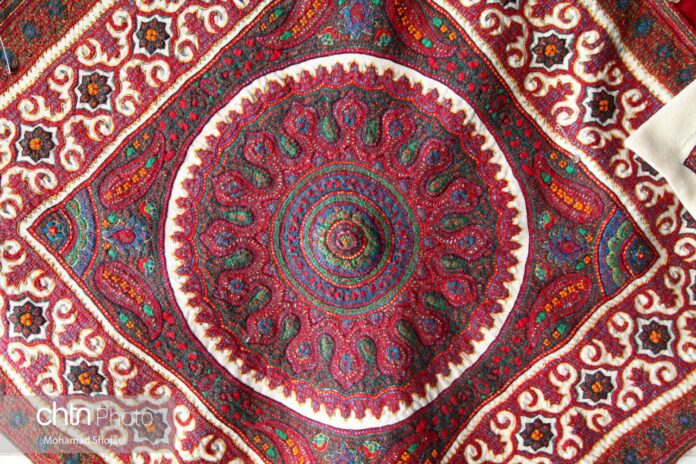
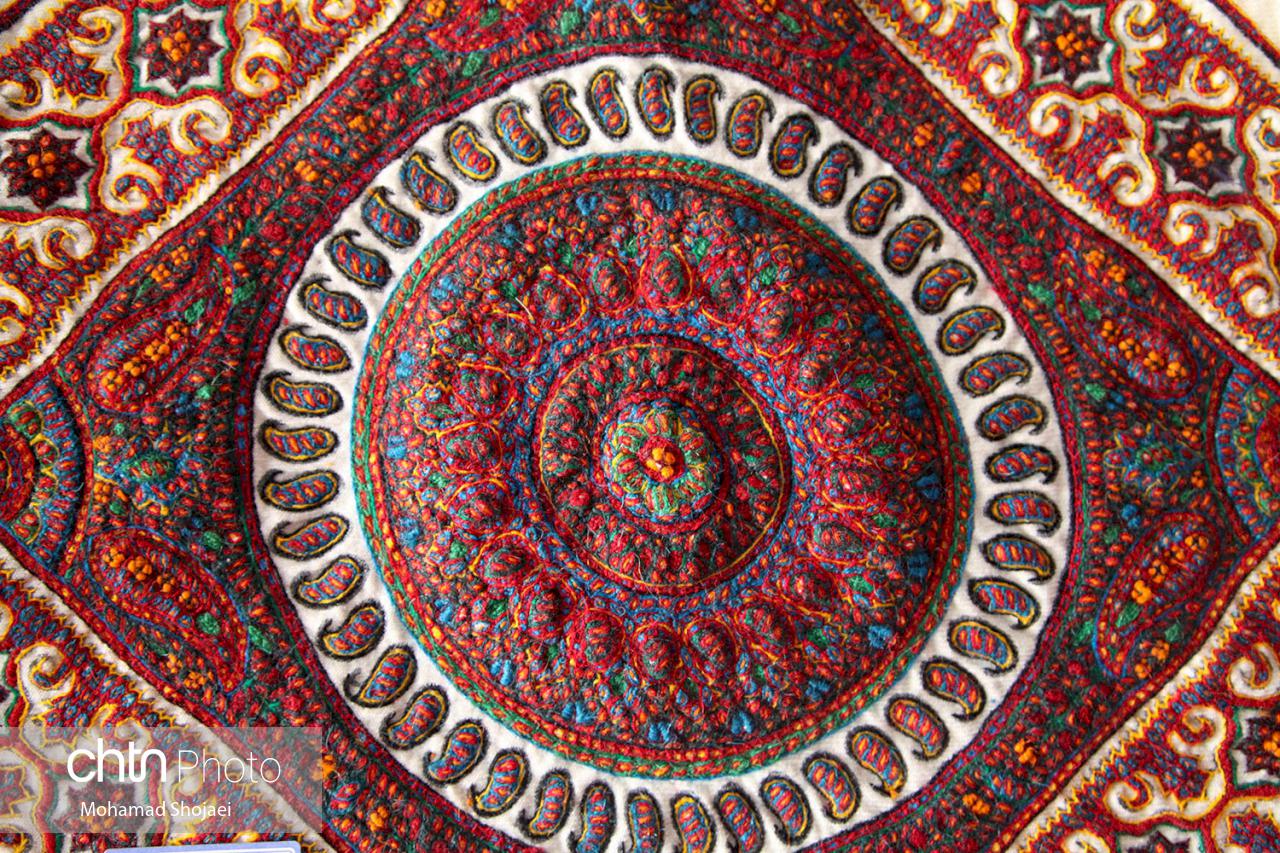
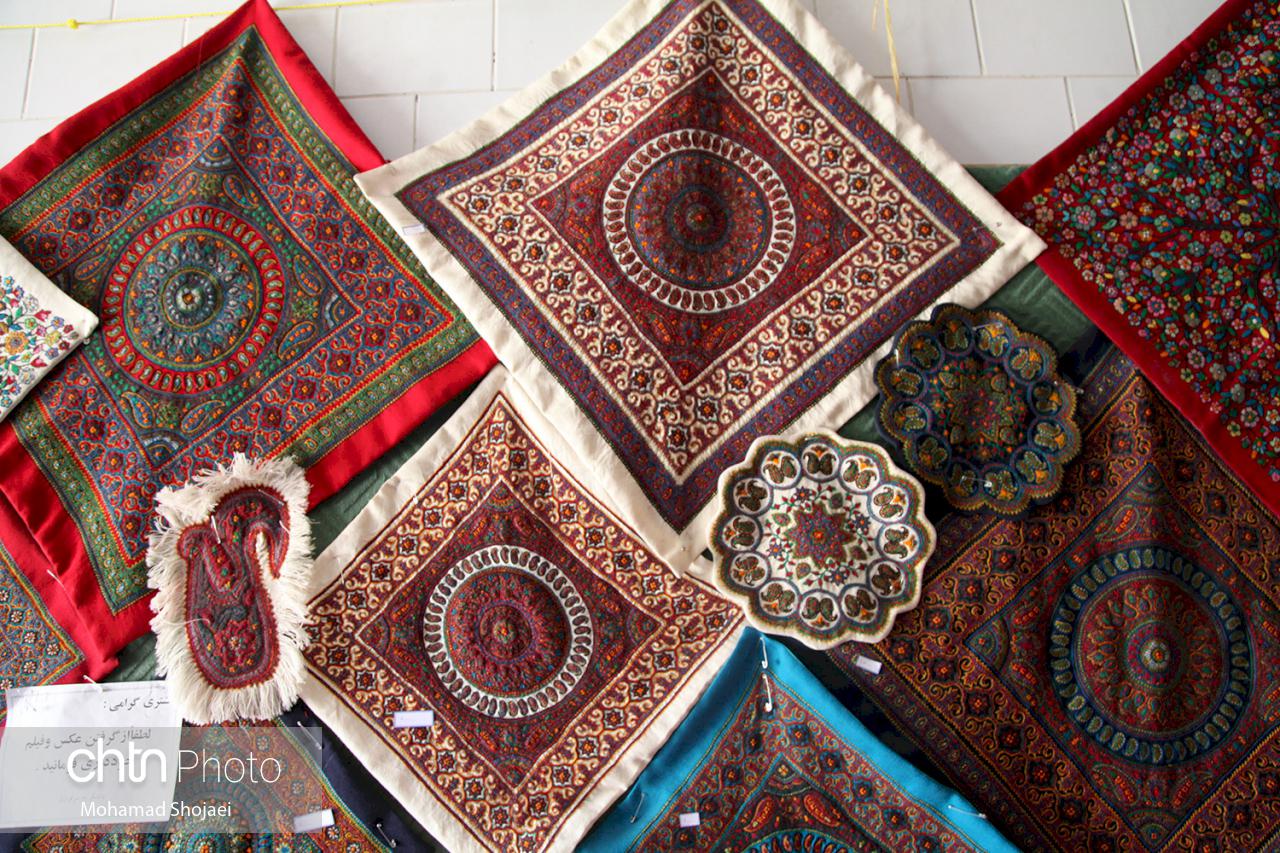
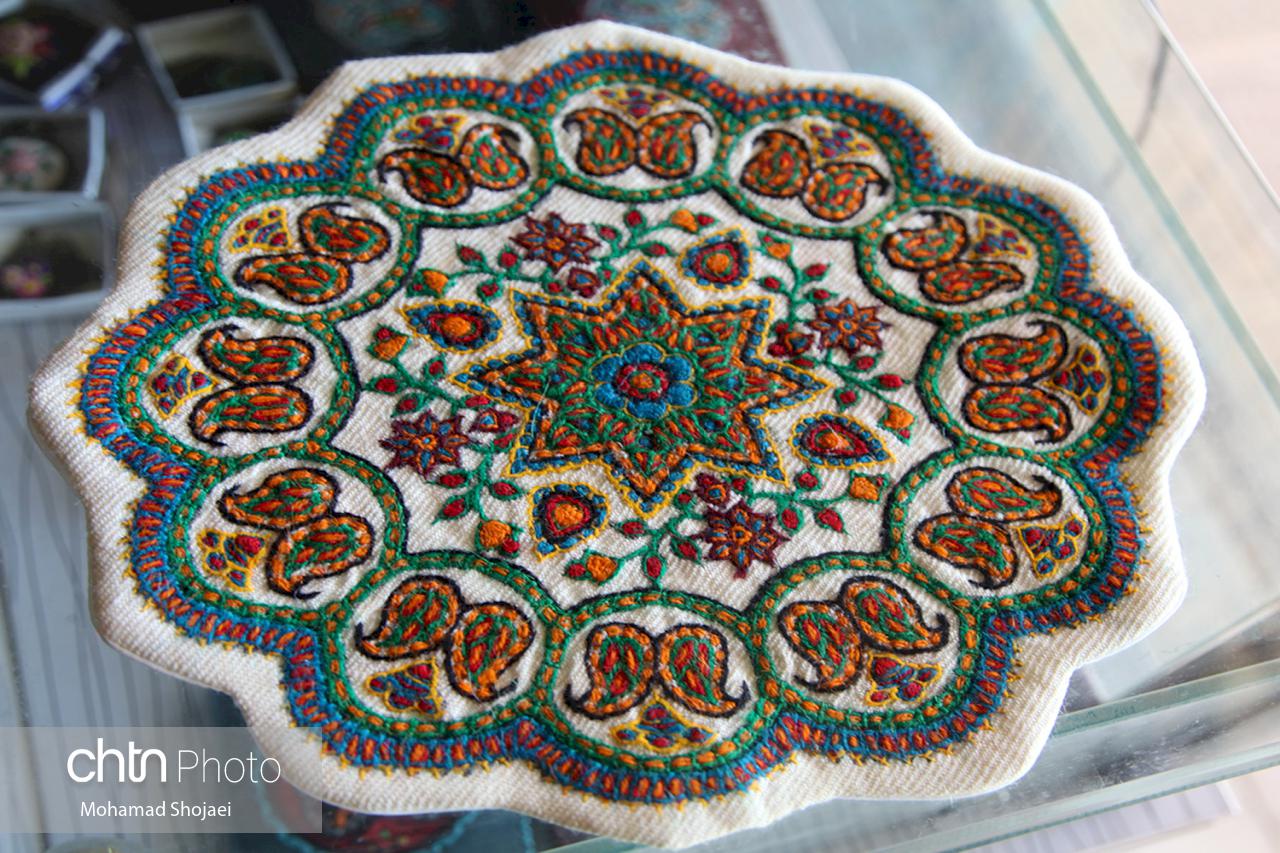
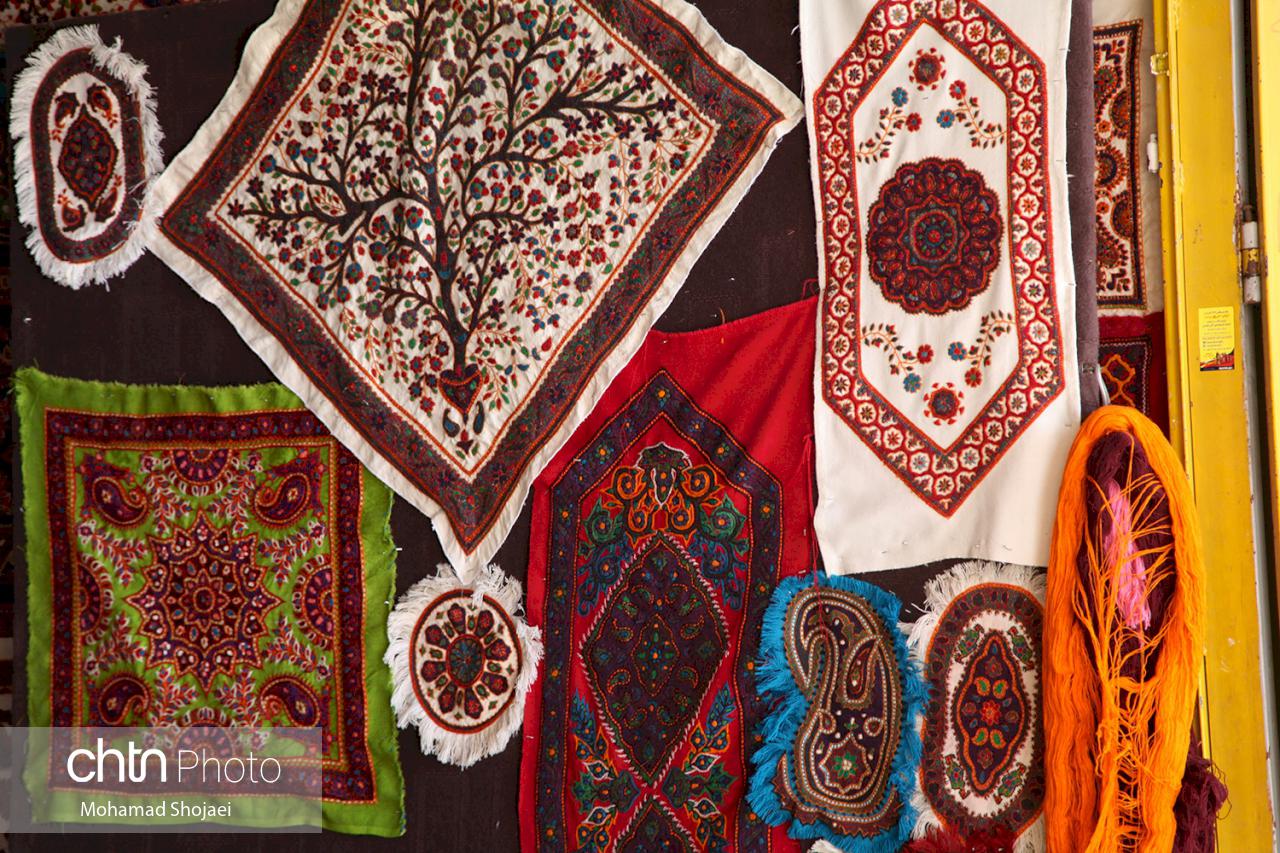
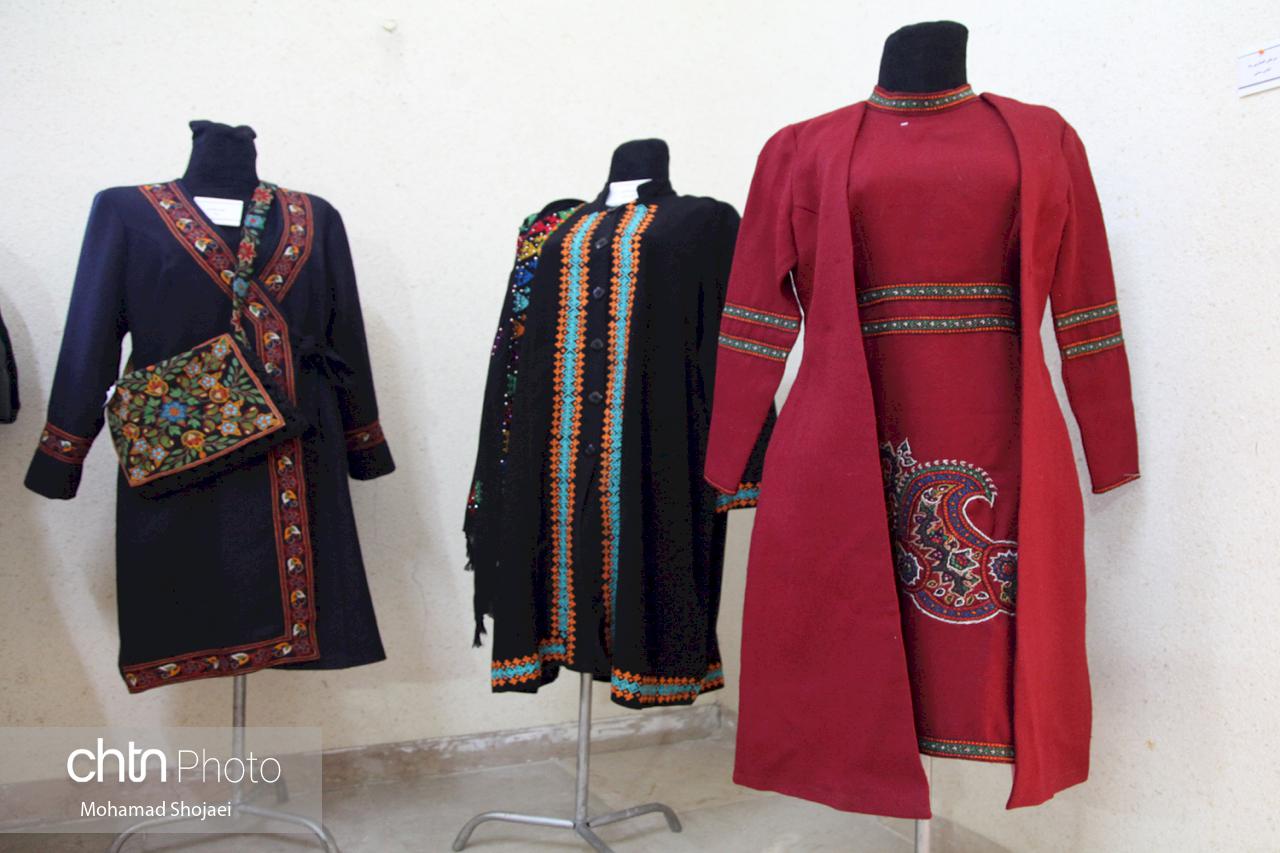
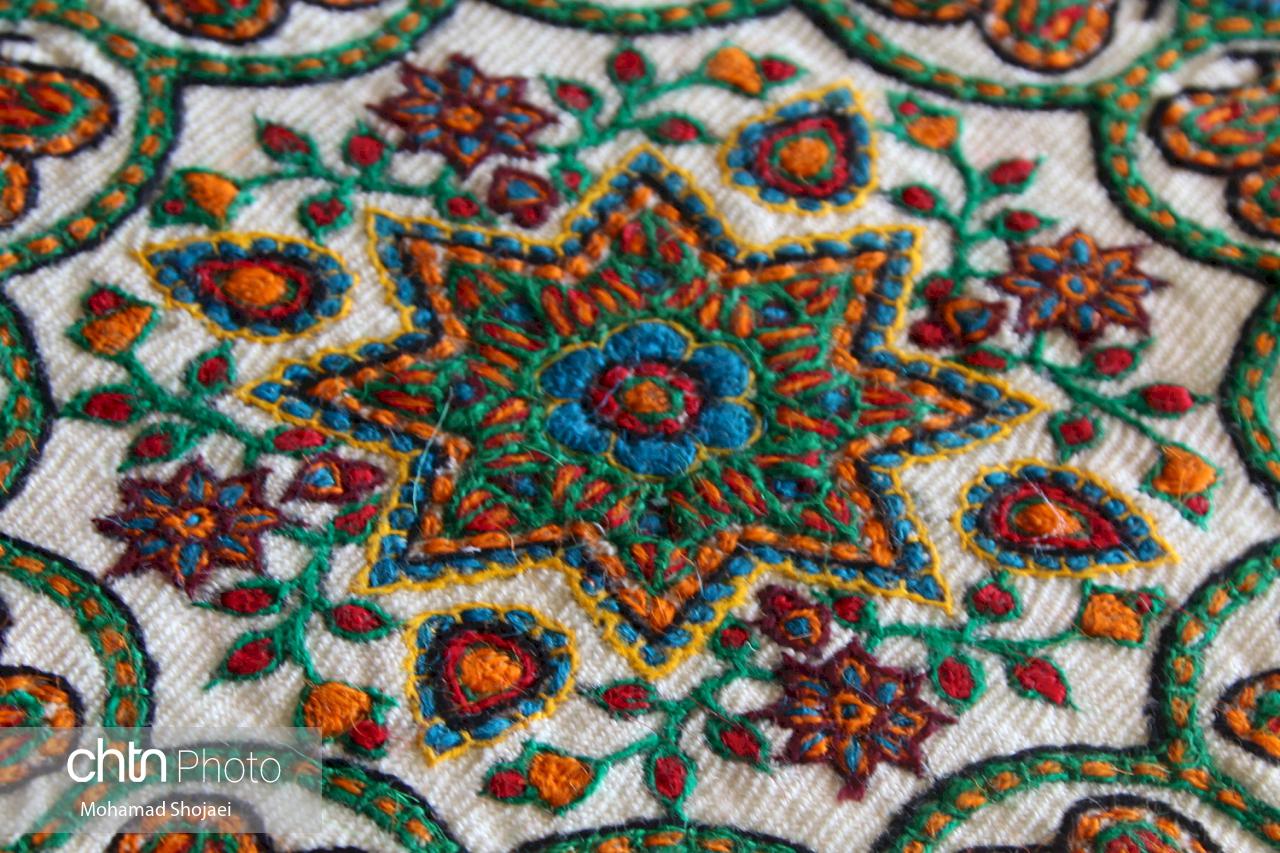
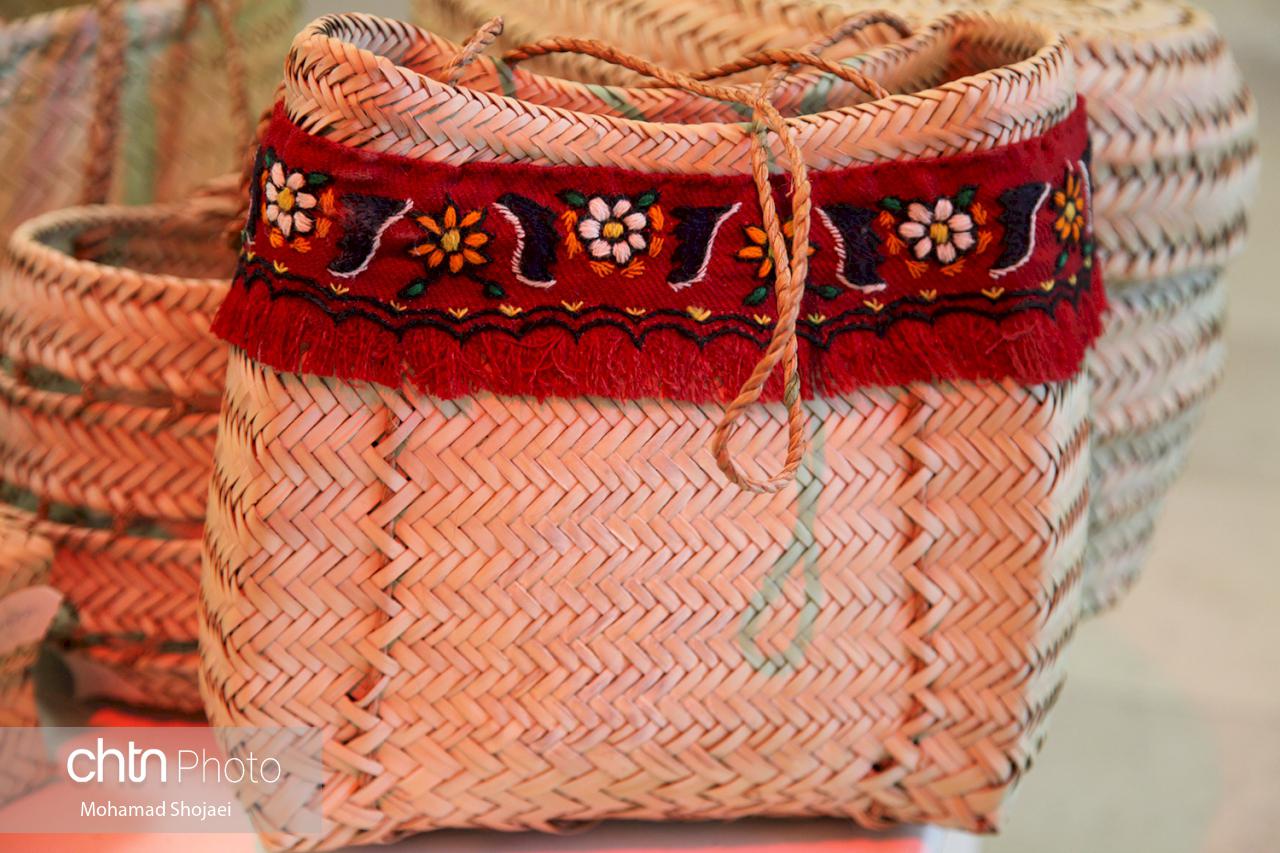
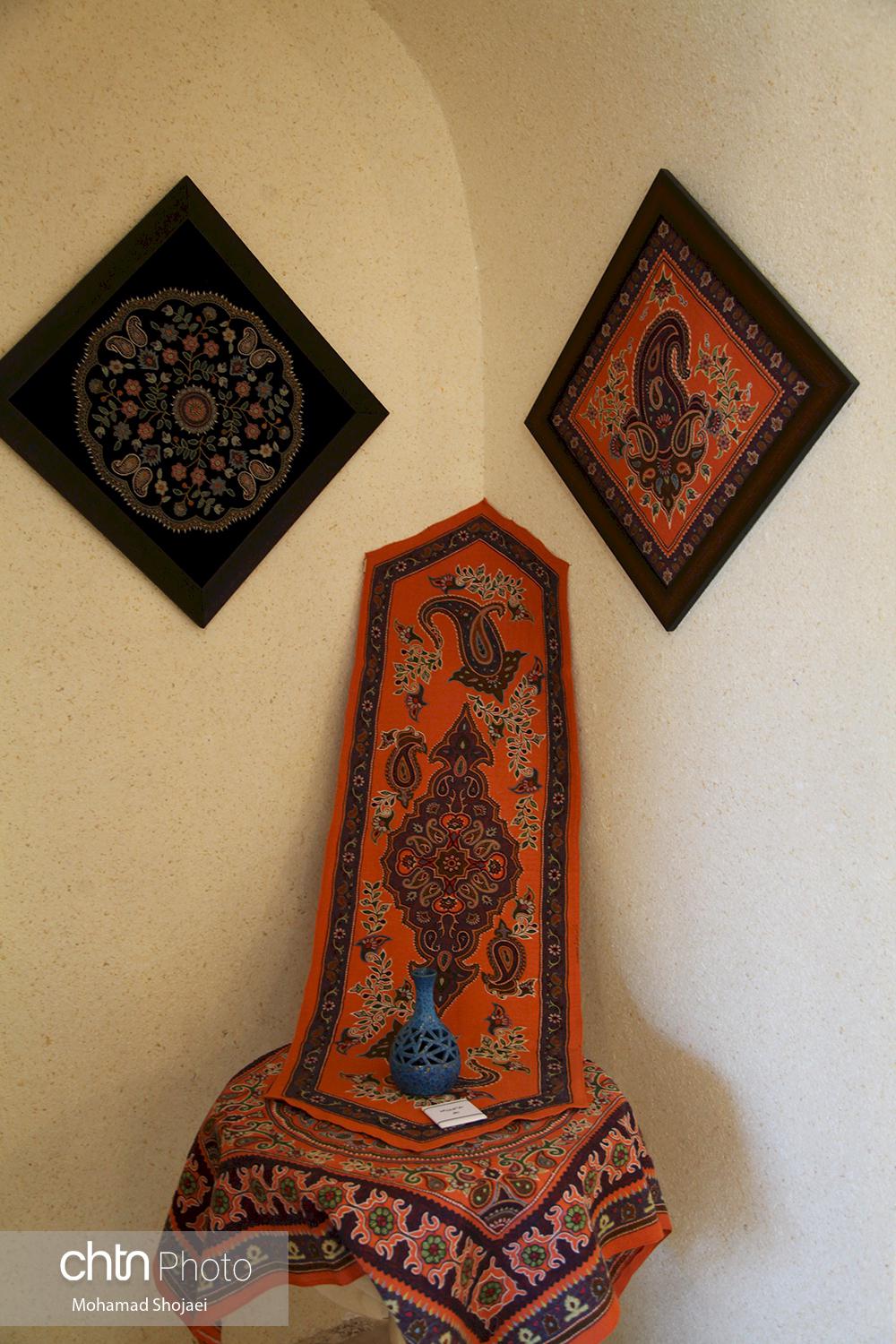
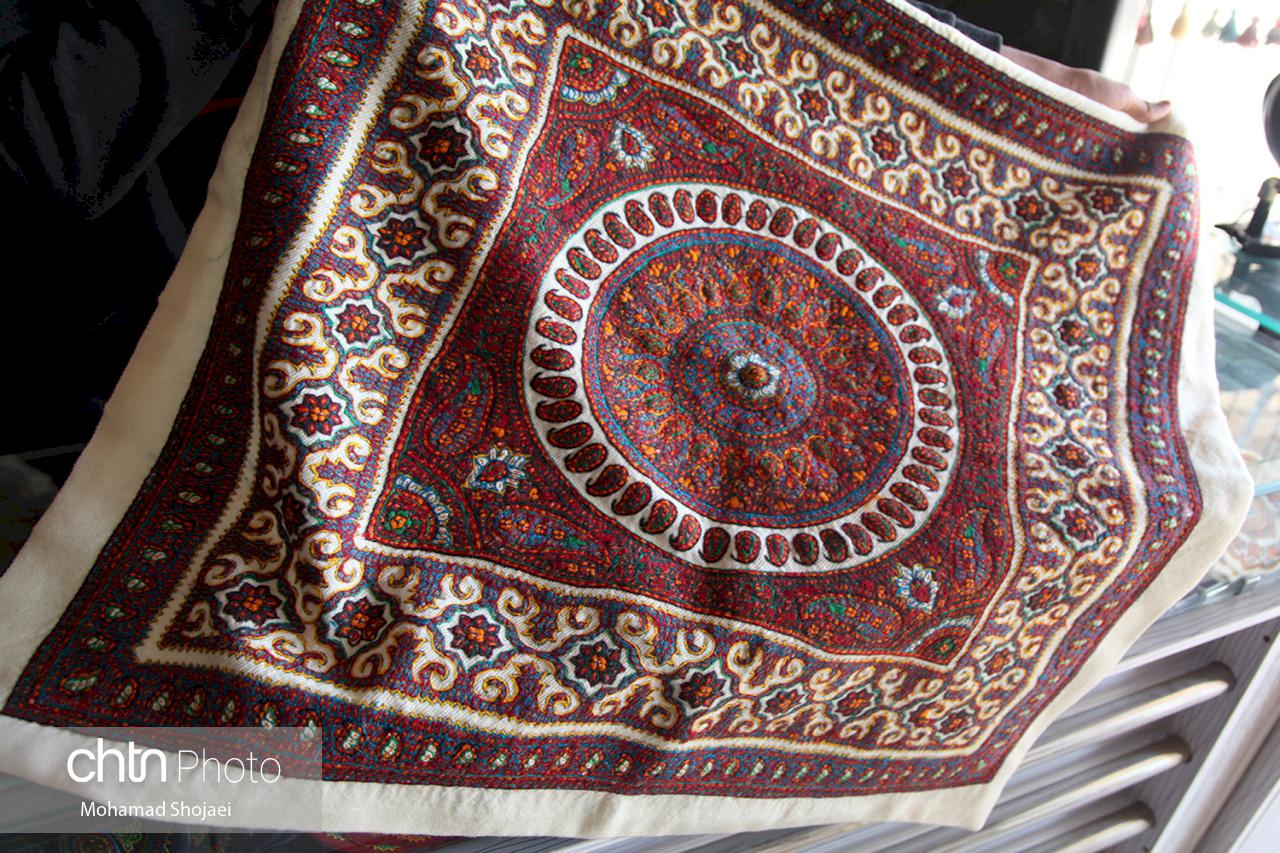
Pateh-Sewing: A Traditional Iranian Handicraft

This art is a form of traditional needlework done on a piece of cloth, part or all of which is covered with colourful stiches and strings.

Read more:

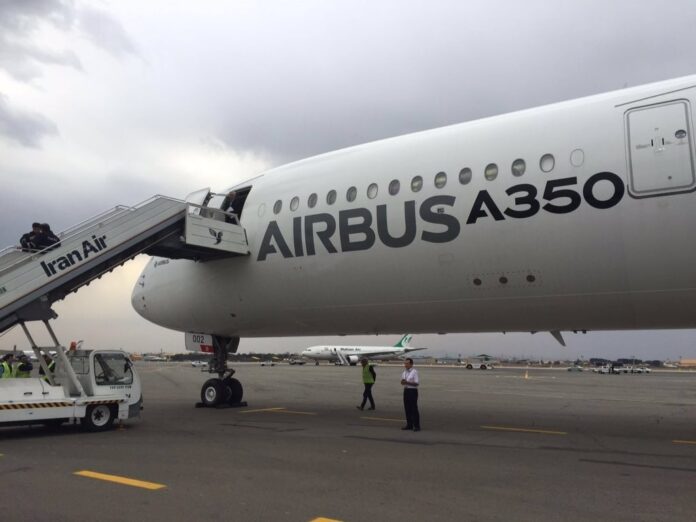
Iran Says Deals with Airbus, ATR to Be Revived If Vienna Talks Bear Fruit

Mohammad-Hassan Zibakhsh said on Tuesday Iran may also hold talks with the American plane manufacturer Boeing if the need arises.

However, he added, that is contingent upon the deal which is being reached in Vienna.

“We hope that would bear fruit,” he added.

Last month, Iran’s transportation minister Mohammad Eslami said both Airbus and Boeing have started works to return to contracts they signed with the country several years ago and before the United States imposed its sanctions on Tehran.

Eslami said Airbus and Boeing have been waiting for the results of ongoing talks in Austrian capital Vienna on Iran’s nuclear deal as they seek to resume their contractual obligations regarding Iran.

“The plane-manufacturing companies are returning from the previous path and beginning to implement the terms of the contracts,” Eslami said.

Iran had placed orders for purchases of 200 brand new planes from Airbus and Boeing after it signed a nuclear deal with global powers in 2015.

However, the plane contracts came to halt in 2018 after the US Treasury banned the two planemakers from supplying the jets to Iran.

Iran took delivery of only three Airbus planes and 13 short-haul airliners from French jet maker ATR in August 2018 just before the US sanctions were enacted.

Iranian airlines have relied on overhauls and chartered jets to perform their flights over the past years.