Friday, December 26, 2025
Home Blog Page 2471

Iran Sympathises with Iraq over Tragic Hospital Fire

In his Tuesday statement, Khatibzadeh extended the Iranian nation and government’s condolences to the Iraqi people and government, especially the families of the victims, and wished divine mercy for those killed and recovery for those injured in the tragic incident.

He also expressed Tehran’s preparedness to provide any kind of medical assistance in this regard.

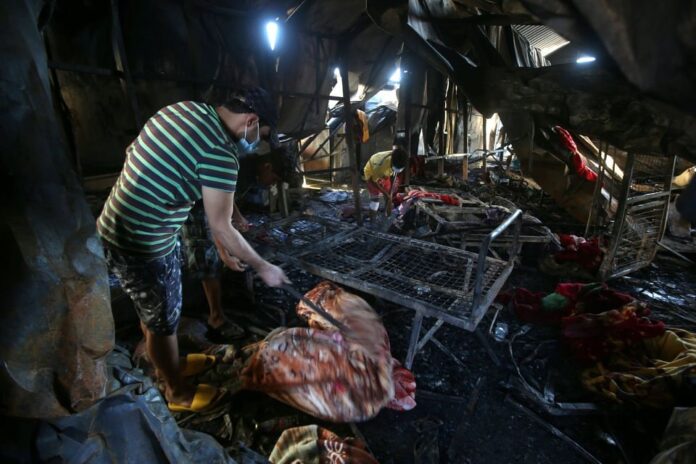
At least 44 people were killed and over 67 injured in a fire likely caused by an oxygen tank explosion at a coronavirus hospital in the southern city of Nassiriya, health officials and police said on Monday.

As rescuers combed the smoke-charred building in search of more bodies, Prime Minister Mustafa al-Kadhimi held urgent meetings with senior ministers and ordered the suspension and arrest of health and civil defence managers in Nassiriya, his office said in a statement.

The manager of the hospital was also suspended and ordered to be arrested, the statement added.

Already decimated by war and sanctions, Iraq’s healthcare system has struggled to cope with the coronavirus crisis, which has killed 17,592 people and infected more than 1.4 million.

“Health crews carried charred bodies out of the burning hospital while many patients were coughing from the rising smoke,” a Reuters reporter at the site of the fire said.

Health officials at Nassiriya said search operations at the al-Hussain coronavirus hospital were continuing after the fire was brought under control, but thick smoke was making it difficult to enter some of the burnt wards.

“Raging fires have trapped many patients inside the coronavirus ward and rescue teams are struggling to reach them,” a health worker told Reuters before entering the burning building.
Iranian Military Joins Hands with Relief Teams to Supply Water to Deprived Villages

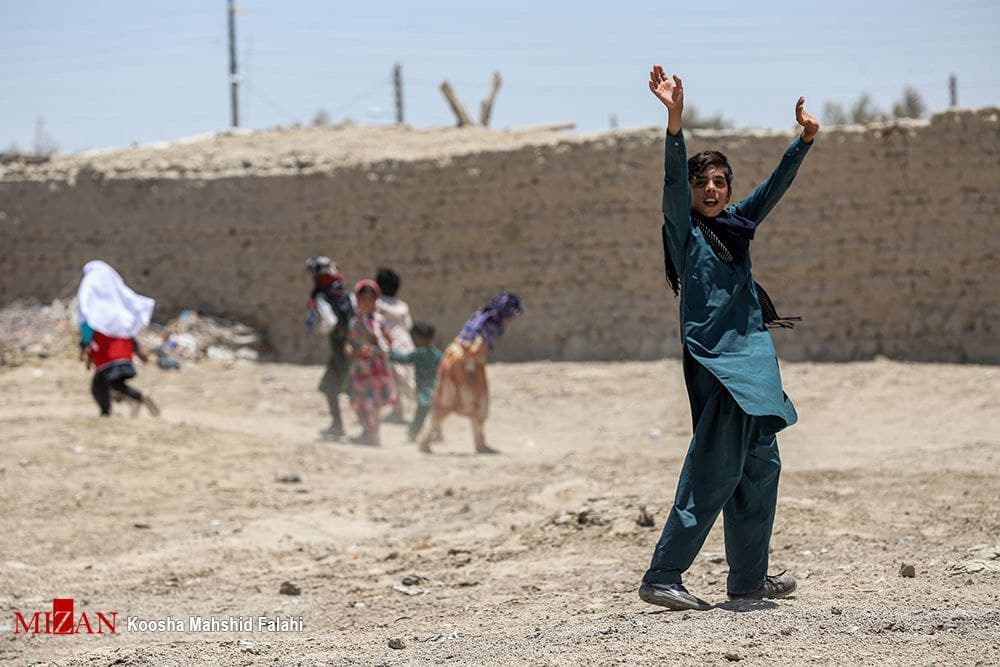
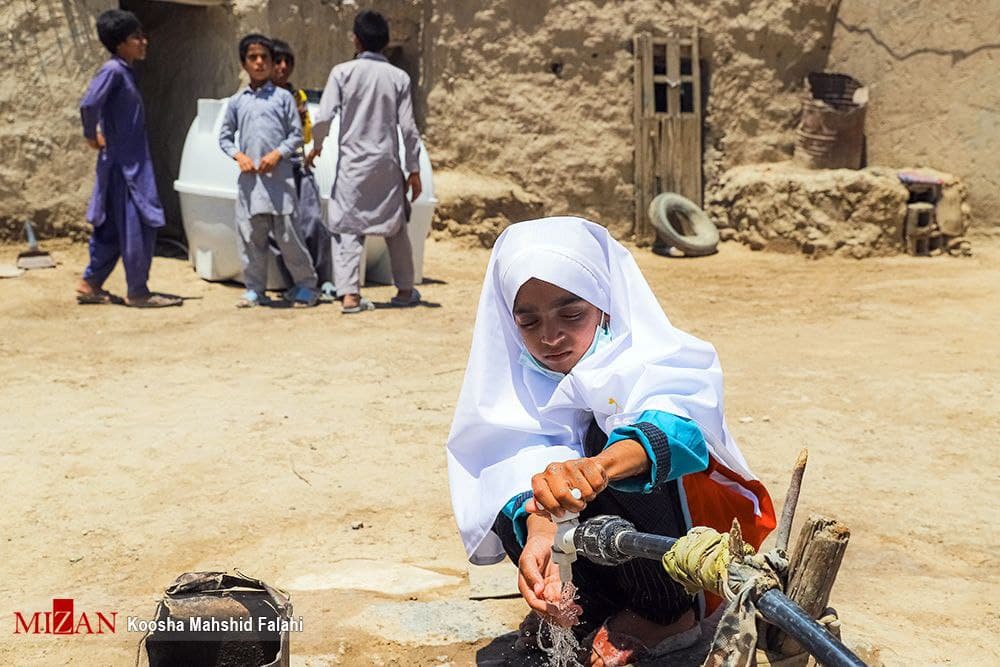
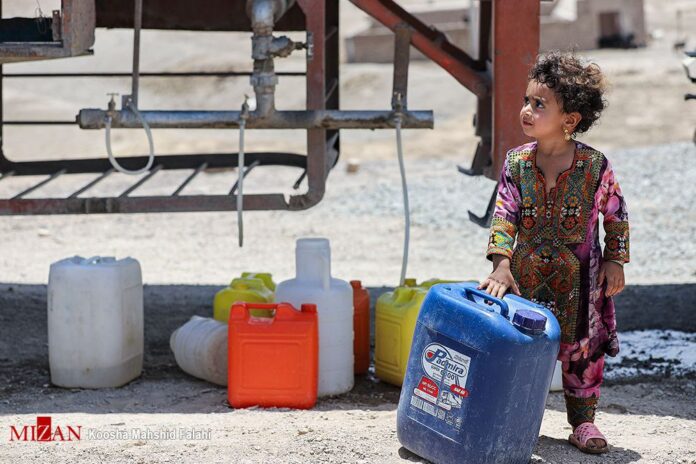
That came after video was released showing a girl, with a haggard face, crying and complaining of water shortage in the area where she lived.

A village in Sistan-Bluchestan, which has a population of just around a hundred, and where water is supplied manually, faced water shortage for almost two months.

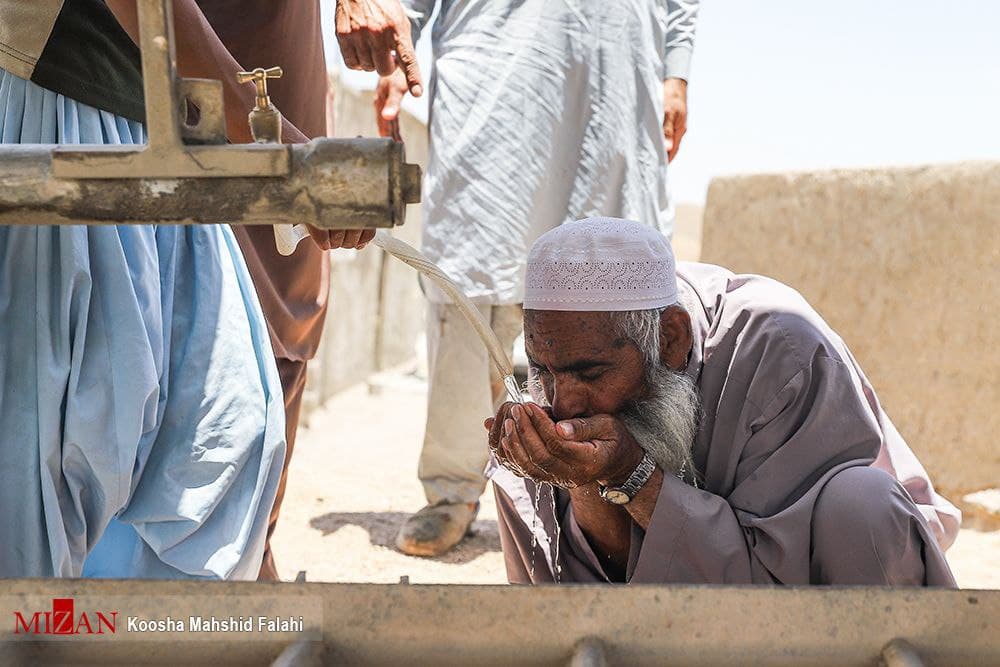
Villages and towns in the south of the country are facing shortages of potable and irrigation water these days. 

One of the reasons behind this water shortage in the agriculture sector is the building of dams in neighbouring countries, especially in Afghanistan, which do not measure up to construction standards as well as their refusal to make water right payments to Iran.

Unfortunately, water is still supplied to some areas manually, i.e., with tankers.

The Sistan-Baluchestan province has around 800 villages some of which have a population of less than 50.


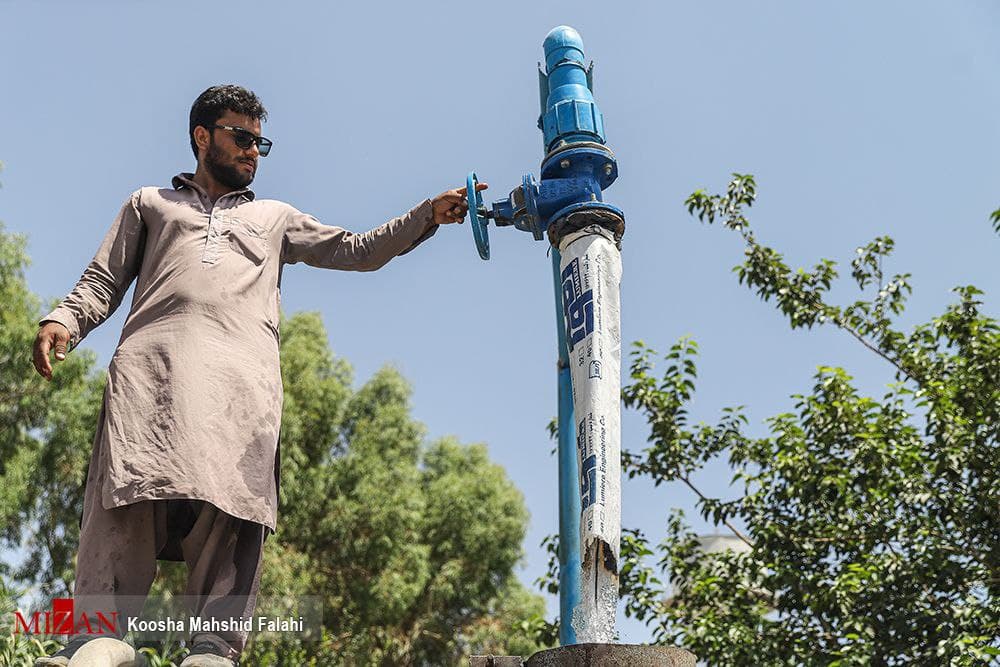
Water for the provincial capital as well as around 200 big and small villages is supplied by almost 60 wells along with another 2 deep water wells dug in and around the city of Zahedan.

The water should be fed into desalination equipment to turn into drinking water.

Given the frequent power outages these days, around 20 wells stop functioning each time the lights go out.

As for the Hirmand river, potable and irrigation water is provided through 4 artificial lakes, which, in the past, would serve as water storage, not the main source of supply.

However, they have turned into the main source of drinking water these days as the Hirmand river and the Sistan dam have dried out on the one hand, and the Kamalkhan dam is being constructed in Afghanistan on the other. 

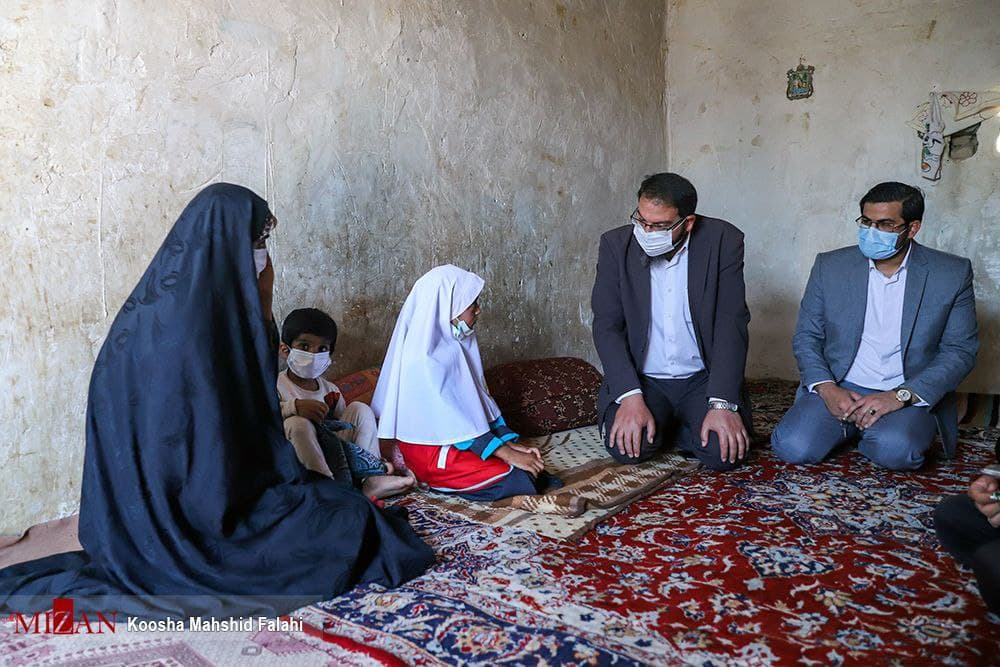
The following images depict efforts by provincial authorities to supply water to this deprived region. 

Over 27,000 Visitors Travel to Iran in Q2 of 2021 for Medical Treatment

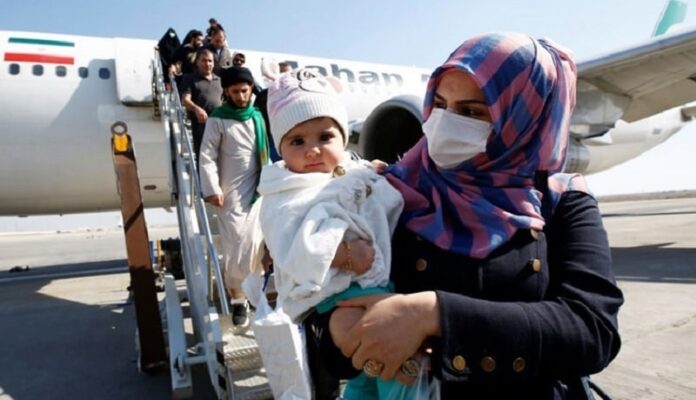
That comes as Iran has closed its borders to foreign tourists for one and a half years now due to the coronavirus pandemic. 

Iran stopped issuing tourist visas in April, 2020 following the COVID-19 outbreak and the closure of all air and land borders.

However, the country kept issuing visas for trade and medical treatment.

According to figures by the Customs Organisation, well over 4.3 million travellers entered Iran in the year ending March, 2021.

More than three million of them were Iranians and the rest foreign visitors.

With the ban on the issuance of tourist visas still in place as instructed by the National Coronavirus Headquarters, only visitors travelling to Iran for trade and medical treatment are allowed in.

Persian Language Replaced with Pashto in Afghan Airport Signs

From 1996 to 2001 when the Taliban reigned over Afghanistan, many of the country’s Dari signs were replaced with Pashto versions as part of the extremist group’s insistence on promoting Pashto as the official language of the country.

However, the efforts were expected to be stopped with the ouster of the Taliban following the 2001 US invasion of Afghanistan.

But now that the militants are controlling over 85 percent of the Afghan soil again, the Kabul government seems to be following the Taliban’s approach to the Persian language, even though it is considered the lingua franca in Afghanistan.

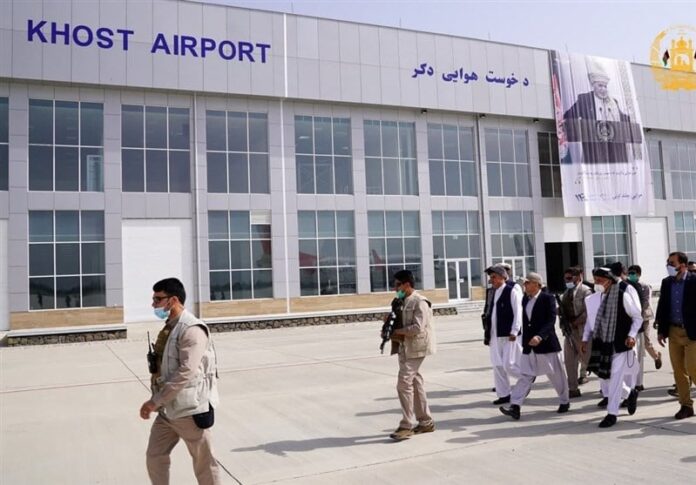
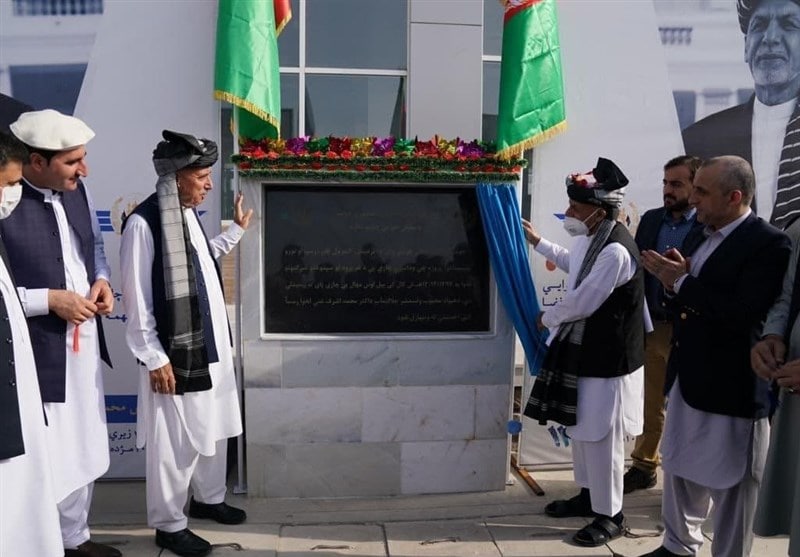
Persian Language Replaced with Pashto in Afghan Airport SignsRecently, President Ghani inaugurated the Khost International Airport, but the Airport’s signs only include its names in English and Pashto.
The move has been widely criticised by Afghan social media users who accuse the Afghan government of showing discriminatory behaviour towards the country’s official languages.

Last month, the same thing happened with a sign that was displayed at a meeting of the Afghan Ministry of Endowments.

The country’s banknotes, unveiled five months ago, also exclude Persian language and only include English and Pashto languages.

Iranian, Swedish Diplomats Discuss Yemen Crisis in Tehran

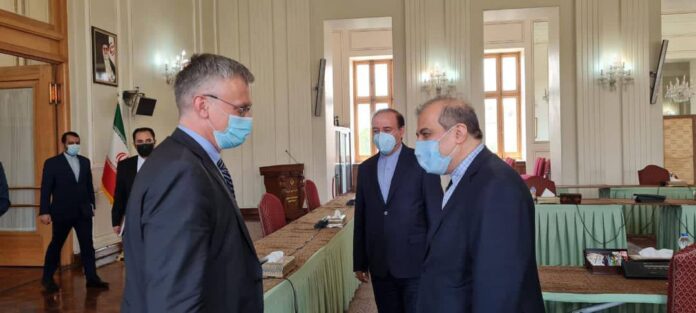
During the meeting, which was also attended by the Swedish ambassador to Tehran, the latest developments in domestic and foreign fields of Yemen were reviewed.

The two sides also exchanged views on the grounds for mutual cooperation between Tehran and Stockholm in order to help resolve the Yemen crisis and ways to immediately end the humanitarian crisis in Yemen.

The Swedish envoy’s latest regional consultations and Iran’s efforts to help lift the blockade against the people of Yemen, the establishment of a ceasefire and the peace process as well as eliminating the oil spill risk associated with the FSO Safer oil tanker were among the main issues discussed by Khaji and Semneby.

Security Prevails along Iran’s Borders with Afghanistan: Commander

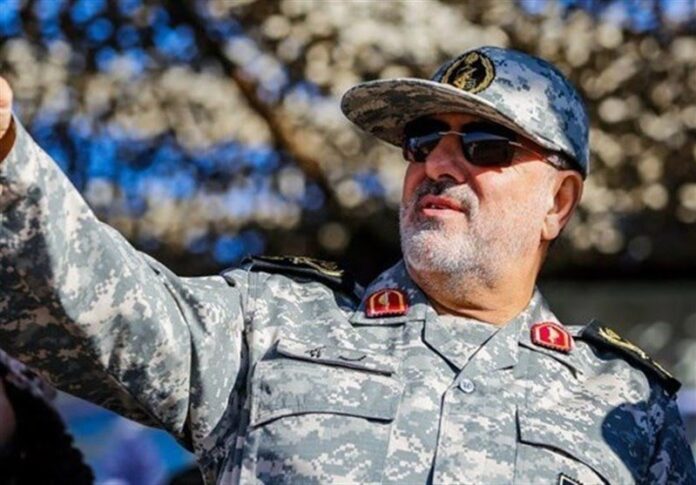
Brigadier General Mohammad Pakpour made the remarks on the sidelines of his visit to the Dogharun border crossing in Taibad in eastern Iran.

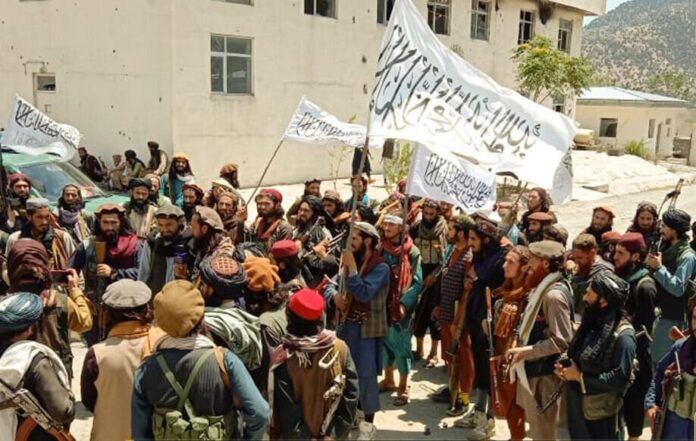
In recent days, the Taliban have taken control of many provinces and overrun areas bordering five countries – Iran, Tajikistan, Turkmenistan, China and Pakistan. The group has particularly seized two of the three major border crossings with Iran.

However, the IRGC commander says security and calm prevails along the entire eastern border of Iran, including the common border with Afghanistan.

Pakpour said he has visited the border area in person to evaluate the military preparedness of the armed units deployed in the region.

Considering the developments of the past recent days in Afghanistan, some smugglers and outlaws might seek to take advantage of the situation and infiltrate into Iran, but such moves will undoubtedly draw a harsh response from the Iranian military forces stationed along the eastern borders, he warned, according to Tasnim.

There is a high level of intelligence dominance over the borders and the Iranian Armed Forces will decisively deal with any activity with the purpose of fomenting insecurity in Iran or its surrounding areas, the commander added.

Slovenian PM’s Remarks at MKO Gathering Not EU’s Position, Borrell Tells Zarif

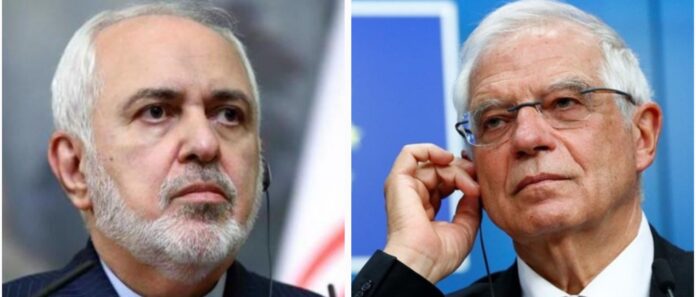
Zarif made the remarks in a Sunday phone conversation with European Union Foreign Policy Chief Josep Borrell.

The European diplomat, in turn, expressed regret over the issue, and stressed that Jansa’s remarks, by no means, reflected the EU’s stance on relations with Iran.

Borrell underscored that the EU’s position is expressed by the chairperson of the European Council at the level of heads of state, and by the EU foreign policy chief at the ministerial level.

He said the Slovenian Prime Minister’s remarks have not at all been made in the EU’s capacity.

Earlier in the day, the Slovenian ambassador to Tehran was summoned to the Iranian Foreign Ministry where he received Tehran’s strong protest over the matter.

The ambassador was told that Iran wants the Slovenian government to give explanation in that regard, and that Tehran will accordingly show the necessary reaction.

Iran, Asian Parliamentary Assembly Sign Agreement on APA Headquarters in Tehran

The agreement was signed after it was ratified by the Cabinet and the necessary permission was granted to the Foreign Ministry.

The Asian Parliamentary Assembly was born in 2006 at the 7th session of the Association of Asian Parliamentary for Peace (AAPP) hosted by the Iranian Parliament. In that session, it was decided that the AAPP be turned into the Asian Parliamentary Assembly.

The APA currently comprises 44 Asian Member Parliaments and 14 other parliaments as observers. The APA also includes 10 international and regional organisations as observers. Tehran has been designated as the host of the APA’s secretariat from the beginning, as approved by the Assembly.

The Asian Parliamentary Assembly, as a dynamic regional mechanism in the field of inter-parliamentary interactions, has a wide and diverse field of activity, and covers a significant range of important regional and international issues such as fight against corruption, justice in health, fight against drug trafficking, reinforcing the elements of cooperation and friendship among members, reducing poverty, protecting the environment, promoting cultural diversity, combating trafficking in cultural items, the rights of women, youth and the elderly, as well as situations such as the crimes of the usurping regime in the occupied Palestinian territories. The Asian Parliamentary Assembly adopts annual resolutions in order to ensure consistency and regular follow-up of its actions in these areas and other matters of concern to its members.

The idea of the establishment of the Asian Parliamentary Assembly was devised and pursued by Hossein Sheikholeslam, the late member of the seventh Iranian Parliament, and was finally realised. As the representative of the Iranian Parliament in the APA, he came up with and pursued the idea of an integrated Asian energy market and a friendship agreement among Asian countries within the framework of the APA.

‘Refusal to Pledge Allegiance to Taliban Leader Equal to Apostasy’

The Taliban official made the remarks in a speech he made after the capture of Afghanistan’s Takhar province.

He said anyone who refuses to swear allegiance to Sheikh Hibatullah Akhundzada will be regarded as an apostate even if they say their prayers regularly.

The official asked all the audiences to convey his message to other people across the country so that every Afghan national would pledge allegiance to Sheikh Hibatullah.