Thursday, December 25, 2025
Home Blog Page 2466

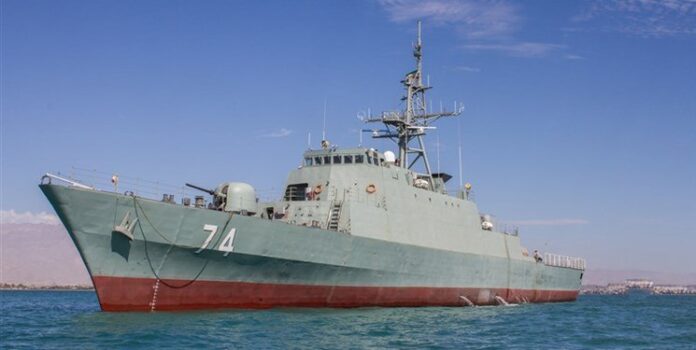
Iran’s Sahand Frigate in St. Petersburg to Attend Russia’s Naval Drills

The Makran forward base ship, which has supported Sahand in this long-distance journey will stop at the entrance of the Volga Canal due to the limitations of the naval parade site, including the shallow depth and size of the sea base.

Rear Admiral Hossein Khanzadi, Commander of Iran’s Navy has also left for St. Petersburg to attend the Russian Navy Parade which is held on the anniversary of the establishment of the Russian Navy.

Visiting Russia at the official invitation of Russian Defence Minister General Sergey Shoigu, Khanzadi is scheduled to attend the Russian Navy’s parade as a special guest.

The large naval parade of the Russian Navy will kick off on Sunday on the occasion of the anniversary of the formation of this force, and representatives of several countries will attend.

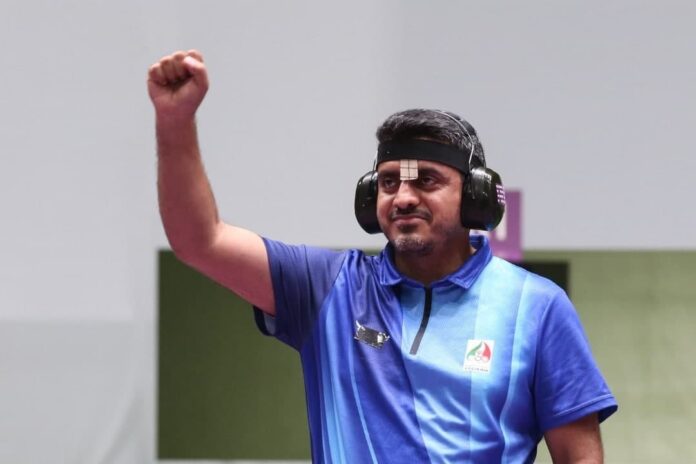
Iranian Nurse Wins Gold Medal, Breaks Olympic Record in Pistol Shooting

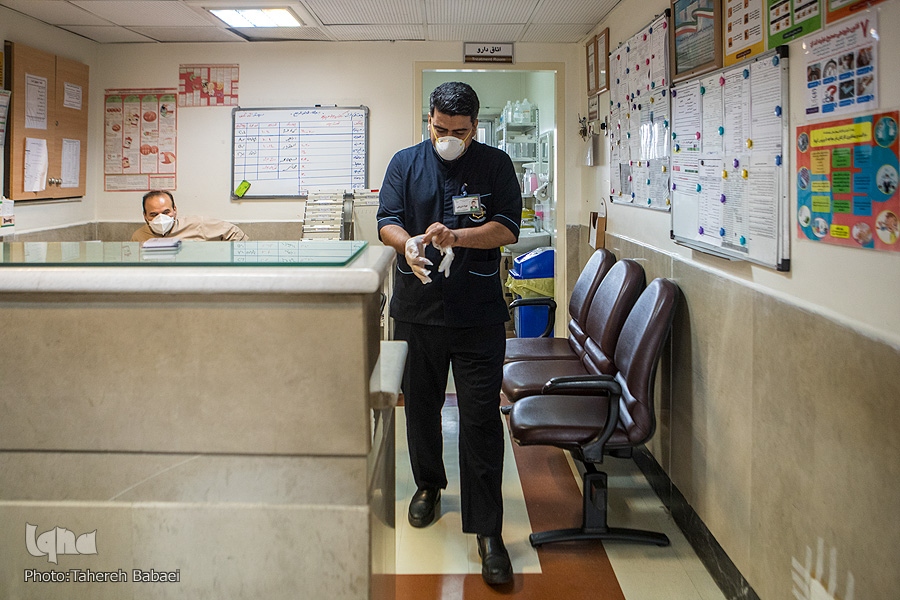
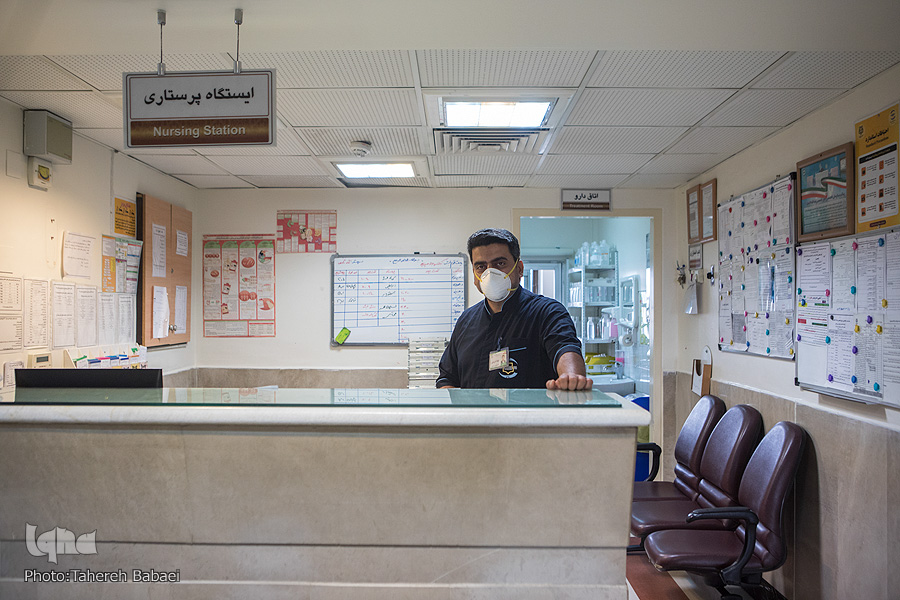
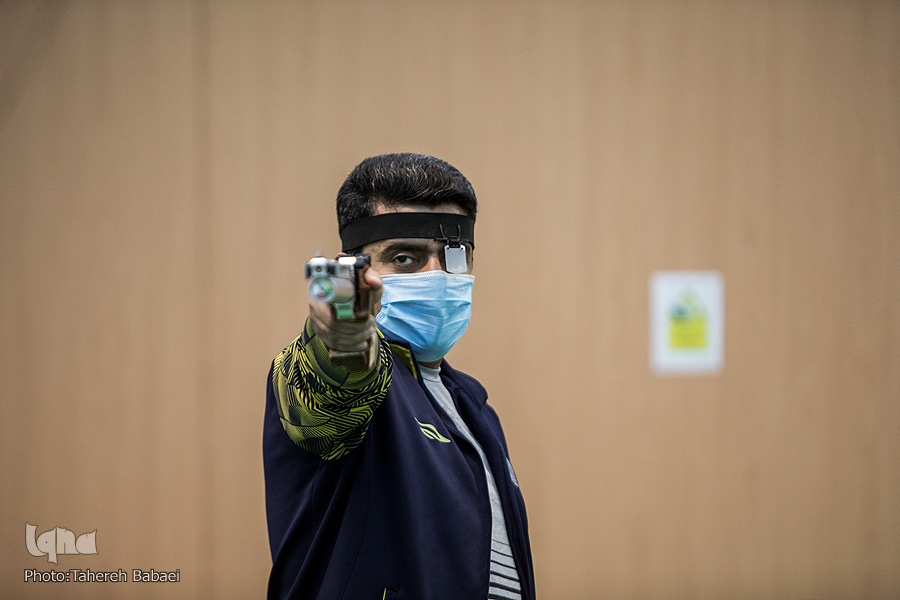
Foroughi who works at the IRGC’s Baghiyatallah Hospital started his shooting career in 2010 and was later invited to the National Team.

Iranian Nurse Wins Gold Medal, Breaks Olympic Record in Pistol ShootingThe Iranian athlete had previously claimed world titles in shooting as part of the IRGC team. 

He has also served as a nurse during the IRGC’s advisory mission in Syria against ISIS terrorists.

Iranian Table Tennis Player Shows Anger after Losing against British Athlete in Olympics

The British athlete won the game 4-1 to make it to round two.

Alamian lost his focus at the beginning of the game when his services were not accepted by the referee. However, Nima’s reactions grabbed the attention of the media while he threw his racket on the table in protest at the referee’s decisions.

While the referee showed him a yellow card he intentionally launched a service into the air. 

He conceded defeat in the first three sets and at the end lost 4-1. 

This is the second appearance of the 28-years-old Iranian athlete in Olympics. In 2016, he was eliminated in the first round. He has also represented Iran eight times in World Championships.

IRGC Chief Vows to Solve Water Problems in Southern Iran

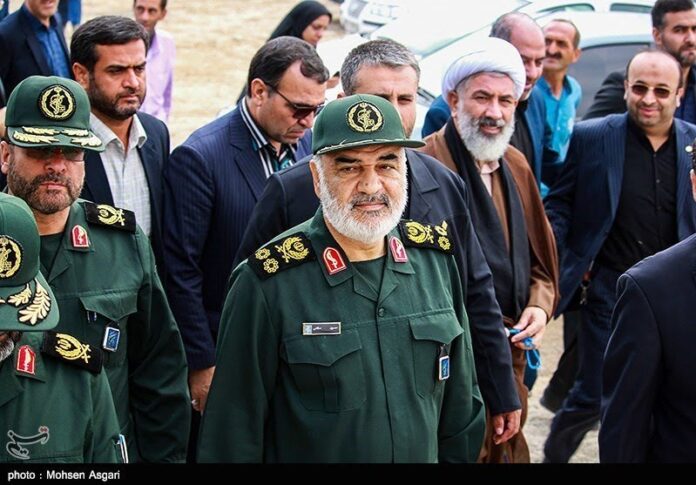
The Commander-in-Chief of the IRGC, Major General Hossein Salami, stated that Khuzestan is not only important but also sacred to us.

Salami, who arrived in Khuzestan Saturday morning to visit some cities and villages facing water shortage, said after the Leader of Islamic Revolution stressed on Friday that the officials should take the water problems of Khuzestan seriously, he has travelled to the province to solve the problems.

He continued that in project called Ghadir, about 525 km of pipeline with a diametre of 2 meters has been laid from Shush region, which supplies water to 70% of Susangard, Hamidiyeh, Hoveyzeh, Shadegan, Darkhovin, Khorramshahr and Abadan. 

“In the recent water crisis, with the efforts of the IRGC forces, sixty 30,000-litre tankers are supplying water on a mobile basis in 87 villages, and today another 40 mobile tankers will be added,” Tasnim News Agency quoted Salami as saying.

We are loyal to the people of Khuzestan and committed to resolve their problems. We are with the people of Khuzestan in hardships and we will not leave them alone, concluded Salami.

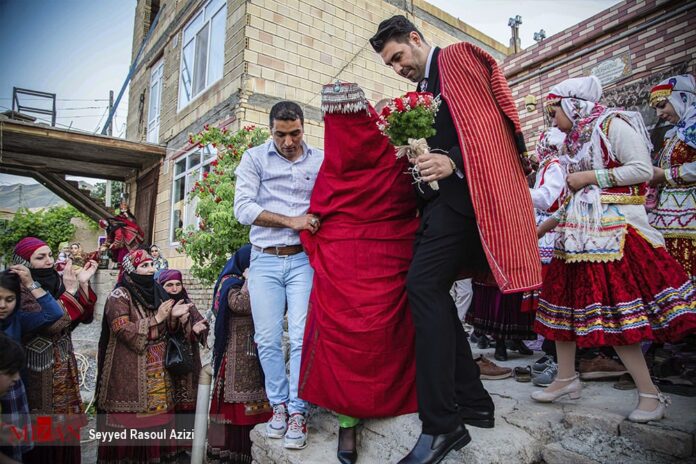
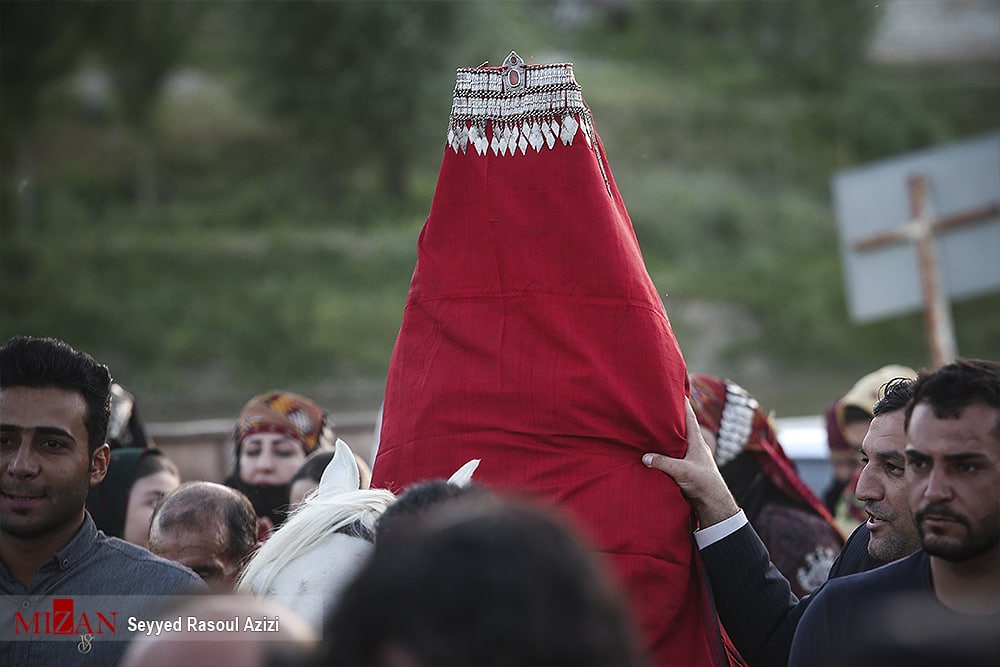
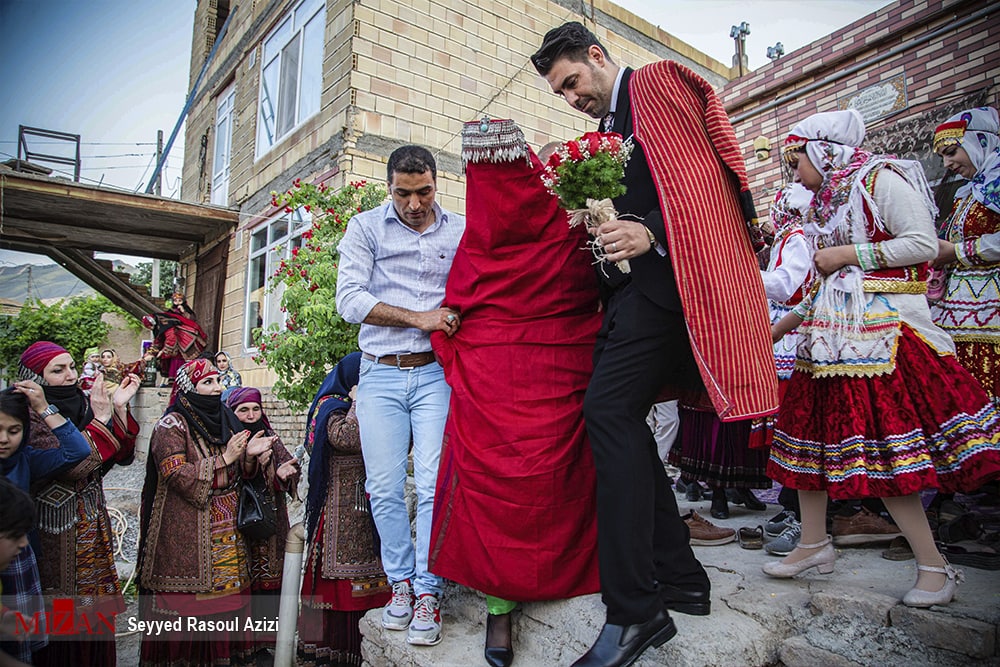
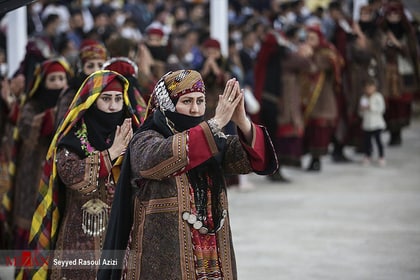
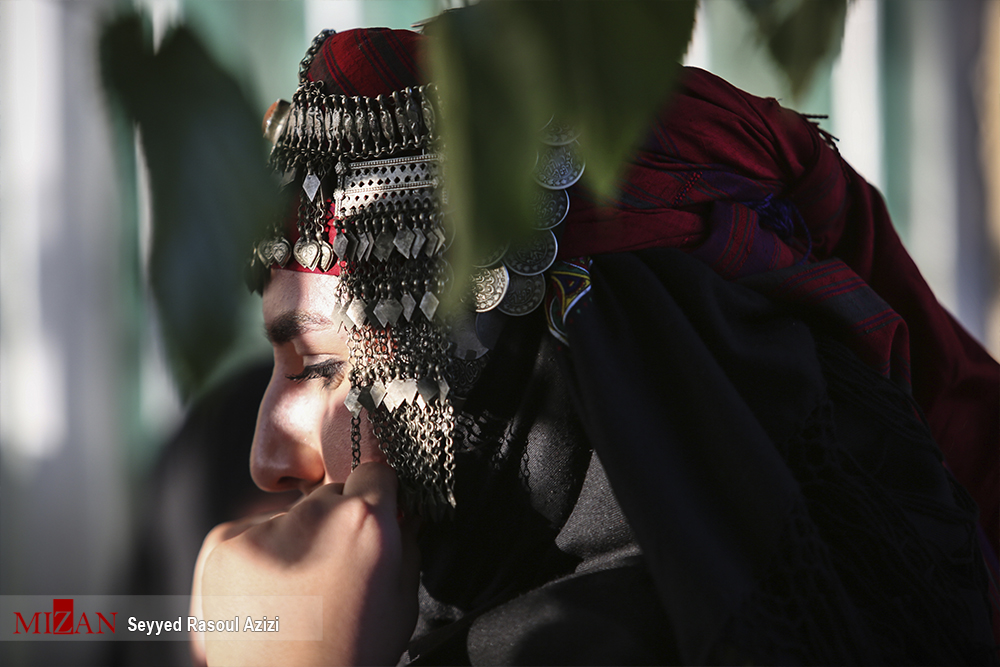
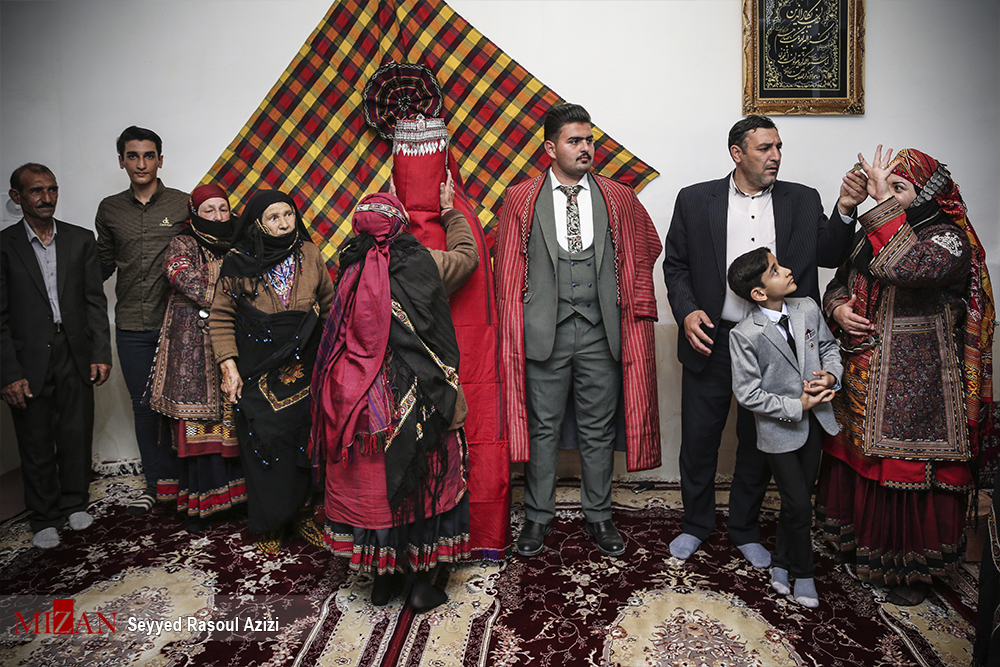
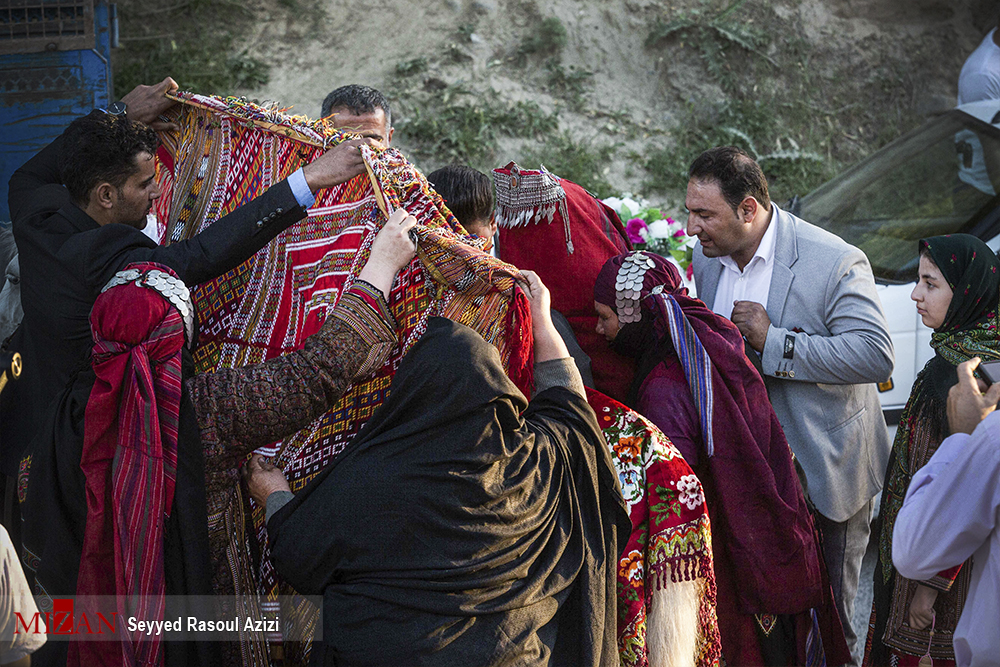
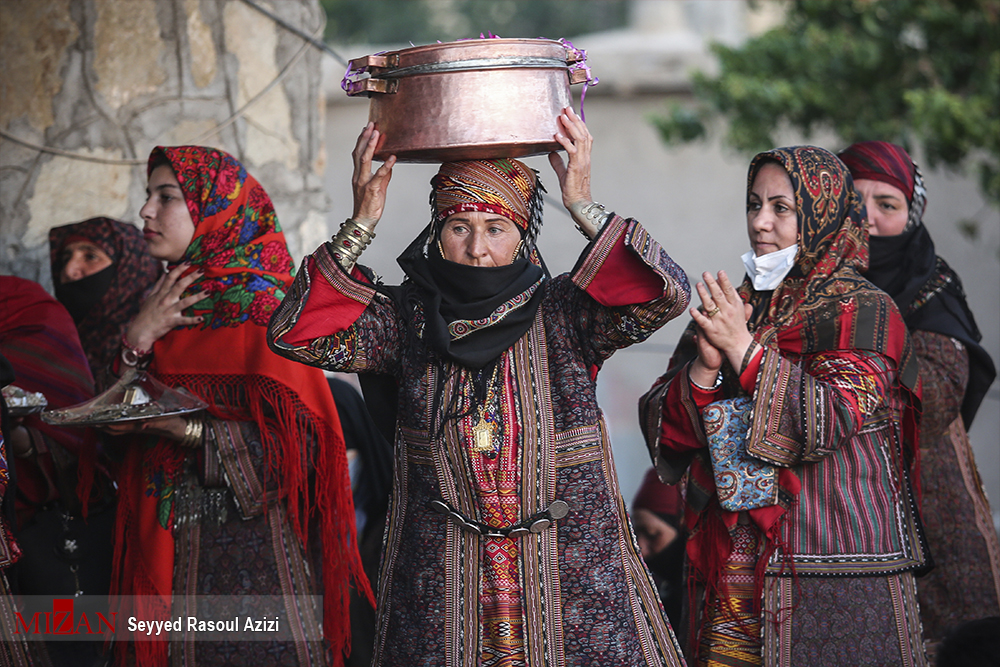
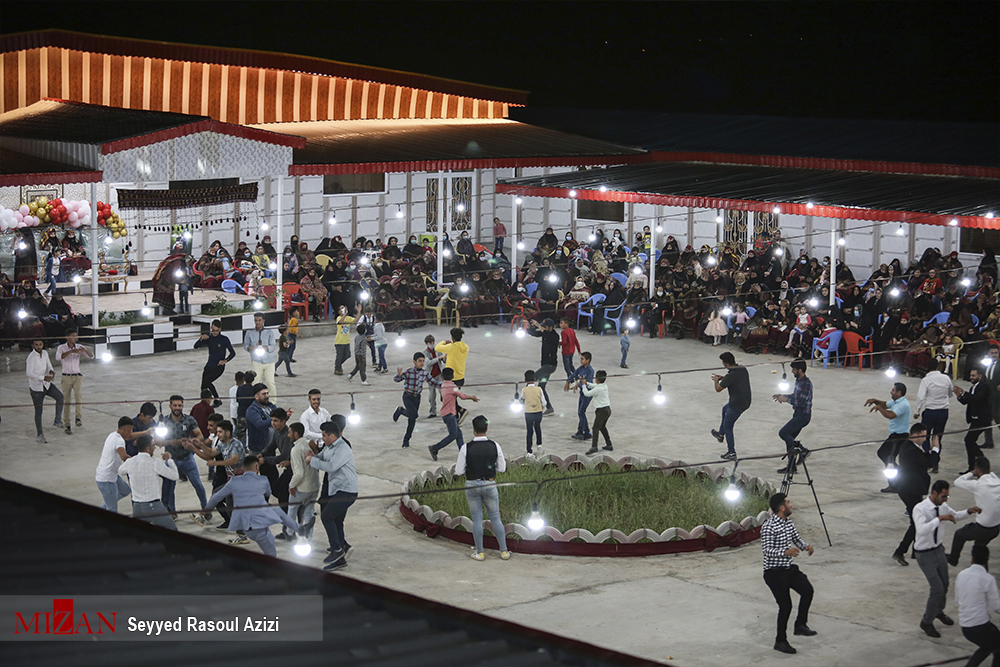
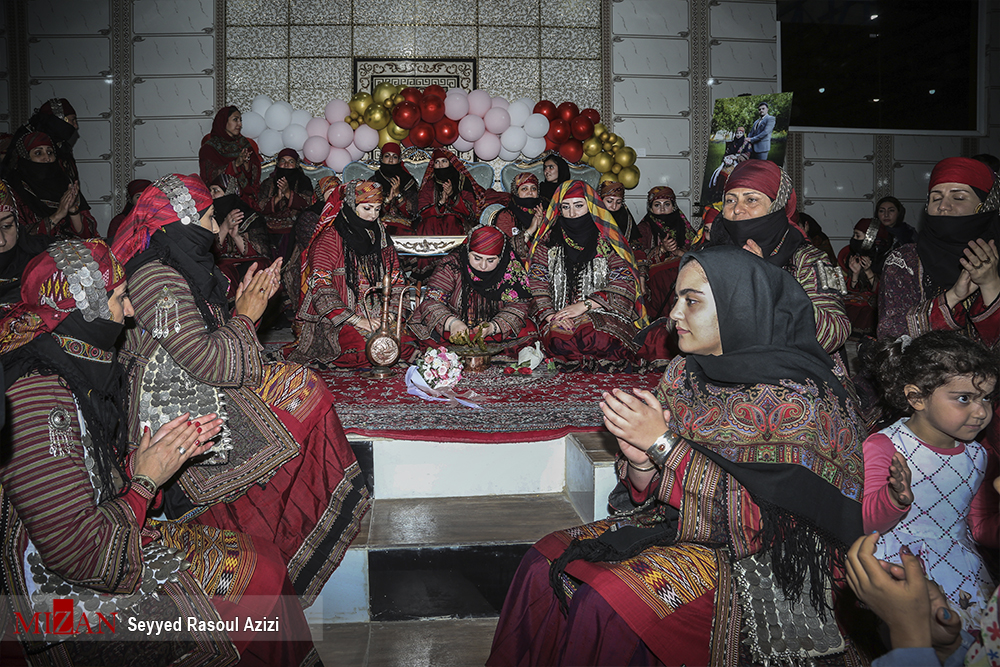
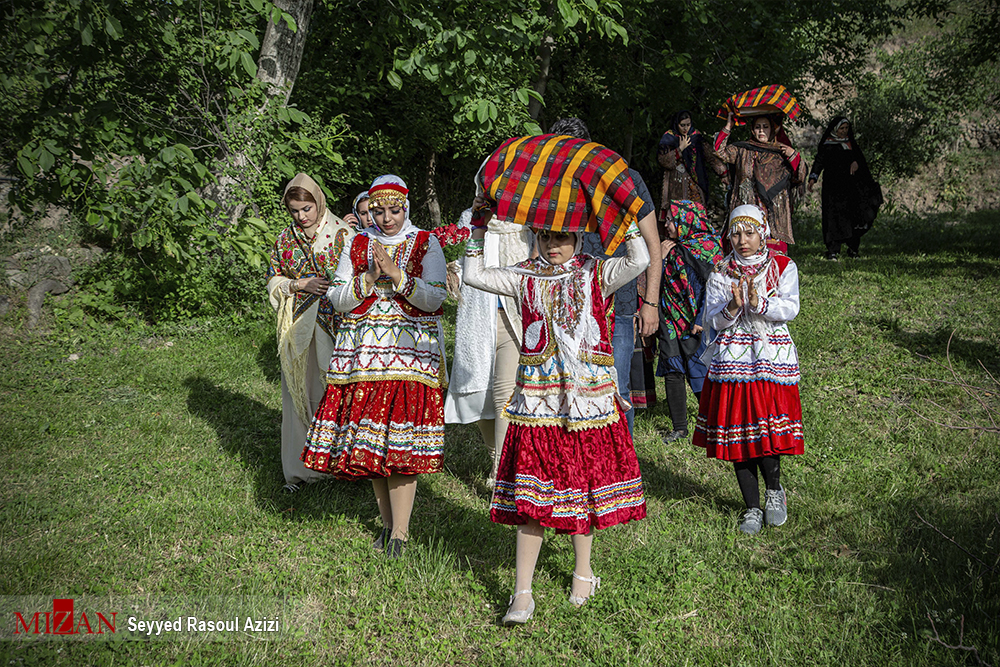
Iran in Photos: People of Kalat Still Hold Their Weddings in Traditional Way

People of this region observe very unique customs during their weddings.

The ceremony begins at the groom’s house with women in bright red silk dresses. Then they go to the house of bride’s sister and the groom’s brother to invite the families to attend the traditional dress-wearing ceremony of the bride and groom.

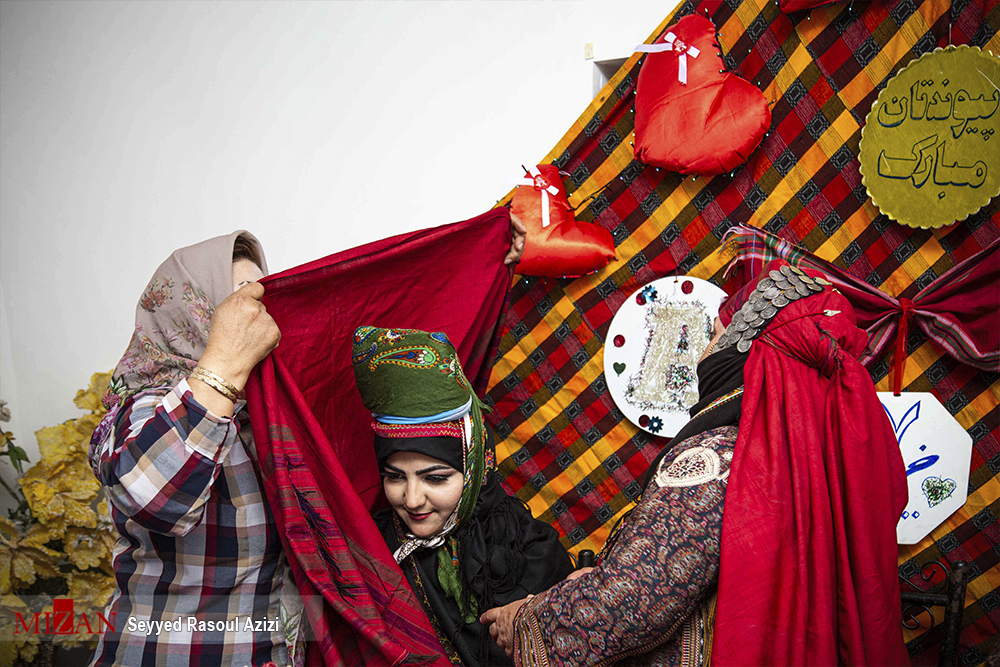
The bride and groom’s clothes are made of pure silk produced in Kalat.

After wearing traditional clothes, the bride’s shawl is tied over her head. The shawl is made of a special silk so that she can see all around from under the shawl, while her face is not visible.

These ceremonies are mostly observed to boost interaction among all families.

Here are some photos of the wedding ceremony in Kalat retrieved from Mizan News Agency:


Iran Calls for ‘Lasting Peace’ between Azerbaijan, Armenia

Foreign Ministry Spokesman Saeed Khatibzadeh expressed sorrow over casualties on both sides, and called on the two countries to exercise restraint.

He also highlighted the need for a peaceful settlement of border disputes between the two sides.

The spokesman urged Baku and Yerevan to leave behind tensions and conflicts, and underscored the necessity of establishing lasting peace in the south Caucasus region as soon as possible.

He said Iran stands ready to offer any kind of help to both side to achieve lasting peace.

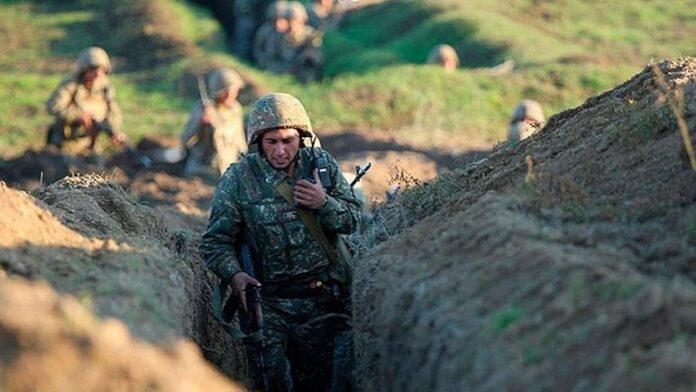
Khatibzadeh’s comments came after border tensions flared up between the Azerbaijan Republic and Armenia in recent days.

Armenian and Azerbaijani forces exchanged fire for hours starting late July 19, 2021 near the Armenian town of Yeraskh, on the border of Azerbaijan’s Nakhchivan exclave, leaving several dead or wounded.

It was perhaps the most serious fighting since a Russia-brokered ceasefire ended last year’s war in November.

Where’s Lebanon Heading after Hariri’s Resignation

Hariri presented the list of his ministerial picks to the president several times and each time faced opposition from Michel Aoun, but this time he gave up his position as the prime minister-designate as a gift to his rivals, taking the Lebanese crisis to a new stage.

According to the political tradition in Lebanon, the largest Sunni party in the parliament has the right to nominate the prime minister, but after the livelihood protests of the past two years, Hariri resigned and the parliamentary majority faction elected Hassan Diab, a non-partisan and technocrat, as prime minister.

From the very beginning, Hezbollah believed that this method would not work and Lebanon still does not have the capacity to do so, but due to Hassan Diab’s honesty and expertise, he agreed with his prime ministership.

After the explosion of the port of Beirut, the same people who wanted a technocrat and supra-factional government took to the streets again and demanded the resignation of Hassan Diab (who had the least role in the problems of Lebanon and inherited the mismanagement of former prime ministers).

After that, according to the tradition, the largest Sunni party nominated Hariri for the post of Prime Minister, but he, along with France, intended to impose the cabinet on the President, contrary to the majority opinion, which Michel Aoun also demanded. he stood.

Of course, even if the president agreed, his cabinet was unlikely to win a vote of confidence in parliament.

Now that he has announced his resignation after nine months, the president seems to be trying to consult with political groups to choose a new option.

It is the way forward for Michelle Aoun; First, choosing another technocrat option like Hassan Diab, whose experience of his time showed that this path will not end.

But the second way is to turn to a Sunni politician, who is currently the most likely possible option in the Lebanese mass media to greet the former Prime Minister “Hello”. He is an independent figure who, of course, is in alliance with the future.

It should be noted that Lebanon’s internal problems, economic pressures and devastating Western sanctions will deter many prominent figures from assuming the post of Prime Minister, and it remains to be seen whether anyone will be willing to form a government in such a situation.

* Article by Alireza Taghavinia

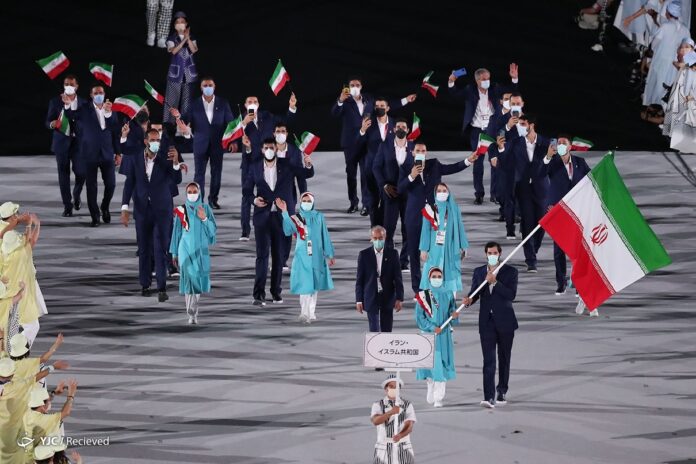
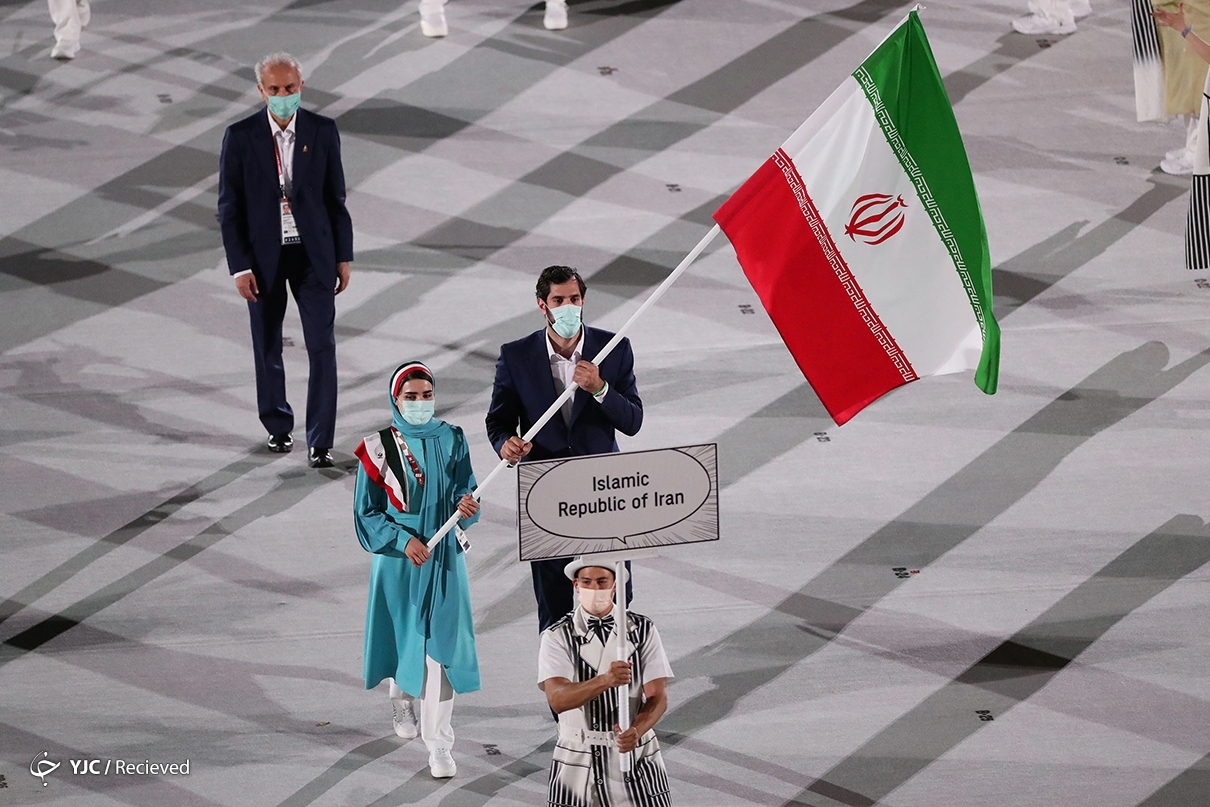
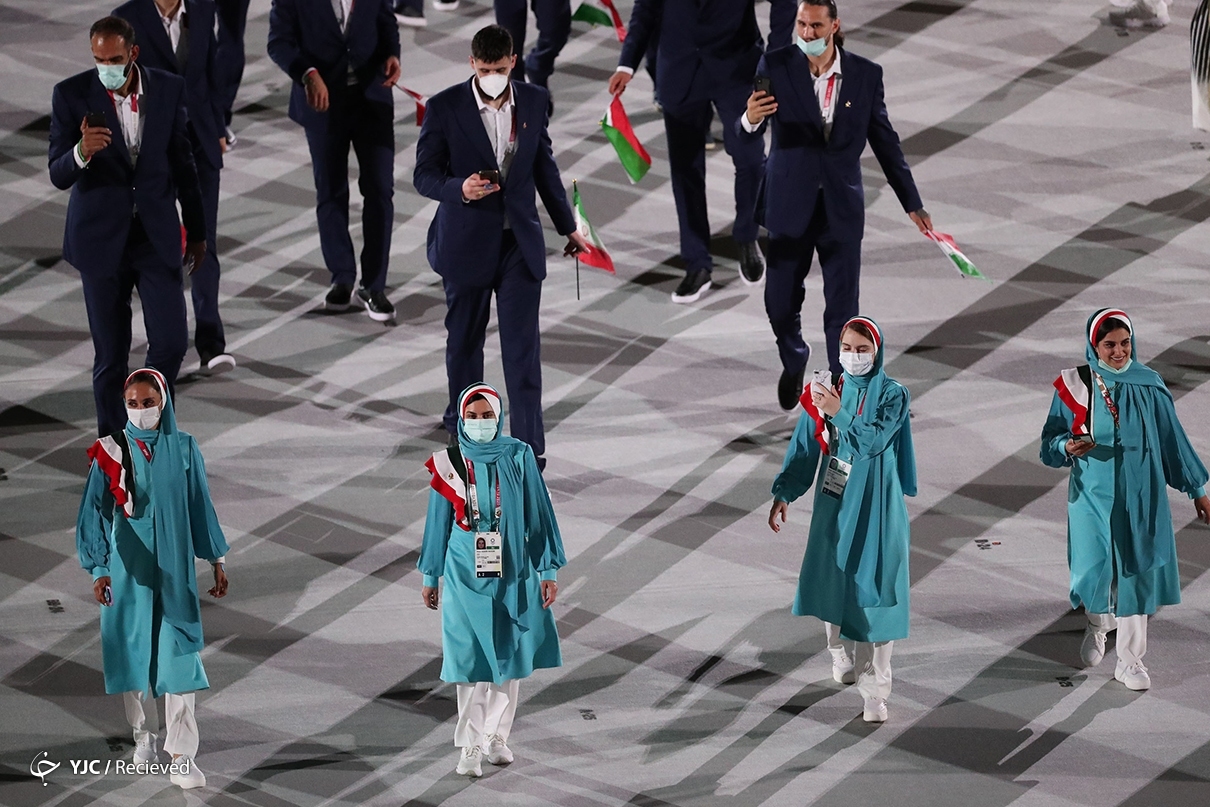
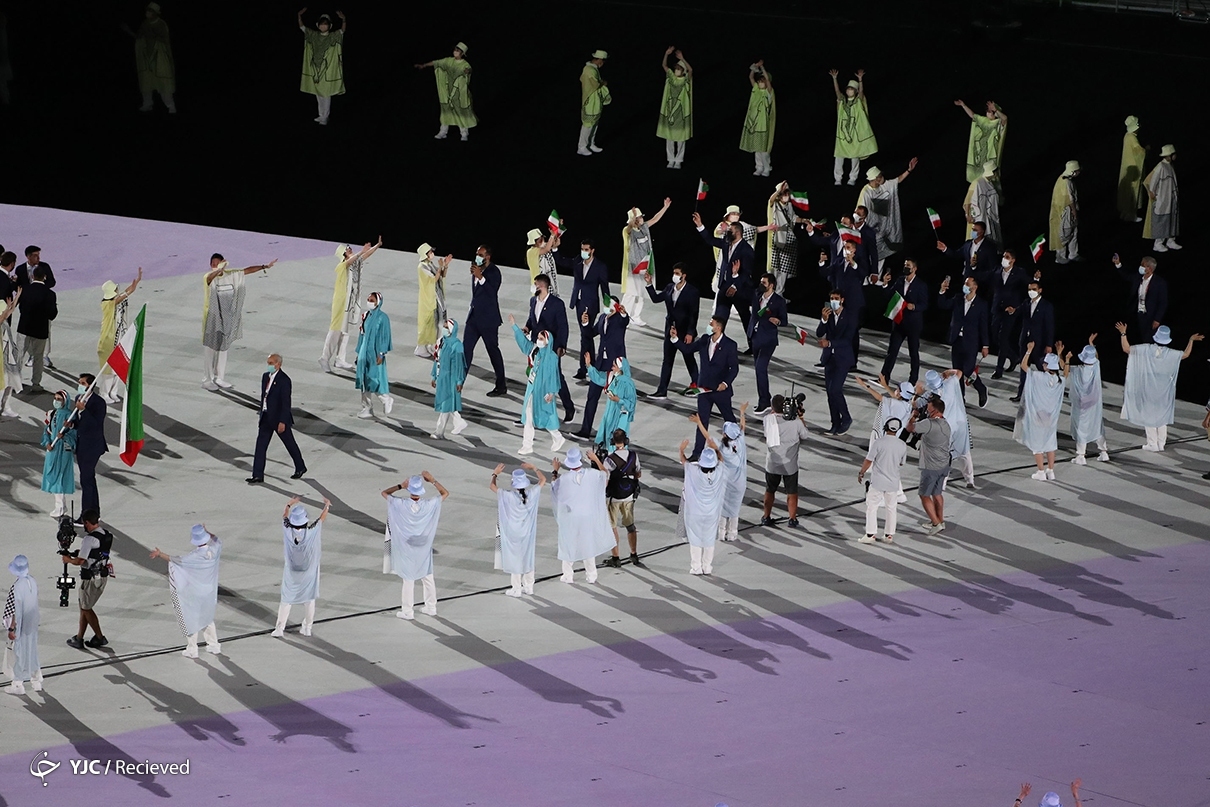
Team Iran Walk in Parade of Nations at Tokyo Olympics Opening Ceremony

The opening ceremony of the 32nd Olympic Games was held in Tokyo at 8 pm local time, and the Iranian athletes paraded as the 21st delegation.

Athletes paraded in a near-empty stadium as the coronavirus cases continue to rise and the spectators cannot watch the games at venues at this edition.

The outfits of the Iranian team were the same formal uniform unveiled at the departure ceremony, which had sparked sharp criticisms against the design and colour of the women athletes’ uniform.

Unlike the previous rounds, no federation president was present in the Iranian parade team.
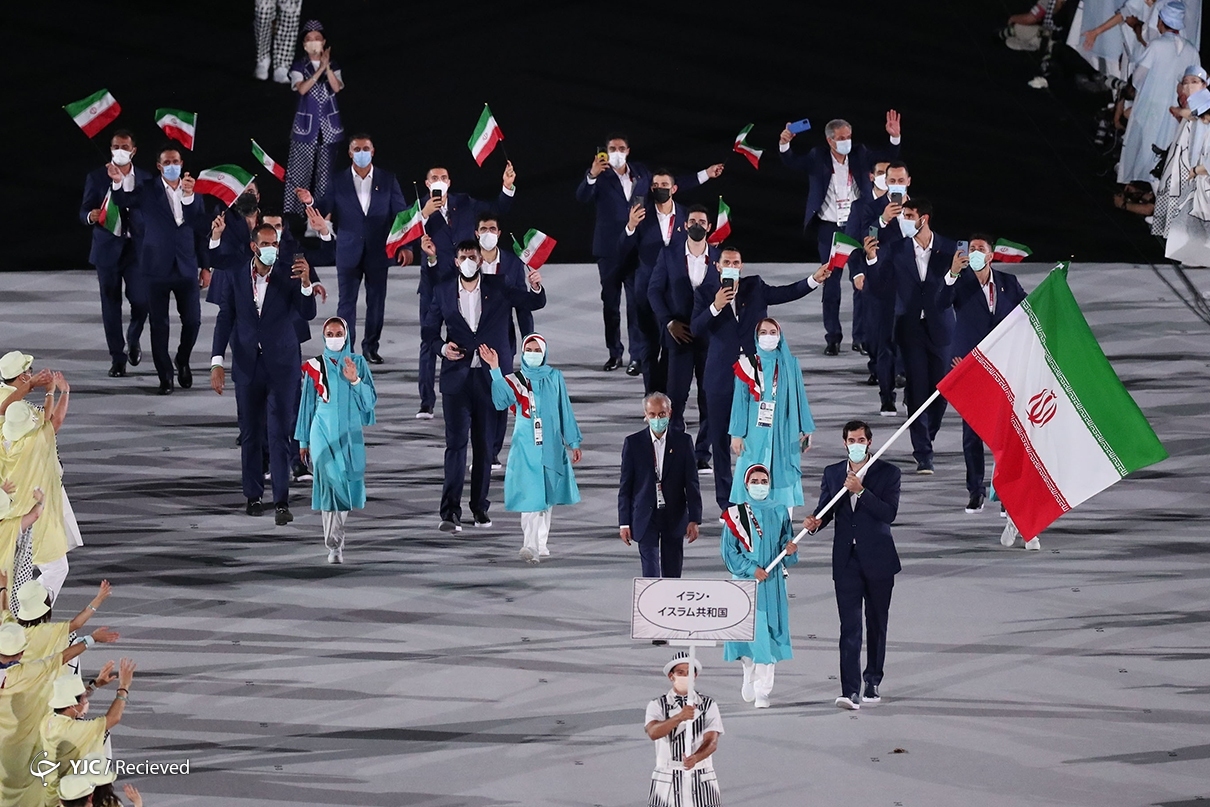
12 members of the men’s basketball team , Hanieh Rostamian and Najmeh Khedmati from the shooting team, Mirhashem Hosseini and Nahid Kiani from taekwondo, Daniel Shahbakhsh and Shahin Mousavi from boxing, Nazanin Mollai from rowing, Soraya Aghaie from badminton, Nasrollah Sajjadi, head of Iran’s Delegation in Olympics, Elham Hashemi, head coach of Shooting Team and Mahrou Kamrani, Head coach of women’s taekwondo, Afshin Farzam, head coach of rowing, Alireza Estaki, head coach of boxing, and Jamil Lotfollah Nasabi, head coach of table tennis attended the parade.

Tokyo 2020 Olympics will be held as of July 23 till August 8 after a one-year delay due to pandemic.
The Islamic Republic stood at 25th place at the 2016 Olympic Games in Rio de Janeiro, with three gold medals, one silver and four bronzes.

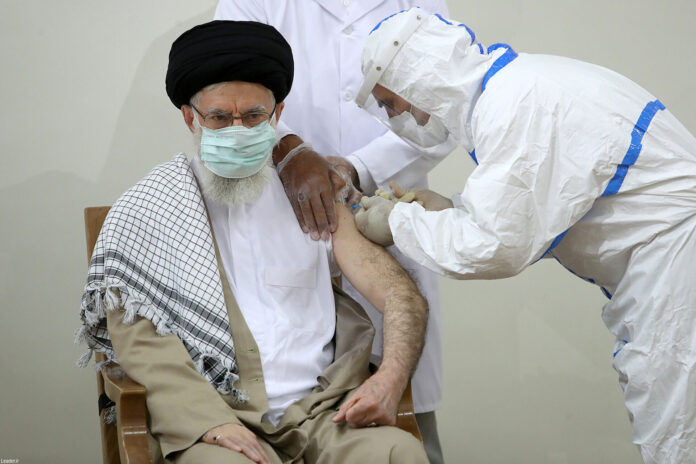
Iran’s Leader Calls for Acceleration of COVID-19 Vaccination Process 

Blaming the delay in the inoculation of people against the virus on the foreign sellers of the jab, the Leader of the Islamic Revolution said the officials should try not to delay the vaccination of the people.

He made the comments after receiving the second dose of the home-grown Iranian anti-corona vaccine called Barekat.

“In some cases, there was a disruption in the issue of distributing the vaccine among people, which, of course, was mainly due to the unfulfilled promises of those who vowed to sell the vaccine to us.”

Ayatollah Khamenei said this once again reminds the Iranian nation and the country’s officials that we must be able to stand on our own feet in all matters, and that relying on others creates problems, as it did in this case.

He further noted that in addition to the domestic production of vaccines, the Islamic Republic had no choice but to use the reliable products of other countries.

The Leader once again stressed that the efforts must be put on domestic production and the vaccination of the people should not be delayed.

In the end, he raised hope that the distribution of the vaccine will be carried out swiftly and the respected officials will pay attention to this matter.

Iran has gone through the fifth peak of the corona pandemic while the vaccination process is moving ahead slowly due to the shortage of vaccines.

The Islamic Republic was supposed to receive millions of doses of vaccine from several countries, but as officials say the foreign states have not kept their promises.

The country is developing several indigenous jabs, but the only one which has received the final approvals so far is Barekat.

Iran has a population of over 80 million people, but up to now just about eight percent have received the first dose and nearly three percent have got both doses.

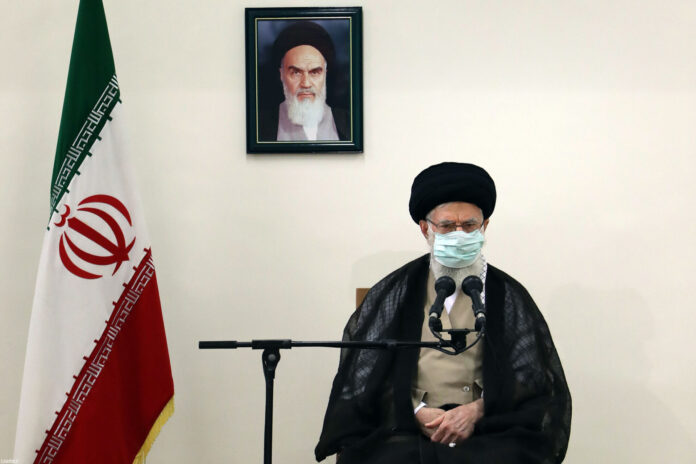
Ayatollah Khamenei Urges Officials to Resolve Water Shortage in Southern Iran

Ayatollah Seyyed Ali Khamenei said the people of Khuzestan have contributed a lot when the country was involved in a war against Iraq; therefore, they should not go through such troubles.

Iran’s Leader made the remarks in a speech on Friday after receiving the second dose of the Iranian-made anti-corona vaccine Barekat.

“During the eight years of holy defence, the people of Khuzestan were at the forefront of the problems and stood up fairly. I watched closely. I witnessed how faithfully and diligently the people of Khuzestan sent their youth, their men, and their women to help. So, these faithful and attentive people should not suffer from these problems.”

Ayatollah Khamenei added that people cannot be blamed and the government officials must take care of their problems.

“We would not have faced the current situation had the necessary measures been taken in time,” the Leader of Islamic Revolution said, urging the officials to pay great attention to the current problems in Khuzestan province.

The leader also called on the next administration to care seriously about this issue in the south.

Over the past week, protesters have taken to the streets in south-western Iran, chanting slogans as they demand access to water for their farmlands and their cattle.

At least five people have been killed in the water protests in Khuzestan and Lorestan. The government blames the deaths on rioters, not the security forces.