Thursday, December 25, 2025
Home Blog Page 2465

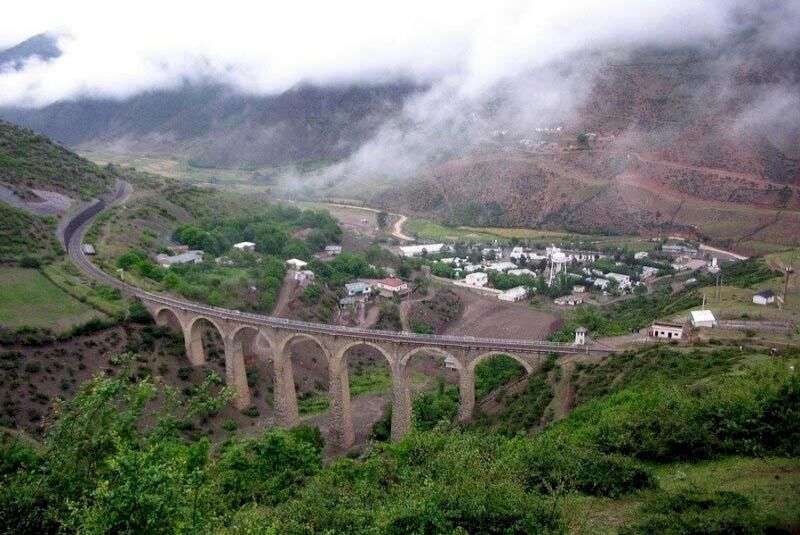
Iran’s Railway Network Registered on UNESCO’s Cultural Heritage List

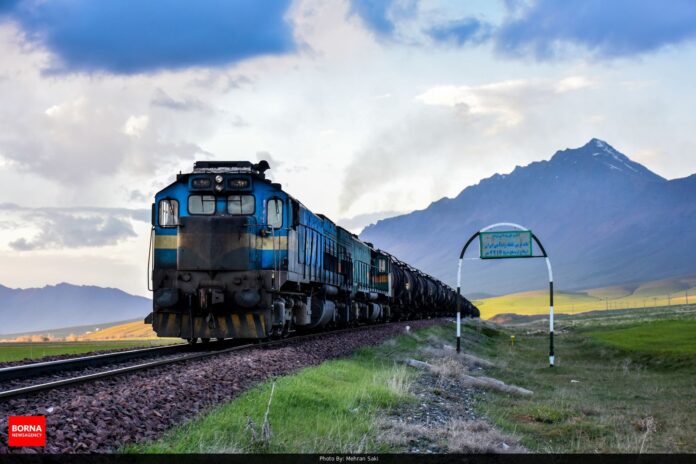
The railway known as the North-South Railraod was registered by the world body as Iran’s first industrial heritage structure and the 25th tangible cultural heritage structure.

As many as 22 cultural and historical structures as well as 2 natural sites from Iran had already been registered as tangible cultural heritage, and 16 elements as intangible cultural heritage by UNESCO.

Moreover, a proposal to register Iran’s Uraman region as global cultural heritage is to be discussed at a meeting of the World Cultural Heritage committee on July 27, 2021.

Iran’s Railway Network Registered on UNESCO’s Cultural Heritage List

Raisi Says Expansion of Ties with Neighbours on Top of His Foreign Policy Agenda

Ebrahim Raisi said interaction, dialogue, and consultation with neighbours on important issues of the region will be the priority of his administration.

Raisi made the comments in a telephone conversation with Haitham bin Tariq, the Sultan of Oman, on Saturday evening.

Congratulating the Sultan of Oman on Eid al-Adha, Raisi added that with the existing mutual political trust the expansion of Iran-Oman ties is an achievable goal.

“The history of brotherhood of the two nations and the history of friendship between the two governments is so deep-rooted and strong that regional and international developments have never been able to weaken it,” underlined the Iranian President-elect.

However, the interactions between Tehran and Muscat are far from the expected level, stated Raisi, adding that the comprehensive plan to expand economic relations between the two countries should be prepared at the earliest under the supervision of experts from both sides and be implemented with the approval of the two countries’ leaders.

He also described Oman as a reliable neighbour and a respected partner for Iran.
For his part, Haitham bin Tariq, Sultan of Oman, congratulated Eid al-Adha and wished success for the Iranian President-elect.

“I have no doubt that relations between Iran and Oman will remain strong, and these friendly and constructive ties will have a positive impact on all developments in the region,” noted bin Tariq.

The Sultan of Oman welcomed Raisi’s position on constructive interaction with neighbours as a foreign policy priority of the future government of the Islamic Republic of Iran, adding that mutual political trust is one of the most important factors in the closeness of Tehran and Muscat.

“We will seriously pursue closer relations between the two countries in order to ensure the interests of the whole region,” the Omani official reiterated.

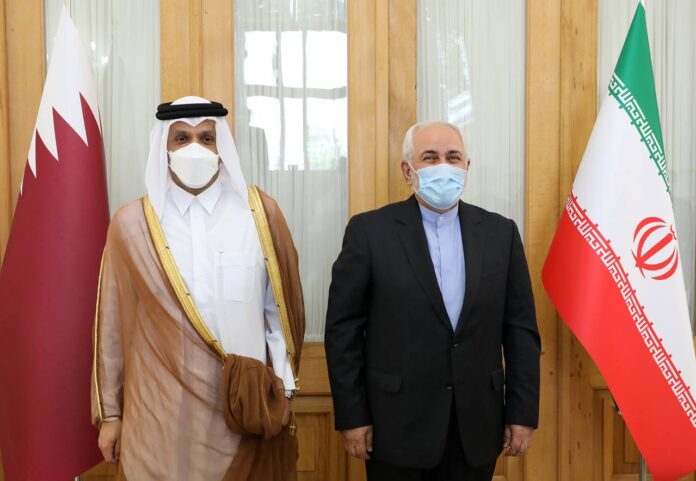
Qatari Foreign Minister Meets Zarif during Unannounced Trip to Tehran

During the meeting, the two sides discussed the latest developments in bilateral relations and the most pressing regional and international issues.

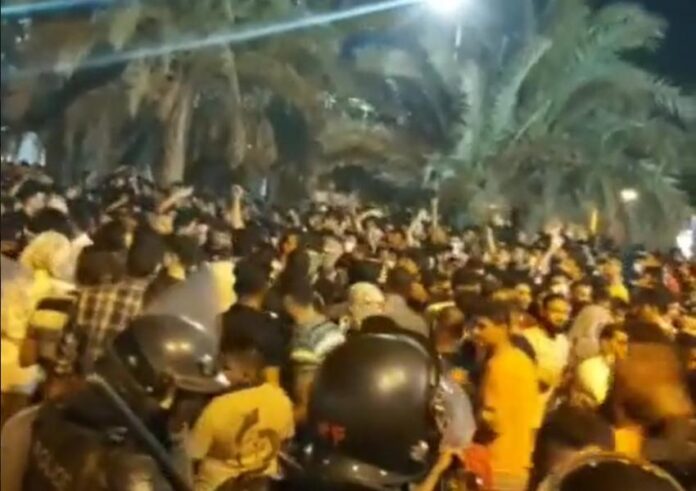
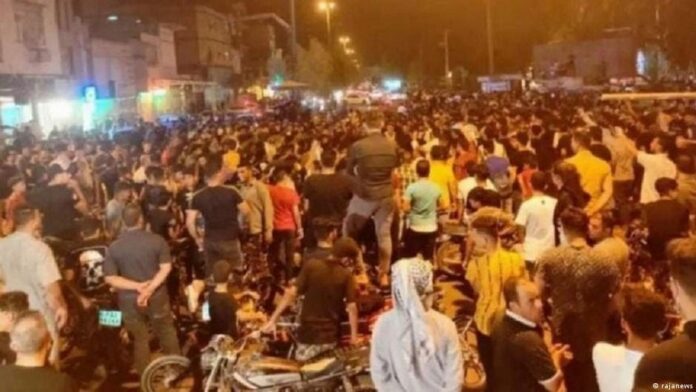
Iran’s Top Security Official Orders Release of Khuzestan Protests Detainees

Shamkhani, who is an Arab from Khuzestan, made the remarks in a post on his Twitter account, adding that Khuzestanis have every right to express their protest. 

For more than a week, people in Khuzestan have been protesting a shortage of water which has resulted in the deaths of their buffalos.

People in other provinces like Lorestan (Aligoodarz) and East Azarbaijan (Tabriz) have held rallies in solidarity with Khuzestan.

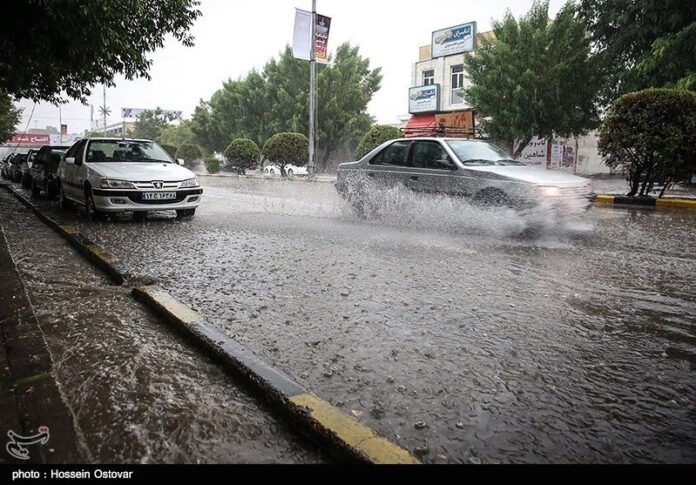
Iran’s Sistan-Baluchestan Province Having Rainiest Summer in Years

Director General of Meteorology of Sistan and Baluchestan says in the first month of summer this year, it has rained at least 45 times more than the last winter in the province.

“This difference was due to unprecedented low rainfall last winter. The winter rainfall in Sistan and Baluchestan last year reached 0.4 mm and was the lowest winter rainfall in the province in the past 25 years,” added Mohsen Heidari. 

In addition to the winter low rainfall, India’s monsoon further compensated for this low rate. At least more than 18 mm of the province’s low rainfall in the crop year was made up in the first month of summer.

For about three weeks, monsoon rains have been falling in different parts of the province, so much so that the maximum rainfall level has reached 80 mm, Heidari told Tasnim News Agency. 

He further reiterated that the rainfalls at this time of year do not play a significant role in compensating for the deficit of rain in the cold months of the year, because at this time of year due to the hot weather, the water is quickly evaporated and mostly the rains are in showers which pour at low intervals and in high volumes.

“However, the July rains, to some extent, took the province out of super-critical conditions and water emergencies, but we are still facing a serious shortage of rain.”

According to the latest indices, over 93% of the province and 100% of the cities of Delgan, Zabol, Fanouj, Qasr-e-qand and Nikshahr are still affected by various degrees of drought, reiterated Hedari. 

In another part of his statements, the director general of meteorology of Sistan and Baluchestan said if for about 15 consecutive years the total annual rainfall of the province reaches over 15% of normal conditions, then it can be said that the rainfall situation of the province has returned to normalcy.

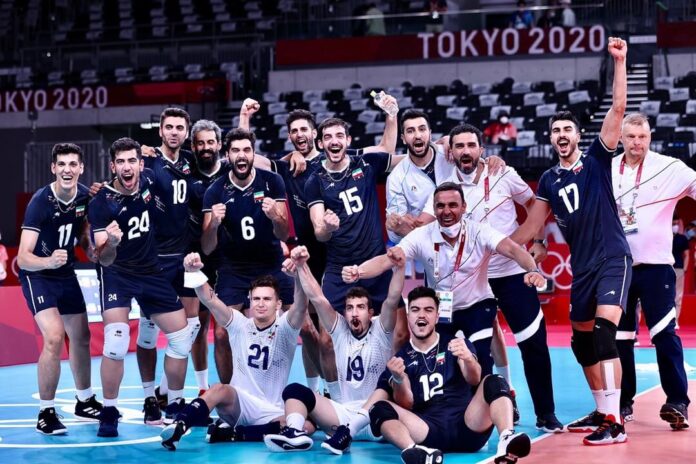
Iran Beats Poland Volleyball Team in Dramatic Olympic Clash

In a very tense contest that had nine match points, Iranians managed to defeat the world’s second-ranked opponent 3-2.

The Polish medal favourites lost their first match of pool play as the Iranian team showed their strength in a five-set thriller.

Led by Wilfredo Leon, Poland came to the games with high hopes of winning the gold, but Iran’s Amir Ghafour who clinched 17 points did not let the strong team win at Ariake Arena.
However, the loss is not too detrimental to Poland’s medal hopes as four teams from Pool A advance to the quarterfinals.

In 2016 Rio Olympics, Iran managed to make it to the quarterfinals and now they have a historic win to keep their medal hopes on track.

The team will play against Venezuela in its second match.

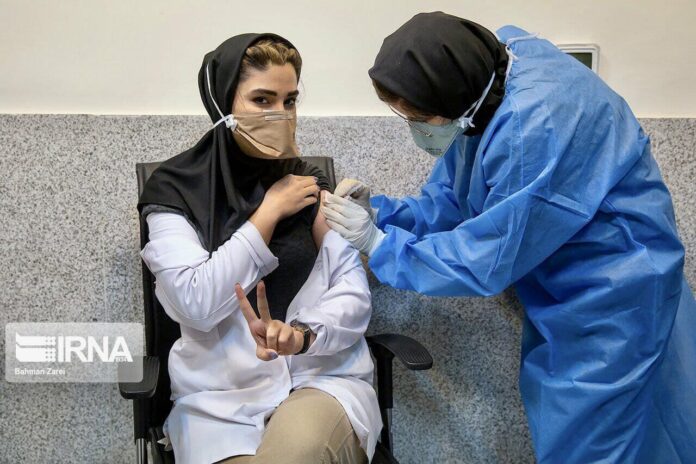
Over 10 Million Iranians Vaccinated against Coronavirus: Ministry

The Public Relations and Information Centre of the Ministry of Health announced that so far, seven million 654 thousand and 612 people have received the first dose of the corona vaccine while two million 372 thousand and 16 people have received the second dose.

Therefore, the total number of vaccines injected across the country has reached 10,026,628 doses.

According to this report, currently, 232 cities in the country are in red zone, 117 in orange and 99 in yellow zones.

The Islamic Republic has gone through the fifth peak of the pandemic. The authorities shut down Tehran and Karaj for six days, starting on last Tuesday, to curb the fifth wave of the deadly pandemic.

Travel to and from cities that are in red and orange zones is banned and vehicles trying to leave the quarantine will be set back to city limits.

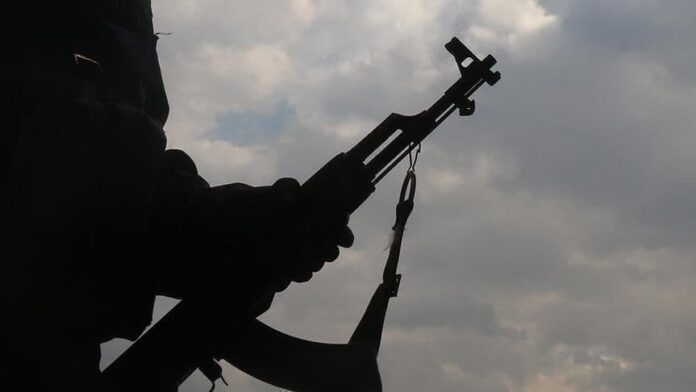
Four Iranian Forces Killed in Clashes with Bandits in Southeast

The public relations department of the Quds base of the IRGC’s Ground Forces in the Southeast announced on Saturday that four of its members lost their lives in clashes with bandits in Gounic district of Khash in Sistan and Baluchestan province.

The report said in the clashes on Friday night Mohammad Nabi Omarzehi, Hamid Sohrab Zahi, Nader Rigi Hosseinabadi and Mohammad Ali Rakhshani were killed.

The IRGC has also announced that more details on the incident will soon be out.

The IRGC is tasked with ensuring the security of southeastern borders in collaboration with local residents.

Located in the southeast of Iran and near the border with Pakistan, Sistan and Baluchestan is prone to terror attacks by bandits.

Tehran Accuses UN Rights Commissioner of Trying to Cause Rift among Iranians

Khatibzadeh on Saturday described the Commissioner’s statement on the recent events in Khuzestan province as regrettable, saying it was totally invalid and tainted with false accusations and incorrect information.

“The accusations have been made without considering the extensive efforts of the government, judiciary, security and media officials to alleviate the suffering of the people of this province and to resolve the existing problems, and that is the most important proof that the statement is politicised and invalid,” he added.

“In this respect, the High Commissioner’s statement is more like a political declaration with a hostile tone than the words of an international human rights official,” Khatibzadeh noted.

The spokesman noted that making such unprofessional and biased comments on the management of Iran’s water resources is not within the scope of the Commissioner’s responsibilities, and the institution under his responsibility does not have the authority and legitimacy to comment on this issue.

Khatibzadeh noted that the water crisis in Khuzestan is the result of a series of natural phenomena, especially this year’s drought, and a consequence of the unilateral coercive measures imposed on Iran which have prevented the transfer of technology and investment in the water sector of Khuzestan.

“The question is why the commissioner has not yet, so blatantly, condemned the unlawful sanctions imposed by the United States against the Iranian nation which have led to the violation of many of the fundamental human rights of this honourable nation, and has just expressed a few short and weak sentences!”

It seems that the efforts by the Office of the High Commissioner for Human Rights (OHCHR) to create minorities and cause rift among the united nation of Iran are in line with the political program of a few specific governments whose enmity towards the Iranian nation is obvious, Khatibzadeh noted.

“These governments are the abusers of the lofty concept of human rights and the main proponents of anti-human rights political resolutions against the Islamic Republic of Iran at the Human Rights Council and the UN General Assembly,” added the foreign ministry spokesman.

Khatibzadeh stated that the Islamic Republic of Iran respects its citizens’ right to hold peaceful gatherings, and the country’s authorities at the highest level have acknowledged the existence of water problems in the region and the people’s right to peaceful protests.

He added that the presence of the police and law enforcement in such gatherings in order to prevent riots and damage to people and public property is legal and accepted in accordance with international norms and regulations.

“At the same time the martyrdom of one police officer and the injuries of others indicate the infiltration of foreign-affiliated elements into the ranks of the protesters that is aimed at inciting sedition and creating fake conflicts,” he added.

The UN High Commissioner for Human Rights Michelle Bachelet on Friday urged the Iranian authorities to put focus on taking immediate action to deal with the chronic water shortage in the province of Khuzestan, rather than using force and widespread arrests to repress the protests.

“The impact of the devastating water crisis on life, health and prosperity of the people of Khuzestan should be the focus of the Government’s attention, not the protests carried out by people driven to desperation by years of neglect. I am extremely concerned about the deaths and injuries that have occurred over the past week, as well as the widespread arrests and detention,” said Bachelet.

Over the past days, protesters took to the streets in Khuzestan and Lorestan province, chanting slogans to demand access to water for their cattle and farmlands.

Several people have been killed in the water protests in the southwest, but the government blames the deaths on rioters, not the security forces.

Turkish Opposition Vows to Send Back Home Syrian Refugees If He Wins Elections

Kemal Kılıçdaroğlu, the leader of the Republican People’s Party of Turkey (CHP) and the leader of the Turkish opposition, said in a statement that if his party wins the 2023 presidential and parliamentary elections, he will send back Syrian refugees within two years.

“I am addressing Europe and the world. Do not compare me with Erdogan. I am one of those who participated in the Turkish War of Independence.

No one can turn our country into a free prison for refugees. I tell you that very difficult negotiations await you,” Kılıçdaroğlu stressed.

He also noted in a tweet that his call to the EU, which claims to attach great importance to human rights, is to bear the burden together.

The leader of the Republican People’s Party, said in a video published on his Twitter account that according to official figures, 3.6 million Syrians live in Turkey.

“We can clearly see this density in the cities bordering Syria. In some provinces, the number of Syrian citizens is higher than the number of Turkish citizens. Unemployed citizens are complaining about the Syrians, and we can face bigger problems that cannot be solved at a later stage.

We have to solve this problem; they (the ruling party) have not solved this problem and they do not have the power, but we will resolve it in the future.”

Kılıçdaroğlu further added that his party will first improve relations with the Syrian government and then reopen the embassies.

“When I went to Europe, they were complaining about the Syrian refugees, I was telling them why are you complaining now that the Syrians have reached you? Why didn’t you not hear a voice when there was bloodshed in Syria, and when the refugees entered Turkey? You did not hear their voice, but after the refugees reached your borders, you are complaining.”

The leader of the Republican People’s Party of Turkey also stated that “I told the Europeans that you should pay and build schools, hospitals and roads for the Syrians, then we will send them to their country.”

This is not a racist act. The Syrians are our relatives, but they will be happy to live in the country where they were born. We will send them back to live in peace and tranquillity in their country, God willing. As soon as we come to power, we will end the refugee crisis in just two years, he underscored.

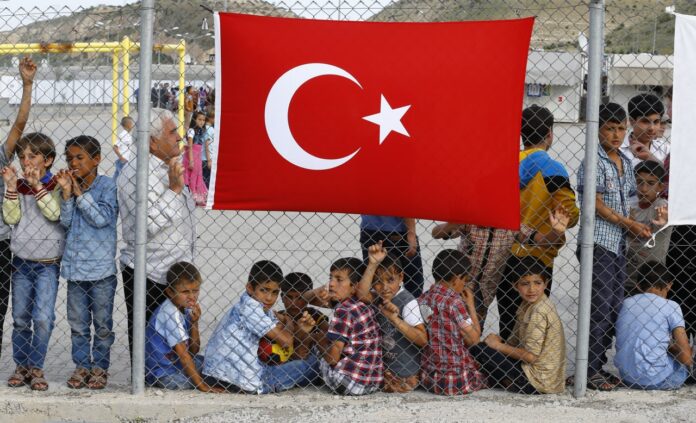
Turkey hosts around 3.6 million Syrian refugees that have fled war in their homeland.

Ankara has also been militarily involved in the fighting in northwestern Syria, and has supported Syrian opposition. Many of the areas targeted by Turkish forces were predominately Kurdish, prompting accusations of ethnic cleansing and forced demographic change.