Thursday, December 25, 2025
Home Blog Page 2464

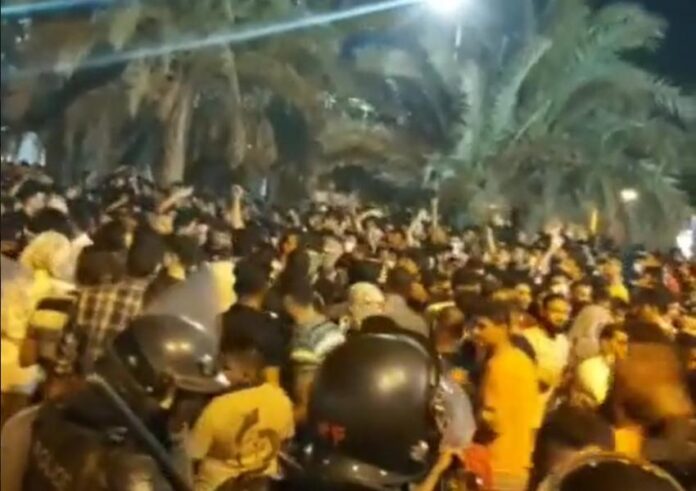
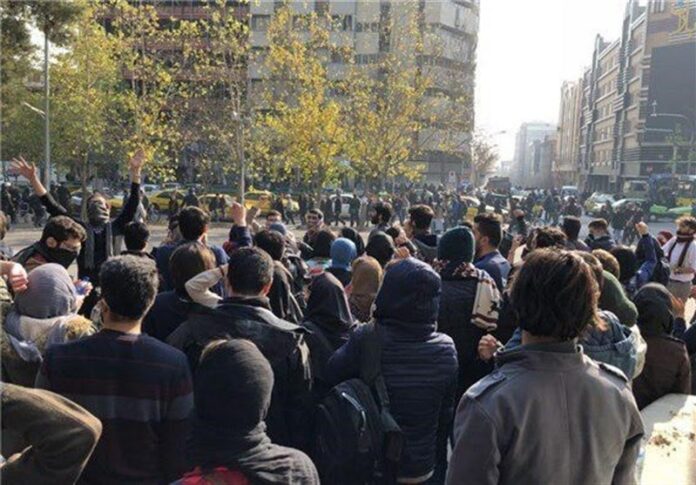
Protest Rally Held in Downtown Tehran against Power Cuts

The shop owners gathered outside the mall, located in the central Jomhouri Street, in an act of protest.

According to media reports, the protest held to raise concern over the impact of power cuts on the shop owners’ businesses, was later infiltrated by a group of people, who politicized the rally, chanting slogans strongly critical of the political system in Iran. The protesters later dispersed.

According to the Ministry of Energy, the two-hour-long power outage at Aladdin shopping mall was due to consumption exceeding the limits set for the commercial center.

Iran has been hit by scheduled power cuts over the past months amid rising electricity consumption, which officials say, topped the national power generation threshold in the hottest days of June and July.

Iran’s power sector has been hit hard by a dry raining season, which has taken its toll on the mainly hydro-electric industry.

Iran Opens First Specialized Centre for Innovation in Nuclear Industry

The centre was launched in a ceremony at the presence of head of the Atomic Energy Organisation of Iran Ali Akbar Salehi and Vice President for Science and Technology Sorena Sattari.

Launching of the centre is the first step for Iran to shape its innovation biome in the nuclear industry and support the development of innovation in the field.

The centre is expected to help the expansion of the civilian applications of the nuclear technology in the fields of medicine, agriculture and industry, among other sectors.

Taliban; Domestic Afghan Issue or Leverage to Harness China’s Domination?

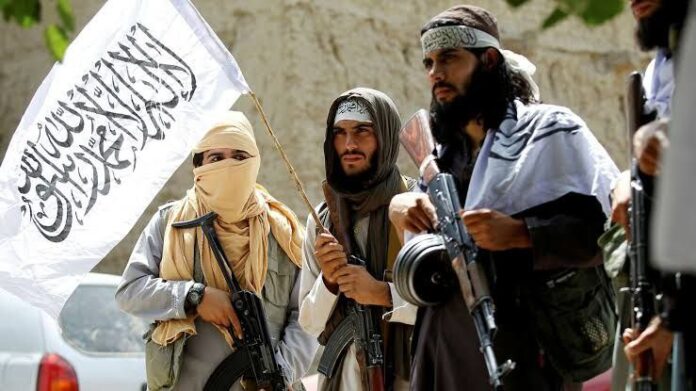
As the Americans are leaving Afghanistan, violence against civilians and fighting with the army has intensified. Before the withdrawal of US troops, the Taliban had control over someparts of the country, but in the past two months, as the US and its allies withdrew most of their forces from Afghanistan and the peace talks in Doha and Istanbul failed, the militant group found opportunity to further confront the government and occupy more regions.

The Afghan-Chinese border is turning into a concern these daysas the Taliban expand their dominance, advancing to the borderwith their eastern neighbour and Xinxiang region.

Badakhshan province, in northeastern Afghanistan, is a mountainous region suitable for armed activities. It fell into the hands of Taliban as the government forces and the armed popular forces were unable to keep the region under control.

China and Afghanistan share a 76-kilometre border in the northeast. There is also a border with Tajikistan in the same area, where the Chinese have kept their forces to protect both sides.

Xinjiang, now bordered by the Taliban, is an autonomous regionin western China formerly known as East Turkestan. Muslim Uighurs live in the area, and the Chinese central government is constantly concerned about separatist activities there.

It was back in March that some UN human rights experts raised concerns about the alleged detention and forced labour of Muslim Uighurs in China and Xinxiang .

“We stand ready to strengthen our dialogue with the Government of China at the earliest opportunity and welcome the Government’s prompt response to these allegations as well as its willingness to continue the constructive engagement with us,” the Working Group on Business and Human Rights said on March 29.

Beijing in response refuted the concerns and accused the group of publishing “distorted facts” and said “it spreads lies against China out of bias and political purposes.”

Liu Yuyin, the spokesman for the Chinese Mission to the UN in Geneva said in a statement that “China is a socialist country in which the 56 ethnic groups, as equal members of the big family of the Chinese nation, are closely united like the pomegranate seeds.”

The significance of this region becomes more tangible when we see China’s route to West Asia, or the so-called Silk Road, passes through Xinxiang.

Uighurs of Xinxiang have constantly fought for independence and the region has had intermittent autonomy since 18th century.

However, what makes the region a threat for Beijing is that a group called “The Eastern Turkistan Islamic Movement”(ETIM) has used violence to pursue its aim of establishing an independent so-called “East Turkistan” state within China. The UN says the ETIM is linked with al Qaeda and its members are supposed to have fought along with the Taliban in Afghanistan.

It was later revealed that the militant group was being trained militarily by the Taliban and had close ties with them.

It is not yet clear where their highly advanced weapons came from, but many are sceptical of the third parties and their support for the Uighurs.

Experts on the Chinese issues believe that without the support of foreign countries, the Uighurs would not have been able to form a group and take up arms. They believe that some countries want to counter China’s influence by creating armed groups similar tothe Taliban.

This as China believes that separatist tendencies are widespread in Xinjiang province, which requires government control.

Beijing accuses the ETIM of carrying out a number of terror acts in Xinjiang, where around one million Uyghurs and other minority groups are kept by the government in internment camps.

It was in May that China’s foreign minister Wang Yi said “We should resolutely crack down on the ‘three evil forces’ [of extremism, terrorism and separatism] including the East Turkestan Islamic Movement.”

However, the United States says the Chinese are hard on Uighurs, and Washington’s foreign policy is now focused on controlling the Chinese influence in the region.

Currently, new concerns have been raised as the risk of the Taliban-controlled militant groups is expanding in China. The Taliban have formally extended their hand of friendship to Beijing, while the Chinese opposition is receiving military training in impassable areas controlled by the Taliban.

In such situation, many observers ask what is the connection between the sudden withdrawal of the United States from Afghanistan and the inaction of Washington in the face of the occupation of most of Afghanistan by the Taliban?

To answer this question, we must take into consideration that spread of extremism near the Chinese borders can weaken China’s central government.

The East Turkestan Islamic Movement is not a newly established group. Since 1931, they have been active in northwestern China, revolting against the central government.

In recent decades, the group has been close to Saudi Arabia and Turkey, and has later chosen the Taliban as its close friend.

In this regard, it seems the other world powers are happy that the Taliban are near the Xinjiang borders as they put the Chinese government in hot water.

Uighurs can now travel more easily on the border with Afghanistan, and it will be easier for them to get weapons.

At the same time, the Taliban with the cooperation of the Uighurs will have control over some parts of the Silk Road and it could cause great trouble for Beijing.

On the other hand, it can create a good opportunity for Turkey, because the Americans believe Turkey’s presence in Afghanistan and their proximity with Turkic Uighurs can be a good solution to thwart Chinese threat and domination in the West Asian countries.

All in all, the constant presence of the Taliban near the border with China could turn the Uighurs and their armed activities into a dormant source of trouble for Beijing; something that Washington has always been wishing for.

Weaving Shirdong; Local Art of Iran’s Bakhtiari People

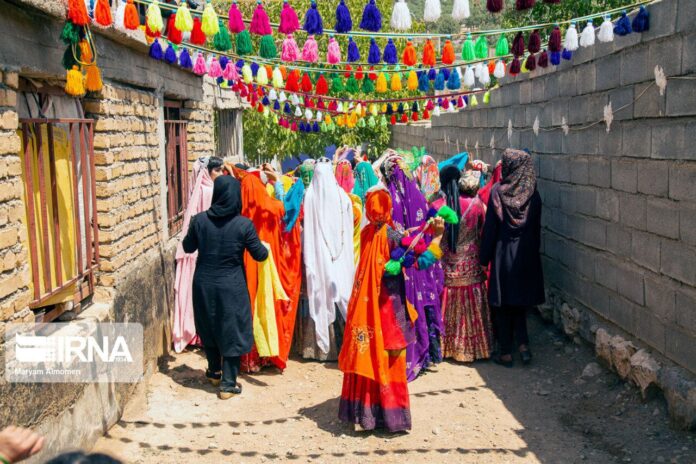
Shirdong is a decorative object made of wool which is obtained from sheep in spring.

Local women turn the wool into thin strings using simple tools, and then dye them using natural colours.

The women later begin weaving the Shirdong. They spin a thin string using a simple tool called Peel, and then dye it with joyful colours. Then, they start weaving according to the designs they have in mind.

The colourful and patterned strings of Shirdong represent the joy and happiness of Bakhtiari people. At celebrations and weddings, these people hang these decorative stuff on black tents and at home, conveying the message of happiness to guests and acquaintances.

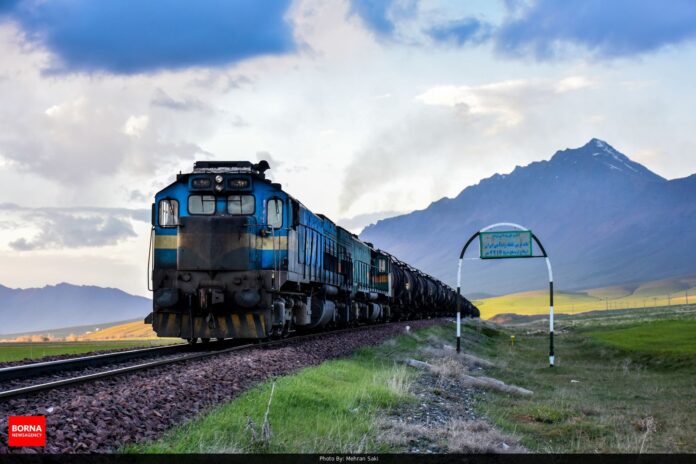
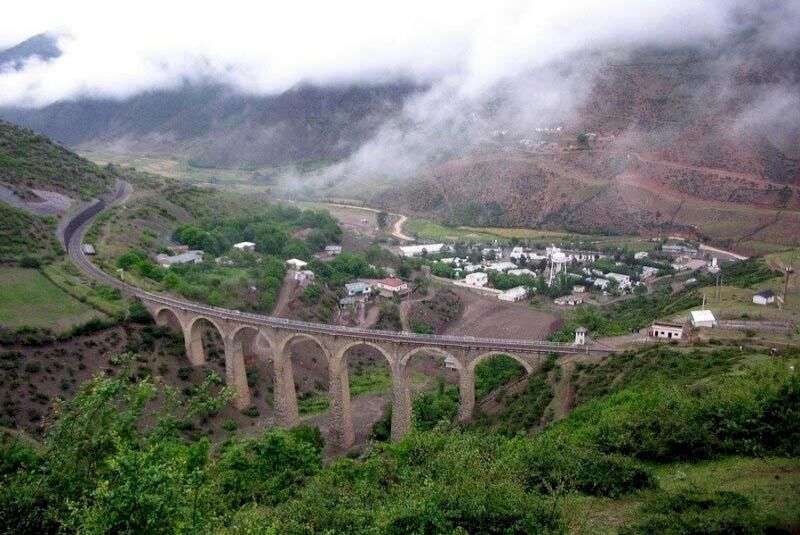
Iran’s Railway Network Registered on UNESCO’s Cultural Heritage List

The railway known as the North-South Railraod was registered by the world body as Iran’s first industrial heritage structure and the 25th tangible cultural heritage structure.

As many as 22 cultural and historical structures as well as 2 natural sites from Iran had already been registered as tangible cultural heritage, and 16 elements as intangible cultural heritage by UNESCO.

Moreover, a proposal to register Iran’s Uraman region as global cultural heritage is to be discussed at a meeting of the World Cultural Heritage committee on July 27, 2021.

Iran’s Railway Network Registered on UNESCO’s Cultural Heritage List

Raisi Says Expansion of Ties with Neighbours on Top of His Foreign Policy Agenda

Ebrahim Raisi said interaction, dialogue, and consultation with neighbours on important issues of the region will be the priority of his administration.

Raisi made the comments in a telephone conversation with Haitham bin Tariq, the Sultan of Oman, on Saturday evening.

Congratulating the Sultan of Oman on Eid al-Adha, Raisi added that with the existing mutual political trust the expansion of Iran-Oman ties is an achievable goal.

“The history of brotherhood of the two nations and the history of friendship between the two governments is so deep-rooted and strong that regional and international developments have never been able to weaken it,” underlined the Iranian President-elect.

However, the interactions between Tehran and Muscat are far from the expected level, stated Raisi, adding that the comprehensive plan to expand economic relations between the two countries should be prepared at the earliest under the supervision of experts from both sides and be implemented with the approval of the two countries’ leaders.

He also described Oman as a reliable neighbour and a respected partner for Iran.
For his part, Haitham bin Tariq, Sultan of Oman, congratulated Eid al-Adha and wished success for the Iranian President-elect.

“I have no doubt that relations between Iran and Oman will remain strong, and these friendly and constructive ties will have a positive impact on all developments in the region,” noted bin Tariq.

The Sultan of Oman welcomed Raisi’s position on constructive interaction with neighbours as a foreign policy priority of the future government of the Islamic Republic of Iran, adding that mutual political trust is one of the most important factors in the closeness of Tehran and Muscat.

“We will seriously pursue closer relations between the two countries in order to ensure the interests of the whole region,” the Omani official reiterated.

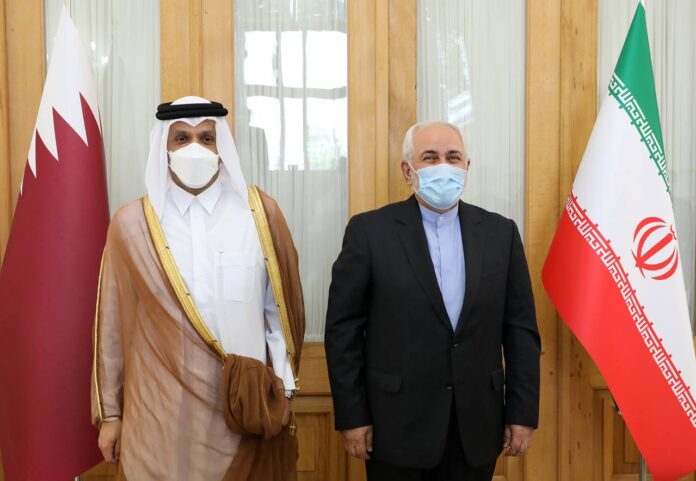
Qatari Foreign Minister Meets Zarif during Unannounced Trip to Tehran

During the meeting, the two sides discussed the latest developments in bilateral relations and the most pressing regional and international issues.

Iran’s Top Security Official Orders Release of Khuzestan Protests Detainees

Shamkhani, who is an Arab from Khuzestan, made the remarks in a post on his Twitter account, adding that Khuzestanis have every right to express their protest. 

For more than a week, people in Khuzestan have been protesting a shortage of water which has resulted in the deaths of their buffalos.

People in other provinces like Lorestan (Aligoodarz) and East Azarbaijan (Tabriz) have held rallies in solidarity with Khuzestan.

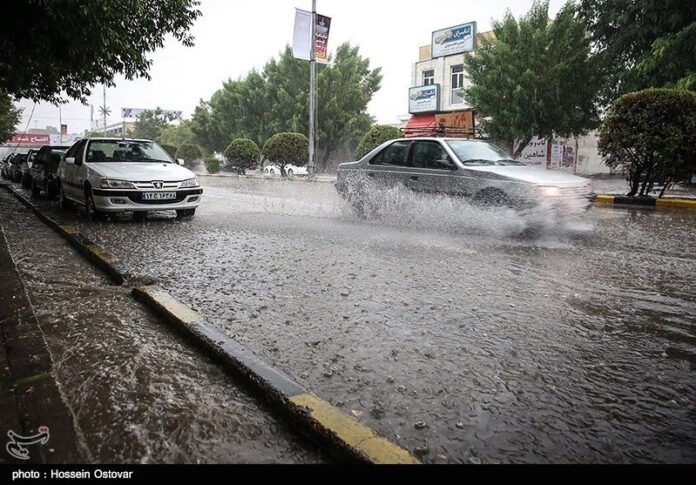
Iran’s Sistan-Baluchestan Province Having Rainiest Summer in Years

Director General of Meteorology of Sistan and Baluchestan says in the first month of summer this year, it has rained at least 45 times more than the last winter in the province.

“This difference was due to unprecedented low rainfall last winter. The winter rainfall in Sistan and Baluchestan last year reached 0.4 mm and was the lowest winter rainfall in the province in the past 25 years,” added Mohsen Heidari. 

In addition to the winter low rainfall, India’s monsoon further compensated for this low rate. At least more than 18 mm of the province’s low rainfall in the crop year was made up in the first month of summer.

For about three weeks, monsoon rains have been falling in different parts of the province, so much so that the maximum rainfall level has reached 80 mm, Heidari told Tasnim News Agency. 

He further reiterated that the rainfalls at this time of year do not play a significant role in compensating for the deficit of rain in the cold months of the year, because at this time of year due to the hot weather, the water is quickly evaporated and mostly the rains are in showers which pour at low intervals and in high volumes.

“However, the July rains, to some extent, took the province out of super-critical conditions and water emergencies, but we are still facing a serious shortage of rain.”

According to the latest indices, over 93% of the province and 100% of the cities of Delgan, Zabol, Fanouj, Qasr-e-qand and Nikshahr are still affected by various degrees of drought, reiterated Hedari. 

In another part of his statements, the director general of meteorology of Sistan and Baluchestan said if for about 15 consecutive years the total annual rainfall of the province reaches over 15% of normal conditions, then it can be said that the rainfall situation of the province has returned to normalcy.

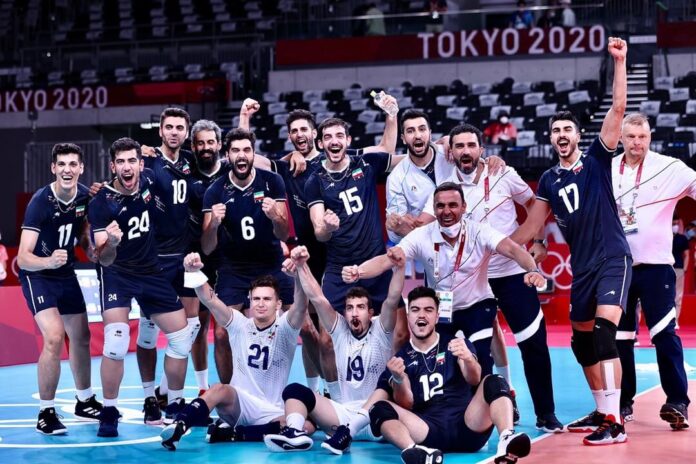
Iran Beats Poland Volleyball Team in Dramatic Olympic Clash

In a very tense contest that had nine match points, Iranians managed to defeat the world’s second-ranked opponent 3-2.

The Polish medal favourites lost their first match of pool play as the Iranian team showed their strength in a five-set thriller.

Led by Wilfredo Leon, Poland came to the games with high hopes of winning the gold, but Iran’s Amir Ghafour who clinched 17 points did not let the strong team win at Ariake Arena.
However, the loss is not too detrimental to Poland’s medal hopes as four teams from Pool A advance to the quarterfinals.

In 2016 Rio Olympics, Iran managed to make it to the quarterfinals and now they have a historic win to keep their medal hopes on track.

The team will play against Venezuela in its second match.