Thursday, December 25, 2025
Home Blog Page 2463

Nuclear Talks Prove Iran Must Avoid Negotiating with West: Leader

Nuclear Talks Prove Iran Must Avoid Negotiating with West Leader

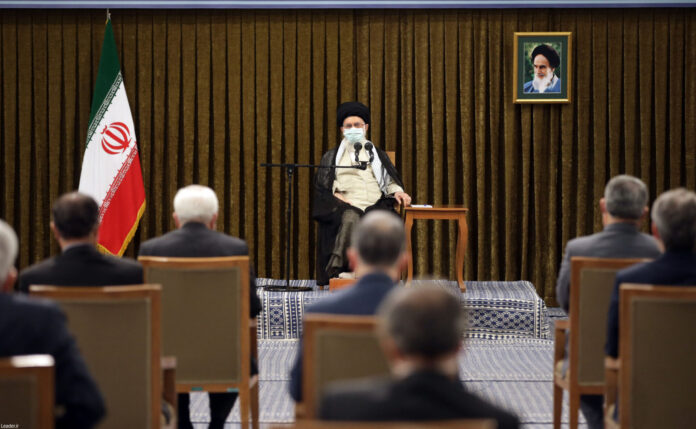
“Others should use the experience of Mr. Rouhani’s government; One experience is distrusting the West. In this administration, it became clear that trusting the West is not helpful,” Ayatollah Khamenei said in his last meeting with outgoing President Hassan Rouhani and his cabinet on Wednesday.

“They don’t help and they strike a blow wherever they can. When they didn’t, it was because they couldn’t,” the Leader added.

He said Iranian administrations should utterly avoid tying their plans to negotiations with the West, for they will certainly fail. 

“This administration, too; wherever it relied on negotiations with the West and the US, they were unsuccessful, and when they relied on domestic potential, they succeeded.”

Ayatollah Khamenei pointed to the recent talks held in Vienna to revive the 2015 nuclear agreement, and said the Americans staunchly insisted on their obstinate stances during the negotiations. 

“When making promises and on paper, they say they will remove sanctions, but in practice, they didn’t and won’t. Then they say new articles should be added to the deal that already exists,” he noted.

The Leader said the US insisted on the inclusion of a sentence in the deal that obliged Iran to engage in broader talks in the future, otherwise there will be no deal. 

Ayatollah Khamenei described it as a pretext for future interference in Iran’s missile and regional issues, and said the country’s policies would not let that happen.

He said the US wants to first include that article in the deal, and once Iran refused to engage in such broader talks, tell the world that Tehran has breached the nuclear deal.

“The West and the US are totally unjust and malicious in their negotiations. They have no hesitation in breaching their commitments at all. In the previous agreement, they breached their commitments and they give no guarantee they will abide by their commitments in the future either,” he said.

That is what they have explicitly told our diplomats in Vienna, the Leader said.
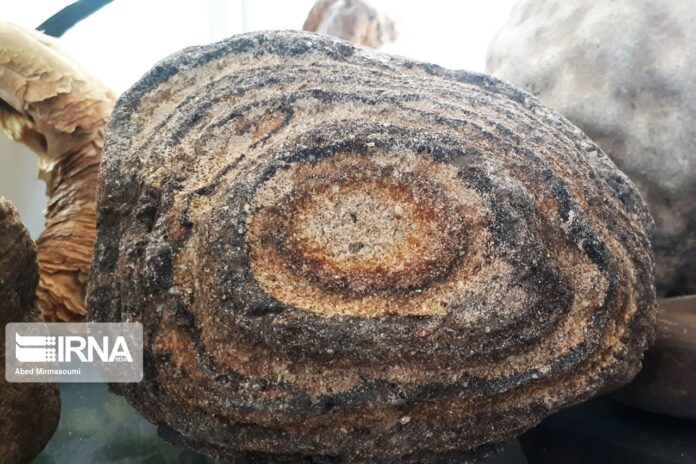
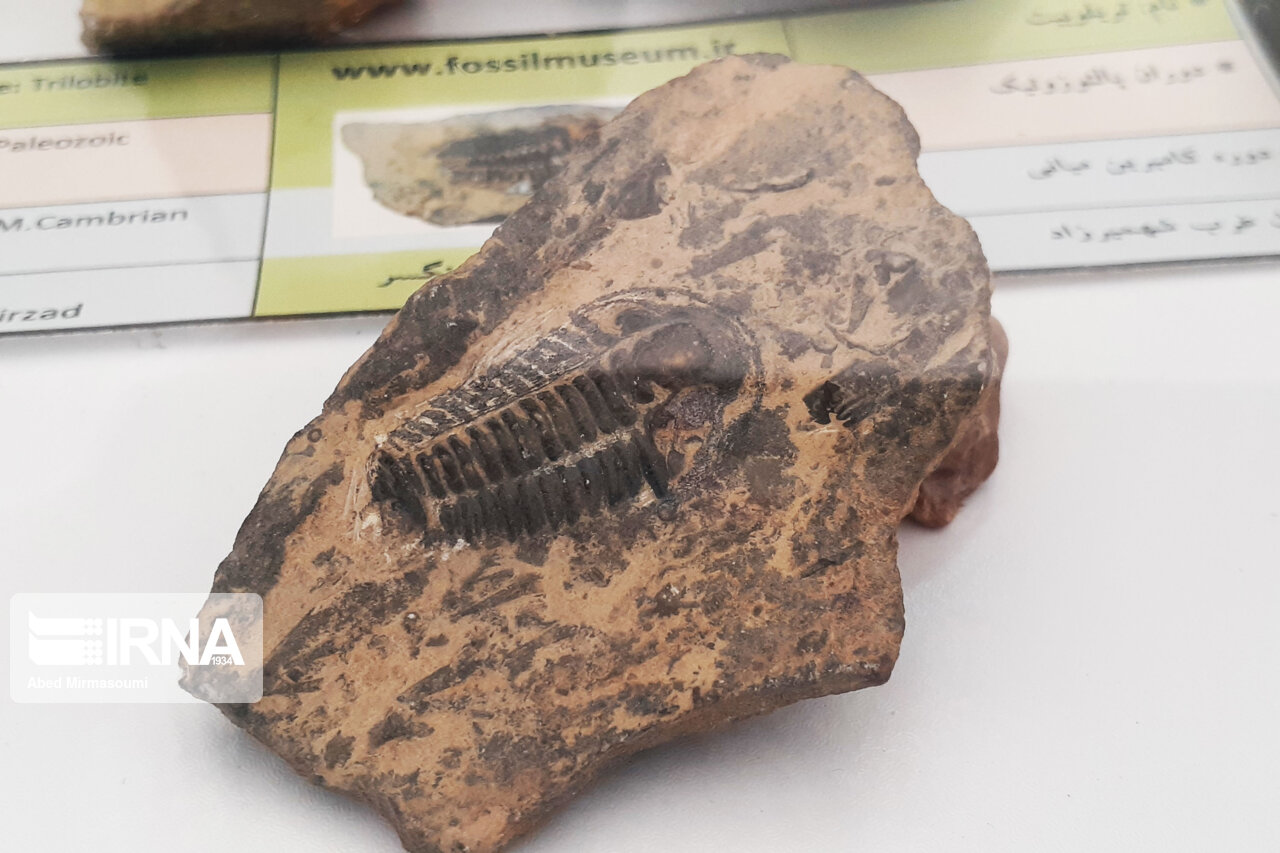
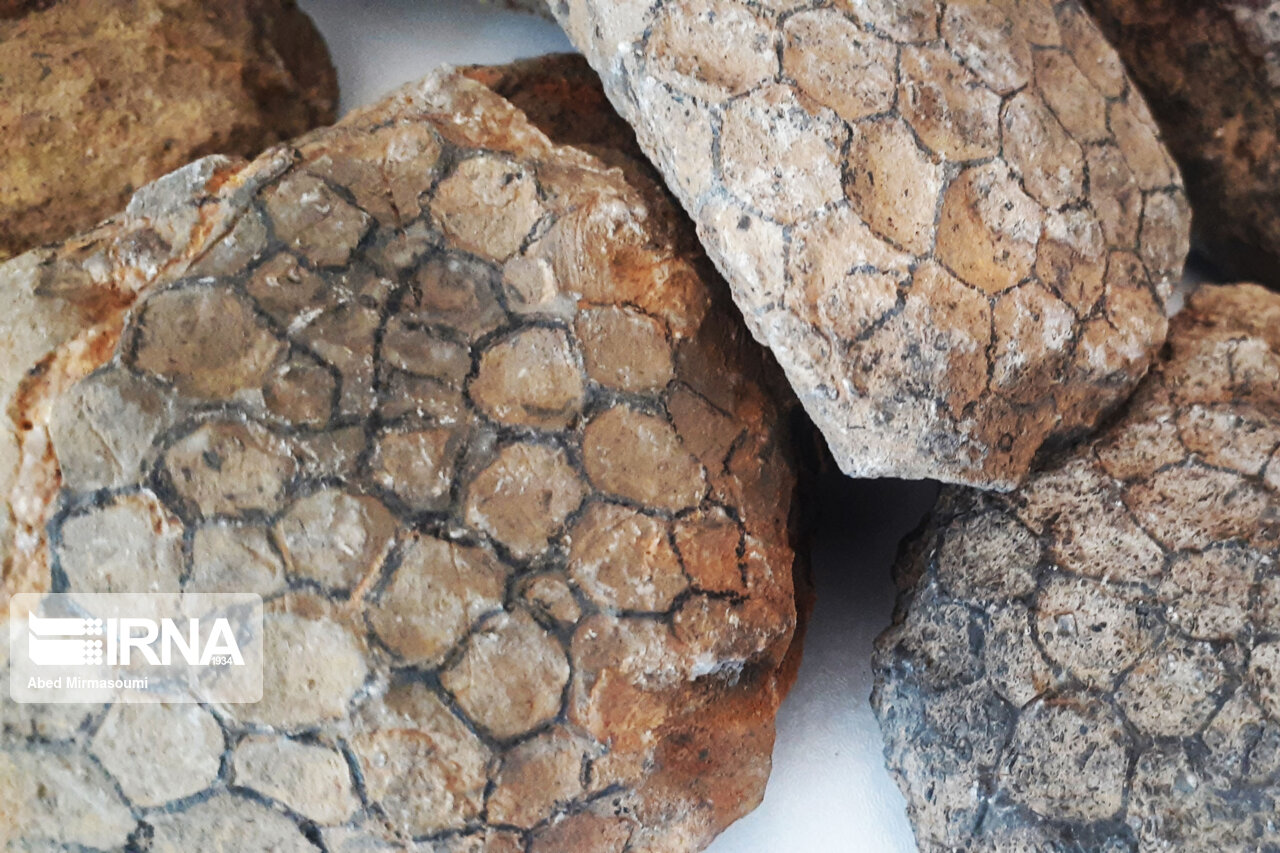
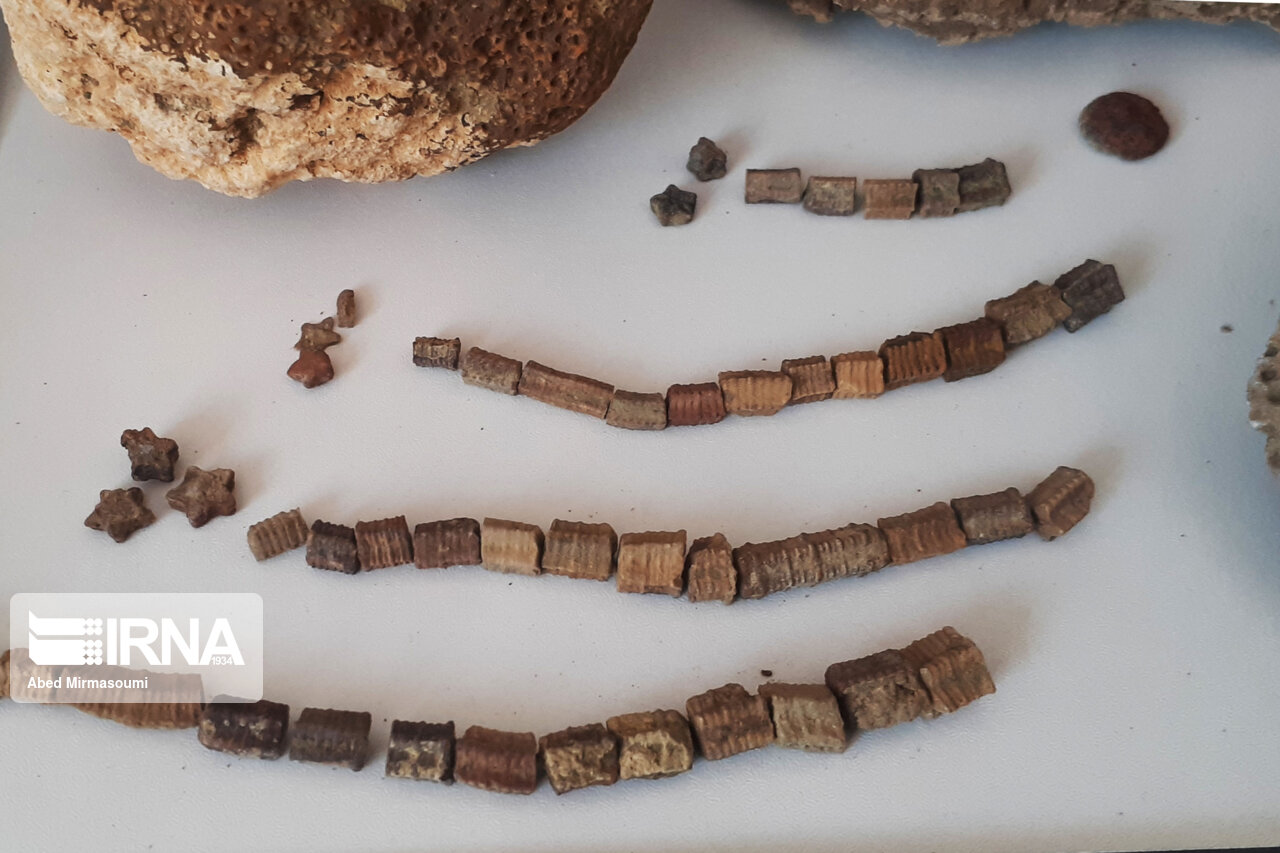
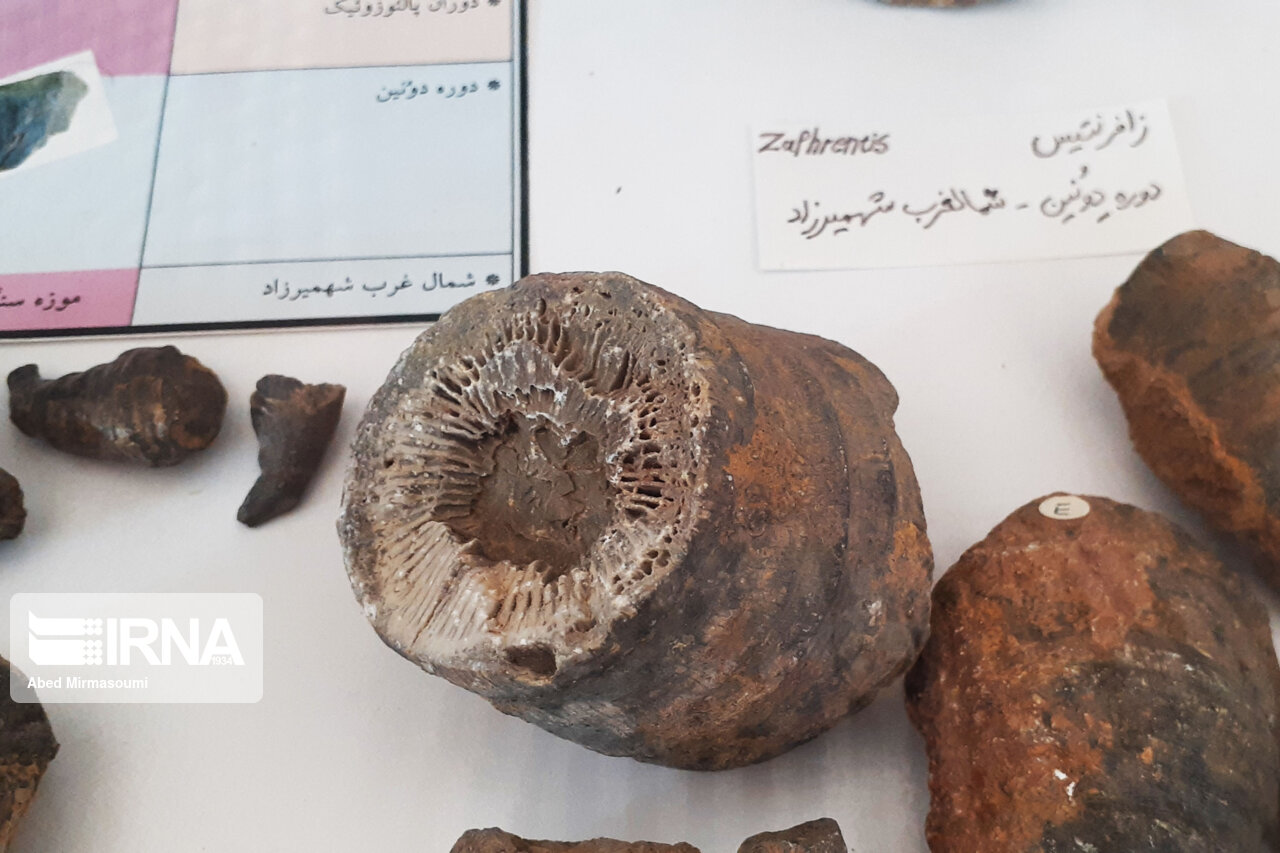
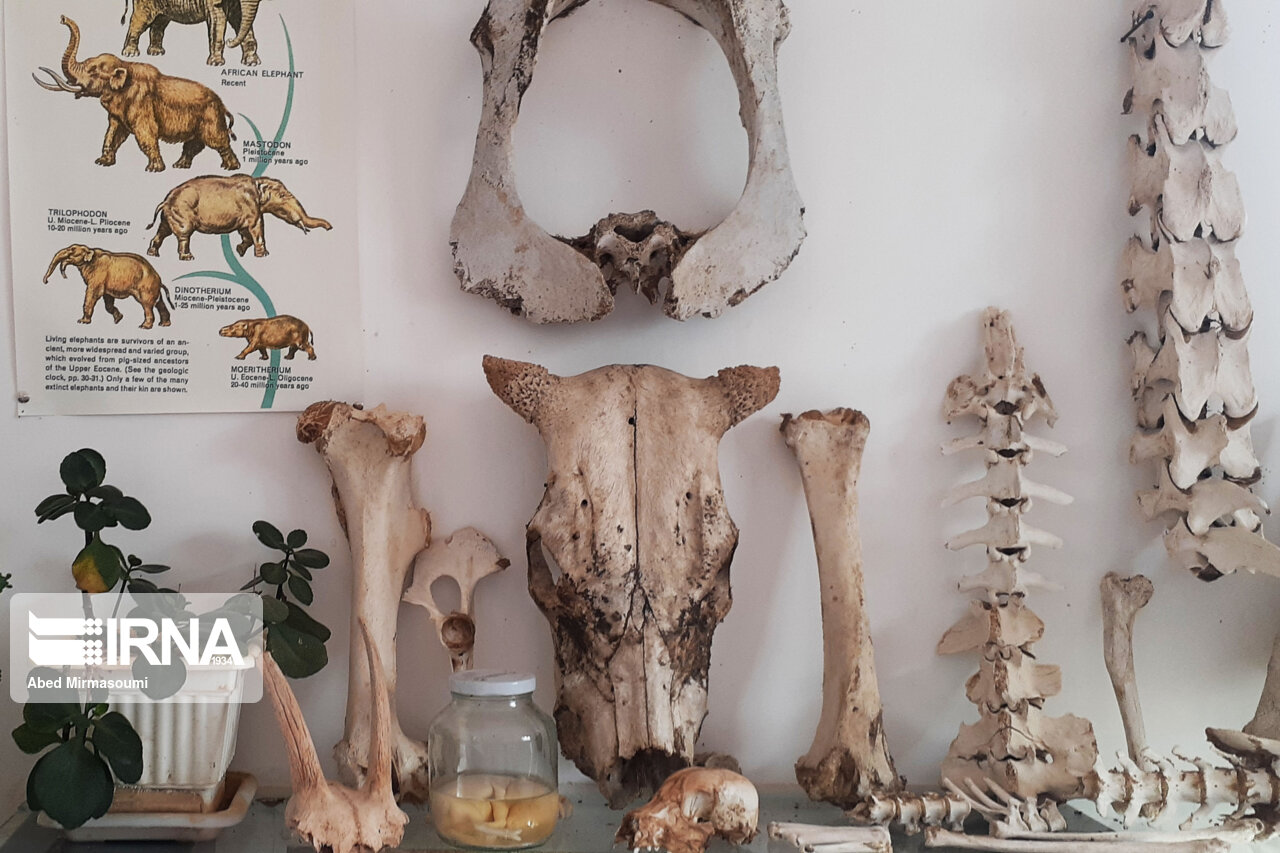
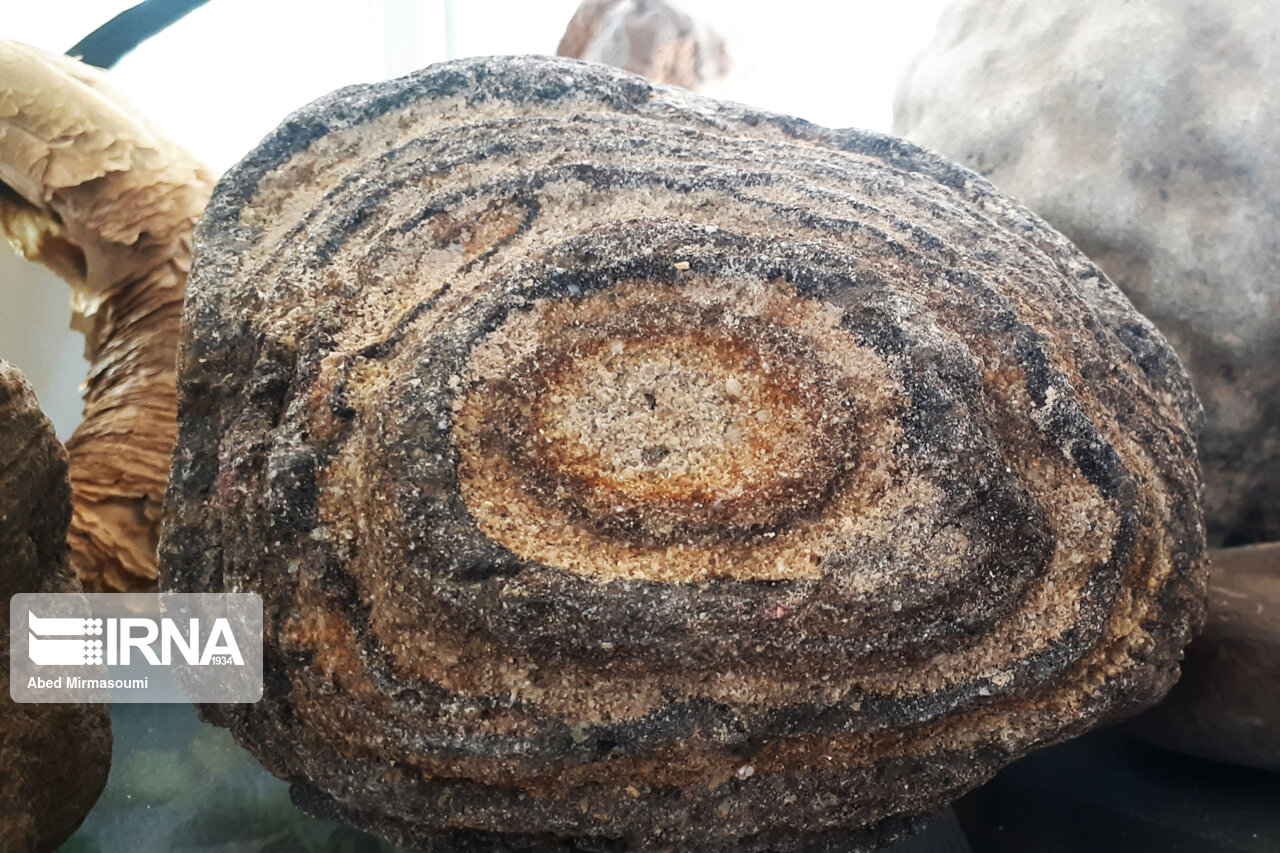
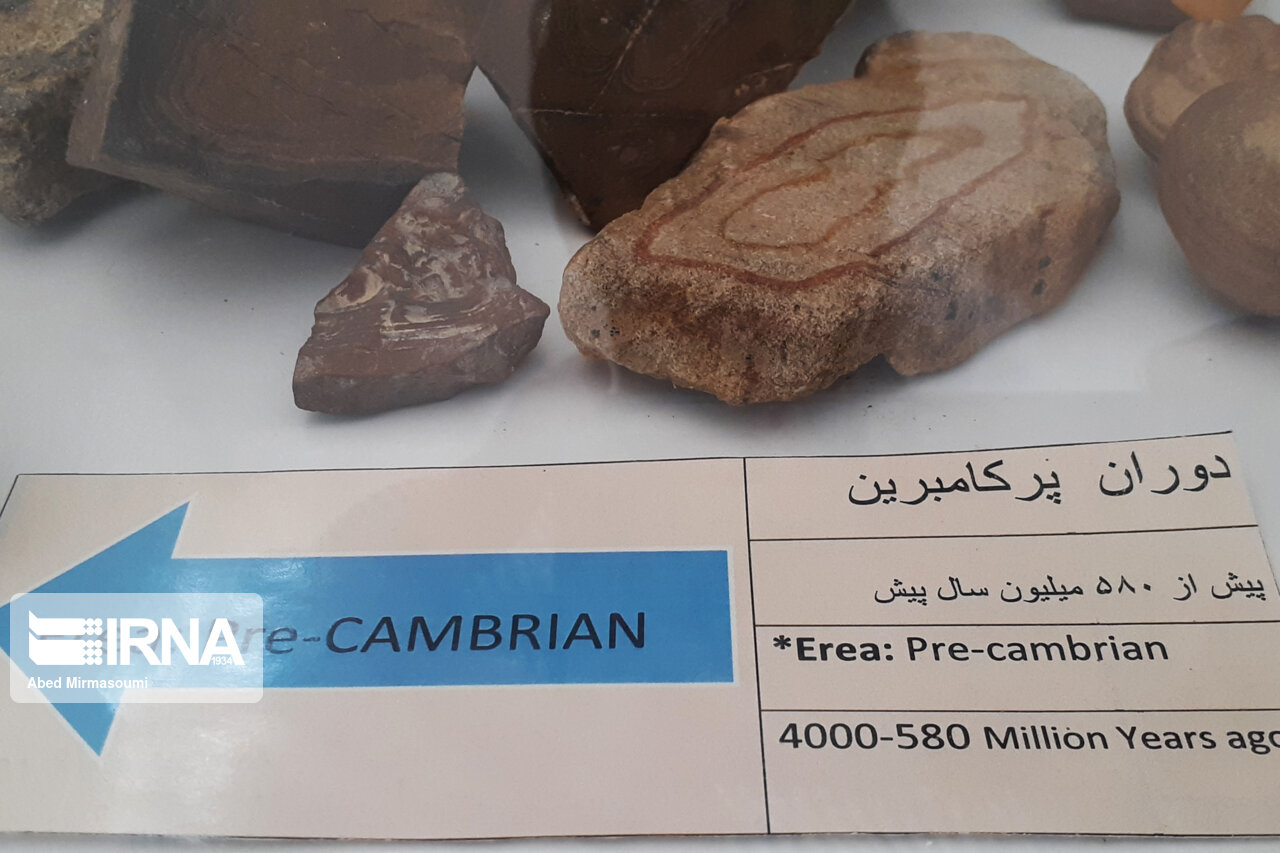
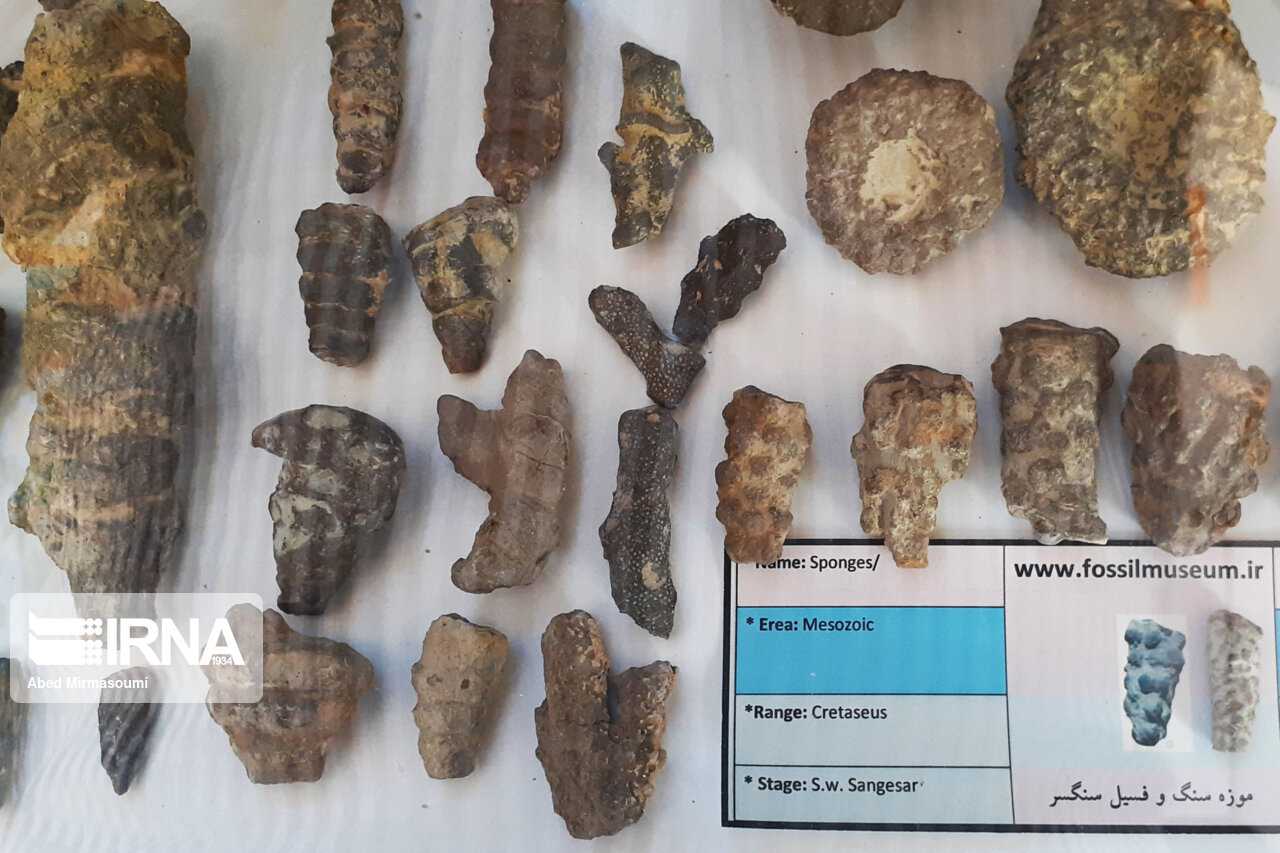
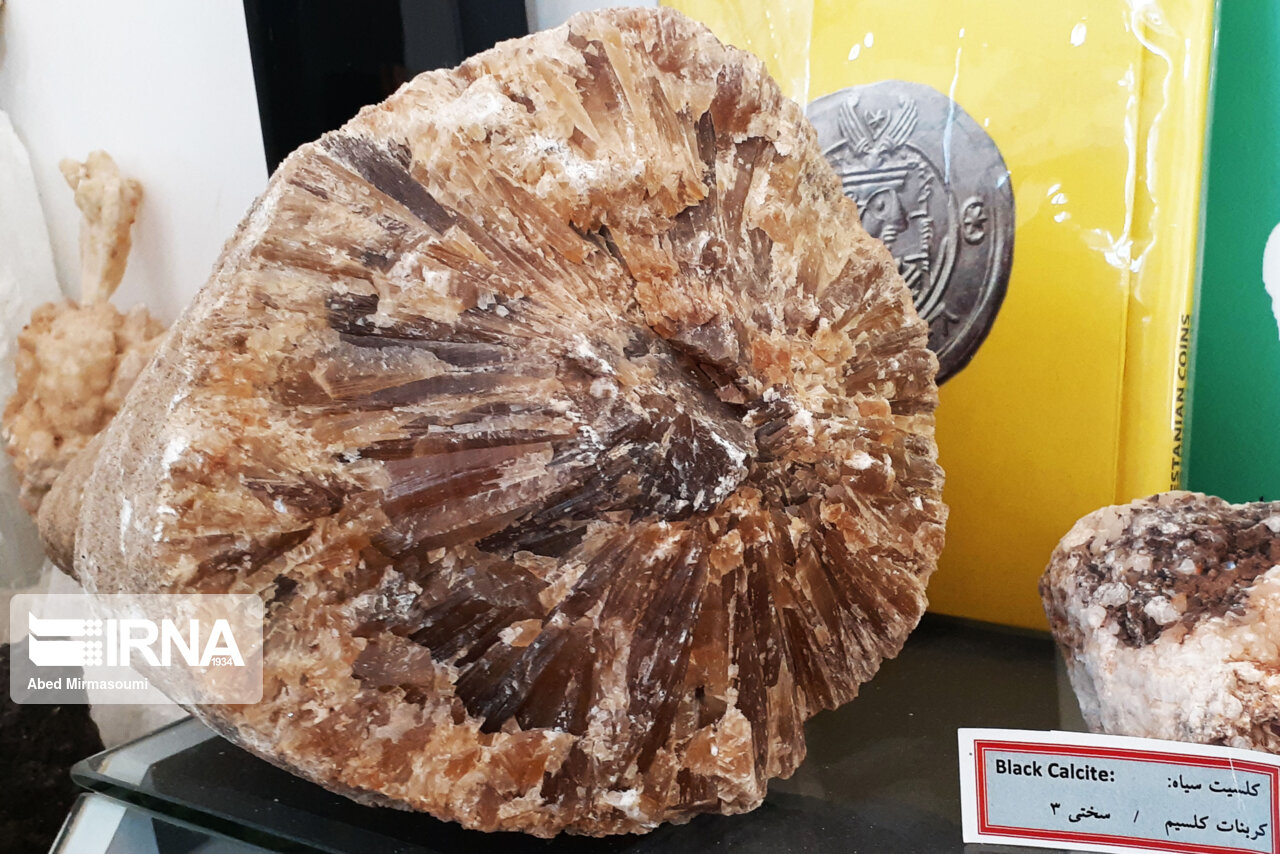
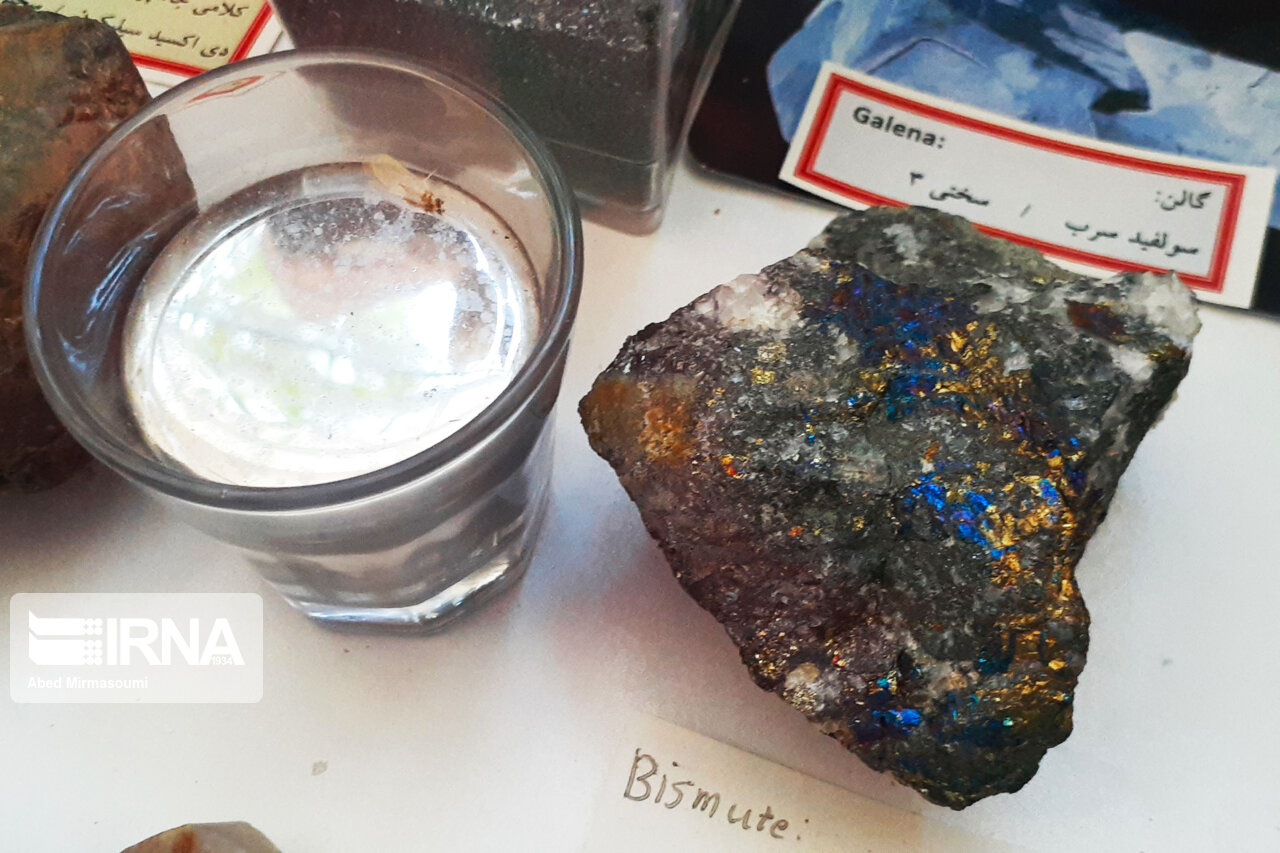
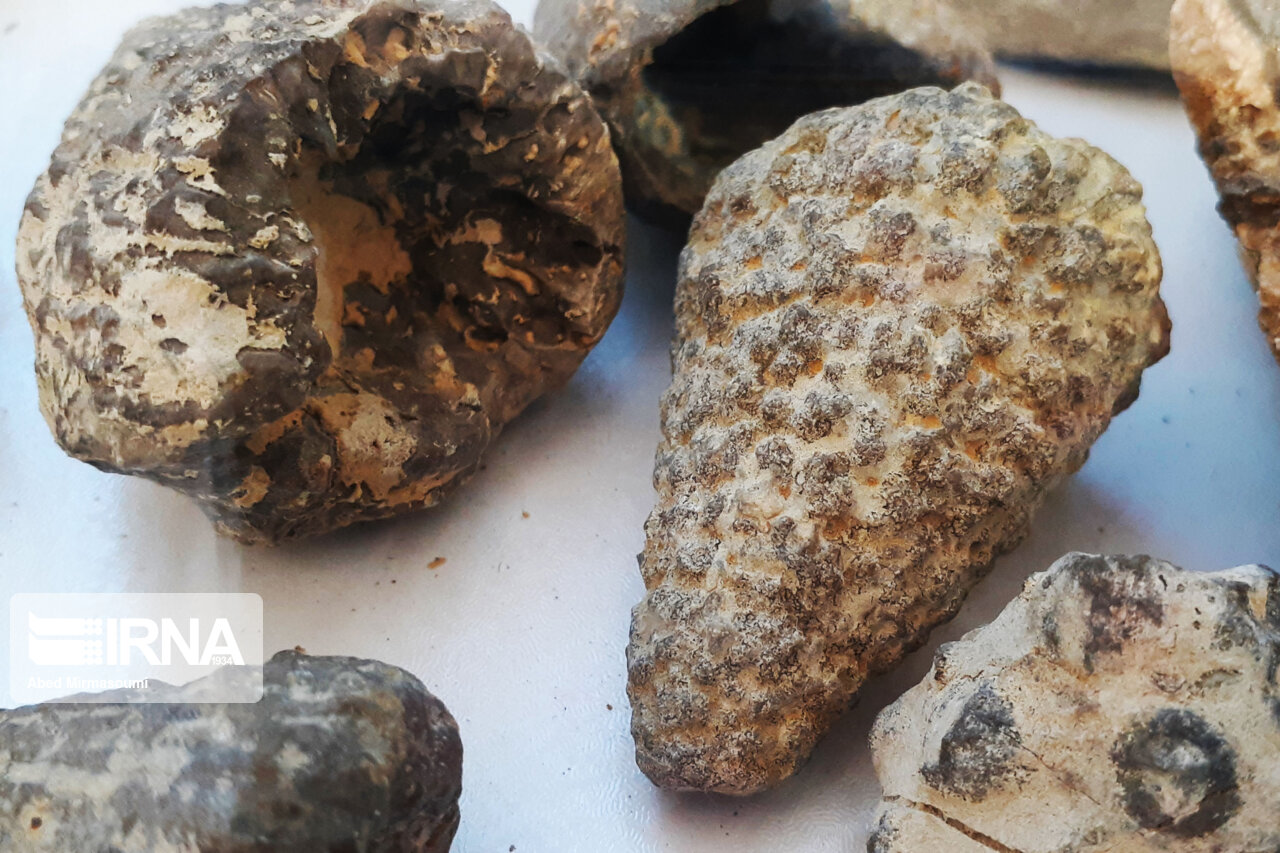
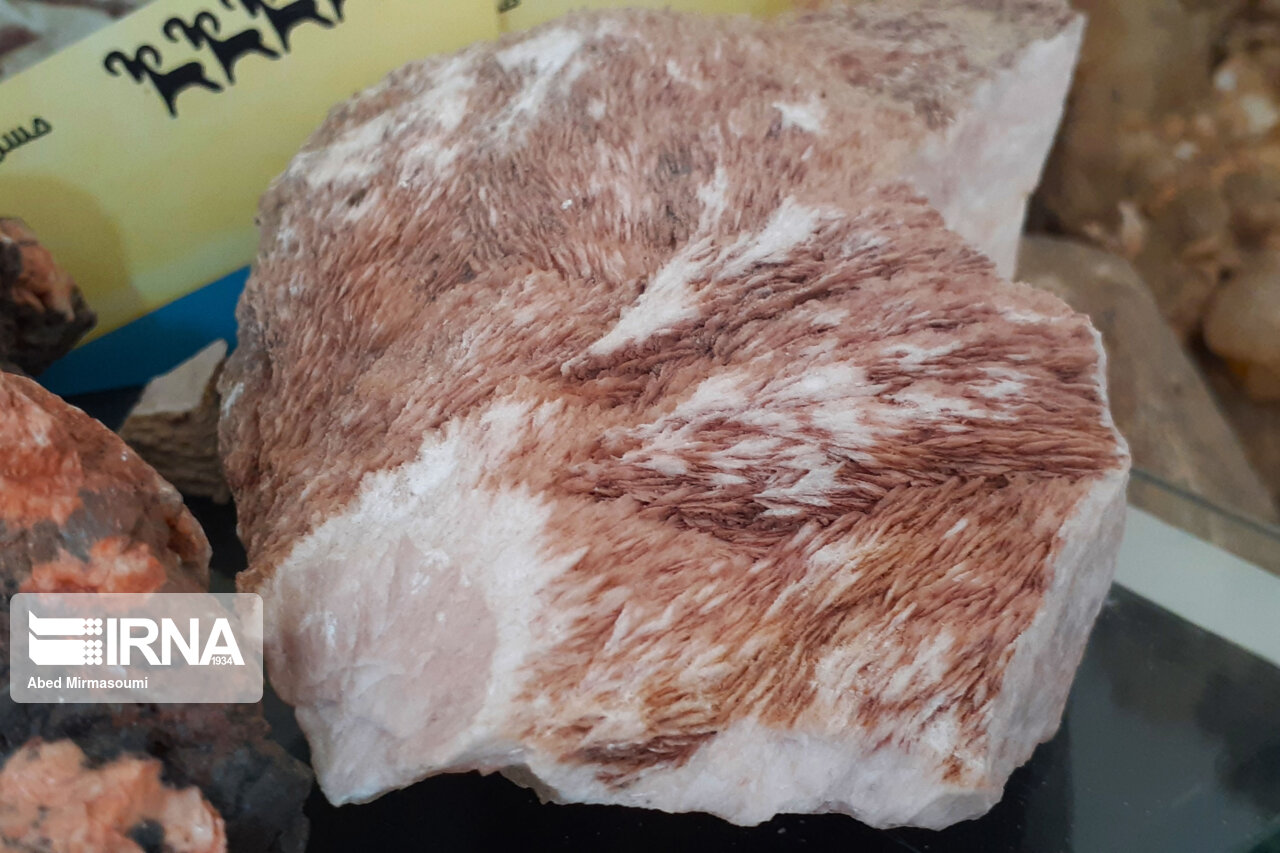
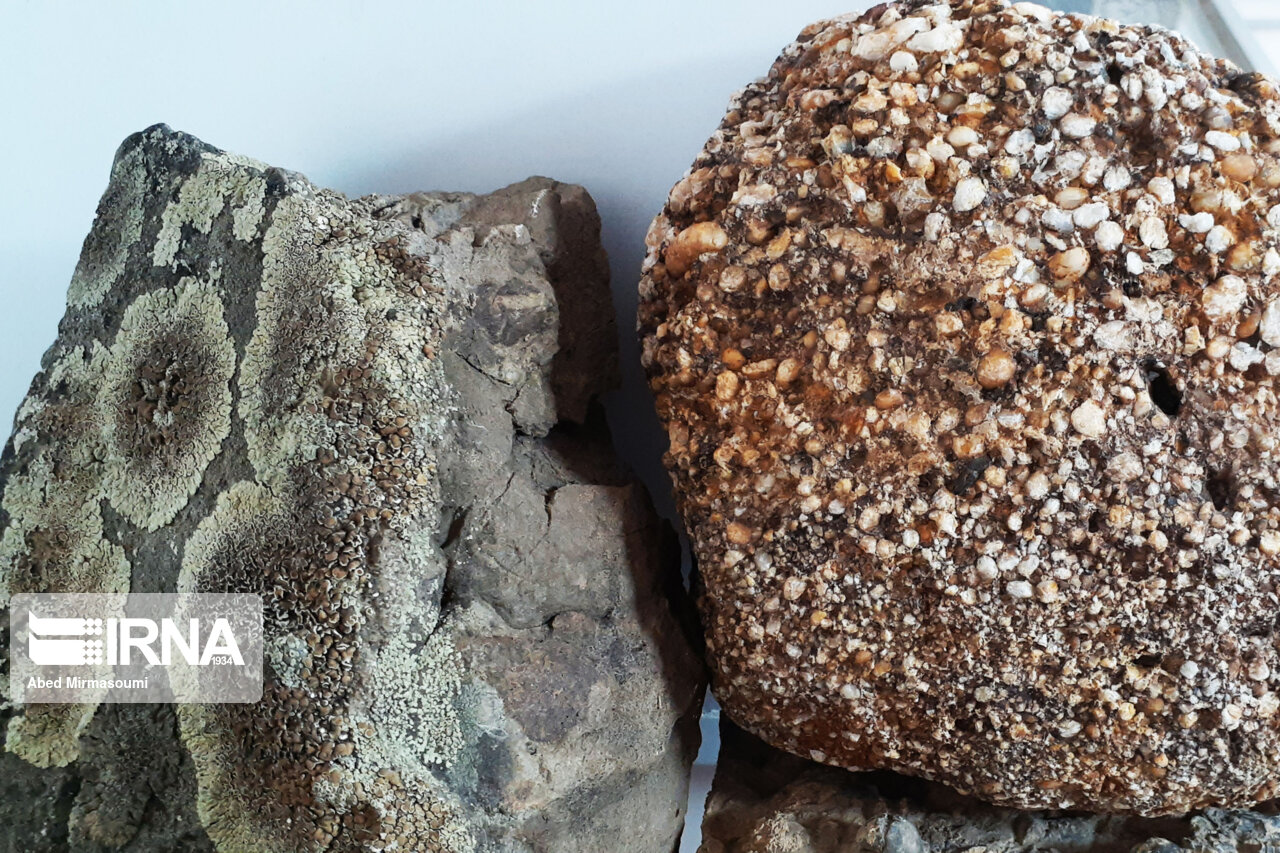
Sangsar Museum of Rocks & Fossils; Unique Attraction in Central Iran

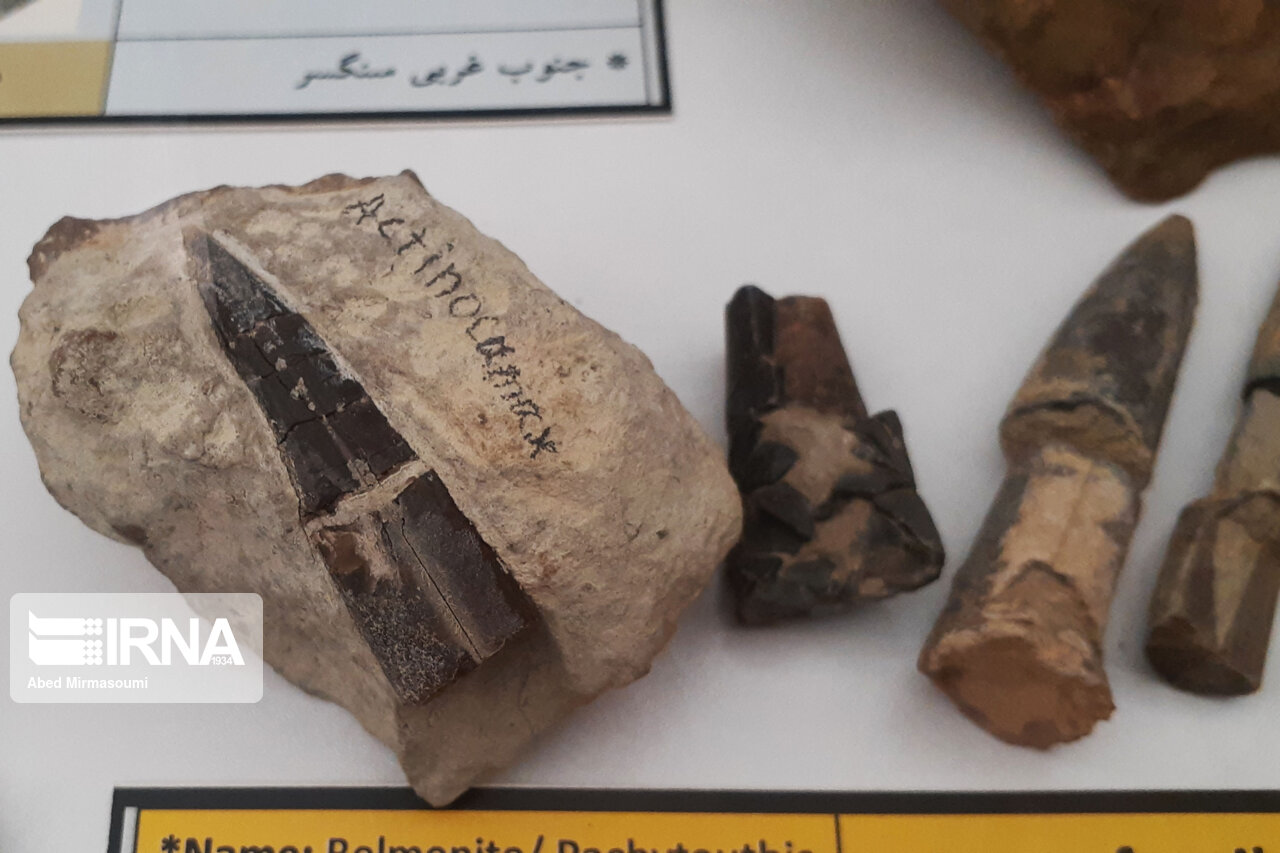
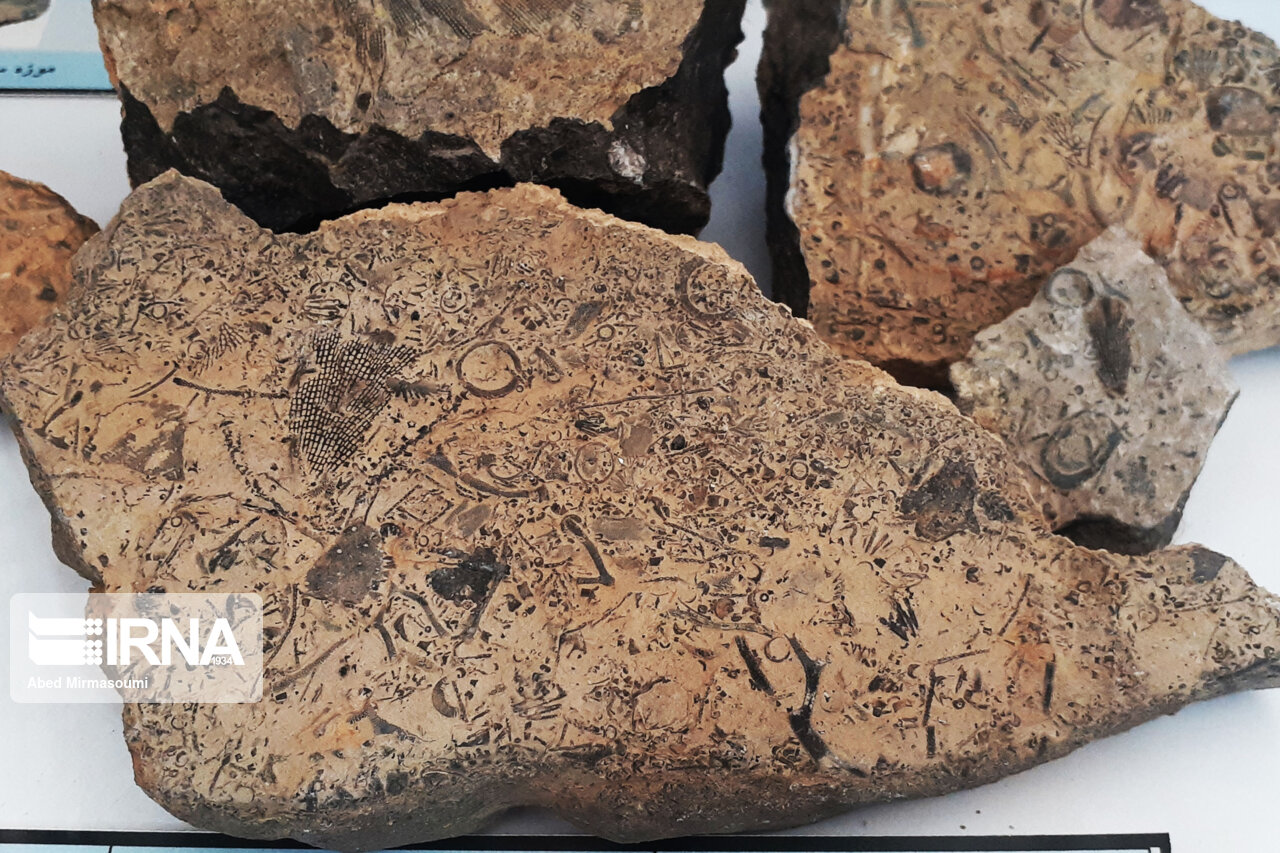
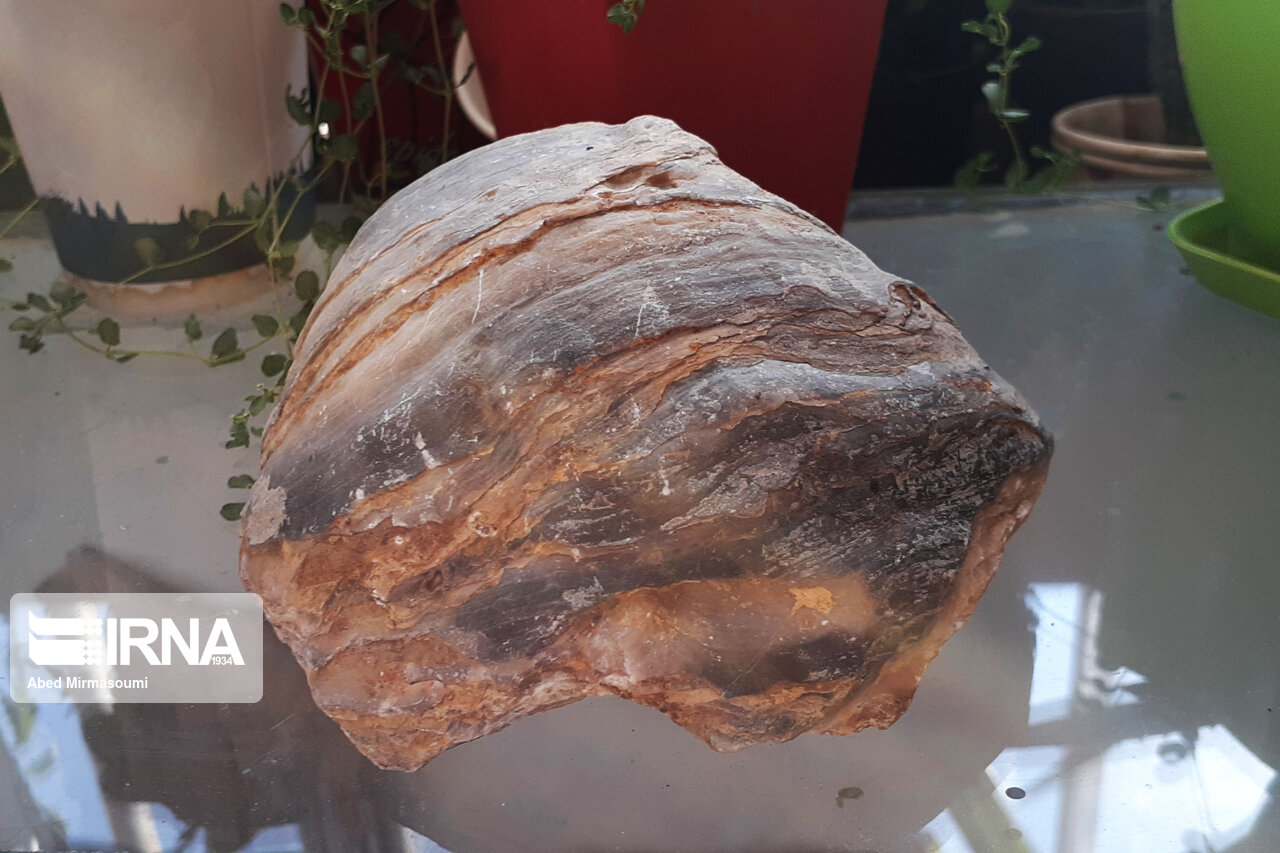
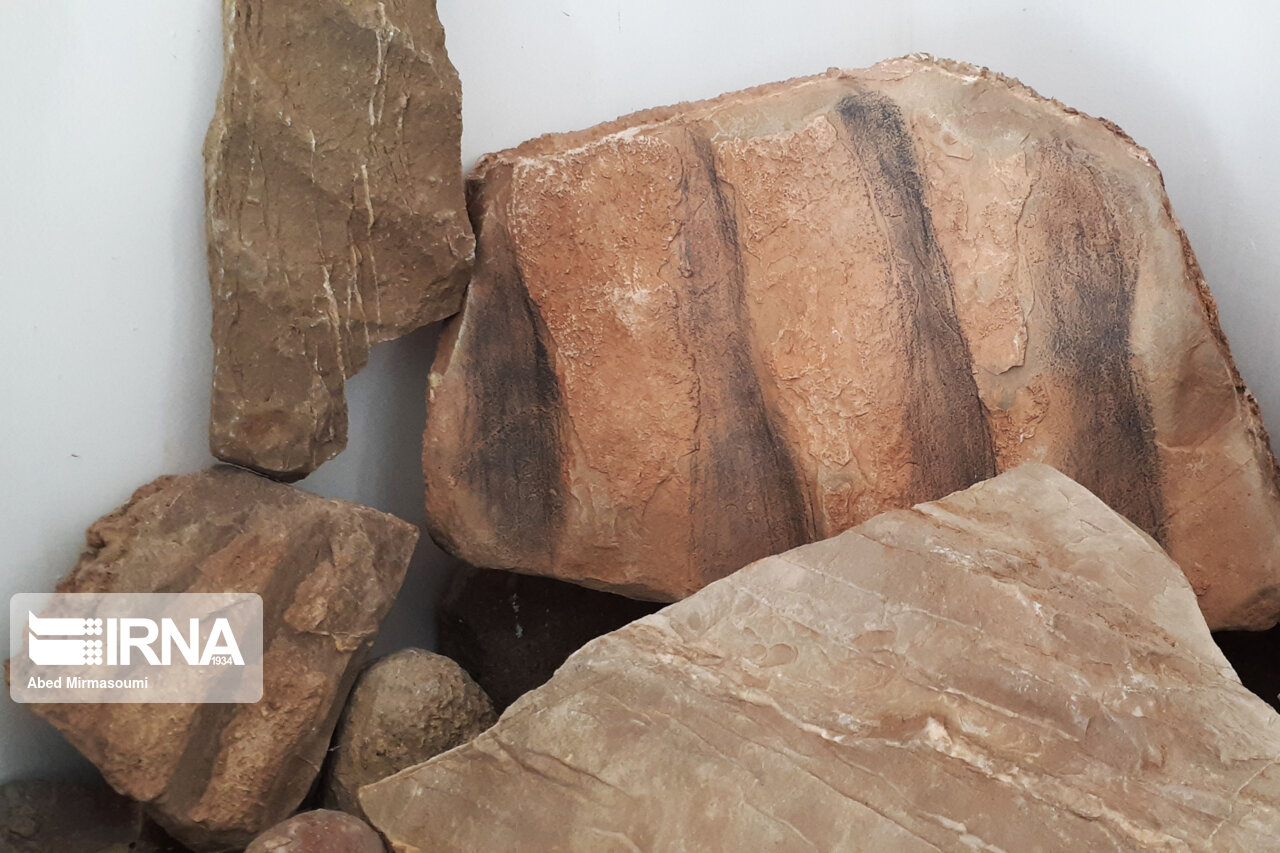
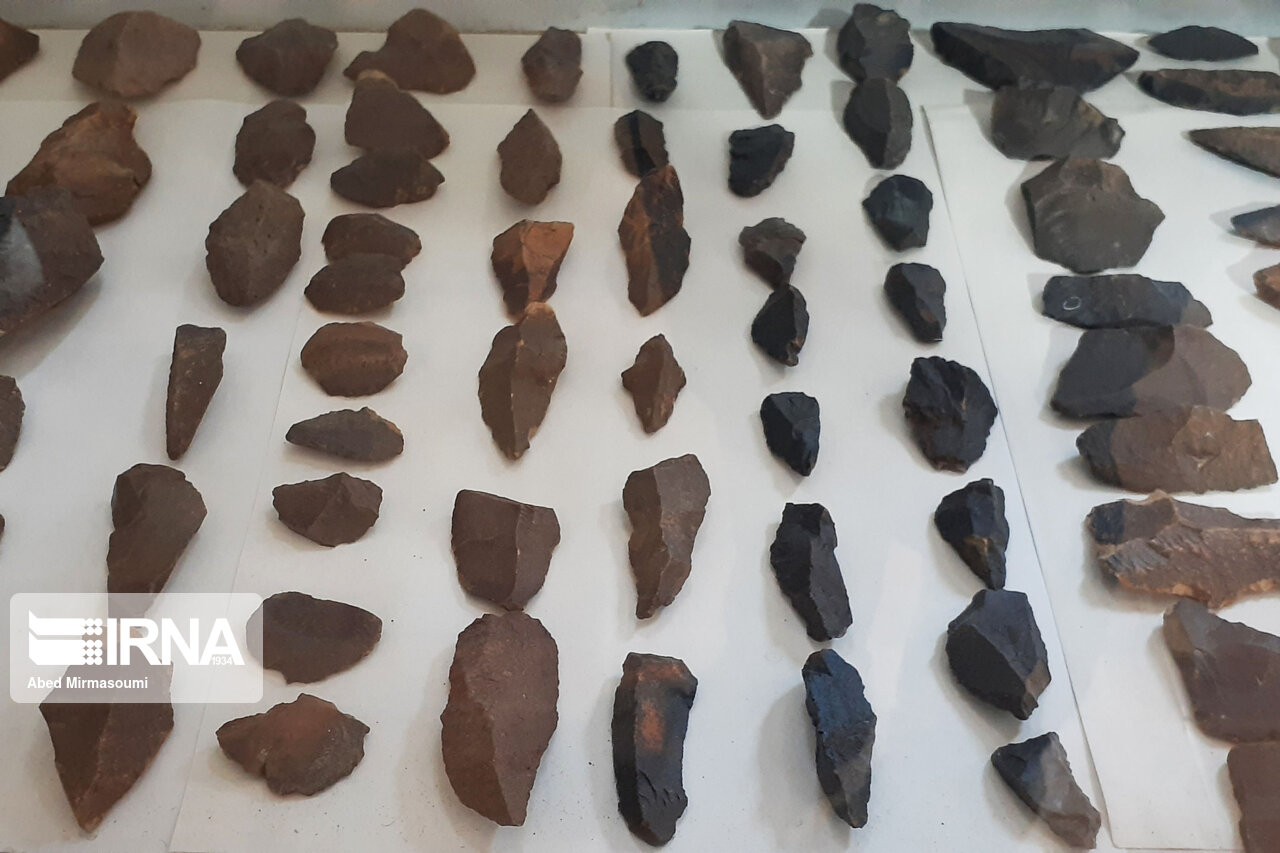
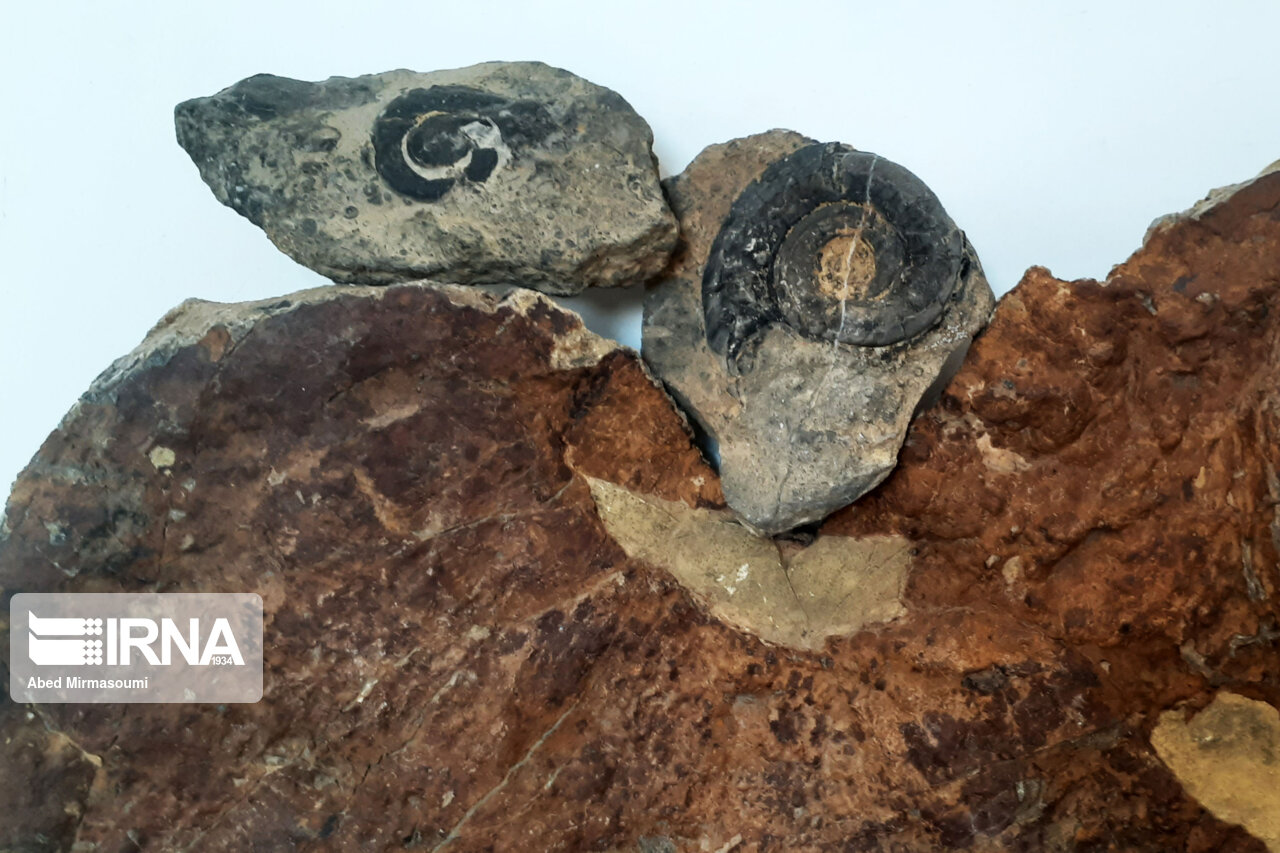
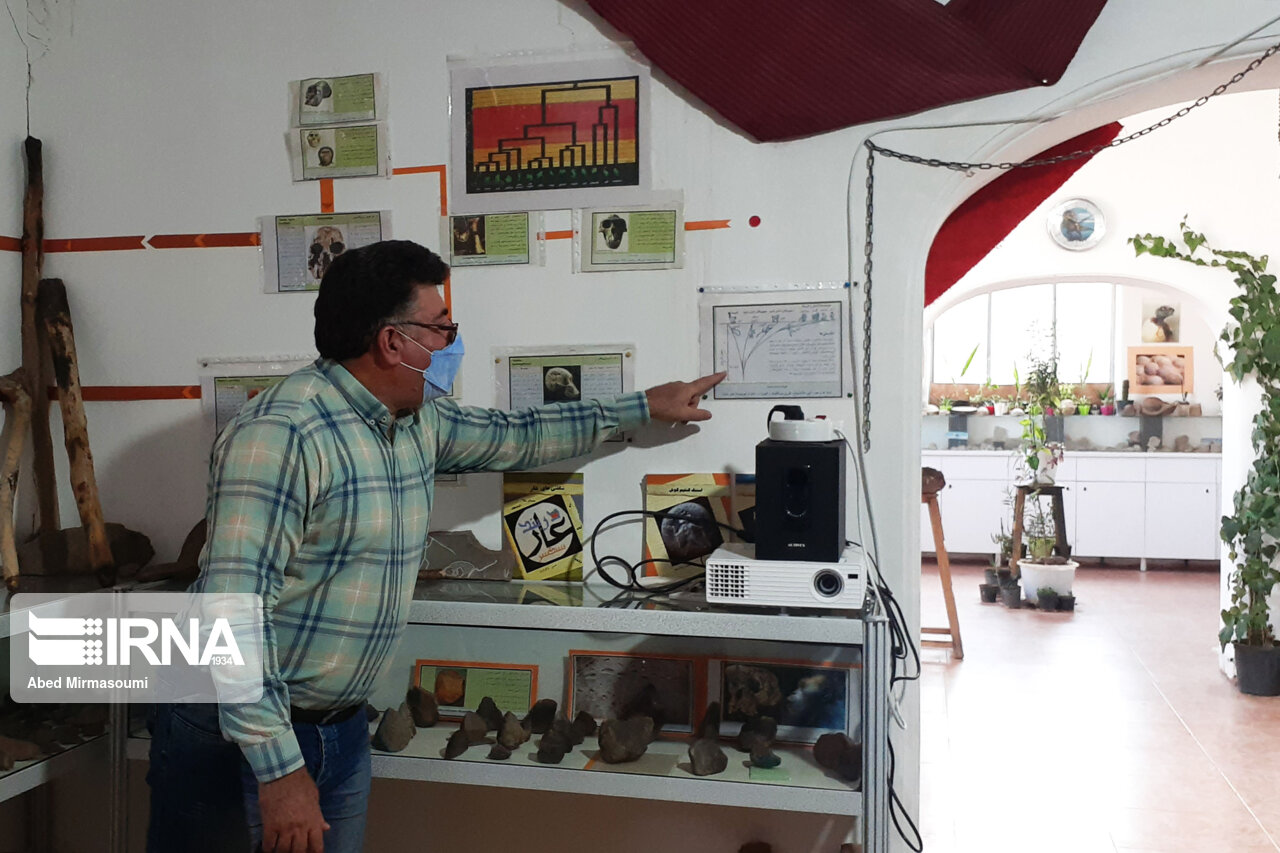
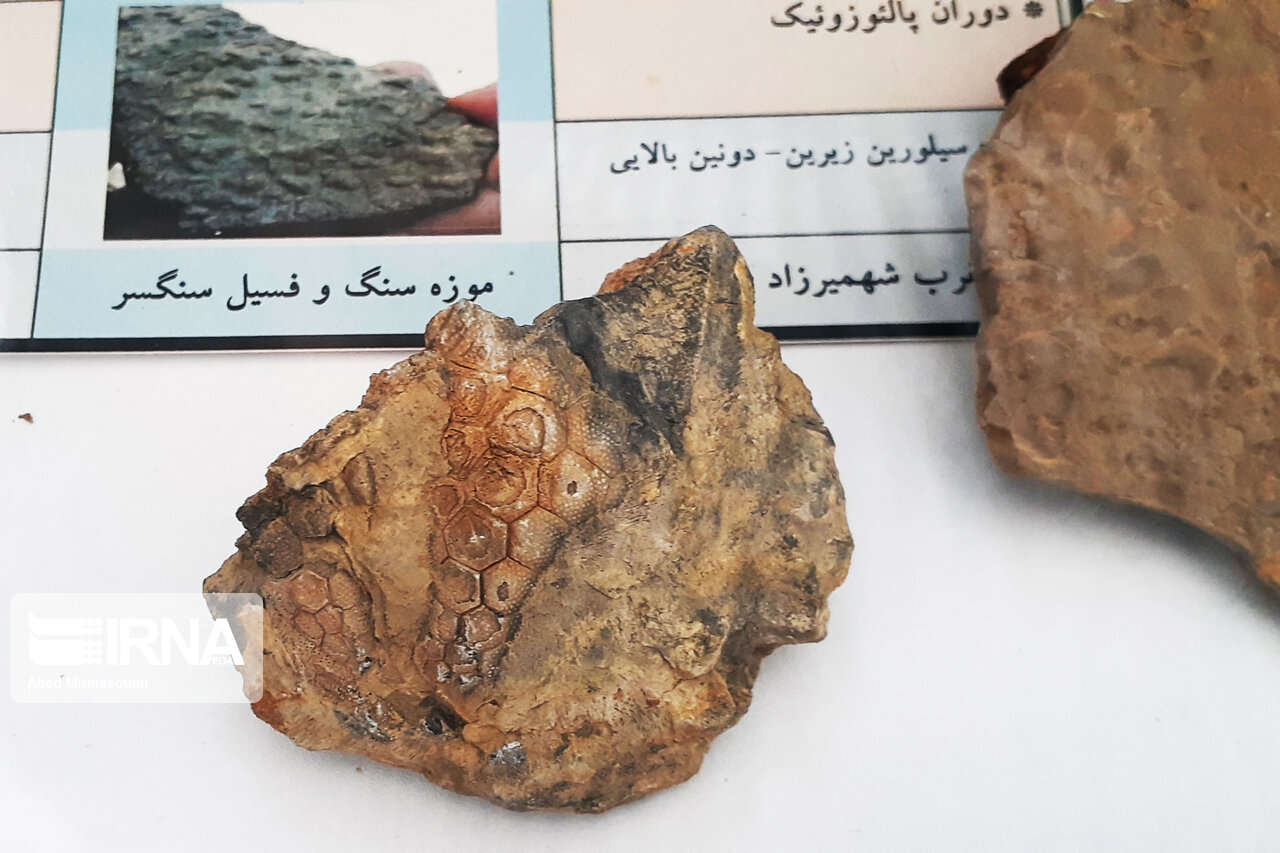
The personal museum of rocks and fossils of Sangsar near Ghar Darband Mountain in Mahdishahr (Sangsar) city consists of three museums of fossils, rocks and anthropology.

Hassan Pakzadian, the top private museum owner of Iran in 2016, is a researcher and the owner of this collection.

The stone part of this museum includes all kinds of minerals and ornamental stones that have been collected from the outskirts of central Iran. However, a small number of these minerals belong to other countries.

There are around 850 pieces of fossils, ornamental stones, minerals and 650 pieces of mineral stones in the Museum of Rocks and Fossils of Mahdishahr which belong to the historical periods and the contemporary era.

The museum was established in 2016 and 70% of the fossils collected here are for Alborz mountain range. 25% of the fossils are from the other parts of Iran and 5% are from foreign countries. 45% of ornamental and mineral stones have been collected from the central Iranian desert, while 25% have been purchased from different parts of the country.

The rocks in the museum are divided into two groups: silicate and non-silicate. Silicates are decorative stones and non-silicates are minerals. Some of the minerals in this museum are diamonds, rubies, turquoise and gemstone.

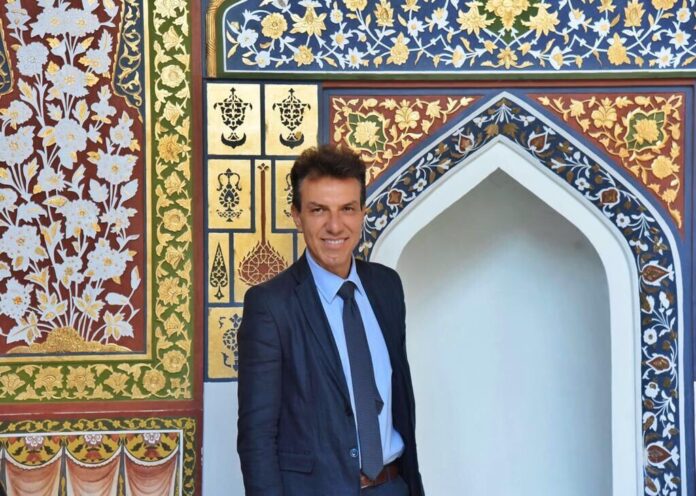
From Tehran to Rome: A Journey through Art

This collection looks at the works and artistic lives of seven Iranian and Italian artists, including Bijan Basiri (1954), Mohsen Vaziri ‌ Moghaddam (1924-2018), Khosrow Khorshidi (1933), Bahman Mohasses (1930-2010) Pier Paplo Patti, Akbar Mikhak and Vincenzo Bianchini (1903-2000).

Giuseppe Perrone, the Italian ambassador to Tehran, told IRNA that these artists, as a bridge, connect Iran and Italy.

“Showing the process of their artistic activity in a dramatic way better reflects the artistic connection between the two countries. Each episode of this collection is about 15 to 20 minutes and is published on the internet by the Italian Embassy in Iran,” he added. 

The latest and fourth episode of this series is about Bahman Mohasses (1930-2010), which was unveiled on Thursday, July 21. He is a world-renowned artist who lived in Rome for many years and died in 2010. Therefore, the main purpose of producing this collection was to emphasise the artistic connection between the two countries, added the Italian envoy. 

Giuseppe Perrone started his work as Italy’s ambassador to Iran in July 2019. He has been working as an Italian diplomat in various countries since the 1990s. His interest in Persian language made him learn Persian language since he arrived in Iran.

Since his presence in Iran, Perrone has prioritised the development of cultural activities and contacts and has supported joint projects with the cooperation of Iranian and Italian artists.

Regarding other activities of the Italian Embassy in Iran, he said, some projects have been run in the field of literature. 

“Recently, we held a commemoration ceremony for Dante Alighieri, the Italian poet and writer, on the occasion of his 700th birthday. In this ceremony we read some of his works in Persian and Italian. We will also be holding a meeting on October 18 to mark the 100th birthday of Leonardo Sciascia, a contemporary Italian writer, playwright and critic.”

We have also considered an annual award for Persian translations of Italian works with the aim of supporting Persian translation works, the details of which will be announced soon. We also have a good collaboration with Bukhara Literary Magazine to commemorate the Italian writers, noted Perrone.

He also emphasised that due to the corona epidemic, the presence of writers and artists have slightly decreased, but the activities are not stopped and only during the last week four cultural events were held.

Perrone explained about the future plans of the Italian Embassy in Iran saying that the embassy is planning to hold several important exhibitions. “There are also some specific cultural and artistic fields that we will focus on in the future,” he concluded.

Iran Calls on Tunisian Parties to Show Self-Restraint

In a statement on Tuesday, Khatibzadeh called on all parties to show self-restraint and maintain their empathy, and underlined the significance of dialogue among all Tunisian groups and institutions in order to end the current tension and realise the causes of the revolutionary people of Tunisia.

The Iranian spokesman said Tehran stands with Tunis while the country gets through this juncture.

He also highlighted the necessity of the establishment of stability in political and security fields in the country.

Khatibzadeh finally expressed hope that Tunisia will get through this critical juncture through dialogue as soon as possible.

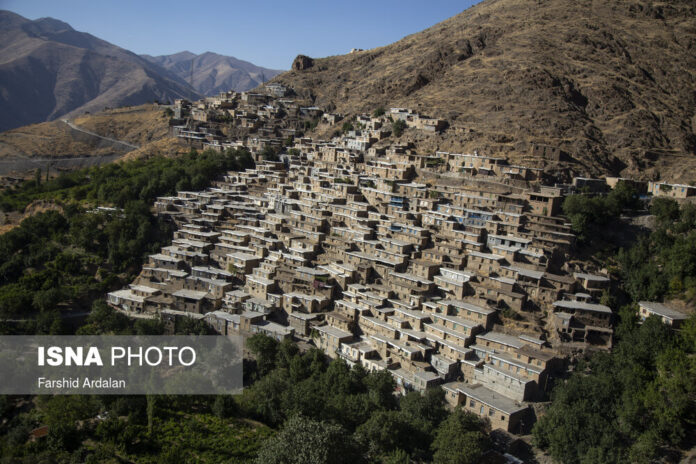
Iran’s Uramanat Landscape Inscribed on UNESCO’s World Heritage List

Following the review of the candidates for inclusion in the UNESCO World Heritage List, the Uramanat landscape was registered as the 26th World Heritage Site of the country. Two days ago, the national railway (north-south) of Iran had also been registered in the list.

The Uramanat is located in the provinces of Kermanshah and Kurdistan with about 409,000 hectares of land and territory.

In 2020, a field evaluation of the Uramanat cultural landscape was conducted by the ICOMOS.

Prior to the commencement of the UNESCO World Heritage Committee assessment, the initial opinion of ICOMOS experts was that the case had a high chance of being registered as World Heritage.

Finally, on Tuesday, July 27, the Uramanat case was inscribed on the UNESCO World Heritage List according to criteria 3 and 5.

Uramanat is the name of historical regions with stepped structure and special customs that includes parts of Sarvabad, Sanandaj and Kamyaran cities in Kurdistan province and Ravansar, Paveh, Javanroud and Thalas Babajani cities in Kermanshah province.

The main part of the Uramanat cultural landscape includes the valleys of Zhavehorud, Oraman Takht and Lahun.


The report of Iran’s Ministry of Cultural Heritage, Tourism and Handicrafts states that there are about 700 villages in the Uramanat region.

This region has a history of rich cultural background, customs and special symbols that represent the rich culture of this region.

The history of settlement in this region dates back to prehistoric times, when the discovery of Horaman documents confirmed the existence of Assyrian, Median, Achaemenid and Greek rule.

The artefacts of human habitation have been found in archaeological excavations around the village of Hajij that date back to the Paleolithic period, which according to archaeologists is more than 40,000 years old.

The stepped architecture of Uramanat and its spectacular houses have shaped the village into a pyramid, at the top of which there is an ancient castle.

The 44th UNESCO World Heritage Committee is currently being held virtually in Fuzhou, China, during which 39 works submitted by countries will be reviewed.

At this summit, with the support of other countries, Iran succeeded in submitting two cases of the national railway (north-south railway) and Uramanat to the UNESCO.

Thus, the number of Iranian sites on World Heritage List reached 26 works.

Every year since 1978, UNESCO has picked a number of World Heritage Sites for their outstanding universal value and to help preserve places threatened by neglect, climate change and overdevelopment. Over the years, more than a thousand sites, both natural and cultural, have been added to the list.

Iran’s Historical Uramanat Region to Be Registered Internationally


Iran Arrests Mossad-Linked Spies Seeking to Infiltrate into Riots

The network of spy agents, with a large amount of weapons and ammunition, was arrested after sneaking into Iran from across the country’s western border, the Intelligence Ministry said.

It also said that the Mossad agents intended to use the weapons during riots in Iran and also for assassinations.

The Ministry did not say how many agents were arrested or when they purportedly infiltrated into Iran.

At least five people have been killed amid days of protests over water shortages affecting Iran’s Khuzestan province, according to statements carried by state-run and semiofficial media in Iran.

Iran: No Broader Talks with US before JCPOA Obligations Fulfilled

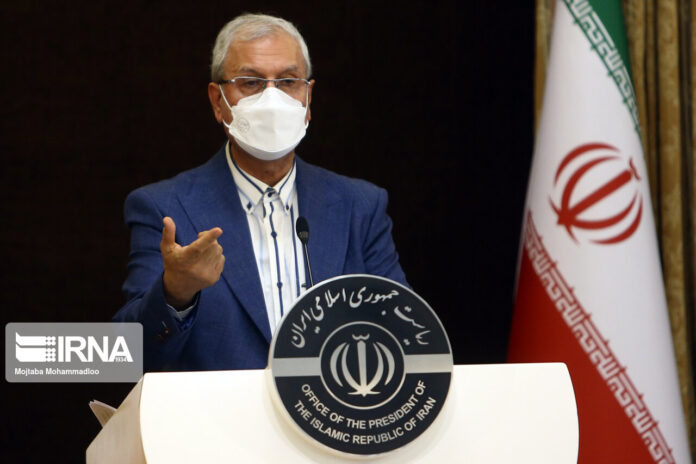
Iran’s Government Spokesman Ali Rabiei

“We remain committed to the return of all parties to the Joint Comprehensive Plan of Action to their obligations in strict compliance with the text of the agreement and we are not going to open negotiations on any other subject. Talking and even thinking about negotiations beyond the nuclear deal is meaningless before the US and members of the 4+1 group completely fulfill their obligations under the accord,” said Iran’s government spokesman Ali Rabiei.

“This is the fundamental approach of the Islamic Republic of Iran and is backed by the country’s major [national] documents and will not change with the change in administration. Of course, the 13th administration has the legal authority to take its own approach to the issue, to diplomatic ways and means and to materialization of uncompromisable national objectives.” 

He was responding to a question on the US stance on the nuclear deal and the fate of the agreement after August 3, when the new government takes office in Iran.

“Generally speaking, it should have been clearly proven over the past years that sanctions against Iran, at any level, are condemned to failure and that no new sanction can lead to any result beyond repetition of past failures. Therefore, we hope that the US government has learnt lessons from the previous [US] administration and does not get trapped in wrong and destructive analyses and impressions,” Rabiei said.

The spokesman further stressed that the government of President Hassan Rouhani has already fulfilled its responsibility during the nuclear talks in connection with removal of anti-Iran sanctions. He said things would have been different in relation to sanctions without the “unnecessary restrictions implemented by the law”, in a reference to a parliamentary legislation that imposed limits on how the government can approach the Vienna talk on revival of the nuclear deal.

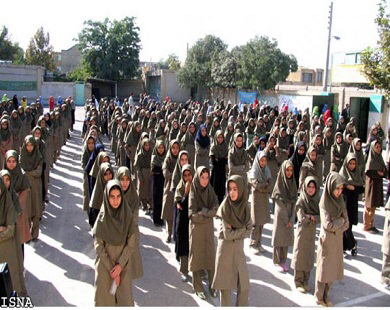
Iran Unveils Virtual Educational Courses on Life Skills for Girls

According to a report by the Education Ministry’s public relations, the educational content was unveiled during a meeting between the minister, Mohsen Haji Mirzaei, and the Vice President Masoumeh Ebtekar, at the vice presidential office for women and family affairs.

The virtual courses include “Omid” [hope], “Kindness and Altruism” and “Emotional Intelligence”, which are aimed at helping girls learn how to live better.

Olympics 2020: Iran, Poland Volleyball Teams Crush Opponents on 2nd Leg

The second-ranked Poland won 25-20 26-24 25-20 against Italy to open their account in Pool A with indomitable outside hitter Wilfredo Leon leading the way with 18 points.

Italian duo Alessandro Michieletto and Osmany Juantorena, the heroes of their sensational comeback victory over Canada on Saturday, had nine points each but Poland’s defence proved too strong with the team making 22 successful digs.

“From zero to 10, I think (our performance) was eight. It wasn’t the best,” Leon told reporters. “But we won and this is the most important part.”

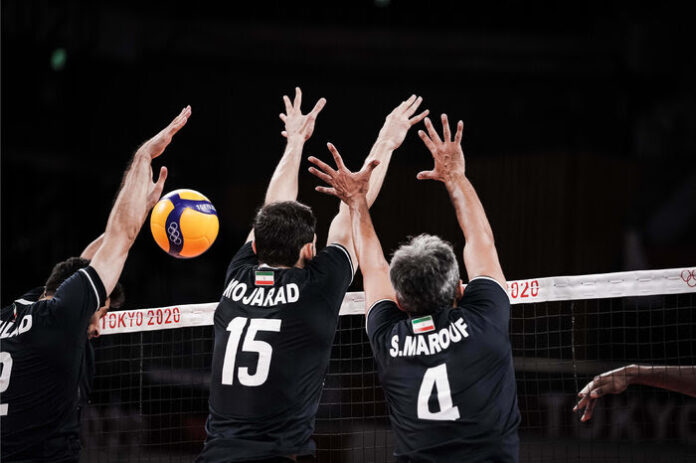
After Iran’s five-set epic in their opening win over Poland on Saturday, they had a relatively comfortable outing in their second match against Venezuela, wrapping up a 25-17 25-20 25-18 victory, Reuters reports.

Iran dominated on serve, made 10 blocks at the net and set up numerous spiking opportunities as Amir Ghafour top-scored with 16 points and Meisam Salehi had 13.

“Today, we controlled the game, we made less mistakes,” Ghafour said.
However, Iran’s second win was not enough to put it in the Pool A’s top place, as Japan bagged another three points today to sit first in Pool A.

Japan lost the opening set against Canada but their patience in subsequent rallies paid off as Yuji Nishida (23 points) and Yuki Ishikawa (22) galvanised the hosts to top Pool A with a tight 23-25 25-23 25-23 25-20 victory.

“The next opponent Italy plays with more quality, so I am just focusing on the next game. Then we will see what lies ahead,” Nishida, who injured his ankle in May and is still not at 100%, said.

Iran’s Zarif, Head of Cuba’s Finlay Vaccine Institute Meet in Tehran

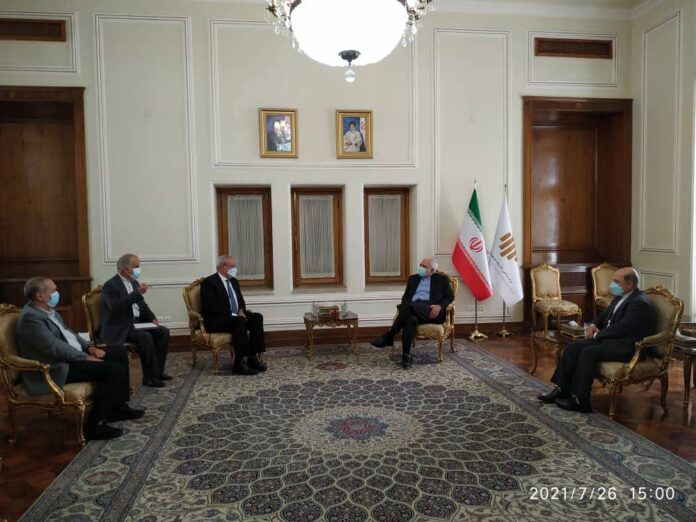
In the Monday meeting, the Iranian foreign minister touched on the friendly ties between the two countries and described as very significant the cooperation between Iran and Cuba in the fields of biotechnology, genetic engineering and especially vaccine production.

The Cuban official, in turn, briefed Zarif on the cooperation between vaccine institutes of the two countries for production of a COVID-19 vaccine and the unique features of the jab. He also thanked Zarif and the foreign ministry for their quick steps to advance cooperation between the two countries for production of a joint vaccine.

During the meeting, Cuban ambassador to Tehran Alexis Bandrich Vega also underlined the significance of Zarif’s visit to his country last year in launching the cooperation between Pasteur Institute of Iran and Finlay Institute of Cuba for joint production of a COVID-19 vaccine.