Tuesday, April 28, 2026
Home Blog Page 245

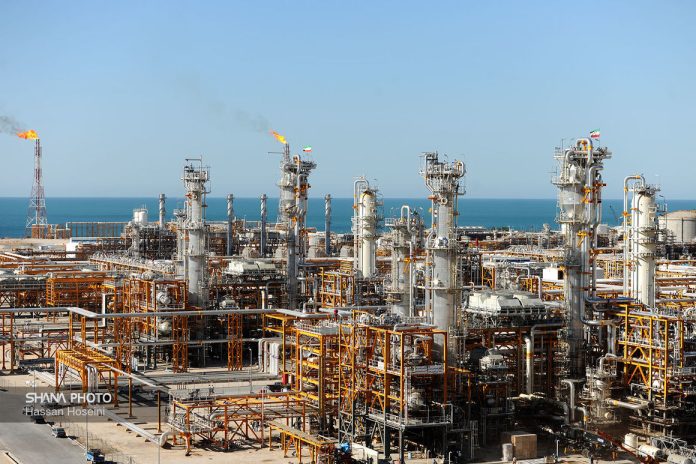
Official: South Pars Complex sent 196 billion cubic meters of natural gas to Iran national grid last year

Iran South Pars

Gholam Abbas Hosseini told reporters on Saturday that the South Pars Complex also produced more than 243 million barrels of gas condensates, 606,000 tons of granulated sulfur, 2.5 million tons of butane, approximately 3.7 million tons of propane, and over 1.8 million tons of ethane last year.

According to Hosseini, the complex also sent 135 million barrels of gas condensates to the Persian Gulf Star Refinery, playing a unique role in gasoline production in the country.

Hosseini said during the severe cold wave in early 2024, nearly 610 million cubic meters of sweet gas was delivered to the national grid on February 4th.

This, the CEO of Iran’s South Pars Gas Complex noted, marked an unprecedented record in the history of South Pars Gas Complex.

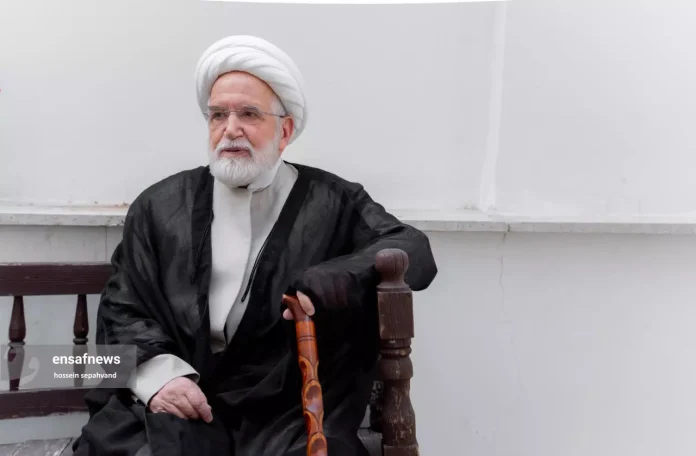
Iran’s Karroubi issues first statement following end of house arrest

Mahdi Karroubi said he considers himself bound to defend the rights of all citizens regardless of their views and beliefs.

Karroubi added that he will not remain silent and will keep defending the legal and legitimate rights of people.

He said he believes that Iran belongs to all Iranians.

Karroubi also said he regards himself as God’s servant, the son of Iran, a soldier of the Iranian people and indebted to the martyrs of the Islamic Revolution and the imposed Iraqi war.

Elsewhere, Karroubi noted that he preferred to be released from house arrest along with Mir Hossein Mousavi and his wife Zahra Rahnavard. The three were placed under house arrest in early 2010 following violent protests against the presidential election.

This came after they instigated protests on the streets after Karroubi and Mousavi were defeated in the presidential election by their rival Mahmoud Ahmadinejad in 2009.

The unrest, which Iranian officials describe as sedition, involved street riots during which several people were killed.

Iran’s Leader Ayatollah Seyyed Ali Khamenei has emphasized that he remains vigilant regarding the sedition of 2009, stating that the criterion for judgment is whether individuals supported the leaders of the sedition, exploited it, or have yet to disavow it.
Elsewhere he asserted that had this sedition not occurred, the country’s progress would undoubtedly have been much stronger. The events of 2009 emboldened the enemies and boosted the morale of those who have formed a front against the Islamic system.

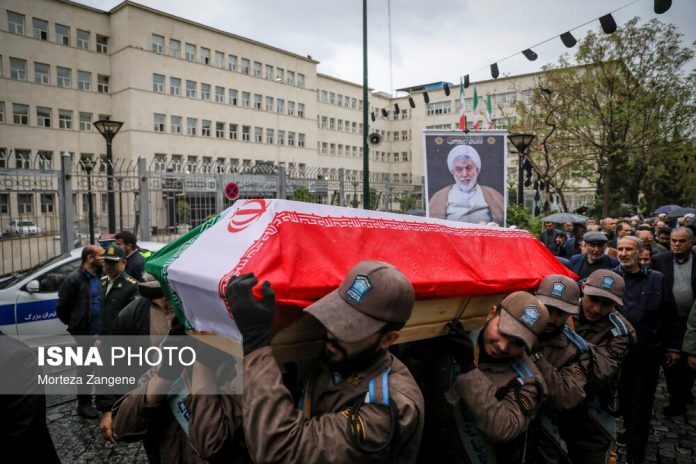
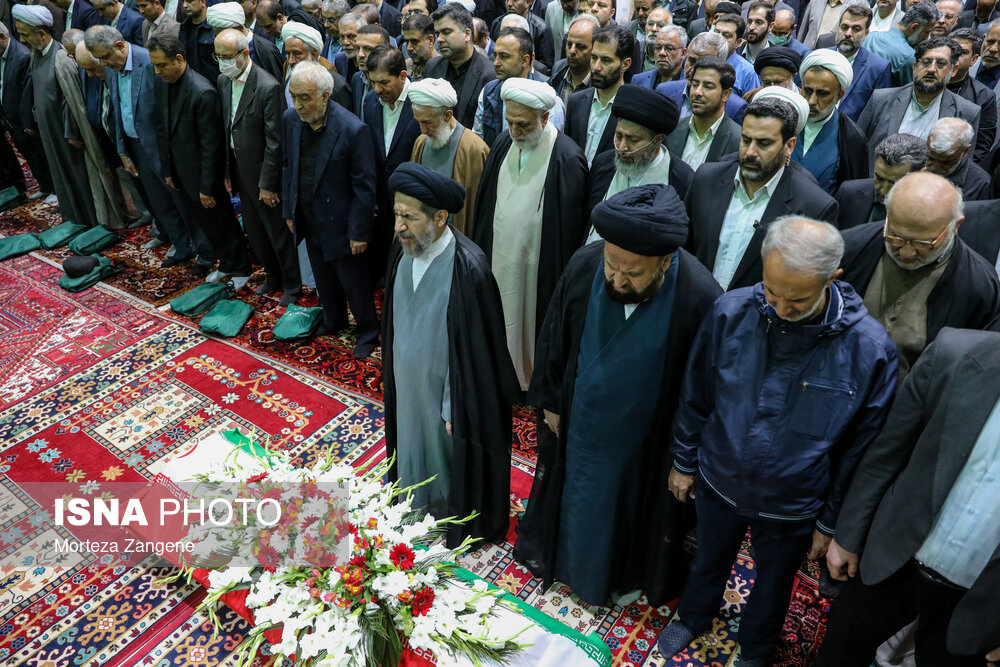
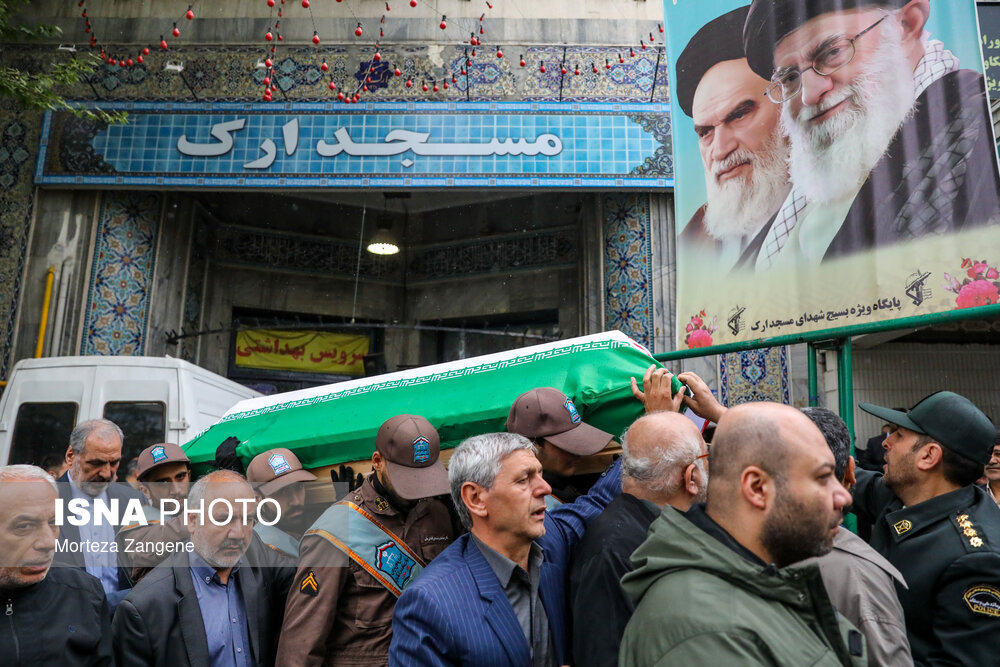
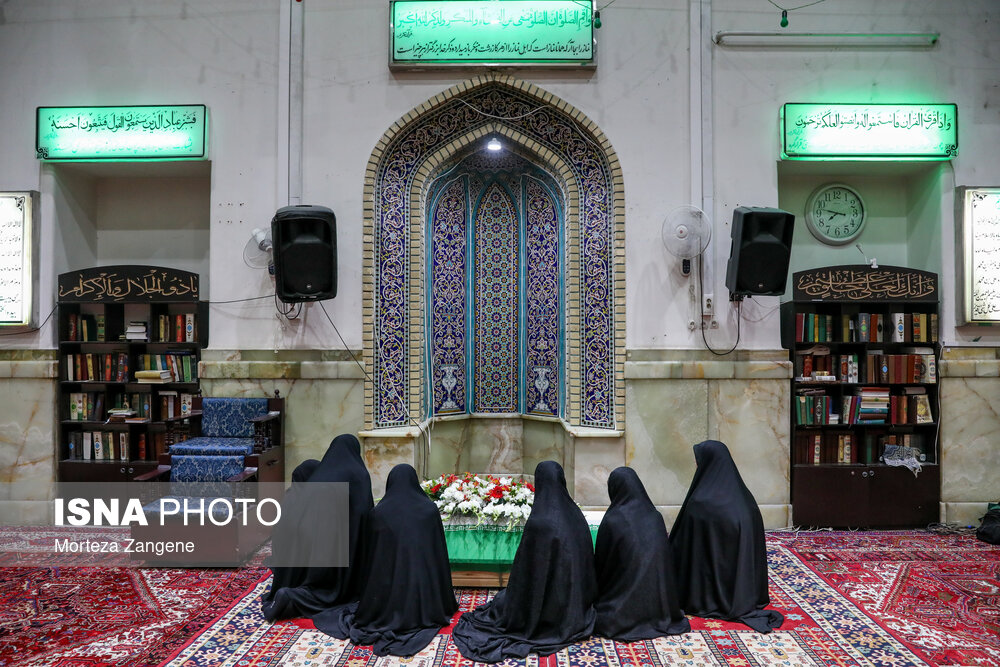
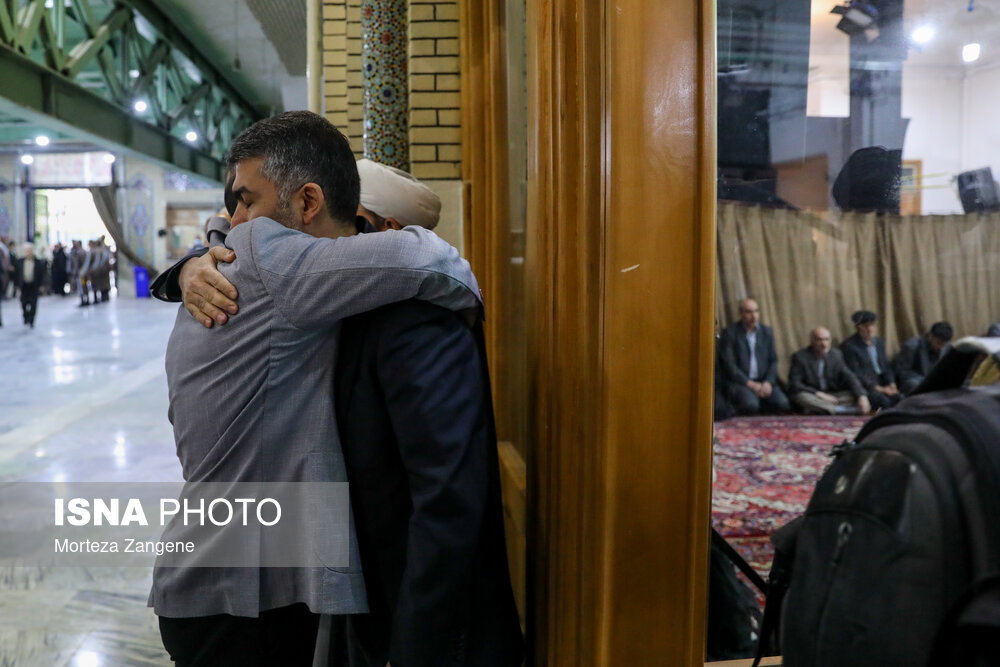
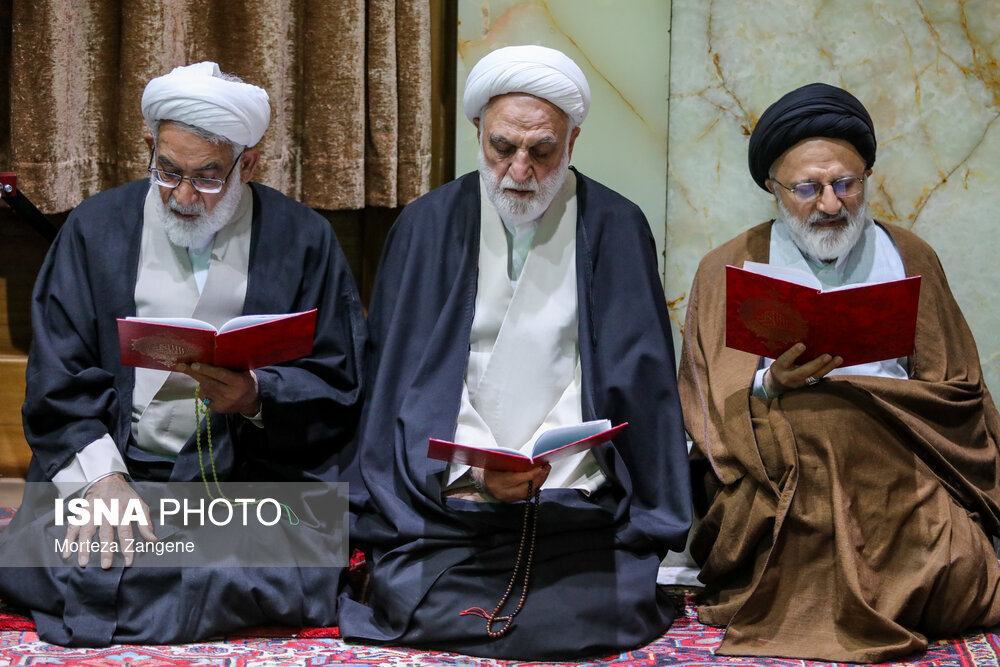
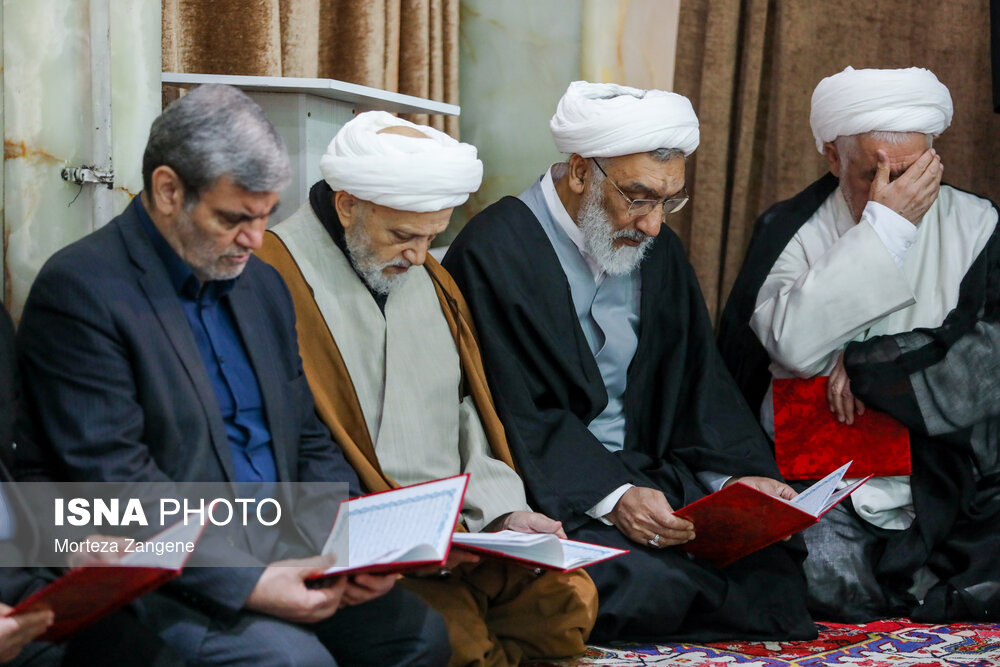
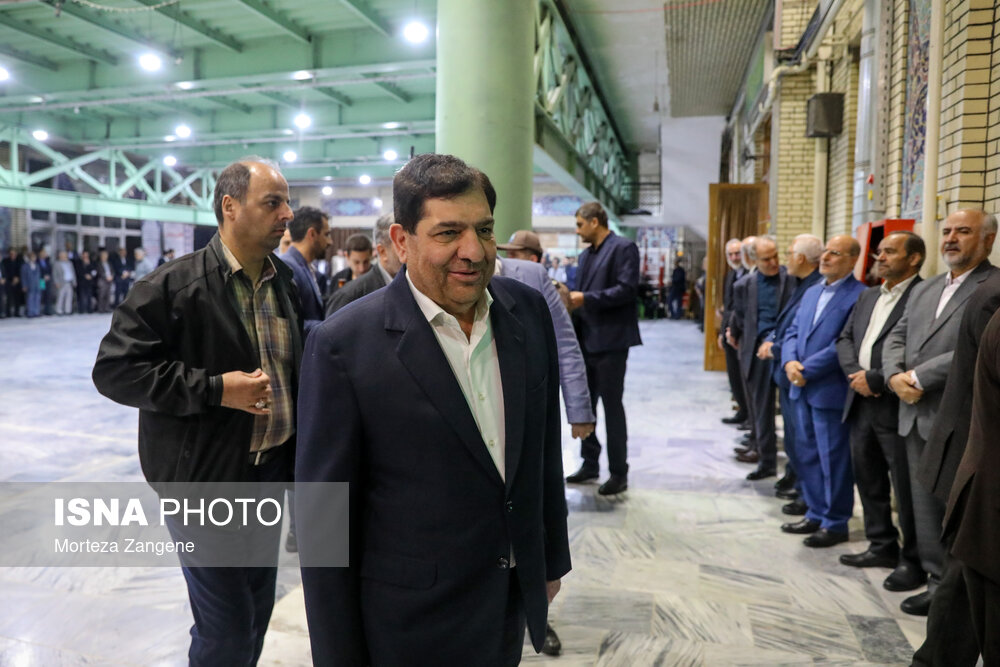
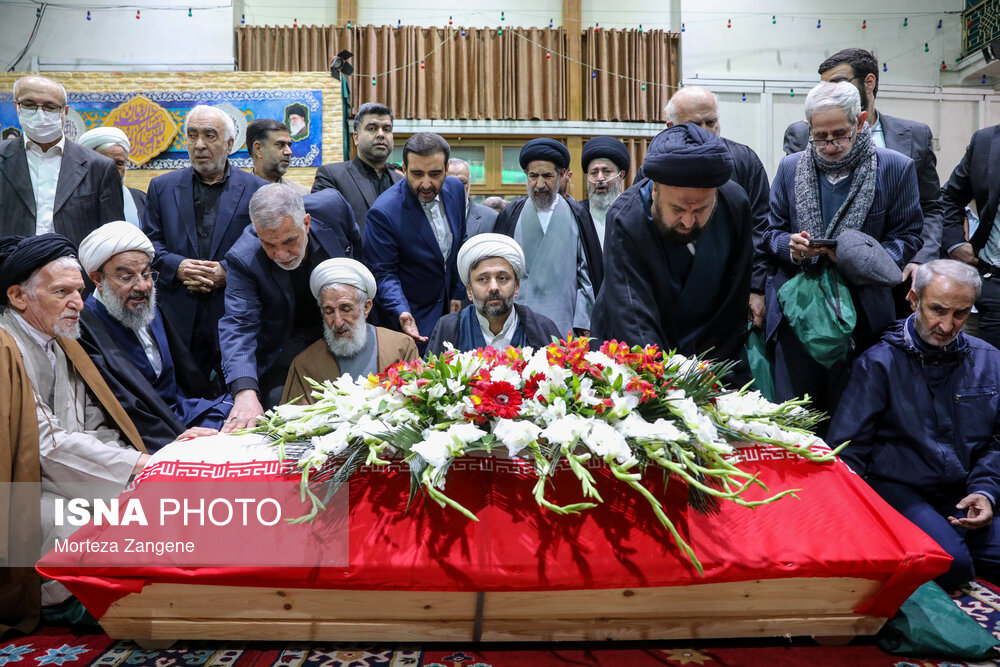
Iranians hold funeral for late judicial official Hossein Ali Nayyeri     

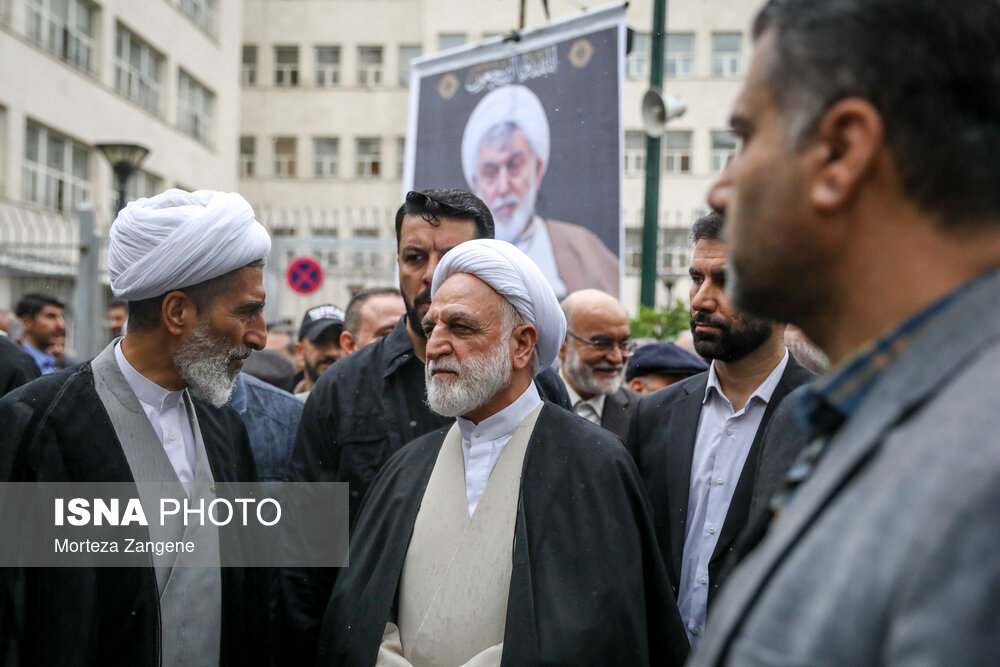
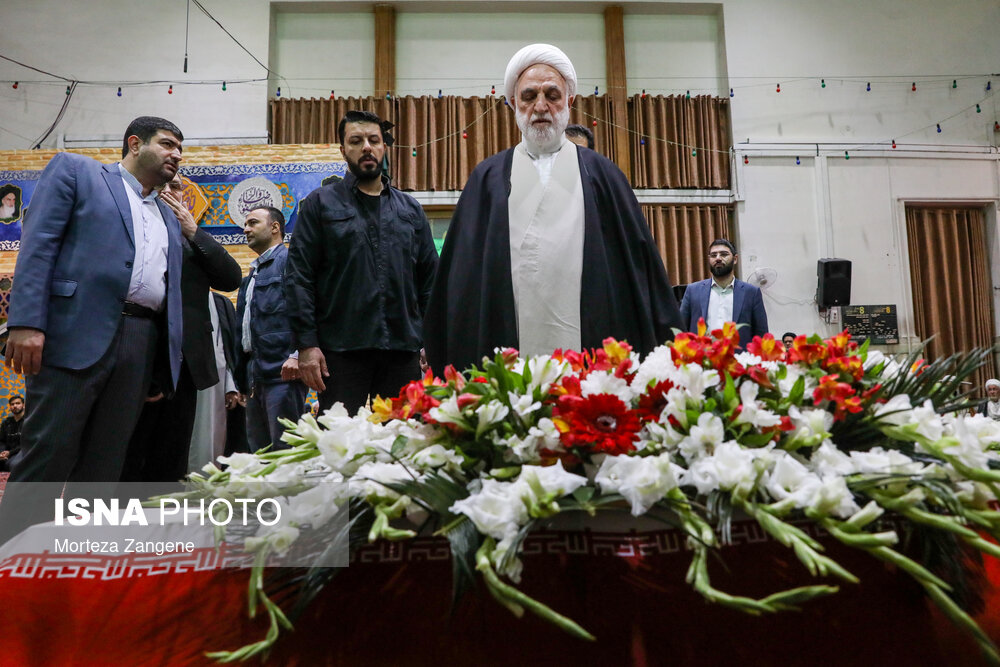
Judiciary chief Mohseni Ejei and other judicial and state officials participated in the ceremony along with the late judge’s family.

Hossein Ali Nayyeri, born in 1956, held various judicial responsibilities in Iran after the victory of the Islamic Revolution in 1979.

Some of his judicial responsibilities include being the judge of Evin Prison from 1983 to 1989, deputy of the Supreme Court from 1989 to 2013, and head of the Supreme Disciplinary Court for Judges from 2013 to 2022.

In December 2022, the Iranian Judiciary chief appointed Nayyeri as his senior advisor. He died several days ago of an illness.


Official says Bushehr Nuclear Power Plant to triple electricity production

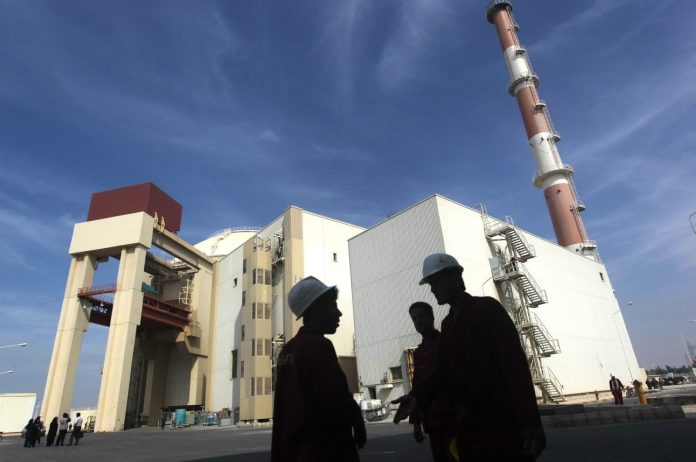
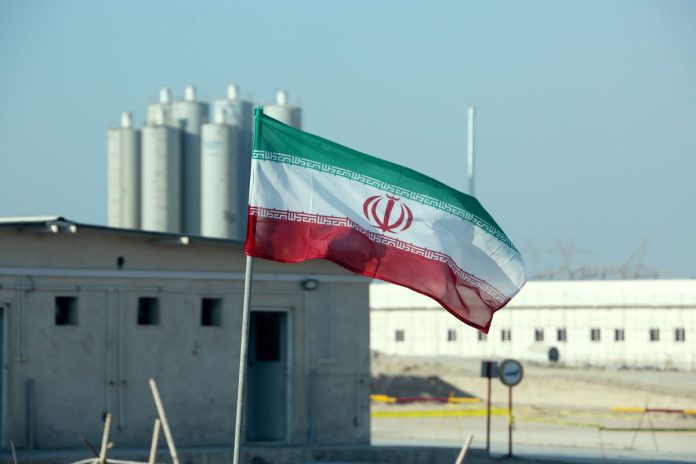
Iran's Bushehr nuclear plant

Reza Banazadeh, the head of the Bushehr Nuclear Power Plant, stated on Saturday that the facility is among the top-tier nuclear power plants internationally and plays a crucial role in stabilizing the country’s power grid.

Highlighting the strategic importance of the nuclear fuel cycle in diversifying the nation’s energy portfolio, he added that the Bushehr plant has generated and supplied 71 billion kilowatt-hours (kWh) of electricity to the national grid since its inception.

Banazadeh noted that, alongside power generation, the Bushehr plant saves the equivalent of 6.5 million cubic meters of natural gas daily, significantly contributing to environmental protection.The Iranian official also emphasized that training specialized personnel has been one of the Bushehr Nuclear Power Plant’s most significant achievements.

Iranian President: US behavior contradicts its call for negotiations

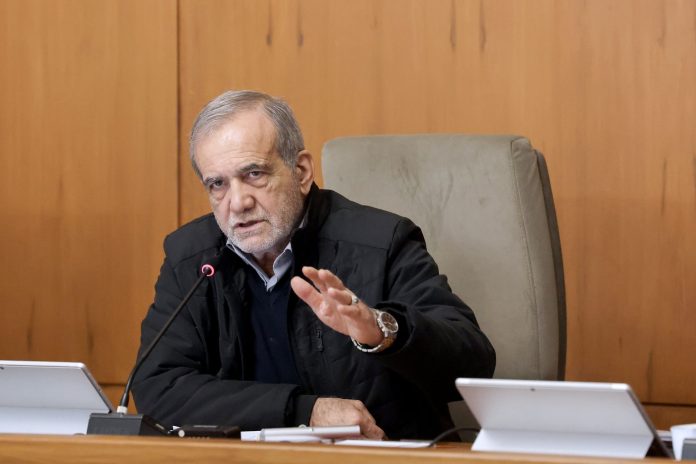
Masoud Pezeshkian

Speaking on Saturday during a meeting with citizens, officials, and members of Iran’s Parliament, President Pezeshkian addressed the US, stating: “If you seek negotiations, then why the threats?”

He added today, America humiliates the entire world and this behavior is at odds with its call for talks.

Pezeshkian stressed that Iran’s foreign policy prioritizes engagement with other nations on equal footing, adding: “The Islamic Republic of Iran is open to dialogue, but not under threats from one side while the other demands negotiations.”

He further highlighted the importance of unity among domestic political factions, asserting:”If we avoid internal strife, foreign plots will fail.”

In another part of his remarks, the president reaffirmed his administration’s resolve to address citizens’ livelihood challenges, noting: “The economic situation remains difficult, but this year, we must intensify efforts in productivity and economic revitalization. Iran has abundant resources—if we shift our approach to problem-solving, we can overcome these issues.”

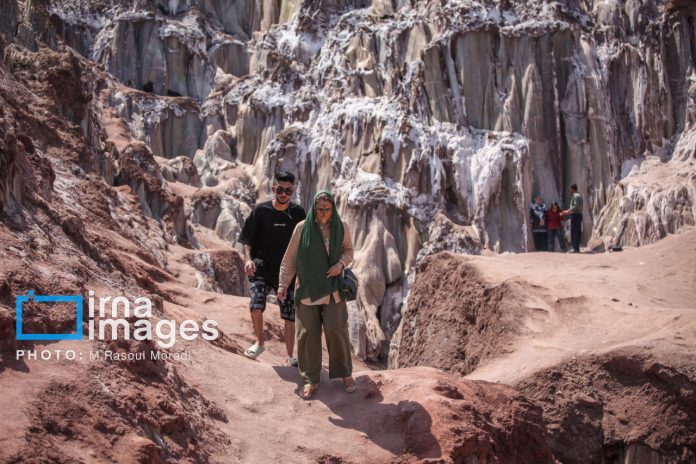
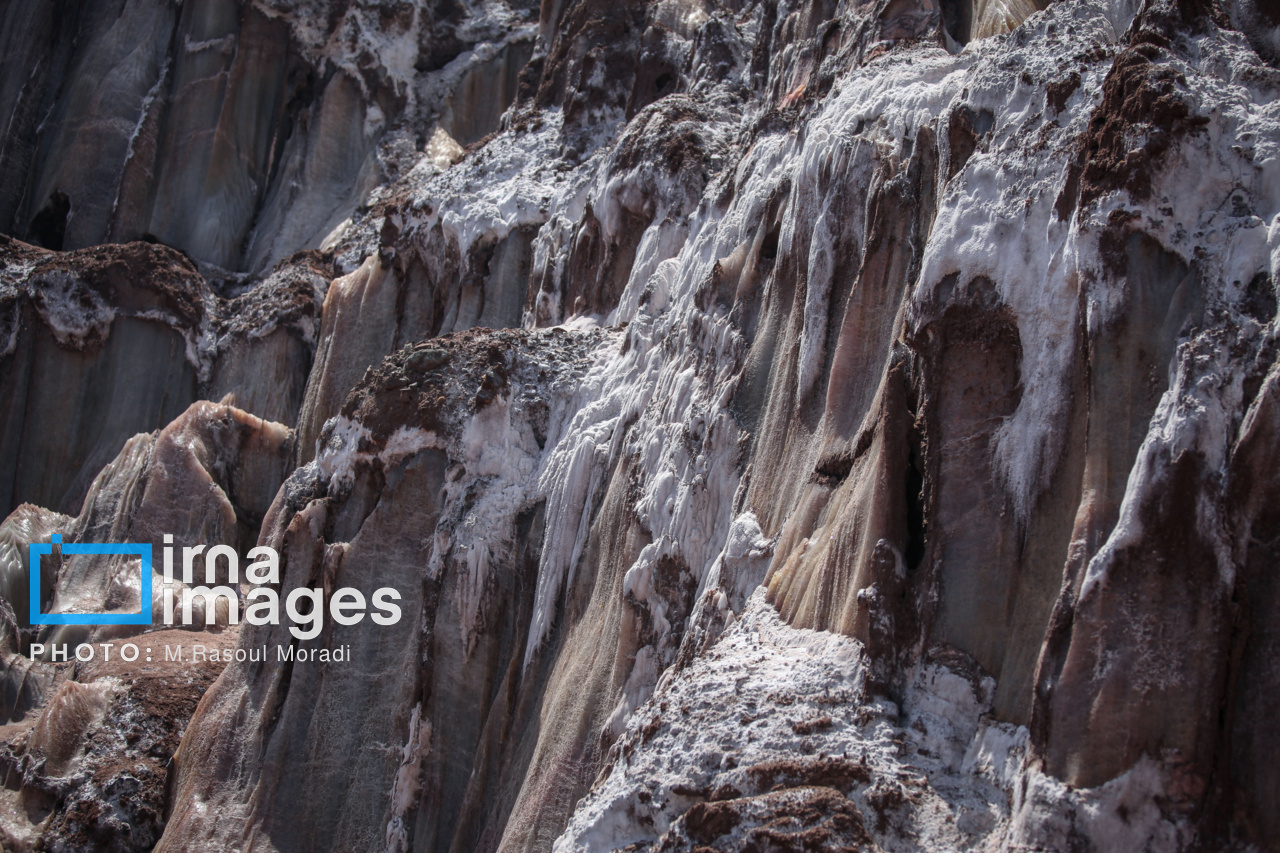
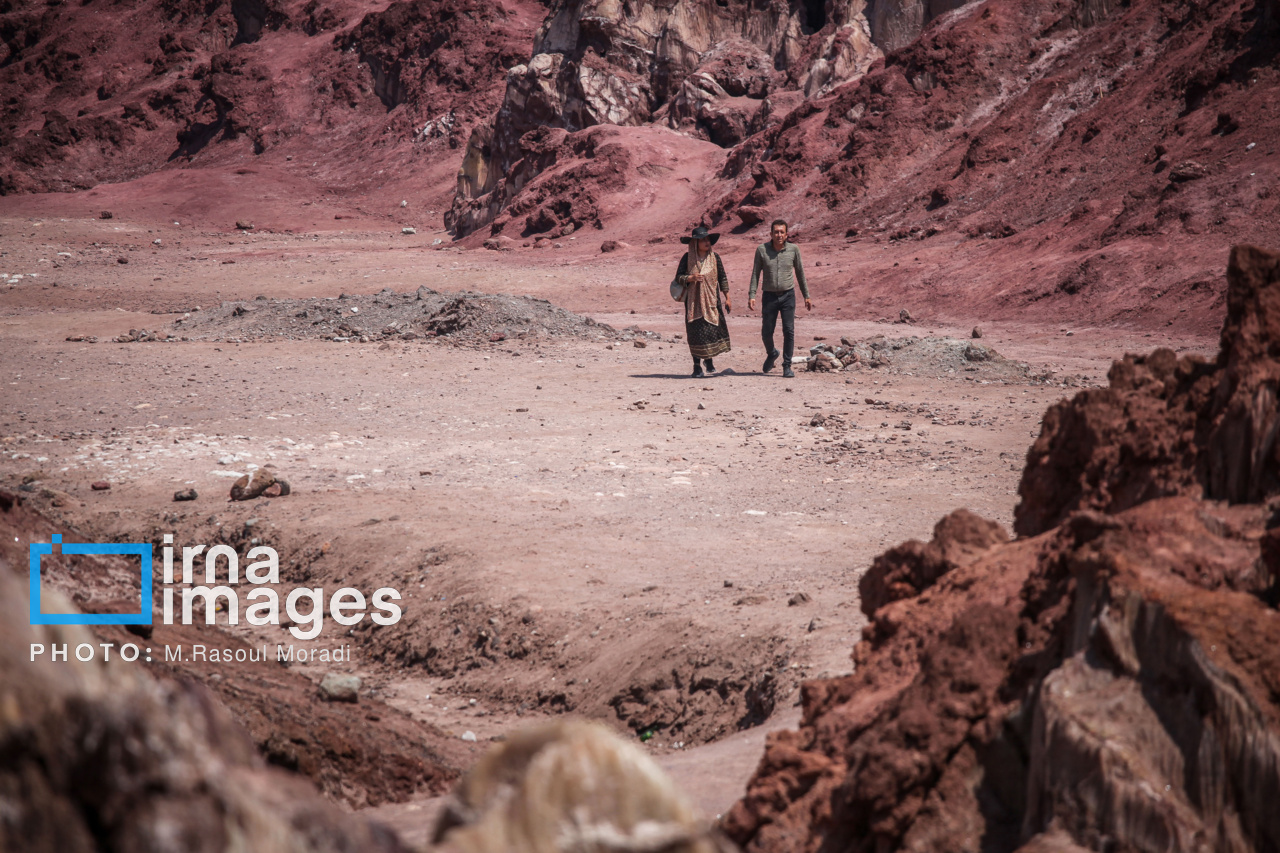
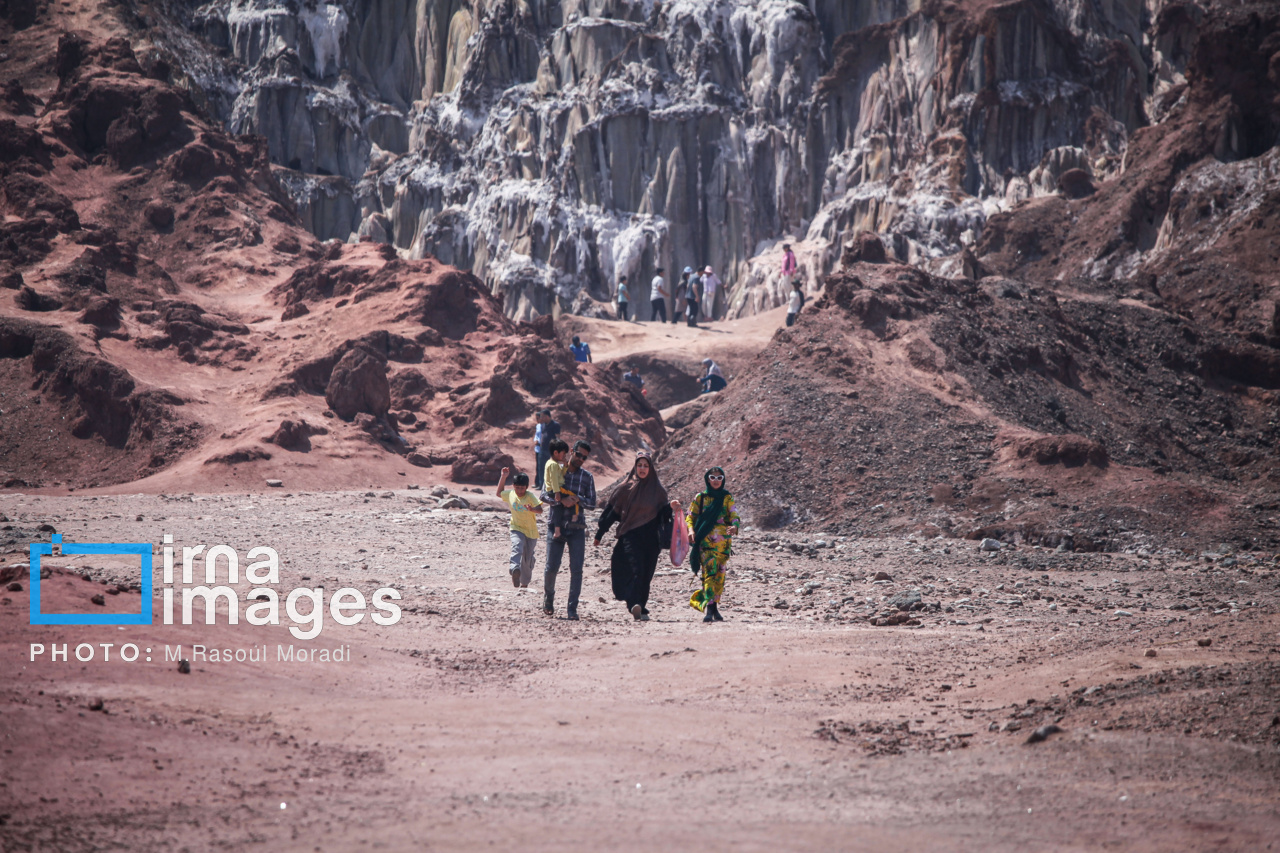
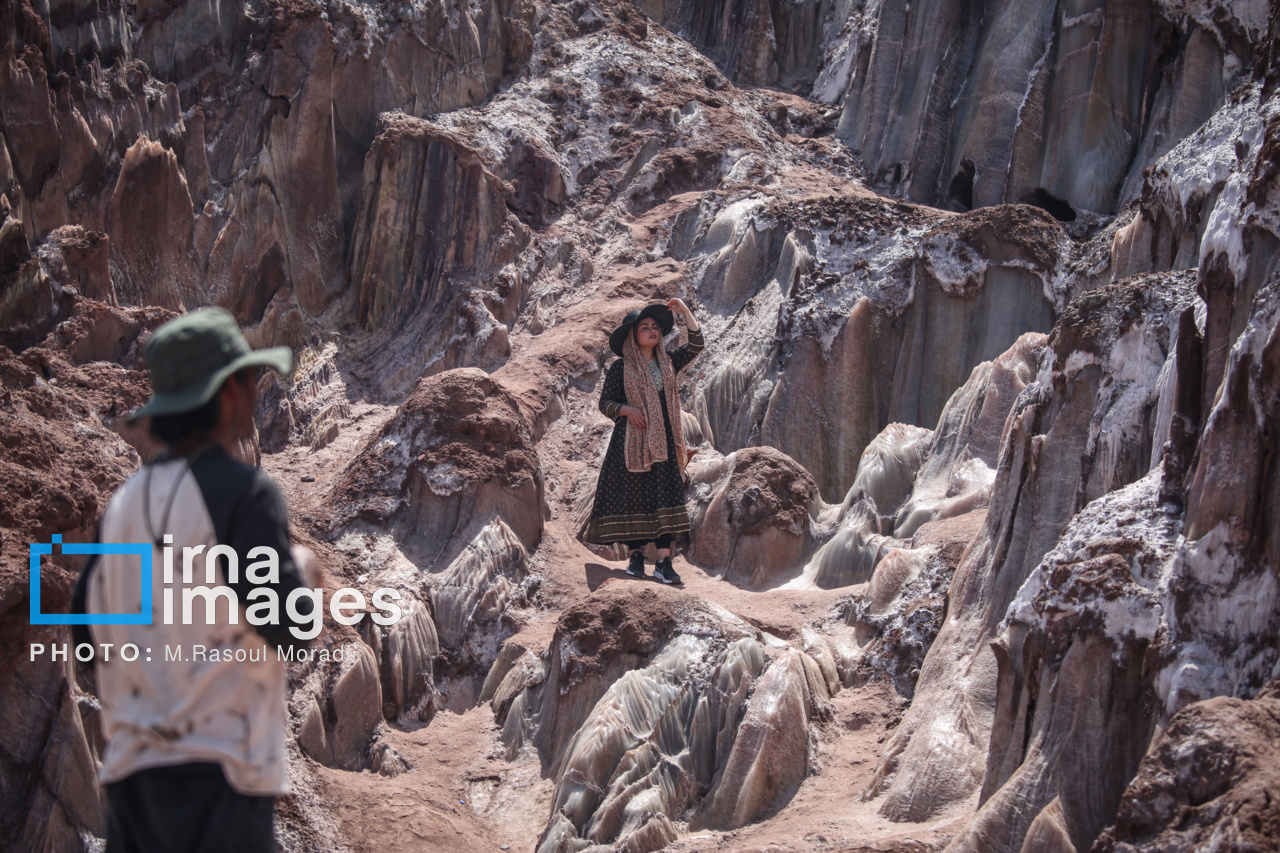
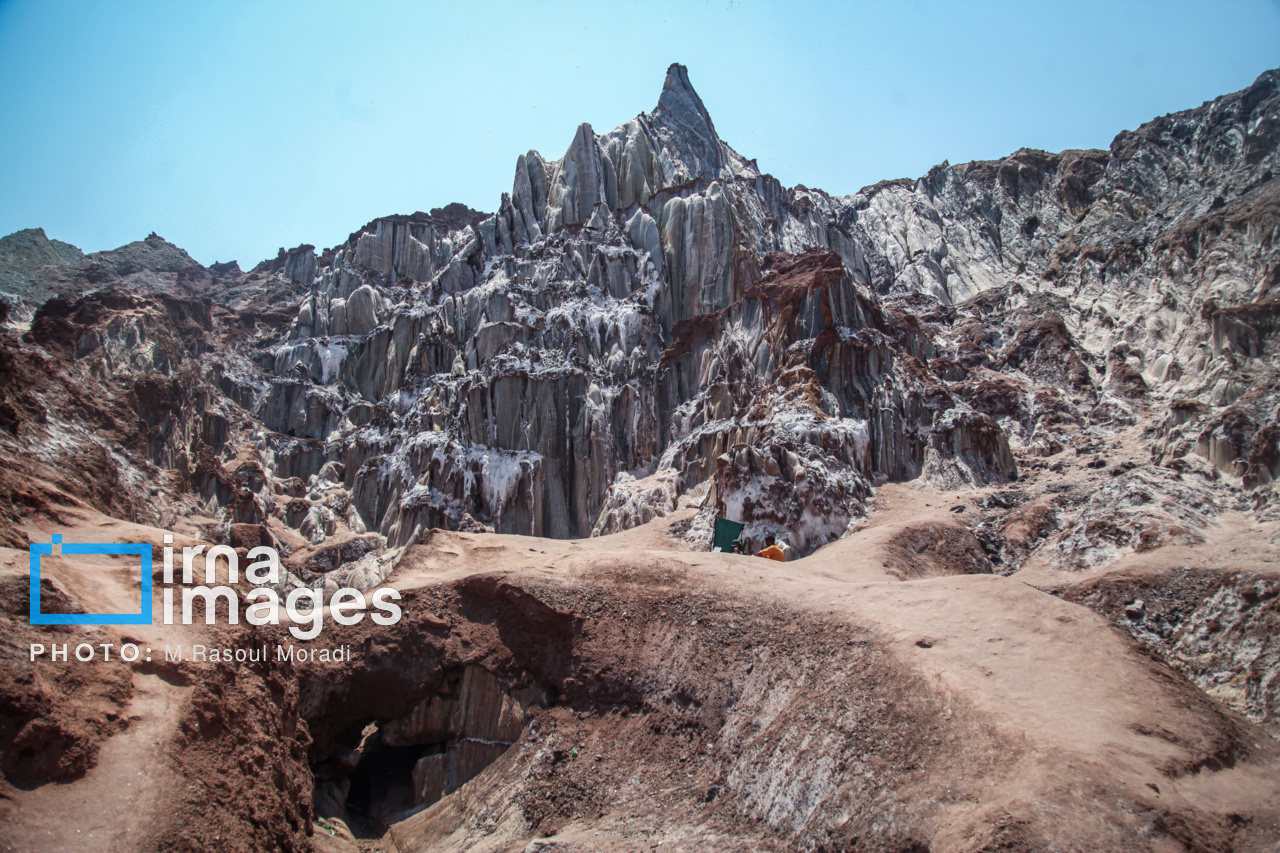
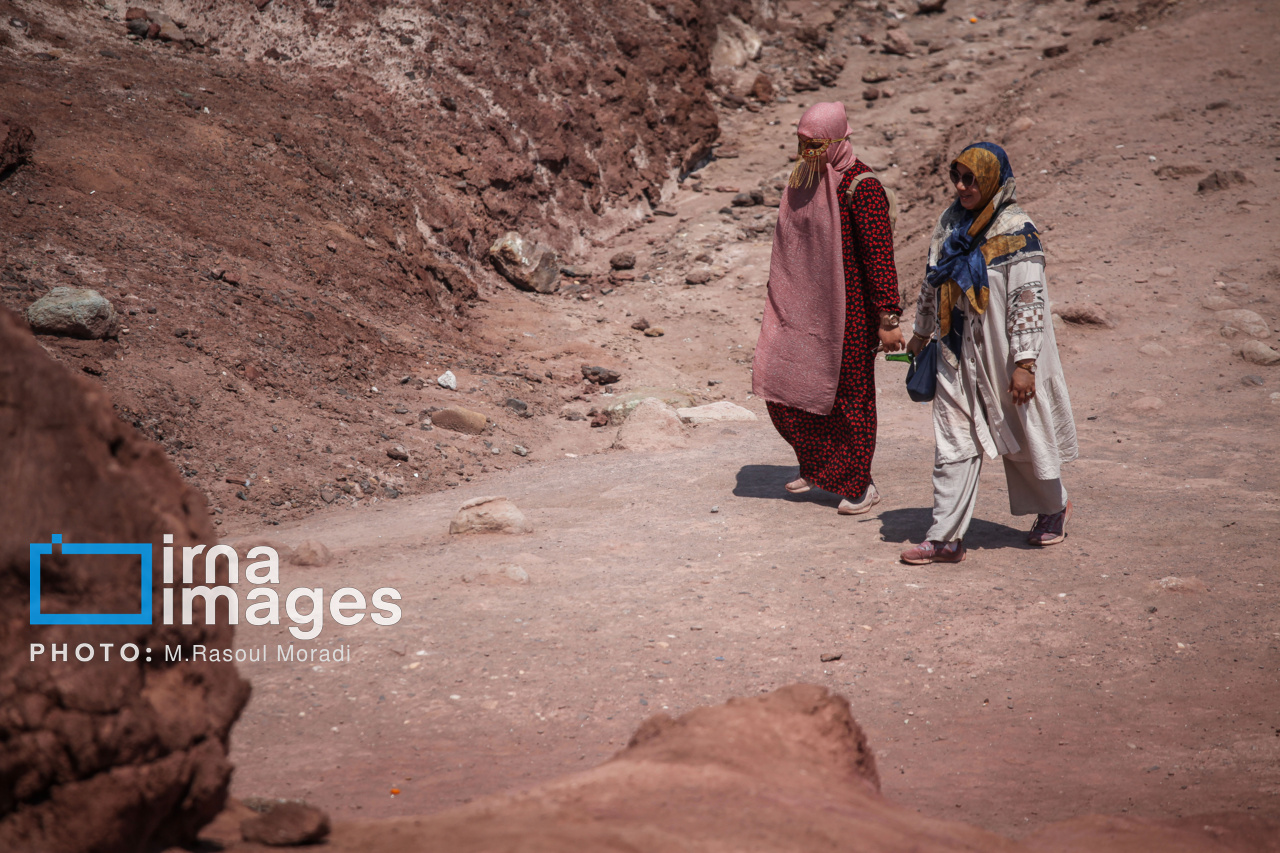
Salt Goddess، splendor of the nature of Hormoz Island, southern Iran

Salt Goddess is one of the most important attractions of this region and is well-known among tourists for its carved salt structure and colorful layers.

More in pictures:

Iran to showcase over 100 technological advancements on National Nuclear Technology Day

Iran nuclear programe

Iranian Vice President Mohammad Eslami, who also heads the AEOI, revealed on Saturday the organization maintained its rapid pace of development throughout the past Persian year, matching the previous year’s output despite international sanctions.

Among the highlights to be unveiled are significant strides in the nuclear fuel cycle, where exploration and extraction activities doubled compared to the prior year.

Significant progress occurred in multiple cutting-edge fields, according to Eslami. The country’s nuclear medicine program developed new generations of diagnostic and therapeutic radiopharmaceuticals, while quantum technology research produced advances in computing, communications and sensor systems.

Additional achievements in plasma and laser technologies will be displayed, though specific details remain undisclosed.

Eslami credited Iran’s scientific workforce for maintaining technological momentum and expressed confidence in continued progress, citing government support for the nuclear program.

The organization now produces over 60 radiopharmaceuticals domestically, reducing import needs while expanding medical capabilities.

Iranian civil society sends letter to UN chief, warns against US potential attack

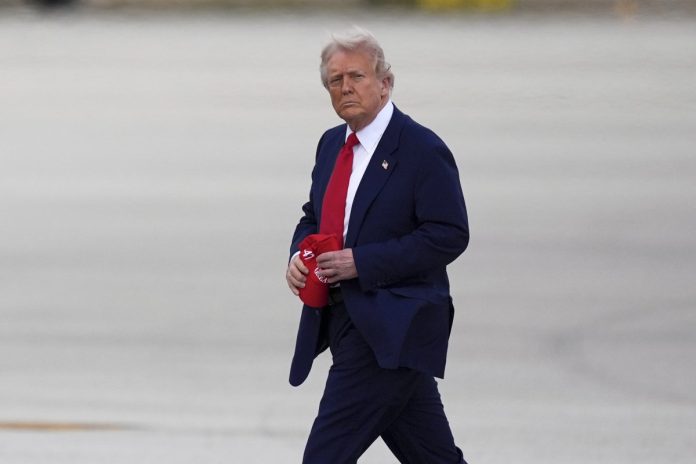
Donald Trump

The signatories – some of whom identified as critics of the Iranian government – pledged to “defend Iran with full force” if attacked, warning that any aggression would target the Iranian people, not just the state.

The letter highlights Iran’s historical experience with war, referencing the 1980-88 Iran-Iraq conflict, where “former Iraqi Ruler Saddam Hussein, acting as a proxy for global powers, used chemical weapons supplied by Western nations.”

It also criticizes Western “double standards” on nuclear issues, noting Iran’s compliance with the 2015 nuclear deal (JCPOA) despite the US unilateral withdrawal in 2018 and subsequent “crippling sanctions harming ordinary Iranians’ access to medicine and vital supplies.”

While acknowledging domestic political differences, the activists rejected any foreign intervention, including in Iran.

“Democracy cannot be delivered by external powers that support Israel’s genocide in Gaza,” they state, condemning the US for “solving international issues with bombs” under the current administration.

The letter warns that attacking Iran would destabilize global peace and urges international solidarity against “warmongering.” Copies of the letter were sent to the UN General Assembly and Human Rights Council.

Iranian president dismisses deputy over controversial Antarctic vacation

Masoud Pezeshkian

In his dismissal letter, President Pezeshkian acknowledged Dabiri’s years of service but stated, “In a government that prides itself on following Imam Ali’s model of simple living, such expensive leisure travel by officials – even at personal expense – is unjustifiable while many citizens face economic hardships.”

“Your long-standing friendship, collaboration, and valuable service as Parliamentary Deputy in the 14th administration do not preclude our primary commitment to honesty, justice, and the promises we made to the people. Therefore, we regretfully cannot continue our cooperation with you in the administration,” the letter read.

The decision came after photos of Dabiri’s Antarctic trip circulated on social media, sparking widespread criticism.

Dabiri had previously refused to resign, saying he would only step down if formally dismissed.

Government Spokesperson Fatemeh Mohajerani commented on the incident, noting, “While personal lifestyle choices are private, cabinet members must recognize their actions carry greater public sensitivity.”

Dabiri served as the presidential liaison to Iran’s parliament.

US says ‘testing’ if Russia is serious about peace in Ukraine

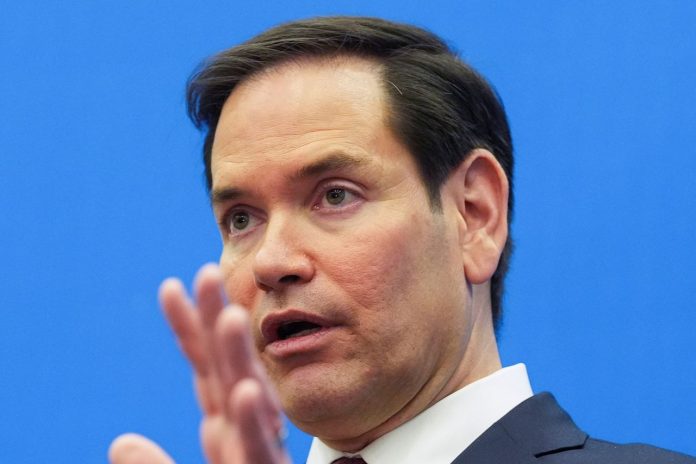
“We’re testing to see if the Russians are interested in peace,” Marco Rubio told journalists in Brussels after talks with NATO allies.

“Their actions – not their words, their actions – will determine whether they’re serious or not, and we intend to find that out sooner rather than later.”

He added: “The Russians and [Vladimir] Putin will have to make a decision about whether they’re serious about peace or not. If it’s a delay tactic, [Trump]’s not interested in that. We will know soon enough, in a matter of weeks, not months, whether Russia is serious about peace or not.”

Rubio also appeared to strike a more sympathetic tone towards Kyiv, noting that the Ukrainians “have shown a willingness to enter, for example, into a complete ceasefire”.

US officials appear to be growing increasingly impatient with the lack of progress in the ongoing peace negotiations. While Trump continues to publicly suggest that Putin wants to end the war, there is growing recognition within the US administration that the Kremlin is unlikely to back down from its maximalist demands before it commits to peace conditions that would effectively dismantle Ukraine as an independent, functioning state and pull it firmly into Russia’s sphere of influence.

On Friday a Russian missile attack killed at least 18 people, including nine children, in a residential area of the central Ukrainian city of Kryvyi Rih, local officials announced.

​The attack on the hometown of Volodymyr Zelensky, the Ukrainian president, damaged residential blocks and sparked fires, Serhiy Lysak, the region’s governor, wrote on the Telegram messaging app.

At least 50 people were wounded, the emergency services said, adding that the figure was growing.

Zelensky responded by calling on the west to exert greater pressure on Moscow. “The whole world sees it,” he wrote on Telegram.

“Each missile, every attack drone proves that Russia seeks only war.”

Russia claimed it had targeted a gathering of servicemen but Ukraine accused Moscow of “again spreading false information”.

“The missile struck a residential area with a playground,” the military’s general staff said in a statement on Telegram.

“Through this latest violation of the norms of international human rights, the insidious enemy shows that it is in no way seeking peace but rather intends to continue its invasion and war to destroy Ukraine and all Ukrainians,” it added.

Russia has previously rejected a US proposal for a full and immediate 30-day ceasefire, to which Ukraine had agreed. Meanwhile, neither side appears to be adhering to an earlier agreement to temporarily halt strikes on energy infrastructure during that period.

European allies have been urging Washington to take a tougher stance on Moscow and push for a serious commitment to a ceasefire, with some suggesting that a clear deadline should be set.

Moscow “owes an answer to the United States”, which had “worked very hard to come up with a mediation effort and a ceasefire proposal”, the French foreign minister, Jean-Noël Barrot, said in Brussels, standing alongside the British foreign minister, David Lammy.

“[Putin] could accept a ceasefire now, he continues to bombard Ukraine, its civilian population, its energy supplies,” Lammy stated, adding, “We see you, Vladimir Putin, we know what you are doing.”

There was similar rhetoric among other European allies of Ukraine, with the German foreign minister, Annalena Baerbock, dismissing Putin’s talk of negotiations as “nothing but empty promises”. She accused the Russian leader of “playing for time by raising ever-new demands”.

The Kremlin this week sent an envoy to Washington, marking the first time since the start of Russia’s full-scale invasion that a senior Russian official had travelled to the US for talks with American counterparts.

Kirill Dmitriev met Steve Witkoff, Trump’s senior adviser on Russia negotiations, as well as Rubio at the White House on Wednesday. Dmitriev described the meetings as evidence of a “positive dynamic” between the two countries and claimed progress had been made towards peace in Ukraine.

Rubio, the US’s top diplomat, took a more cautious stance, saying he hoped Dmitriev would deliver a clear message to Moscow.

“He’ll take some messages back, and the message is the United States needs to know whether you’re serious or not about peace,” he stated.

Trump has previously suggested he would impose a 25% or even 50% tariff on countries buying Russian oil if he concluded that Putin was obstructing peace talks.