Ebrahim Rezaei, the spokesperson for the Iranian Parliament’s National Security and Foreign Policy Committee, reported the letter was signed by Foreign Minister Seyed Abbas Araghchi.
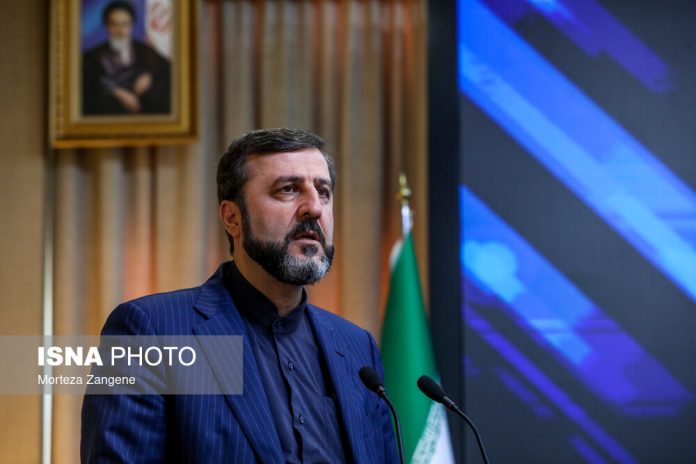
During a parliamentary briefing, Deputy Foreign Minister Kazem Gharibabadi outlined recent diplomatic efforts, including meetings in Istanbul with European parties and discussions in New York.
Gharibabadi emphasized that European countries lack the legal standing to trigger the snapback process, as they have not upheld their commitments under the Joint Comprehensive Plan of Action (JCPOA) nuclear deal.
He also confirmed coordination with Russia and China on countering any such efforts, including a recent trilateral meeting.
Iran reaffirmed its adherence to parliamentary law mandating suspension of cooperation with the IAEA, while rejecting any proposal to extend UN Security Council Resolution 2231, mandating the JCPOA.
Gharibabadi warned of the psychological impact of snapback threats, though no new sanctions would be imposed.
Talks with the US remain suspended, with Iran demanding firm guarantees on the part Washington that the attacks last month on Iran’s nuclear facilities would be compensated before any negotiations.
The SNSC said on Sunday that the decision was made in line with Article 176 of the Constitution, which outlines national security responsibilities.
The newly formed council will be responsible for developing defense strategies and enhancing the capabilities of the Armed Forces.
The Iranian president will head the council, which also includes the heads of the three branches of government, senior military commanders, and designated ministers relevant to defense affairs.
The council’s formation comes after the Israeli regime on June 13 launched a war of aggression against Iran, assassinating senior military commanders and nuclear scientists in targeted strikes and killing hundreds of civilians.
On June 22, the United States escalated the war by bombing three civilian nuclear facilities in Iran.
In response, the Iranian Armed Forces carried out retaliatory strikes on strategic Israeli positions across the occupied territories and targeted the al-Udeid Air Base in Qatar, the largest American military installation in West Asia.
Through its successful retaliatory operations, Iran managed to impose a halt to the aggression on June 24.
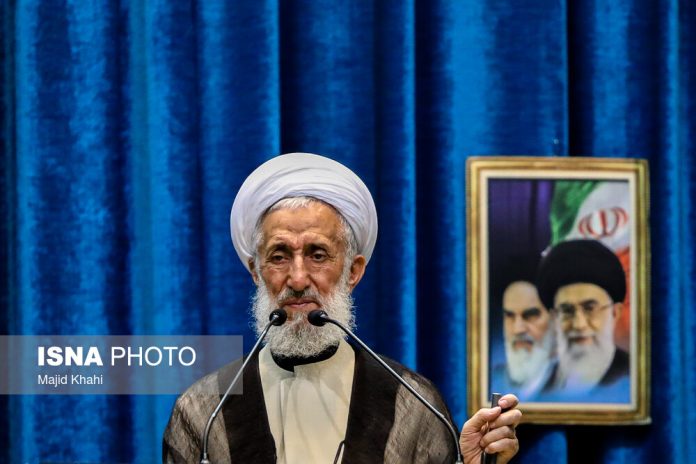
In a letter to the Leader of the Islamic Revolution, Ayatollah Ali Khamenei, Seddiqi requested to be relieved of his duties to focus on academic and religious teaching.
The Leader accepted his resignation, thanking him for 17 years of sermons in defense of the Islamic Republic and moral guidance.
Seddiqi’s resignation follows mounting criticism over a real estate controversy involving his family.
In 2025, it was revealed that a 4,200-square-meter orchard in Tehran’s upscale Ozgol district—owned by the Imam Khomeini Seminary, which Seddiqi oversees—had been transferred to a private company where his sons and daughter-in-law were board members.
Iran’s judiciary later confirmed the arrest of his son and daughter-in-law on financial charges, along with four others, though Seddiqi himself was not found culpable.
His continued presence at Friday prayers, particularly his appearance on July 18, drew sharp backlash from media and political figures. Conservative outlets labeled it “ill-timed” and “defiant.” Seddiqi had been under increasing pressure to step aside.
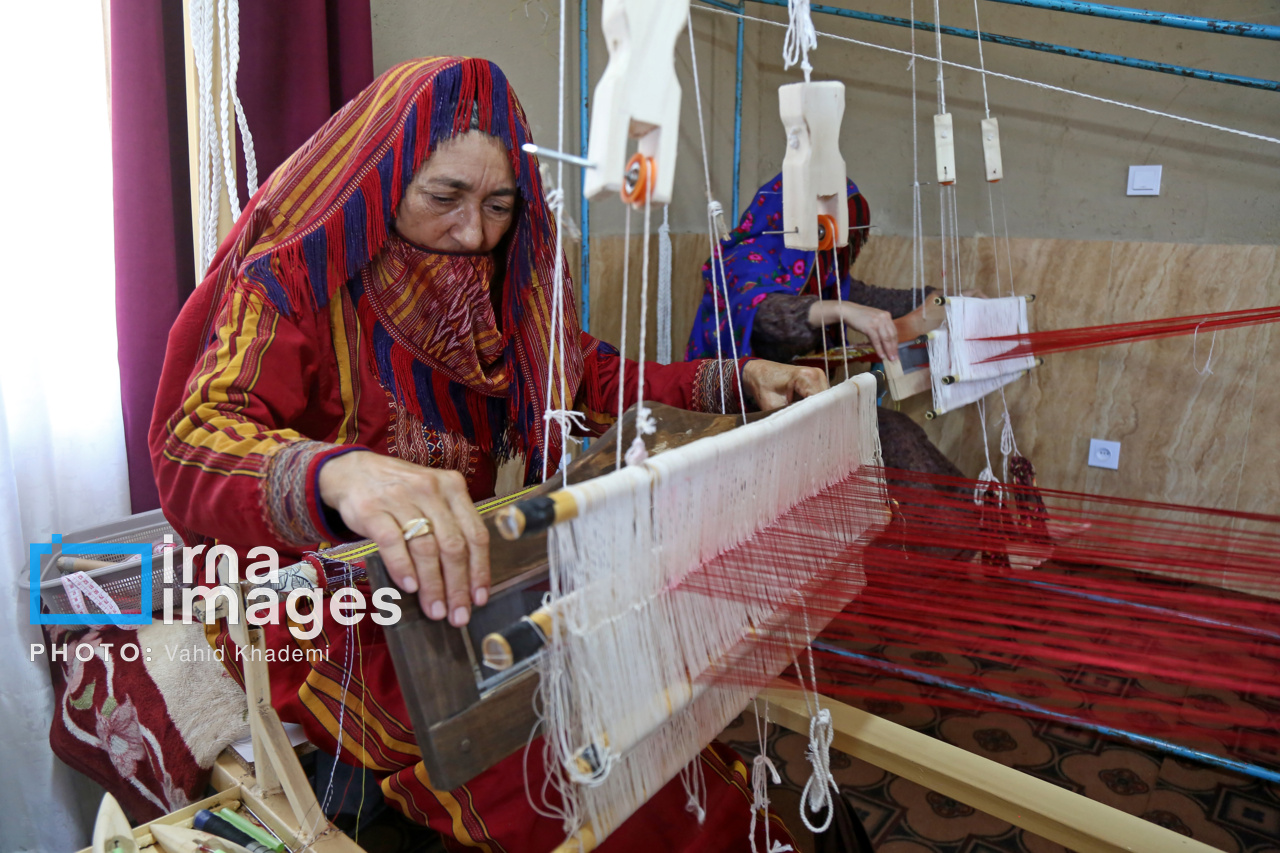
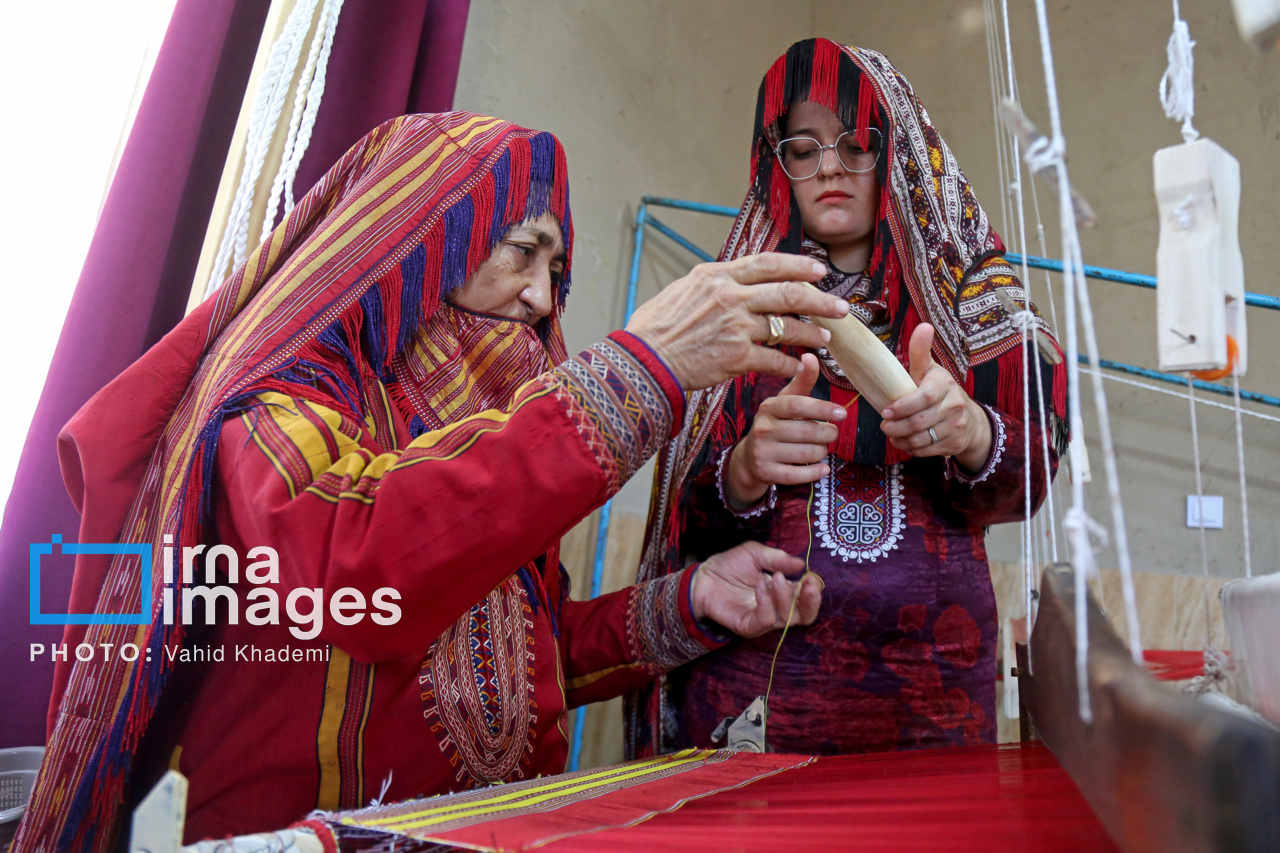
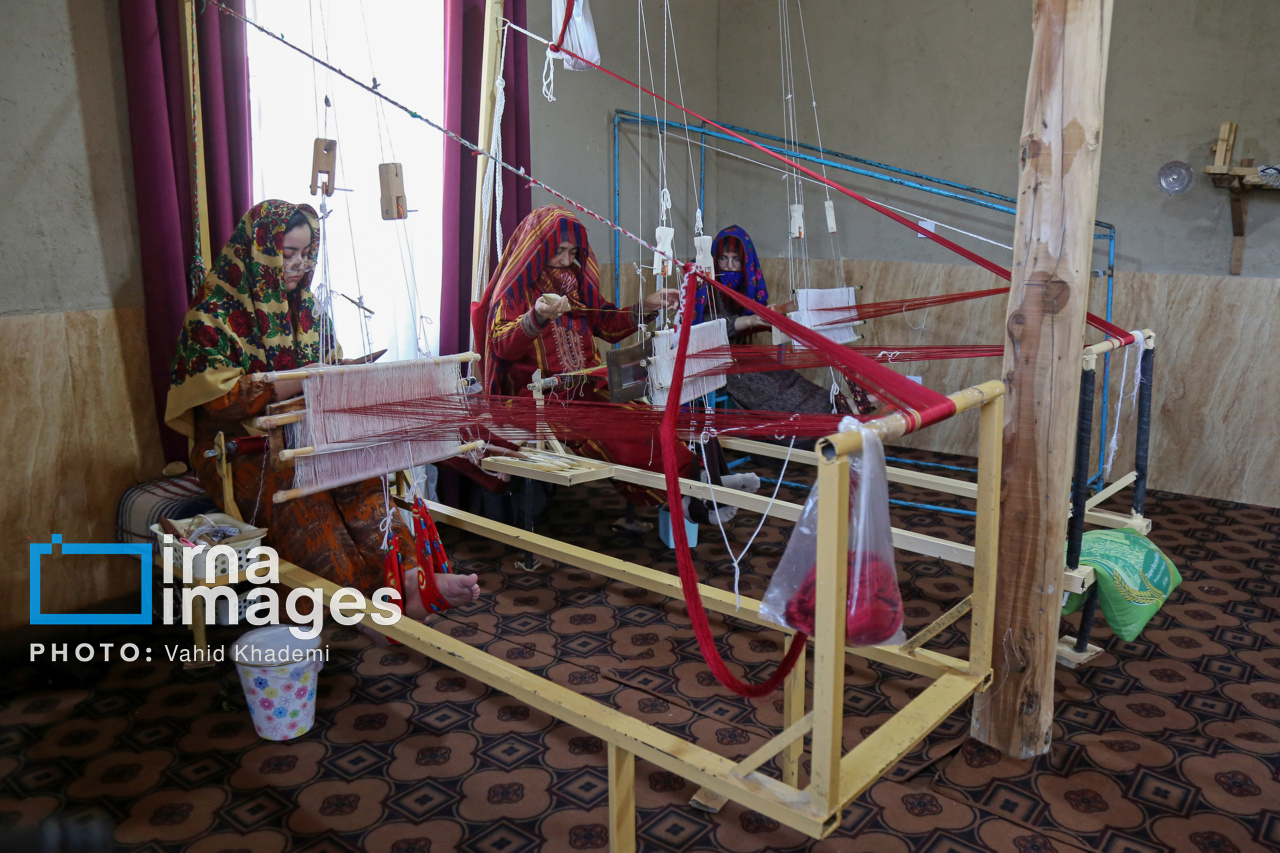
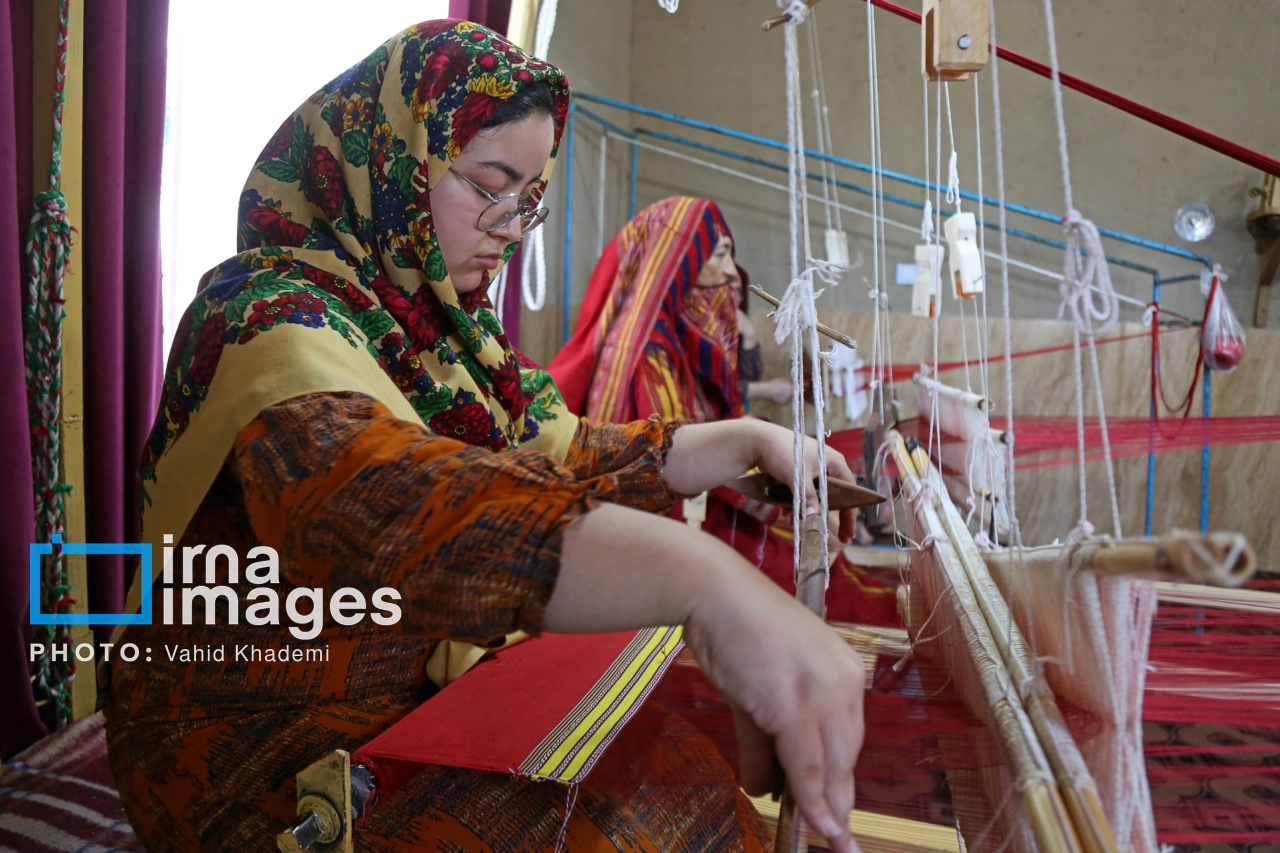
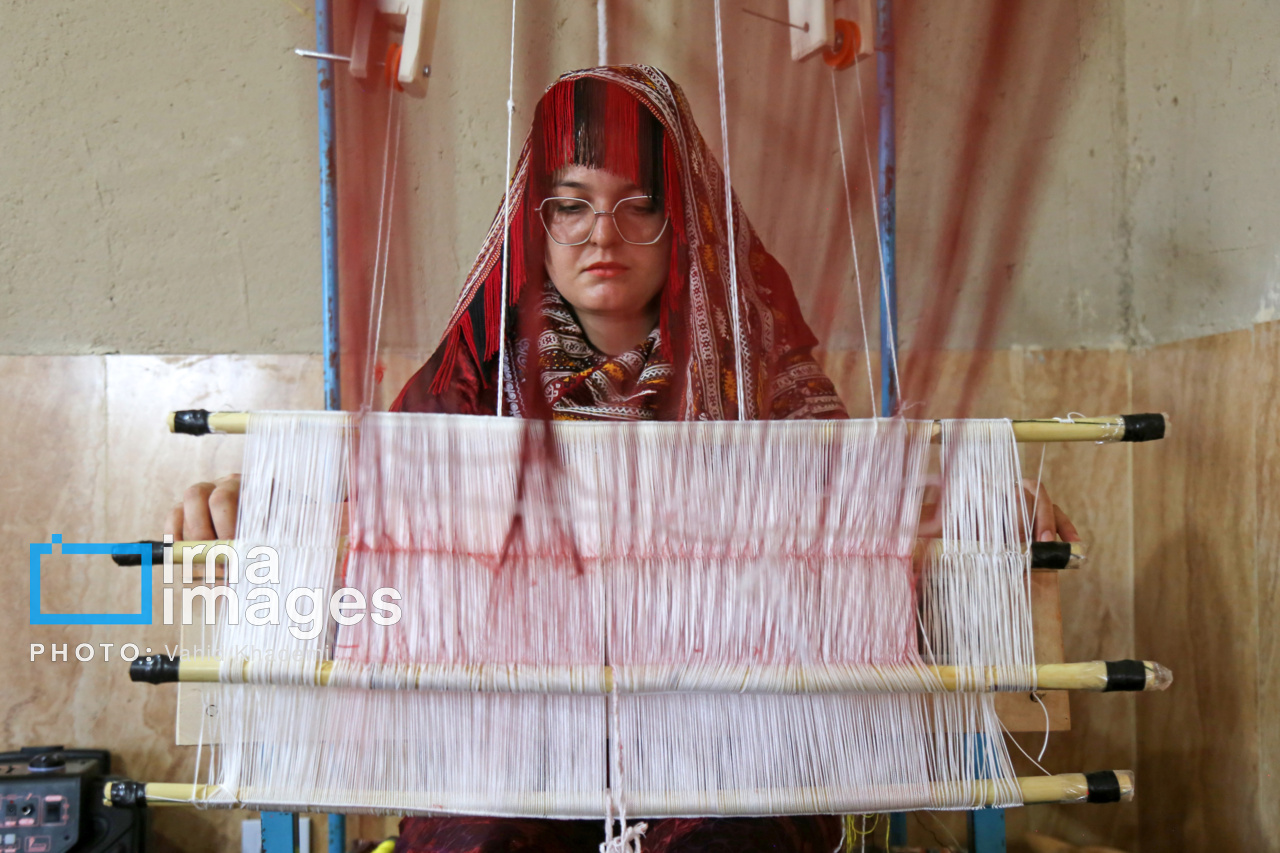
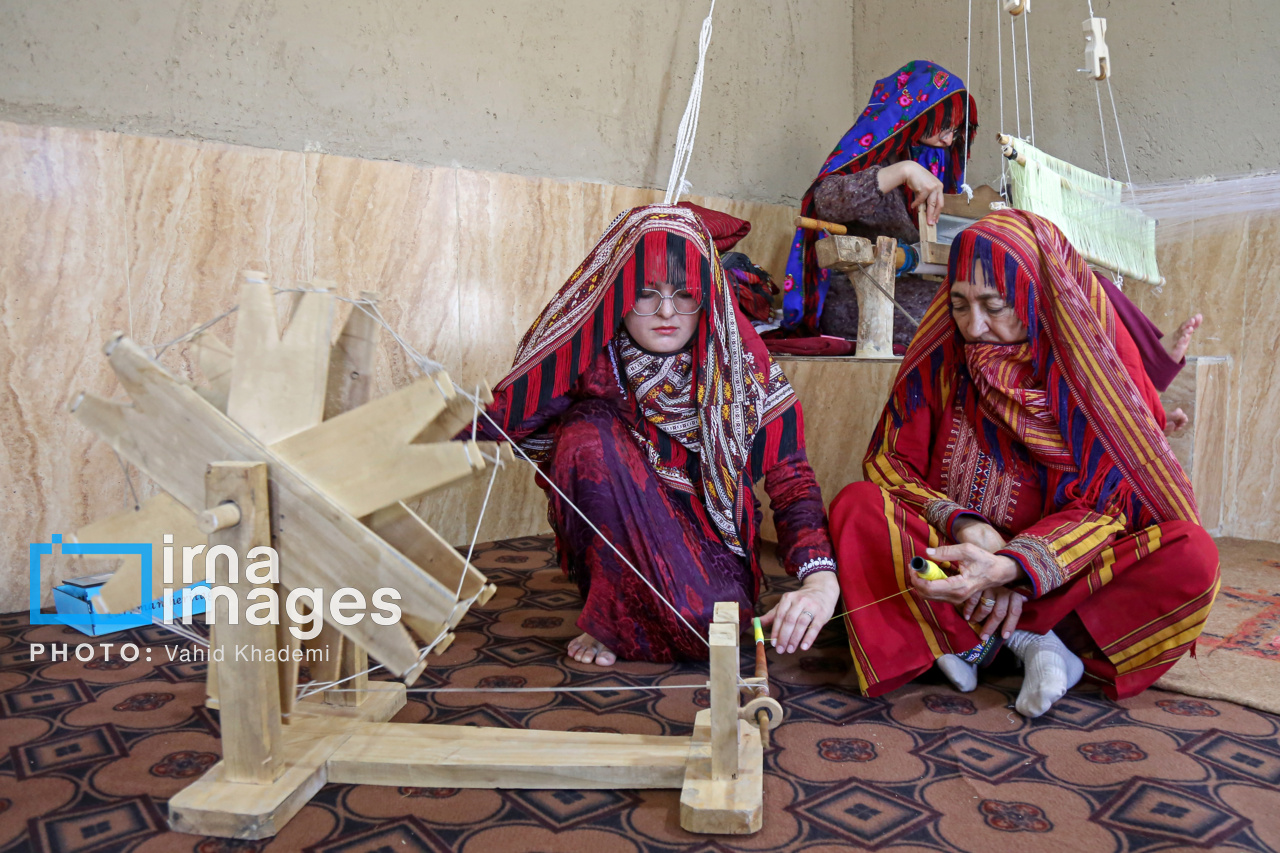
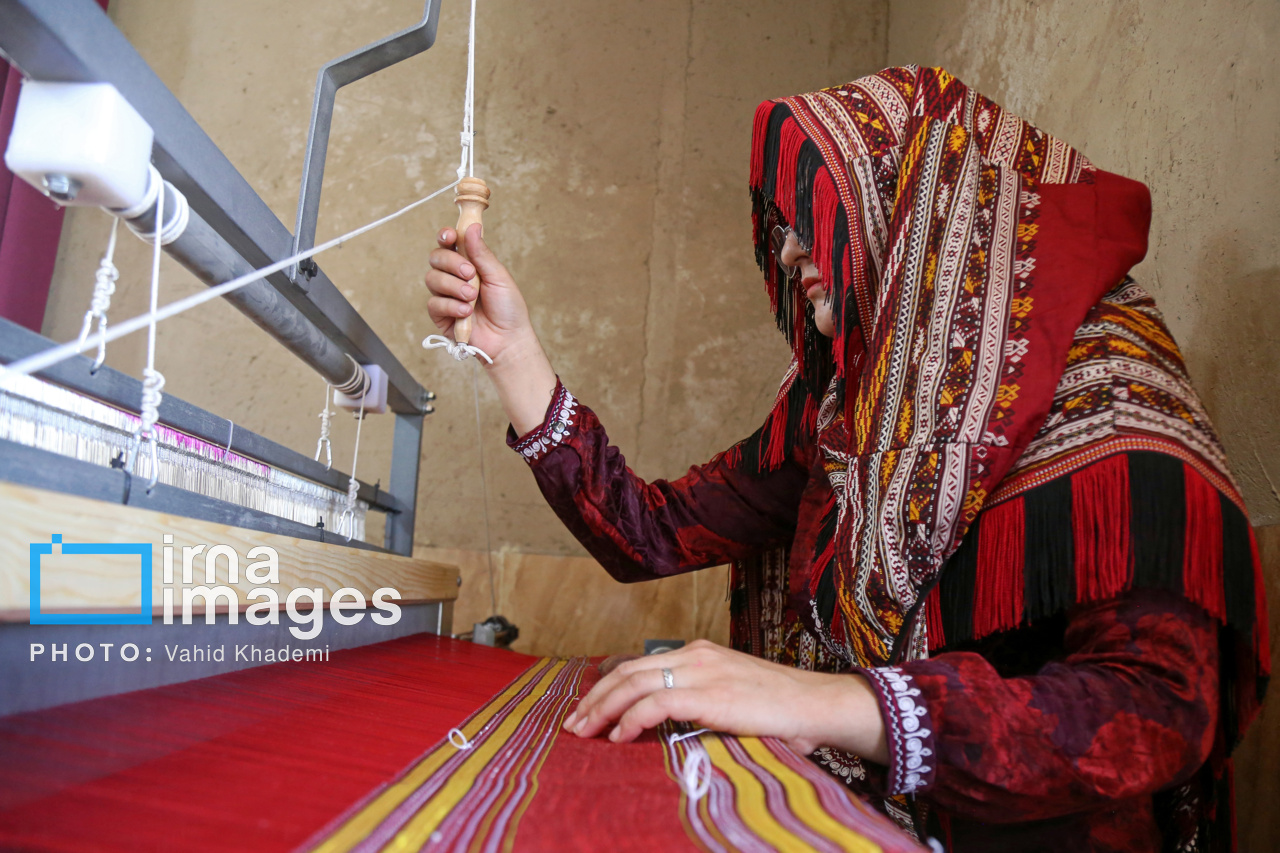
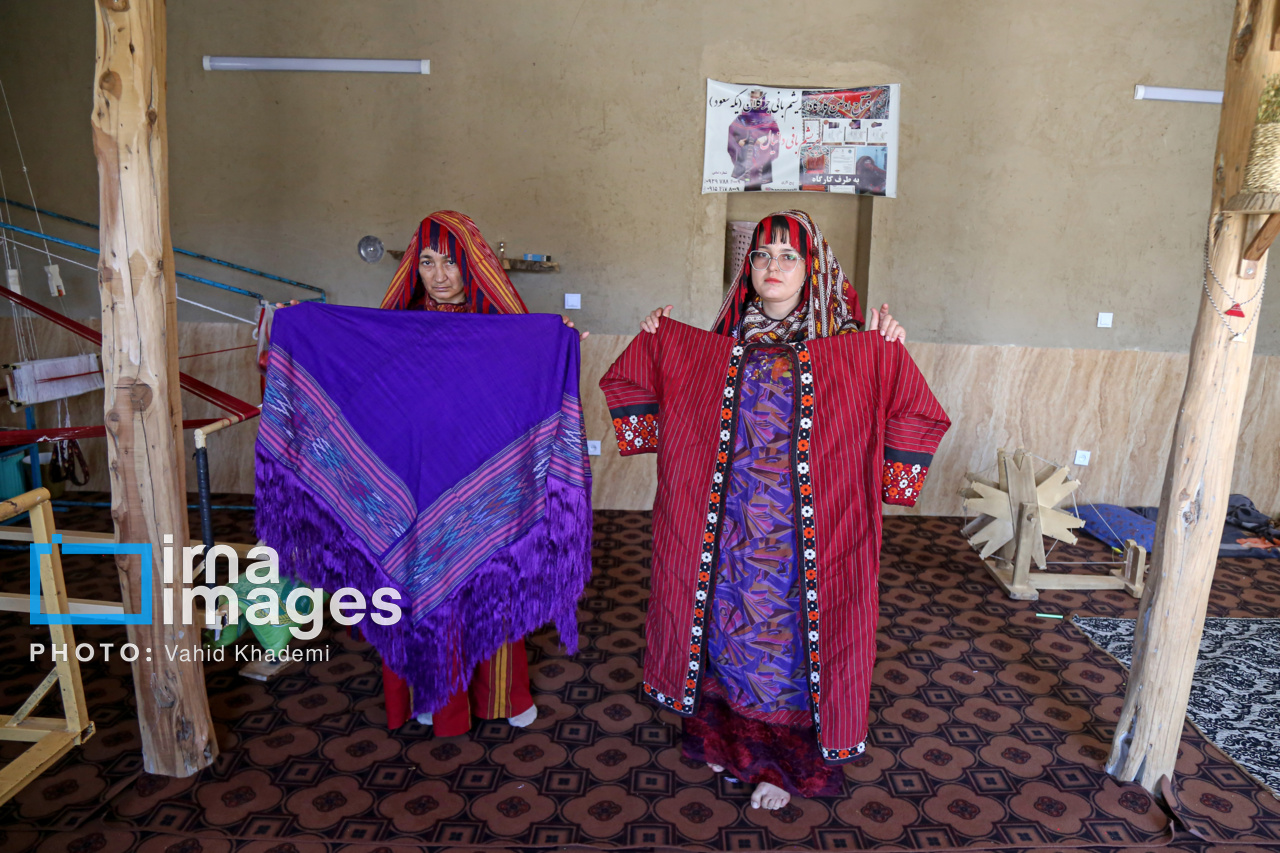
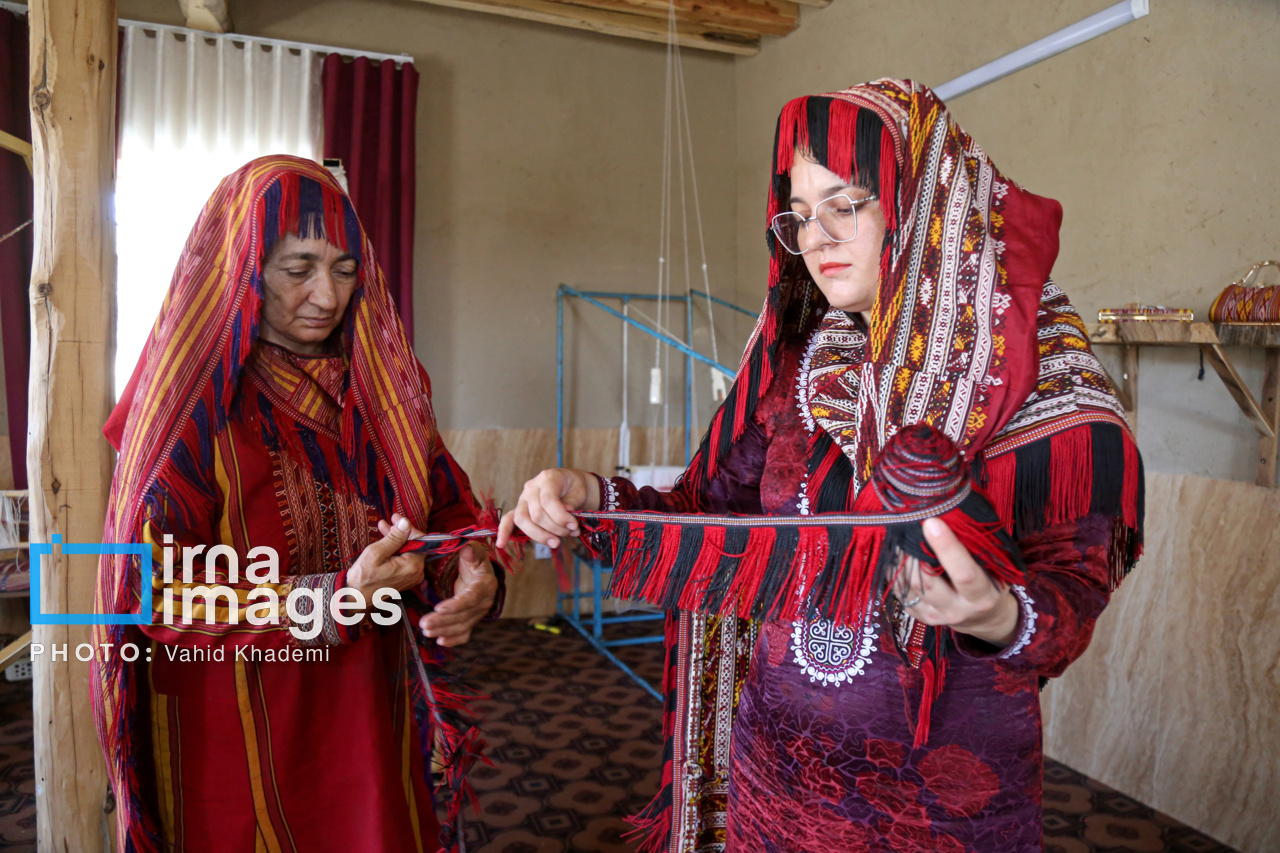
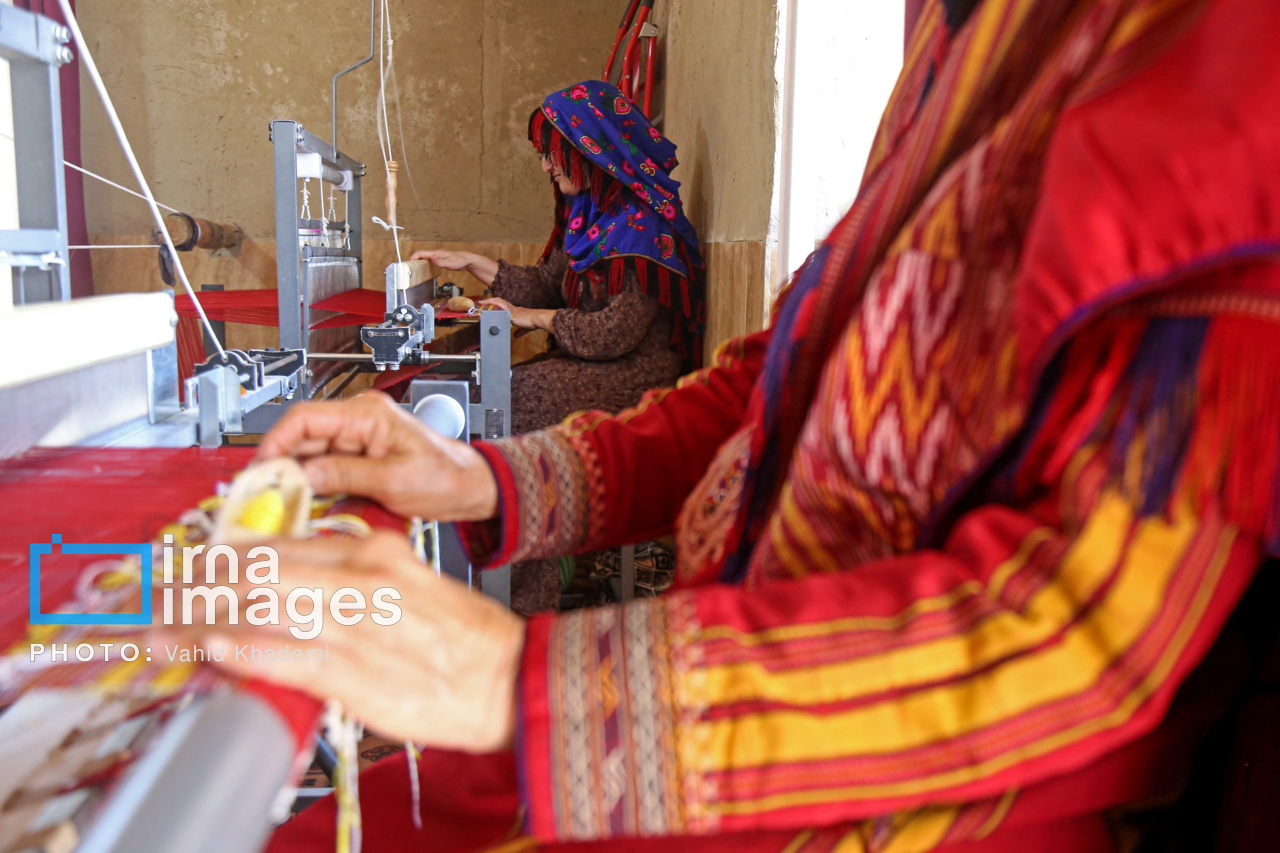
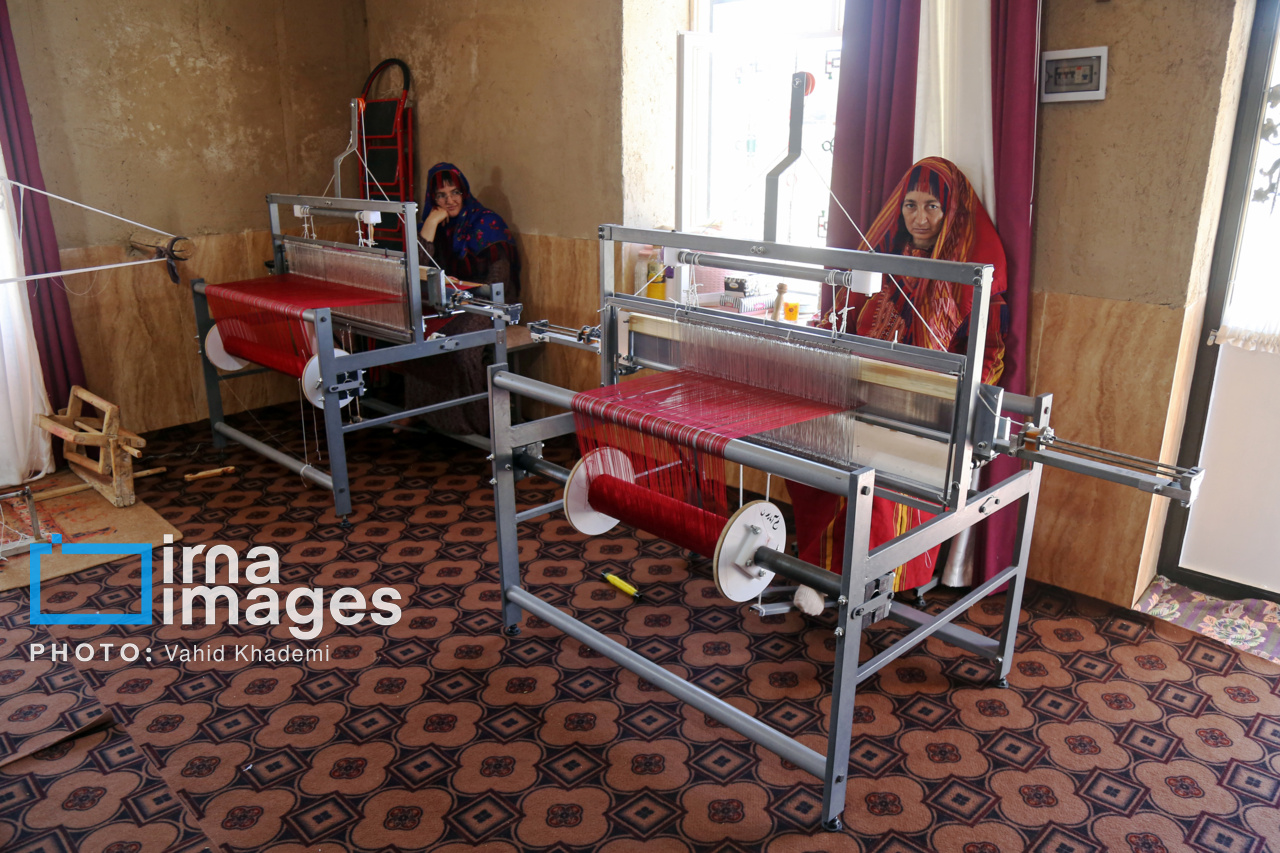
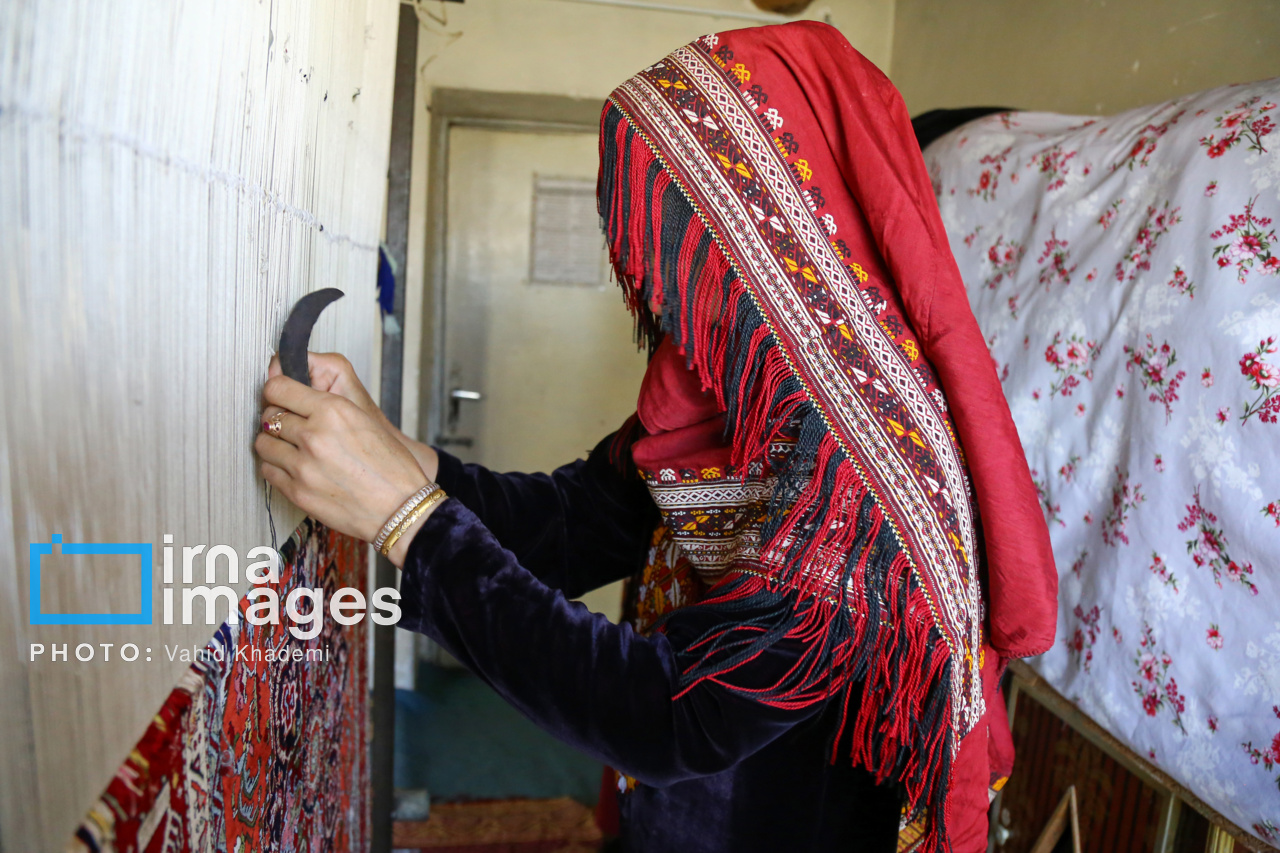
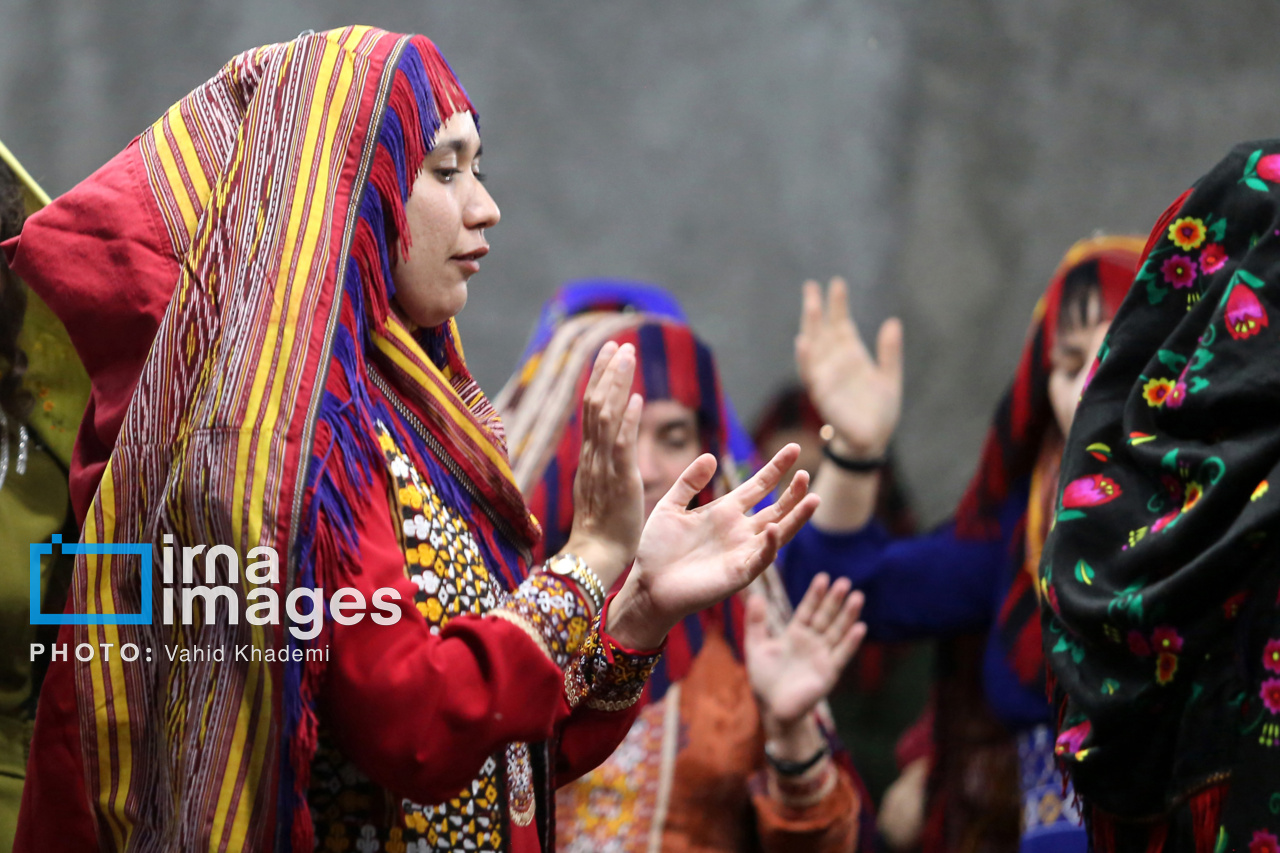
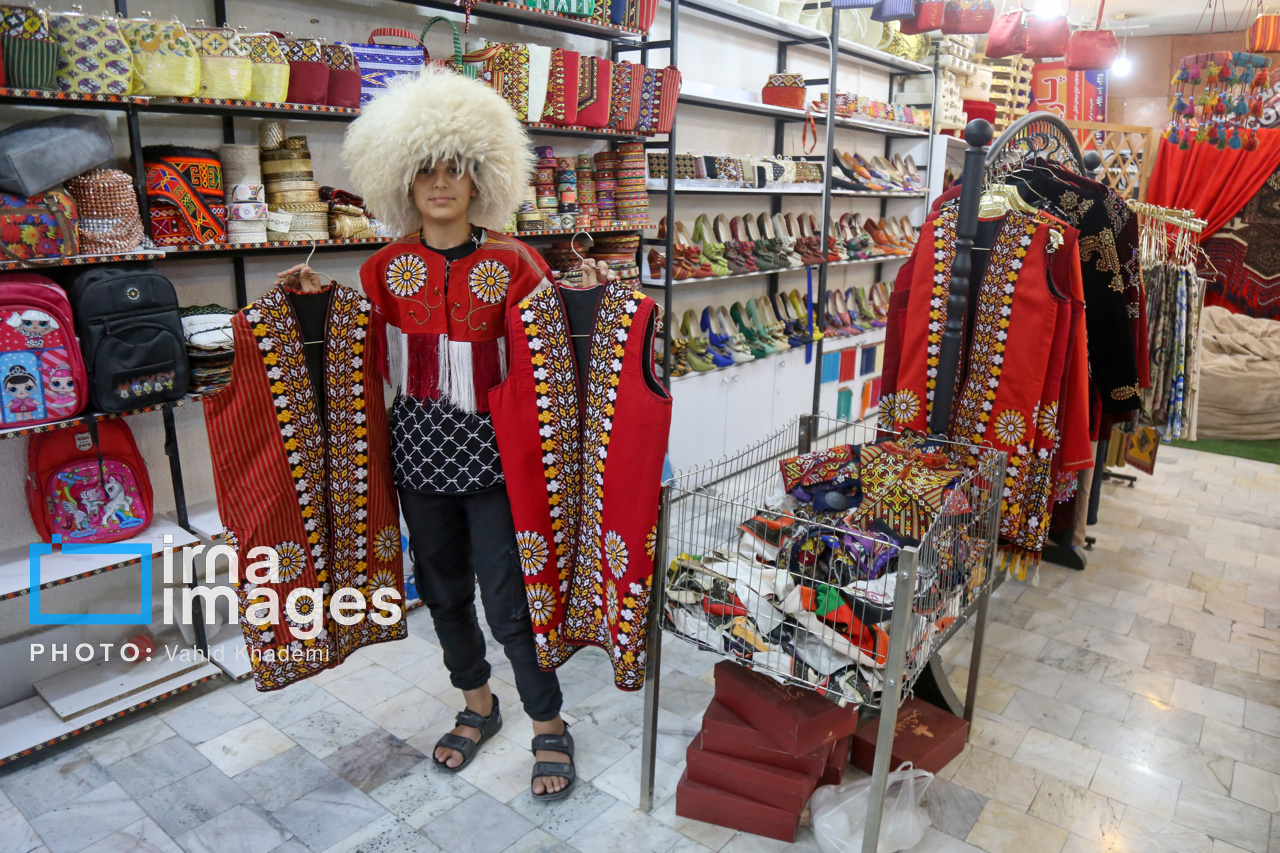
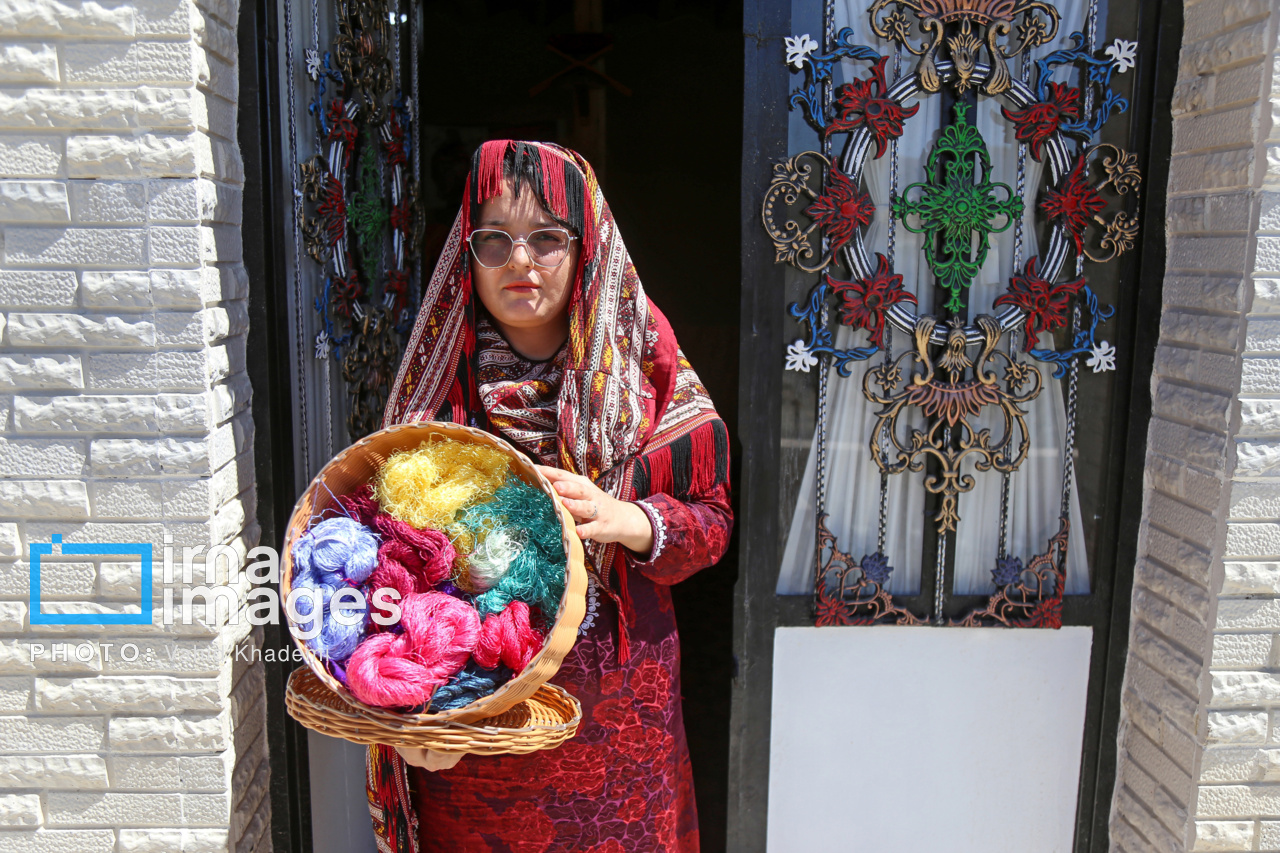
With deep historical roots, this traditional art form continues to thrive, producing high-quality silk fabrics used for a variety of purposes, from full-silk garments and scarves to tablecloths, towels, and decorative clothing trims.
Though the high cost of handwoven silk has reduced its use in daily life, the fabric remains popular for special occasions, especially weddings.
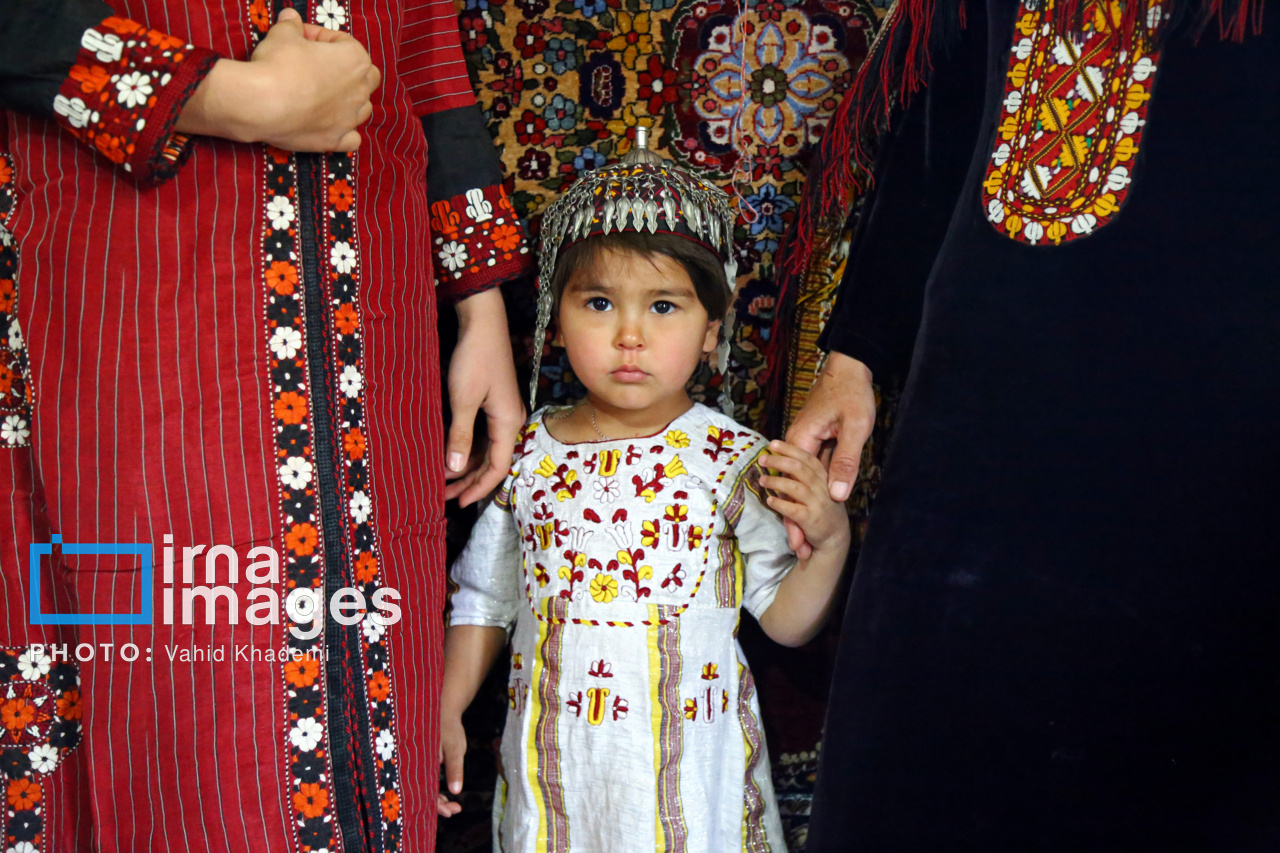
In Turkmen-populated areas, silk retains a strong presence due to the community’s commitment to preserving cultural practices and traditional aesthetics.
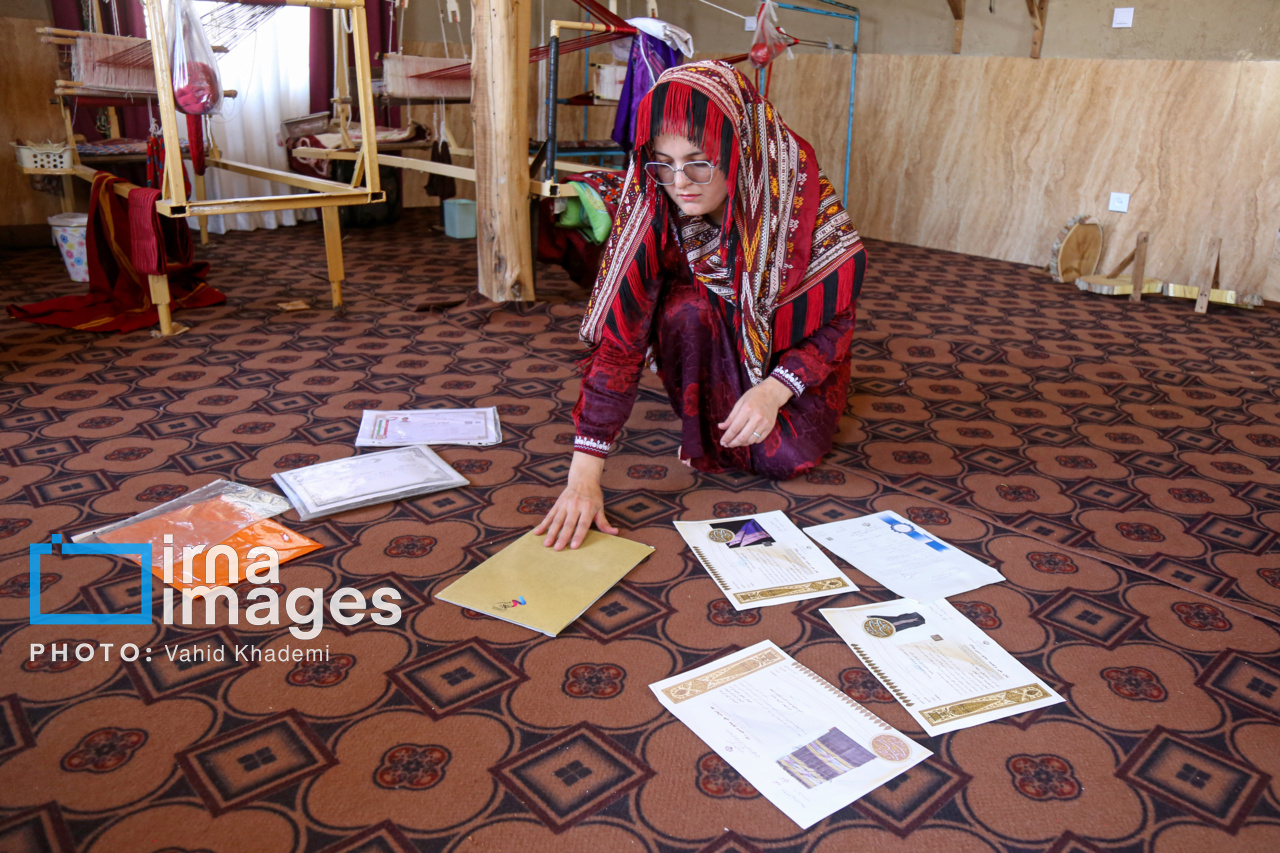
Across many villages in Jargalan, large numbers of women are engaged in the intricate process of silk weaving. For them, this craft is more than a cultural legacy, it serves as a vital source of income and economic empowerment.
Alongside economic and political ties, Moscow and Beijing have strengthened their military cooperation in recent years, and their relations have deepened since Russia invaded Ukraine in February 2022.
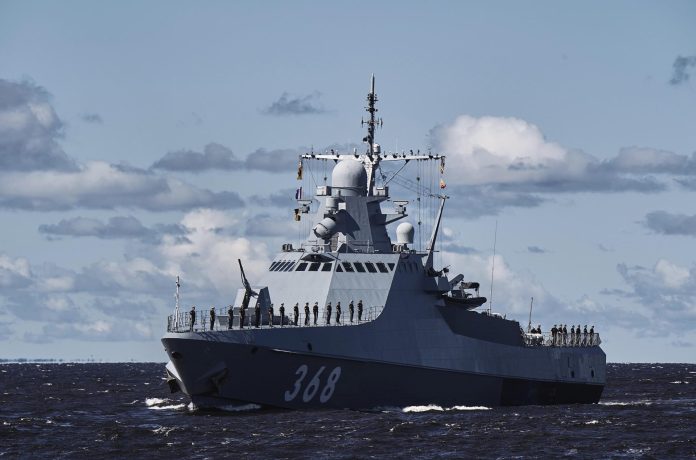
The “Joint Sea-2025” exercises kicked off in waters near the Russian port of Vladivostok and would last for three days, China’s defence ministry said in a statement on Sunday.
The two sides will hold “submarine rescue, joint anti-submarine, air defence and anti-missile operations, and maritime combat”.
Four Chinese vessels, including guided-missile destroyers Shaoxing and Urumqi, are participating in the exercises alongside Russian ships, the ministry said.
After the drills, the two countries will conduct naval patrols in “relevant waters of the Pacific”.
China and Russia have carried out annual drills for several years, with the “Joint Sea” exercises beginning in 2012.
Last year’s drills were held along China’s southern coast.
The Chinese defence ministry said Friday that this year’s exercises were aimed at “further deepening the comprehensive strategic partnership” of the two countries.
China has never denounced Russia’s more than three-year war nor called for it to withdraw its troops, and many of Ukraine’s allies, including the United States, believe that Beijing has provided support to Moscow.
China insists it is a neutral party, regularly calling for an end to the fighting while also accusing Western countries of prolonging the conflict by arming Ukraine.
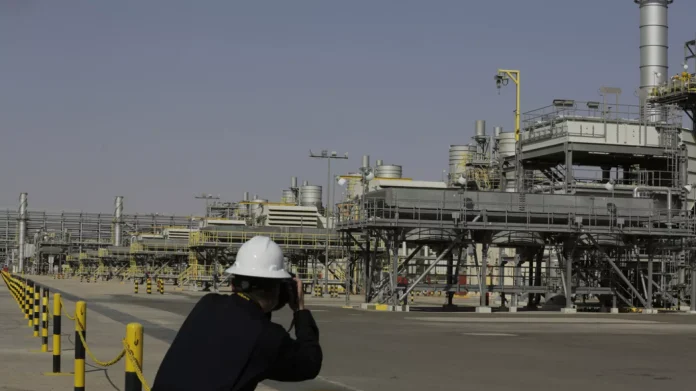
The group had been curtailing production of oil for several years to support oil prices, but changed course earlier this year after calls by US President Donald Trump to ramp up production.
Saudi Arabia holds significant influence in OPEC+ as the dominant member of the OPEC producers’ cartel, and Russia is the leading non-OPEC member in the 22-country alliance.
Sunday’s announcement means the group has fully unwound previous cuts to oil production.
The decision comes amid increasing US pressure to bring Moscow to the negotiating table to end their ongoing, full-scale invasion of Ukraine.
Our journalists are working on this story and will update it as soon as more information becomes available.
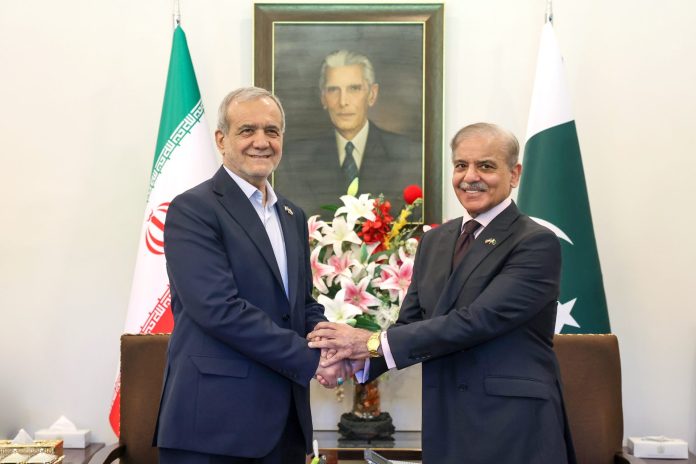
In a joint press conference with Pakistani Prime Minister Shehbaz Sharif, President Pezeshkian underscored the shared belief between Iran and its counterparts that regional countries, particularly Muslim nations, must pursue more active, effective, and pragmatic cooperation in countering the expansionist actions of the Israeli regime.
He noted that specific initiatives aimed at strengthening joint efforts for regional stability and security were discussed during the meetings.
Calling for a more balanced international approach, President Pezeshkian urged global institutions, especially the United Nations Security Council, to avoid double standards and to play a proactive role in preventing violations of sovereign borders, curbing the escalation of conflicts, and protecting civilian populations.
In closing, President Pezeshkian extended a formal invitation to Pakistani Prime Minister Shehbaz Sharif to visit Tehran at the earliest opportunity, to continue discussions and build upon the progress made during recent diplomatic engagements.
Unresolved investigations include the killing of at least 112 Palestinians queueing for flour in Gaza City in February 2024, Action on Armed Violence (AOAV) said, and an airstrike that killed 45 in an inferno at a tented camp in Rafah in May 2024.
Also unresolved is an inquiry into the killing of 31 Palestinians going to pick up food at a distribution point in Rafah on 1 June.
They were killed after Israeli forces opened fire, witnesses said. Shortly after, the Israel Defense Forces (IDF) said the reports were “false” but the IDF told the Guardian that the incident was “still under review”.
Iain Overton and Lucas Tsantzouris, the team at AOAV, said the statistics suggested Israel was seeking to create a “pattern of impunity” by failing to conclude or find no fault in the vast majority of cases involving “the most severe or public accusations of wrongdoing by their forces”.
The IDF said it “conducts examination and investigation processes regarding exceptional incidents that occurred during operational activity, in which there is a suspicion of a violation of the law” in accordance with its obligations under Israeli and international law.
It operates internal systems to conduct examinations and allegations of war crimes, including criminal investigations by the military advocate general’s police department and fact-finding assessments (FFA) by a separate team in the general staff.
The relatively short passage of time, in investigatory and legal terms, means other unresolved cases may also result in prosecutions, though the two researchers said IDF inquiries had become “more opaque and slow-moving” as the number of civilian casualties in Gaza has mounted.
AOAV said it had found reports of 52 cases in English-language media where the Israeli military said it had conducted or would conduct an investigation after allegations of civilian harm or wrongdoing by its forces in Gaza or the West Bank between October 2023 and the end of June 2025. They involve the deaths of 1,303 Palestinians and the wounding of 1,880.
One case resulted in a prison sentence for an Israeli soldier. An IDF reservist received a seven-month jail term in February after he was convicted by a military court of the aggravated abuse of Palestinian security detainees. He had repeatedly attacked bound and blindfolded prisoners with his fists, a baton and his assault rifle at the Sde Teiman detention centre.
Five other cases ended with violations found. In one, an IDF colonel and a major were sacked in April 2024 and three other commanders reprimanded a few days after seven aid workers from the World Central Kitchen were killed in an airstrike. The IDF said it was a “grave mistake stemming from a serious failure due to a mistaken identification”, though the charity said the rapid investigation lacked credibility.
The remaining 46 cases, representing 88% of the total, seven were closed without any finding of fault, AOAV said. A further 39 remain under review or with no outcome reported, including four deadly incidents over the course of last month when Palestinians were killed near or at various food distribution points on the Gaza Strip.
According to the IDF: “Any report … complaint or allegation that suggests misconduct by IDF forces undergoes an initial examination process, irrespective of its source.” In some instances the evidence is such that a criminal investigation by military police is ordered, while in others an initial investigation takes place.
These are referred to the IDF general staff’s FFA mechanism to determine “whether there is a reasonable suspicion of criminal misconduct”. Critics of the system, such as the Yesh Din human rights group, say FFA investigations can take years and have led to one known prosecution after 664 inquiries relating to previous IDF military operations in Gaza, in 2014, 2018-19 and 2021.
In August 2024, the IDF said the FFA had collected information on “hundreds of incidents” relating to the war in Gaza alone, while the military advocate general’s office had launched 74 criminal investigations.
Of these, 52 related to the deaths and mistreatment of detainees and 13 to the stealing of enemy ammunition, while a minority related to allegations of war crimes in combat situations. Three related to the “destruction of civilian property without military necessity” and six concerning “alleged illegal use of force”.
The IDF statistics differ from the investigations tracked by AOAV because the research group used a different methodology. AOAV reviewed episodes where there were reports of an investigation being or having been conducted and also took in incidents on the West Bank as well as Gaza.
The IDF said that “dozens of military police investigations have been opened” and that “most of these investigations are still ongoing”. The FFA mechanism, meanwhile, had “completed its review in dozens of cases” and these had transferred to the military advocate general for possible criminal investigation.
Citing State Department officials, the report said $30 million had been allocated from the US International Disaster Assistance fund to support food aid in Gaza through the Gaza Humanitarian Foundation (GHF), a controversial US- and Israeli-backed aid group. Of that total, just 10% – around $3 million – has been delivered.
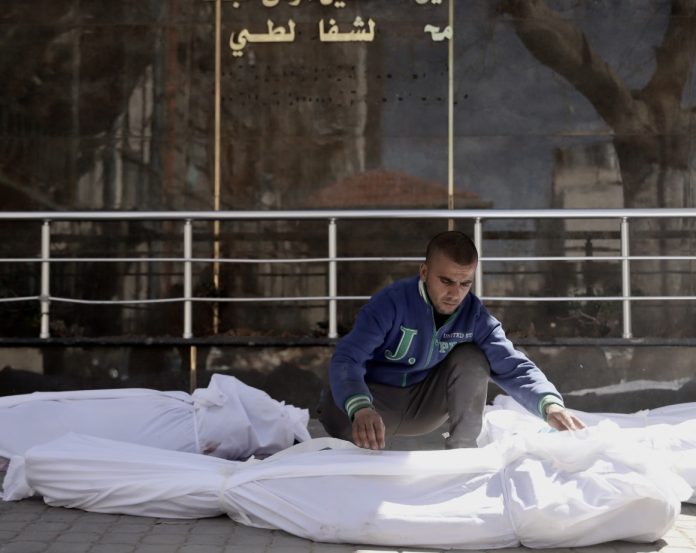
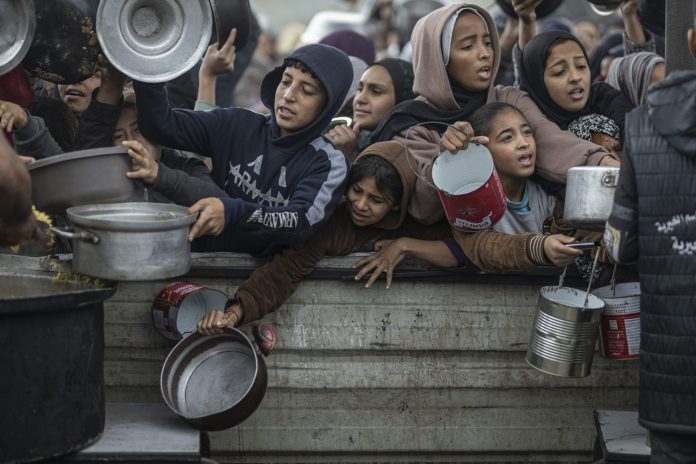
Critics have described GHF aid sites in Gaza as “death traps,” with the UN reporting that Israeli forces have killed over 1,300 Palestinians seeking food at its distribution points since late May. As Gaza teeters on the brink of famine under the ongoing Israeli blockade, its Health Ministry said Saturday that the total death toll from hunger has risen to 169, including 93 children, since Oct. 7, 2023.
According to the WaPo report, State Department spokesperson confirmed that $30 million had been allocated from the department’s International Disaster Assistance fund but declined to address Trump’s comments, which he made during public appearances over the past week.
“We gave $60 million a couple of weeks ago,” Trump told reporters at the White House on Thursday.
“Nobody said anything about it. Nobody said thank you.”
The newspaper also cited a report on internal briefings by US Middle East envoy Steve Witkoff’s aides to congressional committees, adding Israel had agreed to match $30 million from the US. The Israeli government has not confirmed this, and the State Department declined to comment.
Witkoff visited an aid center in southern Gaza on Friday operated by the GHF. He stated the aim was to give President Donald Trump “a clear understanding of the humanitarian situation and help craft a plan to deliver food and medical aid to the people of Gaza.”
In a statement, the ministry confirmed that the total number of people who have died from starvation had now risen to 175, including 93 children.
Access to food, water, and medical supplies remains severely limited in the enclave due to an ongoing Israeli blockade, and poor distribution of aid by the controversial Gaza Humanitarian Foundation.
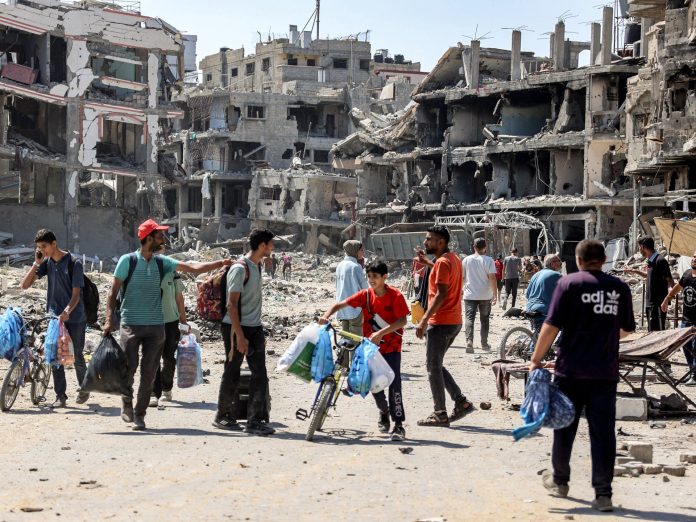
Rejecting international calls for a ceasefire, the Israeli army has killed more than 60,400 Palestinians, most of them women and children, in Gaza since October 2023.
Last November, the International Criminal Court issued arrest warrants for Israeli Prime Minister Benjamin Netanyahu and his former Defense Minister Yoav Gallant for war crimes and crimes against humanity in Gaza.
Israel also faces a genocide case at the International Court of Justice for its war on the enclave.