Monday, December 22, 2025
Home Blog Page 2412

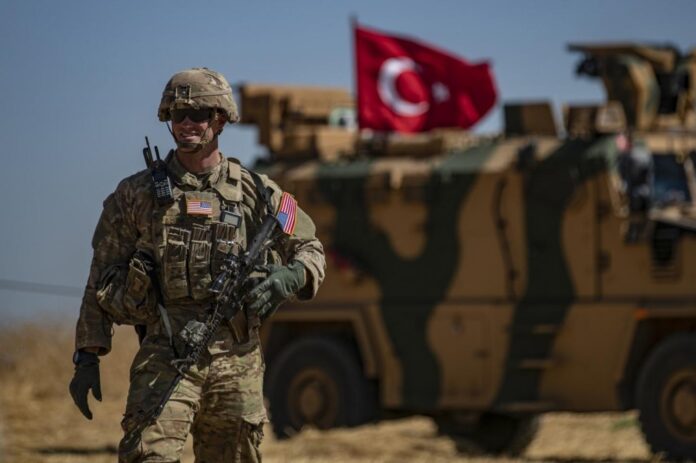
Damascus calls on US, Turkey to withdraw from Syria

Mikdad made the remarks in a meeting with the UN Special Envoy for Syria, Geir Pedersen, and his accompanying delegation in Damascus on Saturday as the two sides discussed the latest international developments and their repercussions on the situation in the region.

The Syrian FM said unilateral coercive economic measures imposed by the United States and western countries on the Syrian people, particularly on the health sector during the coronavirus pandemic, have made it more difficult for the country to battle the deadly disease.

Over the past years, the US has been maintaining an illegal military presence on Syrian soil, collaborating with anti-Damascus militants and stealing the country’s crude oil resources.

It has also slapped rounds of crippling sanctions on Syria, which has been gripped by foreign-backed militancy since March 2011.

Parts of the restrictive measures have been imposed under the so-called Caesar Act, an American piece of legislation that alleges to support the Syrian people by protecting them against the Syrian administration’s way of governance.

The bans target almost all Syrian economic and trade activities, as well as the country’s government officials.

President Bashar Al-Assad states the aggression forces have imposed an economic blockade on Syria after their failure in the militarily and security arenas, emphasizing that the country’s people will be able to overcome this stage and achieve the final victory.

Mikdad also added all countries should adhere to the international law and the Charter of the United Nations in their international relations and avoid interfering in each others’ domestic affairs or trying to impose foreign agendas against the interest and determination of other nations.

Pedersen, for his part, pointed to his attempts on the regional and international levels to improve the situation in Syria and briefed Mikdad on the results of his meetings in the past.

The foreign minister and the UN envoy also stressed the importance of guaranteeing non-intervention in the work of Syria’s constitutional committee.

Source: SANA
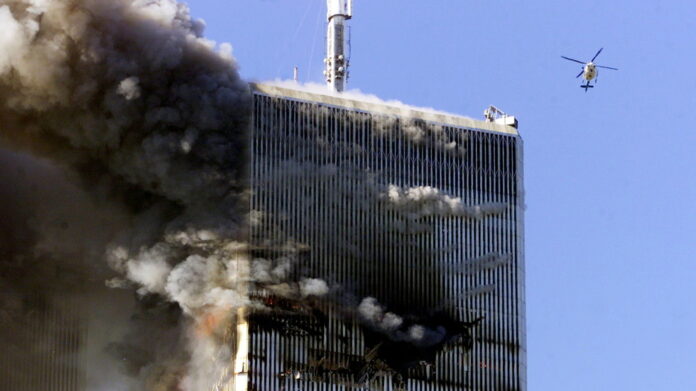
FBI releases declassified documents on 9/11 attacks

The FBI released a heavily redacted report from April 2016 related to its investigation regarding the role that the Saudi Arabian government had in supporting the hijackers who carried out the terror attack.

The report shines a light into the bureau’s probe of Omar Al-Bayoumi, who was thought to be a Saudi student in California. He had been suspected of providing logistical support to two of the hijackers, Nawaf Al-Hazmi and Khalid Al-Midhar.

The document’s details information from interviews conducted in November, 2015 with a person who, according to the FBI, had contact with Bayoumi. The name of the individual was redacted from the report.

In addition, the report detailed that the person interviewed had connections to the Saudi Arabian consulate in Los Angeles and maintained “anecdotes of personal interactions with Consular leadership”.

In the report, the FBI details that Bayoumi provided translation, travel assistance, lodging and financing to the hijackers.

The 2004 9/11 Commission Report found scant evidence that the Saudi government had been linked to the hijackers.

However, according to a 2017 court record by a former FBI official in Los Angeles, investigators found evidence that Bayoumi was an undercover intelligence operative and was active in a terror cell along with Fahad Al-Thumairy.

The FBI launched Operation Encore in 2006, which investigated possible Saudi involvement in the attacks. The operation lasted for about a decade before ending in 2016.

Saturday’s action comes as the US commemorates the 20th anniversary of the terrorist attacks that cost nearly 3,000 lives and led to America’s longest conflict in Afghanistan.

Biden earlier this month ordered the Justice Department and other agencies to review certain documents and declassify them.

Source: The Hill

Iran’s Shamkhani calls for immediate expulsion of terrorists from Iraq

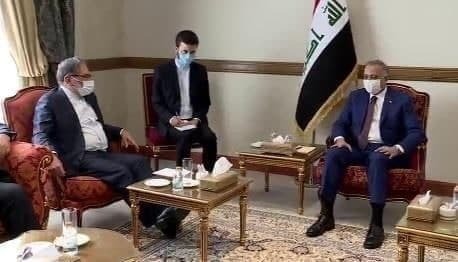
Ali Shamkhani, the Secretary of Iran’s Supreme National Security Council, in a Sunday meeting with Iraqi Prime Minister Mustafa al-Kazimi in Tehran described the increasing movements of terrorist groups in the Iraqi Kurdistan region as worrying and disrupting the security of the borders of the two countries.

He also spoke of the cooperation of compromising countries of the region with Israel, saying, “Such actions within the framework of the new US national security doctrine not only does not help create security and stability, but will escalate crises and intensify insecurity in the region”.

He added that twenty years of catastrophic US occupation of Afghanistan proved that the US presence and intervention in the region has resulted in nothing but instability, insecurity and great material and spiritual damage to the people of the region. Shamkhani maintained that following up the case of the assassination of the great resistance commanders of martyrs General Qassem Soleimani and Abu Mehdi Mohandes and punishing its perpetrators is still at the top of the demands of the two nations of Iran and Iraq and the Resistance Front.

Iraqi Prime Minister Mustafa al-Kazimi also said the Iraqi government and people will never forget the sacrifices and assistance of the Iranian government, people and armed forces in that difficult situation in Iraq.

Al-Kazemi noted that the continuous cooperation between the national security institutions of the two sides in various fields complement and accelerate the relations between Iraq and Iran, saying Baghdad is ready to help resolve misunderstandings that are detrimental to regional stability.

Kazemi thanks Iran for standing by Iraq in fighting Daesh

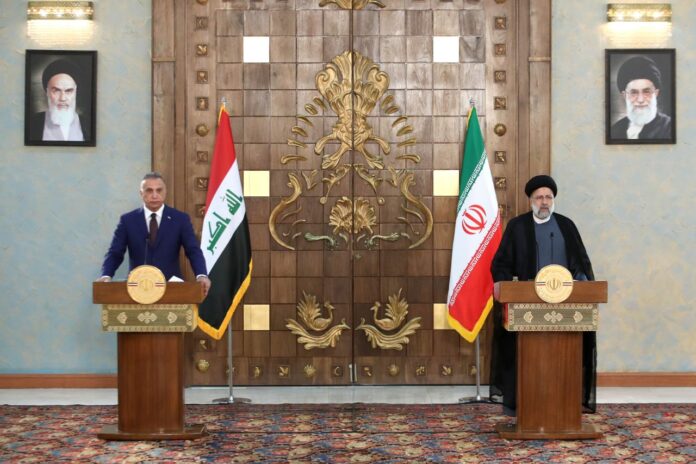
In a joint press conference with the Iranian president in Tehran on Sunday, Mustafa al-Kadimi said “I thank the Islamic Republic of Iran for standing by Iraq from the very beginning in the fight against these forces of darkness”.

Kazemi noted Iraq’s position towards relations with Iran is stable and “the Iraqi government and people stand by the Iranian people and government in all challenges, problems and various conditions”.

Referring to his talks with Iranian officials, Kazimi also said the two sides explored ways of expanding bilateral relations and turning commonalities into opportunities to serve interests of the two countries.

He added, “I have always said that there is a 1400 km border between us and the Islamic Republic of Iran, but our relations are much deeper and wider than this common border and include economic, cultural and other areas.”

Iran’s President Ebrahim Raisi also welcomed Iraqi Prime Minister Mustafa al-Kadimi’s announcement of visa-free travel for Iranian citizens.

Raisi said announcement to cancel visas between the two countries was good news and that Iraq and Iran are determined to develop the railway corridor between them.

Raisi added, “Iran’s relationship with Iraq is not just about being neighbors, but it’s about common beliefs and deep ties between the two nations, and to the dismay of the enemies, these relations can further expand”.

Raisi said the role of the two countries in the region and the world as well as at the international level can affect relations between Iran and Iraq.

The Iranian president expressed hope that relations between the two countries will increase day by day.

Erbil airport in Iraqi Kurdistan hit by drone attacks

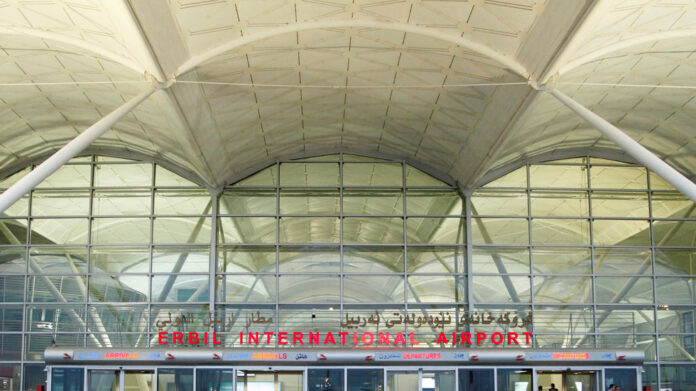
The internal security service for Iraq’s autonomous Kurdish region, of which Erbil is the capital, initially said three rockets had hit near the airport.

A second statement by the Kurdish counterterrorism force added the attack had been carried out by explosive-laden drones.

“There are no victims in the attack carried out by two armed drones,” the statement read.

There were no immediate reports of casualties. Witnesses stated they heard at least six explosions in the area.

Lawk Ghafuri, head of foreign media relations for the Kurdistan Regional Government, said on Twitter that Kurdish security forces were investigating the incident.

“The drone was carrying explosive devices, and exploded away from Erbil International Airport’s terminals and territories. No casualties are reported,” Ghafuri added.

The airport, which also serves as the base for United States-led coalition forces, suffered no damage, according to its director Ahmed Hochiar.

The US-led coalition in Iraq confirmed on Sunday that its forces in Erbil were attacked by two drones on September 11, claiming there are no injuries.

The airport in Erbil has come under attack several times in the past year, including by drones carrying explosives.

Source: Al-Jazeera

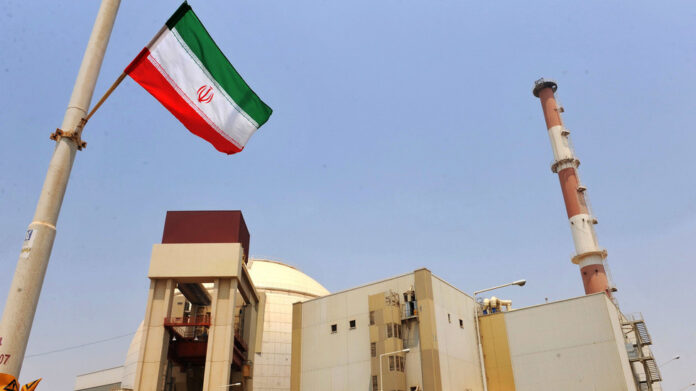
IAEA inspectors allowed overhauling cameras at Iran nuclear sites

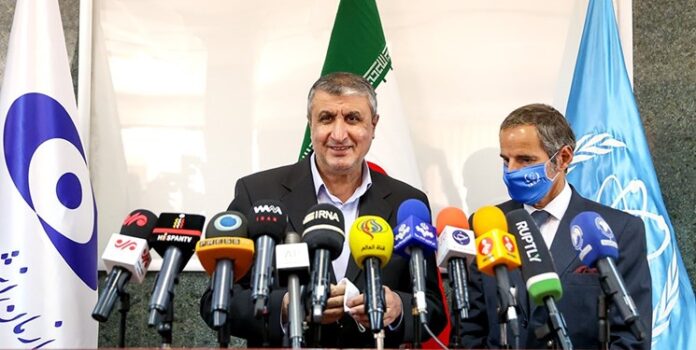
The agreement came after a meeting between the IAEA chief Rafael Grossi and the head of the Atomic Ednergy Organization of Iran, Mohammad Eslami in Tehran on Sunday.

In a joint statement, Grossi and Eslami reaffirmed the spirit of cooperation and mutual trust and the importance of its continuation, as well as the need to address differences in a constructive and exclusively technical manner.

Within the framework of existing interactions and cooperation, the two sides also decided to continue reciprocal meetings at relevant levels.

In this regard, the Vice President and the head of the Atomic Energy Organization of Iran will meet with the IAEA chief on the sidelines of the agency’s general meeting and the Director General will also travel to Tehran in the near future for high-level consultations aimed at strengthening cooperation between Iran and the IAEA in various fields.

Grossi described his meeting with Eslami as positive and stressed the need to expand cooperation between Iran and the IAEA. He also confirmed that he would return to Tehran for high-level talks with Iranian officials in the near future.

He had earlier told member states of the Agency’s board of governors there had been no progress in talks with Tehran on two central issues: “Explaining uranium traces found at several old, undeclared sites and getting urgent access to some monitoring equipment so the agency can continue to keep track of parts of Iran’s nuclear program as provided for by the 2015 deal”.

The IAEA chief arrived in Iran early on Sunday.

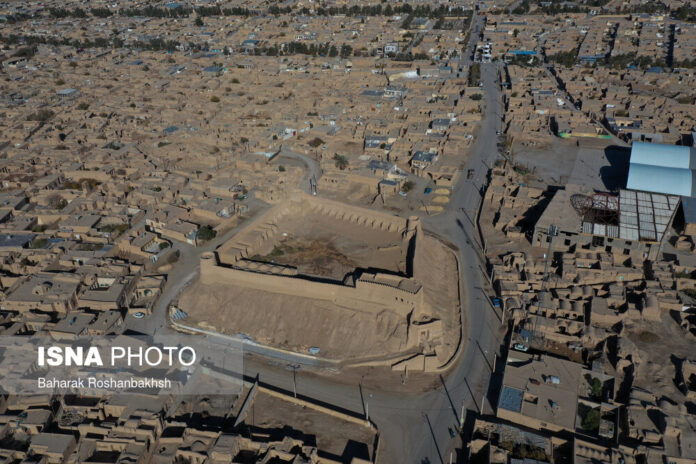
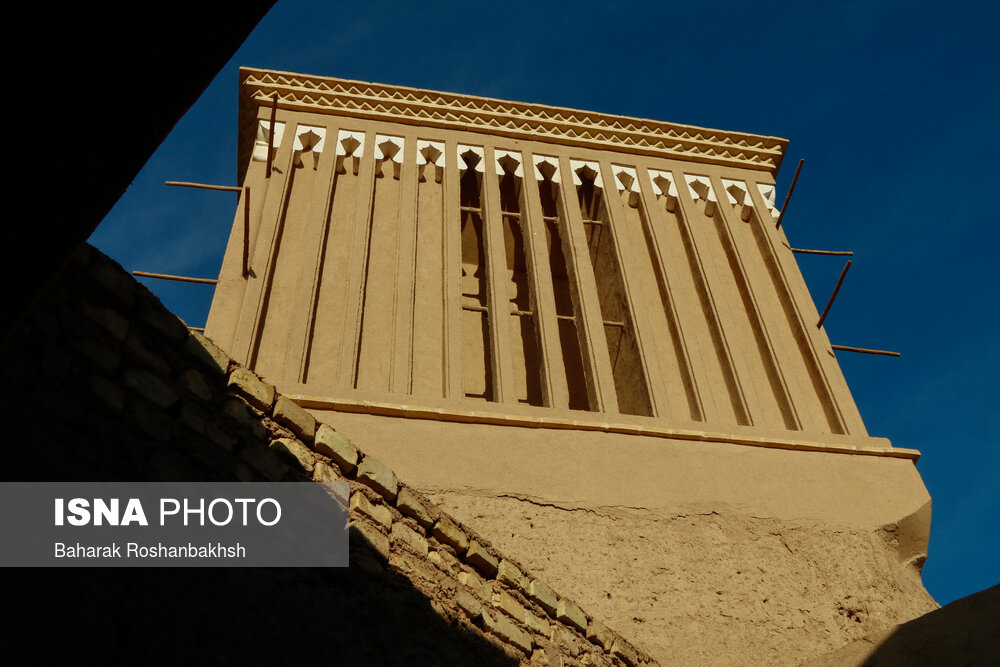
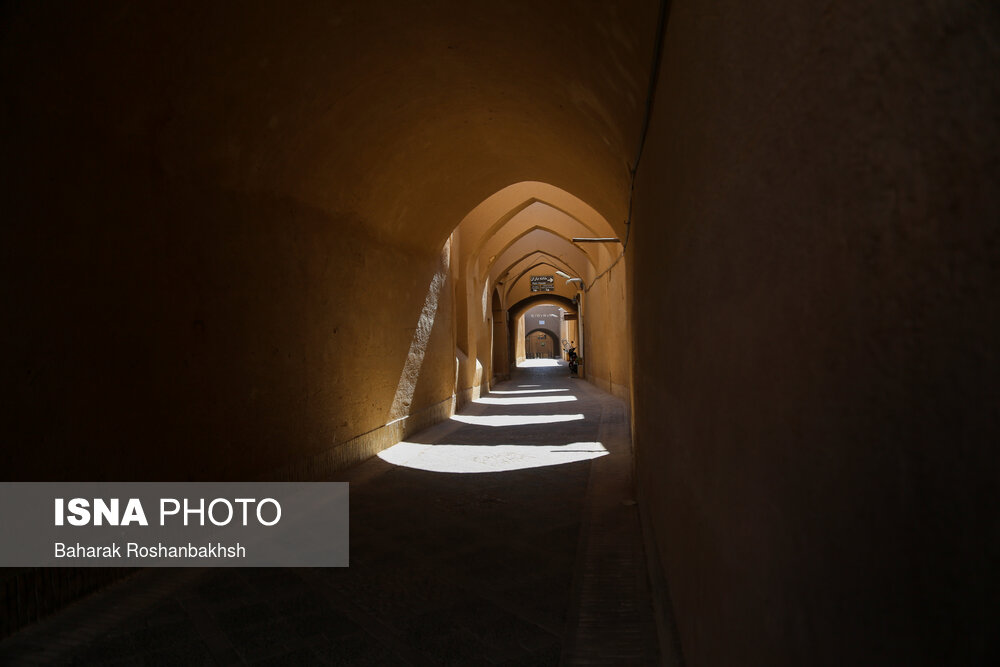
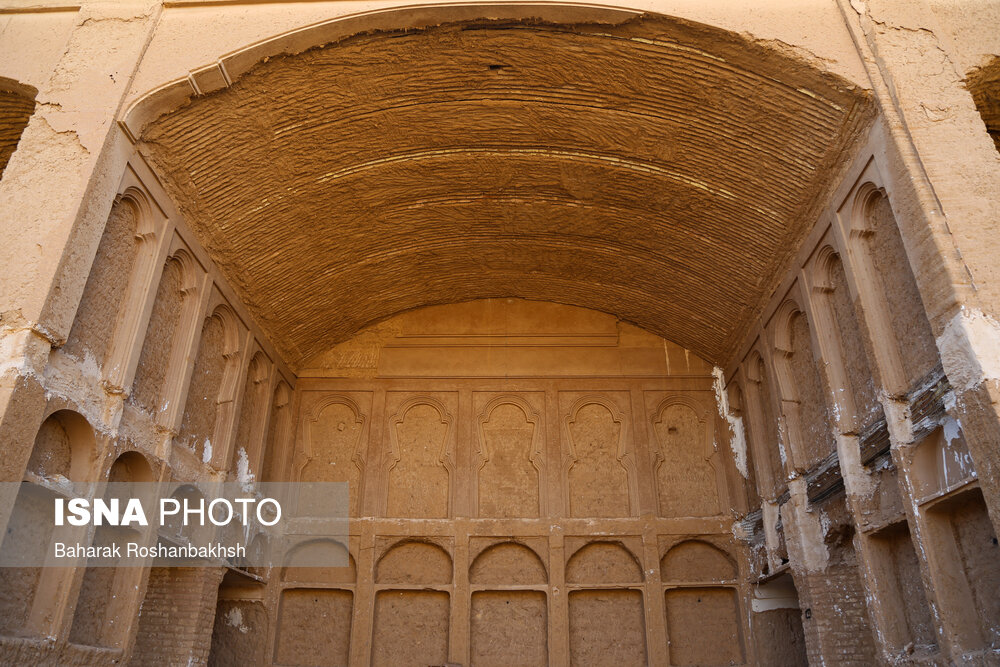
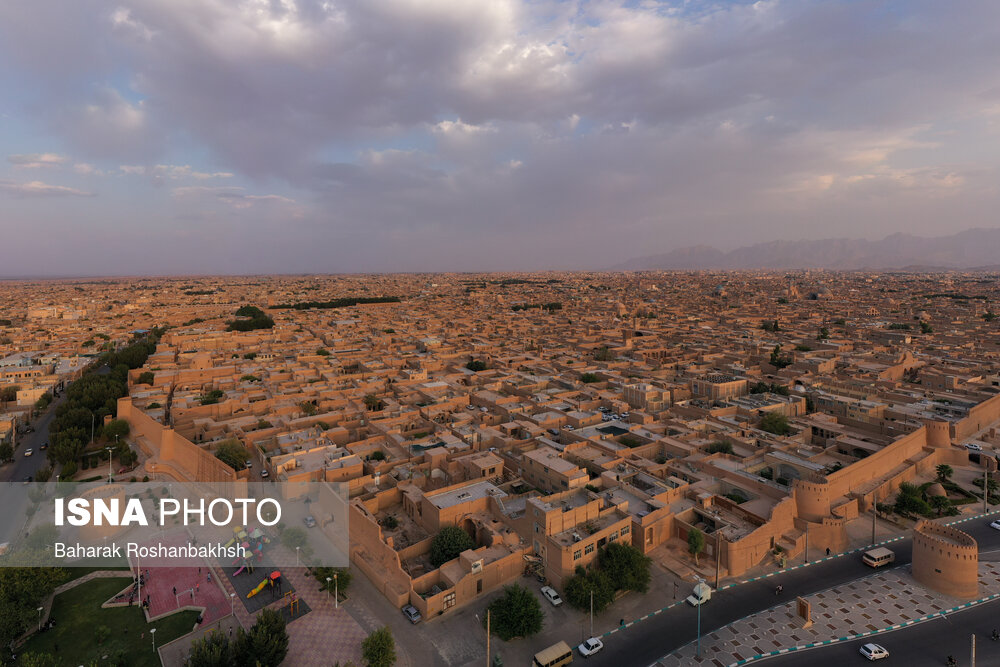
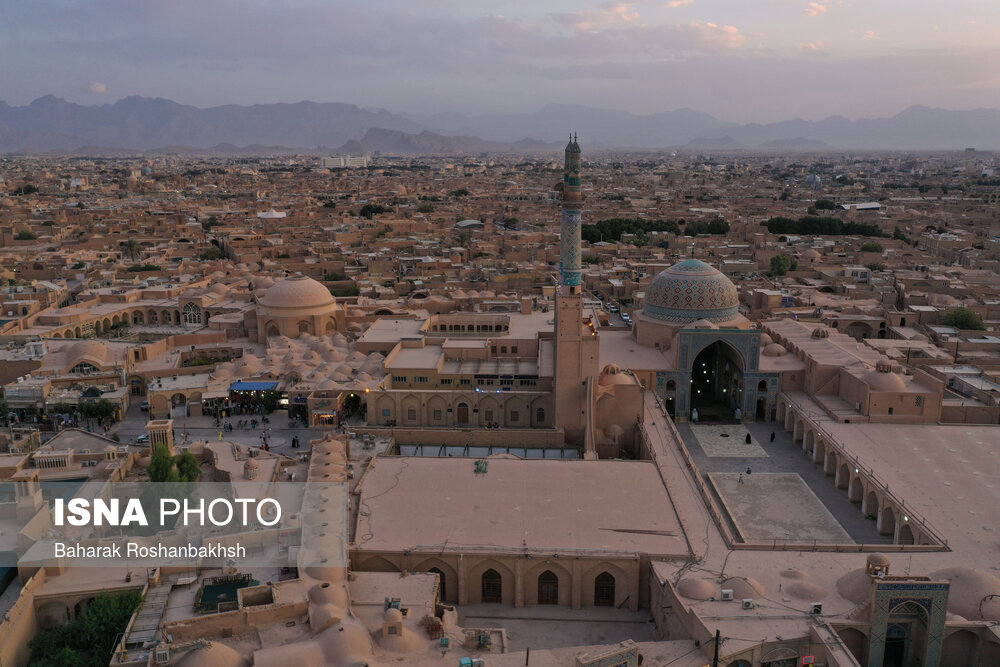
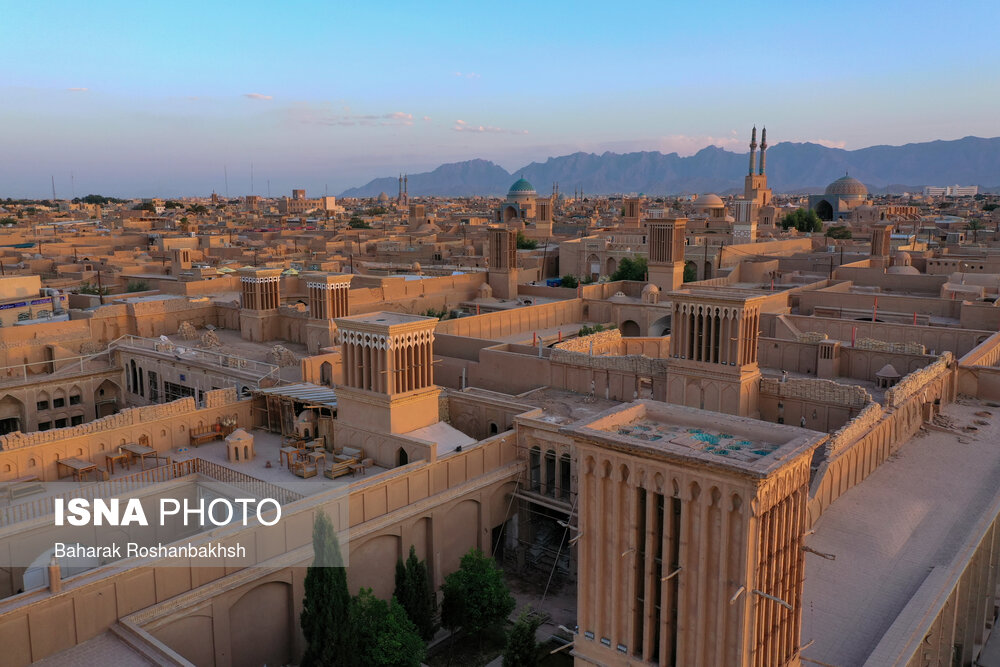
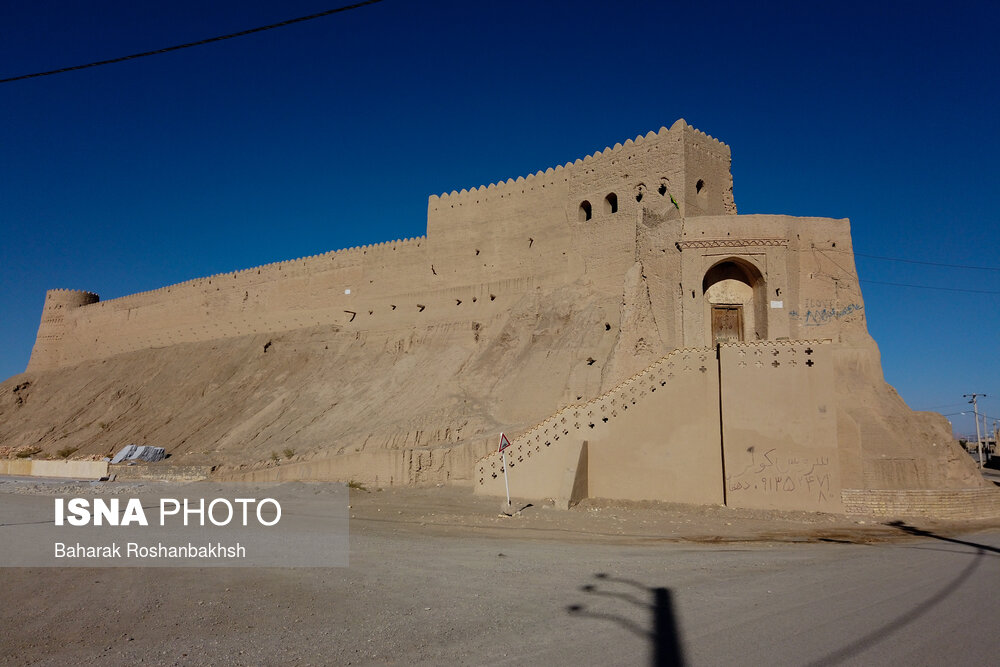
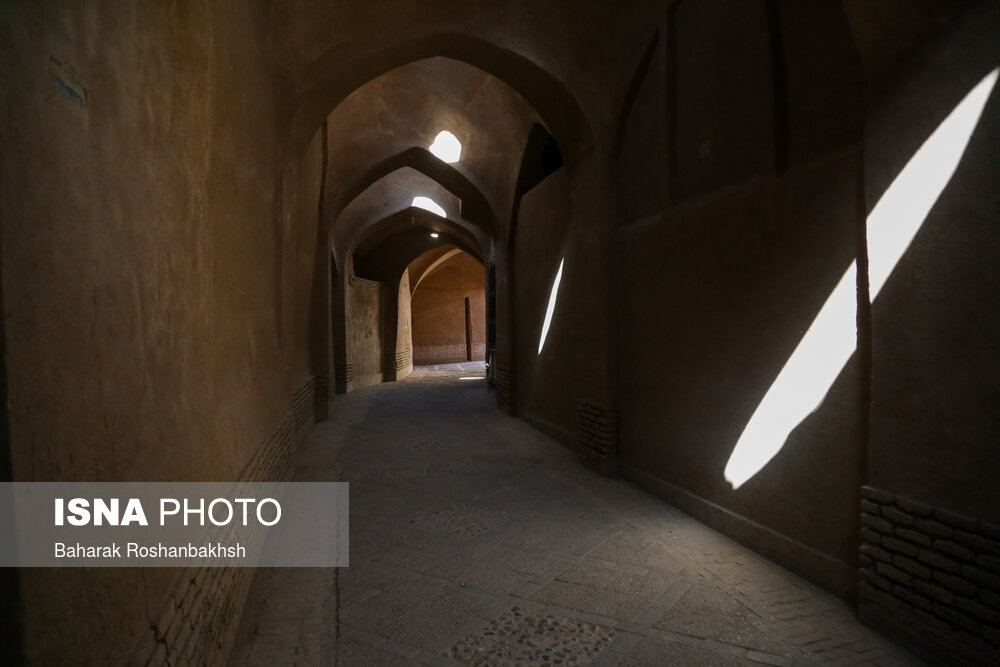
Iran’s Yazd City: World’s Largest Adobe Town

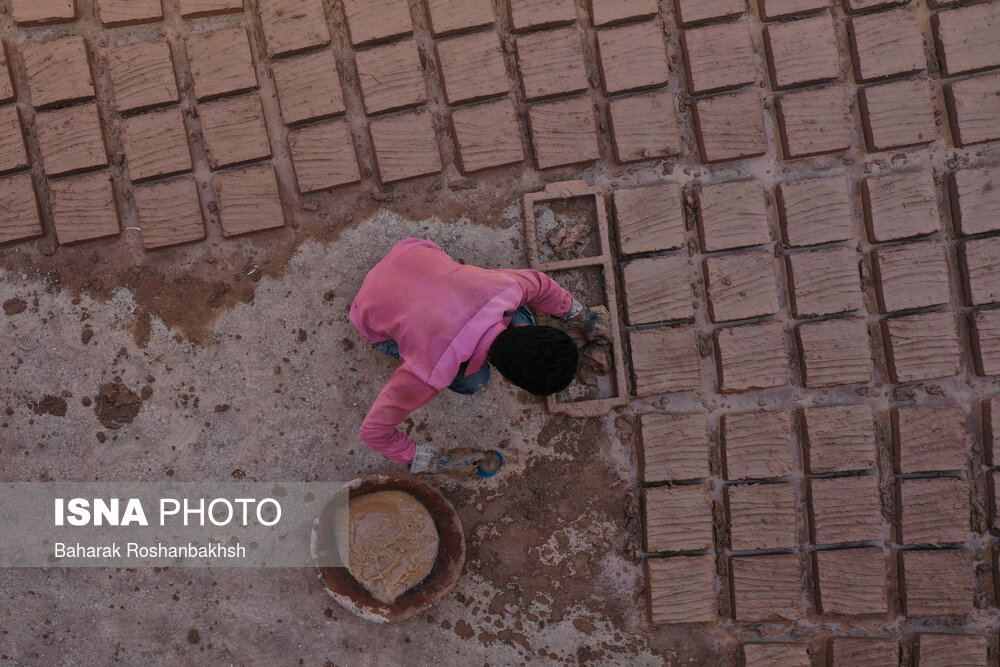
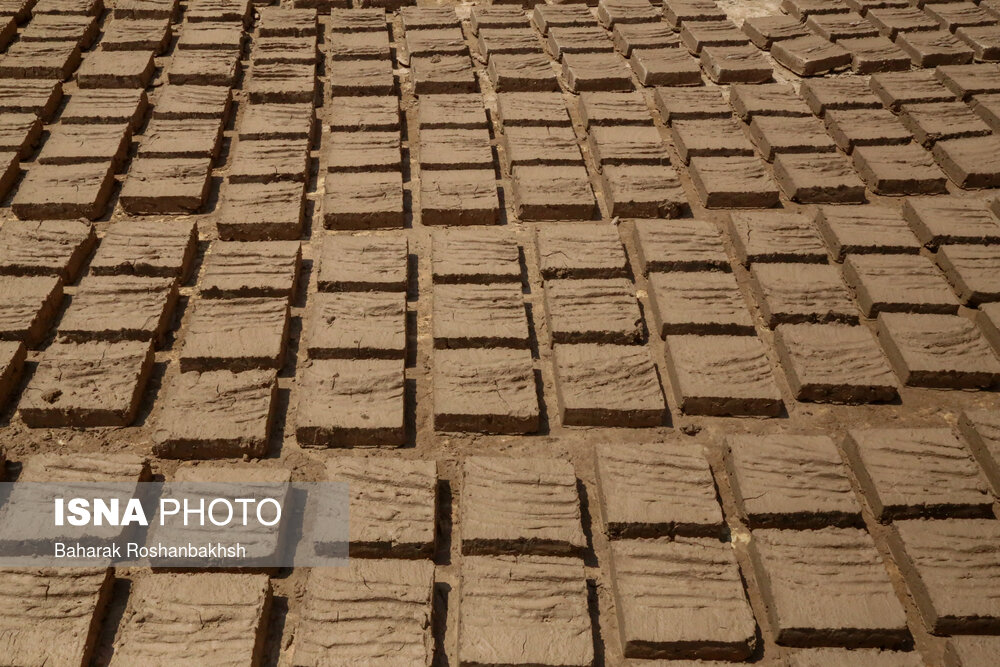
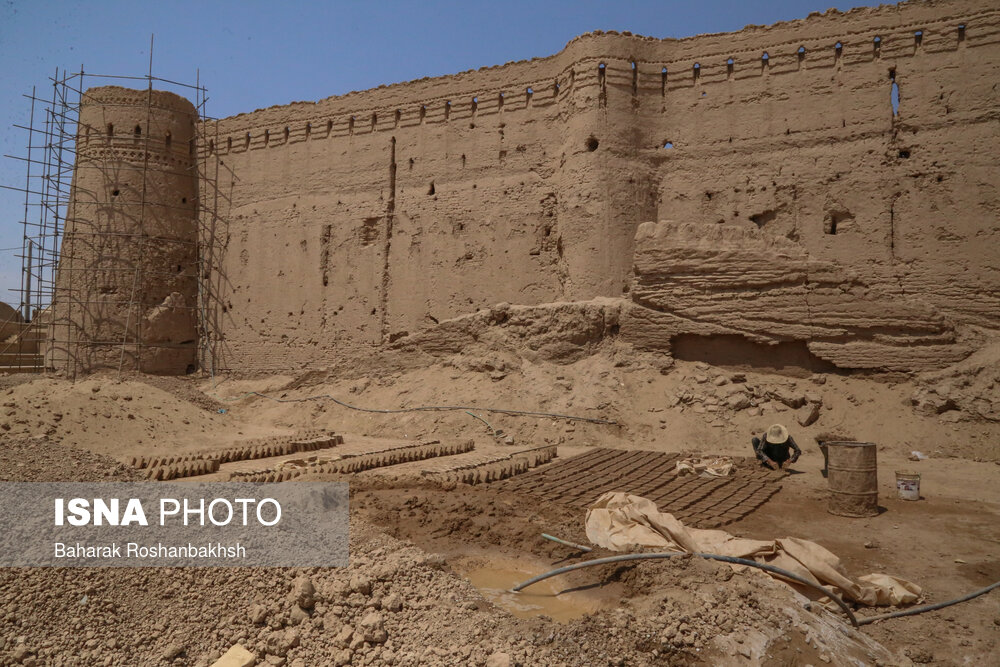
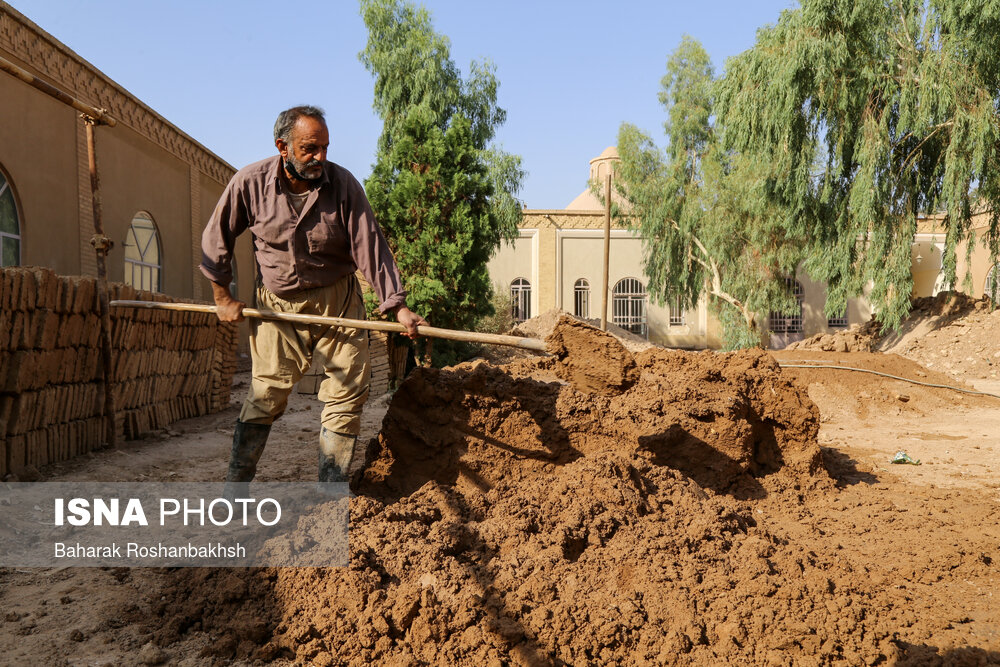
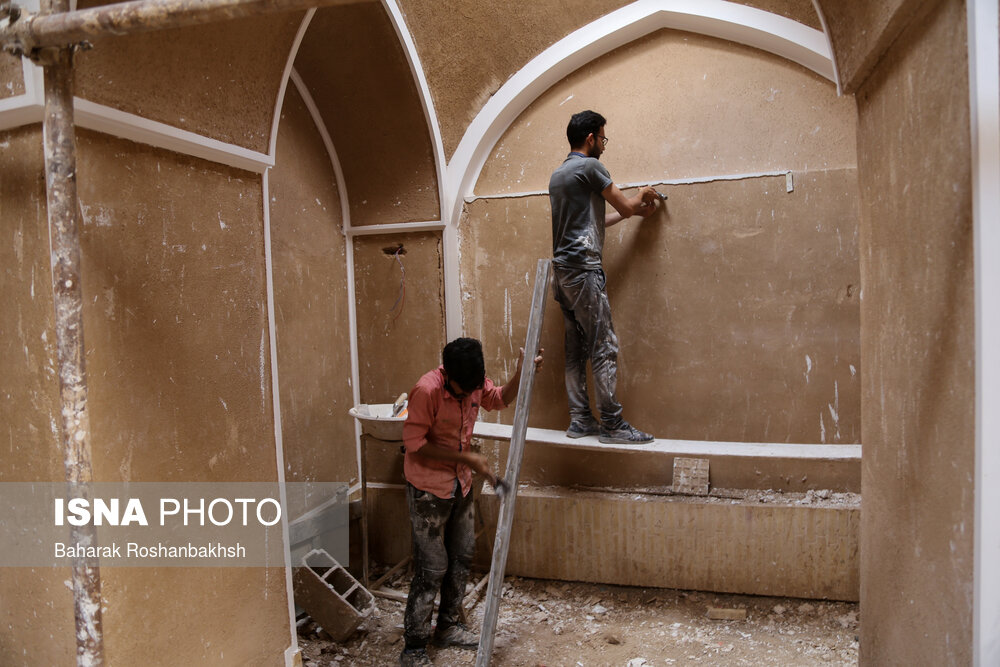
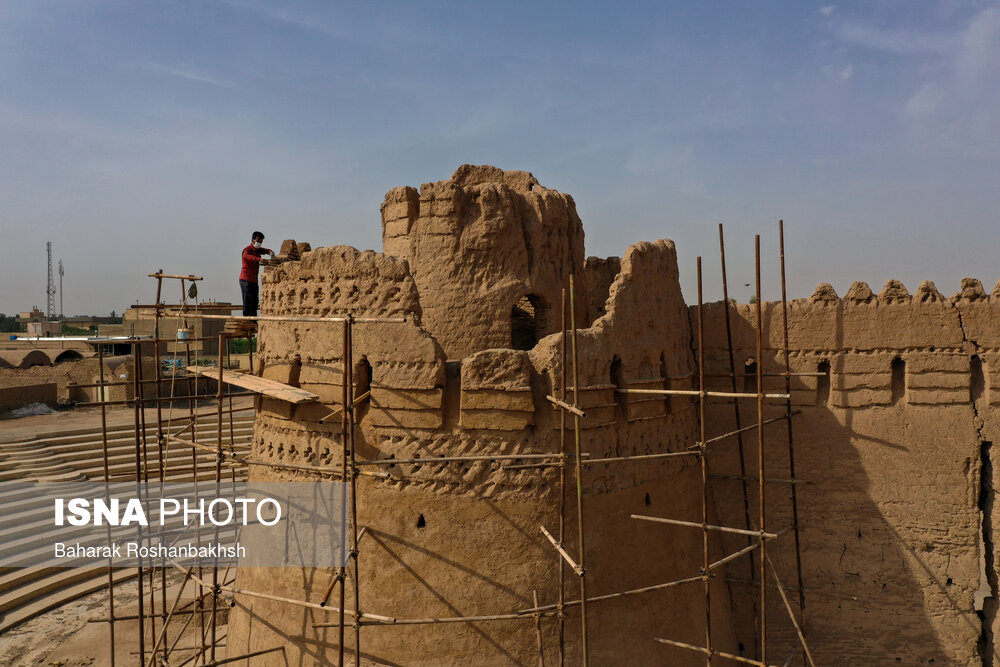
Rock bricks were used to restore ancient monuments in Yazd until a few years ago, but now we have returned to the era when sun-dried mud bricks were used.

Deprived of natural blessings such as water and fertile land, Yazd residents had to be innovative and work hard to get water. Hence, they innovated subterranean aqueducts known as Qanats.

That innovation brought water to the desert town of Yazd where residents now had water in addition to earth.

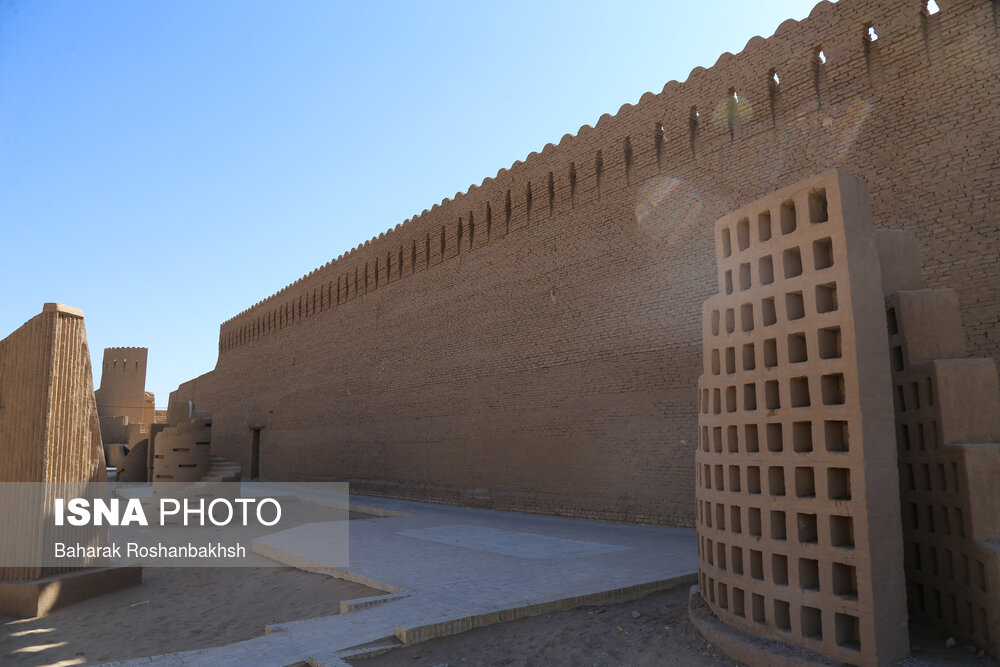
People in Yazd used this very water and earth to construct all buildings, ramparts and bastions, prayer sites, military structures and water structures such as cisterns.

The first structures built in Yazd date back to the pre-Islam era when most buildings were made of adobe in the form of layered structures.

The dimensions of the sun-dried mud bricks made in early ears were so big as they thought they would be able to erect buildings in a shorter time if bigger bricks were used.

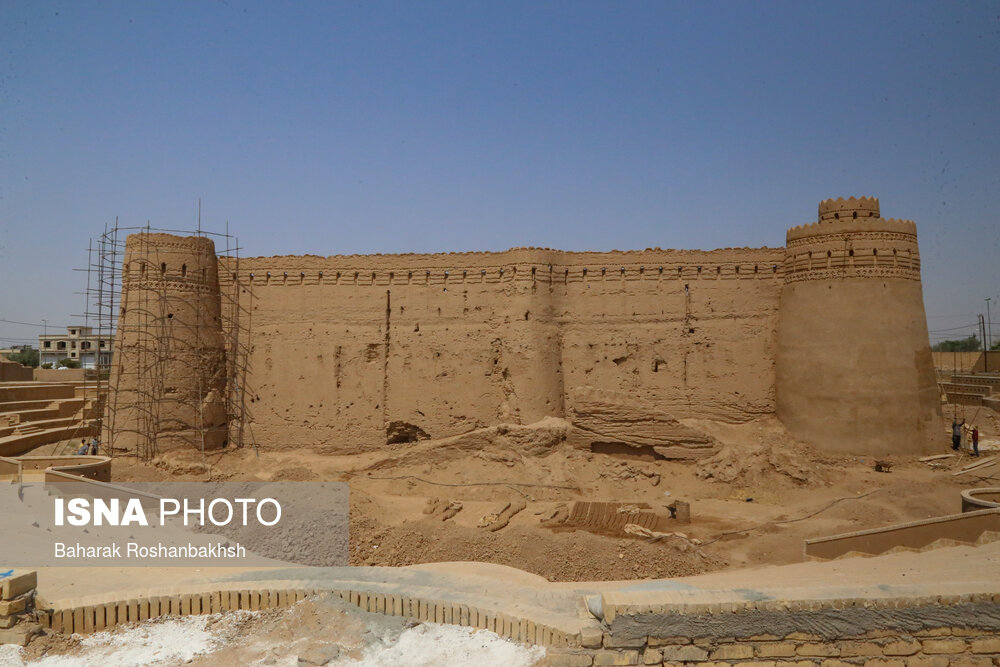
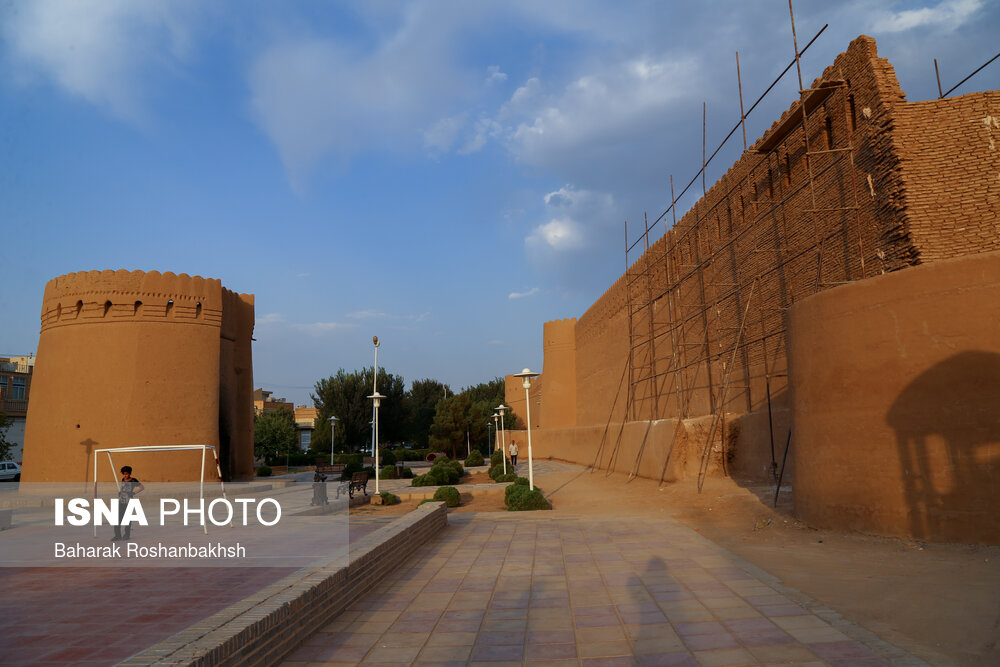
Mud bricks are usually made outdoors, so that they can get dry in the sun. The largest amount of adobe was used in the construction of structures such as the Qala Maybod Castle, the Yazd Bastion and the Abarabad Castle. And now, adobe is used again like in the past to restore historical monuments.

Workshops making mud bricks are mushrooming in different parts of Yazd province, so much so that upwards of 1 million mud bricks are produced annually at restoration workshops of the provincial cultural heritage department.

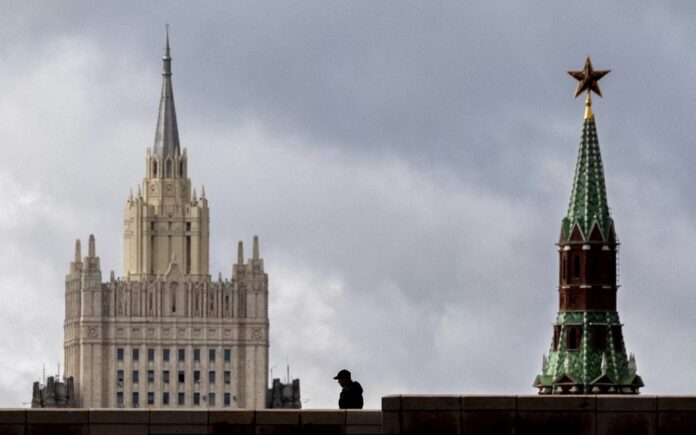
Russia says has evidence showing US electoral intervention

She stated that Russia has presented this evidence to US officials.

“We laid out the situation using specific facts showing that internet platforms located on US territory and which are owned and moderated by American internet monopolies that there are obvious, documented acts of intervention in our internal processes – political processes, electoral processes,” Zakharova added.

According to the spokeswoman, the US has yet to comment or react to the accusations presented by Moscow.

On Friday, the foreign ministry summoned US Ambassador John Sullivan, informing him that America’s efforts to interfere in Russia’s upcoming elections were “categorically inadmissable”. The US side issued its own account of the meeting with Russian officials, claiming that Sullivan had met with Russian Deputy Foreign Minister Sergei Ryabkov to discuss President Joe Biden’s approach to stabilising bilateral relations.

Commenting on the conflicting accounts of the meeting between Sullivan and Russian officials, Zakharova suggested that “the press release given by the United States Embassy following the summons of Ambassador Sullivan…was the biggest proof that they understand everything perfectly. The fact is that they did not mention at all why the ambassador was summoned to the foreign ministry”.

The spokeswoman pointed specifically to the IP addresses associated with the app Smart Voting, which Russian internet watchdog Roskomnadzor has said come mainly from the United States.

“The developers of the Smart Voting app…are not just associated with the United States, they are associated with the Pentagon,” Zakharova alleged.

Formally, the “Smart Voting” app is designed to help voters where the opposition has a strong chance of displacing the ruling party candidate to consolidate resources and vote for a united opposition candidate. Roskomnadzor recently restricted access to the resource in Russia over its alleged association with opposition vlogger Alexei Navalny’s Anti-Corruption Fund, classified by Russian authorities as a foreign agent and extremist organisation.

Russians will head to the polls on September 17-19 for federal legislative elections. Recent opinion polling by Russian sociological firms shows that the ruling party United Russia has between 26 and 30 percent support, with the opposition Communist Party, Liberal Democratic Party, and Just Russia polling in second, third, and fourth, with 14.9-22 percent, 7-9.6 percent and 5-6.3 percent, respectively. In addition to federal parliamentary elections, the vote will include elections to pick the heads of nine constituent entities of Russia, and 39 regional parliaments.

Source: RIA Novosti

Source: No access to camera footage at Iran sites, despite Grossi’s visit

“During Grossi’s visit to Tehran, there will be no change in the IAEA’s access to the data at [Iran’s] nuclear facilities, and the agency will still have no access to the surveillance cameras’ footage,” the source added.

The source explained that Grossi’s visit has nothing to do with the restrictions imposed by Iran on the IAEA concerning its access to the camera footage at Iran’s nuclear facilities.

Rejecting claims made by certain Western media outlets, in particular The Wall Street Journal, the source made it clear that there is no possibility of reconsidering the IAEA’s lack of access to its surveillance cameras’ footage.

“The talks during the director general of the International Atomic Energy Agency’s visit to Tehran will only be about servicing some of the agency’s monitoring equipment and there is no other issue on the agenda,” the source stated.

Earlier on Saturday, The Wall Street Journal claimed in a report that Grossi’s visit comes after an understanding between Iran and the IAEA, negotiated over last couple of days under watch of the P5+1.

The report, citing sources, claimed that Iran had agreed to give the IAEA access to re-set the monitoring equipment at nuclear-related sites in the country.

The understanding also includes a commitment to resume safeguards discussions with the Agency, the report said, citing the sources, and claimed that in exchange, the UK, France, Germany and the US will shelve their resolution against Iran at the upcoming meeting of IAEA’s Board of Governors which will start on Monday.

The one-day visit by Grossi would be his first since Iranian President Ebrahim Raeisi assumed office in August.

Kazem Gharibabadi, Iran’s representative to the international organizations in Vienna, noted on Saturday that Grossi will hold talks with the head of the Atomic Energy Organization of Iran (AEOI) Mohammad Eslami, and afterward, the two sides will issue a joint statement.

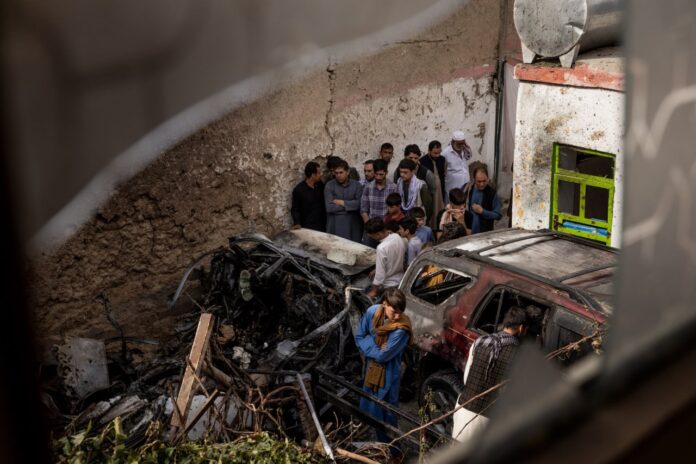
Probe shows US drone attack in Kabul killed civilians, not Daesh element

The Pentagon’s official version said that the August 29 drone strike targeted a white Toyota belonging to Daesh that took credit for the killing of 13 American troops and nearly 200 Afghan civilians at the Kabul airport several days prior. Multiple officials claimed that “secondary explosions” proved the car was rigged with explosives. 

A New York Times visual investigation published Friday, however, found no traces of secondary explosions, only the fragments of a Hellfire missile that killed Zemari Ahmadi and seven children.

The outlet conducted interviews with survivors on the ground, checked security camera footage and satellite imagery, and put everything together in a 10-minute video. Every step of the way, it shows that the official version of events simply doesn’t hold water.

Ahmadi had worked for 14 years at Nutrition & Education International, an American NGO that set up soy factories and distributed food to malnourished Afghans. He was having a normal day on August 29, picking up colleagues on the way to breakfast and the NGO office in the Karte Seh neighborhood of Kabul.

What the US military interpreted as a series of suspicious movements was a typical day in Ahmadi’s life, according to five men who were in the car with him, interviewed by a Times reporter. The “suspicious packages” he was loading into the car were containers Ahmadi filled with water at the office, because his neighborhood was dealing with a water shortage.

When Ahmadi drove home, the car was surrounded by neighborhood children. Yet the drone strike team claimed they had only seen one adult male present. An MQ-9 Reaper drone then fired one 20-pound Hellfire missile at the car.

The US military claimed large secondary explosions proved the car was in fact a bomb intended to kill Americans at the airport. One of the people who said so is Chairman of the Joint Chiefs of Staff General Mark Milley.

“At this point, we think that the procedures were correctly followed, and it was a righteous strike,” Milley told reporters on September 1, after the US airlift from Kabul ended.

The Times, however, reports its reporter showed photos and videos of the scene to three experts who all agreed the damage was consistent with a single Hellfire strike.

Just days before his death, Ahmadi had applied for a special visa to emigrate to the US with his family. Instead, they were killed in a drone strike the Pentagon triumphantly announced as the killing of a Daesh “facilitator”.

Local media and the Taliban immediately stated that the strike had killed civilians. The final death toll was three adults and seven children.