Saturday, December 27, 2025
Home Blog Page 236

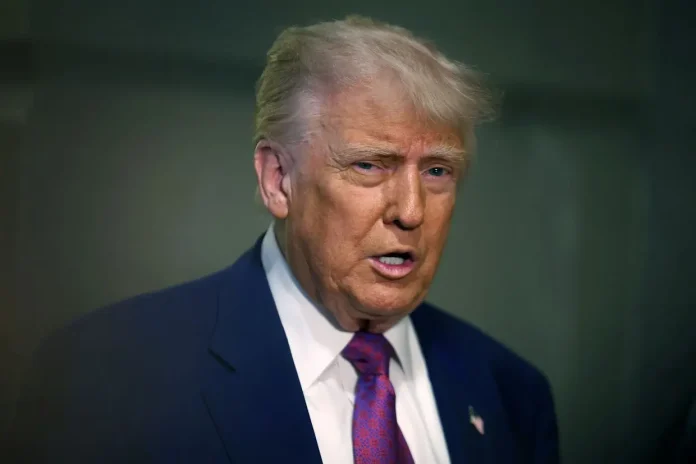
Hamas will be ‘hunted down’ as Gaza ceasefire negotiations wane: Trump

Gaza War

Trump’s comments at the White House on Friday appear to suggest that the US and Israel are not ready to guarantee a lasting end to the war but rather a short-term truce to get Israeli captives out of Gaza.

“We’re down to the final hostages, and they know what happens after you get the final hostages,” the US president told reporters.

“And basically because of that, they really didn’t want to make a deal.”

Trump blamed the Palestinian group solely for the apparent collapse of the ceasefire talks, saying the group is going to be “hunted down”.

“Hamas didn’t really want to make a deal. I think they want to die, and it’s very, very bad,” he added.

On Thursday, Trump’s Middle East envoy Steve Witkoff said Washington was cutting short its involvement in the negotiations, accusing Hamas of showing “a lack of desire to reach a ceasefire”.

Israel also announced it withdrew its negotiators from Qatar, where the ceasefire talks were taking place.

Hamas expressed bewilderment at the US position, saying it had made “a sincere commitment to the success of the mediators’ efforts” to reach a deal.

The group also stressed that the mediators — Qatar and Egypt — welcomed its “constructive and positive” position.

Talks have been ongoing for months to secure a 60-day truce that would see the release of 10 Israeli captives and a pause in the Israeli bombardment of Palestinians in Gaza.

Hamas has insisted that it is seeking a permanent ceasefire.

Witkoff previously emphasized that the truce “will lead to a lasting peace in Gaza”.

However, Israeli officials repeatedly described plans to return to the fighting and remove all Palestinians from Gaza after the captives are released.

In fact, Israeli Minister of Defence Israel Katz has said that Tel Aviv would use the truce to move hundreds of thousands of Palestinians to an internment camp in southern Gaza, in preparation for their removal from the territory altogether.

Israeli Prime Minister Benjamin Netanyahu said during a visit to Washington, DC, earlier this month that Israel “still has to finish the job in Gaza” despite the ceasefire talks.

In February, Trump called for depopulating Gaza and turning the territory into a “Riviera of the Middle East” — a proposal that legal experts say would amount to ethnic cleansing, a crime against humanity.

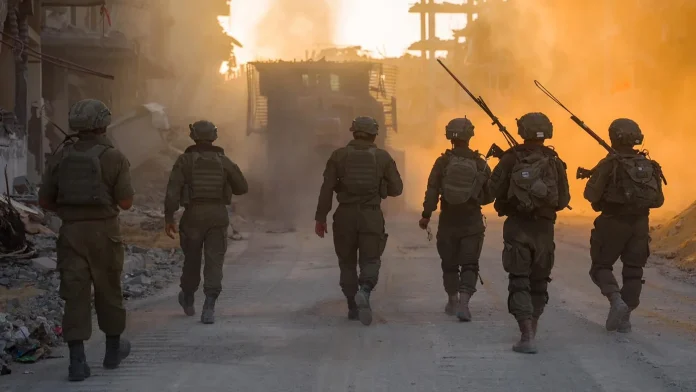
Israel has systematically flattened large parts of Gaza, using bombardment, explosives and bulldozers in what advocates say is an effort to make the territory unliveable.

Netanyahu has argued, however, that the departure of Palestinians would be “voluntary”.

But human rights experts warned that people do not actually have a choice when they are under the threat of bombardment and starvation.

On Thursday, Trump suggested that Gaza is set to experience more violence, saying Israel is “going to have to fight”.

“They’re going to have to clean it up. You’re going to have to get rid of it,” he added.

The US president’s comments come as deadly hunger continues to spread in Gaza due to an Israeli blockade impeding the flow of aid and other essential supplies into the territory.

The Israeli-imposed starvation in Gaza has garnered international condemnation, even from close allies of the US and Israel.

Putin-Zelensky meeting ‘is going to happen’: Trump

Putin Zelensky

Trump made the comments on Friday when asked by reporters what it would take for Putin and Zelensky to sit down together – possibly with him in the room.

”It’s going to happen, but it should have happened three months ago. It’s going to happen,” he said, without offering a timeframe.

Trump has pushed for a settlement to the conflict since taking office in January. Earlier this month, he threatened to impose “severe” secondary tariffs of up to 100% on Russia’s trading partners unless a deal is reached within 50 days – by early September.

Moscow maintains it is open to a diplomatic settlement, but in a way that would address the conflict’s “root causes” and its security concerns. It insists on Ukraine’s neutrality and recognition of the “territorial reality on the ground,” as well as demilitarization and denazification.

Zelensky has repeatedly called for a direct meeting with Putin. Ukrainian negotiators also raised the idea at this week’s bilateral talks in Istanbul, framing such a summit as essential to ending the fighting. The Kremlin has not ruled out a meeting but insists the groundwork must be in place first.

Kremlin spokesperson Dmitry Peskov has stated the two men should meet only after meaningful progress has been achieved at the working level.

“It is impossible to do the opposite,” he stressed.

Moscow has also raised concerns about Zelensky’s legal authority. His five-year presidential term expired in May 2024, but he has refused to call new elections, citing martial law. Russian officials have suggested that any documents signed under his name could later be challenged. Putin said last month he was open to a meeting with Zelensky – if it came at the final stage of talks.

In addition, Russia has demanded that Ukraine lift martial law and hold elections within 100 days as part of any lasting ceasefire.

Imam Khomeini’s grandson: Iran has reached “patriot vs. traitor” divide

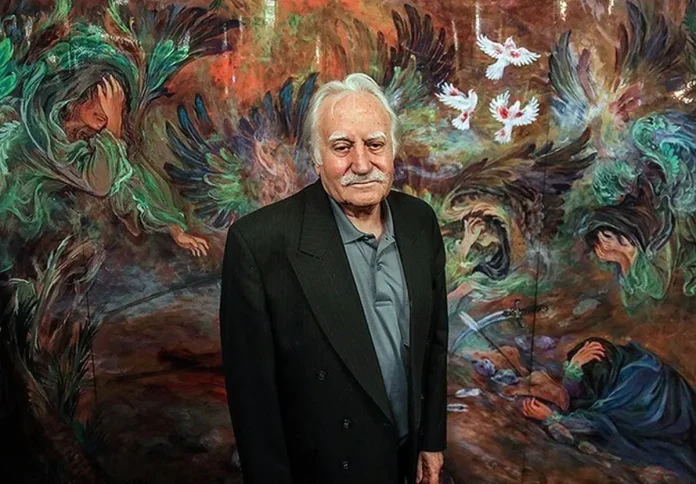
Ahmad Khomeini

In remarks shared on his Instagram account on Friday, Khomeini praised the national unity demonstrated during US-Israeli assaults last month, noting that even those less religiously observant came forward in defense of Iran.

“Every Iranian felt personally attacked,” he said, adding that the threat to the country’s territorial integrity mobilized a broad spectrum of society, including ethnic minorities, Sunnis, political dissidents, and Iranians abroad.

He recounted discussions with political figures such as Ali Larijani and Ali Akbar Nategh-Nouri regarding coordinated public responses, emphasizing that figures like Mohammad Khatami and Mehdi Karroubi had already issued strong statements of support.

Khomeini credited the Iranian military’s response for deterring adversaries and highlighted the enduring loyalty of Iran’s underprivileged classes, whom he said have consistently supported the establishment despite economic hardship.

He stressed the role of Iran’s Leader and called for a more inclusive approach in the country’s political, economic, and social structures to preserve national unity.

Ayatollah Khamenei: Iran will grow stronger than ever

Ayatollah Khamenei

Ayatollah Khamenei made the remarks in a message on the occasion of the fortieth day after the martyrdom of many Iranians in attacks by the Zionist regime against Iran, including military commanders and nuclear scientists.

Ayatollah Khamenei said, with divine grace, the Islamic Republic of Iran will grow stronger every day, stressing the importance of not forgetting this truth and the responsibilities that come with it.
Ayatollah Khamenei said preserving national unity is the duty of every citizen.

He added that speeding up scientific and technological progress in all sectors is the responsibility of the country’s academic and research elites.
The leader noted that maintaining the dignity and reputation of the Iranian nation is a serious obligation for all public speakers and writers.
He also said constantly equipping the country with tools to safeguard national security and independence is the responsibility of military commanders.
Ayatollah Khamenei added that it is the duty of all executive institutions to show seriousness, persistence, and efficiency in solving the country’s problems and completing unfinished tasks.

Ayatollah Khamenei also said keeping the revolutionary spirit and motivation alive is a duty that lies on everyone’s shoulders.

The Leader then paid tribute to the Iranian nation and all the martyrs, along with their grieving families.

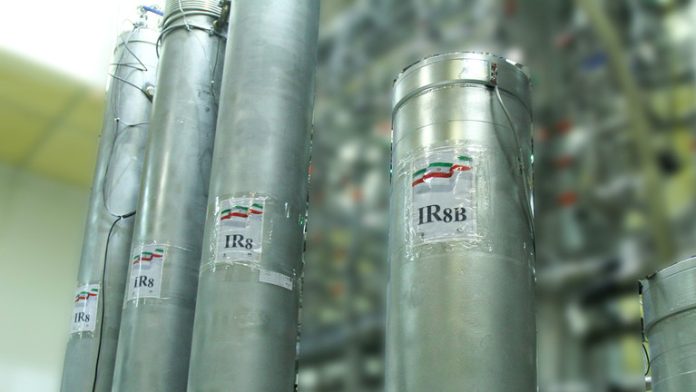
Iranian deputy FM: Uranium enrichment inside Iran non-negotiable

Iran nuclear program

Takhte Ravanchi was speaking after the latest round of talks with the E3 and the EU in Istanbul on Friday.

“We clearly declared that enrichment must continue inside the country”.

He added that enrichment is a fundamental and legitimate right of Iran, and there is no compromise on this issue.

The Iranian delegation met with their European counterparts from the E3 group consisting of the UK, France and Germany to discuss nuclear negotiations.

Takhte Ravanchi noted that the talks took place against the backdrop of aggression by the Zionist regime and the US, which he condemned as violation of international law and the UN Charter.

“We criticized the silence and unbalanced reactions of some European governments regarding this aggression, which constitutes a blatant breach of international norms”, he said.

According to the Iranian deputy foreign minister, another point of contention discussed was the re-imposition of sanctions and the so-called snapback mechanism.

“US responsible for decades of assassinations against Iran”

Mohammad Javad Larijani

Larijani stressed that a retaliatory assassination of US President Donald Trump would have legal and moral justification.

Speaking at a memorial ceremony for Dr. Majid Tajan Tajari, a young Iranian AI scientist killed during the Zionist regime’s 12-day aggression against Iran, Larijani condemned the US and Israeli policy of targeting Iran’s elite.

He described these acts as part of a “Western civilization of scientist-killing”.

Larijani also defended the fatwas issued by over 400 Iranian clerics who sanctioned retaliatory actions against Trump, stressing that the US cannot expect impunity for extraterritorial killings while being immune to consequences.

Larijani further criticized the US for its consistent violation of commitments under international agreements, despite Iran’s full compliance.

He urged Iranian negotiators to enter any future talks with the US from a position of strength.

He warned against repeating past diplomatic mistakes, saying Iran’s future negotiations must not be based on blind trust, especially after years of “fabricated US terrorism”.

He honored fallen Iranian scientists and commanders, saying Western powers are seeking to prevent Iran from emerging as a global leader in science and technology.

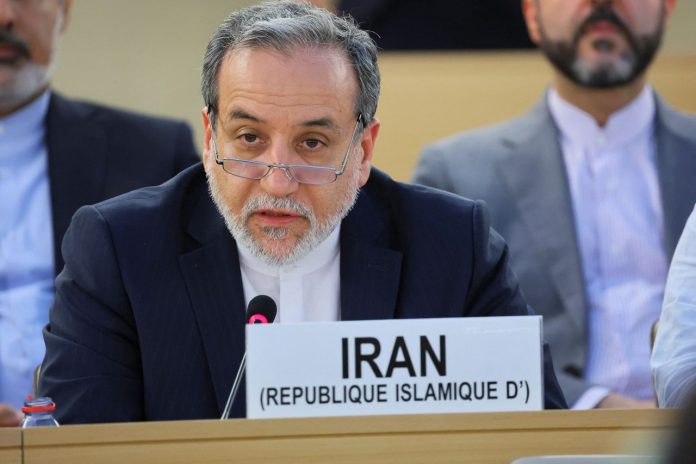
Iranian, Saudi FMs discuss regional developments, Gaza crisis

Araghchi condemned the escalating atrocities by the Israeli regime, particularly the blockade of food and medicine in Gaza, describing it as a form of genocide.

He stressed the urgency of using all available capacities including the Organization of Islamic Cooperation (OIC) and other international bodies to break the siege and deliver essential aid to the people of Gaza.

Araghchi also denounced the recent move by the Israeli Knesset to impose full control over the occupied West Bank, calling it a blatant display of Israel’s expansionist and law-breaking nature.

The top Iranian diplomat warned that this action, amid continued human rights violations and the assault on Gaza, reveals the Zionist regime’s ultimate intent to wipe out Palestine as a nation, land, and identity.

Meanwhile, Araghchi briefed his Saudi counterpart on the latest status of talks between Iran and the three European countries.

Both sides agreed on the urgent need for practical and immediate measures to stop the violence in Palestine and to support the people of Gaza.

They discussed the use of joint Islamic and Arab platforms to address the crisis in the besieged territory.

Iran–E3 Talks Conclude in Istanbul; Sides Agree to Continue Dialogue

Vienna Talks

Kazem Gharibabadi, speaking after the sixth round of negotiations between Iran and the three European countries — the UK, France, and Germany — held on Friday in Istanbul, provided details of the discussions.

He stated: “Majid Takht-Ravanchi, Deputy Foreign Minister for Political Affairs, and I had an extensive, frank, and serious exchange with the political directors of the three European countries and the European Union.”

The Deputy Foreign Minister added that the latest developments regarding sanctions relief and nuclear issues were thoroughly discussed.

He continued: “We strongly criticized their positions on the recent aggressive war launched by the United States and the Zionist regime against the Iranian people, and we explained our principled positions, including on the so-called snapback mechanism.”

He noted that both sides came to the meeting with specific ideas, and various aspects of these ideas were examined.

He said that it was agreed to continue consultations on the matter.

The sixth round of negotiations between Iran and the three European countries  along with the Deputy EU Foreign Policy Chief, was held at the level of deputy ministers and political directors.

Istanbul also hosted the fifth round of these negotiations on May 15, which was held at the deputy level as well.

Iran, E3 resume nuclear talks in Istanbul amid rising tensions

Nuclear Negotiations in Vienna

The first face-to-face meeting between Iran and the European parties to the Joint Comprehensive Plan of Action (JCPOA) comes nearly a month after the 12-day military conflict between Iran and Israel stopped with a ceasefire agreement.

The Iranian delegation is led by deputy foreign ministers Kazem Gharibabadi and Majid Takht-Ravanchi.

The meeting also includes the participation of a deputy from the EU’s foreign policy chief.

According to Iranian Foreign Ministry spokesman Esmail Baqaei, the agenda centers on sanctions relief and Iran’s peaceful nuclear program.

He emphasized that Tehran intends to firmly present its demands.

Baqaei criticized the European countries for their failure to condemn US-Israeli military aggression, calling their positions “unjustifiable” and inconsistent with their legal and ethical obligations under UN Security Council Resolution 2231.

“This is a session of accountability,” Baqaei stated, underlining Iran’s intent to seek clear answers and press for commitments related to sanctions and nuclear cooperation.

Iran’s Telecommunications Satellite Successfully Placed in Orbit

According to data received from the launch site, Nahid-2 successfully reached its designated orbit.

The satellite was launched at 9:24 AM (Iran time) from Russia’s Vostochny Cosmodrome.

Nahid-2, weighing approximately 110 kilograms, was designed and built by the Iranian Space Research Center under the commission of the Iranian Space Agency. It marks a significant step for Iran’s space industry in developing both Low Earth Orbit (LEO) satellite constellations and future high-altitude (GEO) telecommunications satellites.

The launch of Nahid-2 was part of a multi-satellite mission that also included Russia’s Universat-M3 and M4 satellites, as well as 18 other satellites from various countries, including Iran.

The presence of the Iranian Space Agency and Iranian Space Research Center logos on the Soyuz launch vehicle highlighted Iran’s official and active participation in this international mission.

The Soyuz launcher had previously carried other Iranian satellites—such as Khayyam, Pars 1, Kosar, and Hodhod—into space.