Friday, April 24, 2026
Home Blog Page 237

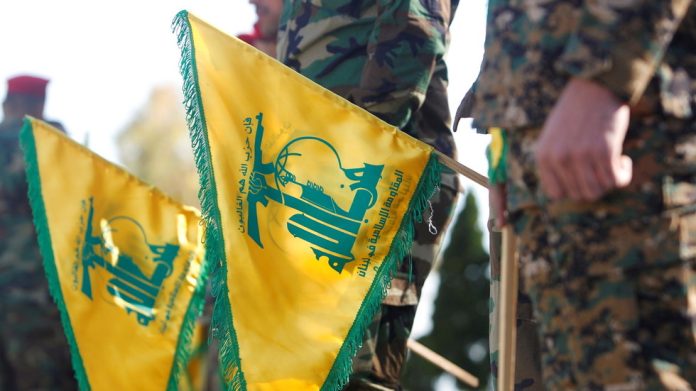
Hezbollah labels Lebanon’s government decision to disarm non-state groups ‘grave sin’

Hezbollah

“The government of Prime Minister Nawaf Salam has committed a grave sin by adopting a decision that strips Lebanon of its weapon of resistance against the Israeli enemy,” the group said in a statement.

Salam stated Tuesday that his government has authorized the army to prepare a plan to consolidate weapons under state control by the end of this year.

Hezbollah announced that the decision “undermines Lebanon’s ability” to confront the ongoing Israeli-US assaults and allows Israel to achieve its objectives in Lebanon after it had failed to achieve its plans via military operations.

“Therefore, we will treat this decision as if it does not exist,” the group added.

Hezbollah said the government decision was the result of “dictates of the US Envoy Tom Barrack,” who has previously presented a roadmap for the Lebanese government to disarm the group.

Hezbollah added it is open to dialogue to “discuss a national security strategy,” end Israeli assaults, release prisoners, and reconstruct the war-ravaged areas, “but not under aggression.”

“The agreement must first be implemented by the Israeli side,” Hezbollah stressed.

“The government’s priority must be the liberation of all Lebanese territories from Israeli occupation, as stated in its ministerial declaration.”

Israel launched military operations in Lebanon on Oct. 8, 2023, which escalated into a full-scale war by September 2024, killing more than 4,000 people and injuring around 17,000.

A ceasefire was reached in November, but Israeli forces have conducted near-daily attacks in southern Lebanon, claiming to target activities of the Hezbollah group.

Under the truce, Israel was supposed to fully withdraw from southern Lebanon by Jan. 26, but the deadline was extended to Feb. 18 after Tel Aviv refused to comply. Israel still maintains a military presence at five border outposts.
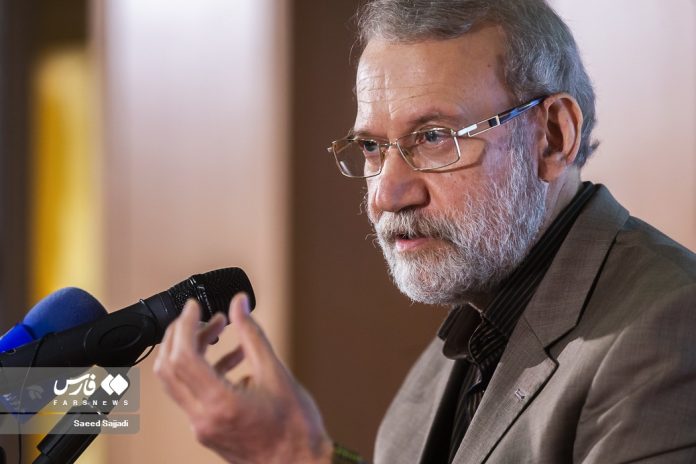
Political Party chief: Larijani’s moderate approach a positive shift for policy-making

Ali Larijani

Vaezi said the move will have a positive impact due to Larijani’s moderate stance.

“Dr. Larijani’s nonpartisan outlook, developmental leadership style, and moderate approach will contribute to a constructive transformation in the Council’s future policy-making”, Vaezi noted.

He further said this change signals a reinforcement of the values of moderation and rationality in the political arena.

“If this move is aimed at shifting direction and sending a message to the people, I see it as a constructive step”, he added.

President Massoud  Pezeshkian on Tuesday appointed Ali Larijani as the new Secretary of the Supreme National Security Council (SNSC), a pivotal position in Iran’s national security architecture.

Larijani served as secretary of the Supreme National Security Council from 2005 to 2007 as well.

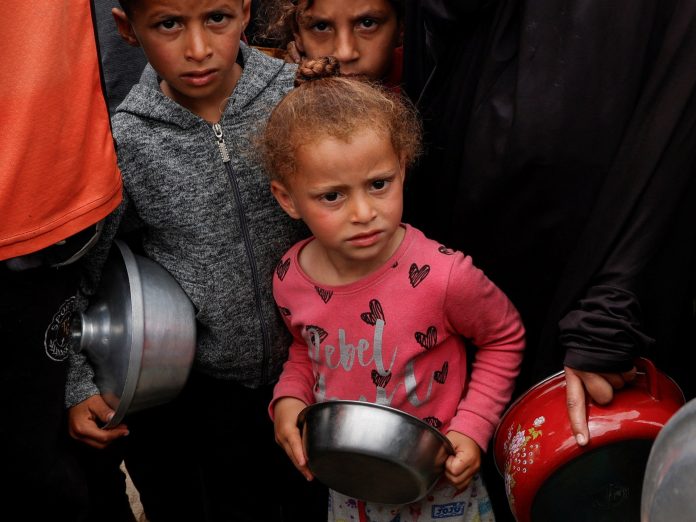
5 more Gazans die of starvation under Israeli blockade, death toll rises to 193

Gaza

A ministry statement said that 96 children were among the victims.

Israel has imposed a blockade on Gaza for 18 years and, since March 2, has shut down all crossings, blocking the entry of humanitarian aid and worsening conditions for the territory’s 2.4 million population.

According to Gaza’s Government Media Office, Israel had allowed in just 843 aid trucks since July 27 – far short of the 6,000 trucks required to meet the daily needs of residents over 10 days.

Israel has been facing mounting outrage over its destructive war on Gaza, where more than 61,000 people have been killed since October 2023. The military campaign has devastated the enclave and brought it to the verge of famine.

Last November, the International Criminal Court issued arrest warrants for Israeli Prime Minister Benjamin Netanyahu and his former Defense Minister Yoav Gallant for war crimes and crimes against humanity in Gaza.

Israel also faces a genocide case at the International Court of Justice for its war on the enclave.

Detained British couple in Iran make first phone call to family after seven months

Iran Prison

Lindsay and Craig Forman, both 52, were traveling around the world by motorcycle when they were detained by Iranian authorities in the southeastern city of Kerman. A month later, officials announced they were suspected of spying.

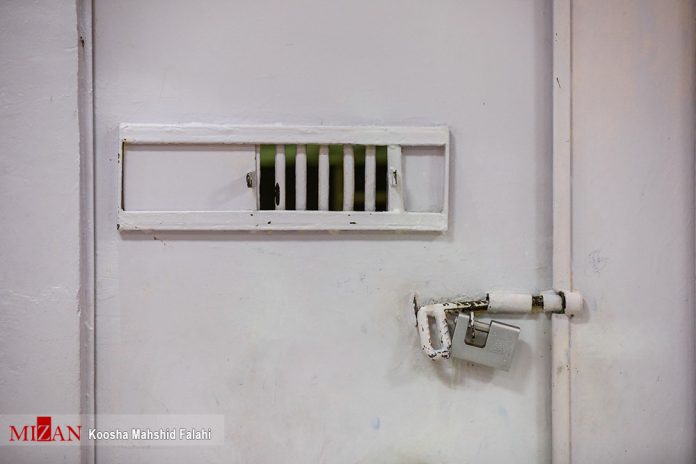
On Tuesday, the couple made brief phone calls from separate prisons in Tehran. Their families confirmed Lindsay is being held at Qarchak women’s prison, while Craig is in Tehran’s Fashafouyeh prison.

“We waited 213 days,” said Joe Bennett, Lindsay’s son. “We hoped, we held our breath, and today, we finally heard their voices. For a moment, the heavy weight of the past seven months lifted.”

The eight-minute call was described as emotional, filled with “laughter and tears.” Despite the relief, Bennett criticized the UK government for not clearly outlining a plan to secure their release, calling the ongoing silence “deeply concerning.”

Kieran Forman, Craig’s son, also described the call as “a huge relief” and said it gave him renewed hope amid ongoing uncertainty.

EU Parliament groups call on top officials to take action to end Gaza genocide

European Parliament

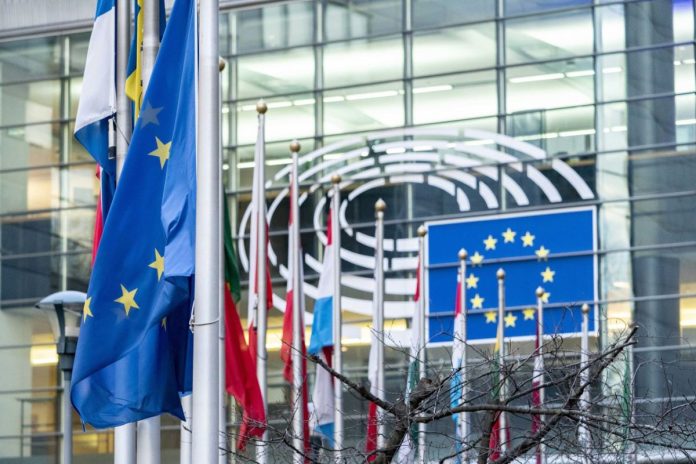
In a joint letter addressed to European Commission President Ursula von der Leyen, European Council President Antonio Costa and EU foreign policy chief Kaja Kallas, they criticized the bloc’s continued inaction amid Israel’s ongoing attacks.

They urged the EU to back an immediate and permanent ceasefire, suspend the EU-Israel Association Agreement and enforce a comprehensive arms embargo on Israel.

The letter also called for targeted sanctions on Israeli officials, the reinstatement of full funding to the UN agency for Palestinian refugees (UNRWA) and a ban on trade in goods from illegal Israeli settlements.

“This situation can no longer be regarded as a mere emergency: there is clear evidence that a genocide is being committed in Gaza. The European Commission and the European Council have so far failed to respond with the urgency and resolve that our treaties, values and responsibilities demand,” the lawmakers said.

The signatories also cited growing settler violence in the West Bank and Israeli plans to permanently occupy Gaza, calling it a clear violation of international law.

The EU’s foreign service has acknowledged Israel’s breach of the EU-Israel Association Agreement, they noted, yet the pact remains active and no sanctions have been imposed.

“We cannot afford more delay. We cannot afford more bloodshed. History will not forgive silence in the face of mass suffering and impunity. The European Union must take responsibility and act now,” they added.

The Israeli army, rejecting international calls for a ceasefire, has pursued a brutal offensive on Gaza since Oct. 7, 2023, killing more than 61,000 Palestinians, almost half of them women and children.

Israel’s military campaign has devastated the enclave and brought it to the verge of famine.

Last November, the International Criminal Court issued arrest warrants for Israeli Prime Minister Benjamin Netanyahu and his former Defense Minister Yoav Gallant for war crimes and crimes against humanity in Gaza.

Israel also faces a genocide case at the International Court of Justice for its war on the enclave.

Trump pledges to pull US out of Ukraine ‘mess’

Russia Ukraine War

When asked why the US should keep funding Ukraine as Kiev grows increasingly more coercive in its draft campaign, Trump responded: “This is Biden’s war. This is not my war. I’m here to get us out of it. It’s a mess, and I’m here to get us out.”

The journalist was referring to Ukrainian leader Volodymyr Zelensky’s recent decree allowing the enlistment of men over 60.

”I haven’t heard that, when you say about 60-year-old men,” Trump said, adding, “But this is Biden’s war. And we’re working very hard to get us out.”

In recent weeks, the US president has threatened to impose 100% tariffs and secondary sanctions targeting Russia’s trading partners in an effort to pressure Moscow into accepting a ceasefire with Kiev – measures which Russia has denounced as illegal.

Asked whether he was prepared to follow through on his threats, Trump said a decision would be made after a scheduled meeting in Russia this week involving his special envoy, Steve Witkoff.

”I never said a percentage [for tariffs], but we’ll be doing quite a bit of that,” Trump stated.

“We have a meeting with Russia tomorrow [on Wednesday]… We’ll make that determination at that time.”

Earlier in the day, Trump said he will “substantially” raise tariffs on Indian imports over the next 24 hours, due to New Delhi’s continued purchases of Russian crude. He had previously announced a 25% tariff on Indian goods, scheduled to take effect on Friday.

India, one the biggest importers of Russian oil alongside China, has promised to “safeguard its national interests and economic security” in response to the tariff threat.

Beijing responded by vowing to “defend its sovereignty” in response to what it described as “coercion and pressure.”

Moscow has condemned Trump’s tariff threats as violations of other nations’ rights.

“We believe that sovereign states should have, and do have, the right to choose their own trade partners,” Kremlin spokesman Dmitry Peskov said on Tuesday.

Nursing shortage forces hospital ward closures in Iran, officials warn

Iran Hospital Surgery Doctor Nurse

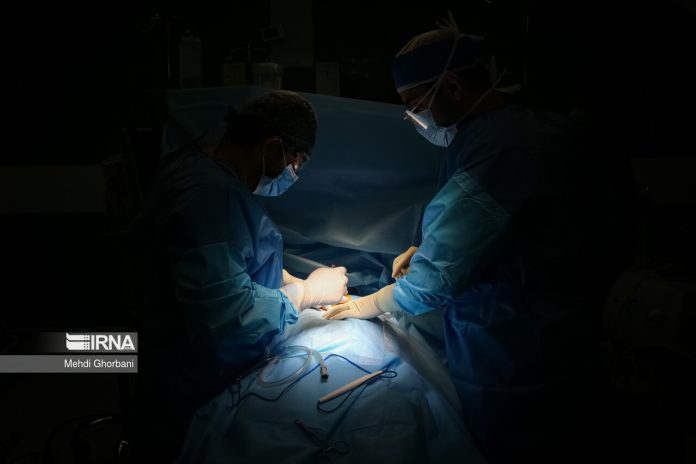
At a press conference on Wednesday, the head of the Iranian Nursing Organization, Ahmad Nejatian, said the shortage is not due to a lack of trained nurses.

“We graduate 15,000 nurses annually, 2.5 times more than before, but still face major staffing gaps,” he said. “Increasing education capacity is not a solution.”

Nejatian stated that nurses are facing up to eight months of delayed payments for bonuses and overtime.

The financial burden and difficult working conditions, worsened by the recent 12-day war with Israel, have contributed to high attrition and increased requests for migration certificates, he added.

He also revealed that five nurses were killed during the conflict in June, with more casualties potentially unreported due to their involvement with military medical teams.

Despite improvements in back pay, Nejatian warned of systemic issues, adding, “If we continue delaying reforms like the family physician system, the health sector could face collapse.”

Iranian politician: Larijani’s appointment as Security Council head signals shift away from hardliners

In remarks to Entekhab news outlet, Falahatpisheh said the move reflects a belated effort to correct the course set by radical elements in Iran’s political system.
He expressed hope that the next step would be holding those responsible for past extremist policies accountable.

Falahatpisheh argued that hardliners had placed Iran in direct confrontation with the US and missed key diplomatic opportunities, particularly during the final months of former president Hassan Rouhani’s administration.

He also criticized state media for still giving platforms to ultra-conservative voices and suggested that parts of the establishment had profited from sanctions and unrest while silencing reformist figures.

Addressing President Massoud Pezeshkian and Foreign Minister Seyed Abbas Araghchi, he urged them to honor the public’s desire for de-escalation, warning that failure to do so would blur distinctions between their leadership and the so-called “shadow government.”

Falahatpisheh concluded that stronger resistance to hardliners might have prevented the current crises.

Iran’s fiber optic production plant launched in Venezuela

Iran’s Minister of Communications and Information Technology, Seyed Sattar Hashemi, said that in line with expanding technology diplomacy and exporting Iran’s technical capabilities to other countries, a fiber optic production facility has been launched and put into operation in Venezuela by Iranian knowledge-based companies.

The Iranian fiber optic plant in Venezuela was established with a $10 million investment. It aims to meet Venezuela’s domestic needs—which previously imported fiber optic equipment worth $2 million annually from Iran—and to become a regional hub for exporting telecommunications equipment to Latin American countries.

According to Amirhossein Mirabadi, head of the Center for International Interactions at the Vice-Presidency for Science, Technology, and Knowledge-Based Economy, with the inauguration of this plant, Iranian knowledge-based companies have established a presence in a region often described as the United States’ backyard.

Earlier, Iran and Oman had also agreed to establish a new corridor for data and internet transit—a route beginning in northern countries such as Russia and Central Asia, passing through Iran, and extending southward to the Persian Gulf, India, and even East Africa.

The purpose of this agreement is for Iran, leveraging its domestic infrastructure, to become one of the main data transit routes in the region. The initial capacity of this corridor is 4.5 terabits per second.

Iran says it cannot trust US after attack on nuclear facilities

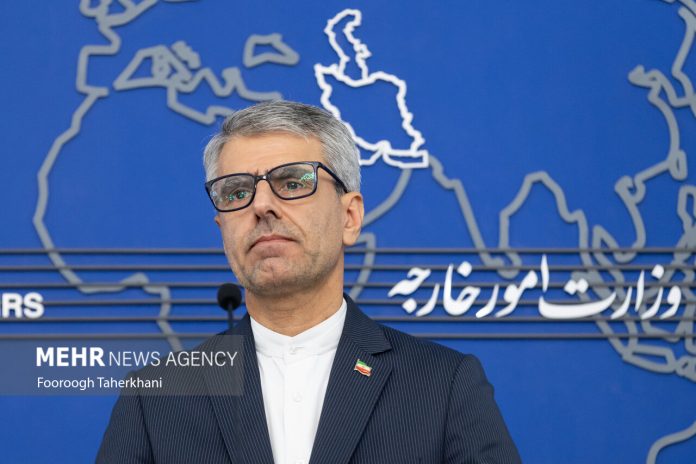
Esmael baghaei

Speaking with Press TV, Baghaei said Washington colluded with Israel to violate Iran’s sovereignty and sabotage ongoing diplomatic efforts during the occupying regime’s 12-day war of aggression against Iran.

Israel launched a large-scale attack against Iran on June 13, assassinating many high-ranking military commanders, nuclear scientists, and ordinary civilians. More than a week later, the United States also entered the war by bombing three Iranian nuclear sites. The war came amid indirect talks between Tehran and Washington on the former’s nuclear program.

“There is no plan for any sort of negotiations with the US, but we have always repeated that Iran has never left the negotiating table,” Baghaei said.

He made clear that “If we come to the conclusion that through negotiations we can resolve an issue or we can take care of our national interests, we would not hesitate to do that.”

Baghaei added that negotiations should be purposeful and solution-oriented and should not deprive Iran of its inalienable rights under the Nuclear Non-Proliferation Treaty (NPT).

Iran and the United States had held five rounds of indirect talks on Tehran’s peaceful nuclear program before the beginning of Israel’s acts of aggression.

Mediated by Oman, the 6th round of talks was planned to be held in the Omani capital of Muscat on June 15, but was called off due to the anti-Iran attacks.