
Iran’s Armenian community, recognized as a religious minority under the constitution, freely practices Christianity.
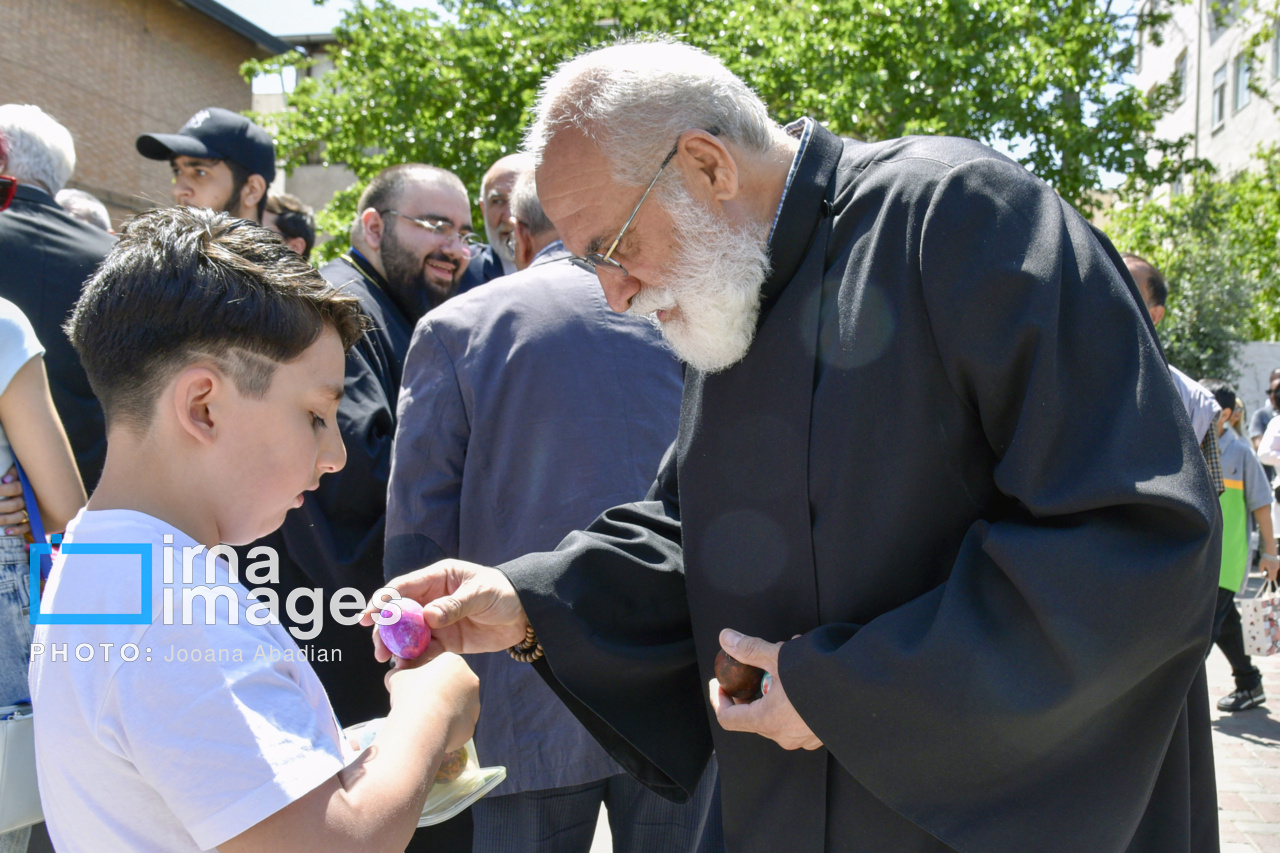
The ceremonies concluded with Easter celebrations, symbolizing renewal and hope.
More in pictures:
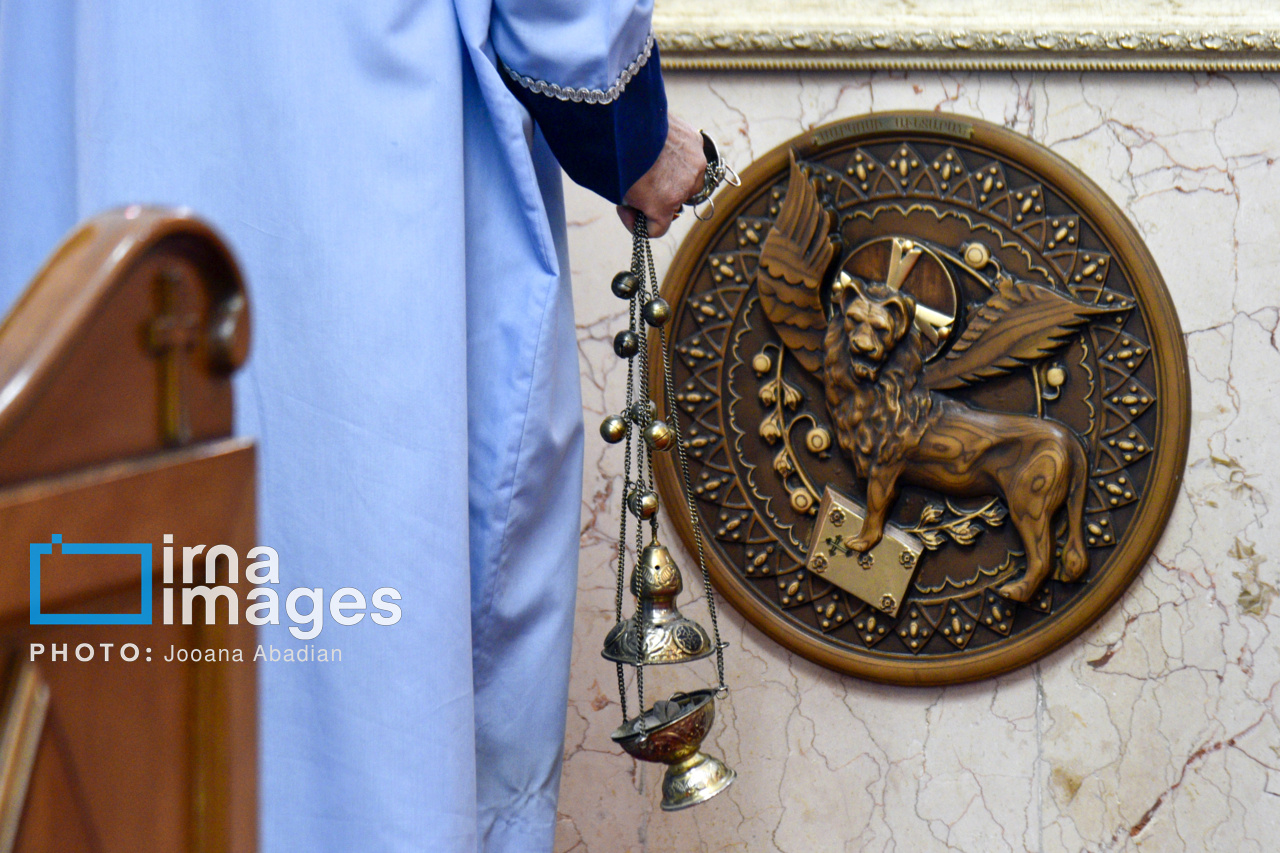
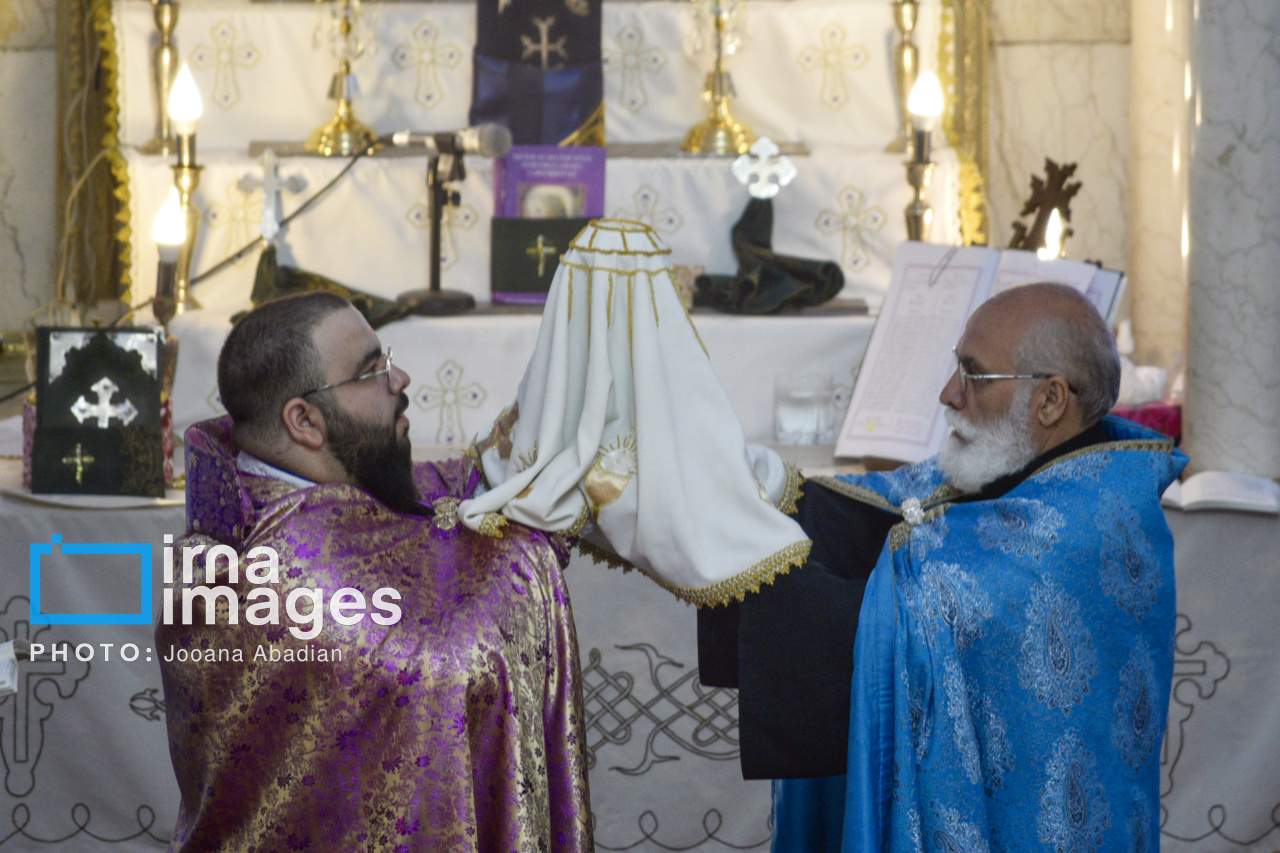
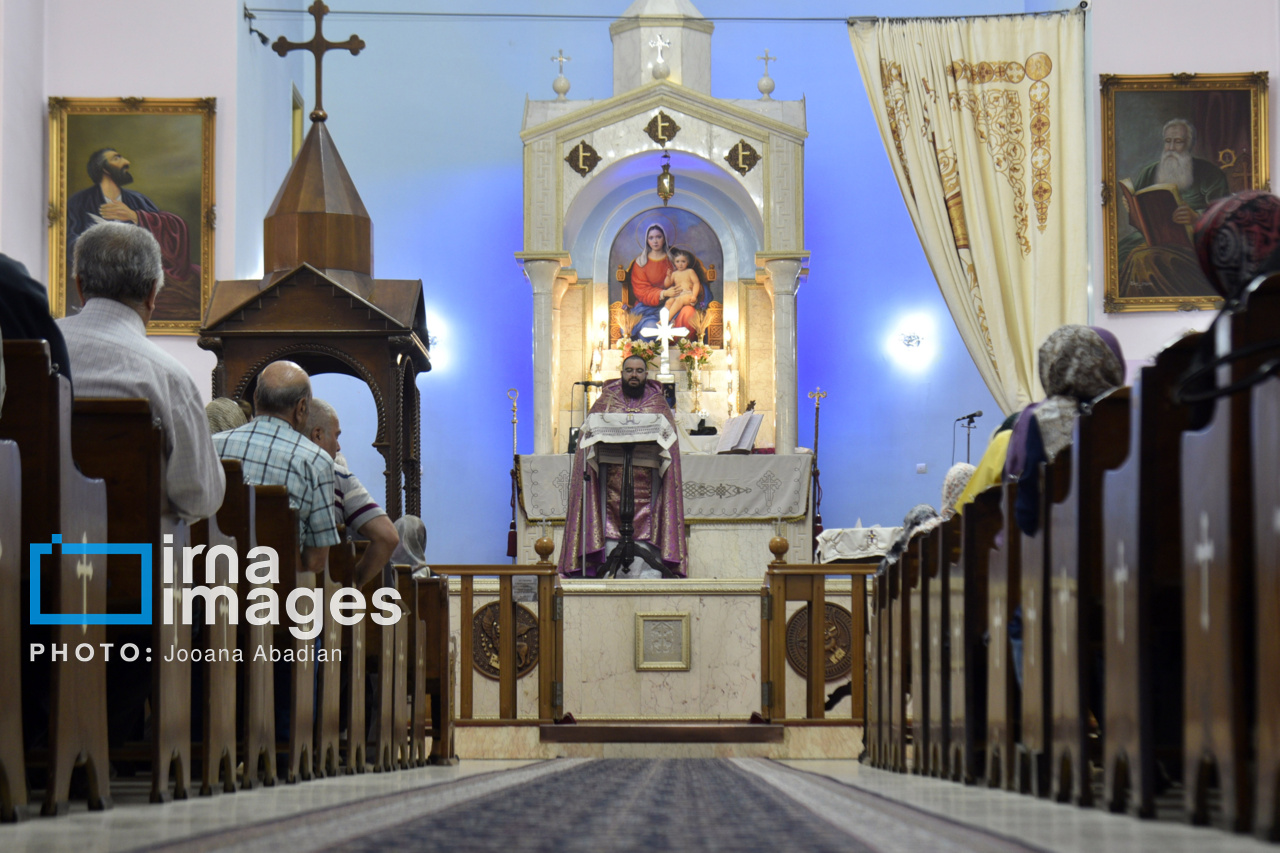
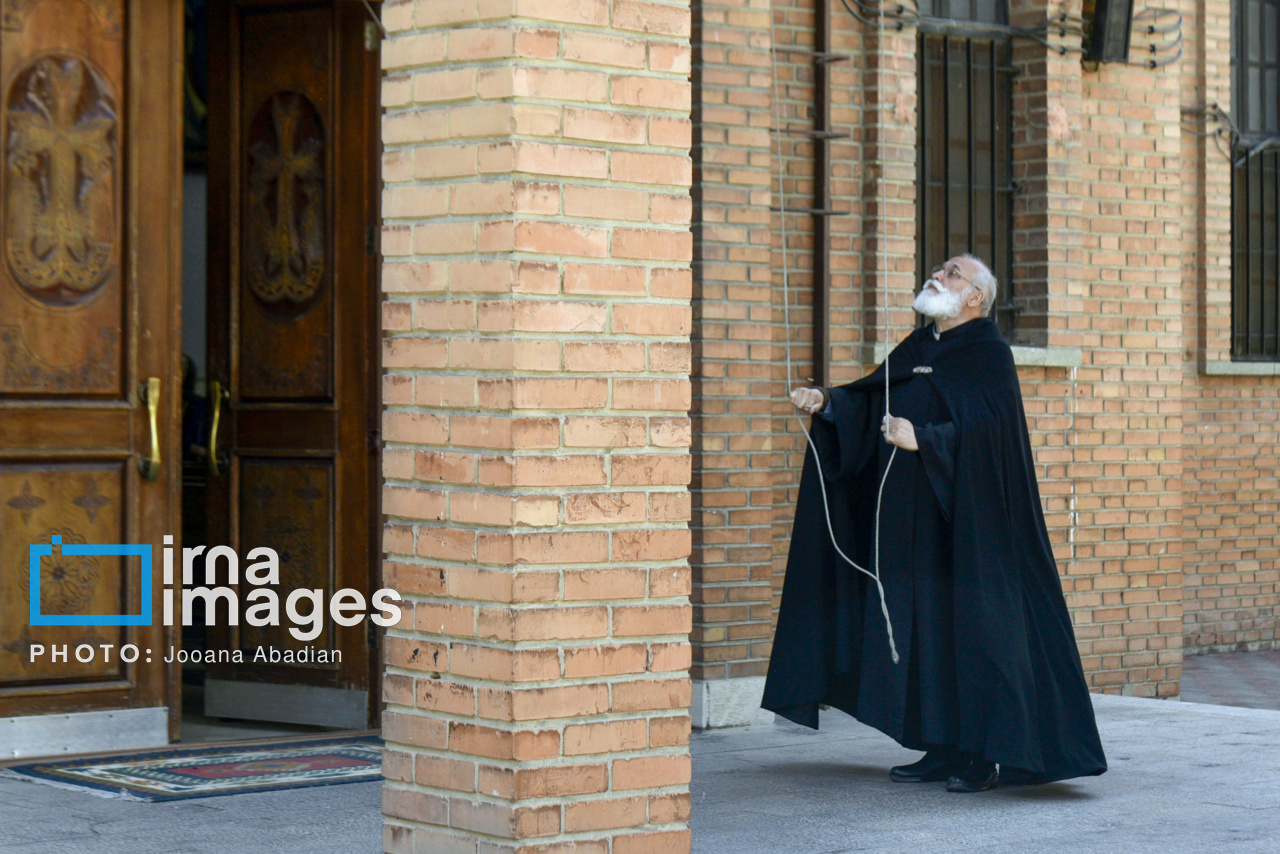

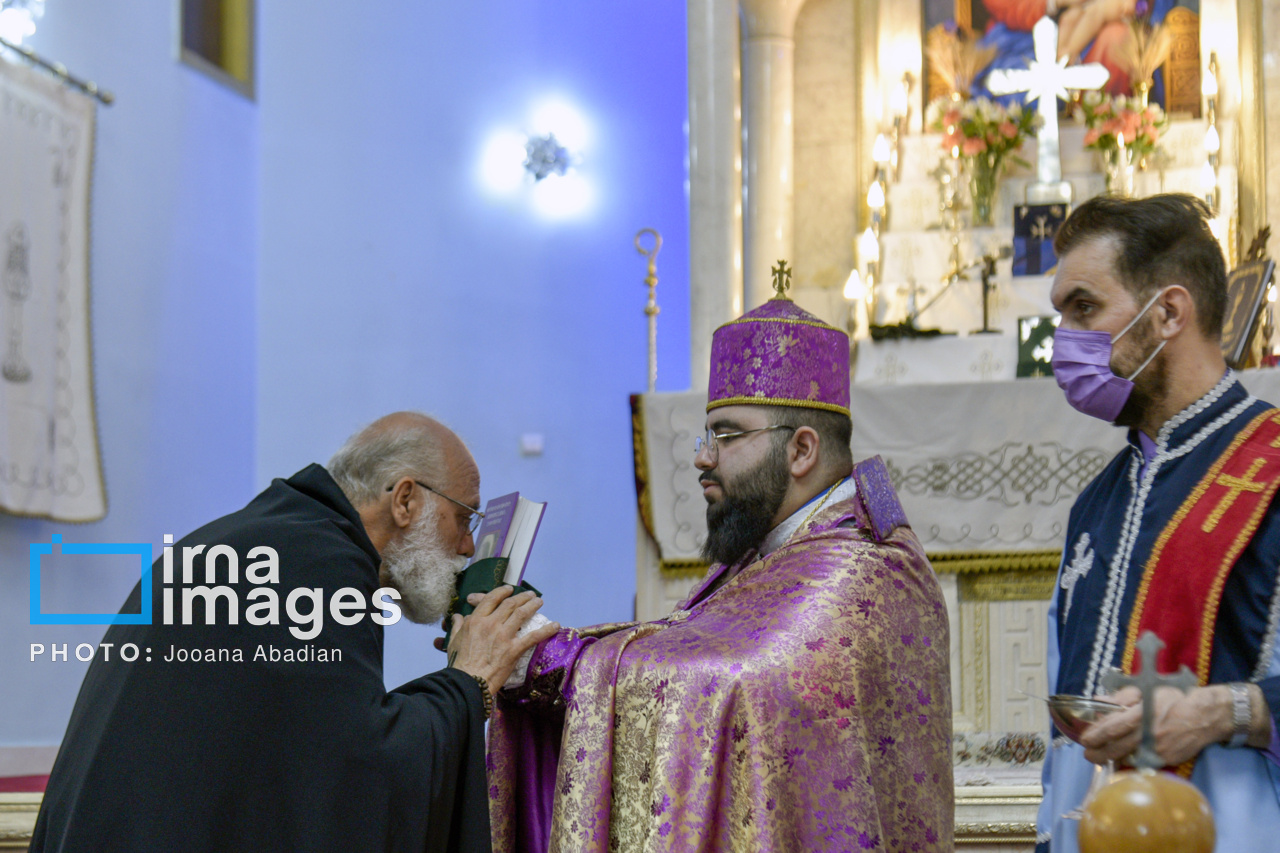
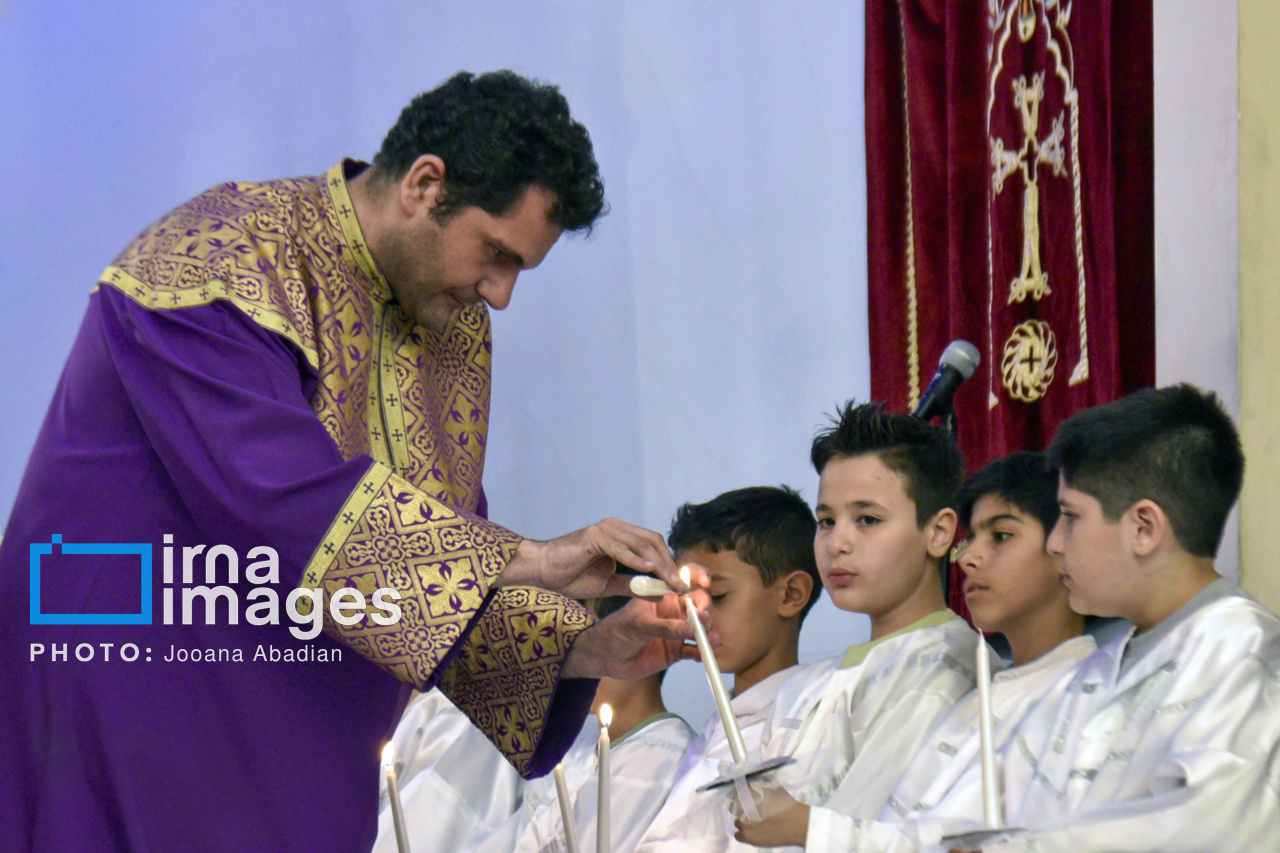
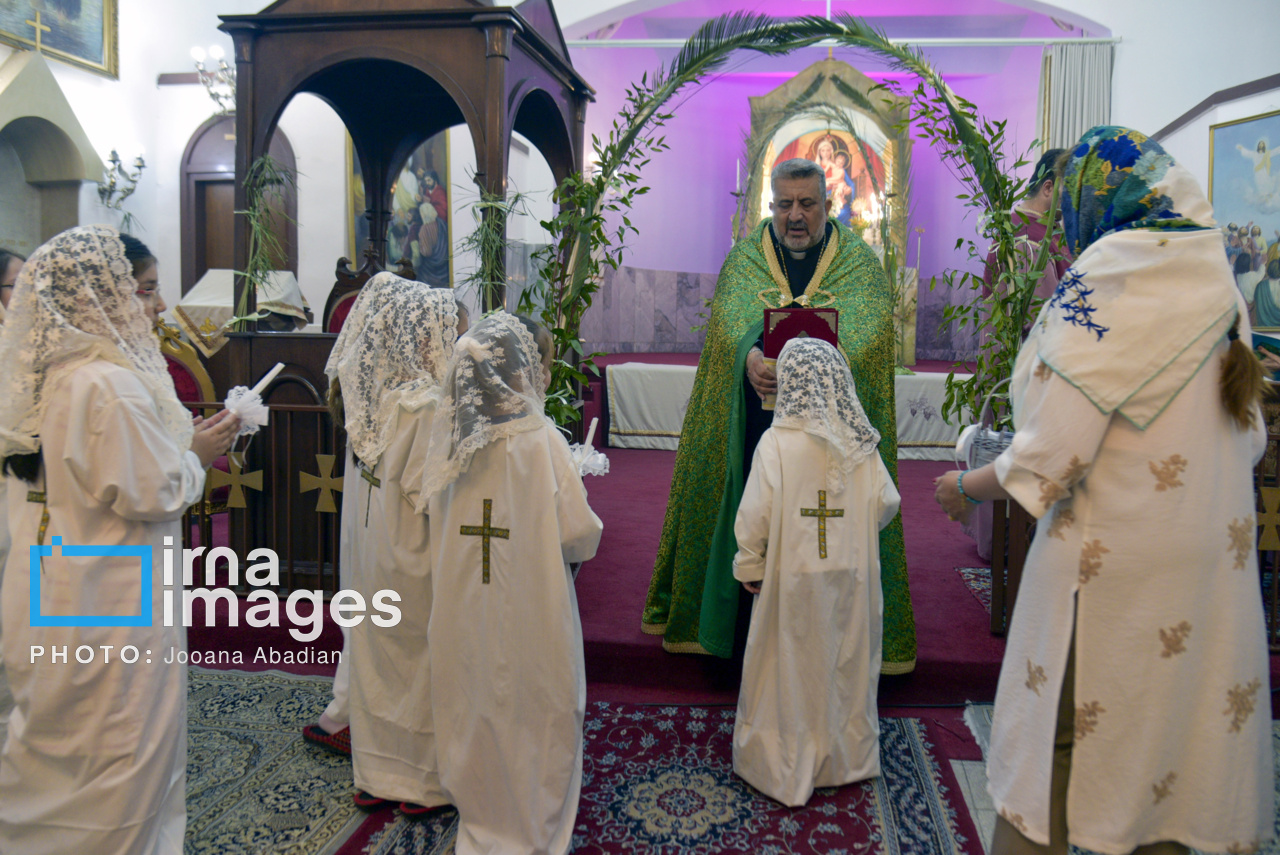
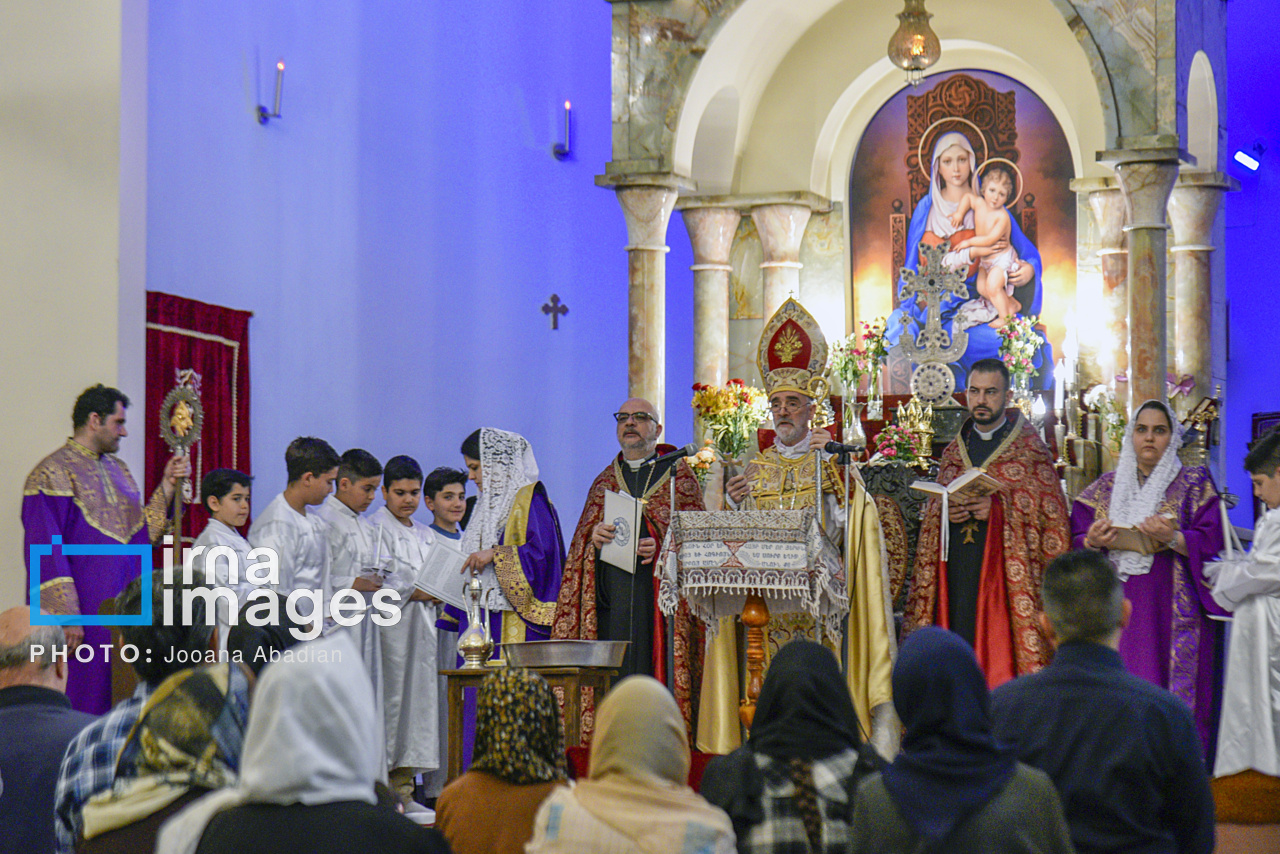
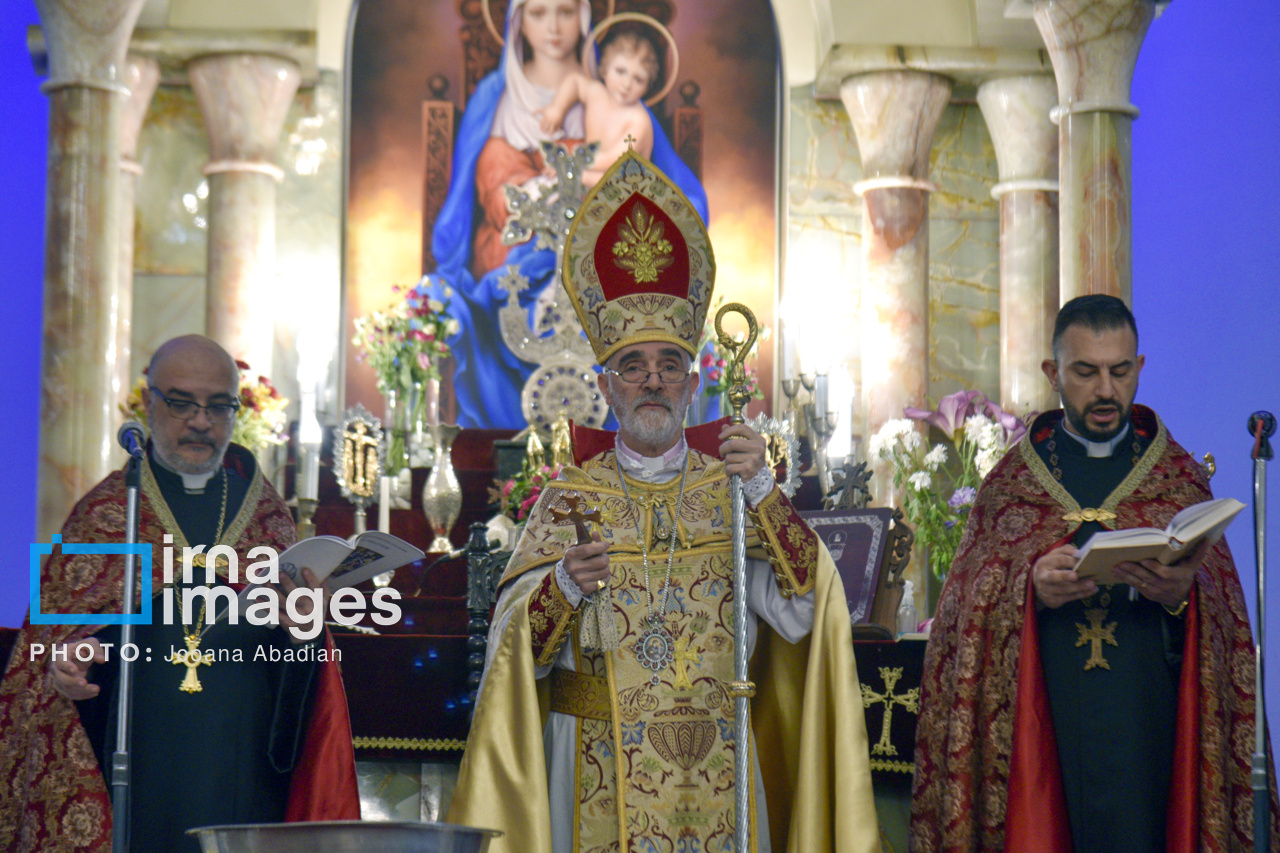
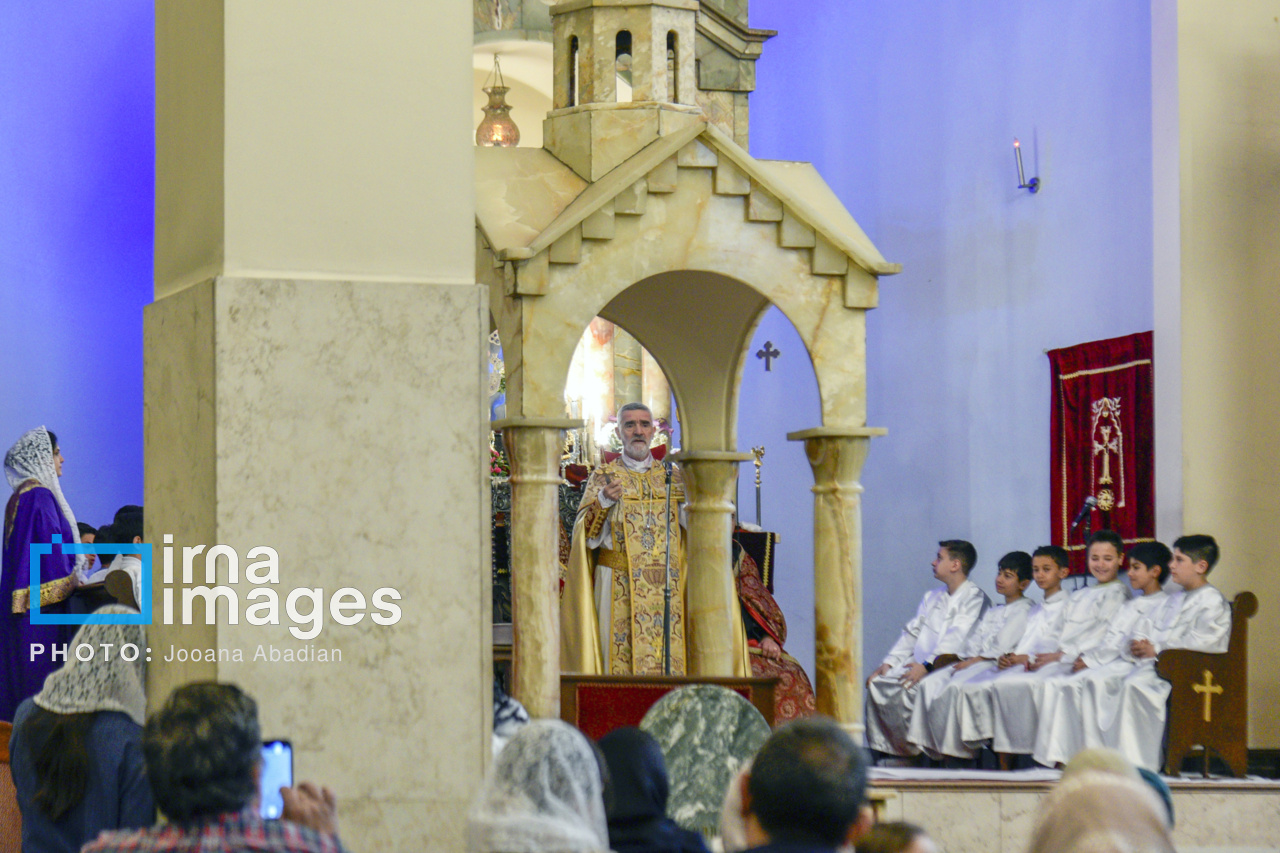
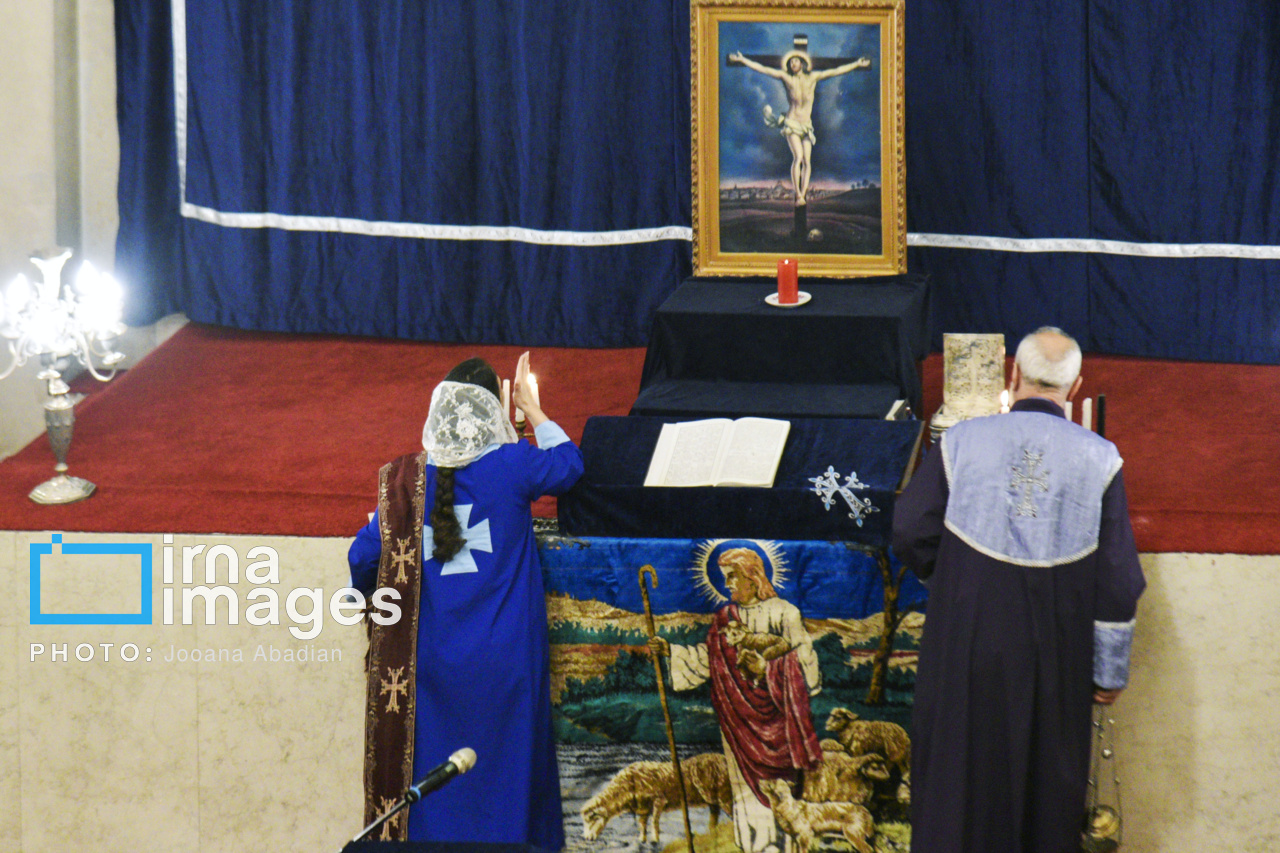
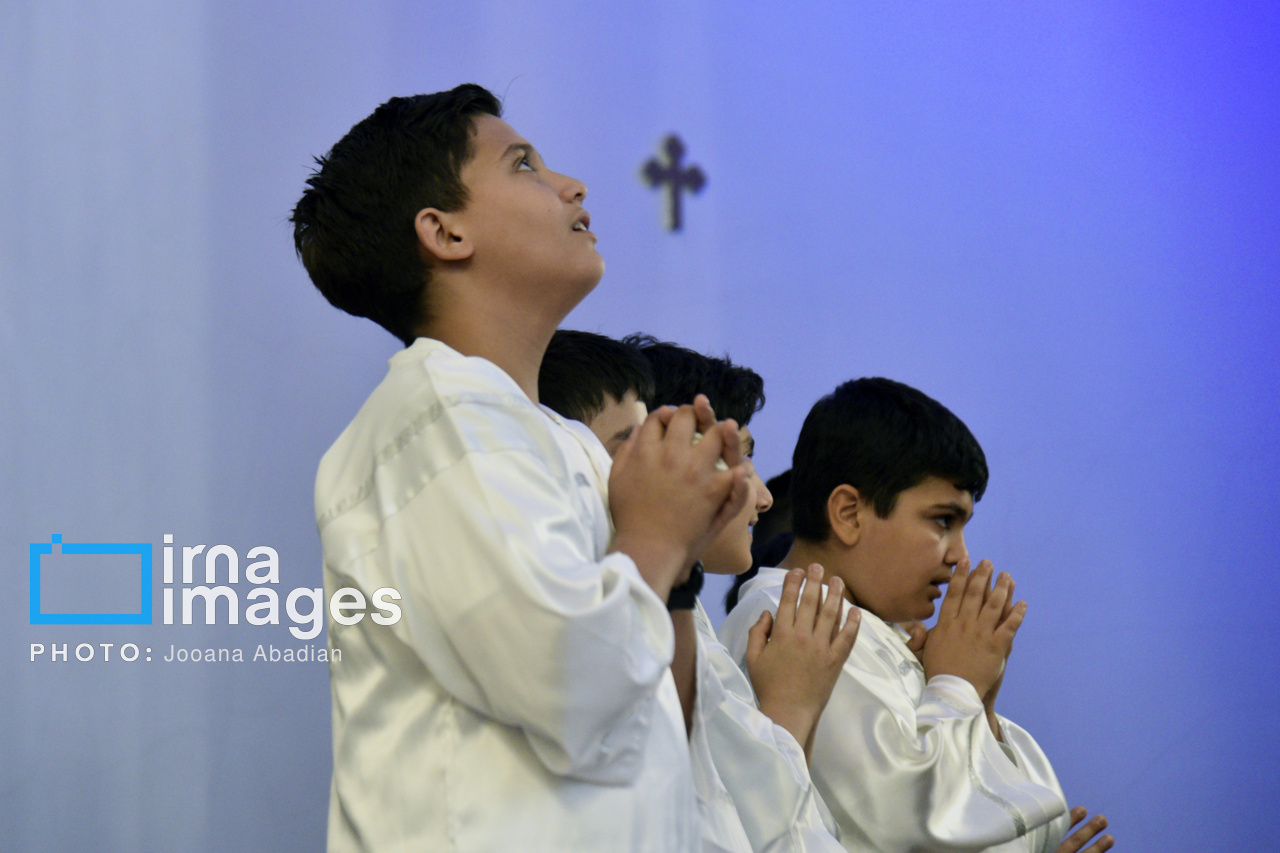
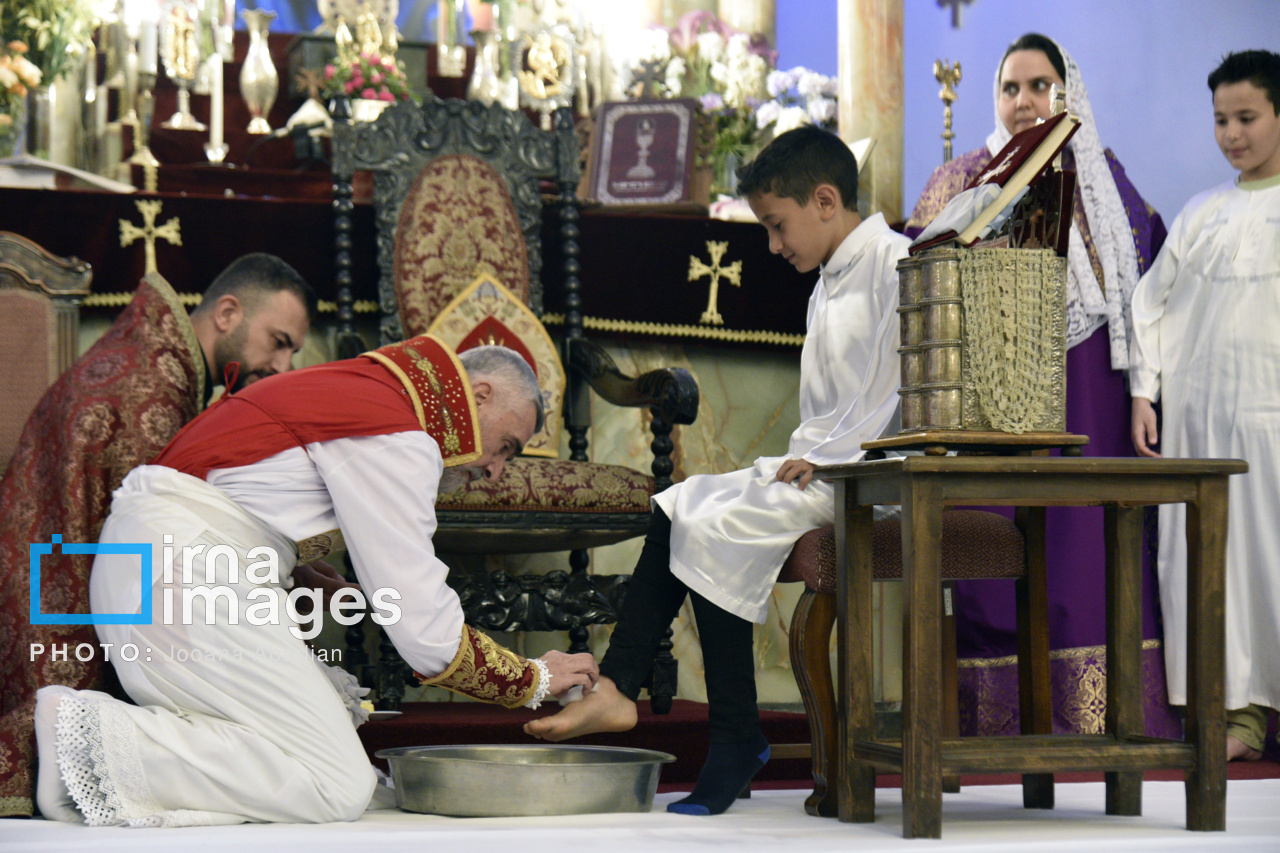
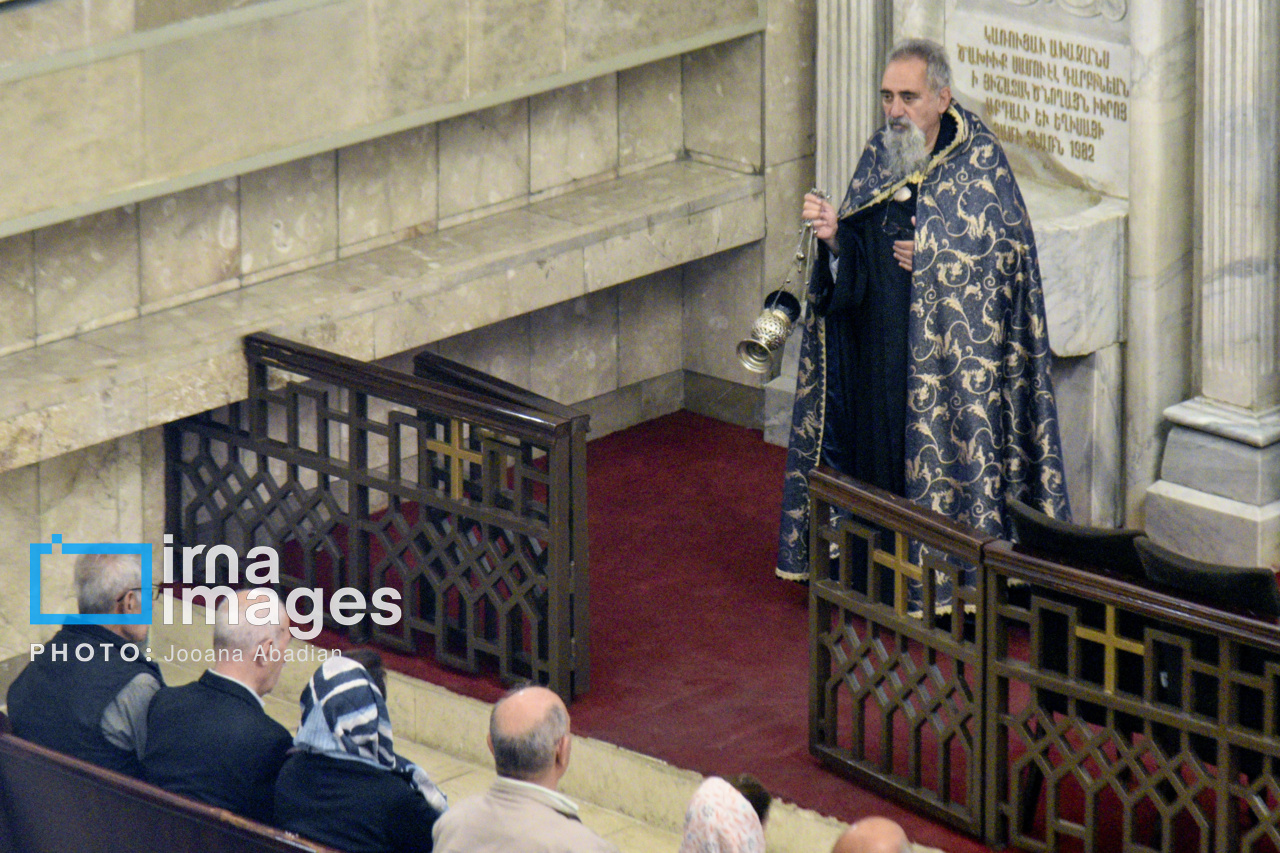
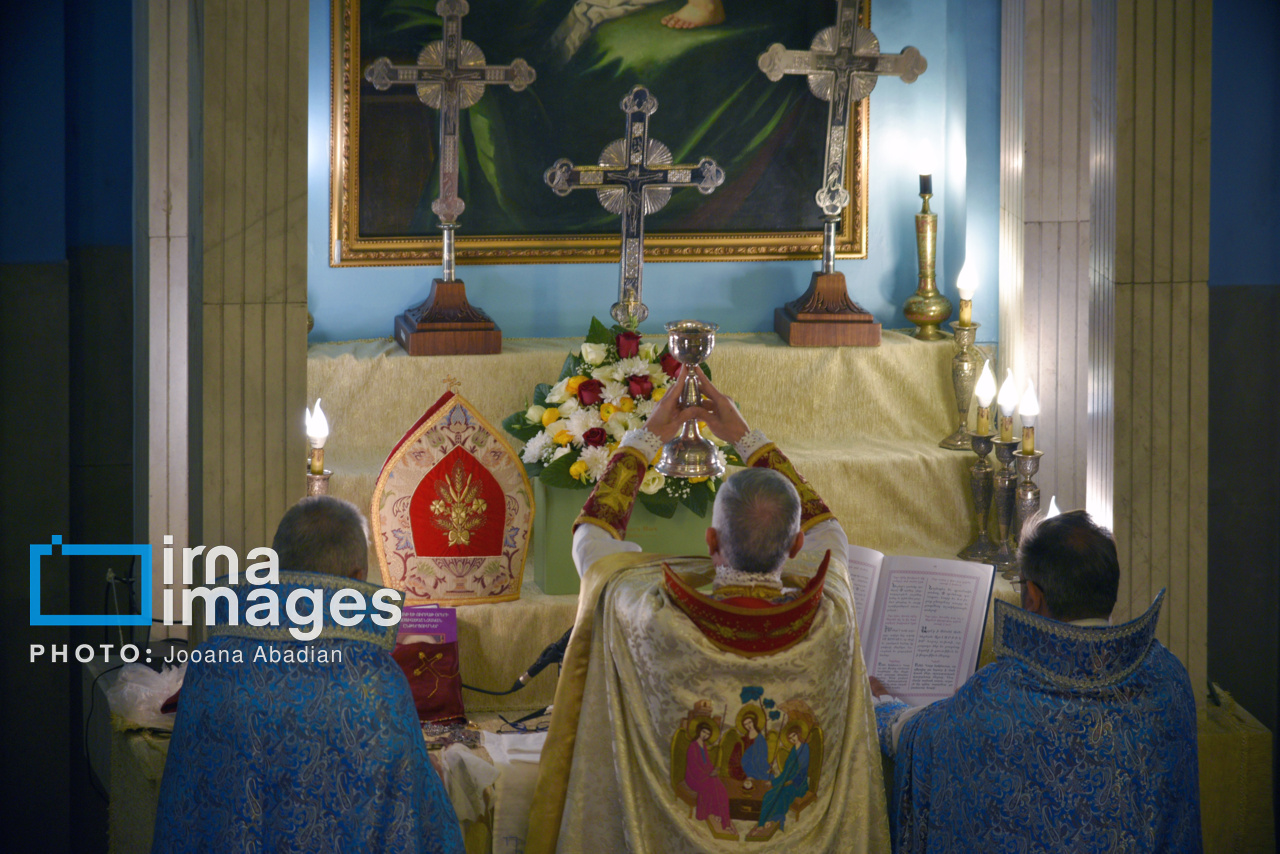
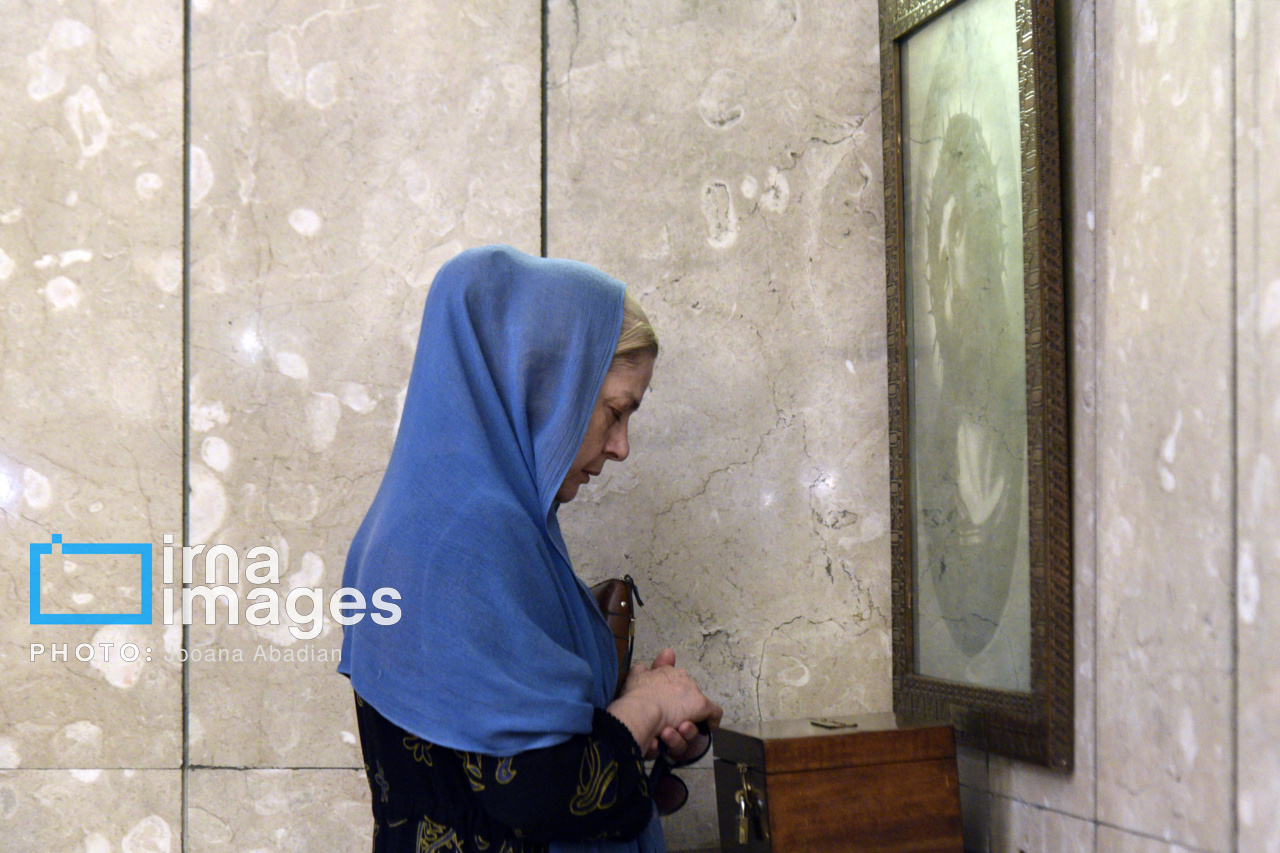
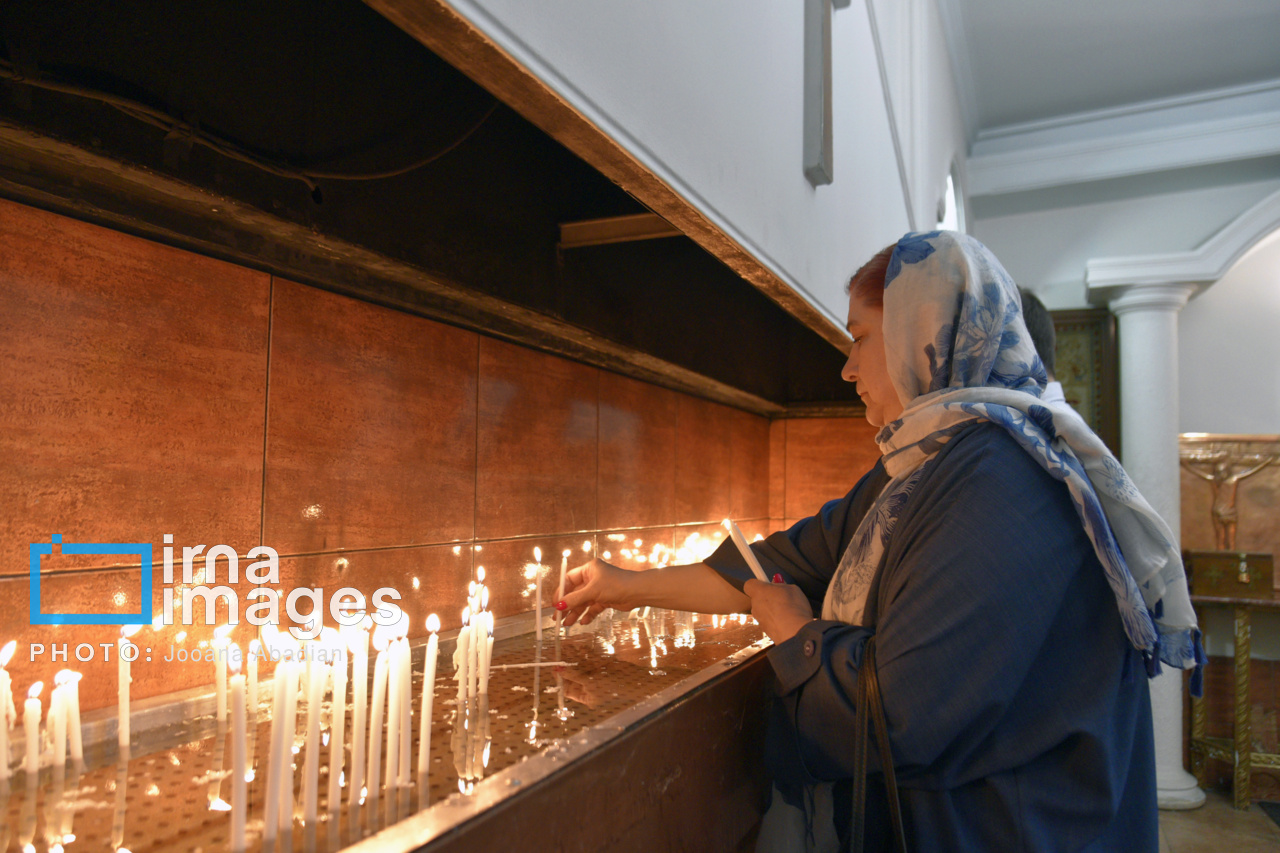
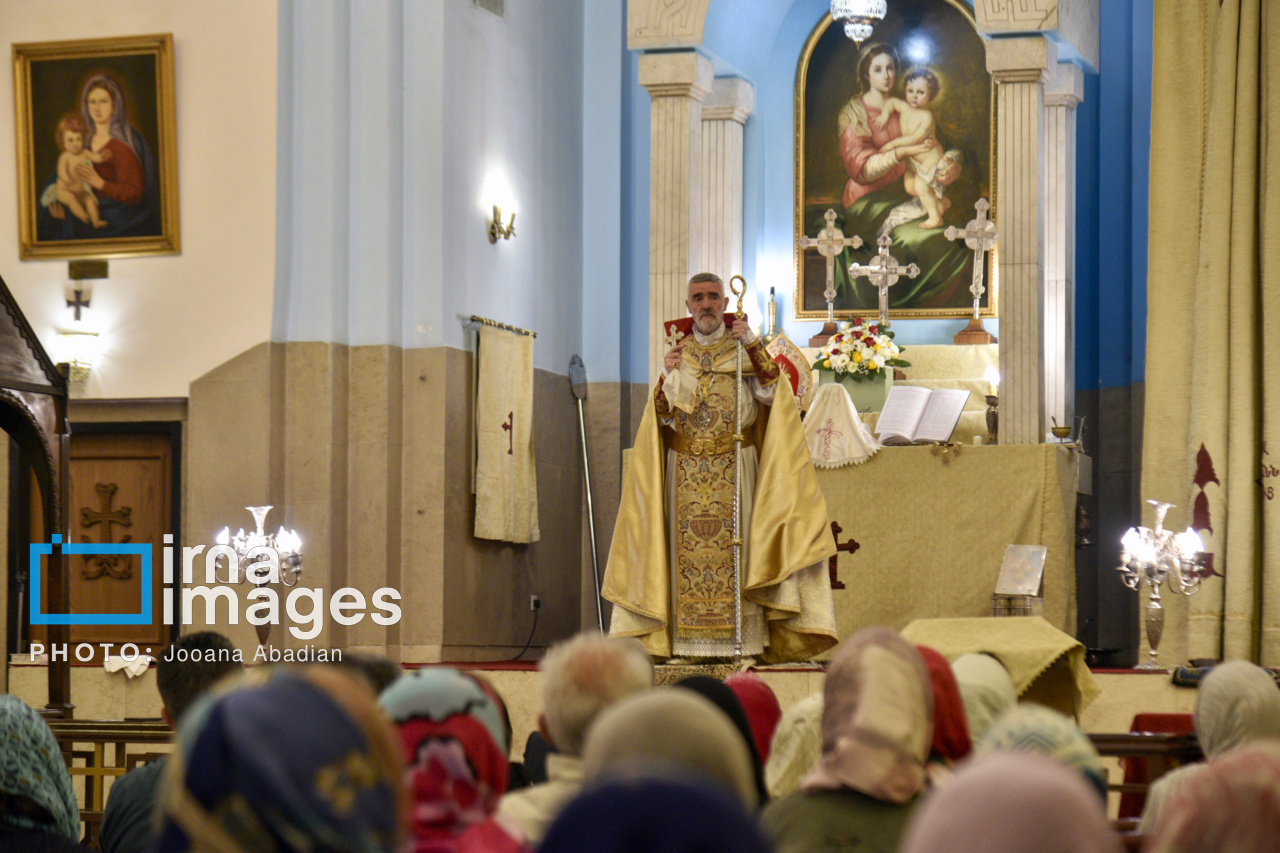
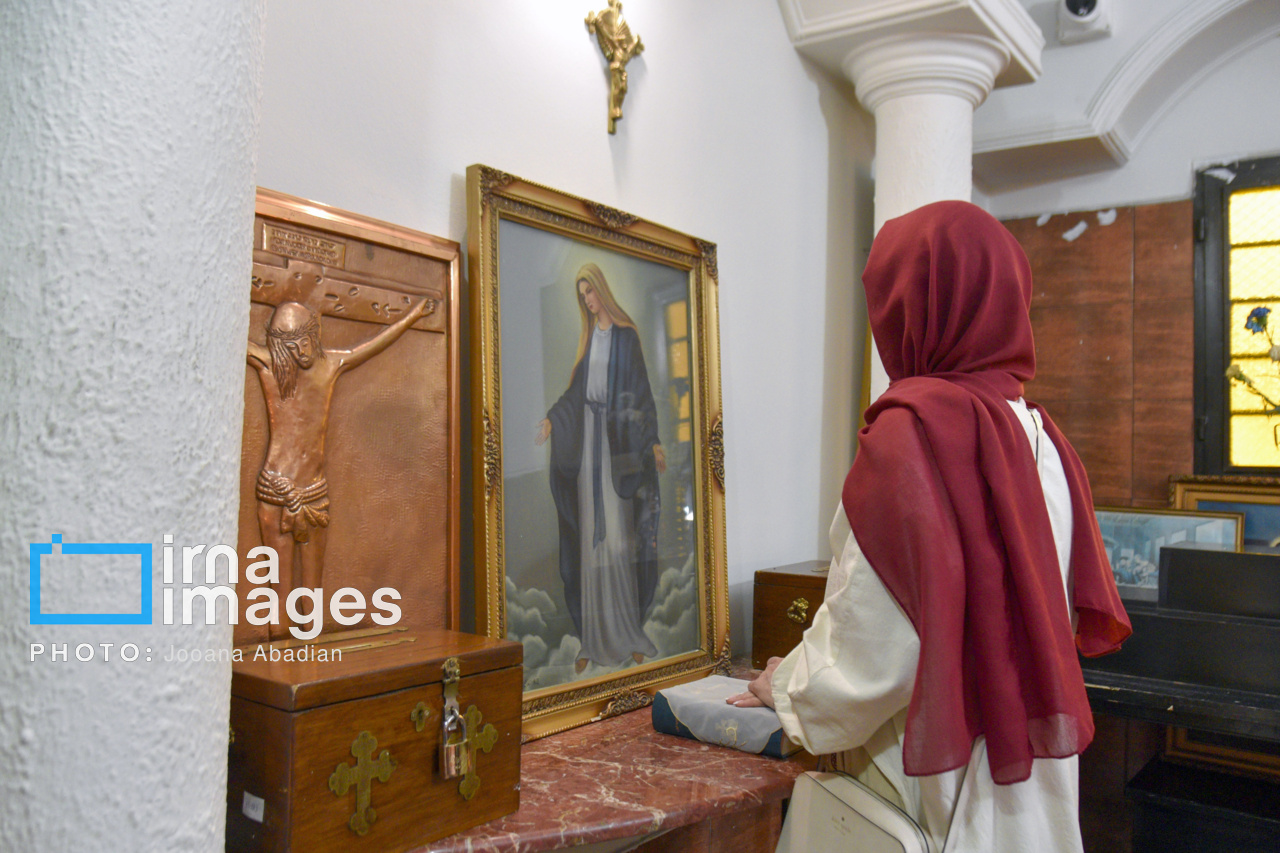
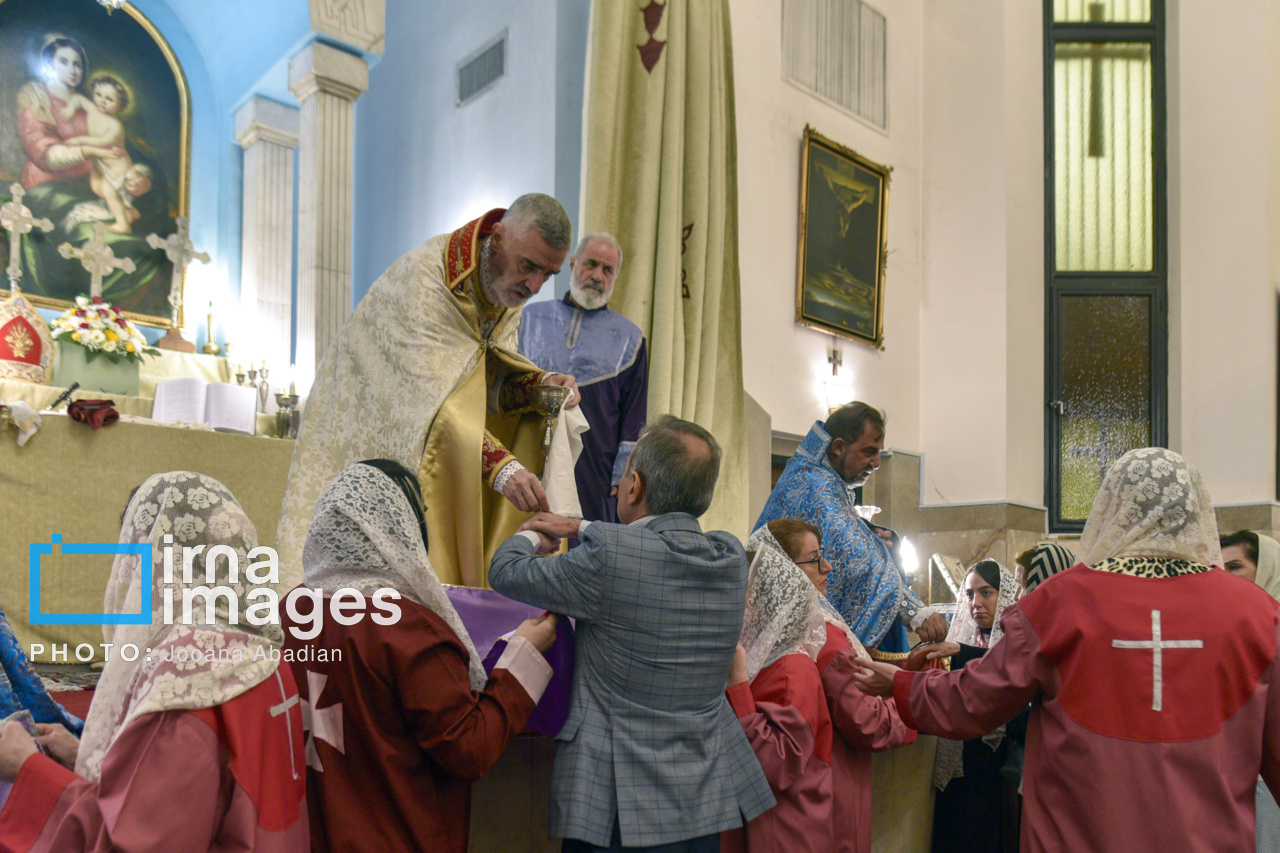
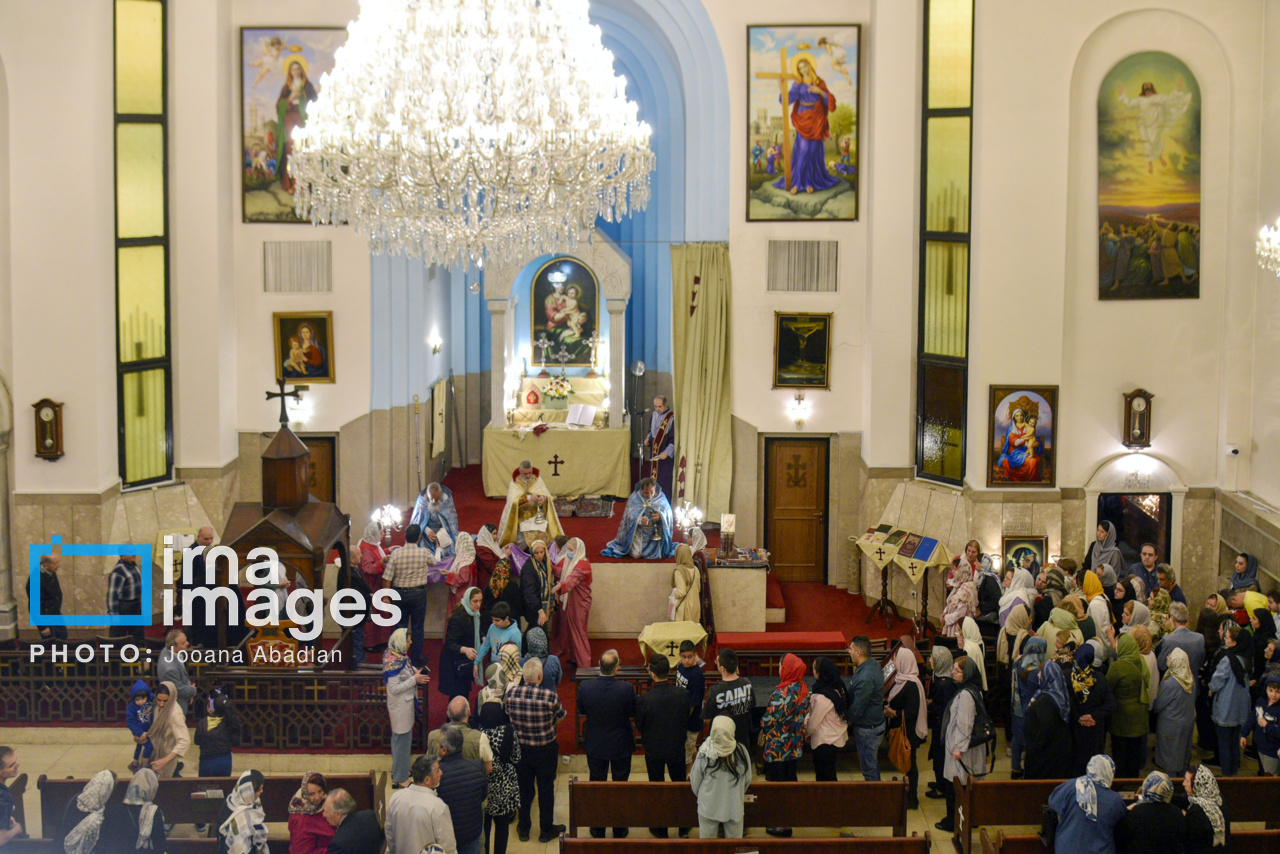
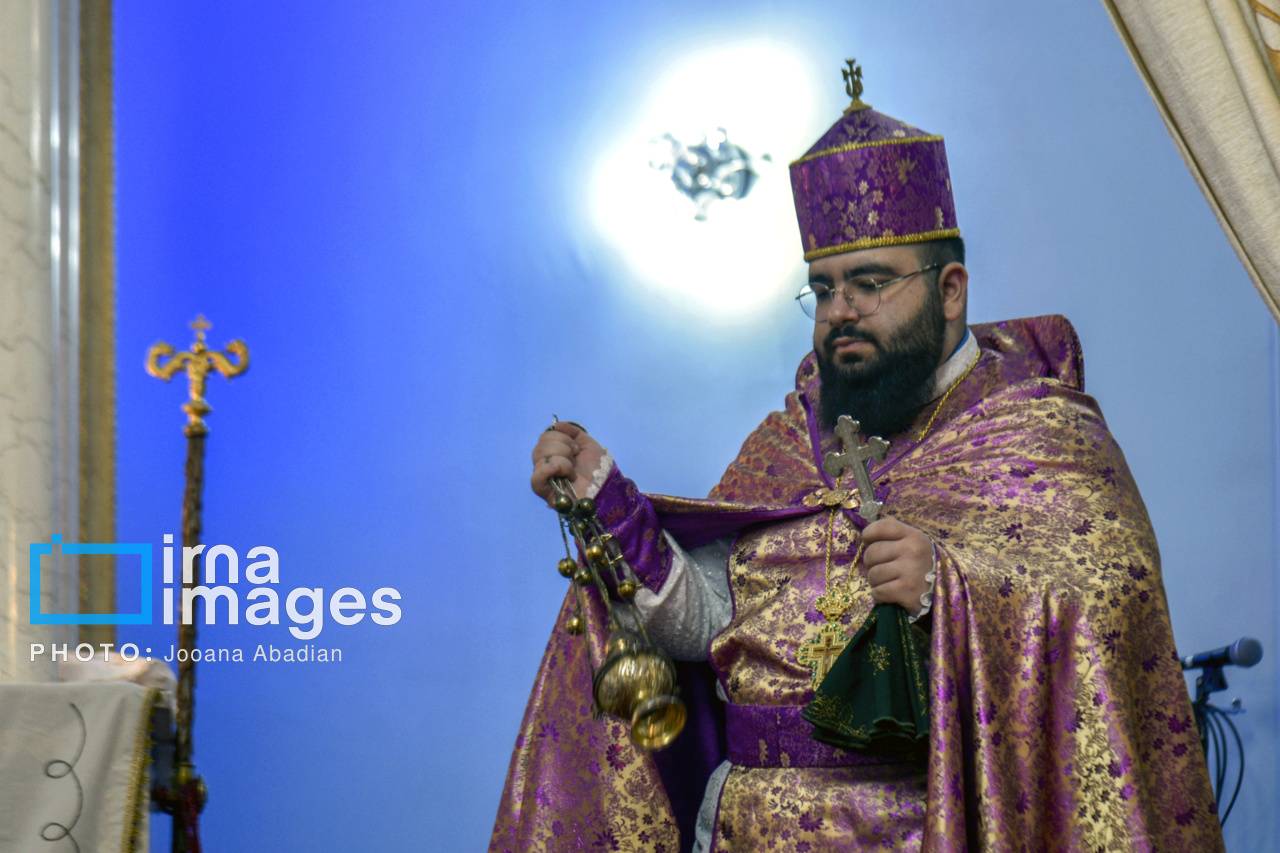
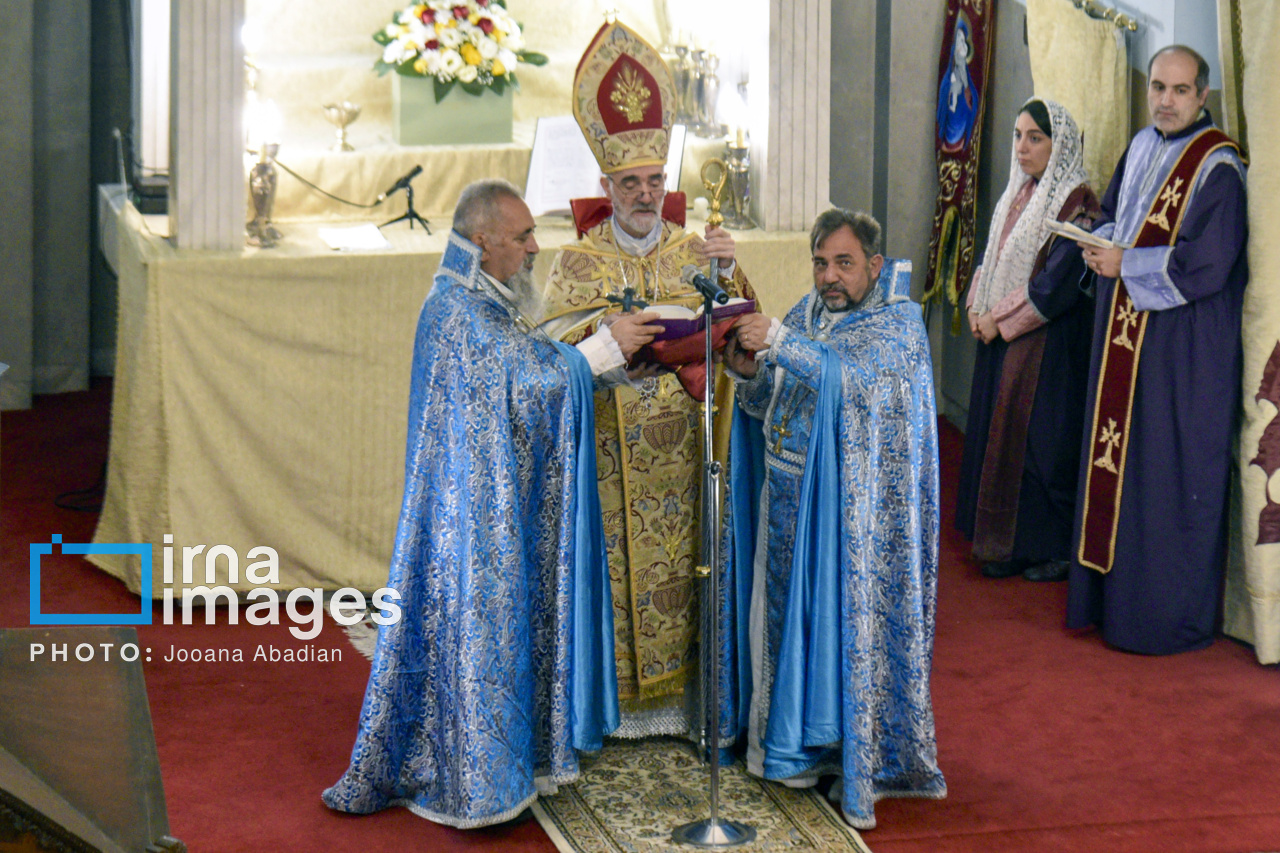
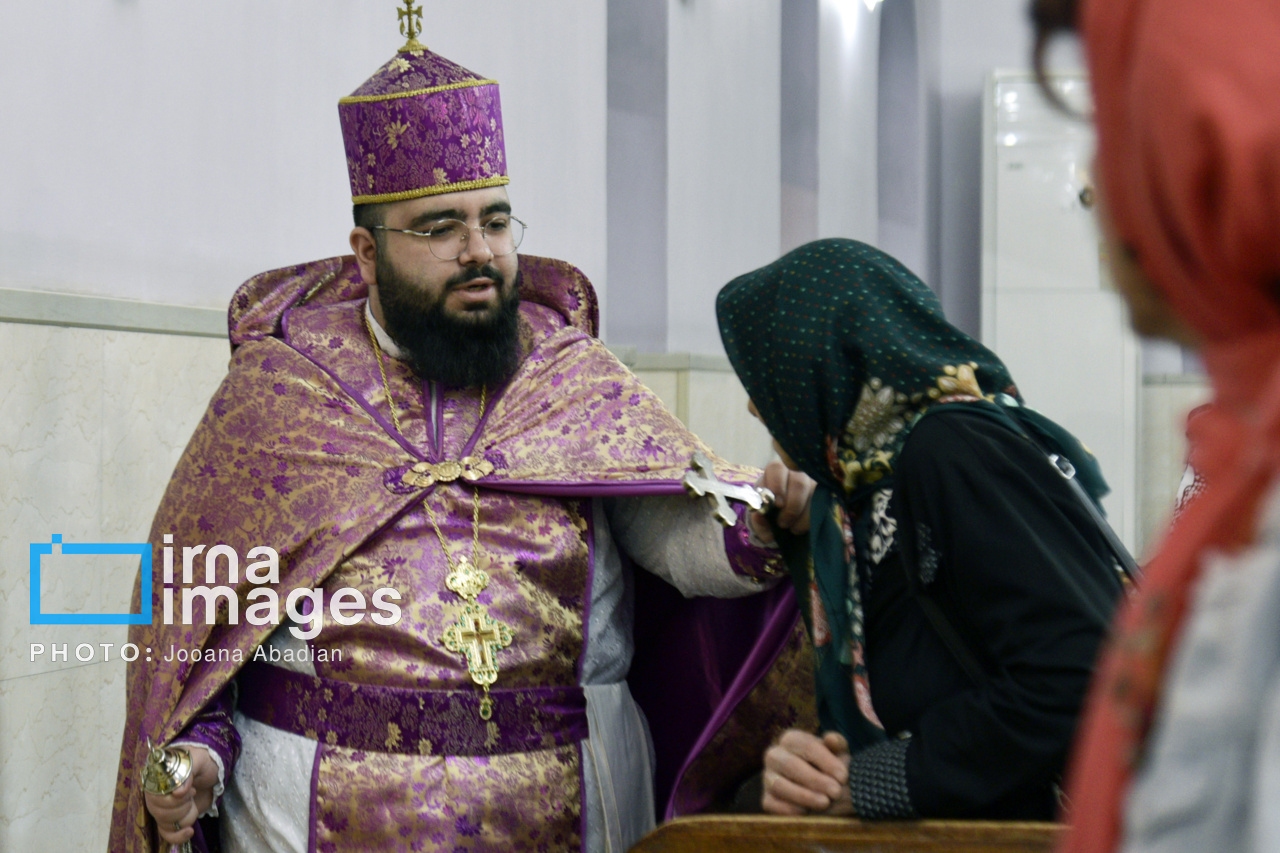
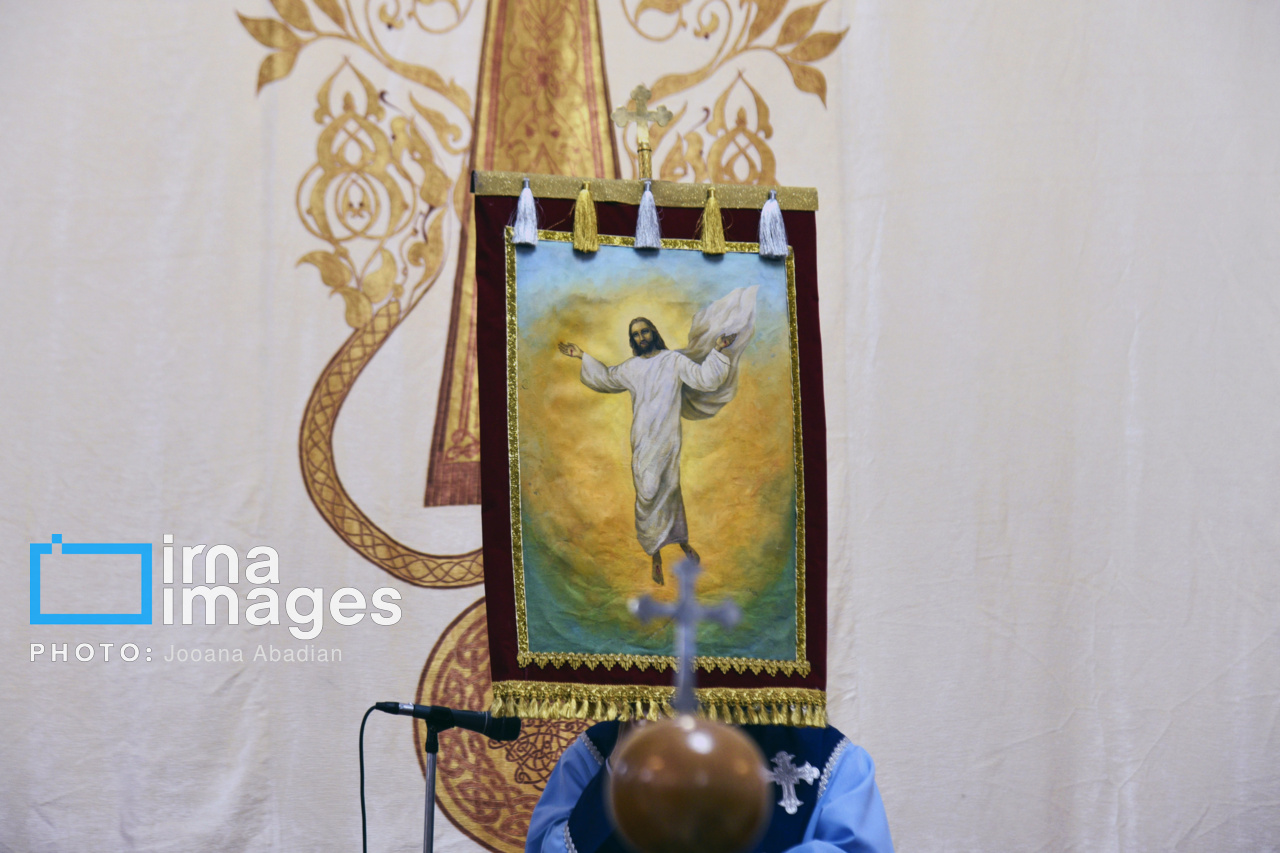
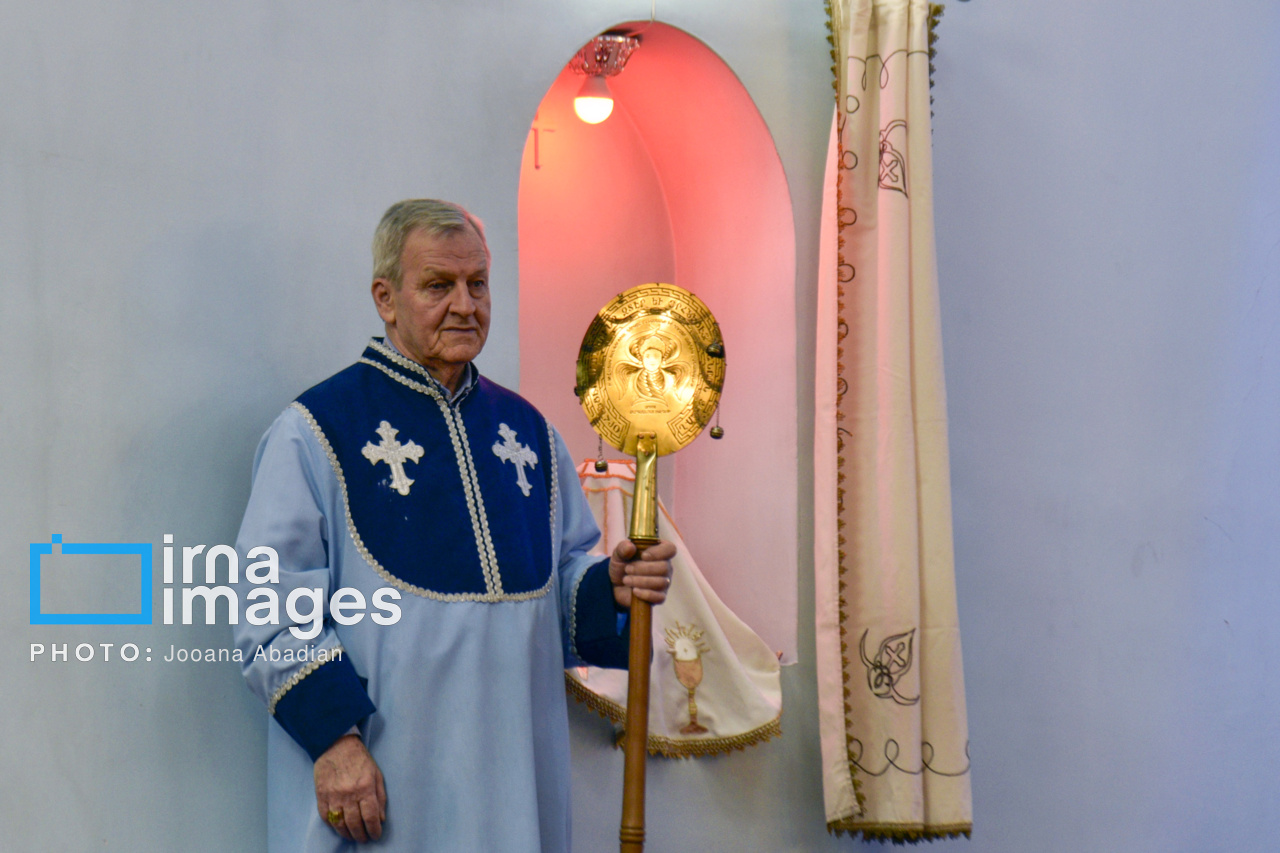
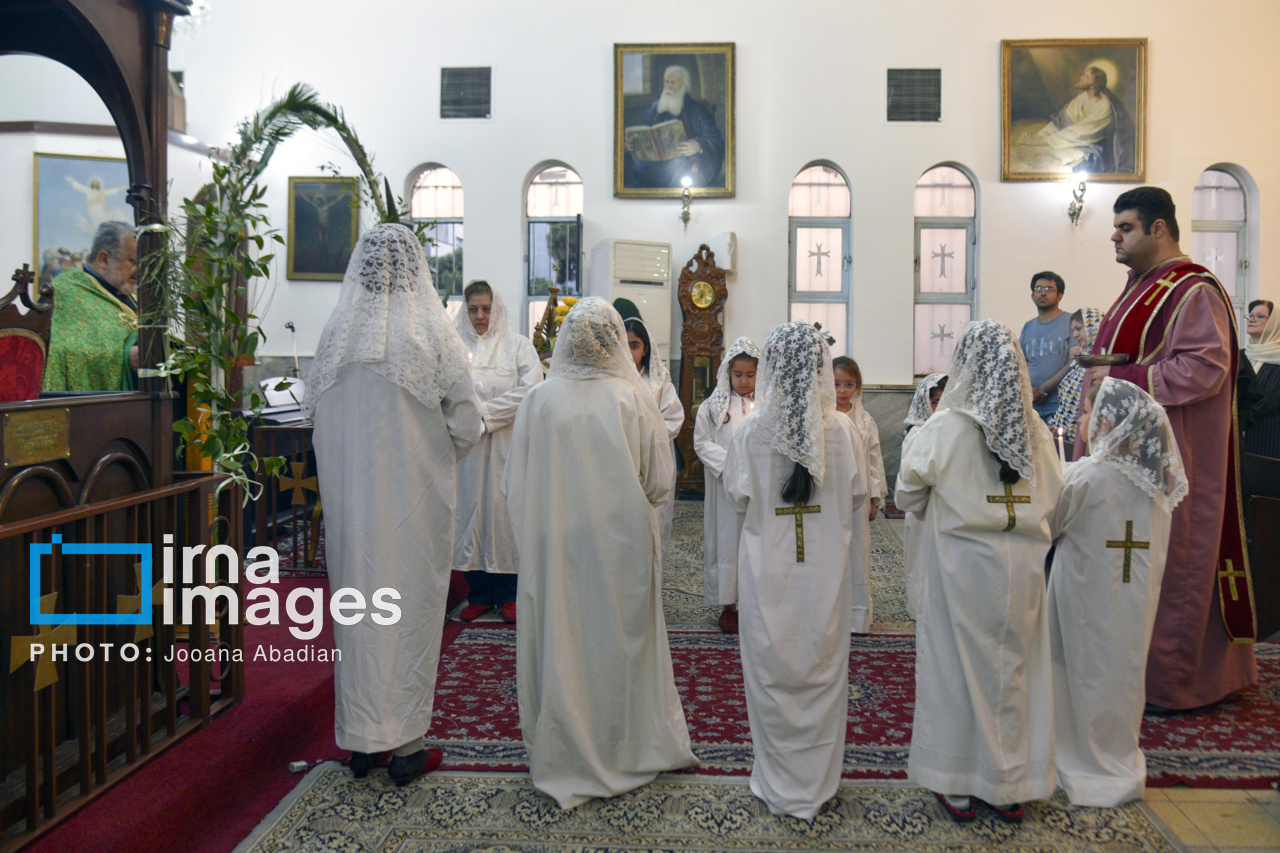
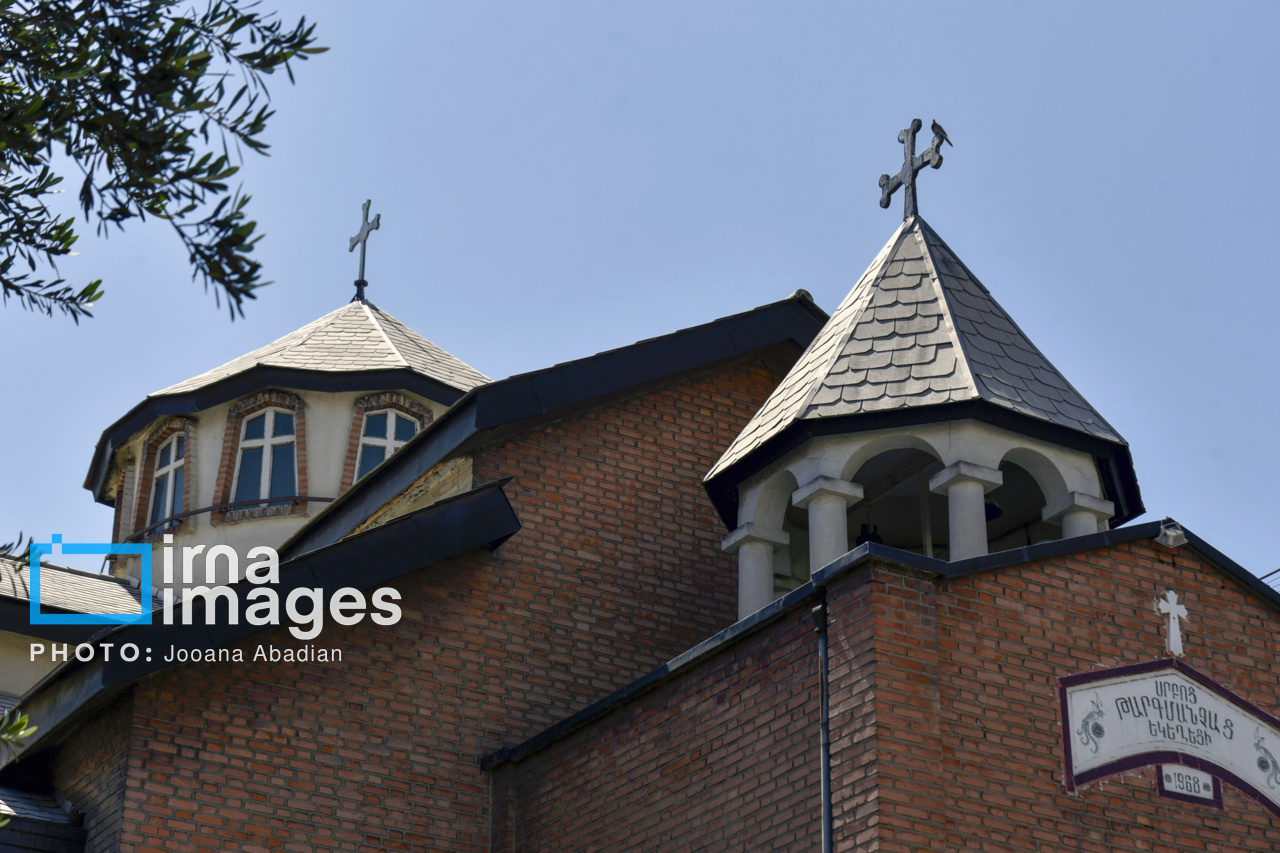
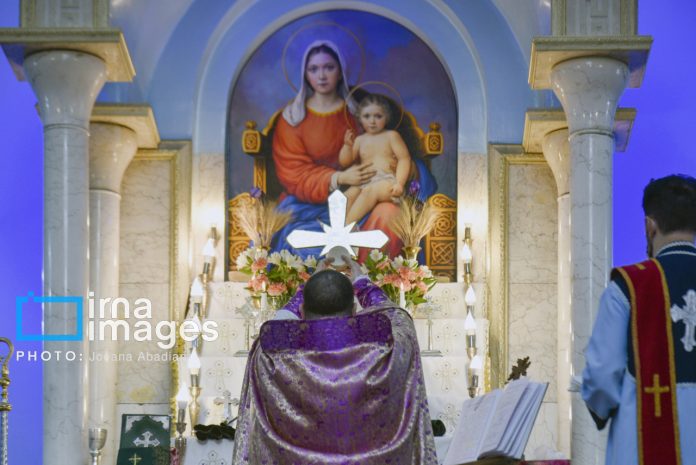
Iran’s Armenian community, recognized as a religious minority under the constitution, freely practices Christianity.
The ceremonies concluded with Easter celebrations, symbolizing renewal and hope.
More in pictures:

The action came only days after Israel stopped two British members of parliament from the governing Labour party from entering the occupied territories.
It also came amidst diplomatic tensions after President Emmanuel Macron said France would soon recognise a Palestinian state. Macron has in turn sought to pressure Prime Minister Benjamin Netanyahu over conditions in Gaza amid the Israel-Hamas war.
Israel’s interior ministry said visas for the 27 had been cancelled under a law that allows authorities to ban people who could act against “the state of Israel”.
Seventeen members of the group, from France’s Ecologist and Communist parties, said they had been victims of “collective punishment” by Israel and called on Macron to intervene.
They announced in a statement that they had been invited on a five-day trip by the French consulate in Jerusalem.
They had intended to visit Israel and the Palestinian territories as part of their mission to “strengthen international cooperation and the culture of peace”, they added.
“For the first time, two days before our departure, the Israeli authorities cancelled our entry visas that had been approved one month ago,” they noted.
“We want to understand what led to this sudden decision, which resembles collective punishment,” stated the group.
The delegation included National Assembly deputies Francois Ruffin, Alexis Corbière and Julie Ozenne from the Ecologist party, Communist deputy Soumya Bourouaha and Communist senator Marianne Margate.
The other members were left-wing town mayors and local lawmakers.
The statement denounced the ban as a “major rupture in diplomatic ties”.
“Deliberately preventing elected officials and parliamentarians from travelling cannot be without consequences,” the group noted, demanding a meeting with Macron and action by the government to ensure Israel let them into the occupied territories.
The group added their parties had for decades called for recognition of a Palestinian state, which Macron said last week could come at an international conference in June.
Israeli authorities this month detained British members of parliament Yuan Yang and Abtisam Mohamed at Tel Aviv airport and deported them, citing the same reason. Britain’s Foreign Secretary David Lammy called the action “unacceptable”.
In February, Israel stopped two left-wing European parliament deputies, Franco-Palestinian Rima Hassan and Lynn Boylan from Ireland, from entering.
Netanyahu has reacted with fury to France’s possible recognition of a Palestinian state. He said establishing a Palestinian state next to Israel would be a “huge reward for terrorism”.

Mehraga Mosaddeq, an Afghan national from Parwan province, said embassy staff abruptly refused his passport renewal without justification before assaulting him.
“They punched me, strangled me, and dragged me into a room. I thought they would kill me there,” he told Shargh newspaper. The attack left him with visible injuries, requiring emergency treatment.
Mosaddeq, a political science student in Iran for over seven years, claims the violence was racially motivated, citing mistreatment of ethnic Tajiks and others opposed to the Taliban.
Despite filing a police report, he fears returning to the embassy, saying, “I just want a guarantee I’ll leave alive.”
Activists note a rise in violent incidents since the Taliban took control of Afghanistan’s diplomatic missions.
“This isn’t isolated – we’ve seen similar brutality before,” said Qamar Takavaran, a migration rights advocate. In 2023, an Iranian photographer was reportedly slapped by Taliban guards at Afghanistan’s consulate in Mashhad.
While embassies operate under their home country’s laws, legal expert Saleh Noghrehkar stressed that victims retain the right to seek international justice.

On Monday, Esmail Baqaei spoke to reporters about the objectives of the negotiations and consultations, stating that all sanctions imposed against Iran are unjust and illegal.
Baqaei stressed that the oppressive sanctions have no legitimate basis, as they are rooted in concerns over Iran’s peaceful nuclear program—concerns that are entirely unfounded.
He added that it is natural for Iran’s key demand in any negotiations to be the lifting of sanctions so that Iran can conduct its normal trade and banking activities.
Referring to the US withdrawal from the Iran nuclear deal (JCPOA) in 2018, Baqaei said that given the history of broken promises, there must be guarantees that if the talks reach an agreement, it will endure, and the parties will fulfill their commitments.
Regarding Saudi Arabia’s role in the negotiations, Baqaei stated: “Our relationship with neighboring countries is based on good neighborliness. Close contacts have been maintained between Iran and all regional countries, and these consultations will continue.”
In response to a question about consultations with JCPOA member states regarding Iran-US negotiations, he said: “China and Russia are two important members of the UN Security Council and friends of Iran, and they have always been kept informed of relevant developments. We have also consulted with the three European JCPOA members and will continue to do so.”
The Iranian Foreign Ministry spokesperson also warned that a kind of alliance is forming between US Democrats and the Zionist regime to obstruct Iran-US talks.

Araghchi, visiting Moscow ahead of the next round of indirect nuclear talks between Tehran and Washington, described Iran-Russia relations as “closer and stronger than ever,” citing a newly ratified 20-year strategic partnership agreement.
“We are expanding economic ties despite sanctions and won’t wait for their removal,” he stated.
On trilateral cooperation with China and Russia, he said such collaboration is “essential in today’s world,” noting ongoing discussions on Iran’s nuclear issue and readiness to broaden dialogue to other areas.
“Together, we can take effective steps for international peace and security,” he added.
Addressing Western and Israeli threats, Araghchi asserted that Iran “does not yield to pressure” and is prepared to defend itself.
“I doubt military threats will materialize – the US and Israel know our capabilities,” he said, adding that diplomacy remains Iran’s priority but that it is “fully prepared for any scenario.”
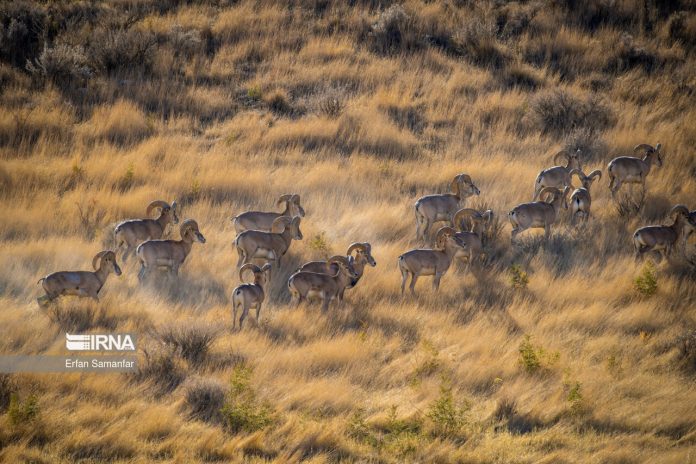
Meisam Ghassemi, deputy director of natural resources and biodiversity at Hormozgan’s Department of Environment, said 26 wild sheep had entered the watering hole but became trapped in thick mud.
“Despite rescue efforts, two animals died due to exhaustion, while one severely weakened sheep was transferred to a veterinary clinic in Bastak for treatment,” he explained, adding, “It will be released back into the wild after recovery.”
Ghassemi attributed the incident to severe drought in Hormozgan, which has drastically reduced water sources in natural habitats.
The Department of Environment, alongside local communities and conservation volunteers, has launched efforts to provide water for wildlife and prevent similar accidents.
Authorities urged the public to report such emergencies to the nearest environment office, ranger station, or the hotline to protect wildlife.
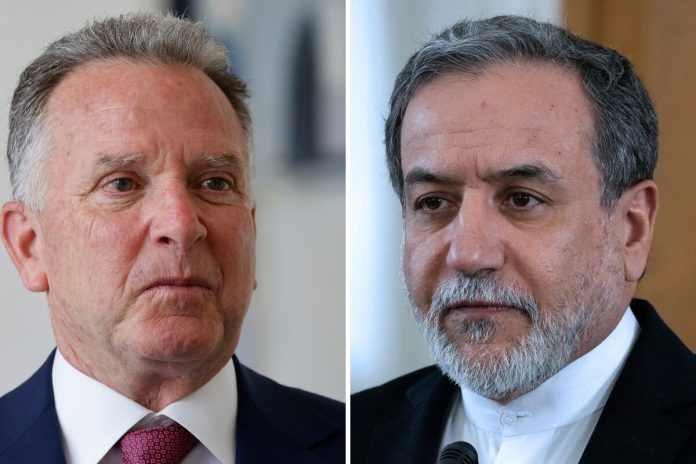
His remarks, delivered during a meeting with the Iranian Parliament’s National Security and Foreign Policy Commission on Sunday, underscored Tehran’s firm positions in the ongoing diplomatic process.
According to the commission’s spokesperson, Ebrahim Rezaei, Gharibabadi reported that the negotiations in Rome yielded agreements on a general framework, a working agenda, and technical focal points.
He stressed that Iran’s proposals are fully aligned with national policies and the decisions of top governing bodies, particularly with regard to the complete and verifiable removal of all U.S. sanctions.
“Iran considers both congressional sanctions and presidential executive orders as components of the sanctions architecture, and their full removal is essential,” Gharibabadi was quoted as saying.
He reiterated that any agreement must bring tangible and meaningful economic benefits to the Iranian people, rather than being symbolic or superficial.
Iran also reaffirmed its unwavering stance on its right to enrich uranium, a point Gharibabadi described as a red line in the negotiations.
He emphasized that Iran’s nuclear program remains exclusively peaceful, with no intention to pursue nuclear weapons.
The Deputy Minister further conveyed Tehran’s dissatisfaction with any delay in the negotiation process, calling for serious engagement from the American side.
He urged Washington to resist external pressures, particularly from the Zionist regime, which is actively seeking to sabotage the talks.
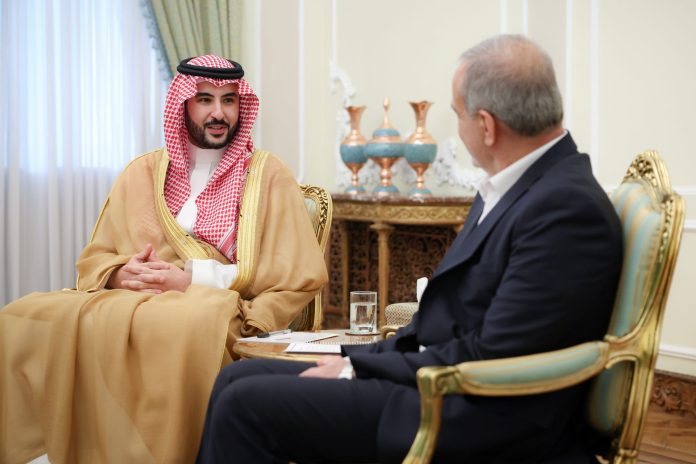
In an interview with IRNA, Enayati emphasized that Iran and Saudi Arabia are entering a new phase in their bilateral and multilateral relations, marking a clear departure from the previous period of stagnation.
He noted that this was the second official visit of a Saudi defense minister to Iran, recalling the 1999 visit by Prince Sultan which resulted in the signing of a bilateral aviation agreement and the establishment of direct flights.
Enayati described Prince Khalid’s meetings in Tehran, including the one with the Leader of the Islamic Republic, as opening “broad prospects for the future of Iran-Saudi relations.”
He noted that Saudi officials were made fully aware of Iran’s firm will to expand international cooperation.
The ambassador underlined the importance of people-to-people exchanges in solidifying bilateral relations. “For sustainable ties, it is not enough for political, security, and military relations to be confined to capital cities. These relations must become tangible to the public, through increased economic, cultural, social, and tourism cooperation, as well as facilitating travel for citizens of both nations.”
He also highlighted the importance of regional consensus in support of de-escalation efforts, referencing Saudi Arabia’s statement backing the Iran-U.S. talks in Oman, as well as supportive declarations by the Persian Gulf Cooperation Council (GCC) and Iraq.
“These developments reflect a shift in the region from confrontation to constructive engagement,” he said.
Enayati acknowledged that economic cooperation still lags behind and requires greater effort.
“Economic development must move in parallel with political and security progress,” he stressed.

According to the head of Kerman’s Department of Environment, one of the local environmental volunteers succeeded in observing two Pallas’s cat cubs in the mountainous area of Rabor County, capturing an image of one of them.
Due to the considerable distance between the two cubs, photographing the second one was not possible.
Officials say this rare sighting suggests a potential increase in the local population of this vulnerable species, which is known for its reclusive nature and declining numbers across its native range in Central Asia and parts of the Iranian plateau.
The Pallas’s cat (Otocolobus manul), also known as the manul, is listed as Near Threatened by the IUCN due to habitat loss, prey depletion, and other environmental pressures. The species is extremely difficult to monitor due to its solitary behavior and elusive presence.
Conservation experts in Iran consider repeated sightings of the animal in Kerman a positive indicator and are calling for heightened protection measures to safeguard its habitat and support possible population recovery in the region.
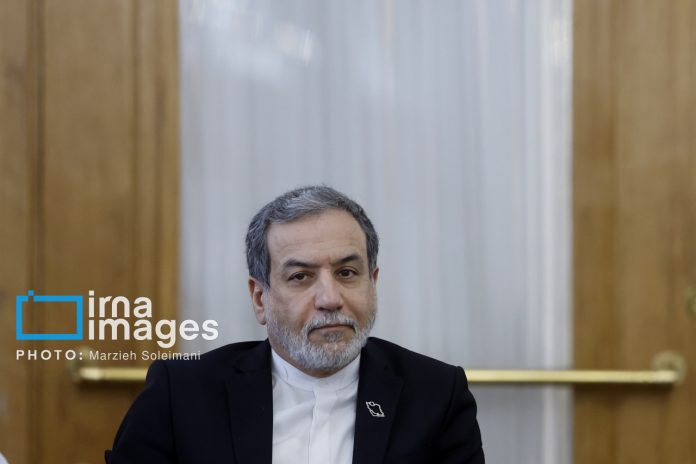
In a post on X social meadia, Araghchi noted that while the discussions advanced shared objectives, many in Iran no longer see the 2015 nuclear deal (JCPOA) as sufficient.
“For them, what remains are only the ‘lessons learned,'” he wrote, expressing his personal agreement with the view.
Technical talks will continue in the coming days to finalize details, after which a clearer assessment can be made. “For now, cautious optimism may be justified – but nothing more,” Araghchi added.
Meanwhile, Iranian Foreign Ministry Spokesperson Esmail Baqaei thanked Oman and Italy for facilitating the indirect negotiations.
He emphasized Iran’s commitment to diplomacy amid global challenges to international law and shared human values.
The second round of talks, led by Araghchi and US envoy Steve Witkoff, was held at Oman’s embassy in Rome.
Both sides outlined frameworks for sanctions relief and nuclear compliance, agreeing to resume discussions next Saturday in Muscat.
Expert-level meetings are scheduled for Wednesday in Oman to address technical details.
© All Content by IFP News ( Iran Front Page ) is licensed under a Creative Commons Attribution 4.0 International License.
