Thursday, January 1, 2026
Home Blog Page 2266

Iran’s Raisi calls for closer regional cooperation

Raisi said this cooperation is very useful in promoting economic relations in the region. He noted that for Iran and other regional countries, this type of economic connection will be particularly effective.

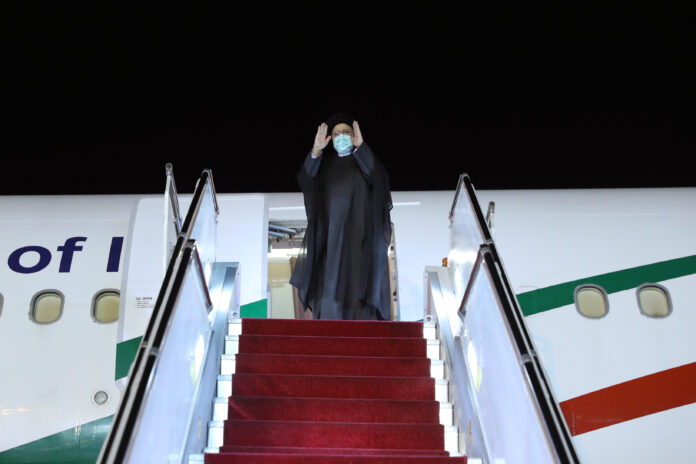
He made the remarks on Saturday in Tehran before heading for Turkmenistan to attend the summit of the Economic Cooperation Organizatoin (ECO) in the Turkmen capital Ashgabat. The summit will be held on Sunday.

Also referring to the necessity of deepening neighborly relations between Iran and Turkmenistan, the president said the important issues of gas, transit and other mutual issues will top the agenda of talks during this visit.

The president added the motto of this meeting is “Let’s be together for a better future ahead” and in this meeting, the actions by this organization will be reviewed.

Raisi also said that on the sidelines of the summit, he will hold one-on-one meetings with the leaders of the participating countries and will also meet separately with the president and high-ranking officials of Turkmenistan to discuss bilateral and regional issues.

Pakistan, Afghanistan, Republic of Azerbaijan, Iran, Kazakhstan, Kyrgyzstan, Tajikistan, Turkey, Turkmenistan and Uzbekistan are member states of ECO.

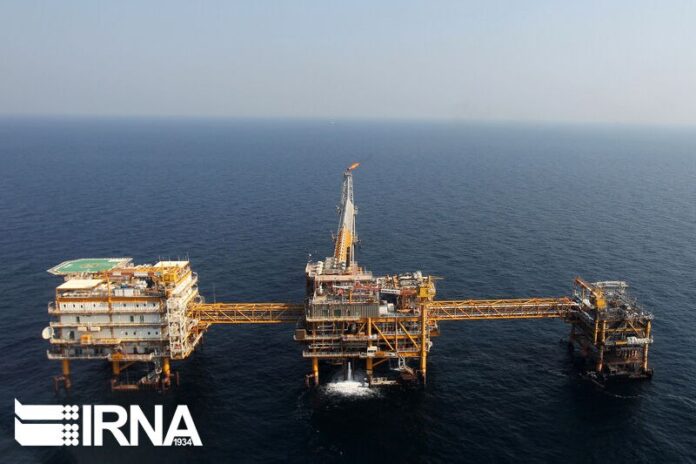
NIOC’s CEO: Iran oil output to reach pre-sanctions level

Mohsen Khojasteh Mehr said financial resources have been determined for this purpose.

He added that the NIOC is one of the 10 largest companies in the world and Iran has a wealth of about 1,200 billion barrels of crude oil.

He pointed out that the NIOC has 400 oil and gas fields, adding, “We can produce 340 billion barrels of current resources with basic and conventional methods and without the need for new technologies.” Khojasteh Mehr emphasized Iran is the second country in the world in terms of gas reserves and it sits on 34 trillion cubic meters of gas reserves and is capable of producing oil and gas for the next 100 years with its current reserves.

The NIOC’s CEO also said Iran has 24 gas refineries, 130 processing and exploitation units and 140 onshore and offshore rigs. He added, “We are obliged to increase the gas production capacity to 1 billion and 500 million cubic meters and oil production capacity to 5 million barrels by the next 10 years”.

Khojasteh Mehr also said $90bn is needed in the oil sector and $70bn for the development of gas fields.

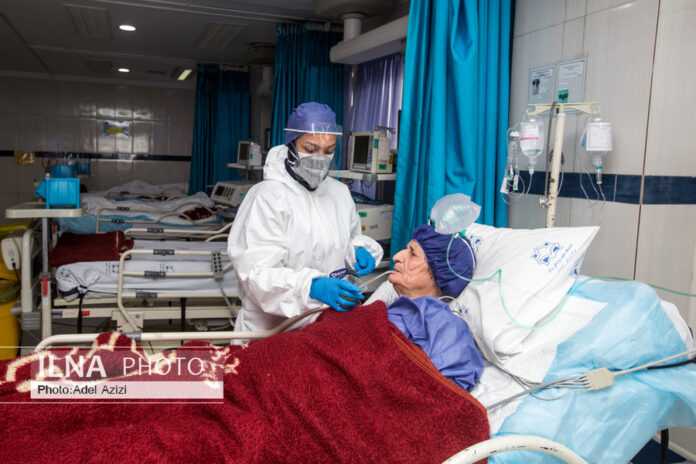
Iran Covid: 87 deaths; downward trend holding

The Health Ministry announced on Saturday 87 people died of Covid in the past 24 hours, pushing the total number of fatalities since the pandemic started to 129,549. 

Meanwhile, 3,045 new infections have been logged since Friday including 583 hospitalizations. 

Since the Covid outbreak began in Iran, 6,105,101 people have contracted the disease. Of that figure, 5,583,066 people recovered from the Coronavirus. Iran’s nationwide inoculation drive has been credited with the downward trend in deaths and infections. The number of Covid vaccine doses administered to Iranians is 104,609,358. So far, 57,332,853 people have received the first dose of vaccine while the number of those who have been given the second shot is 46,328,337. The number of the third dose, known as the booster shot, is 948,168. 

Another landmark achievement by Iran is that the number of cities marked red has fallen to zero. Red zones are areas facing the highest risk from the Coronavirus. Meanwhile, 22 cities across Iran are orange, 207 yellow and 219 blue with the latter showing the lowest level of risk. 

All these figures prove Covid has abated in Iran. Despite that, officials warn people to remain careful and avoid relaxing health protocols because another wave of the pandemic is still a possibility.

Russia: Iranians do not do anything under pressure

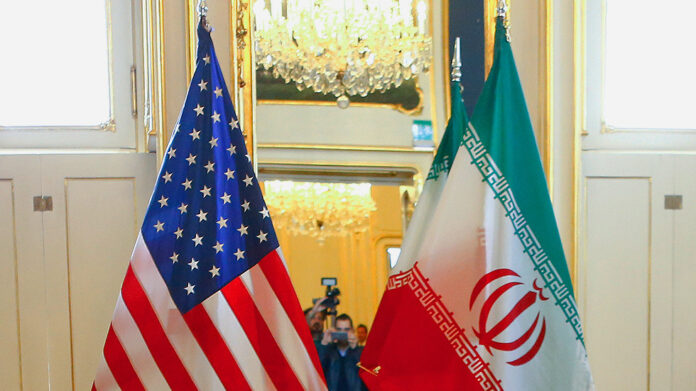
Russia has lambasted the United States for threats to confront Iran at the IAEA next month unless Tehran improves what Washington calls cooperation with the UN nuclear watchdog.

Ulyanov warned at a joint news conference with his Chinese counterpart on Friday that Washington’s threatening a diplomatic escalation would risk harming wider talks on Iran’s 2015 nuclear deal, which is officially called the Joint Comprehensive Plan of Action (JCPOA).

The US on Thursday threatened that if Iran did not give way on at least one of several conflicts with the IAEA, particularly what it claimed to be Tehran’s refusal to allow the agency to reinstall cameras at a workshop after an attack in June, Washington would confront Tehran at the watchdog in December.

“I don’t welcome this particular statement of the US delegation (at the IAEA). It’s not helpful,” the Russia’s ambassador to the IAEA Mikhail stated.

“The US did not negotiate with the Iranians for a very long time and forgot that Iranians don’t do anything under pressure. If they are under pressure, they resist,” Ulyanov added.

Despite repeated reports by the IAEA that certified Iran’s full compliance with the deal, former US President Donald Trump left the Joint Comprehensive Plan of Action (JCPOA) in May 2018 and re-imposed the anti-Iran sanctions that the deal had lifted. He also placed additional sanctions on Iran under other pretexts not related to the nuclear case as part of his “maximum pressure” campaign.

Following a year of strategic patience, Iran resorted to its legal rights under the JCPOA, which grants a party the right to suspend its contractual commitments in case of non-compliance by other signatories, and let go of some of the restrictions imposed on its nuclear energy program.

The administration of US President Joe Biden has said it is willing to compensate for Trump’s mistake and rejoin the deal, but it has shown an overriding propensity for maintaining some of the sanctions as a tool of pressure.

Tehran insists that all sanctions must first be removed in a verifiable manner before it reverses its remedial measures.

Envoys from Iran and the P4+1 group of countries — Britain, France, Russia, and China plus Germany — are expected to hold the seventh round of discussions in Vienna on Monday.

Iran’s oldest journalist dies at 107

Amini started his journalistic career when he was a teen by covering the inauguration of Pol Sefid (White Bridge) in the southern Iranian city of Ahvaz 85 years ago. 

He resided in the city in the 1960s and lost his son who was an army soldier during the imposed Iraqi war. 

Amini was a retiree of the National Iranian Oil Company and worked as a reporter for the Etella’at Newspaper.

Tehran calls for sisterhood pact with Najaf

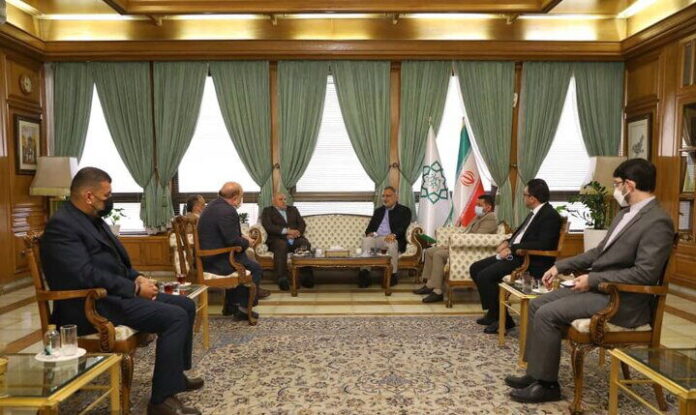
“We crave for a sisterhood agreement between Tehran and Najaf,” said Zakani in the meeting held in Tehran on Saturday.

The mayor said Tehran is proud to be hosting the Iraqi delegation, adding, “You are our good religious brothers and we have the honor to be hosting you.”

“There is attachment and bonds from the bottom of the heart between Iran and Iraq,” the mayor noted. 

He then called for closer cooperation between the two sides.

“Najaf and Karbala are not two ordinary Iraqi cities; rather, they are symbols from an ideological and international point of view, and we take pride in being at your service,” Zakani said. 

He called for Tehran and Najaf to have more interaction and exchange their experience in the domain of management.

ME nations ban African travellers over new virus

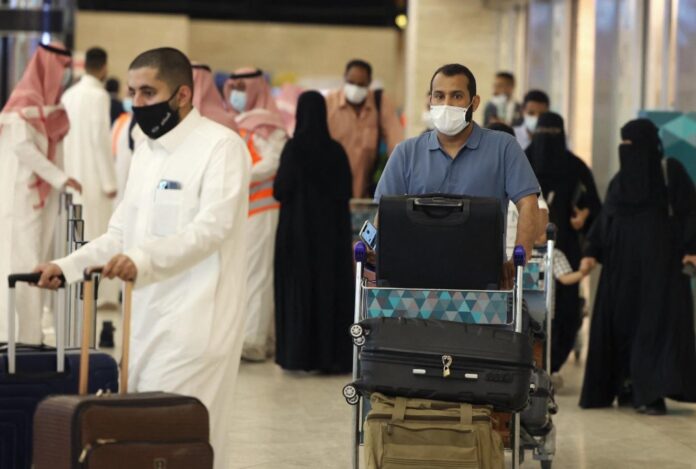
Oman and Qatar on Saturday announced bans on travellers from several African nations after reports of a new Covid-19 variant first detected in southern Africa, following similar measures imposed on Friday by Egypt, Iran, Saudi Arabia, the United Arab Emirates, Bahrain, Morocco, and Jordan.

On Thursday, South African scientists stated they had detected a new B.1.1.529 variant, and said it had at least 10 mutations, compared with two for Delta and three for Beta variants.

The World Health Organization (WHO) declared the recently discovered strain to be a “variant of concern”, renaming it “Omicron”.

The variant has a spike protein that is significantly different to the one in the original coronavirus on which current vaccines are based, the UK Health Security Agency announced, raising fears about how current vaccines will fare.

“As scientists have described, [this is] the most significant variant they’ve encountered to date,” British Transport Secretary Grant Shapps told Sky News.

Qatar Airways said on Saturday it had banned entry to travellers from South Africa, Zimbabwe and Mozambique.

Omani authorities will from Sunday suspend entry to people coming from South Africa, Namibia, Botswana, Zimbabwe, Mozambique, Lesotho, and Eswatini, according to the Oman News Agency.

The Saudi and Emirati lists included all the same countries except Namibia.

In Saudi Arabia, the ban includes flights to and from those countries, according to the Saudi Press Agency. The new guidelines, however, said nationals of the African countries may enter the kingdom if they had spent the previous 14 days in a third country and comply with Saudi health protocols.

The UAE will impose the ban on Monday, according to the official Emirati news agency, WAM. It will include travellers coming from those African countries, regardless of the airline, and will also include transit passengers.

Bahrain announced similar measures targeting six African countries, including South Africa, the official BNA news agency reported. Iran did the same.

The Jordan’s Interior Ministry, acting on recommendations from its Health Ministry, also announced a ban for non-Jordanian travellers coming from South Africa, Botswana, Namibia, Zimbabwe, Mozambique, Lesotho, and Eswatini.

The North African kingdom of Morocco banned travellers from those same countries due to fears over the new coronavirus variant.

Meanwhile, Egypt and Israel, which has detected a case of the new variant, on Friday suspended flights from Botswana, Eswatini, Lesotho, Mozambique, Namibia, South Africa, and Zimbabwe.

Belgium said on Friday it had detected the first announced case of the new variant in Europe in an unvaccinated person returning from Egypt via Turkey.

The European Union has proposed member states stop all flights to and from southern Africa following the variant’s discovery, EU chief Ursula von der Leyen noted on Friday.

The UK has also banned flights from South Africa and neighbouring countries, asking returning travellers to quarantine.

The US will restrict travel from South Africa and seven other African countries starting on Monday in an effort to control the spread of the new omicron variant of COVID-19.

Wife of assassinated nuclear scientist becomes peace envoy

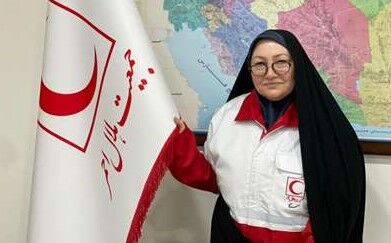
In a meeting with head of the Red Crescent Society of Iran Pir Hossein Kolivand, Karami was also granted voluntary membership of the Red Crescent.

Massoud Alimohammadi was an eminent nuclear scientist and a distinguished professor of elementary particle physics at the University of Tehran.

He was killed by a remote-controlled bomb in January 2010 in Tehran, as he was leaving home for university. 

According to western intelligence agencies, the terror attack was carried out by Israeli agents as part of the regime’s efforts to sabotage Iran’s nuclear program.

“Iran navy to unveil modern maritime equipment soon”

Iran has the highest capability and potential, equipped with the most modern technology in the field of operation, submarines and heavy- and light-destroyers in different classes, Irani stated.

Today, lifting or imposing sanctions in the military field has no value for Iranian people, the Iran’s army navy force commander said.

Speaking in a news conference on the occasion of Iran’s Army navy Day on Saturday, Irani pointed to the salient achievements of navy Force of the country and said that Iran’s navy Force is shining like a gem in the Persian Gulf region.

7th of Azar (Nov. 27) shows the bravery and self-sacrifice of Iranian soldiers and combatants who managed to cut the malicious hands of enemies in a tough condition and unequal war during the eight years of Sacred Defense (Iraqi imposed war against Iran in 1980-1988).

Apart from carrying out its maritime operation from Strait of Hormuz to North Persian Gulf, today, Iran’s navy Force is carrying out very vital and sensitive operations in depth of Indian Ocean and Red Sea and has shown excellent maritime operation in line with bringing about security for while region and the world, he emphasized.

In response to a question on the impacts of sanctions on defense industries, Iran’s top navy commander noted that, benefitted from high potentials and capabilities, sanctions imposed against the country have not had any impact on Iran’s navy force.

He then pointed to the joint Zolfaghar-1400 drill recently held in the country and added that Iran’s navy managed to gain salient achievements in the drill in maritime sector successfully.

Stating that navy Force is an equipment-oriented, scientific-, political-, military- and international force, Irani stressed, “Accordingly, Iran’s navy force will unveil most modern maritime equipment in the very near future in line with meeting the domestic demands and thwarting the future threats against the country.”

The top commander has also unveiled plans to manufacture a new homegrown heavy submarine.

Irani said the navy is designing a new class of heavy submarine, called “Be’sat”, adding the construction of the new submarine will begin soon.

Highlighting the navy’s success in combating threats to Iranian vessels, the commander stressed the security of the trade ships has been provided a hundred percent.

Vowing Iran’s continued strong presence in international waters, the commander noted Iran has maintained its naval equipment updated and seeks to develop new gear and increase the number of vessels.

Dual-nationality Iranians can freely return home: MP

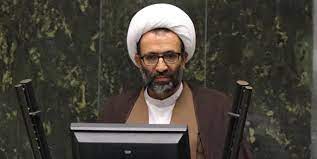
“In fact, there are no impediments to Iranian expats returning to their homeland,” said Aliraza Salimi, the chairman of the parliament’s Iranian Expatriates’ Caucus.

He said only minor red tape might exist, and added any bureaucratic restrictions should be eased.

“The approach of the administration, the foreign ministry, the Judiciary and the eleventh Parliament toward Iranians residing abroad has changed and they follow up on the expats’ affairs with special attention,” said the lawmaker.

“Different organizations and institutions such as the foreign ministry and the Judiciary have taken giant steps toward resolving the problems facing Iranians residing abroad and [facilitating] their making investment in the country,” he added.

He said Iranian expats’ affairs should be taken care of, and their return home should be facilitated.