Thursday, December 25, 2025
Home Blog Page 2242

Chinese envoy calls for expanding consensus in Iran nuclear talks

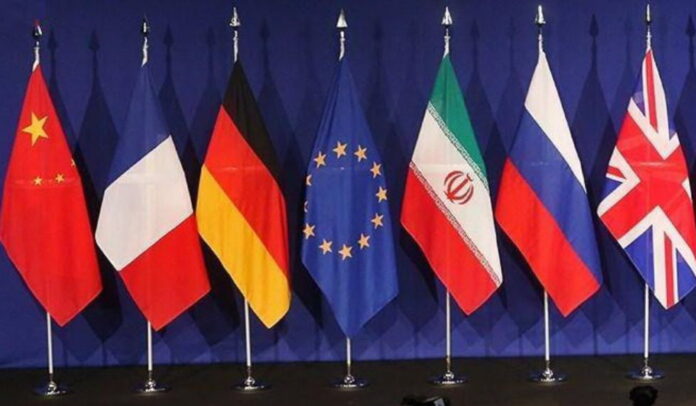
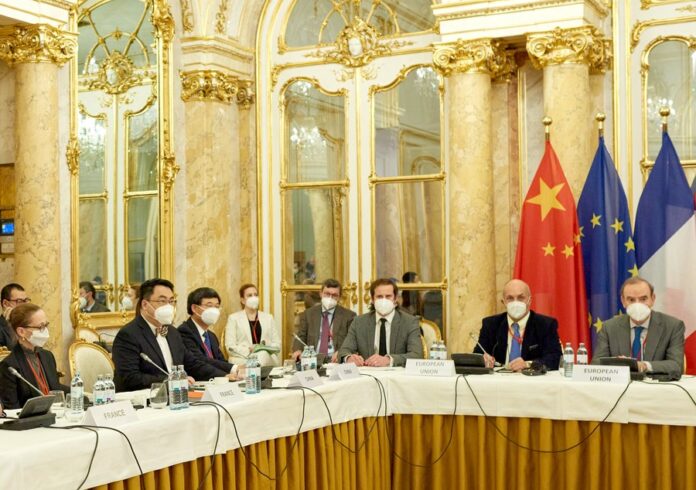
From Monday to Friday, the P4+1 group (China, Britain, France and Russia plus Germany), the European Union and Iran held in-depth discussions aimed at reviving the 2015 Iran nuclear agreement.

China hopes that each party’s consultation with their own governments during the adjournment of the talks until next week will inject new political impetus into the negotiations, stated Wang Qun, Chinese envoy to the United Nations and other international organizations in Vienna.

The talks helped other parties to increase their understanding of the position of the negotiation team of Iran’s new government, Wang explained.

China hopes all concerned parties will, during the adjournment of the talks, continue to work towards creating a good atmosphere for negotiations, he added.

China will continue to firmly support the resumption of the negotiation process between the United States and Iran, Wang noted, and to play a unique and constructive role working with all parties for achieving results at an early date.

During the five-day talks, Iran submitted draft proposals for the 2015 nuclear agreement, which the United States withdrew in 2018.

However, senior diplomats from Britain, France and Germany on Friday voiced “disappointment and concern after thoroughly and carefully analyzing Iranian proposed changes to the text negotiated during the previous six rounds.”

Wang stated after the meeting that dialogue should be continued so as to explore and expand consensus by focusing on the text and proposals on it, even though there are still differences.

The last round of talks over the restoration of the 2015 deal was held in June.

The US government under Donald Trump withdrew from the 2015 agreement in May 2018, and unilaterally re-imposed sanctions on Iran. Tehran has retaliated by gradually stopping implementing elements of the deal since May 2019.
Iran: Proposed drafts based on principles approved by all parties

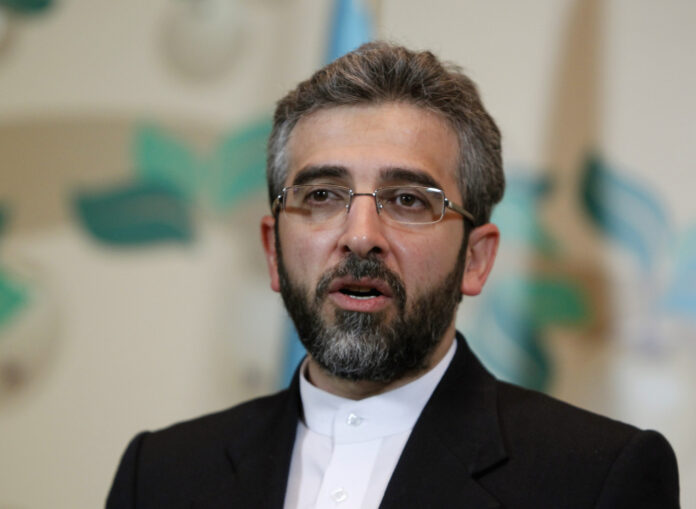
Iran's deputy negotiator Ali Bagheri speaks during a news conference in Almaty April 5, 2013. REUTERS/Shamil Zhumatov

“No European party claimed that Iran’s proposals lacked legal basis. If the Europeans also submit a draft, it is not a problem and it is negotiable, but it must be based on the principles approved by both sides,” Ali Bagheri Kani said on Friday evening after negotiations in Vienna paused and delegations headed to their capitals for consultations on Iran’s proposed drafts.

“They said that these proposals do not correspond with our views, we also said that this is normal and we are not going to say things in the negotiations that are in line with your views. We present the points based on our views, interests and policies of our country,” Iran’s lead negotiator explained.

Baqeri Kani announced on Thursday that Iran had submitted two drafts to the other negotiating delegations on sanctions removal and Tehran’s nuclear commitments, and was about to put forward a third draft.

Reports coming out of Vienna suggest that the western negotiators have said Iran’s new nuclear proposals are not serious.

Iran and the P4+1 group namely Russia, China, Britain, France and Germany held five days of intensive talks in the Austrian capital from Monday to Friday.

Iran says it has attended the talks in good faith and serious about reaching an agreement on lifting of the anti-Tehran sanctions and the revival of the nuclear deal.

US to anti-Iran media: Portray Iran’s position in talks as unjustified

The news outlets have been ordered to portray the Biden administration’s stance on the current talks and the US’s willingness to return to the Iran nuclear deal as logical.

As per the guidelines, Iran’s preconditions and position during the talks must be painted as being unjustified.

Meanwhile, Iran’s economy must be depicted as being in disarray with the “regime” being indifferent to people’s situation. The media have also been ordered to insinuate that if the talks fail, Iran will be to blame.

The latest round of the Vienna negotiations that began on Monday has ended with the delegations expected to resume negotiations next week.

This is the first round of talks under the current Iranian President Ebrahim Raisi. Six rounds of talks were held under former president Hassan Rouhani with the aim of reviving the Iran nuclear deal, JCPOA, and enabling the US’s return to the agreement. But those talks failed to produce any results due to Washington’s refusal to give guarantees that it will no longer leave the JCPOA. According to Fars News Agency, the US and the Zionist regime have been focusing on a Plan B in the event that the current talks fail, but there are many signs that show the talk of the alleged Plan B is part of a psychological warfare against Iran and that Israel and the US lack such a plan.

Europe’s lack of initiative vs. Iran’s breakthrough proposals

Tuesday Talks in Vienna to Focus Merely on JCPOA Legal Discussions: Iran

Nour News also says this comes as prior to the fresh round of talks, the Europeans underlined the need to follow up the previous drafts drawn up during the first six rounds of negotiations.

Meanwhile, Iran presented two draft documents embodying its proposals to the other parties to the Vienna talks on the sanctions removal and Iran’s nuclear activities. Iran’s top nuclear negotiator Ali Bagheri Kani has said Iran will also present a third draft to the nuclear deal’s signatories on the duration of sanctions removal verification.

Bagheri added that the third draft had yet to be presented to the other sides, noting that the sanctions removal will not be step by step.

The Nour News website also said given that the European troika are not prepared for professional and result-oriented talks, it is expected that the West will start a blame-game against Iran.

US Secretary of State has said whether Iran is participating in good faith in the negotiations will be clearer in the “next day or so”.

According to Nour News the statement can be viewed as a proof of such an intention. It also shows that the European troika still is not able to act independent of the White House in the Vienna talks.

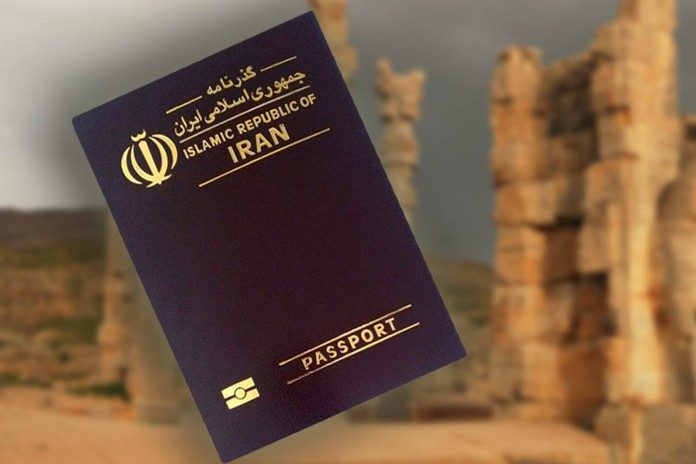
Iran: No decision to stop issuing tourist visas because of Omicron

Iranian Mothers Can Now Pass Nationality to Children

Reports earlier said there were fears Iran would suspend issuing tourist visas because of the emergence of the Omicron variant of the disease.

Now the director general of the Office of Foreign Tourism Development and Marketing has said no decision has been made to stop issuing tourist visas yet.

Leyla Azhdari added that a ban has been imposed on visits to and from the countries where the Omicron cases have been identified.

The World Health Organization’s (WHO) chief scientist has said people should not panic over the emergence of the Omicron variant, saying it is too early to say if vaccines would need to be reworked.

Meanwhile, the head of the Infectious Diseases Management Center of Iran’s Health Ministry said the Islamic Republic will have no visits from the countries where the Omicron strain emerged.

He added that those who want to visit the countries must have two negative PCR tests before returning to Iran.

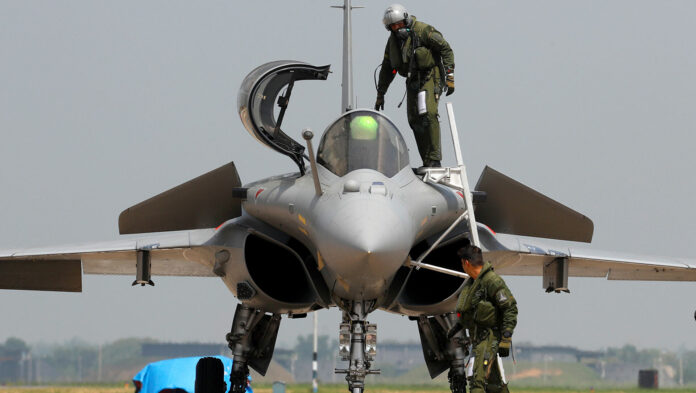
UAE signs deal for 80 French Rafale fighter jets

The UAE, one of the French defence industry’s biggest customers, also agreed to buy 12 Caracal military transport helicopters, the French presidency said in a statement.

“This is an outcome of the strategic partnership between the two countries, consolidating their capacity to act together for their autonomy and security,” the statement added.

The Rafale order is the biggest made internationally for the aircraft since it entered into service in 2004.

The agreement was signed by Dassault Aviation director-general Eric Trapier as Macron held talks with Abu Dhabi Crown Prince Mohammed bin Zayed on the first day of a visit to the Persian Gulf.

By snapping up Rafale planes, built by Dassault Aviation, the UAE is following the lead of Persian Gulf rival Qatar, which has bought 36 of the craft, and Egypt which ordered 24 in 2015 and 30 earlier this year.


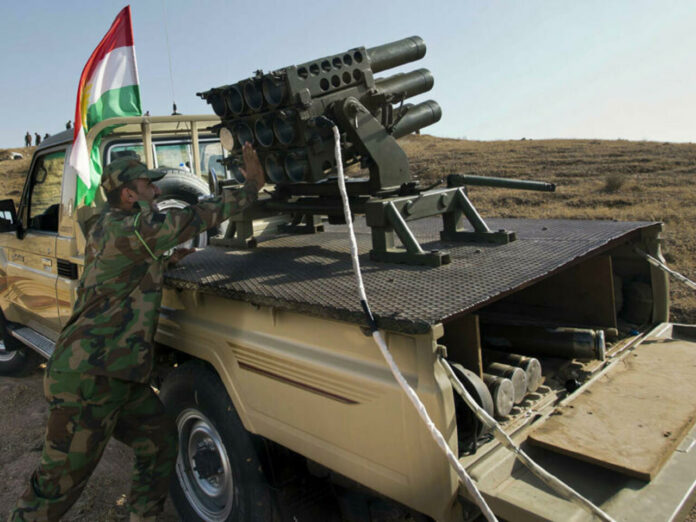
7 Peshmerga, 3 civilians killed in Daesh attack in northern Iraq

Members of the terrorist group initially targeted a village near Mosul’s Mahmur district, killing three civilians.

Peshmerga forces who were transferred to the region following the attack fell into an ambush set by the terror group, Peshmerga Commander Nejat Hule told Erbil-based broadcaster Rudaw.

Seven soldiers were killed in the clashes, Hule stated.

On Sunday, five Peshmerga soldiers were killed in a separate suspected Daesh attack in Kolju district in the Garmian region of northern Iraq, a KRG officer said on condition of anonymity as he was not authorized to brief the media.

He added four other soldiers were wounded in the attack.

In 2017, Iraq declared victory over Daesh by reclaiming all territories the terrorist group controlled since the summer of 2014, which was estimated to be about a third of the country’s territory.

The group, however, still maintains sleeper cells in large areas in Iraq and occasionally launches sporadic attacks.

Vienna talks end; Negotiations to resume next week

Tuesday Talks in Vienna to Focus Merely on JCPOA Legal Discussions: Iran

Bagheri said the signatories to the JCPOA assessed their latest talks at the meeting.

He said Iran told the other parties that Tehran’s proposals are on the table and those sided through it as necessary to consult with their respective governments.

Bagheri added that Iran agreed to resume negotiations with the 4+1 , namely Russia, China, Britain, France and Germany, next week after they are done consulting with their governments.

During this round of talks in Vienna, Iran made a set or proposals in two draft documents, with one being on the removal of sanctions and the other focusing on Iran’s nuclear activities.

Bagheri says a third draft will also be drawn up on the period during which the sanctions must be removed.

Bagheri himself also held talks with the EU’s deputy foreign policy chief and coordinator Enrique Mora. He also held talks with Director General of the International Atomic Energy Agency Rafael Grossi in Vienna.


Amir Abdollahian to West: End slogans that violate Iran’s rights

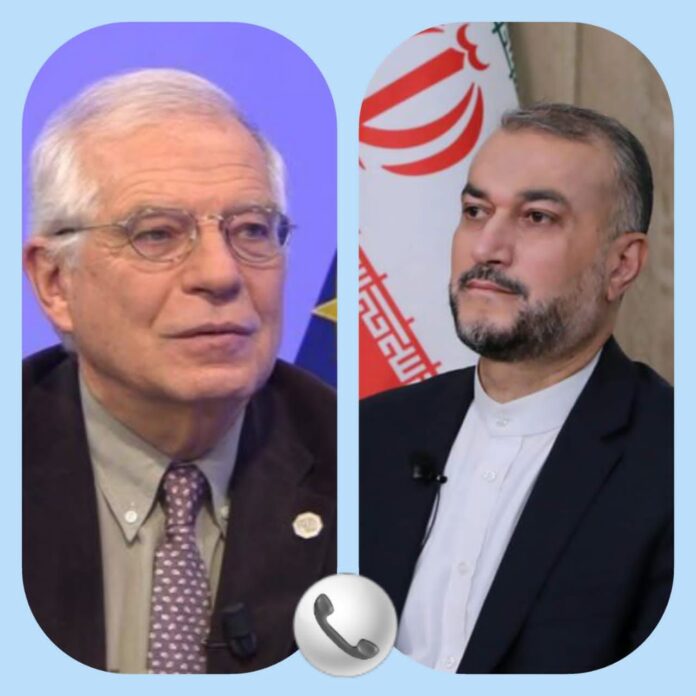
Amir Abdollahian made the comment during a phone call with the EU’s Foreign Policy chief Josef Borrel. The two were holding talks on the process of the ongoing negotiations in Vienna.

Amir Abdollahian referred to Iran’s initiative at the Vienna talks and its two draft documents that could mark a breakthrough in the negotiations. He urged the West to also offer its own initiatives.

He renewed call for the removal of all anti-Iran sanctions. Abdollahian also thanked the EU foreign policy chief and his colleagues for their efforts and described the process of talks as good though slow.

He added that the Iranian delegation is participating in the negotiations actively and in good faith as well as with necessary powers and achievable and progressing initiatives.

Amir Abdollahian stressed that Iran’s participation in any talks and action is aimed at removing the sanctions that violated the Iran nuclear deal, JCPOA.

He also reaffirmed Iran’s commitment to technical cooperation with the International Atomic Energy Agency, IAEA, adding that in addition to the negotiations and meetings by Iran’s top nuclear negotiator Ali Bagheri, Iranian experts are also engaged in technical and expert discussions with the P4+1 group of countries in the form of sanctions removal and nuclear committees.

The Iranian foreign minister further said despite the violations by the US and inaction on the part of the European troika, Iran is attending the talks in god faith. Amir Abdollahian added that Iran’s negotiating team has clear, tangible and practical initiatives for each stage. Amir Abdollahian said, “We believe that a good deal is at hand but it requires a shift by some parties away from the language of threat to the language of cooperation and mutual respect that would be also result-based.

Borrel also described as important the serious efforts of all negotiating teams from Germany, China, Russia, France, Britain, and particularly the Islamic Republic of Iran to reach an agreement in Vienna.

Both Amir Abdollahian and Borrel described the atmosphere of the Vienna talks as positive.

Iran chief negotiator: Nuclear proposals ‘cannot be rejected’

Representatives of Iran, China, France, Germany, Russia and the United Kingdom convened this week in Vienna for the seventh round of talks to restore the landmark accord, formally known as the Joint Comprehensive Plan of Action (JCPOA).

The United States, which unilaterally withdrew from the pact in 2018 when it also reimposed punishing sanctions against Iran, is only participating indirectly as Iran refuses to hold direct negotiations with it.

In an exclusive interview with Al Jazeera in the Austrian capital, Ali Bagheri said on Friday Iran would deliver a third proposal once the first two it submitted the previous day were accepted.

“Iran’s proposals to the world powers cannot be rejected. They are based on the provisions of the 2015 agreement,” he stated, adding that all nuclear-related US sanctions should be removed immediately.

On Thursday, the lead negotiator had noted the two proposals were related to “the lifting of sanctions” and “Iran’s nuclear actions”, both main issues facing the JCPOA.

“Now the other side must examine these documents and prepare itself to hold negotiations with Iran based on these documents,” he told state media.

Reporting from Vienna, Al Jazeera’s Ali Hashem said “the third proposal is going to be mainly on the verification process and the guarantees Iran is requesting from the world powers in order to revive the nuclear deal”.

If successful, the talks will lift US sanctions while scaling back Iran’s nuclear programme. But differences in the two countries’ stances heading into the discussions cast doubt on the odds of success, and were expected to prolong the negotiations.