Saturday, December 27, 2025
Home Blog Page 2220

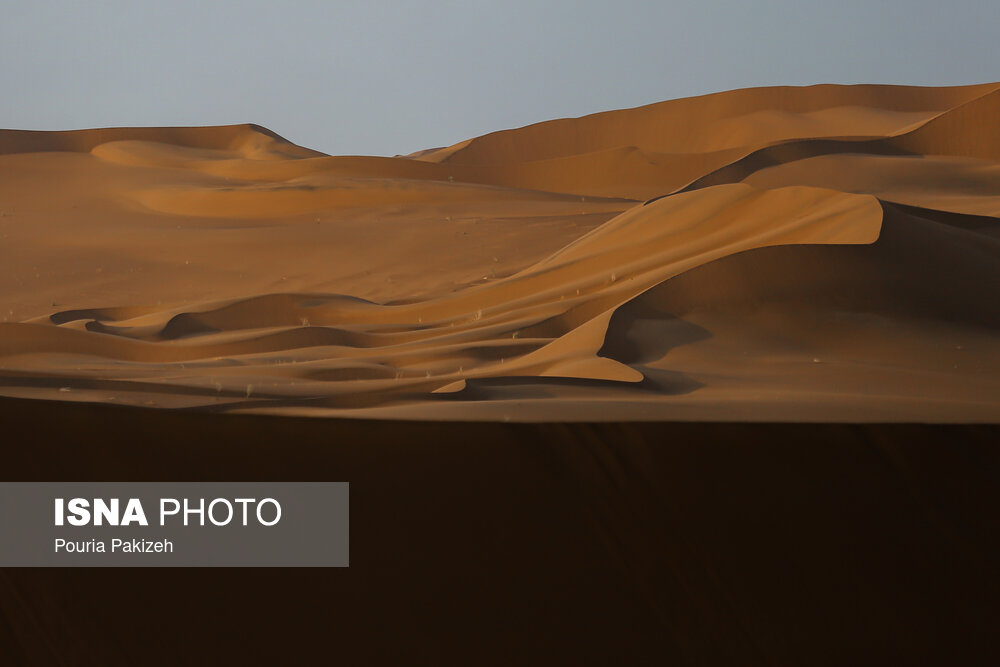
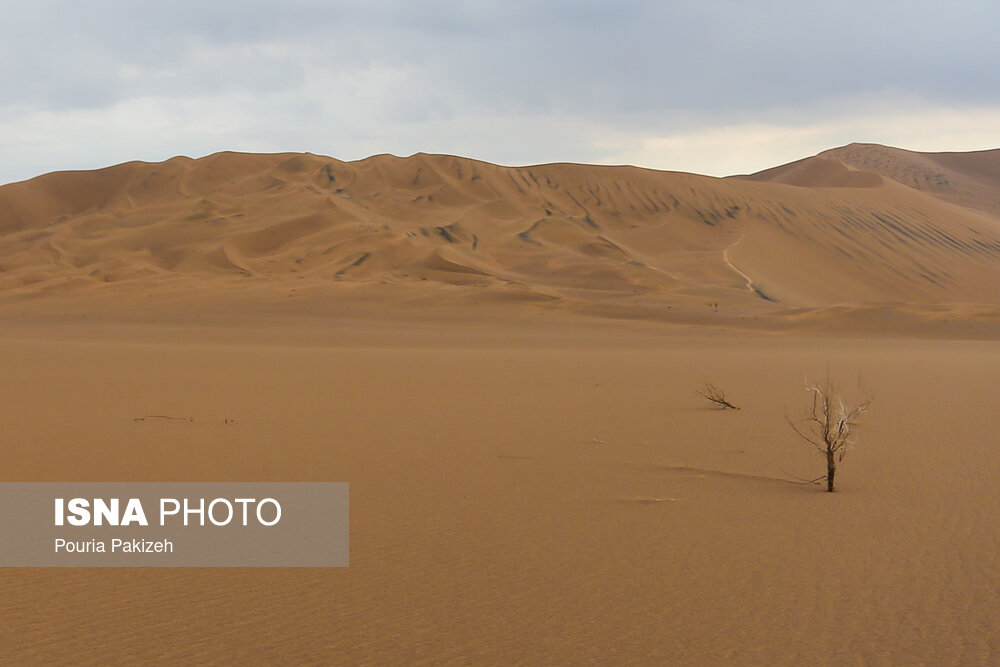
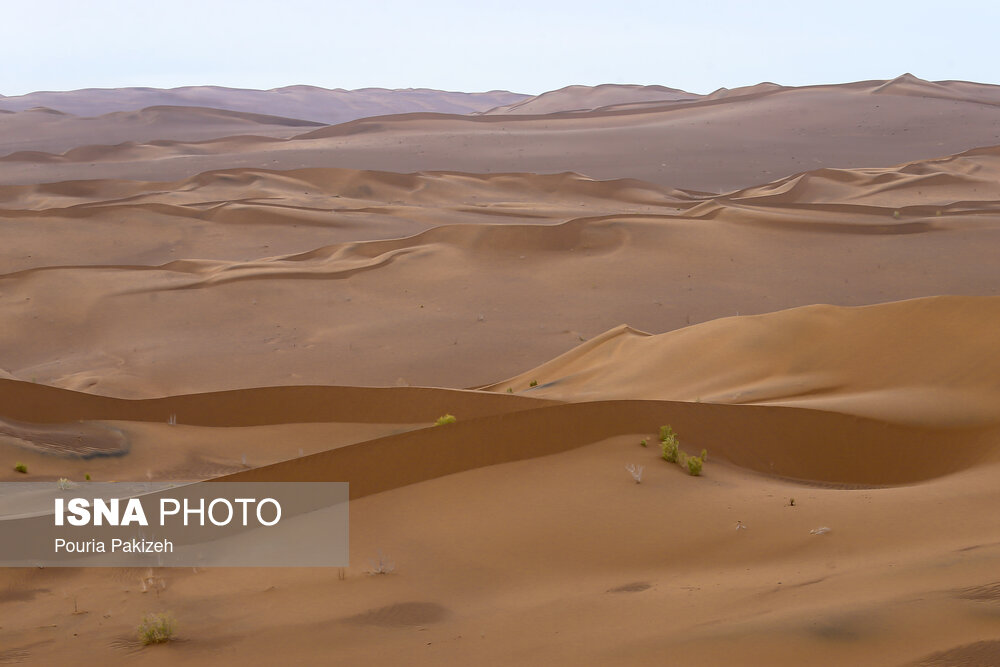
Shur River: A miracle in the heart of Iran desert

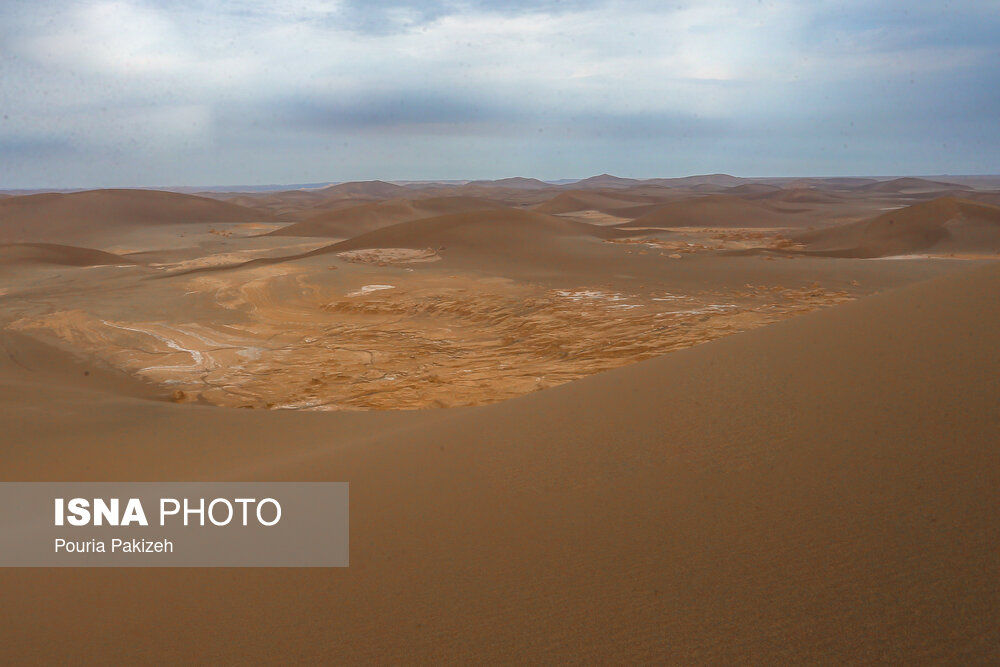
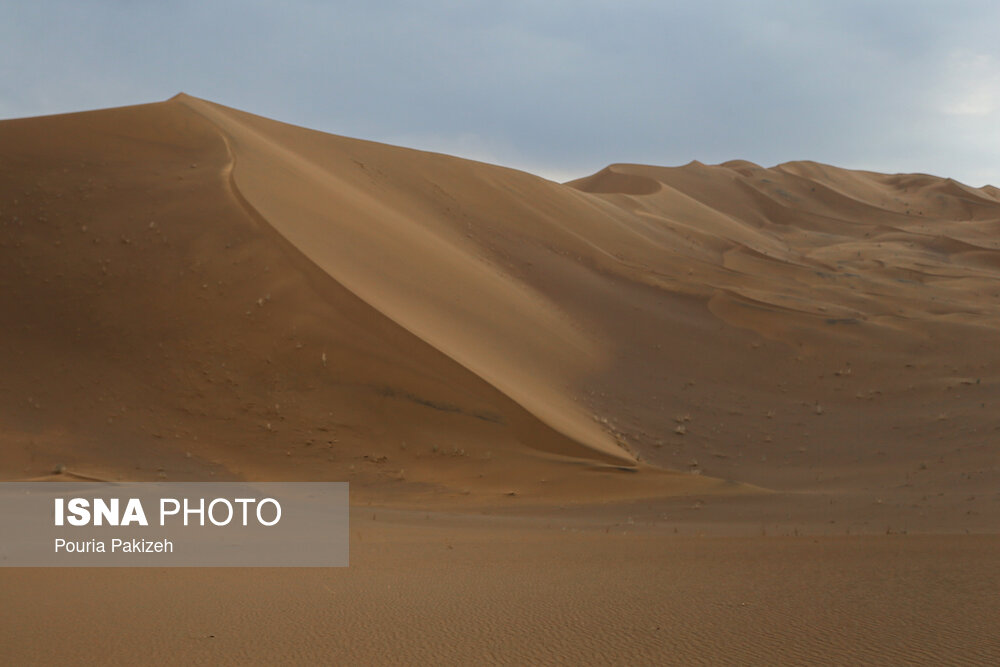
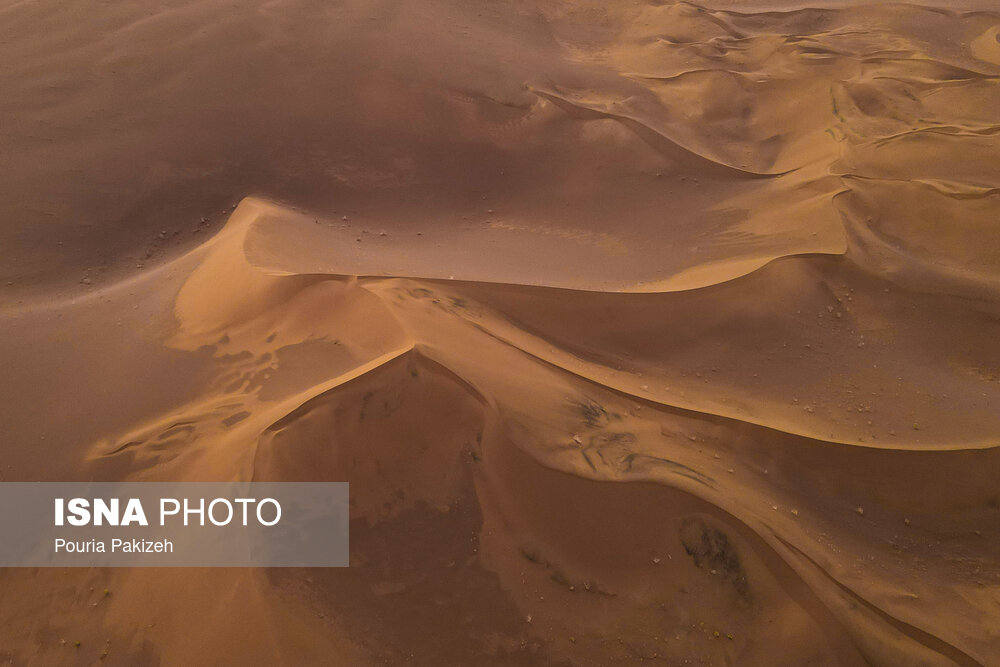
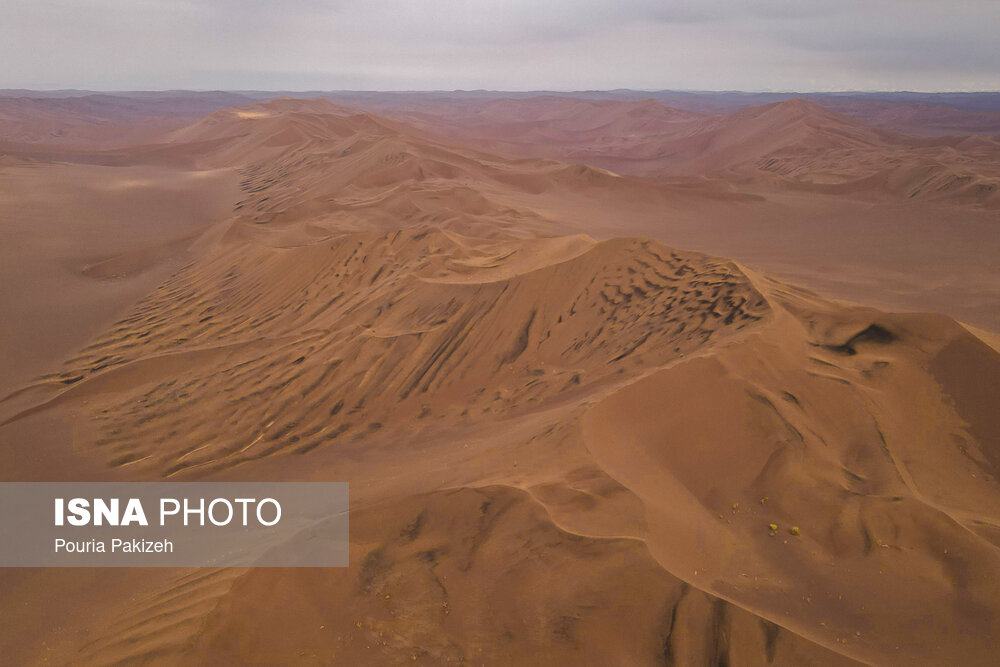
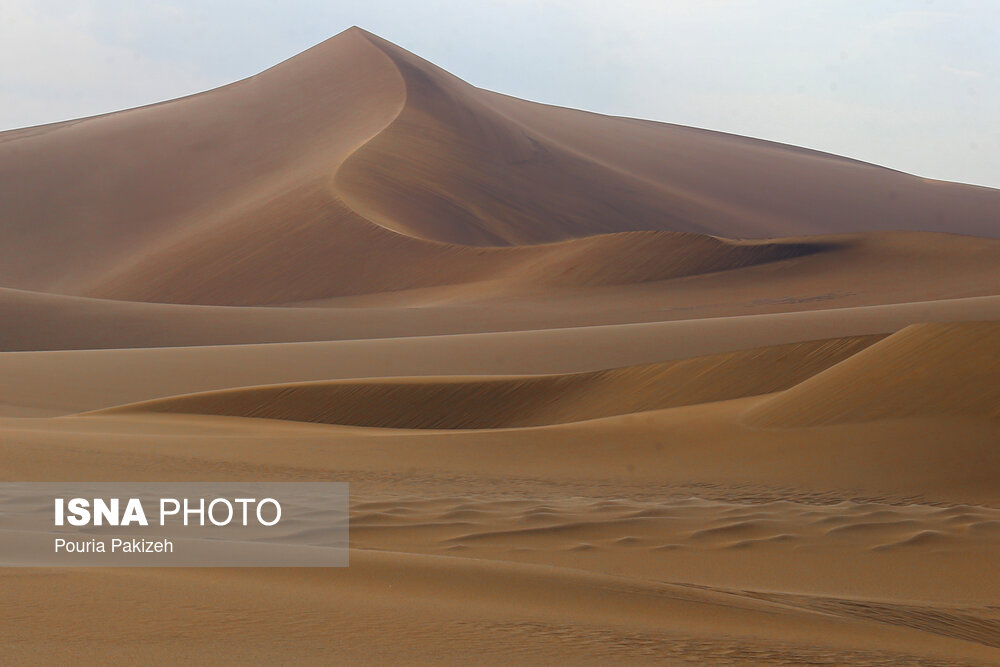
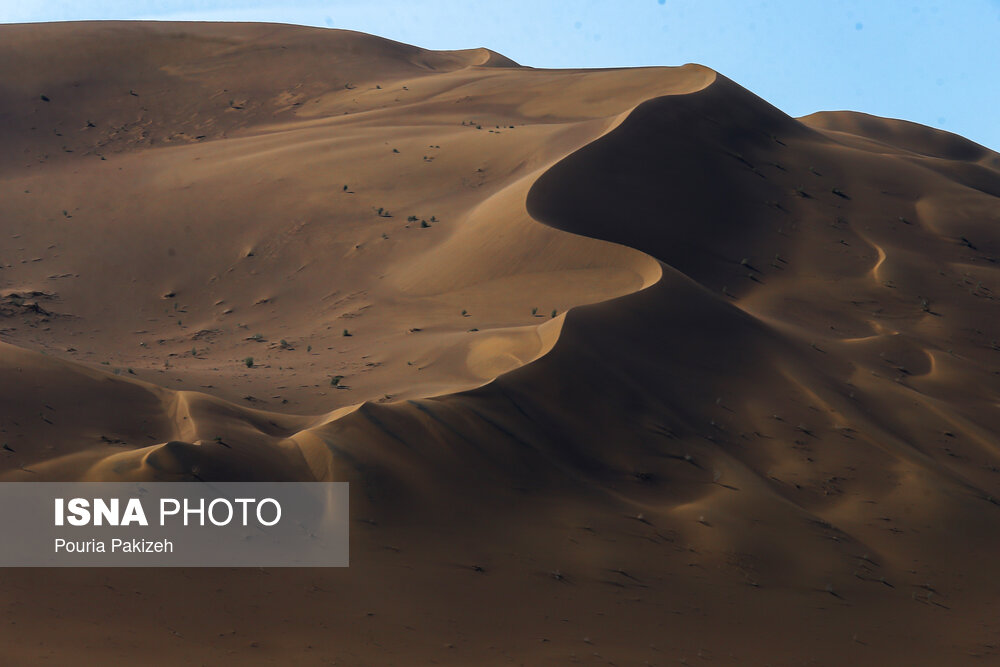
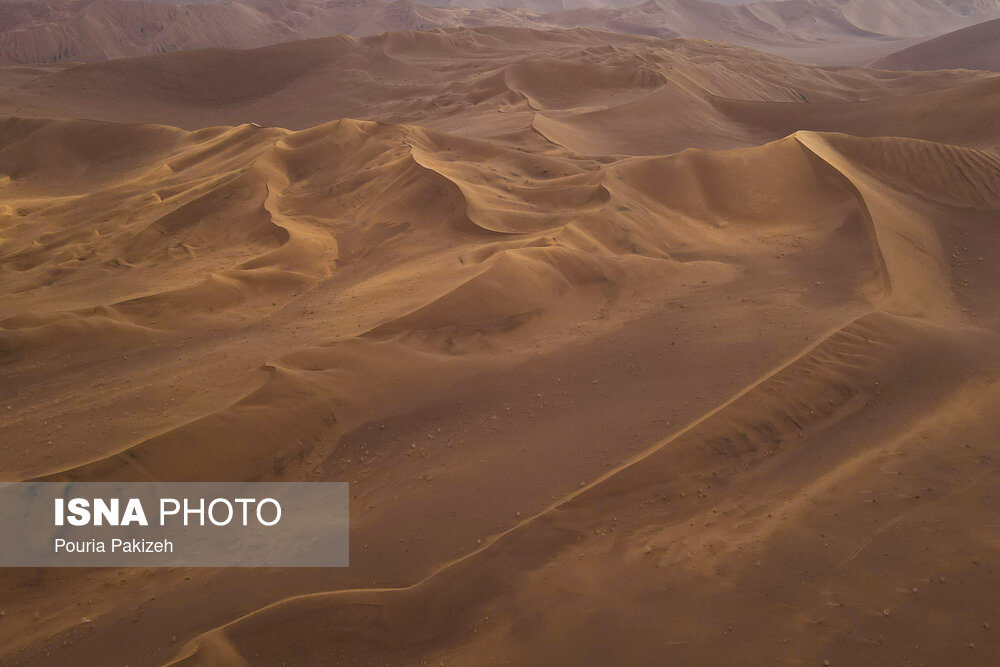
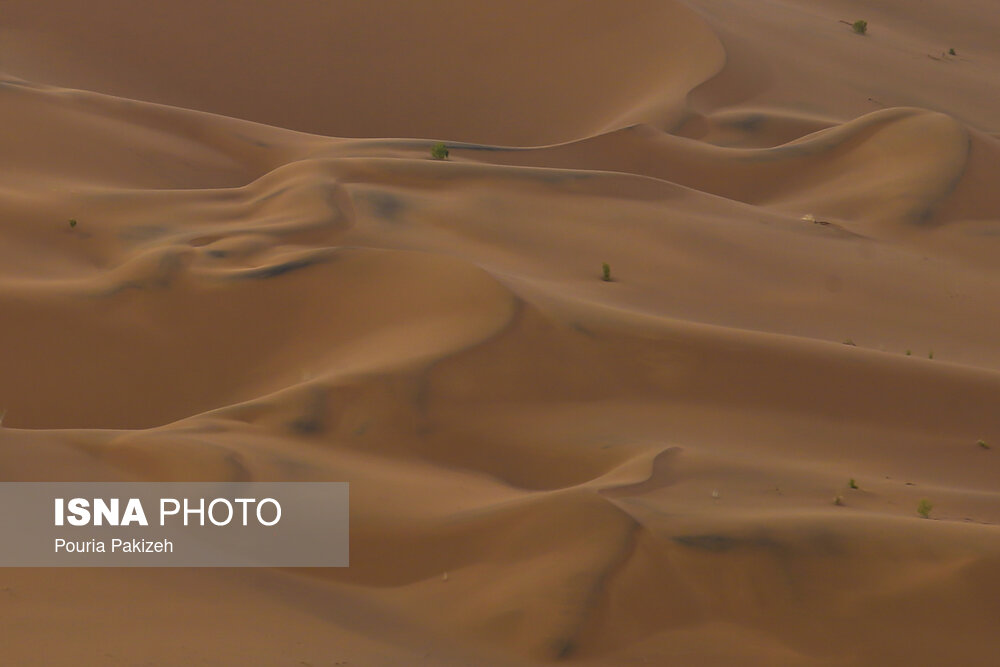
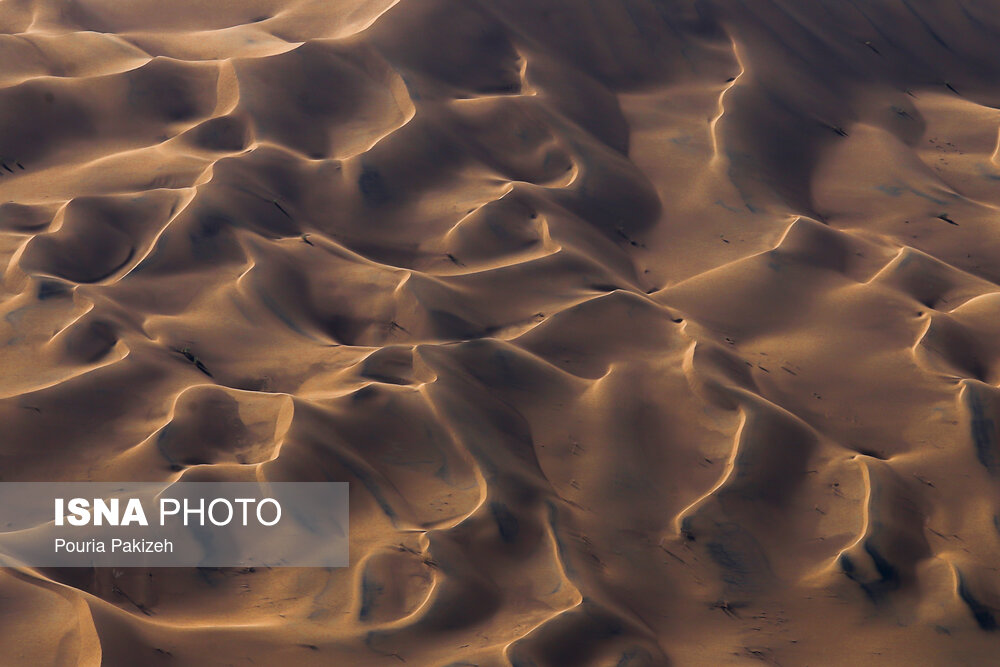
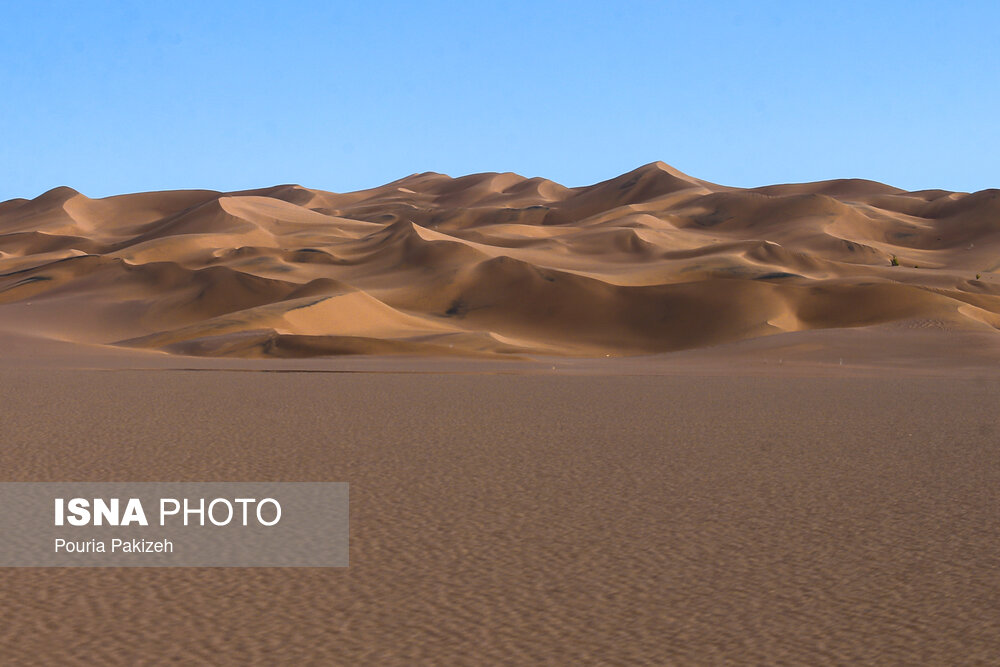
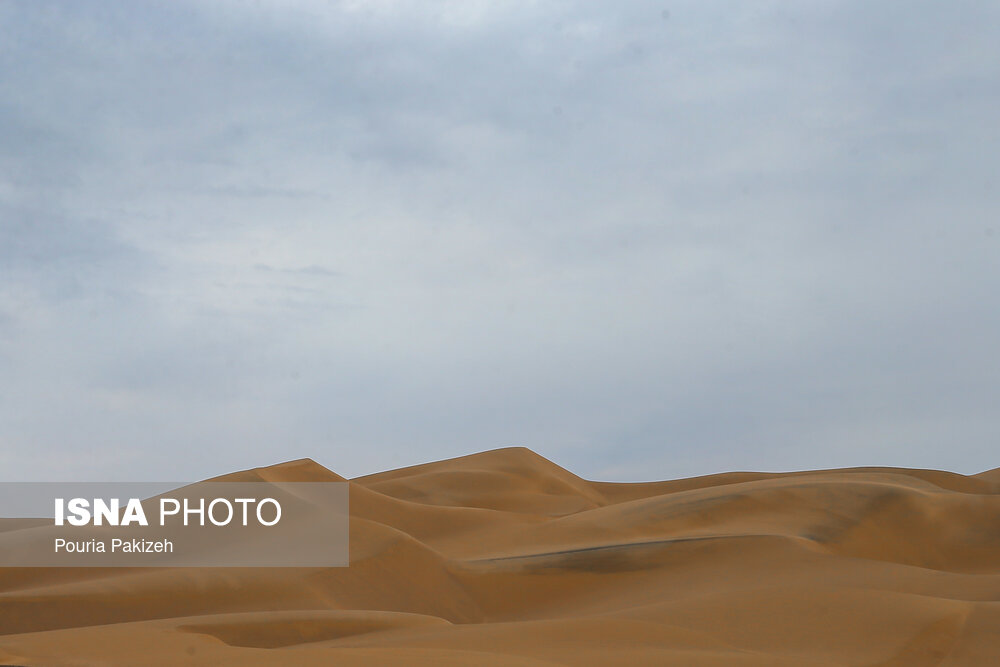
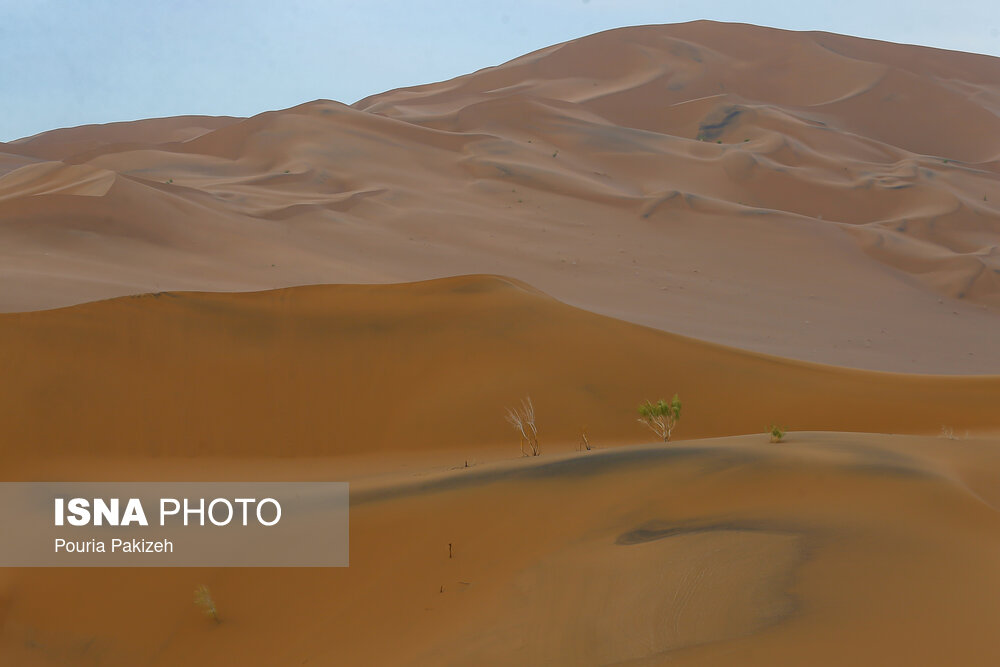
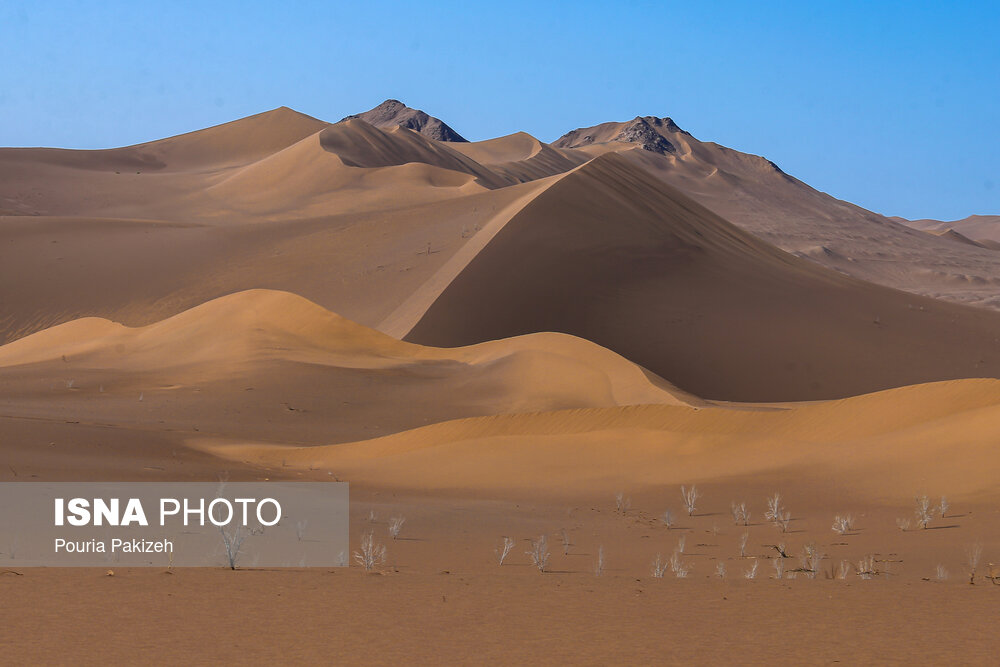
When it comes to deserts, few people can imagine a river or even a pond in them.

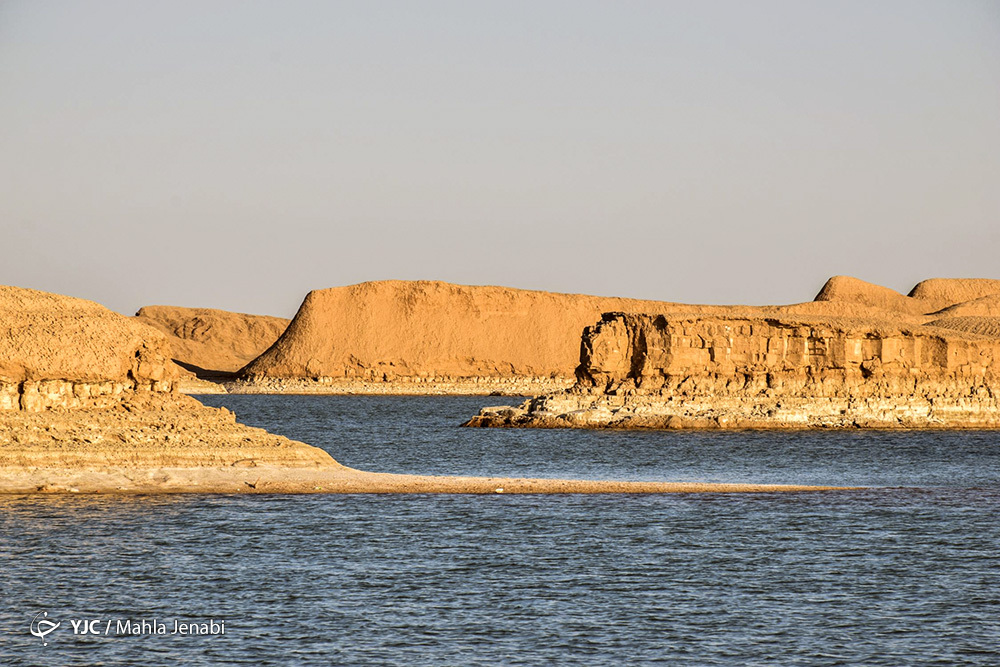
It is interesting to know that in the wonderful and eternal world of Iran’s Lut Desert, there is a river that takes its name from the taste of its water; it is called “the Shur (Salty) river”.

This river has come a long way to reach the Lut Desert. The salty river is the lifeblood of the Lut Desert, which carries a lot of salt along its path and will have its highest salinity when it reaches the center of the desert.

This is where we find out more about why the river has been called the Salty River. It is one of the strangest natural attractions in Iran.

This river is located in the heart of the Iranian desert. The water is initially fresh, but when it flows away from the heights, its salinity gradually increases, and when it reaches the desert, it has the world’s saltiest water.

Iran FM: Hungary to issue entry visas based on Iranian covid jabs

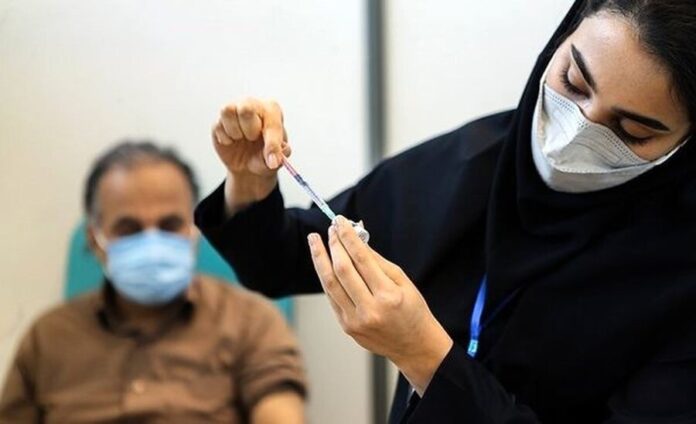
“An important development today was Hungary recognizing Iranian coronavirus vaccines as valid. To thank the Iranian scientists who successfully produced vaccines in several domestic companies, we signed a document in this regard based on which all Iranian jabs, if certificates are issued in Iran, can be acceptable in Hungary and be the basis for issuance of visas by Hungary,” Hossein Amir Abdollahian said in a joint presser with Hungary’s Peter Szijjarto.

The Iranian foreign minister added that the MOU will be effective starting from Friday and that consultations are underway with other countries so that they recognize the Iranian vaccines for issuance of visas for Iranian nationals.

“Exports of vaccines produced by the Islamic Republic of Iran to other countries will also materialize,” he said.

Amir Abdollahian also said Iran and Hungary held positive talks and reached “important agreements” during Szijjarto’s visit.

The two countries have signed documents including a cooperation agreement between the Islamic Culture and Communications Organization and Hungary’s foreign ministry as well as MOUs for diplomatic, customs and economic cooperation.

Amir Abdollahian said he and Szijjarto also discussed the situation in Afghanistan. The top Iranian diplomat said Hungary has sent several aid shipments to Afghanistan.

He said Szijjarto has also brought along a shipment of 4 million doses of covid vaccines, which are donated by Hungary and other countries to the four million Afghan refugees living in Iran. He thanked Hungary for its humanitarian gesture toward the Afghan refugees.

IAEA’s cameras to be installed at Iran sites after precise examinations

behrouz-kamalvandi

AEOI Spokesman Behrouz Kamalvandi made the announcement in response to contradictory reports and some news stories published by media in order to illuminate the public opinion.

“Following the exchanges of views between the AEOI and the IAEA, especially based on the latest talks between Mohammad Eslami, the vice president and the AEOI chief, and IAEA Director General Rafael Grossi, it was decided that the IAEA offer the necessary cooperation in order to conduct the required technical, security and judicial examinations for IAEA cameras to be installed at Tessa nuclear facilities in the city of Karaj,” said Kamalvandi.

“This will be done in order to ease concerns and give assurances that saboteurs won’t take advantage of these cameras,” he explained.

He said the cameras installed are under security protection and cannot be uninstalled without the IAEA’s permission.

“So, the two sides agreed that Iran be provided with a camera for precise technical examinations during which the IAEA’s technical experts would answer technical questions by our security experts about these cameras,” he noted.

“Finally, the IAEA’s cameras will be re-installed after precise and necessary examinations,” he said.

The spokesman noted that the cameras will record and save images, which will remain under the joint seal of Iran and the IAEA, but which the IAEA will not have access to, whatsoever.

He said the information recorded by the cameras will be made available to the IAEA only when all US sanctions against Iran are lifted.

Iran’s Leader condoles with top cleric on mother’s demise

“I hereby extend condolences to you and other survivors on the demise of your respected mother (May God bless her soul),” wrote Ayatollah Seyyed Ali Khamenei in a message.

“May God Almighty bestow His blessings upon her as well as the late respected father of Ayatollah Fazel Lankarani,” the Leader added.

Iran aiming for doubling trade with neighboring countries

“The president has been stressing the need for the current trade between our country and the neighboring countries to double in four years,” said Mahdi Safari.

“On the same basis, the foreign ministry held the five-day meeting of the ambassadors and envoys in the missions of the Islamic Republic of Iran with a focus on neighboring countries and economic diplomacy.”

Safari further explained that the policy centers on exports of engineering services and exchanges on electricity, natural gas, oil and even water with other countries.

He said neutralizing sanctions is the main objective of Iran’s cooperation with neighboring countries, especially in the area of trade.

“Independent from the negotiations [in Vienna on removal of the US bans], we want to offset the sanctions,” he said.

Safari added that the idea, floated in Ashgabat, of the agreement among Iran, the Azerbaijan Republic and Turkmenistan for natural gas swap can also be a basis for cooperation on water swap.

The deputy foreign minister also touched on Russia’s objection to the quality of agricultural products exported from Iran.

“A delegation will visit Moscow and we asked [the Russian side] to hold bilateral talks on different levels, even at the level of the foreign ministry, on the issue. The problem has been temporarily resolved and a delegation from Russia will also visit our farms,” he said.

Safari also said the number of Iranian trade attaches in different countries will increase from 8 to 35 in an attempt to promote economic diplomacy.

Safari also talked about the opportunities full membership in the Shanghai Cooperation Organization bring to Iran.

“The Shanghai [Cooperation Organization] has great economic capacity, which we will work to combine with the potential offered by the Economic Cooperation Organization, otherwise known as ECO,” he said.

The official also said there have been openings on the issue of Iranian funds blocked in other countries due to the US sanctions, including in Iraq.

UN welcomes Iran’s new agreement with IAEA

Farhan Haq, the Deputy Spokesman for the Secretary-General, told reporters on Wednesday that Rosemary DiCarlo, the Under-Secretary-General for Political and Peacebuilding Affairs, briefed the Security Council yesterday afternoon on Iran and the Joint Comprehensive Plan of Action.

“She reiterated the Secretary-General’s point that there is simply no viable alternative to the full and effective implementation of that Plan of Action. In this regard, together with the Secretary-General, Under-Secretary-General DiCarlo appealed to the United States to lift or waive its sanctions as outlined in the Plan and extend the waivers regarding the trade in oil with Iran,” Haq said.

She also called on Iran to reverse the steps it has taken that are not consistent with its nuclear-related commitments under the Plan,” he added.

The International Atomic Energy Agency (IAEA) will soon install new surveillance cameras at Iran’s Karaj centrifuge component manufacturing workshop under an agreement reached by Director General Rafael Grossi and the Head of the Atomic Energy Organization of Iran (AEOI), Mohammad Eslami.

The cameras, to be installed in coming days, will replace those that were removed from the Karaj facility earlier this year. In addition, the Agency and Iran will continue to work on remaining outstanding safeguards issues with the aim of resolving them.

“The agreement with Iran on replacing surveillance cameras at the Karaj facility is an important development for the IAEA’s verification and monitoring activities in Iran. It will enable us to resume necessary continuity of knowledge at this facility,” Grossi said.

“I sincerely hope that we can continue our constructive discussions to also address and resolve all outstanding safeguards issues in Iran,” he added.

The agreement between the two sides includes the following elements:

• The Agency and Iran will continue to work on remaining outstanding safeguards issues with the aim of resolving them. To this end, Iran and the Agency will conduct a series of exchanges of information and assessments including through meetings of experts.

• The Agency will make available a sample camera and related technical information to Iran for analysis by its relevant security and judiciary officials, in the presence of the Agency inspectors, on 19 December 2021.

• The Agency will reinstall cameras to replace those removed from the workshop at Karaj and perform other related technical activities before the end of December 2021 on a date agreed between the Agency and Iran.

Earlier, Iranian news agencies reported Tehran has voluntarily allowed the IAEA to replace the damaged cameras at the Tessa Complex in Karaj with new ones.

According to the report, Iran’s initiative prevented a misunderstanding with the IAEA over an issue which was raised during Grossi’s visits to Tehran in September and December.

In response to the IAEA’s request to replace the cameras damaged in a sabotage operation against the TESA complex in Karaj, Iran had explicitly stated from the beginning that it would not allow the service or replacement until the responsible organizations conduct their technical and security inspections on the cameras. Meanwhile, Tehran reminded the IAEA of its safeguard duty towards members, stressing the need for the Agency’s director general to react to terrorist and sabotage acts against the Islamic Republic’s nuclear program as the least he could do.

Accordingly, due to the completion of the main part of the forensic-security investigation into the damaged cameras, as well as the Agency’s action to condemn the sabotage in the Tessa complex and accept the technical inspection of the cameras by Iranian experts before installation, Iran voluntarily let the Agency replace damaged cameras with new ones.

The key point here is that the issuance of this license does not violate a law passed by the Iranian Parliament in any way, and according to the same law, the recordings of these new cameras will not be provided to the IAEA like the previous ones and will remain under the control of the AEOI.

Russia says glad Iran-IAEA misunderstanding removed

“The agreement between Iran and the IAEA Director General Mr. Grossi on the nuclear installations in the Iranian city of Karaj is an extremely valuable contribution to the Vienna talks on restoration of JCPOA,” tweeted Mikhail Ulyanov, who is also Russia’s permanent representative to Vienna-based UN organizations.

He made the tweet following the release of the IAEA’s statement on its recent agreement with Iran on the Karaj nuclear facilities.

In his tweet, Ulyanov said he was pleased to see the misunderstanding between Tehran and the IAEA cleared up.

Iran has voluntarily allowed the IAEA to replace the damaged cameras at Karaj’s TESA site with the new ones in the wake of a recent agreement with the IAEA.

The International Atomic Energy Agency announced on Wednesday it will soon install new surveillance cameras at the site.

Iran set to boost energy cooperation with Azerbaijan republic, Russia

Iranian Energy Minister Aliakbar Mehrabian further stressed the importance of enhancing cooperation with Baku and working together to complete two jointly-owned dams while also highlighting closer cooperation with Russia.

“In order to run this project and the electrical connection which had been established for a short time in the past, an electricity peak management plan has been implemented in all three countries, and the electricity shortage will be met as well,” said Iranian Energy Minister in an online meeting with his opposite number from the Azerbaijan Republic Parviz Shahbazov.

Mehrabian said he would be prepared to hold a trilateral meeting of energy ministers from Iran, the Azerbaijan Republic and Russia.

He added Tehran would like to see an increase in the duration of the period of time of purchasing electricity, and welcomes a transfer of the purchase period from the hot season to other times of the year.

The minister also emphasized the importance of installing turbines next to the two dams jointly owned by Iran and the Azerbaijan Republic.

“When operational, the project will generate a considerable amount of electricity as well as revenues for both countries,” he noted.

“Iran is one of the countries with the technology to build power plants and exports to other countries, namely Russia, power plant turbines with an efficiency of more than 60%,” the Iranian energy minister explained.

One of the programs of the Iranian Energy Ministry is to expand the country’s National Power Grid to connect it to that of neighboring countries in accordance with international standards and with the aim of promoting energy exchanges with, and energy exports to other countries.

Khatibazde: EU troika act as fair partner

Saeed Khatibzadeh reacted to the EU troika’s latest statement on Iran’s nuclear program and the atomic deal, known as JCPOA.

Khatibzadeh said any statement on the JCPOA that fails to mention the US culpability and its role in the disarray in the agreement only shows utter ignorance.

He added that if the EU troika wants to be taken seriously as a fair partner, it must act like a fair partner. The Foreign Ministry spokesman noted that for Iran the JCPOA hollowed out when promised benefits under the JCPOA did not materialize.

Khatibzadeh reiterated that those benefits must finally be delivered.

His comments came after the three European parties to the deal said that chances of reviving the 2015 nuclear agreement were quickly diminishing due to what they described as “Iran’s continued nuclear escalation”.

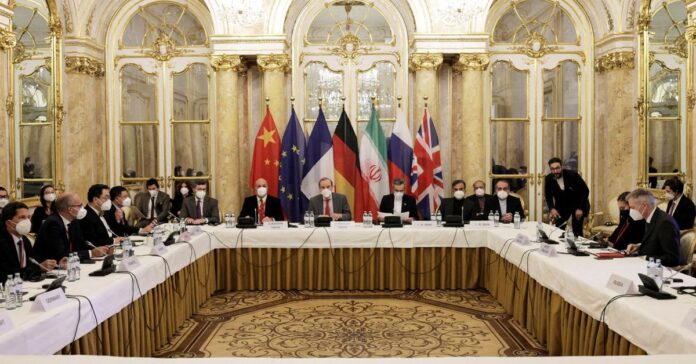
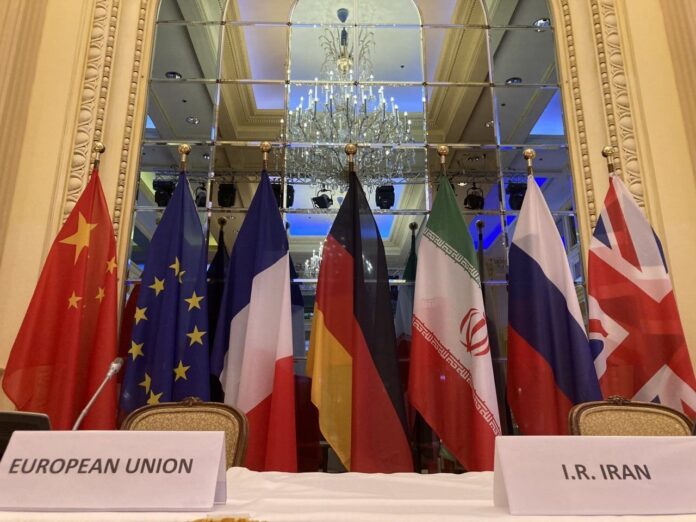
Iran and the P4+1 group – Russia, China, Britain, France and Germany- are engaged in talks in Vienna aimed at lifting the anti-Iran sanctions and the revival of the Iran nuclear deal, JCPOA.

Amir Abdollahian: Iran will not accept threats

Amir Abdollaihan made the comment in a telephone call with UN chief Antonio Guterres. He added that threats against Iran are counterproductive.

Referring to the Vienna talks, Amir Abdollahian also said the Iranian delegation is sitting at the negotiating table with initiatives and necessary powers and is making efforts to reach a good deal.

He said one reason why the talks are slow is that the Western side has no initiatives.
He noted that the West’s alleged concerns can only be dispelled through fully removing the JCPOA-related sanctions on Iran.

“After the secretary general of the UN atomic agency condemned the act of sabotage at the Tessa Complex of Iran, we declared as a goodwill gesture that we will allow the installing of cameras at the site”, said the foreign minister.

The two sides then turned to the issue of Lebanon. Amir Abdollahian said Iran has always supported Lebanon’s national unity, sovereignty and territorial integrity. He added that the international community must confront the Zionist regime’s aggression against Lebanon.

The UN chief also said during the phone call that the world body believes the JCPOA is an important document and very useful for international peace and stability.

Guterres also said that the UN’s stance on the JCPOA has always been clear and candid and it has supported the deal.

He thanked the Islamic Republic of Iran for cooperating with the IAEA and its decision to allow installing cameras at Karaj’s facility.

He said this is a sign of Iran’s good cooperation with the agency, which will have a positive impact on confidence building during the talks.

Guterres said the UN will sue all mechanisms at its disposal and will do its best so that the Vienna talks will produce good results.