
The group says the US and the United Nations interfered in the October vote before Iraq’s Supreme Court ratified the results, rejecting complaints by Iran-backed factions on “irregularities”.
Hezbollah Brigades added that certain groups confiscated the rights of the Iraqi nation with the backing of what it called the “vicious alliance of Zionists, the US and Saudis”, to force Iraqis to surrender to their “evil plots”.
“Iraq’s election commission was subject to the worst kind of abuse and Iraq’s judicial authority was subject to coercion, threats and pressure by these groups, especially the ambassador of the US and the UN representative to Iraq, and this led to the Federal Court of Iraq to give in to them and reject the calls for annulment of the elections, despite evidence and objections by the protesting coalitions,” Hezbollah Brigades said in a statement.
The Federal Supreme Court ratified the results of the elections on Monday. The biggest winner in the vote was the movement led by Shia populist leader Muqtada al-Sadr, which won a majority of 73 seats in the fractious 329-seat chamber.
Leader of Iraq’s al-Fath Coalition Hadi al-Ameri also told media that, “despite deep belief and firm trust that the election was rigged”, he accepts the ruling by the Federal Supreme Court.
Ameri added that he took the decision to show his commitment to Iraq’s constitution and his concern about the security and political stability of the country.
“The objections we lodged with the Federal Court were firm, logical and acceptable, and they would be enough to annul the results of the election, if they were submitted to courts in any country, where democracy is respected,” he said, stressing that the federal court was under huge pressure from inside and outside Iraq.
Iraq Hezbollah: US, UN interfered in elections
Russia rules out joining NATO
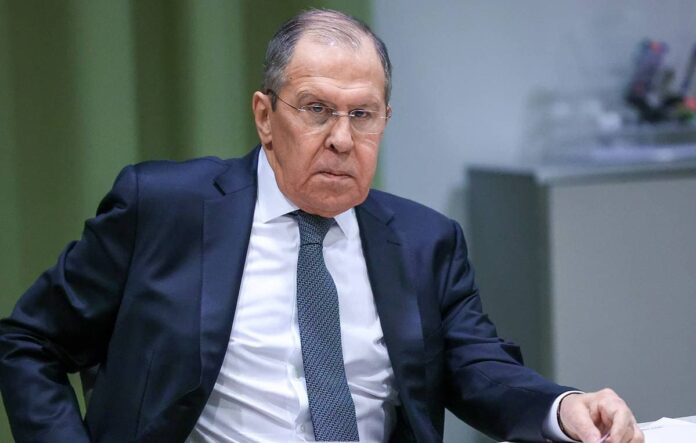
Commenting on the question about the possibility of joining NATO on certain conditions, on an equal footing, the top diplomat noted that he did not assume such opportunity for Russia.
“I do not consider this possible, as the whole process does not revolve around NATO or the EU, it is about the West’s unwillingness to have any competitors in the international arena that are in the slightest degree comparable in terms of influence,” Lavrov pointed out.
According to the Russian top diplomat, such attitude of the Western states explains their “hysteria over the rise of China”, which accepted the rules of the game introduced in the global economy and “outplayed the West on its own field.”
The West cannot be taken at its word, since it betrayed the confidence placed in it by Russia after the collapse of the USSR, Lavrov told the Solovyov Live YouTube channel.
“Everything that happened with our relations after the collapse of the USSR, when the new ties were built, as the [Russian] president had repeatedly recalled, was a completely unprecedented level of trust, the willingness to become friends and almost allies <…>. But all of this, as we clearly understand, was a mistake. You cannot trust their word,” Lavrov insisted.
The top diplomat commented on the statement made by former Russian Foreign Minister Andrey Kozyrev, who believes that Russia needs to join NATO.
Lavrov added that “many Russian politicians, especially oppositional ones, viewed the West as unconditionally ideal and an unquestioning leader.”
“They do not see any flaws in the West, or see the damage that the West is doing all over the world, destroying countries as well as statehoods,” the Russian foreign minister continued.
Lavrov also mentioned that NATO Secretary General Jens Stoltenberg claimed that the alliance had never promised to halt the eastward advancement.
“Of course, they had,” the top diplomat insisted, referring to the statements of the British diplomat who partook in the talks on the unification of Germany.
“This British diplomat wrote, I do not think that it will be difficult to find this quote, some incredible thing. He claimed that they sincerely promised that NATO would not expand, but of course, they did not mean it. They were motivated by the historic chance to build a new Europe, in which there will be no confrontation, while US National Security Adviser in 1977-1981 Zbigniew Brzezinski, talking to one of his colleagues, revealed that they deceived [Russia],” Lavrov stated.
The Russian leadership is not considering the possibility of turning the country into a “besieged fortress” because of the Western sanctions, he said.
“Will we become a “besieged fortress”? I am sure that this is not part of the plans of the Russian leadership. Absolutely,” the minister added.
“The President [of Russia Vladimir Putin] constantly voices, in particular in his last speeches, at his big press conference, his commitment to expanding opportunities for the free development of society, for democratic principles,” he added.
Lavrov said that if the West strengthened sanctions, Russia would find an answer but he stressed that Moscow was counting on the prudence of its Western partners.
“I am convinced that even if this scenario, which is fantastic for me, comes true, we will find an answer,” the minister stated.
Lavrov noted that there are politicians in the West who consider it useless to impose sanctions on Russia. Nevertheless he stressed that Russia will not change its beliefs due to the discontent of its Western colleagues.
“In case someone has not yet understood it yet – every day Russia proves its ability to solve any problems, and it will not change its way of life, its beliefs, just because the West got angry and closed some technologies there,” he continued.
Top Iran commander: Israel’s Iron Dome can be penetrated
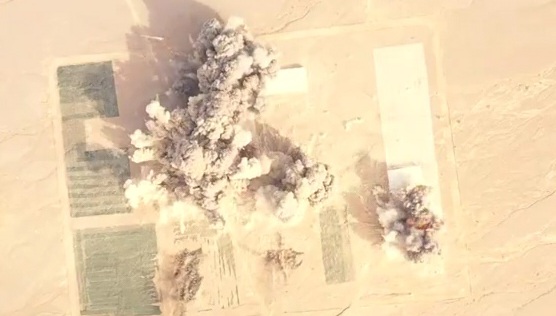
Major General Mohammad Bagheri said the exercise made it clear that Israel’s Iron Dome system can be defeated and penetrated if a barrage of missiles is fired from different directions at a target at once.
The top Iranian general described the drill as one of Iran’s most successful military exercises.
On the final day of military drills codenamed Great Prophet 17 in southern Iran last week, the Islamic Revolutions Guards Corps fired 16 missiles at the mock-up of Dimona destroying it completely.
Tensions between Iran and Israel are skyrocketing after the regime’s latest military threats against the Islamic Republic’s nuclear facilities.
Iran has pledged to give a crushing response to any Israeli aggression.
Syria says Israel attack caused ‘significant material damage’
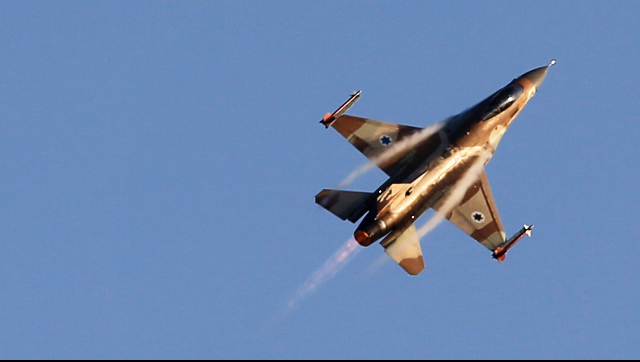
“At around 03:21 AM, the Israeli enemy carried out an aerial aggression with several missiles from the direction of the Mediterranean… targeting the container yard in Latakia port,” Syrian state news agency SANA cited a military source as saying.
The strike caused “significant material damage” and led to fires, the agency added.
Last time, the Israeli regime had targeted Latakia around 20 days ago.
The Israeli regime maintains a significant military presence in the territory, which it uses as a launch pad for its attacks on the Syrian soil.
The attacks started to grow significantly in scale and frequency after 2011, when Syria found itself in the grip of rampant foreign-backed militancy and terrorism.
Tel Aviv claims that its attacks target alleged supplies that are headed for the Lebanese resistance movement of Hezbollah. On countless occasions, though, the strikes have targeted the reinforcement belonging to Syria’s military and its allies.
The regime has also been providing safe passage and medical treatment to the Takfiri terrorists, who flee the allies’ defensive operations.
Exquisite book in Tehran’s Armenian Museum
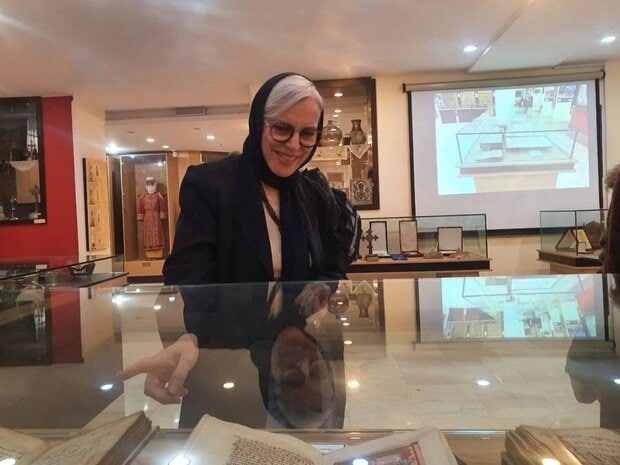
Rima Ojaghian, a veteran restorer of old manuscripts at the National Library of Iran who studied in France, told the Mehr News Agency about the old books kept in the Armenian Museum in Tehran.
“I restored these books, which are mostly Bibles, ten years ago. These books are now kept in the Armenian Museum. One of them is exquisite because there are only 7 books similar to it in the world. This book contains prayers that Armenians recited in churches,” she said.
She said that the pattern of the cover of the book is driven from the miniatures inside.
“This book was discovered in ancient Turkey in the early 1700s and was in poor condition when it was delivered to me. I had to clean it 5 times. I even had to wash it. If I remember correctly, this book was hidden in old jars. No other copies of this book were ever made. Similar books are now kept in Armenian libraries,” Ojaghian added.
“This book features the Armenian binding style to the audience. In the past, men used to sew the pages. I tried to bind this book with about 1500 pages in the same old style; even the headband and the tailband on both sides of the book were restored,” she explained.
The type of endband and binding shows well that the Armenians sewed the pages of paper, covered them with wood and closed the book in a certain style to prevent the destruction of the pages, Ojaghian stated.
She added that these books are now kept in two showcases of the Armenian Museum in Tehran.
Sanandaj becomes Iran’s book capital
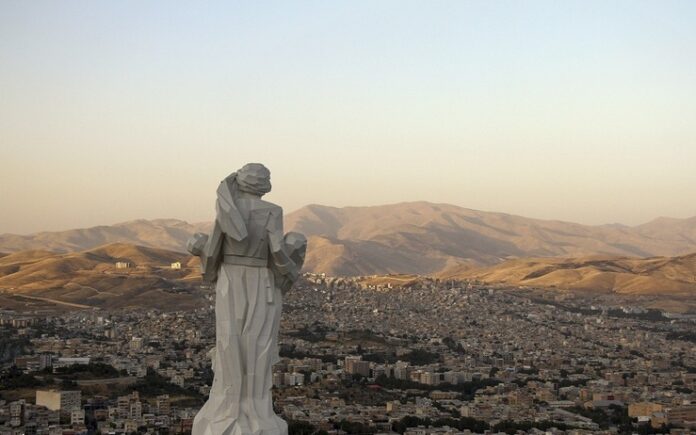
The announcement was made by Obaid Rostami, Director General of Islamic Culture and Guidance Organization of Kurdistan Province on Monday.
Rostami made the announcement in the final ceremony of introducing and selecting the book capital of Iran attended by Mohammad Mehdi Esmaili, Minister of Culture and Islamic Guidance.
He added that Sanandaj is one of the most cultural cities in Iran with great potentials in various fields of culture, art and media.
Rostami also said holding major national and international festivals and events is a key reason why the city was given the title of the Book Capital of Iran.
The official noted that currently Sanandaj has 45 publishers, 70 bookstores, seven public libraries, 6 university libraries and four centers of Kurdish studies and research.
He said the Iranian cities of Ahvaz (2015), Neishabour (2016), Bushehr (2017), Kashan (2017), Yazd (2009) and Shiraz (2016) have previously been given the title “Book Capital” over the past six years.
Now Sanandaj has been selected from 192 cities across Iran and the plaque and statue of the seventh book capital of Iran were presented by the minister of culture and Islamic guidance to the representative of the people of Kurdistan Province.
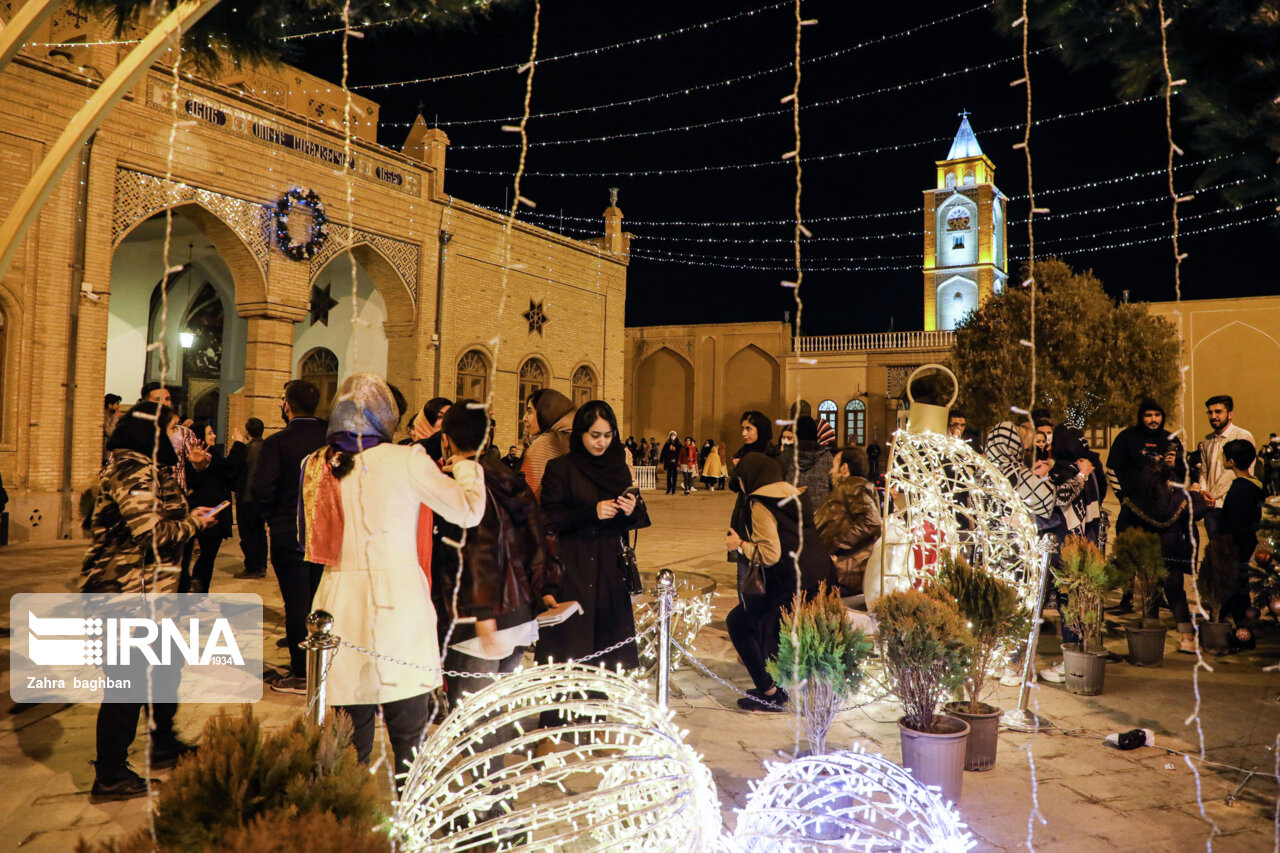
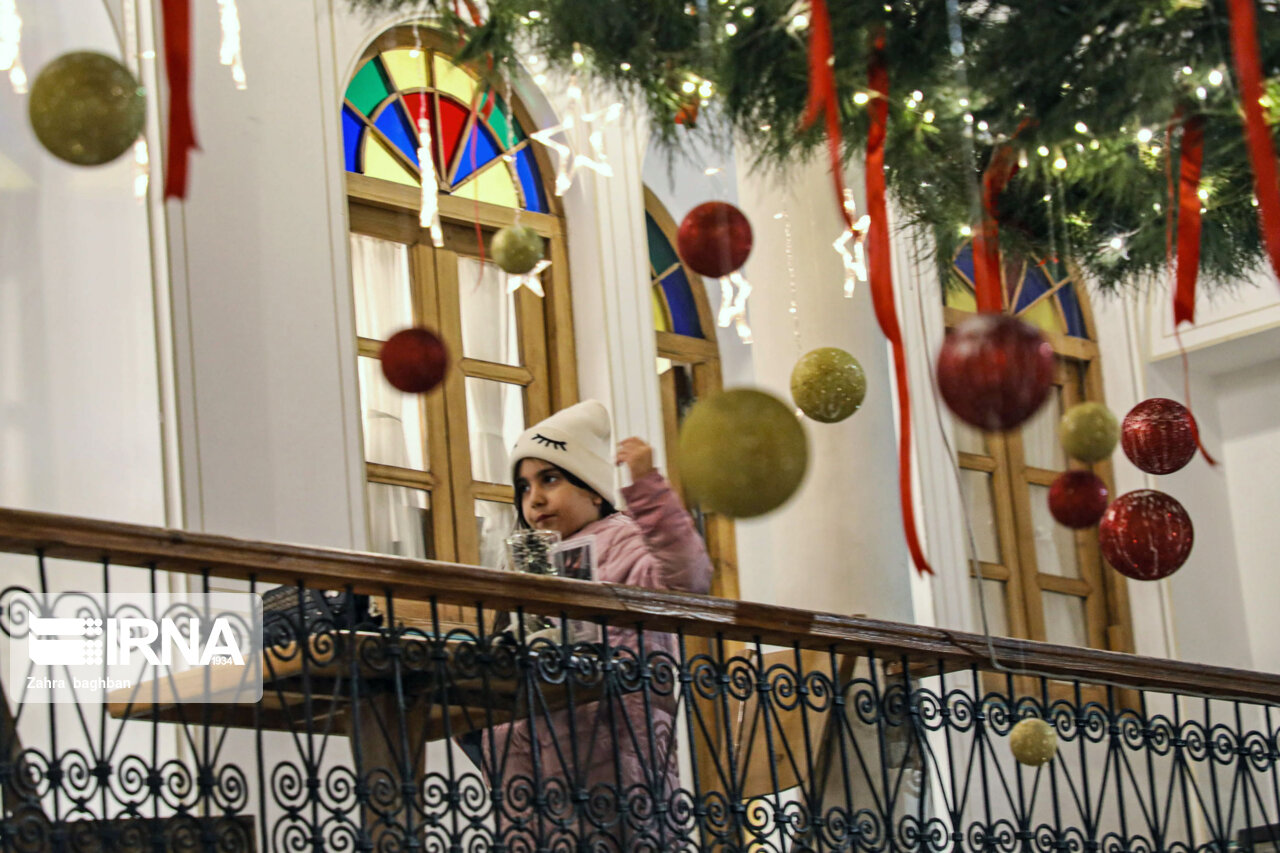
Tehran nights in run up to New Year

With the New Year fast approaching, some of the neighborhoods of the Iranian capital Tehran are bustling with Christian citizens who are shopping for the festive season.
But it is not only Christians who are out, Muslims and people of others faiths are also enjoying the festive mood and exciting nightlife in the lit up streets.



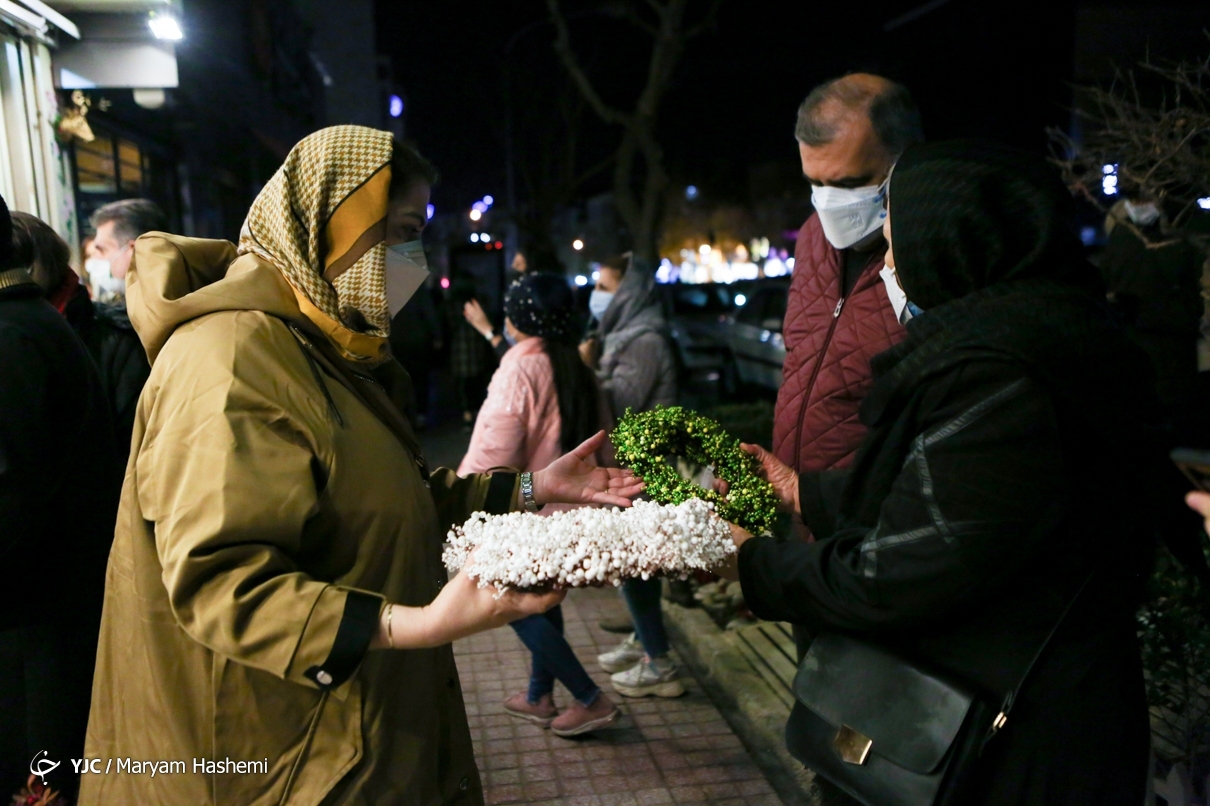



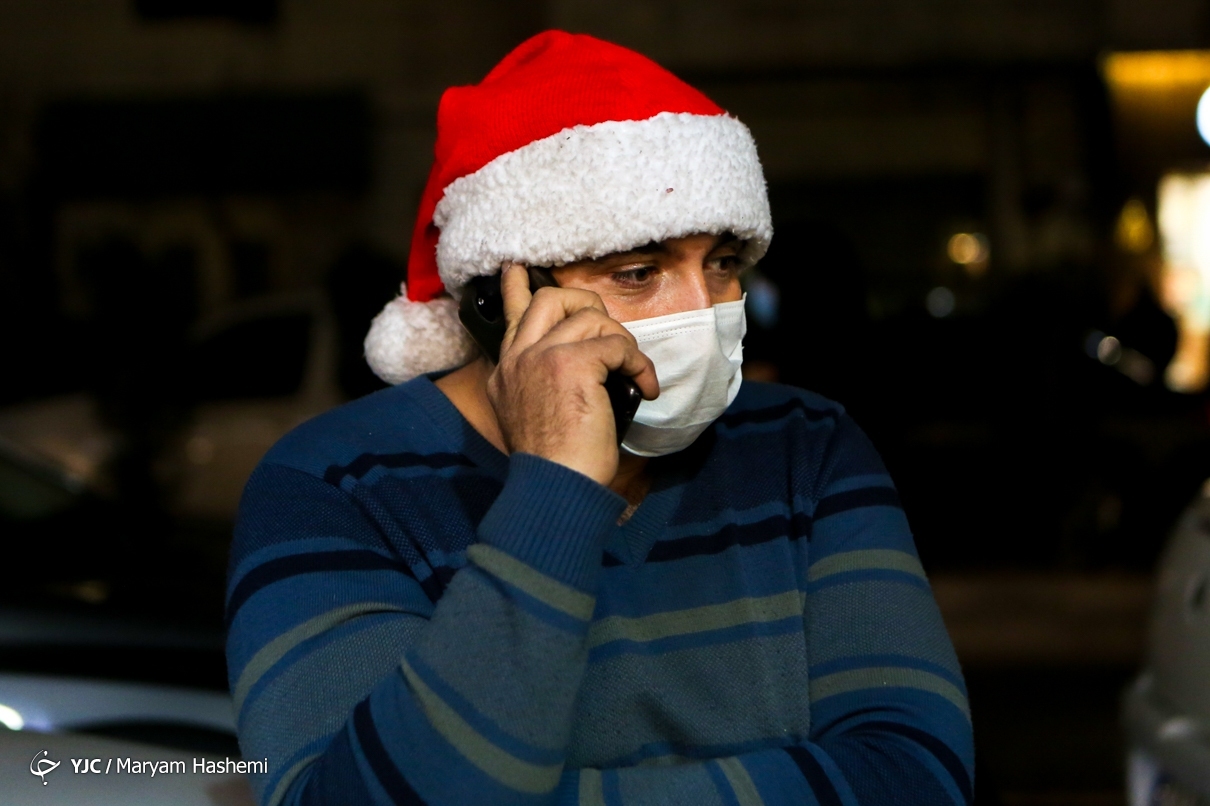




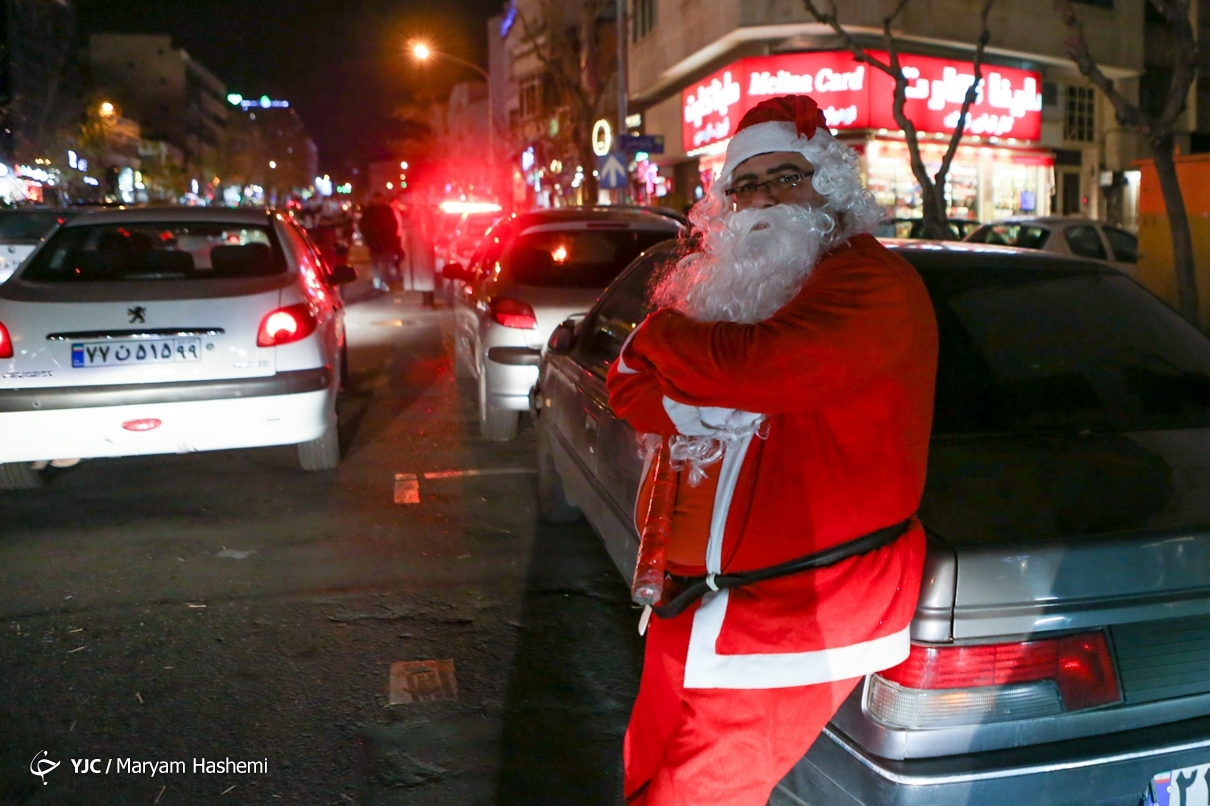



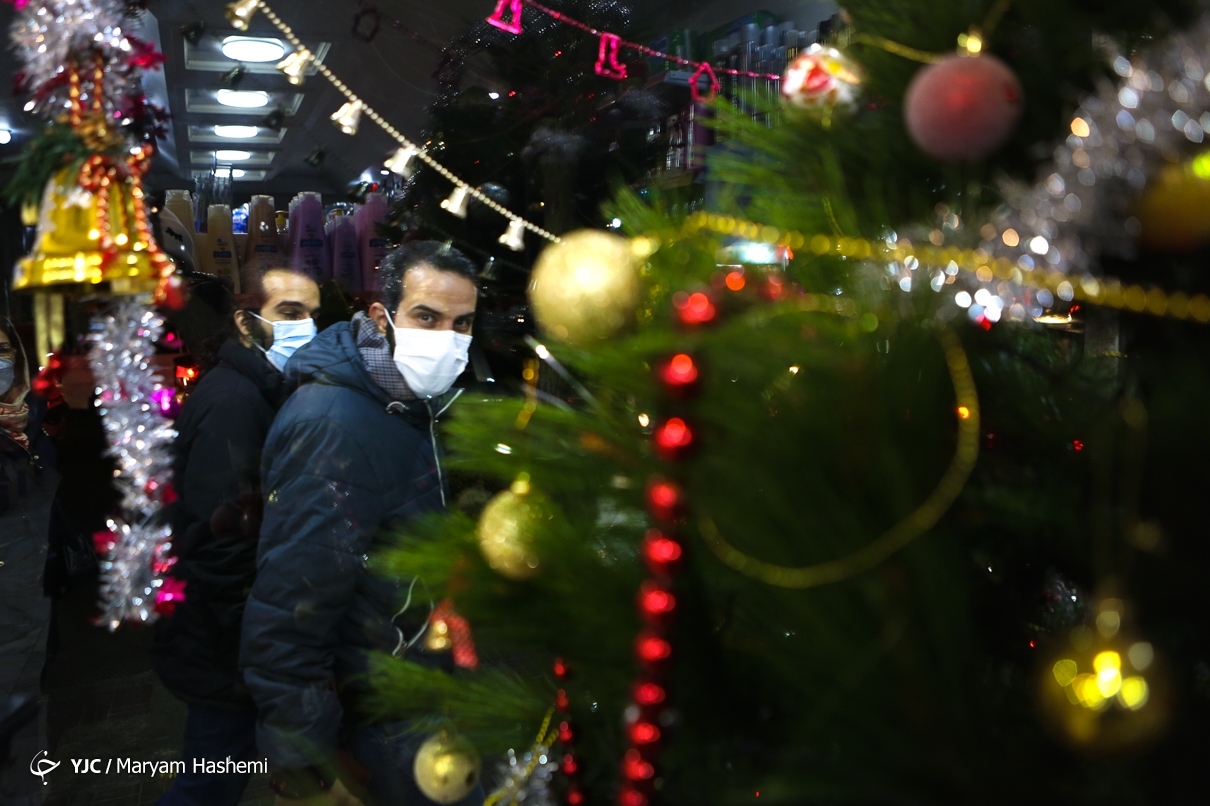






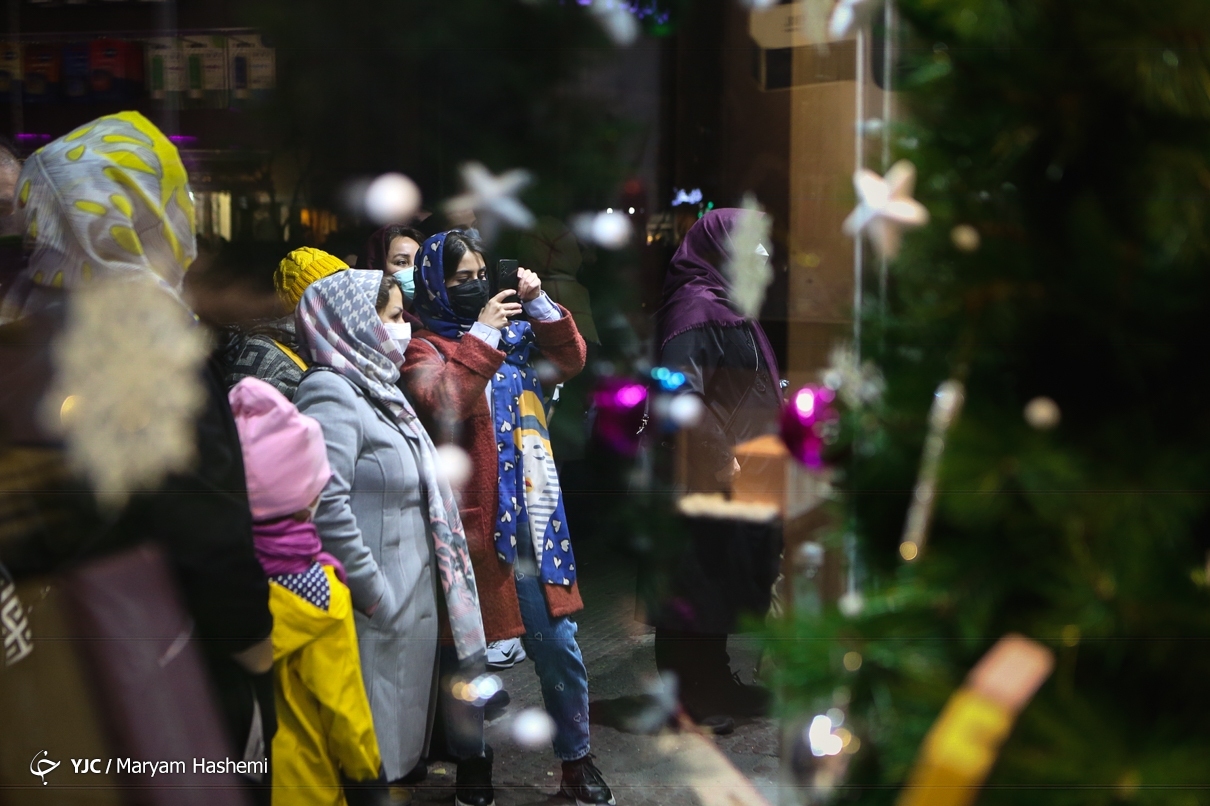


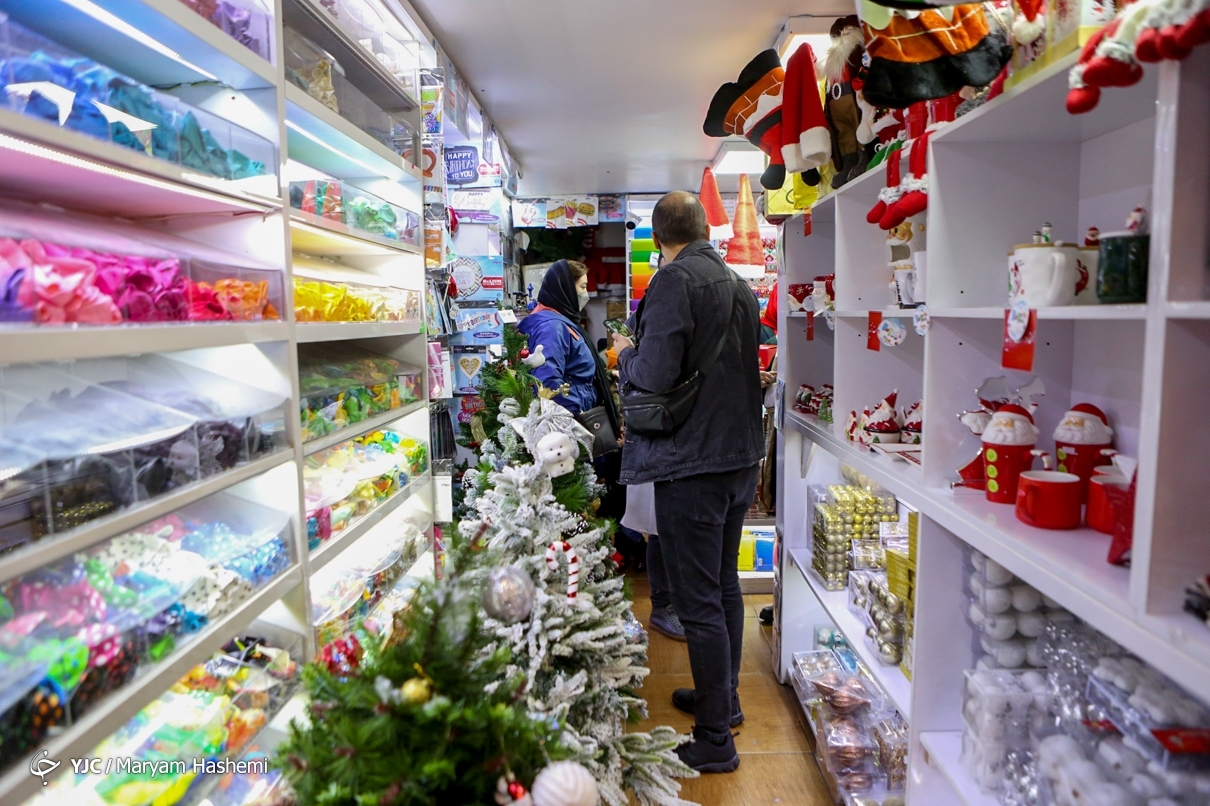

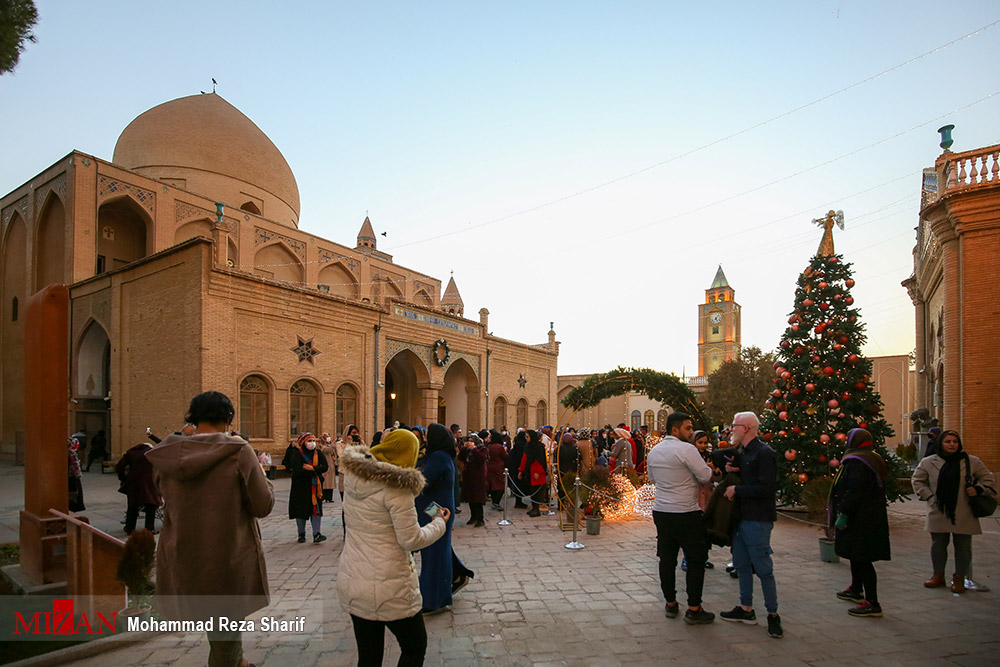
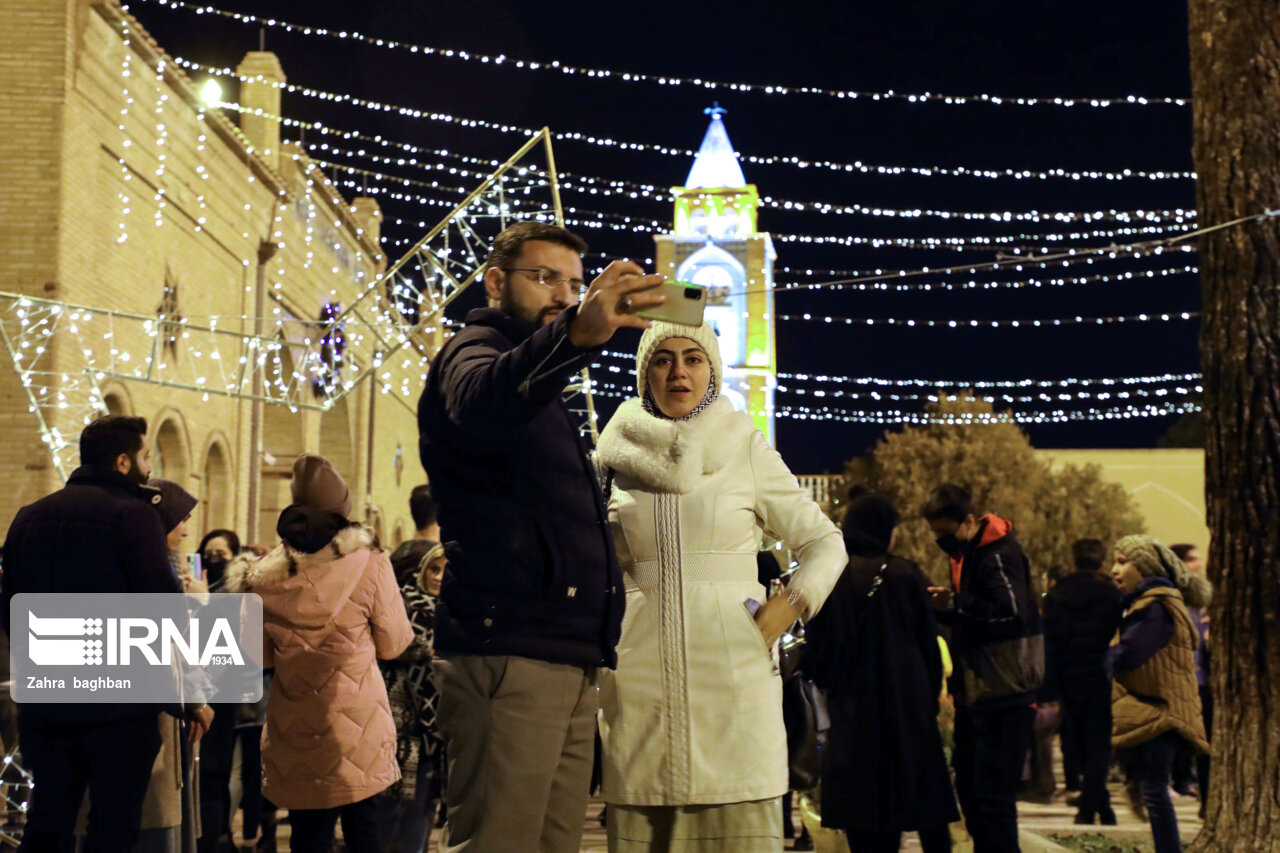
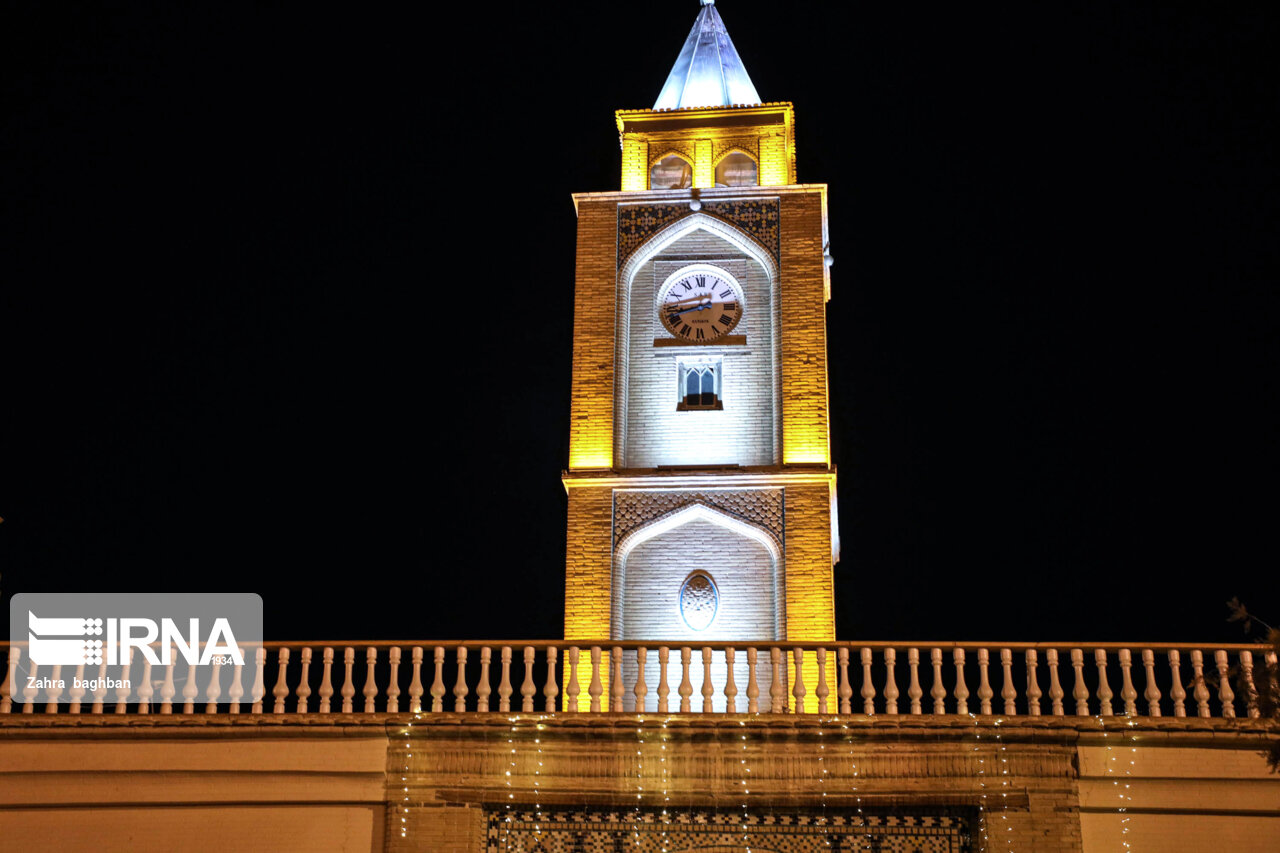
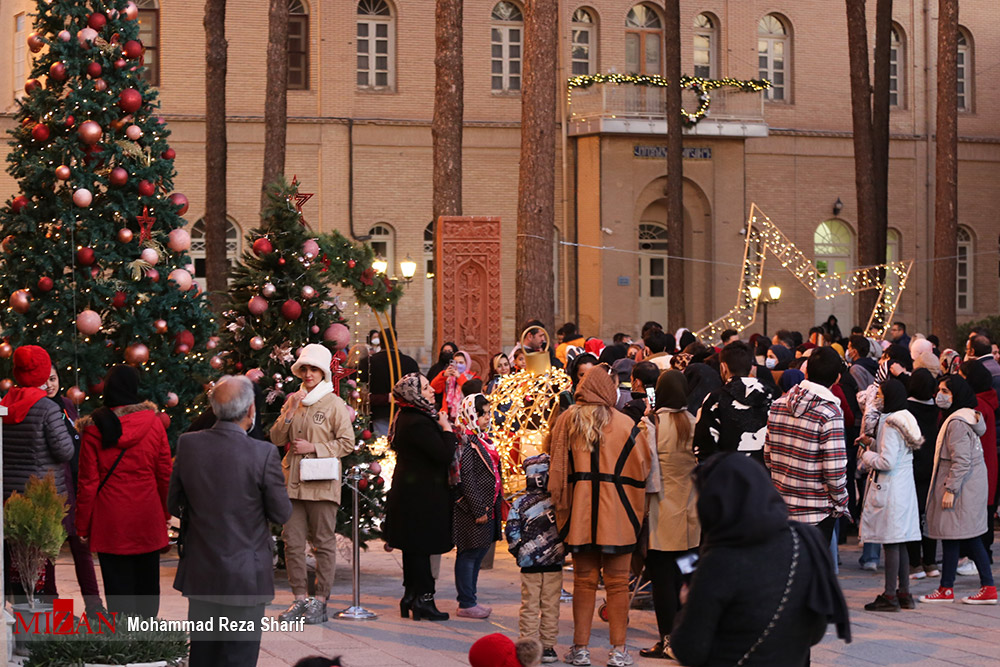
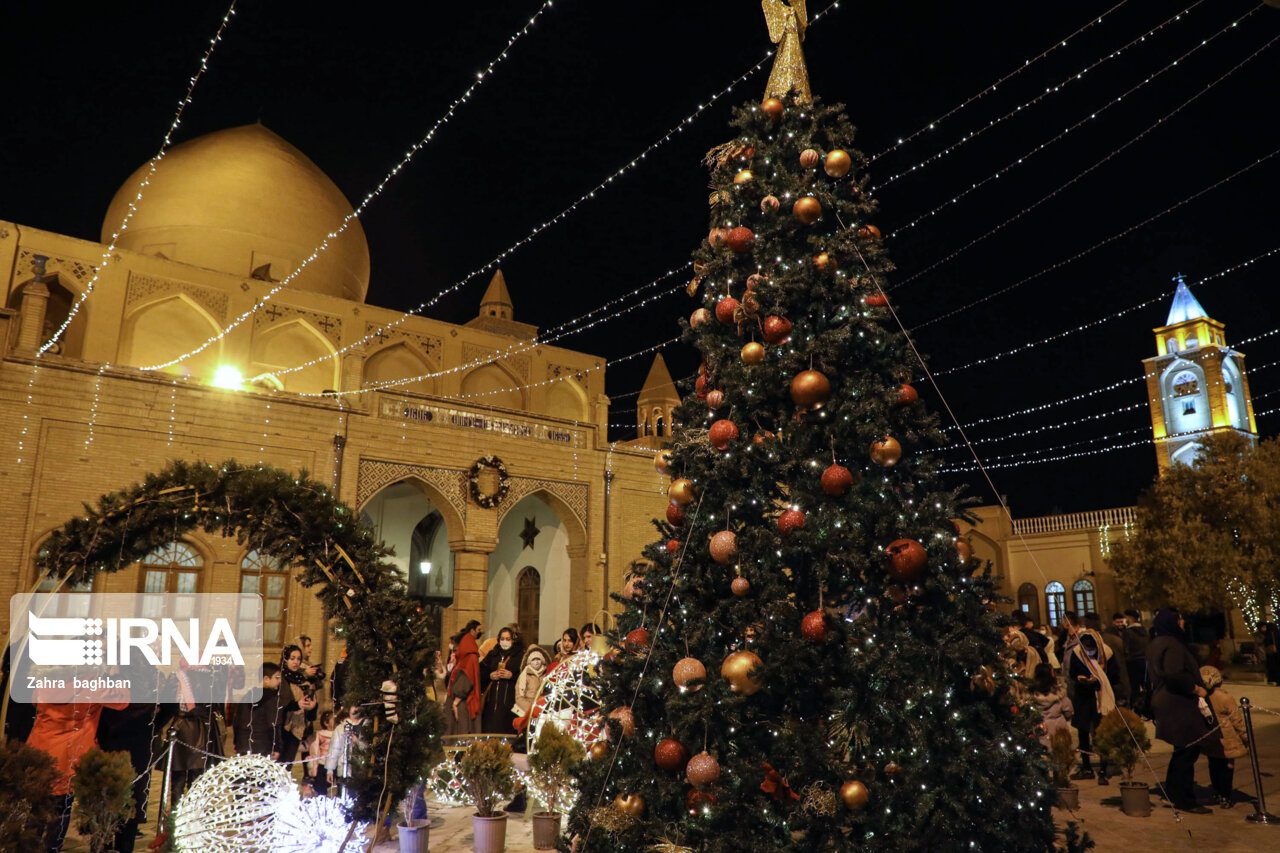
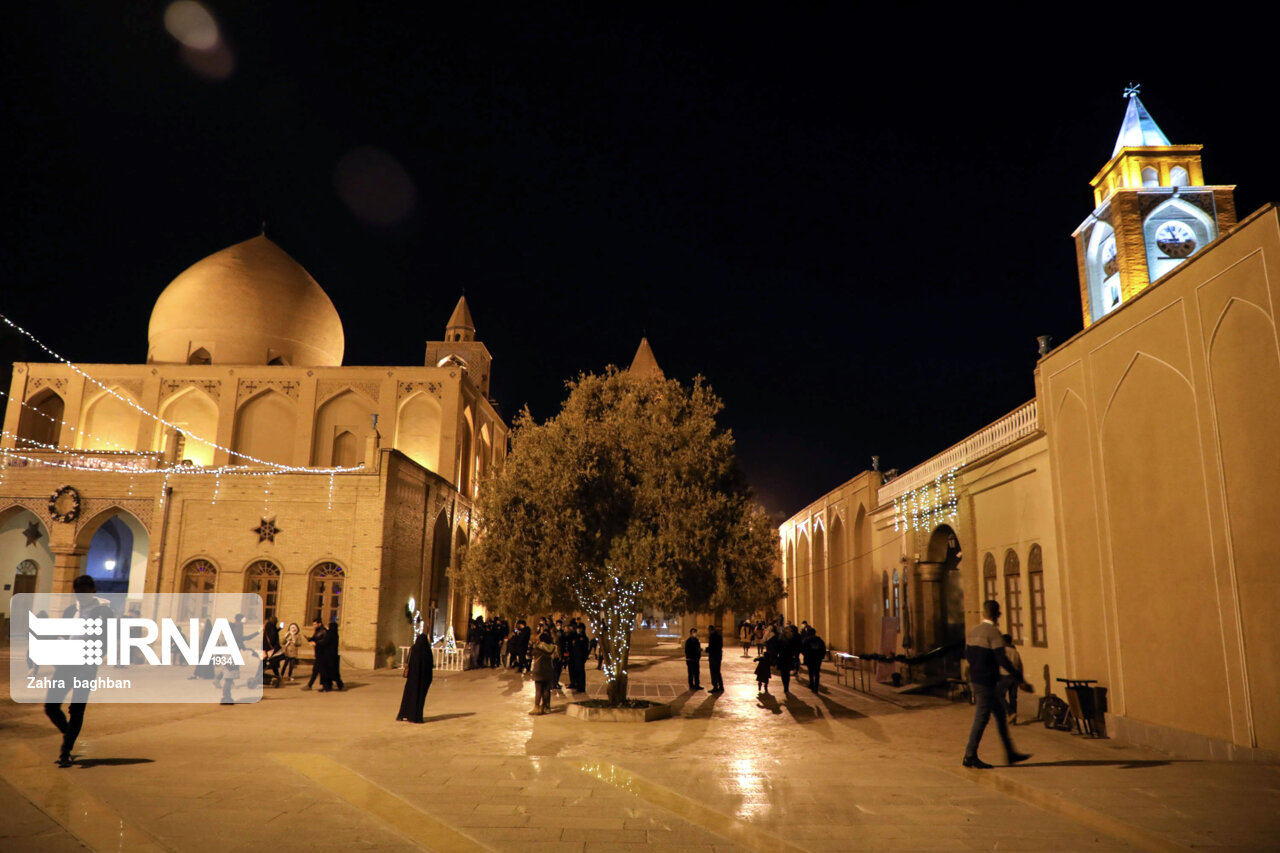
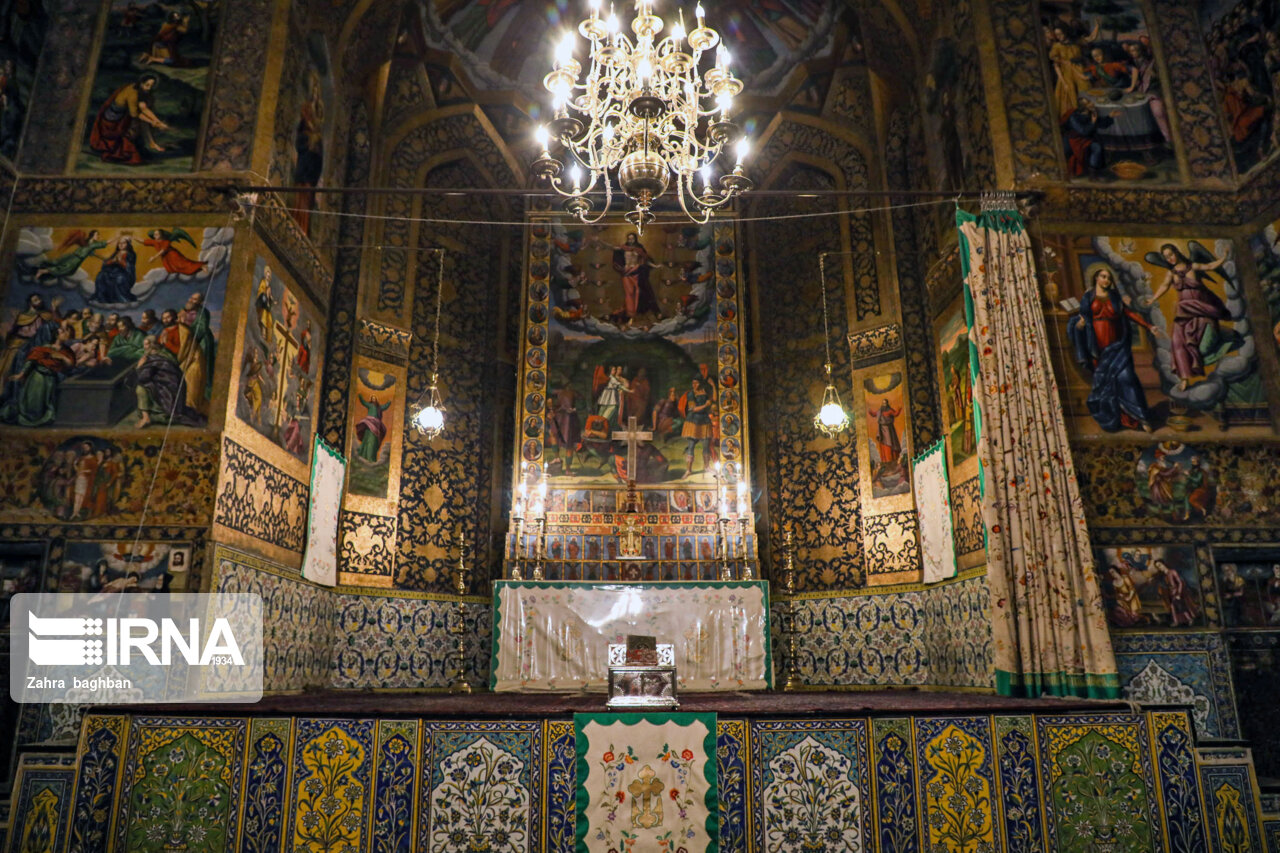
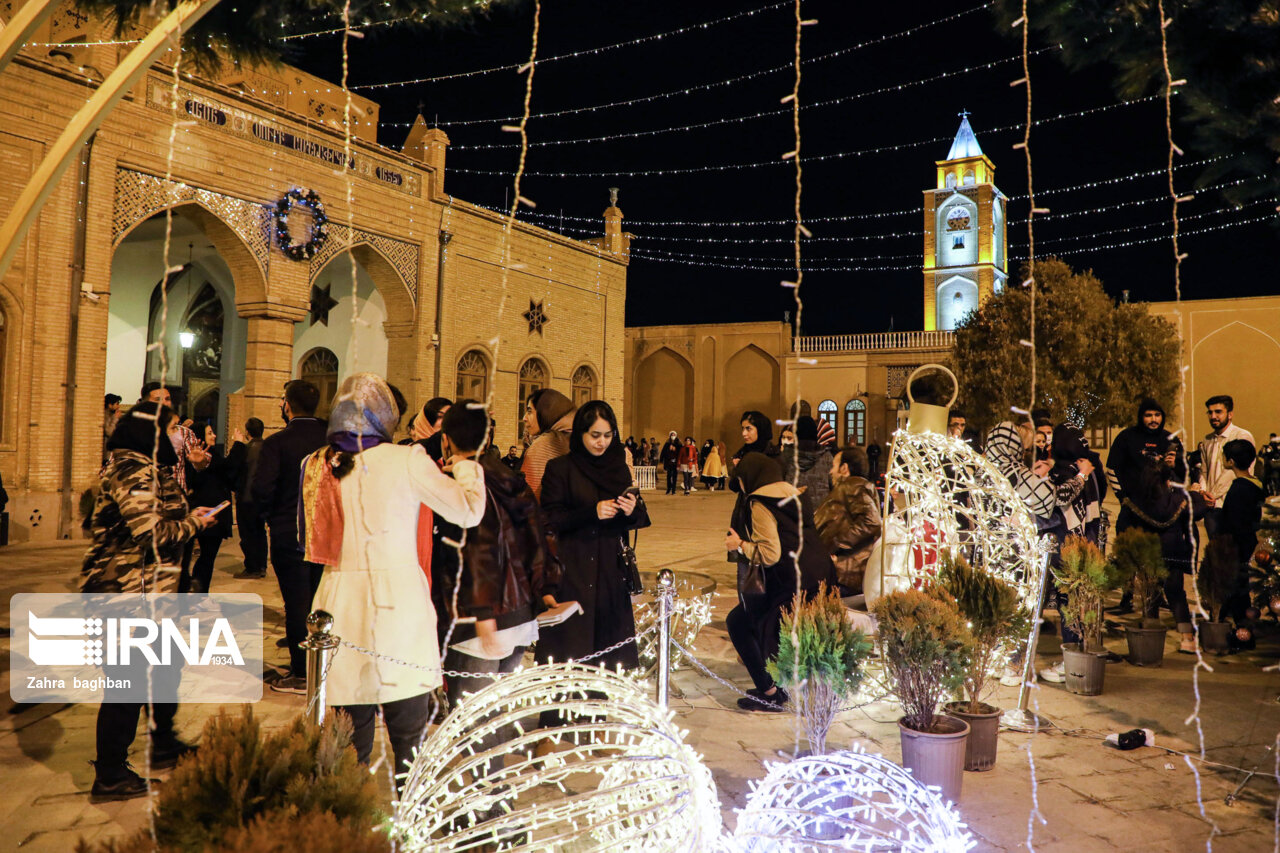
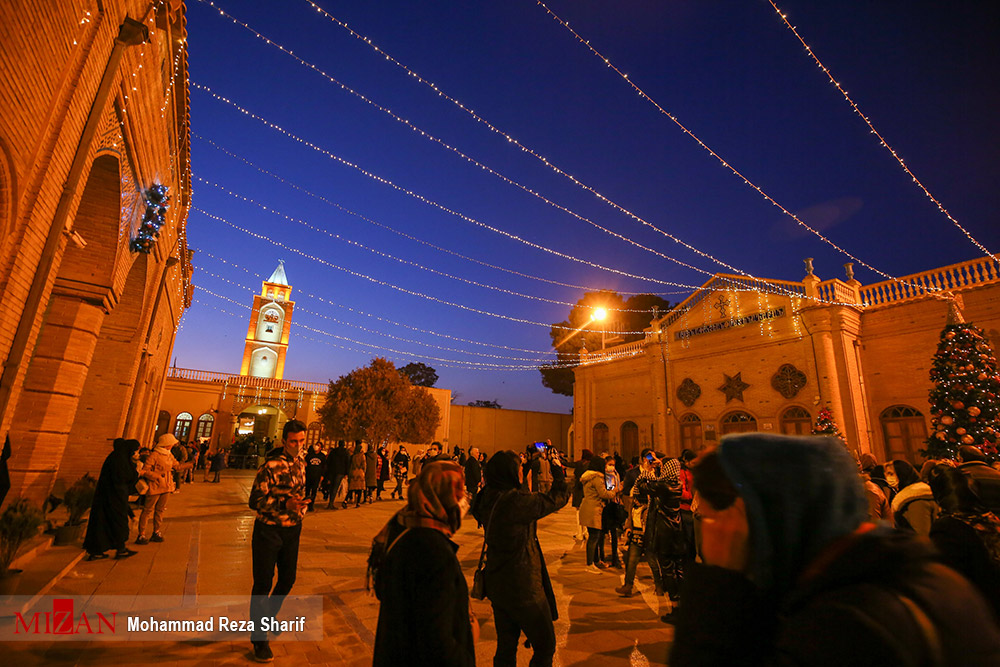
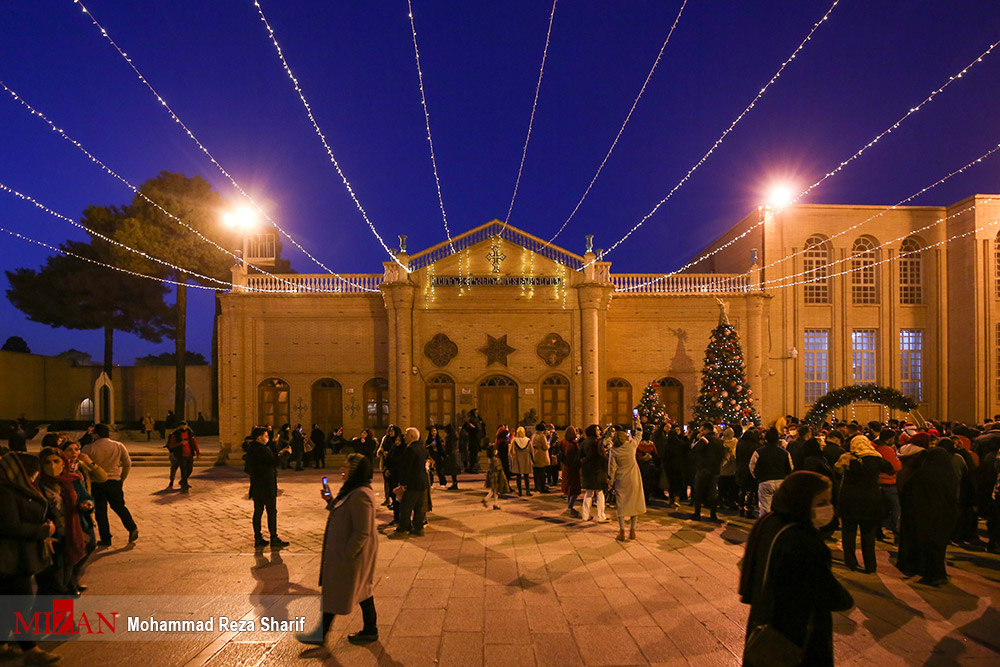
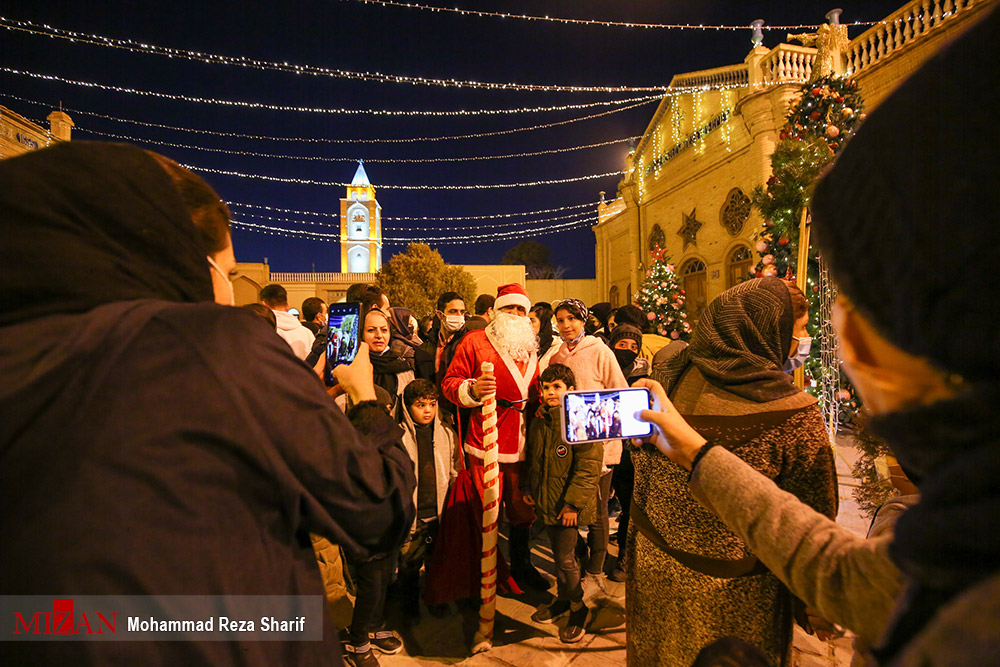
New Year celebrations in Isfahan’s Julfa neighborhood, Vank Cathedral
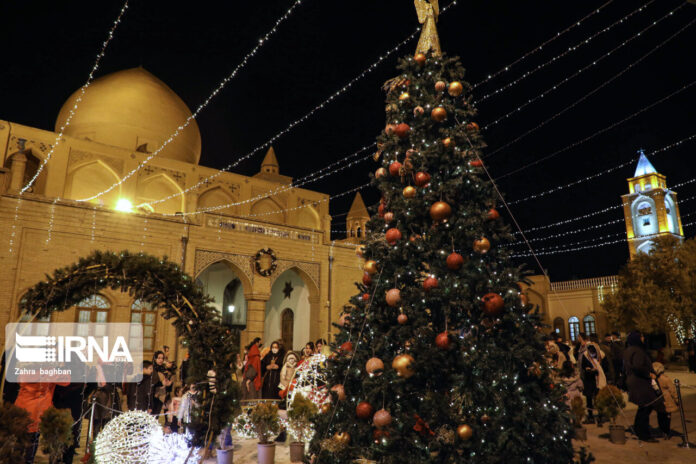
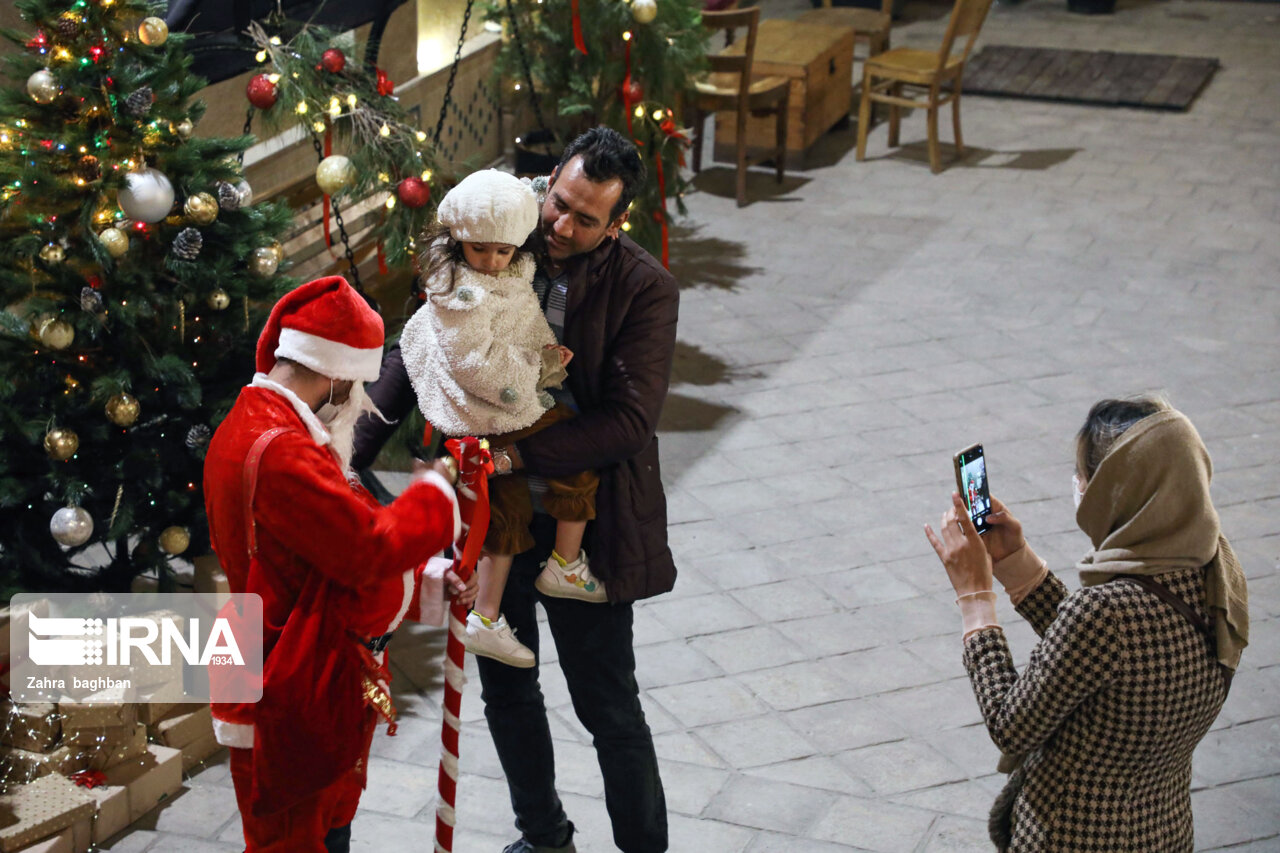
Members of the Armenian community in the Julfa neighborhood of the Iranian city of Isfahan are celebrating the festive season ahead of the New Year.
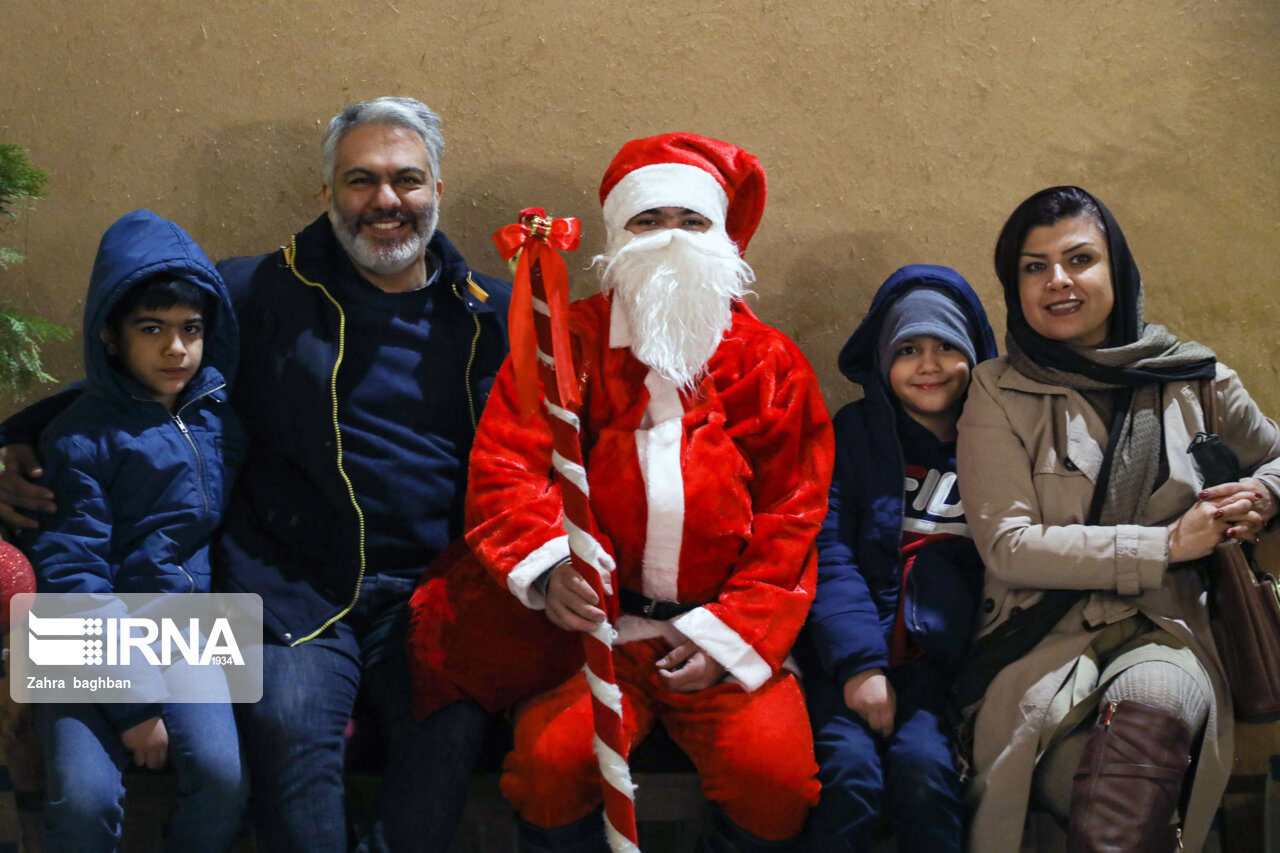
People in Isfahan have attended the celebrations in Julfa and at Vank Cathedral alongside Armenians.
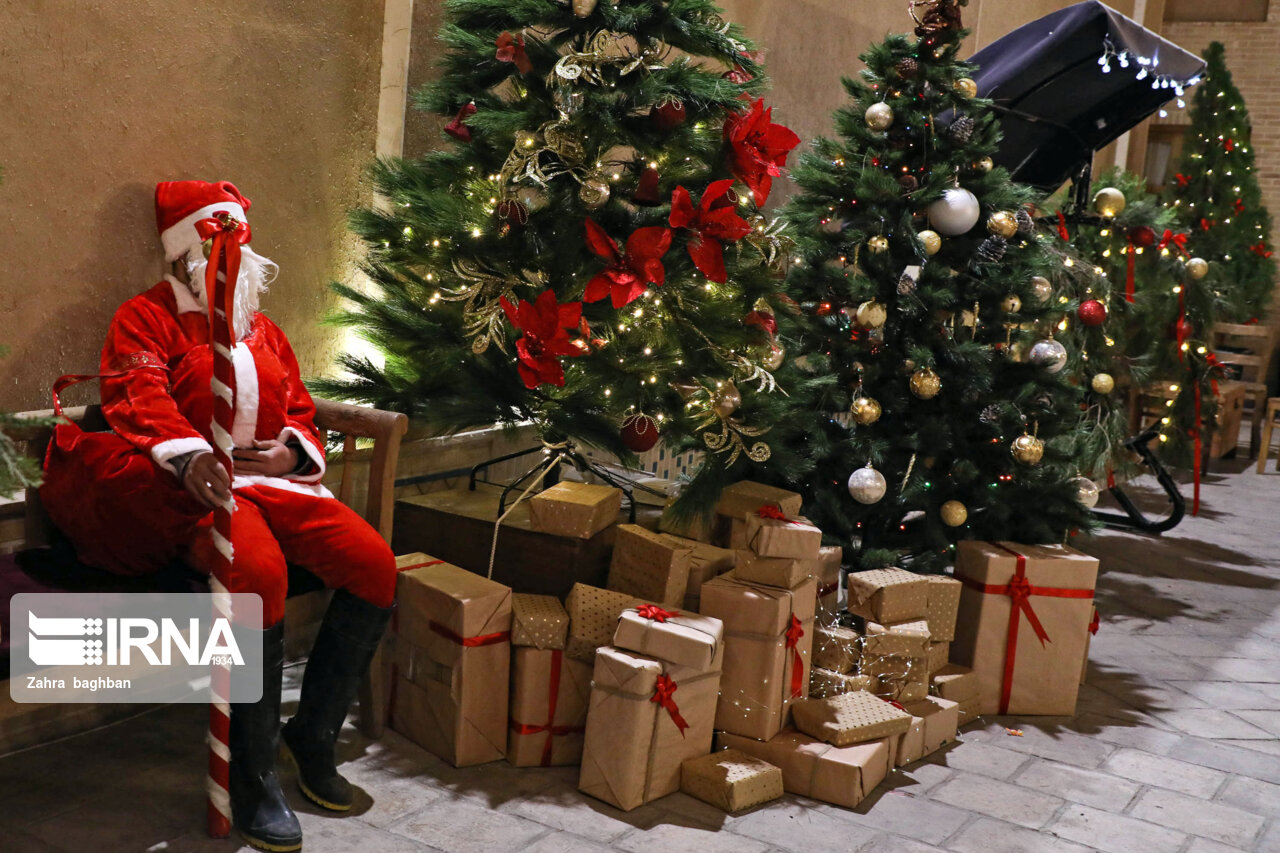
They posed for photos with Santa in front of Christmas trees that were all lit up for the occasion and congratulated the arrival of the New Year.
Read more:







Iran reaffirms demand for concrete guarantees in Vienna talks
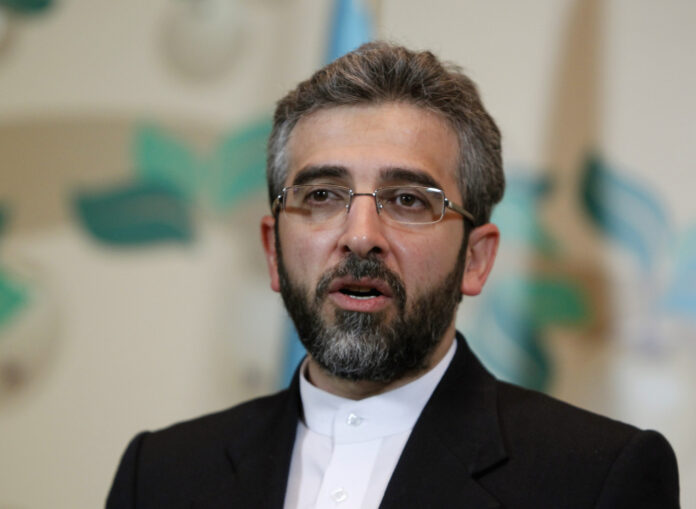
Bagheri was speaking at the joint commission of the Iran nuclear deal, JCPOA, in Vienna on Monday.
He also said any sanctions removal must be verifiable.
The top Iranian negotiator noted that Tehran is fully ready for serious interaction and advancement of talks. The joint commission of the JCPOA was presided by Bagheri and the EU’s Deputy Foreign Policy Chief Enrique Mora.
At the meeting, participants reviewed the progress of the Vienna talks and the continuation of the negotiations. All sides also declared readiness to continue their consultations.
Following the meeting, Mora told reporters the Vienna talks are on the right track to reach a final agreement.
He refused to set a date for reaching a deal but said the negotiations are aimed at achieving an agreement within a few weeks, not months. Mora added that if all sides work hard, a deal is within reach.
The EU’s deputy foreign policy chief however said the parties must make difficult decisions and that is the goal of the Vienna negotiations.
Meanwhile, Russia’s envoy to the international organizations in Vienna Ulyanov said on Twitter that at the meeting of the JCPOA’s joint commission, the participants held businesslike and result-oriented discussions and agreed to speed up the drafting process to achieve a deal as soon as possible.
The eighth round of talks aimed at removing anti-Iran sanctions began Monday in Vienna. Iran has already put forth two draft documents during the previous rounds which it says will be the basis of talks in the Austrian capital.
Iranian negotiator says optimistic about Vienna talks
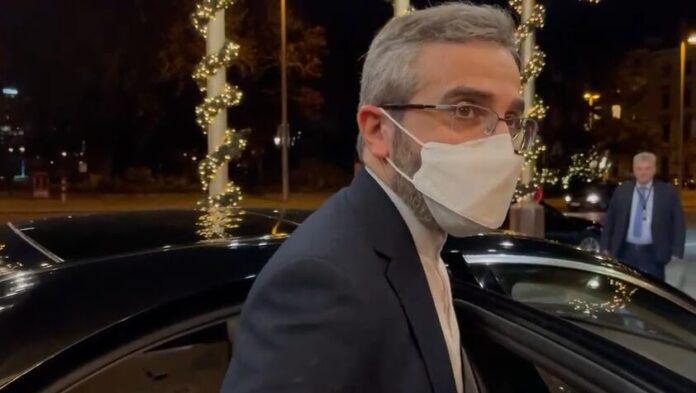
Iran’s Deputy Foreign Minister and top nuclear negotiator Ali Bagheri and the EU’s Deputy Foreign Policy Chief Enrique Mora are presiding over the session while negotiators from the P4+1 group of countries are also in attendance.
Bagheri said before the session started that he’s optimistic about the outcome of the Vienna talks that are aimed at removing the anti-Iran sanctions.
He added that had he not been optimistic, he would not have travelled to Vienna for negotiations.
Iran has repeatedly said it’s after a good deal in the shortest possible time. The Islamic republic has also rejected any deadlines imposed by the Western parties to the talks.
Tehran has also criticized the West for insinuating time is running out for a deal. It says Western governments can dispel their concern over the matter by adopting a logical and constructive approach during the talks and return to their obligations under the 2015 nuclear deal.
