Thursday, January 15, 2026
Home Blog Page 2177

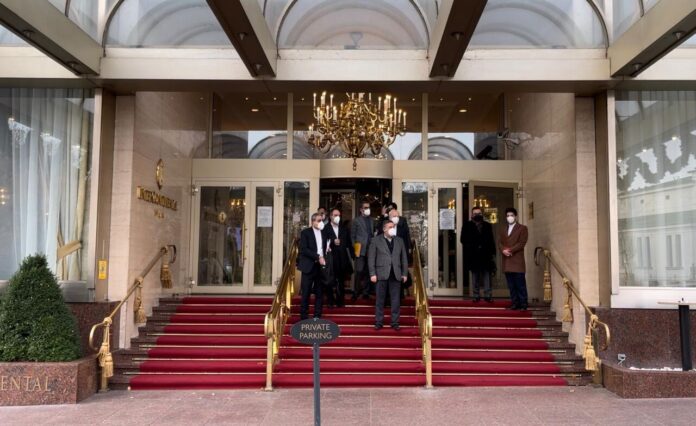
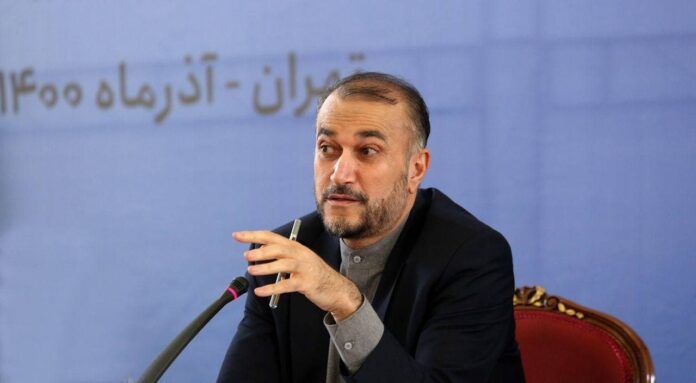
Iran FM: Vienna talks ‘on good path’

Amir Abdollahian was speaking to journalists in Tehran on Tuesday.

He said Iran believes that if the other sides continue talks in good faith and with seriousness, a win-win deal is possible in the near future.

He added what matters is that Iran and the P4+1 have a common single text which was put forth by Tehran.

Amir Abdollahian also said that the two sides are now working to patch their differences as they press ahead with the talks.

The top Iranian diplomat also thanked the EU’s Deputy Foreign Policy Chief Enrique Mora for his efforts as the coordinator of the negotiations.

Iran has presented two drafts to the P4+1 in the previous rounds of talks that outline Tehran’s proposals regarding sanctions removal and its nuclear activities.

Iran and the P4+1 – Russia, China, Britain, France and Germany- say the negotiations will go ahead based on the two drafts.

Iran has also rejected any deadlines for the talks and has criticized the West for insinuating time is running out for a deal. Tehran says it will continue the negotiations as long as necessary.

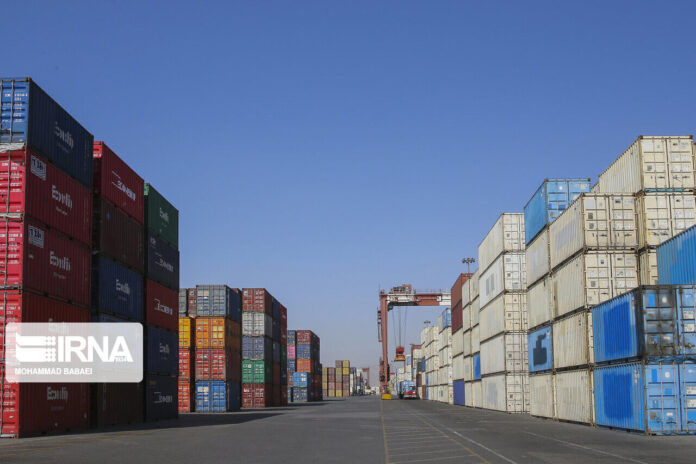
“40% rise in Iran’s non-oil exports this year”

That figure translates to an 8% increase in weight compared to the same period last year. In terms of value, too, it has increased by 40%.

Alireza Moghaddasi added that the value of the exports is expected to reach $ 47 billion by the end of the year. Moghaddasi also said the growth in non-oil exports despite sanctions and economic constraints is the result of efforts by all actors in the field of foreign trade, especially economic actors, and that trade will further improve in the future after existing problems and bottlenecks are resolved.

The head of Iran’s Customs Organization noted that China was Iran’s first trading partner during the period with 21.3 million tons of goods worth $10.2 billion, followed by Iraq with 23.5 million tons of goods worth $6.8 billion, Turkey with 11.7 million tons worth $4.1 billion, the United Arab Emirates with 8.3 million tons worth $3.4 billion dollars and Afghanistan with 3.3 million tons of goods worth $1.4 billion.

Iran, P4+1 begin expert talks over sanctions removal

During the Monday talks, the two sides agreed on the priority of the removal of the oppressive and illegal sanctions as efforts continue in Vienna to revive the Iran nuclear deal, JCPOA.

Iran and the P4+1 are also going to discuss ways of sanctions removal verification and guarantees that the US will not repeat its illegal actions.

Tehran says in the event of an agreement, the US must first remove sanctions and then Iran will continue its nuclear activities in line with the JCPOA after verifying that the bans have been lifted.

Reports coming out of Vienna say the other sides have accepted Iran’s demands. The Islamic republic has said the more serious the other side is about removing the sanctions, the sooner the two sides will reach an agreement.

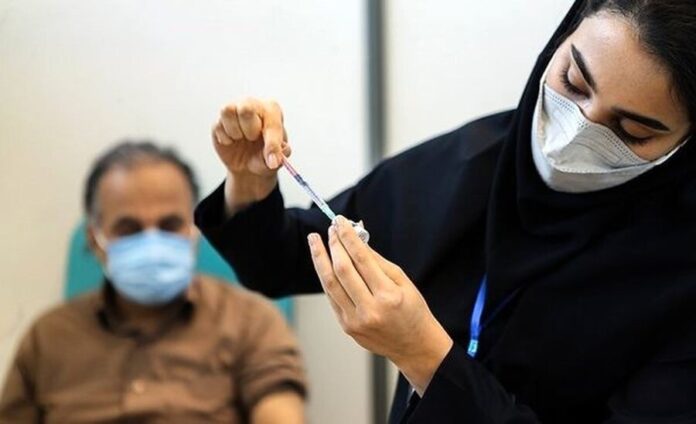
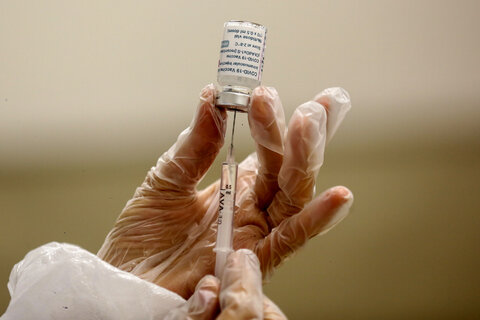
Iran administers 619k more Covid-19 shots

The Iranian Health Ministry figures released on Tuesday show that over 51,547,000 people have been fully vaccinated and over 6,750,000 have received their booster shots.

Iran also reported 40 more fatalities from the respiratory disease a day after it registered 34 deaths which was the lowest number in 580 days.

According to official figures 131,474 people have lost their lives to Covid-19 since the outbreak began in the country in early 2020.

Iran has managed to contain the outbreak in recent weeks after it intensified its national vaccination campaign.

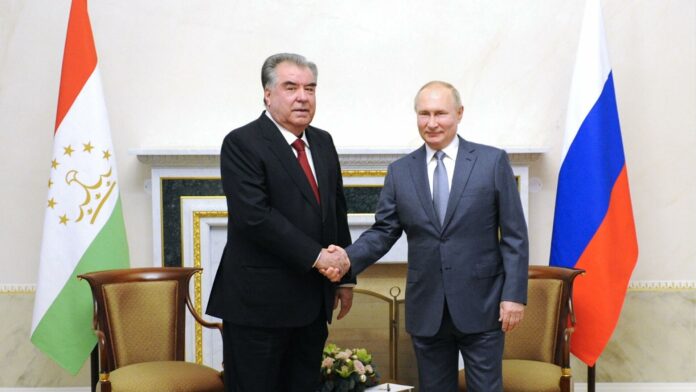
Putin says concerned about insecurity along Afghan-Tajik border

“The situation on the border with Afghanistan now – I know it as I’m in regular contact with you – causes some alarm and concern,” he stated.

“And that’s the matter of the fact and I share this concern,” he added.

Russia and Tajikistan are developing their relations in security issues, Putin continued, noting, “As has been our agreement, some weapons and equipment have been delivered to reinforce Tajikistan’s armed forces so that Tajikistan could efficiently counter any threats to your country that emanate from outside.”

Putin told the visiting president that Russia and Tajikistan were developing cooperation on dealing with security issues.

He stressed some weapons and equipment had been provided to help Tajikistan’s armed forces efficiently counter threats emanating from outside.

Moscow has been in an effort to fortify its military base in Tajikistan with weapons and other equipment.

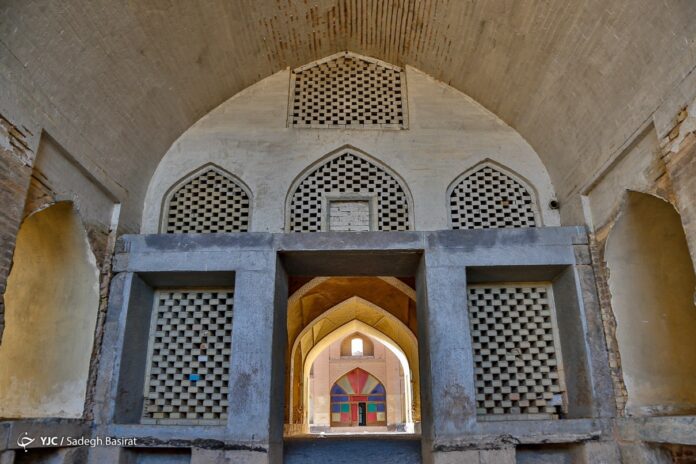
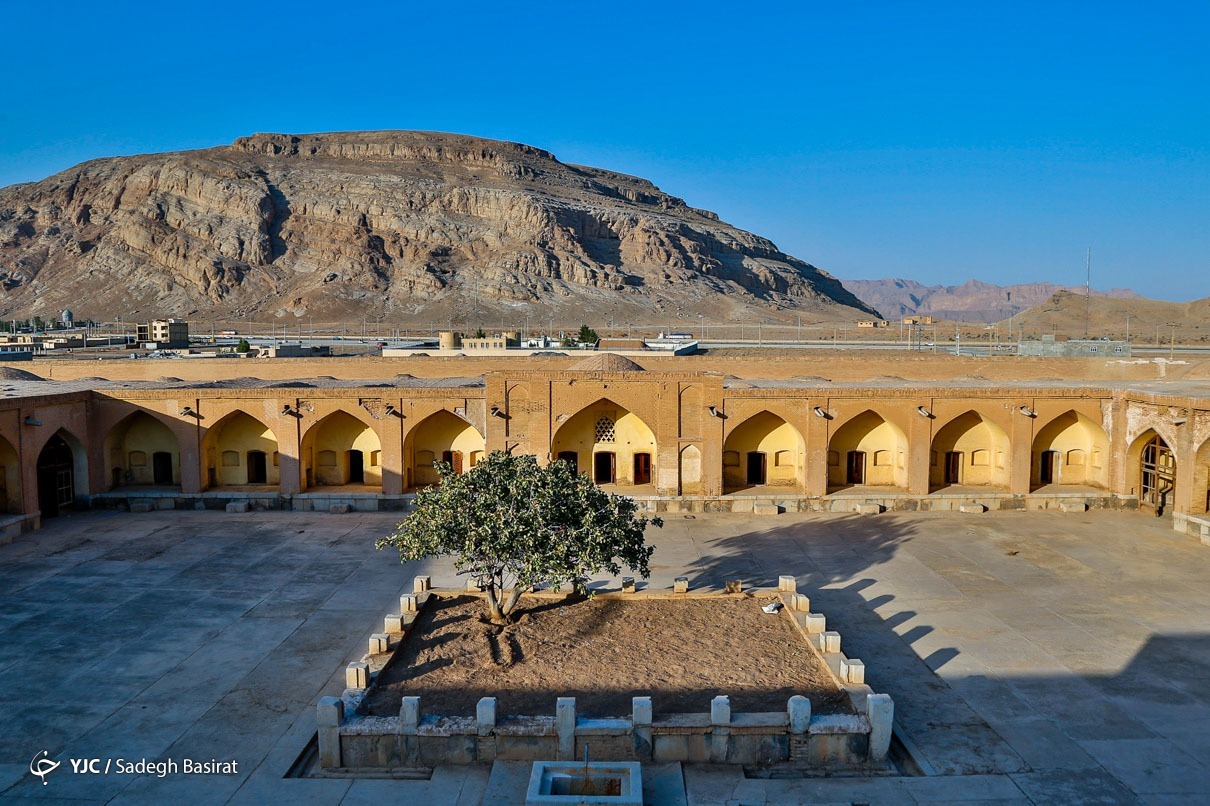
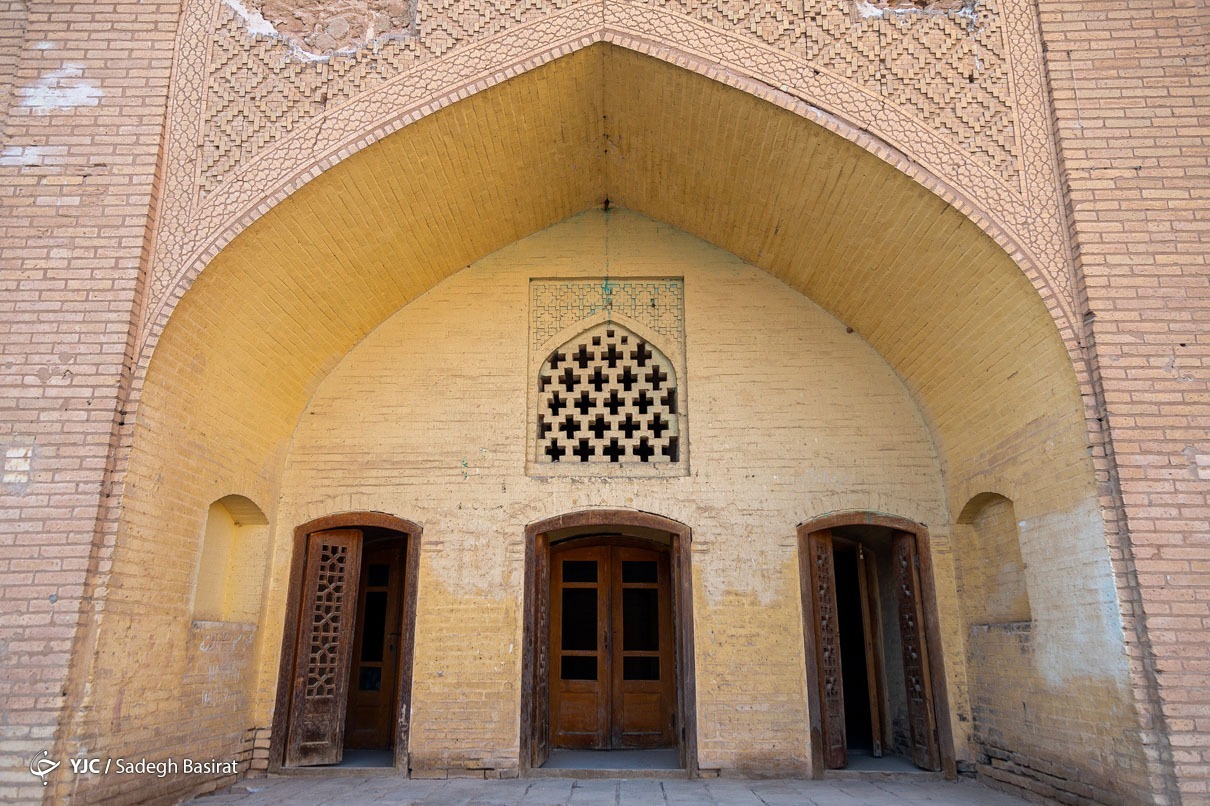
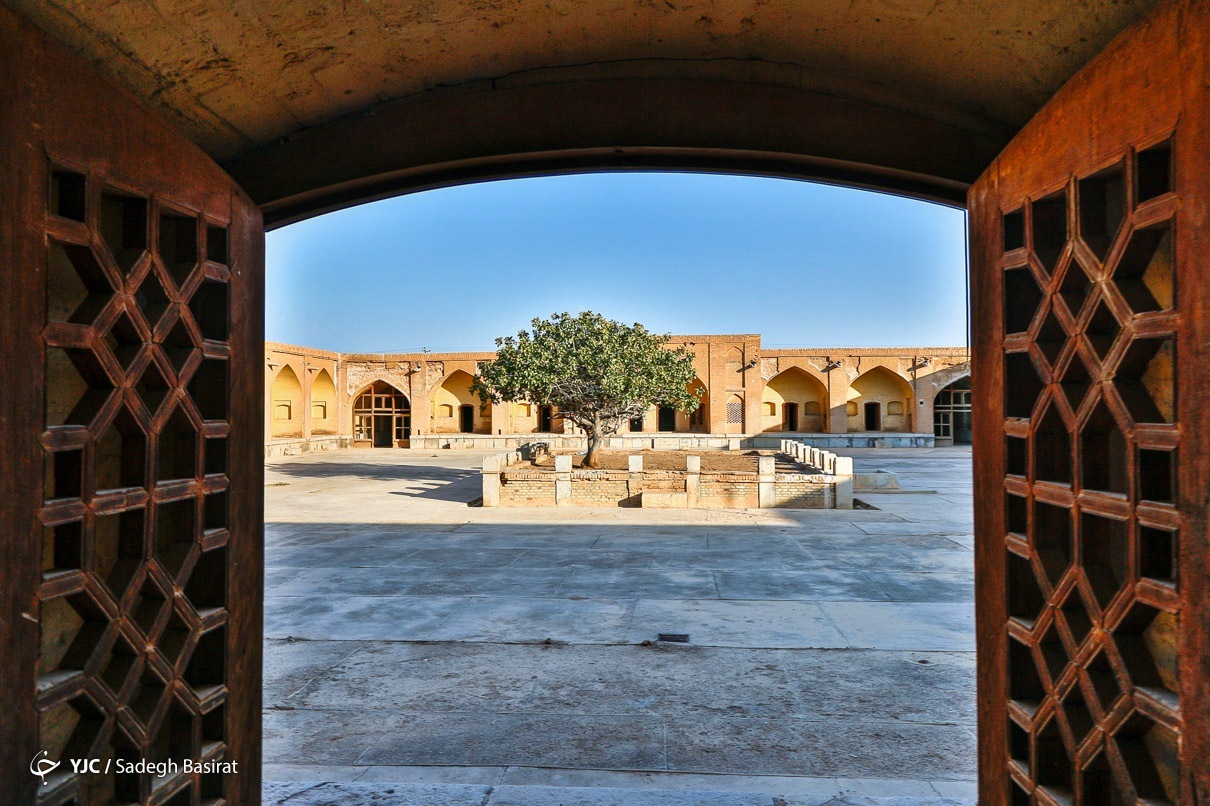
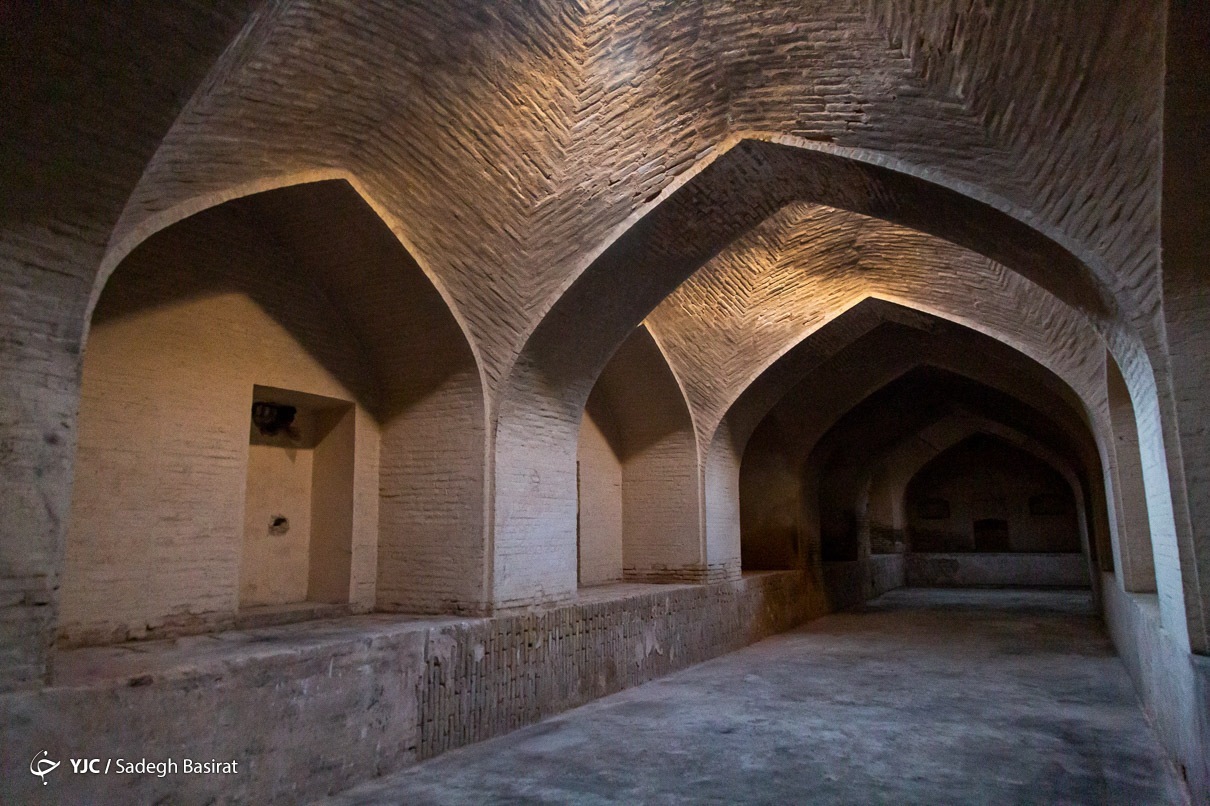
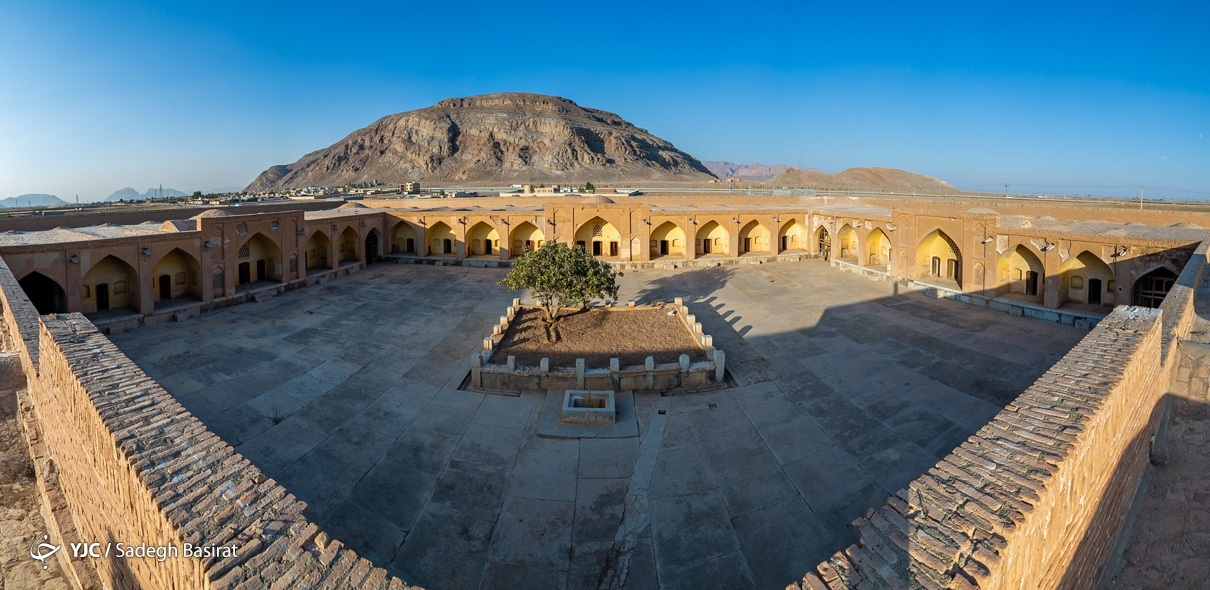
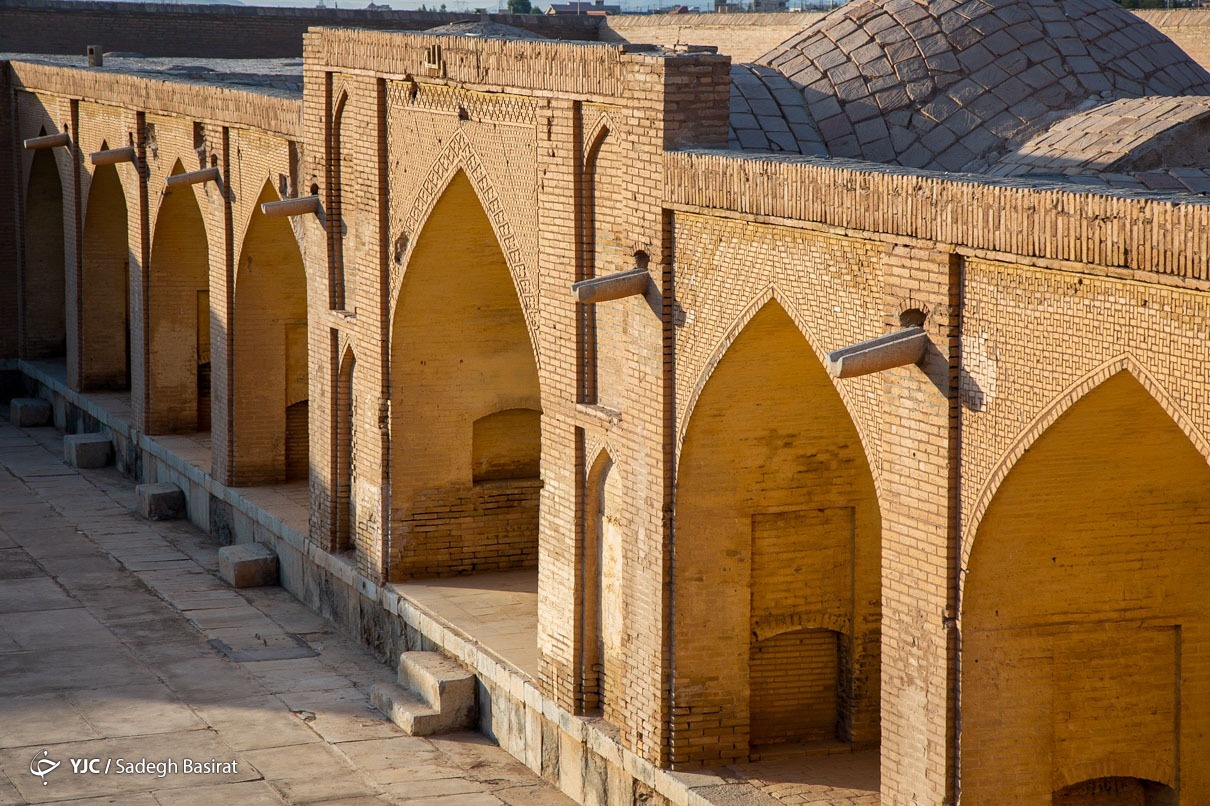
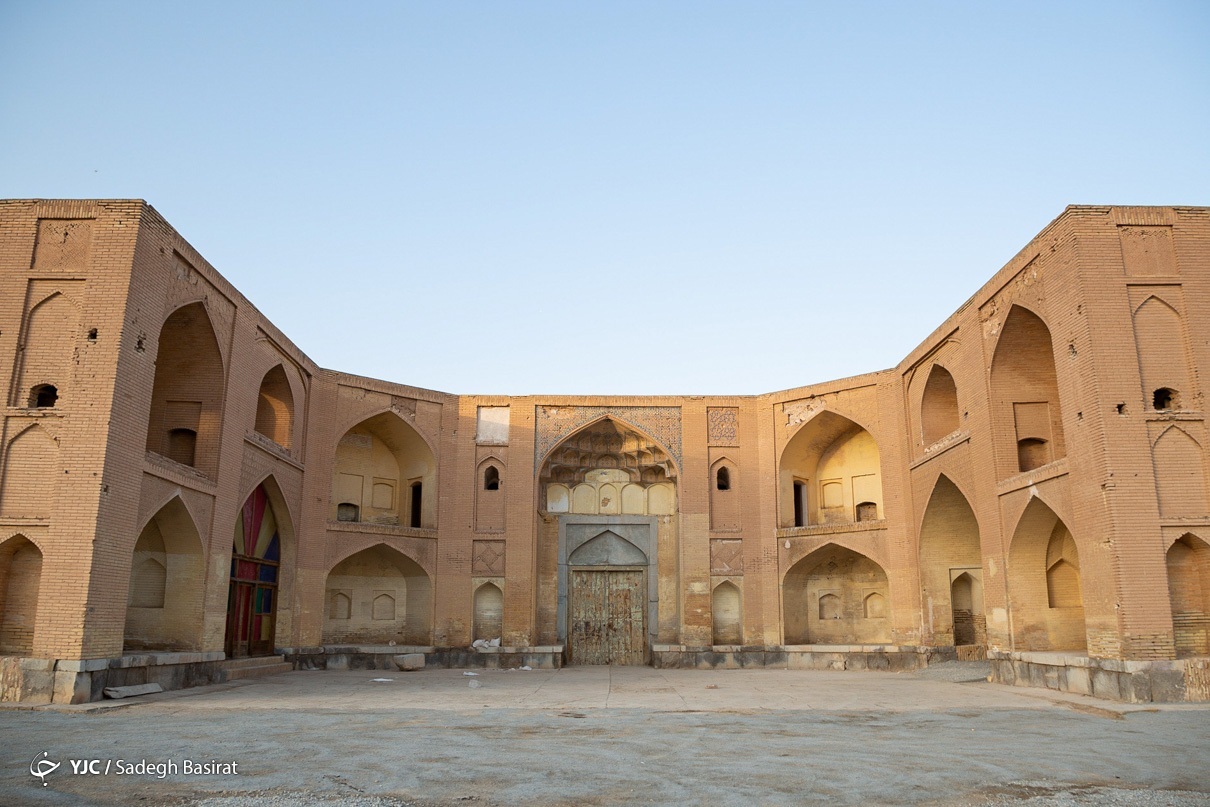
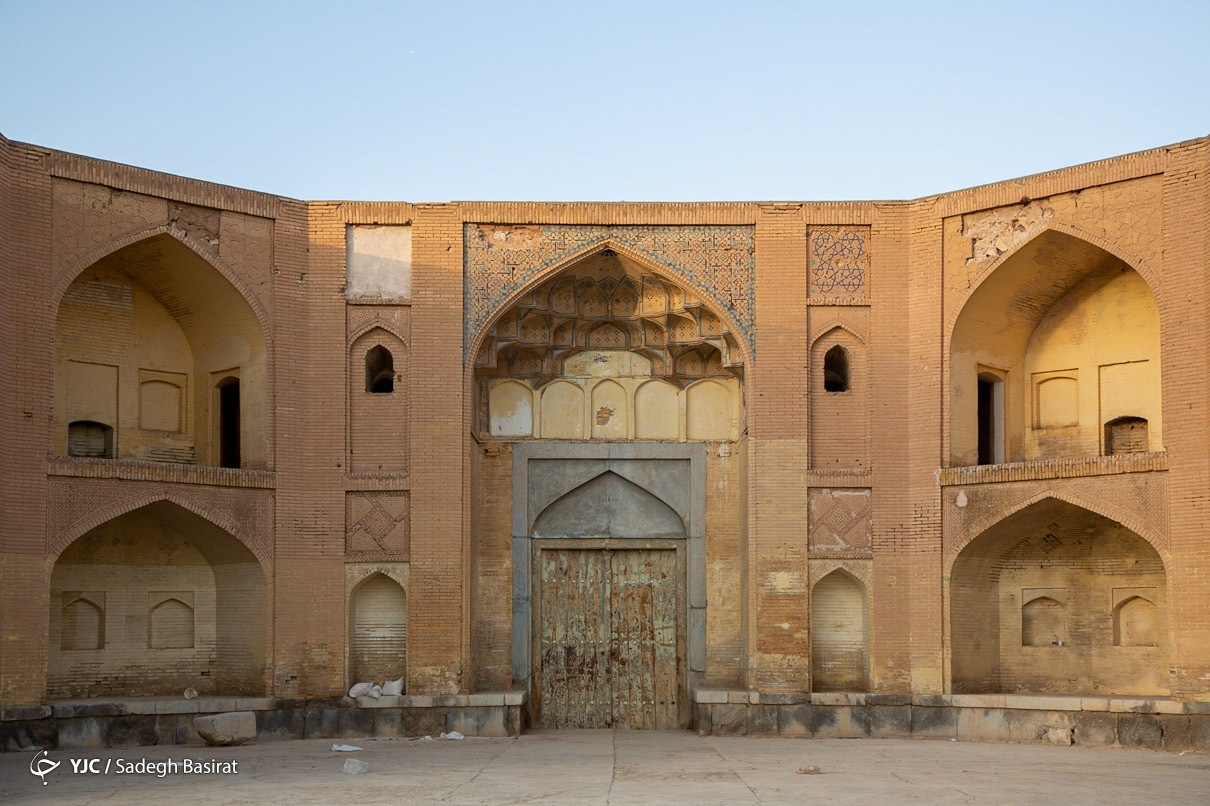
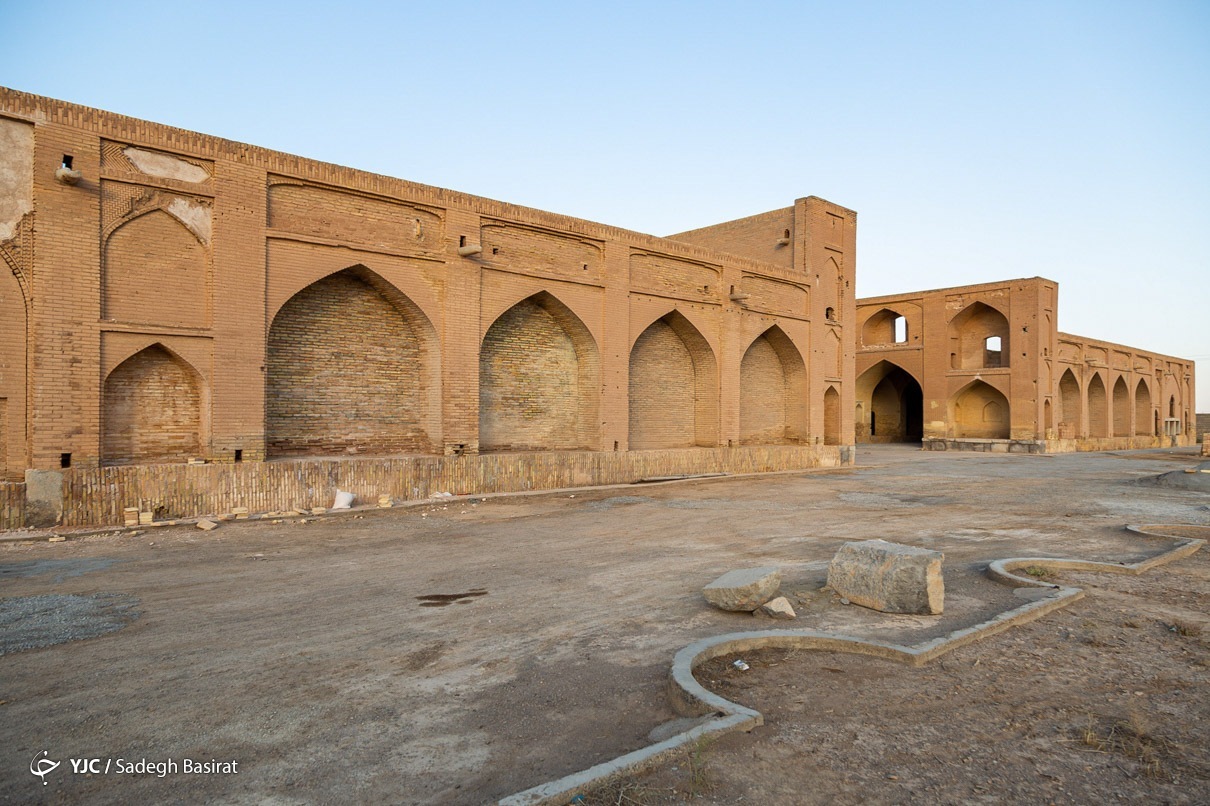
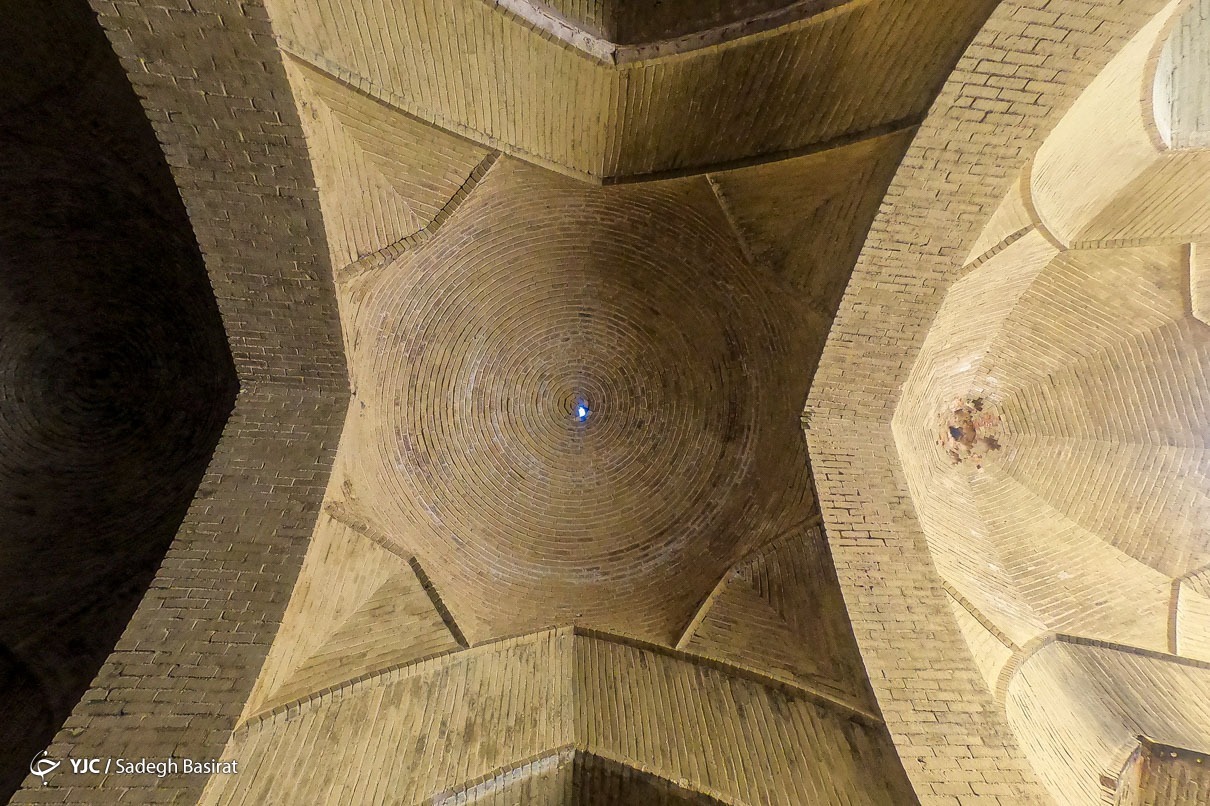
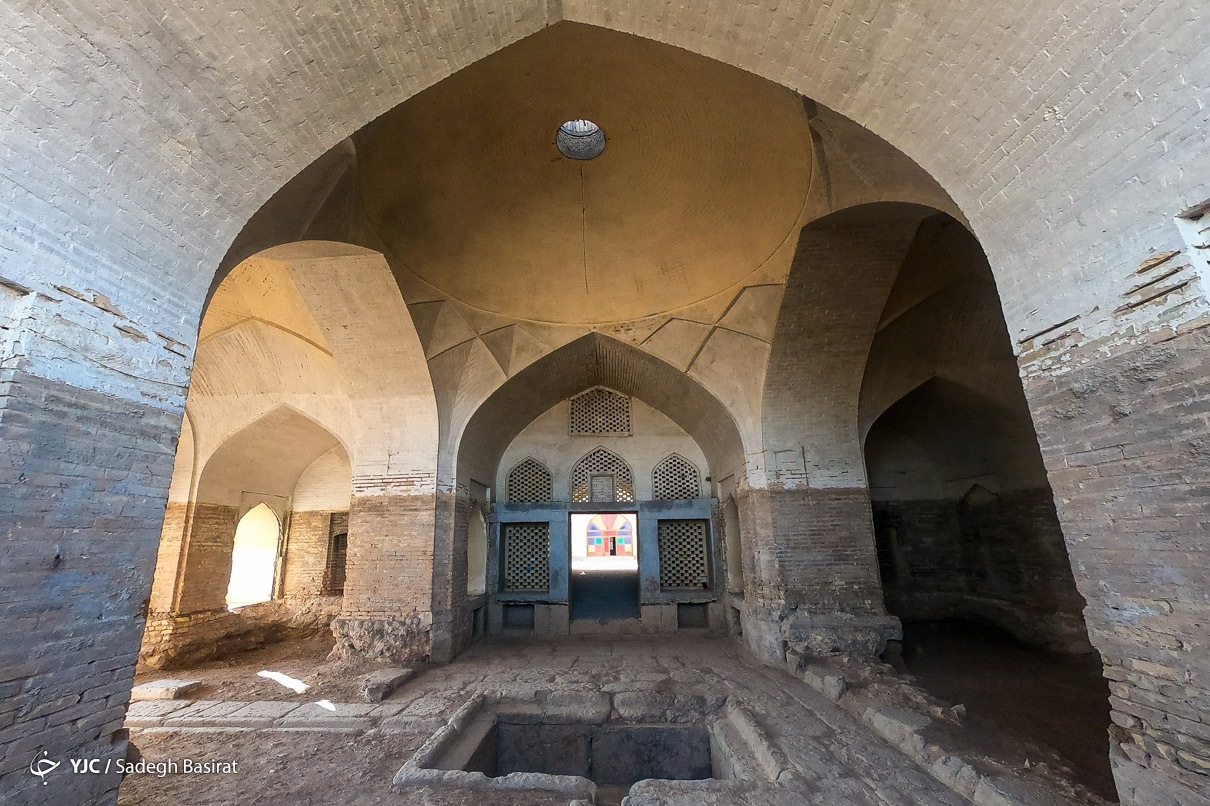
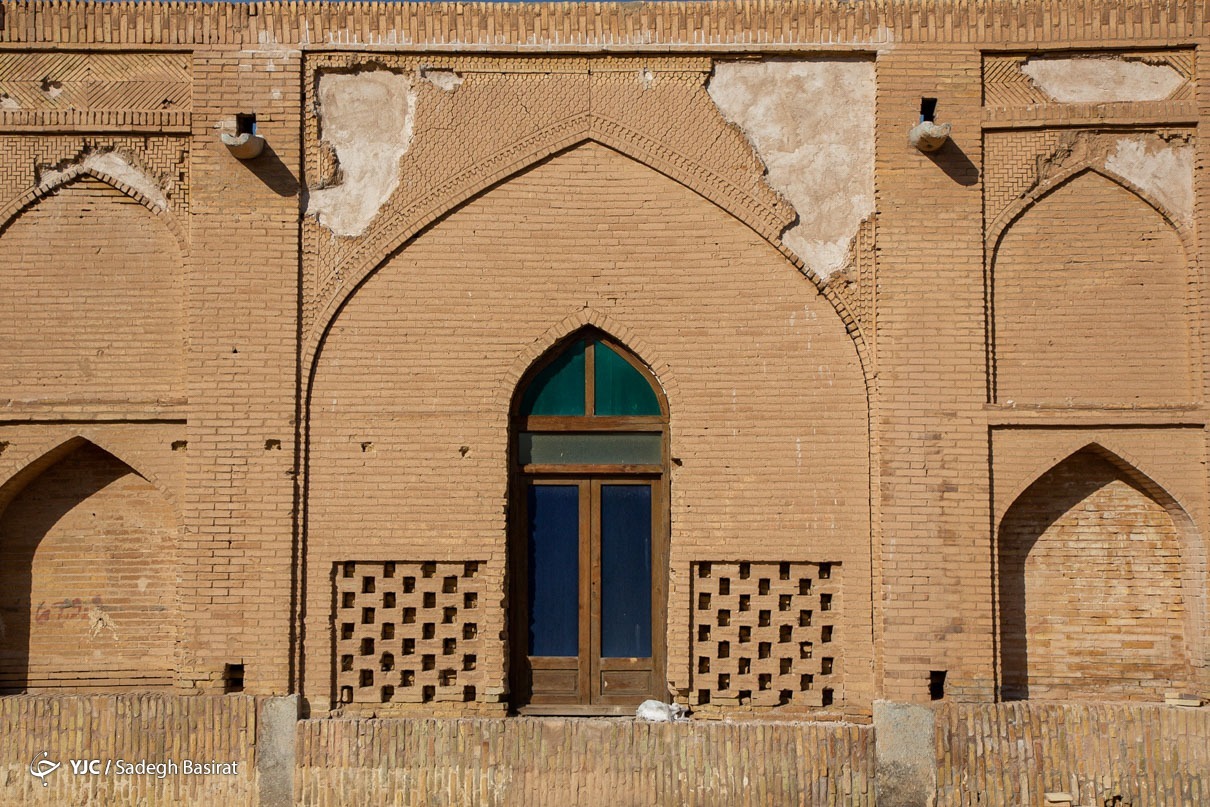
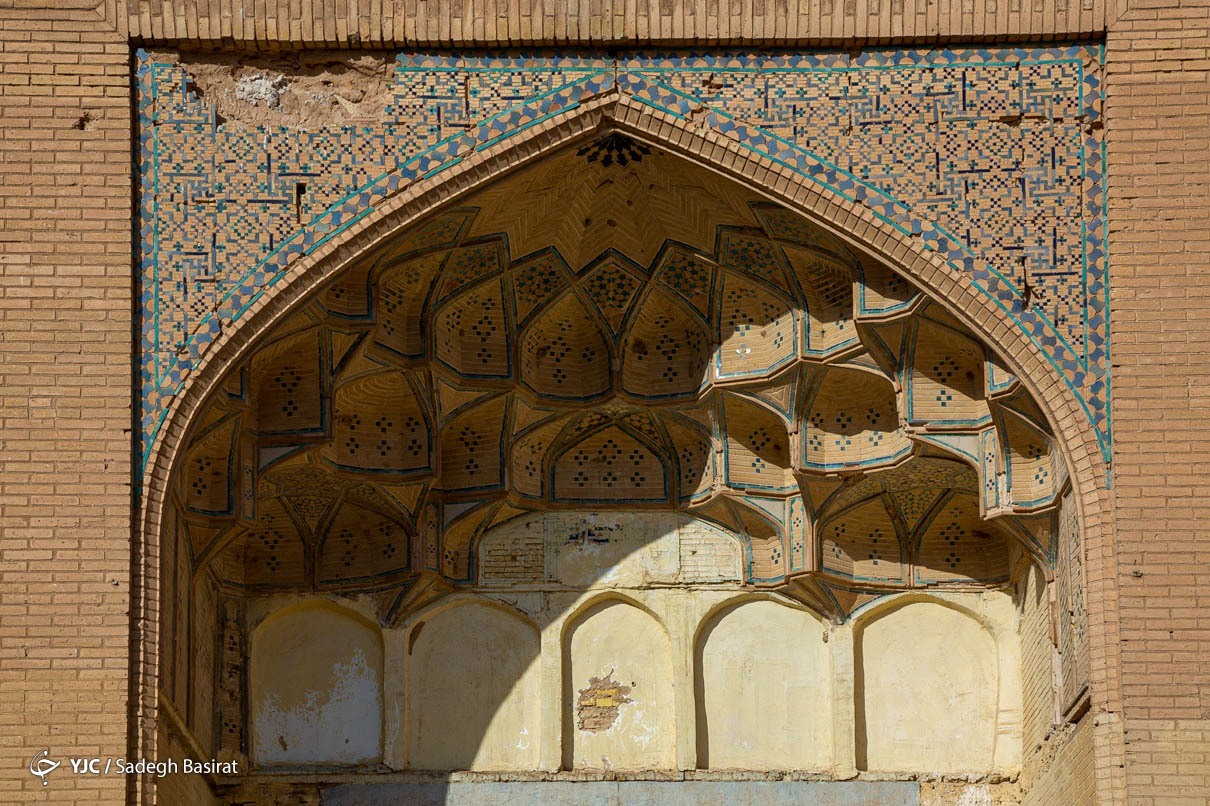
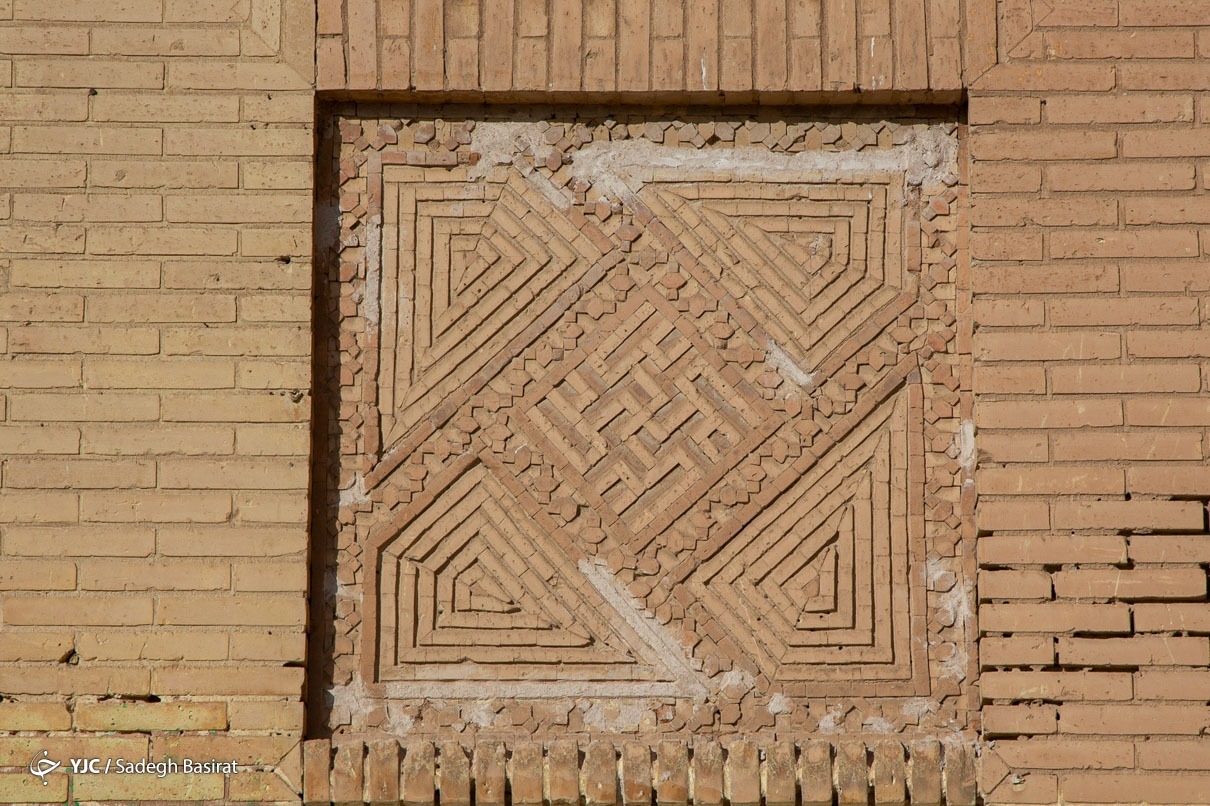
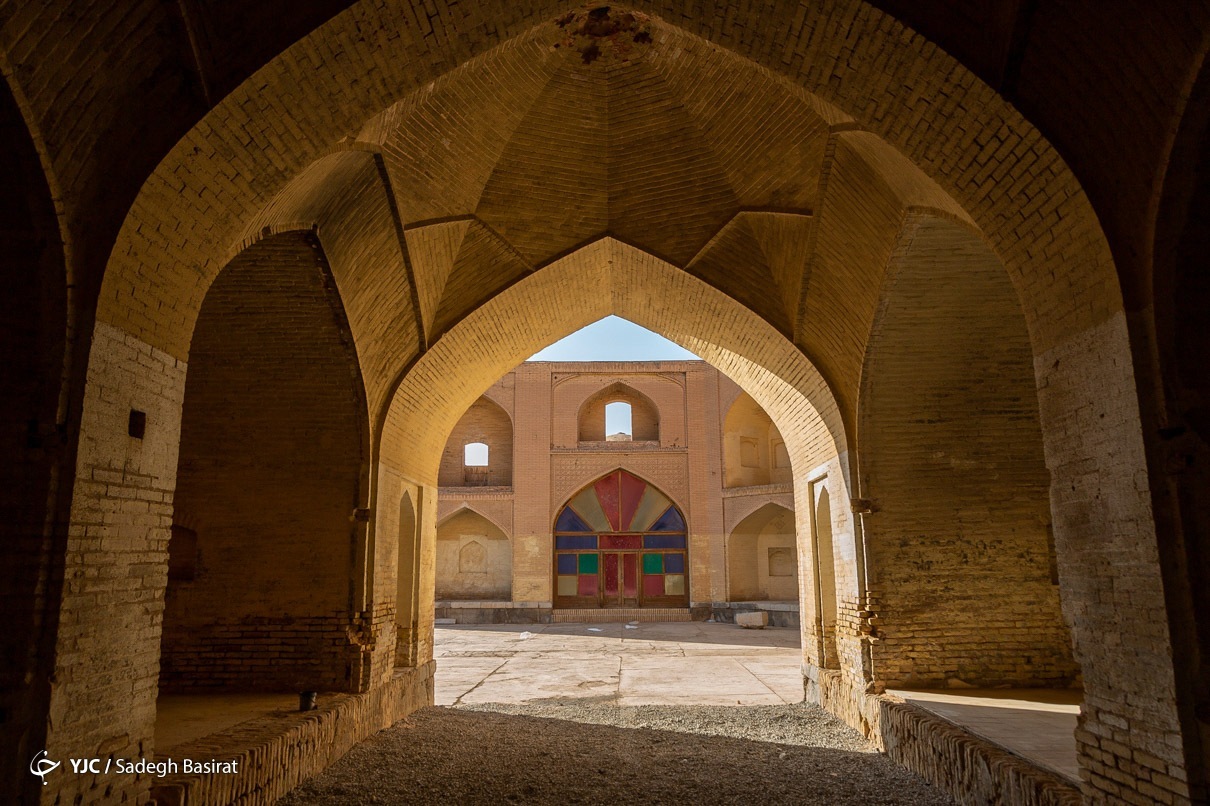
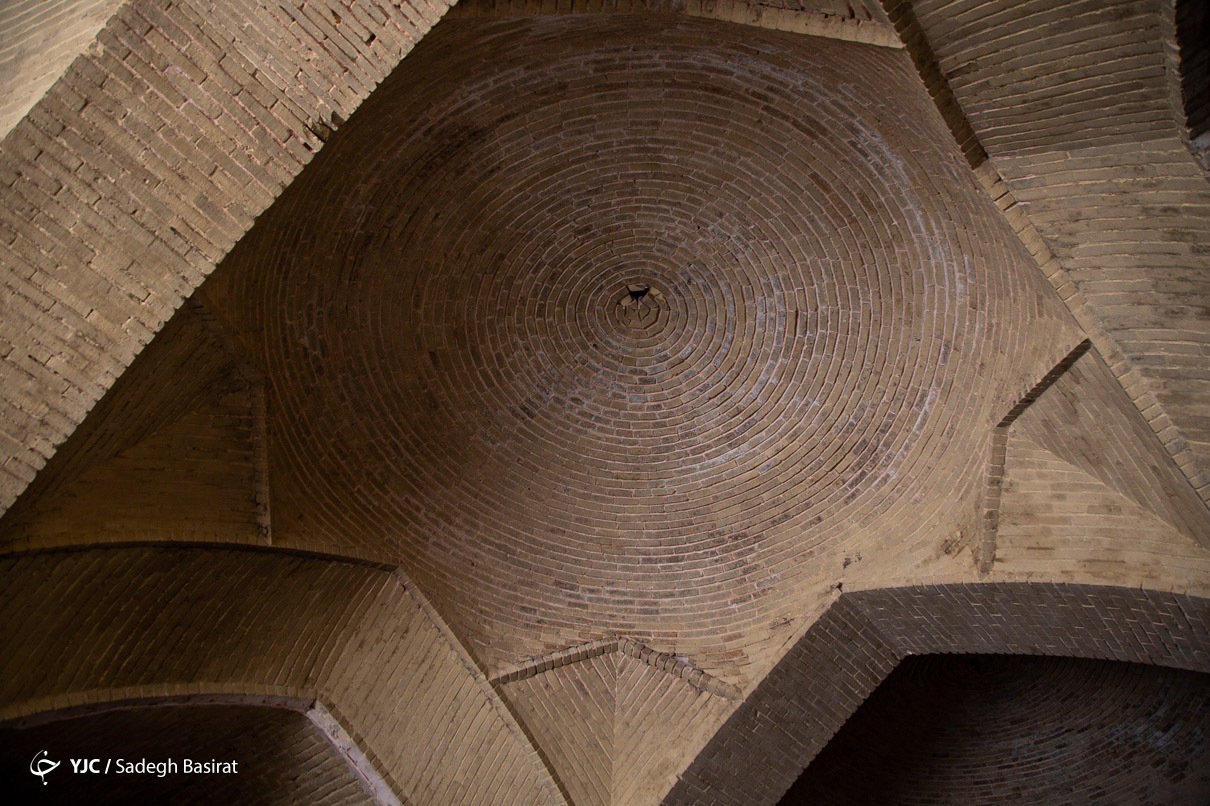
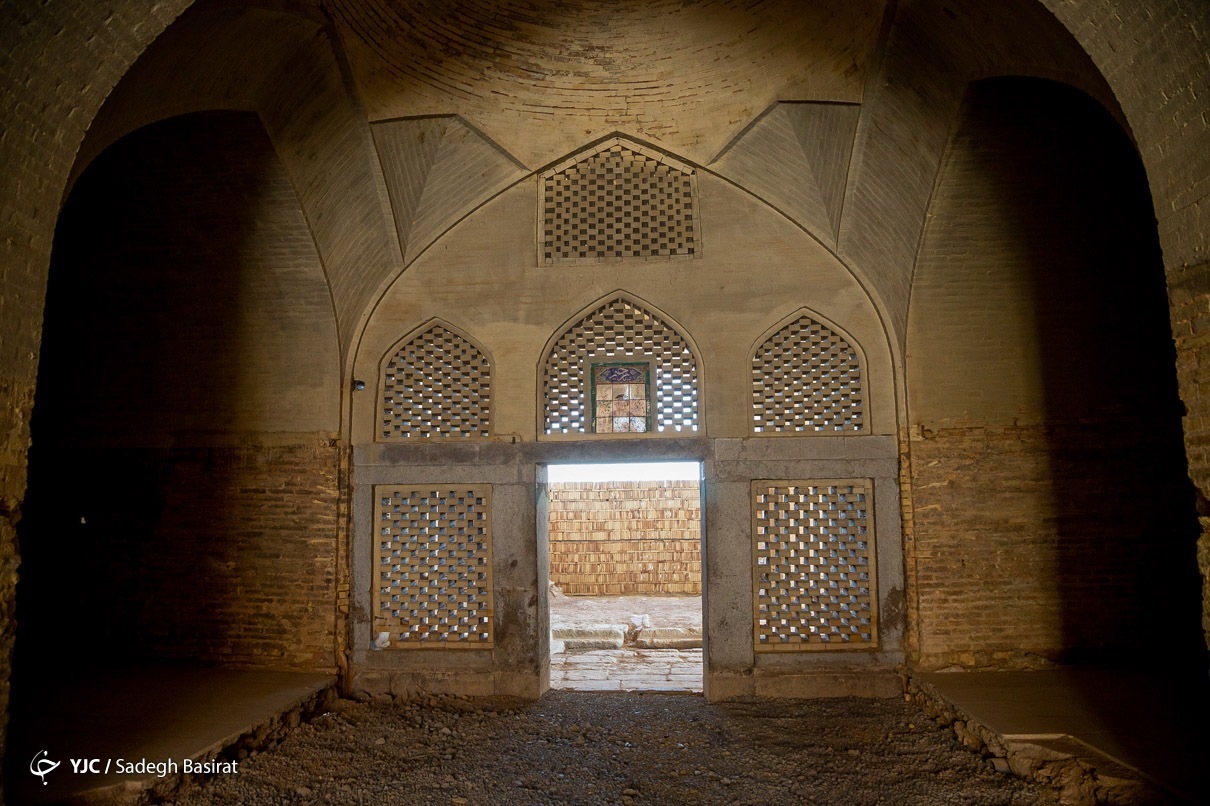
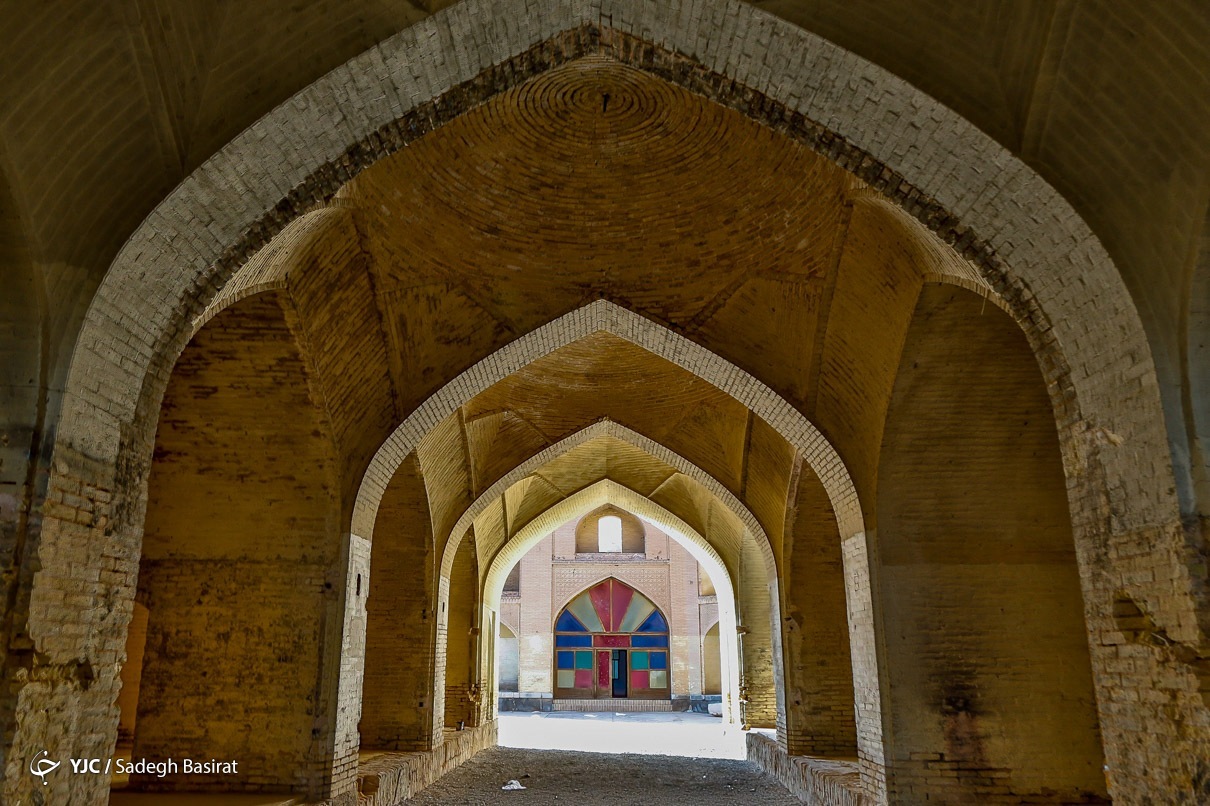
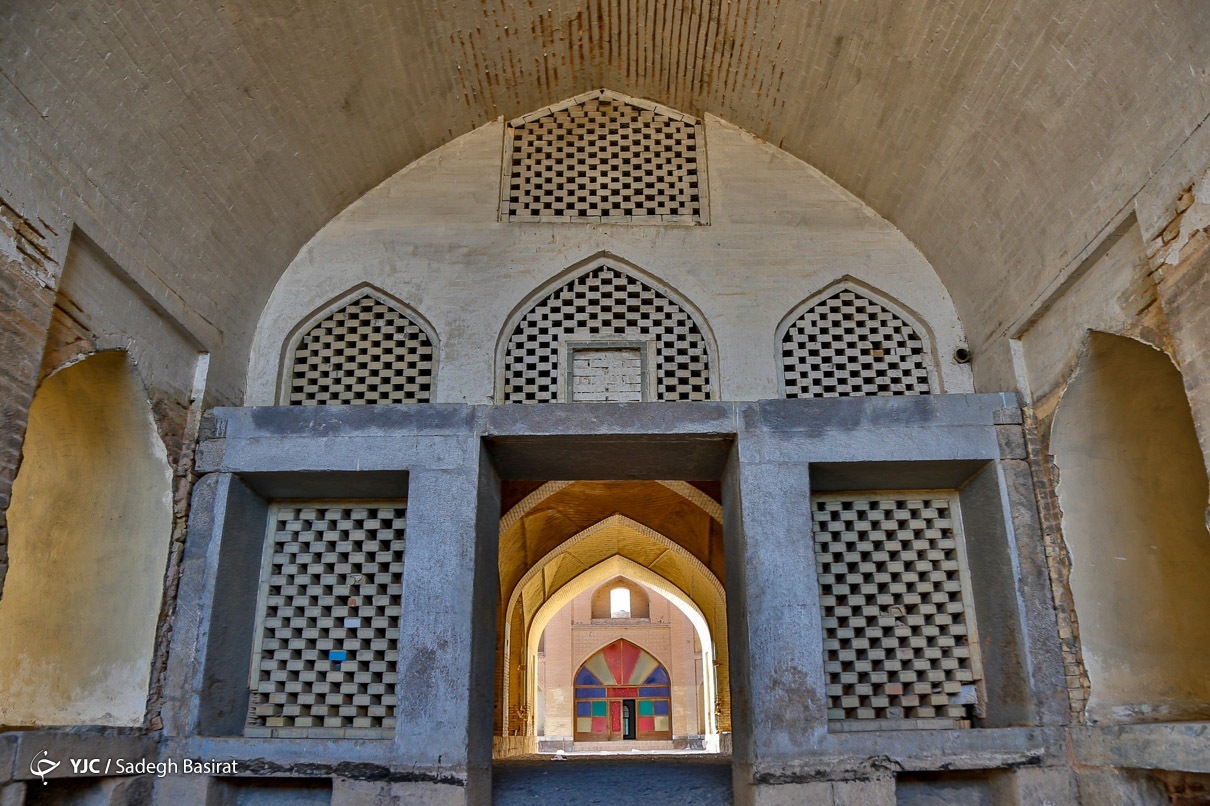
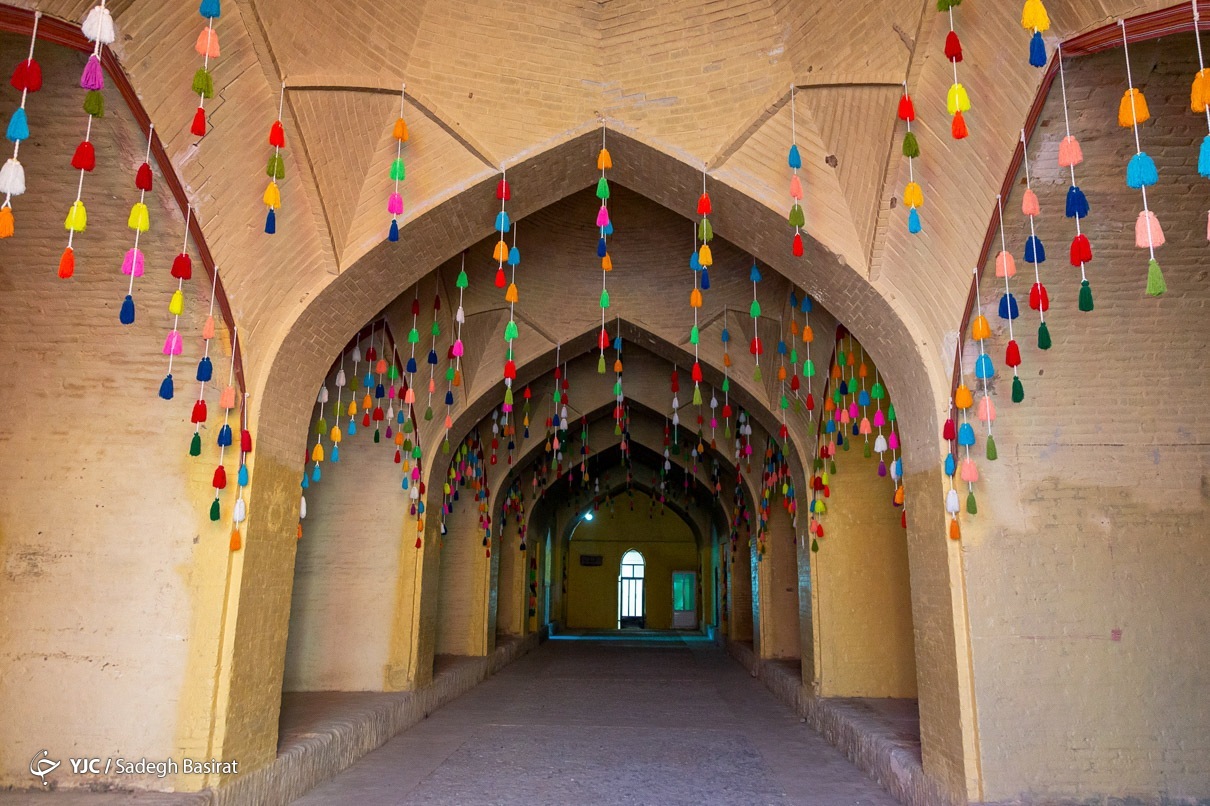
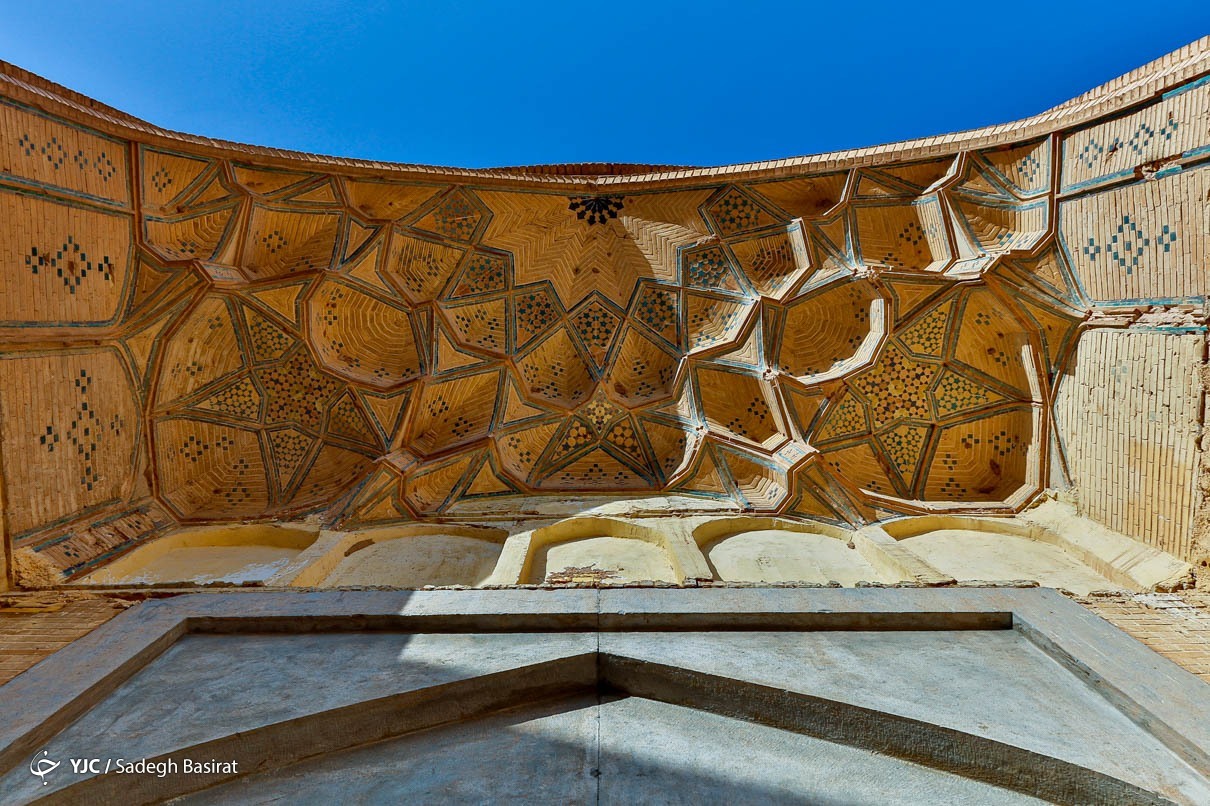
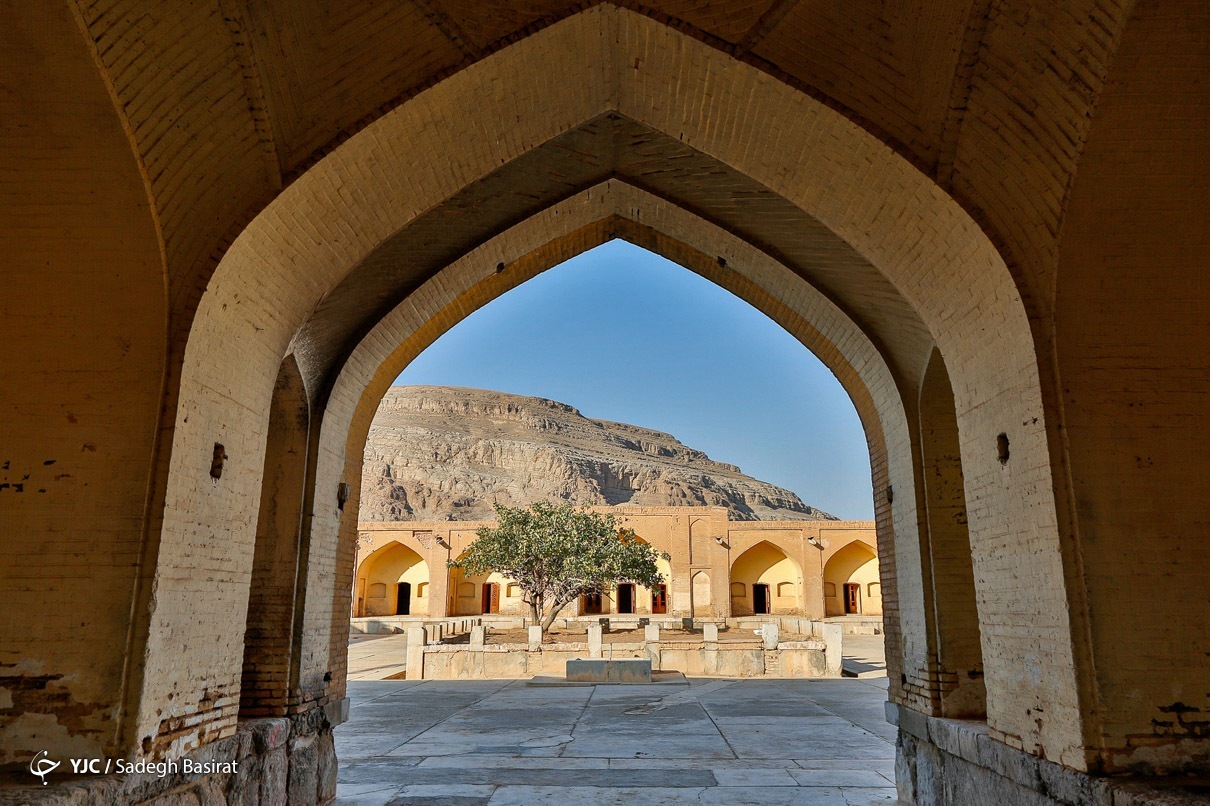
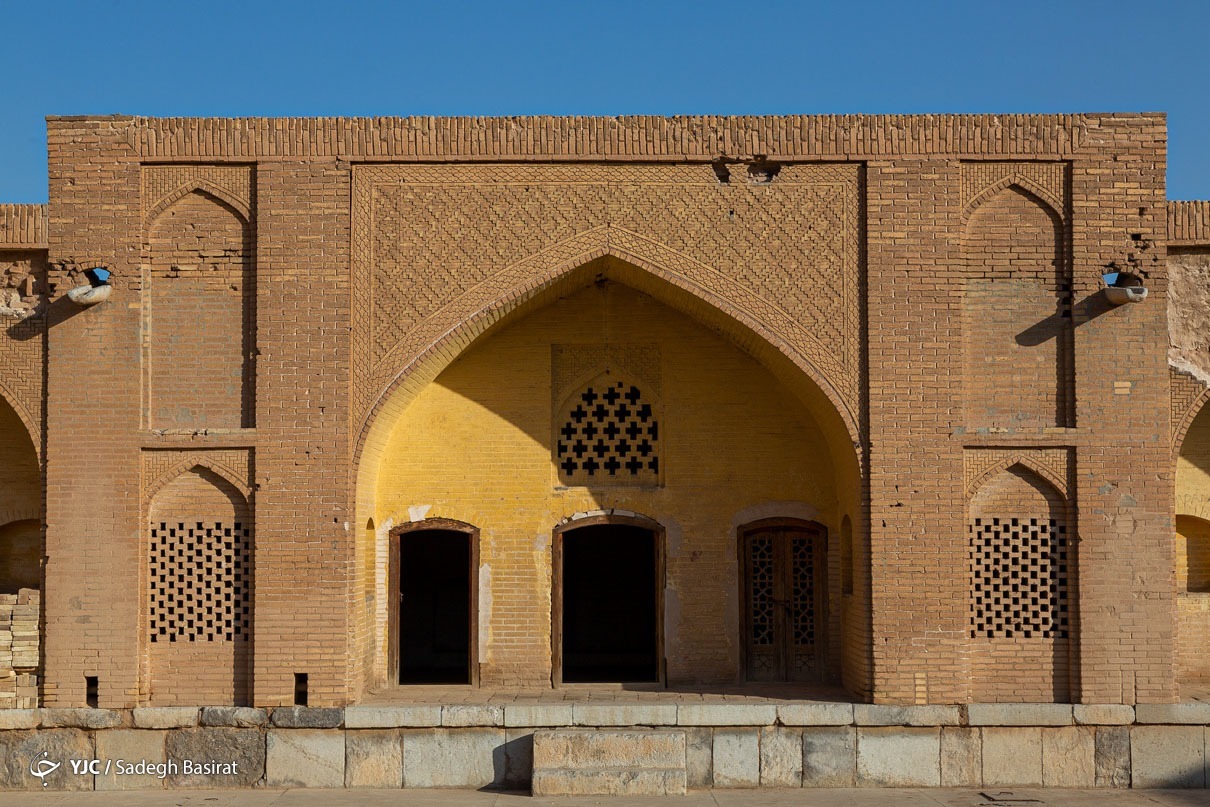
Mahyar historical caravanserai, artistic work rarely seen elsewhere

Mahyar caravanserai is one of the excellent and prominent examples of Safavid architecture style, which is decorated with brickwork, plaster crown molding and tiling.

This caravanserai is located in Mahyar village near the city of Shahreza, and on the way from Isfahan to Shiraz. It is one of the most famous caravanserais in Iran.

The building was constructed during the reign of Shah Ismail I (907-930 AH) and due to extensive damage was later repaired and completed in 1085 AH during the reign of Shah Suleiman Safavid.

One of the reasons behind the prominence of this caravanserai is the bazaar, mosque, tea house and bakery built in front of the caravanserai, which is rarely seen elsewhere.
This caravanserai was added to the national heritage list in 1942.

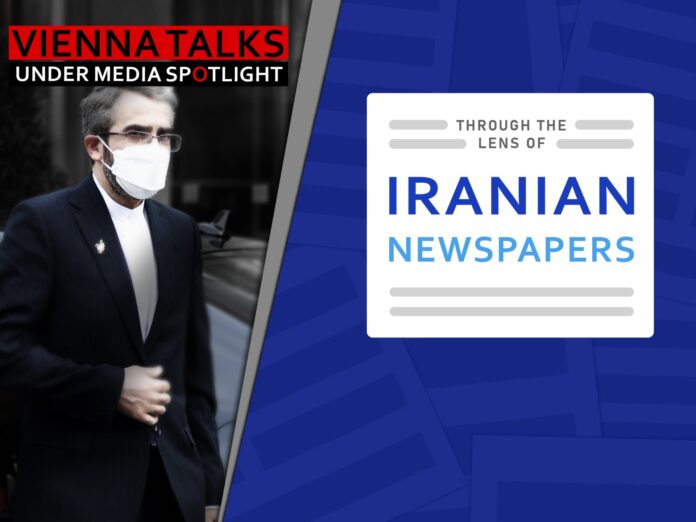
What media say about the Vienna talks?

Abrar:
1. Ulyanov: Iranian, Russian, Chinese delegations meet to compare notes

What media say about the Vienna talks?


Arman Melli:
1. Vienna agreement under the auspices of Russia and China?

What media say about the Vienna talks?


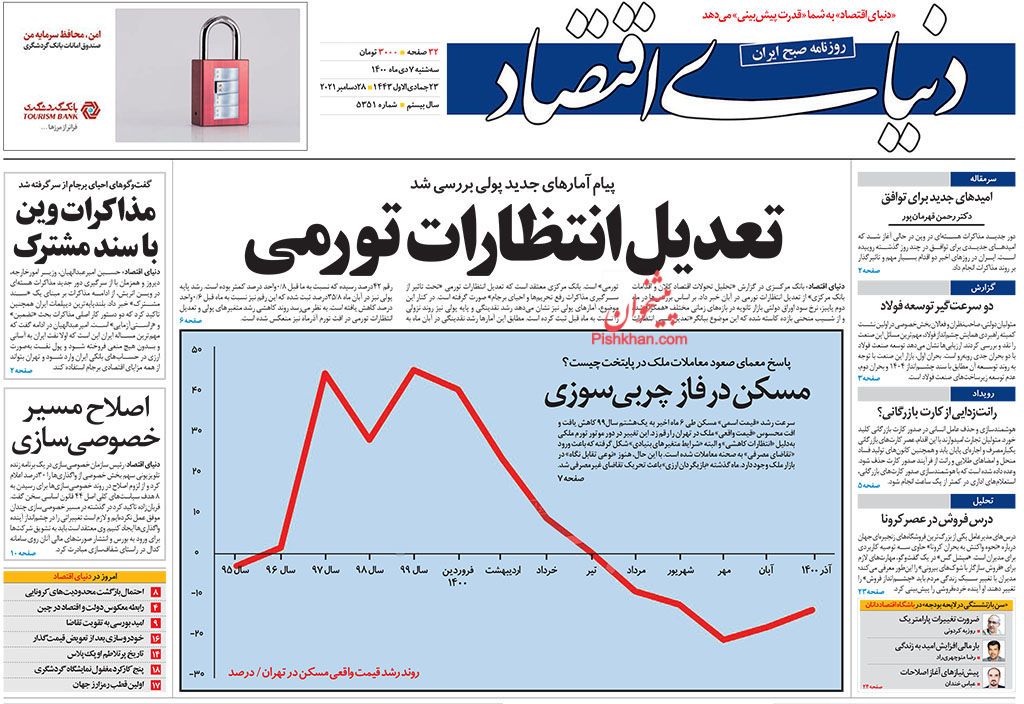
Donya-ye-Eghtesad:
1. Vienna negotiations on common document

What media say about the Vienna talks?


Ebtekar:
1. Hidden deadline of the Vienna negotiations: Threatening comments by the western sides is unconstructive

2. Khatibzadeh announces we are ready to stay in Vienna until we get the results

What media say about the Vienna talks?


Etemad:
1. Foreign relations should be given some serious thought : Reviewing the JCPOA negotiations in talks with Seyed Hossein Mousavian

What media say about the Vienna talks?


Eghtesad-e-Mardom:
1. Khatibzadeh: All sides should go to Vienna with a will to get an agreement

What media say about the Vienna talks?


Hemayat:
1. China: Remove illegal sanctions against Iran

What media say about the Vienna talks?


Iran:
1. Leaving behind Vienna 6: “Iran” report on the significance of getting Iranian draft and its impact on the new round talks

What media say about the Vienna talks?


Javan:
1. Iran recognizes no “Vienna Deadline

  • Foreign Ministry spokesman, yesterday and in reaction to the comments by US National Security Advisor: The Iranian negotiating team will stay in Vienna for as long as required

What media say about the Vienna talks?


Khorasan:
1. Getting rid of the June document; negotiations focus on the new text

What media say about the Vienna talks?


San’at:
1. Negotiation based on the new document

What media say about the Vienna talks?


Setareh Sobh:
1. Green light to agreement

2. Speaking with international relations analyst, Dr. Mahdi Zakerian: The reaction of the

  • market in the previous government was positive but the reaction is negative in the incumbent government

What media say about the Vienna talks?


Shahrvand:
1. June 2020 document is no longer on the table

  • Amir Abdollahian announcement: We abandoned the previous documents
    Negotiations begin based on the new document

What media say about the Vienna talks?


Shargh:
1. Oil money should be deposited in Iran’s account

  • Reviving the JCPOA in simple terms as the foreign minister put it
    2. The missing element to ensure the agreement lasts (Editorial)

What media say about the Vienna talks?


Tejarat:
1. Foreign Minister: Iran is after the JCPOA’s economic benefits

What media say about the Vienna talks?

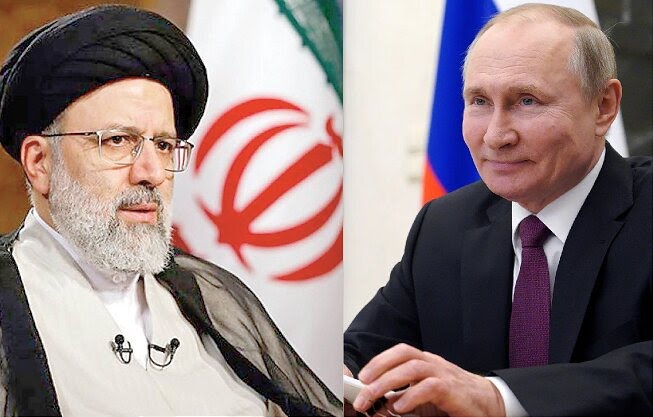
Spokesman: President Raisi to visit Russia early next year

“Ayatollah Raisi will visit Russia early in the next Gregorian year and the presidential office’s deputy for political affairs is planning the visit,” said Ali Bahadori Jahromi o Tuesday.

It was earlier announced that Russian President Vladimir Putin has invited Raisi to pay an official visit to Moscow in early 2022.

“I hope the Iranian president accepts my invitation and can visit Russia early next year,” Putin said.

Important agreements and contracts are expected to be signed during the visit. The two sides are also expected to discuss key issues such as the nuclear deal and an increase in economic and trade exchanges between Iran and Russia.

Russia is a signatory to the nuclear deal and is a party to the Vienna talks to revive the agreement.

Iran’s Ambassador to Russia said Monday that there has been a considerable increase in Iran’s exports to the Russian Federation in the current year.

Kazem Jalali said it is expected that Russian imports from Iran hit one billion dollars for the first time in the entire current Iranian calendar year, which ends on March 20.

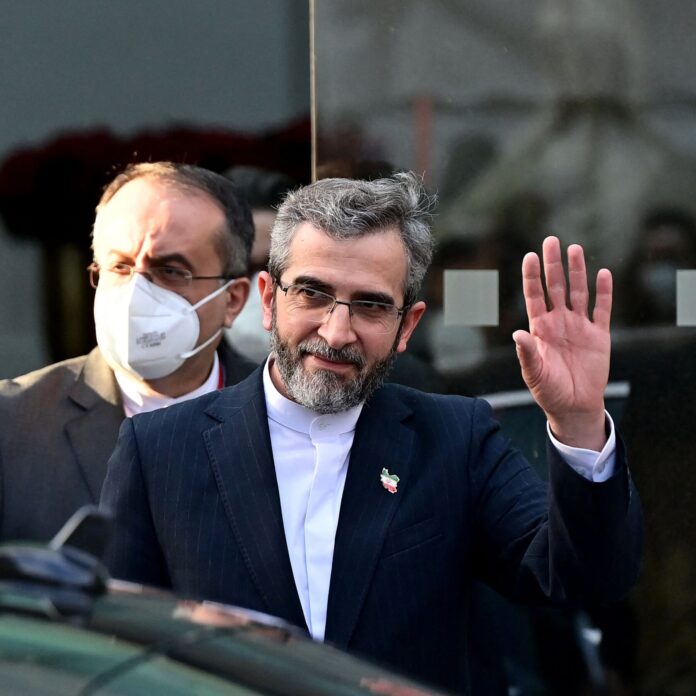
Bagheri: Reaching deal before Feb. depends on west seriousness

Asked if the negotiations could lead to a deal by the end of January 2022 as claimed by the Chinese representative, Bagheri Kani responded that this depended on the other party’s seriousness, as the deal could be reached sooner if the other party were more prepared to remove sanctions and accept Iran’s proposed mechanisms in this regard.

Wang Qun, Chinese envoy to the Vienna talks has talked of possibility of reaching an agreement between Iran and the P4+1 before February.

Bagheri Kani stated that reaching an agreement on effective removal of sanctions against Iran is the key to success of the eighth round of talks in Vienna to revive the 2015 Iran nuclear deal.

Almost all representatives of the participant countries had underscored the priority of removing the illegal sanctions against Iran, Bagheri Kani told Iranian reporters, referring to the meeting of the JCPOA Joint Commission on Monday evening in the Austrian capital.

It was agreed that the removal of sanctions be put on the agenda in experts meetings and the joint meetings between Iran and the P4+1, he added.

The Iranian top negotiator also noted that the delegations have agreed to consider in the issue of sanctions removal the two main deliberations of Iran, i.e. verification of sanctions removal and assurances for that.

He further explained that the Islamic Republic of Iran had announced that for any deal to succeed, the violating party, i.e. the US, should remove sanctions at first and Iran would verify the removal before returning to full compliance with the JCPOA.

The verification has been accepted in essence by the other party, Bagheri Kani underlined, but the mechanism, frameworks, and measures would be discussed on Tuesday along with the “rightful demand” by Iran that the other parties should make assurances that the US wouldn’t violate the deal again and illegally impose further sanctions.

Among other issues, financial and banking sanctions would be discussed in the next two days meetings, according to the diplomat.

Iran has underscored effective and practical removal of sanctions, as said by Bagheri Kani who added that the other parties have accepted the idea as a serious part of the talks.

Iran firms use nanotechnology in producing covid jabs

Director of the human resources development working group of the special committee for nanotechnology development said “files for these products have not been completed, and fortunately these vaccines have completed pre-clinical trials (monkey research) and are in the process of preparing documents to obtain a license.”

“This generation is very different from the current generations of corona vaccines based on inactivated virus, but at the same time they are a very important platform for the production of many types of medicine other than vaccines,” Mahdi Rezayat explained.

Referring to the application of nanotechnology in the production of Covid-19 shots, he explained that the new generation of jabs is important because they use the nano drug delivery system to enter a special protein into the body with minimum complication.

Messenger RNA vaccines like the Pfizer-BioNTech and Moderna COVID-19 shots teach human cells how to make a protein that will trigger an immune response against viruses.

China’s Sinopharm and Iran’s Barekat are inactivated vaccine types that are made of virus particles that lack disease-producing capabilities.

Iran is domestically manufacturing several types of Covid-19 vaccines in a bid to limit reliance on imports of foreign coronavirus shots.