Saturday, January 17, 2026
Home Blog Page 2147

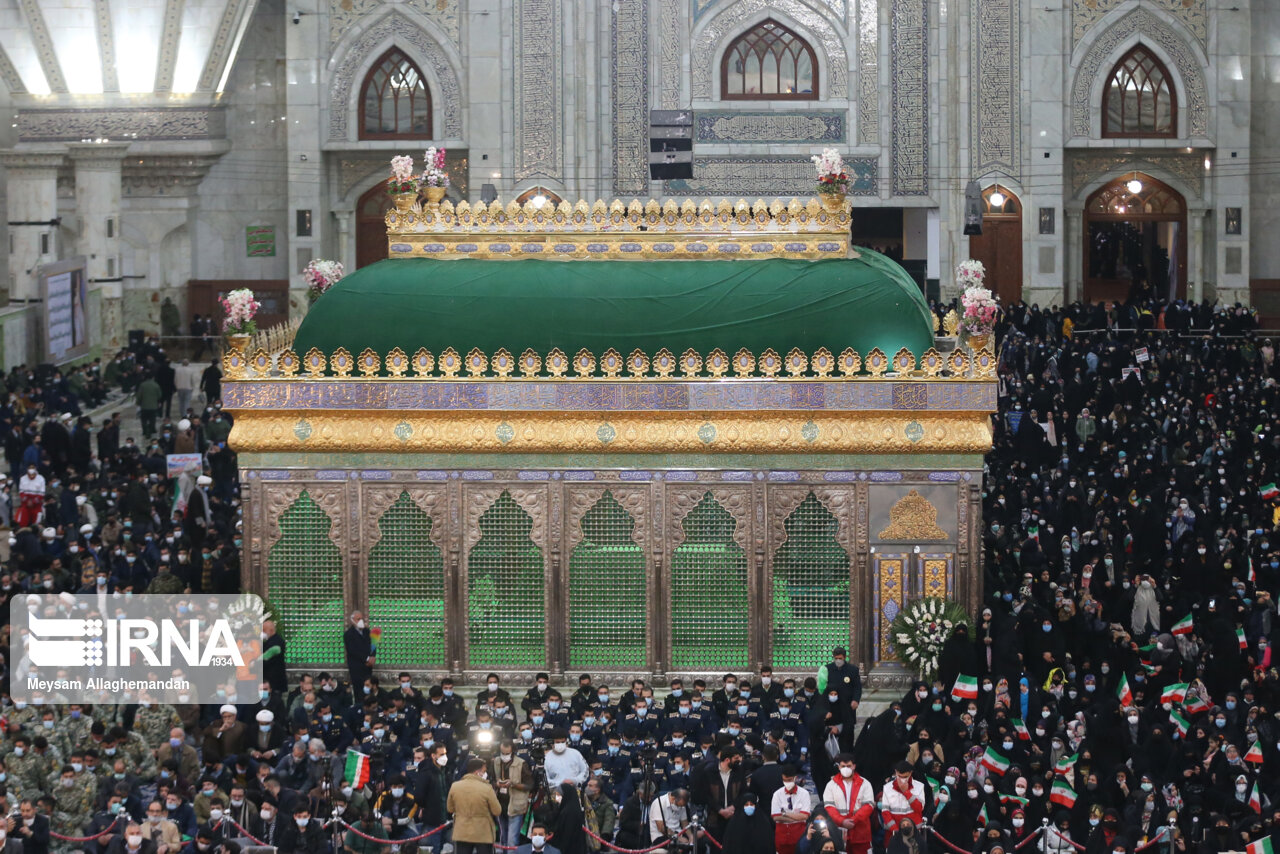
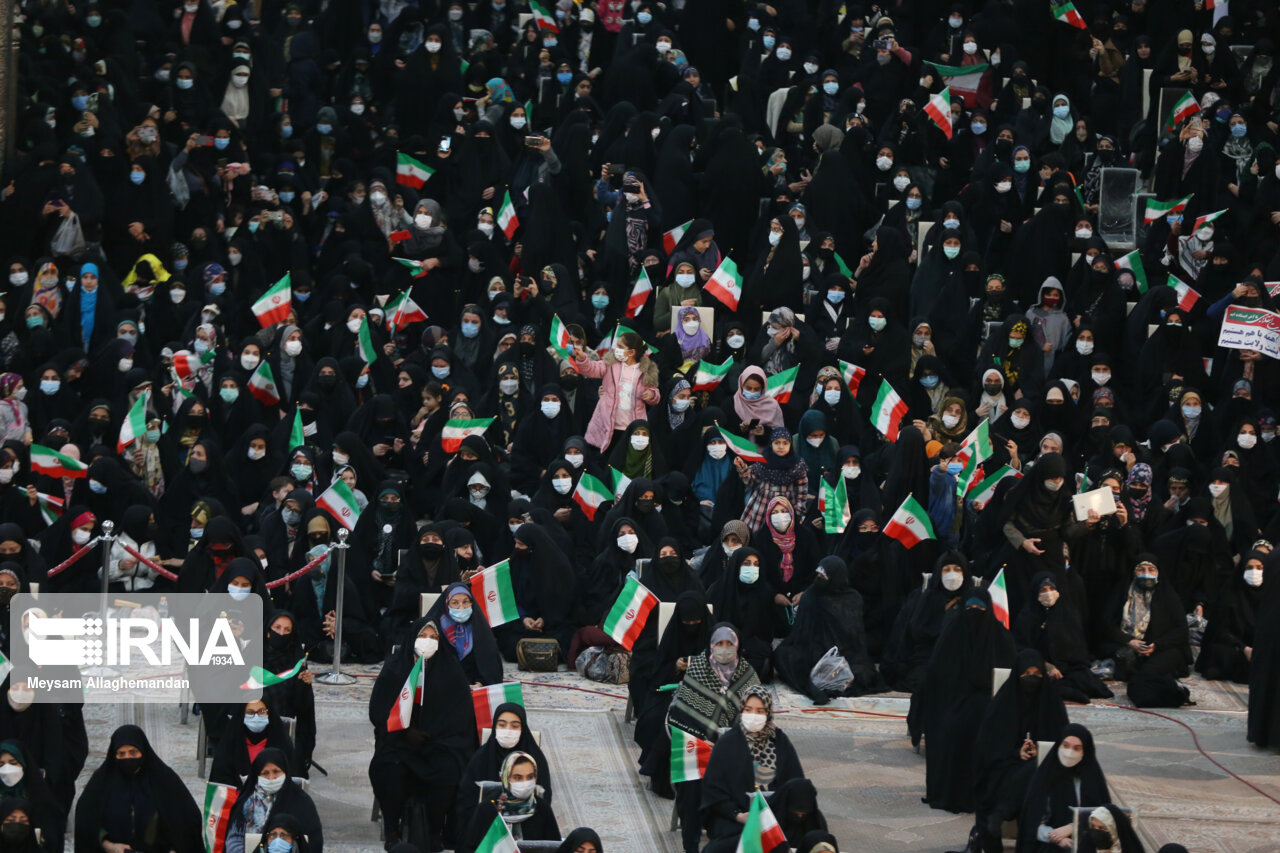
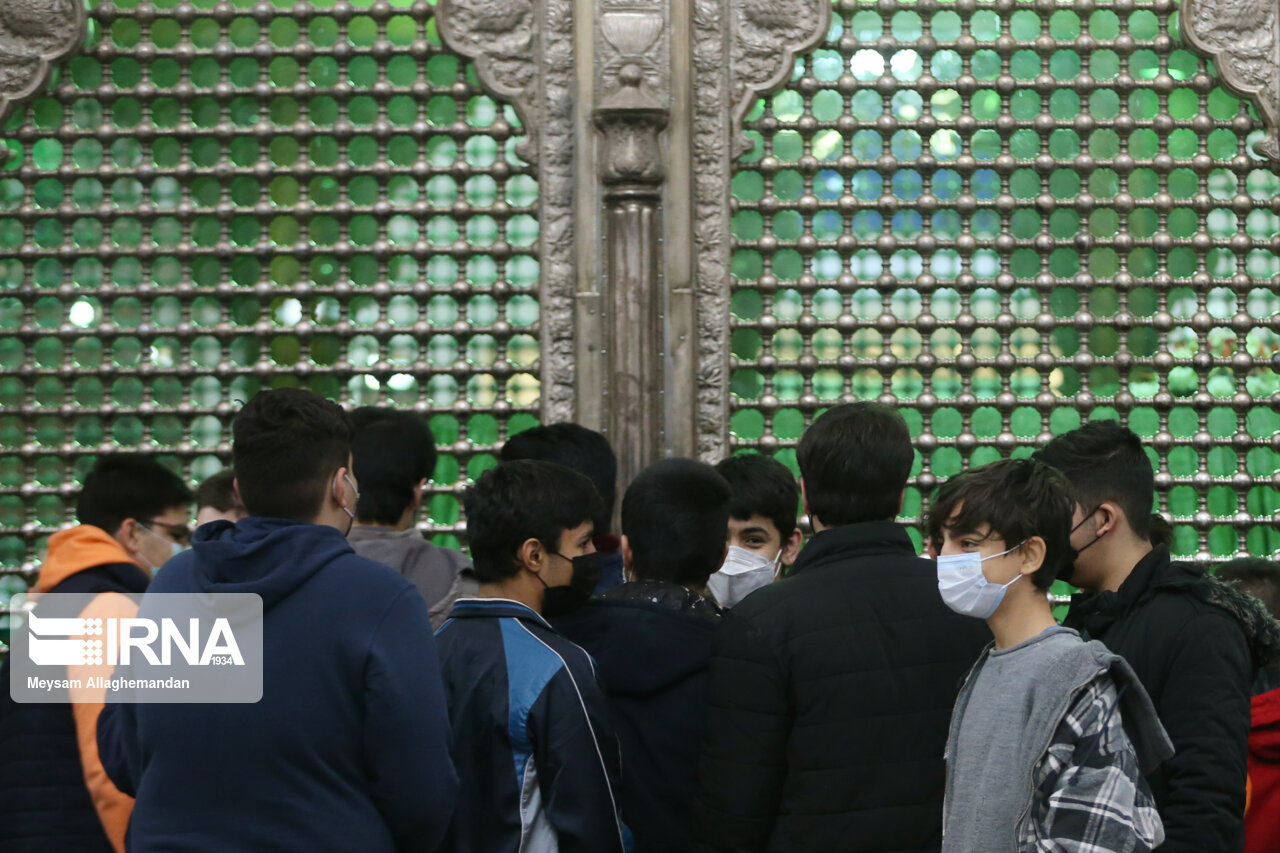
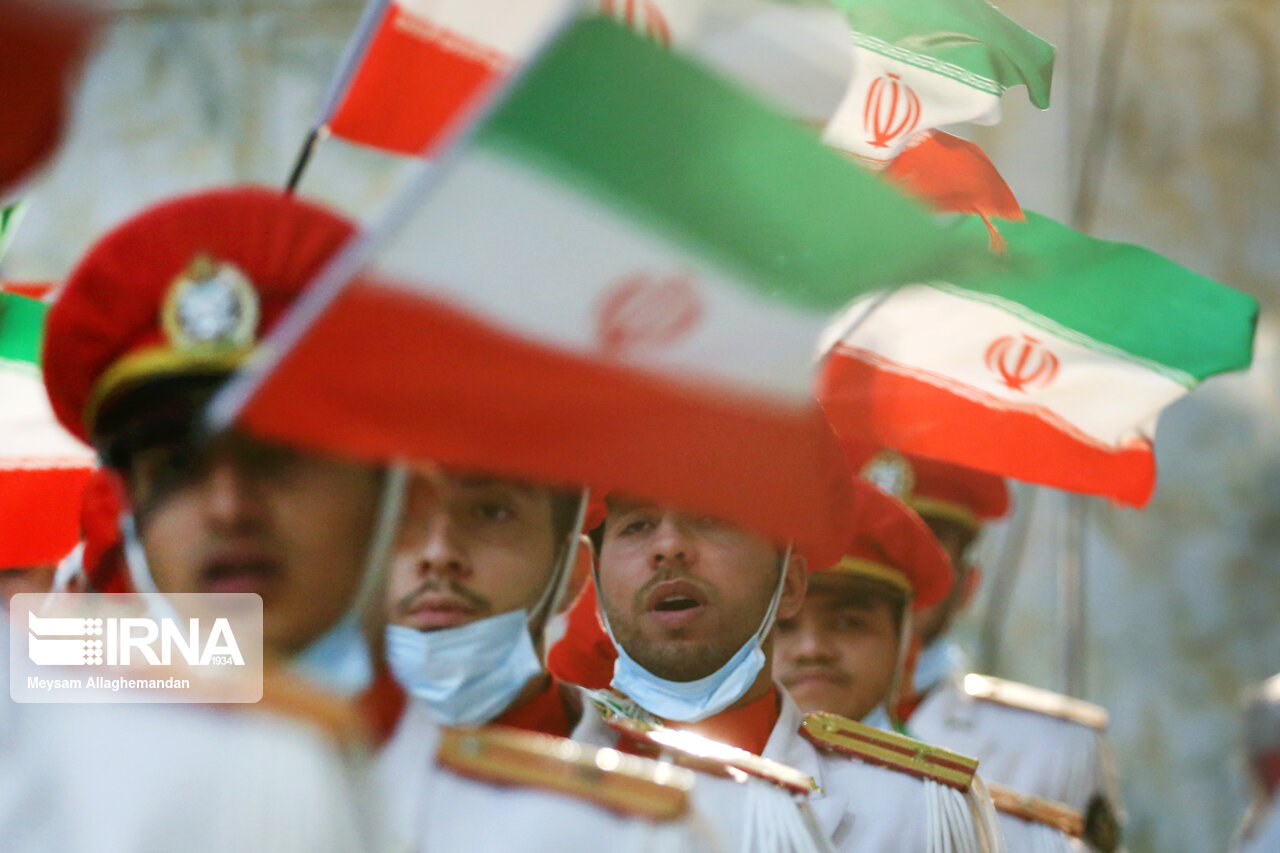
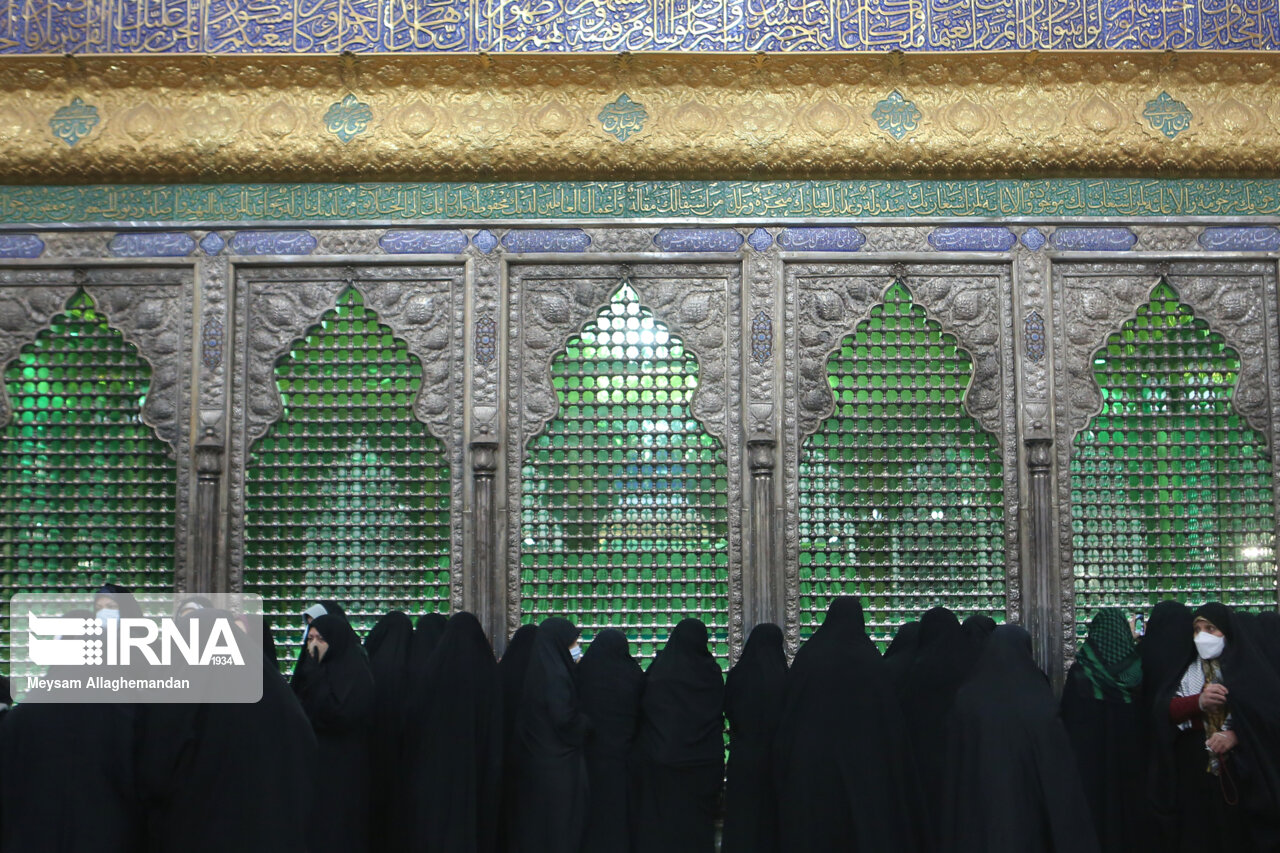
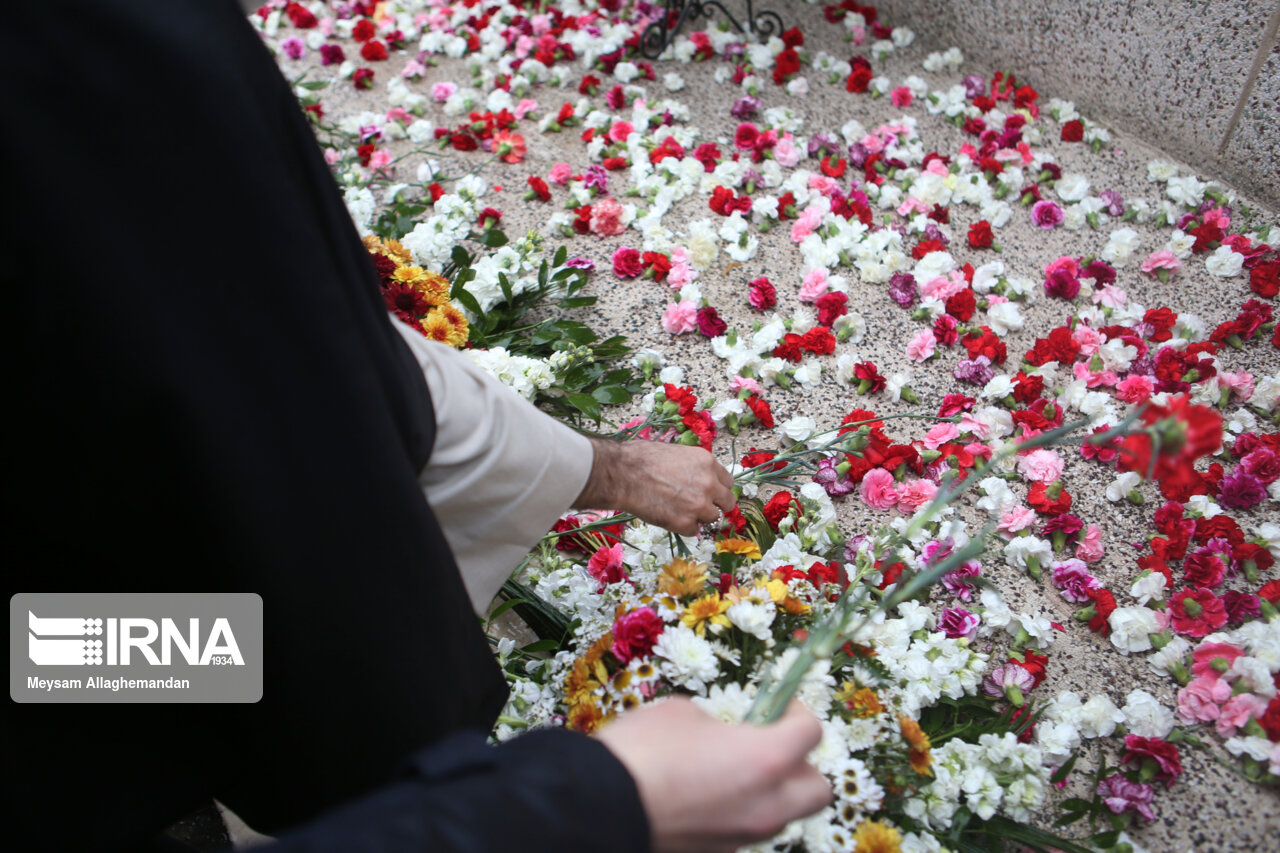
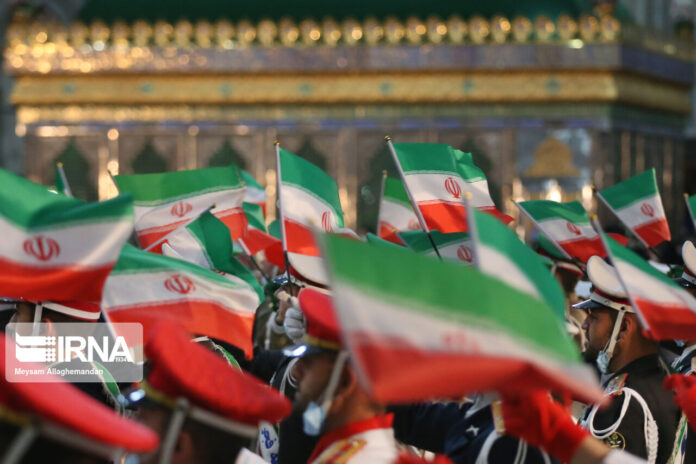
Ten-day Dawn special programs begin in shrine of Imam Khomeini

Hojjatoleslam Seyyed Mohammad Hassan Abu Turabi Fard Iranian politician and a former member of the parliament made a speech to the large group of the people and officials attending the ceremony.

Similar ceremonies were also held in the provincial capitals nationwide.

Iraq’s top cleric condoles passing of Ayatollah Saafi

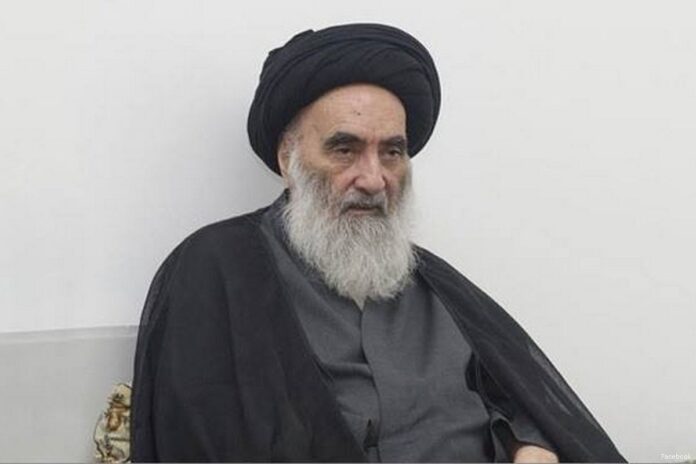
Ayatollah Sistani

Ayatollah Sistani issued a message of condolence following the demise of Ayatollah Saafi Golpaygani.

The full text of the message is as follows:

In the Name of God, the Most Compassionate, the Most Merciful

Verily we belong to Allah (SWT), and verily to God do we return

The news of the demise of the pious Scholar Ayatollah Sheikh Lotfollah Saafi Golpaygani caused great sorrow and regret.

The loss of that noble man who was one of the masters of the holy seminary of Qom and the virtues of this period and the exemplary servants of religion is a great loss.

I would like to express my deep condolences to the Holy Threshold of Hazrat Vali-e-Asr (A.J) and to the learned scholars, and to the honorable family members and other respected followers of that blessed deceased, and I pray to God Almighty to grant him high status; and for his survivors I request great patience and reward.

There is no power and no strength except with Allah.

Iran’s Basij Force opposes direct talks with US

“How many times should the wise Leader of the Revolution warn officials against baseless trust in the Americans?! Didn’t he say that raising the subject of negotiations with the United States is either foolish or treacherous?” Basij said in the letter.

It noted that the Leader of the Islamic Revolution Ayatollah Seyyed Ali Khamenei believes that negotiations with the United States are not the solution to the country’s problems and will not benefit the country no matter which Iranian diplomats negotiate with the U.S.
“The experience of the last eight years is before us,” the letter stated.

“Have you seen any positive action on the part of the Americans that you send a signal for negotiation?! Neither in action nor even in expression, have you noticed a change that you speak of negotiating with the killers of martyr Haj Qasem Soleimani ?!” the Basij Volunteer Force said in its letter.

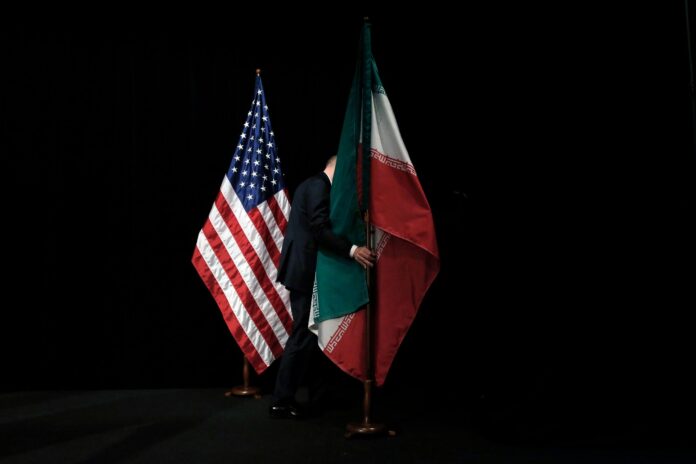
Recently, the top Iranian diplomat dismissed reports of direct talks between the United States and Iran in the Austrian capital where Tehran and the P4+1 are trying to find a way to revive the 2015 nuclear deal known as the Joint Comprehensive Plan of Action.

“However, if we get to a stage where reaching a good deal with strong guarantees necessitates direct talks with the U.S., we will consider it,” Amir Abdollahian added.

The two sides have held eight rounds of talks over the past year. Iran refuses to sit down directly with American diplomats, meaning negotiators from Britain, China, France, Germany and Russia must shuttle between Iranian and American diplomats.

Iran insists that America must remove all sanctions imposed on Tehran after former U.S. president Donald Trump unilaterally abandoned the deal in May 2018 in violation of American commitments. It also says Washington must provide guarantees that it will not leave the deal again.

‘Iran oil supertanker discharging 2mln barrels in Venezuela’

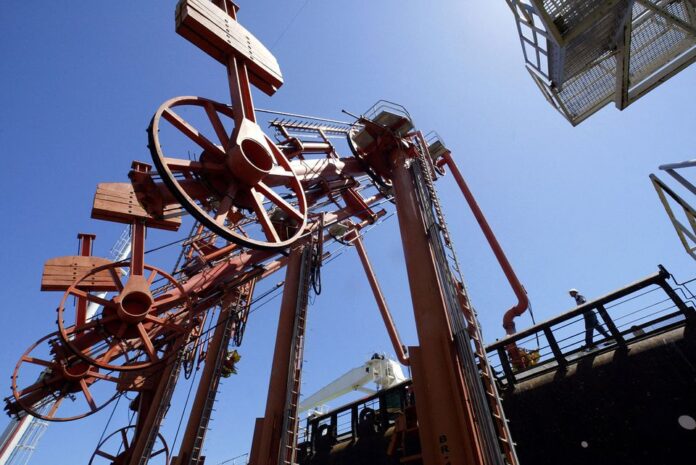
PDVSA and state-run National Iranian Oil Company (NIOC) in the second half of last year started a swap deal to exchange Iranian condensate for PDVSA’s heavy crude. The pact has proven to be key for sustaining Venezuela’s oil output, which needs diluents including condensate for transportation and exports.

Last year, the two state companies that are under US sanctions exchanged some 4.82 million barrels of condensate for 5.55 million barrels of heavy crude, mostly transported in Iran-flagged vessels. Condensate is an extremely light oil.

The allies also have exchanged Iranian gasoline for Venezuelan jet fuel through an agreement that began in 2020 and has helped ease scarcity of motor fuels in the South America nation.

The Iranian-flagged very large crude carrier (VLCC) Starla, owned and managed by state-run National Iranian Tanker Company (NITC), arrived in Venezuelan waters on Friday, according to a PDVSA schedule of imports and exports seen by Reuters.

The vessel, which switch off its transponder in December before departing from Iran’s Tombak port, was assisted by tugboats on Monday on its approach to PDVSA’s Jose port, according to monitoring service TankerTrackers.com, which also confirmed its identity.

PDVSA and NIOC, the parent company of tanker company NITC, did not immediately reply to requests for comment.

As part of the swap’s terms, the delivery of condensate had been expected in December, but a lack of oil storage and bottlenecks at Jose created delays, PDVSA internal documents showed.

The lack of onshore storage capacity, which has forced PDVSA since last year to resort to floating storage, also recently led the company to resume exports of diluted crude oil, a blend of extraheavy oil and imported condensate, to Asia.

Iran Covid: Infections keep rising; 50 killed

Iran's COVID-19

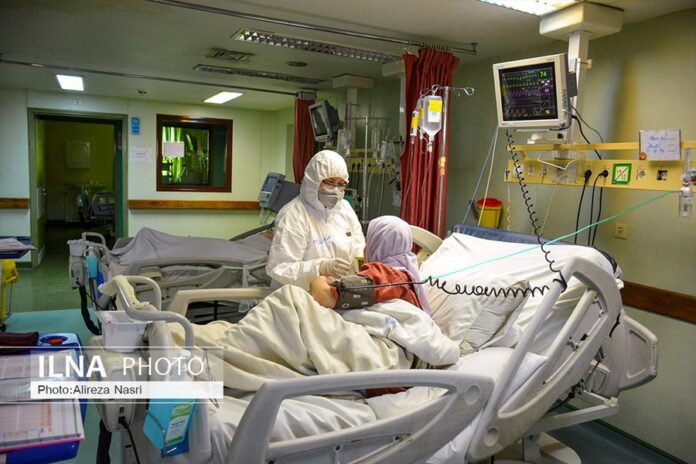
Iranian Health Ministry figures on Tuesday showed that 35,070 new Covid cases were logged across the country in the past 24 hours. They include 1740 hospitalizations. Those admitted to hospitals include 1,703 people who were put in ICUs.

Meanwhile, 50 people died of Covid over the past 24 hours, pushing the total number of fatalities to 132.504.

Iran is now in the throes of the 6th wave of the Covid pandemic. This wave is driven by the new variant of the Coronavirus, known as Omicron.

Omicron is said to be way more contagious than other strains of the disease, though less deadly.

The number of cities marked red, that is, the highest level of risk from Covid, stands at 42. Iran’s capital Tehran is among the red cities.

The number of blue cities has fallen to 34. This comes as Iran is pressing ahead with a vaccination campaign that has so far seen the administering of over 132 million doses of vaccine including more than 17.5 million boosters (third dose).

US, UK say preparing sanctions on Russia over Ukraine

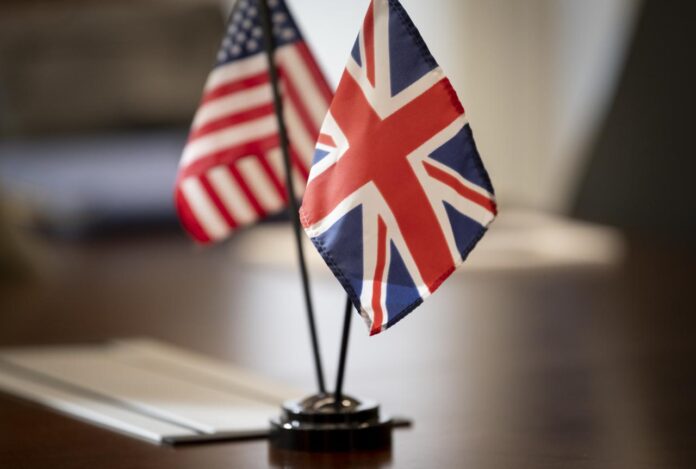
Washington, D.C. (May 25, 2020) Acting Homeland Security Secretary Chad Wolf meets with Ambassador of the United Kingdom to the United States Karen Pierce.

The Joe Biden administration is readying sanctions on Russians with links to the Kremlin that would be triggered if Russian President Vladimir Putin invades Ukraine.

The administration has identified Russians who are “in or near the inner circles of the Kremlin and play a role in government decision making or are at a minimum complicit in the Kremlin’s destabilizing behavior,” a senior Biden administration official said Monday.

The administration is preparing to block assets of these individuals and members of their families in the event of a Russian invasion of Ukraine.

The official did not provide names of those who would be subject to sanctions but stated the list is “broad” and draws in part from a classified report the Treasury Department submitted to Congress in 2018, under the Donald Trump administration, as required by a 2017 sanctions law.

That report named senior Russian government officials, political leaders and oligarchs.

The sanctions would be imposed under an executive order that Biden signed in April.

“Many of these individuals are particularly vulnerable targets because of their deepened financial ties with the west,” the senior Biden administration official said, adding, “Sanctions would cut them off from the international financial system and ensure that they and their family members will no longer able to enjoy the perks of parking their money in the west and attending elite western universities.”

The sanctions list, which was first reported by CNN on Monday, is part of a broader effort by the Biden administration to signal harsh penalties on Russia if it were to invade Ukraine, something US officials have warned could be imminent.

The Biden administration has also threatened to impose export controls that would prevent Russia from gaining access to key US technologies, a move that officials say would hurt Moscow in key sectors like artificial intelligence, defense and aviation.

The US is also reportedly preparing sanctions hutting Russian financial institutions, but the administration has not laid out the full scope of what penalties Russia would face.

The senior administration official announced Monday that “all options remain on the table.”

The Biden administration has been consulting with European allies on possible sanctions. US officials are cognizant that major sanctions levied on Russia could also have an adverse impact on European economies.

Meanwhile, the US called a United Nations Security Council meeting on Monday to discuss Russian aggression toward Ukraine to put pressure on Moscow to back down.

“The United States and our Allies and partners continue to prepare for every scenario,” President Biden said in a statement Monday morning as the meeting got underway.

UK Foreign Secretary Liz Truss has also said a new package of sanctions, allowing the UK government to impose a broader range of restrictions on Russia, will be ready by February 10.

“This package that we are putting together in legislation will be in place by the 10th of February so we are able to enact wide-ranging sanctions in broad categories that really target anybody that is providing strategic or economic support to the Russian regime,” Truss told the UK House of Commons.

“There will be nowhere to hide,” Truss added.

She stated assets of Russian companies in the United Kingdom may be frozen in accordance with a new bill on anti-Moscow sanctions.

“We will make that those who share responsibility for the Kremlin’s aggressive and destabilizing action will share in beating a heavy cost. Their assets in the UK will be frozen. No UK business or individual will be able to transact with them. And should they seek to enter the UK, they will be turned back,” Truss told lawmakers.

Russia has repeatedly denied Western accusations of preparing for an invasion of Ukraine. Moscow has been stressing that it has the right to move troops within its national territory and it is not threatening anyone, at the same time pointing out NATO’s increased activity near Russian borders.

Kremlin Spokesman Dmitry Peskov said on Monday Moscow is calling on Washington and its European allies to give up their policy of whipping up tension around Ukraine and assume a constructive stance.

“The hysteria that the United States is instigating is, indeed, leading to hysteria in Ukraine where people are almost packing frontline bags. This is obvious and this is a fact. This is the downside of this very malicious and damaging campaign being run by Washington. We consistently criticize this stance and call on Washington and its allies on the European continent to give up this policy and assume a constructive, calm and balanced approach,” the Russian presidential spokesman stated, responding to a request to comment on Western media reports that the White House was dissatisfied with Ukrainian President Vladimir Zelensky’s position on the threat of Russia’s alleged invasion of Ukraine.

“Regrettably, American media outlets have been publishing a large amount of unverified, distorted and deliberately false and inflammatory information in recent months about what is happening in and around Ukraine. This is becoming obvious actually for all,” Peskov continued, adding that these publications should be treated “correspondingly.”

Meantime, Russian Permanent Representative to the United Nations Vasily Nebenzya told reporters the option of invading Ukraine is not being considered by Moscow. He stressed Russia views claims of alleged Russian invasion of Ukraine currently in the works as “fantasies”. He stated Russian representatives never expressed any threats with respect to preparing to invade Ukraine.

Amnesty: Israel enforcing ‘apartheid crime’ on Palestinians

Amnest- Israel enforcing 'apartheid crime' on Palestinians

Released on Tuesday, the 25-page report by the leading rights group details how Israeli authorities enforce a system of oppression and domination against the Palestinians.

Its damning investigation lists a range of Israeli abuses, including extensive seizures of Palestinian land and property, unlawful killings, forcible transfer, drastic movement restrictions, administrative detention and the denial of nationality and citizenship to Palestinians.

It describes these as components of a system that amounts to apartheid under international law.

“This system is maintained by violations which Amnesty International found to constitute apartheid as a crime against humanity,” the group said in a statement.

Since its establishment in 1948, Israel has pursued a policy of establishing and maintaining a “Jewish demographic majority”, the report added. Israel also exercises full control over land and resources to benefit Jewish Israelis, including those in illegal settlements.

After the 1967 war, during which Israeli forces occupied all of historical Palestine, Israel “extended this policy” to the occupied West Bank as well as the Gaza Strip, which has been under a crippling siege since 2007.

Today, all territories controlled by Israel continue to be administered with the “purpose of benefiting Jewish Israelis to the detriment of Palestinians, while Palestinian refugees continue to be excluded”, the London-based group said.

“Our report reveals the true extent of Israel’s apartheid regime. Whether they live in Gaza, East Jerusalem and the rest of the West Bank, or Israel itself, Palestinians are treated as an inferior racial group and systematically deprived of their rights,” stated Agnes Callamard, Amnesty’s secretary-general.

“We found that Israel’s cruel policies of segregation, dispossession and exclusion across all territories under its control clearly amount to apartheid. The international community has an obligation to act,” Callamard added.

Amnesty called on the UN Security Council to impose a comprehensive arms embargo on Israel, as well as “targeted sanctions, such as asset freezes, against Israeli officials most implicated in the crime of apartheid”.

Israel has vigorously rejected the “apartheid” label in the past.

But Amnesty’s report follows a similar conclusion reached by US-based Human Rights Watch, which published a report (PDF) in April last year that found Israel is committing the “crimes against humanity of apartheid and persecution” against Palestinians.

Likewise, Israeli rights group B’Tselem published a study in January 2021 that found that Palestinians – divided into four tiers of inferior treatment – are denied the right to self-determination.

Amnesty announced the unlawful killing of Palestinian protesters in Gaza is perhaps the “clearest illustration of how Israeli authorities use proscribed acts to maintain the status quo”.

It was referring to a period over 2018 and 2019 where Palestinians in Gaza held weekly demonstrations along the Israeli separation fence, calling for the right of return for refugees and an end to the blockade.

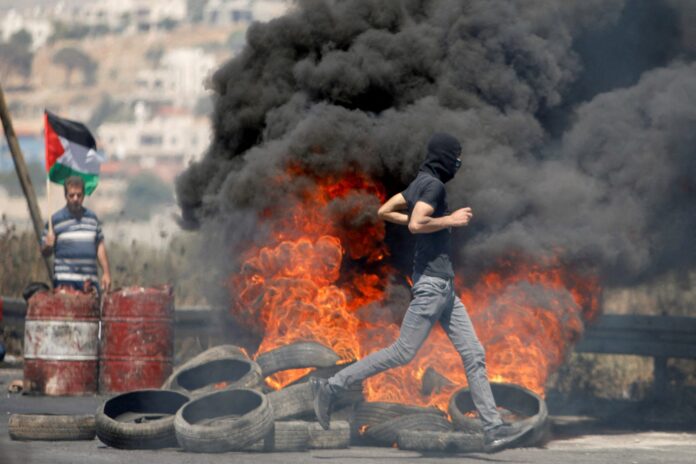
The Great March of Return protests were met with violence by Israeli forces, who fired tear gas canisters, rubber bullets and live ammunition, mostly by snipers. By the time the demonstrations were suspended at the end of 2019, Israeli forces had killed at least 214 Palestinians, including 46 children, according to the UN.

“The international response to apartheid must no longer be limited to bland condemnations and equivocating,” Callamard said, adding, “Israel must dismantle the apartheid system and start treating Palestinians as human beings with equal rights and dignity.”

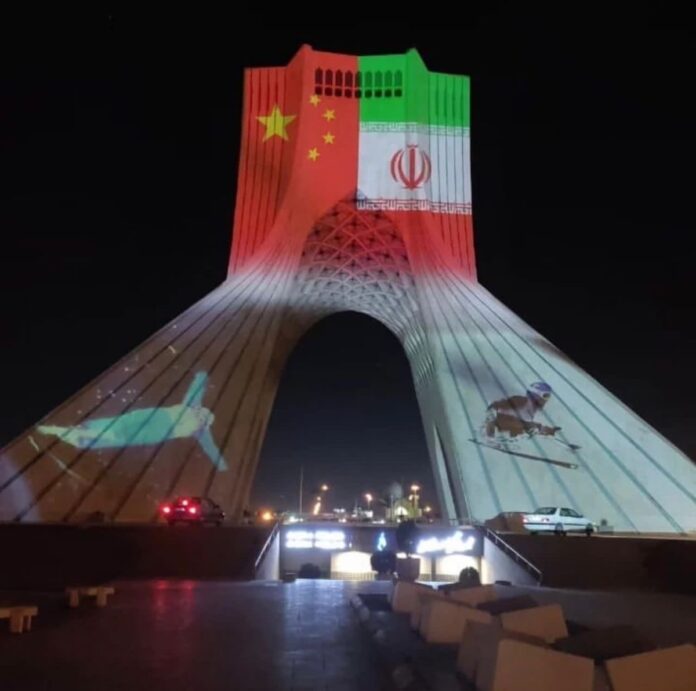
Iran FM congratulates Chinese New Year

“Ahead of the Chinese New Year and the Beijing Winter Olympics, I hope the best for the people and government of China. I hope success for the Winter Olympics and congratulate the New Year to my Chinese friends,” Amir Abdollahian said in a tweet.

“This year, with the beginning of the second 50-year period for the diplomatic relations between two countries, the comprehensive cooperation plan will advance better and stronger with additional efforts,” added Amir Abdollahian.

China is preparing to host the 24th Winter Olympics in the capital Beijing between February 04 and 20.

Iran and China are also heading toward the 51st anniversary of their diplomatic relations on May 19. 

Last month, the two countries also began the implementation of a 25-year Strategic Cooperation Agreement, they signed in 2020.

The $400bn agreement envisages expansion of economic and other cooperation between the two countries.

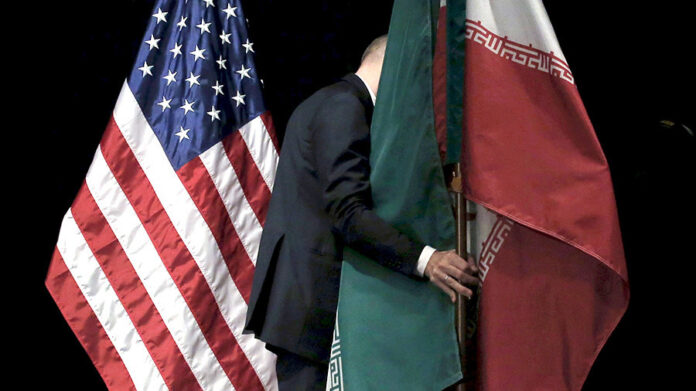
US says sees path for deal with Iran

The comments are another sign that the Biden administration is somewhat optimistic as nuclear negotiations in Vienna get closer to a decision point. Last week, White House Middle East coordinator Brett McGurk stated the US and Iran are “in the ballpark” of a possible deal. 

Biden administration officials have set the end of January or beginning of February as an unofficial deadline for the talks, in large part because they believe Iran’s nuclear advances will soon render the 2015 deal ineffective. 

Iranian officials have rejected western diplomats’ remarks about a deadline for reaching an agreement in Vienna talks, and stressed Tehran is only after a good agreement. 

The State Department official, speaking to reporters on the condition of anonymity, noted the talks are entering “the final stretch” this week. 

“There are still significant gaps but we can see a path for a deal if decisions are made quickly by Iran,” the official stressed. 

The official reiterated that the US will only be able to continue talks for a few more weeks, otherwise the Iranian nuclear program will be too advanced. 

Iran’s Foreign Ministry Spokesperson Saeed Khatibzadeh separately on Monday said the Vienna talks have made significant progress. 

“There are still important issues left in the field of sanctions removal … Progress [made] must be acceptable in the fields of verification and assurances,” he added. 

The State Department official said the Biden administration is ready to hold direct talks with Iran, stressing such negotiations will increase the chances for a deal. 

“It will be unfortunate if we lose the chance for a deal because there were no direct talks,” the official continued. 

In recent days, the US and Iranian officials have voiced openness to meeting directly to discuss nuclear deal, after months of negotiations in Vienna between Tehran and the other signatories to the accord. 

Iran insists that the talks must lead to the removal of all American sanctions that were imposed against Tehran following Washington’s unilateral withdrawal from the landmark agreement in May 2018. Tehran has also demanded credible guarantees that Washington will not abandon the deal again.

Iranian institute says ready to produce 100 covid jabs by march 2023

“So far five million doses of Razi vaccine have been delivered to the health ministry and another five million does are ready to be delivered,” caretaker of the institute’s vaccine production department Dr. Mohammad Hossein Fallah Mehrabadi said. 

“Officials have pledged that the vaccine will become available in almost all vaccination centers of the country starting this week.” 

The Razi Covo-Pars vaccine is the second Iranian anti-covid shot to complete its clinical trials after its first doses were unveiled in March 2019. 

The vaccine is a protein recombinant jab and has passed through the strictest control regimes based on the guidelines of the World Health Organization and domestic protocols. 

This comes amid a resurge in the disease cases across Iran due to the spread of the Omicron variant.