Thursday, January 1, 2026
Home Blog Page 2120

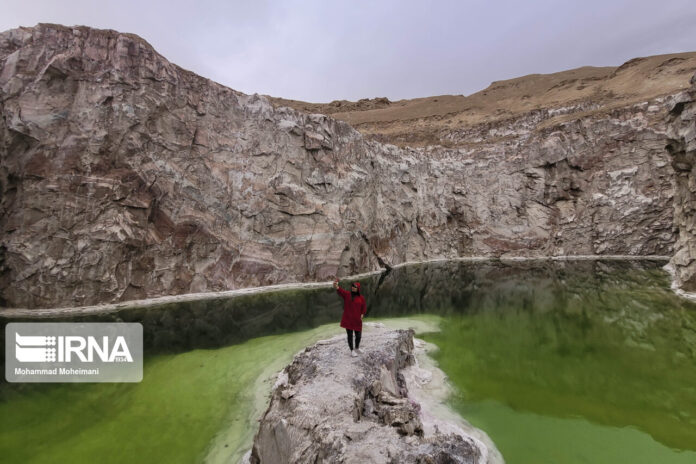
Garmasar: Salt caves and green ponds

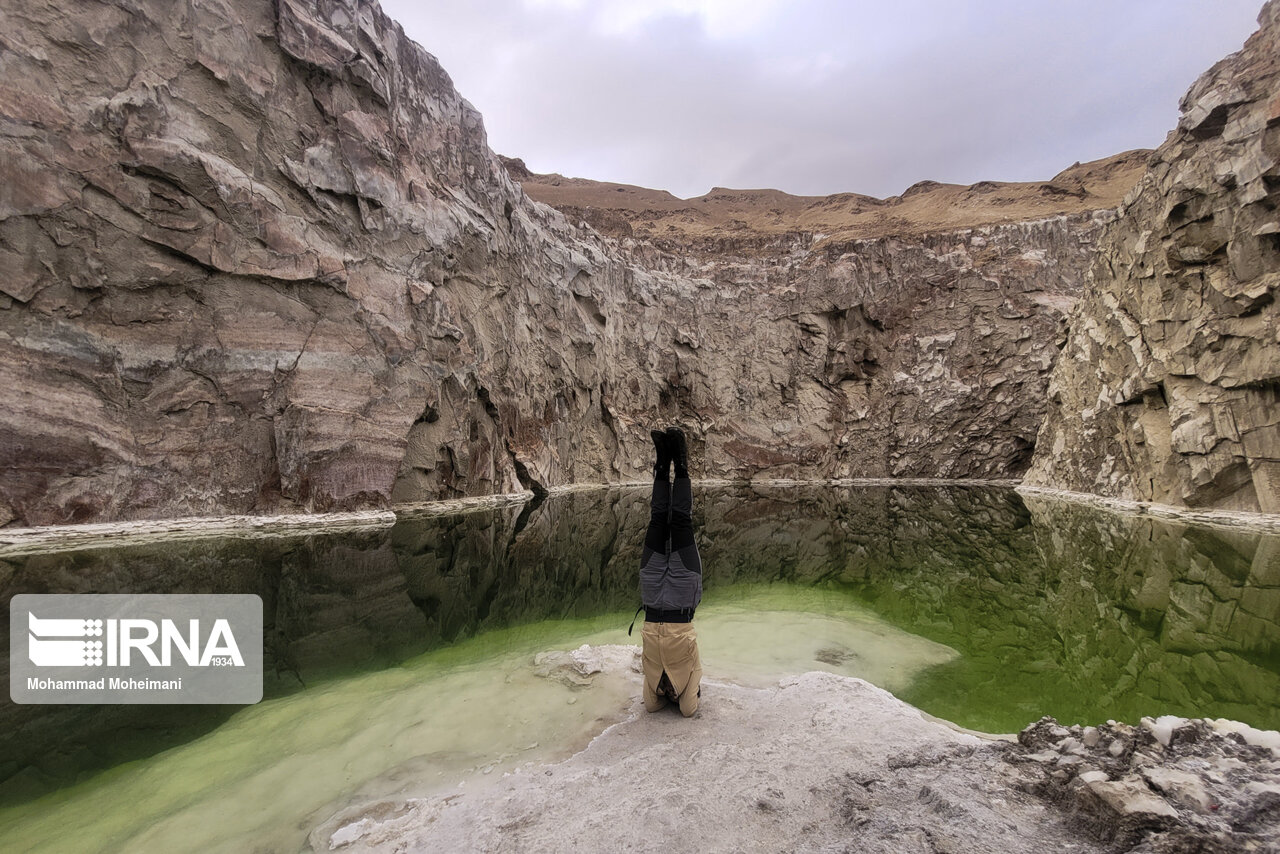
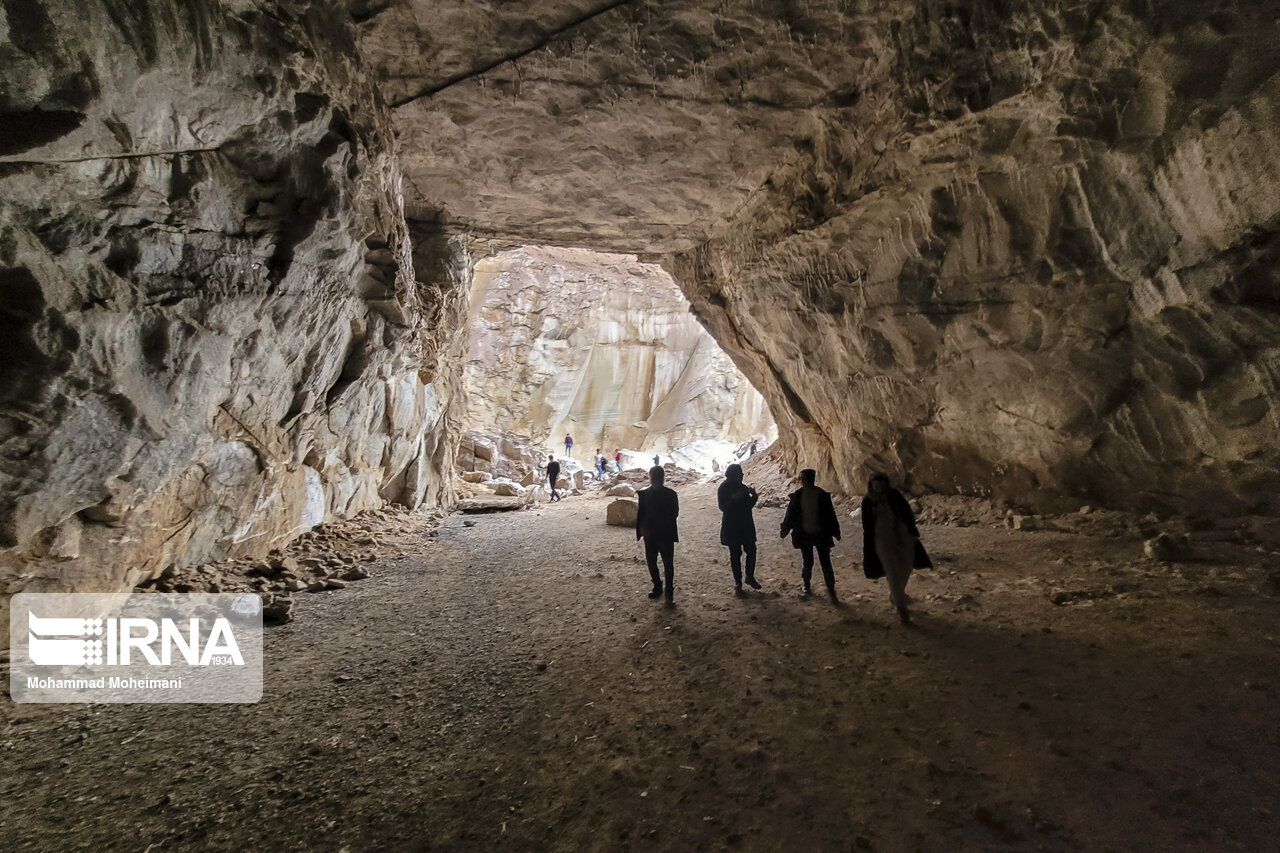
The mines boast interlinked shafts and halls, which are partitioned by salt pillars, creating magnificent and wonderful views. The area outside the mines also boasts numerous colorful, one-of-a-kind salt domes. 

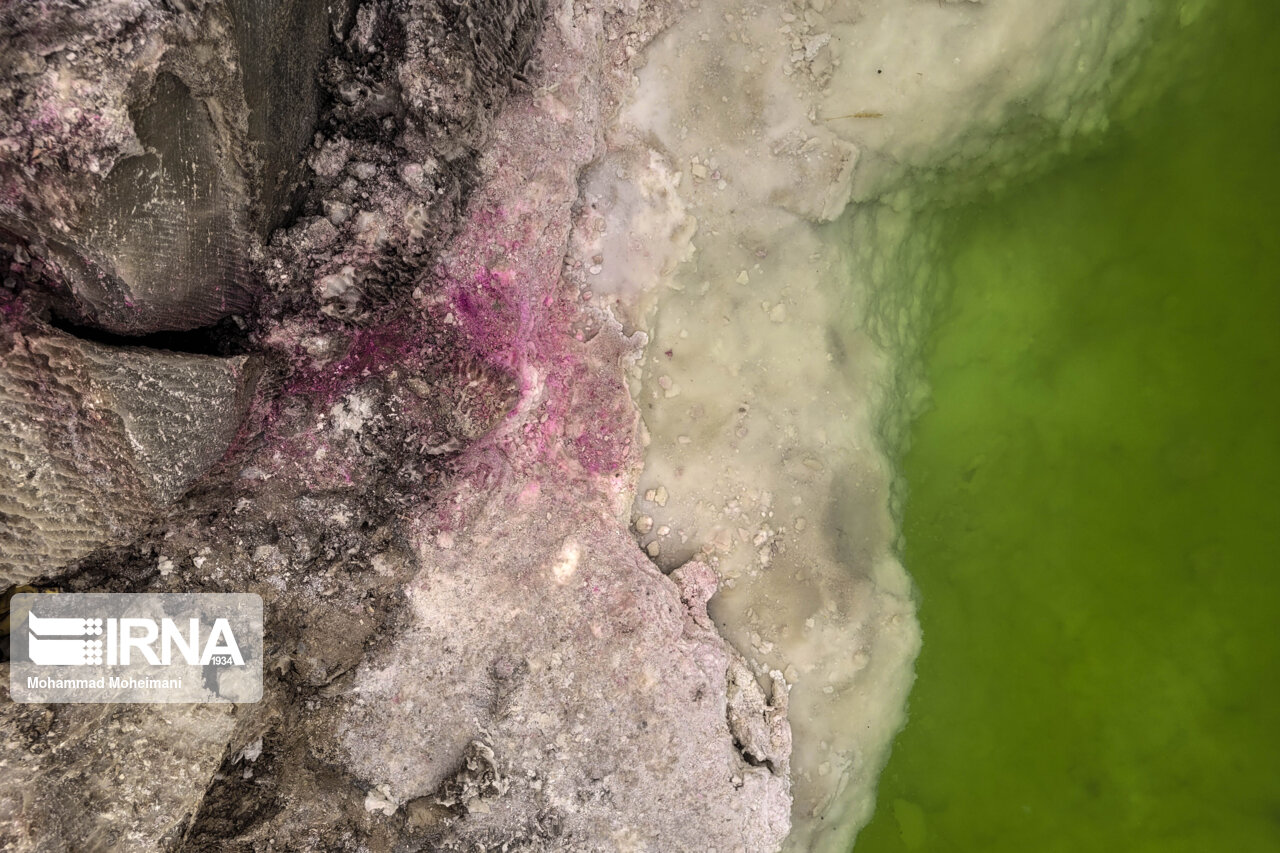
But that’s not all. White salt pillars and the mines are also bordered by small green ponds, which create a wonderful scene.  

Garmsar is also home to a gorge called Zolomat – darkness in Persian – due to its high walls and deep passageway where little sunlight gets in, even during the day.

Velayati: Raisi visit to Russia turning point in Iran’s diplomacy

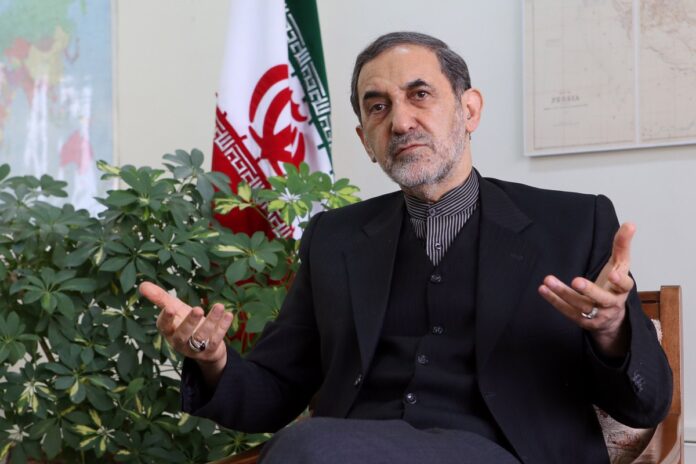
In an interview with Kayhan Newspaper, Ali Akbar Velayati stressed that the deepening ties with the two Eastern powers will not jeopardize Iran’s independence and is not in contradiction with the country’s neither East nor West policy.

Velayati made the remarks after a meeting with Iranian President Ebrahim Raisi for consultations ahead of the president’s trip to Russia where he will meet with his Russian counterpart Vladimir Putin. 

“Raisi’s visit to Russia marks a turning point in the history of the Islamic Republic’s diplomacy regarding removal and neutralization of sanctions,” the senior advisor to Iran’s Leader noted.

“Iran and Russia are two neighbors in the Caspian Sea, both of which are powerful countries in the region and influential on the international stage. The relationship with Russia is a two-way street; A relationship based on mutual respect, equal rights and non-interference in each other’s internal affairs,” he said.

Today, Iran has considerable regional and international power and influence. And the Americans themselves acknowledge that they are faced with three powerful countries: China, Russia and Iran, he added.

“We and Russia have a common enemy. The Americans themselves know this. One of the reasons that we, Russia and China, all three, are in Shanghai (Shanghai Cooperation Organization) and are Shanghai’s top three powers, is that we have independence. Undoubtedly, the Islamic Republic of Iran is one of the most independent countries and Iran is free to pursue its independent policies. This independence along with our deterrent power is one of the most important components of the power of the Islamic Republic. NATO is also a common enemy of Iran, China and Russia,” Velayati explained.

The senior advisor to Iran’s Leader went on to say that Russia is acting completely differently from the Soviet Union.

“Although sometimes they tested us and wanted to behave like others, they realized that the Islamic Republic seeks an equal, two-way relationship based on mutual respect, and they leaned towards us. The Americans have not been able to qualify for a relationship like Iran’s relationship with Russia because they want to intervene, stage coups and bring Iran to its knees,” Velayati explained.

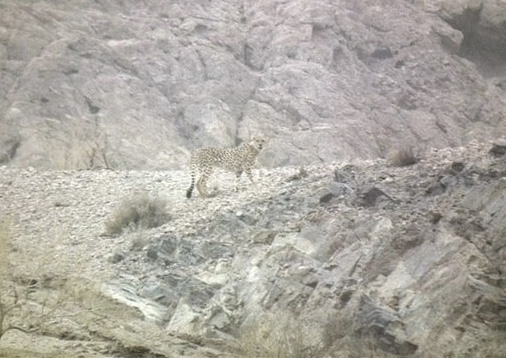
Asiatic cheetah “Homino” sighted in Yazd; 1st time in six years

Rangers on patrol in Ariz sanctuary of Bafgh, Yazd Province have managed to take photos of the feline.

After reviewing the images, wildlife experts and specialists realized that the male cheetah was the one that had been registered eight years ago and was last seen in September 2015.

Earlier in January, Iran said only a dozen Asiatic cheetahs were left in the country warning that the endangered species is facing an extremely critical situation.

Authorities have blamed drought, hunters and car accidents, especially in the country’s central desert for the feline’s decreasing population.

According to the International Union for Conservation of Nature, the Asiatic cheetah is critically endangered.

 Iran is one of the last countries in the world where the animals live.

In 2001, the Islamic Republic launched a United Nations-supported protection program to save the endangered species.

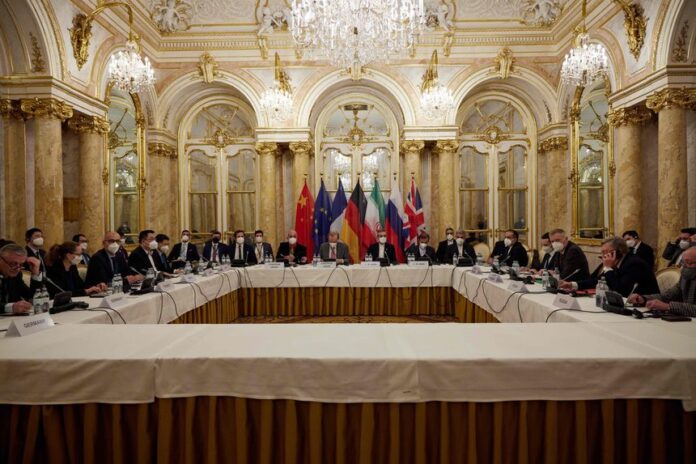
Western diplomats say pathway to Iran nuclear deal possible

Diplomats involved in the talks in Austria say one of the biggest obstacles is Tehran’s demand that Washington provides a guarantee that it won’t again quit the pact and reimpose sanctions.

The demand, a reaction to former President Donald Trump’s withdrawal from the 2015 nuclear deal, appears to be a paramount political objective for the government of Iran’s President Ebrahim Raisi, US and European diplomats said. The diplomats added they don’t believe the demand is designed by Iran to simply drag out the talks.

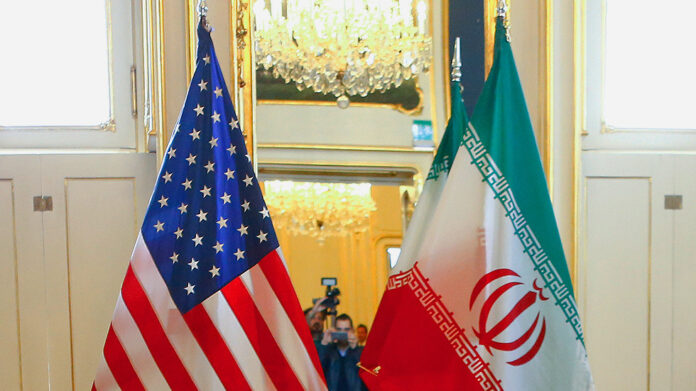
The US has consistently said no president can legally tie the hands of a successor without a treaty that would need to garner the backing of two thirds of the Senate. Washington has also added the current talks should remain focused on restoring the 2015 deal, not seeking new commitments on both sides.

The standoff over guarantees comes amid what US and European officials say are signs of progress in the Vienna talks.

Western diplomats say a pathway to a deal is possible, showing more optimism since December when Iran’s demands left negotiations on the brink of failure.

There has been progress on the fine print, including how sanctions would be lifted, how Iran will scale back its nuclear work, and how a deal might be implemented over several months.

However, Western diplomats warn that a range of core political decisions on sanctions, nuclear steps and sequencing of an agreement must still be made and many worry whether Tehran is willing to cut a deal quickly enough. Western officials have repeatedly warned that the window for talks is closing given the advances in Iran’s nuclear work.

The US and European officials are privately eyeing mid-February as the moment to decide whether the diplomacy is exhausted.

Tehran says the Iranian negotiators in the negotiations on removal of US sanctions will continue their presence in the Austrian capital as long as needed and will not pay attention to the deadlines set by the other sides.

Saeed Khatibzadeh, a spokesman with Iran’s foreign ministry, said Monday that diplomats were making progress in Vienna but key issues remained that “require certain political decisions.”

“Washington should announce its decisions regarding the remaining issues and lifting of the sanctions,” he added.

By demanding an ironclad US commitment to a deal, Iran’s concerns highlight a key weakness in the 2015 agreement. The deal was never signed as a treaty with clear legal guarantees. Its formal name—the Joint Comprehensive Plan of Action—underscored this was a set of political commitments, albeit pledges that were later backed up by a UN Security Council resolution.

Last spring, when talks to restore the deal started, Iran put a US pledge not to leave the deal again on its wish-list, alongside other demands such as compensation for Washington’s 2018 withdrawal. Western diplomats felt that was largely for domestic show and that Iran would likely scale down its requests.

Last spring, under the previous Iranian government, Tehran did modify its position—saying it wanted a guarantee that Washington would stay in the deal as long as President Joe Biden was in office. The new team, under President Raisi, has gone back to the original permanent guarantee demand.

In recent weeks, Western diplomats say they have started to see the demand for guarantees as a crucial objective for Raisi’s negotiators.

In recent months, Washington has started to respond to Iran’s concerns.

In November, on the sidelines of the Group of 20 nations in Rome, Biden and the British, French and German leaders issued a statement that was designed to address Iran’s concern head-on, diplomats say.

“In this spirit, we welcome President Biden’s clearly demonstrated commitment to return the US to full compliance with the JCPOA and to stay in full compliance, so long as Iran does the same,” the leaders stated.

Yet Iran has dismissed verbal pledges. A problem, Western diplomats say, is that Iran has at different times sought different types of assurances from Washington—political, economic and legal. Also complicating a solution: Iran refuses to negotiate directly with the US.

The US and European officials say they are exploring ideas to put to Iran which could generate additional confidence. Ideas that are being weighed are promises of letters of assurance from the US Treasury Department for an agreed list of international banks and companies or a political commitment to some kind of phase-in of future sanctions. Yet these would fall short of ironclad, legal guarantees.

”Basically, there are proposals on the table on how economic operators can get some comfort if a new American administration reimposes sanctions,” a person close to the talks stated, adding, “In a democratic country, in three years time, [there] can be a new president and things can change. So we are working on that but there are no real magic ideas.”

Iran and the five remaining parties to the Joint Comprehensive Plan of Action (JCPOA) — Germany, Britain, France, Russia and China — began the talks in the Austrian capital in April with the aim of removing the sanctions after the US voiced its willingness to return to the agreement.

During the seventh round of the Vienna talks, the first under President Raeisi, Iran presented two draft texts which address, separately, the removal of US sanctions and Iran’s return to its nuclear commitments under the JCPOA. Tehran also said it was preparing a third draft text on the verification of the sanctions removal.

The eighth round of talks kicked off in Vienna in late December. The negotiations seek to restore the JCPOA in its original form and bring the US back into the agreement.

Iran insists that the talks must lead to the removal of all American sanctions that were imposed against Tehran following Washington’s unilateral withdrawal from the landmark agreement in May 2018. Tehran has also demanded credible guarantees that Washington will not abandon the deal again.

 

Russia: Iran ‘absolutely right’ to seek guarantees in nuclear talks

Mikhail Ulyanov, who is also Russia’s ambassador to international organizations in the Austrian capital, defended Iran’s stance on securing a guarantee from the American side so that Washington would not ditch the Joint Comprehensive Plan of Action (JCPOA) just like what it did at the time of former US President Donald Trump in 2018.

“Some people don’t want to learn lessons from the failed maximum pressure policy. Iranians are absolutely right when they ask for guarantees against a repetition of this catastrophic adventure,” Ulyanov tweeted.

The United States unilaterally abandoned the multilateral nuclear deal in 2018 despite Iran’s full compliance with its nuclear undertakings, as repeatedly certified by the UN nuclear agency. The US then unleashed a “maximum pressure” campaign against Iran, which practically deprived the country of all of the deal’s economic benefits.

Iran and the remaining parties to the JCPOA – Russia, China, France, Britain, and Germany – have been holding talks in Vienna since April last year. Tehran says it pursues the removal of all sanctions that the United States re-imposed on Iran following its withdrawal from the deal.

Iranian Foreign Minister Hossein Amir Abdollahian reaffirmed on Monday that Tehran has no intention to waste time or derail the sanctions removal talks in Vienna, criticizing the West, particularly the US, for failing to present any innovative proposals in the negotiations.

“We assured Chinese officials that Iran is not playing with time or trying to derail the negotiations, and that we have made constructive, positive and realistic proposals at the negotiating table in Vienna,” he stated in an interview with China Global Television Network (CGTN) before wrapping up his official visit to Beijing.

Iran says a lack of initiative among the Western parties to the Vienna deal is the main factor slowing down talks with Tehran.

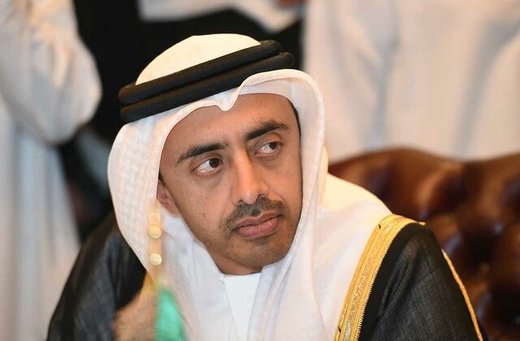
UAE condemns Yemeni attacks on Abu Dhabi

Abdullah bin Zayed Al Nahyan described them as a terrorist attack on civilian installations and a violation of international and humanitarian laws.

He also said the UAE reserves the right to respond to the bombing.

Abdullah bin Zayed also claimed that Yemen’s Houthis are trying to spread terror and chaos in the region.

The UAE foreign minister called on the international community to condemn the Yemeni strikes and offered condolences to the families of those killed in the attacks.

Meanwhile, Anwar Qarqash, a diplomatic advisor to the Emirati ruler, threatened Yemen’s Ansarullah movement, saying, “Such acts will lead to destruction”.

Without speaking of Saudi Arabia and the UAE’s aggression against Yemen, Qarqash also said the Houthis have undermined security in the region.

The Yemeni army and allied Ansarullah forces said earlier they launched drone and missile attacks deep inside the UAE as part of retaliatory attacks against the sheikhdom over its aggression against Yemen.

The UAE reported two fire incidents in the capital Abu Dhabi. It added that three fuel tankers exploded near storage facilities of oil firm ADNOC, killing three and wounding six. Some other sources say around a dozen were injured in the attacks.

There was also a fire at a construction site at Abu Dhabi International Airport.

The Emirates said initial investigations show the fires were possibly caused by drones.

The Saudi and Emirati war on Yemen has killed hundreds of thousands of people since its onset in March 2015 with millions more displaced.

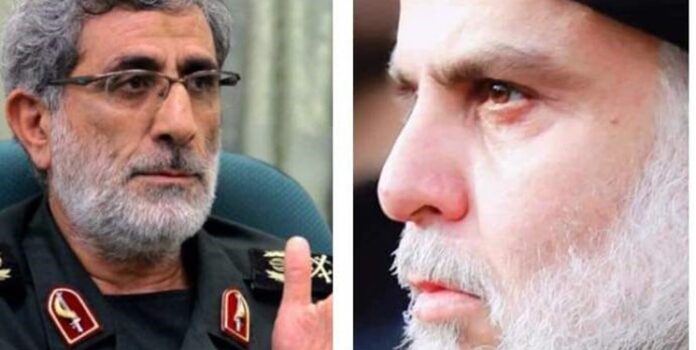
Report: Iran’s Quds Force cmdr. meets Iraqi cleric Muqtada al-Sadr

The source told Al-Yaum news website that Qaani met with Sadr at the Iraqi cleric’s house. He added that Qaani and Sadr examined the unification of the positions of the Shia political factions so that the Sadr group could form a faction within parliament with a Shia coordination committee called the Coordination Framework.

The source pointed out that the purpose of forming this faction is to form the Iraqi government.

He said Sadr insisted that Nouri al-Maliki, the leader of the State of Law coalition, not be present in the new government.

According to the source, Sadr said if Maliki does not participate, the Sadr group will form a faction with the Coordination Framework.

The source added that Qaani and Sadr also discussed a range of other issues including the need to take measures to fight corruption and to criminalize any effort to normalize ties with the Zionist regime.

According to this report, the Quds Force commander and the Iraqi cleric also underlined the need for the withdrawal of foreign forces from Iraq and for the protection of the Popular Mobilization Units.

The force also known as the Hashd volunteer was instrumental in the fight against Daesh that led to the terrorist group’s ultimate defeat in Iraq.

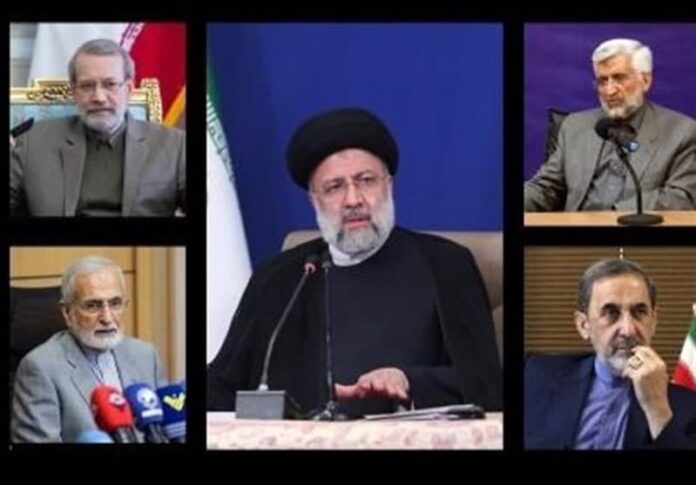
Iran president discusses upcoming Russia trip with veteran diplomats

Raisi sat down for talks with chairman of Iran’s Strategic Council on Foreign Relations Kamal Kharrazi, the Leader of the Islamic Revolution’s envoy to the Supreme National Security Council Saeed Jalili, the Leaders’ senior advisor Ali Akbar Velayati and former parliament speaker Ali Larijani.

During the meeting, they discussed important regional and international issues and Raisi’s trip to Moscow which will take place later this week.

The Iranian president’s four guests highlighted the importance of Iran-Russia relations and discussed ways to expand Tehran-Moscow ties.

Kharrazi is a veteran diplomat who served as the minister of foreign affairs from 1997 to 2005.

Saeed Jalili was secretary of the Supreme National Security Council from 2007 to 2013 and served as Iran’s chief nuclear negotiator under former president Mahmoud Ahmadinejad.

Velayati was the minister of foreign affairs for more than fifteen years from 1981 to August 1997.

And Larijani served as the parliament speaker from 2008 to 2020 and was secretary of the Supreme National Security Council from 2005 to 2007.

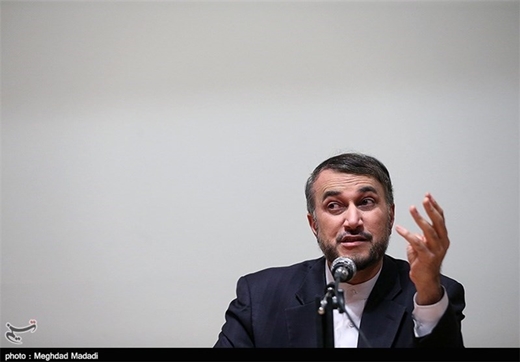
Iranian FM: Tehran not after wasting time in Vienna talks

Amir Abdollahian

Amir Abdollahian made the comment in an exclusive interview with the CGTN news channel.

He added that Iran is not after diverting the negotiations either. The foreign minister said if the other side returns to its obligations under the Iran nuclear deal, JCPOA, Tehran will do the same.

Elsewhere in the interview, Amir Abdollahian described China’s stance in the Vienna talks as constructive and logical, saying Tehran appreciates China for its support during the nuclear negotiations.

Amir Abdollahian said during the negotiations, China has always been opposed to harsh US sanctions against Iran. “During the talks, we presented a positive, constructive and realistic proposal in Vienna. China and Russia supported it, but Western countries, including the United States, did not make any positive proposal”, he added.

Amir Abdollahian also spoke of the Iran-China ties. He said during his recent visit to Beijing, the two sides reached an agreement over a range of issues including their strategic partnership pact.

The Iranian foreign minister noted that Iran and China need a roadmap for the long-term implementation of the pact.

Amir Abdollahian stressed, “We believe that there are no challenges in bilateral relations between Tehran and Beijing, although the bullying behavior of the United States has affected some cooperation.”

The Iranian foreign minister also said multilateral relations are beneficial for all countries and that the US unilateralism and bullying will not be accepted by any country.

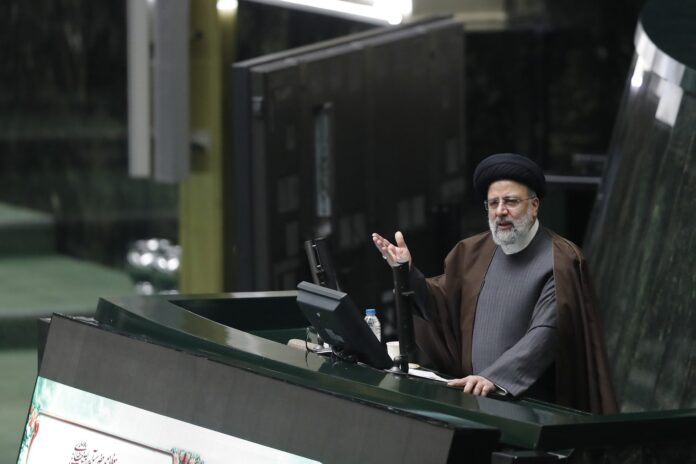
Duma MP: Iran’s Raisi to address Russian lower house Thursday

“On Thursday, the meeting will begin with a speech of the president of Iran,” Zhukov said on Monday after a Duma Council meeting.

On Sunday, state television channel Rossiya-1 reported Russian President Vladimir Putin will host his Iranian counterpart in Moscow next week.

This will be the first official meeting between the two since Raisi was sworn in as president of Iran in August 2021.

On Friday, Russian Foreign Minister Sergey Lavrov said Raisi’s upcoming visit to Moscow will be very important.

“The visit, in short, is very important. It’s time to resume contacts at the highest level, which are traditionally close and regular among us and which also fell victim to the coronavirus infection,” Lavrov stated.

“The significance (of the visit), first of all, is the need to take an inventory of our entire agenda taking into account changes in the leadership of Iran,” he added.