Thursday, January 1, 2026
Home Blog Page 2119

More than two dozen killed in Afghanistan earthquake

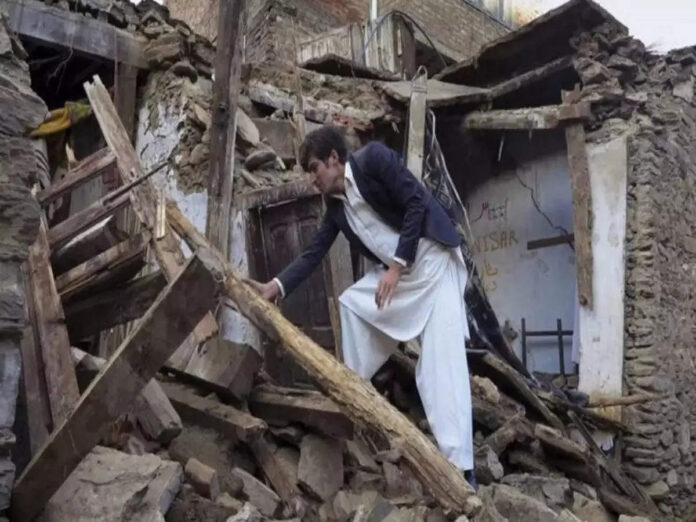
The victims died when roofs of their houses collapsed in Qadis district in the western province of Badghis, spokesman for the province Baz Mohammad Sarwary told AFP.

The shallow quake was magnitude 5.3, according to the US Geological Survey.

“Five women and four children are among the 26 people killed in the earthquake,” said Sarwary, adding that four more were injured.

The quake also inflicted damage on the residents of Muqr district in the province but details including of casualties were still unavailable, he continued.

Afghanistan is already in the grip of a humanitarian disaster, worsened by the Taliban takeover of the country in August when Western countries froze international aid and access to assets held abroad.

Qadis is one of the areas worst affected by a devastating drought, benefiting little from international aid in the past 20 years.

The country is frequently hit by earthquakes, especially in the Hindu Kush mountain range, which lies near the junction of the Eurasian and Indian tectonic plates.

Earthquakes can cause significant damage to poorly built homes and buildings in impoverished Afghanistan.

In 2015, nearly 280 people were killed when a powerful 7.5-magnitude earthquake centred in the mountain range ripped across South Asia, with the bulk of the deaths in Pakistan.

In that disaster, 12 young Afghan girls were crushed to death in a stampede as they tried to flee their shaking school building.

Death toll from Saudi attack on Yemen rises to 23

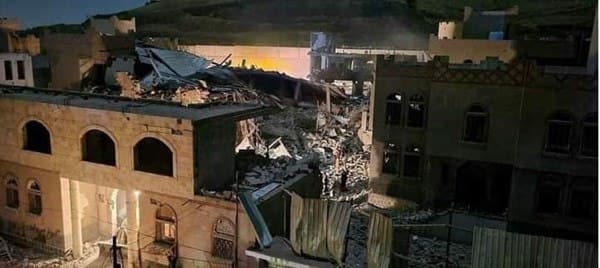
The air raid targeted the Al-Libi district in the northwest of the city. According to the report, five residential buildings have been completely destroyed, and dozens of homes nearby were damaged. Some people are still trapped under the rubble.

The continuing strikes prevented ambulance vehicles from reaching the affected area, and forced rescuers to suspend the search effort.

Late on Monday, the Riyadh-led coalition announced it was resuming its strikes on Sana’a in the wake of a deadly attack on the United Arab Emirates (UAE).

Yemeni army forces, backed by allied fighters from Popular Committees, carried out retaliatory airstrikes against strategic facilities deep inside the UAE on Monday, apparently using domestically-manufactured combat drones.

Abu Dhabi police, in a statement published on the official Emirates News Agency WAM, said three fuel tanker trucks had exploded in the industrial Musaffah area, near storage facilities of the Abu Dhabi National Oil Company (ADNOC), and that a fire had also broken out at a construction site at Abu Dhabi International Airport. At least three people have been killed and six others wounded in the suspected drone attack, according to Emirati authorities.

The Al Mayadeen TV channel reported, citing Spokesman for the Yemeni Armed Forces Brigadier General Yahya Saree, that the targets in the UAE were attacked by five ballistic and cruise missiles and a large number of drones.

The spokesman for Ansarullah movement, Mohammed Abdulsalam, warned Abu Dhabi against severe repercussions should it maintain its acts of sabotage in Yemen.

“A tiny state in the region, which goes to great lengths to serve the United States and Israel, has claimed that it had kept a fair distance from Yemen. The allegations, however, have proven otherwise,” he wrote on his Twitter page.

Abdulsalam added, “Abu Dhabi is recommended to give up its futile actions in Yemen; otherwise its hands and those of its mercenaries will be cut off from the country.”
.
.
.
“The UAE condemns this terrorist attack by the Houthi militia on areas and civilian facilities on Emirati soil…(It) will not go unpunished,” its foreign ministry said, adding, “The UAE reserves the right to respond to these terrorist attacks and criminal escalation.”

A person familiar with government thinking claimed Monday the UAE will ask the US to put Yemen’s Houthis back on its list of terrorist organizations after the drone attacks, according to Bloomberg.

The UAE will work on building pressure through the United Nations Security Council over the strike and the capture of an Emirati vessel off the coast of Yemen earlier this month, the person added.
.
.
.
A senior Emirati official told Axios Foreign Minister Abdullah Bin Zayed asked Secretary of State Antony Blinken in a phone call Monday to re-designate the Houthi in Yemen as a “terrorist organization”.
.
.
.
The White House on Monday condemned the attack by Yemeni forces, pledging to hold the group responsible.

“The United States strongly condemns today’s terrorist attack in Abu Dhabi in the United Arab Emirates, which killed three innocent civilians,” White House national security adviser Jake Sullivan said in a statement Monday afternoon.

“The Houthis have claimed responsibility for this attack, and we will work with the UAE and international partners to hold them accountable,” Sullivan continued, adding, “Our commitment to the security of the UAE is unwavering and we stand beside our Emirati partners against all threats to their territory.”
.
.
.
Saudi Arabia and its allies launched a war against the Arab world’s most impoverished nation in March 2015. The war has been seeking to restore power in Yemen to Riyadh’s favorite officials.

The death toll of the war, now in its seventh year, will reach an estimated 377,000 by the end of 2021, according to a recent report from the UN’s Development Programme.

The fighting has seen some 80 percent of the population, or 24 million people, relying on aid and assistance, including 14.3 million who are in acute need.

Iran’s plan to eliminate 4,200-toman currency met with mixed reactions

The government exchange rate in Iran is 4,200 tomans to the US dollar that is sold through banks and used for the import of basic commodities.

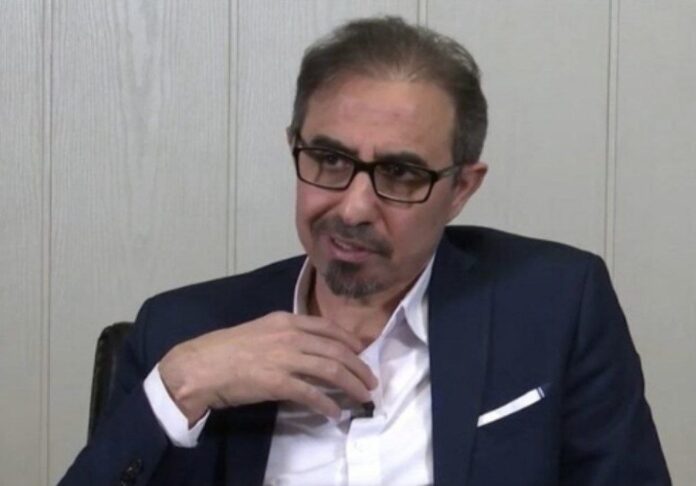
Talking to the national TV, lawmaker Seyyed Kazem Delkhosh said the Parliament’s Joint Committee members are divided over the elimination of 4,200-toman preferential currency put forward in the government’s budget bill for the next Iranian calendar year (to start on March 21, 2022).

Delkhosh, who is a Joint Committee member, said the opponents argue that the society would face great problems if the preferential currency is removed and there would be no [proper] plans as compensation.

The member of the Parliament added that the proponents have agreed to the plan conditionally.

The elimination of the 4,200-toman currency could have a direct impact on the prices, warned Delkhosh, continuing the increase in the price of a product will lead to the rise in other goods’ prices including the basic commodities like bread and medicines.

The parliamentarian said the government has to carry out compensatory measures to monitor and set the prices after the elimination of the 4,200-toman currency.

Another guest Mohsen Zanganeh, a member of the Parliament’s Plan and Budget Committee, and an advocate of the currency removal, said the allocation of the 4,200-toman currency has damaged the production sector and increased the smuggling of goods.
The MP cited the disorder in the distribution system caused by the preferential currency as the main reason for his support for the plan to remove it.

He also blamed lack of effective supervision for the problem, exemplifying that the government currency at the rate of 4,200 tomans was allotted for the import of first-rate barley, but third-rate barley was shipped to the country.

Iran joins countries exporting energy services to Europe

'Neither Tankers Nor Oil Cargo Seized by US Belong to Iran'

The memorandum was inked by Managing Director of Iran Gas Engineering and Development Company Reza Noshadi and Mihai Tănăsescu of the Romanian company Gaz Vest.

Based on the MoU, Iran will export technical and engineering services in the gas sector to Romania, cooperating with the European country to construct gas pipelines and installations and develop the gas storage reservoirs.

Elaborating on the memo, Noshadi said the two countries reached the agreement to explore opportunities for joint ventures and interactions in different studies including the feasibility studies on the setting up of refineries, power plants and pipelines.

Iran and Romania, he continued, will also exchange their technical know-how and experience in the related areas and to that end form a working group composed of the two countries’ representatives.

Given the unilateral sanctions the U.S. has imposed on Iran, most of the world’s oil and gas giant companies stopped their cooperation with the country. But the Raisi administration has activated the energy diplomacy despite the restrictions and taken major strides toward opening up the closed doors to the world.

Taking the first big step, Iran, signed a gas swap deal with Turkmenistan and the Republic of Azerbaijan for the transfer of up to two billion cubic meters (bcm) per year in late November.

“Turkmenistan will sell 5-6 million cubic meters of gas per day to Azerbaijan Republic under the trilateral agreement.

Iran has major natural gas fields in the south, but has imported gas from Turkmenistan since 1997 for distribution in its northern provinces, especially during the winter.

Iran begins trial of Al-Ahvazieh terror group ringleader

Habib Farajollah Chaab, also known as Habib Asyud, is being tried on charges of planning and carrying out numerous bombings and terrorist operations in Khuzestan province, including an attack on a military parade in Ahvaz, the provincial capital, in September 2018 killing 25 people.

Bombing of Ahwaz Housing and Urban Development Department, bombing operations targeting Ahwaz Planning and Budget Organization, bombing the Environment Department, bombing of oil pipelines,  bombing in Dezful and Abadan governorates, are some of the most important charges the defendant is facing.

The terror group ringleader was arrested by Iran’s intelligence forces in November 2020.

Iran says the terror group is directly supported by the intelligence agencies of Saudi Arabia and Israel.

‘Jordanian, Bahraini activists phones hacked by Israeli spyware’

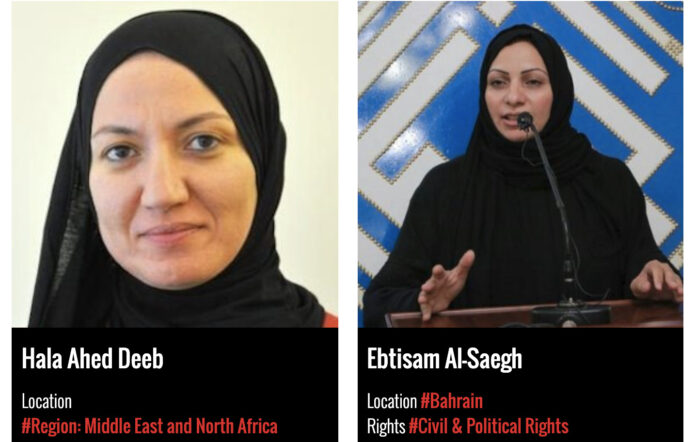
An investigation conducted by Ireland-based human rights group Front Line Defenders (FLD) and the digital rights non-profit group Access Now found that the mobile phone of Bahraini human rights activist Ebtisam al-Saegh had been hacked at least eight times between August and November 2019 by a client using Pegasus spyware.

The phone of Jordanian human rights lawyer Hala Ahed Deeb was also found to have been infected with Pegasus since March 2021, the report added.

Both women said the discoveries felt like life-changing violations of their privacy, underscoring that the attacks were “particularly grievous” given how sensitive information could be weaponized against them.

“Since they discovered their phones were infected, they have each been living in a state of daily anxiety and fear. They are especially afraid of the possibility of exposing other female activists and victims they work with, and concerned that their families and friends are now at risk,” FLD and Access Now reported.

Saegh stated the knowledge that she had been hacked put her in a state of “daily fear and terror” and had taken away a sense of security she had felt within her own home, because she now felt her phone was “spying” on her at all times.

“Home used to be the only safe space for me, a place for personal freedom where I can take off the veil and exercise my religious and social freedoms without limits,” she said in a statement shared by FLD.

“The fear has restricted my work. I am constantly anxious and afraid that I have put others at risk because of their contact with me,” the female Bahraini activist added.

Deeb said the hacking had made her feel “violated, naked, and with no dignity.”

“I have often said that I have nothing to hide, but I realized that privacy in itself is my right,” she stated in a statement that was shared by FLD.

She added, “I do not communicate with my friends and I avoid talking on the phone as much as I can. I practice a kind of self-censorship sometimes when I wonder what behaviors would provoke those who hacked my phone?”

Pegasus spyware can infect Apple and Android devices and monitors keystrokes, allowing users to extract messages, photos and emails. Calls can be recorded, while microphones and cameras can be activated covertly.

A list of 50,000 contacts is believed to have been targeted by clients of NSO Group, the creator of Pegasus, since 2016.

Activists, journalists, officials, politicians and business figures from dozens of countries are featured on the list, which has leaked to the press and been covered by a global consortium of news organizations.

In recent years, NSO Group has been accused of allowing repressive regimes to hack people, including those close to murdered dissident Saudi journalist and Washington Post columnist Jamal Khashoggi.

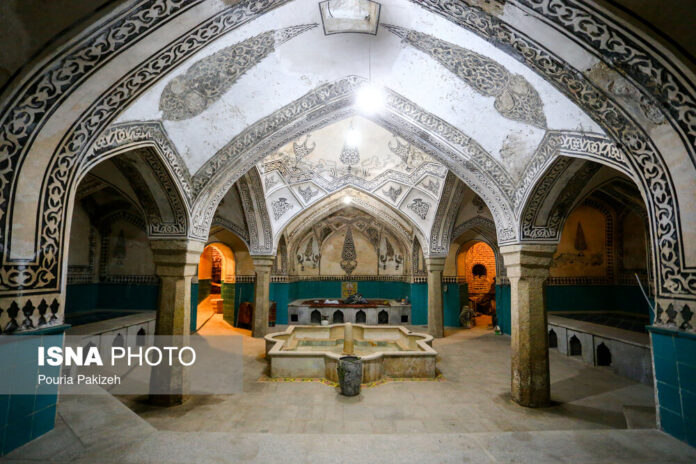
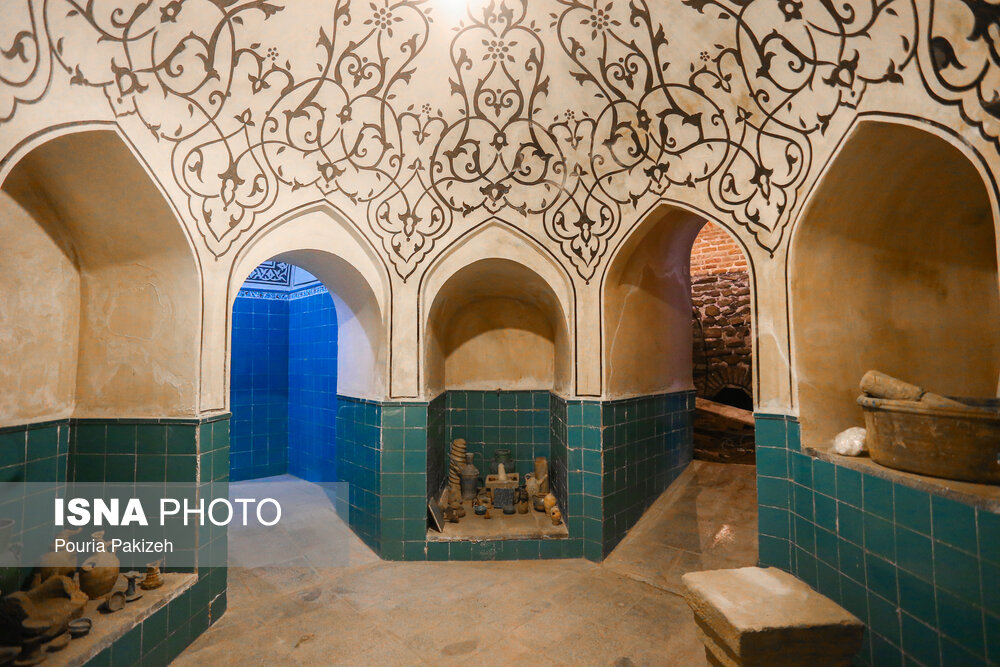
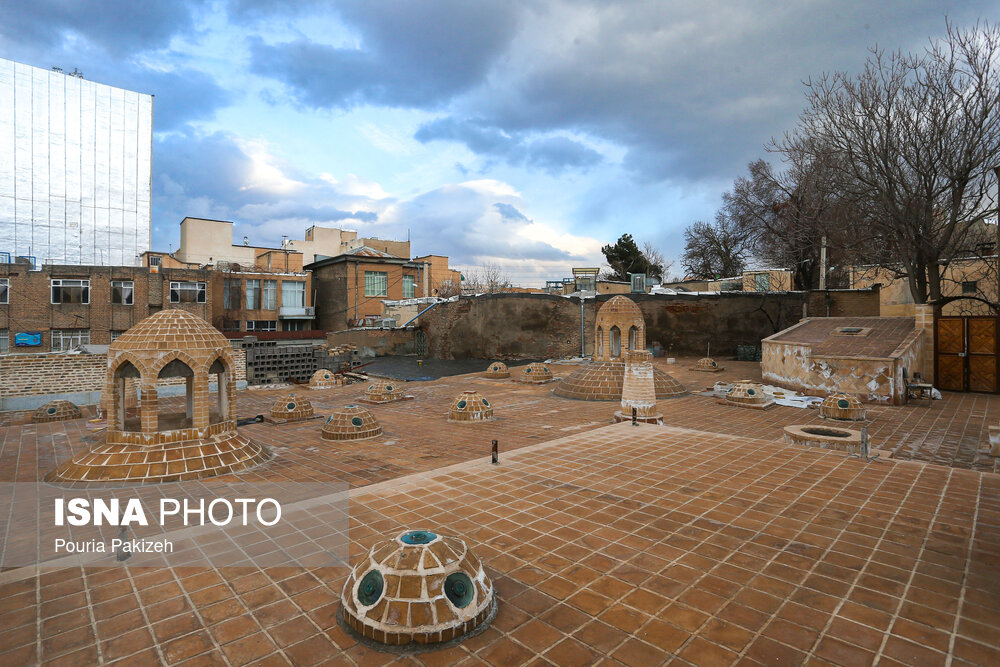
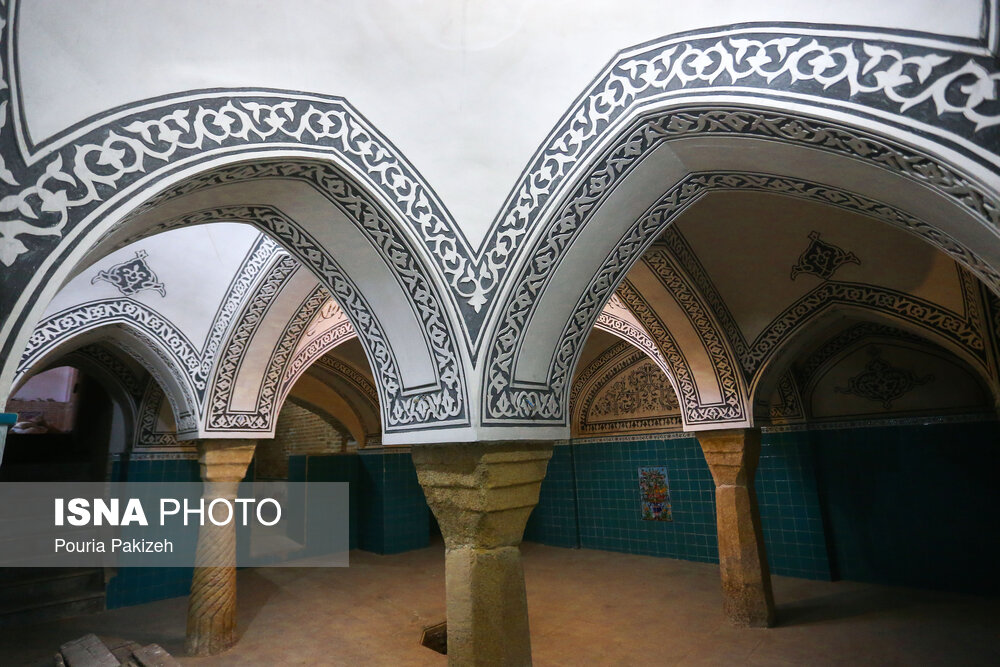
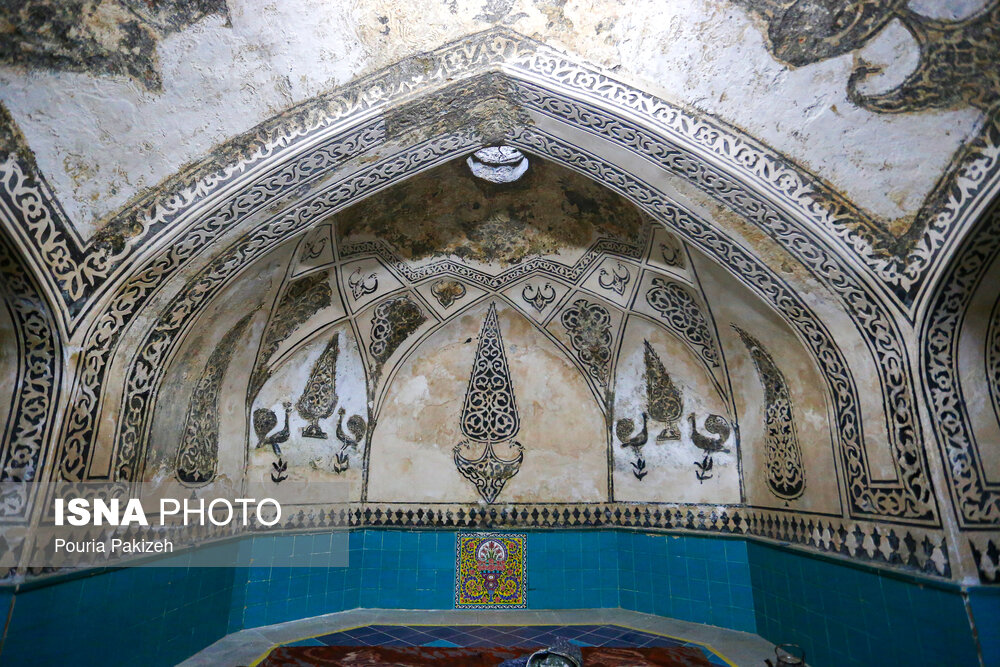
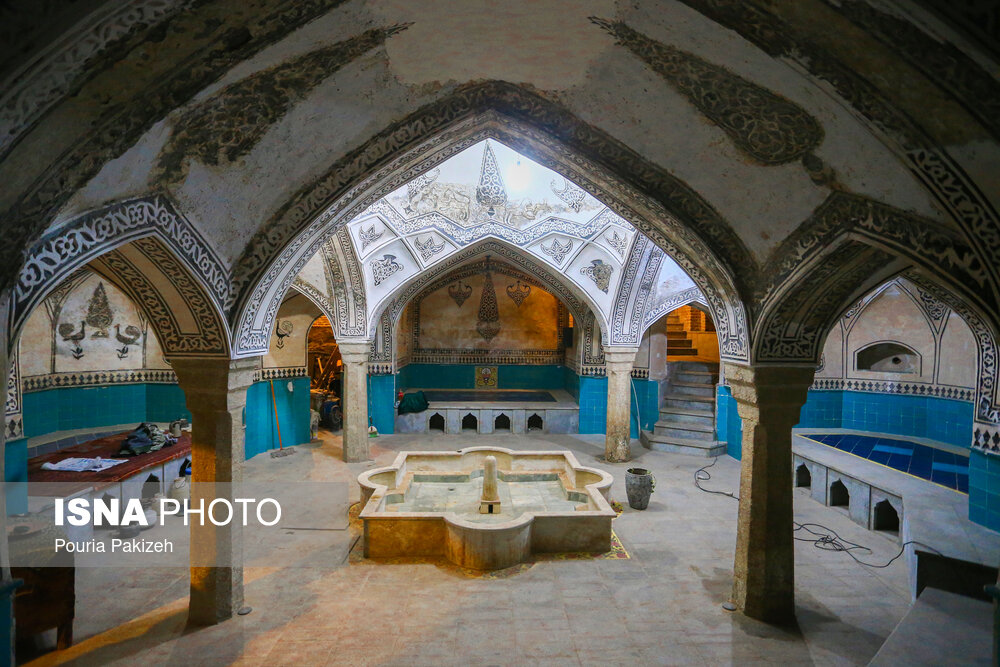
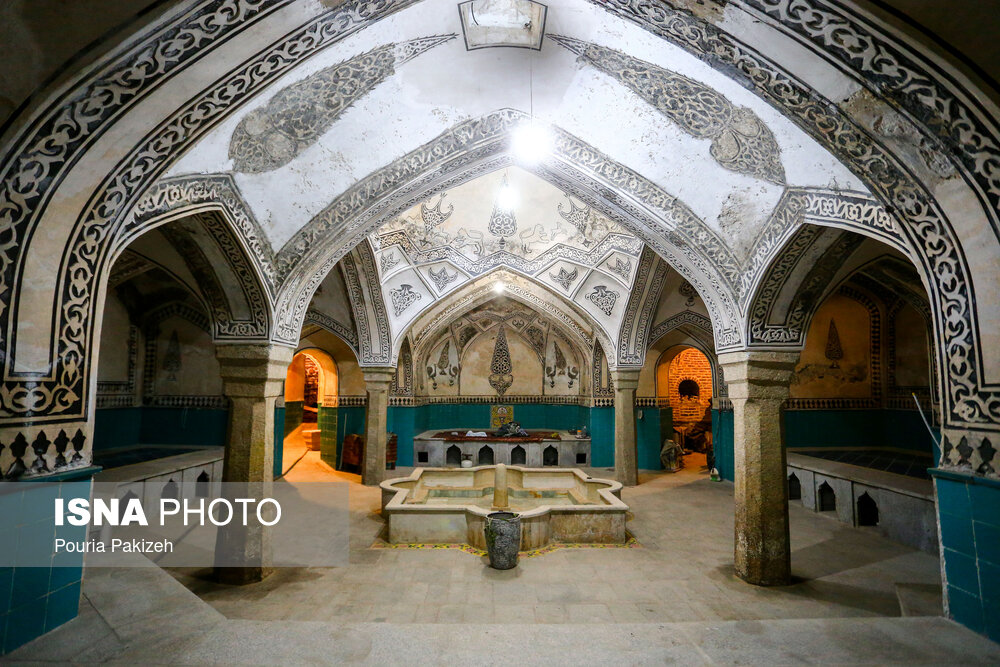
Historical bath of Kababian neighborhood, Hamadan

The decorations of this building include brickwork, limestone work, traditional tiling, etc. 

About 90% of the building has been restored. This Qajar dynasty era bath with a changing room and a main hot bathroom area has been registered as a national monument of Iran.

The bath in the Kababian neighborhood, which is one of the most important historical neighborhoods of Hamedan, has been luxuriously renovated after 4 years of efforts and will soon become a traditional restaurant for tourists.

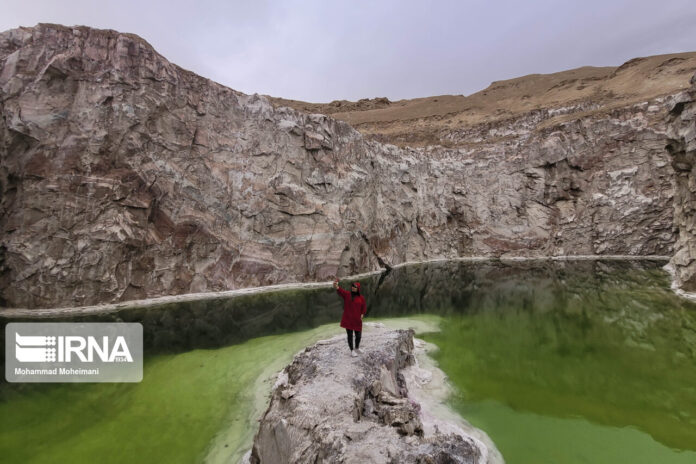
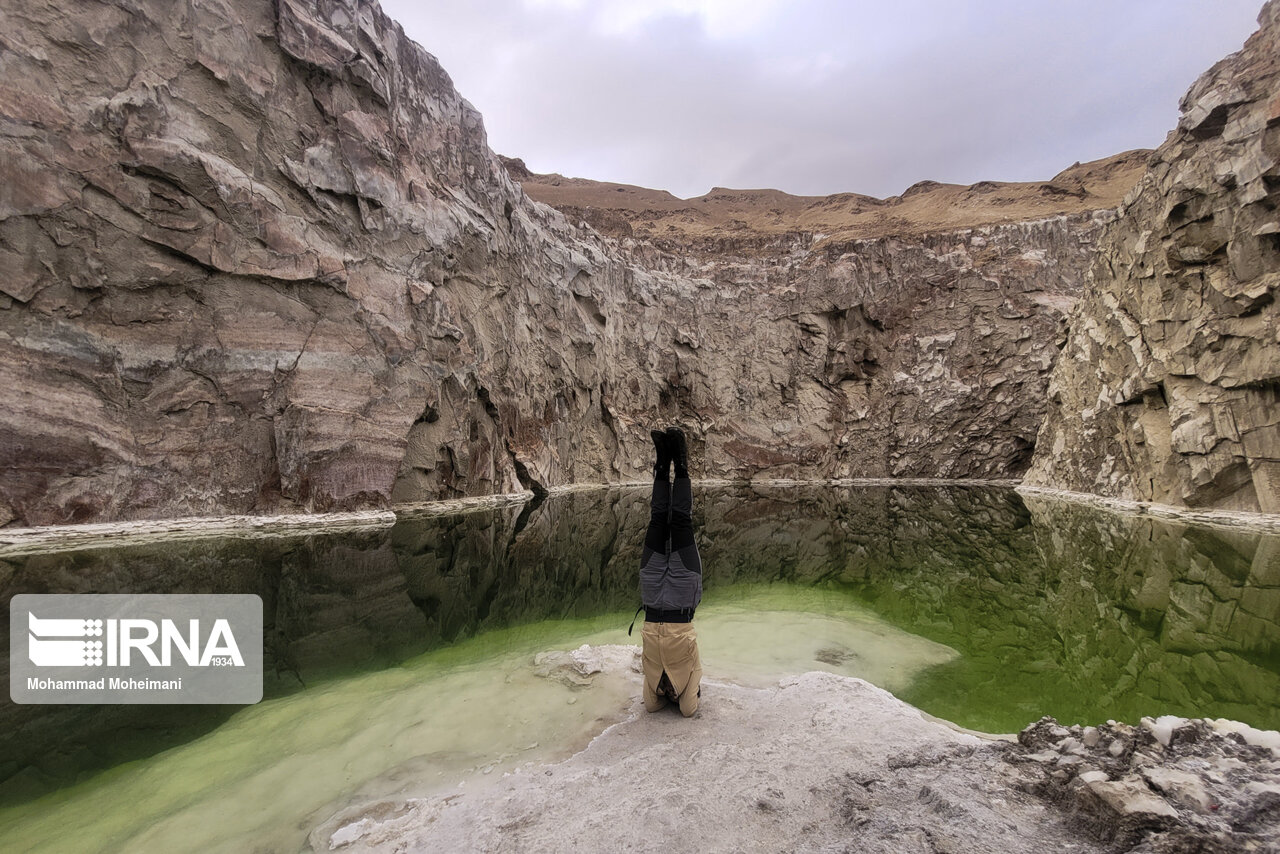
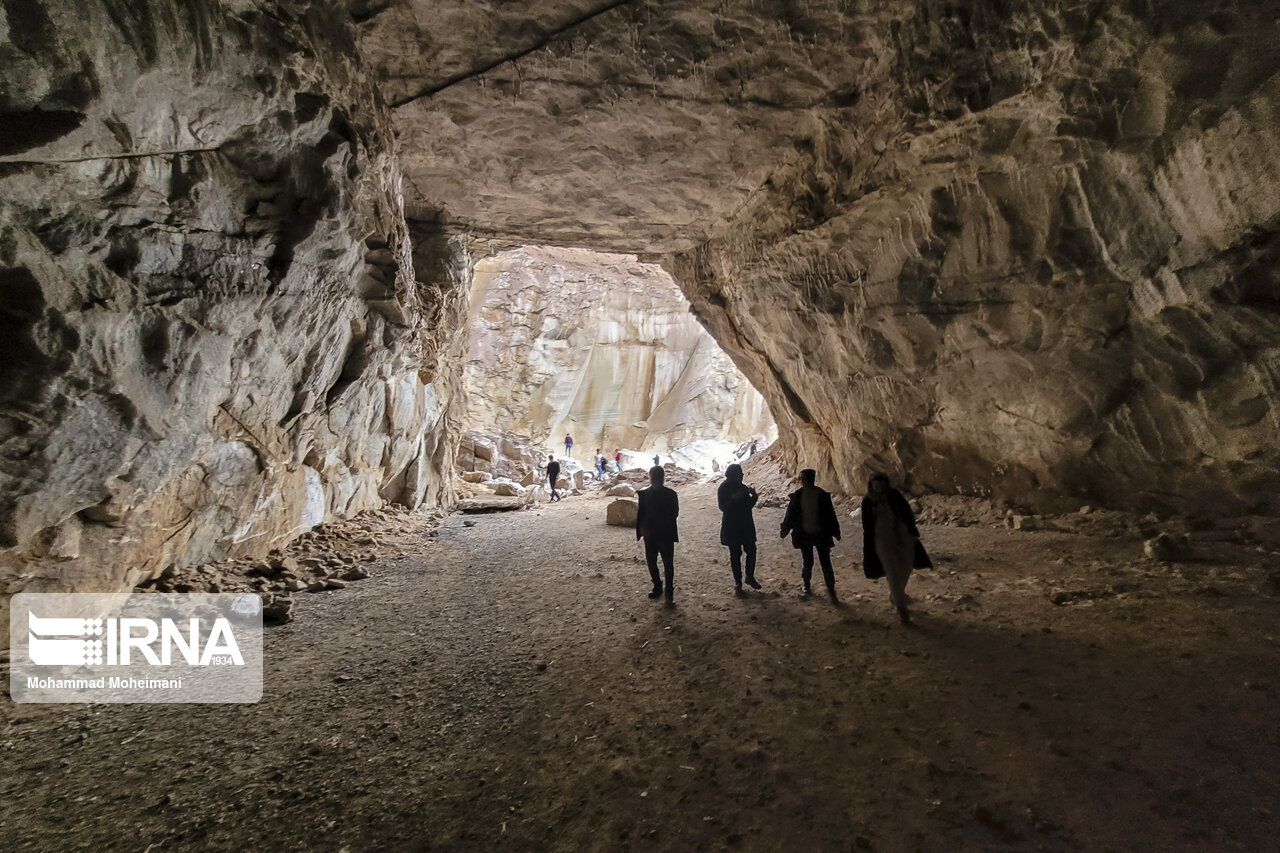
Garmasar: Salt caves and green ponds

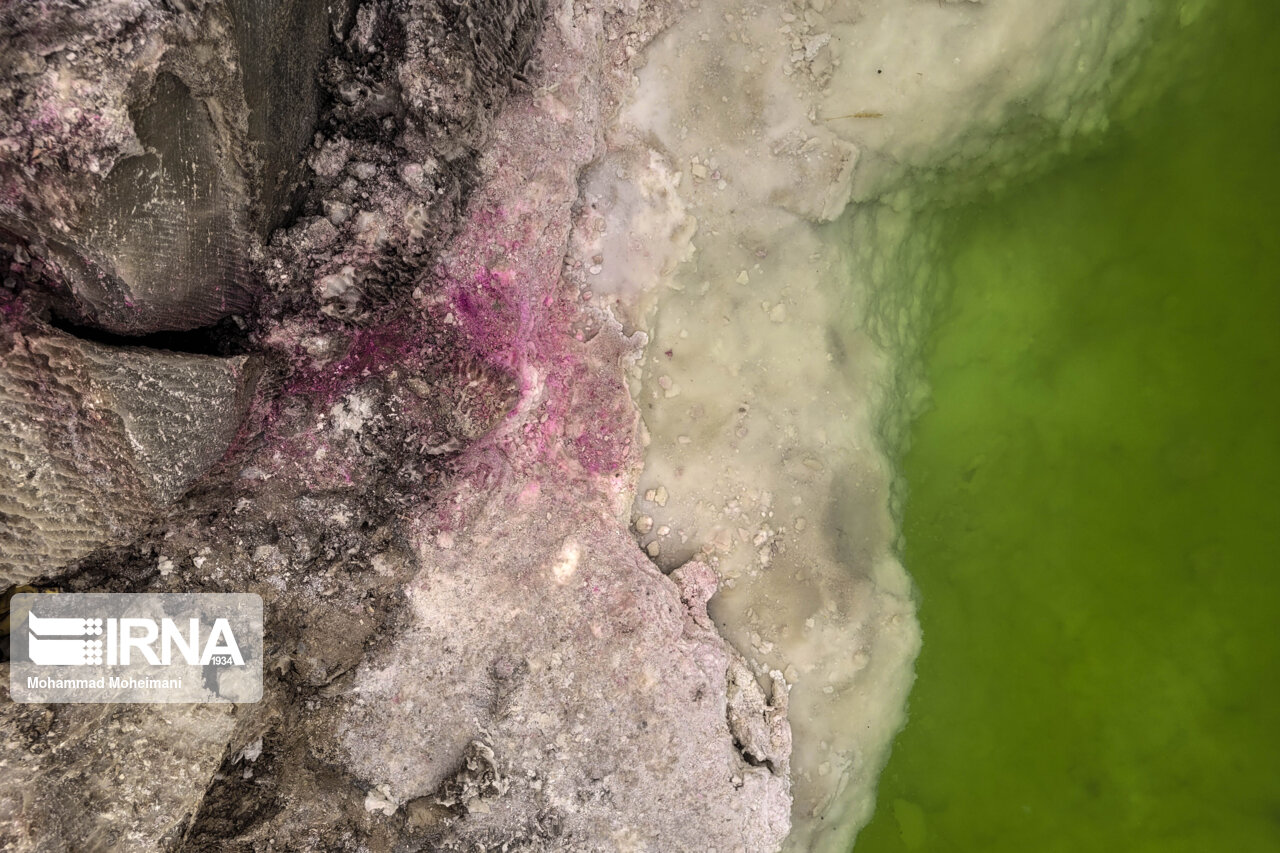
The mines boast interlinked shafts and halls, which are partitioned by salt pillars, creating magnificent and wonderful views. The area outside the mines also boasts numerous colorful, one-of-a-kind salt domes. 

But that’s not all. White salt pillars and the mines are also bordered by small green ponds, which create a wonderful scene.  

Garmsar is also home to a gorge called Zolomat – darkness in Persian – due to its high walls and deep passageway where little sunlight gets in, even during the day.

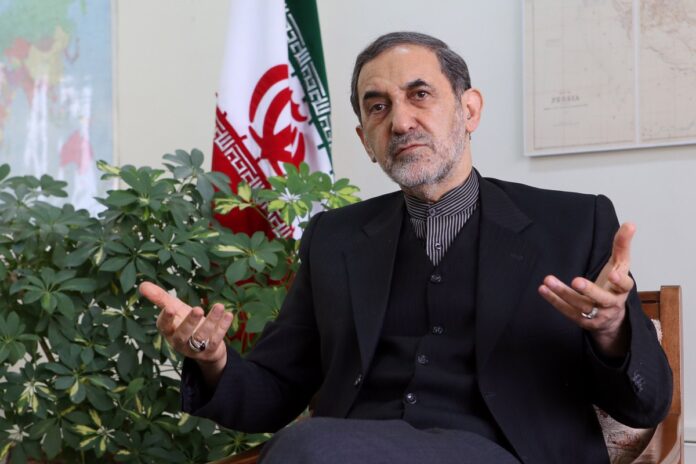
Velayati: Raisi visit to Russia turning point in Iran’s diplomacy

In an interview with Kayhan Newspaper, Ali Akbar Velayati stressed that the deepening ties with the two Eastern powers will not jeopardize Iran’s independence and is not in contradiction with the country’s neither East nor West policy.

Velayati made the remarks after a meeting with Iranian President Ebrahim Raisi for consultations ahead of the president’s trip to Russia where he will meet with his Russian counterpart Vladimir Putin. 

“Raisi’s visit to Russia marks a turning point in the history of the Islamic Republic’s diplomacy regarding removal and neutralization of sanctions,” the senior advisor to Iran’s Leader noted.

“Iran and Russia are two neighbors in the Caspian Sea, both of which are powerful countries in the region and influential on the international stage. The relationship with Russia is a two-way street; A relationship based on mutual respect, equal rights and non-interference in each other’s internal affairs,” he said.

Today, Iran has considerable regional and international power and influence. And the Americans themselves acknowledge that they are faced with three powerful countries: China, Russia and Iran, he added.

“We and Russia have a common enemy. The Americans themselves know this. One of the reasons that we, Russia and China, all three, are in Shanghai (Shanghai Cooperation Organization) and are Shanghai’s top three powers, is that we have independence. Undoubtedly, the Islamic Republic of Iran is one of the most independent countries and Iran is free to pursue its independent policies. This independence along with our deterrent power is one of the most important components of the power of the Islamic Republic. NATO is also a common enemy of Iran, China and Russia,” Velayati explained.

The senior advisor to Iran’s Leader went on to say that Russia is acting completely differently from the Soviet Union.

“Although sometimes they tested us and wanted to behave like others, they realized that the Islamic Republic seeks an equal, two-way relationship based on mutual respect, and they leaned towards us. The Americans have not been able to qualify for a relationship like Iran’s relationship with Russia because they want to intervene, stage coups and bring Iran to its knees,” Velayati explained.

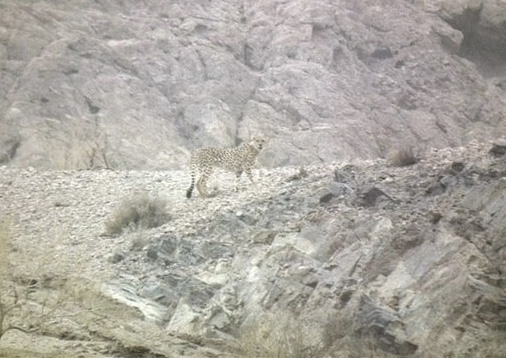
Asiatic cheetah “Homino” sighted in Yazd; 1st time in six years

Rangers on patrol in Ariz sanctuary of Bafgh, Yazd Province have managed to take photos of the feline.

After reviewing the images, wildlife experts and specialists realized that the male cheetah was the one that had been registered eight years ago and was last seen in September 2015.

Earlier in January, Iran said only a dozen Asiatic cheetahs were left in the country warning that the endangered species is facing an extremely critical situation.

Authorities have blamed drought, hunters and car accidents, especially in the country’s central desert for the feline’s decreasing population.

According to the International Union for Conservation of Nature, the Asiatic cheetah is critically endangered.

 Iran is one of the last countries in the world where the animals live.

In 2001, the Islamic Republic launched a United Nations-supported protection program to save the endangered species.