Thursday, December 25, 2025
Home Blog Page 212

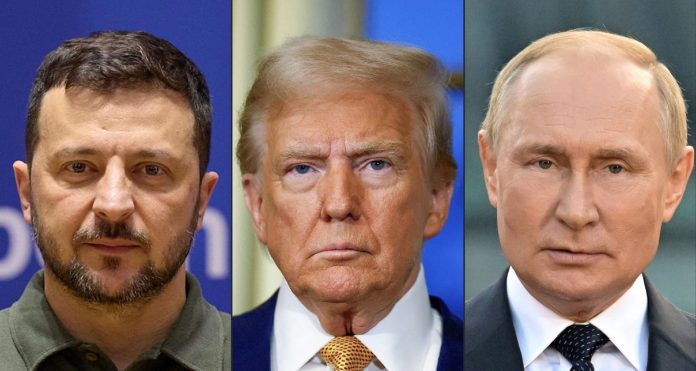
Trump plans to meet Putin within days: Report

Putin and Trump

On Wednesday, U.S. special envoy Steve Witkoff met with Putin as Trump’s Aug. 8 deadline for Russia to reach a ceasefire with Ukraine looms.

Fox News reported that Putin told Witkoff about his intention to meet with Trump at some point in the near future.

In an phone call following the talks in Moscow, Trump told European leaders that he plans to meet with Putin and Zelensky without any other representatives from the continent, two sources familiar with the matter said.

The European officials Trump spoke with over the phone appeared to accept Trump’s decision not to involve more leaders in the process, one of the sources added.

Trump and Zelensky held a phone call following Witkoff’s visit to Moscow. U.K. Prime Minister Keir Starmer, NATO Secretary General Mark Rutte, U.S. Vice President JD Vance, U.S. State Secretary Marco Rubio, and Witkoff joined the conversation, the NYT reported.

In his public remarks following the call, Trump appeared uncommitted on a timeline for the potential meeting, adding “there’s a good chance that there will be a meeting very soon.”

When asked by reporters whether he believed the U.S. was close to reaching a ceasefire deal with Russia, Trump replied: “Well, look, I don’t want to say. I’ve been disappointed before with this one.”

Months earlier, U.S. attempts to broker a peace deal between Ukraine and Russia failed. Kyiv and Moscow later held three rounds of direct peace talks in Istanbul, which were largely inconclusive.

In the direct talks, Ukraine and Russia agreed to several prisoner exchanges, but progress toward a ceasefire was not made amid Russian maximalist demands.

Trump has threatened to impose secondary sanctions on Russia’s trading partners if Moscow does not agree to a ceasefire by Aug. 8. The measure could impose tariffs of up to 100% on countries that purchase Russian oil.

The U.S. leader has already imposed a 50% tariff on India for its continued purchase of Russian oil, raising the measure from an initial 25% announced on July 31.

As Trump pressures Russia to reach a ceasefire, the Kremlin is weighing a limited “air truce” involving a pause in drone and missile strikes if Ukraine agrees to do the same, Bloomberg reported on Aug. 5, citing undisclosed sources familiar with the matter.

Brazil’s president proposes BRICS leaders meeting to respond to Trump

BRICS

Earlier in the day, Trump announced he would raise tariffs on India – another founding BRICS nation – to 50% by late August. Trump already levied 50% duties on Brazilian goods earlier this month in a move that Brasilia condemned as an illegal attempt to politically influence its internal policy.

Lula said he will reach out to other BRICS nations and discuss how to tackle the tariffs. In addition, he said he would reach out to his Chinese and Indian counterparts Xi Jinping and Narendra Modi, followed by other leaders, Reuters wrote.

“I’m going to try to discuss with them about how each one is doing in this situation, what the implications are for each country, so we can make a decision,” Lula stated.

According to the Brazilian leader, Trump is attempting to “dismantle multilateralism,” and “unilateralism, where he negotiates one-on-one with other countries,” where the US has the advantage.

“What bargaining power does a small Latin American country have against the United States? None,” Lula added.

BRICS was founded by Brazil, Russia, India and China in 2006, and were joined by South Africa four years later. Having expanded in membership since, the bloc has now surpassed the G7 in terms of combined GDP.

Trump has previously threatened BRICS members with additional 10% tariffs, accusing them of a concerted effort to sabotage the dollar as the global reserve currency. BRICS nations have denied this, and argued that Washington’s own foreign policy undermines the greenback.

The US president has also threatened to impose further tariffs on Russian trade partners – the biggest of which are BRICS partner nations – to pressure Moscow into accepting a ceasefire deal in the Ukraine conflict.

Washington could also levy heavier tariffs on China, currently the biggest purchaser of Russian oil, Trump said on Wednesday.

Both Beijing and New Delhi have vowed to defend their sovereign interests in the face of US levy hikes.

American soldier charged with espionage after attempting to share sensitive data on US tanks with Russia

Taylor Adam Lee, 22, of El Paso, Texas is alleged to have transmitted technical information about the M1A2 Abrams tank in June to a person he believed was a Russian intelligence officer in exchange for Russian citizenship.

Lee, who holds top secret clearance within the U.S. Army, allegedly said online that he was willing to “volunteer to assist the Russian federation when I’m there in any way.”

Prosecutors allege that Lee delivered a piece of tank hardware to a storage unit in Texas, concluding the act by sending “Mission accomplished” to the person he believed was a Russian intelligence officer. In a separate in-person meeting in July, Lee allegedly provided an SD card to the individual containing controlled technical data documents on the tank, another armored fighting vehicle, and combat operations, according to the Justice Department.

A version of the U.S.-made Abrams tank is currently in use on the battlefield in Ukraine and would likely serve a broad purpose for Russian intelligence.

In a statement by the Justice Department, the commanding general of Army Counterintelligence Command, Brigadier General Sean Stinchon, said that the arrest was “an alarming reminder of the serious threat facing our U.S. Army.”

Lee has been charged with offences under the Espionage Act as well as charges stemming from attempting to export controlled technical data without a license. CNN reported, citing court documents, that prosecutors have requested the accused be detained without bond.

Since the start of Russia’s full-scale invasion of Ukraine, various Western countries have arrested citizens for covert espionage activities related to the war in Ukraine. Moscow has expanded its espionage activities primarily among European nation, seeking to disrupt aid deliveries to Ukraine.

Renowned Iranian artist Mahmoud Farshchian in critical condition, reportedly in coma

Farshchian, 96, is regarded as one of the most influential figures in modern Persian miniature painting. His condition is described as critical, and he is reportedly receiving care in an intensive care unit.

Seyed Ali Moareknejad, spokesperson for the Municipality of Isfahan, confirmed the news and called on Iranians to pray for the artist’s recovery.

“Master Farshchian, the creator of iconic works such as The Guarantor of the Deer, The Hardest Test, The Story of Prophet Abraham, Ghadir Khumm, and Stoning of the Devil, is currently in a serious medical state,” he said.

Born in Isfahan in 1929, Farshchian studied at the Isfahan School of Fine Arts before continuing his education in Europe.

He is known for blending traditional Persian miniature styles with modern techniques, producing artworks that have been displayed in prestigious museums and religious sites, including the shrine of Imam Reza in Mashhad.

His work is celebrated for its spiritual themes, artistic innovation, and deep cultural symbolism.

Iranian daily warns against underestimating snapback mechanism threat

Iran nuclear program

In an editorial, Ham-Mihan daily criticized recent domestic narratives comparing the snapback mechanism to Ahmadinejad’s infamous description of sanctions as mere “pieces of paper.”

The paper warned that such thinking contributed to severe economic fallout during that time and should not be repeated.

According to the editorial, activation of the snapback mechanism would return Iran’s nuclear file to Chapter VII of the United Nations Charter. This would automatically reinstate all previously lifted Security Council sanctions, and under Article 42, could even pave the way for actions such as a no-fly zone or, in a worst-case scenario, international consensus for military action against Iran.

The paper stressed that Iran has already suffered from both pre-JCPOA multilateral sanctions and post-2018 unilateral sanctions imposed after the US withdrawal from the nuclear deal.
It also pointed to the added political and economic uncertainty caused by the recent 12-day war.

The editorial called on all branches of Iran’s government, political, diplomatic, economic, and military, to do everything possible to prevent the activation of the snapback mechanism, warning that its consequences could be deeply damaging to the Iranian people and the nation’s long-term stability.

Trump declines to call Witkoff–Putin meeting a breakthrough, warns of more secondary sanctions

“I don’t call it a breakthrough,” Trump replied when asked about Witkoff’s meeting with Putin in Moscow.

Trump previously set an Aug. 8 deadline for Russia to reach a ceasefire in its war against Ukraine. As the deadline approaches, the U.S. leader has already imposed 50% tariffs on India for purchasing Russian oil.

When asked by a reporter if Putin has been tapping him along, Trump said he will know in a few weeks.

Trump noted additional secondary sanctions will be imposed on Russia’s trading partners, saying that “You are going to see a lot more… you are going to see so much secondary sanctions.”

When asked if additional tariffs could be imposed on China, Trump replied, saying that it “could happen.”

Trump described the current stage of talks with Russia as “very serious” as the Aug. 8 deadline for Russia to reach a ceasefire with Ukraine looms.

As Trump pressures Russia to reach a ceasefire, the Kremlin is weighing a limited “air truce” involving a pause in drone and missile strikes if Ukraine agrees to do the same, Bloomberg reported on Aug. 5, citing undisclosed sources familiar with the matter.

Trump and Zelensky held a phone call on Aug. 6 following Witkoff’s visit to Moscow. Several European leaders, including U.K. Prime Minister Keir Starmer, joined the call.

Trump earlier described the meeting between Witkoff and Putin as “highly productive.”

The U.S. leader plans to meet Putin as early as next week and intends to hold a trilateral meeting with President Volodymyr Zelensky and Putin shortly after, the New York Times (NYT) reported on Aug. 6.

In his public remarks following the call, Trump appeared uncommitted on a timeline for the potential meeting, adding “there’s a good chance that there will be a meeting very soon.”

When asked by reporters whether he believed the U.S. was close to reaching a ceasefire deal with Russia, Trump replied: “Well, look, I don’t want to say. I’ve been disappointed before with this one.”

Months earlier, U.S. attempts to broker a peace deal between Ukraine and Russia failed. Kyiv and Moscow later held three rounds of direct peace talks in Istanbul, which were largely inconclusive.

In direct talks, Ukraine and Russia agreed to several prisoner exchanges, but progress toward a ceasefire was not made amid Russian maximalist demands.

Trump signs order imposing additional 25% tariff on Indian imports over Russian oil trades to pressure Moscow into peace accord

The move targets Russian oil sales that fuel Moscow’s war economy and opens the door to similar tariffs on other countries that continue buying Russian oil, the White House said in a press release.

The previous 25% tariff, announced on July 31 and effective from Aug. 1, was also imposed in response to India’s continued purchases of Russian energy and arms during the ongoing war in Ukraine.

The new order, which takes effect in 21 days, states that India’s ongoing direct or indirect import of Russian crude poses an “unusual and extraordinary threat” to U.S. national security and foreign policy. The imposed tariffs aim to pressure Russia “toward a resolution that ends the conflict and saves lives”.

“Articles of India imported into the customs territory of the United States shall be subject to an additional ad valorem rate of duty of 25 percent,” the order reads.

The tariff will apply to goods imported for sale or use or withdrawn from warehouses after the deadline, with limited exceptions for goods already in transit.

“President Trump has been transparent that the Russian Federation would not be facing these actions if they were to ‘get a deal where people stop getting killed,'” the press release added.

According to the decree, the move builds on previous executive actions, including a 2022 ban on imports of Russian oil and petroleum products. That order expanded an earlier national emergency declared in 2021 related to harmful foreign activities by the Russian government.

Trump stated the new tariffs are “necessary and appropriate” to address India’s energy trade with Russia.

India’s Foreign Ministry issued a response criticizing the U.S. action, saying its oil imports are based on market factors and aimed at “ensuring energy security for 1.4 billion people”.

“It is therefore extremely unfortunate that the U.S. should choose to impose additional tariffs on India for actions that several other countries are also taking in their own national interest,” the ministry said in a statement.

“We reiterate that these actions are unfair, unjustified and unreasonable,” the statement added, noting that India “will take all actions necessary to protect its national interests.”

India ramped up Russian oil imports after Moscow launched its full-scale invasion of Ukraine in 2022, taking advantage of big discounts and reduced demand from Europe. It became the second-largest buyer of Russian crude after China, with Russian oil accounting for more than a third of the country’s total crude imports.

Two senior Indian officials have told the New York Times that the White House announcement would not impact the country’s energy or trade policy. The government has “not given any direction to oil companies” to reduce Russian imports, according to one official.

India’s largest oil refiner, Indian Oil Corp, has reportedly paused Russian crude purchases and instead bought 7 million barrels of U.S., Canadian, and Middle Eastern crude for September delivery, Reuters reported.

In a post on Truth Social, Trump had criticized India’s imports of Russian oil.

“India is not only buying massive amounts of Russian oil, they are then, for much of the oil purchased, selling it on the open market for big profits,” Trump wrote.

“They don’t care how many people in Ukraine are being killed by the Russian war machine. Because of this, I will be substantially raising the tariff paid by India to the U.S.”

Iran’s foreign minister warns Europe against snapback mechanism

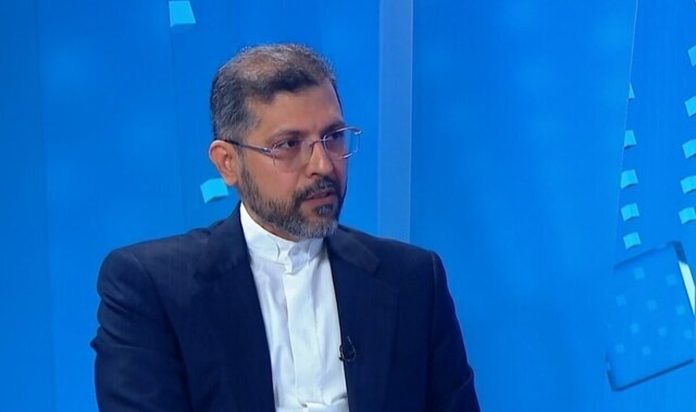
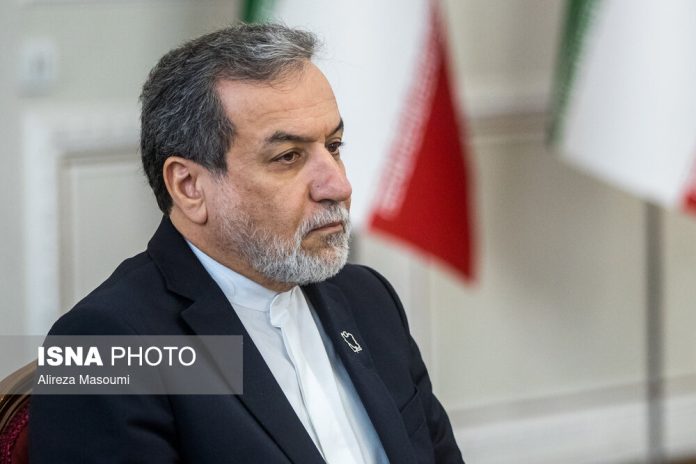
Abbas Araghchi

In an interview with the IRIB state television on Wednesday, Araghchi said invoking the mechanism, meant to reimpose UN sanctions, would place Iran under Chapter VII of the UN Charter and restore previous resolutions.

“These are undoubtedly losses,” he stated, while urging European countries to avoid triggering the mechanism, warning it would cost them their role in future negotiations.

On Lebanon, Araghchi rejected international calls to disarm Hezbollah, saying such pressure is not new and stems from fears over the group’s operational capabilities.
He reaffirmed Iran’s support for Hezbollah’s decisions, stressing Tehran does not interfere in the group’s internal affairs.

Araghchi also highlighted improving ties with Egypt, calling the past year a period of “extraordinary progress.”

He pointed out multiple meetings with Egypt’s president and foreign minister, and said full diplomatic normalization is likely in the coming months, had regional conflicts not delayed the process.

The minister emphasized Iran’s deepening ties with neighbors and praised regional support following recent Israeli aggression against Iran.

Iranian president pays tribute to children killed in Israeli attacks

The ceremony was held at the Ameneh Welfare and Nursery Complex in Tehran and commemorated the child victims of the Israeli regime’s aggression in June that left over 1,000 killed and more than 5,000 injured.

During the event, President Pezeshkian visited children residing at the welfare center and expressed solidarity with young victims of conflict.

“All these children are like my own grandchildren,” he said. “We are committed to creating better conditions for them.”

According to Iranian officials, 47 children and teenagers were among those killed in the wave of violence. The youngest victims were two infants, aged just two and nine months.

Iranian authorities have repeatedly condemned Israel’s military assault in the region, particularly their impact on civilians, and have called for international accountability and humanitarian support for affected populations.

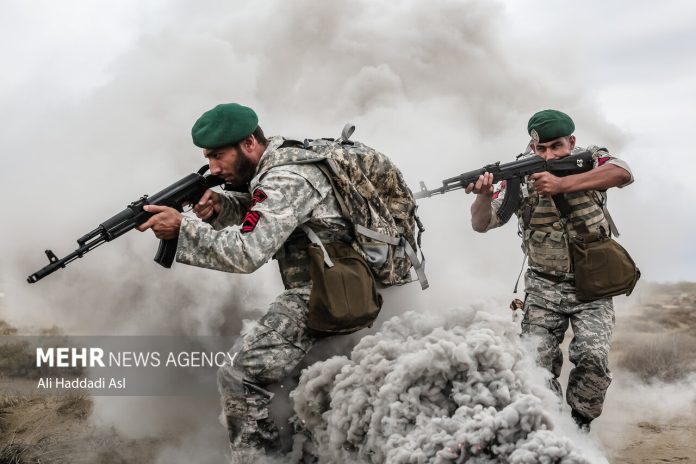
Iran confiscates large US-made arms smuggled by groups linked to Mossad

Iran Police

According to officials, over 210 military-grade firearms were confiscated in three separate operations conducted over the past two weeks.

This brings the total number of weapons seized since late February to more than 1,000 in six coordinated operations.

Authorities stated that a significant portion of the arms were manufactured in the US and had been smuggled into Iran via neighboring countries by agents affiliated with Israeli spy agency, Mossad, and terrorist groups aiming to destabilize the region and carry out acts of sabotage.

The Iranian intelligence operatives successfully thwarted the infiltration at border entry points, preventing a serious threat to national security.

Officials stressed that the networks involved have been dismantled and their plans disrupted.