Thursday, January 1, 2026
Home Blog Page 2115

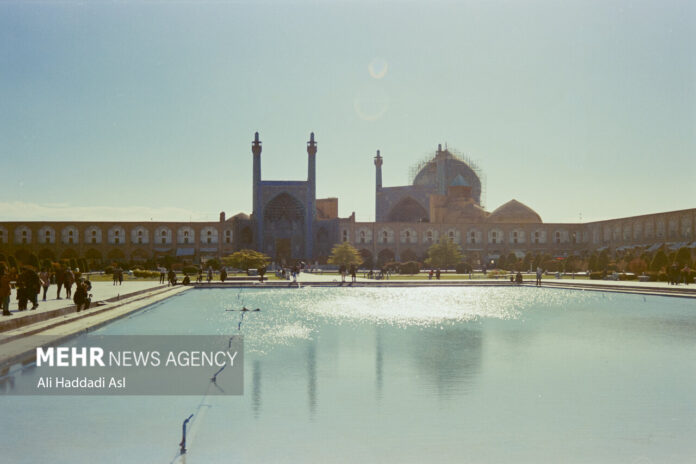
Once upon a time, Isfahan’s Naqshe Jahan Square

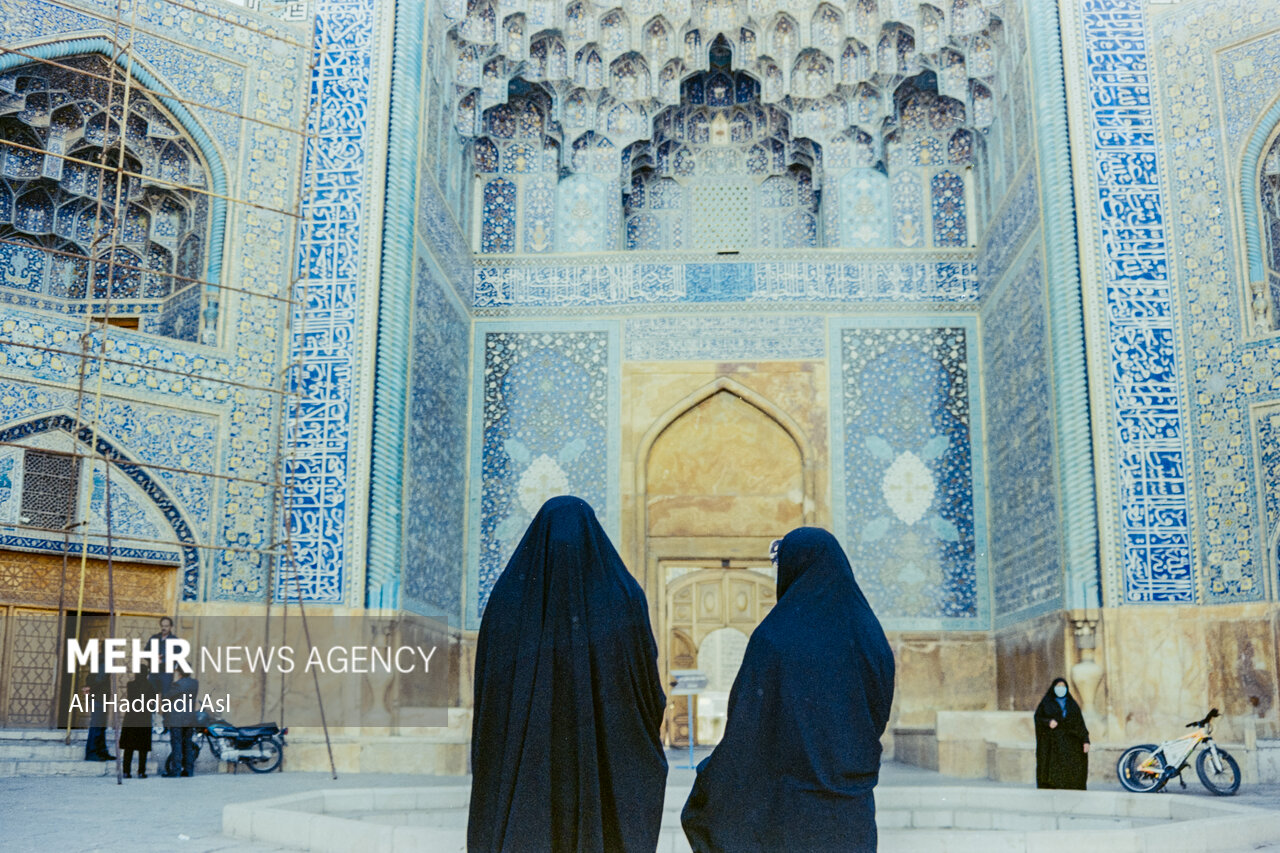
The architecture of the monuments of this square is reminiscent of several historical periods and that is why it has always been popular with Iranian and foreign tourists from the past until now.

In this report, which was recorded using an analog and 35mm cinematic negative camera, due to the ancient architecture and the conditions and type of modern life of the present age, an attempt was made to create a combination so that the audience can better conjure up the atmosphere of the past.


At the time of the call to the noon and evening prayers in the Imam Mosque, Naqshe Jahan Square is prepared for the worshipers.

Once upon a time, Isfahan’s Naqshe Jahan Square

One of the main symbols of Isfahan and Naqshe Jahan Square is the bicycle, which has been used in this square for a long time.


Once upon a time, Isfahan’s Naqshe Jahan Square

The Imam Mosque is always among the most beautiful architectural works of the Safavid era.

Once upon a time, Isfahan’s Naqshe Jahan Square

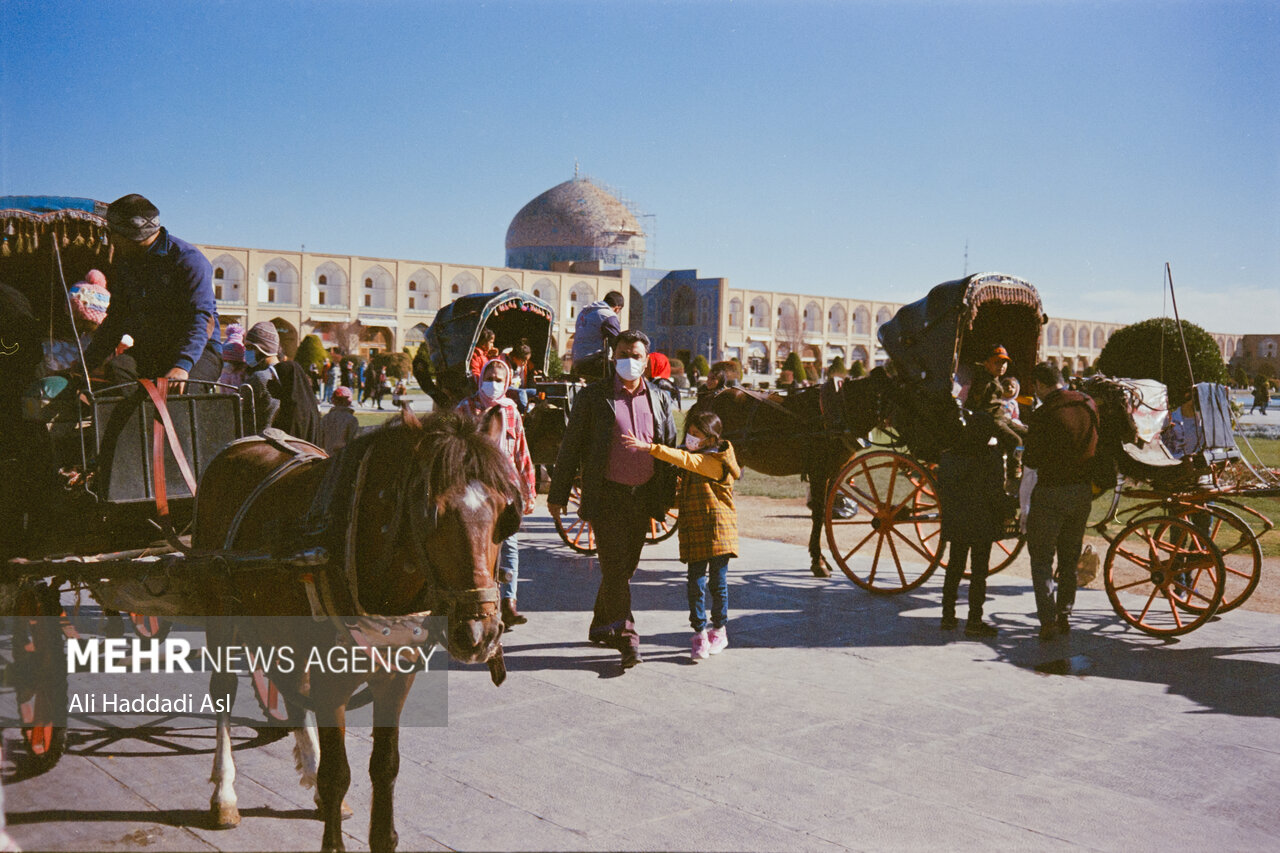
Iranian and foreign tourists have always been one of the most important features of Isfahan.

Once upon a time, Isfahan’s Naqshe Jahan Square

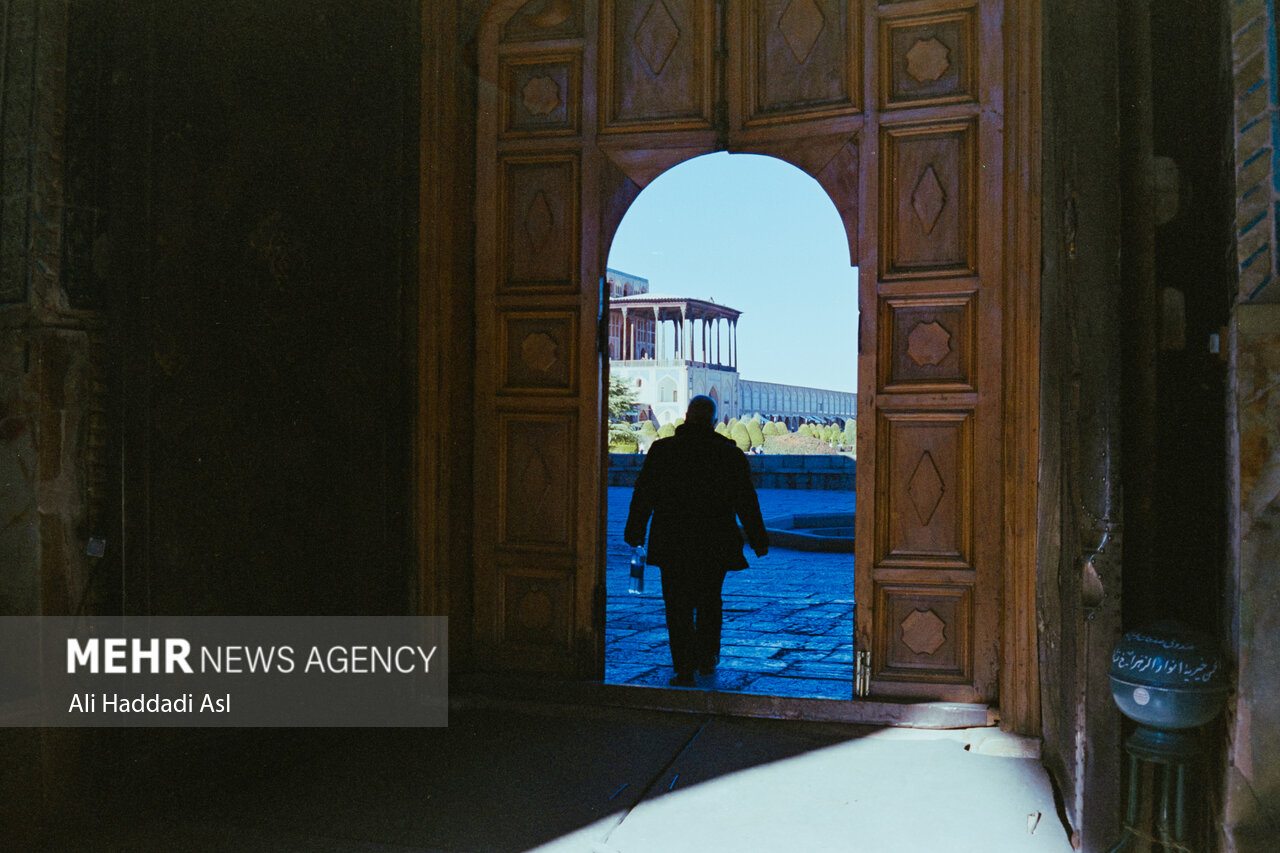
The tiling of the Aali Qapo mansion has an eye-catching beauty.

Once upon a time, Isfahan’s Naqshe Jahan Square

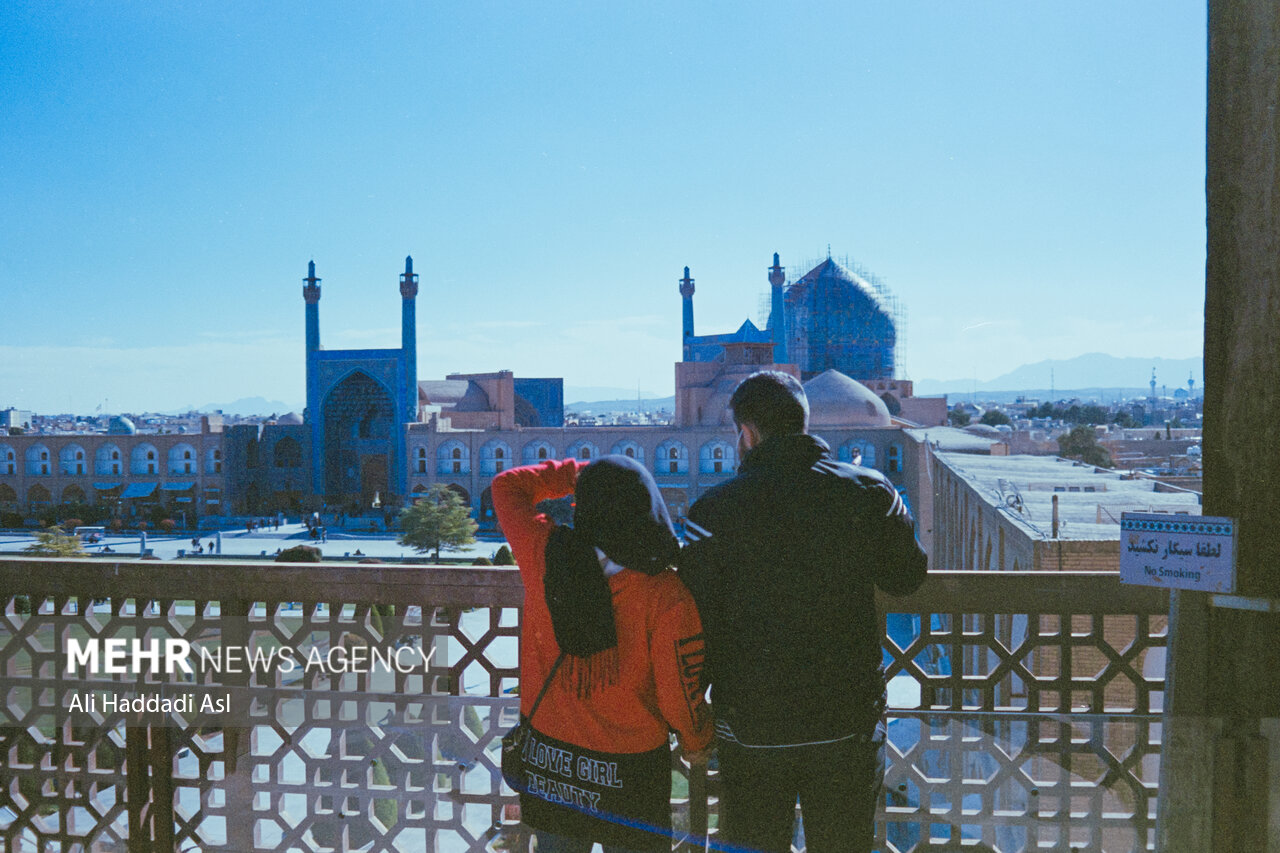
Sheikh Lotfollah Mosque and its beautiful architecture can be seen from the porch of Aali Qapo mansion.

Once upon a time, Isfahan’s Naqshe Jahan Square

Aali Qapo mansion and its porch is one of the monuments in which Sheikh Lotfollah Mosque can be seen noticeably.

Once upon a time, Isfahan’s Naqshe Jahan Square

Sheikh Lotfollah Mosque is in perfect symmetry with its beautiful skylights.

Once upon a time, Isfahan’s Naqshe Jahan Square

The porch of Aali Qapo mansion was originally designed and built to watch polo matches, but today it is a building with unique architecture.

Once upon a time, Isfahan’s Naqshe Jahan Square

Today, tourists use electric cars to better visit Naqshe Jahan Square.

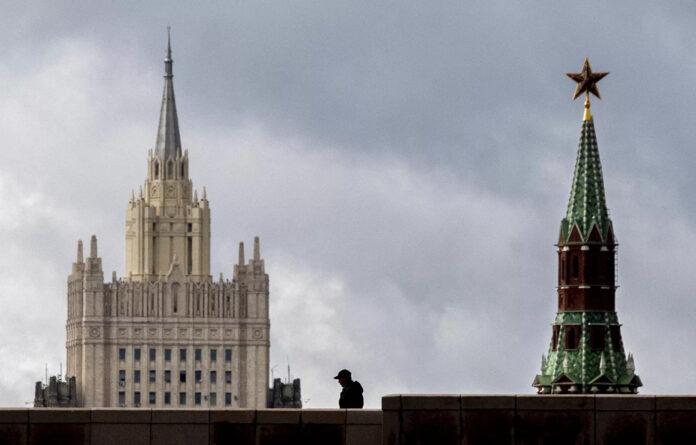
Russia calls on US to stop speculations about Ukraine invasion

“The Russian side demanded to stop … speculating about some impending Russian aggression,” Russian foreign ministry spokeswoman Maria Zakharova told the Solovyov Live show on YouTube on Wednesday.

The White House believes Russia could launch an invasion of Ukraine at any moment, press secretary Jen Psaki noted Tuesday, warning that an “extremely dangerous situation” is building along the Ukrainian border.

In recent months, the Western media, as well as state officials, have been circulating allegations that Russia is plotting an invasion of Ukraine; deploying “up to 100,000 troops” to the border.

Moscow has repeatedly rejected the allegations, adding that it has the right to move its troops within its borders as needed. Russia has also pointed to the fact that NATO has been increasing its military presence close to the Russian border and providing financial assistance as well as weapons to Kiev.

US Secretary of State Antony Blinken has arrived in Kiev ahead of a series of crunch talks with Ukrainian President Volodymr Zelensky and other top officials on Wednesday.

According to the Ukrainian Foreign Ministry, the meetings will focus on developing and implementing measures designed to “contain Russia”, after months of speculation from Western leaders that Moscow could order an all-out offensive against its neighbor. Also on the agenda, diplomats stated, will be the question of “practical support for Ukraine,” and the “coordination of actions to deter Russia from further aggression.”

The Kremlin has repeatedly denied that it has plans to invade the former Soviet republic, and insists that any buildup of troops close to the shared border poses no threat. Last week, Russian officials met with American counterparts, including Blinken’s deputy, Wendy Sherman, to discuss proposals they said were designed to minimize the risk of conflict with the West.

Among the proposed measures includes a demand that Ukraine’s requests to join NATO be turned down, and that the bloc refrain from engaging in any activity on its territory. Jens Stoltenberg, the organization’s secretary general, has described the draft treaties put forward by Russia as unacceptable, saying that “the decision on whether Ukraine can join NATO will be taken by Ukraine and 30 NATO Allies alone.”

Also reported to be on the agenda for talks between Blinken and Zelensky is the situation in the war-torn Donbass region of Eastern Ukraine, which has escalated in recent months. Kiev’s forces have been clashing with fighters loyal to two self-declared ‘People’s Republics’ in the Donetsk and Lugansk regions, which declared their autonomy in the wake of the 2014 Maidan that saw the overthrow of the country’s government.

Moscow has called on Kiev to honor the Minsk Protocols, signed later that year in an effort to stem the fighting, by holding talks with separatist leaders. Zelensky, however, has so far refused, insisting that the breakaway regions are Russian proxies and demanding talks in the Donbass with President Vladimir Putin instead. However, Washington has reiterated its support for the deal in recent months, calling on Ukraine to engage in diplomacy to resolve the situation.

CNN also reported the head of America’s Central Intelligence Agency, William Burns, met Zelensky and representatives of Kiev’s intelligence services last week.

According to the American outlet, Burns’ secret trip had been planned long in advance and was not an emergency meeting based on the current tensions between Ukraine and Russia, which some analysts believe may lead to war.

The meeting between Washington’s chief spook and the Ukrainian president came at the same time as a group of US senators from both the Democratic and Republican parties also visited Kiev.

EU seeking Iran role to end Yemen war

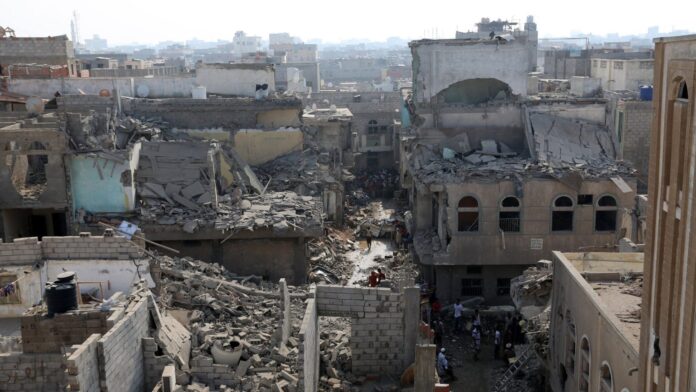
The European Union (EU) condemns Yemen’s retaliatory attack on Abu Dhabi on Monday, Enrique Mora, High Representative for the Common Foreign and Security Policy of the European Union said in an interview with Sky News.

“The actions of the Houthis threaten security in the region,” he claimed, without referring to the crimes of the Saudi-UAE coalition on Yemeni civilians.

“We are trying to reach an agreement to end the war in Yemen,” he added.

Mora also stressed that Iran must play a positive role in ending the Yemeni crisis.

In April 2015, Iran proposed a four-point peace plan for Yemen. The plan called for an immediate ceasefire and end of all foreign military attacks, humanitarian assistance, a resumption of broad national dialogue and “establishment of an inclusive national unity government”.

On Tuesday, Iranian Foreign Ministry Spokesman Saeed Khatibzadeh announced Tehran’s readiness to participate in any initiative that would end the 7-year war in Yemen.

Khatibzadeh said Iran has always supported a political solution based on ending the blockade on the Yemeni people, ending the war and preserving the country’s territorial integrity.

He added that Tehran also underlines the need to prevent an escalation of the humanitarian catastrophe in Yemen.

His comments came a day after Yemeni forces launched a deadly drone attack on targets in the UAE capital Abu Dhabi that took the Emiratis unawares. Yemen says the attack was in response to the UAE’s relentless assistance in the Saudi-led war on the Yemeni people.

Saudi Arabia and its allies launched a war against the Arab world’s most impoverished nation in March 2015. The war has been seeking to restore power in Yemen to Riyadh’s favorite officials.

The death toll of the war, now in its seventh year, will reach an estimated 377,000 by the end of 2021, according to a recent report from the UN’s Development Programme.

The fighting has seen some 80 percent of the population, or 24 million people, relying on aid and assistance, including 14.3 million who are in acute need.

Raisi Moscow visit to forge world’s largest gas reserve holders’ strategic bond

Iran’s President Seyyed Ebrahim Raisi arrived in Moscow on Wednesday to hold talks on bilateral ties and international developments with his Russian counterpart Vladimir Putin and other top officials.

The two neighboring countries are determined to play their roles in the region and international arena, particularly in the oil and gas sectors.

Tehran-Moscow cooperation dates back to some 500 years ago, with the two neighbors seeking to expand their political and economic relations and gaining the lion’s share in the international markets.

The oil explorations in Iran and Russia have led to a new shape of cooperation between the two sides, prompting Tehran and Moscow to sign a memorandum of understanding on the development of their oil and gas fields.

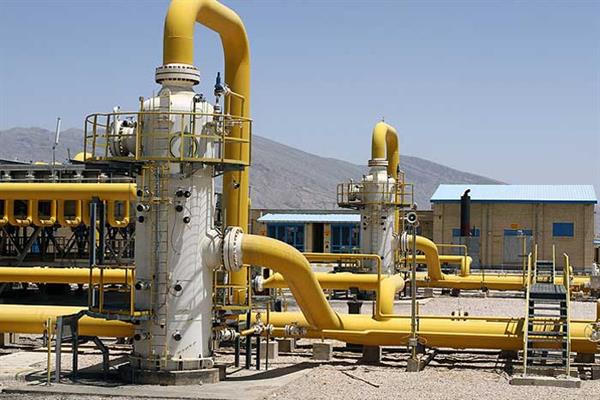
Iran and Russia are among the largest holders of hydrocarbon resources in the world, and their gas reserves constitute more than 37 percent of gas resources across the globe.

Russia holds 35 trillion cubic meters (tcm) of natural gas reserves, equaling to 19.9 percent of total proven natural gas resources globally, while Iran follows it with 33 tcm, holding 17.1 percent of the world’s gas reserves.

Given their oil reserves, Iran holds 9.1 percent of the world’s resources and Russia has 6.2 percent of the global reserves.

Ahead of President Raisi’s trip, the Iranian oil minister sat down with top Russian officials to discuss bilateral ties, particularly in the energy sector.

Javad Owji held separate talks with Russian Energy Minister Nikolay Shulginov and also the Russian chief of the joint commission, as well as with Russian Deputy Prime Minister Alexander Novak.

Their energy talks included oil and gas cooperation, the OPEC+ agreement, and transfer of technology.

Iran Tourism Minister visits historical sites in Yazd

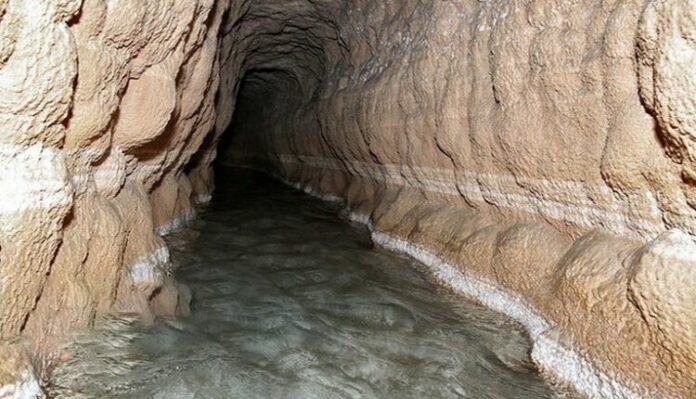
Iran’s minister of Cultural Heritage, Tourism and Handicrafts paid a visit to Rig Mosque and the historical texture in Ashkezar, as well as the qanat in Zarach District, and a number of tourism projects in central Yazd Province.

Ezatollah Zarghami, the minister of Cultural Heritage, Tourism and Handicrafts visited Rig Mosque and the historical texture in Ashkezar, as well as the qanat in Zarach District, and a number of tourism projects.

It is noteworthy that Zarghami is the administration’s representative in the president’s 12th provincial trip and has been tasked with visiting the cities of Ashkezar and Yazd to handle their affairs.


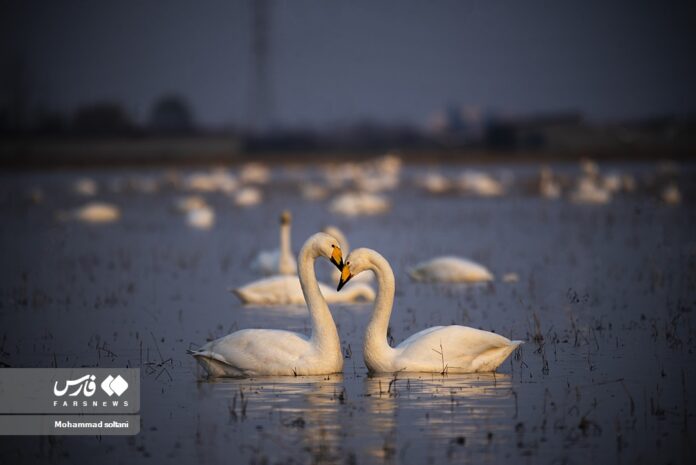
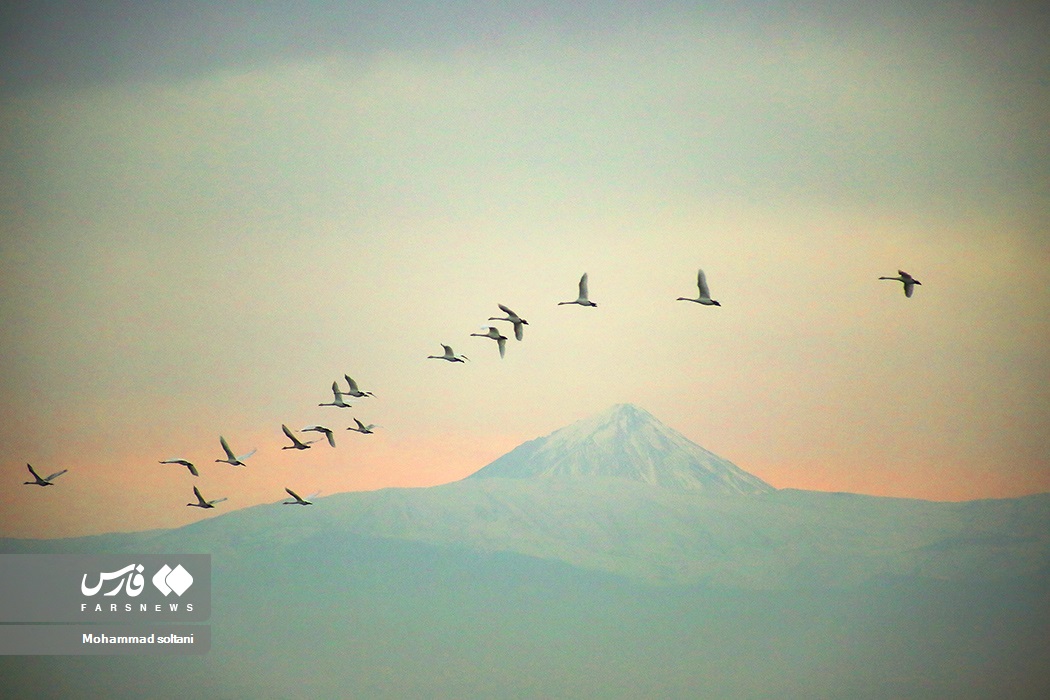
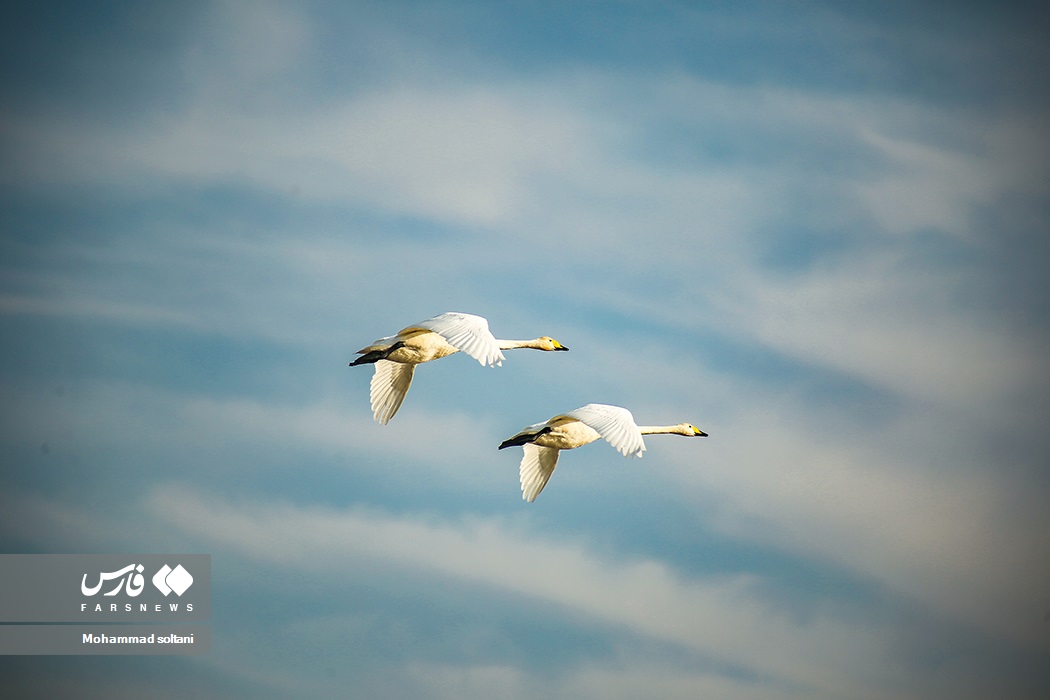
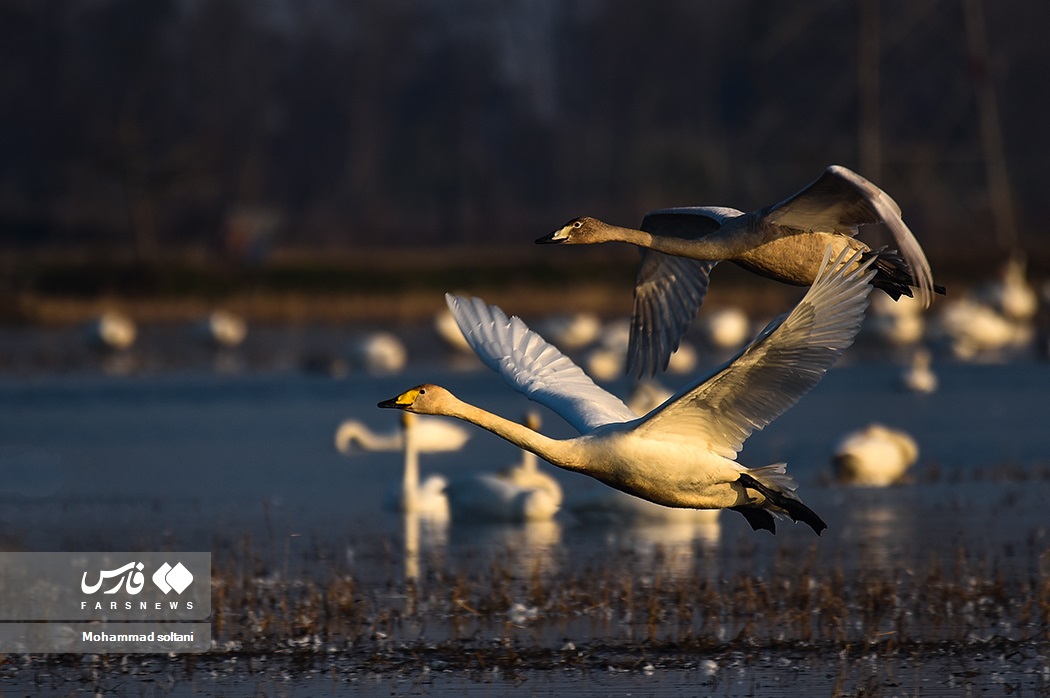
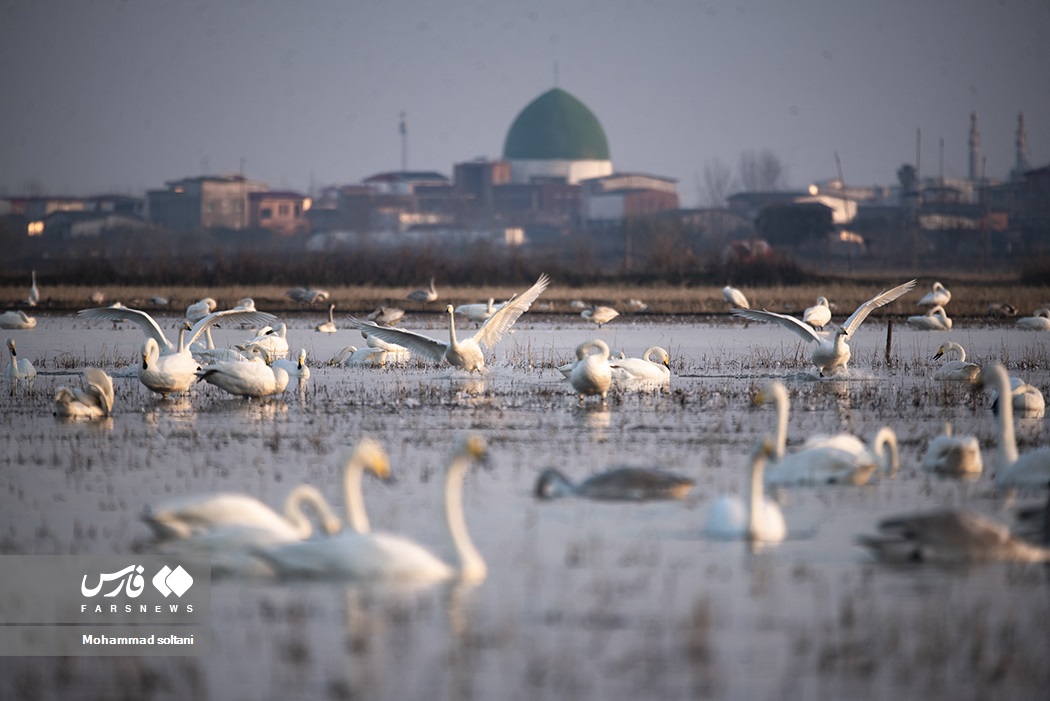
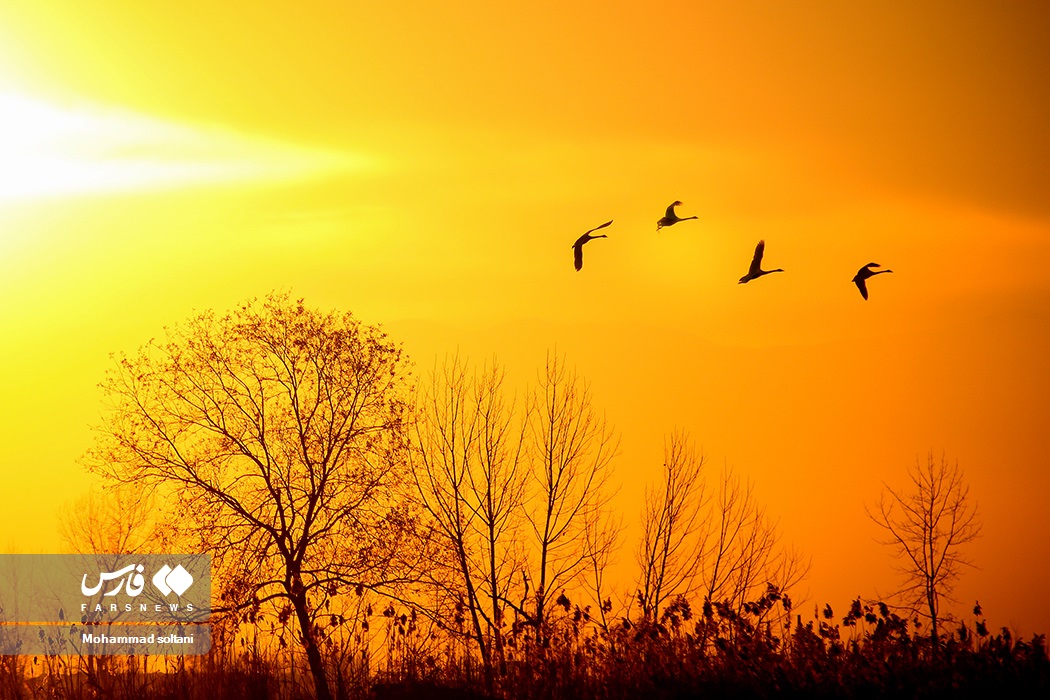
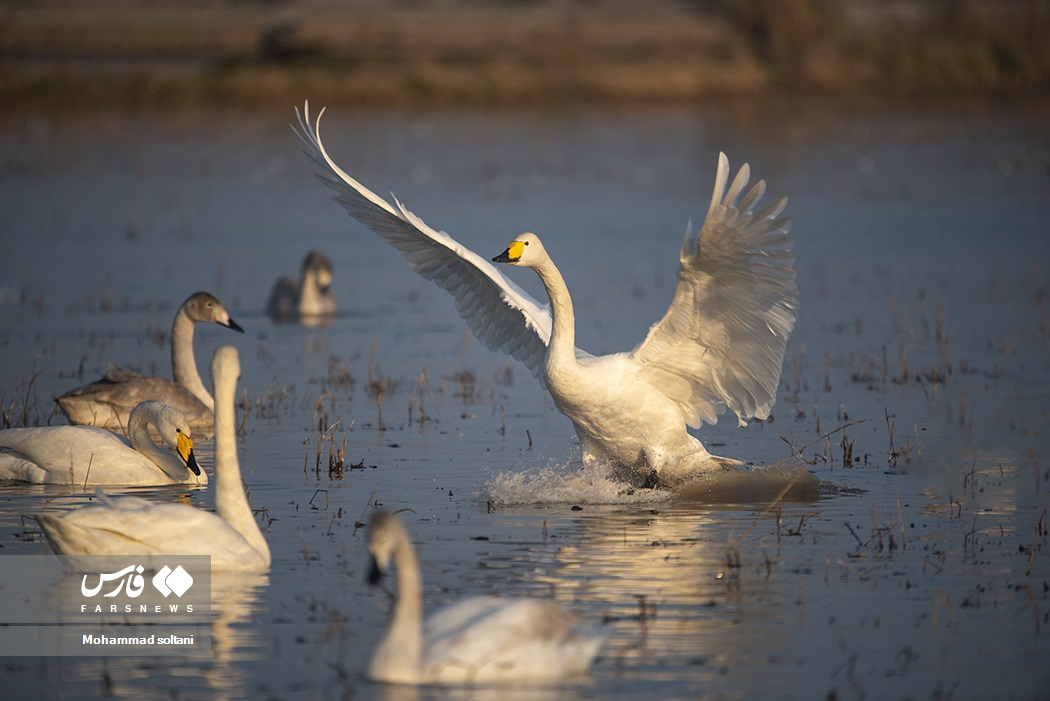
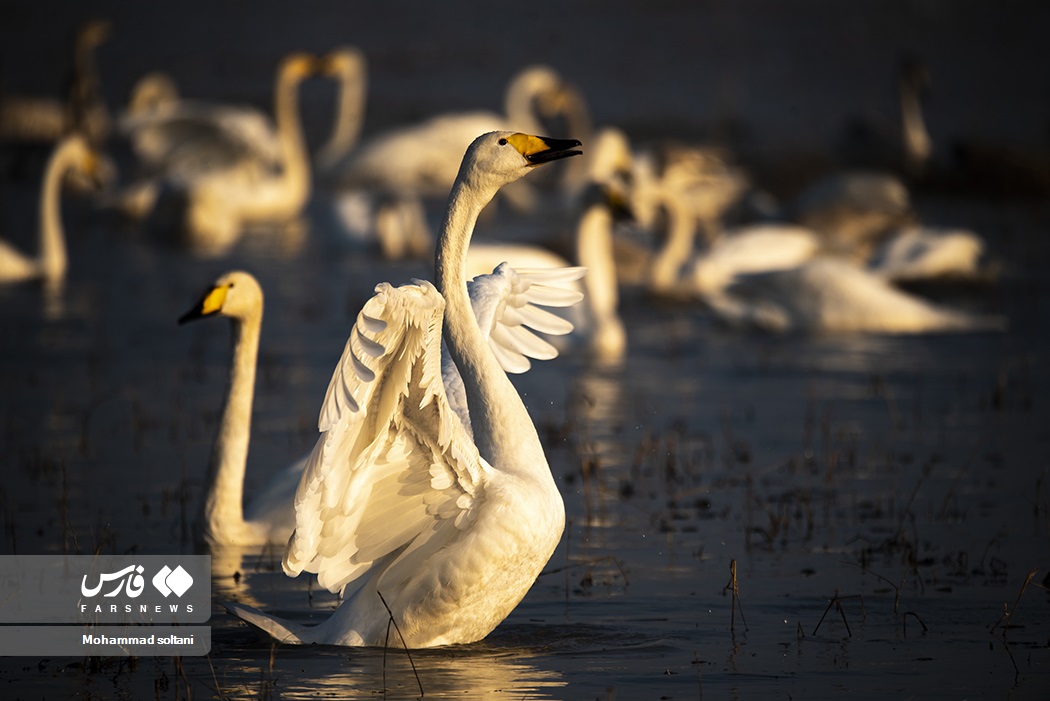
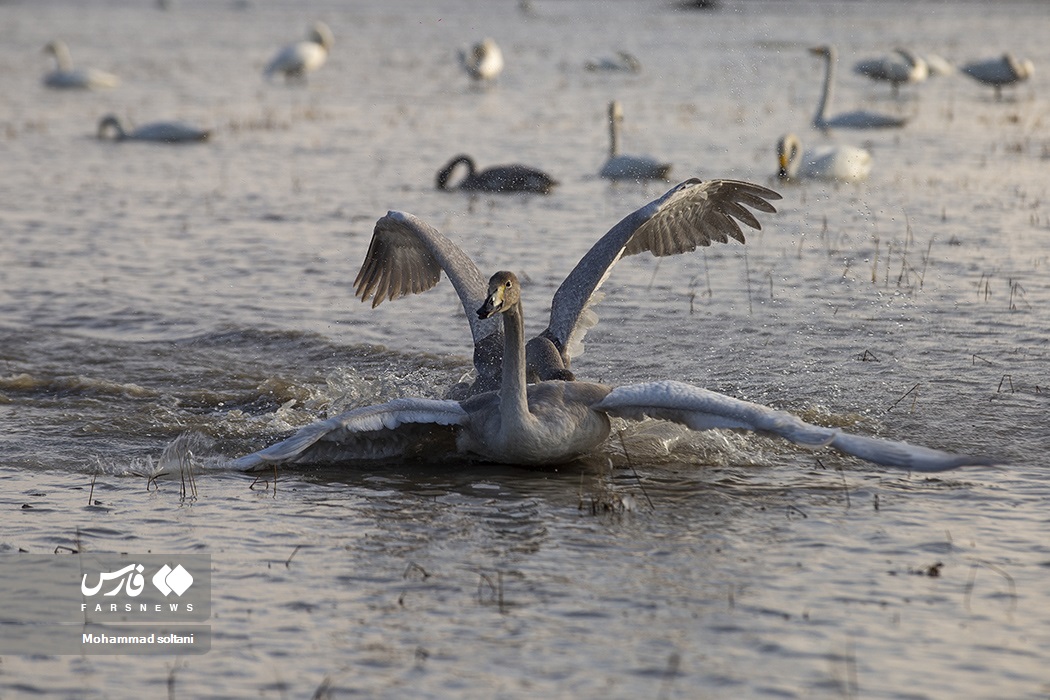
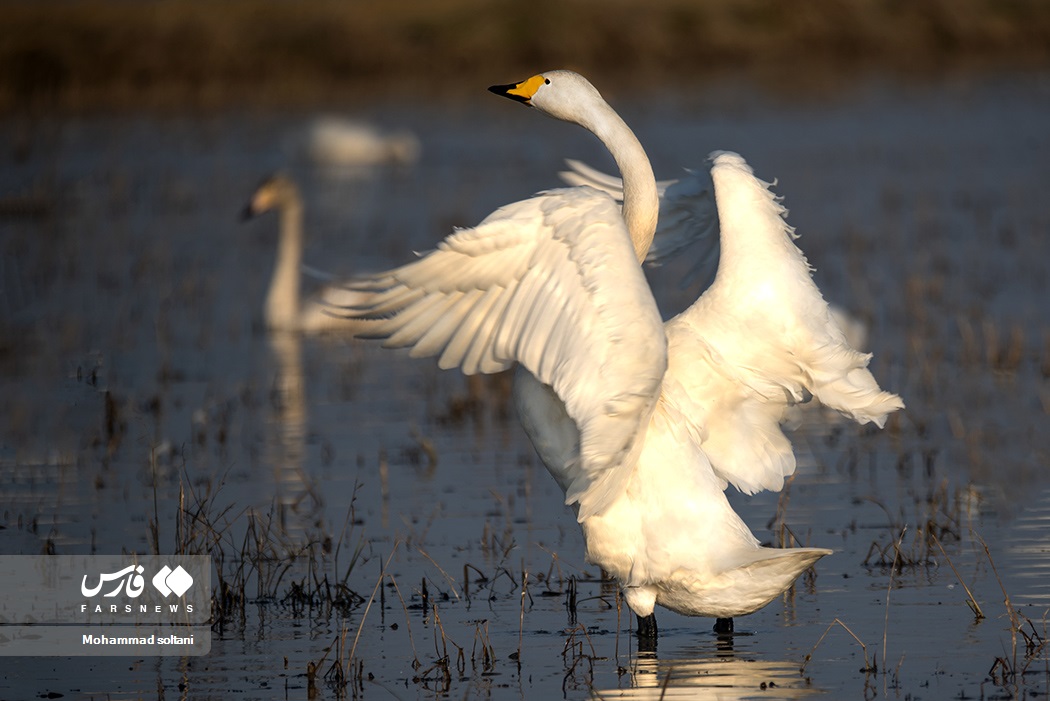
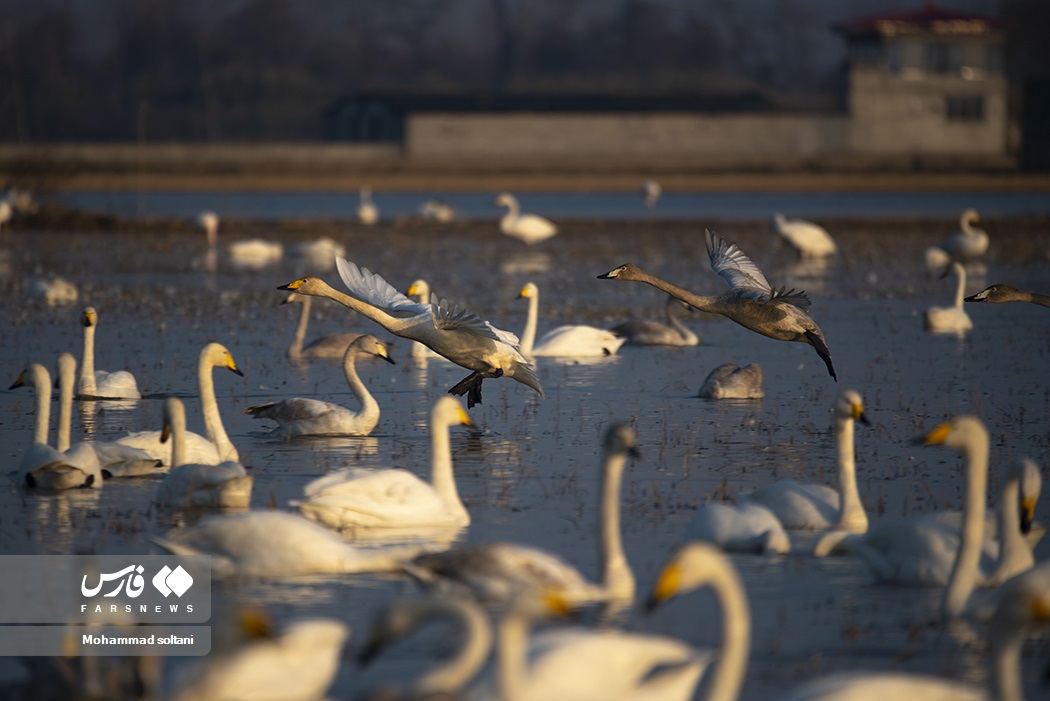
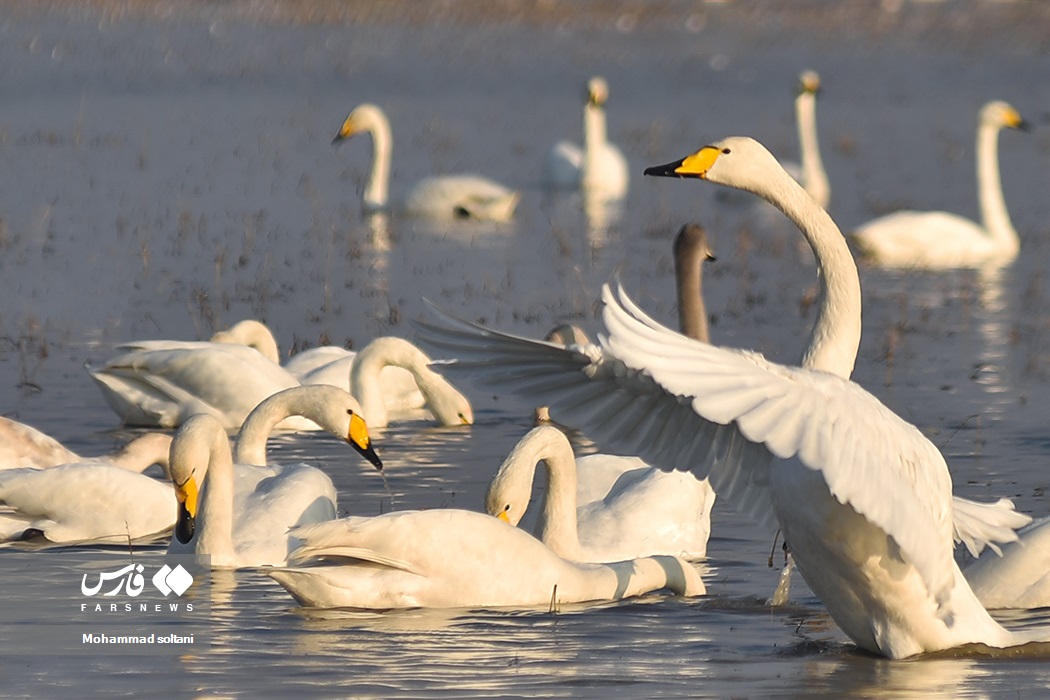
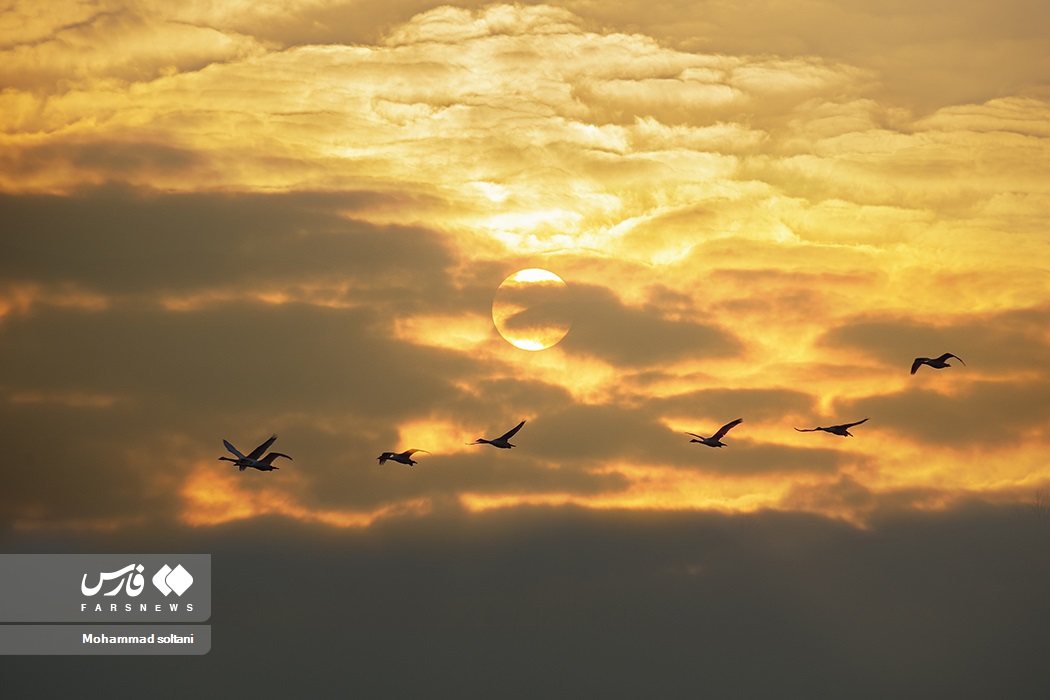
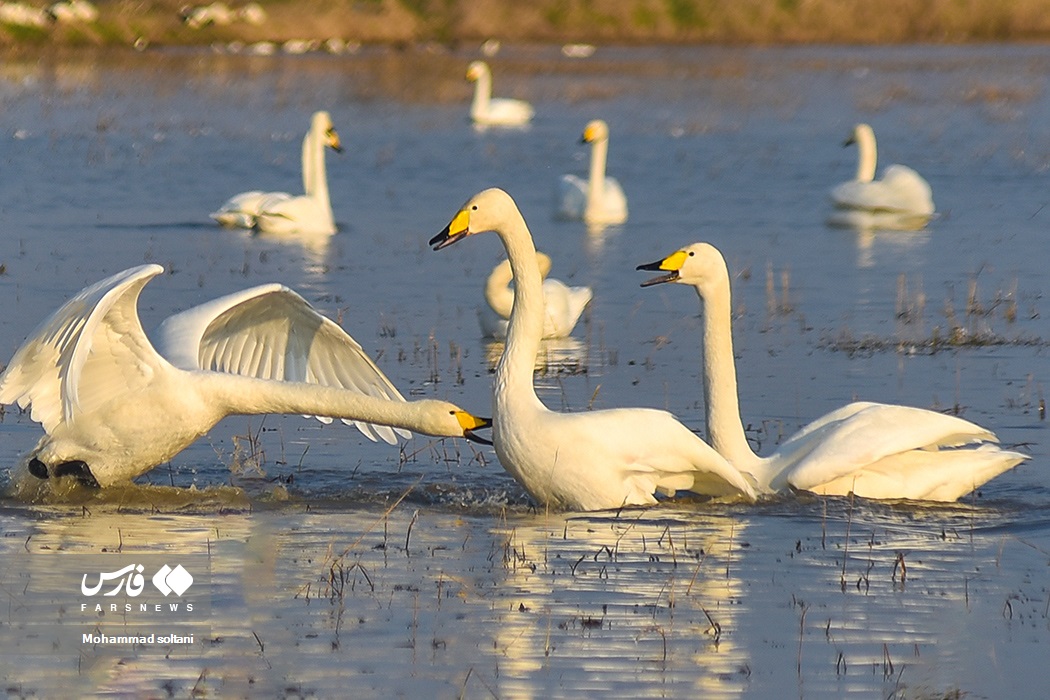
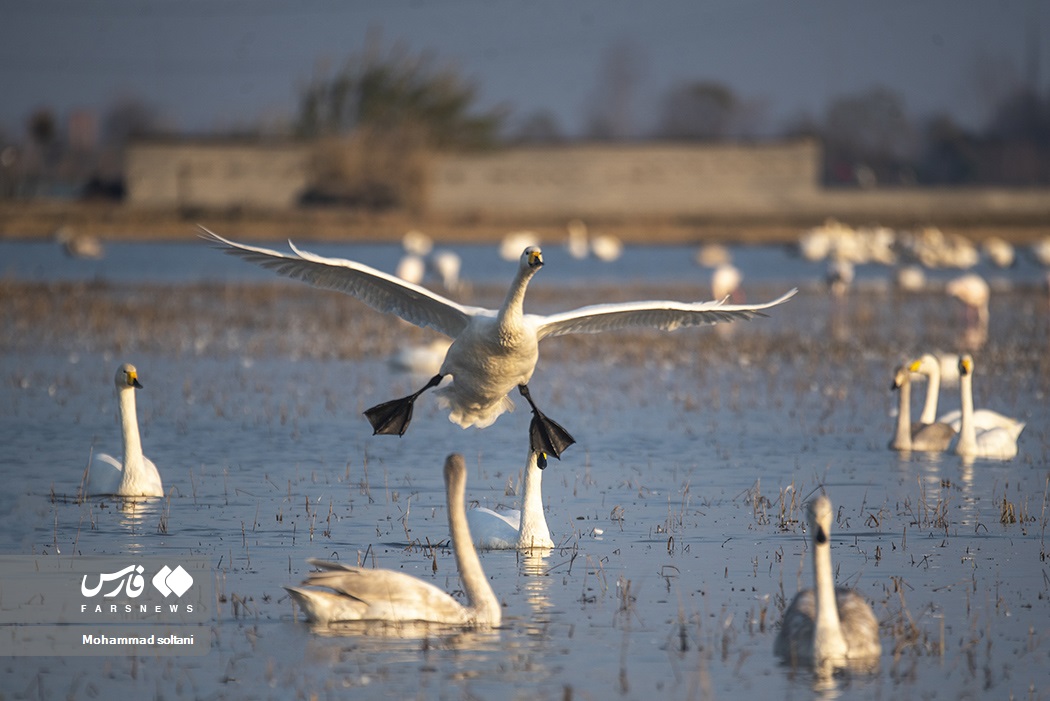
Swan Flying Symphony

Most of the swans enter Mazandaran Province’s wetlands in late December.

In February, when temperatures gradually increase, the swans begin migrating back to Siberia after three months of wintering.

The average number of swans migrating to the wetlands of Mazandaran Province, in recent years was estimated at 2,000 to 2,500. So far this year, about 500 swans have entered Sorkhrud Wetland, and this number is likely to increase in the coming days.

Annually, 1.5 million domestic and foreign migratory birds migrate to the wetlands and reservoirs of the province in northern Iran.

Erdogan: US supporting terrorists in Syria

Commenting on the presence of the United States and Russia in war-torn Syria, Erdogan drew attention to the fact that both countries have military bases in the country.

He also criticized Washington’s support for terrorist organizations, referring to the PKK’s Syrian wing, the YPG.

He underlined that the US continued support for the YPG cannot be ignored and that it was a topic in his talks with US President Joe Biden.

“They have significantly supported terrorist organizations in our south, the northeast of Syria, through thousands of trucks of arms and ammunition,” the president added.

The US has primarily partnered with the YPG in northern Syria to fight Daesh. Turkey strongly opposes the YPG’s presence in northern Syria, a major sticking point in strained Ankara-Washington relations. The US has provided military training and truckloads of weaponry to the YPG, despite its NATO ally’s security concerns.

The president noted that the US claims it is withdrawing from the country and not supporting terrorist groups, but stressed that this is not true.

“Similarly, Russia is also not withdrawing. If Russia had withdrawn support for Syria, (Bashar) Assad would not be standing now,” he continued.

Russia joined Syria’s now 10-year conflict in September 2015. Moscow has since helped tip the balance of power in favor of Assad, whose forces now control much of the country. Hundreds of Russian troops are deployed across Syria, and they also have a military air base along Syria’s Mediterranean coast.

Russia is the main ally of the Syrian government, while Turkey supports groups that have fought to unseat Assad.

Russia is helping Damascus’s legitimate government eliminate terrorists and is encouraging the Syrian sides to establish political dialogue. Unlike Russia, the United States and Turkey are present in Syria with no invitation from that country’s government.

Syrian officials have urged the US and Turkey to immediately withdraw its forces from the Arab country.

On Tuesday, deputy head of the Russian Center for the Reconciliation of Warring Parties in Syria said terrorists from the Idlib de-escalation zone are planning, according to the Syrian authorities, terrorist attacks in the ports of Tartus and Latakia.

“According to information from the Syrian security authorities, sabotage and terrorist groups of radical gangs from the Idlib de-escalation zone are planning terrorist attacks in the ports of Tartus and Latakia,” Rear Adm. Oleg Zhuravlev noted.

He added that in accordance with the appeal of the Syrian authorities, the command of Russian airbase Hmeimim organized round-the-clock patrols. Military police units patrol the seaport and the adjacent territory of the city of Latakia. He specified that the police use Patrul and Tigr armored vehicles.

According to Zhuravlev, the movement of units from the air is controlled by unmanned aerial vehicles of the Russian Aerospace Forces.

Iranian president arrives in Moscow for talks with Putin

Iran President Ebrahim Raisi

Upon his arrival at Moscow’s airport, Raisi was welcomed by Russia’s Minister of Energy Minister Nikolai Shulginov. Raisi is due to meet Putin in a few hours.
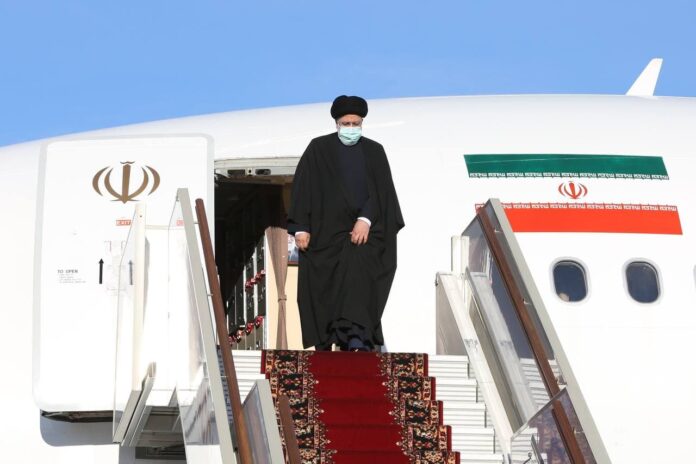
He’s accompanied by the Iranian Ministers of Foreign Affairs, Oil and Economic Affairs, Hossein Amir Abdollahian, Javad Ouji and Ehsan Khandouzi.

The visit is in line with the Raisi administration’s policy to prioritize relations with neighbors.

Iranian president arrives in Moscow for talks with Putin

Speaking at Tehran’s Mehrabad International Airport on Wednesday morning, the Iranian president said, “Without any doubt, our relations with all neighbors, especially Russia, are good, and given the political, economic and commercial relations between the two countries, this trip could be a turning point for bolstering our ties with Russia.”

“We have shared interests with Russia and these interactions and common interests will definitely build security in the region and counter unilateralism there,” Raisi said. “Mutual cooperation can be highly effective in the current regional and international circumstances.”
He said both Iran and Russia are powerful and influential in the region and thus dialog between such states can boost regional economic cooperation.

Iran gets delivery of AstraZeneca vaccines from Spain

The Health Ministry said the batch, which consists of 2.2 million doses of AstraZeneca vaccines, arrived at Tehran’s Imam Khomeini Airport on Wednesday morning.

Mohammad Hashemi, head of the ministry’s public relations office, said the delivery — worth $10 million — is mainly aimed at vaccinating the Afghan nationals in Iran.

Iran hosts up to four million Afghan refugees, with the number being on rise. So far, the Afghan nationals have received four million doses of COVID-19 vaccines.

The vaccination campaign is in full swing in Iran as the country is facing a new wave of infections with Omicron, a new variant of the coronavirus.

The country has been administering both domestically-developed and imported shots to people. 

Over 126 million doses of vaccine have so far been administered in the country with the number of boosters crossing the 13 million mark.

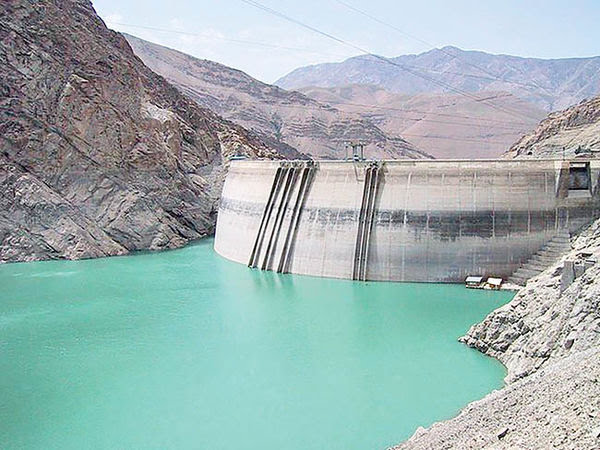
Iran among world’s top 14 power plant constructors

The deputy energy minister for research and human resources said the Iranian experts have taken major strides toward developing the country’s power grid.

Reza Anjom-Shoa added the installed power plants are generating over 86,000 megawatts, continuing that the length of the country’s power transmission networks stands at 54,800 kilometers that supply some 30 million subscribers with electricity.

The government of President Seyyed Ebrahim Raisi pays special attention to the water and power sectors, said the official, adding that the Ministry of Energy having 200 affiliated and subsidiary companies is making every effort to render various services to people.

He underlined that state-of-the-art technology plays a key role in the water and power projects and these two sectors are required to upgrade their services by applying the latest technical know-how.