Monday, December 29, 2025
Home Blog Page 2086

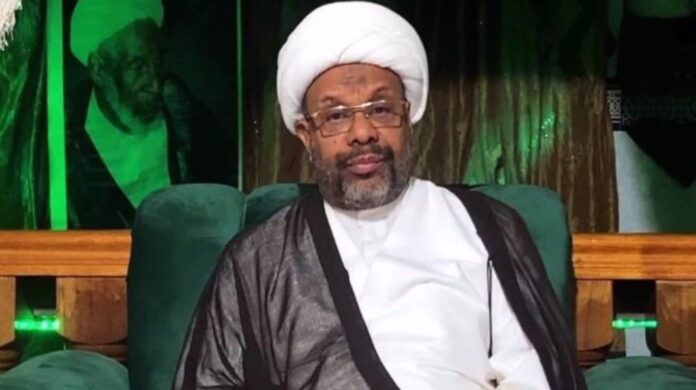
Saudi forces detain Shia cleric in Medina

Local Shia sources reported the development on Tuesday, saying the arrestee — who is the son of the late cleric Sheikh Muhammad al-Amri — was transferred by Saudi security forces to an “unknown location” upon detention.

Sheikh Amri is the custodian of a famous mosque in Medina and represents Grand Ayatollah Ali al-Sistani, Iraq’s senior Shia cleric, in the holy city. He had been arrested once in 2010 too.

His arrest came only a couple of days after a court in Saudi Arabia sentenced Shia cleric Sheikh Abdul Latif al-Nasser to eight years in prison on “terrorism charges.”

Sheikh Nasser had likewise been placed under arbitrary arrest while traveling with his family on the King Fahd Causeway, which connects Saudi Arabia and Bahrain, in June 2019.

Back in 2017, the Saudi kingdom changed its counterterrorism laws to include dissent as a punishable crime. The new laws came to stipulate penalties of up to 10 years in jail for insulting the king and the crown prince as well as the death penalty for “other acts of terrorism.”

Ever since, Riyadh has been coming down hard on its Shia minority, whose members are mainly concentrated in the country’s oil-rich Eastern Province.
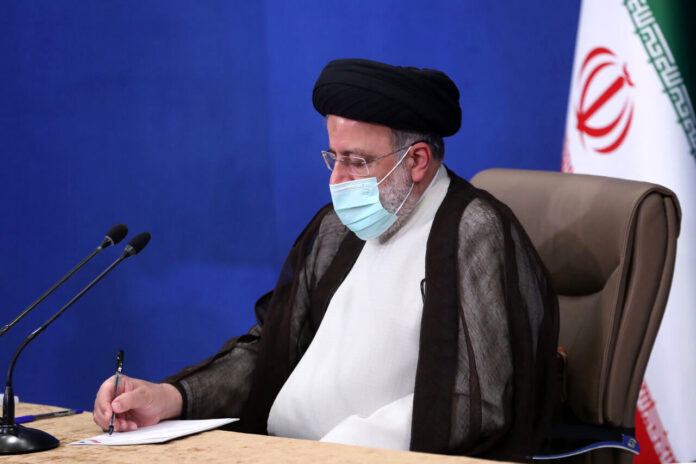
Raisi hopes bilateral cooperation with China will expand in all fields

“I am glad that at the beginning of the New Year, the relations between the two nations have entered the second fifty years of diplomatic relations and coincided with the announcement of the implementation of the 25-year comprehensive cooperation program. I hope that in light of the mutual political trust and cooperation, we will see the development and deepening of bilateral, regional and international cooperation in all fields, especially the common interests of developing countries,” Ebrahim Raisi wrote in his message to Xi Jinping on Tuesday.

China is Iran’s biggest trading partner and remains an important customer of its crude oil even as many other countries avoid buying Iranian oil out of fear of unilateral sanctions imposed by the United States.

The two sides began implementing their 25-year cooperation agreement in mid-January to strengthen their long-standing economic and political ties.

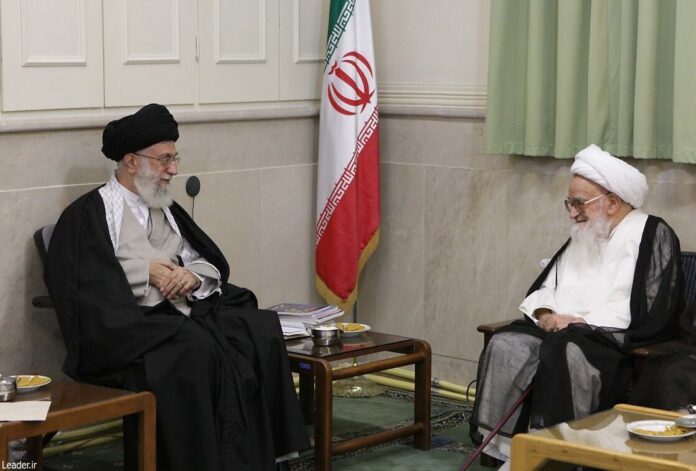
Iran’s leader offers condolences over passing of Ayatollah Safi Golpayegani

Ayatollah Khamenei described Ayatollah Safi Golpayegani as a pillar of the Qom seminary and a prominent religious scholar.

The leader of Iran’s Islamic Revolution also said in the time of the late Ayatollah Boroujerdi, Ayatollah Safi Golpayegani was one of the best students of that great master; in the time of the late Ayatollah Seyyed Mohammad Reza Golpayegani, he was his companion as well as a scientific and practical advisor; and during the Islamic Revolution, Ayatollah Safi Golpayegani was trusted by Imam Khomeini, the late founder of the Islamic Republic.

Iraq’s top Shia authority Ayatollah Ali Sistani also expressed grief over the departure of Ayatollah Safi Golpayegani, describing the cleric’s death as a great loss. Iranian officials including President Ebrahim Raisi and Foreign Minister Hossein Amir Abdollahian as well as former president Hassan Rouhani also offered their condolences.

Ayatollah Safi Golpayegan died on Tuesday after a heart attack. He was 103.

Iran FM: Tehran open to good deal in Vienna

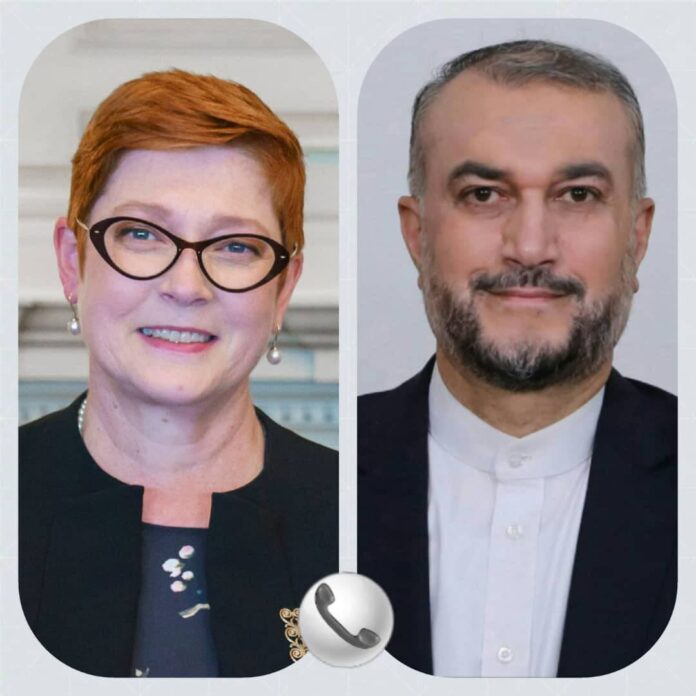
Amir Abdollahian made the remarks in a phone conversation with Australian Foreign Minister Marise Payne on Tuesday.

The top Australian diplomat said her country supports the negotiations in Vienna.

Also referring to the capacities of bilateral relations, Amir Abdullahian announced Tehran’s readiness to expand cooperation between the two countries in different fields, including trade, investment and scientific exchanges.

He described the development of the Iranian-Australian Spikogen coronavirus vaccine a successful example of constructive collaboration.

Amir Abdollahian called on Canberra to pay special attention to the rights of Iranians living in Australia and especially the consular status of some Iranian citizens who are facing problems in Australia.

Referring to Iran’s role in the fight against terrorism in the region, the Iranian foreign minister called on Australia to deal responsibly with active members of terrorist groups in her country.

The two top diplomats also touched upon the situation in Afghanistan. Referring to the plight of the displaced people in Afghanistan and the daily arrival of several thousand Afghans in the border provinces of Iran, the top Iranian diplomat reiterated the need for the international community’s attention to the situation of refugees and the formation of an inclusive Afghan government.

Marise Payne expressed hope that the two countries would work closely together on Afghanistan to encourage the Taliban to live up to their commitments and to make sure that Afghanistan will not become a safe haven for terrorist groups and transnational crimes.

Qatar says working to bring US, Iran views closer

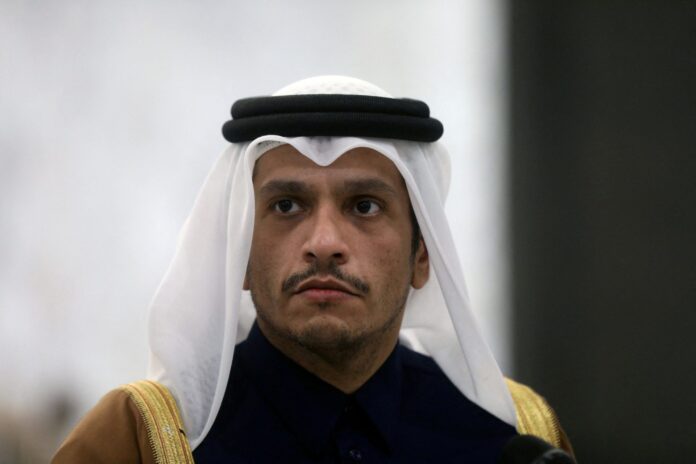
Qatar's Foreign Minister Sheikh Mohammed bin Abdulrahman Al-Thani

His remarks come after US President Joe Biden and Qatar’s emir met in the Oval Office on Monday to discuss bilateral ties and pressing regional issues.

Al-Thani visited Iran on Thursday, just days before the ruling emir’s diplomatic visit to Washington and as efforts by Tehran and major powers to revive a 2015 nuclear pact enter a crucial time.

The Biden Administration has announced it sees a path to an agreement in the Vienna talks over the nuclear deal, but Iran must make “tough political decisions now”.

Iran’s Foreign Ministry Spokesperson Saeed Khatibzadeh has said the Vienna talks have made significant progress.

“There are still important issues left in the field of sanctions removal … Progress [made] must be acceptable in the fields of verification and assurances,” he added.

“The other parties are clearly aware of the disputed issues and they, especially Washington, must make political decisions,” the spokesperson continued.

The foreign minister also said limiting Europe’s energy supply problems solely to the current Ukrainian crisis was “unfair”, adding that “global energy issues are not short term, rather, they take collective action to be resolved.”

Qatar, the world’s largest supplier of liquefied natural gas may divert supplies to Europe if the Ukraine conflict disrupts Russian gas deliveries to the continent.
Al-Thani welcomed Biden’s promise to designate Qatar as a major non-NATO ally saying it reflected the strength of bilateral relations and opened up “partnership opportunities.”

Qatar’s emir Sheikh Tamim bin Hamad al-Thani ended his visit to Washington after sealing a Boeing freighter deal and meeting separately with Homeland Security Alejandro Mayorkas to discuss arms sales.

Qatar has reached an agreement with the Taliban to resume chartered evacuations out of Kabul airport, according to the Qatari foreign minister.

The agreement is for two flights per week, chartered by Qatar Airways, and will allow the United States and other countries to evacuate thousands more of their citizens and at-risk Afghans, Axios reported.

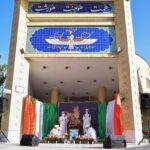
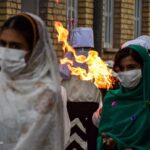
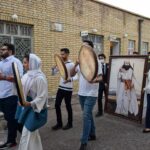
Sadeh ancient festival in Kerman

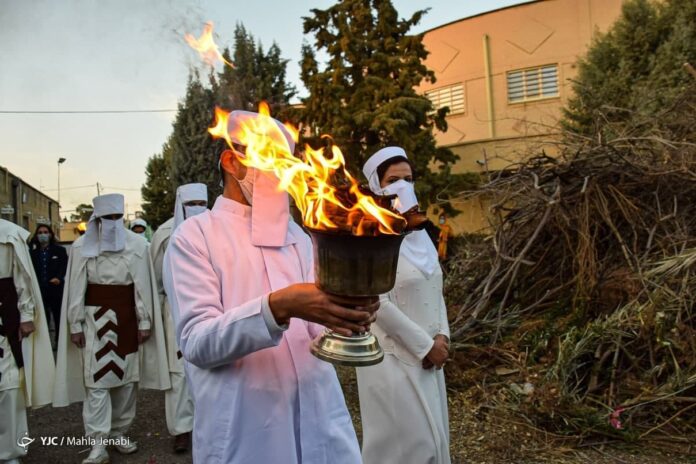
Sadeh festival is one of the Iranian celebrations that is held each year at the beginning of the evening of January 30. The ancient Iranians believed that at this time, the peak and intensity of the cold season is over, so people got together and provided a large pile of thorns and wood and lit a fire when the darkness of night fell.

Kerman province in southern Iran has the largest number of Zoroastrians in the country.

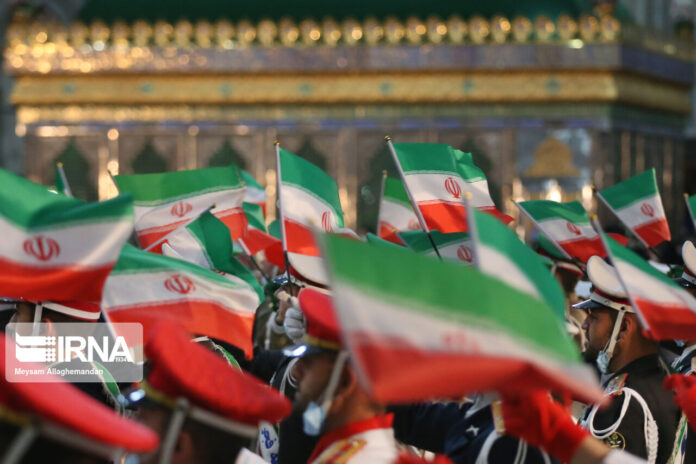
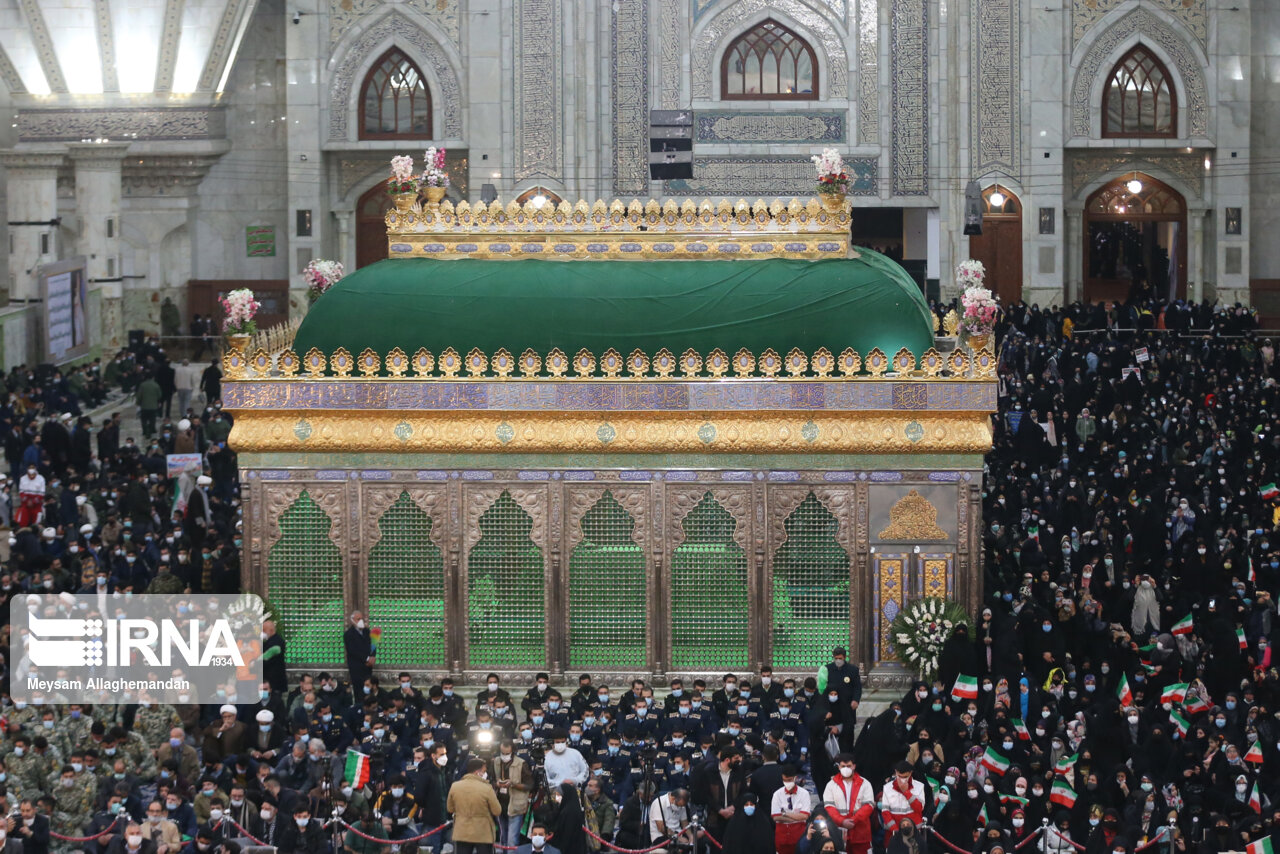
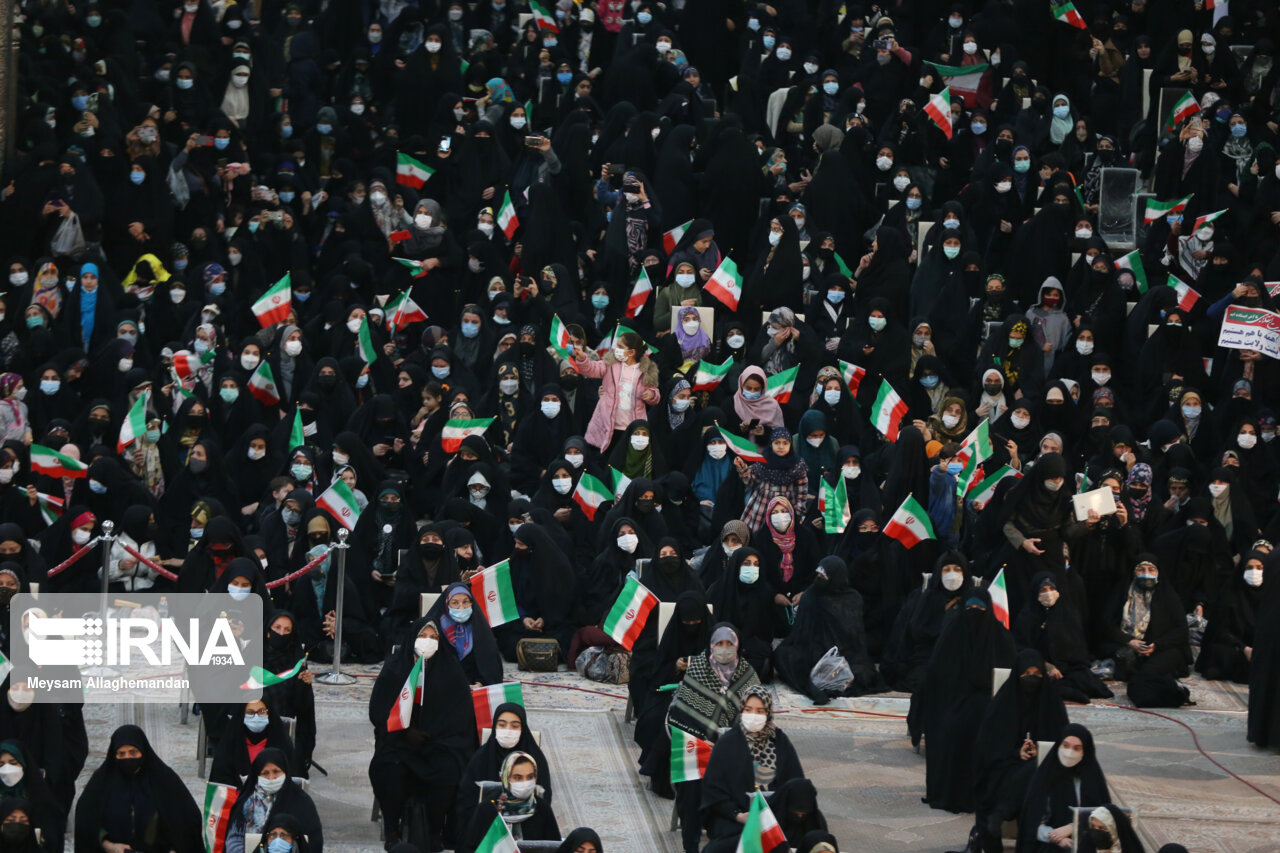
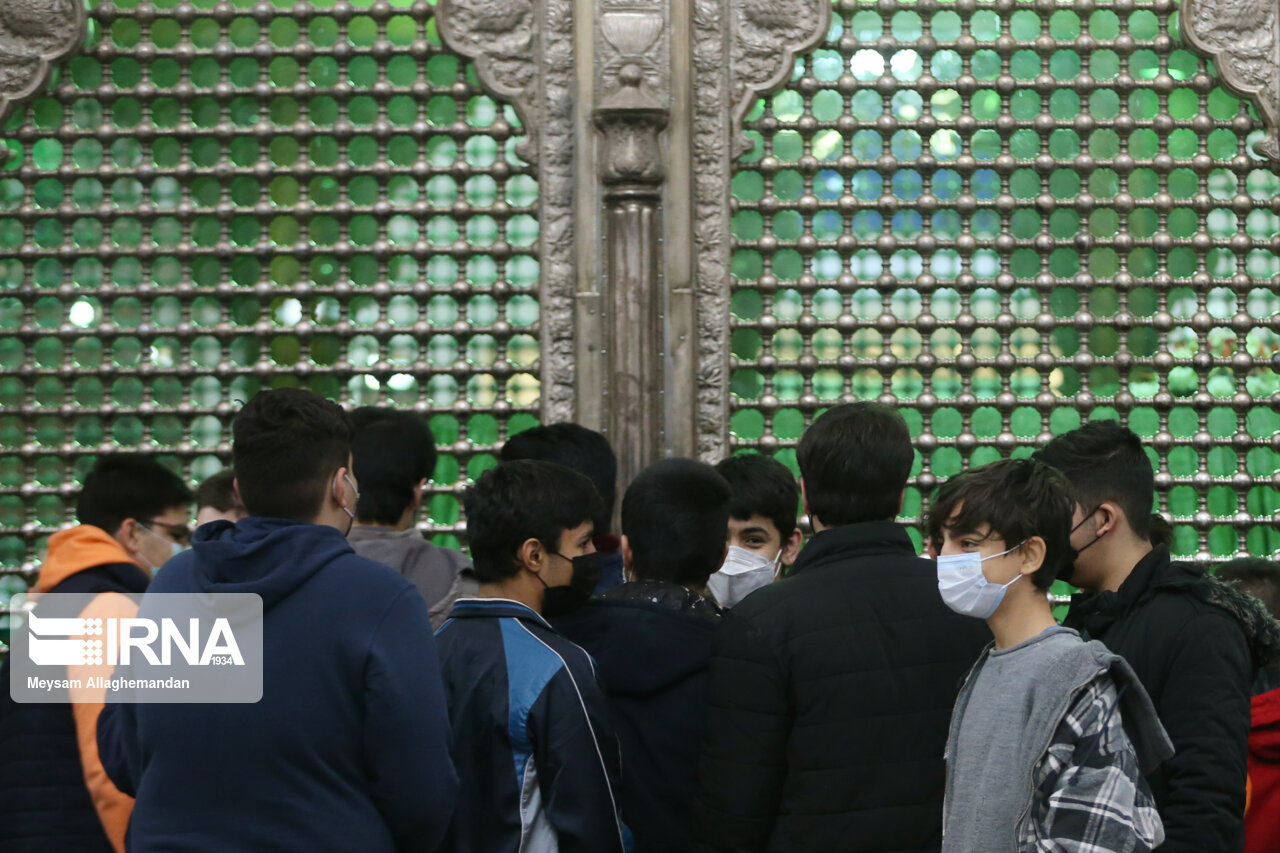
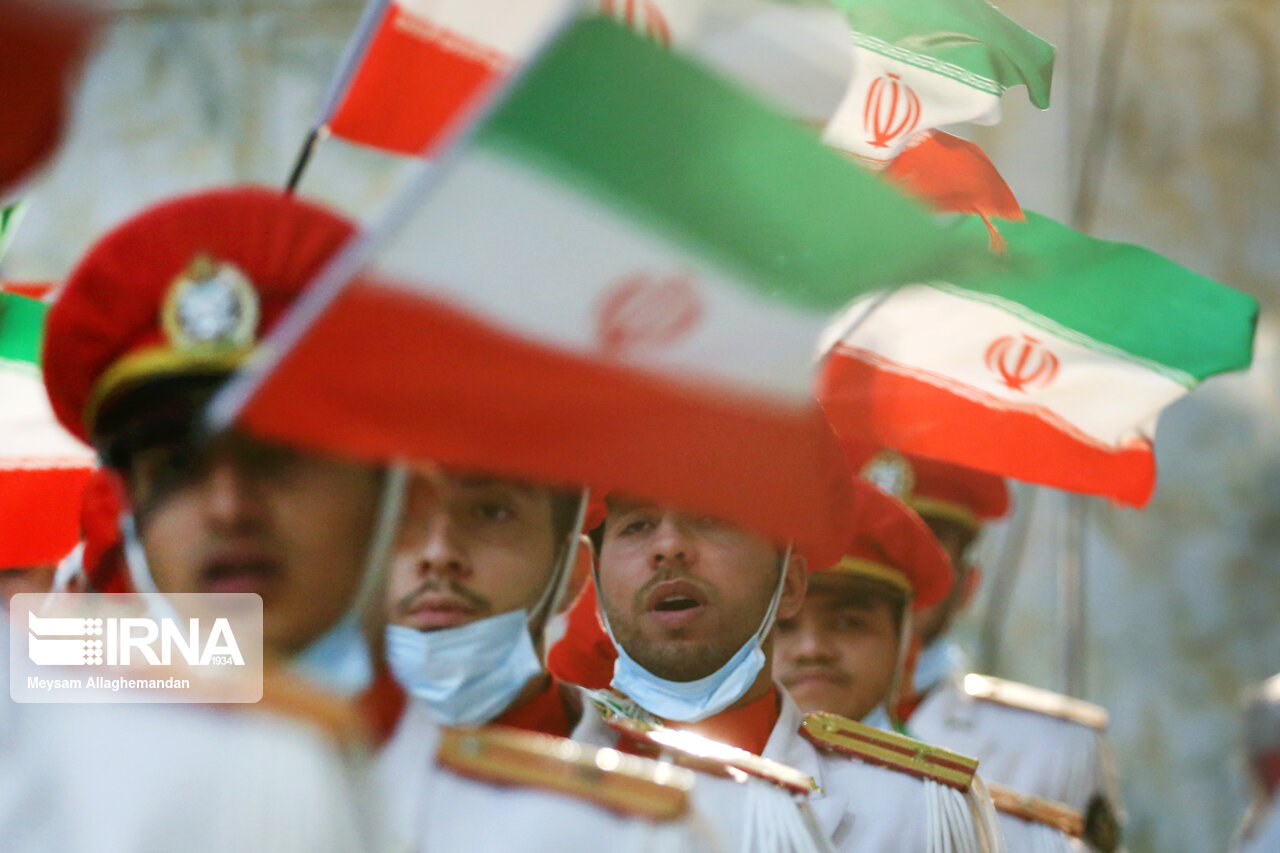
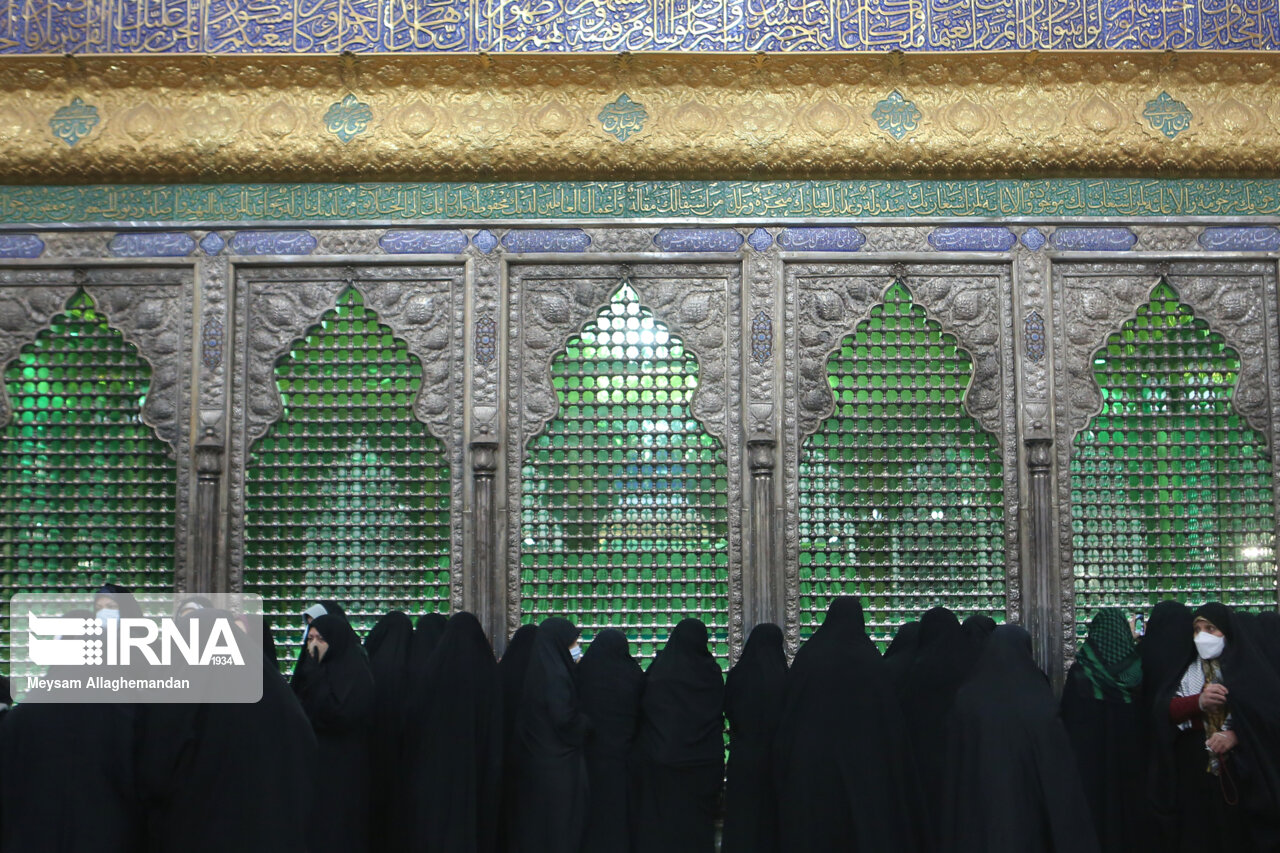
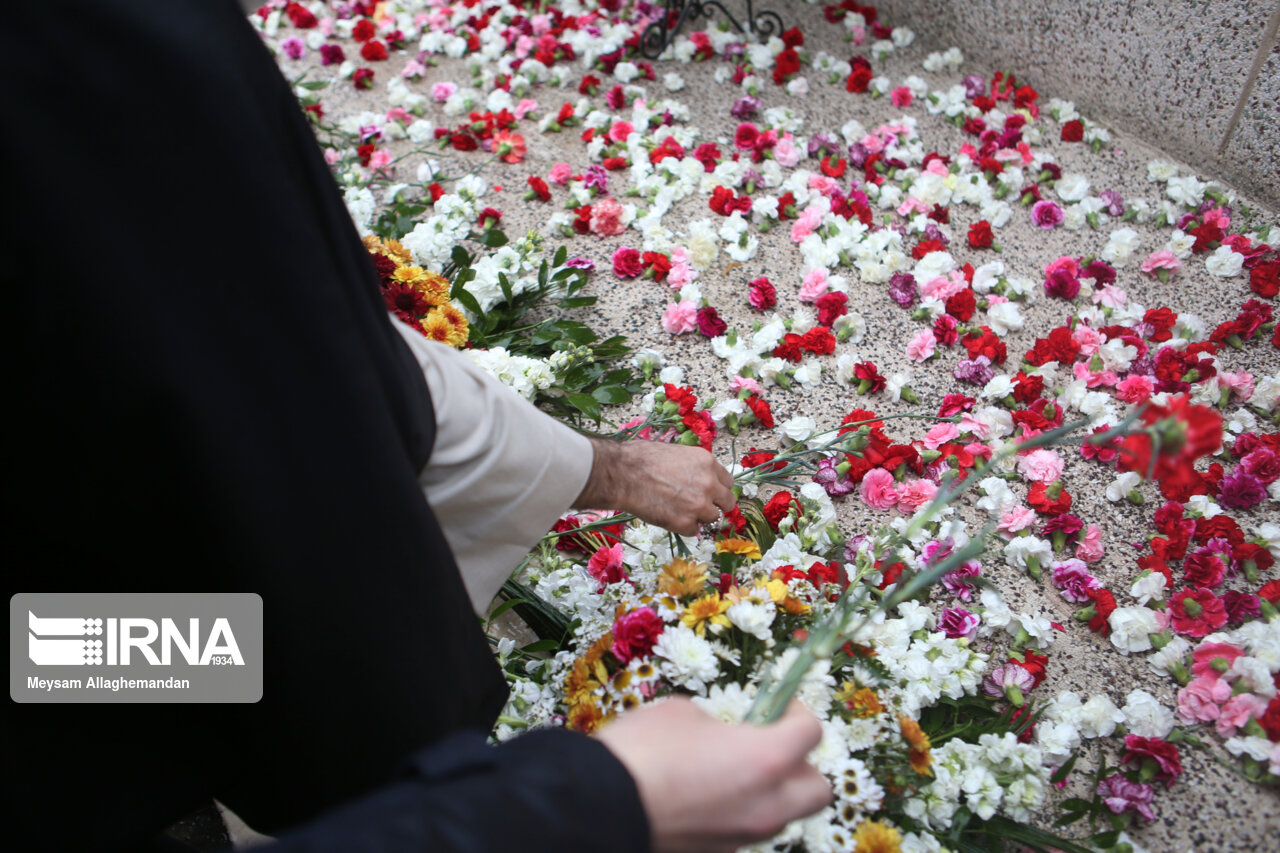
Ten-day Dawn special programs begin in shrine of Imam Khomeini

Hojjatoleslam Seyyed Mohammad Hassan Abu Turabi Fard Iranian politician and a former member of the parliament made a speech to the large group of the people and officials attending the ceremony.

Similar ceremonies were also held in the provincial capitals nationwide.

Iraq’s top cleric condoles passing of Ayatollah Saafi

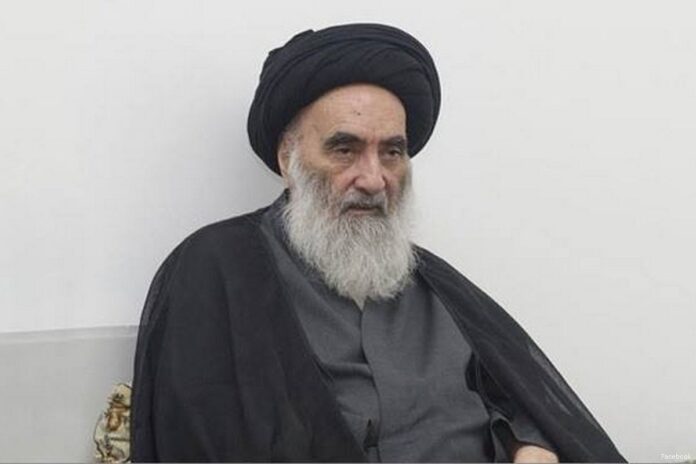
Ayatollah Sistani

Ayatollah Sistani issued a message of condolence following the demise of Ayatollah Saafi Golpaygani.

The full text of the message is as follows:

In the Name of God, the Most Compassionate, the Most Merciful

Verily we belong to Allah (SWT), and verily to God do we return

The news of the demise of the pious Scholar Ayatollah Sheikh Lotfollah Saafi Golpaygani caused great sorrow and regret.

The loss of that noble man who was one of the masters of the holy seminary of Qom and the virtues of this period and the exemplary servants of religion is a great loss.

I would like to express my deep condolences to the Holy Threshold of Hazrat Vali-e-Asr (A.J) and to the learned scholars, and to the honorable family members and other respected followers of that blessed deceased, and I pray to God Almighty to grant him high status; and for his survivors I request great patience and reward.

There is no power and no strength except with Allah.

Iran’s Basij Force opposes direct talks with US

“How many times should the wise Leader of the Revolution warn officials against baseless trust in the Americans?! Didn’t he say that raising the subject of negotiations with the United States is either foolish or treacherous?” Basij said in the letter.

It noted that the Leader of the Islamic Revolution Ayatollah Seyyed Ali Khamenei believes that negotiations with the United States are not the solution to the country’s problems and will not benefit the country no matter which Iranian diplomats negotiate with the U.S.
“The experience of the last eight years is before us,” the letter stated.

“Have you seen any positive action on the part of the Americans that you send a signal for negotiation?! Neither in action nor even in expression, have you noticed a change that you speak of negotiating with the killers of martyr Haj Qasem Soleimani ?!” the Basij Volunteer Force said in its letter.

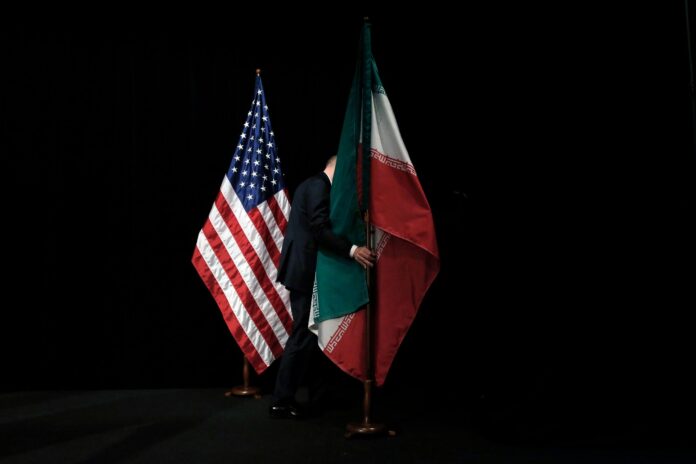
Recently, the top Iranian diplomat dismissed reports of direct talks between the United States and Iran in the Austrian capital where Tehran and the P4+1 are trying to find a way to revive the 2015 nuclear deal known as the Joint Comprehensive Plan of Action.

“However, if we get to a stage where reaching a good deal with strong guarantees necessitates direct talks with the U.S., we will consider it,” Amir Abdollahian added.

The two sides have held eight rounds of talks over the past year. Iran refuses to sit down directly with American diplomats, meaning negotiators from Britain, China, France, Germany and Russia must shuttle between Iranian and American diplomats.

Iran insists that America must remove all sanctions imposed on Tehran after former U.S. president Donald Trump unilaterally abandoned the deal in May 2018 in violation of American commitments. It also says Washington must provide guarantees that it will not leave the deal again.

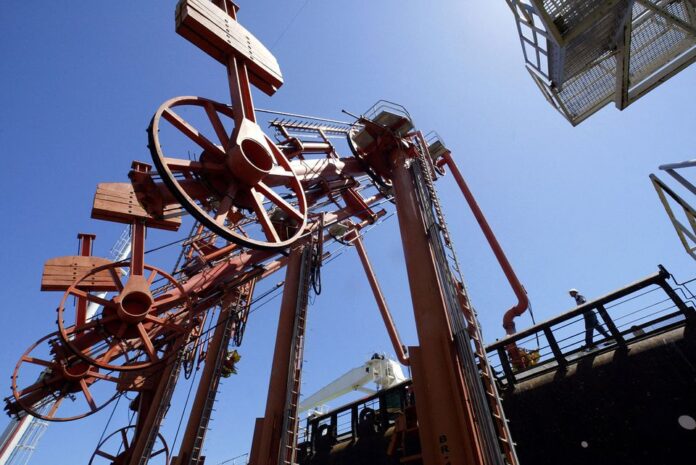
‘Iran oil supertanker discharging 2mln barrels in Venezuela’

PDVSA and state-run National Iranian Oil Company (NIOC) in the second half of last year started a swap deal to exchange Iranian condensate for PDVSA’s heavy crude. The pact has proven to be key for sustaining Venezuela’s oil output, which needs diluents including condensate for transportation and exports.

Last year, the two state companies that are under US sanctions exchanged some 4.82 million barrels of condensate for 5.55 million barrels of heavy crude, mostly transported in Iran-flagged vessels. Condensate is an extremely light oil.

The allies also have exchanged Iranian gasoline for Venezuelan jet fuel through an agreement that began in 2020 and has helped ease scarcity of motor fuels in the South America nation.

The Iranian-flagged very large crude carrier (VLCC) Starla, owned and managed by state-run National Iranian Tanker Company (NITC), arrived in Venezuelan waters on Friday, according to a PDVSA schedule of imports and exports seen by Reuters.

The vessel, which switch off its transponder in December before departing from Iran’s Tombak port, was assisted by tugboats on Monday on its approach to PDVSA’s Jose port, according to monitoring service TankerTrackers.com, which also confirmed its identity.

PDVSA and NIOC, the parent company of tanker company NITC, did not immediately reply to requests for comment.

As part of the swap’s terms, the delivery of condensate had been expected in December, but a lack of oil storage and bottlenecks at Jose created delays, PDVSA internal documents showed.

The lack of onshore storage capacity, which has forced PDVSA since last year to resort to floating storage, also recently led the company to resume exports of diluted crude oil, a blend of extraheavy oil and imported condensate, to Asia.