Saturday, April 25, 2026
Home Blog Page 208

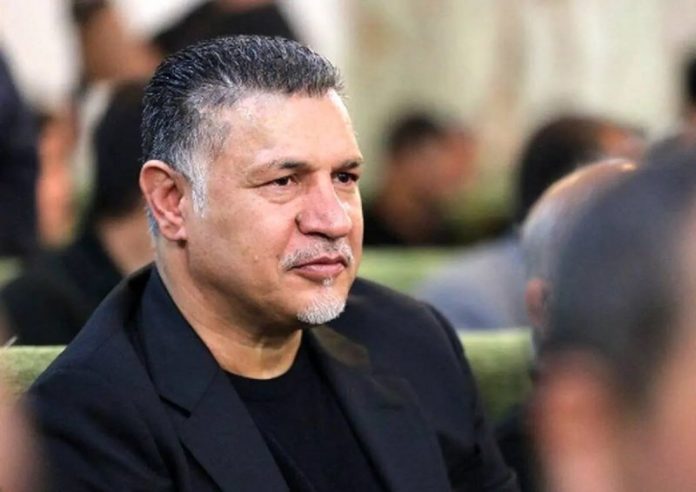
Ali Daei congratulates Tractor FC on historic league title, hopes for Asian glory

In a message shared on Instagram, Daei praised the team’s achievement and expressed hope for their future success in continental competitions.

“I congratulate the great and popular Tractor team on this championship,” Daei wrote.
“My congratulations go to the fans, Azarbaijani-speaking community, officials, professional coaching staff, and the players. May this be the beginning of greater victories in Asia. Long live Iran, long live Azarbaijan, long live Tractor.”

Tractor, managed by Dragan Skočić, secured the league title for the 2024-25 season with 68 points – finishing ahead of rivals Sepahan and Persepolis, which each ended the campaign on 60 points.

In the final match of the season, Tractor defeated Esteghlal Khuzestan 3-1 away from home, sealing their championship with a celebratory victory.

Ali Daei, a former national team captain and league champion with Saipa in the 2007-08 season, remains a respected voice in Iranian football. His tribute to Tractor’s triumph quickly gained attention among fans, especially those in the Azarbaijani-speaking regions.

The club now sets its sights on representing Iran in the AFC Champions League with aspirations of continental success.

Interior minister: Undocumented Afghan migrants taking jobs, burdening subsidy system

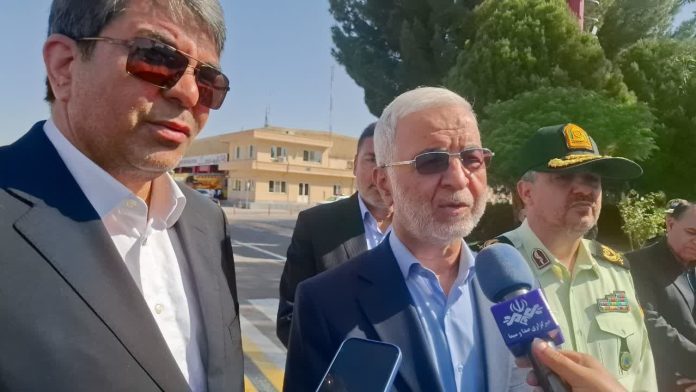
Speaking at the airport, Momeni said, “We have nearly two million undocumented foreign nationals in the country. These individuals are taking a significant number of employment opportunities and consuming substantial public subsidies.”

He emphasized that while Iran shares deep historical, cultural, and religious ties with its neighbors, it cannot host such a large number of migrants from those countries, mainly referring to Afghanistan.
“Our top priority is to facilitate their return so they can contribute to rebuilding their own countries,” he noted.

Momeni acknowledged that the concentration of undocumented migrants in Kerman is higher than the national average.

He outlined key objectives of his visit, which include reviewing security, migration, and economic issues in the province.

He also plans to inaugurate and launch several development projects during his stay.

For decades, Iran has been hosting millions of Afghans who have escaped war and poverty in their homeland in search of a better life. However, a vast majority of them are undocumented and cause a huge burden on Iran, which is already reeling from sanctions and resource shortages.

Mass gathering in Tehran marks first anniversary of President Raisi’s Death 

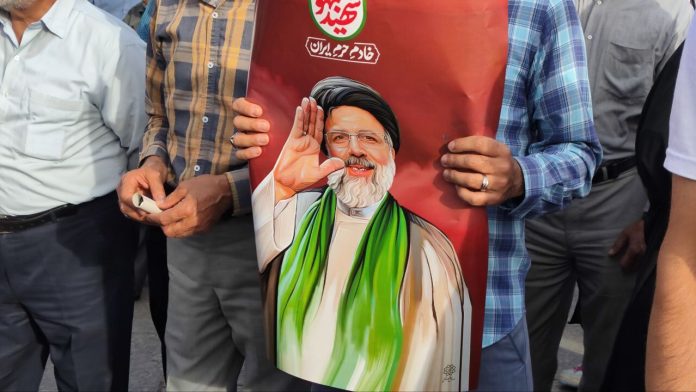
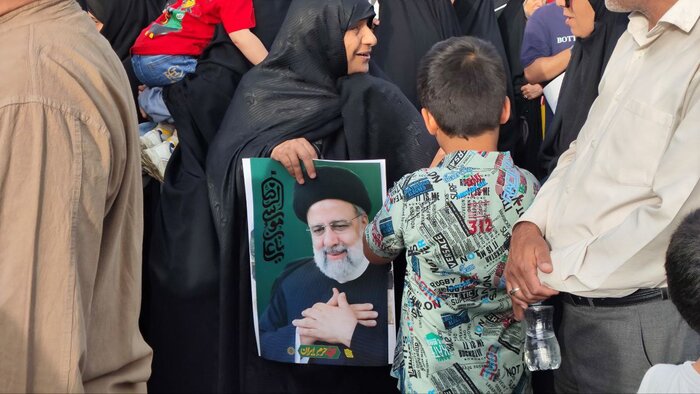
The ceremony, marked by a somber yet resolute atmosphere, featured the participation of senior officials including IRGC Quds Force Commander Esmaeil Qaani, former first vice president Mohammad Mokhber, and IRGC Tehran Police Chief General Abbasali Mohammadian. Attendees also included military and government figures, students, clerics, families of martyrs, and workers.

Iranian flags, portraits of President Raisi, and chants of devotion filled the air. Women in mourning attire, men in Basij uniforms, children wearing headbands, and disabled war veterans in wheelchairs painted a scene of national solidarity.

The event featured a short film highlighting President Raisi’s public service.

In his speech, IRGC Commander Hossein Salami praised Raisi as “a president shaped by the ideals of the Islamic Revolution.”

President Raeisi and Foreign Minister Hossein Amirabdollahian, along with several other officials, died on May 19 last year in a helicopter crash in the northwestern province of East Azarbaijan.

Mass gathering in Tehran marks first anniversary of President Raisi’s Death 

The helicopter crashed in a forest while returning from a ceremony to inaugurate a dam on the Aras River with the Republic of Azerbaijan’s President Ilham Aliyev.

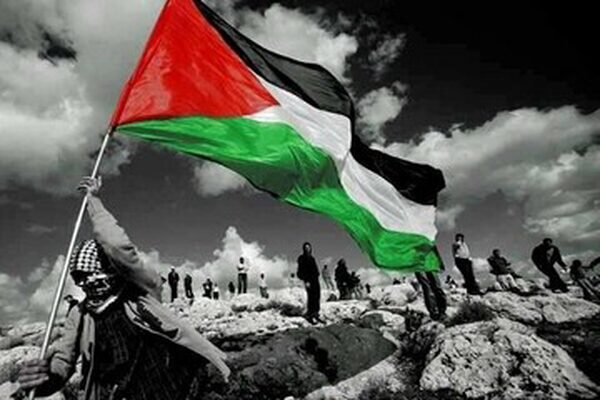
Iran reiterates support for Palestinian right to self-determinatio,  accountability for Zionist war crimes

On a statement, the Iranian Foreign Ministry said the establishment of the Zionist regime

seventy-seven years ago, marked the greatest humanitarian catastrophe of modern times in the historical land of Palestine and the onset of a colonial plan for the eradication of the Palestinian nation—a plan that continues unabated to this day.

It said, backed fully by the United States, the United Kingdom, and certain other European states, the Zionist regime has enjoyed complete impunity while committing the most heinous international crimes in the occupied territories.

Referring to the Zionist regime’s crimes in Gaza, the ministry pointed out that these heinous and inhumane acts indisputably embody all the legal elements of the gravest international crimes—war crimes, crimes against humanity, and genocide—as defined in the Convention on the Prevention and Punishment of the Crime of Genocide.

The ongoing genocide and savage slaughter of innocent women and children in Palestine reflects the abhorrent colonial and supremacist mindset of the occupiers, now actualized through unrestrained political and military support from their backers, says the

It also warned that the Zionist regime’s persistence in its campaign of genocide in Gaza, alongside its daily acts of murder and torture in the West Bank, stems from its confidence in the utter absence of will on the part of the United Nations and its Security Council—and other competent international institutions—to hold it to account.

The statement rietrates this is itself a direct consequence of the United States’ full-spectrum support, which has rendered it a culpable and complicit partner in Israel’s war crimes and genocide against the Palestinian people.

It said the legal and moral duty of the international community is to take action to halt the ongoing genocide, end the occupation, and prosecute and punish Zionist war criminals.

The Forein Ministry of the Islamic Republic of pointed out that resolving the eighty-year crisis of Palestinian occupation is contingent solely upon the termination of occupation and the establishment of an independent State of Palestine, through a referendum among the indigenous inhabitants of Palestine, and the realization of the right of return for Palestinian refugees to their ancestral homeland.

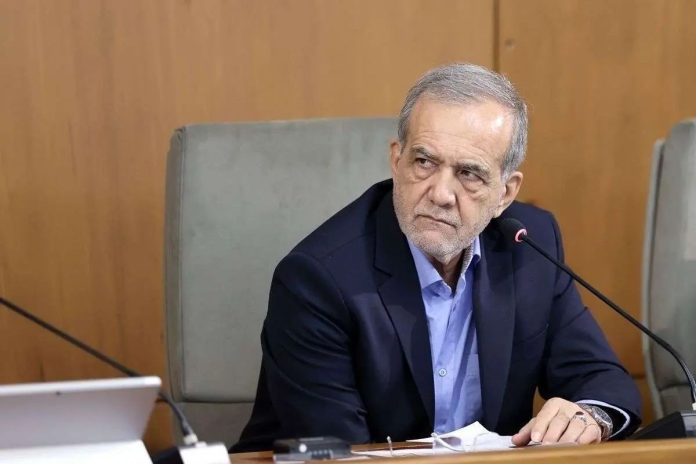
President Pezeshkian: Iran to negotiate with dignity, not under threat 

Speaking at a meeting with political and social activists in Kermanshah Province, Pezeshkian stated: “We will not retreat from our core beliefs. We are committed to negotiation and peace, but not if a gun is held to our head, not if we are threatened and forced to surrender to imposed demands. That is not acceptable.”

He underscored that any diplomatic engagement must preserve Iran’s dignity and sovereignty: “We will negotiate with strength and honor—never in humiliation. We will not compromise on our national pride, our values, or our principles. That is non-negotiable.”

Pezeshkian’s remarks come amid continued indirect talks with the United States, where Iran has reiterated its demand for realistic terms and the complete lifting of sanctions.

Trump’s announcement about Syria surprised US officials: Reuters

In Washington, senior officials at the State Department and Treasury Department scrambled to understand how to cancel the sanctions, many of which have been in place for decades, according to four U.S. officials familiar with the matter.

The White House had issued no memorandum or directive to State or Treasury sanctions officials to prepare for the unwinding and didn’t alert them that the president’s announcement was imminent, one senior U.S. official told Reuters.

The sudden removal of the sanctions appeared to be a classic Trump move – a sudden decision, a dramatic announcement and a shock not just for allies but also some of the very officials who implement the policy change.

After the announcement, officials were confused about exactly how the administration would unwind the layers of sanctions, which ones were being eased and when the White House wanted to begin the process.

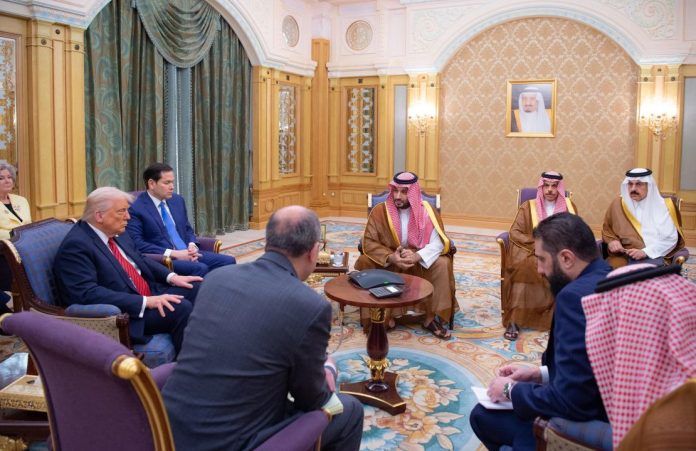
By the time Trump met interim Syrian President Ahmed al-Sharaa in Saudi Arabia on Wednesday, officials at State and Treasury were still unsure how to proceed, the senior official said.

“Everyone is trying to figure out how to implement it,” stated one U.S. official in reference to the president’s announcement.

Following the ouster of former President Bashar al-Assad late last year, officials from both State and Treasury had drafted memos and options papers to help guide the government on lifting Syria sanctions if and when the administration chose to do so.

But senior White House and national security officials, as well as some lawmakers on Capitol Hill, have for months debated whether to ease sanctions, given Sharaa’s former ties with al Qaeda. The Syrian leader severed ties with the group in 2016.

Before Trump’s trip to Saudi Arabia, there was no clear indication – at least to the officials inside State and Treasury working on sanctions – that the president had made a decision, the senior U.S. official added.

A White House official told Reuters that Turkey and Saudi Arabia had asked Trump to lift the sanctions and to meet with Sharaa. In his announcement, Trump said that he did so to give Syria a chance at a better future.

Trump’s decision may not have come completely out of the blue.

Senior Syrian officials were in Washington last month and lobbied hard to have all the sanctions removed, said Jonathan Schanzer, a former senior Treasury official who is now the executive director of the Foundation for Defense of Democracies, who met with Syrian officials during their visit.

Nevertheless, the easing of sanctions on Syria does not appear to be imminent.

A White House readout of Trump’s meeting with the Syrian leader said the president asked Syria to adhere to several conditions in exchange for sanctions relief, including telling all foreign terrorists to leave Syria, deporting “Palestinian terrorists,” and helping the U.S. prevent the resurgence of ISIS.

Removing sanctions is rarely straightforward, often requiring close coordination between multiple different agencies and Congress.

But it is particularly challenging in Syria’s case, given the layers of measures cutting it off from the international banking system and barring many international imports.

The U.S. first put the country on its state sponsor of terror list in 1979 and since then has added additional sets of sanctions, including several rounds following the country’s 2011 uprising against Assad.

Edward Fishman, a former U.S. official and the author of the book “Chokepoints,” said the unwinding of Syria sanctions, which were imposed under a mix of executive orders and statutes, could take months to ease. He added, however, that the Treasury Department has practice from sanctions relief provided to Iran as part of the nuclear deal in 2015.

Complicating the task are sanctions imposed under the “Caesar Syria Civilian Protection Act,” also known as the “Caesar Act,” which was passed in 2019 and extended late last year just after Syria’s government fell. The act imposed stiff sanctions not just on Assad’s government but also secondary sanctions on outside companies or governments that worked with it.

Overturning the bill would require congressional action, but it includes a provision allowing the president to suspend the sanctions for national security reasons. Trump could also issue a general license suspending some or all of the sanctions.

Fishman stated he would be surprised if every single sanction was lifted as part of Trump’s order, adding that some specific people or entities in Syria sanctioned for specific behavior-based reasons, such as support for a terrorist group, may not be removed from the sanctions list.

Environmental fallout from Shahid Rajaee port blast: 36,000 cubic meters of contaminated soil

That’s according to Shahram Fadakar, Director General of Marine and Coastal Ecosystem Protection at Iran’s Department of Environment.

He attributed the disaster to improper storage of flammable and explosive materials, citing failures in zoning, transport standards, and staff training.
The blast turned approximately 8,000 tons of tea and an equal quantity of rice into unusable waste due to heat and airborne particulates. Numerous shipping containers filled with meat, fish, chicken feet, and other perishables were also destroyed.

Fadakar emphasized that the affected area already suffered from pre-existing soil and water contamination. The explosion has worsened the situation, demanding immediate cleanup and remediation.

In response, multiple emergency meetings were held with the Hormozgan Governor and the Provincial Crisis Management Committee.

A special task force on environmental and public health impacts has been formed to address the aftermath.

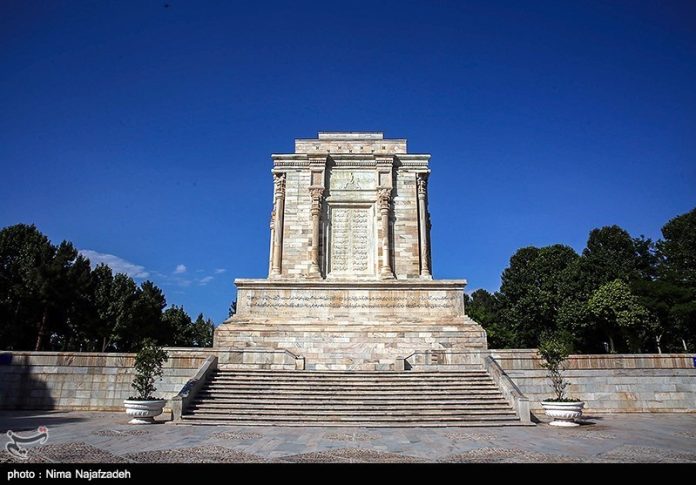
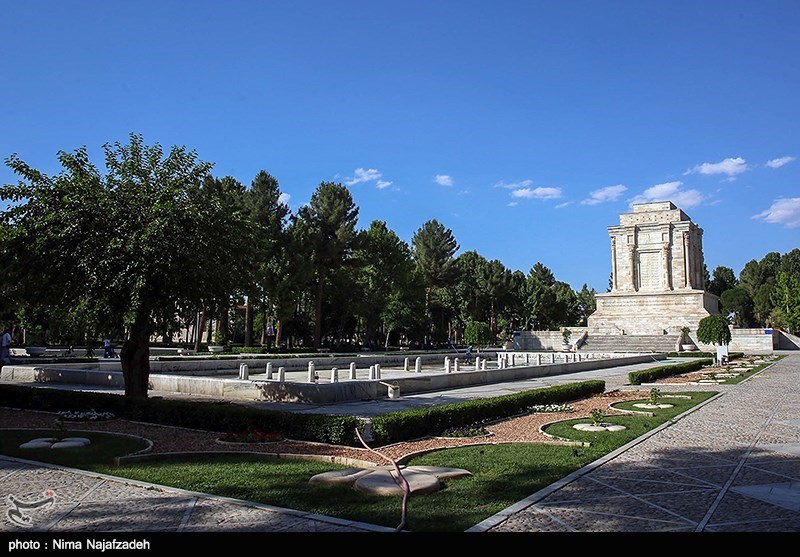
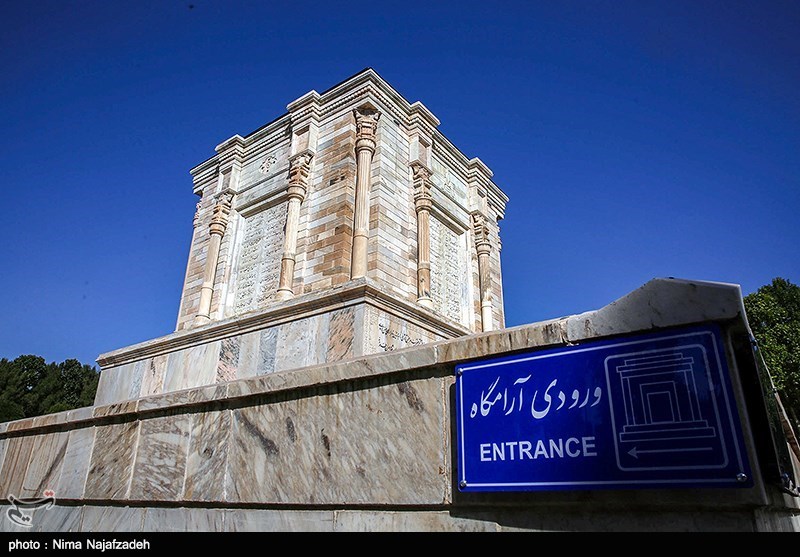
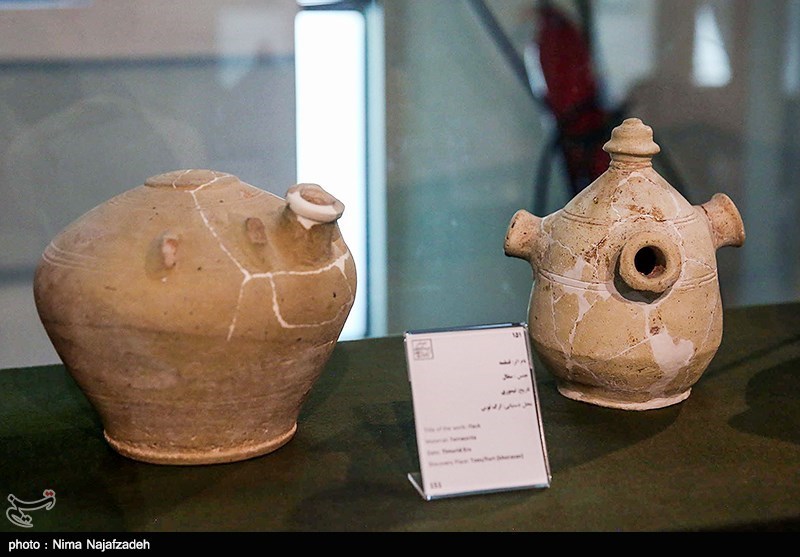
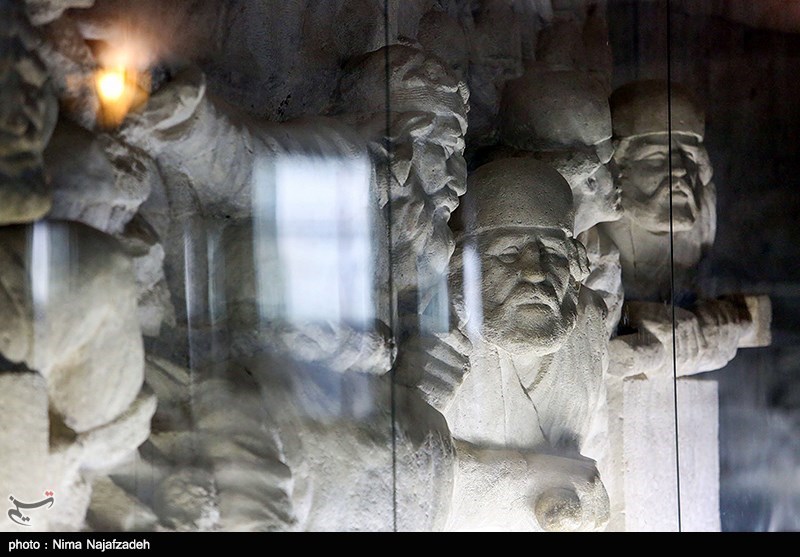
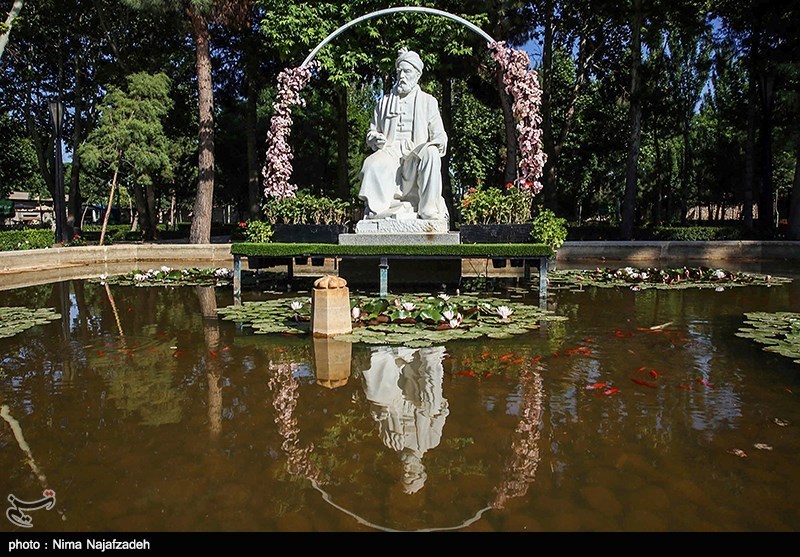
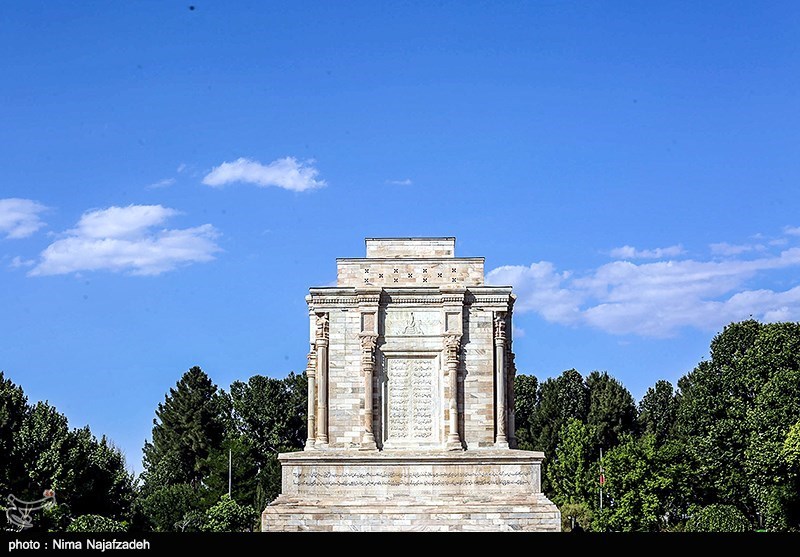
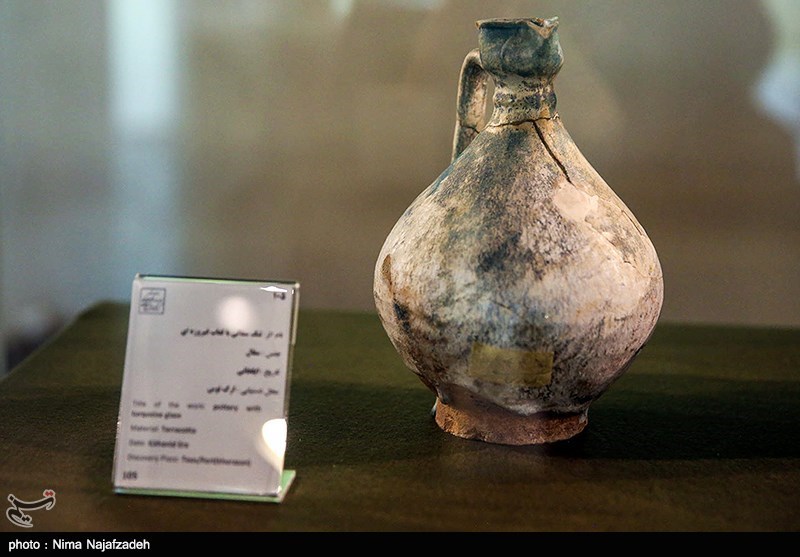
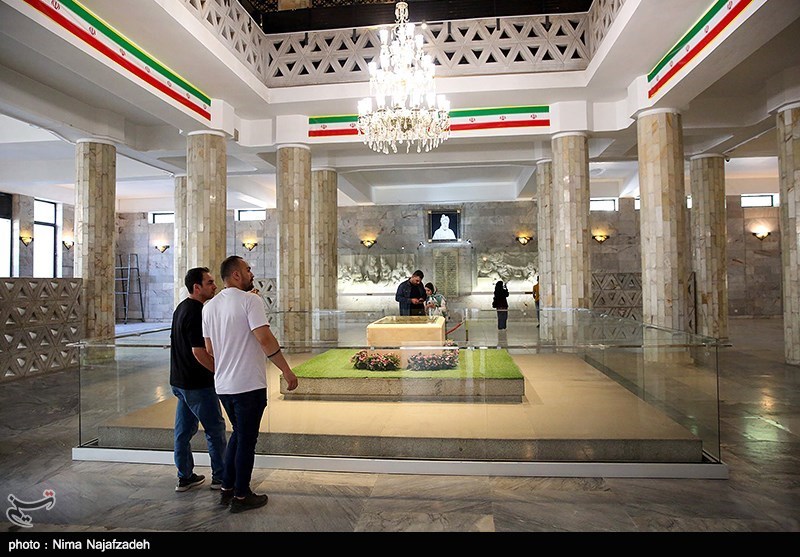
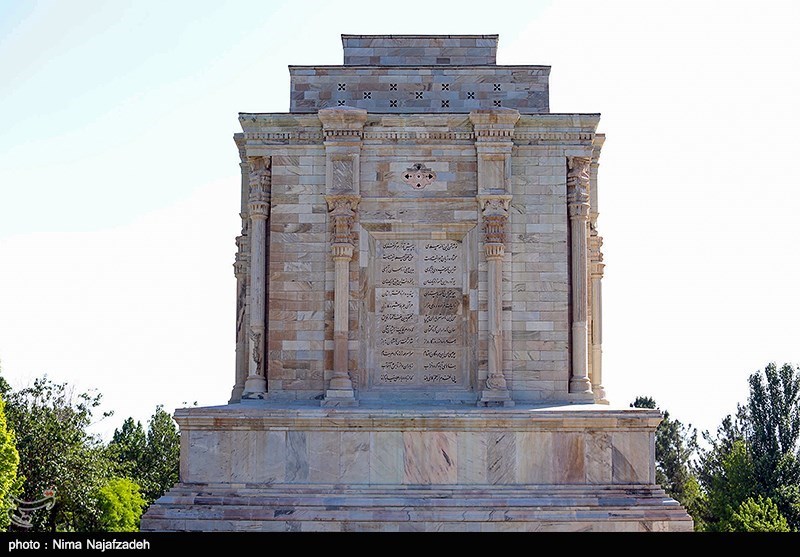
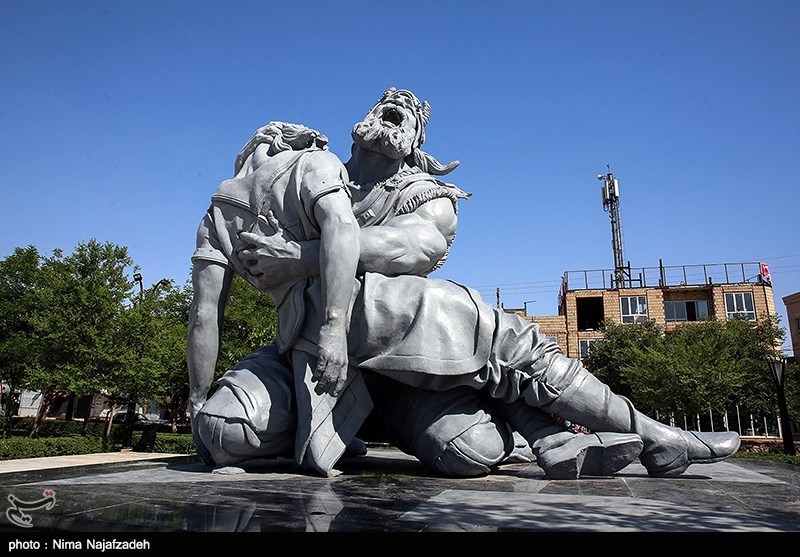
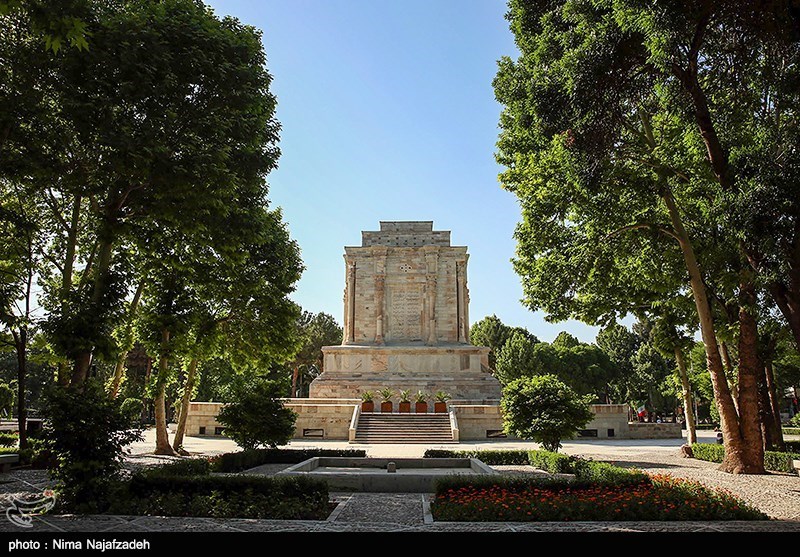
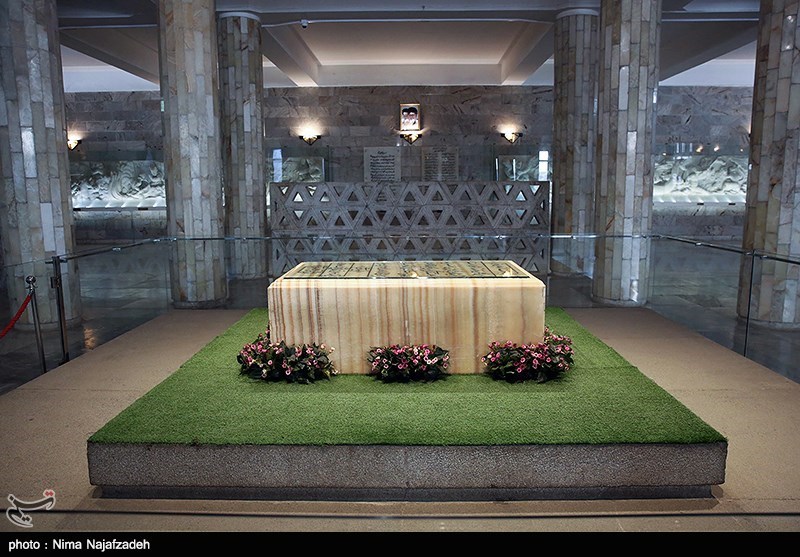
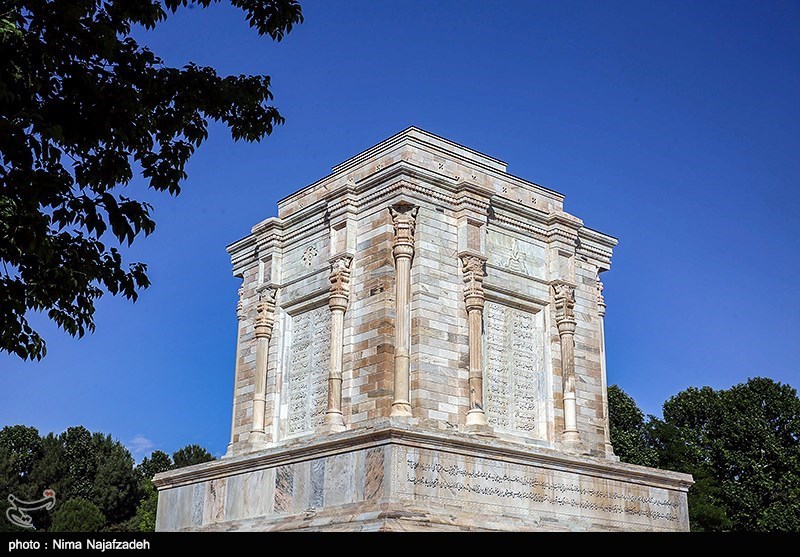
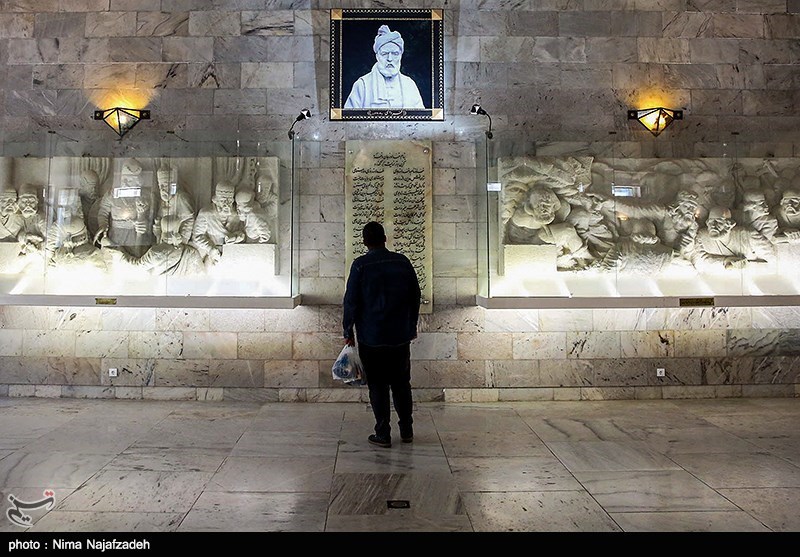
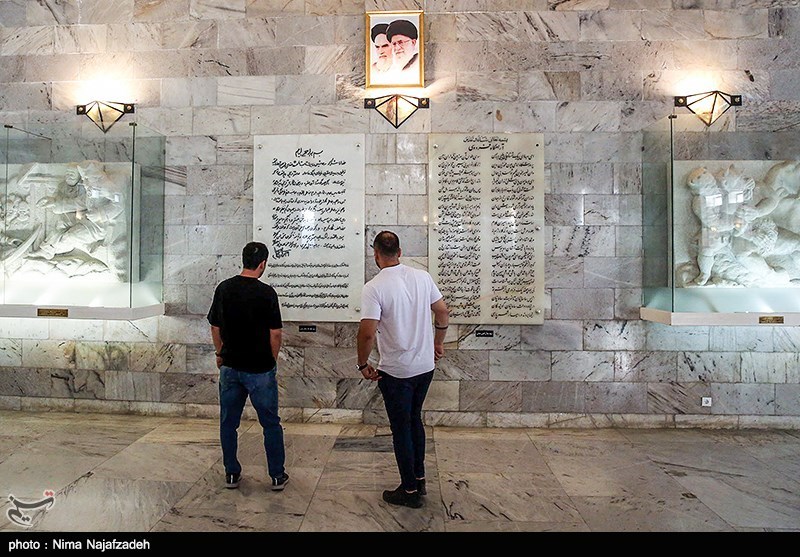
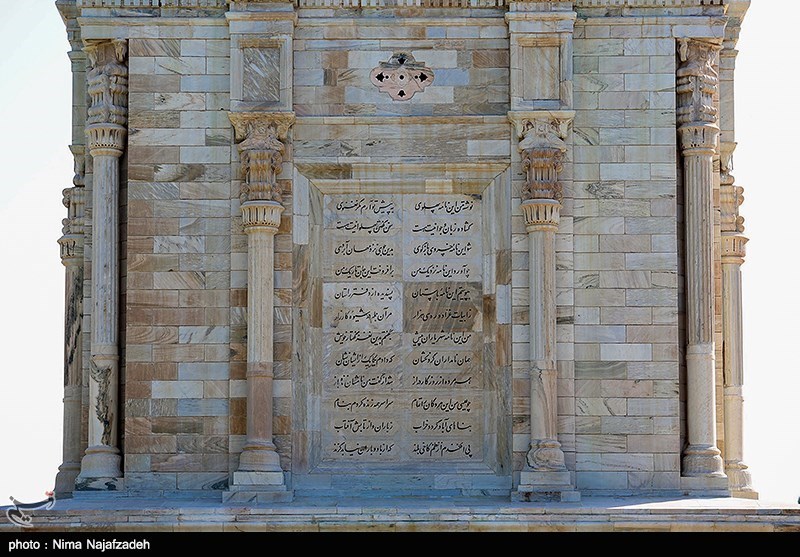
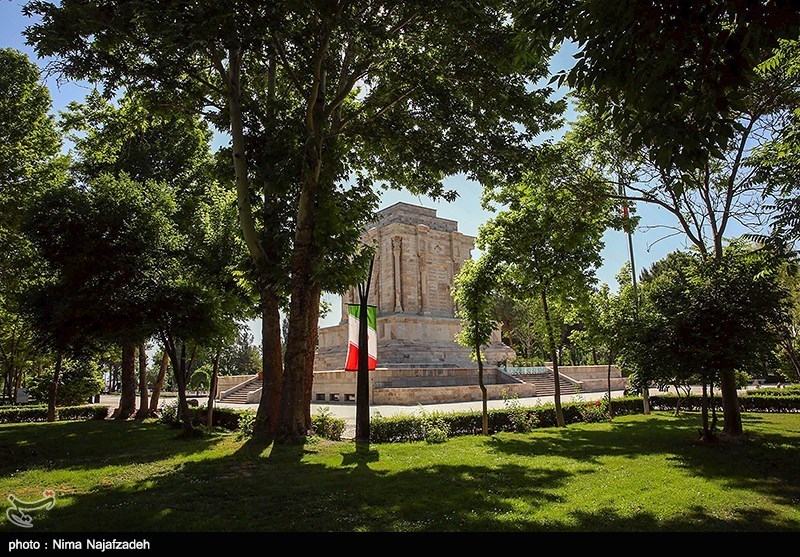
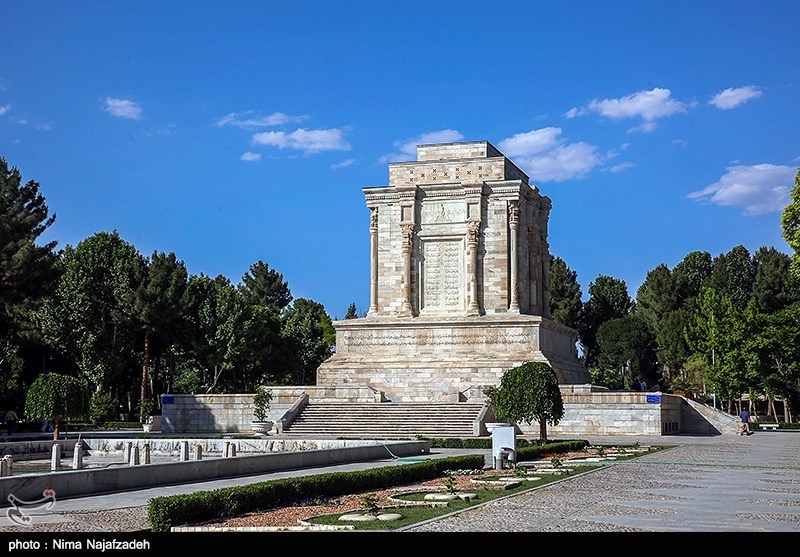
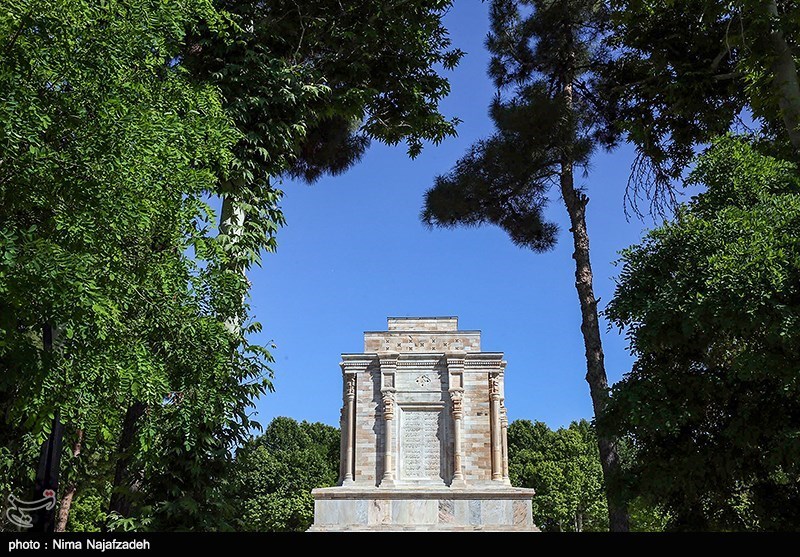
Iran marks Ferdowsi Day in honor of Persian literary giant

Born in 319 AH (circa 940 CE) in Tus, Ferdowsi dedicated over three decades of his life to composing the Shahnameh, preserving Iran’s pre-Islamic history, mythology, and cultural identity through poetic verse.

He passed away before 397 AH (circa 1010 CE).

May 15 (25 Ordibehesht in the Iranian calendar) is officially designated as Ferdowsi Day, a tribute to both the poet’s enduring legacy and the Persian language he helped protect and elevate.

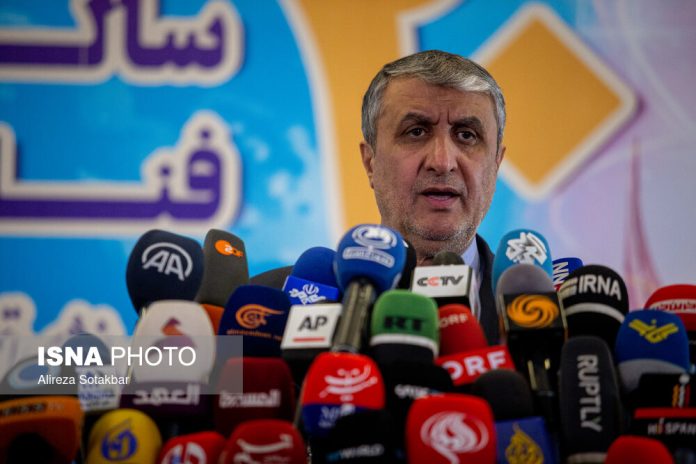
Iran atomic chief: Nuclear technology nation’s inherited right

Mohammad Eslami

Speaking at the closing ceremony of the 31st Iranian Nuclear Conference in northeastern Iranian city of Mashhad on Thursday, Eslami stated that over 25% of the International Atomic Energy Agency’s (IAEA) inspections in 2024 were conducted at Iranian facilities.
He insisted Iran has no undeclared nuclear activity and all operations are within the IAEA framework.

Eslami criticized global powers, particularly the US, for attempting to suppress Iran’s nuclear progress, referring to restrictive laws like the US Atomic Energy Act of 1954.
He stressed that Iran will continue cooperation and dialogue, but not under coercion.

“Iran’s nuclear industry is not borrowed or imported,” he said. “It cannot be dismantled through threats or diplomacy.”

Eslami also honored Iran’s “nuclear martyrs” and highlighted upcoming projects, including advancements in nuclear fusion research and the launch of a major radiopharmaceutical production center, which he described as a future global hub.

The nuclear chief reaffirmed Iran’s commitment to peaceful nuclear development and called for respect for the nation’s rights, stating, “The Iranian people have chosen dignity and progress.”

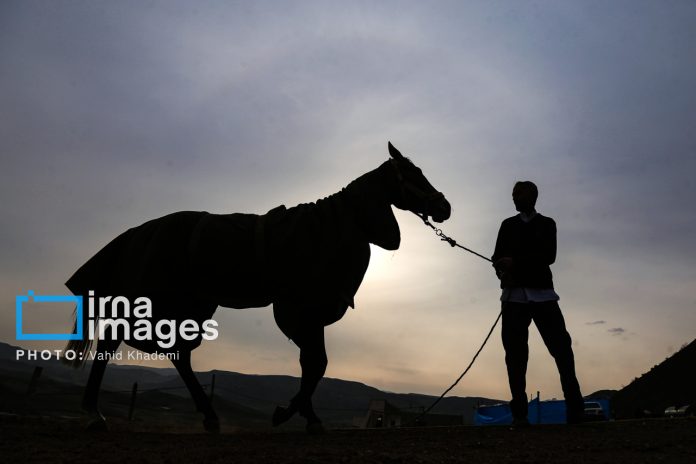
Video: Spring migration of horses begins in Gilan’s Deylaman Highlands

Iran Turkmen Horse

This traditional movement marks a vital part of the region’s rural and pastoral life.