Friday, December 26, 2025
Home Blog Page 2048

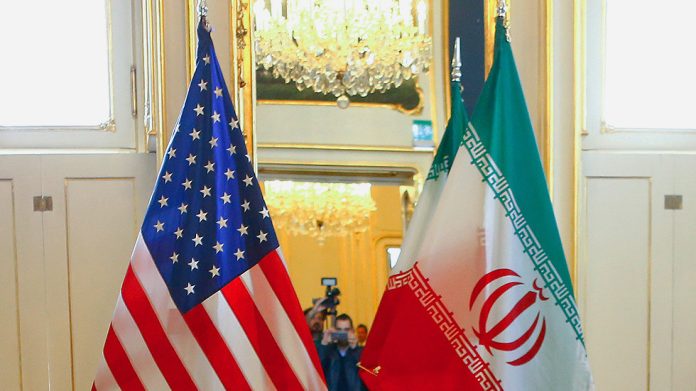
US says nuclear talks nearing conclusion

“Our assessment is that we are in the midst of the very final stages of, as I said before, a complex negotiation with the key stakeholders here,” State Department Spokesperson said Wednesday. 

He added, “This is really the decisive period during which we’ll be able to determine whether a mutual return to compliance with the JCPOA is in the offing or if it’s not.” 

“Again, we are sincere and steadfast in our efforts to test the proposition as to whether a return can be achieved. We continue to believe that a mutual return to compliance with the JCPOA is the best way to, once again, place permanent, verifiable limits on Iran’s nuclear program. But we’re in a decisive period because that window will very shortly have closed,” Price noted. 

Tehran has pushed back on the need to establish a fixed deadline for the nuclear negotiations to conclude. Iranian officials have rejected western diplomats’ remarks about a deadline for reaching an agreement in Vienna talks, and stressed Tehran is only after a good agreement. 

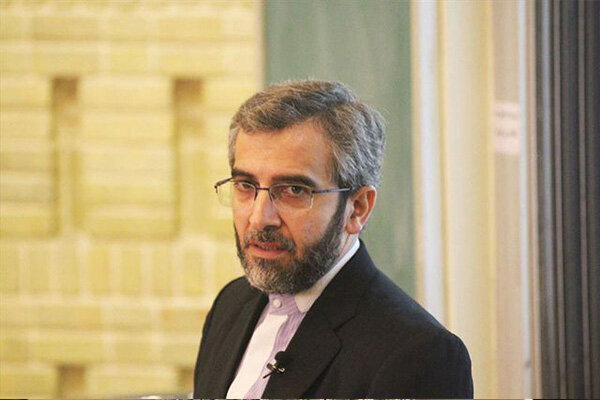
On Wednesday, Iran’s chief nuclear negotiator, Ali Bagheri Kani, stated that the parties in the Austrian capital are “closer than ever” to reaching a deal. 

Kani wrote on Twitter, “After weeks of intensive talks, we are closer than ever to an agreement; nothing is agreed until everything is agreed, though.” 

The Iranian diplomat also called on his negotiating counterparts in Vienna to avoid “intransigence” and learn from the past four years since former US President Donald Trump nixed the deal. 

“Time for their serious decisions,” he wrote. 

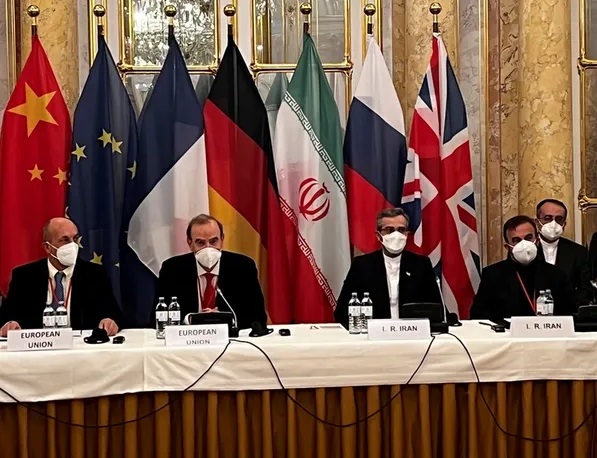
Intensive diplomatic talks continue in the Austrian capital of Vienna between Iran and the P4+1 group of countries to discuss all possible ways to salvage the 2015 nuclear deal by removing all sanctions imposed by Washington against Tehran. 

Western diplomats say they are now in the final phase of the talks and believe that a deal is within reach.

Iran top negotiator: Vienna talks closer than ever to agreement

“After weeks of intensive talks, we are closer than ever to an agreement; nothing is agreed until everything is agreed, though. Our negotiating partners need to be realistic, avoid intransigence, and heed lessons of past 4yrs. Time for their serious decisions,” Ali Bagheri Kani said in a tweet.

His tweet comes amid speculations and reports over the past days that the Vienna talks are headed toward an agreement with a report claiming 98 percent of the outstanding matters have already been resolved.

But some sources say Bagheri’s emphasis on the need for everything to be agreed upon before things are finalized show the importance of details and how they could upend an otherwise positive process.

Meanwhile, on Wednesday, an advisor to the Iranian team, Mohammad Marandi, said an agreement is possible within a few days if “certain outstanding issues” are resolved and that needs political decisions by the US and the European sides.

Russia’s negotiator in the talks also said “it is time to take final decisions” as China’s envoy said involved parties are now “one step away from” an agreement.

Bagheri is leading the eighth round of the Vienna talks with the P4+1, Russia, China, Britain, France and Germany. The discussions began on January 26 and built up on over a year of negotiations under Iran’s previous administration to get the deal back on track and remove anti-Iran sanctions. 

Iran has repeatedly stressed that lifting of the sanctions in a verifiable manner and guarantees that the United States will not unilaterally pull out of the nuclear deal, again, are required before any new agreement is reached.

US sends top officials to Saudi Arabia to press for more oil

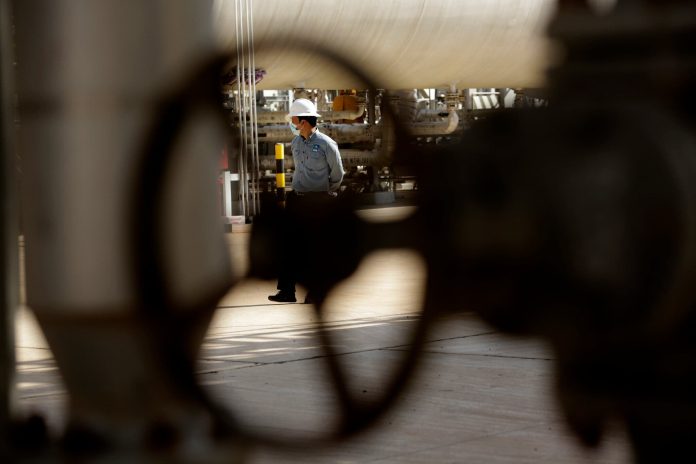
National Security Council Middle East coordinator Brett McGurk and the State Department’s energy envoy, Amos Hochstein, were in Riyadh on Wednesday, a senior US official confirmed to CNN, attempting to shore up the relationship more broadly but also to lobby Saudi officials to pump more crude oil and stabilize markets.

The Saudis have been resistant to any changes in production because of their commitments to OPEC+, a consortium of oil-producing countries that includes Russia, the official added.

The officials’ trip to Saudi Arabia follows a phone call between President Joe Biden and Saudi King Salman bin Abdulaziz Al-Saud last week, in which they discussed “ensuring the stability of global energy supplies,” according to a White House readout of the call.

Biden, in a speech on Tuesday, said that a Russian invasion of Ukraine was unlikely to be “painless” for Americans.

“There could be impact on our energy prices,” he continued, adding, “So, we are taking active steps to alleviate the pressure on our own energy markets to offset raising prices.”

US officials have continued to claim that a Russian invasion of Ukraine could happen at any moment, though Biden noted on Tuesday that he still sees a window for diplomacy.

Given the high risk of a Russian attack, the Biden administration has been making contingency plans for months to shore up Europe’s energy supplies should a Russian invasion of Ukraine create gas shortages and roil the global economy, CNN has previously reported.

“We’re coordinating with major energy consumers and producers,” Biden said on Tuesday, adding, “We’re prepared to deploy all the tools and authority at our disposal to provide relief at the gas pump. And I will work with Congress on additional measures to help protect consumers and address the impact of prices at the pump.”

War between Russia and Ukraine could significantly affect global energy markets. Russia is the second biggest oil producer in the world, behind only the United States. Russia also currently provides Europe with more than 40% of its natural gas supply, according to Eurostat, the European Union’s statistical office. A large amount of that supply goes through Ukraine, and those exports would likely be severely disrupted by a war and damage to critical energy infrastructure.

US officials have therefore been in regular discussions with a number of countries and companies in Europe, the Middle East, North Africa and Asia about stepping up production of liquefied natural gas to Europe if war breaks out and puts the continent’s energy supplies at risk, senior administration officials announced last month.

The discussions have been aimed at reassuring nervous European allies that heavy sanctions on Russia would not result in an outsized blowback on the European economy. European allies have also been particularly concerned about the potential for Russia to weaponize its gas exports to retaliate against Western sanctions.

Moscow has repeatedly denied it has any intention of invading its neighbor, while pointing the finger at NATO for escalating the situation and endangering the security in Europe.

France says nuclear talks reached ‘tipping point’

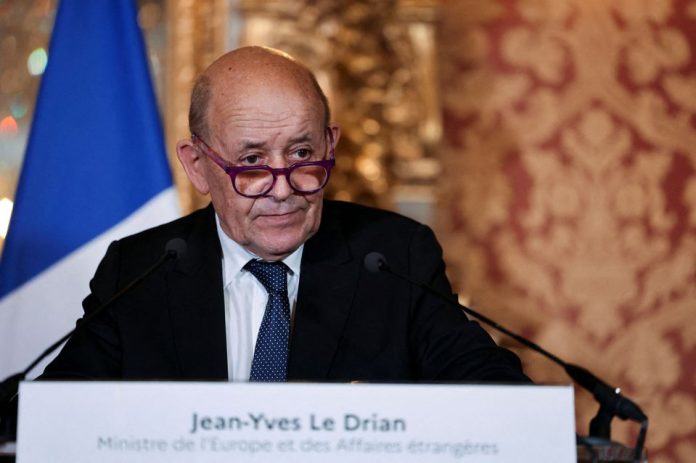
Jean-Yves Le Drian said on Wednesday that a decision on salvaging the 2015 agreement was just days away, but that it was now up to Iran to make the political choice.

“We have reached tipping point now. It’s not a matter of weeks, it’s a matter of days,” Le Drian told parliament, adding that the Western powers, Russia and China were in accord on the outlines of the accord.

Tehran has pushed back on the need to establish a fixed deadline for the nuclear negotiations to conclude. Iranian officials have rejected western diplomats’ remarks about a deadline for reaching an agreement in Vienna talks, and stressed Tehran is only after a good agreement.

“Political decisions are needed from the Iranians. Either they trigger a serious crisis in the coming days, or they accept the agreement which respects the interests of all parties,” he continued.

“We are coming to the moment of truth. If we want Iran to respect its (nuclear) non-proliferation commitments and in exchange for the United States to lift sanctions, there has to be something left to do it,” Le Drian said.

Iran says the ball is in the court of the United States over nuclear dispute, and Washington must remove the anti-Tehran sanctions.

Western diplomats say they are now in the final phase of the talks and believe that a deal is within reach.

China’s envoy to the talks has also stated Iran was being constructive by putting everything on the table in response to U.S. approaches.

“They have not only adopted this straightforward approach but also made a political decision based on give and take,” Wang Qun told Reuters on Wednesday.

Intensive diplomatic talks continue in the Austrian capital of Vienna between Iran and the P4+1 group of countries to discuss all possible ways to salvage the 2015 nuclear deal by removing all sanctions imposed by Washington against Tehran.

Iran’s Foreign Ministry Hossein Amir Abdolahian has stated it was “in a hurry” to strike a new deal as long as its national interests were protected and that restoring the pact required “political decisions by the West”. He added Iran’s initiatives have paved the ground for achieving an agreement in Vienna, but the Western parties to the negotiations need to choose “responsible behavior” in order for a final deal to take shape.

The secretary of Iran’s Supreme National Security Council says the U.S. and Europe have failed the test of fulfilling their commitments under the 2015 nuclear deal, officially known as the Joint Comprehensive Plan of Action, JCPOA.

Ali Shamkhan said in a tweet that the JCPOA is now an empty nutshell in terms of economic benefits and sanctions removal. He promised that Iran will not hold any negotiations with the “unfaithful” U.S. and Europe beyond the JCPOA.

China’s negotiator says one step away from final agreement in Vienna talks 

Iranian diplomats in Vienna with clear agenda for talks

Wang Qun said the parties are in the final stage of the talks, expressing hope that the final steps will come together.

The Chinese diplomat noted that all sides are intensively working on an agreement. Regarding the role of Iran in the negotiations, the Chinese diplomat said Tehran “has made great efforts constructively with a clear approach in the negotiations, which means that they have put everything on the table and presented their political decisions.”

The chief Chinese negotiator said the measures were taken alongside efforts by the US and Europeans.

The Chinese diplomat called the next two days “vital”, saying more urgency is needed and everyone around is engaged in serious negotiations.

Meanwhile, an informed non-Iranian source told IRNA on Wednesday that the number of members of the European troika’s negotiating delegations in the Vienna talks has increased significantly.

According to the source, France, Germany and Britain have had the highest increase in the number of their diplomats in the past one or two days, and are busy holding consecutive meetings in the venue of the negotiations all day long.

The Iranian delegation has also enlarged with representatives of the Central Bank and Oil Ministry as well as Iran’s deputy foreign minister for economic diplomacy and the representatives of its Atomic Energy Organization attending the talks.

Iran believes that the talks have now reached a point where their success or failure depends solely on the political decisions of the West.

Iranian officials visit Seoul, demand S Korea to unlock frozen assets

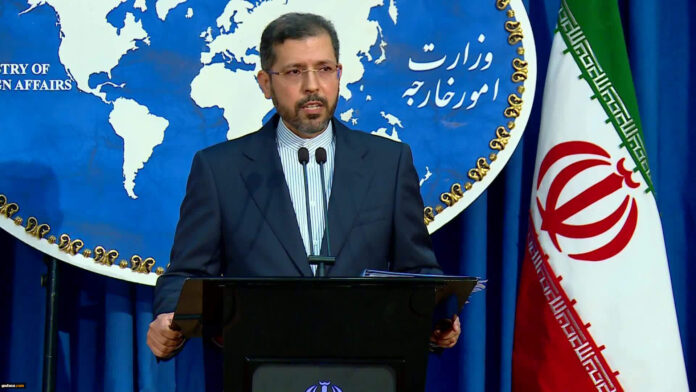
Khatibzadeh said the visit happened after the deputy foreign ministers of Iran and South Korea met in Vienna and it is in line with Iran’s policy to develop relations with Asian countries in a balanced way.

Khatibzadeh said the Iranian side used this opportunity to underline the need to lift the illegal freezing of Iran’s assets in South Korea. The Iranian Foreign Ministry spokesman noted that the results of the meeting could serve as a test of South Korea’s seriousness and determination to resolve the two countries’ differences and restore relations to normal, including by selling oil and gas condensate to South Korea and pave the way for South Korean companies’ investment in Iran’s economic projects.

Khatibzadeh stressed that due to this reason, the Islamic Republic of Iran will carefully follow the results of these negotiations and will take those results into account while regulating relations between Tehran and Seoul.

Some $7 billion dollars in Iranian assets are frozen in two South Korean banks and Seoul blames this on US sanctions.

Iranian president to visit Qatar to attend GECF meeting

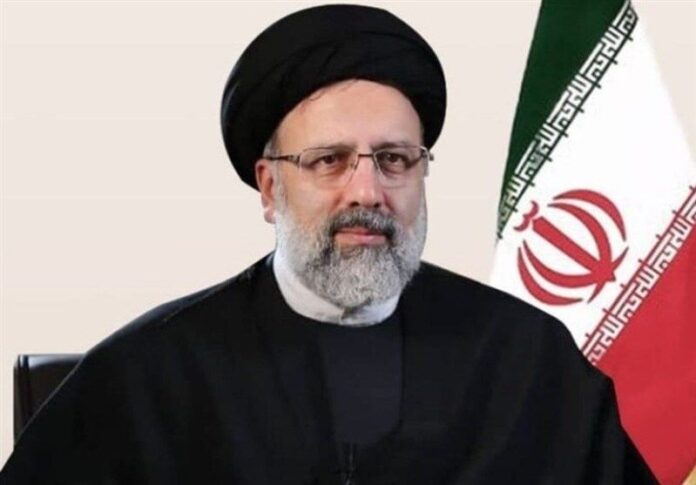
Iranian President Seyyed Ebrahim Raisi

Dehghani said on his personal twitter page that Raisi and his entourage will attend the summit of the Gas Exporting Countries Forum during the visit to Doha next week.

He added that the president will also hold separate bilateral meetings.

Members of the GECF control 44% of world gas production, 60% of world gas reserves, 64% of pipeline gas transmission and 66% of liquefied natural gas (LNG) trade.

Algeria, Bolivia, Egypt, Equatorial Guinea, Iran, Libya, Nigeria, Qatar, Russia, Trinidad and Tobago, Venezuela are the main GECF members, and the Netherlands, Norway, Iraq, Oman, Peru, the Republic of Azerbaijan and the UAE are observer members.

GECF was established on December 23, 2008 by Iran, Russia, Qatar, and a number of other gas exporting countries.

The secretary general of the GECF is from Russia and its secretariat is based in Doha, Qatar.

The proposal to establish the GECF, known as the gas OPEC, was first made by Iran’s leader on February 1, 2007 during a meeting with Igor Ivanov, then secretary of Russia’s Security Council.

Erdogan: Israeli president visit to benefit bilateral ties

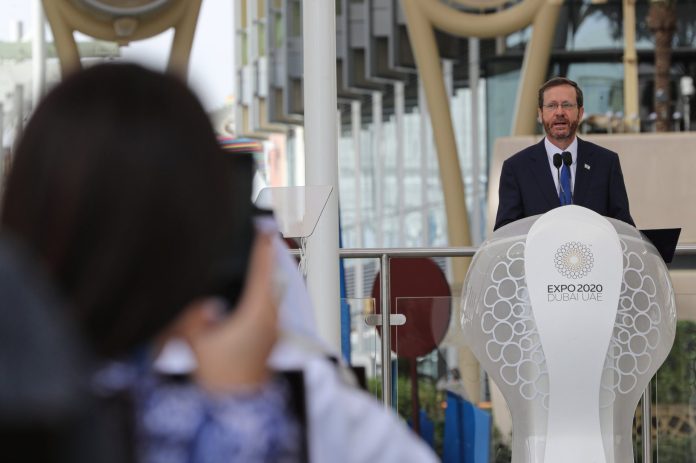
Herzog is expected to be in Turkey in early March in a rare trip following years of frayed ties between the two countries.

Meanwhile, a senior official delegation from Turkey is visiting Israel as part of preparations for the president’s visit.

Presidential Spokesperson Ibrahim Kalın and Deputy Foreign Minister Sedat Önal travel to Israel and Palestine on Feb. 16-17.

The two officials will meet with Palestinian President Mahmoud Abbas and Israeli officials to discuss the visit of Herzog to Turkey.

The visit to Ramallah comes as Turkey is on a path toward normalizing ties with Israel and after Ankara had stated it may mediate between Israel and Palestine.

Relations between Turkey and Israel hit a low in 2010 following an Israeli naval raid on a Turkish aid ship, the Mavi Marmara, en route to deliver humanitarian aid to the blockaded Gaza Strip. The raid killed 10 activists.

The event caused an unprecedented crisis in Turkish-Israeli relations that had been peaceful for decades. Both countries even recalled their diplomatic envoys following the incident.

In 2013, with Israeli Prime Minister Benjamin Netanyahu’s apology to Turkey and the payment of $20 million (about TL 38 million at the time) in compensation to the Mavi Marmara victims, Turkish-Israeli relations entered a period of normalization.

In December 2016, both countries reappointed ambassadors as part of the reconciliation deal and reiterated several times the necessity to further improve bilateral relations.

The two countries once again expelled their ambassadors in 2018 after another bitter falling-out and relations since remained tense. In recent months, however, the two countries have been working on a rapprochement.

In recent months, however, the two countries have been working on a rapprochement, with Erdoğan, a vocal supporter of the Palestinian cause, holding telephone talks with his Israeli counterpart and other Israeli leaders.

The president had thanked Herzog for calling him to wish him a speedy recovery after testing positive for COVID-19.

Erdoğan said last month that Herzog’s visit could open a new chapter in relations between Turkey and Israel and that he was “ready to take steps in Israel’s direction in all areas, including natural gas.”

Mentioning that a fresh dialogue has started with the new government in Israel, Foreign Minister Mevlüt Çavuşoğlu also last week stated that the new Israeli foreign minister, who is also the head of the party with the most seats in the Parliament, said that he believes in a two-state solution.

Kalın also recently said there was a “positive approach” from Israel since the formation of their new government, while Prime Minister Naftali Bennett told reporters “things are happening very slowly and gradually” when asked about the possible visit to Turkey.

Despite the recent rapprochement, Turkish officials continue to criticize Israel’s policies targeting Palestinians, including the illegal settlements in the occupied West Bank and East Jerusalem, and the humanitarian situation in Gaza.

Known for its unbreakable solidarity with the Palestinians, Turkey has been voicing support for the Palestinian cause in the international realm for decades. Turkish authorities emphasize that the only way to achieve lasting peace and stability in the Middle East is through a fair and comprehensive solution to the Palestinian issue within the framework of international law and United Nations resolutions.

Turkey has frequently underlined that normalization with Israel will not be at the cost of Palestine.

Most recently, Çavuşoğlu said Turkey normalizing relations with Israel would not mean a change in Ankara’s Palestine policy.

Speaking to public broadcaster TRT Haber, Çavuşoğlu drew attention to comments he made earlier that Turkey will not turn its back on its commitment to a Palestinian state in order to broker closer ties with Israel.

“Normalizing our relations with Israel does not mean giving up on fundamental issues such as the Jerusalem cause and the Palestinian cause,” Çavuşoğlu said.

“We will not normalize our relations at the expense of the Palestinian cause. Israel knows this very well. Can we now say ‘yes’ to the occupation and destruction of Palestinian homes there? No, our policy on this issue is very clear. As a country that has contact with both sides on the path to a two-state solution, we can contribute as we did in the past,” he added

“Any step we take with Israel regarding our relations, any normalization, will not be at the expense of the Palestinian cause, like some other countries,” Çavuşoğlu told reporters in Ankara, referring to the rapprochement between Israel and some Persian Gulf countries that has angered Turkey.

Persian Gulf states that have established ties with Israel have sought to reassure Palestinians that their countries are not abandoning the quest for statehood, despite Palestinian leaders having decried the deals as a betrayal of their cause.

Turkey is also engaged in an effort to mend its frayed ties with regional powers, including Egypt and Saudi Arabia. Erdoğan had reiterated that Turkey hopes to maximize its cooperation with Egypt and Persian Gulf nations “on a win-win basis,” at a time when Ankara intensified diplomacy to mend its fraught ties with Cairo and some Persian Gulf Arab nations after years of tensions.

Hezbollah chief says movement making drones, rockets on its own

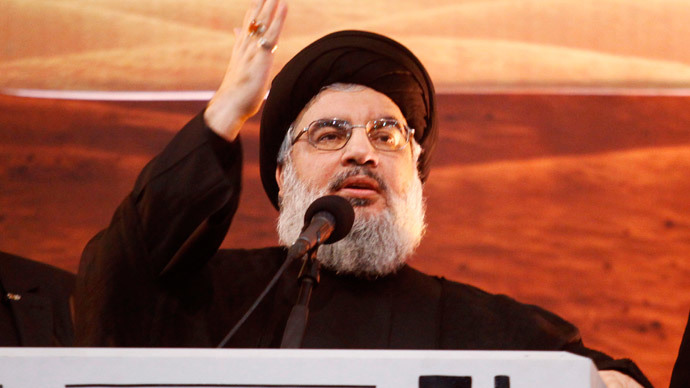
Nasrallah stated in a televised speech on Wednesday that Hezbollah has developed the capability to make rockets and drones on its own.

“We have started manufacturing drones,” he noted, addressing the Israeli regime’s rulers.

“We have been producing drones in Lebanon for a long time and whoever wants to buy them, submit an order,” he added.

Pointing to Israeli threats, the Hezbollah chief said the enemies only threaten others with war but they know it will be very difficult and costly for them. He added Hezbollah is capable of upgrading the quality of its rockets to fend off Israeli threats.

“We have the ability to convert our rockets into precision missiles and we started that years ago,” he said, adding that Hezbollah possesses thousands of rockets that the enemies are unable to locate.

“I tell the Israelis that their ‘war between the wars’ has turned the threat into an opportunity for the resistance,” he stated.

Nasrallah pointed out that in a few months Hezbollah will be 40 years old, stressing the blood of the martyrs has baptized and strengthened the path of resistance.

He made the remarks in a ceremony on the martyrdom anniversary of resistance leaders Sheikh Ragheb Harb, Sayyed Abbas al-Mousawi and Imad Mughniyeh.

Sheikh Ragheb Harb was assassinated by an Israeli agent on February 16, 1984; late Hezbollah Secretary General Sayyed Abbas al-Mousawi was martyred in an Israeli airstrike targeting his convoy on February 16, 1992; and the resistance movement’s top military commander Imad Moghniyeh was martyred in a car bomb attack carried out by Israeli Mossad agents on February 12, 2008.

Nasrallah said the motto of this year’s ceremony is “Decision 1982.”

He added Lebanon faced a threat of occupation by Israel in 1982, noting that resistance has been the force that protected the identity of Lebanon in face of Israeli threats.

“In 1982, Lebanon was facing a huge threat and on the brink of falling victim to Israeli hegemony. Resistance factions, including Hezbollah, were the ones who protected Lebanon’s identity. The resistance defended this identity with blood,” he stated.

According to the Hezbollah leader, the ideology of resistance in the region began long before the founding of Hezbollah.

Resistance leaders have refused to surrender to the Israeli regime or accept its occupation, Nasrallah continued.

He then denounced the Muslim countries that normalized their relations with Israel, describing the latter as a “temporary regime” which is moving towards its collapse.

“Some in Lebanon and the region imagine that the future is linked to Israel and that’s why they are resorting to normalization with it,” he added.

Nasrallah also said the resistance movement has been gaining victories against the Israeli regime since 1985, adding, “We are facing Israel as an entity that has been weakened and is going downward.”

The resistance is confronting the enemy’s ambitions, protecting Lebanon and supporting Palestine, he said.

Pledging to follow in the footsteps of the martyrs of resistance, the Hezbollah chief noted resistance will keep its vow despite all conspiracies and lobbying.

He pointed out that Israel is the only regime today that has been described as “apartheid,” saying the regime’s officials have confessed that they face a struggle to lengthen the entity’s life.

“The resistance factions in the region, including Hezbollah, believe that the Zionist entity is a fugitive entity that’s falling back,” he added.

He stated there is a lack of confidence in the Israeli army and among its generals.

Nasrallah, however, clarified that he was not underestimating Israel’s power. Yet he reiterated that Israel “is in decline.”

“We encourage the Israelis to leave Palestine and we’re ready to pay for their travel tickets,” he asserted.

He promised the Israeli forces with a second Ansariyeh operation if they try to conduct an attack against Hezbollah’s precision missiles project in Lebanon.

He further elaborated on the resistance movement’s role in Lebanon, saying it only exists to defend and protect Lebanon.

“We insist on strengthening and equipping the army and we also insist that the assistance should not come from a single side,” he stated.

Elsewhere in his remarks, Nasrallah said Iran has always openly supported resistance in Lebanon.

He also underlined the importance of holding Lebanon’s elections on time, saying Hezbollah will definitely participate in the polls.

“Those who are accusing us of delaying the Lebanese parliamentary elections seem to be the ones who really want this delay,” he added.

Poll: Over 30% of Americans want binding nuclear deal with Iran

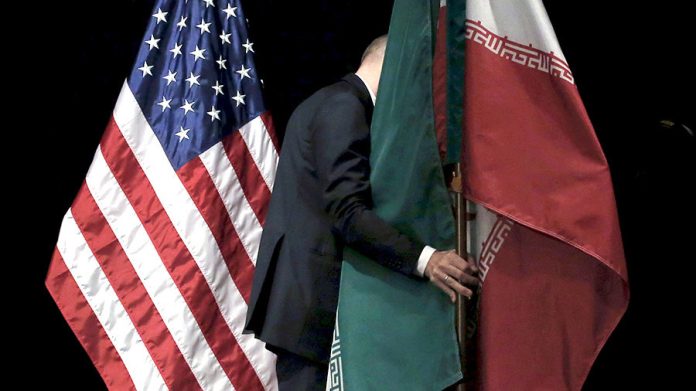
Thirty-six percent of voters want a binding deal and 18% favor a nonbinding accord, while 20% don’t want any deal with Tehran.

Democrats are more inclined to support a binding deal with the Islamic republic (49%) than Republicans (24%). Supporters of former President Donald Trump’s party (35%) are almost six times more likely to oppose any deal with Iran than Democrats (6%).

The majority of US voters favor the 2015 deal with 53% showing support for it and only 24% opposing it, the findings also revealed.

The Joint Comprehensive Plan of Action was concluded by China, Germany, France, Russia, the United Kingdom, and the United States, and Iran, as well as the European Union, in 2015, and provided for the easing of sanctions in exchange for Iran limiting its nuclear program. In 2018, Trump unilaterally withdrew from the JCPOA and reinstated sanctions against Tehran.

After taking office in January 2021, President Joe Biden said he was seeking to revive the deal and renew US commitments under the JCPOA.

The negotiations were launched in Vienna in April.

Earlier on Wednesday, Iranian Foreign Minister Hossein Amir Abdollahian stated that Tehran wants the West, including the United States, to reaffirm, at least in form of political statement, their commitment to the JCPOA, adding that there is no trust in verbal statements.